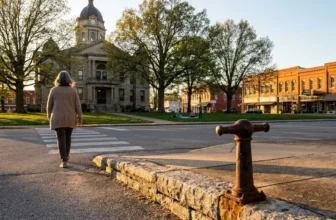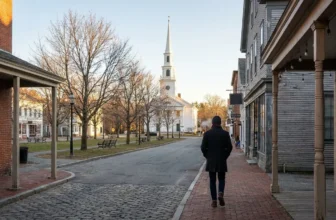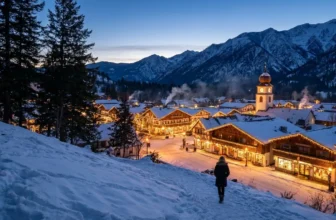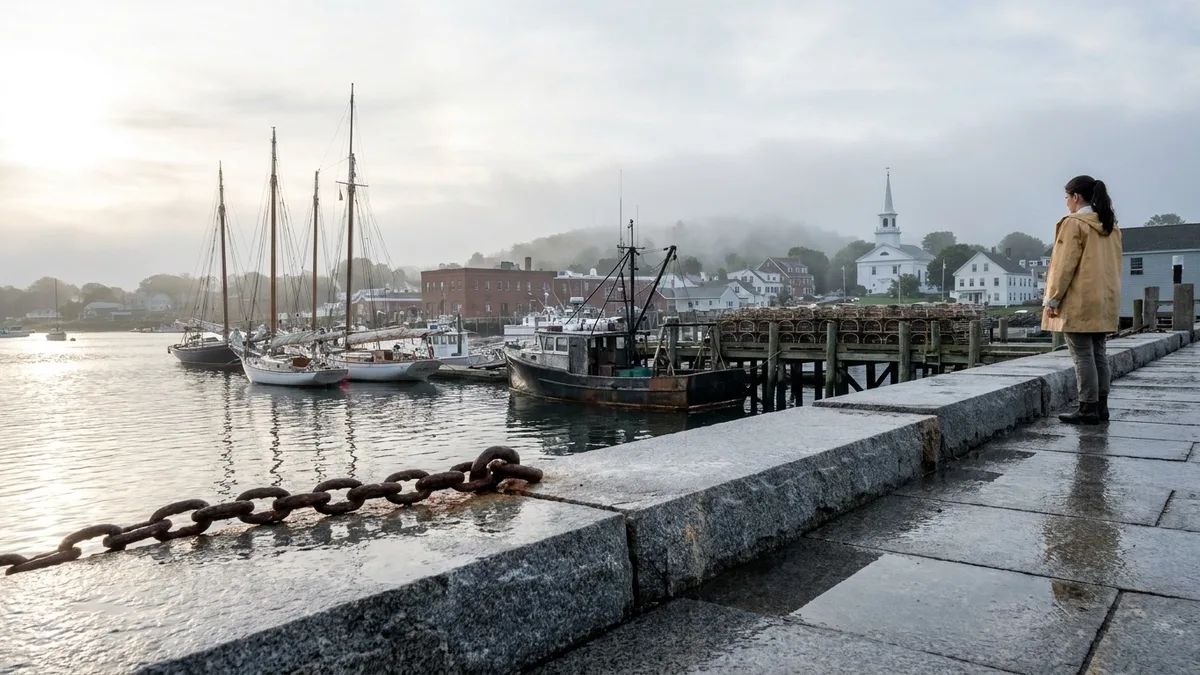
Bar Harbor gets the crowds, but Belfast gets the working harbor, and that is the difference this list is built on. You arrive with the postcard names in your head – Newport, the White Mountains – and assume the smaller town is the consolation prize. It is not. The center is walkable, parking is free or under $10, and one anchor carries a half-day or a night.
Budget $50-$110 per person for one paid attraction, parking and two meals. Every entry prices its anchor, so you decide the day before you turn the key.
Each state gives you a pair. That is the whole idea: a walkable center with one clear reason to stop, priced and seasonal, so you choose by route and mood instead of ranking postcards.
Quick Tips Before You Start
Check the driving distance first
Most towns are 30–90 minutes apart on back roads; don't chain more than two in a day.
Carry small bills
Parking meters and small museums often take cash only; $10 in singles and fives covers you.
Avoid peak foliage weekends
Late September and early October bring crowds; aim for a Tuesday or Wednesday.
Confirm seasonal hours
Museums and ferries often run weekends only outside July and August; call ahead.
Eat lunch late
Small-town cafes fill from noon to 1:30; go at 1:45 and you'll get a table.
1. Kent, Connecticut: Falls, a Covered Bridge, and Quiet
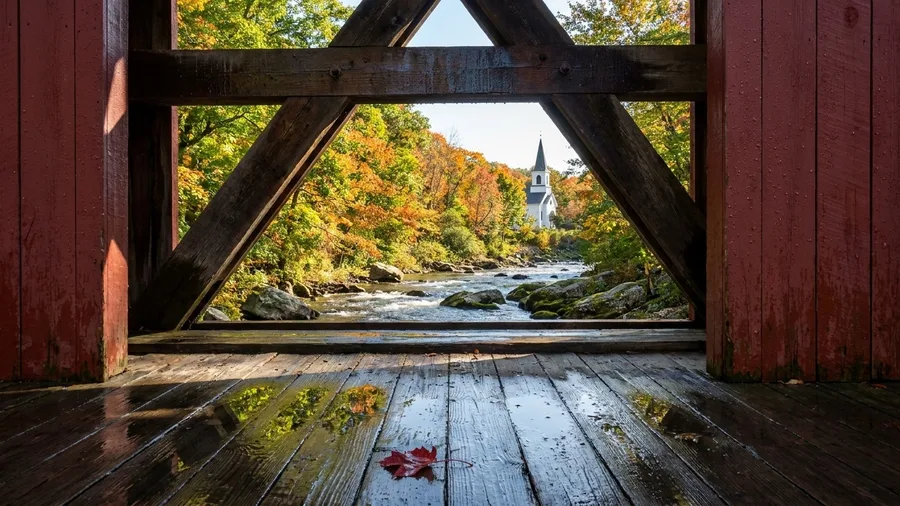
You hear the water before you see it: a hiss that gets louder as the path tilts down through hemlock shade, and then the tiered drop opens in front of you with spray drifting across the rail. This is the honest catch with Kent, and you should know it before you turn off Route 7 – Kent Falls is not a quiet secret. On a Saturday in October the lot fills by mid-morning, the stairs to the upper viewpoints get a queue, and you will share the rail with a dozen phones held up at once.
The trade is a fair one. Parking at Kent Falls State Park runs about $10 for a Connecticut-plated car, and from the lot the main falls are a walk of a quarter mile – short enough for kids, steep enough that sneakers beat sandals on the wet stone. Come on a weekday, or come in late September when the leaves are turning but the southern-hills crowd has not arrived yet, and the same ten dollars buys you the falls almost to yourself.
The covered bridge sits at the edge of the village center, a weathered red timber span over the Housatonic, and within two blocks of the photo you have coffee and a bookstore and no reason to hurry back to the car. That is the whole Litchfield Hills stop: falls first, village second, a half-day that slots neatly into a drive between New York and the Berkshires. The anchor costs $10. Everything else is a walk.
💡 Tip: Park at the falls lot first, then drive the half-mile into the village to avoid circling Main Street.
🗺️ Plan Your New England Town Detour
Pick your route
Choose a cluster: Connecticut river towns, Maine harbors, or Vermont villages.
Check the season
Match the town to its best month—June for harbors, late September for foliage.
Book the anchor
Reserve the puffin cruise or canal tour if it's the reason you're going.
Pack small bills
Bring $10–$20 in singles and fives for parking meters and small museums.
Leave room to wander
Plan one anchor and one meal per town; let the rest be a walk.
2. Chester, Connecticut: A River Village with a Museum
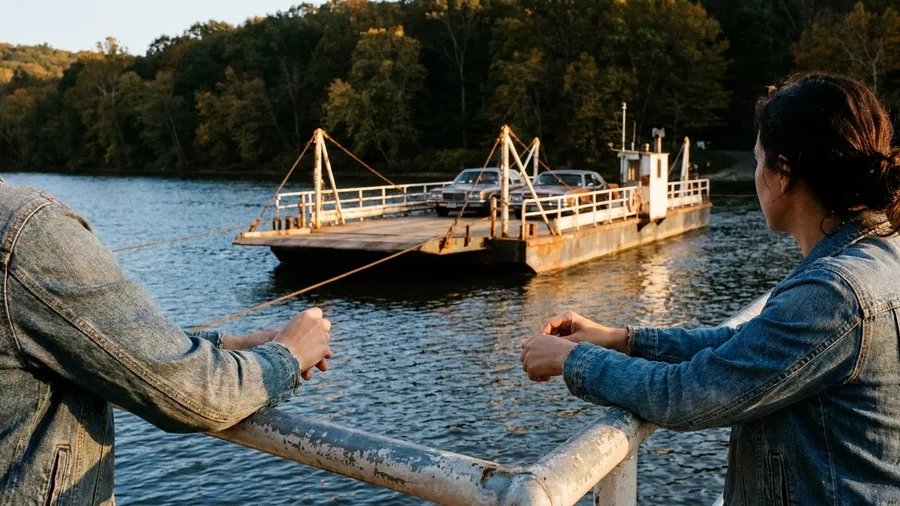
Chester asks less of you than a waterfall: no $10 lot, no climb, just a main street you can walk end to end in twenty minutes and a river view waiting at the bottom. It is the overlooked Connecticut River village, tiny and quiet, and it earns a stop by being small rather than showy.
The Chester Museum at the Mill charges $5 and covers the town’s river trade, which is more interesting than it sounds in a village this size. The Chester-Hadlyme Ferry runs seasonally at $5 per car, and crossing it to Gillette Castle on the far bank turns a slow morning into a rounded half-day. The center itself has one coffee shop, one inn, and the water; your anchor cost is $5 plus the ferry fare, which leaves plenty of room in a $50-$110 day.
3. Belfast, Maine: A Harbor Town Without the Postcard Price
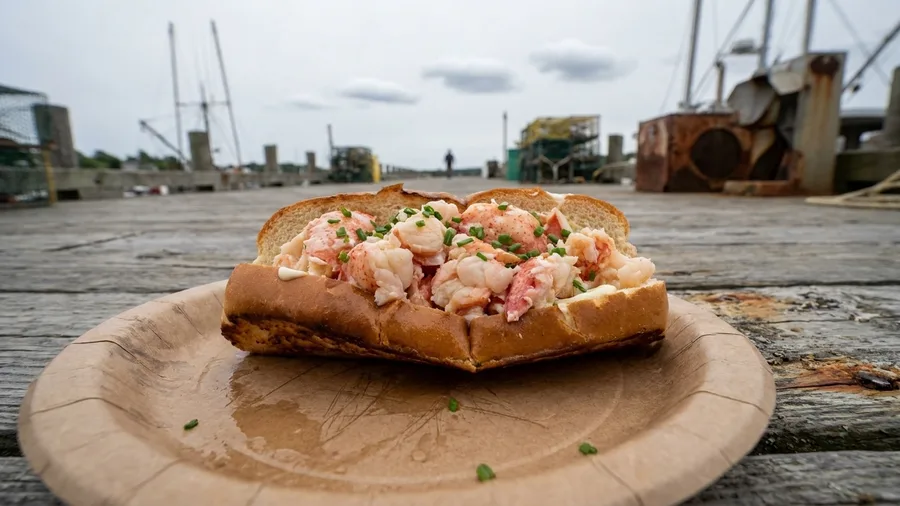
Belfast is a working harbor, not a staged one.
That is the distinction that matters when you are choosing a Maine harbor against Bar Harbor. The Penobscot Bay town keeps a commercial waterfront doing everyday work, and Main Street runs walkable past a co-op, an independent bookstore, and a hardware store, the kind of stretch where people are buying paint and groceries rather than t-shirts. It looks like a town that functions when the visitors leave.
The meal is the anchor here, and it is a lobster roll at a harbor shack for about $18. You eat it within sight of the boats that brought it in, which is the point, and $18 is a fair price for the dish rather than a markup on the view. Pair that with a walk up Main Street and the day costs less than a single Bar Harbor dinner.
June and September are the months. July and August bring the sailing crowd, moorings fill, and the harbor front gets busier than the town’s scale suggests, so if you want the working-harbor feel you came for, aim for the shoulders.
A two-night stay suits Belfast better than a drive-through. Give it a slow morning and a second lobster roll, and you get the harbor without the tour bus, which is the trade the town offers in the first place.
💡 Tip: Order the lobster roll at the shack nearest the dock, not the sit-down place on Main; you'll pay less and eat outside.
⚠️ COMMON MISTAKE
Don't book the puffin cruise last minute
Eastport's puffin cruises sell out on clear summer weekends. Reserve at least a week ahead if you're building a trip around it.
4. Eastport, Maine: The Easternmost Town and Its Lighthouse
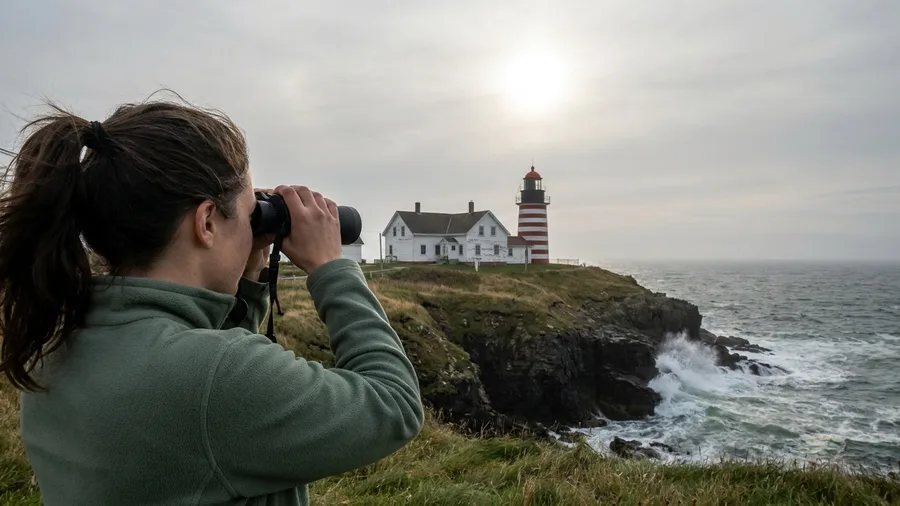
Eastport gives you both, and it is the easternmost city in the country, which is not a slogan but a fact of where the sun comes up first. West Quoddy Head Lighthouse is free to visit and the parking lot is free, so the thing the postcards photograph costs you nothing but the drive out to the point.
A puffin cruise leaves from the breakwater at about $35 per person, and it is the one booking that sets your date, because the boats run on a season and a weather window rather than a schedule you can bend. The clear-day move is to fold this into a run to Campobello Island: free lighthouse, paid boat, and a border crossing that turns a half-day into a full one. Check sailing times and passport rules before you commit.
The downtown is slowly reopening, and that is the honest frame: a small grocery, a few galleries, and no chain hotels, so you are staying in something independently run or driving in from elsewhere. This is the version for families and curious walkers who do not need a resort, and it is not the version for anyone who wants a pool and a front desk at ten at night. Know which traveler you are before you book the cruise.
💡 Tip: Bring binoculars; the cruise gets close but the lighthouse trail is where you'll spot seals on the rocks.
5. Shelburne Falls, Massachusetts: The Bridge of Flowers
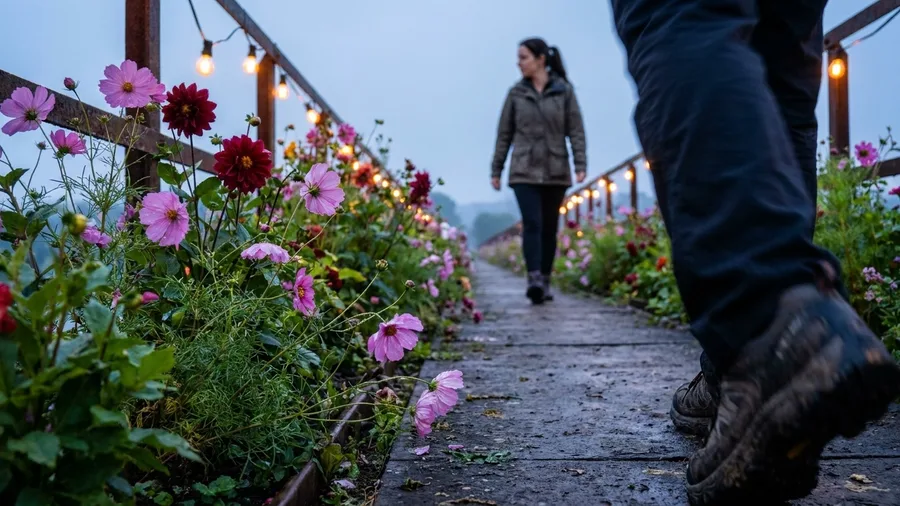
Shelburne Falls is the Massachusetts stop to take when you want the anchor to cost nothing at all. The Bridge of Flowers is a former trolley span planted end to end, and it is free, open dawn to dusk, with no gate and no ticket booth. The glacial potholes sit a five-minute walk from the bridge, also free, and they turn a coffee break into a half-day.
May and October are the windows worth planning around. July is when the bridge is at its peak bloom and also when the crowd is thickest, so an early morning start in high summer pays off. Village parking is free to a few dollars, and the money you save on the anchor goes straight into lunch and gas. One small caution: the bridge is narrow and the planting is close on both sides, so keep moving and let the photographers have their shot.
6. Turners Falls, Massachusetts: A Mill Town on the River
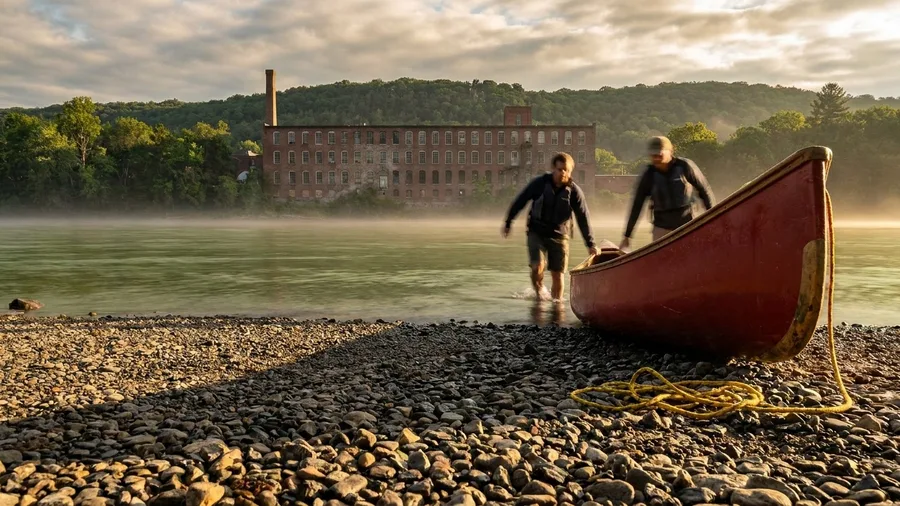
Zero dollars gets you into the Great Falls Discovery Center, which is the reason to build a rainy afternoon around Turners Falls. The exhibits cover the Connecticut River watershed, so you learn the water you are standing beside, and the center sits on the former mill town’s main street. From the boat launch the same river is the point rather than the subject: canoe rentals run about $25 per hour, the only gear cost of the day.
This is the slow stop of the pair, the one where you sit by the water and do very little for an hour. The main street has a taqueria and a vintage store, enough to fill the time between a paddle and lunch, and the mill-town bones give the walk a reason beyond the view.
Pick your weather. A wet day belongs inside the free center with a coffee afterward; a warm one belongs on the water at $25 an hour, and the launch is where you decide it. Either way the anchor costs nothing, and the town asks for a half-day rather than a night.
Shelburne Falls vs. Turners Falls: Which Half-Day, and When
Shelburne Falls
- Pick this when you want the walk to be the whole plan
- Bridge and potholes are 2 minutes apart, no car needed after parking
- Saturday is busier; weekday morning the bridge is nearly empty
- Rain makes the potholes slick; the bridge still works
Turners Falls
- Pick this when the weather decides your day for you
- Canoe rental is cash-and-carry at the launch, not bookable ahead
- Center is free and open when the water is not
- One paid item max: $25/hour paddle, or $0
7. Littleton, New Hampshire: Candy and the White Mountains
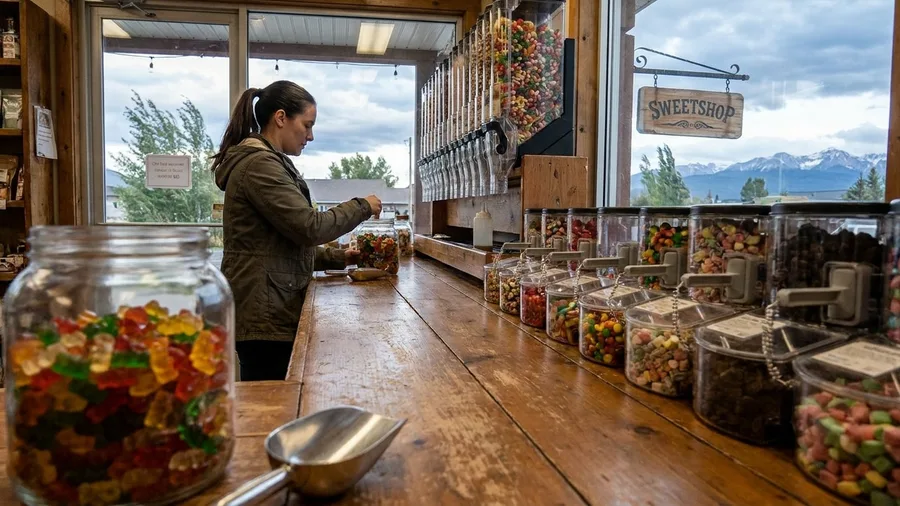
Go before noon or not at all. Littleton works as a mountain gateway precisely because it is a real errand town, and by midday in July and foliage season the sidewalks on Main Street are full of people doing exactly what you came to do, so an early arrival gets you the candy counter, a table at the diner and a parking space without a wait.
Start at Chutters, where browsing costs nothing and the wall of candy runs the length of the store, long enough that the shop keeps a Guinness record for it. Then walk the rest of the street: a bookstore, a diner, a short river path, all of it useful rather than staged. Winter is quiet here but the mountains sit close, and none of this costs anything before you point the car at Franconia Notch.
8. Tamworth, New Hampshire: A Country Doctor and a Barn
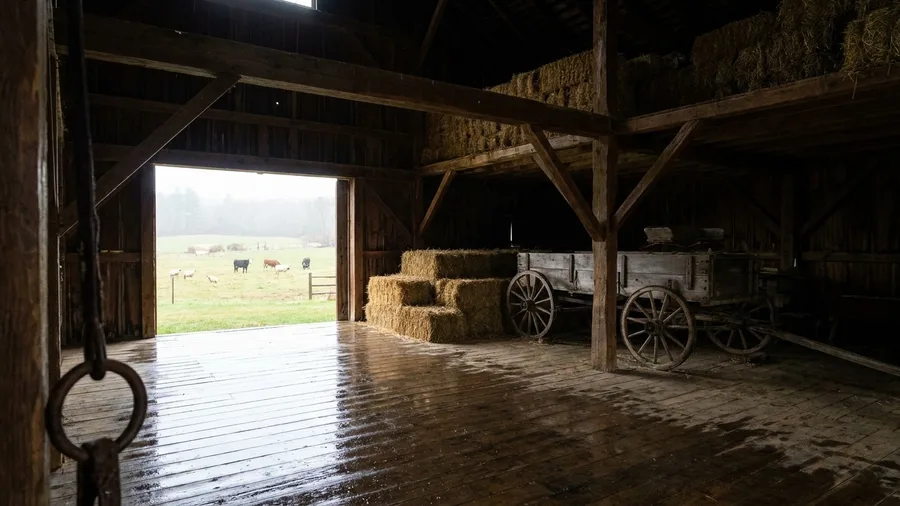
Late afternoon in Tamworth sounds like a screen door and nothing else. There is no stoplight in this town, one general store, and a main road that empties by five, which is exactly when you want to be here, because the country day is over before the light goes.
The Remick Country Doctor Museum charges $10 and is a working farm as much as a museum, best walked in the cooler hour before it closes. Summer nights, the Barnstormers Theatre barn runs shows from around $30, so pair the farm with an evening curtain. Arrive after lunch and the town is yours.
💡 PRO TIP
Time your Rhode Island art festival visit
The Wickford Art Festival runs one weekend in July and fills the lawn. Arrive before 10 a.m. to park in the municipal lot two blocks from the water.
9. Wickford, Rhode Island: Harbor Village and Art Festival
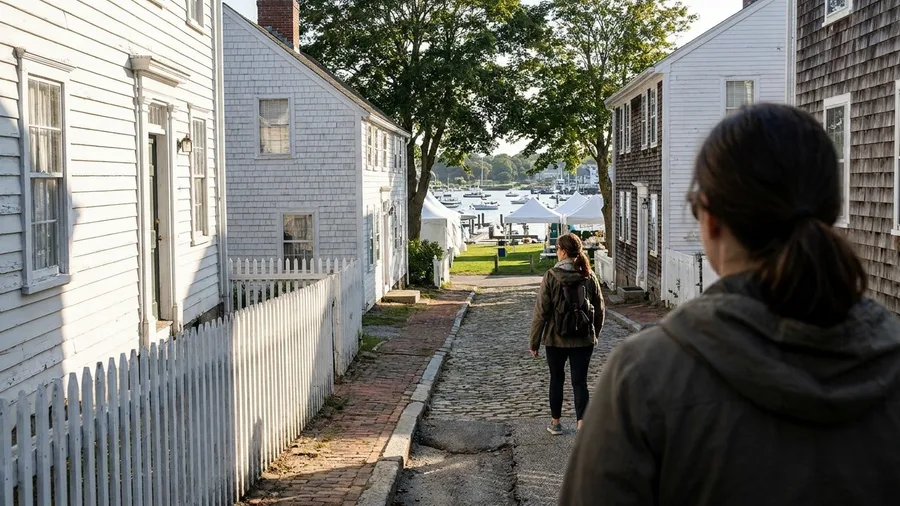
You hear the festival before you see it: a low murmur off the lawn, then the squeak of folding tables going up under the trees and the smell of coffee from a stand at the corner. Narrow streets, small boats in the harbor, and for one weekend in July the whole colonial center turns into an outdoor gallery that costs nothing to walk through.
That is the anchor here, and it is free. Painting and photography booths fill the lawn and spill along the lanes, and you can wander the entire thing in an hour or spend three if the work pulls you in.
Outside festival weekend the village is quieter and no less worth the stop: a public dock at the bottom of the hill, a small beach at the end of Main Street, low shingled houses packed tight along lanes built for carts.
Parking is the part people get wrong. Leave the car in the municipal lot a couple of blocks back from the water and walk in, because the streets themselves were never laid out for cars and festival weekend fills them fast.
It fits two ways: a half-day out from Newport when you want a harbor without the crowd, or a stop on the way to the ferry. Free festival, free parking, and the walk as the center of the day.
💡 Tip: If you visit during the art festival, park at the municipal lot and walk; Main Street closes to cars.
10. Warren, Rhode Island: A Waterfront Brunch Town
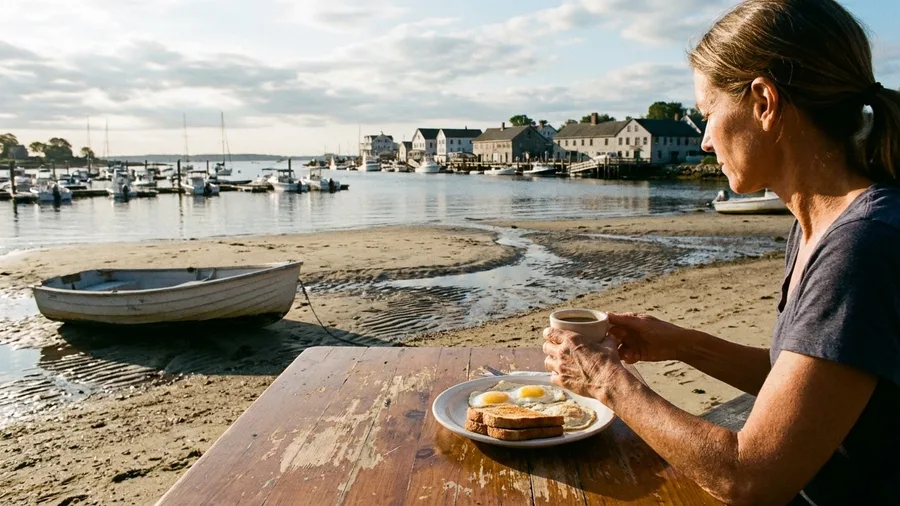
Check the tide chart before you pick a table, because half the Water Street benches look straight at mudflats by late afternoon and the photograph you came for is gone.
Warren is the small waterfront town where the Warren River widens into the bay, and its draw is a low one: a mill building with working studios and a coffee counter, a handful of tables with water in the frame, and a town beach the size of a parking lot that costs nothing. Brunch at a waterfront cafe runs around $14, eggs and coffee, no reservation for two. The best frame is from the far end of the beach looking back at the boats, mid-morning in June or September when the launch traffic thins and the light comes off the river flat, not into it. Cutler Mills holds the studios and the coffee shop, and walking the halls costs you nothing either.
Summer weekends bring the boats and the wait, so the quiet version of this stop is a Tuesday. The $14 plate is the anchor, the beach and the mill hallways fill the rest of the half-day, and the whole thing lands well under the day budget before you ever think about dinner.
11. Bellows Falls, Vermont: A Canal Town with a Flatiron
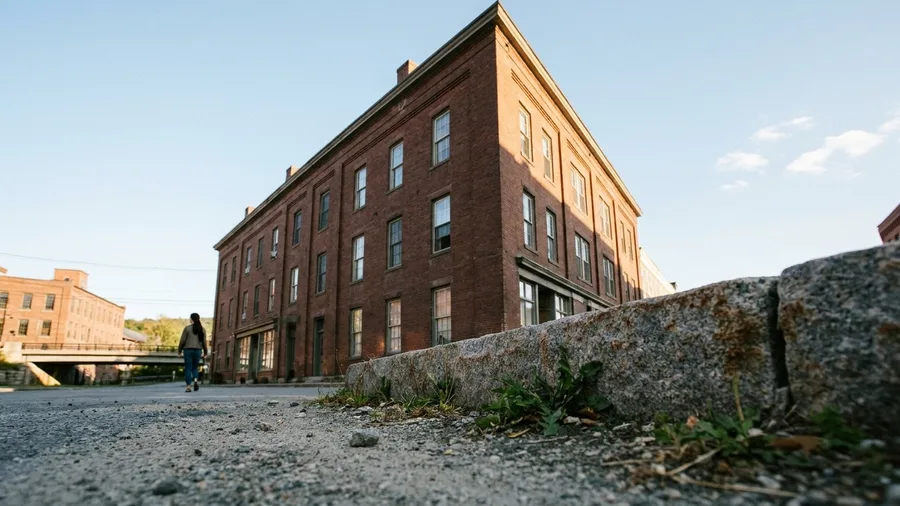
Take the canal tour. Bellows Falls sits on the Connecticut River between Brattleboro and Hanover, and the $5 walking tour on summer weekends is the thing that earns the stop, taking you down to the water in the canal cut under the streets while a guide tells you how the town ran on that water before the mills went quiet. The flatiron building at the square is free to look at, a wedge of brick squeezed between two streets, and there is a diner, a bookstore and a working train station within sight of it.
This is a downtown that still does everyday work, plainer than boutique and better for it. Book the tour, spend a night, and you have the Vermont version of a river town for less than the cost of a museum ticket elsewhere.
12. Brandon, Vermont: A Museum, a Falls, and a Green
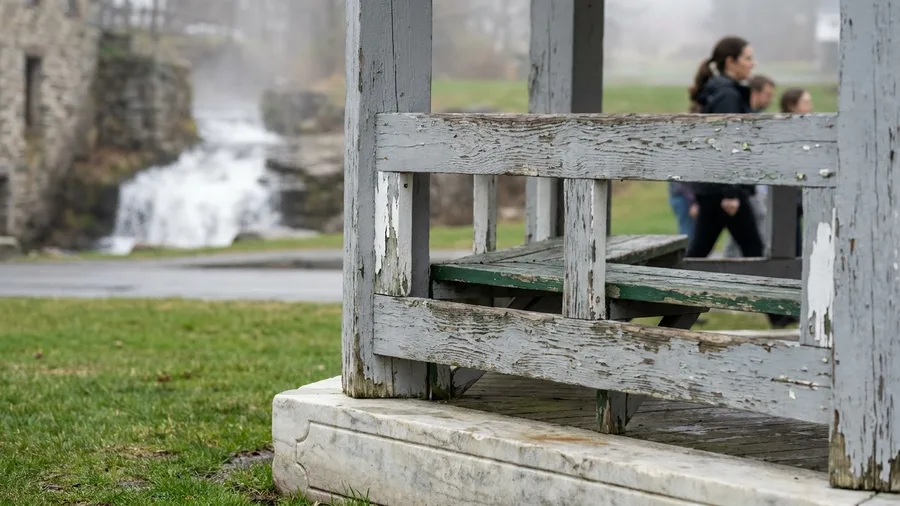
Falls Road runs loud after rain, and you hear the water before the green comes into view, a steady wash under the sound of tires on the bridge.
Brandon is the Rutland County town built on marble, and the Brandon Museum tells that story for $5: the quarries up the hill, the cutters, the years when a small Vermont village shipped stone for buildings in New York and Washington. You walk the green after, a gazebo in the middle and benches that stay empty on a weekday, and the falls trail leaves a quarter-mile from the center and costs nothing at all. The water drops over ledges beside the old mill footing, close enough that the spray reaches the railing.
August and October are the windows, foliage without the crowds that pack the bigger valleys. Mud season leaves the town quiet and the trails soft, so skip it then. The $5 museum plus free falls and green makes a full village day with barely a ticket cost, and the green is the part you remember.
Cost and Timing at a Glance
💵 Typical day budget
$50–$110 per person
🅿️ Parking
Free or under $10
🏞️ Free anchors
Bridge of Flowers, West Quoddy Head, Great Falls Discovery Center, Wickford Art Festival
🎟️ Paid anchors
$5–$35 (museum, canal tour, puffin cruise)
📅 Best months
June, September, early October
Frequently Asked Questions
Do I need a car to visit these towns?
Yes, most of these towns are not served by frequent public transit. A car gives you the flexibility to stop at a waterfall or a harbor on your own schedule. Parking is free or cheap almost everywhere listed.
Which town is best for a day trip from Boston?
Shelburne Falls and Turners Falls are both about two hours from Boston. For a shorter drive, Wickford and Warren in Rhode Island are under 90 minutes. Pick based on whether you want a river village or a harbor.
Are these towns expensive?
No. A typical day costs $50–$110 per person, including one paid attraction, parking, and two meals. Many anchors are free, and you can keep the budget low by choosing a free museum or a walk.
When is the best time to visit?
June and September are the sweet spot for most: crowds are thinner, the weather is mild, and seasonal businesses are still open. Late September and early October bring foliage, but also weekend crowds. Check hours for small museums, which may be weekends-only outside summer.
Should I book the Eastport puffin cruise in advance?
Yes, especially for June and July weekends. The cruises are small and fill up, and it’s the one booking that sets your date. Reserve at least a week ahead, or earlier if you’re traveling with a group.
Build Your Next Trip Around These Towns
The underrated town works when the anchor is specific, the center walkable, the cost sits inside $50-$110, and the season is right. The town is not the checklist – the reason is.
So decide by route. Driving from New York, take Kent and Chester. Want a harbor, take Belfast and Eastport. Want a village green, take Brandon.
Then make one booking first: the Eastport puffin cruise in June. Lock that date, build the rest around it, and you get the working harbor instead of the crowd.
Ready to pick your town?
Start with the Quick Tips above: check the driving distance, confirm seasonal hours, and carry small bills. Then book the puffin cruise if Eastport is on your list.