Shoulder Season Gems: 12 Destinations at Half Price (And Twice as Enjoyable) – Trips You’ll Wish You Took Sooner

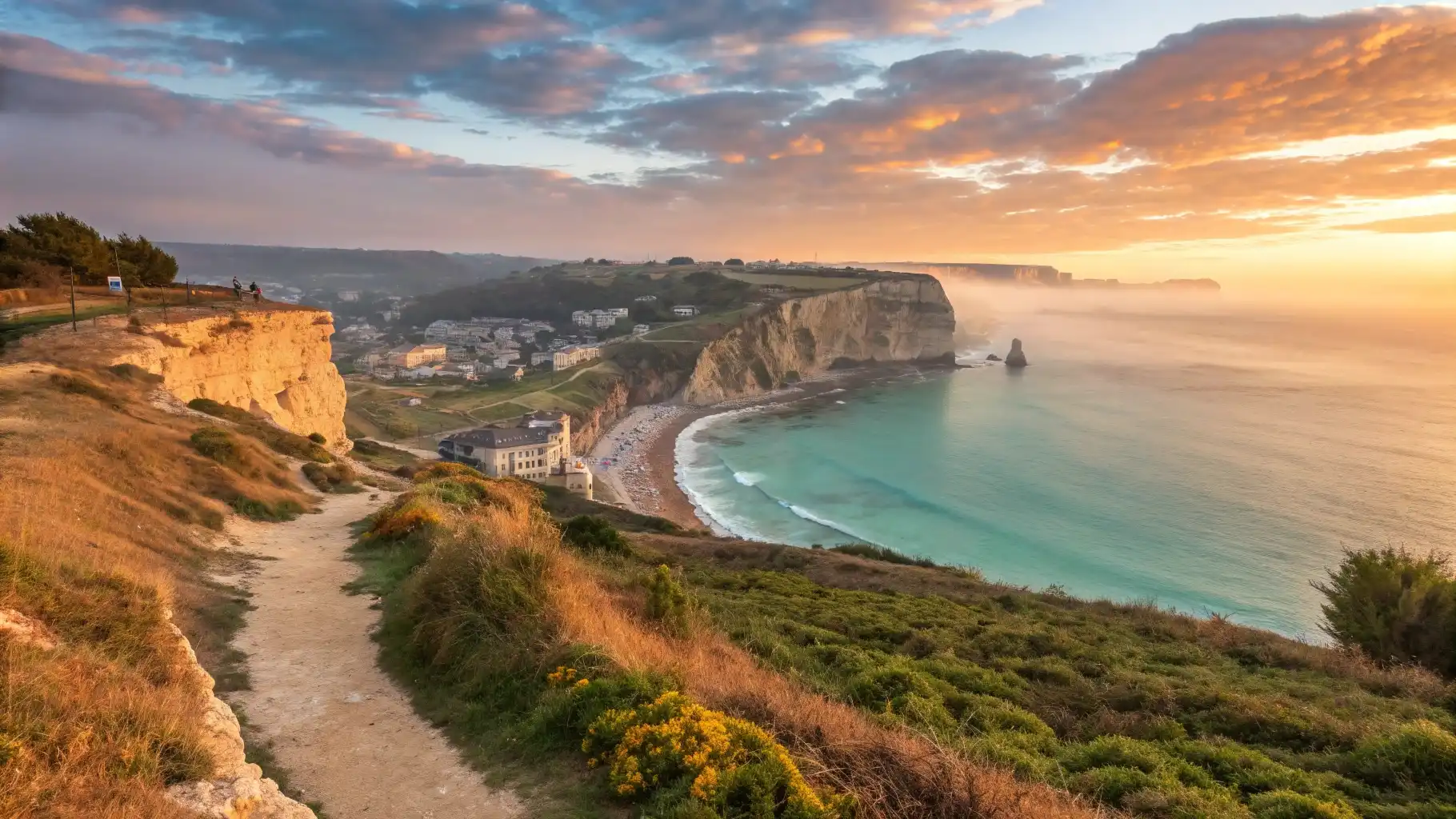
Warm sunlight hits differently when the crowds thin — softer, slower, almost like the world is finally giving you space to breathe. There’s a quiet shift in the air that feels unexpectedly transformative, the kind of calm that invites you to notice things you’d normally rush past.
Shoulder season taps into something every traveler craves: wonder without overwhelm, discovery without noise, adventure without the pressure of peak-season chaos. And you feel it instantly — streets open up, conversations flow easier, and moments start to feel more personal.
With prices rising and trips feeling busier than ever, these overlooked windows matter. Ahead are twelve destinations where travel becomes surprisingly affordable, spacious, and far more rewarding.
1. Madeira, Portugal
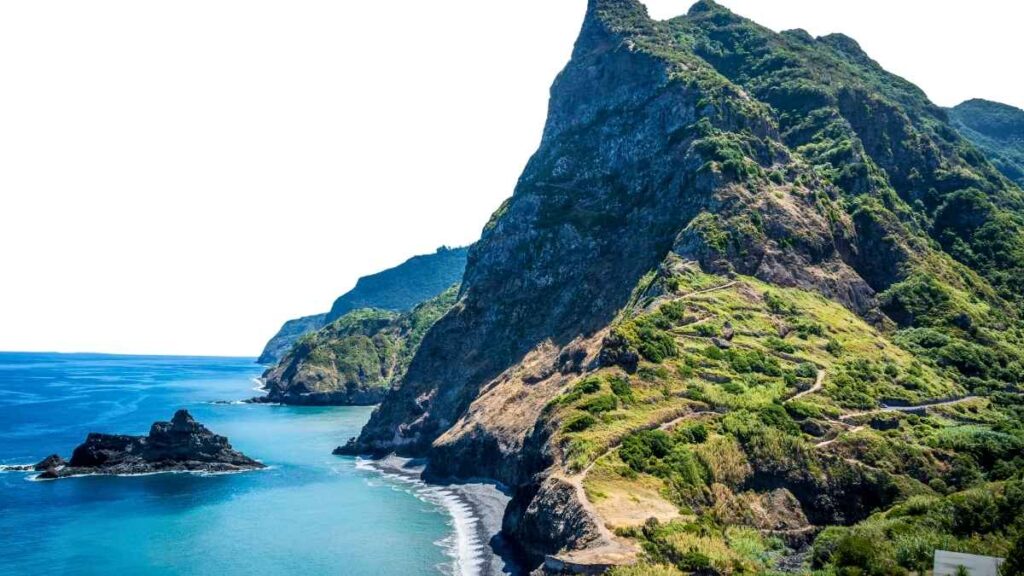
Madeira is one of those places that naturally fits shoulder season. The island has a mild subtropical climate, so spring and autumn temperatures usually sit around 20–24°C (68–75°F) — warm enough for levada hikes, coastal walks, and long afternoons outside without feeling overheated. Tourism has grown a lot in recent years, and Madeira recorded over 2 million guest arrivals in 2024, which means timing really matters for anyone who wants calmer viewpoints and easier hotel bookings. Shoulder months strike that balance where everything’s open, the scenery is lush, and the island still feels relaxed.
What makes shoulder season special here is how enjoyable the outdoors become. The Atlantic stays warm into autumn, often hovering around 22–24°C, which is perfect for swimming after a morning hike. You can drive through terraced hillsides, explore mountain peaks like Pico do Arieiro, and end the day in fishing villages with fresh espetada and bolo do caco. Maybe it’s just me, but Madeira during these months feels like having the whole island running at its ideal pace — fewer crowds, better prices, and sunsets that turn every cliff into a photo moment.
Key Practical Info – Madeira
- Shoulder season: April–May & September–November
- Typical temps: ~20–24°C daytime
- Getting around: Fly to Funchal; rent a car for levadas and mountain roads
- Ideal stay: 5–7 days
- Must-try: Pico do Arieiro sunrise, levada walks, Câmara de Lobos, dolphin tours
- Budget tip: Accommodation drops noticeably outside summer
- Cultural note: Simple greetings like “Bom dia” are appreciated
- Best photos: Cloud inversions, volcanic pools, golden-hour cliffs
2. Kyoto, Japan
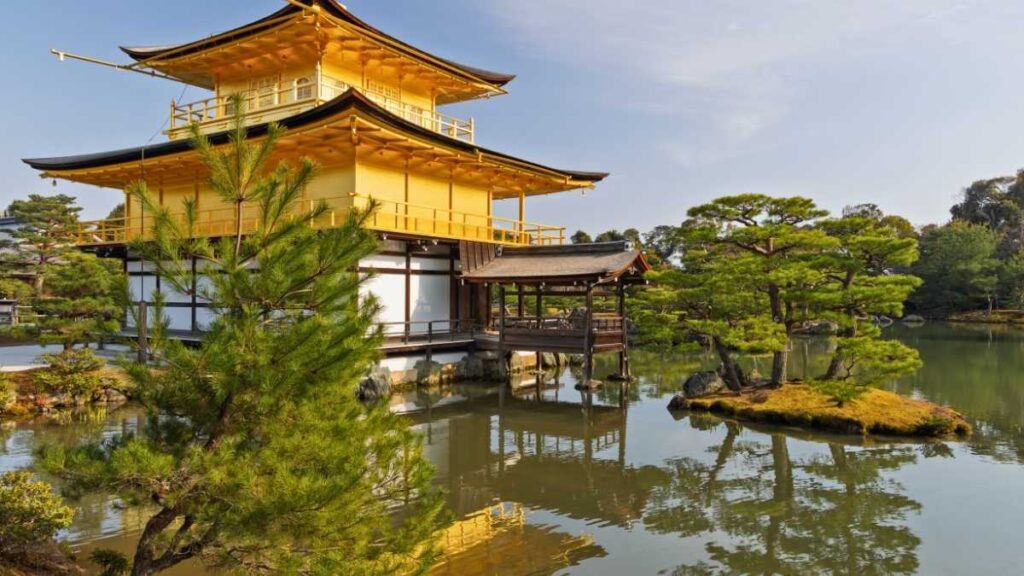
Kyoto becomes a completely different experience when you visit outside cherry-blossom and autumn-leaf peaks. The city sees tens of millions of visitors a year, and the historic districts can feel packed during high season. In shoulder months like May–June or late November, the pace shifts — temples feel calmer, gardens are quieter, and you can move through places like Arashiyama or Gion without constant foot traffic. Weather-wise, spring brings mild temperatures around 19–24°C, while late autumn stays cool and crisp with fewer rainy days.
Shoulder season also helps you reconnect with the city’s slower, traditional side. Early mornings at Fushimi Inari feel almost meditative when you’re not weaving around big groups. Tea houses, craft shops, and small shrines become easier to appreciate when you’re not rushing. Maybe it’s just me, but Kyoto in these months feels more authentic — you notice wooden machiya details, lantern-lit alleys, and temple gardens that you’d probably miss if you were rushing through peak-season crowds.
Key Practical Info – Kyoto
- Shoulder season: May–early June & late November
- Typical temps: 19–24°C in spring; 13–18°C in late autumn
- Getting around: Rail, subway, buses; IC cards simplify everything
- Ideal stay: 4–6 days
- Must-try: Early-morning temples, tea ceremony, Nishiki Market
- Budget tip: Post-blossom dates have noticeably better hotel rates
- Cultural note: Keep voices low at temples; follow photo restrictions
- Best photos: Lantern-lit Gion, moss gardens, quiet shrine pathways
3. Dubrovnik, Croatia
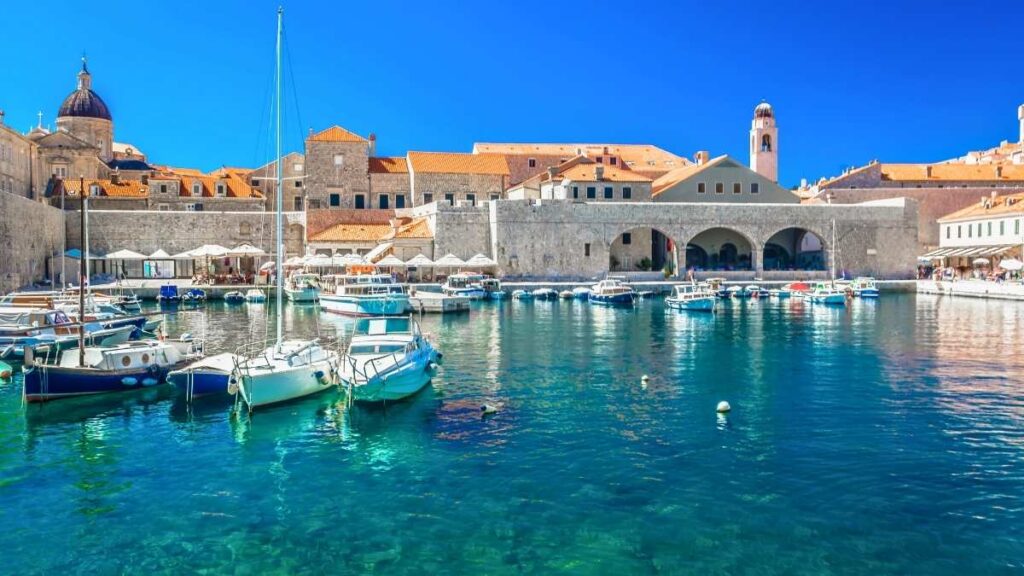
Dubrovnik can feel overwhelming in summer, especially for such a small historic center, but shoulder season transforms it. Spring and early autumn bring 22–26°C days that are perfect for walking the city walls without harsh heat, and the Adriatic stays warm well into September. When you remember that peak years brought well over a million overnight visitors, stepping into Dubrovnik in quieter months feels like getting a far more intimate version of a famously crowded city.
Shoulder timing also aligns beautifully with the city’s natural rhythm. You can take ferries to Lokrum or the Elafiti Islands without full boats, wander old streets without squeezing past groups, and enjoy long seaside dinners without reservation stress. Maybe it’s just me, but Dubrovnik outside its peak season feels more like a lived-in coastal city than a tourist hub. The soft golden light on the walls, early-morning harbor calm — these are moments that shoulder season protects.
Key Practical Info – Dubrovnik
- Shoulder season: May–June & September–October
- Typical temps: 22–26°C
- Getting around: Walkable old town; buses and ferries for beaches/islands
- Ideal stay: 3–4 days
- Must-try: City walls, cable car view, Lokrum Island, old-town cafés
- Budget tip: Shoulder months often cut hotel prices by 25–40%
- Cultural note: Dress modestly in churches; avoid blocking narrow lanes
- Best photos: Rooftops at sunset, harbor reflections, wall-top panoramas
4. Oaxaca, Mexico
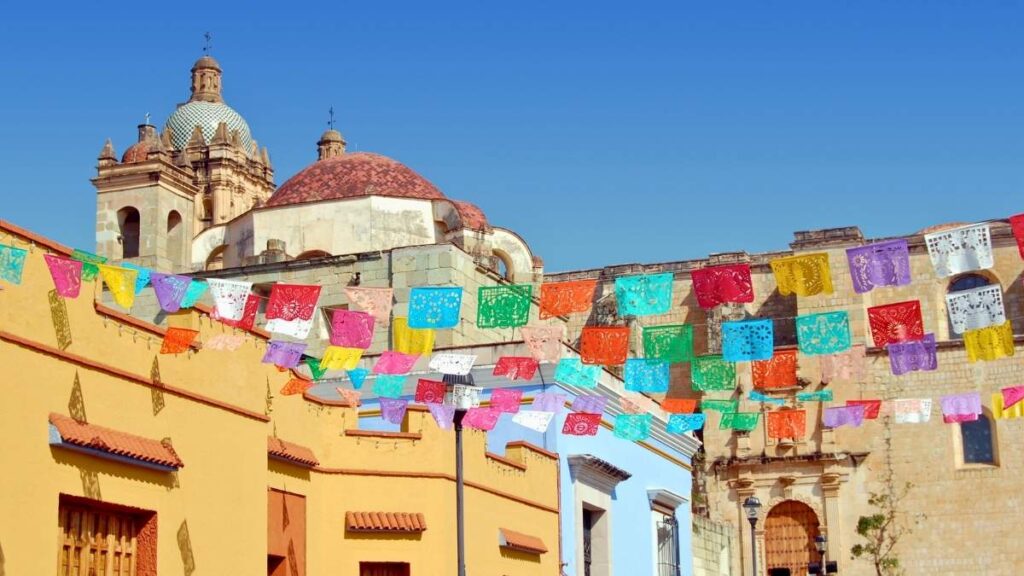
Oaxaca shines in shoulder periods like April–May or October, when days stay warm, evenings cool down, and crowds are lighter than festival seasons. The city is a UNESCO-listed gem filled with markets, colonial streets, and ancient Zapotec sites like Monte Albán. Since the region sees clear differences between dry and rainy seasons, visiting at the edges of those periods means you get sunny, comfortable weather without the intensity of holiday or Day of the Dead crowds.
This timing also makes Oaxaca feel more open. You can explore weaving villages, wander through food markets, and take mezcal tours without the rush of peak tourism. Street food remains incredibly affordable, artisan workshops feel more personal, and the slower pace lets you connect with the culture more deeply. I’m not sure, but Oaxaca in shoulder season gives you the perfect mix of warm community energy and easygoing travel.
Key Practical Info – Oaxaca
- Shoulder season: April–May & October
- Typical temps: Mid-20s°C daytime; cooler nights
- Getting around: Fly into OAX; taxis, colectivos, or tours for villages
- Ideal stay: 5–6 days
- Must-try: Monte Albán, mezcal tastings, local markets, craft villages
- Budget tip: Shoulder months offer big savings on hotels
- Cultural note: Ask before photographing artisans or stalls
- Best photos: Colorful streets, mountain-backdrop ruins, busy markets
5. Queenstown, New Zealand
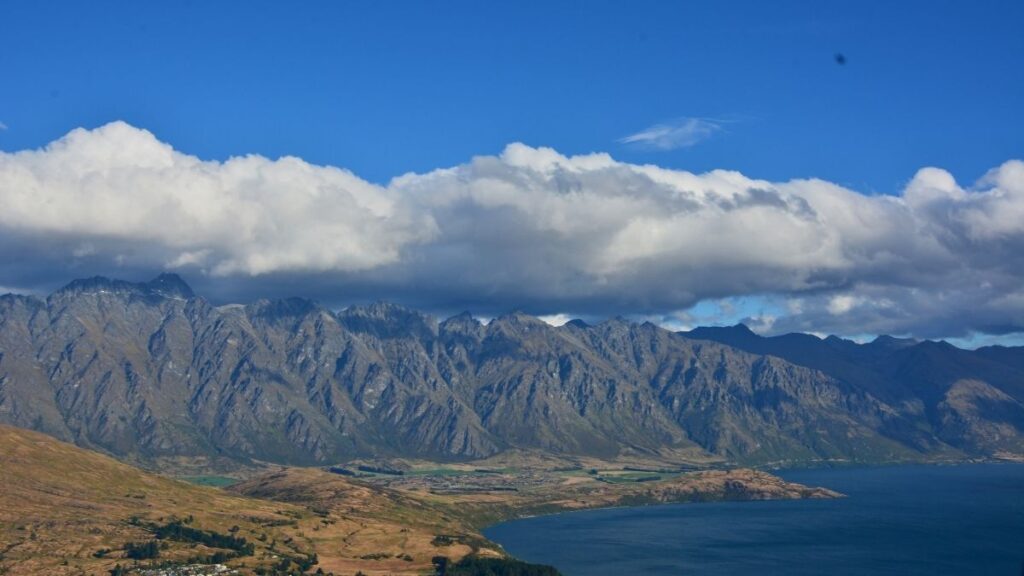
Queenstown is dramatic no matter when you visit, but shoulder seasons like March–April and September–October give you its landscapes at their most balanced. Autumn highs average around 15–18°C, enough for lakeside walks, scenic lookouts, or short hikes without intense summer crowds. Spring has similar mild days with crisp mornings and blooming hillsides. Since peak months can reach some of the region’s highest visitor numbers, traveling just before or after makes everything easier — from booking activities to finding quiet viewpoints.
In these months, the whole region feels calmer. Arrowtown glows with autumn colors, Lake Wakatipu reflects snow-tipped mountains, and trails are pleasantly open. You can take a Milford Sound day trip without packed buses, or simply enjoy waterfront cafés at a slower rhythm. Maybe it’s just me, but Queenstown breathes differently in shoulder season — it feels spacious, scenic, and grounded in everyday life rather than resort rush.
Key Practical Info – Queenstown
- Shoulder season: March–April & September–October
- Typical temps: 15–18°C (autumn highs); 12–14°C (spring highs)
- Getting around: Fly into ZQN; shuttles, buses, and rentals
- Ideal stay: 4–5 days
- Must-try: Arrowtown foliage, gondola rides, lake cruises, Milford Sound
- Budget tip: Lower room rates and better activity availability
- Cultural note: Follow Leave-No-Trace on trails; drone rules vary
- Best photos: Lake reflections, autumn colors, mountain skylines
6. Seville, Spain
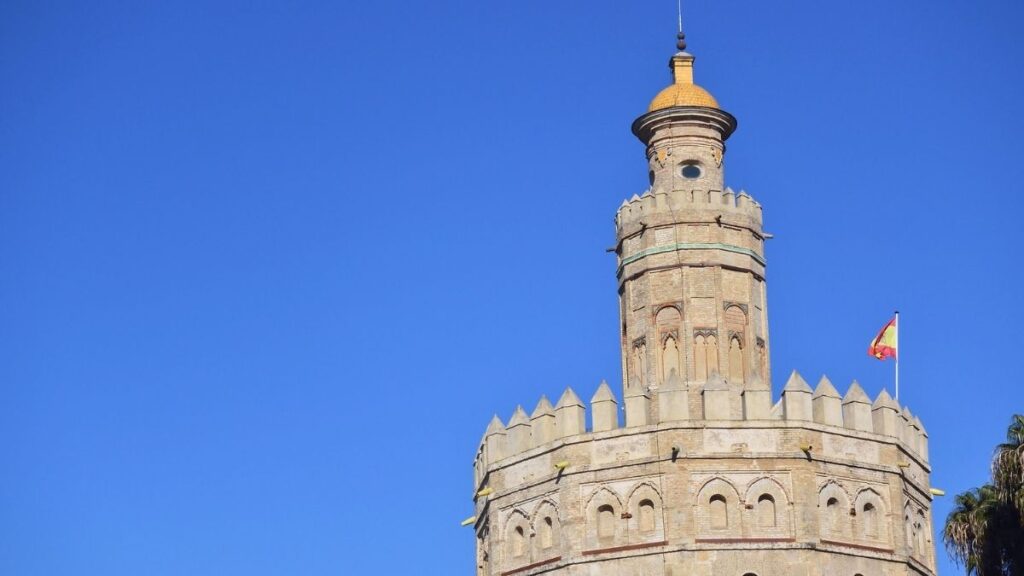
Seville turns magical the moment shoulder season settles in. Spring and autumn both soften the heat that usually dominates the city, giving you long, comfortable days where the streets feel lively without being overwhelming. What really sets Seville apart is how much the rhythm of daily life matters: orange blossoms scent the air in spring, terraces stay open late, and locals naturally spill into plazas just to talk, walk, or snack on tapas. Maybe it’s just me, but Seville feels like a place where slowing down isn’t optional — it’s built into how the city breathes.
What makes shoulder season special here is how much more approachable its big icons become. The Alcázar’s courtyards feel more peaceful, the Cathedral shines without dense lines, and the Santa Cruz neighborhood transforms into a maze you can actually explore comfortably. But the best part might be the small moments: a quiet corner in Triana, a late-afternoon flamenco guitar drifting from a hidden bar, or a simple café con leche at a neighborhood spot. Those moments land differently when the temps are pleasant and the crowds thin out.
Key Practical Info – Seville
- Shoulder season: March–April & October–November
- Typical temps: 20–27°C in spring; 20–24°C in autumn
- Getting around: Walkable center; trams, buses, and taxis fill the gaps
- Ideal stay: 3–4 days
- Must-try: Alcázar gardens, Triana pottery shops, flamenco taverns
- Budget tip: Hotels drop sharply outside April festivals
- Cultural note: Dinner starts late; don’t expect full restaurants at 6 p.m.
- Best photos: Plaza de España tiles, golden light in Santa Cruz, riverbank sunsets
7. Cape Town, South Africa
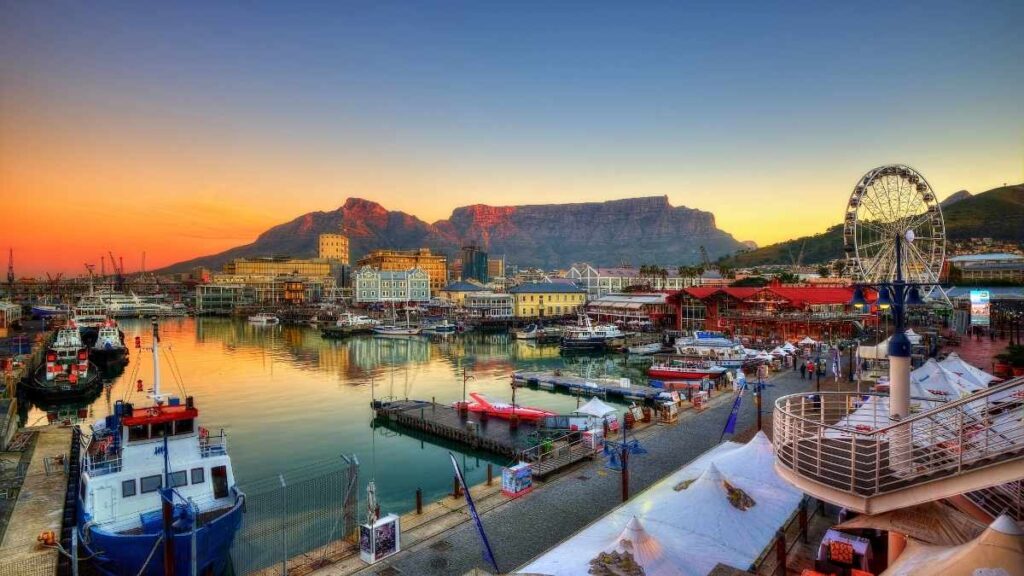
Cape Town has a way of feeling both wild and urban at the same time, and shoulder season reveals that contrast beautifully. Late summer and early autumn bring clear skies, warm-but-not-hot days, and a calmer pace on beaches and trails. What stands out is how many micro-experiences fit into one day: you can watch penguins waddle at Boulders Beach in the morning, explore Bree Street cafés by lunch, and catch pastel-pink skies over Table Mountain by evening. It’s almost unfair how much variety the city packs into a single stretch of coastline.
Shoulder season also gives you access to experiences that might feel rushed or crowded in peak summer. Hikes up Lion’s Head feel more doable, Chapman’s Peak Drive becomes a scenic route rather than a traffic crawl, and wineries in Constantia have space for slower tastings. I’m not sure, but Cape Town during these months feels like the city is nudging you to explore at your own speed — not the schedule of thousands of other travelers.
Key Practical Info – Cape Town
- Shoulder season: February–April & September–October
- Typical temps: 18–26°C depending on month
- Getting around: Uber, MyCiTi buses, rental cars for cape drives
- Ideal stay: 5–6 days
- Must-try: Table Mountain cableway, penguin colonies, Kirstenbosch gardens, coastal drives
- Budget tip: Autumn months offer better flight deals than December–January
- Cultural note: Keep valuables discreet; choose reputable transport at night
- Best photos: Twelve Apostles at sunset, Bo-Kaap colors, Chapman’s Peak panoramas
8. Ljubljana, Slovenia
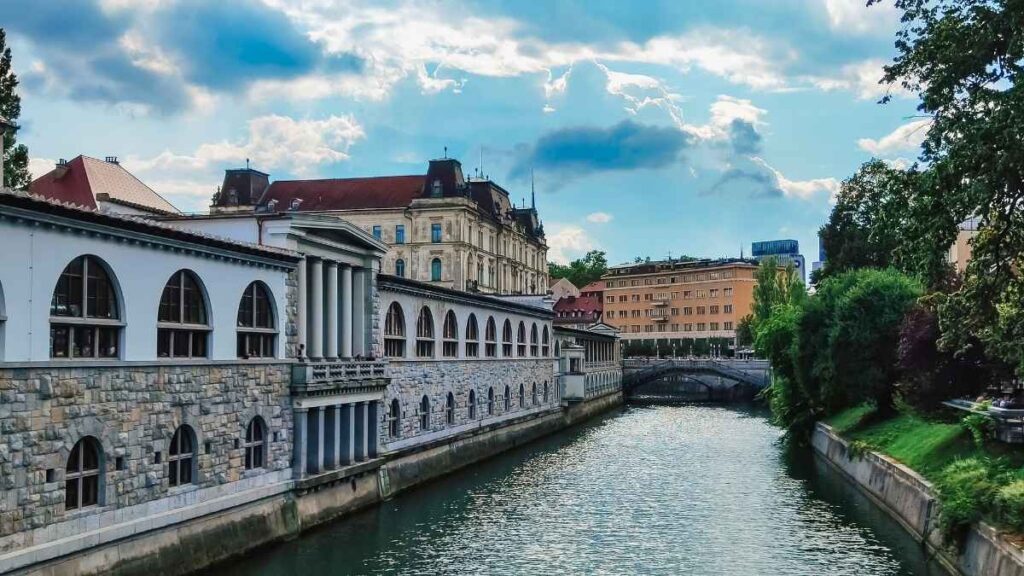
Ljubljana feels almost storybook-like, and shoulder season amplifies its charm without crowds blurring the details. The pedestrian-friendly old town, riverside cafés, and leafy bridges become even more appealing when the weather sits comfortably between cool mornings and warm afternoons. There’s something disarmingly simple about life here: the river glides through the city, locals bike everywhere, and street musicians bring just enough atmosphere without overwhelming it.
What makes Ljubljana special in shoulder months is how much easier it becomes to explore the countryside around it. Day trips to Lake Bled, Lake Bohinj, or the Škocjan Caves feel unrushed, and bus routes aren’t bursting with visitors. Here’s what I mean: you can sip coffee by the river, hop on a short bus ride to a lake, and still be back in time for a quiet dinner in the old town. It’s a city that rewards curiosity and spontaneous wandering.
Key Practical Info – Ljubljana
- Shoulder season: April–May & September–October
- Typical temps: 15–23°C
- Getting around: Walkable city; buses and bikes are the easiest options
- Ideal stay: 2–3 days (plus day trips)
- Must-try: Ljubljana Castle, riverside cafés, day trip to Lake Bled
- Budget tip: Shoulder months offer strong savings on lakeside hotels
- Cultural note: Slovenians appreciate quiet public behavior and environmental respect
- Best photos: Dragon Bridge, pastel riverside buildings, Lake Bled viewpoints
9. Hoi An, Vietnam
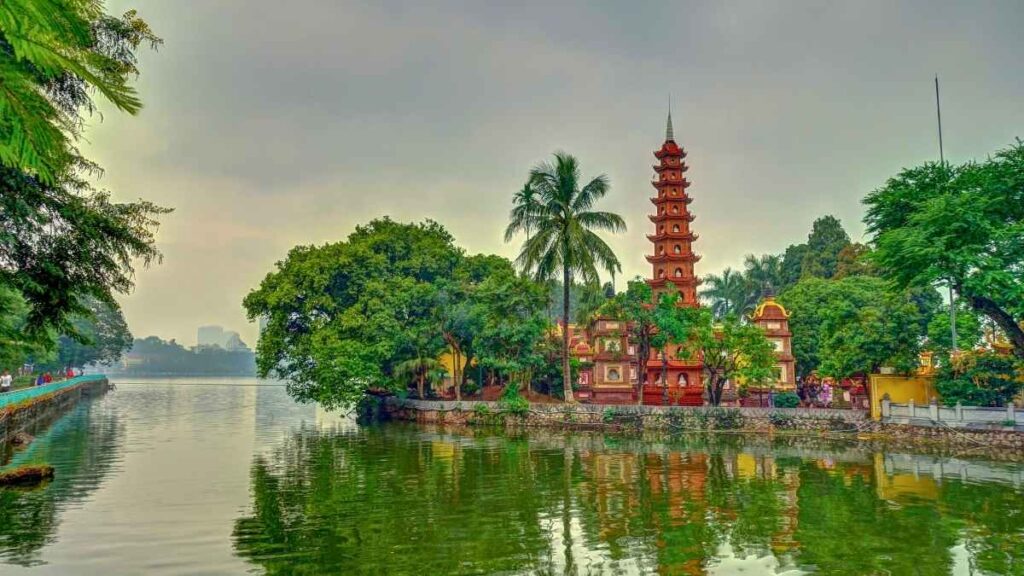
Hoi An glows differently in shoulder season — warm but not sweltering, lively but not chaotic. The lantern-lit evenings feel softer when humidity drops a bit, and wandering the old town becomes less of a sprint between shady spots. This is when the town’s quiet craftsmanship comes alive. Tailors aren’t rushed, artisans have more time to chat, and riverfront restaurants turn into slow-dining spaces rather than packed hotspots.
The real magic comes from the mix of countryside and coast. Biking through rice fields, visiting pottery villages, or taking slow boat rides on the Thu Bon River all feel more peaceful in these months. I’m not sure, but Hoi An in shoulder season might be one of the few places where “touristy” experiences still feel personal — the pacing makes all the difference.
Key Practical Info – Hoi An
- Shoulder season: February–April & August–September
- Typical temps: 24–30°C
- Getting around: Walkable old town; bikes and scooters for countryside
- Ideal stay: 3–5 days
- Must-try: Lantern-lit evenings, bike tours, cooking classes, An Bang Beach
- Budget tip: Tailors often offer better rates and quicker turnaround
- Cultural note: Bargaining is normal but keep it friendly
- Best photos: Lantern nights, rice-field bike paths, riverside reflections
10. Montréal, Canada
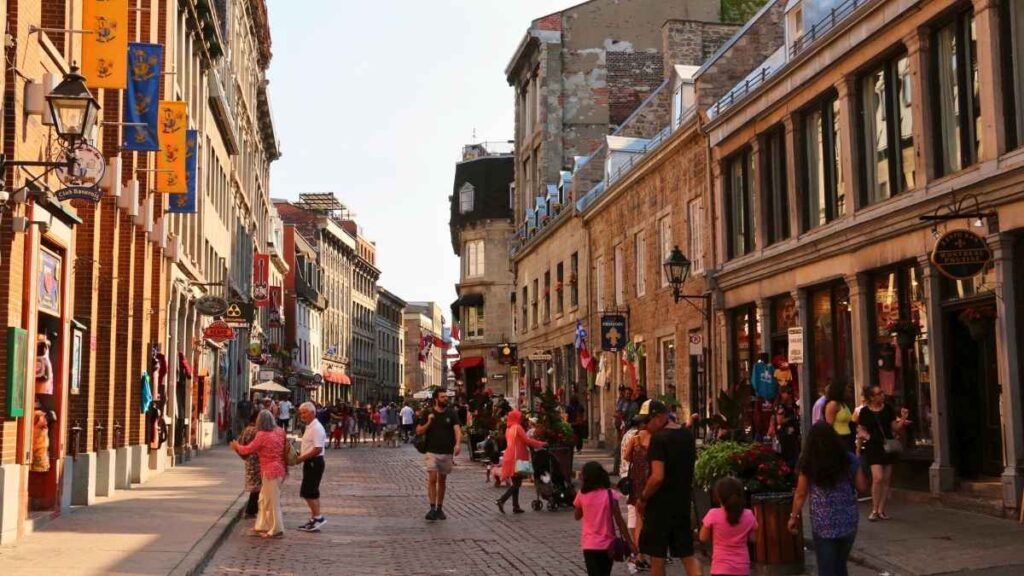
Montréal in shoulder season feels like the city loosens its shoulders a bit. Spring melts the last hints of winter and brings café patios back to life, while autumn wraps the city in crisp air and fiery colors. Both seasons highlight Montréal’s strongest feature: its mix of European-style streets with a cultural scene that never seems to shut off. Maybe it’s just me, but the city feels more honest when it’s not deep in festival season — you see the everyday version of Montréal.
Shoulder months are also when exploring different boroughs becomes genuinely fun. Mile End bakeries don’t have queues around the block, Old Port walks feel more relaxed, and Mount Royal viewpoints feel calmer and easier to reach. The cooler air makes long walks pleasant, and the trees add texture to the skyline you just don’t get in peak summer or deep winter.
Key Practical Info – Montréal
- Shoulder season: April–May & September–October
- Typical temps: 10–20°C depending on month
- Getting around: Metro + buses; walkable core neighborhoods
- Ideal stay: 3–4 days
- Must-try: Mile End cafés, Mount Royal lookout, Old Port strolls
- Budget tip: Hotels are cheaper between major festivals
- Cultural note: Montréalers value bilingual politeness — start with “Bonjour”
- Best photos: Autumn foliage, Old Port sunsets, mural-filled alleyways
11. Crete, Greece
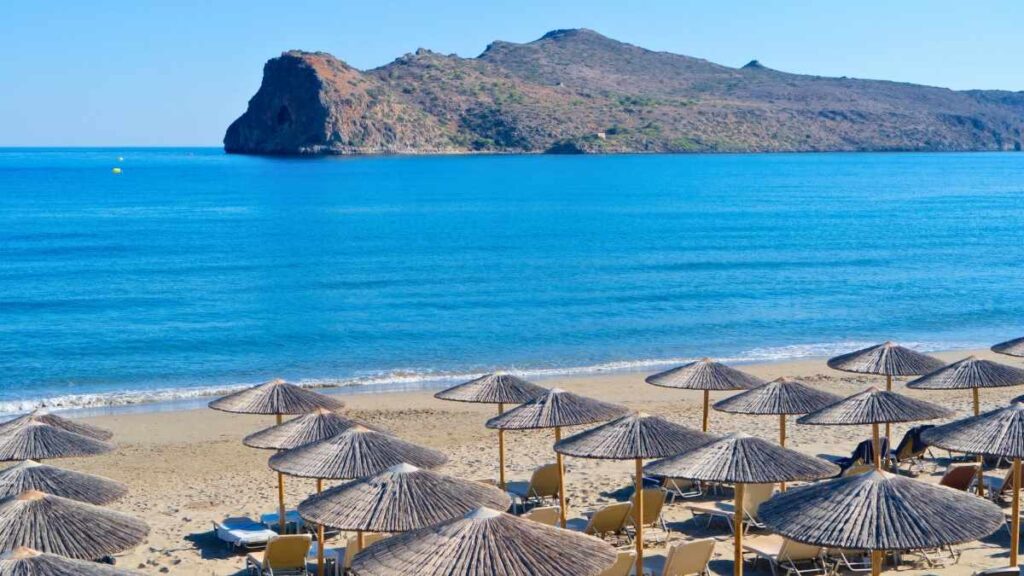
Crete feels like a world of its own, and shoulder season lets you experience its quieter edges. With temperatures staying warm enough for the beach but cool enough for gorge walks, it’s a rare window where both relaxing and exploring feel easy. Spring brings wildflowers carpeting hillsides, while autumn keeps the sea warm long after northern Europe cools. Crete’s size works in your favor here — it’s big enough to escape into villages, gorges, or hidden coves even in busier months.
Shoulder season is also when Crete’s food culture really shines. Tavernas aren’t overrun, so dishes like dakos, grilled octopus, and slow-cooked lamb feel more intimate. And the hiking? Trails like Samaria Gorge or smaller lesser-known ones feel doable without the intensity of summer heat. I’m not sure, but Crete in these months feels like an island that finally has time to share its personality with you.
Key Practical Info – Crete
- Shoulder season: April–June & September–October
- Typical temps: 20–27°C
- Getting around: Renting a car is best; buses link major towns
- Ideal stay: 5–7 days
- Must-try: Samaria Gorge, Balos Lagoon, local tavernas, mountain villages
- Budget tip: Off-peak ferries and car rentals are more affordable
- Cultural note: Locals appreciate slow, social dining — don’t rush meals
- Best photos: Balos turquoise waters, wildflower hillsides, cliffside roads
12. Valletta, Malta
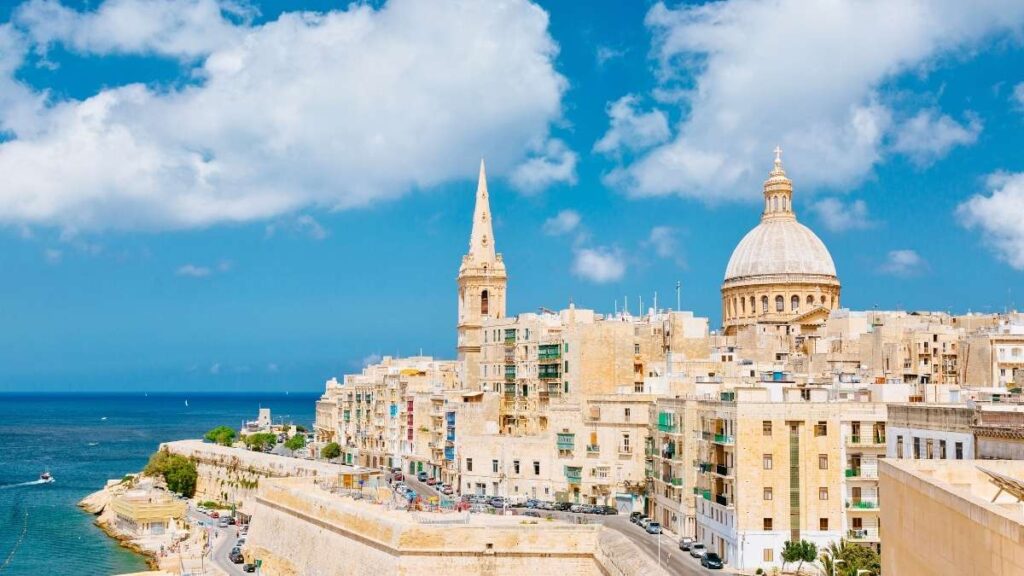
Valletta in shoulder season feels like walking through an open-air museum without constantly stepping aside for tour groups. The honey-colored stone glows under mild sunshine, and breezes from the harbor keep afternoons comfortable. Spring and autumn make exploring the city’s steep streets and baroque architecture genuinely enjoyable rather than exhausting. Maybe it’s just me, but Valletta feels more human-scale in these months — tiny cafés, quiet bastions, and small artisan shops become the highlight instead of the big attractions.
The real magic is how quickly you can pair city life with the rest of Malta. Beaches, fishing villages, ancient temples, and ferry routes all feel manageable and uncrowded. Shoulder season keeps ferry lines short and water clear enough for coastal swims without peak-summer chaos. Valletta becomes a perfect base — compact, beautiful, and easy to return to after exploring the island.
Key Practical Info – Valletta
- Shoulder season: April–June & September–October
- Typical temps: 20–27°C
- Getting around: Walkable city; buses, ferries, or Bolt for wider Malta
- Ideal stay: 3–4 days
- Must-try: Upper Barrakka views, Three Cities ferry, St. John’s Co-Cathedral
- Budget tip: Shoulder months offer lower rates on harbor-view stays
- Cultural note: Dress modestly in churches and historic sites
- Best photos: Golden streets at dusk, harbor viewpoints, Three Cities skyline