Forget the Caribbean: 7 American Beach Destinations That Are Cheaper (And Just as Warm) This Winter – Sunshine Without the Price Tag

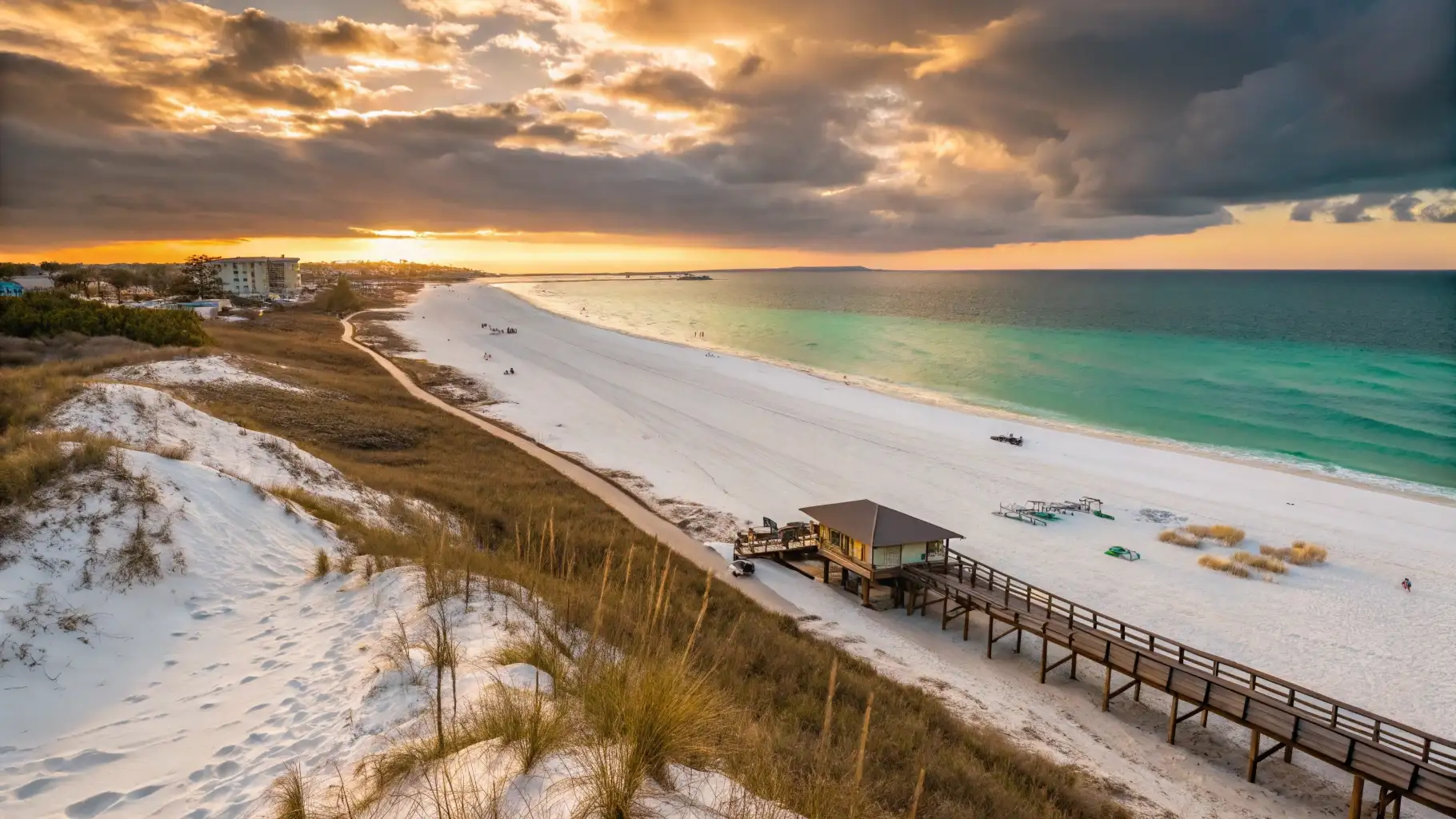
Warm sand under your feet, no passport in your pocket, and a winter sun that feels almost unfair to everyone scraping ice off their windshield back home. That’s the kind of season we’re talking about here.
Think about it this way: you don’t need a Caribbean resort to feel that rush of escape and freedom. Right now, flights are shifting, prices are wobbling, and a lot of travelers are quietly swapping long-haul trips for closer, cheaper coastlines that still feel like a real adventure.
In the next few sections, you’ll find seven U.S. beaches that prove exactly that.
1. South Padre Island, Texas
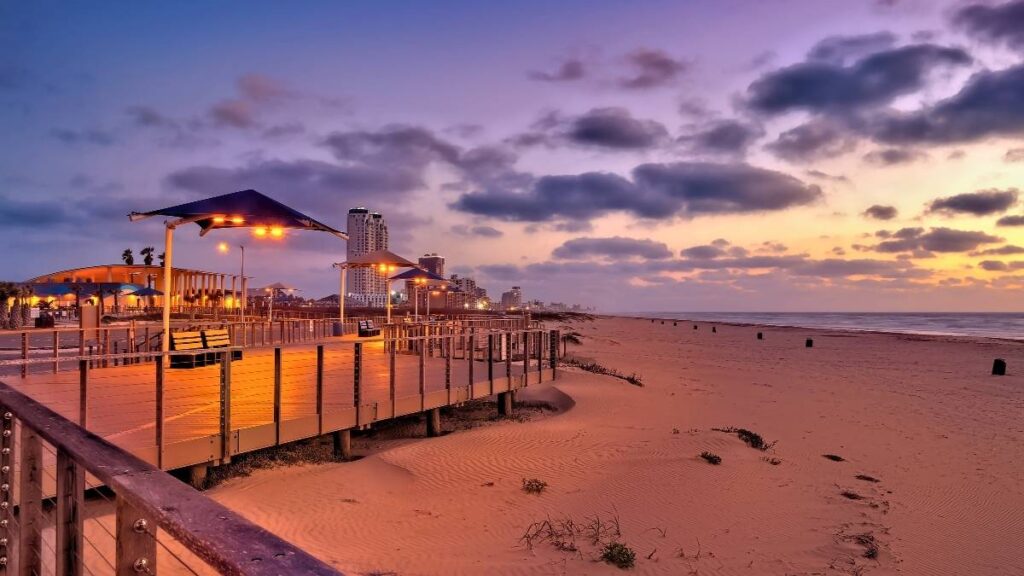
South Padre Island feels warmer and more tropical than most people expect from Texas in winter. Daytime temperatures often sit in the upper 60s to low 70s °F, which means you can wander the 34-mile shoreline without bundling up. And here’s what makes it interesting: you get both soft-sand beach time and genuine nature experiences. Over 300 bird species pass through the island during the cooler months, and the Laguna Madre on the bay side is one of the world’s saltiest lagoons — great for fishing and calm-water activities. You feel that shift the moment you step out of the car: everything slows down, and even peak beachfront areas have a relaxed winter rhythm.
You’re also getting one of the most accessible warm-weather escapes in the U.S. It’s just a straight causeway drive from Port Isabel, and two regional airports (Brownsville + Harlingen) keep travel easy. Maybe it’s just me, but the simple mix of warm weather, affordable stays, and a wide coastline makes this place one of those “why didn’t I come here earlier?” winter getaways. You can fill your days with beach walks, seafood, dolphin-watching cruises, or nothing at all — and it all feels right.
Key Practical Information
- Weather & Best Time: Winter highs in the 60s–70s °F; warm sun, cooler evenings; fewer crowds.
- How to Reach: Fly into Brownsville (BRO) or Harlingen (HRL); short drive over Queen Isabella Causeway.
- Ideal Duration: 3–4 days for relaxation; longer if adding fishing or nature activities.
- Must-Try Experiences: Dolphin cruises, sea turtle rescue center, birding, bay fishing, fresh Gulf shrimp.
- Budget Insight: Winter rates are noticeably cheaper than spring break season.
- Photography Spots: Dunes at sunrise, the causeway, Laguna Madre sunsets.
2. Gulf Shores & Orange Beach, Alabama
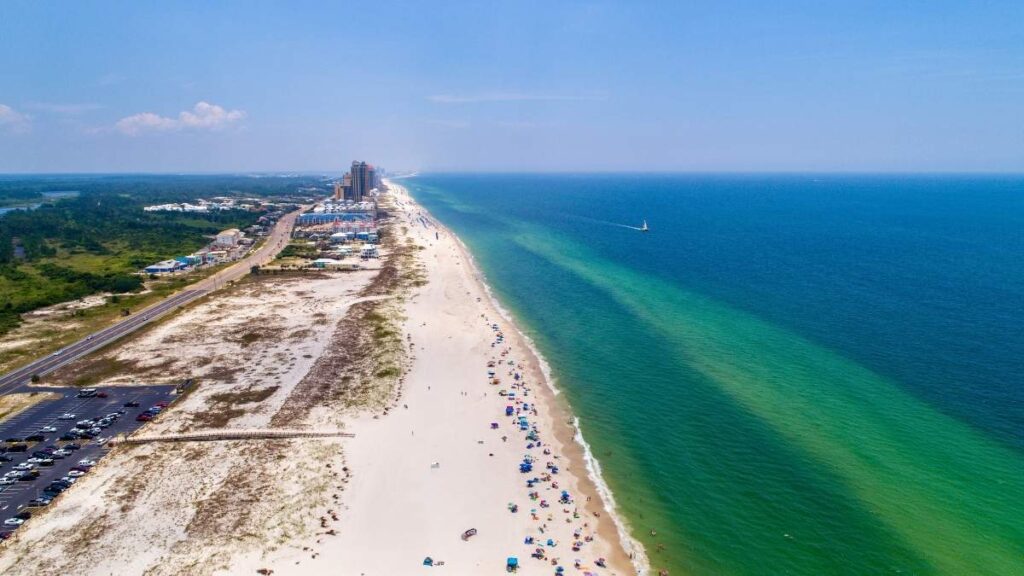
There’s something grounding about the wide, sugar-white beaches in Gulf Shores and Orange Beach. Winters are mild here — usually mid-60s °F in the daytime — which is warm enough for long walks, seafood lunches outdoors, and slow coastal days. Think about it this way: you get a Southern small-town feel combined with coastline that looks like it belongs on a magazine cover. And when winter takes over the rest of the country, this stretch of Alabama stays surprisingly warm, bright, and welcoming.
The vibe leans peaceful instead of crowded, and that’s a big advantage. You can explore the back bays, take a slow boat tour, ride the Hugh S. Branyon Backcountry Trail, or just enjoy quiet afternoons on almost empty beaches. I’m not sure, but there’s something about the combination of warm winter sun plus Southern cooking that makes the place feel immediately comforting.
Key Practical Information
- Weather & Best Time: Winter highs in the 60s °F; sunny, calm, ideal for outdoor time.
- How to Reach: Fly into Pensacola (PNS) or Mobile (MOB); easy highway access.
- Ideal Duration: 4–5 days to blend beach time with back-bay or nature activities.
- Must-Try Experiences: Shrimp boils, dolphin cruises, fishing charters, Backcountry Trail cycling.
- Budget Insight: Winter is one of the cheapest seasons — great deals on condos and hotels.
- Photography Spots: Gulf State Park Pier, dune walkovers, sunset over the back bays.
3. St. Petersburg / Clearwater, Florida
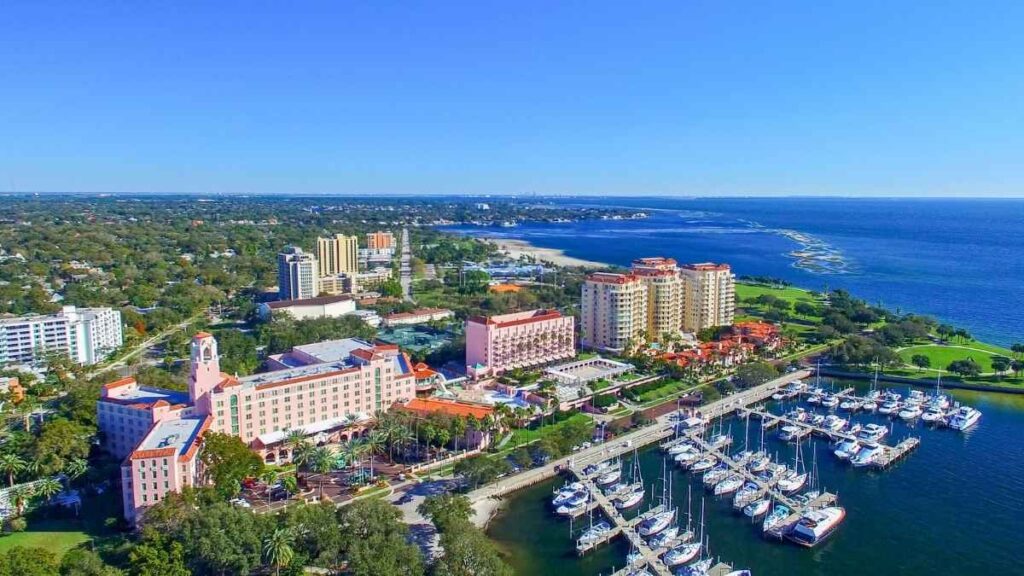
Clearwater Beach and the St. Pete coastline offer a warmer winter alternative that feels lively without being chaotic. Winter highs usually stay in the low 70s °F, and the calm Gulf water makes the beaches feel serene even when there’s activity around you. Here’s what I mean: you can spend the morning walking a quiet stretch of white sand, then spend the afternoon exploring museums, shops, or vibrant food areas without ever leaving the coastline.
What makes this place stand out is variety. You’ve got beach time, boat trips for dolphin sightings, jet-ski rentals, a polished beachfront promenade, and one of Florida’s best art scenes just minutes away in downtown St. Pete. Maybe it’s just me, but the balance of “warm beach escape” and “city energy when you want it” makes the area feel like two vacations in one — perfect for travelers who like options.
Key Practical Information
- Weather & Best Time: Low 70s °F in winter; low humidity; calm Gulf breezes.
- How to Reach: Fly into Tampa (TPA) or St. Pete–Clearwater (PIE); both close to the beach.
- Ideal Duration: 3–5 days; more if exploring St. Pete’s museums or neighborhoods.
- Must-Try Experiences: Dolphin tours, Pier 60 sunset festival, Dunedin day trip, beach promenades.
- Budget Insight: More affordable than Miami or Key West; best deals mid-January to mid-February.
- Photography Spots: Pier 60, Clearwater Beach Walk, St. Pete Pier.
4. Isla Blanca / Port Isabel, Texas
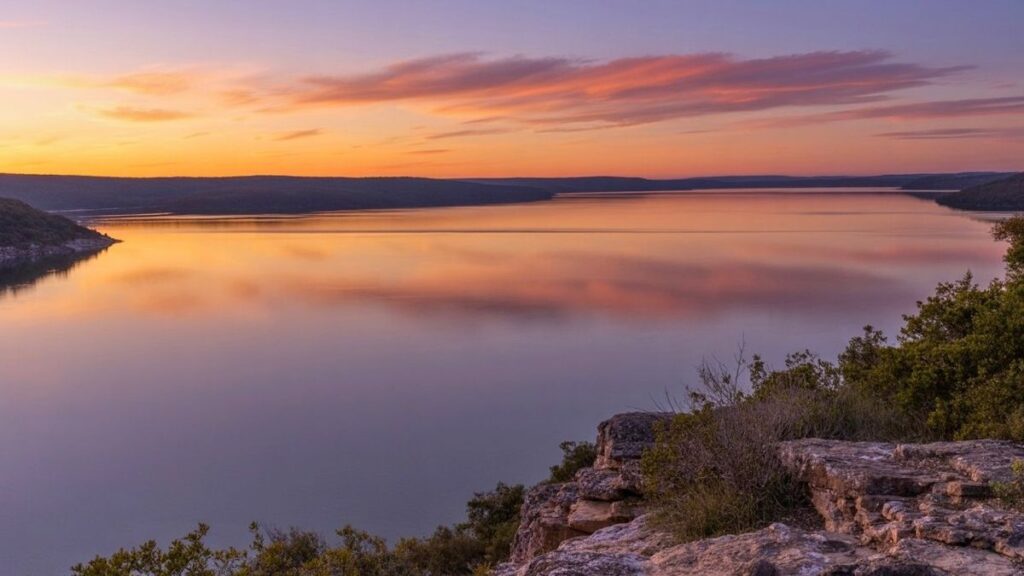
If you’re drawn to calm, low-key beach towns, Port Isabel and the Isla Blanca area feel like a quiet alternative to South Padre’s busier parts. Winters are mild here — usually mid-60s °F — and because you’re right beside Laguna Madre, the water stays calm, glassy, and perfect for sunrise or sunset walks. The local fishing scene thrives in winter too, thanks to the bay’s unique high-salinity ecosystem.
What I like about this area is its slower rhythm. Everything feels unhurried, from the small local restaurants to the marinas filled with modest fishing boats. You’re still just minutes from the more active South Padre beaches, but you get that peaceful “town by the water” energy that’s great for people who want warmth without noise or crowds.
Key Practical Information
- Weather & Best Time: Winter highs in the 60s °F; calm bay breezes; quiet atmosphere.
- How to Reach: Same access as South Padre — fly into BRO or HRL; short drive to Port Isabel.
- Ideal Duration: 2–3 days; longer if combining with South Padre activities.
- Must-Try Experiences: Bay fishing, lighthouse district strolls, local seafood markets.
- Budget Insight: Often cheaper than staying on the barrier island itself.
- Photography Spots: Port Isabel Lighthouse, Laguna Madre reflections, fishing docks at dusk.
5. Tybee Island, Georgia
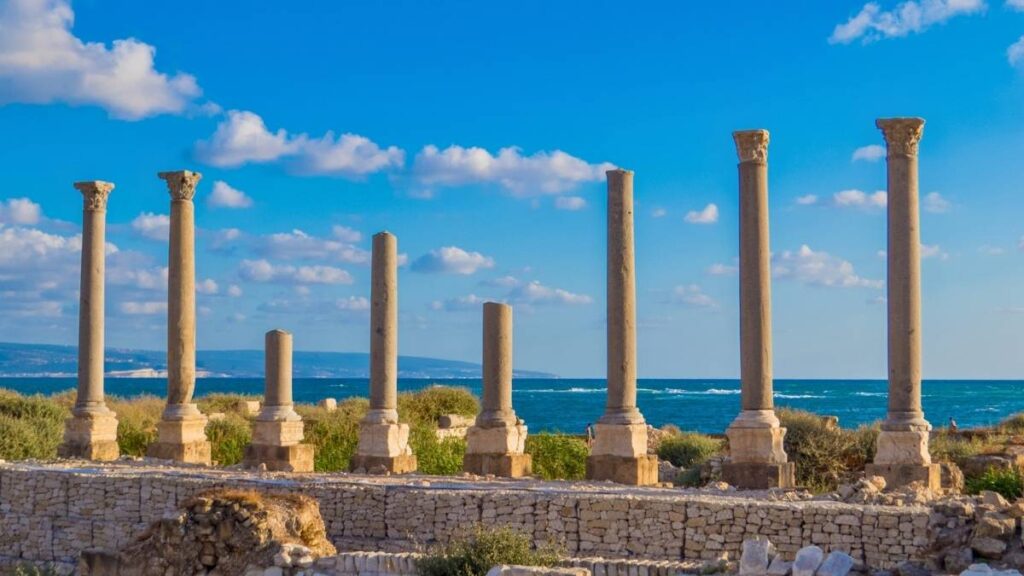
Tybee Island has this gentle, small-town feel that becomes even more charming in winter. Daytime temps in the low 60s °F make beach walking comfortable, and the coastline stays quiet enough that you often feel like you have whole stretches to yourself. You’re getting a mix of warm coast and historic personality — Tybee feels relaxed, but Savannah is just 25 minutes away, which means you can add architecture, food, and culture to your beach trip without much effort.
What stands out here is the blend of nature and local character. Long fishing piers, peaceful dune crossings, cozy seafood spots, and calm tides give the island a soothing rhythm. And winter brings lower prices, fewer visitors, and some of the clearest coastal skies for photography. If you’re someone who enjoys warm weather without big crowds, Tybee fits beautifully.
Key Practical Information
- Weather & Best Time: Winter highs around low 60s °F; cool breezes; sunny stretches ideal for long walks.
- How to Reach: Fly into Savannah/Hilton Head Airport (SAV); short drive to Tybee.
- Ideal Duration: 3–4 days; add extra if pairing with Savannah.
- Must-Try Experiences: Tybee Pier, lighthouse tour, dolphin tours, fresh Georgia shrimp.
- Budget Insight: Winter is one of Tybee’s cheapest seasons for lodging.
- Photography Spots: Tybee Lighthouse, pier sunrise, dunes + boardwalk shots.
6. South Walton (East 30A Beaches), Florida
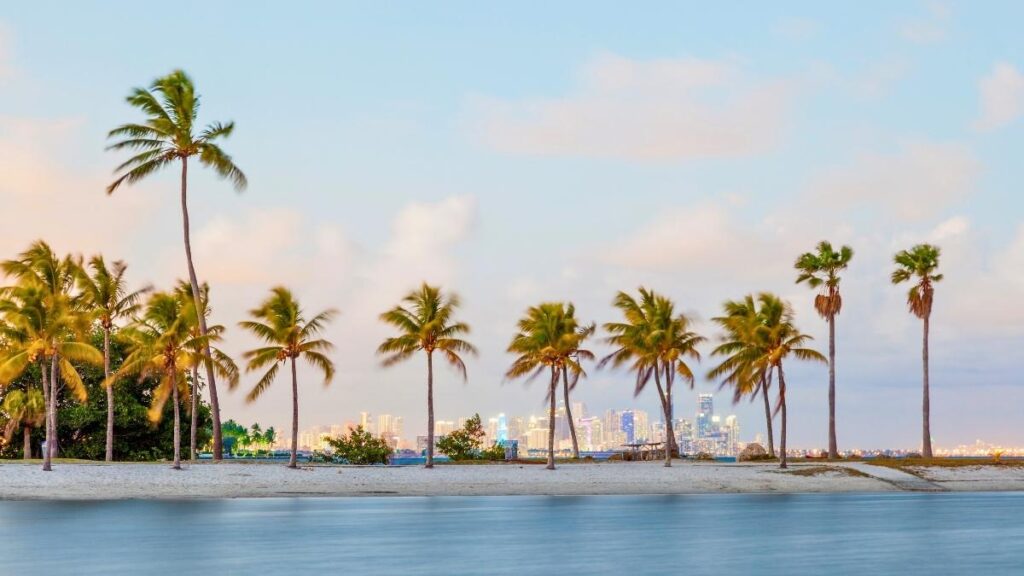
South Walton’s quiet, upscale stretch of the Florida Panhandle feels different from the rest of the Gulf Coast. Even in winter, daytime temperatures often hover in the low to mid-60s °F, and the sugar-white beaches stay bright and incredibly photogenic. What stands out is how peaceful this area feels compared to Florida’s bigger winter destinations. You’re getting charming beach towns like Seaside, Alys Beach, and Rosemary Beach — each with its own design personality. Here’s what I mean: Seaside looks like a pastel movie set, Alys Beach leans Mediterranean with all-white architecture, and Rosemary Beach feels almost European with cobblestone lanes and gas lamps.
Winter brings a calmer rhythm to the 30A corridor, and that actually makes it enjoyable in a totally different way. You can walk long stretches of nearly empty beaches, bike the scenic 30A Trail, explore coastal dune lakes (which are extremely rare — only a few exist worldwide), and enjoy cafés and bakeries without lines. Maybe it’s just me, but the combination of warm afternoons, small-town charm, and quieter crowds makes South Walton feel almost tailor-made for travelers who want a “soft winter” beach escape without the chaos of high-traffic resort areas.
Key Practical Information
- Weather & Best Time: Winter highs in the low/mid-60s °F; cool mornings; comfortable afternoons.
- How to Reach: Fly into Destin–Fort Walton Beach (VPS), Northwest Florida Beaches (ECP), or Pensacola (PNS).
- Ideal Duration: 3–5 days for beach towns + biking + food spots.
- Must-Try Experiences: 30A bike trail, Seaside amphitheater, dune lake kayaking, Alys Beach courtyards.
- Budget Insight: Winter rates are significantly cheaper than spring and summer.
- Photography Spots: Alys Beach archways, Rosemary Beach boardwalks, pastel Seaside cottages, dune lakes at sunset.
7. Sanibel Island, Florida
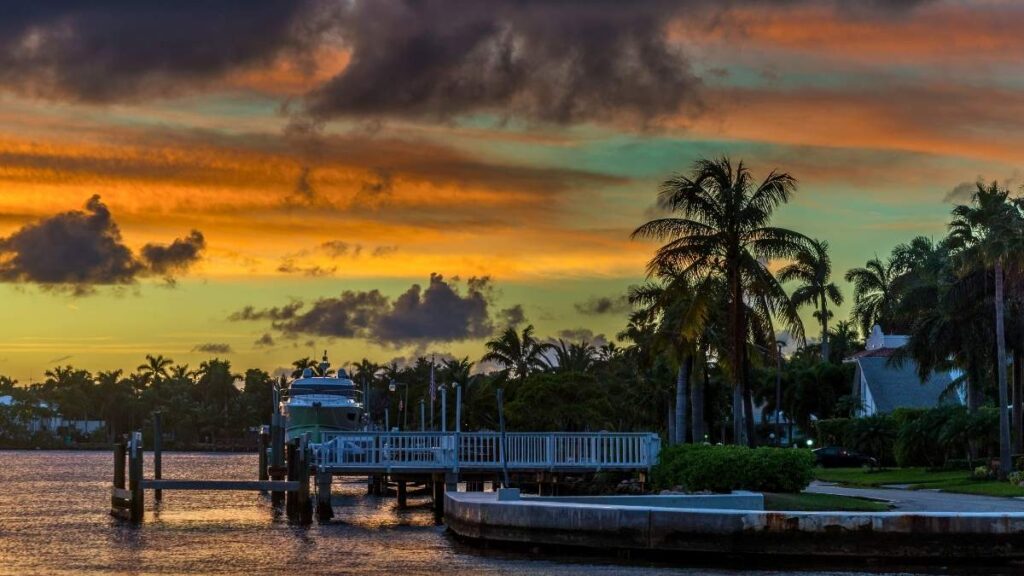
Sanibel Island has a calm, nature-centered energy that feels refreshing in winter. Temperatures usually stay in the low 70s °F, which is warm enough for shell collecting (Sanibel is famous for over 250 shell varieties), biking the long shoreline paths, and exploring wildlife preserves. The island has a strict building-height code, so you won’t see high-rise hotels or massive resorts — just low-key coastal cottages, bike paths, and beaches that feel undisturbed. You know that moment when you arrive somewhere and immediately think, “Oh, this is going to be good”? That’s Sanibel in winter.
The island is still rebuilding in some areas after Hurricane Ian, but a large portion of beaches, trails, restaurants, and parks have reopened — and winter actually feels like a meaningful time to support the community. The nature preserves are thriving, from J.N. “Ding” Darling Wildlife Refuge to the calm mangrove areas where you’ll spot birds, manatees, and quiet waterways perfect for kayaking. It’s one of those places where warm weather meets a slow pace, and maybe it’s just me, but that combination feels incredibly grounding.
Key Practical Information
- Weather & Best Time: Winter highs around 70–73 °F; warmest destination on this list besides South Padre.
- How to Reach: Fly into Southwest Florida International Airport (RSW); about a 40–50 minute drive to Sanibel.
- Ideal Duration: 3–5 days to explore beaches, bike trails, shelling zones, and wildlife areas.
- Must-Try Experiences: Shelling at Bowman’s Beach, Ding Darling Refuge, lighthouse beach, Kayak through mangroves.
- Budget Insight: Winter is high season in Florida — still cheaper than the Caribbean, but pricier than Texas beaches.
- Photography Spots: Lighthouse pier, seashell-covered beaches, wildlife refuge boardwalks, sunrise along the causeway.