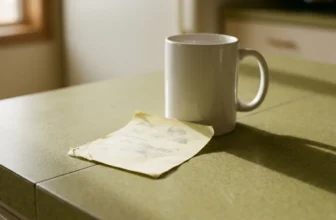
Two couples retire in the same season, both certain the free hours are a gift. One runs every errand side by side and is snapping over the grocery list by Thursday. The other keeps a Tuesday volunteer shift and a Thursday coffee group, and by month three is still choosing the company on purpose.
The couple this piece is built around has been married thirty-five years and retired inside the same three-month window. Two bedrooms, a spare room, one shared car, and a friction neither of them saw coming, plus a quiet guilt about wanting an hour alone.
Nothing is wrong with the love. What vanished is what work used to hand over for free: the commute, the colleagues, the reliable change of scene. Wanting an empty house for an afternoon is not betrayal. Continuous company is a structural change, and it needs deliberate, cheap boundaries.
By the end you can tell ordinary coordination friction from a real and recurring need for space, claim one two-hour block each of you controls, put it on a shared calendar, and read the first month as an experiment rather than a verdict.
Quick Tips Before You Start
Pick a recurring block
Choose one two-hour window that repeats weekly and belongs to each partner in advance.
Keep it local
Use the one shared car and a fixed monthly income, so apart time costs nothing extra.
Name the door
If the spare-room door is closed from 2 to 3, say so out loud: reading, not upset.
Put it on one calendar
A shared calendar is not one partner's plan imposed on the other; both write on it.
Review after a month
Treat the first month as an experiment to adjust, not a verdict on the marriage.
The Structure Work Supplied
Before you can design a solution, you have to see what was actually lost. It was not romance or shared interests. It was the ordinary architecture of a working week: a commute, a set of colleagues, a reason to be somewhere else for eight hours.
In the example used throughout this article, a couple married 35 years both held full-time jobs with commutes and daily colleagues. They retired within the same three months. Their two-bedroom home, one kitchen, and one shared car now frame almost every hour of the day. Nothing about their affection changed. Everything about their daily separation did.
1. Retirement removes the daily breaks work supplied
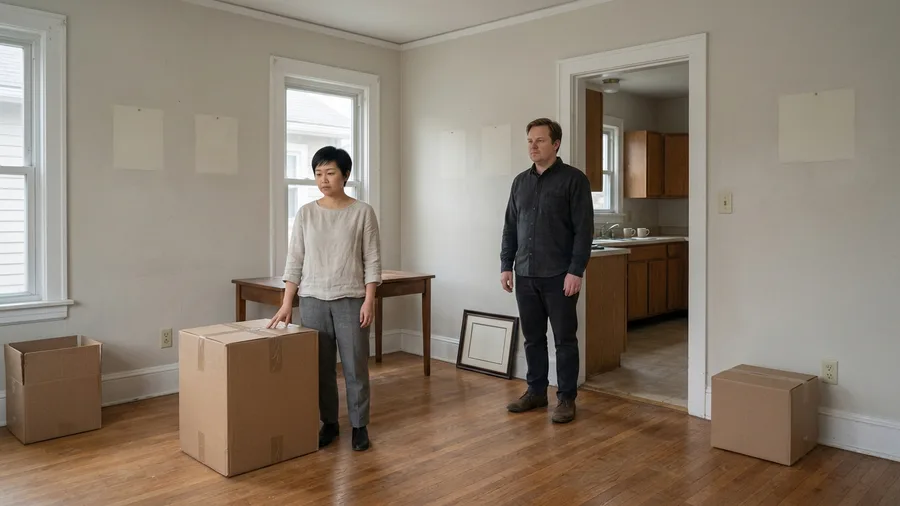
By the second month, a quiet irritation sets in that neither partner can explain. The house is the same house. The marriage is the same marriage. Yet a Saturday that used to feel like a treat now feels like a stretch, and neither person can point to anything that changed.
What changed is not the love. It is the rhythm. Before retirement, each of them left the house five mornings a week, sat in traffic or on a train, and talked to people who were not each other. The commute did not feel like a gift at the time. It was one. It supplied a built-in absence, three or four hours a day, that nobody had to schedule or apologize for.
Now the two-bedroom house, the one kitchen, and the single shared car frame almost every hour of the daylight. Neither partner has anywhere to be that the other is not also welcome. The breaks that used to arrive on their own no longer arrive at all.
This is why the weekends and holidays of the working years were never a fair test. They worked partly because Sunday night came. Retirement has no Sunday night, and that is the whole difficulty. The useful question is not ‘what is wrong with us’ but ‘what did work supply that we now have to rebuild on purpose.’
💡 Tip: Write down the two or three things your job gave you without effort: the commute, the lunchroom, the walk to the train. Those are your rebuild list.
2. Shared retirement turns routine choices into constant negotiation

It is Saturday morning and the store is a ten-minute drive. One partner says, ‘I’m running out for milk, want to come?’ and what should be an errand arrives as a small summons. Neither person has done anything wrong. That is exactly why it stings.
The question isn’t an invitation, it’s a negotiation over time. Once both work schedules are gone, meal times, errands, and the one shared car all land in the same shared space instead of being settled by separate days. A request for a ride, lunch at noon, help moving a chair, each one is a bid for the other person’s attention, and there are far more of them now.
The fix is not fewer decisions. It is fewer shared ones. One partner owns the grocery list and the Saturday errand, the other owns a meal or a fixed slot with the car, and those choices get made alone without checking in. Giving up a little say over the milk restores the separation work used to provide.
What looks like lost affection is usually coordination density. Small domains of unilateral control cost nothing and take the pressure off everything else.
⚠️ COMMON MISTAKE
Do not wait for the irritation to pass
The irritation is data. It usually points to a specific domain where every decision now runs through both partners. Name that domain, hand it to one person, and watch the friction drop.
3. One partner’s plan becomes the other’s schedule
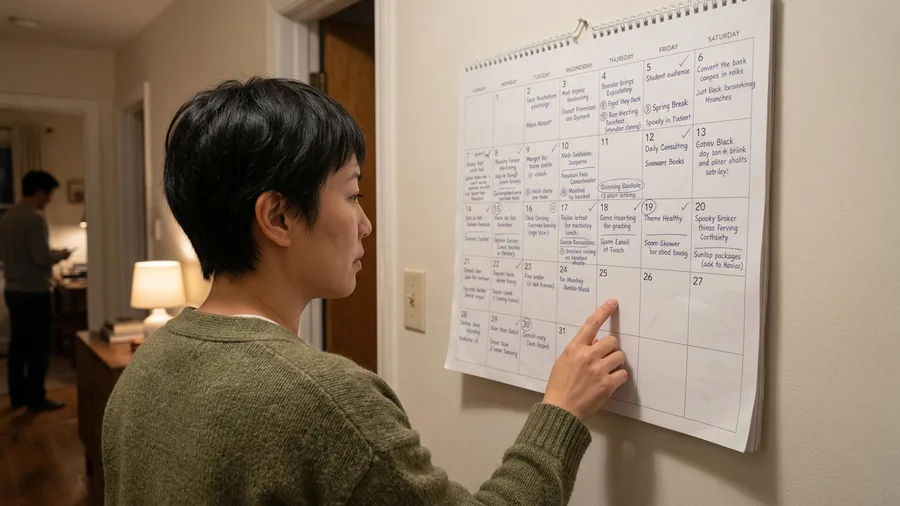
The standard advice is to plan more together. In practice, the more organized partner plans, and the other one gets planned for. One keeps the Tuesday volunteer shift and proposes Saturday outings; the other has the Thursday coffee group and had quietly been hoping for an empty day.
The organized partner fills the calendar with reasonable things – an errand, a visit, a walk – and the other hears a schedule being assigned. ‘We should get out this weekend’ stops sounding like an invitation and starts sounding like a task already on the list, and it lands hardest when one person’s time is full because the other filled it.
What the research on shared decision-making keeps pointing to is that joint control works; unilateral control does not, and this shows up more in daily logistics than in money, where couples often share better. The fix is mechanical: both partners enter the calendar together, and each has a veto over any joint plan. Control over your own hours is the thing work used to give and the house no longer does.
What Retirement Changed, at a Glance
4. Mismatched body clocks make togetherness feel longer
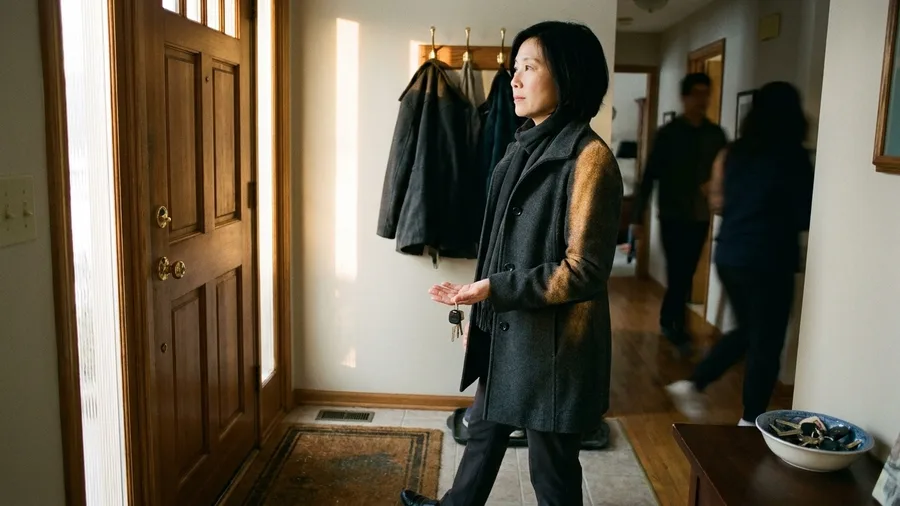
It is 7:20 on a Tuesday and one of you is standing by the front door with the car keys, coat on, waiting. The other is still at the kitchen table with a second cup of coffee and no intention of moving for an hour. Neither of you is being difficult; you are running on different clocks, and those clocks used to be set by two separate commutes. A workday hid the mismatch by giving each of you a schedule that belonged to you alone.
The early riser wants the errands done and dusted by nine; the slow starter wants quiet until ten and feels bossed around by a list pinned to the fridge. That is a rhythm mismatch, not a verdict on whether you suit each other. The spare room earns its keep here: a desk, a door, and a chair are enough to give the morning person a place to be at full speed while the other eases in.
Name the quiet hours and the errand windows out loud, as logistics. ‘I’ll do the store before nine, you have the kitchen till ten’ settles a day far faster than either of you sighing at the other over the paper.
The Emotional Load of Constant Company
Once the daily structure is gone, the emotional weight of being together all day becomes visible. Someone has to carry the social life, someone has to name the need for quiet, and someone has to notice when old roles start running the room.
Each entry here looks at what happens to the relationship when no one is getting a natural break from it.
5. Constant company makes one person the social director

Six or seven times a week, someone in that house asks somebody else what they feel like doing later. Not because anything is wrong, but because twelve o’clock and six o’clock arrive every day, and somebody has to answer.
In this couple, the same partner tends to line up the visits and the errands, and tends to settle what’s for dinner, while the other waits to be told or asked. Think about who reaches for the phone when a friend suggests a Saturday lunch: it is almost always the same set of hands. That partner now runs the couple’s social life, its conversation starters and its appointment calendar, and the other has quietly become the guest.
What makes this hard to see is that it wears the costume of ordinary closeness. Nobody assigned the role; it accumulated because somebody always had to make the call, and making the call was easier than waiting to be asked. Resentment builds there, slowly, in a person who cannot point to a single unfair day.
Here is the honest self-test, and it takes about as long as reading this far. Without checking with anyone, can you name the last outing you arranged yourself and the last one your partner arranged? If every plan in both columns has the same name at the bottom, the social director role has quietly become one job.
Relief does not require a new social circle. It asks for two separate anchors: the Tuesday-morning volunteer shift on one side of the calendar, the Thursday-morning coffee group on the other, so both partners step outside the house on their own and bring something back that the other wasn’t present for. Then the couple shares out who books what, one for the calendar and one for the appointments, so the invisible list stops living entirely in one head.
The social director may need persuading at first, since handing over half a list can feel like losing a role rather than shedding a load. Give the role away in pieces, not all at once. The measure of success is simple: in a few weeks, neither partner can name who is responsible for the couple’s social life, because the answer is both of them.
💡 Tip: Whoever schedules gets one weekend morning entirely free of planning duty each month. The other partner owns the plans.
💡 PRO TIP
Make the return explicit
Space without a stated return time feels like avoidance. The volunteer is home by noon; the coffee group ends at 11; lunch is shared. Say the return out loud before you leave.
6. Time apart restores the novelty closeness needs

“I just want an afternoon to myself.” Say it plainly and notice how it sounds – less like a confession than a small, practical request. The reason it reads as drift is that space with no return point looks like avoidance, and space with one looks like what it is: a break you both scheduled.
The volunteer is home by noon; the coffee group breaks up at eleven; lunch is shared. That is the difference between apart time and escape, and it costs nothing – the spare room, the front door, the same kitchen. Each of you comes back with a story from the shift or a face from the coffee shop, and reunion becomes a choice instead of the default.
So wanting space is not a signal you are drifting when the return is routine and named in advance. Drift is when nobody knows when the other is coming back.
7. Unspoken need for space leaks out as irritation
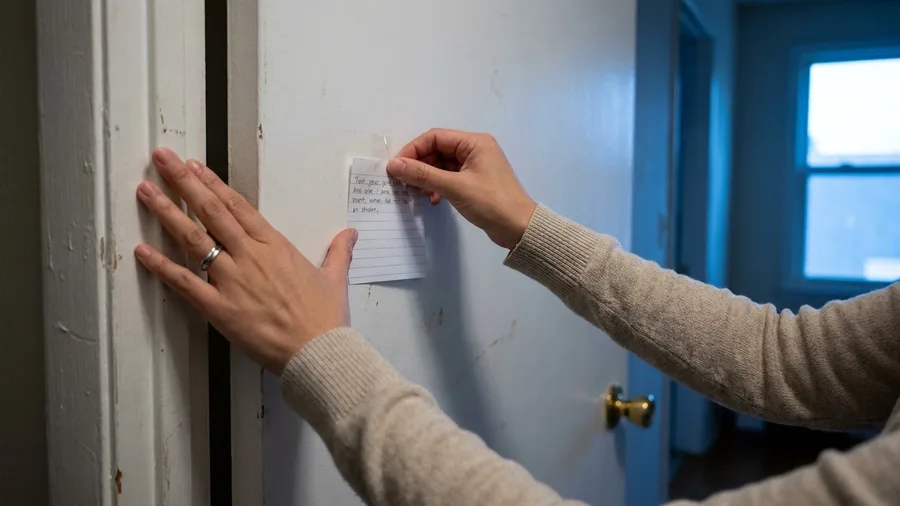
The first time someone closes the spare-room door without saying why, the other partner reads it as something said about them. I have watched that happen in a house where nothing was wrong except that one person wanted an hour to themselves and could not find the words for it.
So the irritation gets the words instead. A comment about a dish left in the sink. A sigh loud enough to carry down the hallway. A sudden errand that takes two hours and returns with someone upset. The partner who was not told anything hears only the noise and assumes the worst.
It goes the other way just as easily, and that is worth naming. The person who did not ask for space feels the weight of a silence they cannot locate: the door they came home to find closed, the cabinet they heard close harder than usual, the shoulder turned at breakfast. None of it is huge. All of it lands.
Say the thing plainly instead. “The door is closed from two to three. I am reading, not upset.” Six words, one hour, and nobody has to guess. The test is whether it eases once the task is done or the hour has passed, or whether it comes back week after week and leaves the partner lighter when they step away.
💡 Tip: Test it: if the annoyance disappears once the dishes are done, it was a task. If it returns by Thursday, it is a need for space.
Friction or a Real Need for Space?
Ordinary friction
- Eases once the task is done or after a short break.
- Tied to a specific chore, meal, or errand.
- Does not recur at the same time every week.
- A five-minute pause usually resets it.
A real need for space
- Recurs at the same time of day or week.
- Brings visible relief when separated.
- Turns into irritation when ignored.
- Needs a stated boundary, not a longer nap.
8. More togetherness can revive old parent-child roles

Because a division of labor that made sense for decades has quietly spread into every hour of the day. One partner has run the money for 35 years; the other has run the kitchen. That arrangement was workable when work absorbed most of the day. Now it reaches dinner.
The finance partner glances at the grocery list and asks why there are three kinds of cheese. The meal partner reminds the finance partner for the third time about the water bill. Neither is being controlling. Each is doing what they have always done, and each now hears it as being checked on.
Over months this costs something. One partner starts to feel irresponsible, the other feels like a supervisor, and both quietly stop asking. Naming the need for space and scheduling an hour behind a closed door loosens the grip of the old arrangement, but the roles still need a small break of their own. Swap one task. The finance partner cooks one dinner. The meal partner pays one bill. Both learn the arrangement is not fixed.
🕰️ Build a Two-Hour Block in Five Steps
Pick the recurring window
Choose one two-hour slot each week that repeats, such as Tuesday morning for one partner and Thursday morning for the other.
Keep it local and free
Use the one shared car at different times and keep it inside the fixed monthly income, with no second car or weekend away.
Put it on a shared calendar
Both partners write on the same calendar so the block belongs to each person in advance, not to whoever claimed it.
State the return out loud
Say when you will be back: the volunteer is home by noon, the coffee group ends at 11, lunch is shared.
Review after one month
Adjust the block as an experiment, not a verdict. If one partner resists, start with a solo errand or the spare-room hour.
Designing Apartness Without Threat
The final move is the practical one. The break that work supplied has to be replaced by something small, local, recurring, and planned by both partners, so it reads as structure rather than rejection.
These last entries cover the design of that break and the social world it also has to rebuild.
9. Scheduled apartness works better than snatched time
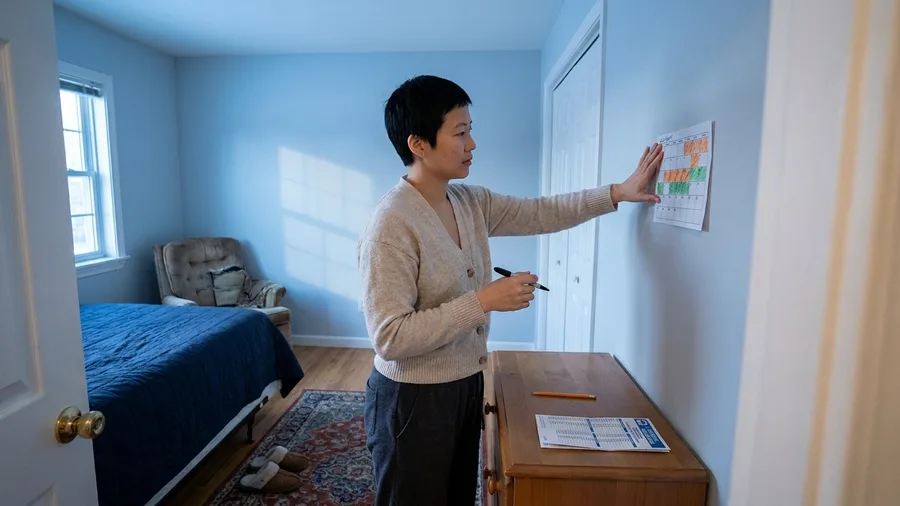
The common advice is to be generous with space: give each other room, do not keep score, let it happen naturally. In a two-bedroom house with one shared car and a fixed monthly income, that advice rarely survives a Tuesday. Time that is only ever borrowed is time somebody has to justify. The borrowing is where the guilt comes from.
Turn it around. Instead of catching space when you can, put one block on the calendar in advance and let it belong to each partner. The Tuesday-morning volunteer shift is already there; the Thursday-morning coffee group is already there. Two hours, recurring, and nobody has to negotiate for it that week.
That works because it is local and cheap. A fixed retirement income covers the bills and one modest subscription, not a second car or a weekend away each month. The volunteer shift costs a bus fare or a walk. The coffee group costs a cup. Nothing about the measure requires money you do not have.
What the calendar buys is the end of scorekeeping. Neither partner is stealing the hour; it was theirs before the week started. Try it for a month and review it like an experiment, not a verdict on the marriage. If one of you balks, start smaller: a solo errand, or the spare-room hour with the door closed. The point is not a full day apart. It is that the break belongs to one person, in writing, ahead of time.
💡 Tip: Put the block on the calendar before the week fills up. A recurring event beats a promise to give each other space.
Two Ways to Get Time Apart
How each approach tends to score on guilt and reliability
10. Shared retirement can shrink each partner’s social world

It is 3 p.m. on a Wednesday and neither of you has spoken to anyone but each other since breakfast. You are sitting eight feet apart, and the quiet has started to feel like a room with no windows.
This is one of the stranger costs of joint retirement. Before, each of you left the house and landed somewhere that expected you, among people whose names you knew and whose small dramas you followed. Those daily colleagues did not have to be close friends to do their job. They filled the social hours so that coming home was a reunion rather than a continuation, and now those hours are gone.
Loneliness can settle in even when you are never technically alone. That sentence sounds like a contradiction until you live it. The person beside you is your partner, not a break room, and no single relationship can carry every part of a social life without thinning.
This is where the volunteer shift and the coffee group start earning their keep, and it helps that they fall on different mornings, so one car can cover both. What those anchors give each of you is a place where someone else notices whether you turned up.
The risk is subtler than one partner having more friends. When all the social need funnels toward one person, the other partner’s outside friendships can feel like competition for scarce company rather than relief from it. A partner with a wide circle makes this easier to carry; the couple still needs a workable plan for the partner who does not.
The replacement for those vanished colleagues is not one spouse becoming the entire social world. It is a few low-cost, local ties that ask little of the budget and nothing of the car at the same time, so separate friendships end up relieving the marriage rather than rivaling it.
Avoid These Mistakes When Adding Apart Time
Frequently Asked Questions
Does wanting time apart mean we are drifting?
Not when the return is planned and routine. A recurring two-hour block with a stated return time makes the apartness read as rhythm rather than escape. Drift usually shows up as avoidance without a return, not as a scheduled break.
How do we start if we cannot afford weekends away?
Use what you already have: the one shared car, the spare room, and one regular anchor outside the house. Keep the block local and inside the fixed monthly income. The cost of a break is not the point; the recurrence is.
What if only one of us wants this?
Begin with a smaller move, like a solo errand or a closed spare-room hour with a stated return. Let the first month be an experiment to review, not a verdict on the marriage. A small boundary that sticks beats a full day apart that does not.
How do we tell ordinary friction from a real need for space?
Ordinary friction tied to a task eases after the task or a short break. A real need for space recurs at the same time and brings relief when separated. If the annoyance returns by Thursday, it is a boundary to schedule, not a chore to finish.
Won’t separate friendships make the marriage feel less close?
Separate ties keep outside social contact alive and reduce the pressure on one partner to be the entire social world. They relieve the marriage rather than compete with it. The couple still needs a plan for the partner whose circle is thin.
The Two Hours That Keeps You Close
Start before the resentment sets in. Choose one recurring two-hour block that each of you controls alone, put both on a shared calendar, keep them local and cheap, and treat the first month as an experiment you review together, not a ruling on the marriage.
If one partner balks, shrink it: a solo errand, or the spare-room hour with the door shut, instead of a whole day apart. The couple married thirty-five years, retired within the same three-month period, sharing one kitchen and one car, can still hold two scheduled absences that cost almost nothing.
The same house that now frames most of the day can also hold those two hours. Apartness is not subtraction from a marriage. It is the structure that makes the reunion chosen, the conversation fresh, and the continuous company voluntary again.
Put One Block on the Calendar This Week
Pick the two-hour window, say the return time out loud, and review it together after a month.