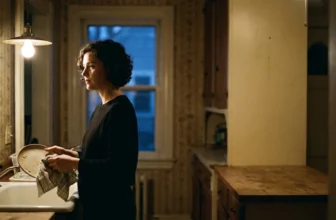
Your spouse is not getting more stubborn with age. What hardened is the no, and the no is doing a job. It protects something, and until you know what, every argument is aimed at the wrong target.
It shows up small. You float a different route to the pharmacy, a later walk, a new night for the meal you always eat on Tuesday, and the refusal arrives before you have finished the sentence. You call it stubborn, or aging, or a need to win, and by dinner you are both dug in over fifteen minutes.
The same no can be anxiety, a day with fewer choices in it than it used to have, the sheer effort of deciding, words that never crossed the room, an answer that takes a beat longer to assemble, retirement crowding the calendar, face, or a fight the two of you were having long before any of this.
So treat it as information about what feels threatened, not a verdict on anyone’s character, and match your response to the signal. By the end you will be able to sort ordinary resistance from an old marital pattern from a change that deserves a doctor, and you will have the first conversation to try this week.
Stubbornness is the label you reach for when you have not yet worked out what the no is protecting.
Anxiety Looks Like Stubbornness

The change is often small and the refusal is large because the change is not the point. Uncertainty is. A spouse who blocks a different Sunday route to the pharmacy, who puts off deciding about a social plan, who goes quiet halfway through the discussion is often protecting a sequence they can predict, not trying to win an argument about directions.
Researchers who study anxiety describe this pattern plainly: when the future feels unreadable, people grip whatever is repeatable. A route, a time, an order of errands become the parts of the day that can be counted on, and a change that looks harmless to you looks like the removal of one of the few things still holding still.
You see the shape of it in how the ‘no’ lands. Ask about the new route and you get a flat refusal, then a delay, then a refusal to talk about it at all, and the conversation stalls before it starts. What stays beneath the flatness is a question the spouse may not be able to ask out loud: what exactly changes if we do this differently?
Naming the unchanged parts answers that question without a debate. Same time, same pharmacy, same errand, only the road between them is different, and now the change is bounded rather than open-ended. The sequence is stated instead of argued.
One boundary stays fixed while you do this. Intimidation, monitoring, isolation, control of money, threats, punishment for disagreeing are not anxiety to be accommodated; they are safety issues, and no amount of threat-lowering is the answer to them. Predicting what the resistance protects earns you a calmer conversation. It never earns a pass for coercion.
Control Shrinks as Options Dwindle
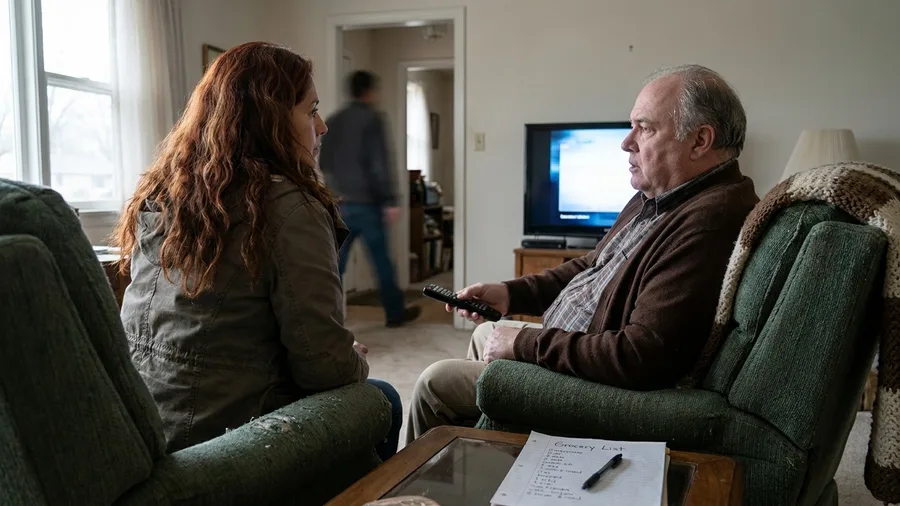
Protecting predictability is one habit of mind; protecting a say in your own day is another, and the second one gets fiercer as the day offers fewer choices. When health narrows what a body can do, when a job ends, when the social circle thins, small decisions carry more weight than they ever did. The meal, the chair, the errand order are not trivia. They are a vote.
Picture a spouse who has stopped working. The same chair, the same grocery list, the same Tuesday errand, every week. Suggest moving the errand to Monday to fit your own schedule and the resistance arrives fast and hot, out of all proportion to a day of the week. To you it is a small reshuffle. To them it is the removal of one of the few remaining votes on how the day goes.
Ordinary autonomy-seeking and coercive control look different once you know what to check. A preference for a brand, a chair, a time is a person choosing. Monitoring, isolation, control of money, threats, or punishment for disagreeing is a person being controlled, and that distinction holds regardless of how small the trigger seems.
Resistance softens when the choice is real. Two acceptable options within the limits you actually have, Tuesday morning or Wednesday afternoon, errands before lunch or after the mail, give back a say without a staged one. A choice with only one genuine answer is a trick, and spouses tend to hear the difference.
The trap on the other side is over-reading. Treat every preference as a symptom and you have turned your spouse into a case file, which hardens the very resistance you were trying to lower.
⚠️ COMMON MISTAKE
Don't confuse a preference with a pathology
A preference for a brand, chair, or time is not a symptom. Labeling every preference as 'stubbornness' or 'rigidity' turns your spouse into a case and hardens resistance. Save the clinical lens for sudden changes.
Habit Is Cheaper Than Deciding
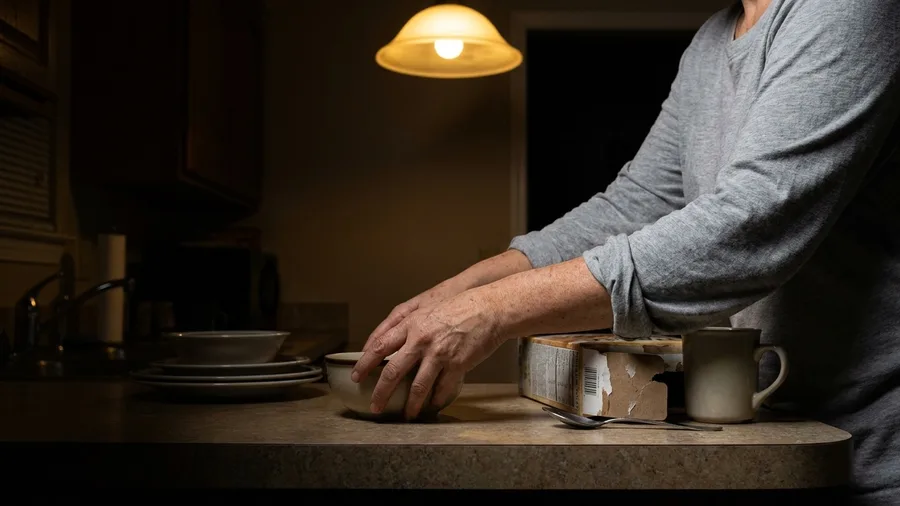
A routine is not only a preference; it is the cheap option. The same route home, the same breakfast, the same day for paying bills take less planning, less memory, less of the small ongoing effort of deciding. Novelty costs something even when it is harmless, and after a long day of other decisions, cost is what the spouse feels.
Watch it at the ordinary level. The usual grocery route, the meal rotation that has run for years, the fixed schedule for errands. None of these are stubbornness. They are the path of least effort through a day that already asks for a lot of effort, which is why a suggestion of something different meets a flat no before it has been considered.
The size of the ask sets the size of the no. Rebuild the whole Sunday and you invite refusal, because you have raised the cost all at once. Change one thing at the edges instead: one new cereal in the cart, one different road on a day with nothing riding on it, one extra side dish at dinner. That tests change without overloading the person making it.
Habit itself is not a diagnosis. Years of the same routine is a life, not a symptom. An abrupt break from it, new confusion, a refusal that appears within weeks rather than decades, belongs to a clinician rather than to a spouse’s checklist, and the two should not be filed together.
What helps is a single question aimed at the cost the routine is avoiding. Ask what the repeated path spares them, then shrink the variation down to fit under it.
The Same 'No,' Two Different Meanings
Hearing Loss Sounds Like Disagreement

The argument about the dishes usually starts before anyone has said anything wrong, because the words never made it across the room intact.
Someone calls a question from the kitchen sink over the running water and the range hood on high. The answer comes back as ‘What?’ or a nod that looks like agreement and turns out to be a guess. The asker turns the burner down and repeats it louder, and now the spouse says ‘Never mind’ and leaves the room. The retreat reads as stonewalling. The effort of following a sentence through noise is often what ran out first.
A nod is cheaper than admitting you did not catch a word, and it protects something real.
So the check that matters is a hearing appointment, not an accusation. An audiologist can tell strain from distance, and separation of the two settles months of silent scorekeeping. The repair at home is plainer: say what you heard back. ‘I said Thursday. Did you hear Tuesday?’ is a short exchange that lets a spouse correct a guess without confessing a deficit.
Then kill the background noise before you talk. Lower the TV, kill the hood, face the person, and give them a quiet beat to confirm before calling the response defiance.
Slower Processing Needs More Time

Even when every word arrives, the answer can take a few seconds longer to assemble than it used to.
That gap does not mean memory is gone. Retrieval is slower for plenty of people, and a question about two prescriptions at the pharmacy counter can stall while the answer gets pulled together. Stack a second question on top, or repeat it louder, and the stall hardens into shutdown. ‘I already told you’ or silence is the usual landing. The resistance is often a response to pace, not to the question.
The pace is simple. Ask one thing. Wait through the silence without filling it. Repeat the exact question once, not a different one dressed up as a repeat. A spouse who feels rushed tends to dig in; a spouse given a slow beat usually comes back with the answer.
Gradual slowing at the table is handled with patience. A sharp break in thinking, mood, or flexibility needs a clinician’s eyes, because that is a different conversation with a different script.
One question, then quiet, is the whole method.
When It's Hearing or Processing vs. When It's Something Else
Hearing or processing
- Frequent 'what?' or nods in noisy rooms
- Stalls when asked a direct question
- Gradual change over months or years
- Improves when you reduce noise or give time
Worth a medical check
- Sudden refusal or confusion within weeks
- Missed bills, driving errors, falls
- Mood or appetite shifts
- Anger when asked about memory
Retirement Hardens the Daily Script

Retirement does not create a new person; it strips away the work roles, the schedule, the coworkers, and the status that framed the day, and the home becomes the place where identity gets renegotiated.
The first months bring a harder problem: more shared hours in the same rooms. Two people who used to pass each other before breakfast now have the whole kitchen, the TV, the thermostat, and the morning schedule to argue over. Small routines take on weight because they are standing in for a role. ‘My chair, my coffee, my walk’ can be a claim on who is in charge of the day, not a preference about furniture.
The move that helps is to negotiate whole domains, not every detail. One spouse owns the garden and the kitchen schedule; the other owns the bills, the guest planning, and the errands; shared decisions get a set time once a week. A clear domain gives each person a real vote, so the fight over the fifteen minutes of the morning walk never needs to happen.
The routine is a claim. The claim is about the day. Give the day back in a smaller piece, and the fight about the coffee pot usually shrinks.
The Four Things Resistance Protects
From the most immediate (top) to the most fundamental (bottom)
Arguing Facts Raises the Stakes
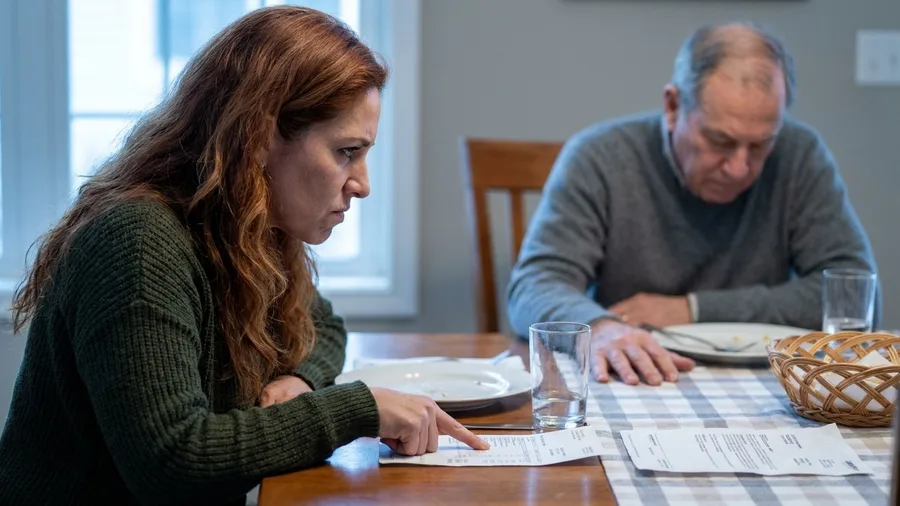
The moment you win the factual point, you hand your spouse something bigger to defend than the point itself. Correction works like a spotlight on who was wrong rather than what was wrong, and most people protect the face before they process the fact.
It escalates fastest in front of an audience. Correcting a schedule mistake at the family dinner table, mid-pour, in front of the grown kids, turns a small mix-up into a referendum on competence. The date was Tuesday, not Wednesday, and now the meal is about whether they can still keep track of anything.
The argument over the bill does the same thing. You have the statement, the due date was Friday, not Thursday, and you can produce the paper in ten seconds. What follows is not agreement. It is a defense of memory and a flat refusal to talk about the budget at all, which leaves the budget exactly where it was.
Keep the issue attached to the thing rather than the person. The problem is the bill date, full stop. It is not that your spouse is irrational or slipping, and the second you imply that, the conversation stops being about money.
Timing matters more than accuracy. Raise it once the plates are cleared and the mood has settled, say what you need to say in one clean pass, then stop before the answer hardens. Return to it once, not three times.
Being right is cheap. Being heard on the bill takes the patience to lose the small point in front of the room.
💡 PRO TIP
The two-option move
Offer two acceptable choices: 'Do you want to call the clinic Tuesday morning or Wednesday afternoon?' or 'Do you want to walk before lunch or after the mail?' Both options work for you, and your spouse keeps a vote. Safety boundaries stay—medication, unsafe driving, abuse—but the choice can be about how, not whether.
Choices Work Better Than Orders
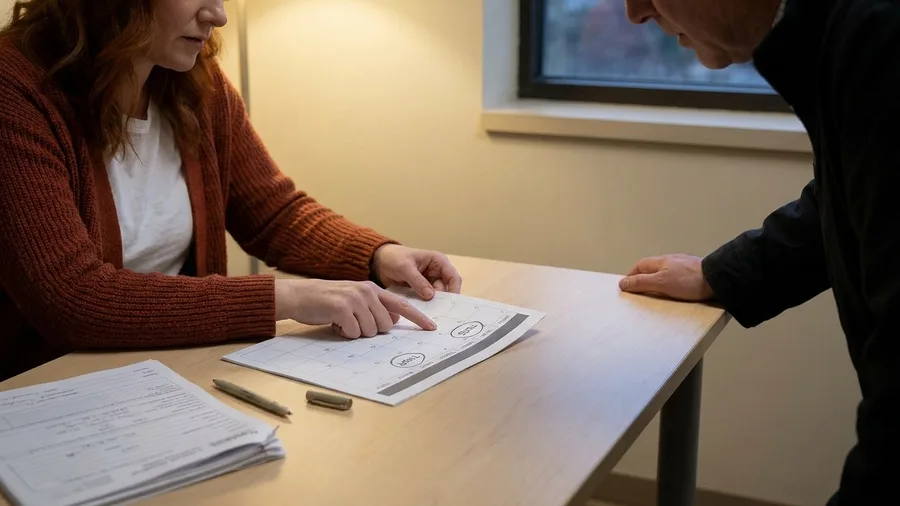
Drop the order and offer two acceptable options, framed around what your spouse actually cares about. Debate inflates the stakes; a real choice deflates them, because nobody has to push back against a decision they had a hand in making.
The phrasing is small and it does the work. ‘Do you want to call the clinic Tuesday morning or Wednesday afternoon?’ ‘Do you want to walk before lunch or after the mail?’ Both are real, both are yours to live with, and neither one tells your spouse what to do.
Ask first what matters most before you build the options around it, because the axis is different each time. It might be the time of day, the route, who comes along, or the order the errands get run. Get that one thing right and the choice seems obvious.
Some Fights Predate the Aging
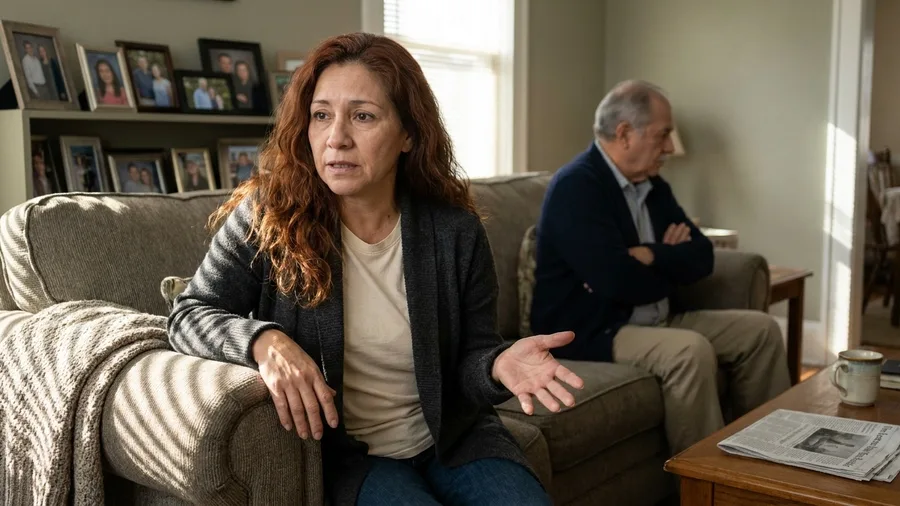
The first clue is the calendar of the argument itself: if the same words about money, holidays, or your mother’s visits were being said before the retirement and before the diagnosis, age is not what started it.
Retirement gave it a new costume. The Christmas fight that ran for a decade returns in November, now with “you’re too old to travel” attached, and each of you takes up the old position on cue, defending the same ground as if it were still the first year.
What is on show is a shape the two of you built together and keep rehearsing: one of you raises the issue, the other goes quiet or leaves the room; one criticises, the other defends. Over time the pattern adds a label – “you’re just set in your ways” – to a cycle that was already turning years before anyone turned older.
Couples work fits this, because the aim is to see the loop, not to date the aging. A therapist is not going to decide who is stubborn; they are going to show two people the steps they have been taking in the same order for fifteen years.
The caution is real: not every disagreement is a symptom. A preference for the same chair, an old wound about money, a plain power struggle over who decides – none of those becomes a diagnosis simply because the two of you have been at it a long time.
🧭 How to Sort an Old Pattern from a New Problem
Check the history
Was this argument happening before retirement or the health change? If yes, it's likely an old pattern.
Look at the onset
Did the inflexibility appear suddenly within weeks, or has it been gradual over years?
Note the scope
Is it one topic or many? A single recurring fight suggests a pattern; a broad change suggests something else.
Consider safety
Are there missed bills, driving errors, falls, or mood shifts? Those point to a medical check.
Choose the response
Old pattern → couples counseling. Gradual habit → choices and time. Sudden change → clinician.
Sudden Inflexibility Needs a Health Check
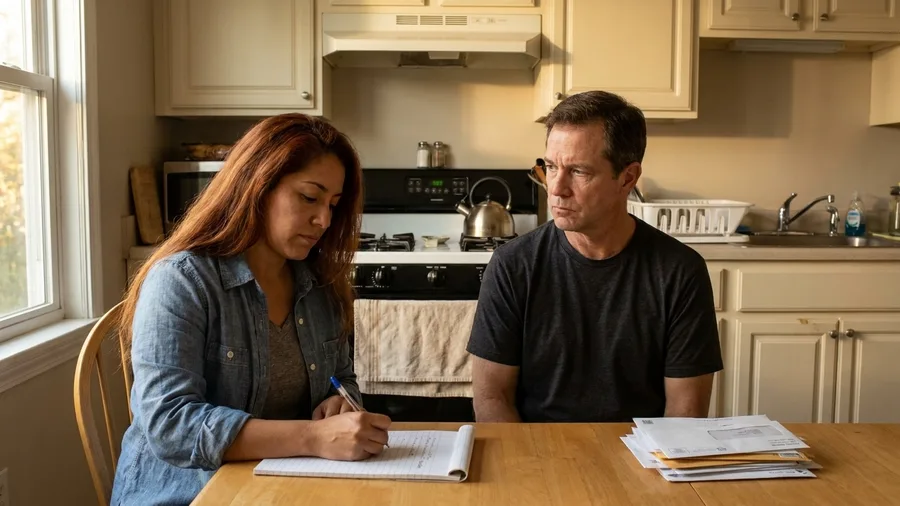
A pattern that has run for years is habit; a break from that baseline inside a few weeks is a health question. The same route every Sunday for a decade is one thing. A sudden refusal to drive it, new confusion at the pharmacy counter, or a mood that flips in a month is not the same animal, and treating it as ordinary stubbornness delays care that might matter.
The signals worth writing down are specific. A fall that gets explained away. Bills that go unpaid after forty years of never missing one. A scrape on the car that appears without comment. A new medication started three weeks ago, an infection that will not clear, sleep that has thinned, appetite that has gone, hearing that has dropped another notch. Each one is a reason to book an appointment, not to argue.
The bill example is the clearest. A spouse who always handled the accounts, who knew the dates without checking, suddenly stops opening the envelopes and gets sharp when asked. That is a medical check, not a debate to win over the kitchen table. Arguing it into a fight buries the signal under a fight about who is right.
A clinician assesses this, not a spouse with a list. Diagnosing at home turns a partner into a patient and can push the appointment back months while the two of you disagree about what you are seeing. Before the visit, note onset, how long it has lasted, two or three concrete examples, mood, sleep, appetite, medications, hearing, and any safety incident. Hand the notes over, let the assessment happen, and keep the boundary about driving or money in place until someone qualified says otherwise.
Frequently Asked Questions
Is stubbornness a normal part of aging?
Some rigidity can come from habit and cognitive load, but sudden inflexibility is not normal aging. Gradual preference for routine is common; a sharp change in thinking, mood, or flexibility warrants a medical check.
How can I tell if it’s hearing loss or just not listening?
Hearing loss often shows up as frequent ‘what?’ in noise, nodding along, or withdrawal from conversation. A hearing test can separate strain from choice. Try reducing background noise and repeating back what you heard to confirm comprehension.
What if my spouse refuses to see a doctor about their memory?
Start with a primary care visit for a general checkup, not a memory clinic. Frame it as a routine appointment. If safety is at risk—missed medications, driving errors—you may need to involve a professional for guidance.
Does couples counseling help with old patterns?
Yes, especially when the same argument has been running for years. Counseling helps both partners see the cycle—pursue-withdraw or criticise-defend—rather than blaming aging. It’s about changing the pattern, not fixing a person.
How do I offer choices without sounding patronizing?
Make both options genuinely acceptable to you and relevant to the task. Keep your tone neutral and matter-of-fact. ‘Do you want to call Tuesday morning or Wednesday afternoon?’ works because it respects their time and autonomy.
When is stubbornness a sign of something more serious?
If the change is sudden, involves confusion, memory loss, personality shifts, or safety issues like missed bills or falls, seek a medical evaluation. Gradual habit is different from a sharp break in function.
The Three-Way Sort: Which Response Fits Your Week
The sort is blunt. Ordinary resistance, the kind built from habit, anxiety and a shrinking sense of control, gets choices and time. A pattern that predates the retirement and the new hips gets the two of you in a room with someone who does couples work. A break from the person’s own baseline inside a few weeks, in thinking, mood or flexibility, gets a medical check. Say which one you are looking at before you respond.
This week, name one flashpoint that keeps coming back. Say out loud that the aim is not to win it. Ask what has to stay the same, then offer two options you can live with, or a time to talk when neither of you is tired.
Then go back to the pharmacy route, or the Tuesday meal, or whatever small change started the last round. Offer two versions of it and leave the silence alone. The no was never proof of stubbornness. It was a signal waiting for you to read it, and keeping the boundary where safety is concerned costs you nothing.
Try the two-option move this week
Next time you hit resistance, offer two acceptable choices. See if the temperature drops. Then come back and tell us what happened.