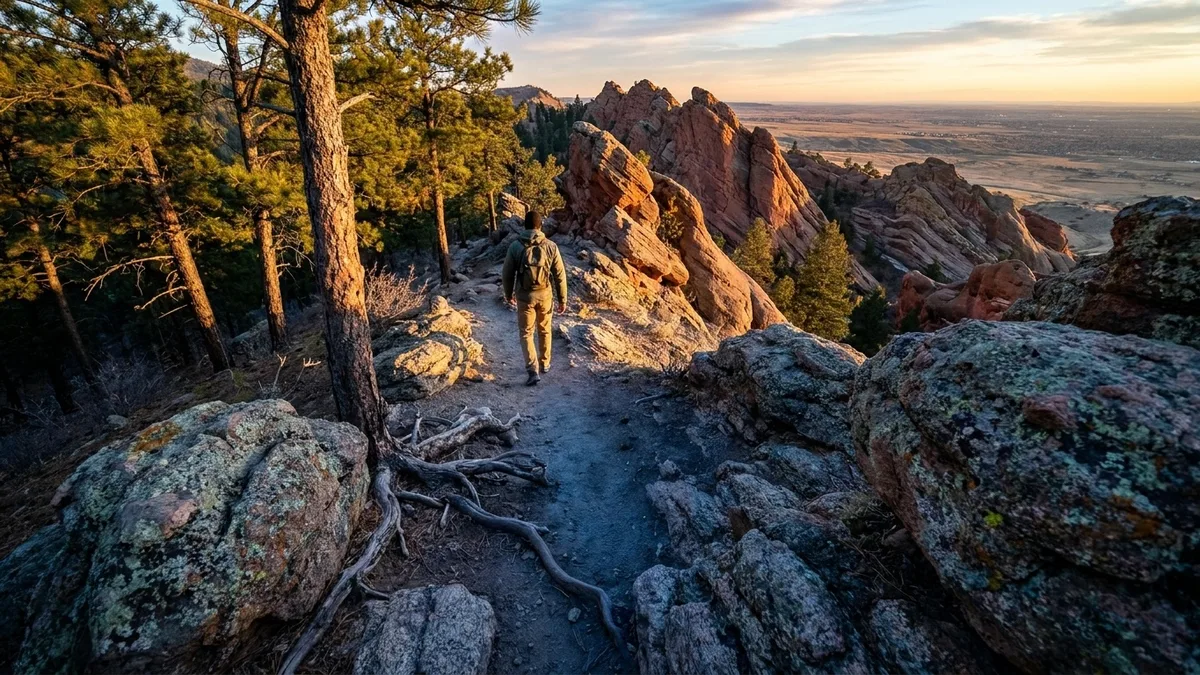
Thirty-five minutes. That is the drive from downtown Denver to the Apex Trailhead near Golden, and it is about as far as most locals will go on a Tuesday evening. The famous hikes — Bear Peak, Longs Peak, the Flatirons — demand a full day and a pre-dawn alarm. These twelve do not.
The lazy option is to drive to Estes Park and join the queue at Dream Lake. You will wait for a parking spot, share the trail with two hundred other people, and spend more time in the car than on your feet. There is a better way to use a free morning.
Every trail here has a distance, a gain, and a drive time from Denver that you can check against the window you actually have. Betasso is 15 minutes from Boulder. Greyrock is 70 from Denver. Castlewood is 45. None require a reservation.
You will climb through shaded pine on Apex, roll fast singletrack at Betasso, stand on a castle ruin at Mount Falcon, watch the Poudre River rush past at Hewlett Gulch, and finish with a Devil’s Backbone rock fin in your rearview.
This is a list for people who live here, or visit often enough to want the local version. Pick two or three that fit your week — you do not have to do all twelve.
Quick Tips Before You Start
Beat the 7:30 fill
Most Front Range trailheads fill between 7:30 and 9 a.m. on weekends — start before 7 or after 3.
Carry your own water
There is no reliable water on any of these routes; bring 1–2 liters per person.
Drive time is part of the hike
A 25-minute drive from Denver is a quick after-work window; 70 minutes means a weekend.
Lower trails dry first
Foothills trails are usually dry by late April; higher routes hold snow into May.
Sunscreen and layers
Exposed sections at Elk Meadow and Blue Sky get full sun; mornings start 15–20°F cooler.
1. Apex Trail’s Shaded Climb Above Golden
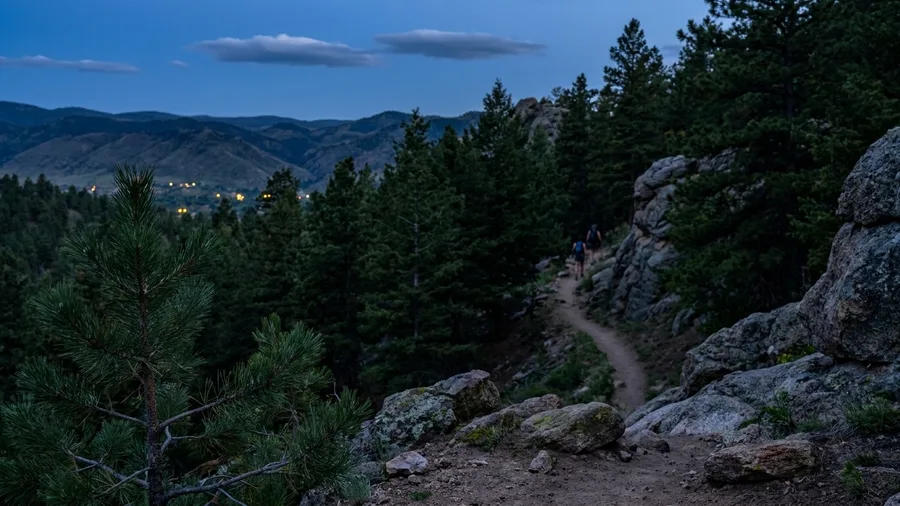
Apex Trailhead above Golden, about 25 minutes west of the city, is the local answer to that specific evening. Drive to the high country and you’ve burned two hours in the car before you’ve taken a step.
The trail runs 6.0 miles with 1,100 feet of gain, and the grade does not ease up to apologize for it. You’re climbing almost from the lot, shade most of the way through the trees, then the grade steepens and keeps steepening until the view over Golden and the plains opens behind you. It’s sized for a weeknight if you start early enough, and sized for an early weekend morning if you don’t.
The timing is the whole game here. That lot fills between 7:30 and 9 a.m. on weekends, when every car in Jefferson County seems to arrive at once. Show up after 3 p.m. and you’ll find open spaces and quiet trail, which is why the locals treat this as an evening mountain rather than a Saturday outing.
Bring 1-2 liters of water. There is no reliable water on the route, and the climb generates more sweat than the distance suggests. A small pack beats a handheld once you’re above the trees.
The reward isn’t a summit photo. It’s the hour you spend sitting on a rock near the top with Golden spread out below and nobody waiting for your parking spot. That’s what the short drive actually buys you: enough time to stop, not just to climb.
💡 Tip: Start after 3 p.m. on a weekday and you will have the upper switchbacks mostly to yourself.
| Trail | Distance | Elevation gain | Drive from Denver | Best for |
|---|---|---|---|---|
| Apex | 6.0 mi | 1,100 ft | 25 min | Hard after-work climb |
| Betasso | 3.3 mi | 450 ft | 30 min | Quick singletrack loop |
| Green Mountain West | 3.8 mi | 850 ft | 30 min | Boulder skyline grind |
| Mount Falcon Castle | 4.2 mi | 700 ft | 30 min | Family history walk |
| Elk Meadow | 4.5 mi | 900 ft | 40 min | Evergreen workout |
| Alderfer Three Sisters | 3.5 mi | 600 ft | 40 min | Flexible short window |
| Reynolds Park | 4.0 mi | 750 ft | 45 min | Quiet forest climb |
| Castlewood Canyon | 3.8 mi | 350 ft | 45 min | Easy canyon loop |
| Greyrock | 7.0 mi | 2,000 ft | 70 min | Big weekend training hike |
| Hewlett Gulch | 5.6 mi | 650 ft | 65 min | Cooler creek walk |
| Blue Sky | 6.5 mi | 500 ft | 65 min | Point-to-point run or ride |
| Devil’s Backbone | 3.2 mi | 400 ft | 60 min | Quick geology stop |
2. Betasso Preserve’s Fast Rolling Loop
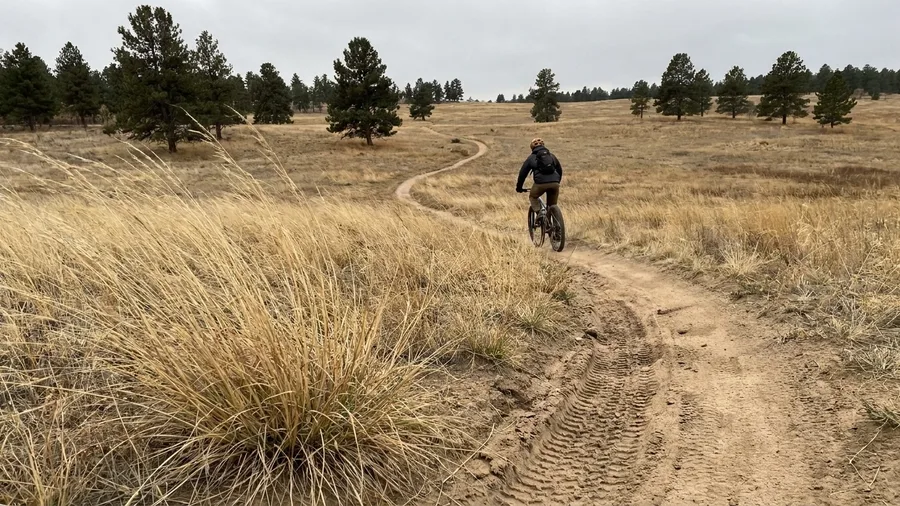
Apex is the hard after-work standard: 6 miles and 1,100 feet of climb if you want the full workout. Betasso Preserve is the Boulder counterpart for the evening you don’t have that kind of time, a 15-minute drive from town and a 3.3-mile loop with only 450 feet of gain. You finish before the light goes, and you still have legs for dinner.
The land here has a story worth knowing. Betasso was working ranch and open space long before it was a mountain-bike destination, and the park runs a rotating bike-direction schedule on its singletrack. That detail is why you’ll sometimes find the loop nearly to yourself on foot and sometimes share it with a steady stream of riders.
Most of the year it’s a fast, rolling roll of dirt through ponderosa and open meadow, best from May through October. The lower foothills dry out by late April, which means you get spring windows here weeks before the higher trails clear their snow. Weekday evenings are the quietest; weekend pressure piles into that 7:30-9 a.m. fill window, so go late or go on a Tuesday.
3. Green Mountain West’s Boulder Skyline Grind
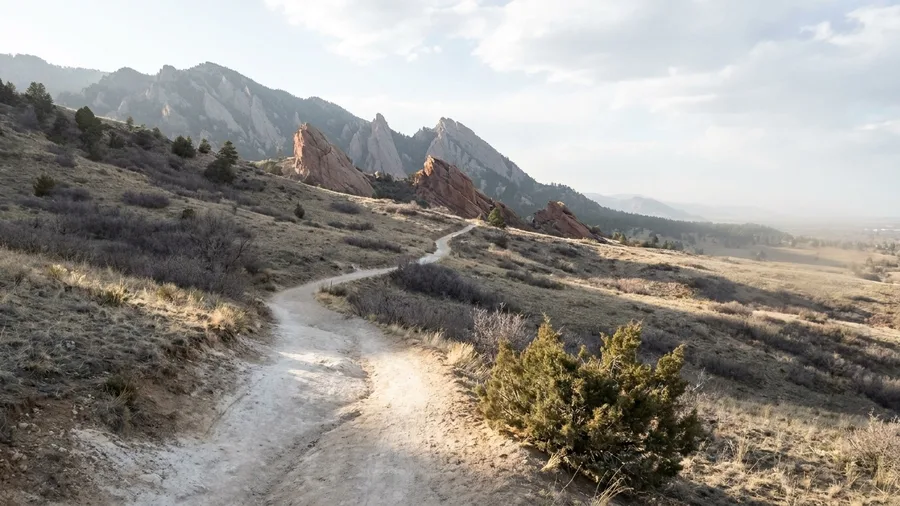
You come around a bend on the west side of Green Mountain and the whole city drops away below you, the Flatirons red across the gap and the plains stretching east until they blur. Your legs are burning from 3.8 miles and 850 feet of gain that never quite let up, and there’s nobody crowding the trail beside you.
The Green Mountain West Trailhead sits about 10 minutes from downtown Boulder, a skyline climb that skips the Flatirons crowds entirely. It’s a sustained grind rather than a stroll: figure 1.5 to 2.5 hours, which fits an after-work window if you start before 7 a.m. or after 4 p.m. Go early or go late and the rush is somewhere else.
4. Mount Falcon’s Castle Trail History Walk
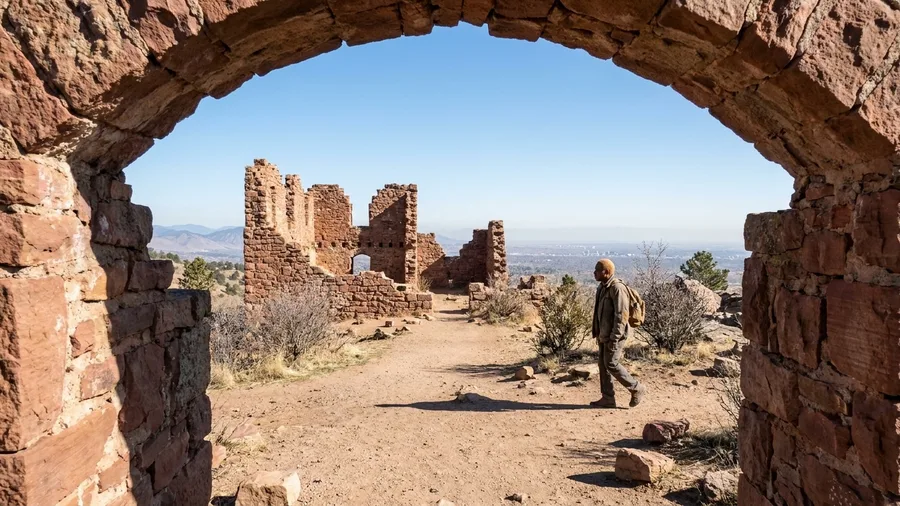
Four and a fifth miles, seven hundred feet of climb, and one castle wall at the turnaround.
If the Boulder skyline pulled you west and you want the same easy half-day with something at the end of it, Mount Falcon Park near Morrison is about a half hour from Denver and hands you a destination instead of just a view. The grade is gentle enough that a mixed-ability group stays together: grandparents, a kid on short legs, the friend who does not hike. The ruined tower itself is the trick. It gives a first-timer a reason to keep walking when the trail bends and the legs start asking, and it gives the group a place to stop, eat something, and turn around. Parking is the only thing to plan for. Weekend lots fill between 7:30 and 9 a.m., so a start after 3 p.m. is quieter and cooler, and the walk is short enough that a late start still finishes in daylight.
⚠️ COMMON MISTAKE
The 9 A.M. Weekend Mistake
Rolling into a Front Range trailhead at 9 a.m. on a Saturday means circling a full lot. The 7:30–9 window is when every parking area from Golden to Franktown fills. Start before 7 or after 3 and the same trail feels empty.
5. Elk Meadow’s Evergreen Workout Loop
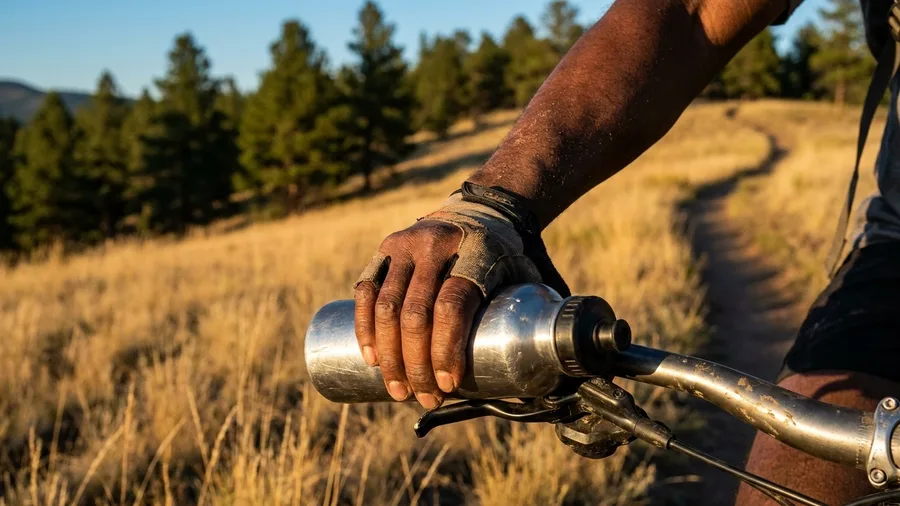
Do not count on water up there. Elk Meadow has no reliable source on the route, so you carry your own liter or two from the car, and on a hot July evening that is not a suggestion.
The park sits in Evergreen about forty minutes from Denver, and the point of it is that you get a real workout without committing to the I-70 crawl. The loop runs 4.5 miles with 900 feet of gain, a climb big enough to feel like training and small enough to finish before the light goes. Budget an hour and a half to three hours depending on pace and how long you linger.
Timing decides the outing here. Weekend mornings from 7:30 to 9 are when the lot fills and the trail turns into a conga line, so either start early enough to beat that window or come after 3 p.m. when the crowd thins and the meadow goes gold in low sun. An after-work start in summer fits the loop comfortably; a mid-morning Saturday start does not.
6. Alderfer Three Sisters’ Quick Evergreen Escape
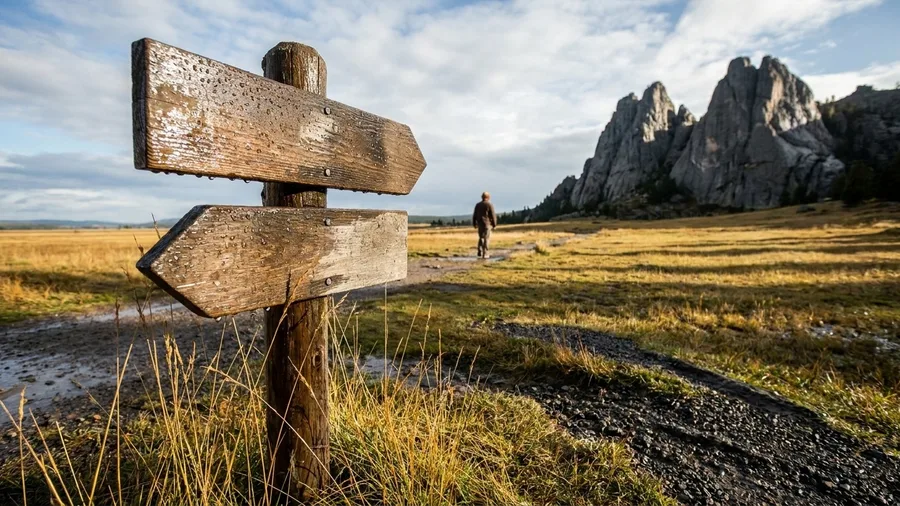
Alderfer/Three Sisters is a trail network, not a single route, and that is the whole reason it works when your free time is uncertain.
When the Evergreen workout is more climb than the evening allows, this is the shorter escape on the same side of Denver: 3.5 miles with 600 feet of gain, a number you can trim or stretch once you see how the hour is going. Take the short loop if you are squeezing it in before dark; add more trail if the window opens wider than expected. Few parks forgive a bad estimate that easily.
The cost is the same as most of the front-range trailheads here: nothing, or a few dollars at a county lot. Check the current fee before you go, since it varies by agency and season.
Weekend mornings tell the same story as everywhere else. The trailhead fills between 7:30 and 9 a.m., and after 3 p.m. it quiets down to a handful of cars and room to breathe.
That flexibility is why it earns a spot. You do not have to know your day in advance to use it, and for a local with an hour that keeps shifting, that is worth more than a longer trail you cannot commit to.
💡 Tip: Check the trailhead map before you start — the shortest loop is not the first one you see from the lot.
Which Front Range trail fits your window?
- 🚗 Under 30 minutes from Denver — Apex, Betasso, Green Mountain West, Mount Falcon
- ⏱️ 30–50 minutes from Denver — Elk Meadow, Alderfer, Reynolds Park, Castlewood Canyon
- 🏔️ 60–75 minutes from Denver — Greyrock, Hewlett Gulch, Blue Sky, Devil's Backbone — worth it only for a half-day or longer
- 🚫 Weekend 8–10 a.m. start — Every trailhead on this list fills in that window — you will circle the lot
7. Reynolds Park’s Quiet Conifer Climb
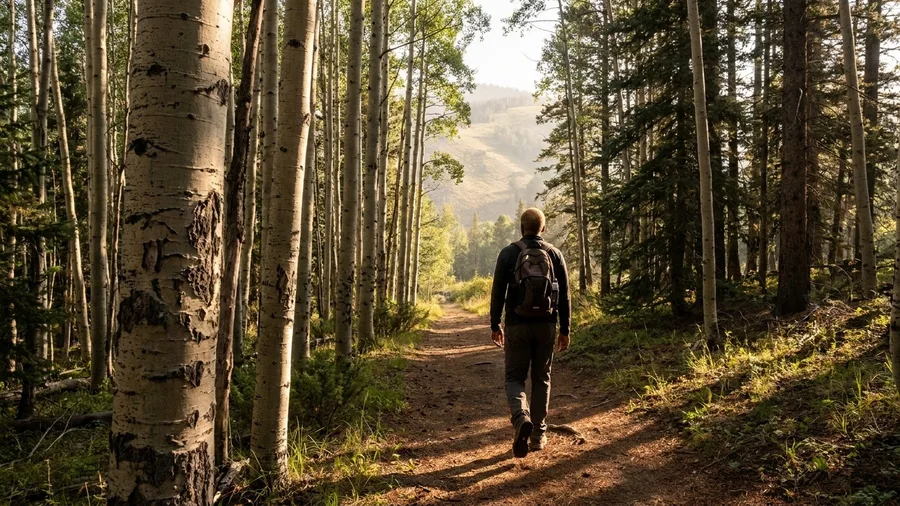
The pine duff is soft underfoot and the air smells of warm resin, and for the first mile the loudest thing you hear is your own breathing. Reynolds Park sits near Conifer, about 45 minutes from Denver, and it climbs through dense forest away from both the Boulder crowds and the I-70 traffic that eats the day before you reach a trailhead. Where an in-town Evergreen loop handles the tight after-work window, this one asks for a slightly longer drive and gives you a crowd-free forest climb in return, like under-the-radar hiking destinations locals keep quiet.
It is 4.0 miles with 750 feet of gain, a steady pull rather than a wall, the kind of climb that builds a sweat and still leaves your legs under you for the evening. Best between May and October, and worth knowing that the higher trails around here hold snow into May, so a spring plan needs either a later start or a lower route. The forest is what makes it, runnable in stretches if you want a workout and walkable in full if you do not.
Go after 4 p.m. and the place empties out; the weekend morning rush that packs the famous lots never quite finds this one. Carry what you need, because there is no reliable water on route. It is the pick when the day’s goal is a quiet forest climb and a little more distance than the closest Evergreen option will give you.
8. Castlewood Canyon’s Rim And Creek Loop
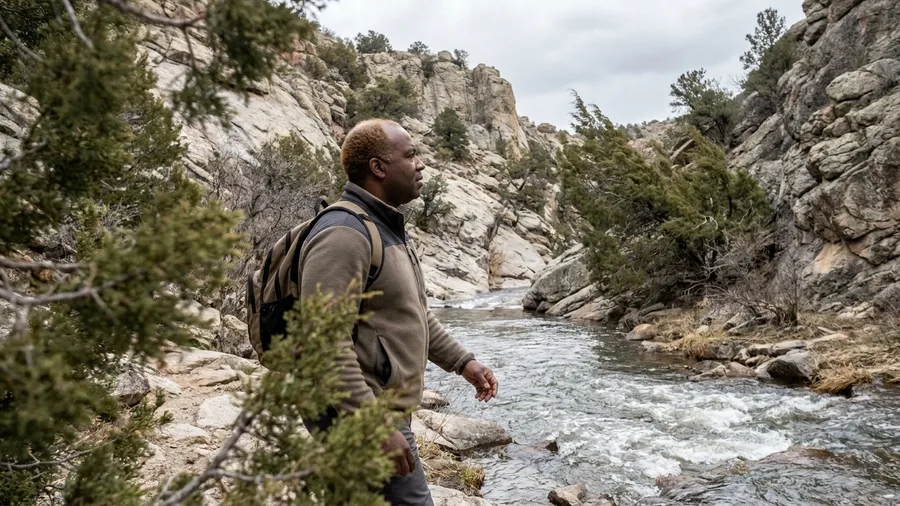
If you want an easy canyon walk within 45 minutes of Denver, this is the one, and it earns that on variety rather than effort. Castlewood Canyon sits near Franktown at 3.8 miles with 350 feet of gain, the lowest climb of the dozen and the natural change of pace after a steeper forest day. The rim and creek sections break the loop into pieces, so the walk keeps changing under you instead of grinding out one long grade.
It suits mixed groups, kids, and anyone recovering from a hard week; it does not suit a reader hunting for a leg-burning climb, who should look elsewhere. Budget 1.5 to 2.5 hours, an easy half-day. The lot fills from 7:30 to 9 a.m. on weekends, so after 3 p.m. is quieter. Check current hours before you go, since canyon park access varies by season.
9. Greyrock Trail’s Poudre Canyon Throwback
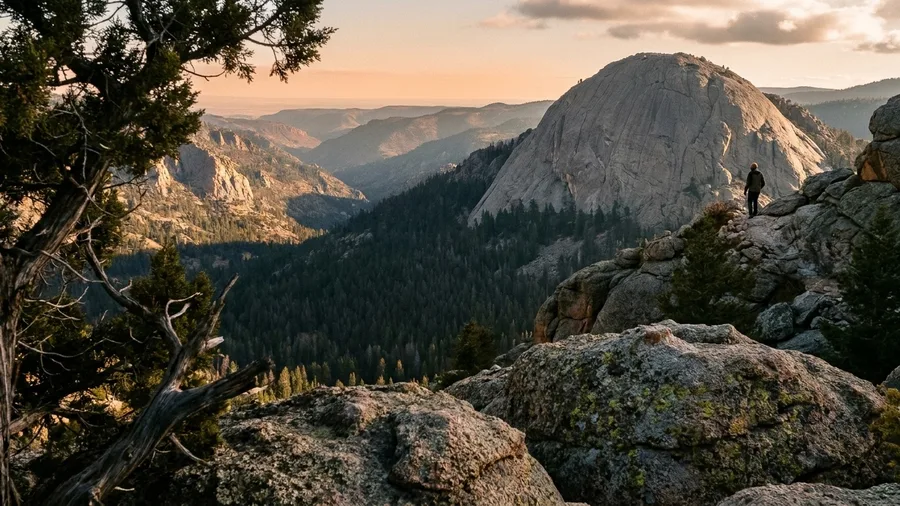
Greyrock is a mountain. That is the plainest way to put it: a hard, old-school Poudre Canyon day out from the trailhead near Laporte, about 30 minutes from Fort Collins and roughly 70 from Denver, and it repays the longer southern drive with the biggest climb in this whole set. When the easy canyon half-day has stopped satisfying you and the goal is a real training push in cooler air, the northern trails take over.
The numbers are honest: 7.0 miles and 2,000 feet of gain, a route that climbs through pine and rock to the granite dome the trail is named for, and one that takes most people 3 to 4 hours. Treat it as a weekend day or a long summer evening, not a quick hit. Carry 2 liters, because there is no reliable water up there and the ascent runs hot.
Start before 7 a.m. The early start buys you cooler air, a parking spot, and the summit before the afternoon clouds build over the Poudre. It is the trail you drive for, and the one where the drive pays you back.
10. Hewlett Gulch’s Poudre Canyon Creek Walk
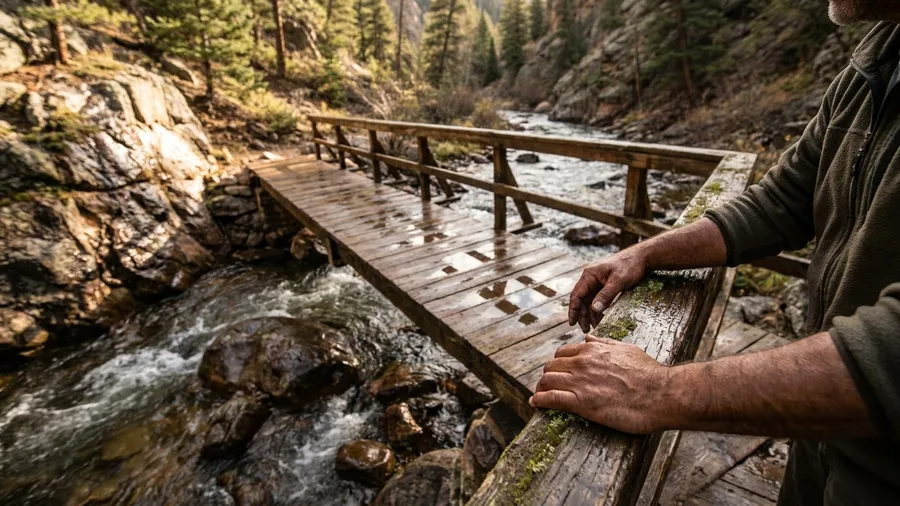
Take Hewlett Gulch when the forecast says ninety and you still want the Poudre. It runs about 25 minutes from Fort Collins and 60 to 75 from Denver, a creek-side out-and-back of 5.6 miles with 650 feet of gain, and it is the moderate answer to a canyon that also hands you the 2,000-foot grind up Greyrock.
Most of the climb is gentle and the water stays beside you the whole way, so the canyon runs several degrees cooler than the exposed foothills you left behind. That is what earns the drive. The best photo is low and close: stand at the creek crossing where the trail swings toward the rock walls and shoot upstream in late afternoon, when the light comes down the canyon instead of glaring off the water. Go May through October, and give a weekday evening your first shot — it is the quietest window on this stretch of the Poudre.
Short Window vs. Long Window
Under 3 hours free
- Betasso — 3.3 mi, 450 ft
- Alderfer — 3.5 mi, 600 ft
- Devil's Backbone — 3.2 mi, 400 ft
- Green Mountain West — 3.8 mi, 850 ft
Half day or more
- Apex — 6.0 mi, 1,100 ft
- Greyrock — 7.0 mi, 2,000 ft
- Blue Sky — 6.5 mi, 500 ft
- Hewlett Gulch — 5.6 mi, 650 ft
11. Blue Sky Trail’s Fort Collins To Loveland Link
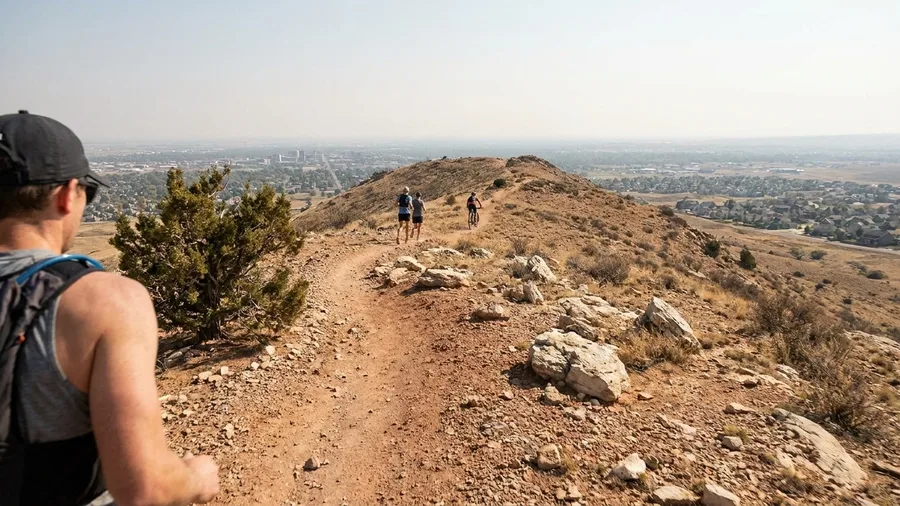
The first thing that hits you on Blue Sky is the wind along the ridge, steady enough to lean into on the exposed stretches, and the second is how the land opens up below in both directions at once — Fort Collins spread out on one side, Loveland coming up on the other. This is the point-to-point the locals run or ride between the two cities, about 20 minutes from Fort Collins, and it is not a summit climb. Treat it as a traverse.
It runs 6.5 miles with only 500 feet of gain, rolling the whole way along a ridge that never flattens but never punishes you either. You can arrange a shuttle and go one way, or do it as an out-and-back if you are solo. Start before 7 a.m. or after 4 p.m. — the ridge has little shade, and those are also the hours when you will have long stretches to yourself instead of sharing the singletrack with everyone else who figured out the same route.
Is it worth it if you have seen the famous trails? Yes, and for a different reason: the crowd here is local and thin, and the reward is the unbroken line of ridge you cover under your own legs. That is a rarer thing near the cities than another summit photo.
How hard is each trail, really?
- Betasso / Devil's Backbone / Castlewood: 3–4 miles, under 500 ft gain — easy evening or family pace
- Alderfer / Mount Falcon / Hewlett Gulch: 3.5–5.6 miles, 600–700 ft gain — moderate, most fitness levels
- Apex / Elk Meadow / Reynolds / Green Mountain West: 3.8–6 miles, 750–1,100 ft gain — a real workout
- Greyrock: 7 miles, 2,000 ft gain and a summit scramble — full-day effort
12. Devil’s Backbone’s Loveland Geology Walk
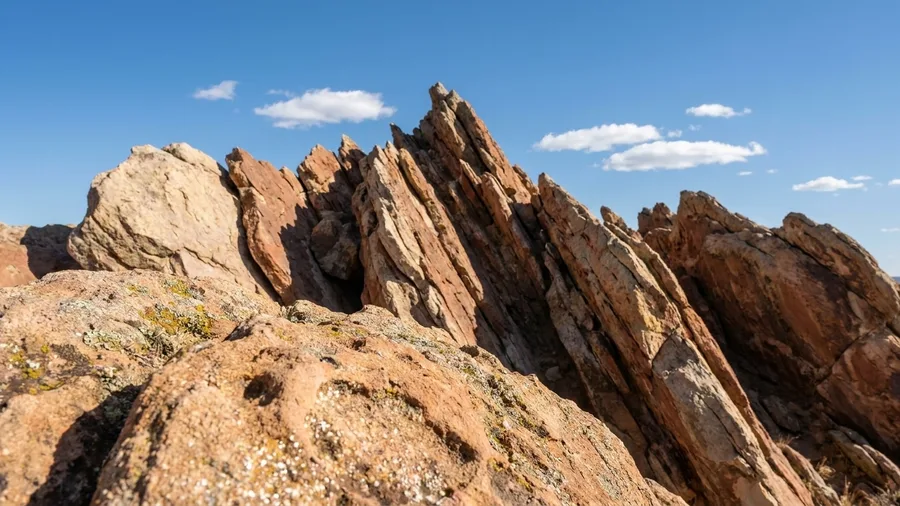
This one is, and residents treat it as the default rather than the destination. Devil’s Backbone Open Space sits about 20 minutes from Fort Collins and roughly an hour from Denver, and the fin of rock that gives it the name rises straight out of the hogback in a way that stops you mid-stride.
The route is 3.2 miles with 400 feet of gain, short enough to walk on the way home and still feel like you did something. Give it one to two hours. Where to stand: get on the trail at first light or come back after 3 p.m., when the low sun rakes across the rock and the crowds have thinned — the parking lot fills in the 7:30 to 9 a.m. weekend window, so mid-morning is the one time to avoid.
The thing locals know that the sign does not tell you is that this is a geology walk, not a workout. Come for the shape of the ridge and the short time it takes, and you will finish with legs left for the drive home.
Front Range Trail Day — At a Glance
📏 Distance range
3.2–7.0 mi
⛰️ Gain range
350–2,000 ft
🚗 Drive from Denver
25–75 min
💧 Water on route
None reliable
📅 Best months
May–Oct
⏱️ Typical outing
1.5–4 hrs
Key timing
Parking fills 7:30–9 a.m. on weekends; after 3 p.m. is quieter at almost every trailhead.
Frequently Asked Questions
Do I need a reservation for any of these trails?
No. None of the twelve require a timed-entry permit or reservation. You just need to arrive early enough to get a parking spot, especially on weekends between 7:30 and 9 a.m.
Which trail is best for a first-time Colorado hiker?
Castlewood Canyon or Betasso. Castlewood gains only 350 feet over 3.8 miles and has creek and rim scenery to break up the walk. Betasso is a fast rolling 3.3-mile loop with 450 feet of gain, 15 minutes from Boulder.
How early should I start to avoid crowds?
Before 7 a.m. on weekends, or after 3 p.m. on weekdays. The 7:30–9 a.m. window is when every Front Range trailhead on this list fills. Afternoon starts are consistently quieter.
Is there water available on these trails?
No reliable water on any of the twelve routes. Carry 1–2 liters per person, and 2 liters for Greyrock. Treat any creek water you see as not potable.
When do these trails dry out in spring?
Lower foothills trails like Betasso and Alderfer are usually dry by late April. Higher routes such as Greyrock and Reynolds Park hold snow into May. Check conditions before a May hike above 8,000 feet.
Can I hike any of these after work?
Yes — Apex, Betasso, Green Mountain West, Elk Meadow, and Alderfer all work for a 1.5–2.5 hour evening window if you start by 5:30. The 60–75 minute drive trails like Greyrock and Blue Sky are weekend trips.
Sort the Dozen by the Window You Actually Have
Sort the dozen by the window, not by reputation. Two hours after work: Betasso, Alderfer, and Devil’s Backbone, all 3 to 4 miles with under 600 feet of gain. A full weekend morning: Apex, Greyrock, and Blue Sky, all 6 to 7 miles with real climbing that earns the longer drive.
Your first move is the same either way. Pick the trailhead closest to where you are starting, then start before 7 a.m. or after 4 p.m. That single timing decision does more than any gear upgrade, because the trail jammed at 7:30 to 9 a.m. is the famous one — an overrated tourist trap — and the local pick is the one that fits your slot.
Which means the right trail leaves you time and legs for the rest of the day. Thirty-five minutes to Apex, a shaded climb, and you are still home before dark.
Pick Your Trail and Go
Use the at-a-glance table above to match a trail to your window, then set an alarm for 6:30 a.m. or plan an after-4 p.m. start. The lot will be waiting.