Most people assume that pulling back from plans, losing interest in hobbies, and heading to bed early are simply what getting older looks like. That assumption is understandable, and it is wrong often enough to matter.
It is 4 p.m. and the dinner you accepted nine days ago is still four hours off. You send the text anyway. The relief arrives before the excuse does, and the excuse is low energy or a busy week, not the risk of being seen and then forgotten.
The same relief, the flat hobby, the 8 p.m. bedtime, the silence in a group, the television left on for voices: these point at missing live contact as much as at age.
None of that is proof of decline and none of it is a diagnosis. It is a set of signals you can test, because the test is simple: does one low-pressure contact change how the experience feels?
So decide which ones fit, make one contact this week, and take the symptoms that could be depression, hearing loss, sleep apnea, or something else to a clinician rather than settling it yourself. Nine everyday experiences that read as aging can be loneliness signals to test, not a self-diagnosis.
Quick Tips Before You Start
Test, don't diagnose
Pick one signal and run a single live-contact experiment this week. You are looking for whether the feeling shifts with company.
Rule out the medical
New weight loss, persistent insomnia, hearing trouble, or daytime sleepiness go to a clinician, not to this list.
One call beats ten texts
A five-minute voice call with a neighbor or friend does more for the quiet than a full evening of scrolling.
Leave the exit open
Choose a plan with a built-in 30-minute out so you can show up without feeling trapped.
1. You Cancel Plans Before You Can Be Let Down
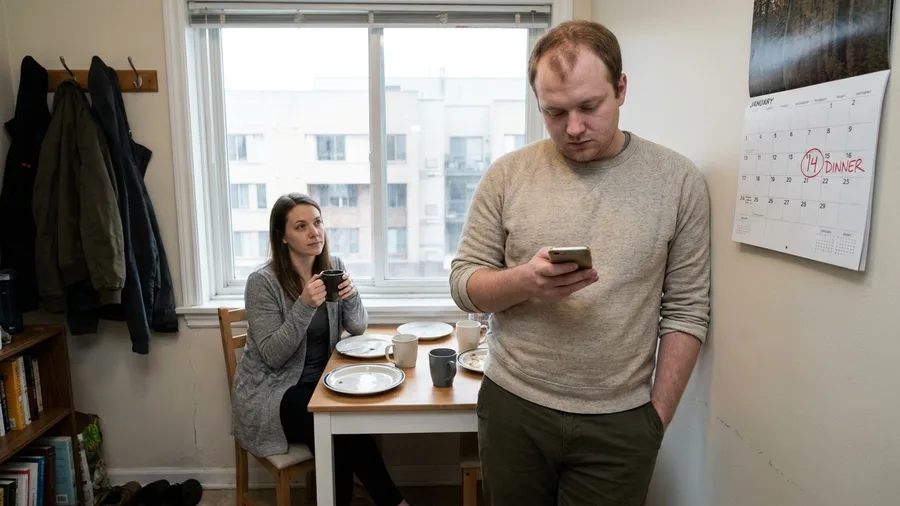
You cancel plans you wanted to keep because the relief comes from not being seen, not from avoiding the event. It is Monday when you say yes to Friday dinner. By 4 p.m. Friday the message is sent: low energy, a long week, let’s do it soon, and the relief arrives the second the screen goes dark.
That relief is the tell. Fatigue or a bad hip would stop you at the stairs whether or not a person was expected, and it would not feel like rest. What shrinks instead is the chance of being disappointed, the practice of being known, and a social risk budget that keeps getting smaller.
The clear test is a 30-minute plan, one person, nothing ambitious, and no second text queued in case you want out. If the obstacle turns out to be the stairs, that is information. If it is the fear of showing up and turning out to be forgettable, that points at isolation.
💡 Tip: Book the next plan for 30 minutes with a hard stop. Do not give yourself a backup cancellation text.
| Signal | Why it gets read as aging | What loneliness is doing | First move |
|---|---|---|---|
| Canceling plans early | Low energy is expected with age | Shrinking the social risk budget | Book one 30-minute plan, no backup cancellation text |
| Hobbies feel pointless | Stamina or interest declines | The activity lost its social side | Join a class or club version of the hobby |
| Early bedtimes | Older adults need less sleep | Escaping the quietest part of the day | Add one standing evening call or walk |
| Going silent in groups | People get set in their ways | Turn-taking and belonging eroded | Try a structured group or one-to-one talk |
| Small talk drains you | Older people get cranky | Social scripts rust, depth is missing | Ask one real question inside the chat |
| TV on for company | Habit or hearing loss | Ambient voices substitute for people | Schedule one live visit or call this week |
| Cooking feels pointless | Appetite fades with age | Meals lost their social ritual | Share one weekly dinner or batch-cook to give away |
| Dread of weekends | Holidays mean nothing to older people | Empty calendar exposes missing company | Pre-schedule a person into the day |
| Too old to join new things | Confidence declines with age | Unfamiliar rooms feel riskier after time away | Pick a no-skill beginner setting with a clear first task |
2. Hobbies Feel Pointless, Not Just Harder

The cost lands before the diagnosis: the one activity that reliably filled a Saturday now sits untouched in the corner, and the guilt of walking past it each morning is real. The reading most people reach for is age, and the reading worth testing is social.
You have not lost the ability. You have lost the point of it. A hobby carries more than the activity itself: it carries company, a routine, and an identity with a witness, and when the social side falls away the thing itself goes flat. Withdrawal from contact tends to erase the witness first, and a thing no one hears about stops counting.
There is an honest gap here. If nothing gives pleasure any more, including the things you do entirely alone, that is a matter for a clinician rather than an age explanation, because a checklist of hobbies cannot tell you what is going on.
The move that tests it is the social version of the activity: a class, a club, a friend who joins the same thing rather than a solo resolution to try harder. The question is not whether your stamina returns. It is whether the activity gets its point back when someone else is standing in the room.
Four Myths About Feeling Flat
3. Evenings Feel Endless and You Go to Bed Early

It took a while to admit that the early bedtime was a plan to end a day rather than a sign of tiredness. Dinner is done by seven, the television is on for the company of voices, the phone gets checked, and by eight the bed is the fastest route to quiet. Nothing about the body needed sleep; the evening needed a person.
Daytime absorbs absence. Work, errands, the whole to-do list fill the hours and keep the missing contact in the background, and a hobby that lost its social witness leaves a flat afternoon. When the distractions stop, the quiet gets loud. The best sensor is a ten-second honesty: when you face the empty stretch after dinner, is the first feeling tiredness or dread of the silence? Tiredness says sleep; dread of the quiet says the room is too still.
Then rule out the sleep that has a clinician behind it. Waking through the night, snoring, or falling asleep at noon is not the same story and deserves a check rather than the conclusion that this is age. Real age does not make you rush toward bed the moment the room gets silent.
The evening anchor settles the question faster than any thought about it. A standing call with one person at seven, a walk with a neighbor, a low-effort class that gives you one reason to leave the house. If the stretch still feels endless with a live voice in it, the quiet was never the whole problem.
💡 PRO TIP
Schedule the evening, not the day
Most people plan their mornings and leave the evening blank. Put the live contact in the 7-to-9 p.m. slot instead—a call, a walk, a class—and the pull toward bed tends to loosen.
4. You Stop Offering Opinions in Groups
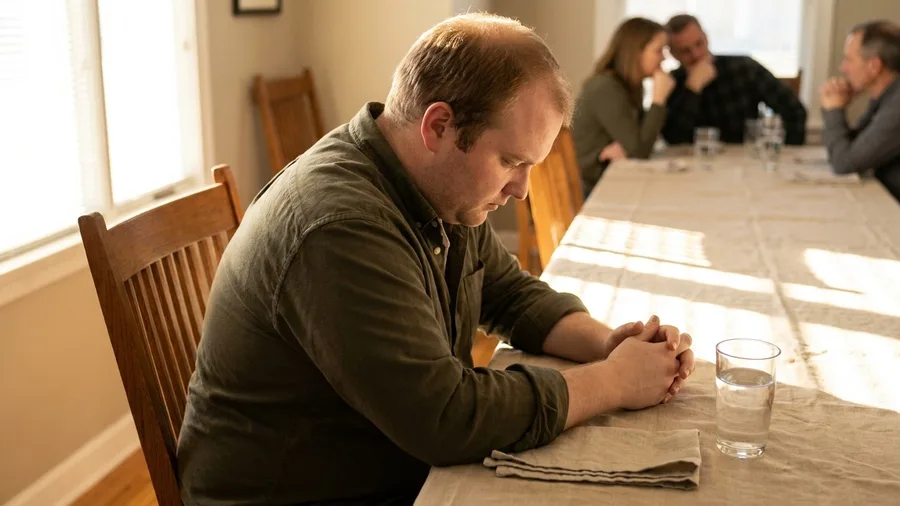
Three times in one evening you have a sentence ready and three times you let it go. Someone cuts in, the table moves to the next topic, and by the fourth round you have stopped tracking your own turn. The opinions have not gone anywhere. The habit of offering them has.
Watch what the group actually does. In most rooms there is a fast lane and a slow lane, and the fast lane belongs to whoever is comfortable taking the floor without being handed it. If you have spent months mostly alone, you are out of practice at entering a conversation mid-stream, and being talked over once or twice reads as evidence that your contribution is unwelcome rather than as ordinary bad turn-taking. The silence that follows feels safer than a second attempt. It is not safer. It is just quieter.
This is the opposite of the old line about being set in your ways. Being set in your ways means you have firm opinions and deliver them freely. What is happening here is that you have opinions and no longer trust the room to hold them. That is a message about belonging, not about conviction, and it is worth naming the difference before you accept the aging explanation. Some people are quiet because they are done arguing. Others are quiet because they have stopped expecting to be heard.
a book group that goes around the table, a volunteer shift with a clear task and assigned roles, or a single conversation with one person who does not interrupt much. Say the thing you would have swallowed at the dinner. Notice what happens next, both in the room and in you. If speech returns once the floor is held open, the problem was the floor.
The cost runs on a delay, which is why it is easy to miss. Each skipped remark is cheap in the moment. Over a year, though, you lose reps at being known, and other people build their picture of you from the little they hear. The version of you that never says anything becomes the version they expect, and then the room quietly stops leaving space. That is the trade: a small comfort now for a shrinking place in the conversation later.
💡 Tip: In your next group, say one sentence early—before the conversation finds its rhythm—and let that be enough.
The Group Silence Check — At a Glance
🚪 Skip this if
You leave energized, not flattened
1️⃣ Order to try
One person first, then a chaired group
💬 Say only this
"I had a thought about that."
🔇 Failure mode
Rehearsing the line, never spending it
🩺 Clinician trigger
Lost words or names, not just turns
The threshold
Three skipped turns in one sitting is the signal, not a bad night.
5. Small Talk Drains You More Than It Used To
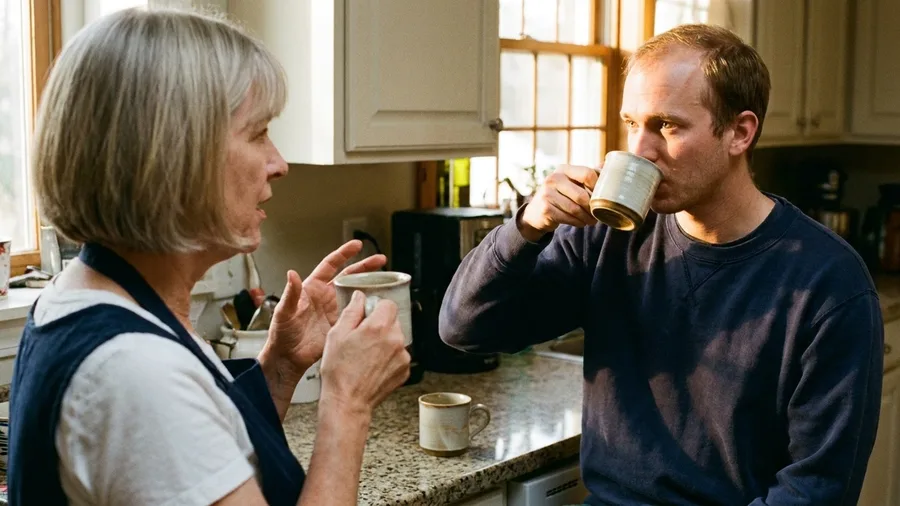
Because small talk is a skill kept sharp by use, and when live contact thins out, the scripts go rusty. The drain is real, but it is usually rust, not age.
There is a second layer. When most of your conversation is shallow, the shallowness itself starts to nag, and the gathering where it happens gets quietly dropped from the calendar. So the contact you have stays thin, which makes the next chat feel even more pointless. One real question inside the small talk, or an activity that gives the talk a subject, tells you a lot: if the drain eases once there is depth or a shared task, you were missing substance rather than stamina.
Two things worth ruling out before you file this under getting older. Hearing trouble makes conversation expensive and is easy to miss, since you hear fine in a quiet room and struggle in a noisy one; a hearing check is a small appointment. Social anxiety and plain exhaustion are the other candidates, and they call for the right professional rather than a verdict about your age.
💡 Tip: Hearing trouble and social anxiety are separate checks. If you are straining to follow conversation, get your hearing tested before you label yourself anti-social.
📅 A Four-Week Live-Contact Test
Pick one signal
Choose the item on this list that fits best—canceling, flat hobbies, early bed, group silence, or small-talk drain.
Book one 30-minute plan
Schedule a single low-stakes contact with one person and put it in the calendar with a hard stop.
Go without a backup excuse
Do not prepare a cancellation text. Show up, even briefly, and notice what happens.
Record the after
That evening, note whether the feeling changed—relief, dread, or nothing. The answer tells you which explanation fits.
Add one repeat
If the feeling eased, book a second contact within two weeks. If it did not, mention it to a clinician.
6. You Keep the TV On for Background Company
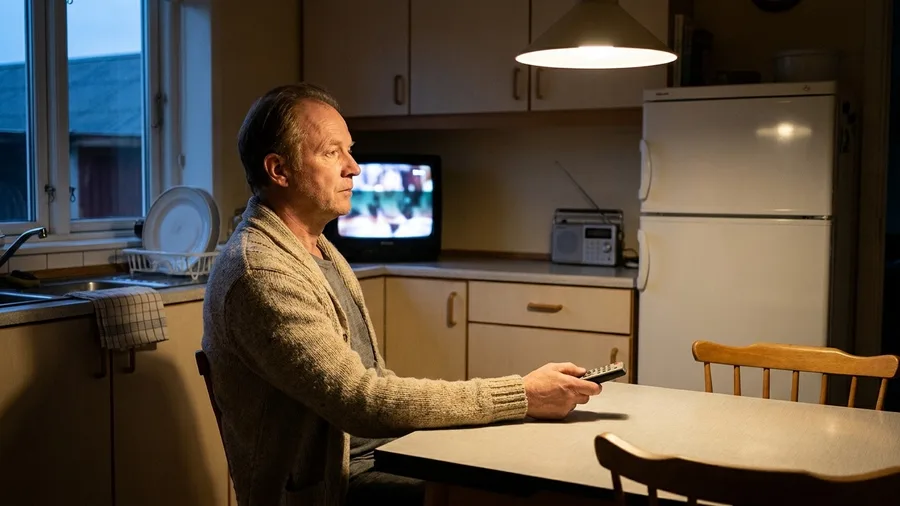
The kitchen is clean, dinner is done, and you sit down in the chair with the remote already in your hand. The set goes on before you have decided to watch anything. By nine the show is one you would not choose, and still it stays on, because when you reach for the off button the room gets very quiet.
background sound is a harmless habit for plenty of people. Some grew up in houses where the radio never stopped, some find the silence of an empty flat harder to think in, and some simply like the company of a voice. None of that is a problem to solve. The useful question is not whether the TV is on. It is what happens when it goes off.
So make the comparison. Turn the set off for an evening and sit with the quiet for twenty minutes. Notice whether the silence feels neutral, like a room with nothing in it, or heavy, like something missing. That distinction is the whole test, and only you can run it. If the quiet is neutral, you have a habit. If it is heavy, the noise has been doing a job, and the job is covering the sound of nobody being there.
The practical side matters too. If you keep the volume high because speech has gone muddy, captions and a hearing check will do more for you than another hour of noise. If getting out is difficult, a visit or a call brought to you beats more ambient sound. Either way, the substitute you want is live.
Try one this week and watch what the TV does. Schedule a call with someone at eight, or walk to a neighbor’s door, or take a book to a coffee shop for an hour. If you come home and find you do not reach for the remote as quickly, the background voices were filling a gap you can fill with a person. If the set still goes straight on, keep the habit and stop treating it as a symptom. The exception is allowed.
💡 Tip: Try one evening with the TV off and a podcast or radio on instead, then notice whether the quiet feels different with a person in the room.
Quiet vs. Heavy Silence: Sorting It Out
Quiet, not heavy
- When the set goes off, the room feels empty, not missing something
- You can name what you would rather be doing and it involves a person
- The volume is at a level you could hold a conversation over
- You have had a live conversation in the last seven days
Heavy, worth a test
- You keep the remote close but cannot say what you are watching
- You feel relief only when a human voice is in the room
- Your last real conversation was longer ago than you can place
- The quiet makes you reach for your phone within two minutes
7. Cooking and Eating Become Chores for One
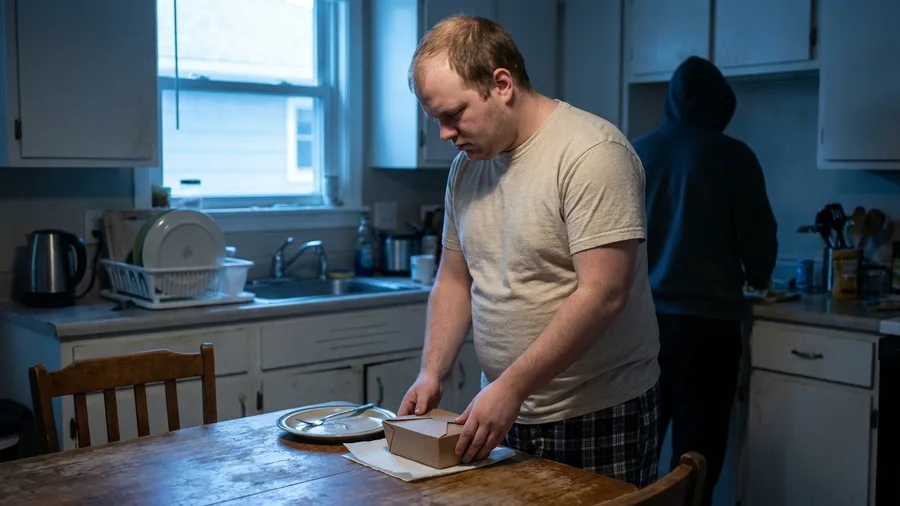
The standard advice is to cook for yourself anyway, as if the problem were discipline. The problem is that a meal for one has lost its audience, and a plate eaten standing at the counter over the sink, or a bowl of cereal at nine because the stove feels like too much, is not a failure of will but a ritual with nobody left in it. Background voices can fill a room without feeding anyone. Food has always been the more social contract, and that is what has gone quiet.
Notice which part feels heavy. If it is the shopping, the standing, the washing up, that is effort. If it is the moment you sit down with no one across from you, and the cooking only feels pointless because there is no one to cook for, the task is not the obstacle. A weekly dinner with one person, a community meal once a month, or a batch cooked and half of it walked next door tests it: purpose comes back when someone is at the table, and appetite usually follows rather than leads.
💡 Tip: Unintended weight loss, poor intake, or new swallowing trouble are reasons to see a clinician, not to try harder at cooking.
What a Week of Isolation Actually Costs
8. Sundays and Holidays Fill You With Dread
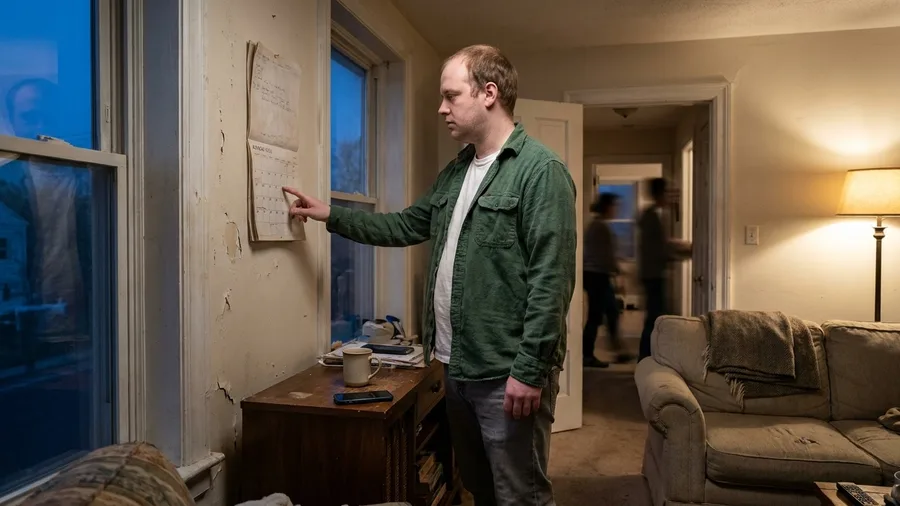
“I just don’t like Sundays anymore.” It’s a line people say lightly, almost as a joke, and then the week arrives and it turns out to be true. The dread starts Thursday, when the shape of Saturday is already visible in the calendar, and by Sunday afternoon the wish is simply for it to be Monday so the day is over.
Here is what is actually happening. Weekends and holidays are socially marked, the days the culture puts a frame around, and an empty frame is harder to look past than an ordinary Tuesday. Meals and evenings that are already quiet become, on those days, an absence with a date attached, and the dread is the anticipation of sitting inside it while everyone else is supposedly somewhere.
Which is why “older people just don’t care for the holidays” misreads it. The day isn’t the problem. The missing people are. Put one person into the day before it arrives, a walk at ten, a call at four, a low-pressure lunch that asks nothing of the rest of it, and watch what the dread does. If it drops, the holiday was never the issue, and you now have a test you can repeat.
💡 Tip: Put one thing on Saturday before Friday night. A coffee, a walk, a market trip with a neighbor. The dread rarely survives a plan.
9. You Feel Too Old to Join Anything New
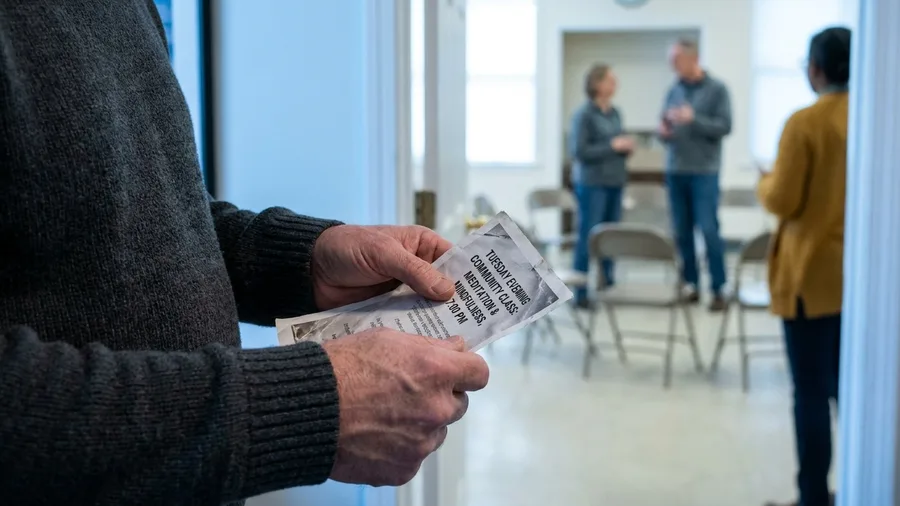
You are standing in a hallway holding a flyer for a Tuesday evening class, reading the room times a third time, and the sentence forming is that everyone in there will be younger and you will be the one who doesn’t belong. Behind that belief sits a stretch of empty marked days, and after enough of them the practical problem quietly becomes a verdict about your age.
It isn’t. Time away from groups lowers confidence, and an unfamiliar room feels riskier the longer it’s been since you stood in one, which is social rust rather than a closing door. Where transport, cost, a disability or hearing make it genuinely hard, those are practical problems with practical fixes, not proof you shouldn’t go.
Pick a setting with no skill required and a clear first task: a library group, a volunteer shift restocking shelves, a beginners’ class where everyone is new. The words are plain: “I’m new, what do I do first?” Then notice whether the confidence arrives after the contact, rather than before it.
💡 Tip: Choose a beginner setting with a named first task—a shelving shift, a beginner's wheel-throwing class, a walking group that meets at the same corner.
Frequently Asked Questions
How do I know if this is loneliness or depression?
Loneliness tends to lift when live contact returns, while depression tends to persist across settings and activities. If nothing gives pleasure—including things you do alone—and the flatness lasts more than two weeks, see a clinician. This list is a set of tests, not a diagnosis.
What if I genuinely cannot get out because of mobility or transport?
That is a practical barrier, not a verdict. Ask about dial-a-ride services, accessible venues, or phone and video visits. A clinician or social worker can also connect you with community programs that provide transport. The goal is one live contact, not a full social calendar.
Is it normal to lose interest in hobbies as you get older?
Interest often tracks the social side of the hobby. If the activity went flat around the same time the people around it disappeared, test the social version before you accept the age explanation. If nothing at all gives pleasure, that is a separate conversation with a clinician.
How many of these signals mean I should worry?
There is no diagnostic cutoff here. If two or three fit and the pattern tracks with isolation, treat it as loneliness to act on. The useful step is the test, not the tally.
What is the smallest first step?
One scheduled 30-minute contact with one person this week, with a hard stop and no backup cancellation text. Notice what happens afterward. That answer tells you more than any checklist.
The Test That Separates Age From Isolation
Here is the verdict. If two or three of these fit and the pattern tracks with isolation, treat it as loneliness to act on. Not as a diagnostic test, and not as proof of decline.
The 4 p.m. cancellation that brought relief is the same signal as the television left on for voices and the 8 p.m. bedtime: missing live contact dressed as age.
So schedule one low-pressure contact this week, thirty minutes with one person, and take the rest to a clinician: depression, hearing loss, sleep apnea, and other conditions call for a check rather than a guess. Act on the pattern. Do not self-diagnose.
Then, when the next dinner sits in the calendar and the relief starts to rise before the excuse does, you will already know which of the two you are looking at.
Pick One Signal and Test It This Week
Choose the item on this list that fits best and book a 30-minute contact with one person. Then notice whether the feeling changes.