
Most people with a fatty liver diagnosis assume it is one condition with one cause. Lose weight, improve blood sugar, change what you eat. That picture may be too simple.
Researchers at Mayo Clinic looked at records for a group of MASLD patients and found something the shared label was hiding. Published in Nature Communications in September 2026, the study used computer models to sift through genetic data and medical records together. The models found five biologically distinct groups inside what everyone had been calling one disease.
MASLD – metabolic dysfunction-associated steatotic liver disease, the formal name for fatty liver disease – is one of the most common liver conditions in the world. But the five groups the researchers found have different biological drivers, different patterns of risk, and possibly different futures.
That does not mean a patient can walk into a clinic and ask for a subtype test today. It means the single diagnosis a person is carrying may be telling them less than they assumed. By the end of this article, the reader can judge which questions are worth raising with a doctor now – and which claims about this study deserve a careful look first.
Most People with Fatty Liver Disease Never Know They Have It
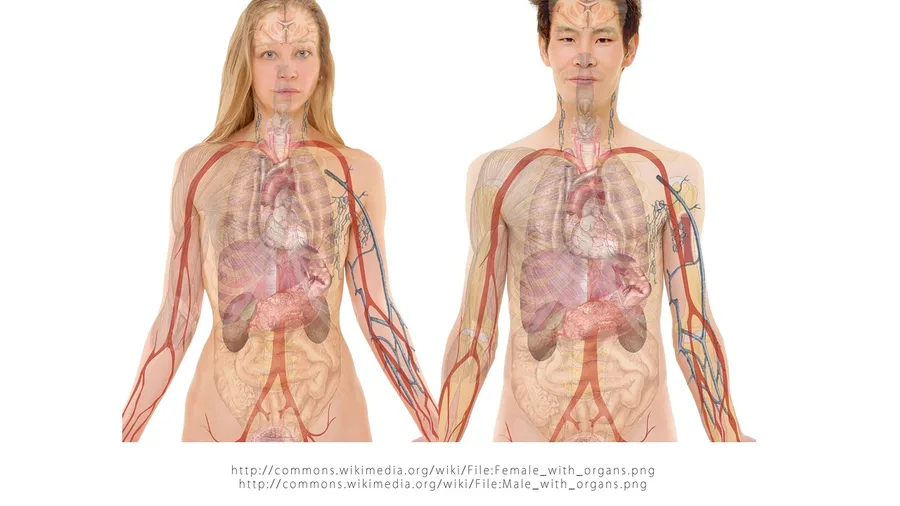
Most people with fatty liver disease feel nothing – and that silence is the problem.
The condition is called MASLD, short for metabolic dysfunction-associated steatotic liver disease. It used to go by a different name, nonalcoholic fatty liver disease, but doctors updated the label to better capture what drives it. Nearly 30% of adults worldwide carry the diagnosis – roughly one in three people.
No fever, no pain, no warning. Most patients find out by accident, when a scan or a blood test ordered for something else picks up the damage. By the time any symptom appears, the disease may have been advancing for years.
And advancing is the right word. Fat in the liver can quietly give way to scarring, then to cirrhosis, then to liver cancer or outright liver failure. The body gives no signal along the way.
That silence creates a clinical problem doctors have struggled with for decades. Two patients can sit with the same MASLD diagnosis and face completely different futures – one whose disease barely moves, another who progresses fast toward serious damage. The diagnosis alone gives no reliable way to tell them apart.
That is the gap the five-subtype study set out to close: not just identifying who has fatty liver disease, but identifying whose disease is actually dangerous.
The Researchers Found Five Biological Groups Inside One Diagnosis

To look past the single label, researchers at Mayo Clinic and Virginia Tech needed something most studies lack – a dataset that pairs each patient’s genetic makeup with their full medical history.
They found it in Mayo Clinic’s Research Data Atlas. The Atlas links patients’ genetic information to detailed medical records, and crucially, that genetic layer sits alongside detailed clinical information. An exome is the part of a person’s DNA that carries instructions for making proteins – the working machinery of the body. Having that genetic layer alongside the clinical one is what made the analysis possible.
The team fed the computer models a wide mix of data: liver enzyme readings, body mass index, blood lipid levels, whether a patient had diabetes, and a set of associated conditions including depression and sleep apnea. The models looked for natural groupings – patients who clustered together by biology, not just by shared diagnosis.
Five groups emerged.
The study, published in Nature Communications on 2 September 2026, found five biologically distinct subtypes sitting inside what medicine had been treating as one disease. Bioinformatician Shulan Tian, a co-senior author on the study, described the aim: identifying these subtypes individually makes it possible to align therapies with the underlying biological mechanisms that are actually responsible for each form of the disease.
Five clusters in a dataset are not the same as five confirmed, separately proven diseases. What they are is evidence that the shared label is papering over real biological differences – differences that may determine who gets sicker, and how fast.
The Study at a Glance
Genetics Can Drive the Disease Without Obesity or Diabetes

A patient who is not overweight and does not have diabetes might reasonably assume they are low risk. This study says that assumption could be wrong.
Many MASLD patients are told, directly or indirectly, that the condition follows from too much body fat and high blood sugar. That picture fits some subtypes. But others appear to have almost nothing to do with those factors.
Certain subtypes seem to be driven by inherited genetic differences rather than by weight or metabolic problems. The relevant changes sit in the exome – the part of DNA that codes for the proteins the body uses to carry out its essential work. A person can carry those variants regardless of their weight or blood sugar levels.
The risk attached to those genetic subtypes is not mild. They are associated with a greater chance of progressing to serious liver damage – even in patients with no obesity and no diabetes. Standard risk-factor screening, which looks for metabolic warning signs, would miss those patients entirely.
Contrast that with the metabolic subtypes, where the familiar story holds: excess weight and blood sugar problems are the main engine. Those two tracks – metabolic and genetic – follow different biological paths toward the same diagnosis.
For someone who carries a MASLD label but does not fit the usual metabolic picture, this is the finding that matters most. It raises a direct question worth putting to a doctor: could the driver here be genetic rather than metabolic, and does that change what monitoring makes sense?
Depression, Sleep Apnea, and Migraine Appeared — Correlation Is Not Cause
Fatty liver disease does not appear to cause depression, sleep apnea, or migraine – and this study cannot say that it does.
What the models did find, for the first time in MASLD research, were statistical associations between certain subtypes and each of those three conditions. Not across all MASLD patients, but in specific biological clusters. That distinction matters: the link is to a subtype, not to the diagnosis as a whole, which means patients in other clusters do not carry the same association.
The researchers are clear on what that means and what it does not.
If someone has both a MASLD diagnosis and depression, this study does not explain why. The two conditions appear together in certain clusters more often than chance alone would predict, but no biological mechanism has been identified to connect them. The study does not propose one. A patient reading this finding into their own situation – concluding that their liver disease produced their low mood, or that treating one will fix the other – would be going well beyond what the data show.
The same holds for sleep apnea and migraine. These are correlations inside a dataset, full stop.
The reason these associations matter at all is that they point future research in a direction it had not looked before. If particular subtypes consistently co-occur with depression or sleep apnea, that pattern is worth investigating – the mechanism might tell researchers something real about the biology involved. But that investigation has not happened yet. For a patient today, the finding opens a question worth mentioning to a doctor, not a conclusion worth drawing.
⚠️ COMMON MISTAKE
Do Not Diagnose from the Association Data
Seeing depression, sleep apnea, or migraine on a list of MASLD associations does not mean one condition caused the other in your case. These are statistical patterns across thousands of patients, not diagnostic pathways. Bring the question to your doctor rather than drawing your own conclusions.
Five Clusters in a Dataset Are Not Five Confirmed Diseases

The five subtypes are statistical clusters – groupings that computer models found in one health system’s records – and they have not been confirmed by separate biological testing.
That distinction matters. Finding a pattern in data is not the same as proving five distinct diseases exist. No independent lab work has yet validated these clusters as real, separate conditions in their own right.
The dataset itself came only from Mayo Clinic patients. People treated at other health systems, in other countries, with different genetic backgrounds, are not in that data. The authors say openly that testing the findings in larger, more varied groups is the necessary next step before anyone can apply them more broadly.
Zero later papers had cited the study as of its record date.
That is not a verdict against the research – new work takes time to circulate and attract scrutiny. But it does mean the finding has not yet been picked over, tested, or built on by other scientists. The weight it can carry right now is limited.
A patient who goes to their next appointment and asks which subtype they belong to will not get an answer. No validated clinical test exists for that question yet. The clusters live in a research database, not in a diagnostic tool a doctor can reach for.
What This Study Does and Does Not Change
What it genuinely shows
- Five biological clusters exist inside one MASLD diagnosis
- Genetic drivers can cause progression without obesity or diabetes
- Depression, sleep apnea, and migraine co-occur with certain subtypes
- The single label is masking real biological differences
What it cannot yet tell you
- Which subtype any individual patient belongs to
- Whether different subtypes respond differently to treatment
- That fatty liver disease causes depression or migraine
- Whether findings apply outside Mayo Clinic's patient population
What This Points Toward for a Patient’s Next Appointment

That gap between a promising finding and a clinical tool is real – but the research does sketch a direction that patients can use today, even before the tools catch up.
Two people sitting in the same waiting room, both holding a MASLD diagnosis, may have arrived there by completely different biological routes. One may carry metabolic risk factors like obesity or high blood sugar. The other may have a genetic variant driving the disease with none of those factors present. Same label, different story underneath it.
Konstantinos Lazaridis, M.D., the Carlson and Nelson Endowed Executive Director for the Center for Individualized Medicine, put it this way: linking genetic information to rich clinical data across broad patient groups opens the door to reconceiving diseases at a fundamental level — a shift with direct consequences for how individual patients are treated.
GLP-1 receptor agonists are one treatment class the researchers plan to examine next. Tens of millions of people already take these drugs for type 2 diabetes and obesity, and some of them also carry a MASLD diagnosis. Whether a patient’s subtype predicts how well they respond is a direct, open question – and one the study has not yet answered.
Subtype-specific prescribing is a research goal, not something a doctor can do today.
The practical use right now is in the conversation, not the prescription. A patient can ask whether genetic factors might explain their case – especially if they lack the usual metabolic risk factors. They can ask whether their monitoring plan covers complications like sleep apnea or depression, given what the study found about those associations in certain groups. Those questions are reasonable, and this research gives patients a reason to raise them.
Whether the Subtypes Respond to the Same Drugs Is Still Unknown

That treatment question is the one the study cannot answer.
The researchers list testing whether the five subtypes respond differently to existing treatments as a goal for future work – it was not part of this study, and the data cannot settle it. Among the drug classes they plan to examine are GLP-1 receptor agonists, the medicines already taken by tens of millions of people for type 2 diabetes and obesity. Some portion of those patients also carry a MASLD diagnosis, which makes the question more than academic.
Here is the fork the evidence leaves open. If subtype does predict how a patient responds to treatment, then giving one drug to all five biological groups means some patients are getting something calibrated for a different disease than the one they actually have. If subtype turns out not to predict treatment response, then the clinical value of subtyping shrinks – useful mainly for gauging who is at higher risk, not for choosing what to prescribe.
Neither branch of that fork has been tested yet.
As Eric Klee put it, the approach allows researchers to chart a complex disease with enough precision to foresee its likely trajectory and step in before the gravest damage takes hold. The map is what the study delivers. Whether the map changes which treatment a patient receives – that answer is not here yet.
Frequently Asked Questions
What are the fatty liver disease subtypes found in the study?
Researchers at Mayo Clinic and Virginia Tech identified five biologically distinct groupings within MASLD using computer models that combined exome sequencing with electronic health records. Some subtypes are closely tied to obesity and diabetes; others appear driven primarily by inherited genetic differences. The subtypes are statistical clusters from one dataset, not yet independently validated disease categories with confirmed clinical tests.
Can my doctor test me to find out which fatty liver subtype I have?
Not yet. There is currently no validated clinical test that places a patient into one of the five subtypes. The groupings were identified through large-scale data modeling and will need confirmation in larger, more diverse populations before they translate into a bedside tool. The researchers list this validation as their next step.
Does fatty liver disease cause depression or sleep apnea?
The study found that certain MASLD subtypes are statistically associated with depression, sleep apnea, and migraine — meaning they co-occur in those clusters more than chance would predict. This is not evidence that fatty liver disease directly causes these conditions. No causal mechanism has been established, and the researchers are explicit that these are associations, not causal links.
Can you get serious liver damage from fatty liver disease if you are not overweight?
Yes, according to this study. Certain subtypes appear driven by inherited genetic differences rather than metabolic risk factors such as obesity and diabetes. Those genetically driven subtypes are associated with progression to advanced liver damage even in people who lack the typical metabolic warning signs. This finding challenges the assumption that fatty liver disease is only a concern for people who are overweight or have high blood sugar.
Will knowing my fatty liver subtype change which medication I receive?
Not currently. Subtype-specific treatment is a stated goal for future research, not an available clinical option. The team plans to investigate whether GLP-1 receptor agonists and other drug classes work differently across the five subtypes, but that work has not yet been done. For now, treatment decisions are made the same way they were before the study was published.
How reliable is the five-subtype finding?
The finding comes from a well-resourced dataset linking exome sequencing to detailed medical records across a large patient group. However, the data came from a single health system — Mayo Clinic — whose patient population may not represent the full genetic and demographic diversity of MASLD patients globally. The subtypes have not yet been independently confirmed by separate biological testing, and independent scientific citations had not yet accumulated as of the study record date. The authors themselves call for validation in larger, more diverse populations.
The Drug Question the Five Subtypes Leave Open
Five subtypes is a real research advance. It reframes a familiar diagnosis in a way that could eventually reshape how doctors monitor and treat the condition. But it is not a clinical tool a patient can use at their next appointment, and it is worth being clear about that distance.
The single label – MASLD – may be doing less work than most patients assume. The research says so plainly. What it cannot say is what to do about it yet, because the replacement is not ready.
The question the study leaves genuinely open is whether the biology driving each subtype also determines which treatments help or fail. That matters most to the millions of people already taking GLP-1 receptor agonists for diabetes or obesity alongside a fatty liver diagnosis – drugs that the researchers themselves list as a priority to test across subtypes. If different subtypes respond differently to the same drug, then some patients may be taking something calibrated for a different biological group than their own. That answer is not here yet. Asking your doctor whether your case fits the typical metabolic pattern – or whether something else might be driving it – is a question this research makes worth raising.
Sources
- Fatty liver disease is actually five different conditions, scientists discover – ScienceDaily (news report) · 2026-10-19
- Subtyping metabolic dysfunction-associated steatotic liver disease using electronic health record-linked genomic cohorts reveals diverse etiologies and progression – Nature Communications (peer-reviewed paper) · 2026-09-02