
You will finish this page knowing how to detect a fabricated story simply by watching a person breathe. Most of us mistakenly assume a liar always avoids eye contact, stammers through their sentences, and twitches nervously.
Because of that common assumption, a practiced deceiver focuses entirely on rehearsing their script and keeping their hands completely still.
What they cannot control is their autonomic nervous system. The sheer mental weight of building a false narrative forces immediate, involuntary physical shifts they cannot stop. Watching for these quiet biological tells lets you privately gauge their honesty without ever having to start a defensive confrontation.
Quick Tips Before You Start
Baseline First
Watch how they act when relaxed before judging stress.
Skip The Myths
Looking away does not automatically mean someone is lying.
Look For Clusters
One tick means nothing, but three simultaneous shifts signal stress.
Physiological Leaks
The first leaks happen directly inside the body.
When confronted with a dangerous question, the body initiates a fight-or-flight response. Blood pressure spikes, salivary glands shut down, and oxygen requirements change instantly. These shifts leak outward as visible symptoms.
1. Breathing Becomes Noticeably Shallow and Heavy

For a long time, I only listened for shaky voices, completely ignoring what was happening to a person’s chest. We expect obvious vocal cracks or stammers when someone is cornered. What actually occurs is an immediate, silent spike in heart rate and oxygen demand the second a fabrication begins.
The stress of inventing a story actively hijacks the lungs. Breathing instantly shifts from the deep, relaxed diaphragm to shallow, rapid pulls at the top of the chest.
You can test this baseline shift quietly with a calm, neutral prompt. Ask, “Could you walk me through that afternoon one more time?” or simply say, “Tell me what happened right after you left.” As they formulate the answer, watch their upper body carefully.
The sudden need for oxygen forces a visible, rapid rise and fall of their shoulders. The physiological stress response simply overrides any conscious attempt at breath control, exposing the concealed panic.
Autonomic Tells
2. Skin Loses Color or Flushes Red

Trusting a perfectly composed tone over what you can see happening right in front of you is how the most obvious deceptions slip by unnoticed.
The same biological panic that forces heavy breathing immediately wreaks havoc on the cardiovascular system. Deception registers as a threat, kicking off a primal survival sequence that violently pulls blood away from the face. The skin drains of color, turning visibly pale as circulation is routed directly to the arms and legs in preparation for a physical escape.
A different vascular reaction occurs if the person feels cornered and insulted by the questions. Indignation overrides the fear, pumping a sudden rush of blood upward that leaves angry, red blotches flushed across their cheeks and neck.
Because the blood is pooling elsewhere, their extremities drop in temperature, leaving their hands noticeably cold. They might practice a smooth delivery to keep you at ease. But a person cannot dictate their capillary beds, and that sudden shift in skin tone broadcasts their hidden stress before the sentence even ends.
Vascular Tells — At a Glance
🩸 Blood Flow
Diverts away from skin
🧊 Extremities
Hands turn cold
🔥 Red Flushing
Signals trapped anger
3. Frequent Swallowing and Sudden Dry Mouth

Three seconds of panic is all it takes to completely dry out a person’s mouth.
As the biological threat response radically alters their circulation, it simultaneously pulls the plug on any bodily process not critical for escaping danger. The nervous system abruptly halts normal digestion, and the salivary glands instantly stop producing moisture. The stress of maintaining a false narrative literally starves the mouth of its natural lubrication.
That sudden lack of saliva creates an immediate physical barrier to delivering a smooth explanation. Speaking simply requires a hydrated airway to function without mechanical friction.
When the throat turns to sandpaper under the pressure of the lie, the brain unconsciously attempts to fix the drought. This forces a heavy, uncomfortable swallow to clear the blockage, driving a sharp, highly visible jump of the Adam’s apple right as the questionable claim is delivered.
Watch their behavior in the brief silence after they speak. They will repeatedly clear their throat or nervously lick their lips just to gather enough moisture to finish the conversation.
A person can rehearse their answers for hours, perfectly timing their delivery to sound entirely convincing. But their biology refuses to cooperate with the script. That sudden, desperate need to lubricate the airway exposes the underlying panic of the deception entirely by accident.
Myths About Dry Mouth
Eye and Facial Movements
The face is the primary battleground for a liar. They know you are watching their expressions, so they try desperately to control them.
This conscious control actually creates the leaks. True emotions bypass the conscious brain and flash across the face before the fabricated expression takes over. The effort to look sincere produces rigid, unnatural movements that betray the act.
4. Unblinking Stares Replace Natural Eye Contact

You ask a direct question about Thursday night, and they lock eyes with you across the table. They do not look down, they do not shift, and their gaze feels unnervingly heavy. While a dry throat struggles to form the words, the upper face works furiously to sell the performance.
The assumption that liars always look away is completely backwards.
Practiced speakers know the myth and overcorrect, delivering a frozen stare meant to project absolute sincerity. Building a fake narrative drains the mind’s processing power, which immediately halts the casual, darting eye movements of normal conversation. This rigid attention buys them time, but strips away their natural warmth.
⚠️ COMMON MISTAKE
The Eye Contact Trap
Most people assume a liar will look at the floor. Skilled manipulators know this, so they force intense, uninterrupted eye contact to simulate honesty.
5. Micro-Expressions Flash Genuine Emotion Briefly

“I would never try to make you look bad.” They deliver the line while holding that rigid, unblinking mask. But just before the cooperative smile sets in, the left corner of their mouth sharply twitches upward.
That mask cracks for under half a second.
The physical leak is a genuine emotion bypassing the conscious brain entirely. A quick, one-sided smirk signals contempt, hitting the surface long before the fabricated, friendly expression can successfully take over. When that split-second facial reaction directly contradicts a cooperative statement, the glaring mismatch exposes exactly what they are trying to conceal.
Hierarchy of Facial Tells
6. Blinking Rate Drops Then Speeds Up

You might assume a deceptive person constantly bats their eyelashes in panic, unable to maintain a steady gaze. When you picture someone backed into a corner, you expect a twitchy, restless face. The observational data on deception actually points in the exact opposite direction.
A calm adult at rest typically closes and opens their eyes about fifteen to twenty times a minute. The mental effort required to suppress genuine emotion completely derails that baseline.
As the speaker constructs a fake timeline, the mind essentially freezes the eyelids to dedicate every ounce of processing power to keeping the facts straight. The face becomes eerily still while they deliver the fabricated details, pausing all natural movement. They hold their eyes wide open just to get the unnatural words out.
The eyes suddenly fire off a quick sequence of flutters the second the statement concludes. This rapid burst serves as a biological pressure valve, physically venting the tension built up during the act.
👁️ The Blinking Cycle of a Lie
Baseline
Steady, natural blinking occurs at fifteen to twenty times per minute.
The Question
Eye movement abruptly pauses as cognitive load instantly spikes.
The Fabrication
The person maintains an unblinking stare while delivering the false story.
The Release
A sudden burst of rapid, fluttering blinks occurs the moment the lie ends.
Posture and Extremities
While the liar focuses all their energy on controlling their face and voice, they often completely forget about their lower body.
Non-verbal leakage flows from the top of the head down to the feet. Because the conscious brain is occupied with the story, the legs, feet, and posture operate almost entirely unguarded. They tell the truth about what the person actually wants to do.
7. Feet Point Directly Toward the Exit
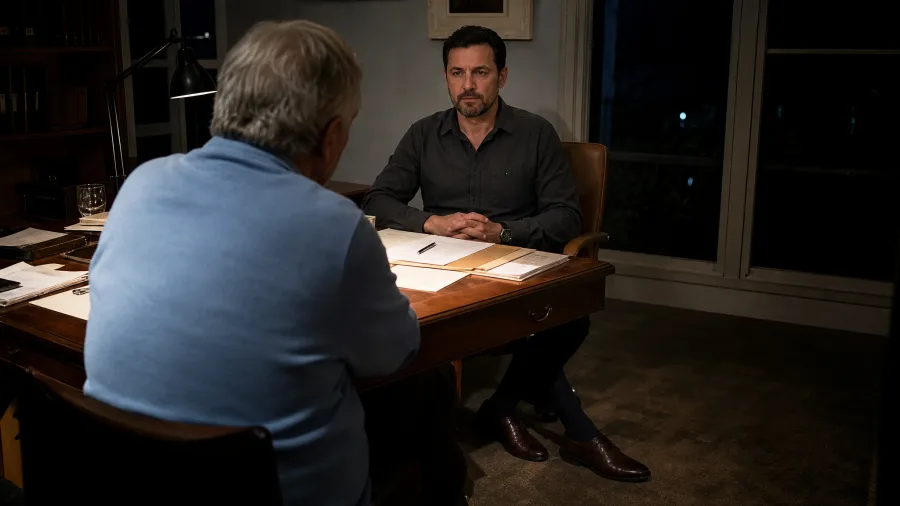
The human body leaks tension from the top down.
A person fabricating a story pours all their conscious effort into maintaining a calm face, completely forgetting to monitor what happens below the table. The common advice suggests watching for nervous fingers, but the lower body is entirely unguarded. While the mouth insists on the lie, the feet initiate a physical exit.
Watch a seated person who suddenly feels trapped by a direct question. Their feet will grow restless, pivot away from the conversation, and point toward the nearest door. The body unconsciously attempts to escape.
While the face is trained to lie, the feet remain wildly honest. They point exactly to where the mind wants to escape.
— The principle of distal leakage
8. Sudden Freezing Replaces Natural Fidgeting

The reality of physical threat detection works in exactly the opposite direction. Instead of the lower body attempting to flee the room, the ultimate biological defense mechanism against being exposed is total, absolute immobility.
The common myth of the twitchy deceiver ignores how the human nervous system processes immediate danger. We falsely expect someone hiding the truth to constantly shift their weight or drum their fingers on the table.
Under the immediate threat of being caught, the body triggers a primitive mammalian freeze response instead. All normal baseline movements abruptly vanish. You ask a contractor why a project is delayed. “The city held up the permits,” they say, and a person who usually speaks with sweeping, animated gestures suddenly drops their hands flat onto their lap.
They adopt an unnaturally rigid posture, becoming a statue in real time. This absolute stillness serves as an effective defensive mechanism to avoid making unscripted physical mistakes that might contradict their fabricated story.
This rigidity only matters if it breaks an established pattern.
Some people naturally sit with complete, unwavering physical control when they listen intensely or process complex information. If they have barely moved since the conversation started, a rigid posture reveals nothing. The deception is exposed by the jarring transition from relaxed, conversational movement to sudden petrification the exact second a sensitive question lands.
Frequently Asked Questions
Do liars always look away?
No. Skilled manipulators will often maintain intense, unblinking eye contact to simulate sincerity. The idea that a liar always looks at the floor is a common myth.
What is a baseline behavior?
It is how a person acts, breathes, and speaks when they are completely relaxed and unstressed. You must establish this baseline before you can accurately spot the deviations that signal a lie.
Can someone control these physical leaks?
Most people absolutely cannot. Because physiological shifts like dry mouth, pupil dilation, and blood flow are driven by the autonomic nervous system, they entirely bypass conscious control.
Are fidgeting and lying connected?
Not always. Many innocent people fidget naturally due to anxiety or neurodivergence. A much stronger indicator of deception is someone suddenly freezing and dropping all their normal gestures when asked a specific question.
How many signs do I need to see?
Never rely on a single physical tell. Look for clusters of three or more signs—like a hard swallow, a sudden freeze, and shallow breathing—occurring at the exact moment of the question.
Your First Week Watching The Baseline
That sudden stillness is a glaring signal, but no single physical cue guarantees deception on its own. Your first move is establishing a person’s relaxed baseline behavior, making it easy to detect sudden deviations.
A reliable private assessment relies on spotting clusters of these physical reactions happening simultaneously rather than an isolated tic.
Practiced words can form the perfect alibi, but the autonomic nervous system refuses to sign off on the lie. Watch those involuntary physical shifts, and the fabrication exposes itself.