
Two colleagues sign their final exit papers on the exact same Friday afternoon. Six months later, one has built a rich daily rhythm, while the other feels entirely adrift in a quiet house.
You saved for decades to reach the finish line of forty open hours a week, yet waking up to a clear Tuesday calendar feels quietly hollow. This isolation stems not from a lack of friends, but from the sudden removal of a social ecosystem that required zero effort to maintain.
Post-career loneliness is a structural deficit solved only by replacing the passive connections of the office with a deliberately engineered community.
Once you recognize which relationships are carrying too much weight, you can begin constructing a sustainable, independent weekly routine.
📱 Issuing the Low-Stakes Invitation
Find neutral ground
Identify a shared public interest like a local walking trail or a corner bakery.
Set a time limit
Send a text specifying a strict boundary, like 'Coffee this Tuesday for 45 minutes?'
Respect the exit
Show up, stick to the promised time limit, and leave them wanting more.
Follow up warmly
Send a text the next day stating you genuinely enjoyed the brief catch-up.
The Office Was Your Default Social Filter
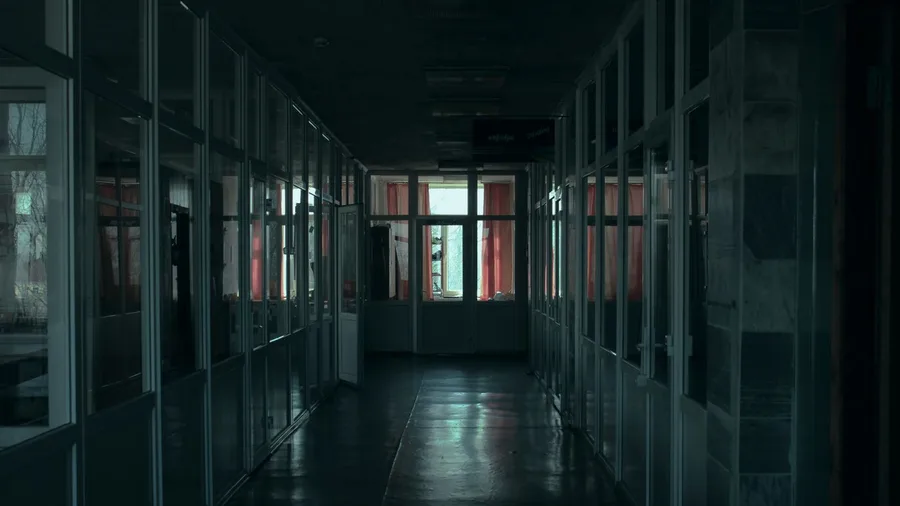
Walking away from a career unplugs you from a social grid that ran entirely on autopilot, stripping away your daily interactions overnight. For decades, your workplace provided a steady stream of incidental contact that required zero planning, from the morning nod to the lobby security guard to the quick hallway chat with a designer from the third floor.
Those effortless acquaintances kept you connected to the world.
Researchers refer to these as weak ties, and they anchor you to a broader community without demanding the heavy emotional labor of maintaining a close friendship.
You could spend five minutes complaining about the broken copy machine with someone you barely knew and walk away feeling socially satisfied. When you leave the workforce, that entire background hum of humanity goes completely silent.
The default state shifts from automatic inclusion to empty rooms.
Rebuilding that casual network requires conscious work. You have to actively schedule the kind of low-stakes human contact that used to simply happen by accident between meetings.
Your Identity Was Tied to Your Output

The loss of that daily office chatter also takes away your simplest script for meeting strangers. When someone at a neighborhood barbecue asks what you do, replying that you are retired suddenly leaves the conversation stranded. You no longer have a neat, one-word professional title to summarize your place in the world.
That missing label creates immediate social anxiety.
Stepping away from a career forces a harsh friction in how you measure your own value. You have to shift from proving your worth through daily output to valuing your inherent self.
Without a current project, a demanding client, or a pressing deadline to discuss, many people feel instantly invisible in a crowded room. They worry they sound entirely uninteresting now that the drama of the workplace is gone, leading to a profound hesitation to introduce themselves.
The resulting silence is just a defensive reflex.
This crisis of status pushes people to stay home and avoid the awkwardness of explaining their newly blank slate. They withdraw from neighborhood events and dinner parties, cutting themselves off from meeting peers exactly when a new social circle is most necessary.
⚠️ COMMON MISTAKE
Skipping Social Events
Avoiding neighborhood gatherings because you hate answering 'what do you do now' only deepens the isolation. Have a one-sentence pivot ready, like 'I just finished thirty years in accounting, and now I am learning to build furniture.'
Endless Leisure Quickly Feels Hollow and Isolating

Without a professional title defining your mornings, the sheer volume of open time quickly morphs from a hard-won reward into a quiet burden. The cultural promise of a permanent vacation crashes hard against the jarring reality of filling forty unstructured hours every single week.
Leisure only feels good when it contrasts with labor.
Hobbies like watercolor painting or restoring old cars function perfectly as a temporary release from stress. Doing them constantly without an overarching schedule simply generates a sprawling sense of emptiness.
Pouring hours into a solo project rarely delivers the collaborative satisfaction you used to get from colleagues. A solitary afternoon in the garage cannot replicate the shared energy of solving a frustrating, complex problem alongside three other people.
Mutual purpose is notoriously hard to replace alone.
You will likely feel a flash of guilt for not enjoying the peaceful mornings you spent thirty years saving up to afford. That guilt is useless, because feeling adrift is a standard, completely valid reaction to the structural void now sitting in the middle of your life.
Your Spouse Cannot Be Your Only Outlet
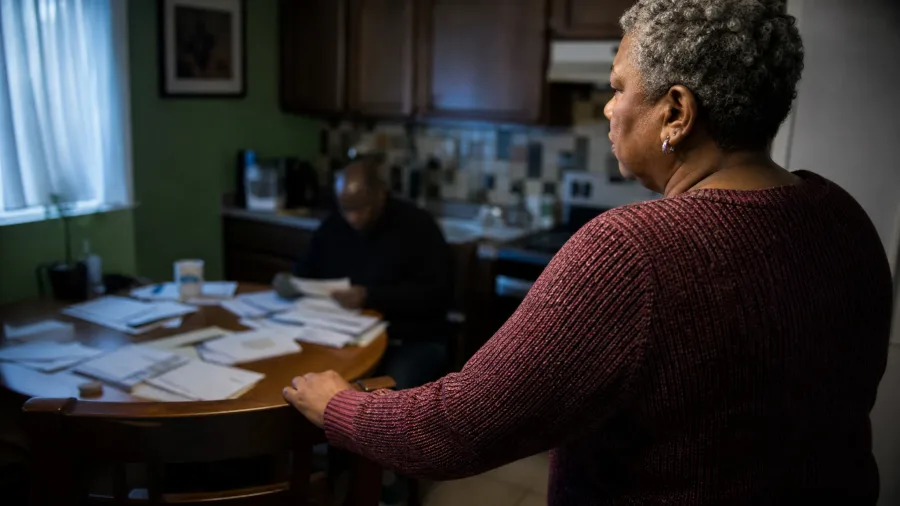
Turning to the person across the kitchen table to fill an empty Tuesday afternoon creates immediate strain. Placing the complete weight of your daily social needs onto a spouse is an impossible request.
Therapists notice a quick pattern when one partner leaves a busy workplace and comes home to someone who already has an established routine. The newly retired partner turns into a shadow, drifting from the living room to the study, looking for conversation while the other person is simply trying to pay bills.
This dynamic breeds quiet resentment within a matter of weeks.
When an introverted partner is suddenly forced to act as the permanent entertainment coordinator for a bored, extroverted spouse, the marriage suffocates. Your worldview shrinks to the four walls of your house, and minor domestic irritations inflate because neither of you has anywhere else to look.
A functioning home requires separate schedules and outside faces. Building an independent social sphere gives you both the physical distance required to actually have something new to discuss over dinner.
Healthy Separation
- Maintains individual morning routines
- Leaves the house solo twice a week
- Has friends outside the marriage
- Protects quiet reading hours
Over-Reliance
- Expects partner to plan every afternoon
- Follows partner on mundane errands
- Uses partner as sole conversational outlet
- Interrupts partner's established hobbies
Working Friends Cannot Relate to Your Schedule

Looking past your own household for company quickly exposes a harsh structural divide. The peers you used to see easily are still locked into the daily corporate grind, making a casual Thursday morning meetup out of the question. Their intense working rhythms no longer match your wide-open days.
A retired calendar and a working calendar simply cannot speak the same language. The friction shows up fastest in casual texts.
Messaging a friend to complain about how painfully slow your afternoon feels while they are rushing to meet a deadline creates instant, icy distance. They are operating under heavy professional pressure, and hearing about your daytime boredom sounds less like a shared struggle and more like careless gloating.
They cannot rescue you from your free time.
Working adults guard their weekend days aggressively. They spend those short forty-eight hours trying to recover from the week, finish household chores, and manage their families. That leaves almost zero capacity for spontaneous entertainment requests from a retired friend.
Preserving these ties means adopting a strict scheduling rule. Message them only to set up a specific weekend coffee, and stop asking them to carry the weight of your empty weekdays.
Best Times to Reach Out
Family Proximity Fails to Guarantee Daily Connection

Realizing your former peers are too busy often triggers a sudden pivot toward family, but relocating just to be closer to your adult children rarely solves the calendar problem. Uprooting your life to become the permanent on-call grandparent routinely backfires, leaving you sitting by a silent phone on a Wednesday.
Your children are currently surviving the most frantic phase of their own adult lives. Their daily schedules are completely consumed by career demands, chaotic school runs, and endless evening extracurriculars.
They do not have the hours to be your social outlet.
Taking on childcare obligations provides a specific, rewarding connection, but it completely lacks the reciprocal, low-stress dynamic of casual peer friendships. You are fulfilling a demanding logistical need, not relaxing with someone who shares your exact pace of life.
Relying entirely on your descendants for interaction leaves massive stretches of solitary time during the regular workweek. When the grandchildren are locked into their classrooms and your adult children are commuting to the office, you are still left staring at an empty morning.
Family proximity is not a substitute for a social life.
- Moving closer to family — While actively building an independent local network of your own peers.
- Expecting adult children to entertain you — Relying on them to fill your Tuesday through Thursday afternoons causes immediate strain.
- Relocating for grandkids only — Moving to a new state without joining any local groups leaves you entirely isolated during school hours.
You Have to Become the Social Organizer Now

You alone hold the blank daytime calendar, which means stepping into the highly uncomfortable role of initiating contact. The automatic invitations of the workplace are gone, leaving you entirely responsible for filling the void. Reaching out to an acquaintance to ask for their time triggers a sharp, almost adolescent fear of rejection.
Admitting you want company feels incredibly exposing.
Yet the reality is that your town is heavily populated by peers in the exact same position. They are sitting in their own quiet living rooms, looking at the clock, secretly hoping someone else takes the social risk of sending an invite.
The most effective countermeasure is the time-bound, low-stakes offer.
Sending a casual text like “Do you want to grab a coffee and walk the park loop at ten on Tuesday?” gives them a defined window and a polite exit.
It eliminates the heavy expectation of an open-ended afternoon visit. Taking the lead turns a daunting social bid into a simple scheduling question, drastically reducing the pressure for both parties.
Countless other retirees are currently sitting in their own homes wishing someone would take the risk of inviting them out.
— What social researchers repeatedly observe
Purpose Requires Routine Structure, Not Just Passion

While occasional coffee dates build initial momentum, genuine connection only forms when you commit to activities that demand your physical attendance at a specific hour every week. A drop-in pottery class or a solitary gardening project might successfully pass a Wednesday afternoon, but neither provides the necessary structural support of a scheduled, collaborative group commitment.
Hobbies are merely entertainment.
Joining a scheduled volunteer shift or a community board recreates the functional accountability of a job. This strategy only succeeds if your absence would actually be noticed and cause a minor inconvenience.
That external expectation is exactly what breaks the isolation.
Knowing that another person expects you to walk through the door at exactly ten on a Tuesday morning delivers an immense, stabilizing psychological benefit. It proves in real time that your presence still matters to a broader network. This anchor event stops acting as a simple pastime and starts doing real structural work.
It forms the solid backbone of a structured, sustainable weekly routine. Without it, the calendar simply dissolves back into a formless stream of quiet afternoons.
Frequently Asked Questions
Is it normal to feel depressed immediately after retiring?
Yes. The sudden loss of daily structure, built-in socialization, and a clear professional identity creates a jarring psychological transition that most people mistake for clinical depression.
How do I make friends without seeming desperate?
Focus on low-stakes, time-bound invitations. Asking someone for a 45-minute coffee or a short morning walk removes the pressure of a long, open-ended social commitment.
Should I move to a retirement community if I feel lonely?
Only if you intend to actively participate in the scheduled events. Simply changing your zip code without changing your social habits will just leave you isolated in a new location.
Why do I feel guilty for not enjoying my free time?
Society frames retirement as an endless vacation, making you feel ungrateful if you do not love it. In reality, forty unstructured hours a week is a logistical problem, not a character flaw.
Choosing Your First Anchor Event
Replacing a workplace’s complex social ecosystem is a gradual, deliberate process, not a failure of character. To start, simply choose one low-stakes, recurring weekly commitment to anchor your open schedule.
Find a single activity that forces you out of the door at the exact same hour every week.
Once that first anchor is set, an empty Tuesday calendar transforms from a quiet burden into the blank foundation for an active community. You stop being the colleague adrift in a silent house, and finally step into a daily rhythm entirely of your own making.