
That simple habit-tracking smartphone app you just downloaded generates an estimated $35 in data profile value from you every single year. You install it without a second thought because the upfront price is exactly zero dollars.
That missing price tag is a psychological smokescreen. Free digital services manipulate human cognitive biases to harvest your attention, turning your daily engagement into inventory. The true cost of this hidden behavioral extraction is far steeper than simply paying for a premium alternative.
Once you understand how this works, you can audit your most-used apps and calculate if the time and data you surrender are truly worth the zero-dollar price.
| Resource | Free App Cost | Paid Alternative Cost |
|---|---|---|
| Monetary Price | $0 upfront | $5 per month |
| Daily Time Cost | 145 minutes of user engagement | Only the time you actively log habits |
| Ad Exposure | Exactly 40 targeted advertisements per hour | Zero advertisements |
| Data Harvest | Collects location, screen time, contact list | Local device storage only |
The Zero-Price Effect Overrides Rational Decision Making

A price tag of exactly zero short-circuits the brain’s normal hazard detection, painting the transaction as entirely free of risk. The immediate emotional rush of scoring a deal effectively shuts down the ability to evaluate hidden terms or long-term consequences.
You stop asking what you are actually giving up.
When you spot a new habit-tracking app in the store, that zero-dollar label prompts you to hit download instantly. If that exact same app asked for a $5 monthly fee for its premium version, you would stop and perform a deliberate cost-benefit analysis before proceeding.
The psychological distance between paying a single penny and paying absolutely nothing is enormous. That absolute zero completely bypasses your standard financial hesitation, replacing caution with instant gratification.
Because your wallet remains tightly closed, your mind registers a pure bargain and waves the software straight through the gate without a single inspection. That complete removal of financial resistance is exactly what leaves the back door open for unhindered extraction of your personal information down the line.
⚠️ COMMON MISTAKE
Ignoring the True Exchange
Assuming a free app is a gift from the developers is a fundamental misread of the digital economy. They are collecting your screen time and contacts daily.
Frictionless Onboarding Encourages Impulsive Data Sharing

Because the brain already views the zero-dollar exchange as completely safe, platforms can easily rush you past the actual terms of the transaction before logic catches up. They systematically eliminate every possible barrier to entry, a design choice specifically meant to secure invasive permissions while your guard is fully down.
A bright, oversized button offering single-click social login entirely replaces the natural, slowing friction of manually setting up a new account or typing out a payment method.
The entire process takes three seconds.
In that tiny window, you blindly hand over unrestricted access to your phone’s contact list and your daily browsing habits just to get immediate entry to the habit-tracking app. There is no time to scan a privacy policy, let alone pause to weigh the consequences of handing over your personal network.
This highly engineered lack of friction is an intentional feature, not a convenience. It guarantees that the hidden transaction begins long before you have the chance to realize what you just surrendered to the company.
Intermittent Variable Rewards Hijack Your Anticipation

Once you are quickly ushered through that frictionless door, the platform relies on casino-style unpredictability to hold your attention and maximize your exposure to its monetization mechanics. The interface is carefully built to make you forget the time, trapping you in a continuous loop of checking to see what loads next.
A seemingly simple pull-to-refresh mechanism operates exactly like the lever on a digital slot machine. Every downward swipe offers the highly unpredictable possibility of fresh content or a new notification.
Biologically, your dopamine levels spike highest during the pure anticipation of the reward rather than upon receiving the reward itself. That chemical surge creates a powerful, automatic compulsion to pick up the device and check the screen again, even when you know nothing important is waiting for you.
It is a direct hijacking of human expectation.
This highly engineered reward system is incredibly effective at draining your hours. It deliberately drives you to spend an average of 145 minutes of daily engagement scrolling blindly inside the free app.
🔄 The 145-Minute Daily Habit Loop
The Trigger
A push notification prompts you to log a daily habit.
The Action
You open the app and bypass the frictionless social login.
The Variable Reward
You pull to refresh, revealing unpredictable social updates.
The Investment
You spend minutes clicking through exactly 40 targeted advertisements per hour.
The Data Harvest
The app collects location and browsing habits while you scroll.
Algorithmic Outrage Generation Maximizes Your Screen Time

Holding attention for over two hours daily requires constant emotional provocation.
The software intentionally serves you stress-inducing and controversial material every day because anger and anxiety hold your gaze far longer than a calm or happy update. High emotional arousal physically alters how fast you scroll, directly increasing the total time you spend lingering on the platform before locking your phone.
The system quickly learns exactly which arguments or hyper-local outrages keep your fingers typing furiously in the comment section. It then injects those specific triggers deliberately to stretch your current session.
This manufactured stress is not a side effect of connecting with the world. It is an intentional, structural requirement of the business model. Pushing your session length to its absolute physical limit is the only way the platform can successfully serve you exactly 40 targeted advertisements per hour of active use.
Your frustration keeps you present, and staying present is what keeps the profitable inventory continuously moving across your screen.
The algorithm does not care if you are happy or angry. It only cares that you are still looking at the screen.
— What attention economists keep repeating
Behavioral Surplus Is Harvested to Predict Your Actions

Those prolonged hours of emotionally driven screen time act as the highly profitable raw material for a massive backend extraction engine that quietly records how you interact with the glass.
Companies systematically pull out minute physical details that have absolutely nothing to do with the specific service you requested. They track your typing speed, the exact milliseconds you hesitate before clicking a specific link, and your average scroll depth to map your daily psychological vulnerabilities and current mental state.
This excess information is known within the industry as behavioral surplus.
The free habit-tracking app you installed does not actually exist to help you drink more water or sleep better. It operates to convert that daily stream of behavioral surplus into an estimated $35 in data profile value per user annually, selling highly accurate predictions of your future actions to advertisers.
The exchange is never about providing you a useful tool. It is entirely about extracting enough micro-actions from your day to package and sell your behavioral future.
The $35 Annual Profile
📍 Location Data
Mapped daily
⏱️ Screen Time
145 mins/day
👥 Social Graph
Contact list synced
👁️ Ad Exposure
40 ads/hour
Background Tracking Stitches Together Your Offline Life

The extraction does not suddenly halt the moment you minimize the glowing screen, but quietly extends its unseen reach directly into your physical surroundings. The free app operates as a permanent collection node in your pocket, constantly feeding your exact daily location coordinates to unseen third-party data brokers.
These brokers use this continuous background location data to map your physical movements and match you to specific retail store visits, stitching your offline habits directly into your online advertising profile.
The promise of anonymized tracking is nothing but a reassuring myth.
Stripping your name from the spreadsheet means nothing when the recorded coordinates show exactly where your phone sleeps at night and where it sits during office hours. Combining just a handful of location points easily de-anonymizes your identity and pinpoints your exact home address for any buyer willing to pay.
The actual hidden transaction demands the complete surrender of your physical privacy in the real world just to maintain the convenience of a free digital tool in your hand.
- Paying a direct fee — Forces a deliberate cost-benefit analysis before you commit.
- Downloading on impulse — Bypasses your financial hesitation entirely.
- Ignoring the terms of service — Opens the door for unhindered data extraction.
Paying With Cash Protects Your Attention and Privacy
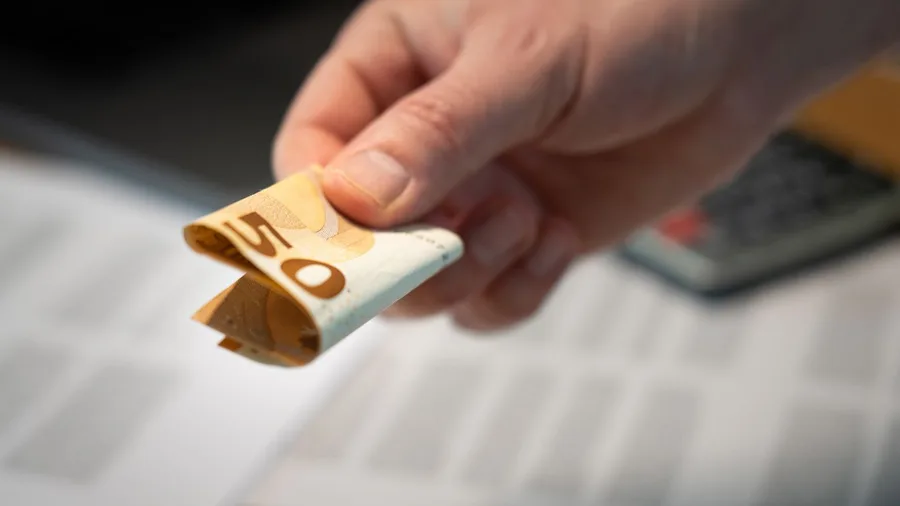
Handing over actual money halts the extraction machine and turns you back into a customer instead of inventory.
A paid service works for the person holding the credit card, meaning the structural need to farm your daily physical location disappears entirely.
The math heavily favors the premium upgrade.
Trading 145 minutes of daily engagement for a zero-dollar price tag is a catastrophic miscalculation of your own hourly rate. Paying the five dollars a month for a clean, non-tracking habit app instantly buys back over two hours of your day.
That single monthly payment entirely removes the developer’s financial incentive to dig through your contact list, mine your behavioral surplus, and barrage your screen with exactly 40 targeted advertisements every active hour.
The only real hurdle is your own assumption.
We have spent two decades practicing the habit of treating digital labor and software as inherently free. Expecting an app to cost nothing is exactly what keeps you sitting in the trap, handing over a highly profitable data profile instead of a handful of pocket change.
The Hidden Balance Sheet
Operating As Inventory
- Exports your outside browsing habits daily
- Yields a $35 annual bounty for the developer
- Uses interface friction to trap attention
- Records your exact screen-time rhythms
Operating As A Client
- Ignores what you do in other tabs
- Caps developer revenue at $60 per year
- Lets you log a task and close the window
- Leaves your waking schedule unmonitored
Setting Friction Points Breaks the Habit Loop

Stopping the extraction requires placing physical speed bumps between your thumb and the software to force a conscious choice about your engagement.
Building artificial barriers blocks the impulse to open an app out of sheer boredom, breaking the automatic physical loop that feeds the data machine.
You have to interrupt the mindless tap.
Start by moving the most addictive free apps entirely off your smartphone’s home screen. Hiding them in a distant folder requires you to search for them by name, which introduces just enough delay for your brain to ask if you actually want to spend time there.
Switching to mobile web versions instead of downloading native apps is a massive structural defense.
Browsers automatically restrict background permissions, instantly cutting off the software’s ability to map your location or quietly scrape your contact list while the phone sits in your pocket.
Stop the frictionless onboarding before it starts.
Read the privacy label on the app store before tapping the download button for anything new. Making yourself look at the exact list of behavioral data a free tool intends to harvest is the easiest way to kill the desire to install it.
Frequently Asked Questions
Why do free apps need my contact list?
Contact lists help companies map your social graph. They use this data to target your friends with ads and to predict your own behavior based on who you know.
Can I just use free apps and ignore the ads?
Ignoring the visual ads does not stop the tracking. The app still harvests behavioral surplus like your scroll speed, active times, and location data in the background.
Is ‘anonymized’ data actually safe?
No. Combining a few data points, such as your daily commute and home location, easily de-anonymizes your identity. True anonymity in location tracking is a myth.
How do I know if an app is harvesting my data?
Check the privacy labels in your device’s app store before downloading. If a simple tool requests access to your camera, microphone, or location, it is harvesting data.
Running Your Own Attention Audit
Run a privacy and attention audit on your most-used free app today by checking the screen time statistics in your device settings. Review the specific location and contact permissions it demands, then calculate those lost hours against paying a $5 monthly fee for a premium alternative.
That simple zero-dollar habit-tracking download is actually the most expensive software on your phone when paid for in 145 daily minutes and complete behavioral mapping. The only truly free choice online is the one made after the hidden price tag is fully visible.