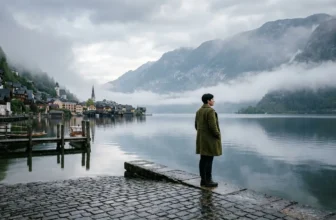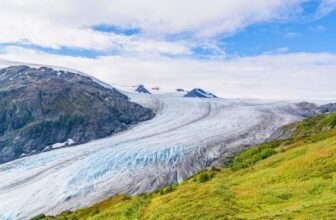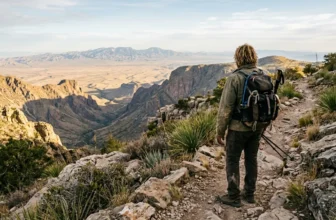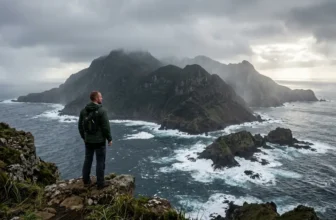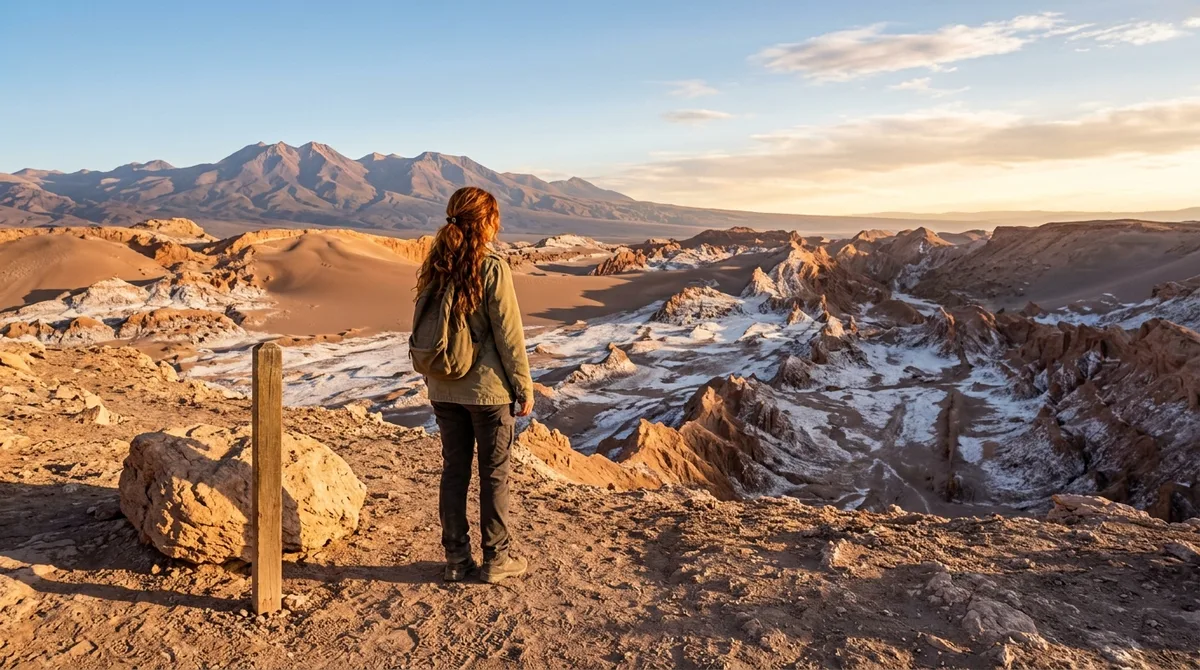
Traditional travel brochures teach you to expect endless flat beige sand when you think of arid wastelands.
That conventional framing misses the high-altitude salt flats, neon-colored geothermal craters, and towering coastal dunes that defy standard expectations of bleakness entirely.
If you are tired of generic beach guides and want to plan a genuinely striking off-beat road trip, you need to look toward the planet’s most visually arresting dry zones.
Expect to hike across ancient dry lake beds, navigate high-altitude mountain passes, sleep under star-dense night skies, and witness mineral crusts that glow in the twilight.
You do not need to pack your bags for all ten locations right away, but picking just one of these surreal landscapes will completely change how you view wilderness travel.
Quick Tips Before You Start
Water Capacity
Carry at least five liters of drinking water per person daily.
UV Protection
Pack polarized sunglasses and broad-spectrum SPF 50 sunscreen.
Temperature Drops
Bring heavy fleece layers because desert heat vanishes instantly at night.
💡 PRO TIP
Understanding Desert Elevation Anomalies
Many of the world's most striking deserts sit at extreme elevations where thin air causes rapid dehydration and freezing nighttime temperatures. Adjust your physical pacing during the first forty-eight hours.
Route and Destination Overview
Save this map to your offline device before heading into remote terrain.
1. Salar de Uyuni Salt Flats
Wondering why travelers visit the crowded salt hotel zones when local drivers start expeditions from remote southern lagoons?
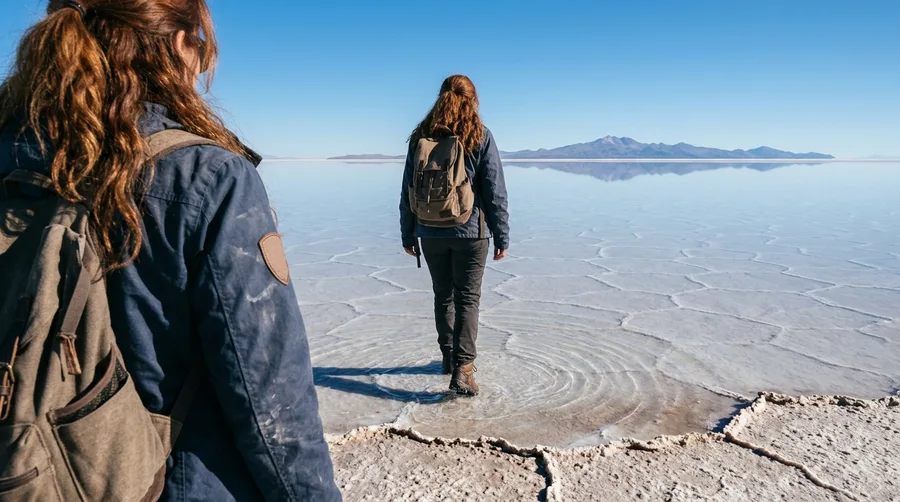
This massive lithium crust spans over 4,000 square miles, creating a clinical white geometric pattern of hexagonal salt tiles during the dry months from May to November.
When the summer rains arrive between December and March, a thin layer of standing water turns the entire depression into an infinite mirror reflecting the clouds.
Book your local guide out of Tupiza rather than Uyuni town to skip the traffic jams and visit remote artisanal processing workshops in Colchani village.
💡 Tip: Wear polarized sunglasses to prevent severe snow blindness from the reflecting white salt crust.
⚠️ COMMON MISTAKE
Skipping Local 4×4 Checks
Never attempt remote salt flat crossings without checking your vehicle's dual fuel filters and tire pressure ratings. Saline mud destroys unprotected undercarriages within hours.
2. Namib Sand Sea and Dunes
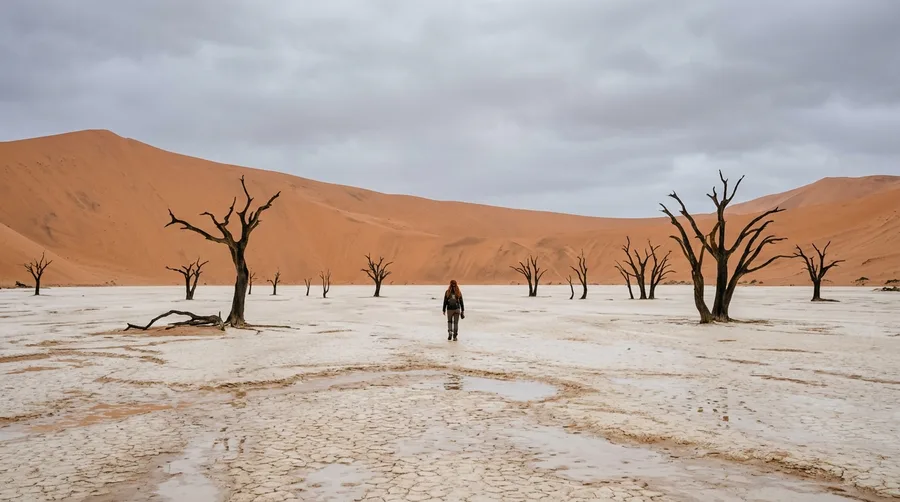
The Namib Sand Sea is the oldest desert on Earth, featuring apricot-colored dunes that dwarf most skyscrapers.
Navigating this landscape requires careful planning because daytime temperatures on the exposed sand ridges can cause severe heat exhaustion within minutes.
Deadvlei is easily managed via 4×4 shuttle transfers for older travelers or families, but climbing Dune 45 is physically punishing under the midday sun.
Coastal fog rolling off the Atlantic Ocean nourishes endemic species like barking gecos and welwitschia plants that survive entirely on mist.
Always confirm park gate opening times because vehicles are strictly turned away after sunset.
Dune 45 vs. Deadvlei: Choosing Your Effort Level
Dune 45 Climb
- Steep 45-degree sand ridge incline
- Requires dawn departure to avoid heat
- Strenuous cardiovascular effort
- Unobstructed panoramic sunrise views
Deadvlei Walk
- Flat walking path across white clay
- Accessible via managed 4×4 shuttle
- Features ancient dead camelthorn trees
- Ideal for detailed tripod photography
3. Wadi Rum Sandstone Canyons
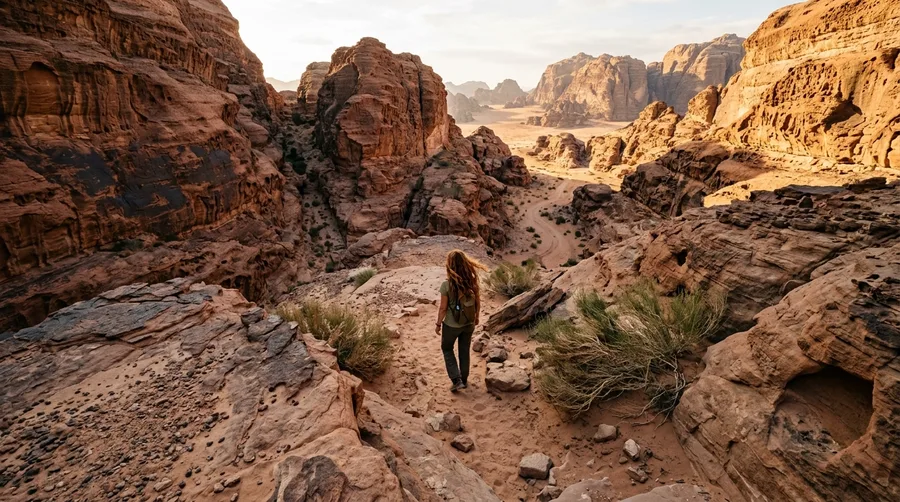
You are stepping out of a four-wheel-drive vehicle into a narrow sandstone canyon where the wind smells faintly of wild sage and ancient sun-baked dust.
This Jordanian valley served as T.E. Lawrence’s operational base during the Arab Revolt, and you can still find Nabataean trade petroglyphs etched into the dark rock varnish.
Spend an evening sharing sweet cardamom-infused Bedouin tea inside a traditional goat-hair tent while local guides explain desert astronomy.
Towering inselbergs rise sharply from the valley floor because millions of years of wind-blown sand erosion carved away the softer surrounding strata.
💡 Tip: Hire a certified local Bedouin guide rather than attempting off-road navigation alone.
Wadi Rum Expedition — At a Glance
🐪 Best Transport
4×4 Pickup Truck
⛺ Lodging Style
Bedouin Camp
🌡️ Avg Spring Temp
26°C / 78°F
⏱️ Recommended Stay
2 Full Days
Pro Rule
Always register your campsite location with the visitor center before entering protected valley zones.
4. Atacama Desert Moon Valley
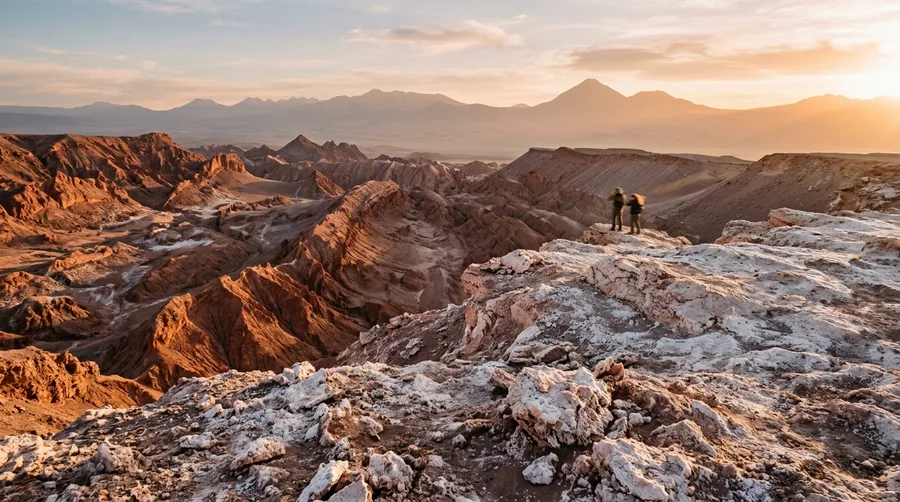
Unlike the shifting dunes of the Sahara, the Atacama presents a lunar wasteland of crusted salt, deep red canyons, and jagged volcanic peaks.
Stand on the western rim of Valle de la Luna precisely 45 minutes before sunset to capture the chalky purple and orange ridge gradients.
Parts of this high plateau record zero measurable rainfall over decades, creating an atmosphere so dry that wood does not decompose naturally.
Atacama Gear Essentials
5. White Desert National Park
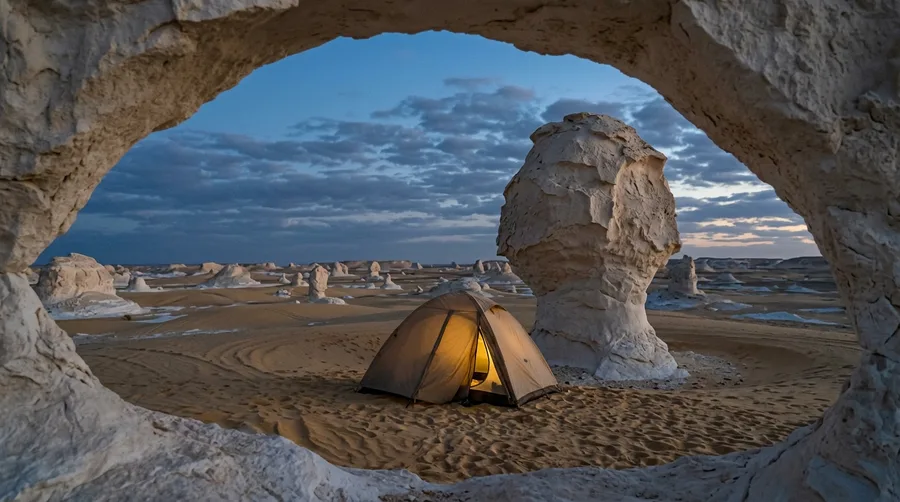
500 kilometers west of Cairo lies a chalk desert where wind-sculpted white monoliths rise like frozen ghost ships from a golden ocean of sand.
Sit quietly by a campfire in the Farafra depression as the chalk towers shift from blinding white to eerie blue under moonlight.
These surreal pillars are ancient sea-floor limestone deposits shaped by severe sandstorms over millennia.
6. Danakil Depression Salt Pans
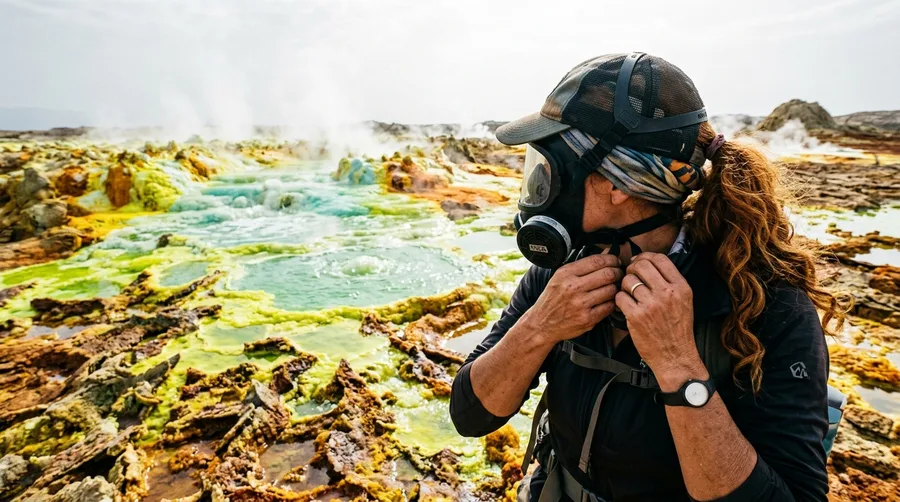
The air tastes intensely of sulfur and hot vinegar, and the ground beneath your boots crunches like brittle stained glass over boiling hydrothermal fields.
Large mammals are virtually non-existent here, but patient bird watchers can spot migratory desert larks and occasional flamingos near Lake Afrera’s hypersaline shores.
Witness the toxic yellow-and-green sulfur springs of Dallol and peer directly into the active lava lake of Erta Ale after a grueling night hike.
Armed convoy travel and chemical gas masks are mandatory safety requirements due to extreme heat and complex regional sensitivities.
💡 Tip: Soak your cotton headscarf in cold water before stepping out onto the Dallol sulfur flats.
🌱 GROWING TIP
Hydration Strategy in Extreme Heat
Plain water alone causes dangerous electrolyte flushing during strenuous desert treks. Mix oral rehydration salts into every second flask to maintain proper sodium balance.
7. Death Valley Badwater Basin
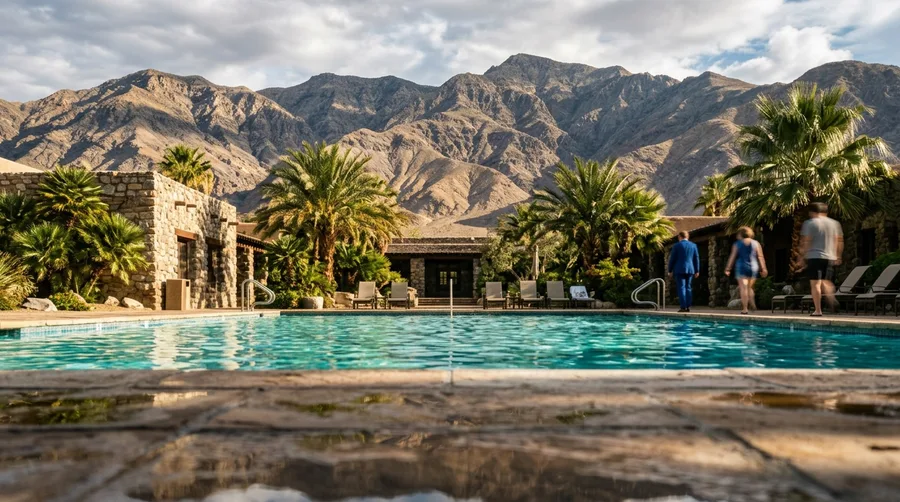
Skip the budget roadside motels and splurge on a stay at The Inn at Death Valley, where historic luxury meets surreal desert vistas.
Expect to pay roughly $400 to $700 per night depending on the season, which buys historic stone architecture, spring-fed swimming pools, and oasis date palms.
This luxury basecamp makes exploring Badwater Basin at 282 feet below sea level comfortable after a morning drive through the colorful artist’s palette hills.
8. Monument Valley Tribal Park
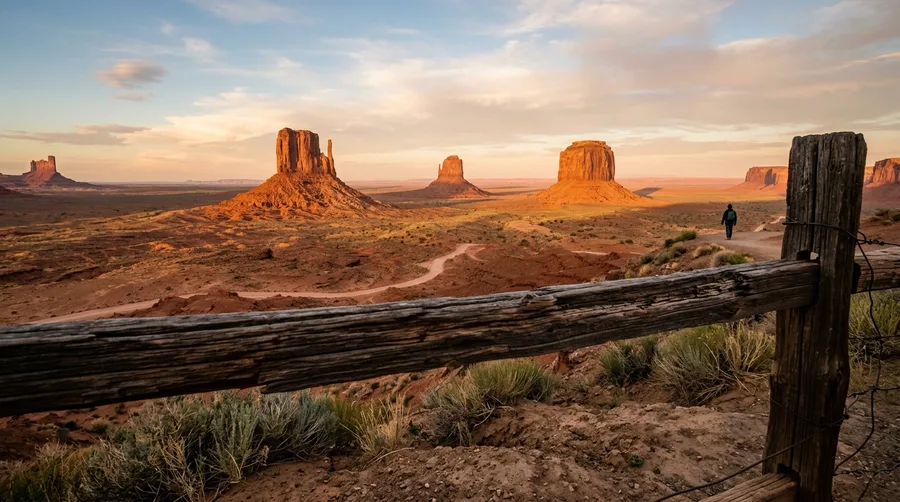
Do not expect solitude along the main self-drive Valley Drive because the iconic viewpoints choke with tour buses during peak midday hours.
Enter the tribal park right at sunrise to beat the queue at the entrance gate and secure parking near the John Ford Point overlook.
These massive sandstone buttes are the stubborn erosion remnants of an ancient flat plain that weathered away over millions of years.
9. Wadi Mujib Canyon Oasis
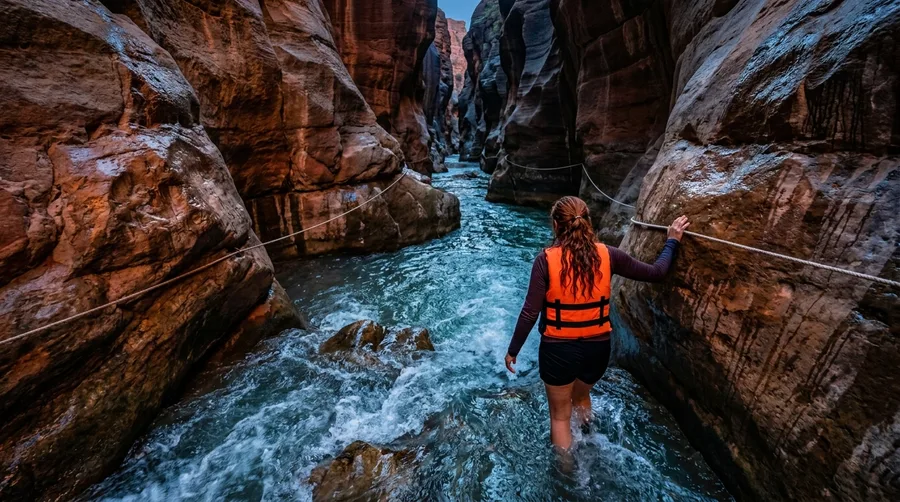
Dive straight into the Siq Trail, where you will wade, swim, and climb through a narrow sandstone gorge carved deep into the desert rock.
Navigate waist-deep rushing river currents, hoist yourself up bolted waterfall ladders, and float through shadowy canyon corridors where sunlight barely reaches the water.
The cool, rushing flash-flood waters of the canyon floor provide an instant relief from the scorching desert plateau sitting directly above.
Always wear neoprene water shoes and secure your camera inside a certified waterproof dry bag before stepping onto the trailhead.
💡 Tip: Life jackets are strictly mandatory at the visitor center checkpoint before entering the gorge.
🌊 Wadi Mujib Canyon Trekking Sequence
Gear Check
Fit your life jacket and secure dry bags at the Dead Sea visitor center.
River Entry
Wade through initial waist-deep flowing currents inside the shaded gorge.
Waterfall Climb
Hoist yourself up bolted handlines alongside roaring cascading water drops.
Turnaround Point
Reach the large limestone pool barrier before heading back downstream.
10. Socotra Island Dragon Trees
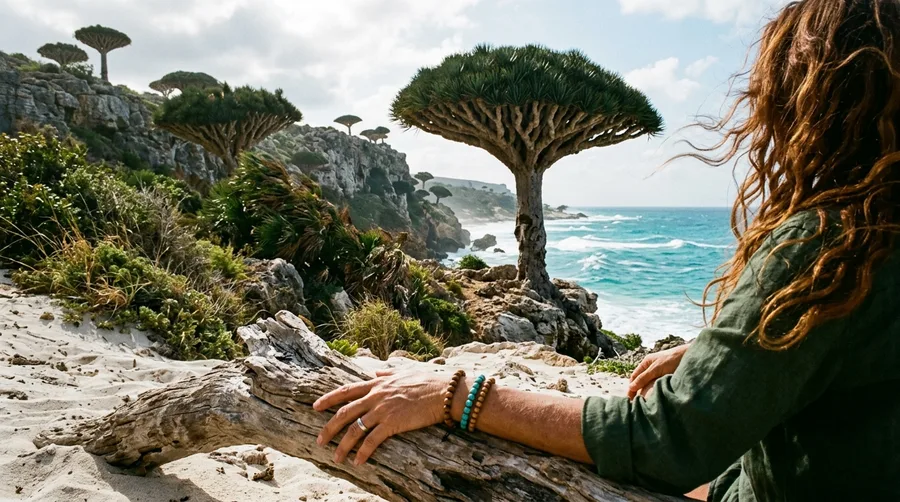
You are sitting on a white-sand beach under the umbrella canopy of a dragon’s blood tree, eating freshly grilled parrotfish seasoned with local chili and frankincense smoke.
This signature meal of fresh catch-of-the-day seafood served with flatbread and spiced rice typically costs around $5 to $10 USD at local beach camps.
Take time to examine the surreal endemic flora, including umbrella-shaped dragon’s blood trees that bleed red resin when cut and bottle trees clinging to sheer limestone cliffs.
Frequently Asked Questions
When is the best time of year to visit desert destinations without risking heat stroke?
Shoulder months between October and April offer the safest weather window across most northern hemisphere and equatorial desert regions.
How do you protect camera gear from fine desert sand and dust infiltration?
Pack sealed waterproof housing and avoid changing camera lenses outdoors when strong wind gusts kick up abrasive particles.
Is it safe to travel solo through remote desert routes?
Solo travel requires strict vehicle redundancy, satellite communicators, and hiring local guides in remote areas like the Sahara or Danakil.
What is the most effective clothing strategy for extreme temperature fluctuations?
Wear light-colored, loose linen layers for daytime sun protection and pack heavy fleece jackets for freezing nighttime temperature drops.
How much drinking water should a traveler carry per day during desert hikes?
Maintain a baseline safety metric of four to six liters of water per person daily depending on hiking exertion levels.
Beyond the Dunes: Why the World’s Wildest Wastelands Call Us Back
Deserts challenge the simplistic notion of barren wasteland by showcasing vibrant mineral chemistry, remarkable endemic life, and enduring human history.
True appreciation of these landscapes requires slowing down, respecting strict weather parameters, and looking far beyond standard tourist postcards.
Step away from the crowded resorts, pack extra water, and let the absolute silence of the earth’s wildest places reset your perspective.