If you are tired of resorts where you need a reservation just to find a patch of sand, you are looking for la pausa. Spain has thousands of miles of coastline, but the real magic happens in the protected micro-communities where the daily rhythm is dictated by the tide rather than tour bus schedules.
Skip the crowded strips of central Ibiza and Benidorm entirely this year. Instead, trade the noise for eleven coastal pockets where strict building height caps preserve the horizon line, historic cores are completely pedestrianized, and tavern menus change daily based on whatever small skiffs hauled in that morning.
You’ll wander through narrow alleys smelling of salt and grilled sardines, watch locals mend nets on granite quays, and remember what it feels like to travel without checking your watch every twenty minutes.
Quick Tips Before You Start
Embrace Siesta Hours
Most small-town shops and kitchens close between 2:00 PM and 5:00 PM.
Park Outside the Core
Leave your rental car in designated lots at the edge of town to navigate narrow alleys.
Carry Cash Euros
Family-run tascas and seaside bakeries often have minimum card limits or cash-only rules.
The Slow Coast Route
Save this route to navigate Spain's unhurried northern and southern fishing ports.
1. Cudillero
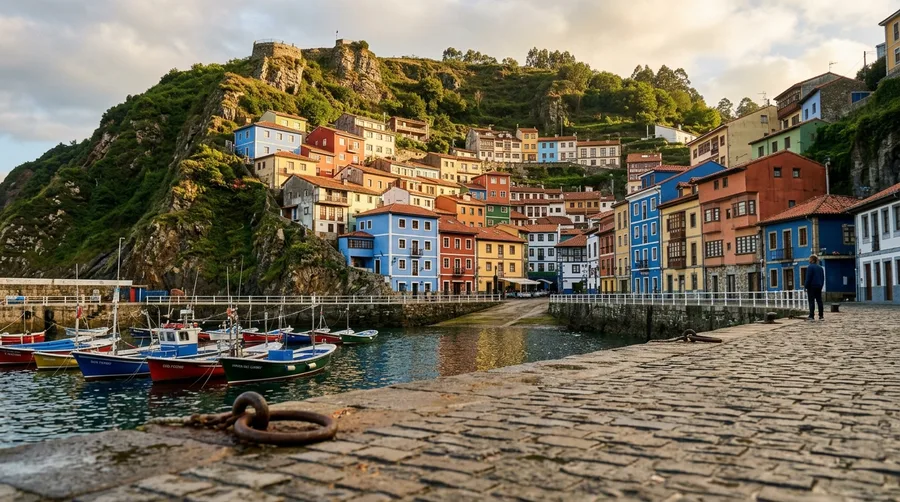
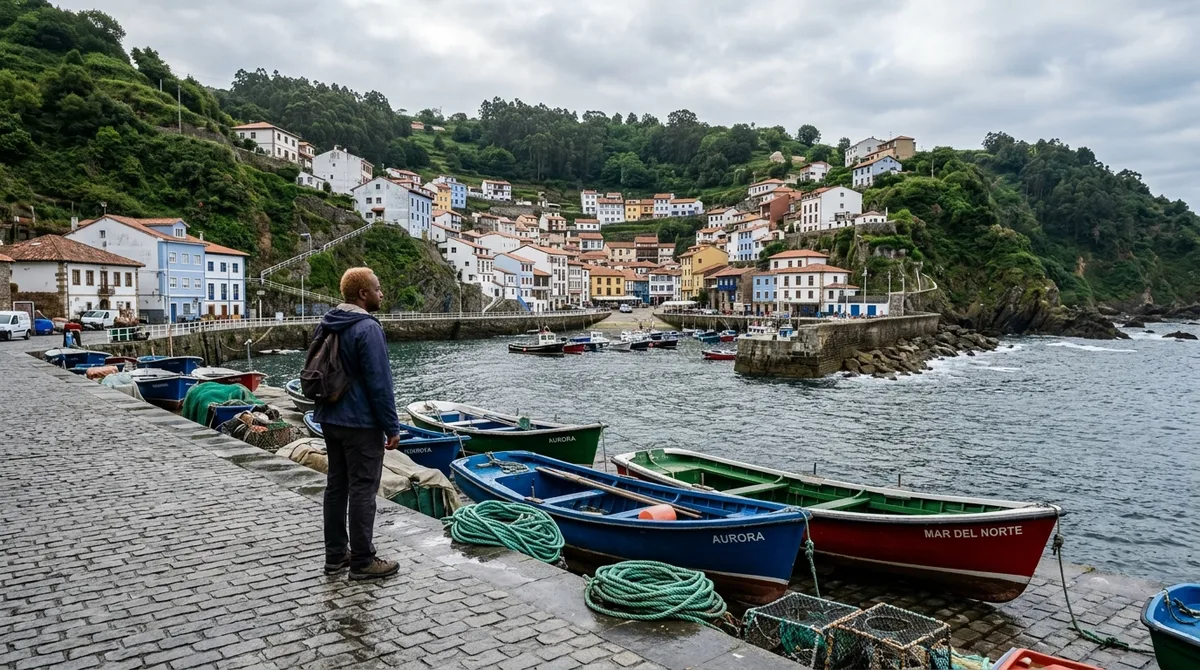
Tackle the steep, stair-only pathways on foot early in the morning before the sea fog lifts off the Cantabrian water. Do not attempt to drive down into the port basin unless you enjoy reversing up a forty-degree grade with angry locals behind you.
Climb past the brightly painted houses directly up to the Mirador de La Garita viewpoint for a clear look at the amphitheater layout where homes stack vertically like theater seats. You will see the authentic working side of the village unfold beneath you.
Spend an hour watching small skiffs land hake and squid at the active harbor before grabbing a morning café con leche at a tiny square table.
💡 Tip: Wear sneakers with deep tread; the wet granite stairs in Cudillero are slicker than they look.
⚠️ COMMON MISTAKE
The Midday Parking Trap
Do not drive your rental car straight into historic fishing ports after 10:00 AM. Narrow medieval lanes leave zero room for error, and you will get stuck.
2. Cadaques
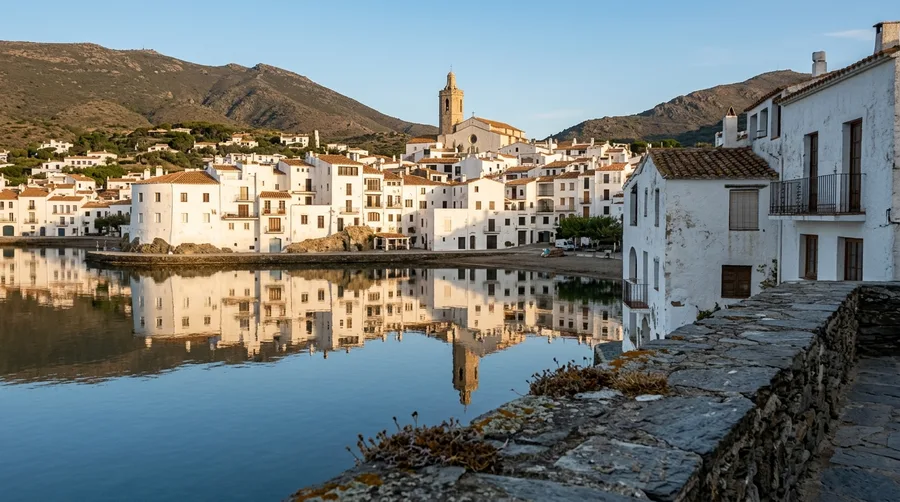
While standard Catalan beach towns swarm with package tourists, Cadaques remains wonderfully isolated behind the winding mountain road of the Cap de Creus natural park.
Position yourself on the rocky terrace beside the Church of Santa Maria at sunset to catch the defining view of white cubist houses reflecting perfectly in the glassy bay.
3. Comillas
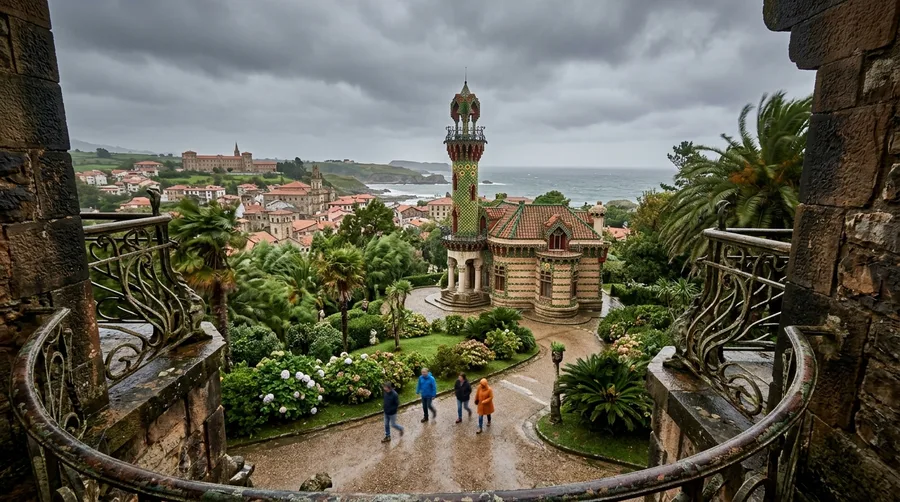
The scent of salt spray mixes with manicured gardens and the distinct sound of modernist ironwork creaking in the Atlantic breeze as you enter the town. You will notice an immediate architectural shift here compared to standard whitewashed coastal villages.
The catch is that while Comillas hosts Antoni Gaudi’s rare work outside Catalonia, El Capricho, it experiences heavy day-tripper surges from Santander between eleven in the morning and four in the afternoon. Do not arrive during this peak window unless you enjoy dodging tour groups on narrow sidewalks.
Stay overnight in the historic center to unlock empty cliffside promenades and peaceful Gothic-revival architecture long after the day-trippers return to their buses.
Plan your morning visits to the Palace of Sobrellano before the crowds arrive, and spend your afternoons walking the quiet coastal paths toward Oyambre.
💡 Tip: Book tickets for El Capricho online two days ahead to skip the midday ticket queue.
⏳ The Comillas Rhythm
Early Morning
Walk the empty cliffside promenades before the regional tour buses arrive.
Midday Peak
Tour El Capricho or retreat to indoor galleries while crowds flood the main square.
Late Afternoon
Explore the Gothic-revival cemetery overlooking the crashing Atlantic waves.
4. San Vicente de la Barquera
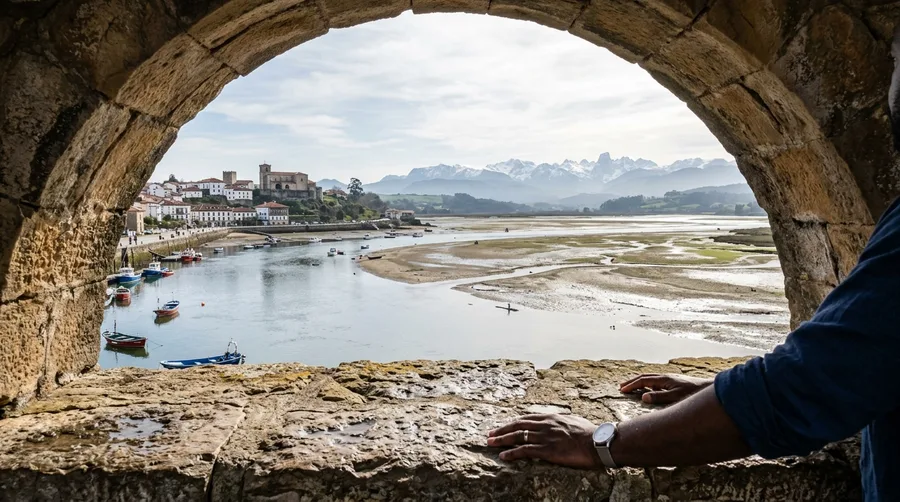
Can you actually spot migratory wading birds and wild otters in a bustling northern coastal nature reserve? You certainly can if you know where to look along the protected estuary edges.
Expect a high probability of seeing herons, egrets, and cormorants in the Oyambre Natural Park estuary, but maintain realistic expectations regarding elusive river otters unless you visit at dawn near the tide lines.
Cross the sixteenth-century Puente de la Maza stone bridge on foot to connect the salt marshes directly to the old town walls.
5. Lastres
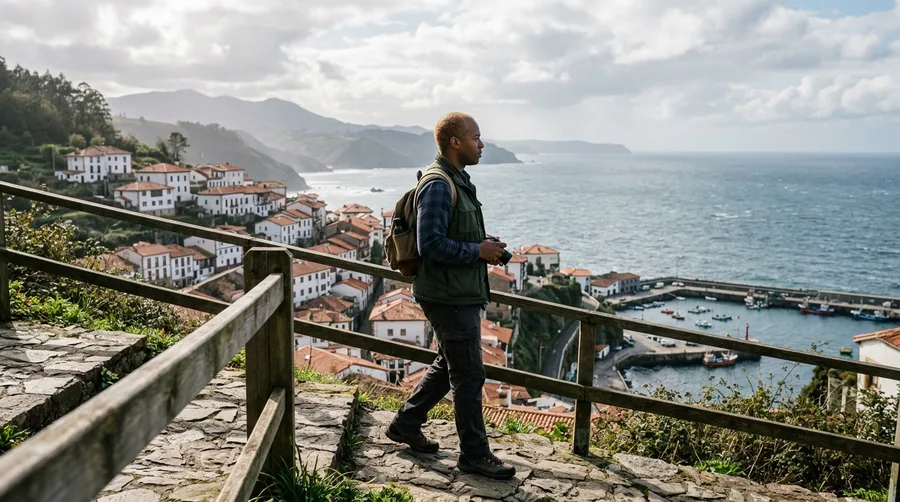
Lastres earned massive national fame as the fictional town of Doctor Mateo, transforming its quiet fishing identity overnight.
The lower port area gets congested in July and August, but the upper cliff paths remain blissfully empty and completely worth the detour.
6. Getaria
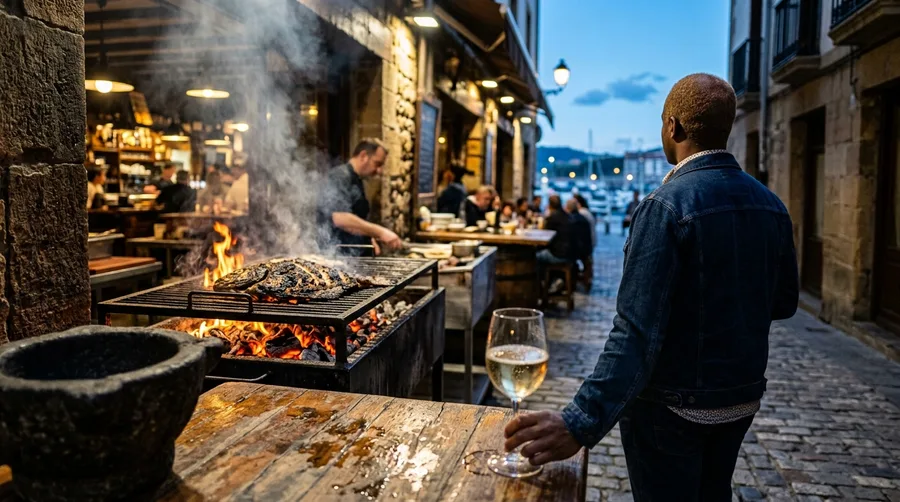
Do not order standard commercial white wine here because Getaria is fiercely protective of its acidic, effervescent regional pour.
Pair your chilled local Txakoli wine with charcoal-grilled whole turbot at an open-air alleyway tavern.
Expect to pay roughly twenty-five to thirty-five euros per person for a traditional seafood lunch featuring the daily catch.
💡 Tip: Ask the server to pour the Txakoli from height to aerate the slight natural fizz.
Getaria Seafood Lunch — At a Glance
🐟 Main Dish
Rodaballo a la brasa
🍷 Local Drink
Getariako Txakolina
💶 Average Cost
30 Euros per person
Insider Tip
Lunch service runs from 1:30 PM to 3:30 PM; arrive right at opening to secure a sidewalk table.
7. Combarro
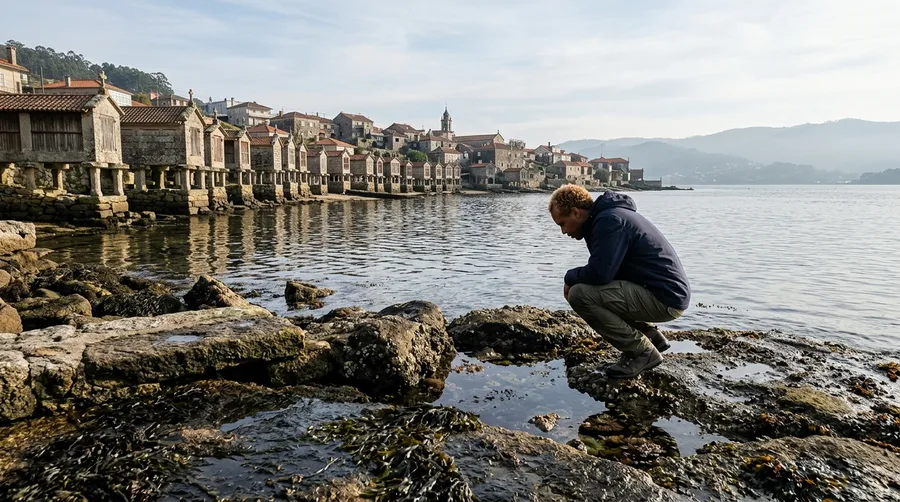
Over 60 stone granaries line the direct water’s edge, spaced just feet from the high-tide line in this Galician gem.
This village suits families with older children who enjoy exploring tidal rock pools and maritime folklore.
It genuinely does not suit strollers, wheelchair users, or travelers with severe mobility issues due to uneven medieval granite slabs and slippery seaweed-covered ramps.
8. Zahara de los Atunes
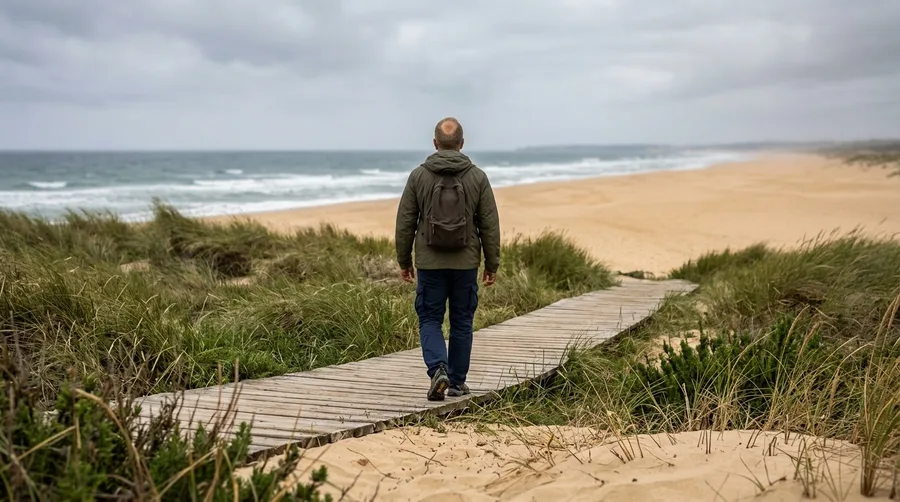
You’ll smell wild rosemary drifting from the dunes as you walk barefoot across miles of wind-swept golden sand at dusk. The Atlantic air here feels completely detached from the commercial development found further east along the coast.
While tourists crowd Tarifa’s famous windsurfing beaches, local Andalusians quietly retreat to Zahara’s wild Playa de los Alemanes for undisturbed ocean swims and wide-open horizons.
Examine the historic tuna-fishing heritage of the almadraba, an ancient sustainable trap-net fishing method practiced in these exact waters since Phoenician times.
Stop at a beachside chiringuito around eight in the evening to order a plate of local red tuna tataki paired with a cold regional sherry.
Tarifa vs. Zahara de los Atunes
Tarifa (The Crowd Pick)
- Busy windsurfing hub
- Packed summer beaches
- Vibrant nightlife scene
- Higher parking fees
Zahara (The Slow Pick)
- Miles of empty sand
- Wild dune landscapes
- Traditional Almadraba tuna
- Unhurried local rhythm
9. Sanlucar de Barrameda
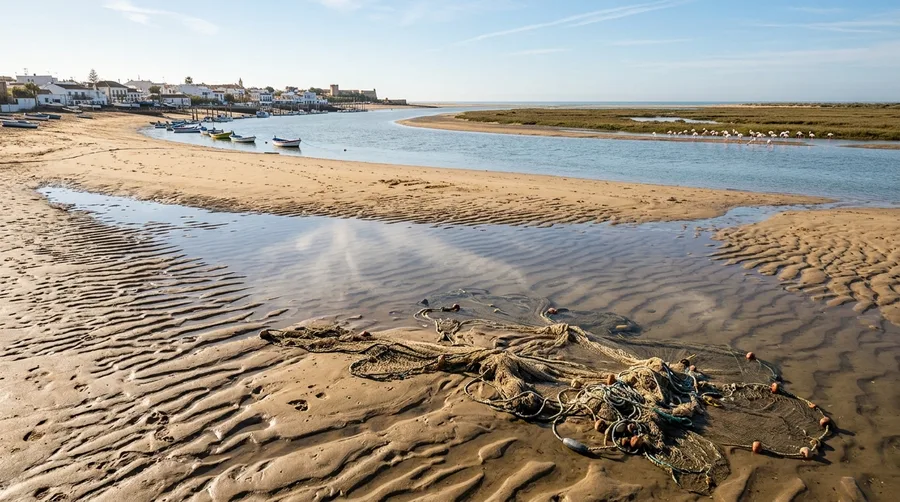
Walking the wild, undeveloped shoreline where the Guadalquivir River empties into the Atlantic Ocean costs nothing yet offers Spain’s most dramatic sunset views.
Watch local fishermen mend nets by hand along Bajo de Guia beach without commercial interference or ticket booths.
Observe wild flamingos feeding in the shallow marshes bordering the Doñana reserve across the water as the evening light turns gold.
10. Tazones
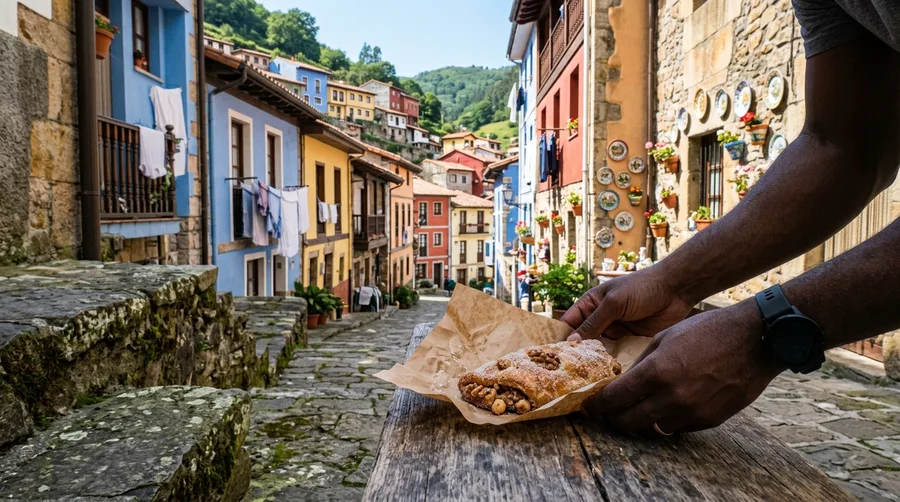
Pull off the coastal highway here for a ninety-minute walking break to stretch your legs in a valley carved entirely into steep green cliffs.
Notice the quirky local detail of houses painted in vivid primary colors and decorated with painted ceramic plates, marking the historic landing site of Emperor Charles V in 1517.
Grab a warm nut-filled casadiella pastry from the village bakery for under two euros before heading back out on the road.
11. Altea
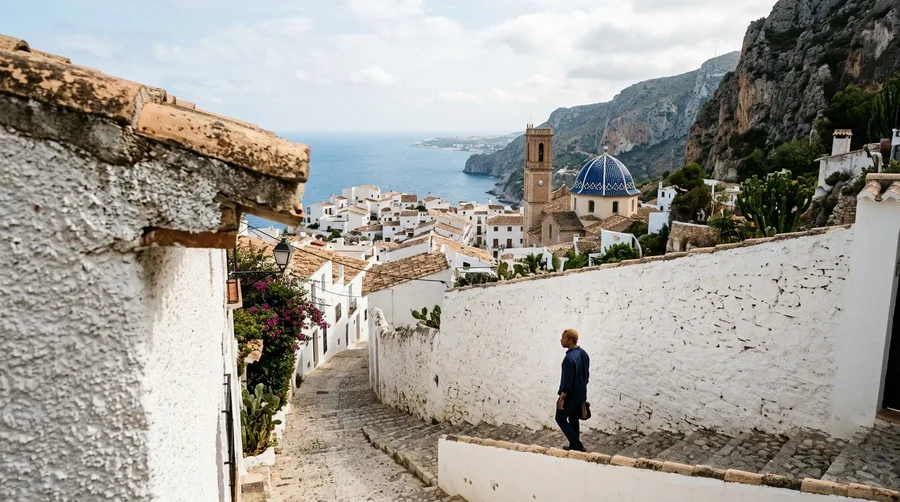
The blinding afternoon glare bounces off white-domed church tiles and blue-tiled roofs high above the Mediterranean.
Booking a boutique cliffside hotel room with an uninterrupted sea view in the old town is entirely worth the financial investment.
Expect to invest roughly one hundred and eighty to two hundred and eighty euros per night for a historic sea-view room, paired with a sixty-euro seafood dinner at an upscale terrace.
Frequently Asked Questions
What is the best month to visit Spain’s slow coastal towns without heavy crowds?
Plan your trip for May, June, or September. The weather is warm enough for coastal swimming, local taverns are fully open, and the heavy July-August domestic holiday crowds have not yet arrived or have already departed.
Do I need a rental car to explore these northern coastal towns?
Yes, a rental car is essential for northern spots like Cudillero, Tazones, and Comillas. Public rail and bus networks in Asturias and Cantabria are designed for commuters rather than coastal cliff exploration.
Are these towns suitable for remote work and digital nomads?
Historic stone buildings and thick masonry walls can occasionally interfere with strong Wi-Fi signals. Check with your guesthouse about fiber internet availability before booking a multi-week stay.
How do siesta hours affect dining schedules in these regions?
Most small-town grocery stores and family-run kitchens close strictly between 2:00 PM and 5:00 PM. Plan to eat lunch by 1:30 PM and dinner after 9:30 PM to match local operating hours.
Can you visit Combarro with a stroller or wheelchair?
No, Combarro is difficult for wheeled transport. The old quarter features uneven medieval granite slabs, steep stone stairs, and narrow ramps that get slick near the high-tide line.
Trading the Fast Lane for the Tides
Spain’s true coastal identity lives far away from high-rise commercial resorts, preserved carefully by geography, tide tables, and local resolve. When you swap strict hourly itineraries for the unhurried pace of these eleven fishing ports, travel stops feeling like a checklist.
Slow down your next journey, match your daily routine to the local siesta and the ocean tides, and let these quiet seaside communities show you how Spain was meant to be experienced.