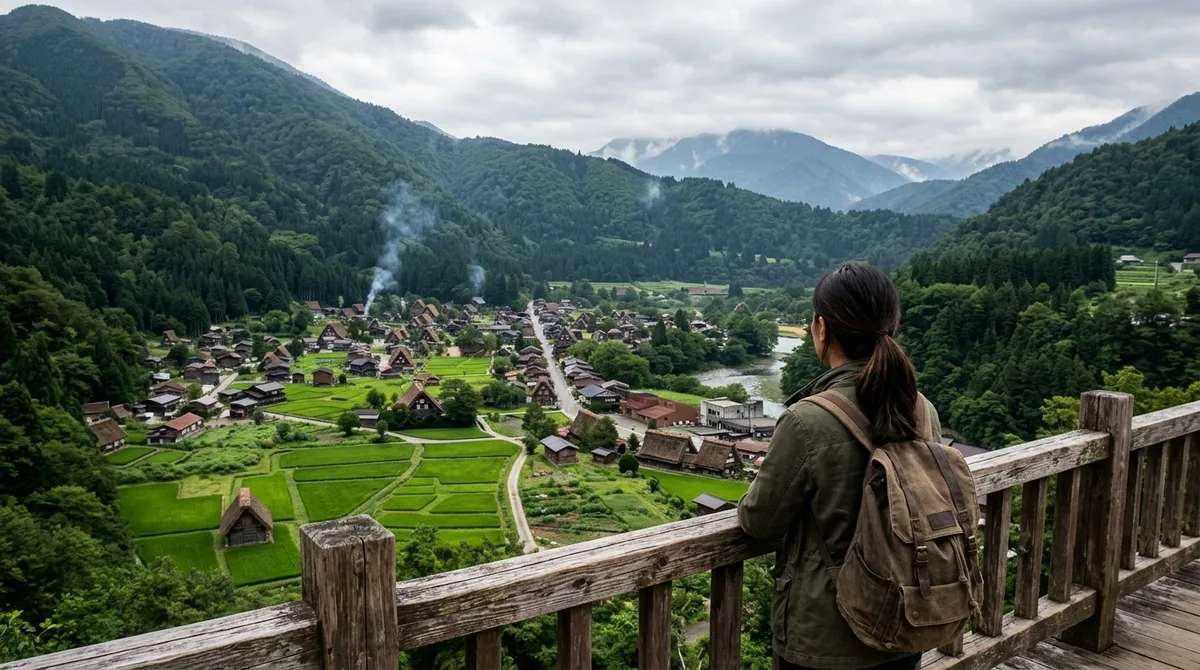
Tokyo runs on bullet trains and neon, but rural Japan operates on a different clock entirely. If you step off the main tourist artery, you will find mountain hamlets where thatched roofs, sliding paper doors, and open-fire hearths remain standard daily architecture.
Preservation here is not accidental. It is enforced through strict regional zoning laws under the Agency for Cultural Affairs, creating designated districts where modern siding and utility poles are banned entirely.
You are walking into living communities bound by ancient cooperative labor systems rather than outdoor museum exhibits.
Watch wood smoke curl from cedar roofs, listen to mountain streams rush past stone walls, taste hand-pounded mochi, cross mossy wooden bridges, and warm your hands over an open charcoal hearth.
Bring comfortable walking shoes, respect local quiet hours, and use this guide to pick the exact stops that match your travel style.
Quick Tips Before You Start
Carry Cash
Remote mountain shops and rural buses rarely accept credit cards.
Slip-On Shoes
You will remove your footwear constantly when entering traditional buildings.
Check Bus Times
Regional transit lines run infrequently, so map your connections ahead.
Pack Trash Out
Public bins are scarce in rural districts, so keep a small bag for waste.
Historic Village Route Map
Save this route map to navigate rural mountain roads and walking trails.
1. Tsumago-juku
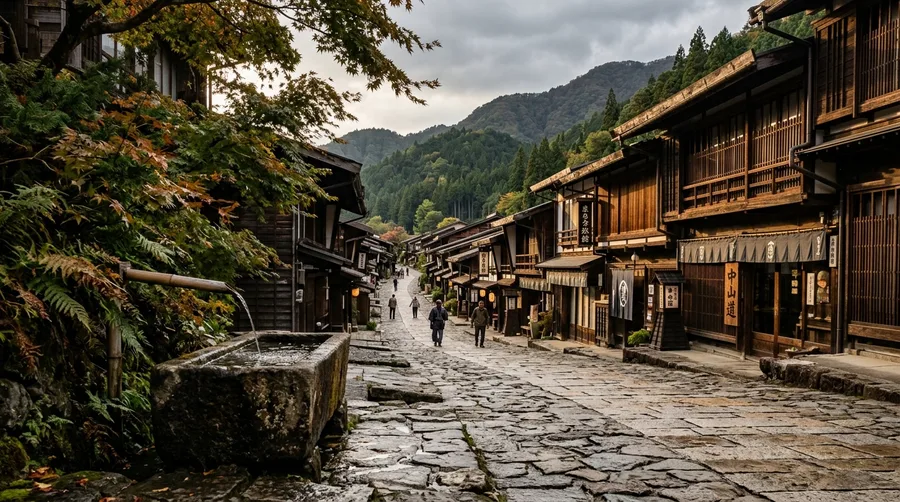
Cars are strictly banned from the main street during daylight hours, and utility poles are buried underground to preserve Edo-period authenticity.
This is a preserved stretch of the ancient Nakasendo highway where travelers once walked between Kyoto and Edo. Local charters enforce a strict rule of do not sell, do not rent, and do not destroy.
You will stop at roadside water troughs fed directly by mountain springs and inspect traditional wooden slat notices mounted on cedar posts.
Most visitors walk the scenic trail segment between Tsumago and neighboring Magome while using local luggage forwarding services to lighten their load.
💡 Tip: Drop your heavy bags at the Tsumago tourist information office before starting the hike.
⚠️ COMMON MISTAKE
Skipping Luggage Forwarding
Do not attempt to carry large rolling suitcases along historic stone paths. Use regional luggage transfer desks to send bags directly to your evening inn.
2. Shirakawa-go
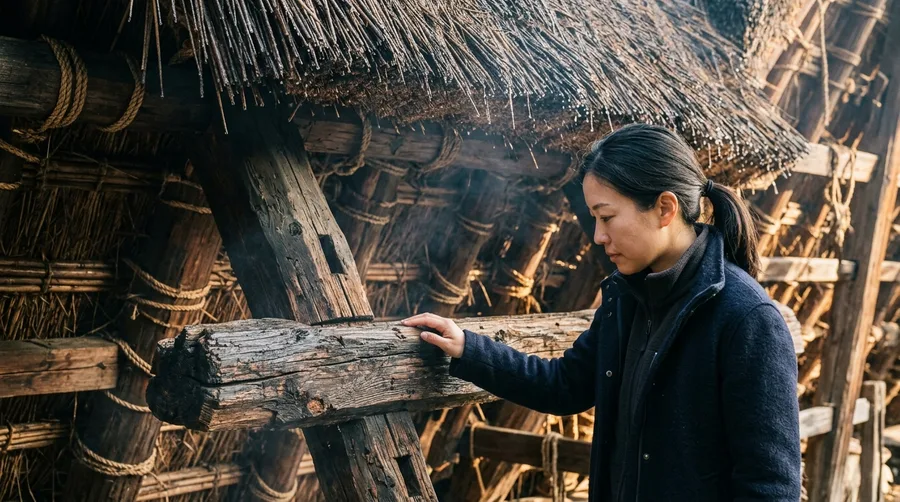
The heavy scent of drying cedar smoke and damp thatch mixes with crisp mountain air the moment you step into a historic farmhouse.
While Ogimachi draws the tour buses, savvy travelers head to the quieter adjacent hamlets of Suganuma and Ainokura in Gokayama for an uncrowded experience.
Local carpenters construct these massive gassho-zukuri prayer-hands roofs without using a single metal nail, engineering them to shed heavy regional snowfall.
Shirakawa-go — At a Glance
🏠 Architecture
Gassho-zukuri timber
❄️ Snow Load
Up to 4 meters
🚶 Best Access
Footpaths & trails
Insider Note
Visit Suganuma for a quieter alternative to the main Ogimachi cluster.
3. Miyama Kayabuki no Sato
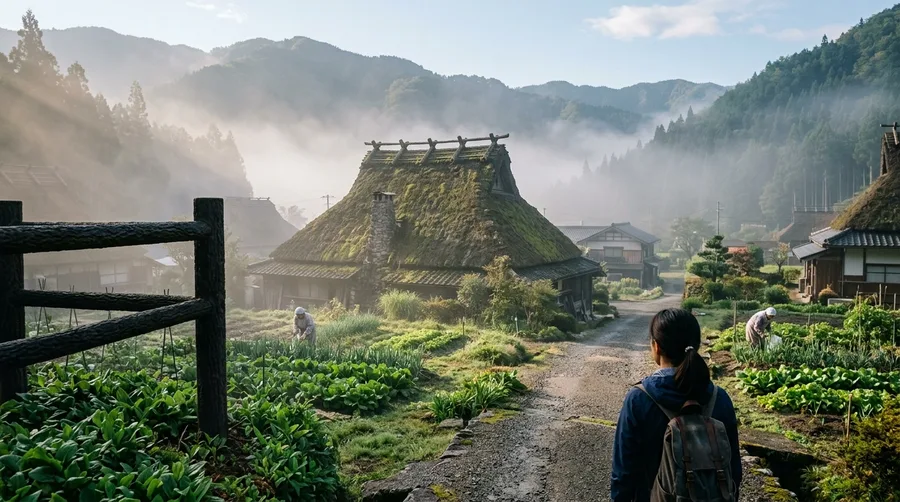
Daytime tour buses crowd the central square between 10:00 AM and 3:00 PM, but the village transforms into absolute silence outside those hours.
Arrive precisely before 8:30 AM or stay past 5:00 PM when day-trippers leave and locals tend to their vegetable gardens.
Morning mist settles over the thatched roofs unhindered by foot traffic, offering authentic visual contact with rural Kyoto prefecture.
💡 PRO TIP
The Golden Hour Window
Arrive before the first morning tour bus arrives at 9:00 AM to photograph the misty alleys completely undisturbed.
4. Ine no Funaya
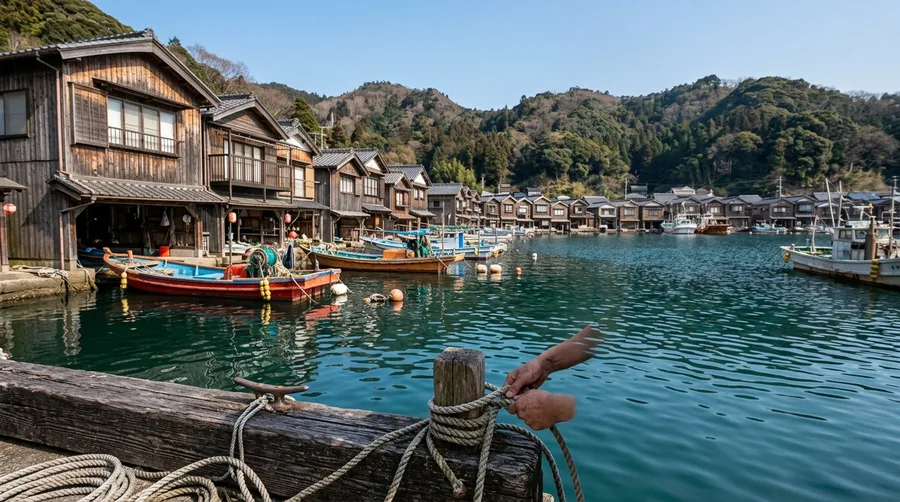
Ine historic boathouses are visually striking, but their narrow multi-level layouts and open water drops make them challenging for toddlers and mobility-impaired visitors.
Older children, architecture enthusiasts, and independent travelers comfortable with steep staircases will find plenty to explore here.
Best For / Skip If
5. Ouchijuku
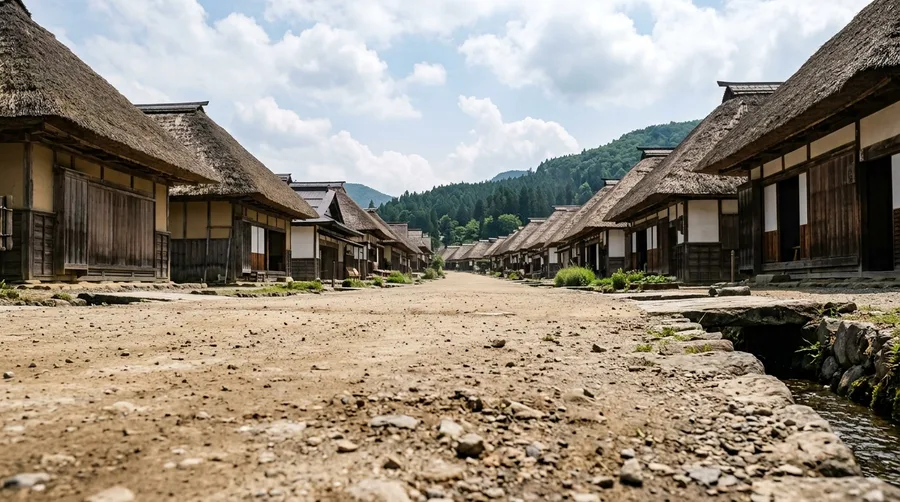
Skip generic castle towns and head straight to this single unbroken street of Edo-period thatched houses along the Aizu-Nishi Kaido route.
Feudal lords and merchants once traveled this mountain road, staying at uniform thatched inns that maintained strict architectural rules.
Local ordinances prohibit modern signage, overhead wires, and exterior air conditioning units from altering the historic rooflines.
🛤️ Evolution of the Aizu-Nishi Kaido Route
Feudal Era
Daimyo lords used the mountain road as a primary transit highway.
Post-Town Boom
Inns and trading posts multiplied to serve travelers.
Modern Preservation
Local charters banned utility poles and modern signage.
6. Shirakawago Lookout
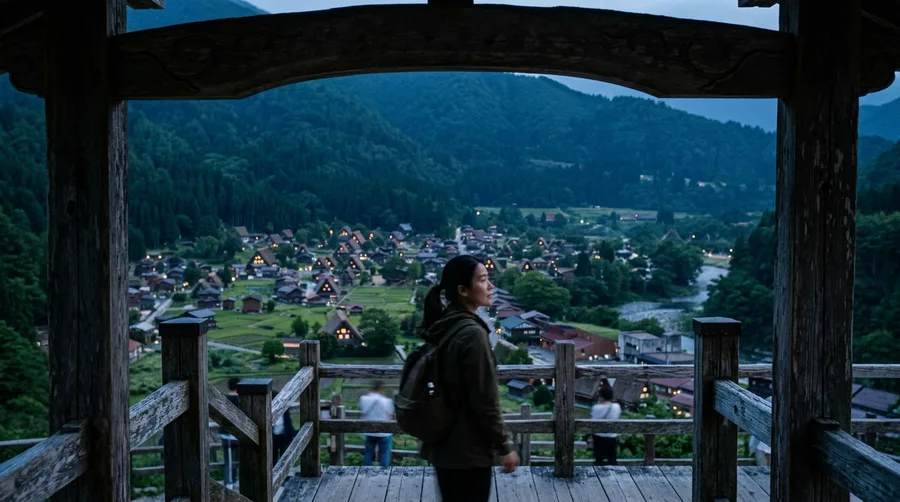
Is the massive tourist queue at the Ogimachi observatory actually worth the hype?
7. Taketomi Island
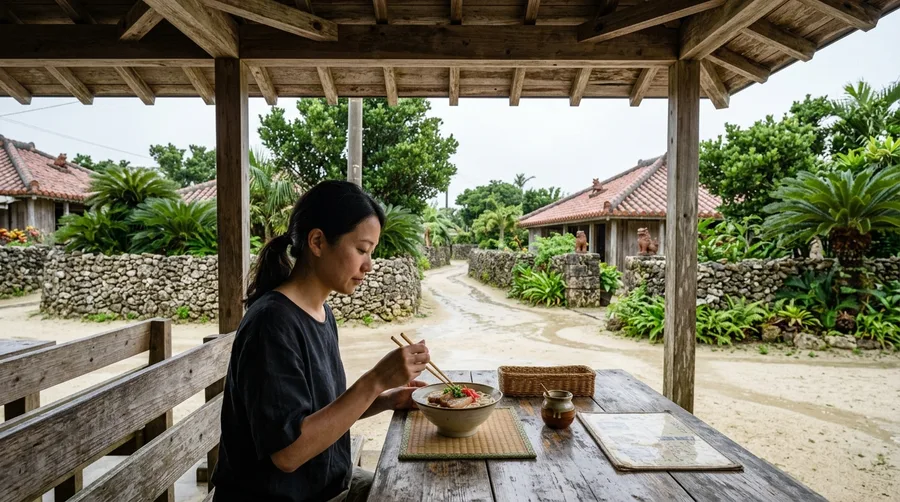
You will smell wood smoke and subtropical flowers before you even step off the bicycle rental shop’s veranda.
Order a hot bowl of Yaeyama Soba topped with slow-braised pork belly, priced around 900 yen at a family-run porch restaurant.
Coral-stone boundary walls and sandy streets keep cars away, leaving only stone shisa lions guarding single-story red-roofed homesteads.
Main Island vs. Outlying Islands
Mainland Villages
- Mountain timber construction
- Heavy winter snowfall
- Deep valley geography
- Soba noodle culture
Okinawan Villages
- Coral-stone boundary walls
- Subtropical climate
- Red-tiled ceramic roofs
- Pork-broth noodle bowls
8. Magome
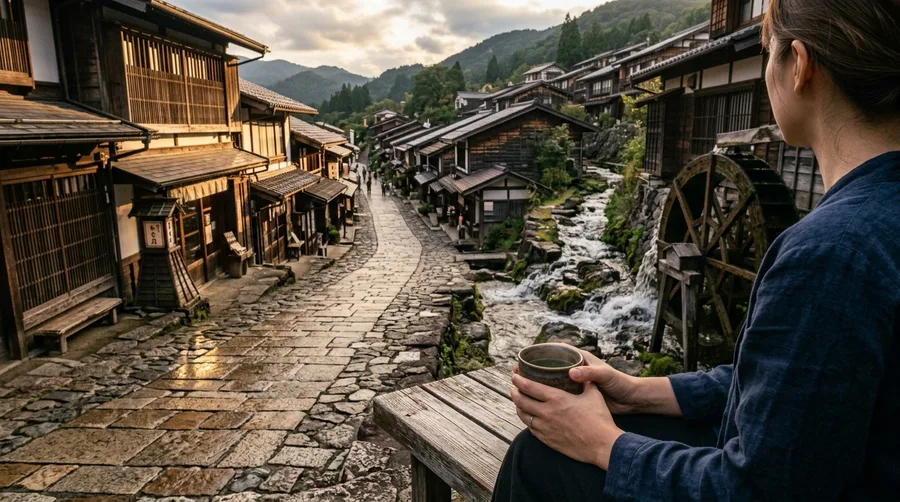
8 kilometers of steep mountain path connect Magome to Tsumago, but the true reward is spending 60 uninterrupted minutes sitting by the village watermill.
Find a quiet wooden bench near the cascading stream, watch local artisans carve chestnut wood, and sip hot green tea from a ceramic shop.
Magome features a unique stepped hillside layout, rebuilt entirely in traditional style after devastating fires in the 20th century.
Stop at the upper ridge teahouses for panoramic views of the Kiso Valley away from the main souvenir cluster.
🌱 GROWING TIP
Hiking Pace Strategy
Start walking the Nakasendo trail from Magome to Tsumago in the morning so you tackle the steepest uphill section while temperatures are cool.
9. Shiraho Village
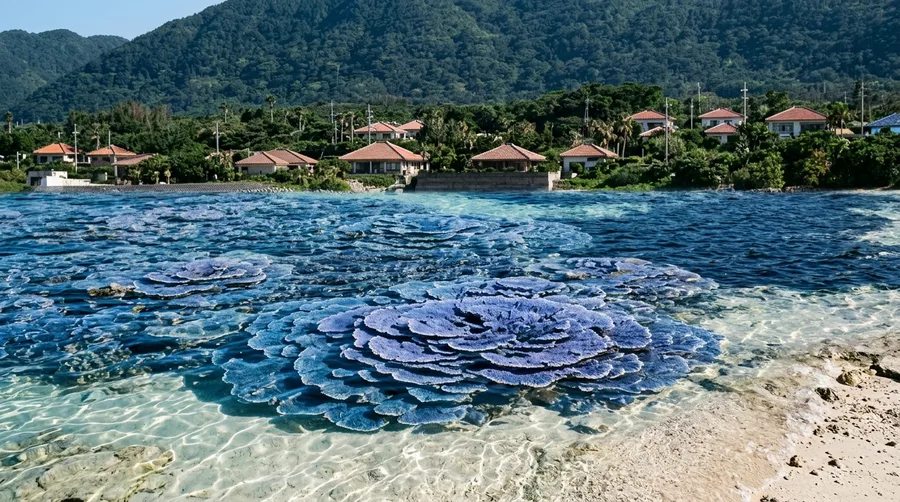
What are the odds of experiencing pristine blue coral reefs without harming fragile marine habitats?
10. Kamikatsu
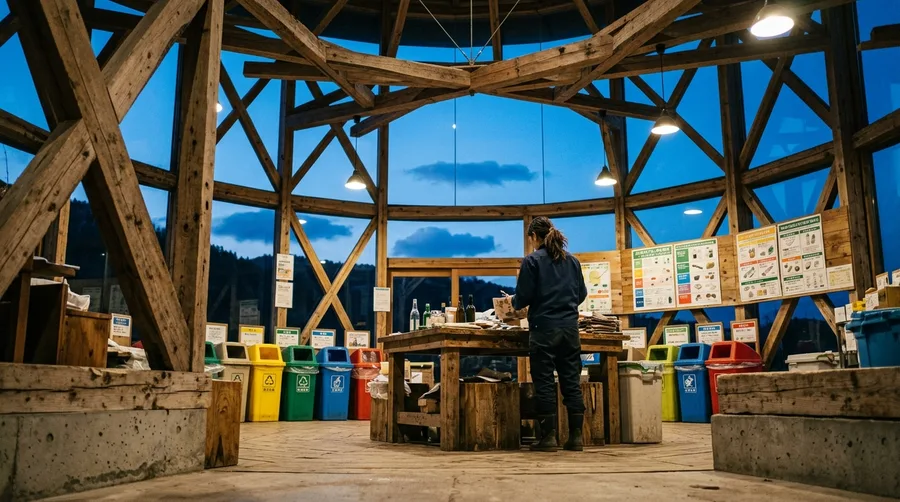
45 distinct recycling categories govern daily life in Kamikatsu, Japan famous zero-waste mountain village.
Participate in a hands-on workshop at the Zero Waste Center, sort household materials, or hike the dense surrounding cedar forest trails.
Residents organize their daily routines around composting, upcycling, and sustainable forestry management.
Common Rural Travel Errors
11. Bessho Onsen
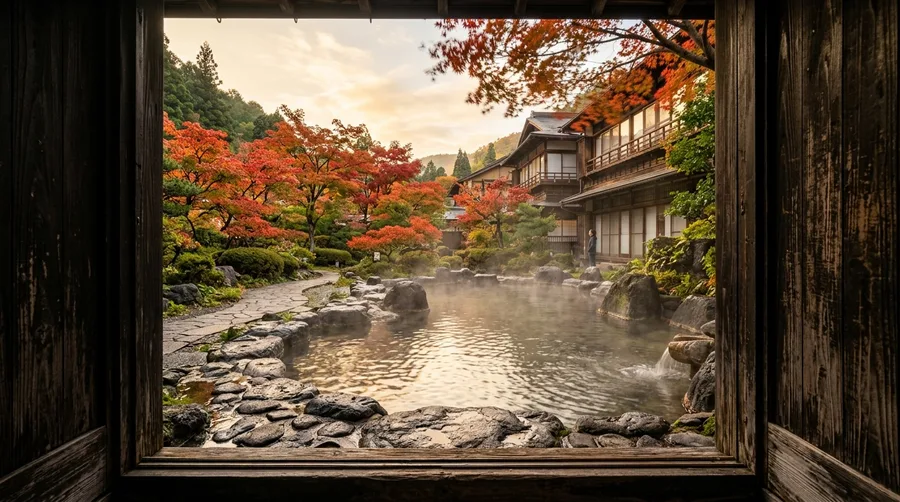
Staying at a centuries-old historic hot-spring inn in Bessho Onsen is a financial splurge, costing roughly 30,000 yen per night, but it delivers unmatched historical immersion.
Your payment covers multi-course kaiseki dinners featuring local mountain vegetables, private cypress hot-spring baths fed by natural sulfur springs, and traditional tatami hospitality.
Visit nearby ancient Buddhist temples like Anrakuji with its rare octagonal pagoda, anchoring the hot-spring town in Kamakura-period heritage.
Book your stay through specialized Japanese ryokan reservation platforms that provide English support and dietary accommodation.
💡 Tip: Inform your inn of any dietary restrictions at least one week prior to arrival.
Frequently Asked Questions
Do I need a rental car to visit these traditional villages?
While trains and buses connect major hubs like Shirakawa-go and Tsumago, renting a compact car gives you the necessary flexibility to reach remote mountain hamlets and coastal fishing villages on your own schedule.
What is the proper etiquette for entering historic inns?
Always remove your outdoor shoes at the raised genkan threshold and step into provided slippers. Switch to indoor toilet slippers when entering designated washroom areas to maintain hygiene.
Are credit cards accepted in these mountain and island settlements?
Small family-run teahouses, bus lines, and local craft shops operate on cash only. Always withdraw sufficient Japanese yen at a major city post office or 7-Eleven ATM before heading into rural regions.
What is the best season to visit rural Japanese villages?
Spring brings blooming cherry blossoms against dark timber frames, while autumn fills the valleys with vibrant red maple leaves. Winter offers stunning snowscapes but requires snow tires for driving.
How should I handle language barriers in remote areas?
Download an offline translation app with camera text scanning for menus and train schedules. Learning a few polite phrases like arigato gozaimasu goes a long way with local residents.
Beyond the Neon: Preserving Japan’s Living Heritage
Traditional villages survive not as sealed museum exhibits, but because local communities actively maintain their cooperative bonds and building traditions.
Respect quiet hours, support family-run establishments, and leave no trace so these fragile historic environments endure for future travelers.