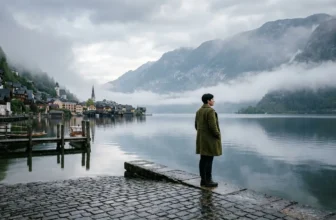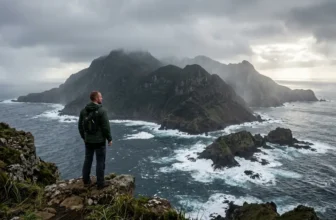
If you only have one week on the Mediterranean, spend it in Croatia instead of the Amalfi Coast. You will find better-preserved Roman architecture, clearer water, and a fraction of the commercial congestion.
You can book a standard resort stay near Split and never leave the pool deck. That approach skips the best three hours of the trip.
The coastal drive spans nearly 400 miles from Istria down to the southern tip: about eight hours of total transit time if you never stop, and nobody should ever rush past these coastal waters.
You will snorkel under ancient lighthouses, kayak through saltwater lakes, walk across Venetian stone ramparts, taste wild truffles, and sip crisp white wines on sun-bleached terraces.
This guide gives you the ten best stops along the Adriatic coast, complete with honest trade-offs and practical pricing. You do not have to visit all ten to build an exceptional journey.
Quick Tips Before You Start
Rent a Car
Book a manual transmission vehicle in advance to handle narrow coastal switchbacks affordably.
Carry Cash
Keep euros handy for small roadside konobas and parking meters that reject foreign cards.
Book Ferries Early
Secure car ferry tickets online weeks ahead if you plan to island-hop during peak July.
How Far Is the Drive Along the Coast?
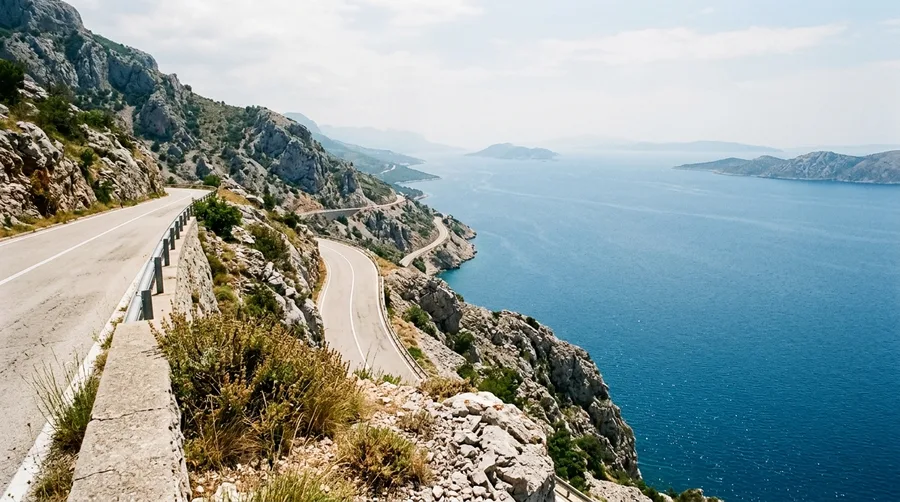
The main coastal route runs 380 miles from Rijeka down to Dubrovnik. Plan for roughly eight hours of pure driving time without stops.
You should break the journey into at least three distinct legs to avoid driver fatigue on the winding Jadranska Magistrala.
Always check local weather reports before starting the coastal drive, as sudden winter-born Bora winds can close bridges to high-profile vehicles.
The Croatian Coastal Route
Save this route map before you go to navigate the coastal highway without cellular dead zones.
Croatia vs. Italy Quick Matchups
Croatia Alternative
- Rovinj for Portofino charm
- Motovun for Tuscan hill towns
- Mljet for Italian lake serenity
- Korčula for Venetian alleyways
Italian Counterpart
- Portofino
- Tuscan hill towns
- Lake Como
- Venetian canals
1. Taste Fresh Truffles in Rovinj
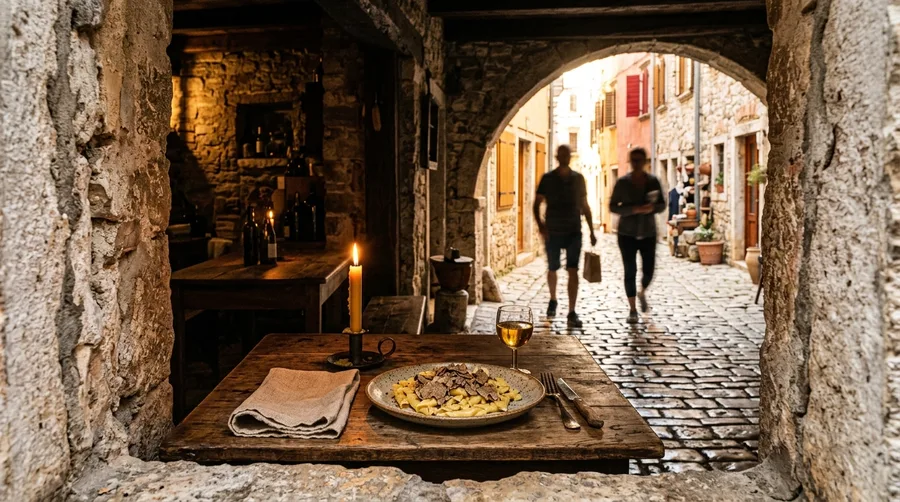
You sit down at a candlelit tavern table in the old town cobbled alleys, smelling wild truffles and sea salt.
Order traditional fuži pasta tossed with fresh Istrian white truffles, noting regional pricing of roughly €25 to €35 per plate.
This experience matches equivalent dining in Piedmont while preserving traditional Istrian recipes without the tourist markup.
💡 Tip: Visit between October and November for peak white truffle harvesting season.
💡 PRO TIP
Istrian Truffle Season Guide
Autumn brings the prized white truffle to Istria. Target family-run taverns in the Mirna river valley for authentic preparations at half the cost of coastal restaurants.
2. Explore Diocletian Palace in Split
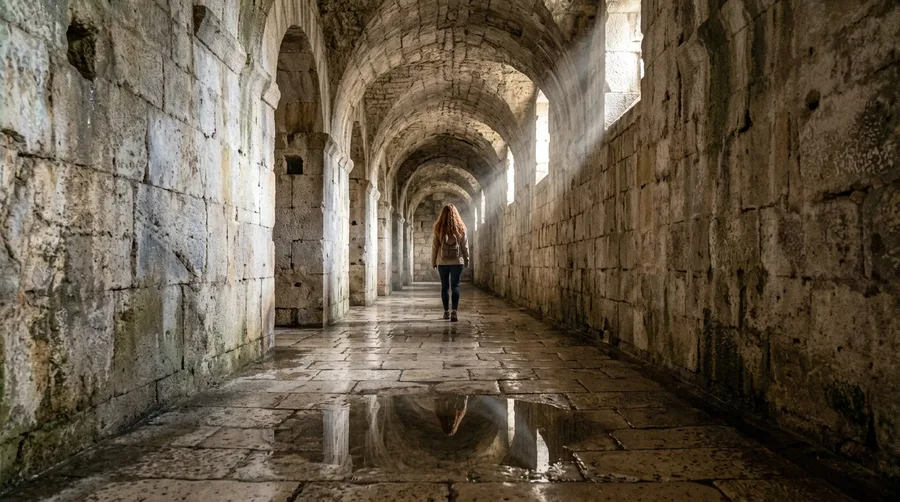
Can a 1,700-year-old imperial palace that doubles as a bustling neighborhood actually be enjoyed amid peak-season crowds?
The daytime underground cellars are crowded spectacles, but visiting the substructures at 7:00 AM makes the queue entirely worth it.
💡 Tip: Enter through the Bronze Gate at sunrise to avoid tour groups completely.
Split Ancient Core — At a Glance
🏛️ Built In
305 AD
⏱️ Best Hour
07:00 AM
🎟️ Cellar Entry
€8
Insider Rule
Roman ruins were continuously inhabited rather than cordoned off as empty museums.
3. Charter a Wooden Boat to Pakleni Islands
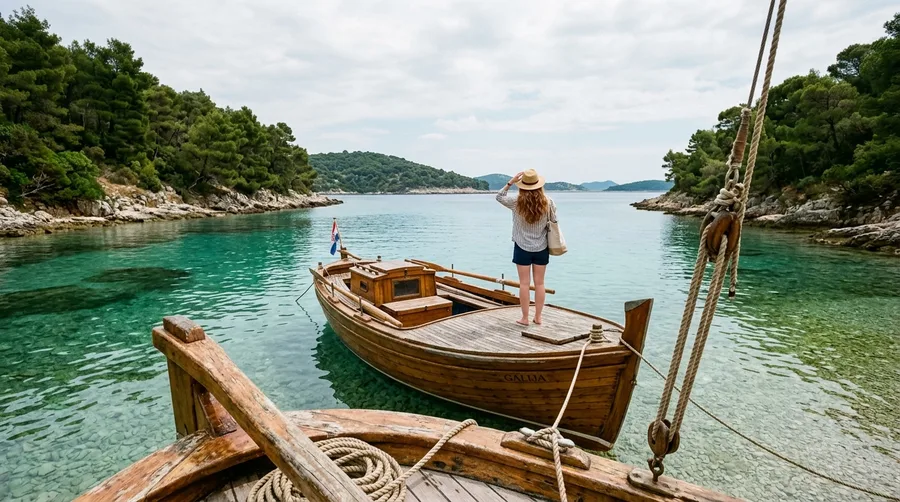
Renting a private wooden kaić boat to the Pakleni Islands is an essential splurge that easily justifies its cost.
Private boat rentals with a skipper average €250 to €400 for a half-day, paired with seaside dining at secluded pebble coves like Palmizana.
Expect €80 to €120 per person for fresh catch and local Pošip wine, matching the prestige of Capri without the pretension.
⚠️ COMMON MISTAKE
Avoid Midday Island Ferry Queues
Do not attempt to board afternoon passenger catamarans without pre-booked tickets during July and August. Arrive at the terminal at least 45 minutes prior.
4. Hunt for Truffles in Foggy Motovun
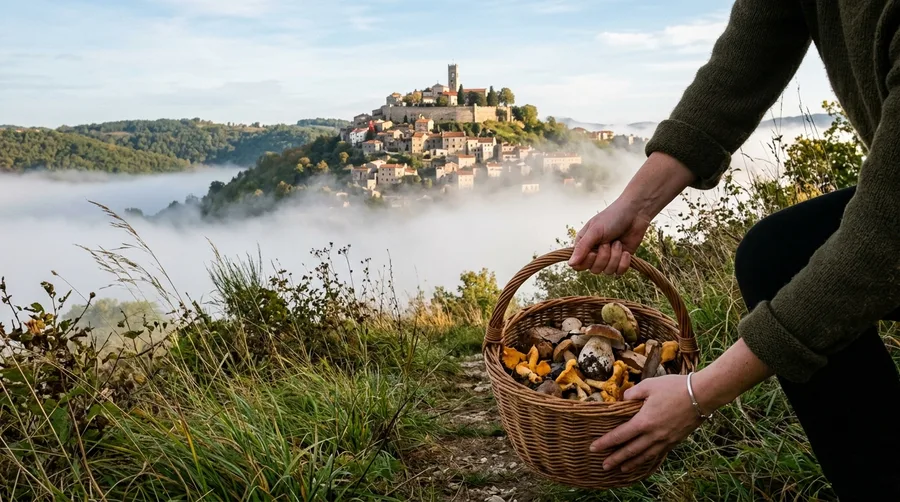
Morning fog rolls over oak forests in the Mirna River valley, revealing walled hill towns perched like ancient watchtowers.
You drive up the winding limestone switchbacks before the tour buses arrive, parking your rental vehicle in the designated lot outside the medieval gates.
Direct your afternoon away from the main square to family-run konobas in nearby Livade for authentic pork loin and Malvazija wine.
This quiet alternative offers an intimate glimpse into Istrian farming culture that commercialized Tuscan towns lost decades ago.
Motovun Essentials
5. Listen to the Sea Organ in Zadar
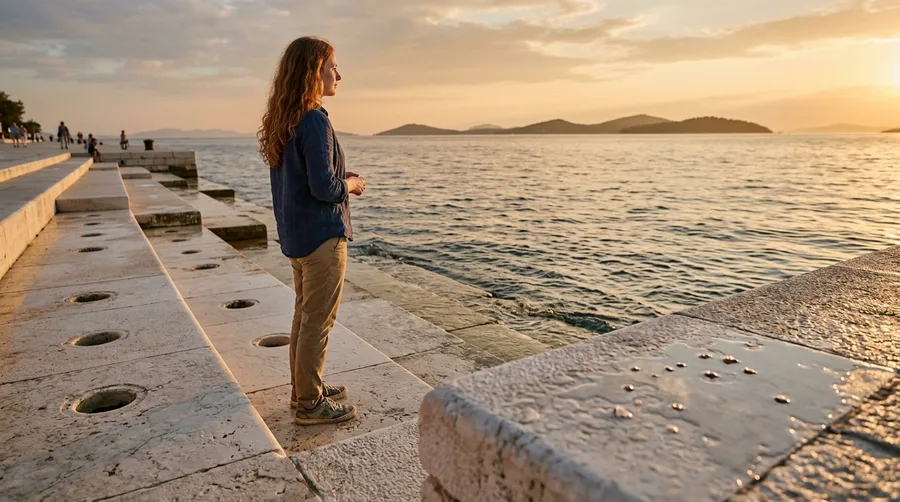
Instead of more ancient Roman columns, Zadar features the architectural wonder of the Sea Organ.
Underwater organ pipes driven by wave action push air through openings along the marble steps, creating haunting harmonic chords.
6. Kayak Across Veliko Jezero on Mljet
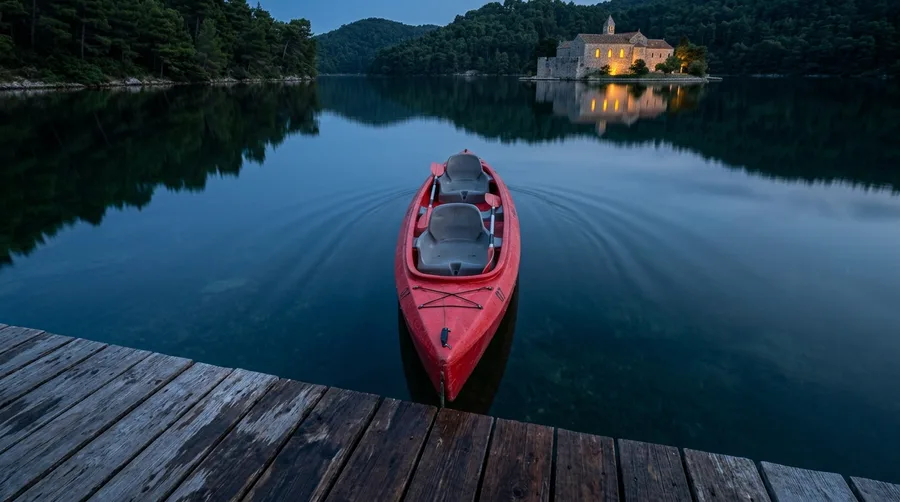
You will rent a kayak and paddle across Veliko Jezero to reach the 12th-century Benedictine monastery on St. Mary islet.
🛶 Mljet Active Morning
Rent Kayak
Pick up equipment at the main park dock by the saltwater channel.
Paddle to Islet
Cross the calm lake surface toward the stone monastery tower.
Hike Pine Trail
Complete the 3-kilometer loop shaded by dense Aleppo pines.
7. Watch Maritime Traffic from Korčula
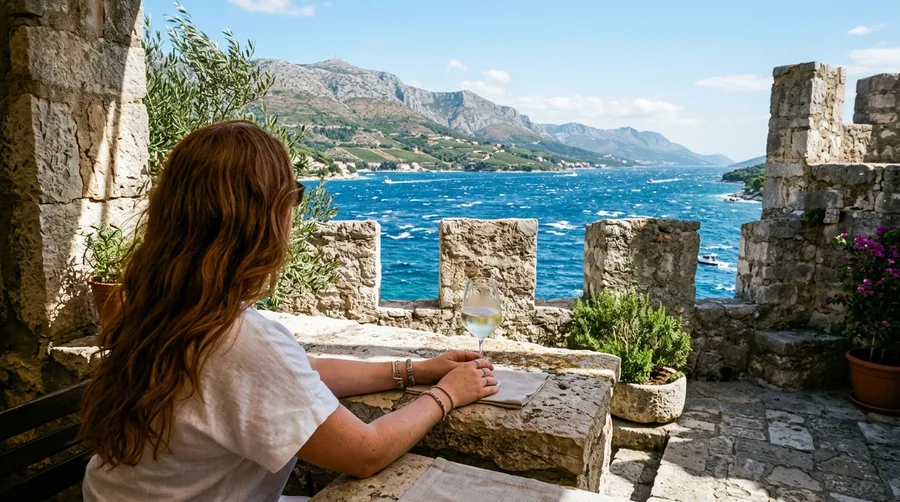
Do not rush Korčula herringbone-patterned medieval streets in a 30-minute dash or you will miss the fundamental geometry designed to cool the city.
Anchor yourself at a shaded wine bar terrace along the northern stone wall overlooking the Pelješac channel.
Order a glass of crisp Grk wine grown exclusively in nearby Lumbarda and spend an hour watching boats navigate the strait.
8. Study the Stone Faces in Šibenik
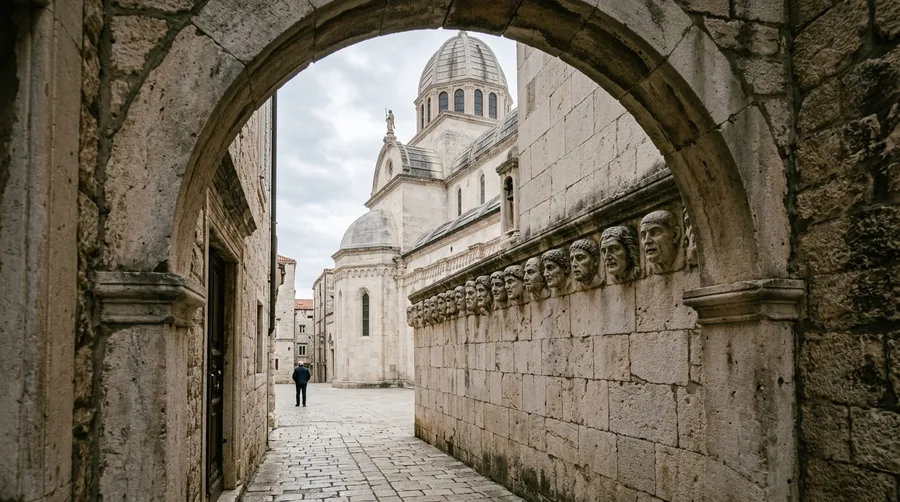
Seventy-four unique carved stone portrait heads peer down from the exterior frieze of St. James Cathedral.
Master architect Juraj Dalmatinac constructed this 15th-century masterpiece using an interlocking dry-fit tongue-and-groove system without a single drop of mortar.
This structural engineering triumph outlasts many traditional Renaissance churches along the Italian coast.
9. Walk the Plitvice Boardwalks at Dawn
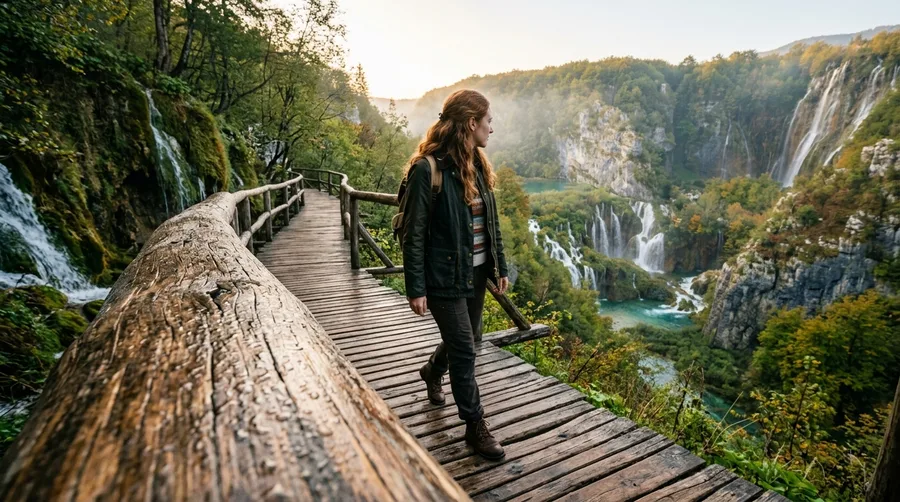
If you arrive after 10:00 AM in July or August, you will shuffle across wooden boardwalks in a dense queue that ruins the wilderness.
⚠️ COMMON MISTAKE
Plitvice Peak Hour Warning
Never arrive at Entrance 1 mid-morning during summer. Book the 7:00 AM slot at Entrance 2 to experience the cascading lakes in total silence.
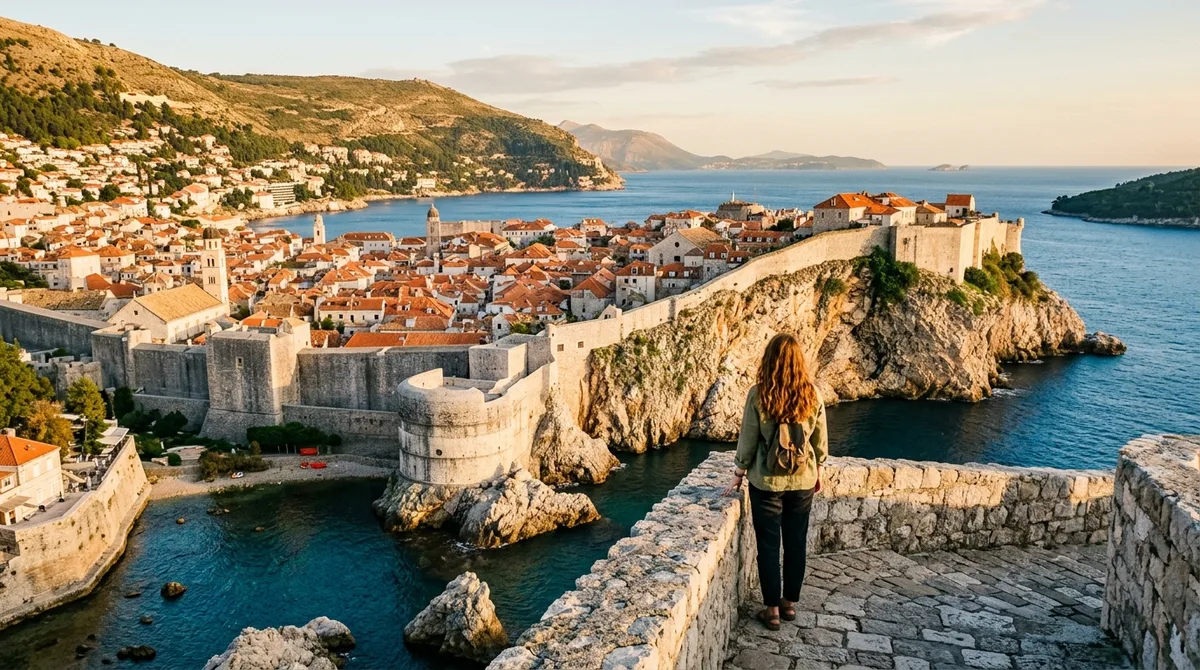
10. Circumambulate Dubrovnik Walls at Sunset
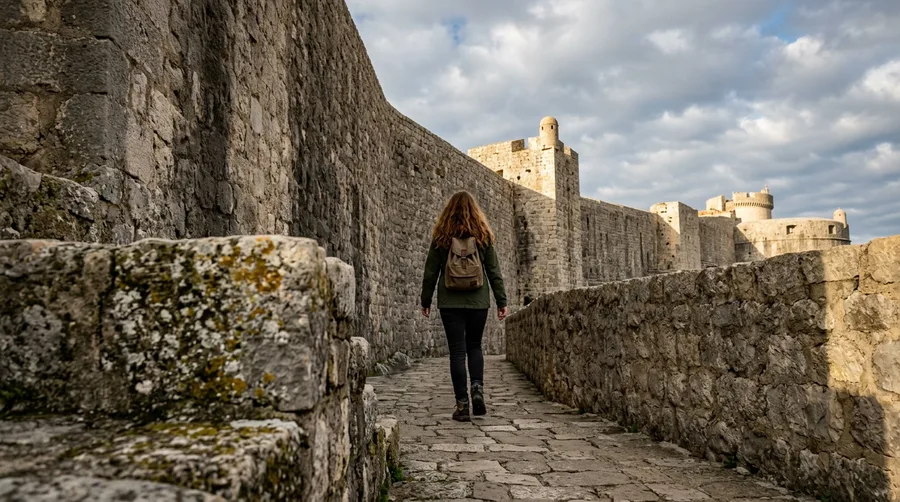
While midday in Dubrovnik feels like navigating a theme park under siege, the hour between 6:30 PM and 7:30 PM transforms the medieval ramparts.
Enter the walls precisely one hour before closing when day-tripper tour buses depart and the limestone flagstones glow amber in the setting sun.
Stand on Minčeta Tower looking out over terracotta rooftops toward the open sea, tying together the overarching theme of coastal majesty.
You finish the journey knowing Croatia delivers every bit of historical romance Italy offers, but with cleaner water and fewer crowds.
Frequently Asked Questions
What is the best month to visit Croatia?
September offers the ideal balance with warm sea temperatures for swimming, fewer crowds after the August holiday rush, and fully operational ferry schedules.
Should I rent a car or use ferries?
Use a rental car for the mainland coast from Istria to Split, then park the car and use passenger catamarans to move between islands like Hvar and Korčula.
Is Croatia expensive compared to Italy?
Mainland cities and smaller towns remain noticeably cheaper than comparable Italian hubs like Venice or Amalfi, though popular islands like Hvar approach western European prices.
Do I need cash or credit cards?
Credit cards are widely accepted in hotels and restaurants, but you must carry cash euros for parking meters, rural konobas, and bakery purchases.
Start With This One
If you take one stop from this list, start with Rovinj to experience the Istrian culinary crossover before driving south down the coast.
Save this route map, book your ferry tickets early, and enjoy a Mediterranean journey that outshines the crowded Italian mainland.