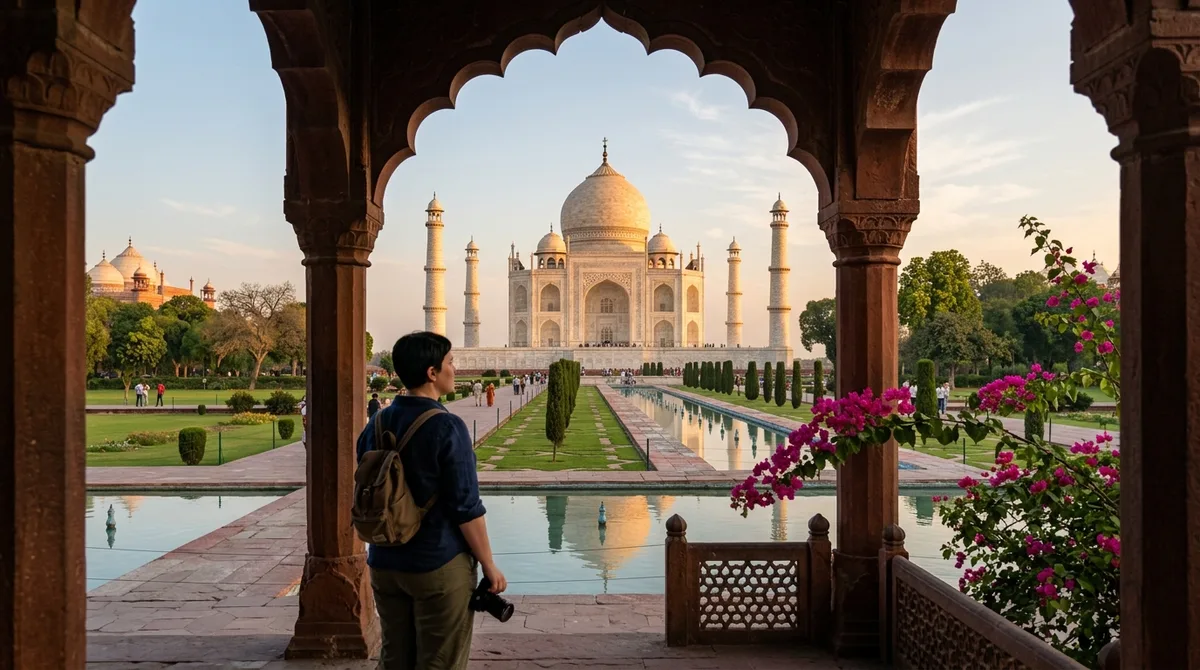
India is a vast subcontinent of hyper-contrasts where urban planners, historians, and native residents fiercely debate everyday realities.
You can fly straight in and never leave a luxury resort, but you would be skipping the authentic pulse of the country.
The distances span thousands of miles, requiring weeks of travel and realistic budgeting.
Navigate chaotic markets, sip spiced tea at roadside stalls, ride historic railway lines, climb ancient stone steps, and watch mountain sunrises.
Take this guide as a flexible framework rather than a rigid rulebook to pick the stops that fit your schedule.
💡 PRO TIP
Why Consensus Doesn't Exist in India
Regional diversity is so intense that two neighbors living three streets apart will argue passionately about where to find the best meal or historical fact.
Quick Tips Before You Start
Best Months
Visit between October and March for moderate weather.
Daily Budget
Plan for 4,000 to 8,000 INR daily for mid-range comfort.
Pacing
Limit your itinerary to two regions to avoid travel burnout.
Food Safety
Stick to busy vendors with high turnover for safe eating.
Train Booking
Reserve long-distance train tickets weeks in advance.
How Far Is the Travel Distance Across Regions?
Crossing the entire country from north to south spans roughly 2,000 miles of varied terrain.
You will encounter coastal highways, mountain passes, and dense urban expressways that test your patience.
Always add a two-hour buffer to any intercity transit schedule because highway traffic and livestock crossings cause inevitable delays.
How Many Days Do You Need?
You need a minimum of fourteen days to experience even two distinct regions without rushing.
Trying to see twenty states in a single week turns your trip into an exhausting airport queue.
Pick two contrasting areas, such as Rajasthan and Kerala, and explore them deeply instead of ticking boxes.
Subcontinental Route Overview
Save this route map before you begin your journey across regional borders.
1. The Great Chai Debate
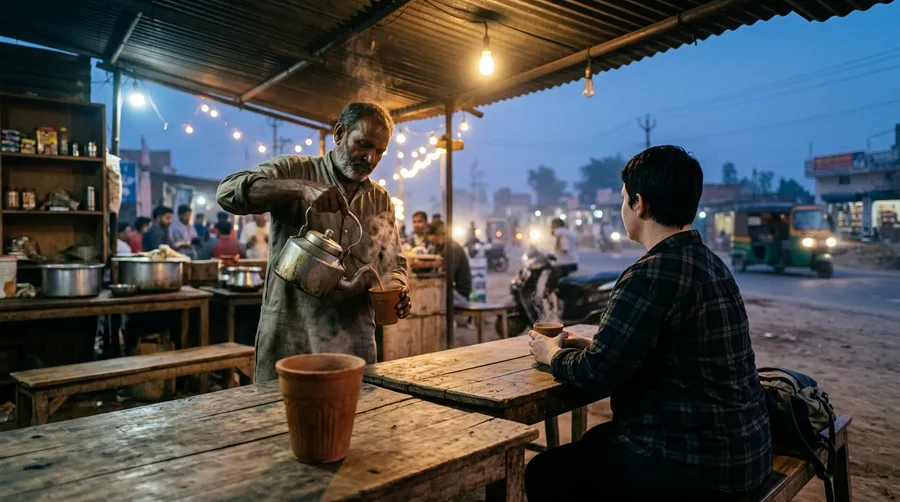
Clay kulhars and the hiss of boiling milk mixed with ginger define the morning air at every highway dhaba.
North Indian heavy-spice masala chai lovers argue constantly with South Indian filter coffee purists who view tea as an afterthought.
Another common pitfall is ignoring roadside cleanliness.
Choose vendors using boiling water and fresh milk to keep your stomach safe while enjoying the ritual.
Every town claims their specific spice blend is superior to the neighboring district.
2. The Taj Mahal’s True Color
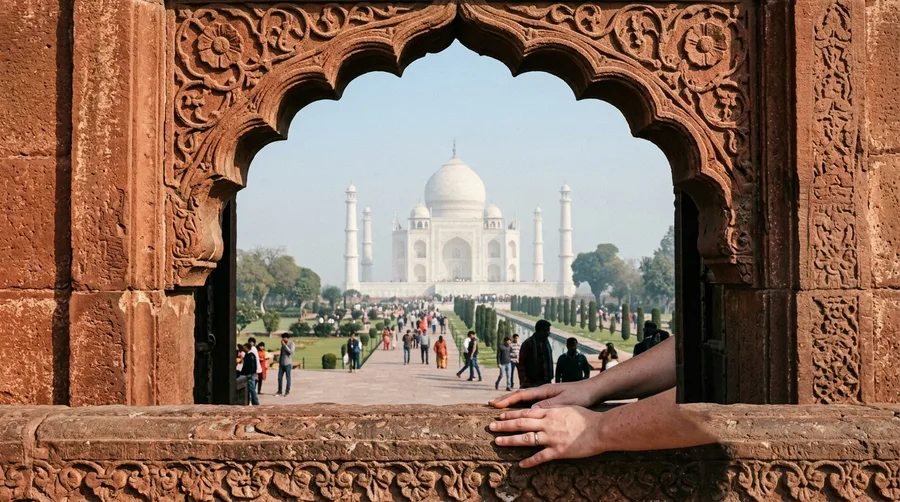
The monument is genuinely breathtaking, but the surrounding pollution haze and aggressive ticket queues mean you must book weeks ahead.
Local historians argue endlessly over whether industrial smog is turning the marble yellow or if natural aging is to blame.
💡 Tip: Book your entry slot for 6:00 AM online to skip the main tourist crush.
3. Bengal Tigers: Spotting Reality
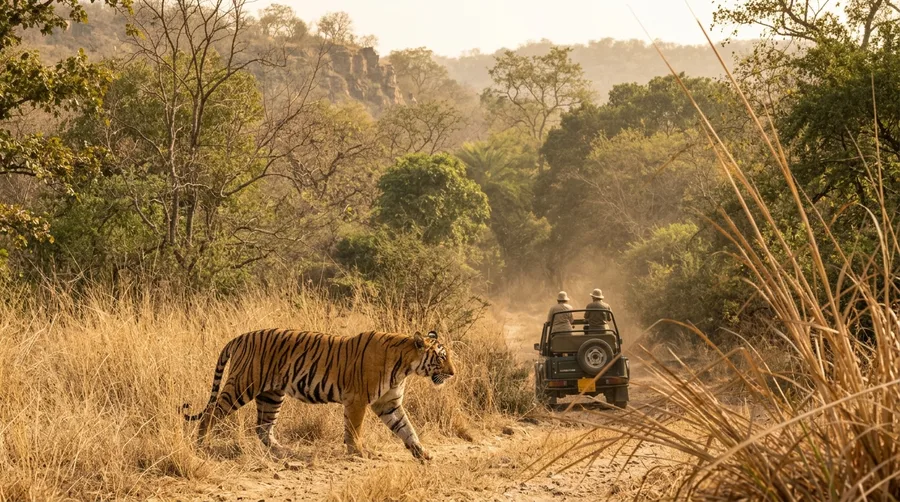
Tiger reserves like Ranthambore offer high sighting probabilities only if you book core-zone safaris months in advance.
Conservationists argue with safari operators over visitor caps.
Manage your expectations because wildlife viewings depend heavily on seasonal migration patterns.
⚠️ COMMON MISTAKE
Skipping Safari Permits
Do not wait until you arrive at the park gate to book a tiger safari. Core zone permits sell out months ahead online.
4. Ghats of Varanasi: The Cremation Controversy
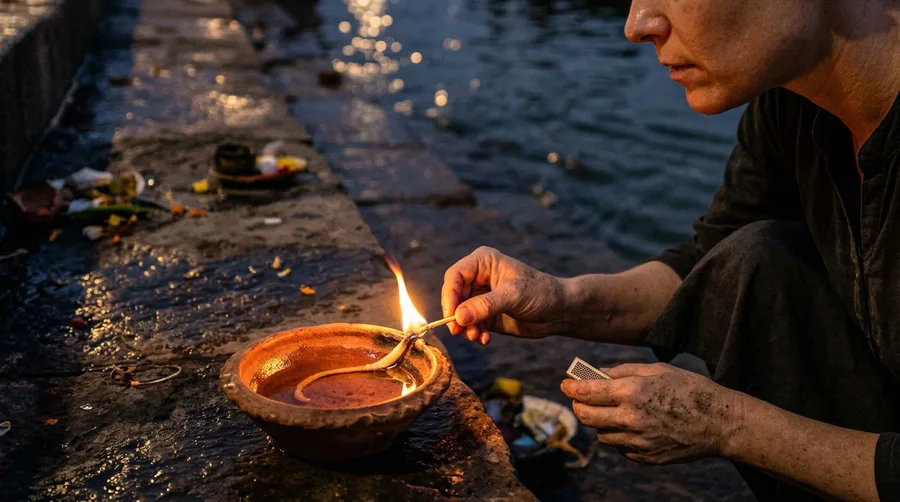
How do you handle profound cultural immersion when confronting open-air cremation sites like Manikarnika Ghat?
Walk the narrow alleyways carefully without causing offense or violating photography taboos.
💡 Tip: Keep your camera inside your bag near cremation sites.
5. The Zero Milestone Myth
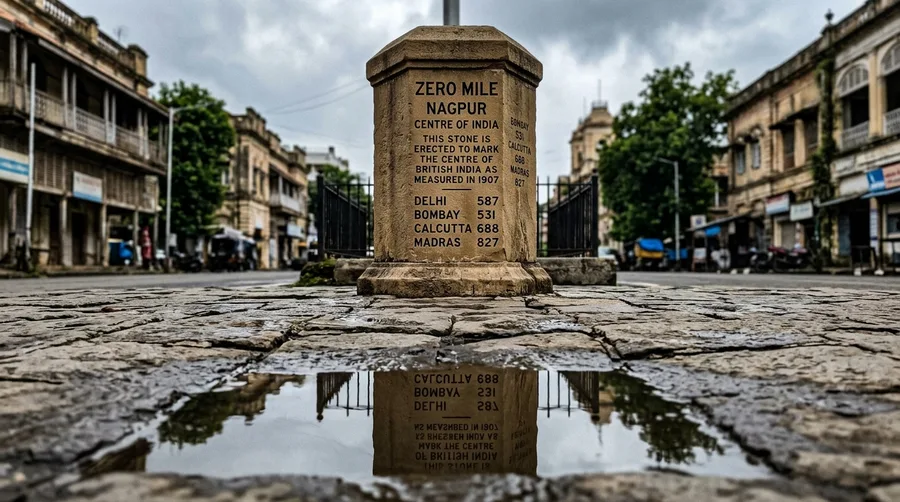
British cartographers once used Nagpur’s Zero Mile Stone as the imperial center of India for railway logistics.
Modern GPS coordinates prove the old colonial calculation was geographically inaccurate, sparking fierce debates among local historians who defend the monument’s heritage status.
6. Mumbai’s Local Trains: Chaos or Clockwork?
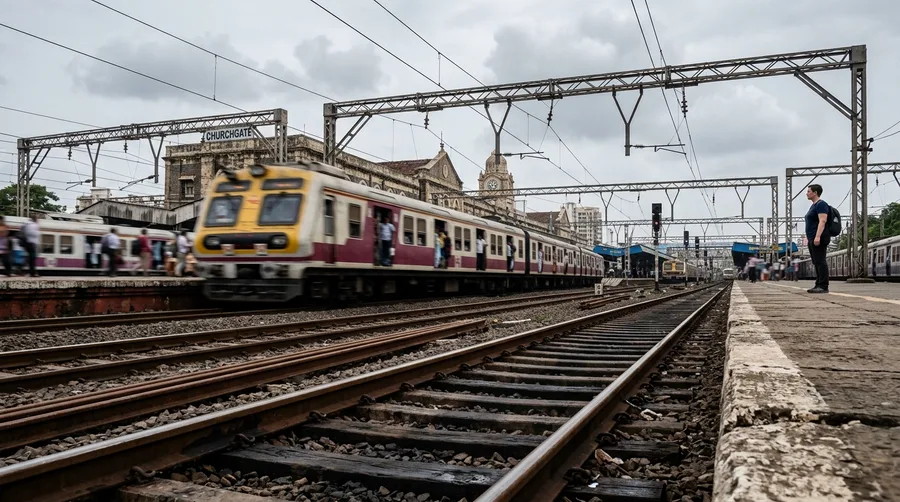
Over seven million daily commuters rely on Mumbai’s suburban railway network to cross the sprawling metropolis.
You will experience the paradox of the super-dense crush load balanced by remarkable internal passenger etiquette.
The local argument centers on whether new air-conditioned rakes ruin the gritty soul of the transit system.
Ride during mid-afternoon hours if you want to experience the trains without fighting the peak rush hour crowds.
7. Udaipur’s Floating Palaces
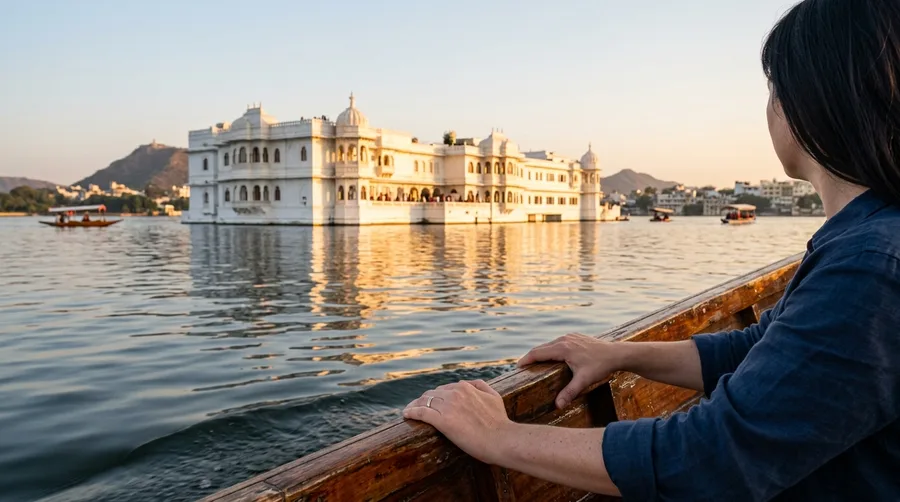
You step into a private wooden boat cutting across the glassy waters of Lake Pichola at sunset toward the glowing marble walls.
Overnight stays range upwards of 40,000 to 70,000 INR per night.
This high cost sparks local debates on heritage privatization versus public access to historical landmarks.
💡 Tip: Take the sunset boat tour even if you are not staying overnight at the island hotel.
Udaipur Stay — At a Glance
💰 Cost per Night
40k–70k INR
🚢 Transit Type
Wooden Boat
🌅 Best Time
Sunset Hours
🏛️ Architecture
White Marble
Insider Note
Book boat tickets at the municipal jetty rather than through unofficial brokers.
8. Delhi Street Food: Hygiene vs. Flavor
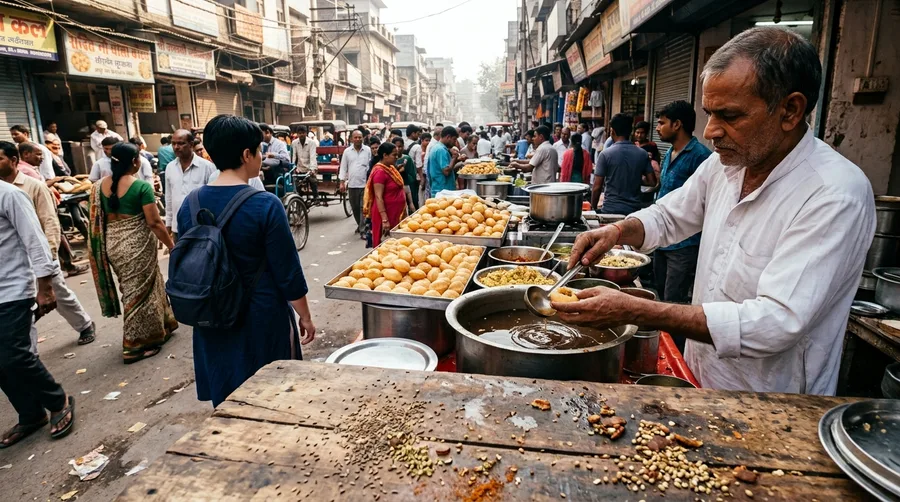
Skip sterile tourist restaurants and head straight to Chandni Chowk for authentic street food despite the minor health risk.
Old vendors use generational spice formulas that modern fusion food courts fail to replicate.
Locals argue constantly over whether commercializing these stalls destroys their authentic culinary heritage.
9. The Tiger’s Leap at Ajanta & Ellora
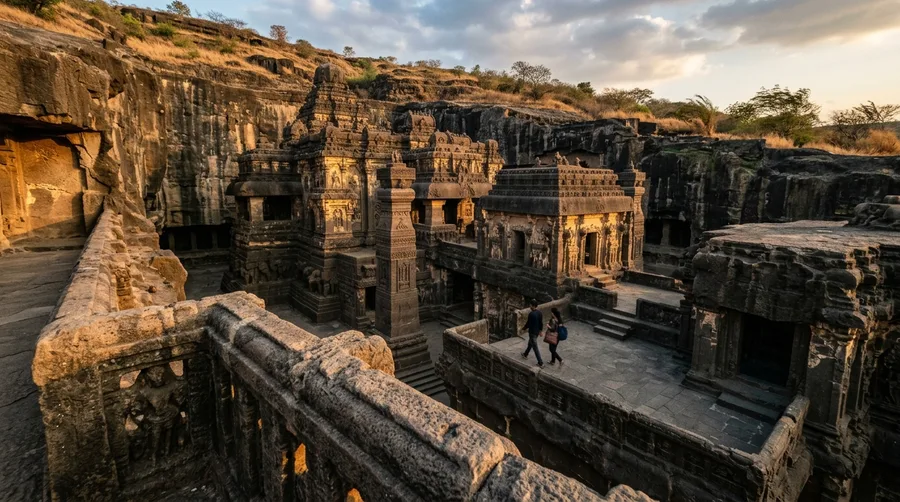
Stand on the upper gallery stairs at 4:00 PM for optimal natural light reflecting off the monolithic rock-cut Kailash Temple.
10. Goa: Party Beaches vs. Quiet Heritage

The 100-kilometer coastline splits northern electronic music hubs from southern heritage villas.
Skip Anjuna if you travel with toddlers and head straight to Palolem instead.
Goa Beach Selection
11. Kerala Backwaters: Houseboat Monopoly
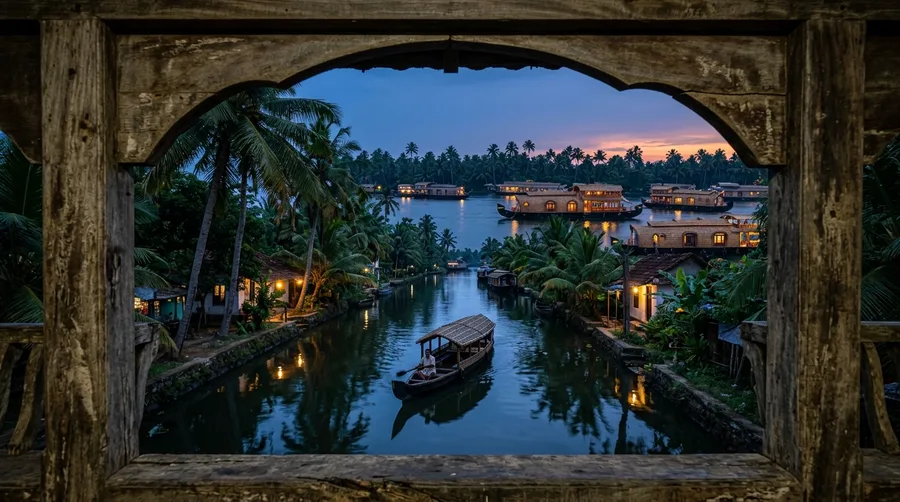
Costly motorized tourist houseboats dominate the main channels, but local wooden canoes offer a quieter perspective.
You can bypass expensive overnight rentals by taking public ferry boats for a fraction of the cost.
Ecologists argue that heavy diesel boat traffic damages the fragile Vembanad lake ecosystem.
Support local canoe operators to keep your travel footprint light while exploring narrow village waterways.
12. Hyderabadi Biryani: The Spice War
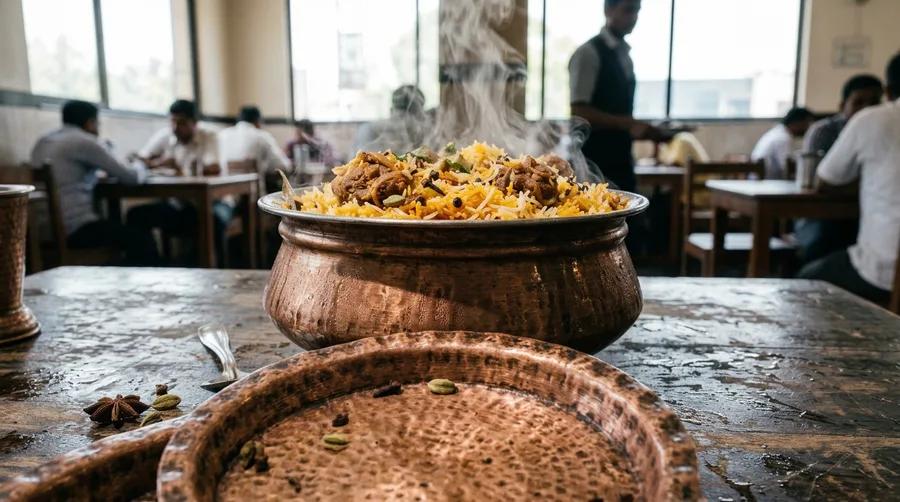
Is true biryani slow-cooked kachchi style with raw meat sealed in dough, or cooked pakki style?
Order a plate at Shadab for roughly 350 INR to decide for yourself.
💡 Tip: Arrive before 1:00 PM because fresh batches sell out quickly during lunch rush.
13. The Leh-Manali Highway Road Trip
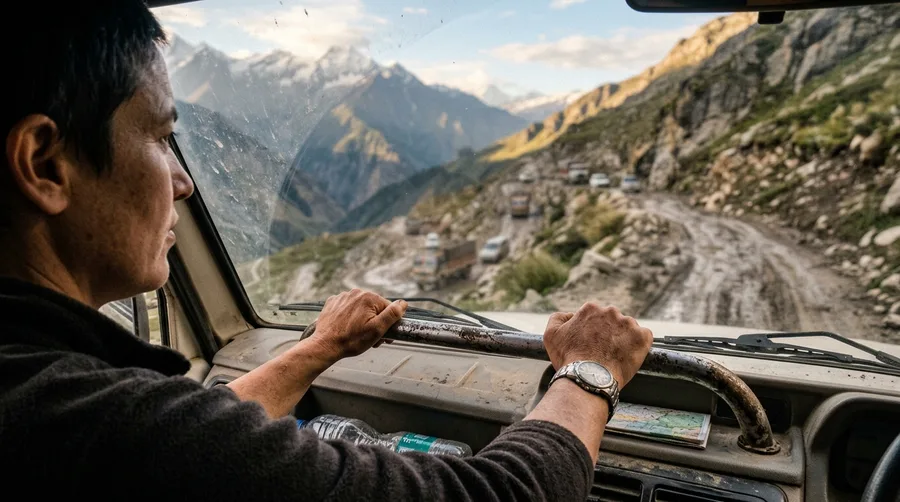
You bounce inside an SUV navigating muddy, boulder-strewn switchbacks across Rohtang Pass.
Altitude sickness, unpaved roads, and recurring landslides guarantee multi-hour traffic delays.
Locals debate whether paving the entire highway will ruin its rugged adventure appeal or save lives.
Highway Transit Approaches
The Road Trip
- Stunning mountain views
- Complete schedule freedom
- High physical fatigue
- Unpredictable weather delays
The Domestic Flight
- Fast transit to Leh
- Reliable schedule
- Miss dramatic mountain scenery
- Severe altitude adjustment risk
14. Jaipur’s Amber Fort at Dawn

Arrive strictly by 7:00 AM before tour buses clog the main courtyard and elephant rides begin.
The Sheesh Mahal reflects early morning sunlight across thousands of tiny convex mirrors.
Animal welfare groups and fort operators debate the ethics of elephant rides up the stone ramparts.
15. Rishikesh: Yoga Capital Debate
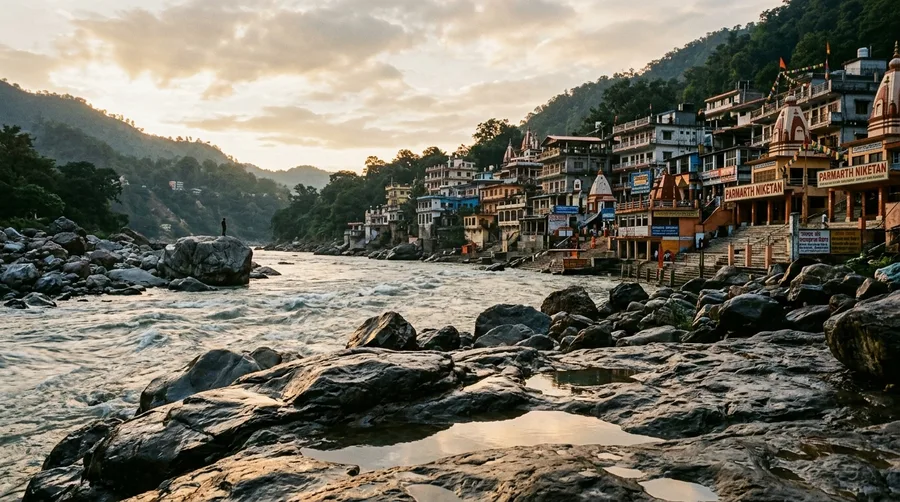
Finding spiritual peace requires looking past the commercialized yoga ashrams crowding the riverbanks.
16. The Rann of Kutch Full Moon Trap
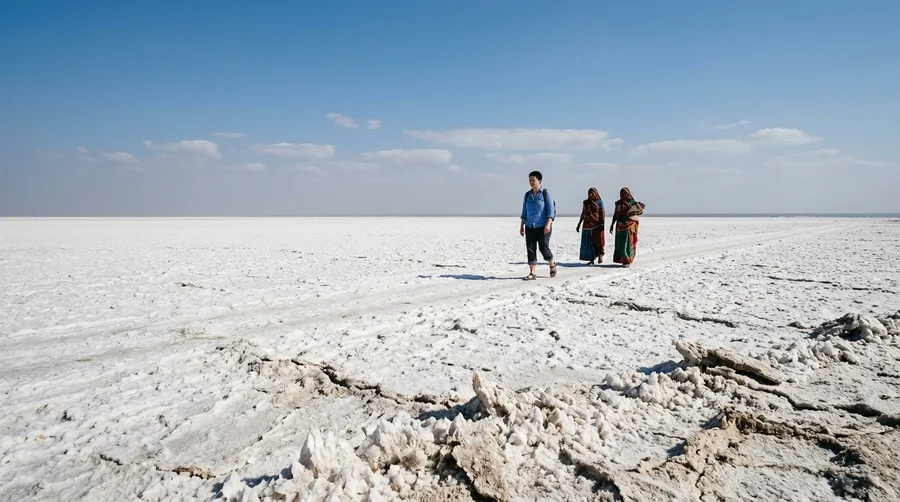
Visiting during daylight hours in peak summer turns the salt flat into a scorching wasteland.
Arrive strictly during winter full moon nights for the festival atmosphere and cool desert breeze.
Water scarcity caused by heavy tourist influx remains a major environmental debate in the region.
17. Varanasi Boat Ride Protocol
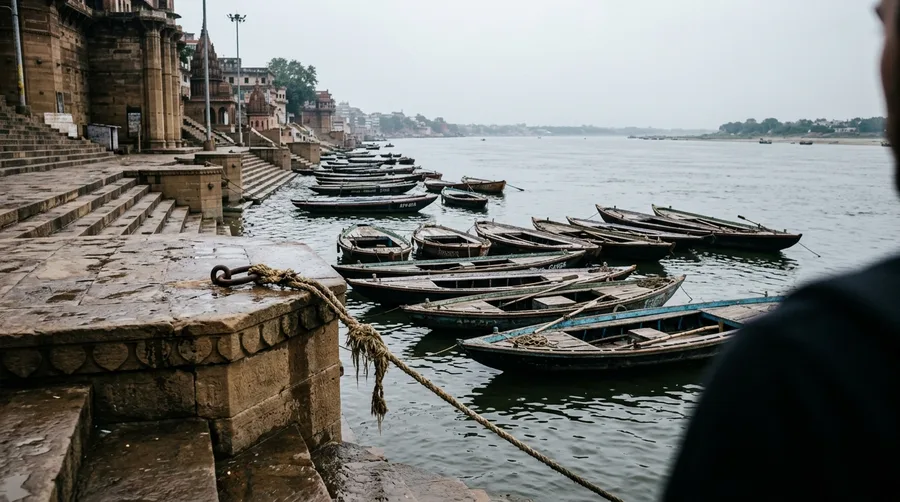
Negotiate directly with local boatmen at Assi Ghat rather than booking expensive hotel packages.
18. Dharamshala Accessibility Reality
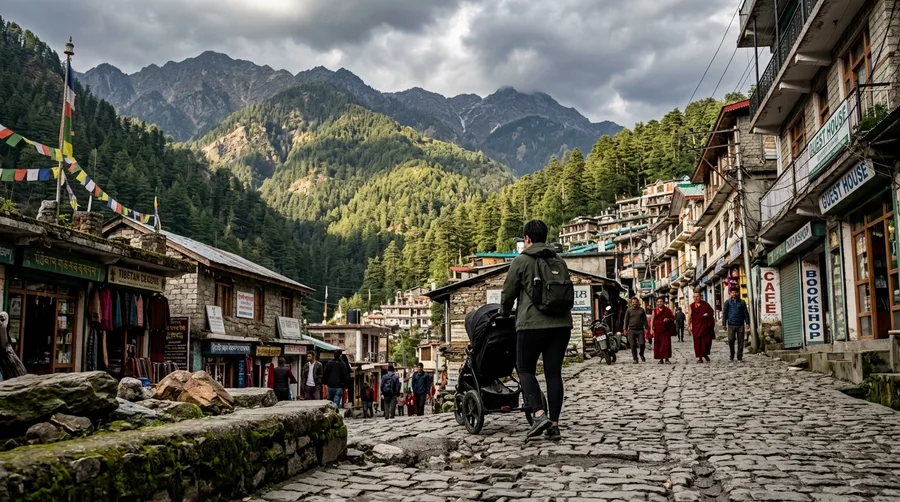
You push a stroller up steep, uneven cobblestone alleys in McLeod Ganj and realize the terrain is genuinely difficult.
Mobility-impaired travelers face steep stairs and broken sidewalks despite the welcoming Tibetan cultural atmosphere.
Local authorities struggle to install modern accessibility infrastructure without destroying the fragile hill station ecosystem.
19. Andaman Islands Scuba: Cost vs. Coral Health
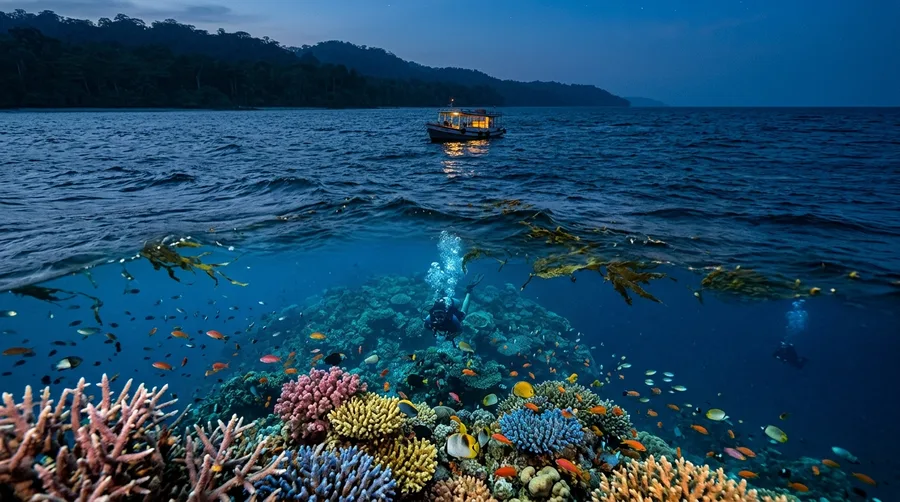
Budget travelers must note that diving and ferry transit in the Andaman Islands easily exceed 50,000 INR for a short stay.
Pristine marine spots like Havelock Island feature breathtaking underwater biodiversity alongside fragile coral colonies.
Local dive operators debate whether expanding tourism infrastructure causes irreversible anchor damage to the reefs.
Weigh the high financial and ecological price against the world-class quality of the marine life before booking.
Two-Week Subcontinental Route Plan
Top Ranked Regional Experiences
Key Trip Statistics
The essential numbers every traveler should keep in mind.
Quick Booking Sequence
Essential Regional Realities
Frequently Asked Questions
What is the best month to travel across India to avoid extreme weather?
October to March offers the most moderate temperatures across most regions, though mountain passes face heavy winter snow and road closures.
How much daily budget does a mid-range traveler need in India?
Roughly 4,000 to 8,000 INR per day covers comfortable mid-range hotels, intercity train transit, and authentic restaurant meals without luxury splurges.
Is train travel reliable for tight itineraries?
Express trains are generally efficient for long distances, but major delays are common during winter fog and monsoon seasons, so always build a buffer day.
What is the etiquette for tipping in local restaurants?
Tipping 5 to 10 percent is customary in sit-down restaurants if a service charge isn’t already included on your final bill.
Do you need special permits for mountain regions like Ladakh?
Certain border areas and high-altitude zones require protected area permits, which you can arrange easily online or through local registered agencies.
Embracing the Beautiful Contradiction
India cannot be understood through a single consensus; its true magic lies in the passionate arguments and vibrant contrasts that define everyday life.
Embrace the regional eccentricities rather than seeking a sanitized travel experience, and let the local debates enrich your journey.
🌱 GROWING TIP
Start With One Region
If you feel overwhelmed by the scale of the subcontinent, pick Rajasthan or Kerala for your first trip and master that single region before expanding.