You know the feeling. You go to the doctor, confident. You’ve been “being good.” You stopped salting your pasta water. You bought the low-fat dressing. You even switched to turkey sandwiches for lunch.
Then the cuff tightens, the Velcro rips, and the doctor gives you that look. Your numbers are up. Again.
It’s incredibly frustrating. It feels like your body is betraying you. But here’s the truth: It’s not your fault, and it’s not just about willpower.
When we hit 50, our internal plumbing changes. Our arteries—once like flexible rubber hoses—start to stiffen, becoming more like rigid pipes. Our kidneys, which used to filter out a salty meal overnight, start holding onto sodium like a miser hoarding gold. This means foods that were perfectly fine for us at 30 can suddenly become triggers at 55.
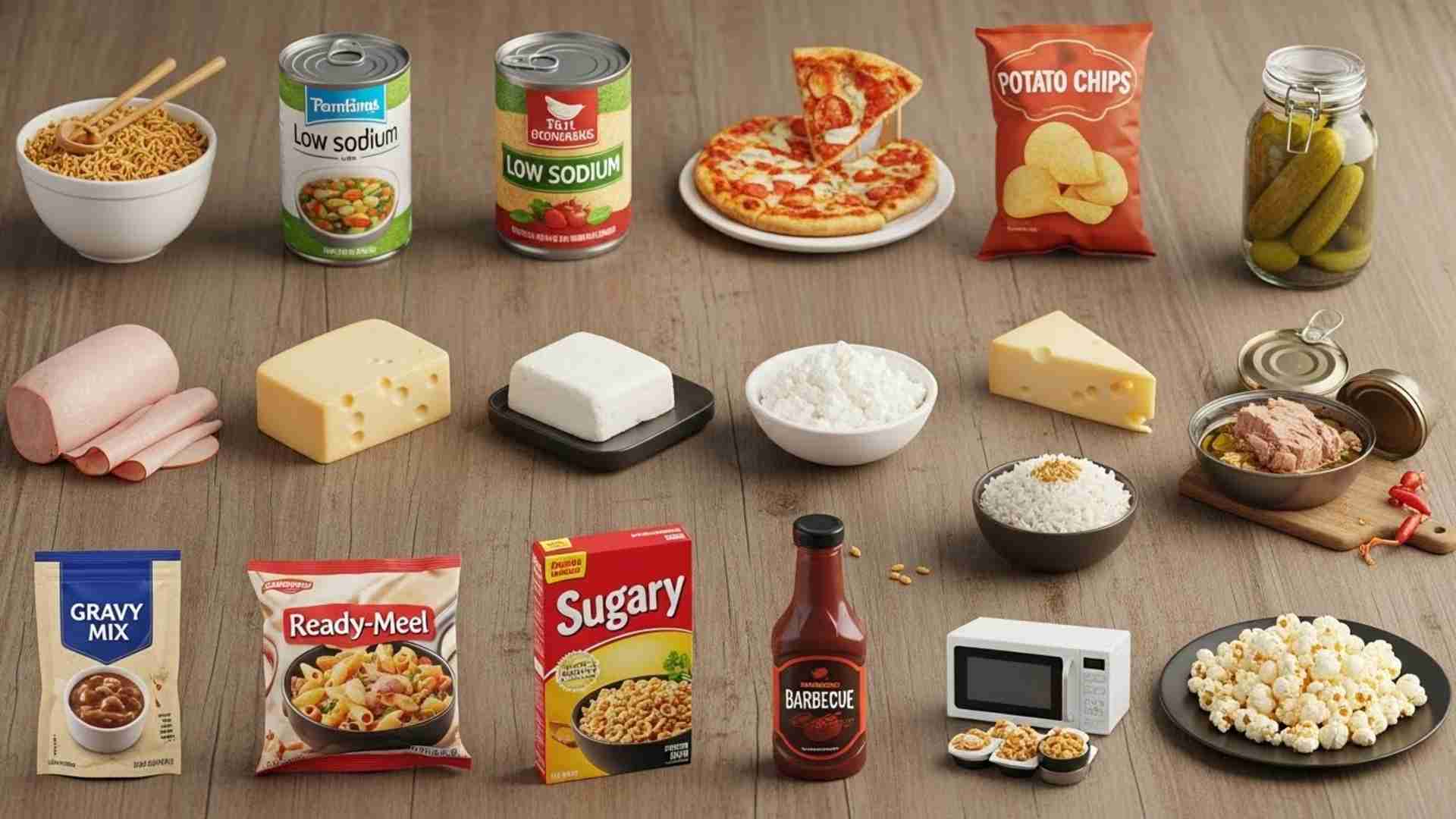
But the real problem isn’t the salt shaker on your table. It’s the “stealth sodium” and biochemical traps hiding in foods we’ve been told are healthy.
Based on the latest data from 2024 and 2025, including new warnings about artificial sweeteners and chemical liners, here are the 15 foods that might be secretly spiking your blood pressure—and exactly what you can do about it.
The “Healthy”
Decoys
Rotisserie Chicken
The Trap: Stores inject birds with saltwater brine to keep them “juicy” under heat lamps.
Deli Turkey
The Trap: King of the “Salty Six.” Sodium is added structurally to modify meat texture.
“Sugar-Free” Erythritol
The Trap: Found in Keto snacks & Stevia blends. New research links it to clotting & stroke.
Canned Soups
The Trap: Aside from salt, cans are lined with BPA which leaches into food.
These are the foods you eat because you’re trying to make good choices, unaware that they are often sodium bombs in disguise.
1. The Rotisserie Chicken Trap
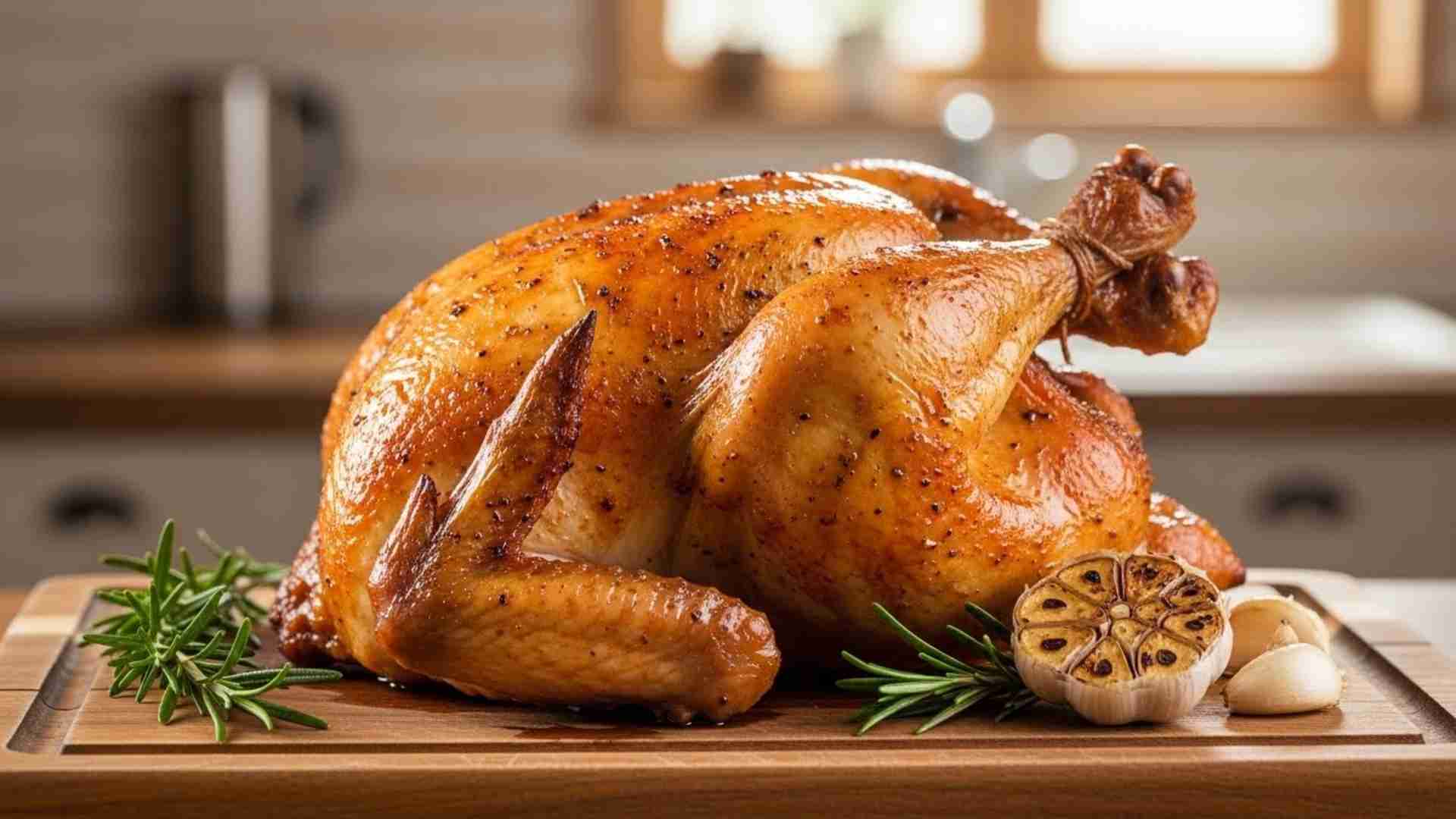
We’ve all been there. It’s 6 PM, you’re exhausted, and that golden-brown bird at the grocery store looks like a lifesaver. It’s protein, right? Not fried?
The Secret Spike: Grocery stores know that lean chicken breast dries out under heat lamps. Their solution? They inject the birds with a saltwater brine (often listing it as “broth” or “flavor solution”) to keep them juicy.
The Shocking Stat: A 3-ounce serving of unseasoned roasted chicken has about 40-60 mg of sodium. But a slice of Costco’s rotisserie chicken? That packs around 460 mg. Sam’s Club is even higher at 550 mg.
The Fix: If you buy one, skip the skin (where the salt concentrates) and pair it with zero-salt sides. Or, check the labels—Walmart’s traditional bird often clocks in lower, around 250 mg.
2. Deli Turkey & “Lean” Cold Cuts
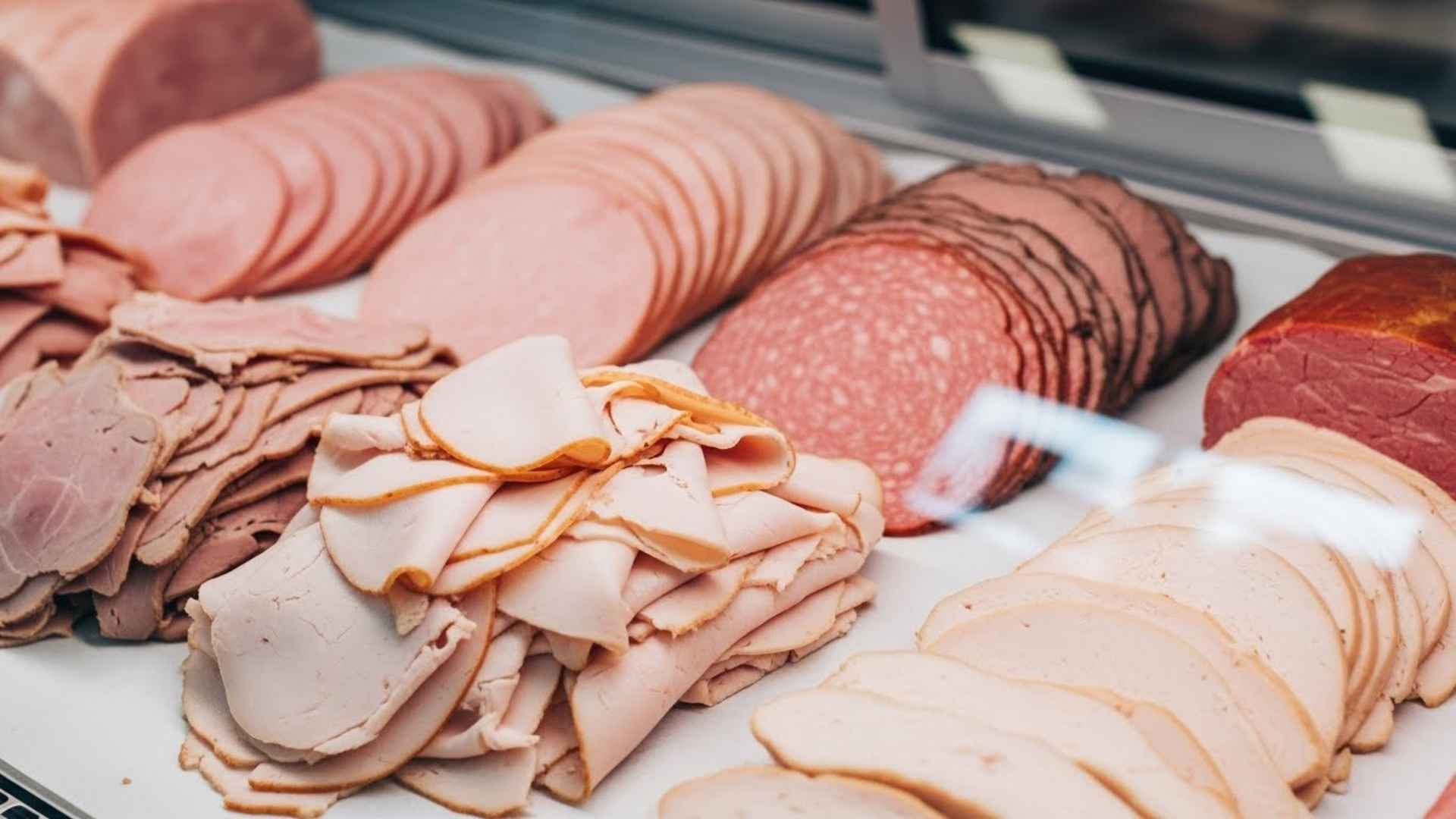
You order the turkey sandwich because you’re avoiding the burger. It feels like the responsible choice.
The Secret Spike: Deli meat is the king of the “Salty Six”—the American Heart Association’s list of top sodium offenders. Sodium isn’t just added for taste; it’s structurally necessary to modify the meat proteins so they form that sliceable texture.
The Reality: A “healthy” turkey sandwich can easily carry 1,500 mg of sodium—that’s your entire daily limit if you have hypertension—before you even add a pickle.
The Fix: Buy fresh turkey breast and roast it yourself on Sunday for the week’s lunches. It’s a pain, I know, but your arteries will thank you.
3. The “Sugar-Free” Trap (Erythritol)
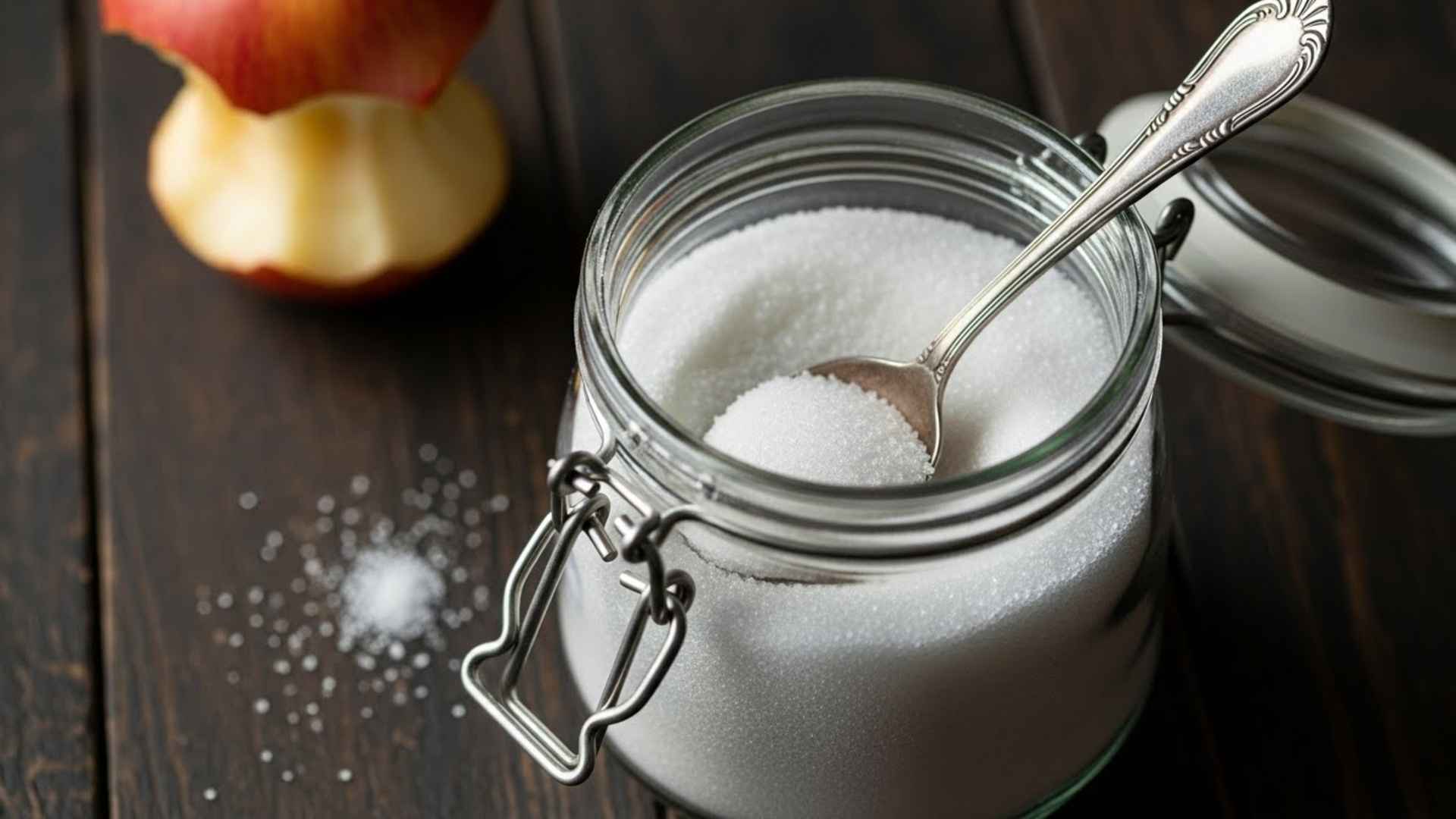
Major New Finding (2024-2025) This is a big one. You might be swapping sugar for “keto-friendly” or “zero-calorie” sweeteners to lose weight or manage diabetes.
The Secret Spike: New research is sounding the alarm on Erythritol, a common sweetener in stevia blends and keto snacks.
The Science: A groundbreaking study found that Erythritol can increase the risk of blood clotting and stroke. Worse, recent lab tests show it impairs endothelial cells in the brain, reducing the production of Nitric Oxide—the very molecule your body needs to relax blood vessels and lower pressure.
The Takeaway: If you see “Erythritol” or “Sugar Alcohol” on the label, put it back. Stick to small amounts of real sugar or natural fruit for sweetness.
4. Canned Soups (And the BPA Problem)
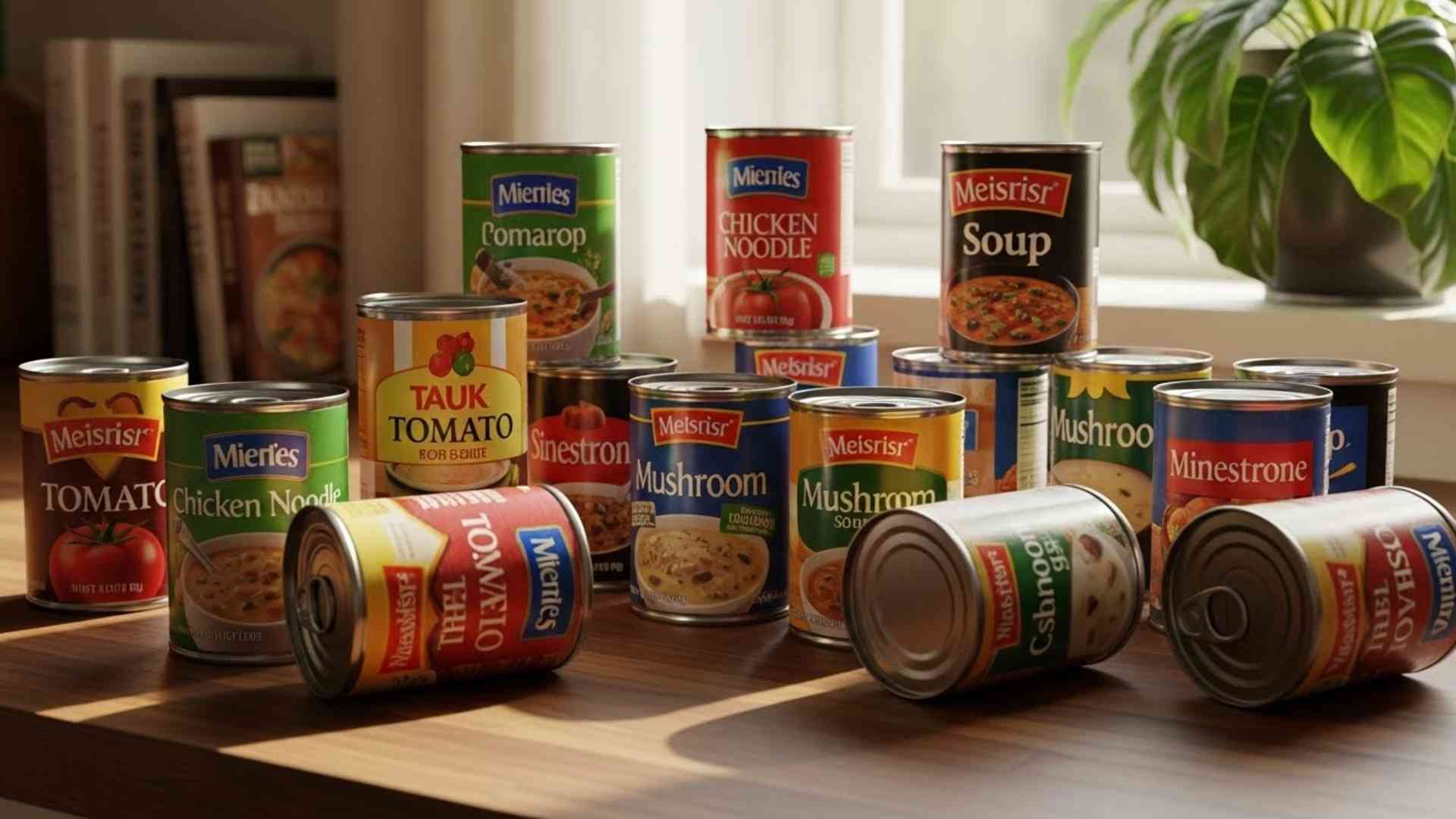
It’s easy, it’s warm, and the label says “Vegetable.”
The Secret Spike: We know soup is salty (one can often has 2,000+ mg of sodium). But there’s a secondary villain: the can itself.
The Chemical Factor: Many cans are lined with Bisphenol A (BPA). Research has shown that drinking or eating from BPA-lined cans can cause an acute spike in blood pressure—up to 4.5 mm Hg almost immediately after consumption. BPA leaches into the food and messes with your heart rate variability.
The Fix: Look for soups in glass jars or tetra-paks (cartons).
The Biochemical Disruptors
These foods don’t just add salt volume; they mess with your hormones and enzymes.
5. Black Licorice
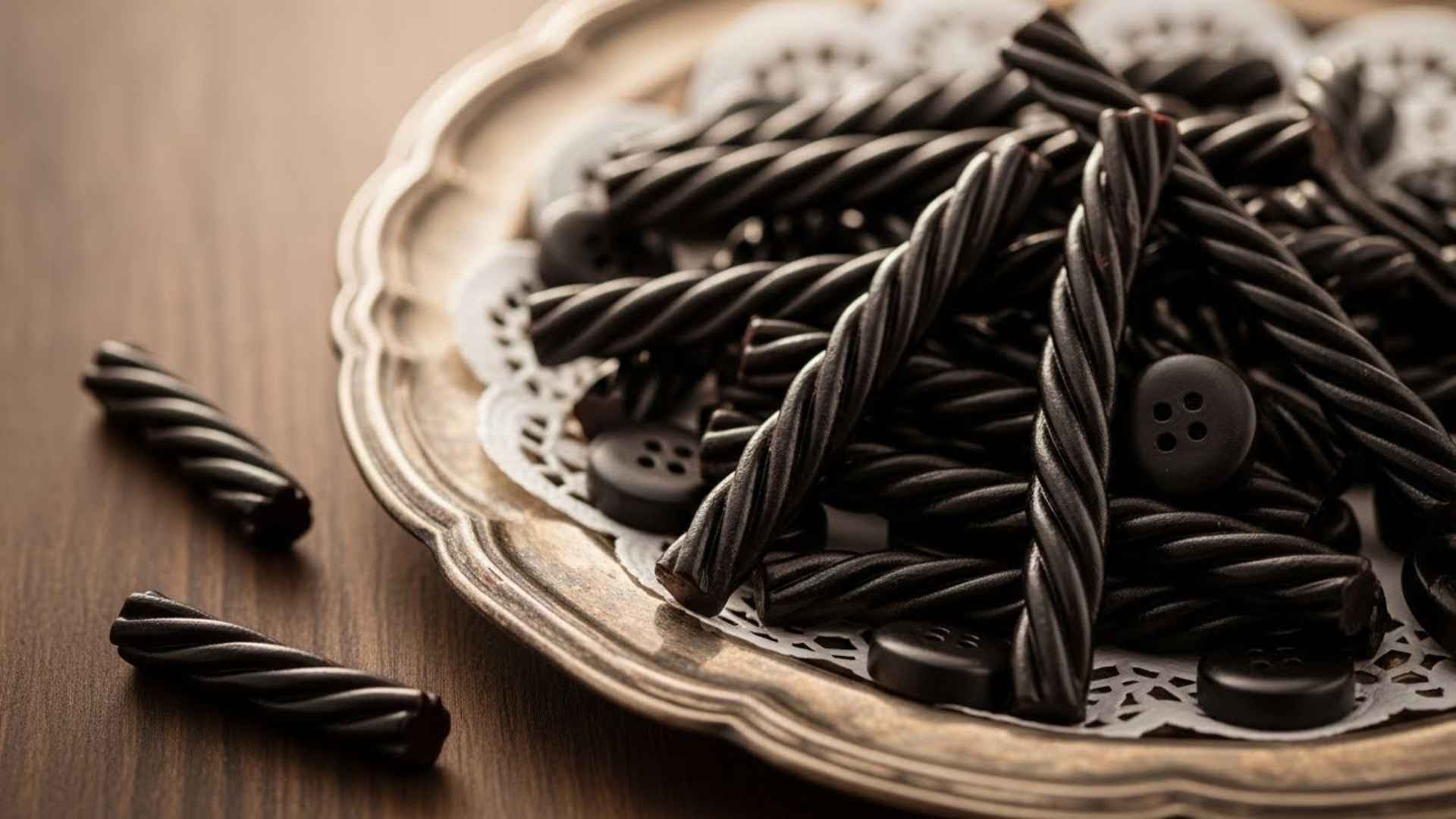
It seems like such an innocent, old-fashioned treat.
The Secret Spike: Black licorice contains a compound called glycyrrhizin. This nasty little compound tricks your body. It blocks the enzyme that breaks down cortisol. The result? Your kidneys start aggressively holding onto sodium and dumping potassium.
The Warning: The FDA actually issued a specific warning for us: If you’re over 40, eating just 2 ounces a day for two weeks can land you in the hospital with heart arrhythmia and soaring blood pressure.
The Fix: Switch to red licorice (which usually doesn’t have glycyrrhizin) or check the label for “deglycyrrhizinated” licorice.
6. Aged Cheeses (The Tyramine Effect)
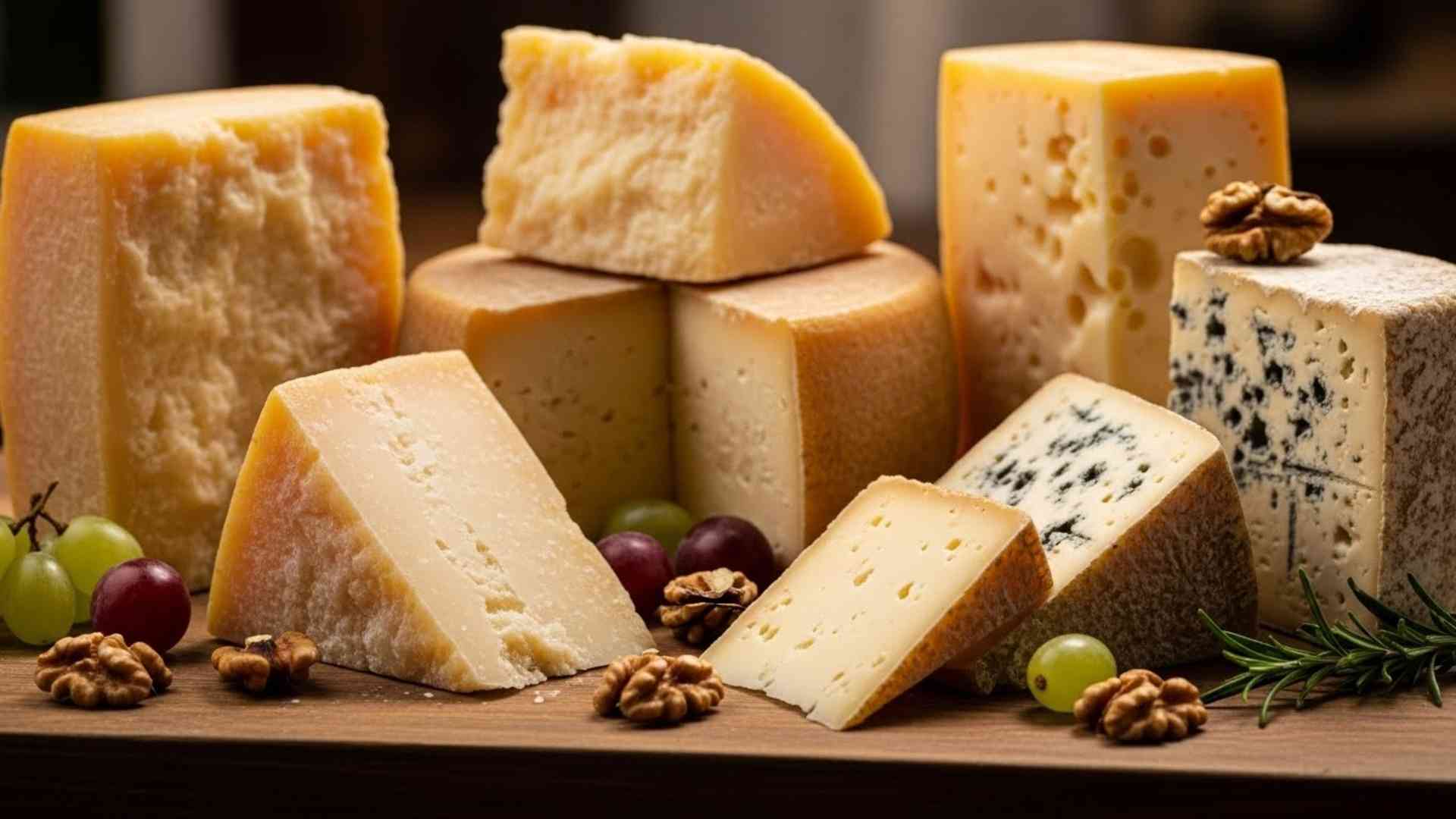
You’re enjoying a nice charcuterie board with some aged Gouda or Blue cheese.
The Secret Spike: As cheese ages, its proteins break down into tyramine. In younger bodies, or those with robust livers, this isn’t a huge deal. But as we age, or if we are taking certain medications (especially some antidepressants or Parkinson’s meds), we can’t break tyramine down effectively.
The Result: Tyramine forces your nerve endings to release norepinephrine, a chemical that constricts blood vessels and shoots blood pressure up rapidly.
The Fix: Stick to fresh cheeses like Mozzarella, Ricotta, or plain Cream Cheese.
7. Sugary Sodas (The Uric Acid Connection)
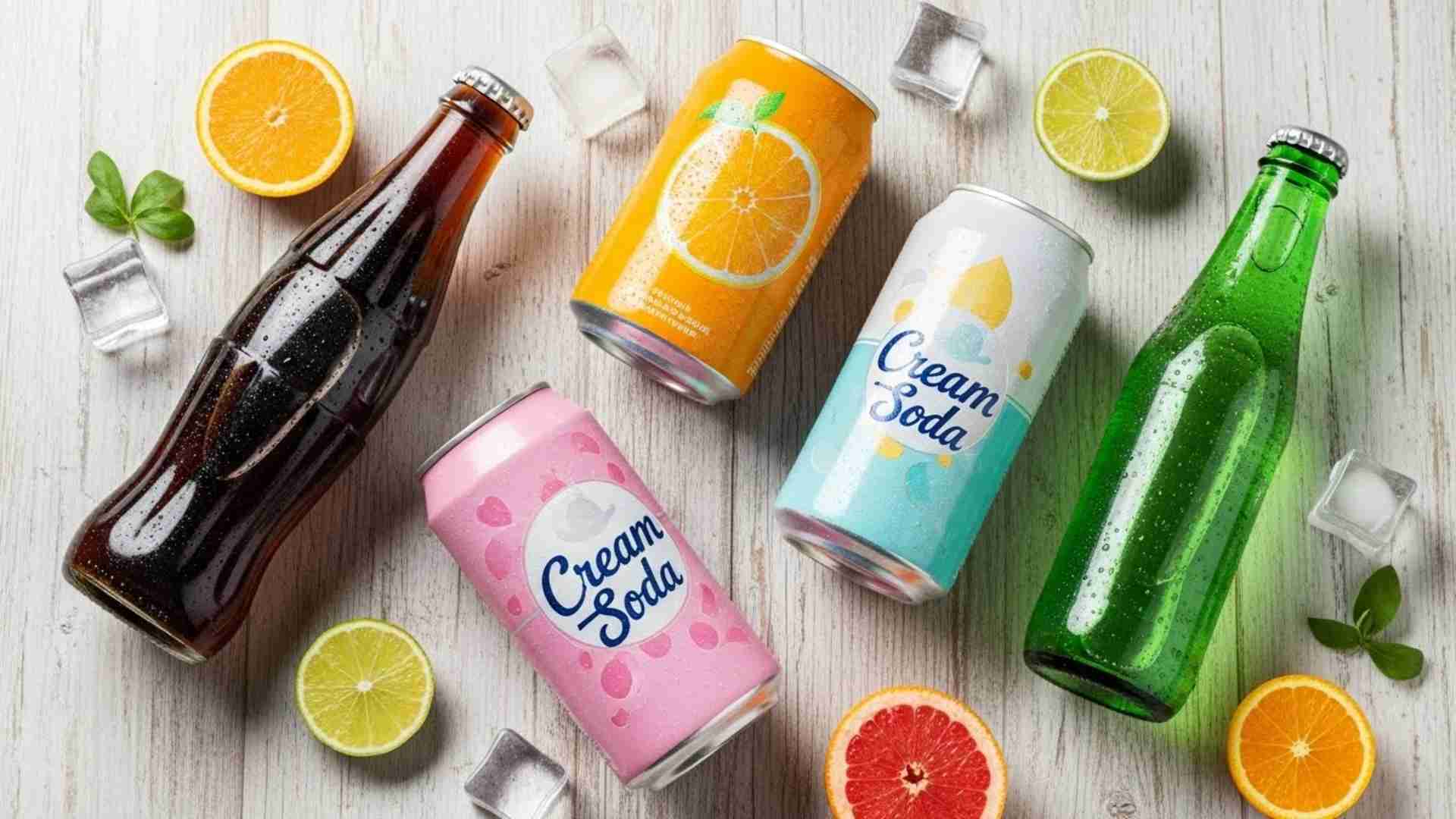
“I don’t have diabetes, so soda won’t hurt my heart, right?” Wrong.
The Secret Spike: It’s not just about weight gain. The high fructose corn syrup in soda is metabolized in the liver, creating uric acid as a waste product.
The Mechanism: High uric acid inhibits Nitric Oxide. Remember Nitric Oxide? It’s the gas that tells your blood vessels to relax. Without it, vessels stay tight, and pressure stays high.
The Reality: A single soda can trigger this inflammatory cascade.
8. Ginseng and Herbal Energy Boosters
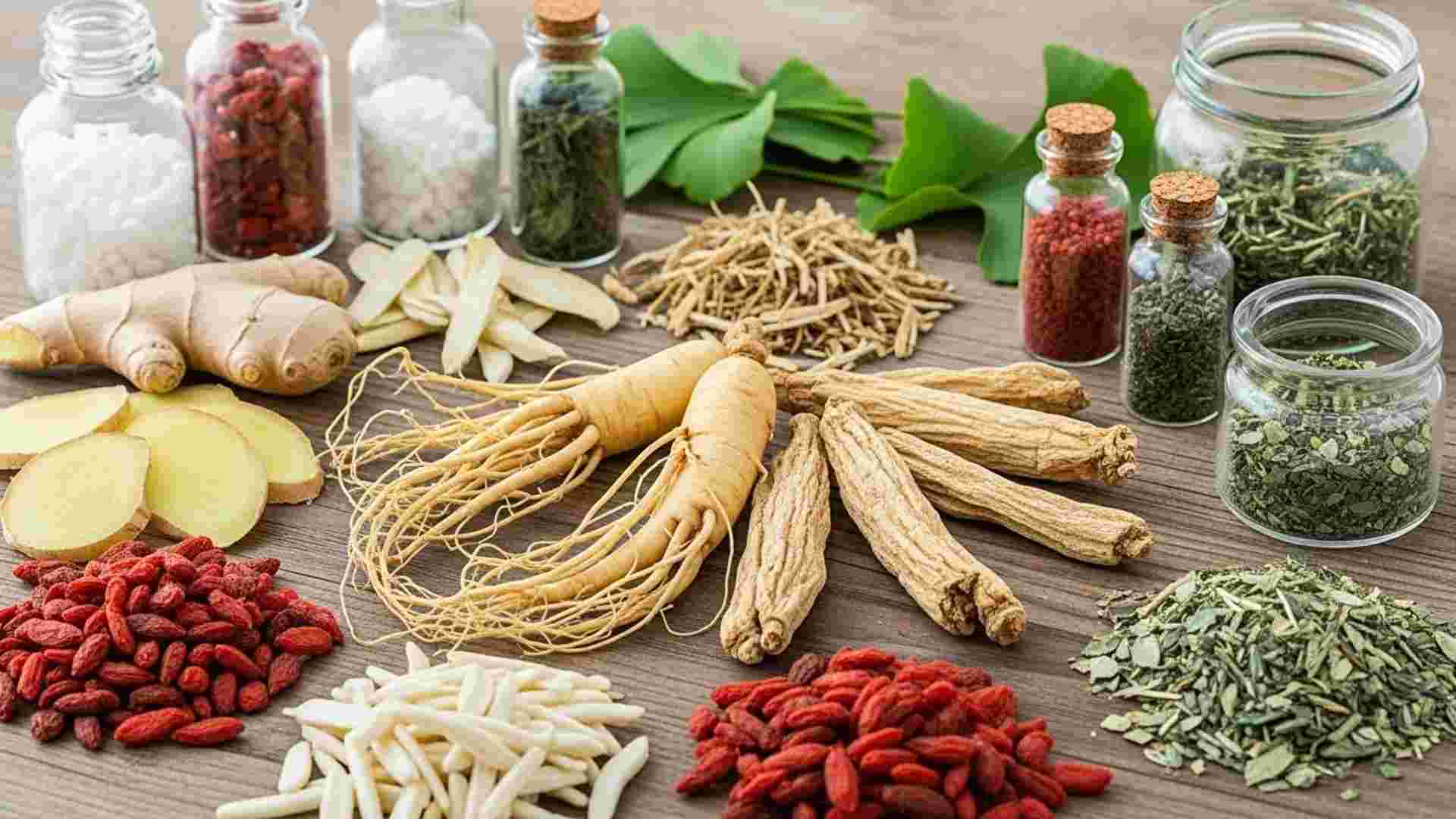
We often think “Herbal = Safe.”
The Secret Spike: While Ginseng is touted for energy and immune health, it can be a double-edged sword for the 50+ crowd. It acts as a stimulant and has been linked to blood pressure variability—sometimes raising it, sometimes lowering it unpredictably.
The Fix: If you have hypertension, treat herbal supplements like medication. Ask your doctor before popping that “energy” vitamin.
The Everyday “Staples”
The foods you probably eat every single day.
9. Bread and Rolls
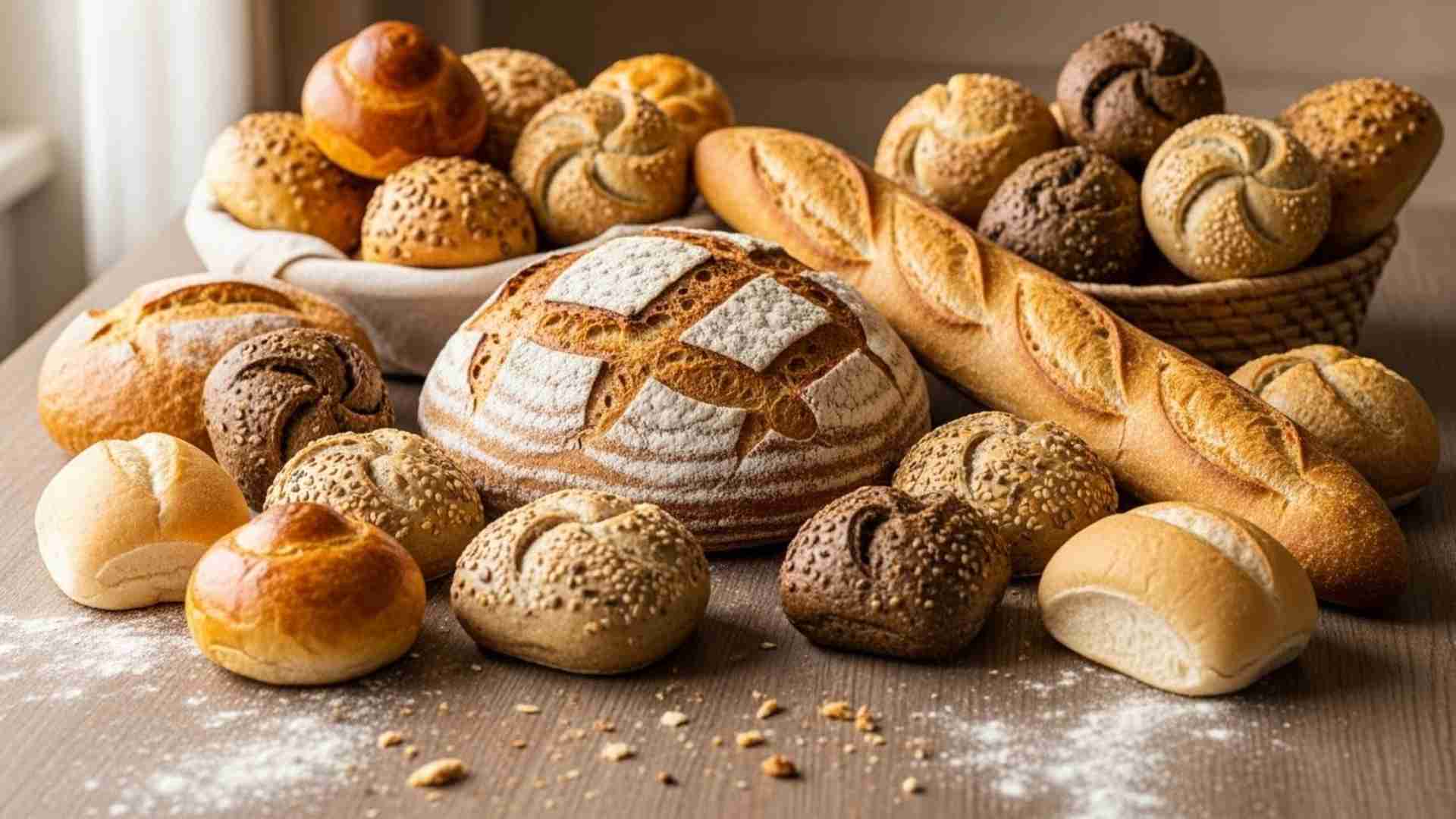
I know, bread doesn’t taste salty.
The Secret Spike: Bread is the #1 source of sodium in the American diet. Why? Because you can’t make bread rise and have that nice texture without salt—it controls the yeast.
- The Math:
- Sandwich at lunch (2 slices): 500 mg
- Toast at breakfast: 250 mg
- Roll at dinner: 250 mg
- Total: 1,000 mg just from the bread. That’s nearly 70% of your ideal daily limit.
10. Pizza (The Trifecta)
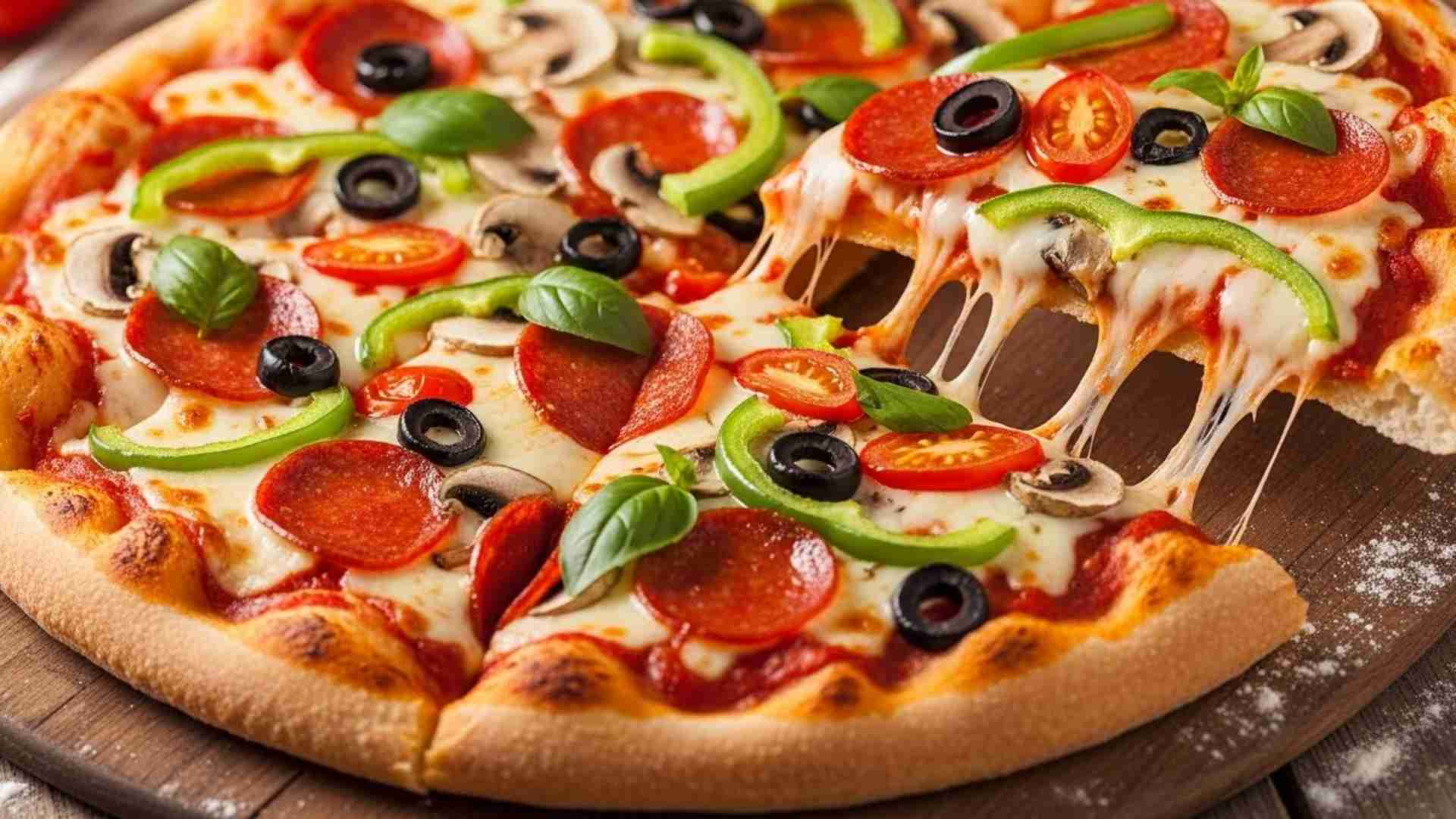
Pizza is the perfect storm. You have the salty dough (see #9), the salty tomato sauce (see #12), and the salty cured meats/cheese.
The Stat: A single slice of pepperoni pizza can have 760 mg of sodium. Two slices and you’re done for the day.
11. Salad Dressings
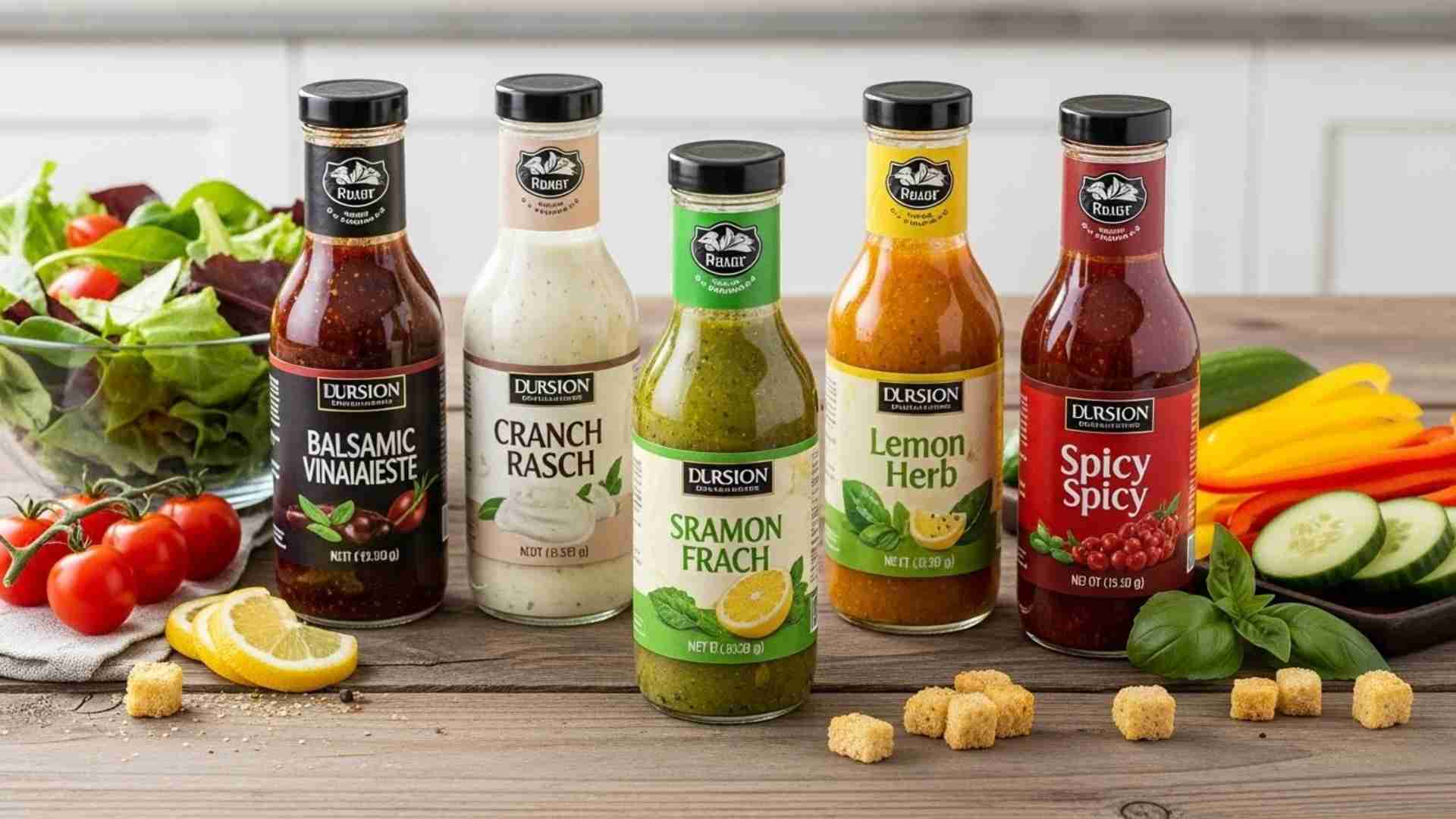
You eat the salad to be healthy, but the dressing is sabotaging you.
The Secret Spike: When manufacturers take the fat out of dressing (to make it “Low Fat”), they almost always add salt and sugar to make it taste good. Two tablespoons of Italian dressing can have 300-500 mg of sodium.
The Fix: Olive oil and vinegar. It sounds boring, but it’s the only safe bet.
12. Canned Tomato Sauce
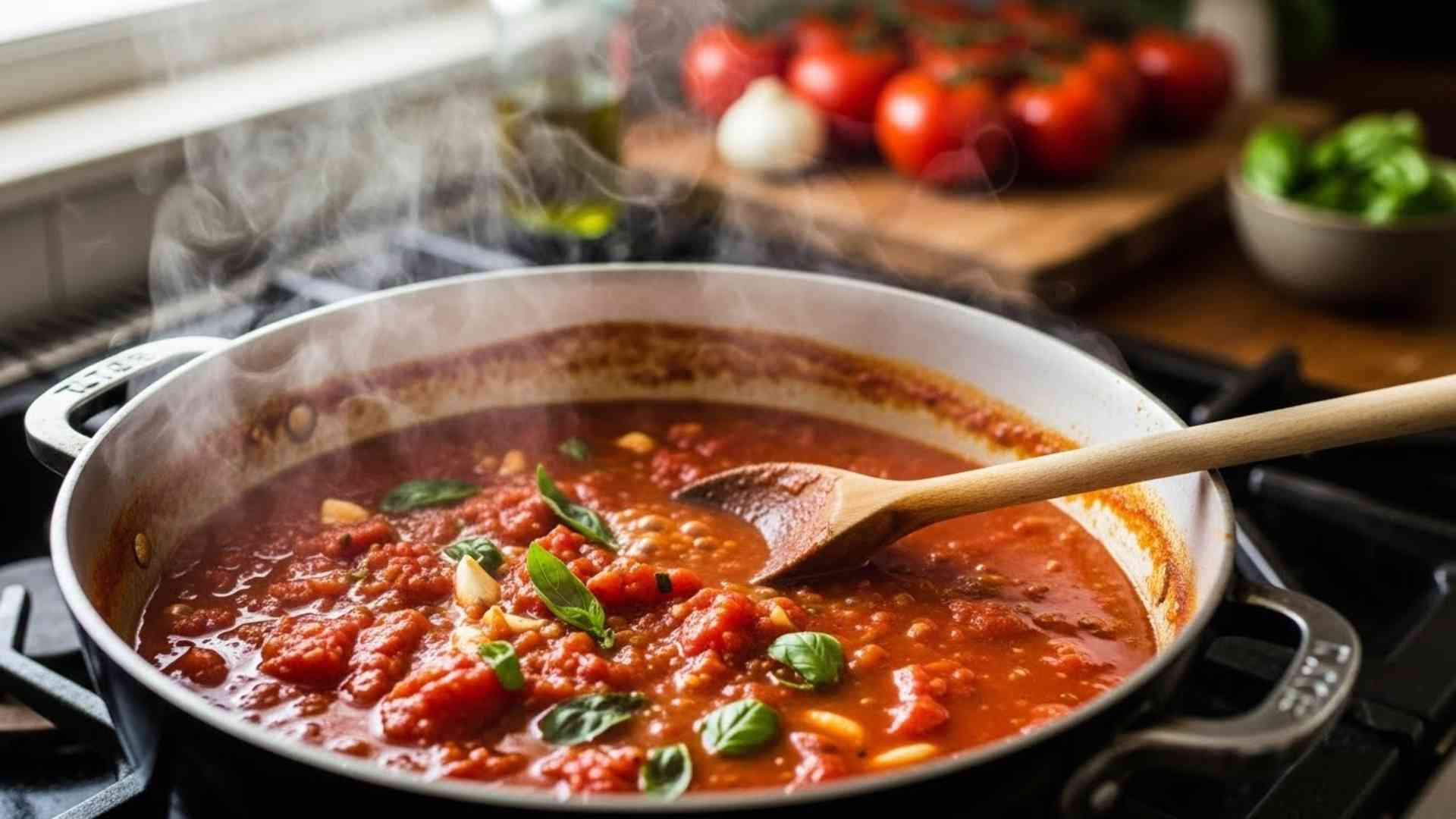
Tomatoes are great. Canned sauce is a minefield.
- The Comparison:
- Fresh Tomato: 5 mg sodium.
- Canned Sauce (1 cup): 400–600 mg sodium.
- Bonus Risk: The acidity of tomatoes makes them more likely to leach BPA from the can linings.
13. Pickles and Fermented Foods
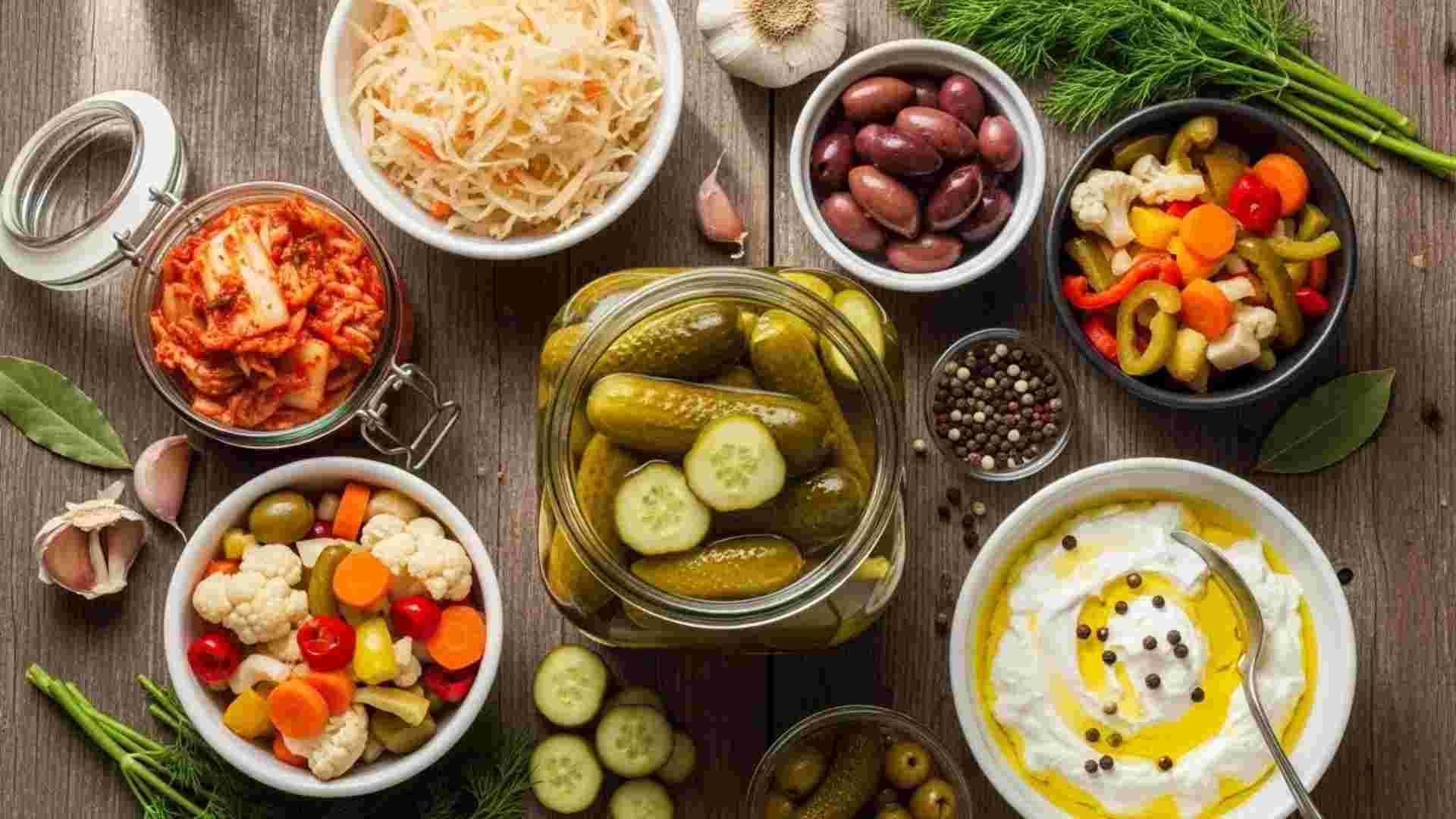
We hear “fermented foods are good for your gut.” And they are! But…
The Paradox: To pickle something, you essentially drown it in brine (salt water). A single large pickle spear can have 300+ mg of sodium.
The Fix: Treat pickles like a garnish, not a side dish.
14. Frozen “Diet” Meals
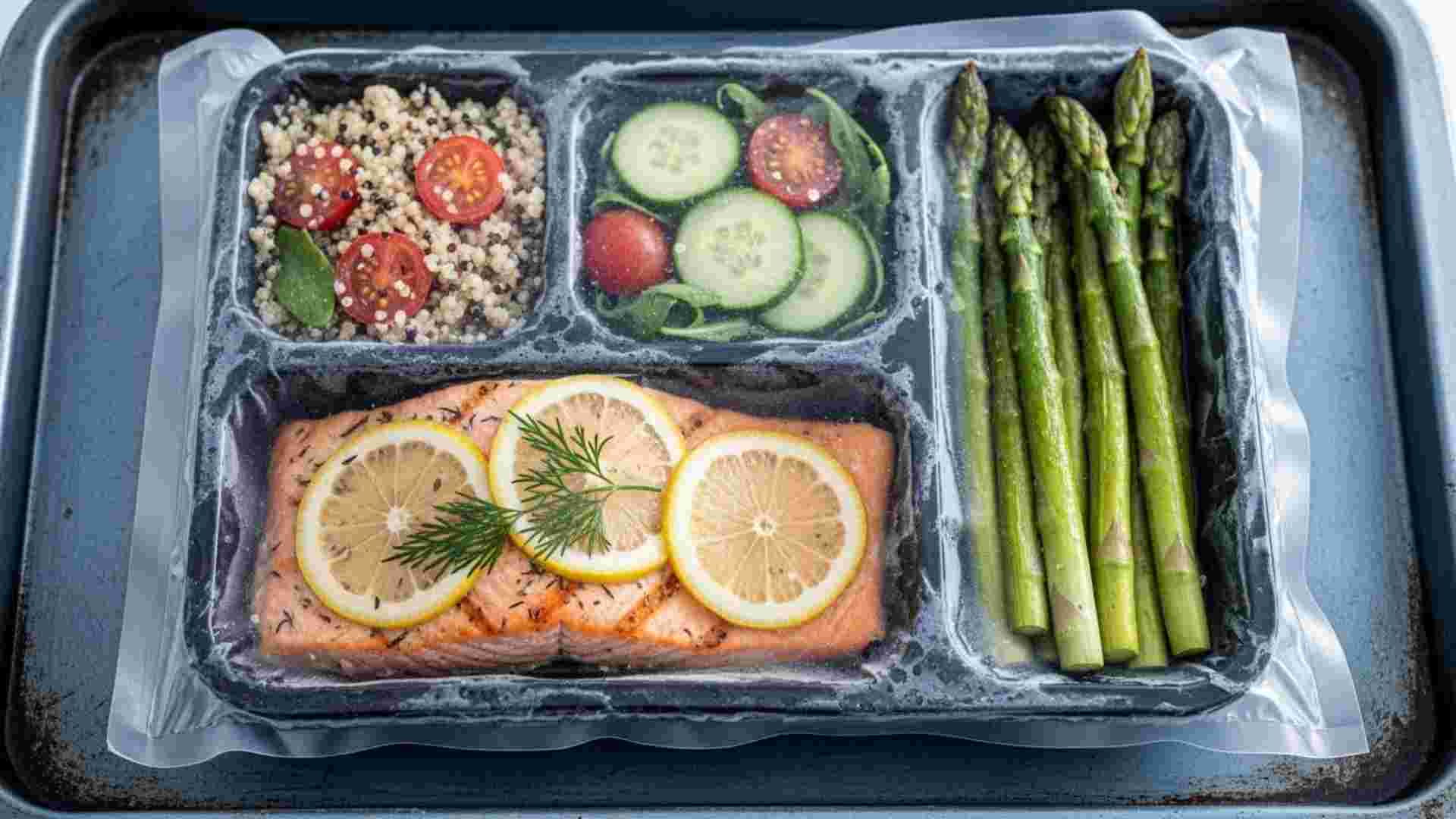
They promise calorie control, but they rely on sodium phosphate to keep the food from turning into mush when you microwave it.
The Stat: A “healthy” 300-calorie frozen dinner can easily pack 700-900 mg of sodium. You’re trading calories for hypertension.
15. Condiments (The Liquid Salt)
Soy sauce, ketchup, barbecue sauce. We pour them on without thinking.
The Reality: One tablespoon of soy sauce has 1,000 mg of sodium. That is not a typo.
Need a Little Help? Tools That Make “Low Sodium” Actually Doable
Let’s be honest: relying on willpower alone is exhausting. The secret to sticking with a heart-healthy lifestyle isn’t about being stricter with yourself; it’s about building an environment where the healthy choice is the easy one. Whether it’s a fryer that gives you that “fried” crunch without the oil and salt, or a monitor that tells you the truth about your numbers so you aren’t guessing, these are the specific tools that take the friction out of managing your blood pressure.
1. The “Chemical-Free” Crisp: Ninja Crispi Portable Glass Air Fryer

If you read the section above about BPA in plastic linings, this is your solution. Unlike standard air fryers that use non-stick metal baskets (which can degrade), this uses a borosilicate glass bowl. You get the crispy texture of fried wings or veggies with zero oil and zero plastic concerns. It’s perfect for turning those rinsed canned beans into a crunchy snack.
2. The Clinical Standard: Omron Platinum Blood Pressure Monitor

Stop guessing. This is widely considered the gold standard for home monitoring. It has a feature called “TruRead” that automatically takes three consecutive readings and averages them (which is what doctors recommend for accuracy). It also connects to your phone so you can show your doctor exactly what’s happening at home, not just the high numbers you get when you’re nervous in their office.
3. The Flavor Saver: Spiceology Salt-Free Seasoning Variety Pack

When you take away salt, you have to add loud flavors or your food will taste sad. Spiceology makes chef-driven blends that are genuinely exciting. Their “Purple Haze” and “Everything Bagel” (salt-free version) blends are incredible on eggs and roasted veggies. It stops you from missing the salt shaker.
4. The Meal Prep Hero: Ello Duraglass Meal Prep Containers

The best way to avoid the “Salty Six” (like fast food and deli meat) is to bring your own lunch. These containers are glass (no BPA) but come with a silicone sleeve so they don’t break easily in your bag. They are colorful, durable, and make bringing leftovers feel like a treat rather than a chore.
5. The Playbook: The DASH Diet Cookbook for Beginners 2025

Sometimes you just want someone to tell you what to eat. This guide is updated for the current year and focuses on the “DASH” approach (Dietary Approaches to Stop Hypertension). It offers a 56-day meal plan, which is great because it takes the mental load off of you—just follow the plan and watch the numbers drop.