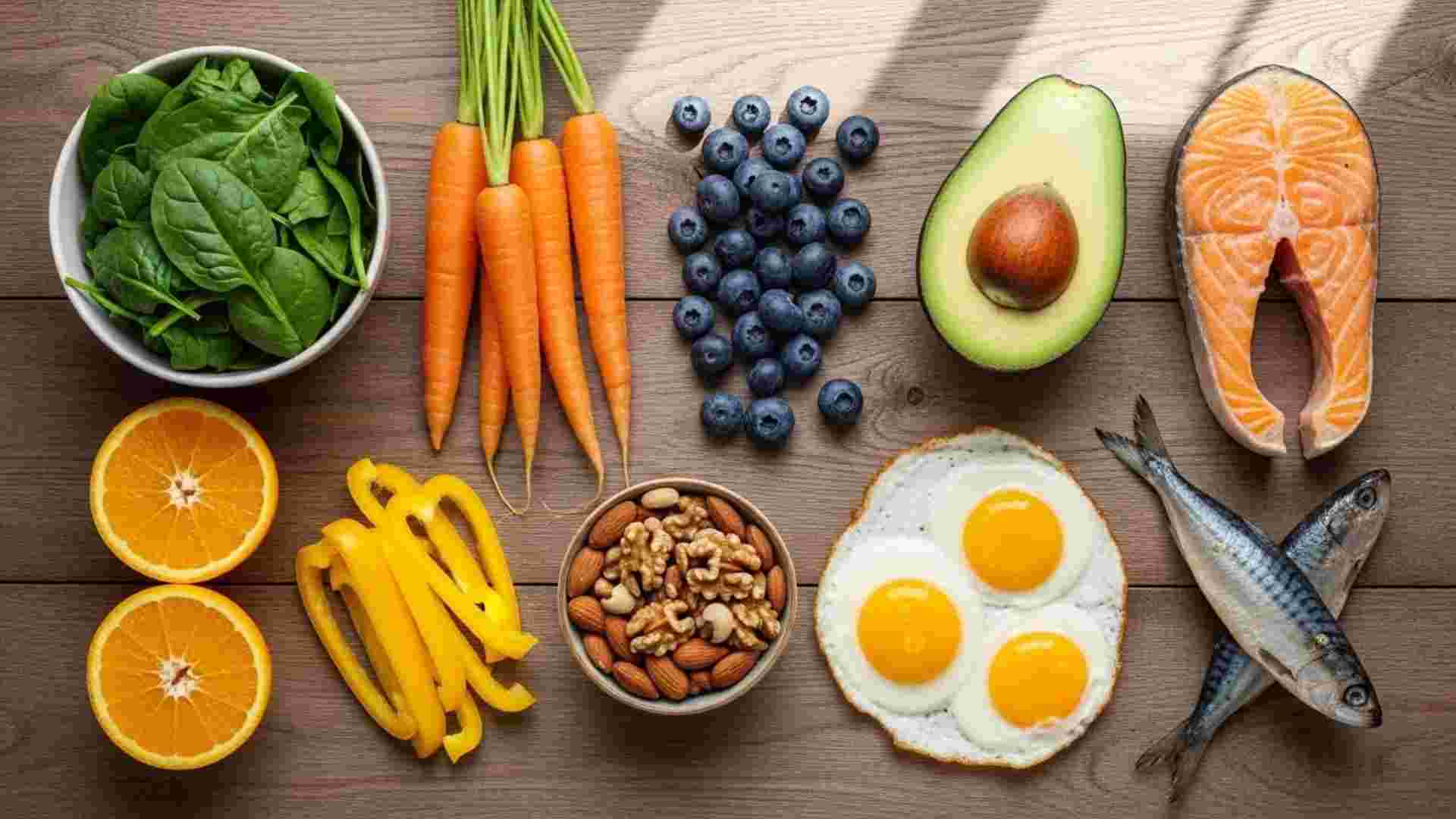
I get it. The idea of losing your sight—specifically that sharp, central vision you use to recognize your grandchild’s face or read the morning news—is terrifying. It’s not just about “seeing”; it’s about independence. It’s about being you.
We hear about the “Silver Tsunami”—statisticians telling us that by 2025, over 200 million people globally will be dealing with Macular Degeneration (AMD). But you aren’t a statistic. You’re someone looking for a plan.
Here is the honest truth that most dry medical pamphlets won’t tell you: You have more control than you think.
While we can’t change our genetics or the number of candles on our birthday cake, we can change the fuel we put in our tanks. And new research from 2024 and 2025 is showing us that specific foods act like internal armor for your eyes.
I’ve combed through the latest clinical data to build a protocol that isn’t just “eat your carrots.” This is a strategic, delicious, and science-backed plan to keep your world bright and sharp.
Here are the 10 foods that rebuild that protection, backed by the latest science.
1. Pistachios: The New Heavyweight Champion
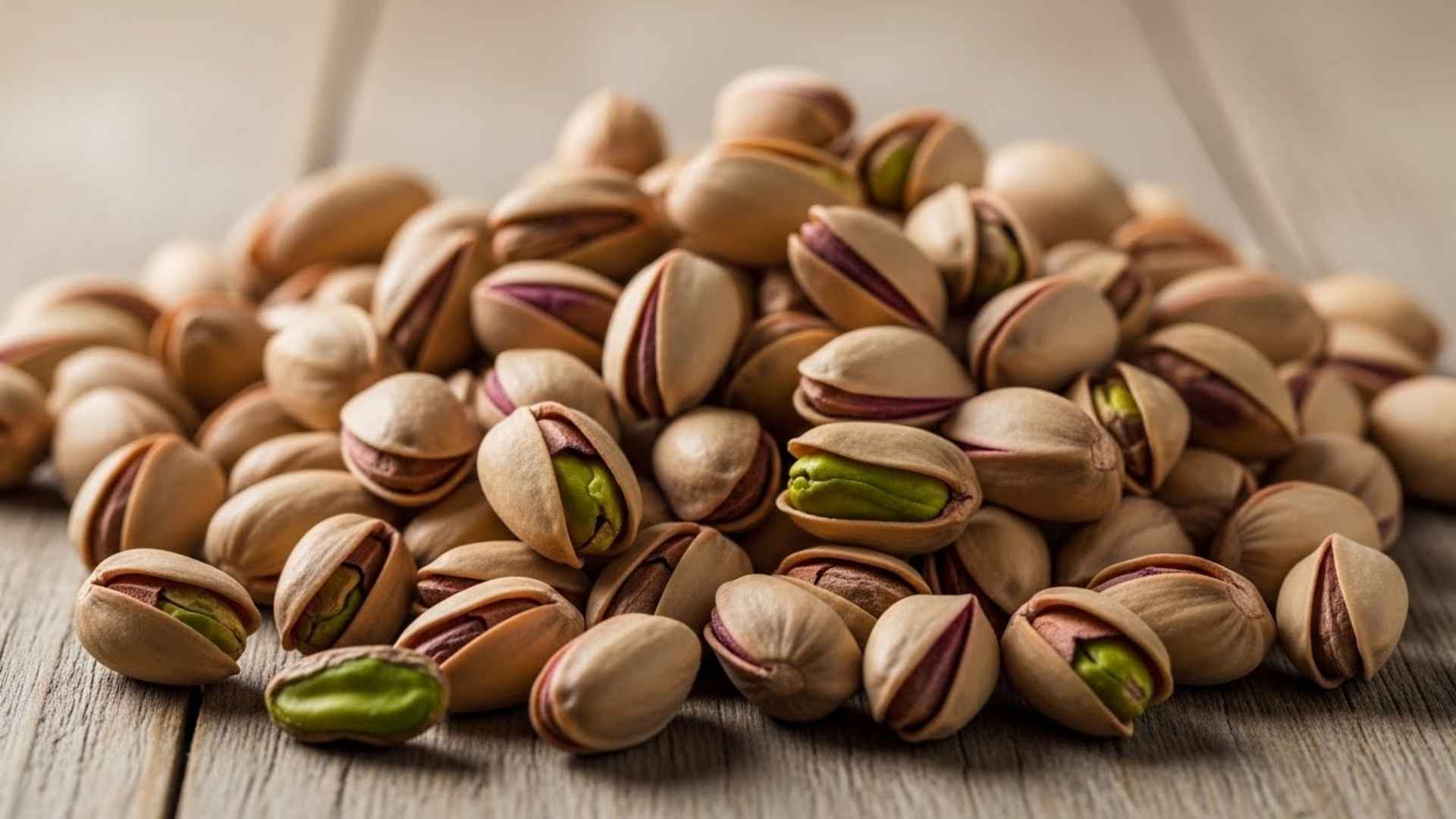
Honest confession: Until recently, I wouldn’t have put nuts at the top of an eye-health list. But a groundbreaking study from Tufts University released in late 2024 changed everything.
Researchers found that eating just 2 ounces of pistachios a day for 6 weeks significantly increased Macular Pigment Optical Density (MPOD). Why? Because pistachios are the only nut that contains measurable amounts of lutein. Plus, they are packed with healthy fats.
Why it matters: Lutein is fat-soluble. You can eat all the dry spinach you want, but without fat, your body flushes it out. Pistachios act as a “nutrient Trojan Horse”—they carry the protection (lutein) and the delivery system (fat) in one crunchy package.
How to eat them:
- The Snack: A handful mid-afternoon.
- The Topper: Crushed over yogurt or oatmeal (adds a great texture if you’re bored of mushy food).
2. Orange Peppers: The Zeaxanthin Specialists
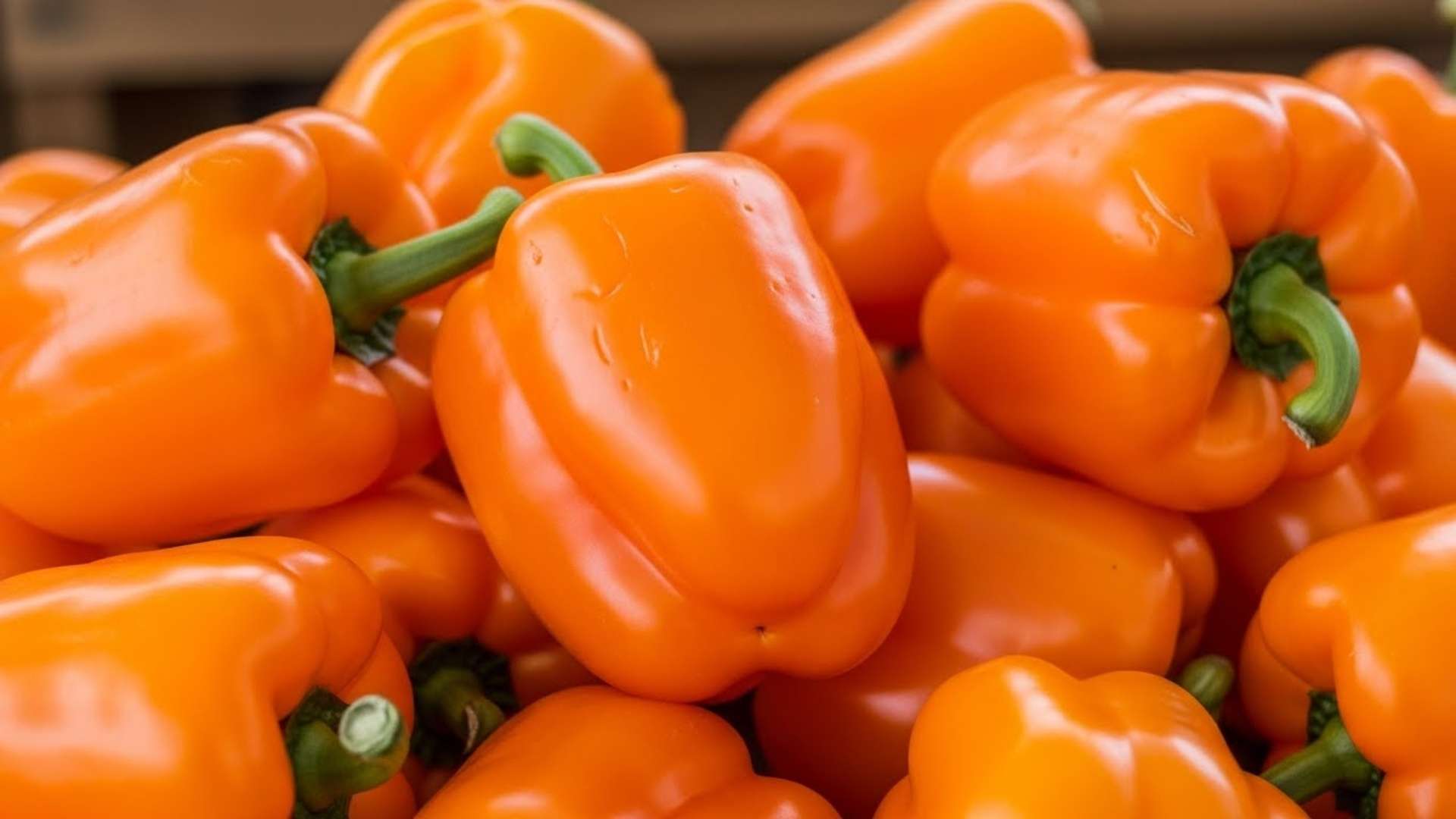
We usually grab red peppers because they look pretty, right? But for your eyes, you’re missing the boat.
Recent analysis shows that orange peppers are the undisputed kings of Zeaxanthin. While leafy greens give you Lutein, Zeaxanthin is harder to find, and it protects the very center of your vision (the fovea).
- Red Peppers: High in capsanthin (good, but not for eyes).
- Orange Peppers: Packed with Zeaxanthin.
- Green Peppers: Mostly just Lutein (and unripe).
The Swap: Next time you’re in the produce aisle, hunt for the orange ones. They are sweeter and literally built to protect your central vision.
Senior Tip: Raw peppers can be tough to chew. Roast them in the oven until the skins blister and peel off. You’re left with sweet, soft flesh that blends perfectly into hummus or pasta sauce.
3. Dark Leafy Greens (Kale & Spinach): The Foundation
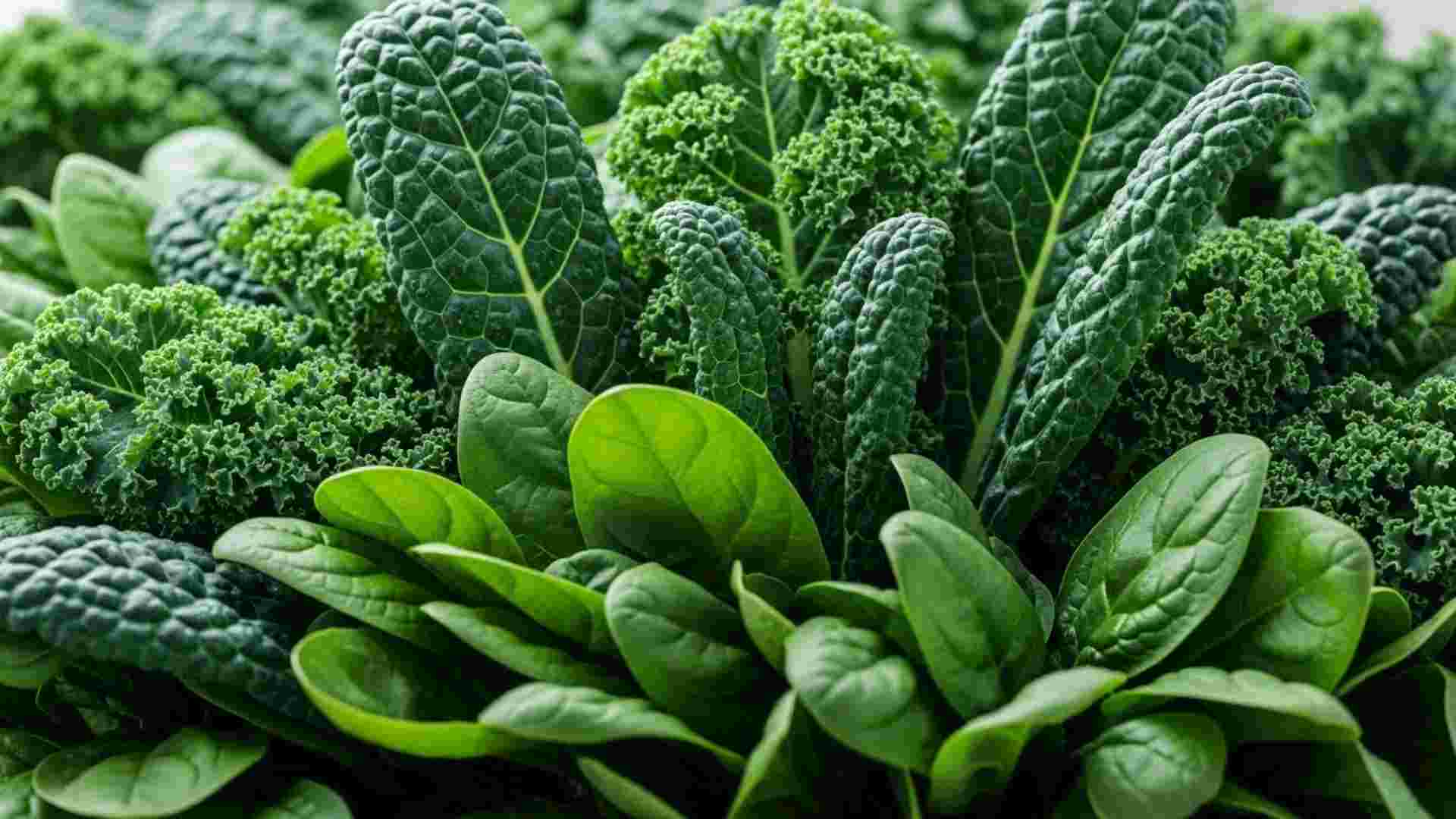
You know you need greens. But here is where most people get it wrong. They eat raw spinach salads without dressing and think they’re being healthy.
The Science: Raw spinach locks its lutein behind rigid cell walls. Plus, it’s high in oxalates, which can mess with mineral absorption.
- Boiling? Bad idea. You lose the water-soluble vitamins (like C) into the water.
- Sautéing? The Gold Standard. A 2024 review confirmed that sautéing spinach in olive oil breaks down the cell walls, lowers oxalates, and the oil skyrockets absorption.
The Protocol:
- Kale: The heavyweight champion of lutein (over 18 mg per cup cooked).
- Spinach: The versatile sidekick.
- Collard Greens: The unsung hero.
The “Warfarin” Worry: If you are on blood thinners, your doctor probably scared you about Vitamin K. The modern advice isn’t “avoid greens”—it’s consistency. You can’t eat a huge salad one day and none the next. Aim for a small, consistent portion every day so your doctor can dose your meds around your healthy diet.
4. Eggs: The “Food Matrix” Magic
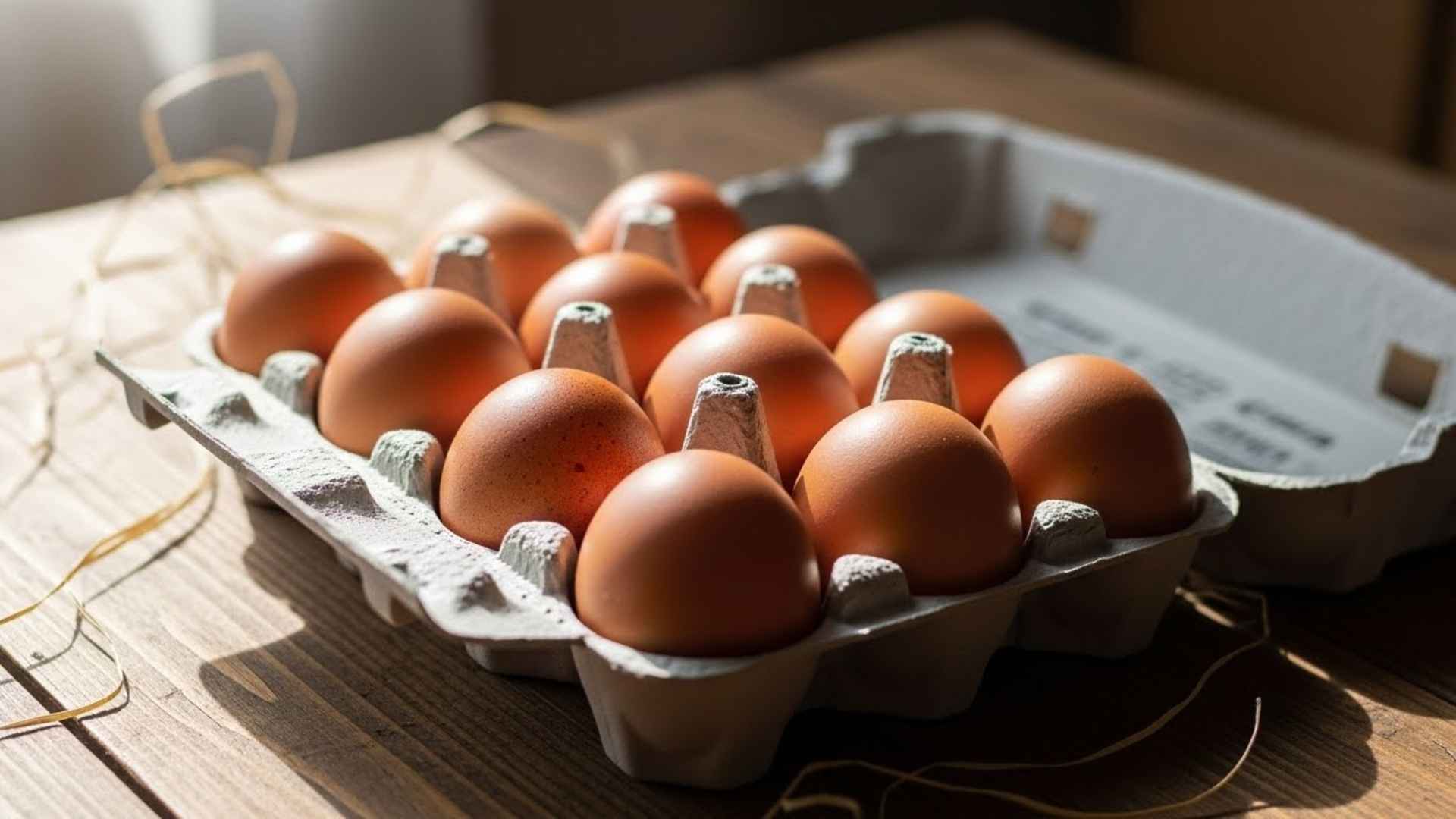
For years we were told to avoid yolks because of cholesterol. For your eyes, that was terrible advice.
While spinach has more lutein by weight, the lutein in egg yolks is up to 300% more bioavailable. This is the “Food Matrix” effect. The lutein is naturally suspended in the yolk’s healthy fats, making it a direct express train to your retina.
The Rule: Eat the yolk. That’s where the gold is.
Easy Eating: Hard-boiled eggs are soft, easy to chew, and keep in the fridge for a week. A perfect snack for when you don’t feel like cooking.
5. Blueberries: The Vascular Guardians
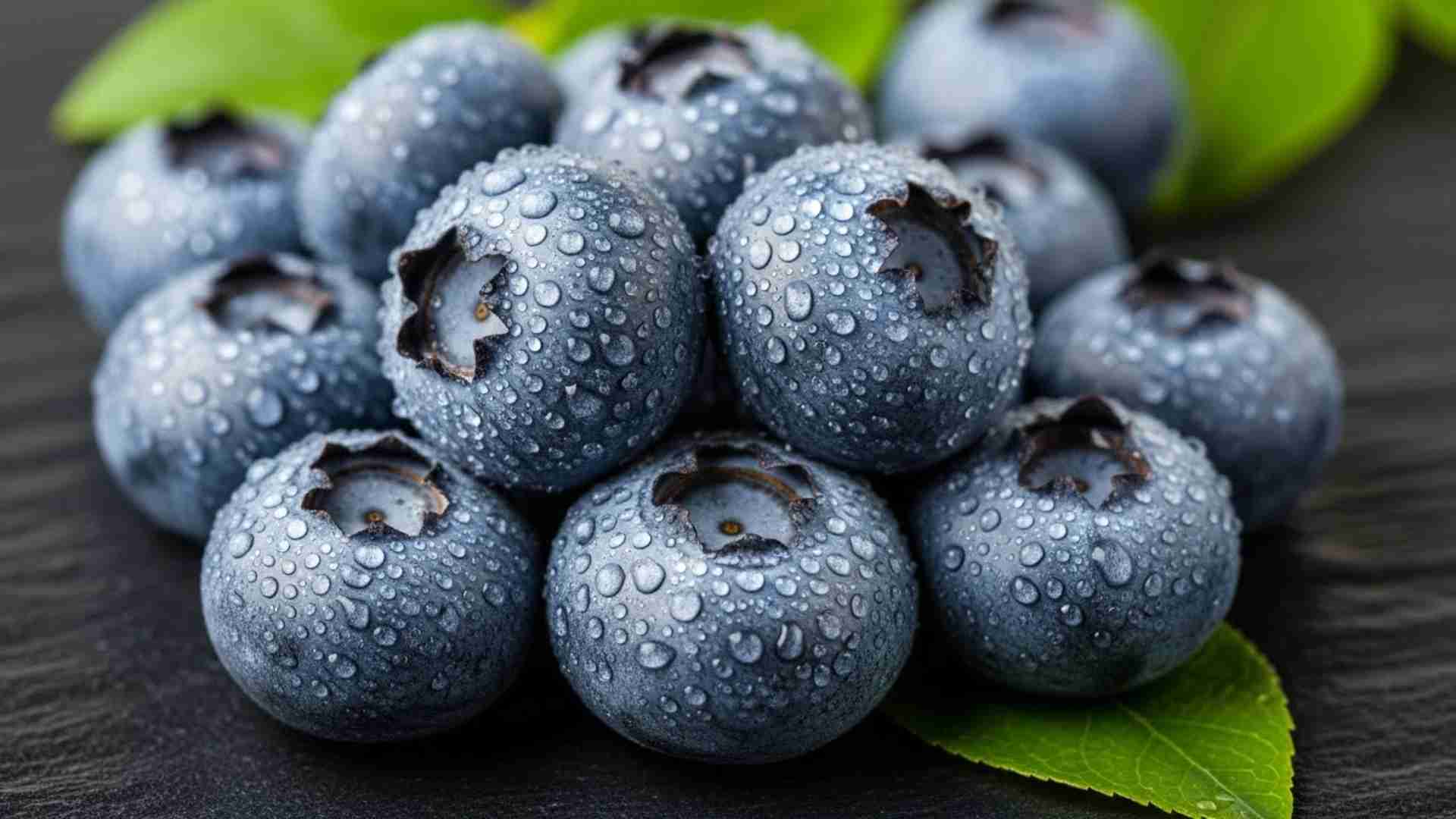
A study published in the Journal of Nutrition (2024) involving thousands of women dropped a bombshell: Eating just one serving of blueberries a week was linked to a 28% reduction in the risk of developing AMD.
Why? It’s likely the anthocyanins (the blue pigment). They don’t just fight oxidation; they help blood flow. Your eyes are vascular organs—they need good blood flow to clear out waste. Blueberries are like a plumber for your retinal veins.
Fresh or Frozen? Doesn’t matter. Actually, frozen are often picked at peak ripeness and are cheaper. Throw them in a smoothie or let them thaw on top of warm oatmeal.
Your retina is basically a piece of specialized brain tissue. And like your brain, it is made largely of fat. It needs DHA (Omega-3) to maintain its structure.
- Dry Eye Bonus: If your eyes feel gritty or sandy (a common complaint over 60), Omega-3s help produce the oil layer in your tears.
- The Target: 2-3 times a week.
The “I hate cooking fish” hack: Canned sardines or mackerel. I know, I know. But they are cheap, precooked, and lower in mercury than tuna. Mash them with some avocado on toast—you won’t even know they came from a can.
7. Corn: The Unsung Hero

Corn gets a bad rap as a “starchy filler,” but for eyes, it’s a powerhouse. It is one of the few vegetables that has a high ratio of Zeaxanthin alongside Lutein.
Cooking corn actually boosts its antioxidant activity. And let’s be honest, it’s affordable and accessible. Polenta, grits, or just a side of sweet corn all count.
8. Avocados: The Booster Shot
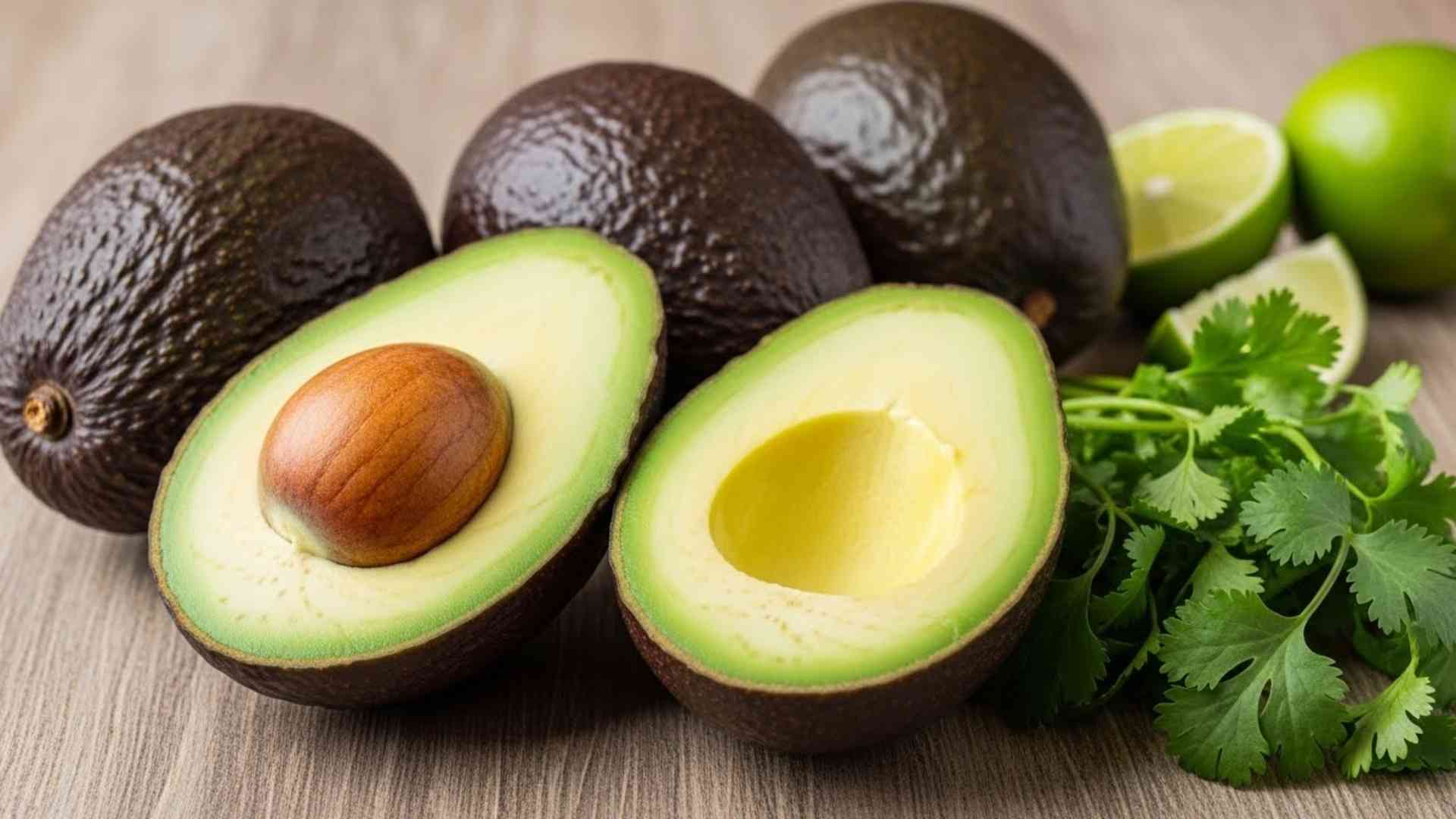
An avocado is great on its own, but its superpower is helping other foods.
If you eat a bowl of salsa (tomatoes and peppers), you absorb a certain amount of lycopene and zeaxanthin. If you add half an avocado to that bowl, you absorb 4 to 15 times more of those nutrients. It’s the ultimate absorption assistant.
Texture Tip: For seniors with dental issues or dysphagia (trouble swallowing), avocado is a lifesaver. It adds calories and nutrition without requiring heavy chewing.
Zinc is the transport truck of the eye. It carries Vitamin A from your liver to your retina to produce melanin (protective pigment). Without zinc, the other vitamins can’t do their job.
Oysters are the highest source, but let’s be real—you aren’t eating oysters every day. Chickpeas, lentils, and beans are your daily workhorses.
Recipe Idea: A soft lentil stew is comforting, cheap, and packs a massive zinc punch.
10. Cruciferous Veggies (Broccoli & Brussels): The Detoxifiers
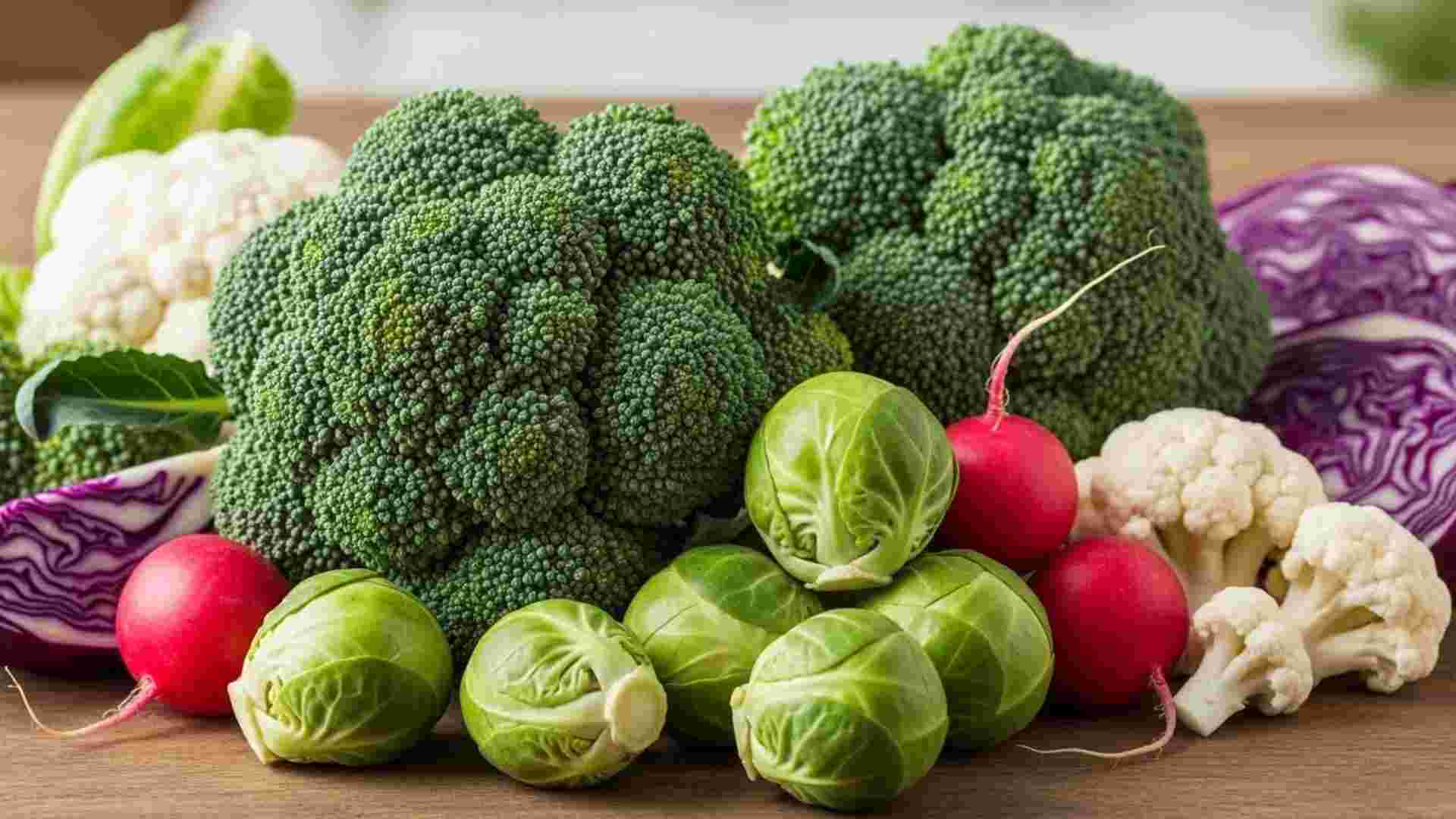
These contain sulforaphane, which triggers your cells to produce their own antioxidants. It’s like teaching your body to fish instead of giving it a fish.
The Trick: Chop your broccoli and let it sit for 40 minutes before cooking. Sounds weird, but this activates the enzymes that create the magic compounds. If you cook it immediately after chopping, you lose the benefit.
Need More Help? Look Into These Useful Products
Sometimes, knowing what to eat is the easy part—it’s the chopping, blending, and seeing what you’re doing that makes it hard. I’ve rounded up a few specific tools that can help bridge the gap between “I should eat this” and “I actually ate this.” These aren’t just gadgets; they are solutions to the common hurdles like low vision or difficulty chewing that can stop us from getting those vital nutrients.
1. PreserVision AREDS 2 Eye Vitamin & Mineral Supplement

If your doctor has recommended a supplement because you already have intermediate AMD, this is the gold standard. It uses the exact formula from the National Eye Institute studies (Lutein, Zeaxanthin, Zinc, C, E) without the beta-carotene that can be risky for former smokers. It’s the “safety net” for your eyes.
2. Fullstar Vegetable Chopper

Remember the tip about chopping broccoli to activate enzymes? If arthritis or shaky hands make knife work dangerous, this gadget is a lifesaver. You just place the veggie in and press down. It creates uniform pieces perfect for soups or salads in seconds, with zero risk to your fingers.
3. Ninja Personal Blender for Smoothies

For the “Senior Reality” of chewing difficulties, a blender is your best friend. This one is small, easy to clean, and powerful enough to pulverize kale and frozen blueberries into a smooth, drinkable meal. It turns a chore of a meal into an easy, nutrient-dense drink.
4. OttLite High Definition Desk Lamp

We talked about how reading in the dark causes strain. As we age, we need more light to see contrast. OttLite lamps are designed to mimic natural daylight (high CRI), which drastically improves contrast and reduces glare. It helps you see your food, your pills, and your books clearly.
5. Solar Shield Fits Over Sunglasses

Since UV light is a real danger (unlike your phone screen), you need protection outside. If you wear prescription glasses, buying prescription sunglasses is expensive. These fit right over your regular glasses, blocking 100% of UVA/UVB rays and protecting your peripheral vision too.