You know that moment? You walk into a room and suddenly stop, staring at the wall, wondering, “What on earth did I come in here for?”
We all joke about “senior moments.” We laugh it off. But deep down, there’s a little flicker of fear. We worry that our memory is a sandcastle and the tide is slowly coming in. We think cognitive decline is just the tax we pay for getting older.
But here’s the thing—and it’s honestly the most exciting news in neuroscience right now: It’s not inevitable.
For a long time, we thought the brain was like a machine that just wore out. But new research from major institutions like Rush University and Harvard tells a different story. Your brain is more like a garden. If you give it the right soil and fertilizer, it doesn’t just survive; it blooms.
In fact, one landmark study found that people who ate a specific way had brains that looked—biologically—up to 19 years younger than their peers.
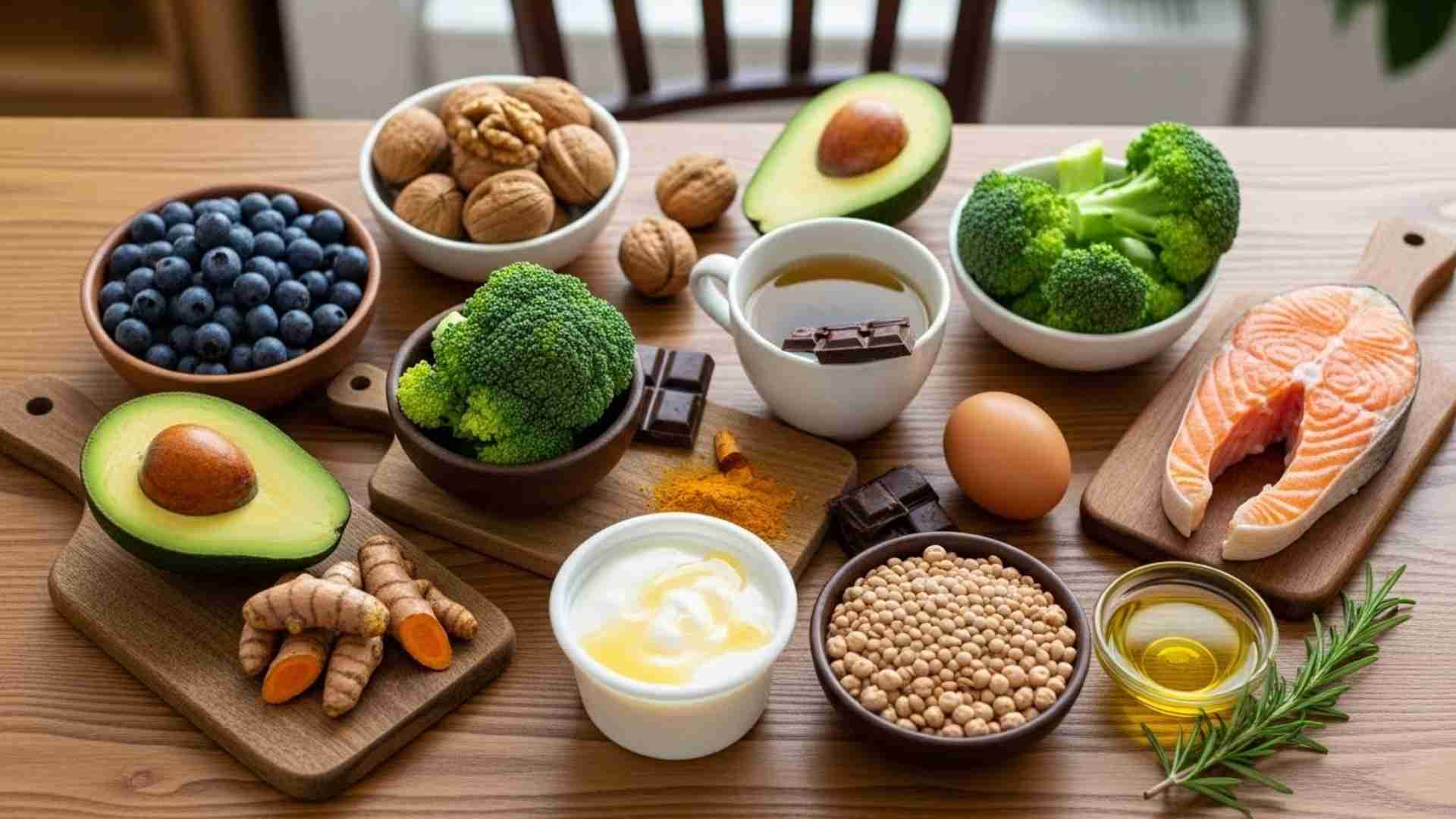
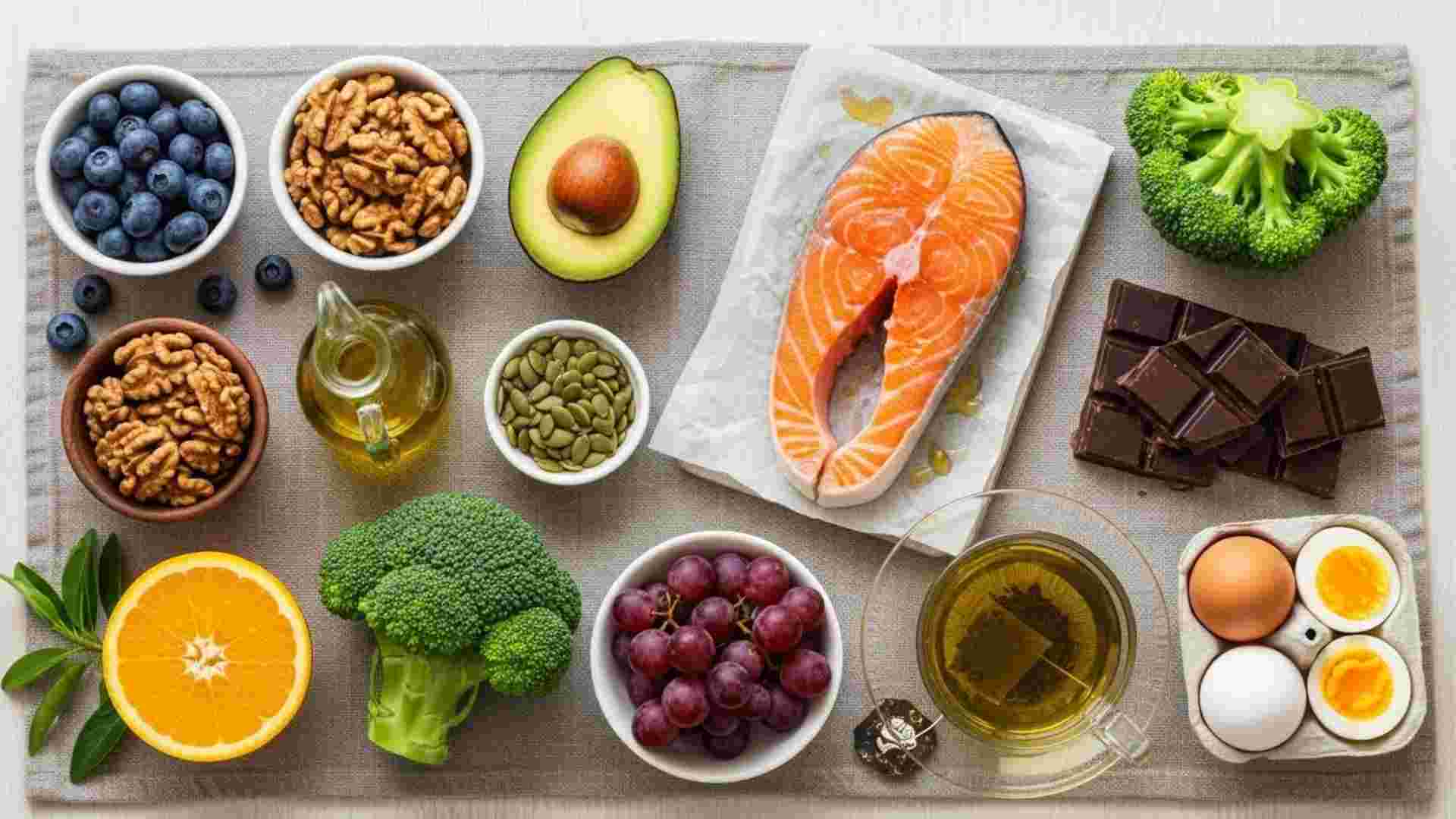
We aren’t talking about magic pills or expensive “brain tonics.” We’re talking about the grocery store. Let’s walk through the 12 foods that act as the ultimate anti-aging serum for your mind, and exactly why they work.
The “Big 12”: Your Cognitive Grocery List
1. Leafy Green Vegetables (The Time Traveler)
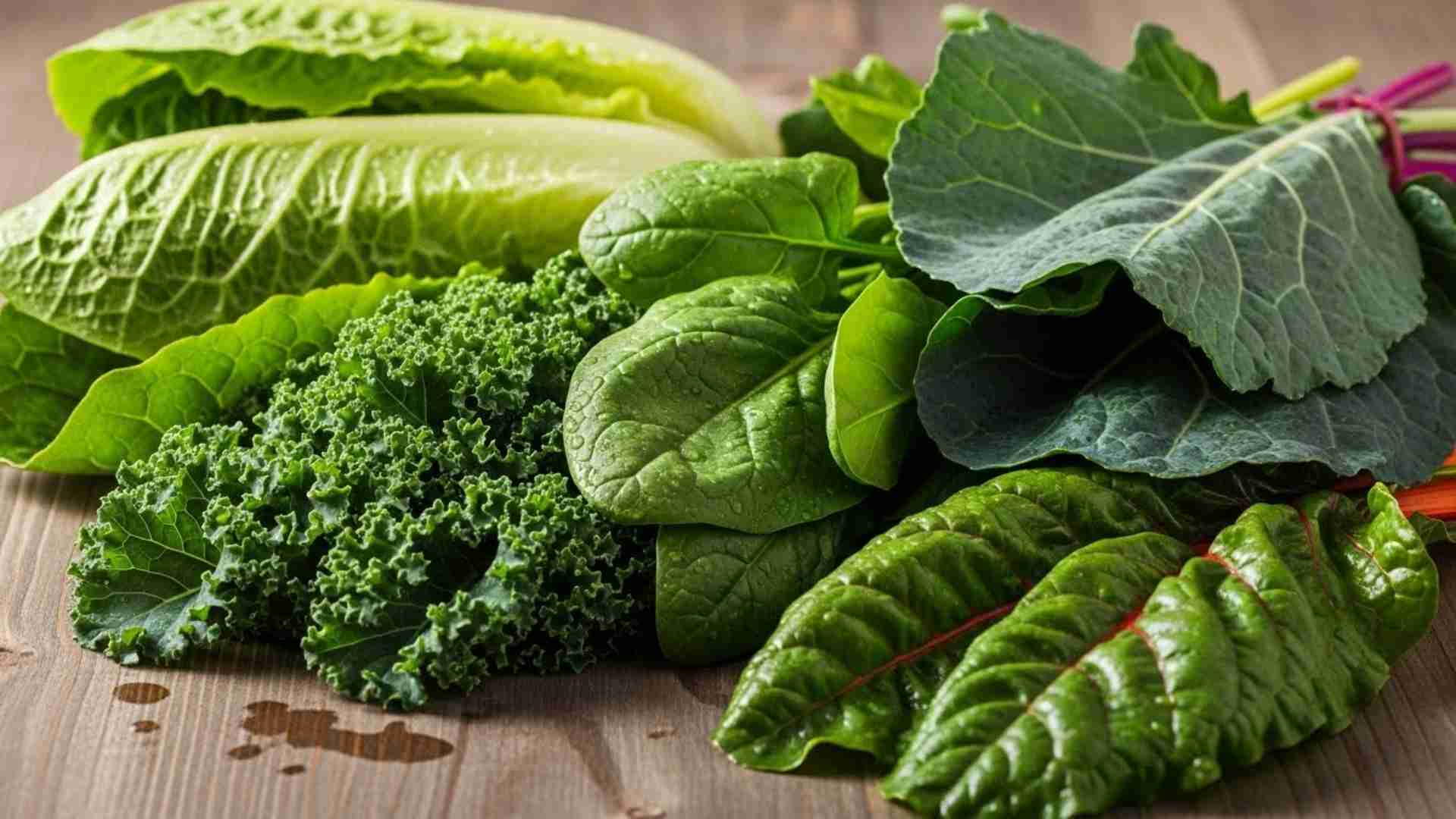
The heavy hitters: Spinach, kale, collards, arugula.
The science: This is the non-negotiable one. In the Rush Memory and Aging Project, people who ate just one serving a day had a rate of cognitive decline equivalent to being 11 years younger.
Why it works: They are packed with Vitamin K, lutein, and folate. Vitamin K helps build the fat that insulates your brain cells, making signals travel faster.
How to eat it: You need fat to absorb these nutrients. A dry salad is a wasted salad. Drizzle olive oil on it, or you won’t absorb the Vitamin K.
Warning: If you take blood thinners like Warfarin, don’t suddenly start eating five bowls of kale a day. It messes with your clotting levels (INR). Consistency is key—talk to your doctor.
2. Berries (The Brain Cleaners)
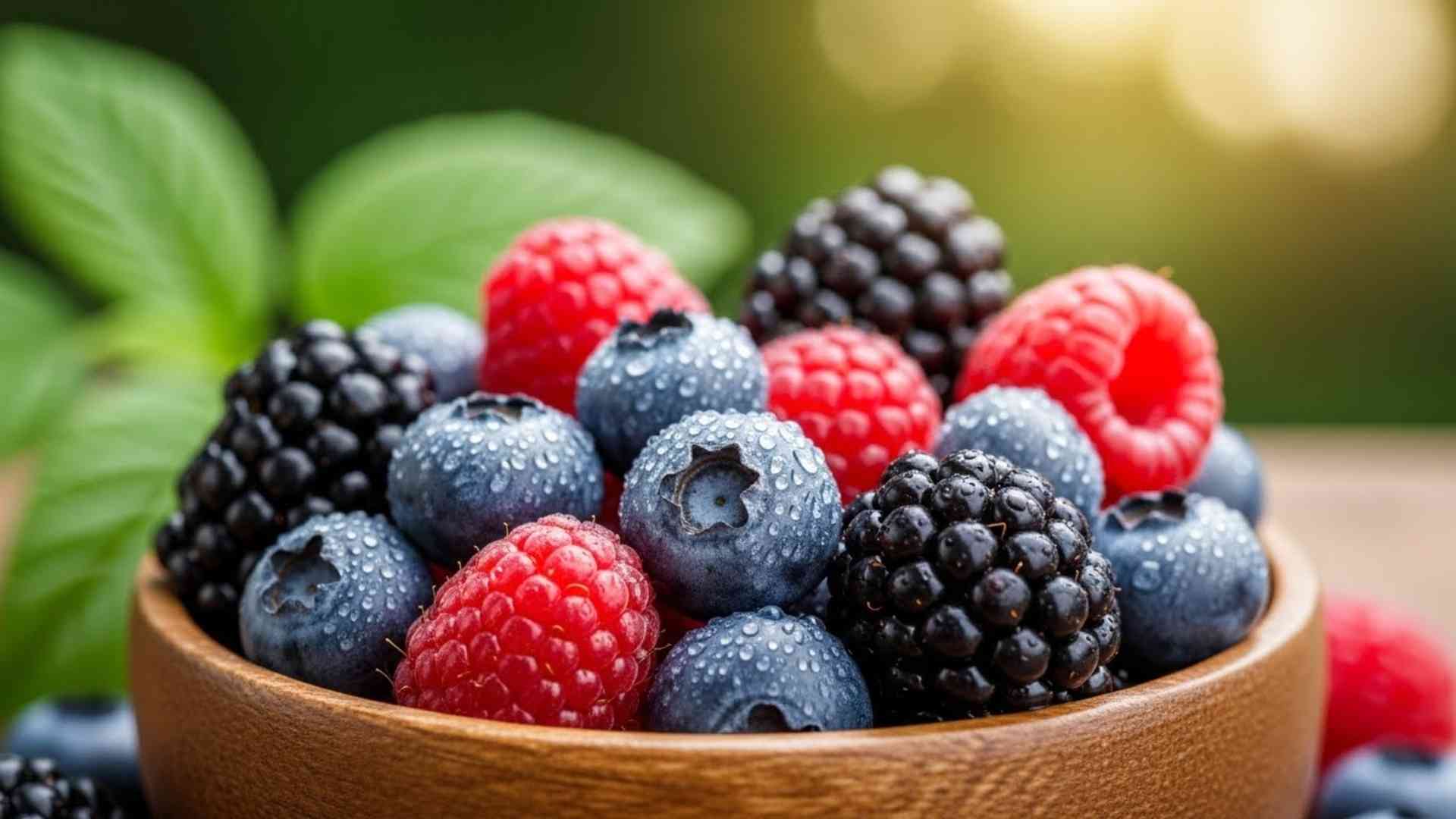
The heavy hitters: Blueberries, strawberries, blackberries.
The science: The massive Nurses’ Health Study (over 16,000 women) found that high berry intake delayed cognitive aging by up to 2.5 years.
Why it works: The color is the key. The deep blues and reds come from anthocyanins. These are unique antioxidants that can actually cross the blood-brain barrier (a security wall that keeps most things out of the brain) to scrub away “rust” and inflammation.
The goal: Aim for at least two half-cup servings a week.
3. Fatty Fish (The Architect)
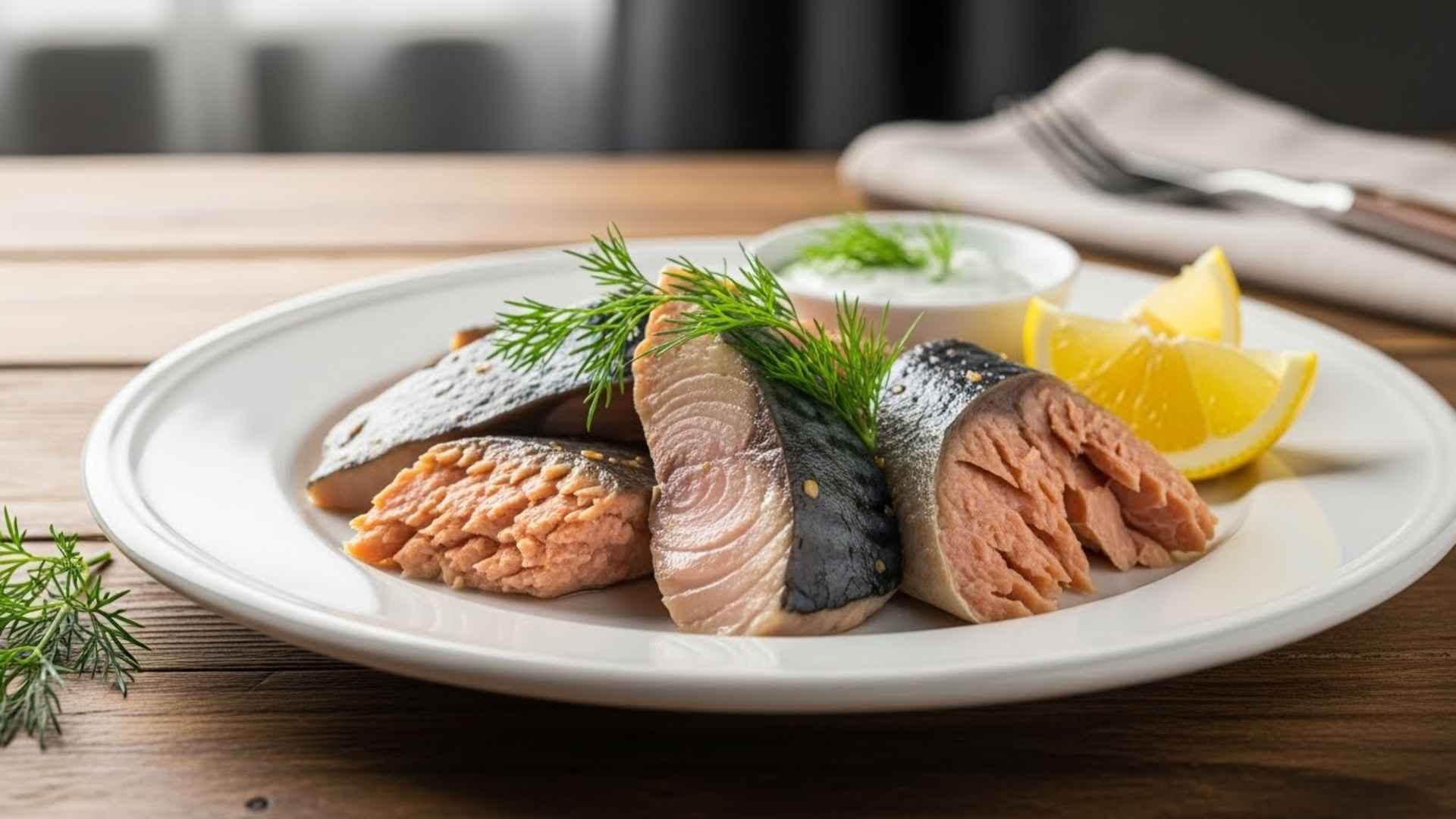
The heavy hitters: Salmon, sardines, mackerel, trout.
The science: Your brain is 60% fat. If you eat a low-fat diet or bad fats, you’re building a house out of straw. Omega-3s (specifically DHA) are the bricks. Eating fish once a week can reduce Alzheimer’s risk significantly.
Real talk: I know, some of you hate the “fishy” taste.
The fix: Try “Pasta con le Sarde.” Hide sardines in a tomato sauce with garlic, capers, and lemon. The acid kills the fishy taste, but you keep the brain benefits.
4. Walnuts (The Shape is No Coincidence)
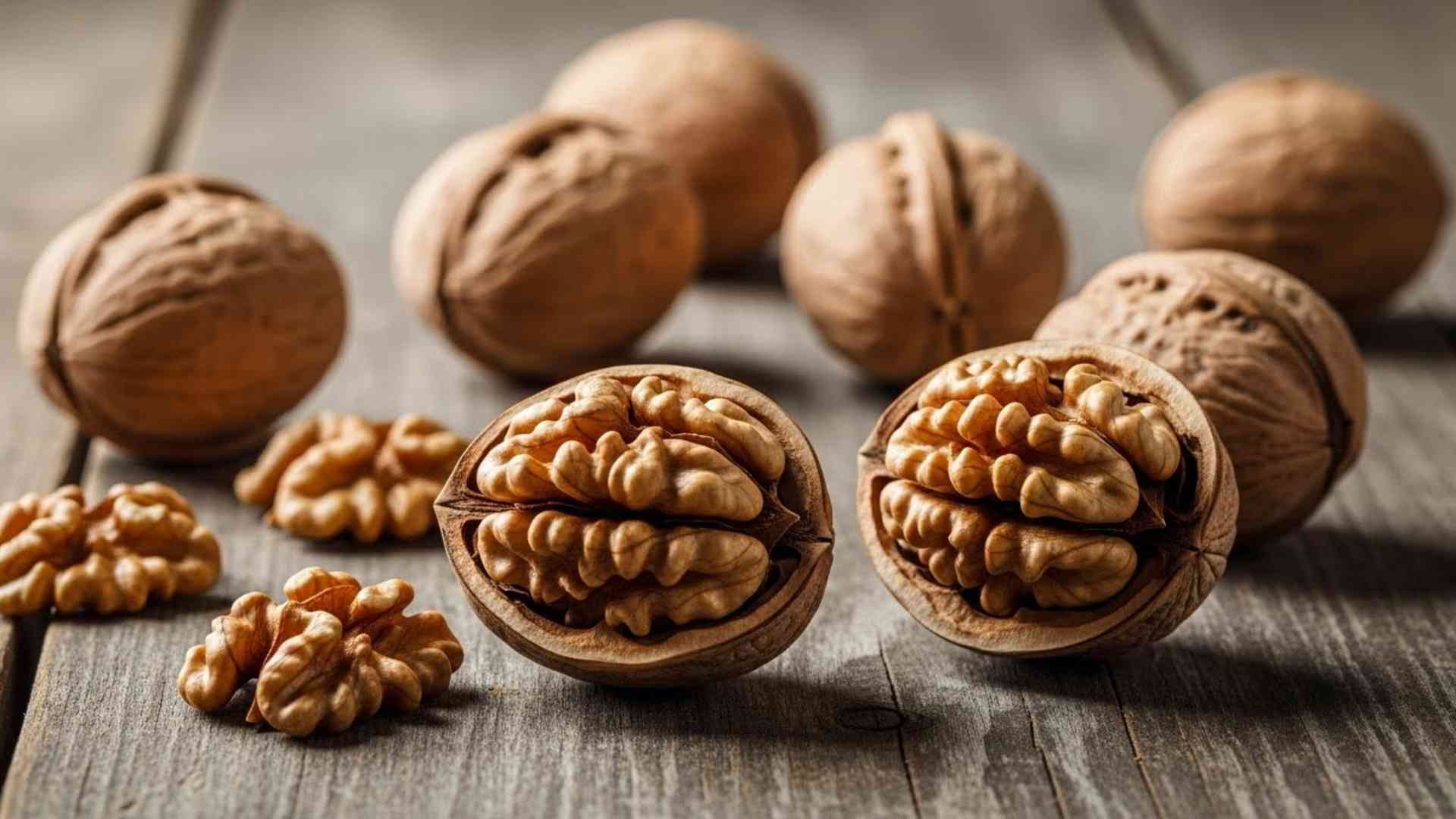
The heavy hitters: English or Black Walnuts.
The science: It looks like a brain, and it helps the brain. It’s the only nut rich in ALA (a plant-based Omega-3). A 2023 study showed that just a handful of walnuts improved reaction time and memory in adults.
The goal: A small handful (about 1 oz) five times a week.
5. Extra Virgin Olive Oil (Liquid Gold)
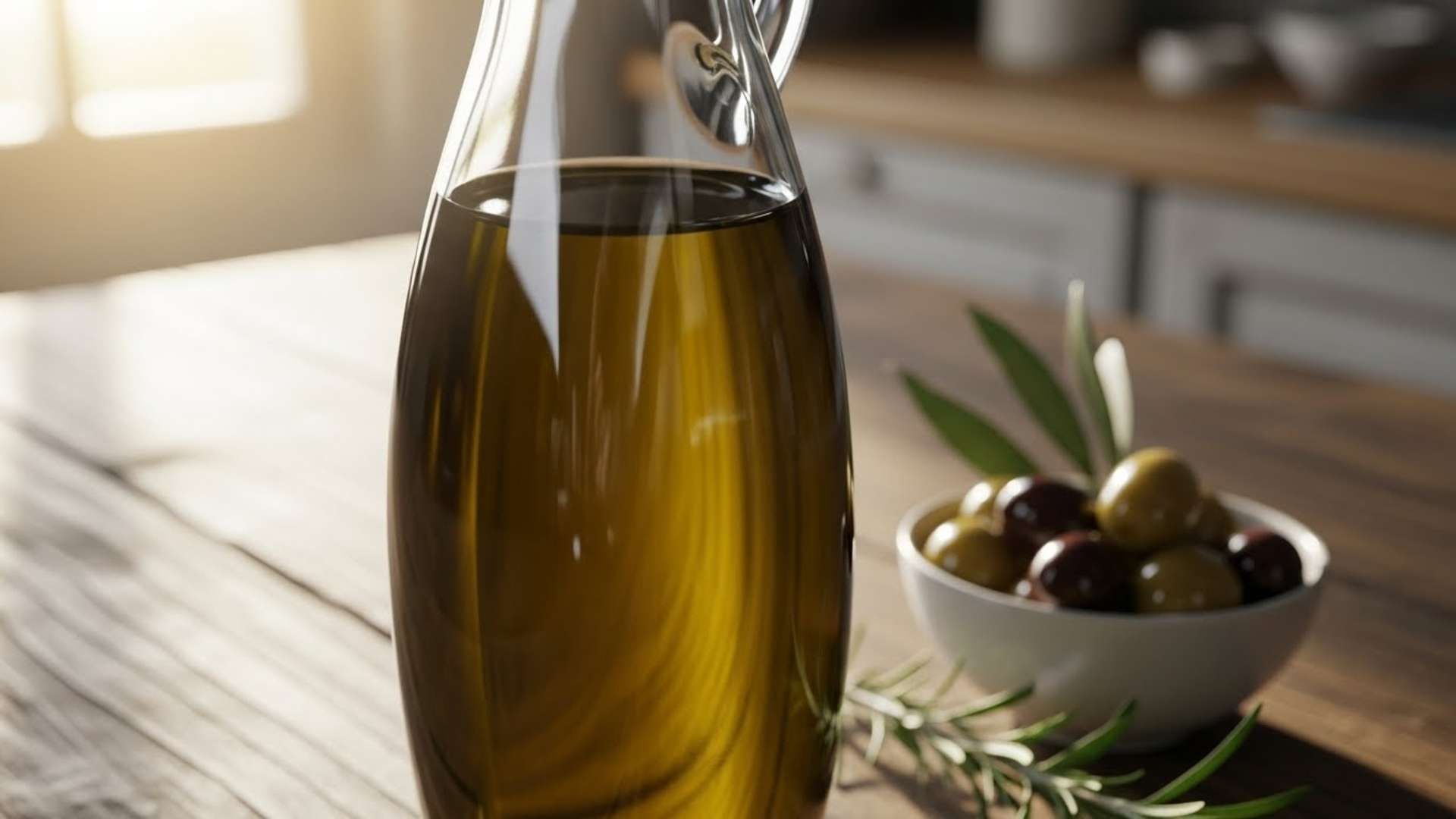
The science: A pivotal 2024 study of over 90,000 people found that consuming more than half a tablespoon daily was linked to a 28% lower risk of dying from dementia.
Why it works: It contains oleocanthal, a compound that acts like a natural ibuprofen, calming the inflammation “fire” in the brain.
Tip: Don’t just cook with it. Use it raw on salads or veggies to get the full antioxidant punch.
6. Whole Grains (The Energy Stabilizers)
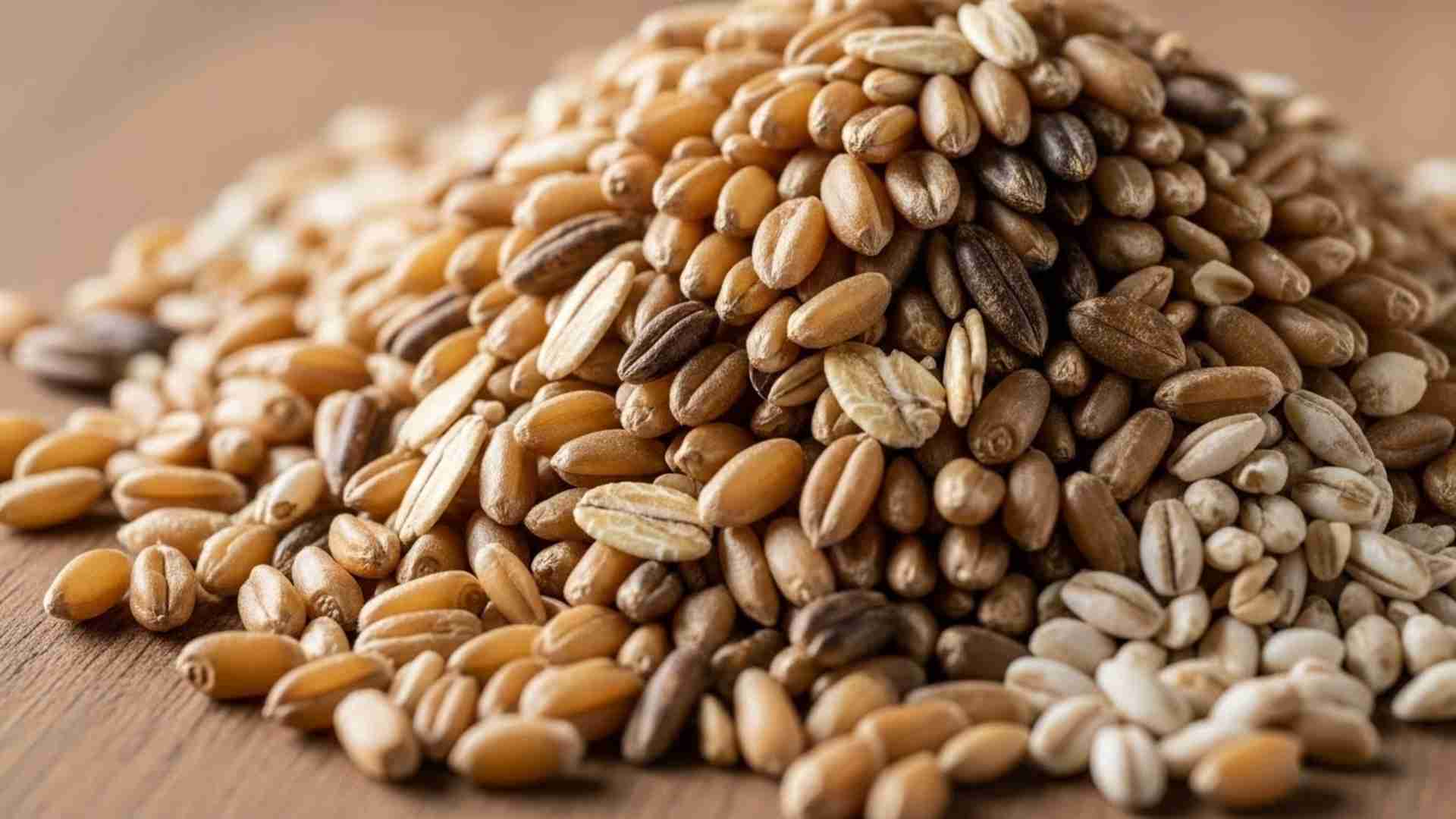
The heavy hitters: Oats, quinoa, farro, brown rice.
The science: Your brain is a gas guzzler—it uses 20% of your energy. Refined carbs (white bread, sugar) create energy spikes and crashes that cause “brain fog.” Whole grains provide a slow, steady drip of glucose (fuel) so your focus stays sharp all day.
The goal: Three servings a day. (Yes, carbs are okay, as long as they are the complex kind!)
Detox Squad
⚠ HAZMAT TEAM ⚠The heavy hitters: Broccoli, cauliflower, Brussels sprouts.
The secret weapon: Sulforaphane. This compound turns on your body’s detoxification genes. It basically calls in the hazmat team to clean up damaged cells.
Cooking hack: If you boil broccoli to death, you kill the enzyme that creates sulforaphane. Steam it lightly (3-4 minutes) so it’s still crunchy.
8. Avocados (The Absorption Helper)
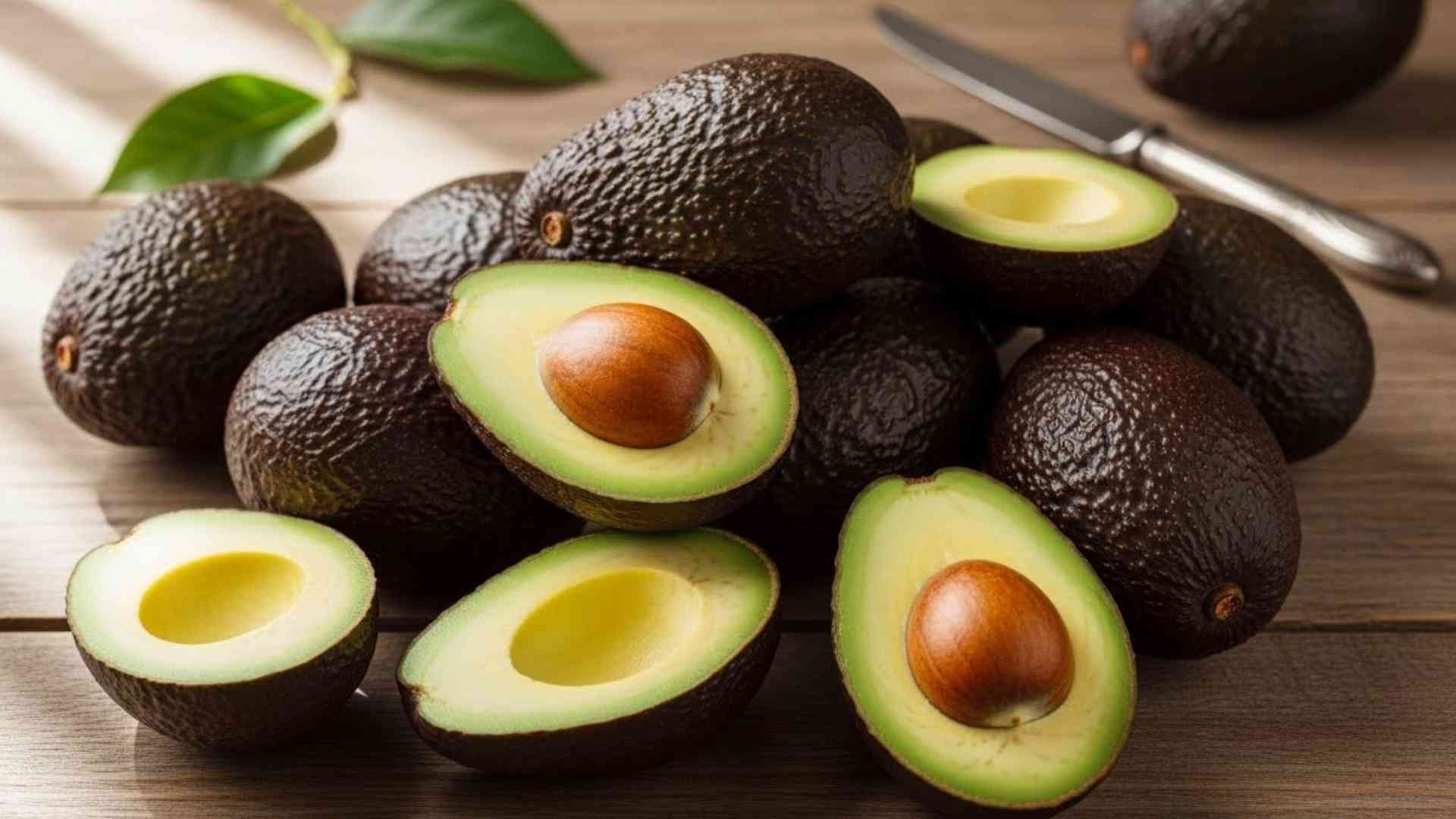
The science: A study found that eating one avocado a day for six months significantly improved working memory in older adults.
Why it works: Remember how I said you need fat to absorb nutrients from greens? Avocado is that fat. Plus, it boosts lutein levels in the eyes and brain.
The goal: Half an avocado a day is plenty.
9. Eggs (The Memory Transmitter)
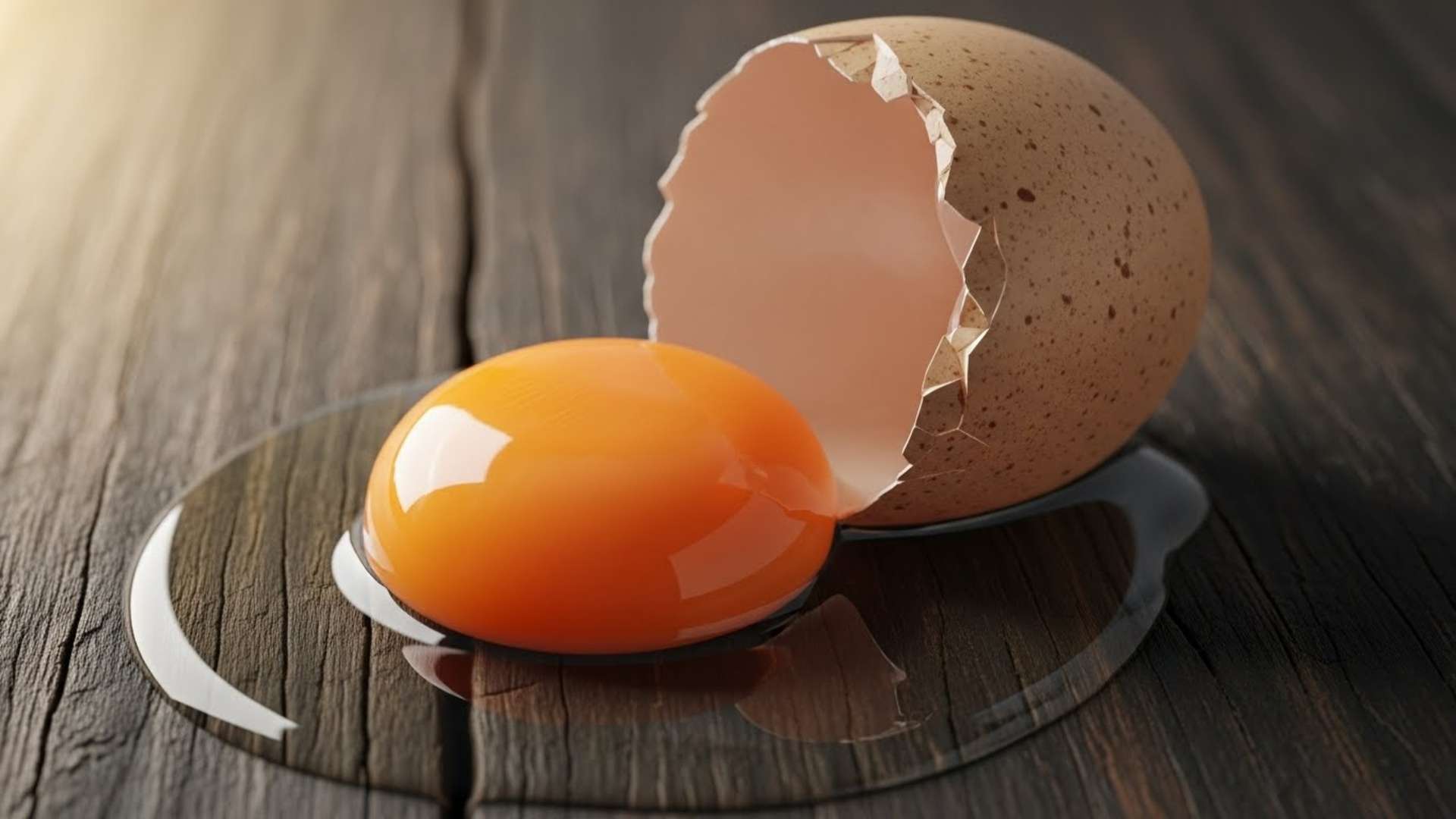
The science: Forget the old cholesterol scare. A 2024 study showed eating more than one egg a week reduced Alzheimer’s risk by 47%.
Why it works: The yolk is packed with Choline. Your brain uses choline to make acetylcholine, a neurotransmitter that is critical for memory. Low acetylcholine is a hallmark of Alzheimer’s.
The rule: Eat the yolk. That’s where the brain food is.
10. Green Tea (The White Matter Protector)

The science: A 2025 study found that seniors drinking 3+ cups a day had fewer “white matter lesions”—basically, scars in the brain’s wiring.
The mechanism: It contains EGCG and L-Theanine, which creates a state of “relaxed alertness.”
Caution: Green tea interacts with some blood pressure meds (beta-blockers) and blood thinners. Check with your pharmacist if you’re on medication.
11. Dark Chocolate (The Blood Flow Booster)
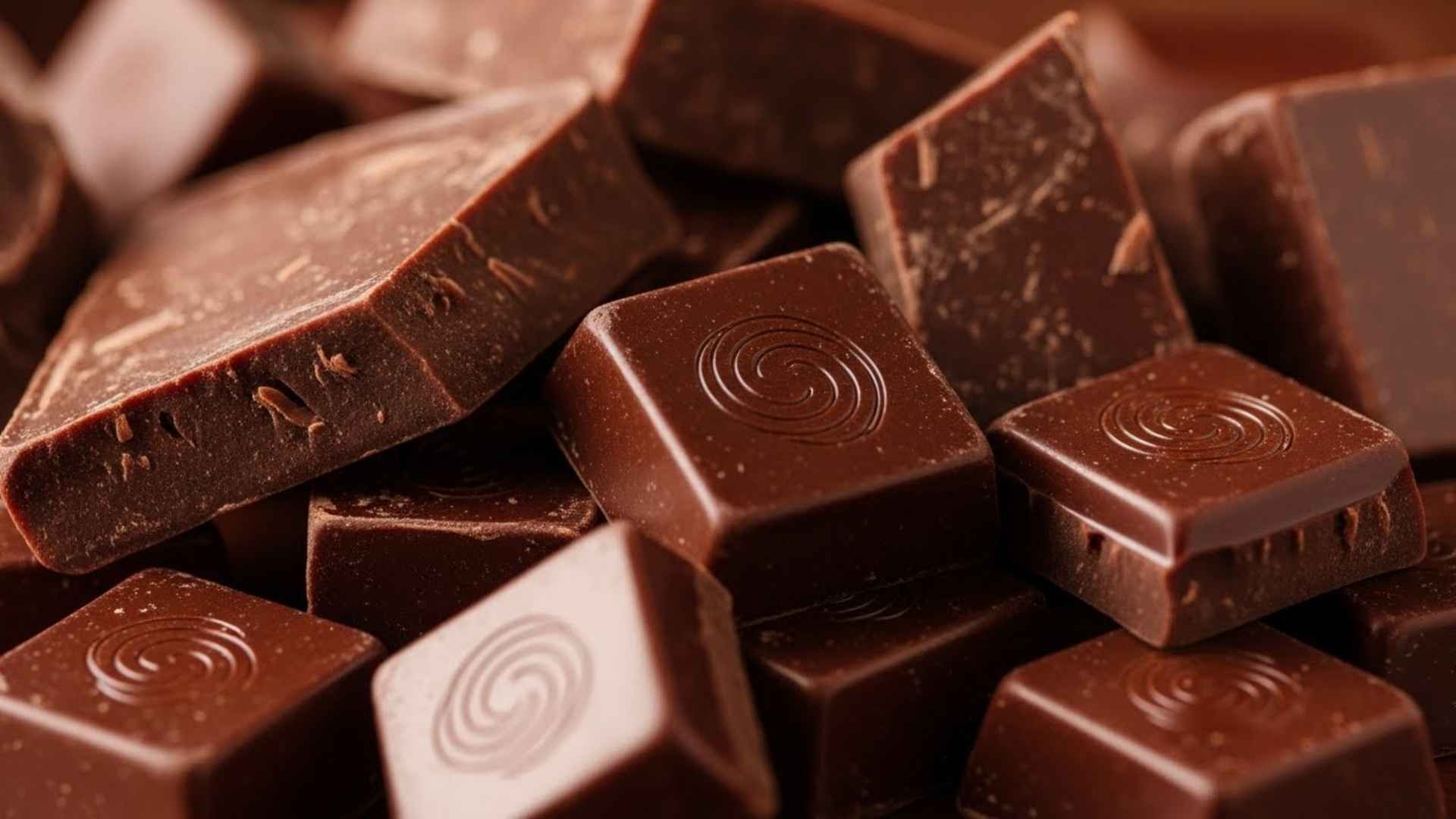
The rule: 70% cocoa or higher. Milk chocolate is just candy.
The science: Cocoa flavanols open up blood vessels (vasodilation). This increases blood flow to the hippocampus, the memory center of the brain.
The dose: You don’t need a whole bar. Just one square (1 oz) a day.
Turmeric 🌿
The Plaque FighterRates of Alzheimer’s are lower in India! Curcumin helps clear beta-amyloid plaques (the brain gunk).
Bad news: Your body is terrible at absorbing curcumin on its own.
Eat it with Black Pepper! Boosts absorption 2000% 🚀
The science: Ever wonder why Alzheimer’s rates are lower in India? Many researchers point to curry. Curcumin (in turmeric) helps clear beta-amyloid plaques (the gunk that builds up in Alzheimer’s).
The catch: Your body is terrible at absorbing curcumin.
The fix: You must eat it with Black Pepper. The pepper increases absorption by 2000%.
Need a Little Help? 5 Tools to Make This Easier
Look, changing your entire lifestyle is hard. Knowing what to eat is one thing; actually doing it when life gets busy is another. I went digging for a few high-quality tools that align with the science we’ve discussed—things that remove the friction between “I should do this” and “I actually did this.”
1. The MIND Diet (2nd Edition) by Maggie Moon, MS, RD

If you want a blueprint, this is it. Written by a registered dietitian who specializes in brain health, this book takes all the science we just talked about and turns it into practical, delicious recipes. It’s not dry academic reading; it’s a kitchen manual for your mind.
2. Nordic Naturals Ultimate Omega (Lemon Flavor)

Ideally, you eat fatty fish three times a week. But in the real world, that doesn’t always happen. This is widely considered the gold standard for fish oil because it’s high in DHA (the brain fat) and, crucially, it has a lemon essence that prevents those gross “fishy burps” that make people quit supplements.
3. 399 Games, Puzzles & Trivia Challenges to Keep Your Brain Young

We talked about feeding the brain, but you also have to work it out. Neuroplasticity requires challenge. This book by Nancy Linde is designed specifically to stretch your cognitive flexibility without being boring. It’s perfect for keeping on the coffee table instead of scrolling through your phone.
4. Thorne Curcumin Phytosome (Meriva)

Remember how I said turmeric is incredibly hard to absorb? This supplement solves that problem. It uses a patented “phytosome” technology that wraps the curcumin in a fat layer (similar to our food matrix concept), making it 29 times more absorbable than standard powder. If you aren’t eating curry every day, this is a potent backup.
5. Jade Leaf Organic Ceremonial Grade Matcha
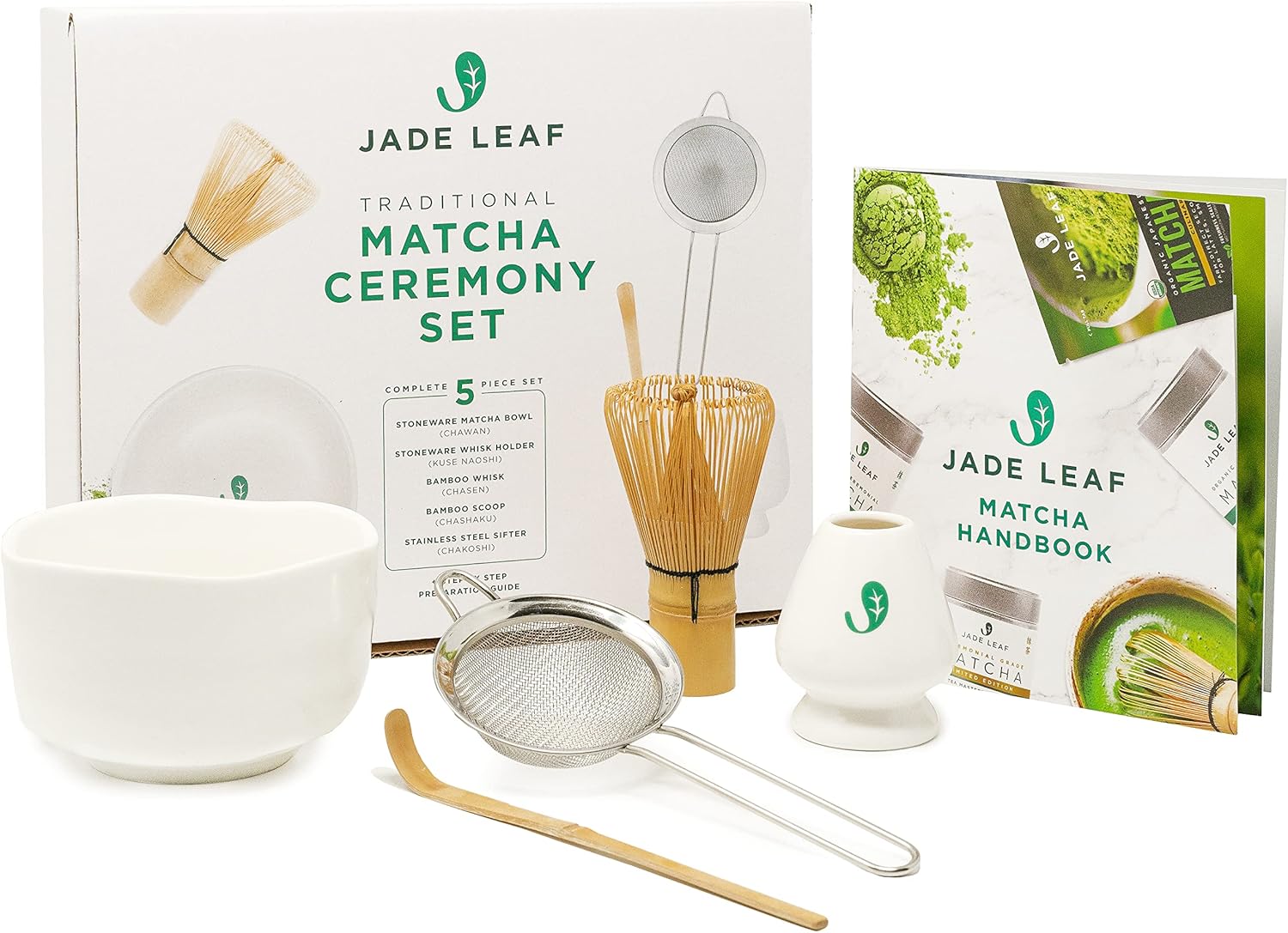
Getting in 3 cups of green tea can feel like a lot of liquid. Matcha is the whole leaf ground into powder, so you get a much higher concentration of EGCG antioxidants in a single cup. This brand dissolves easily and gives you that “relaxed alertness” without the coffee jitters.