It’s that 3 a.m. thought, isn’t it? The one that hits you in the quiet, dark moments. You forget a name, misplace your keys for the third time, and a cold little flicker of fear starts. Am I losing it? Is this the beginning of… You know?
We all fear it. Dementia. And the statistics don’t help. We hear that over 55 million people worldwide are living with it. We hear that in the U.S., over 7 million Americans have Alzheimer’s, and that number is set to nearly double by 2050. We hear that one in three people over 85 will have it. It’s enough to make you feel completely helpless, like you’re just waiting for your number to be called.
Well, I’m here to tell you that feeling is based on a lie.
It’s time we all learned the most important fact about dementia, and it should make you feel powerful, not scared: Dementia is not a normal part of aging.

Let’s get one thing straight, right here, right now. “Dementia” isn’t a single disease. It’s a broad, umbrella term for a set of symptoms—like memory loss, confusion, and reasoning problems—that get bad enough to mess with your daily life.
Alzheimer’s, on the other hand, is a specific disease that causes those symptoms. It’s the most common cause, but not the only one. And here is the single most hopeful piece of information I can give you: research from places like the Lancet Commission and Cleveland Clinic suggests that up to 40% to 60% of dementia cases may be preventable or delayed through lifestyle changes.
It is not all fated by your genes. It is not inevitable. It’s a disease, and that means we can fight it.
Our single most powerful, untapped weapon in this fight? It’s not some expensive drug or complicated brain-training app. It’s the 7-9 hours you spend in bed every night.
The problem is, most of us are getting it wrong. Over half the world’s adult population isn’t getting that recommended 7-9 hours. And the time we do spend in bed is often sabotaged by habits we don’t even realize are hurting us.
So, let’s stop thinking of sleep as just “time off.” It’s an active, powerful, neuroprotective state. And it’s time we learned how to use it.
The Brain’s Nightly Cleanup Crew (And Why We Keep Messing It Up)

You know how, after a long, busy day at the office, the place is a mess? Desks are cluttered, and trash cans are full. You go home, and when you come back the next morning, it’s all clean. The “custodial staff” came in overnight to get the place ready for a new day.
That’s exactly what your brain does every single night. Scientists call this the glymphatic system. It’s a “brain wash” that kicks into high gear after you fall asleep. Its main job? To flush out all the toxic metabolic byproducts that build up while you’re awake.
And guess what the two main “toxins” are? Amyloid-beta and tau. If those names sound familiar, they should. The sticky plaques (amyloid) and tangles (tau) formed by these proteins are the central, devastating hallmarks of Alzheimer’s disease.
This cleanup system is most efficient during your deepest, most restorative stage of sleep, known as slow-wave sleep. When you cut sleep short, or when your sleep is fragmented and light, that “custodial staff” never gets a chance to finish the job. The gunk builds up. Night after night, year after year.
(A quick note: a new 2024 study in mice has stirred up debate, suggesting this cleanup might be less active during sleep. But even the authors of that study, and all researchers in the field, agree on the undisputed outcome: chronic poor sleep is a massive risk factor for neurodegeneration. As sleep scientist Dr. Matthew Walker of UC Berkeley says, “sleep disruption is an underappreciated factor that is contributing to memory decline”.) But it’s not just a plumbing problem. It’s a chemical one, too.

- The Cortisol Problem: You know cortisol as the “stress hormone”. In a healthy body, it’s lowest at night, letting you sleep. But when you’re chronically stressed, you take that anxiety to bed. Your cortisol stays high. This is bad. Really bad. High cortisol is neurotoxic. A 2018 study found that middle-aged adults with high cortisol had smaller brain volumes—yes, brain shrinkage—and worse memory. This creates a vicious cycle: stress causes high cortisol -> high cortisol ruins sleep -> bad sleep makes you foggy -> you get more stressed about it… and on it goes.
- The Melatonin Mistake: We call melatonin the “sleep hormone,” but that’s only half the story. Yes, it’s released by your brain in darkness to tell your body it’s night. But decades of research show it’s also a powerful neuroprotective agent. It’s a potent antioxidant, it’s anti-inflammatory, and it even helps fight amyloid plaque buildup in animal models. It’s a brain-protecting drug your body makes for free.
Now, think about your phone. That bright, blue-spectrum light from your phone, tablet, or laptop is the most potent thing in your environment for suppressing melatonin.
This is, and I’m not being dramatic, a biochemical “double-hit” against your brain:
- Hit 1 (The Sleep Hit): The blue light tricks your brain into thinking it’s noon. It blocks the hormone you need to fall asleep, making you feel wired.
- Hit 2 (The Neuroprotection Hit): It also blocks your brain from deploying its most powerful, homemade, anti-Alzheimer’s drug (melatonin) right at the time it’s supposed to be on duty.
When you understand this, you realize these “bedtime habits” aren’t just fluffy suggestions. They are critical biochemical interventions. They are your battle plan.
Your 7-Point Plan for Neuroprotection, Starting Tonight
These habits are not a random list. Each one is a specific tool designed to do a job: anchor your body’s clock, lower your cortisol, protect your melatonin, and maximize that “brain-washing” deep sleep.
😴 The Ultimate Sleep Optimization Blueprint 🌙
1. Anchor Your Schedule (No, You Can’t “Catch Up”)

This is the most important habit. Your body’s 24-hour master clock craves consistency. A regular schedule keeps your melatonin and cortisol release on a tight leash.
- Myth Buster: You cannot “catch up” on sleep over the weekend. It’s biologically false. All you do is deregulate your clock, which is why it’s so hard to sleep on Sunday night. And this is scary: studies show even one single night of bad sleep can measurably increase amyloid and tau in your system.
- The 20-Minute Rule: If you’re in bed and not asleep in 20 minutes, get up. Go to another room, sit in dim light, read a (physical) book. Only return to bed when you feel sleepy. This breaks the toxic link between “bed” and “frustrated anxiety”.
2. Engineer a “Digital Sunset” (This is Non-Negotiable)

I’ve already covered the “double-hit”, but the data is stunning. A 2014 Harvard study had people read from a light-emitting e-book versus a printed book. The e-book readers:
- Took 10 minutes longer to fall asleep
- Had 55% less melatonin secreted.
- Felt less sleepy at night, but more groggy and less alert the next morning.
- Myth Buster: “Night mode” and blue-light-blocking glasses aren’t a magic fix. A 2022 review found no high-quality evidence that they improve sleep quality. Why? They don’t block the content. Reading a stressful work email or scrolling a dramatic social media feed is cognitively arousing and will keep you awake, blue light or not. Power the device down. Replace it with a physical book, a podcast, or journaling.
3. Optimize Your Environment (Think: “Cave”)

Two things matter: temperature and light.
- Cool: To fall asleep and stay in deep sleep, your core body temperature must drop by 2-3°F. A cool room (60-67°F) doesn’t just feel nice; it helps your body shed that heat. A hot room (over 70°F) fights this process, making you restless and shattering your deep sleep.
- Dark: I mean pitch black. A 2022 study showed that even “modest” light during sleep (like a TV or a streetlamp) was enough to increase heart rate and throw your body into a higher alert state. This prevents you from ever reaching the deepest, most restorative sleep. Get blackout curtains.
4. Implement a “Mind-Down” Routine (The Cortisol-Killer)

You can’t go from 100 mph to 0. You have to downshift. This 15-minute buffer is designed to actively lower that brain-shrinking cortisol.
- The 5-Minute “Brain Dump”: This is a proven winner. A 2018 study found that people who spent 5 minutes writing a specific to-do list for the next day fell asleep significantly faster than people who journaled about past events. Why? It “offloads” the worries from your brain to the paper. It gives your mind permission to shut down.
- Breathe: After your brain dump, just breathe. Five minutes of slow, deep “belly breathing” is a powerful way to manually flip the switch from your “fight or flight” system to your “rest and digest” system.
5. Use the “Warm Bath Effect” (The Sleep Paradox)

This is my favorite bio-hack. It seems backward, right? A hot bath to… cool down? Yes.
Here’s the trick: the hot water (taken 1-2 hours before bed, not right at bedtime) causes massive vasodilation—all the blood vessels in your hands and feet open wide.60 This pulls your deep internal heat to the surface of your skin. When you get out, you radiate that heat, causing your core temperature to plummet—the exact signal your brain needs to initiate sleep.
6. Set Curfews (For the Obvious Saboteurs)

- Caffeine: It works by clogging the receptors for a chemical called adenosine. Adenosine is the stuff that builds up all day to create “sleep pressure” (that feeling of being tired). Caffeine just hijacks the system. Its half-life is ~6 hours. That 4 p.m. coffee means half the caffeine is still in your system at 10 p.m., wrecking your deep sleep, even if you “fall asleep fine”.
- The Rule: No caffeine 6-8 hours before bed.
- Alcohol: This is the biggest lie we tell ourselves about sleep. “It helps me unwind.” “It helps me fall asleep.” It’s a sedative, not a sleep aid. It will knock you out. But as your body metabolizes it in the second half of the night, it causes a “rebound effect” that absolutely demolishes your REM sleep (the stage for memory and emotional processing). You wake up feeling tired, foggy, and on edge. It also worsens snoring and sleep apnea, which is itself a huge dementia risk.
- The Rule: No alcohol 3-4 hours before bed.
7. Gentle Stretching (The Final Unwind)

Vigorous exercise is fantastic for sleep… when done in the morning or afternoon. But a hard workout right before bed spikes cortisol and core body temp—the exact opposite of what you want.
Instead, think “restorative.” Five minutes of gentle neck rolls, a slow forward bend to stretch your hamstrings and back, or a relaxing “Child’s Pose”. This releases the day’s physical tension from your muscles, preventing those little spasms or aches that can wake you up.
Need a Little Extra Help? A Few Tools to Support Your New Routine
I get it. Changing habits is tough, and our modern world doesn’t always make it easy. While no single product is a magic bullet, sometimes the right tool can make sticking to these new habits so much easier. Think of these as supports—little helpers that make the right choice the easiest choice.
Here are a few types of products that directly support the habits we’ve talked about:
1. Blackout Curtains

Why they help: This supports Habit 3 (“The Cave”). These are your first line of defense against light pollution from streetlamps or cars. Even modest light during sleep can increase your heart rate and pull you out of deep, restorative phases. Total darkness signals to your brain that it’s time for cleanup, helping to protect your sleep quality all night long.
2. A Simple “Brain Dump” Journal
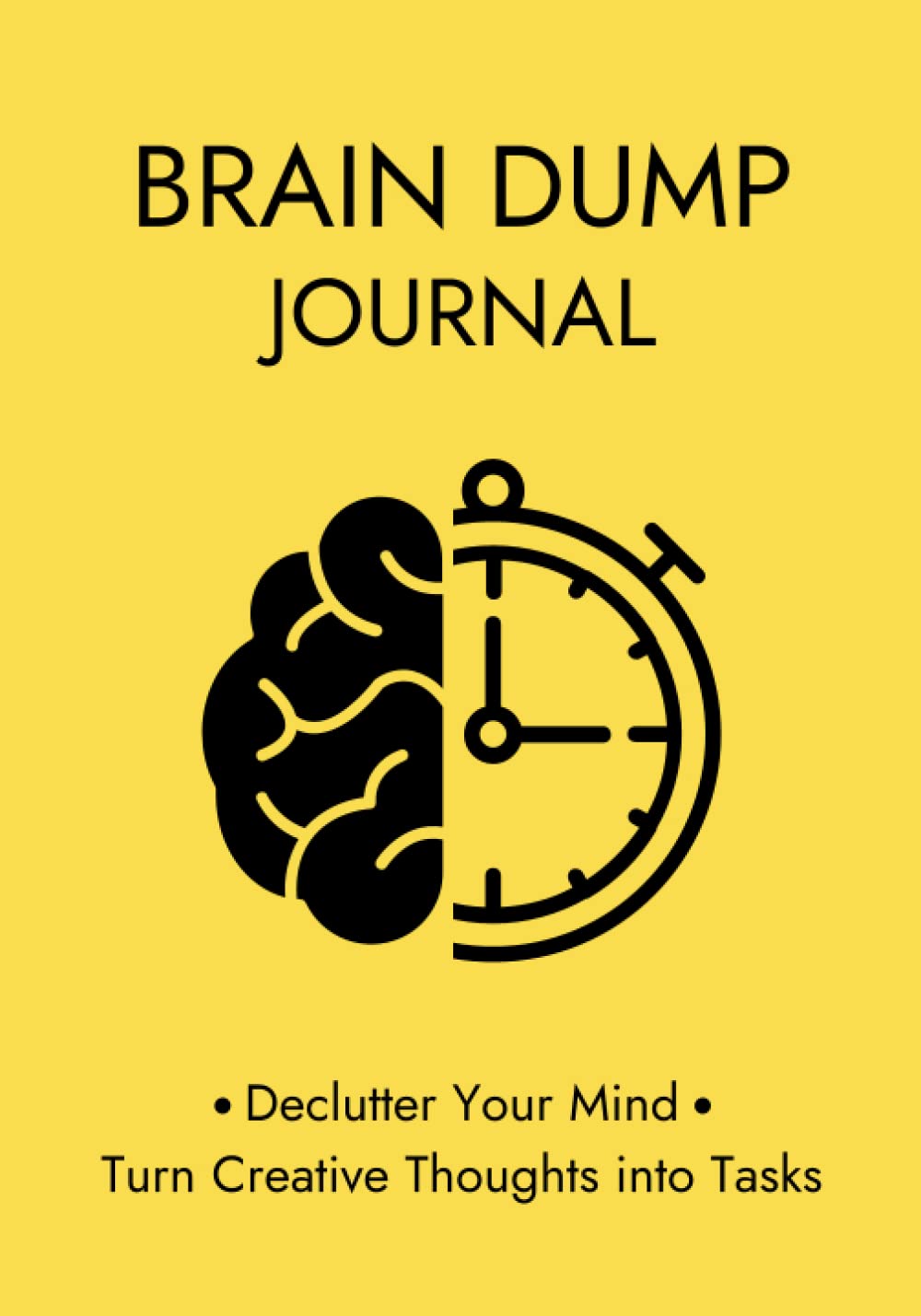
Why it helps: This is for Habit 4 (“The Mind-Down”). You don’t need anything fancy, just a dedicated notebook you keep by your bed. The science is surprisingly specific: the act of writing a specific to-do list for the next day physically “offloads” worries from your brain. This quiets that racing, “what-if” part of your mind and has been shown to help people fall asleep significantly faster.
3. An E-Ink Reader (like a Kindle Paperwhite)

Why it helps: This is the perfect compromise for Habit 2 (“The Digital Sunset”) if you just can’t give up reading on a device. Unlike your phone, computer, or tablet, which blasts blue light directly into your eyes and suppresses neuroprotective melatonin, an e-ink screen is different. It’s front-lit, not backlit, so the light shines onto the page, just like a physical book. It’s a much safer way to read and relax without waging war on your brain’s chemistry.
4. A Basic Yoga or Stretching Mat

Why it helps: This supports Habit 7 (“The Gentle Stretch”). Often, the biggest barrier to a new habit is just… starting. Having a dedicated space, even just a small mat you can roll out, serves as a physical cue to do your 5-10 minutes of pre-bed stretches. This simple routine helps release muscle tension from the day, especially in the neck, shoulders, and back, preventing those little aches that can wake you up from a deep sleep.
5. Amber or Red-Hued Light Bulbs
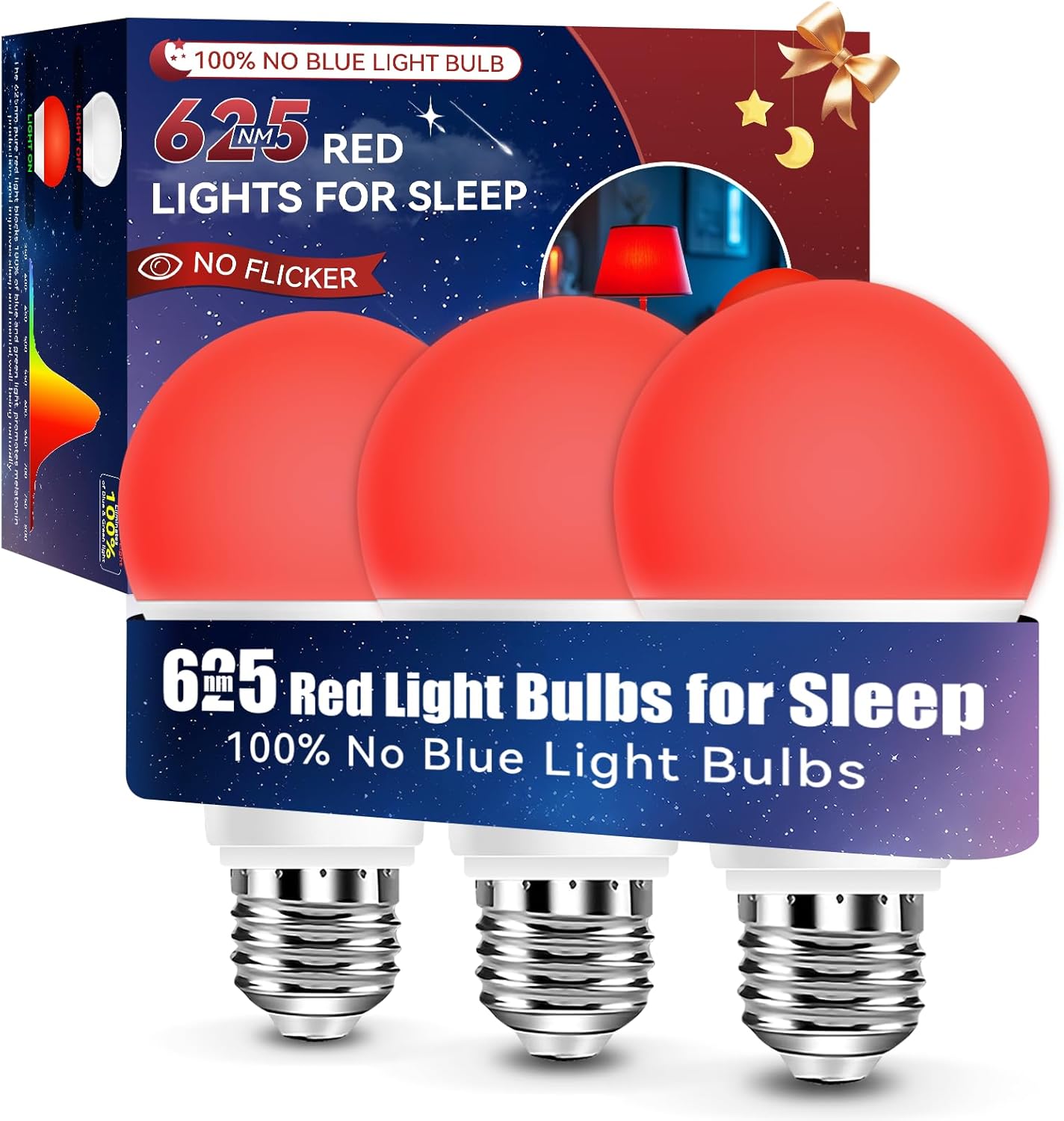
Why they help: This is a key tool for Habits 2 and 3. For that 30-60 minute “wind-down” period before bed, swap out your bright white or blue-toned bedside and bathroom lamps. Amber and red light have a much longer wavelength and are far less stimulating to your brain. Using these bulbs allows you to see what you’re doing (brushing teeth, reading, journaling) without signaling “daytime” to your brain and suppressing your body’s natural melatonin production.
Let’s Kill Two Final Myths and Get You to Bed
Look, I know this is a lot. It’s easy to read this and feel overwhelmed. It’s much easier to just fall back on two of the most dangerous myths in all of health.
Myth #1: “You just need less sleep as you get older.”
This is dangerously false.71 The National Institute on Aging and the Sleep Foundation are crystal clear: older adults (65+) still need 7-9 hours of sleep every night. The truth isn’t that your need goes down; it’s that your ability to get good, deep sleep gets worse. Believing this myth makes you accept bad sleep as “normal,” when it’s actually a red-flag warning.
Myth #2: “Dementia is genetic. If it’s in your family, you’re doomed.”
This is pure fatalism, and it’s wrong. Only about 1% of Alzheimer’s is caused by “deterministic” genes that guarantee it. For the other 99% of us, genes (like APOE4) are just one factor. A 2020 NIH-funded study found that people who followed just 4-5 healthy lifestyle habits had a 60% lower risk of Alzheimer’s.
Listen to Dr. Awate Amara, a neurologist at the University of Alabama at Birmingham. She said that studies have shown, “Even the people who had that genetic risk [for Alzheimer’s] could protect themselves if they were good sleepers”. Read that again. Your sleep habits are so powerful that they can fight back against your genetic risk.
You are not helpless. Your future is not set in stone. It’s written in the small, consistent choices you make every day. And it’s especially written in the choices you make in the hour before you go to bed. Don’t try to do all seven of these tonight. That’s a recipe for stress, which defeats the whole purpose.
Just pick one. Maybe tonight, you just plug your phone in across the room. Maybe tomorrow, you swap that “nightcap” for a warm bath. Maybe this weekend, you don’t sleep in, and you see how you feel on Sunday night.
This isn’t about being perfect. It’s about being consistent. These habits work together. They are your shield. The fight for your future brain starts tonight. Sleep well.