The ‘Underconsumption Core’ Travel List: 15 Destinations Where Simple Living Feels Like Luxury

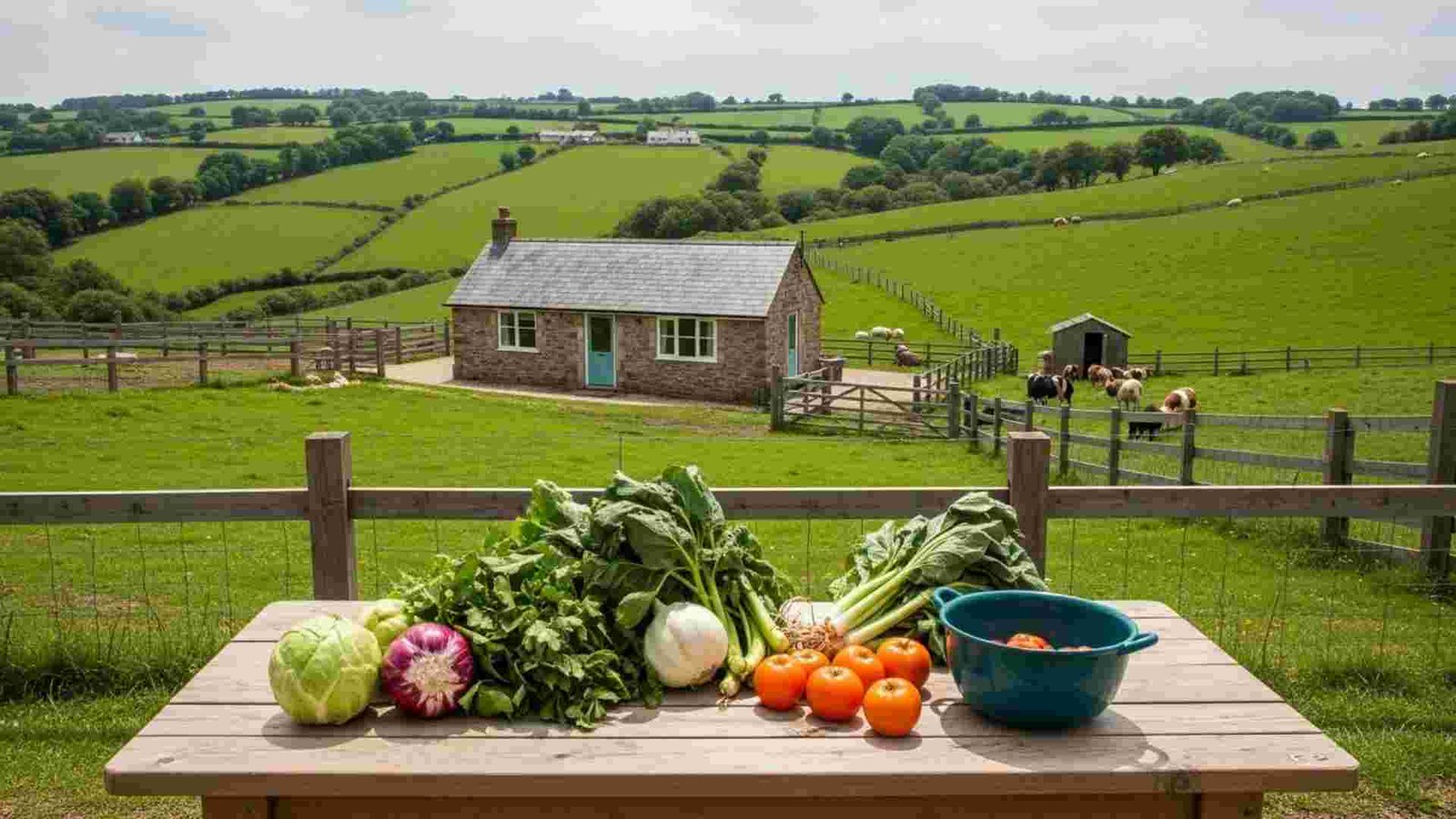
Picture the scent of fresh earth after a morning rain, the hum of birdsong filling the air as you step into a world untouched by the rush of modern life. In a time when excess is the norm, there’s a growing movement towards simple living, where luxury isn’t measured by grandeur but by connection— to nature, culture, and self.
This list uncovers 15 destinations where tranquility, authenticity, and sustainable living are at the heart of the experience. Ready to leave behind the noise and discover places where less truly means more? Join us for a journey that will shift your perspective forever.
1. Bhutan
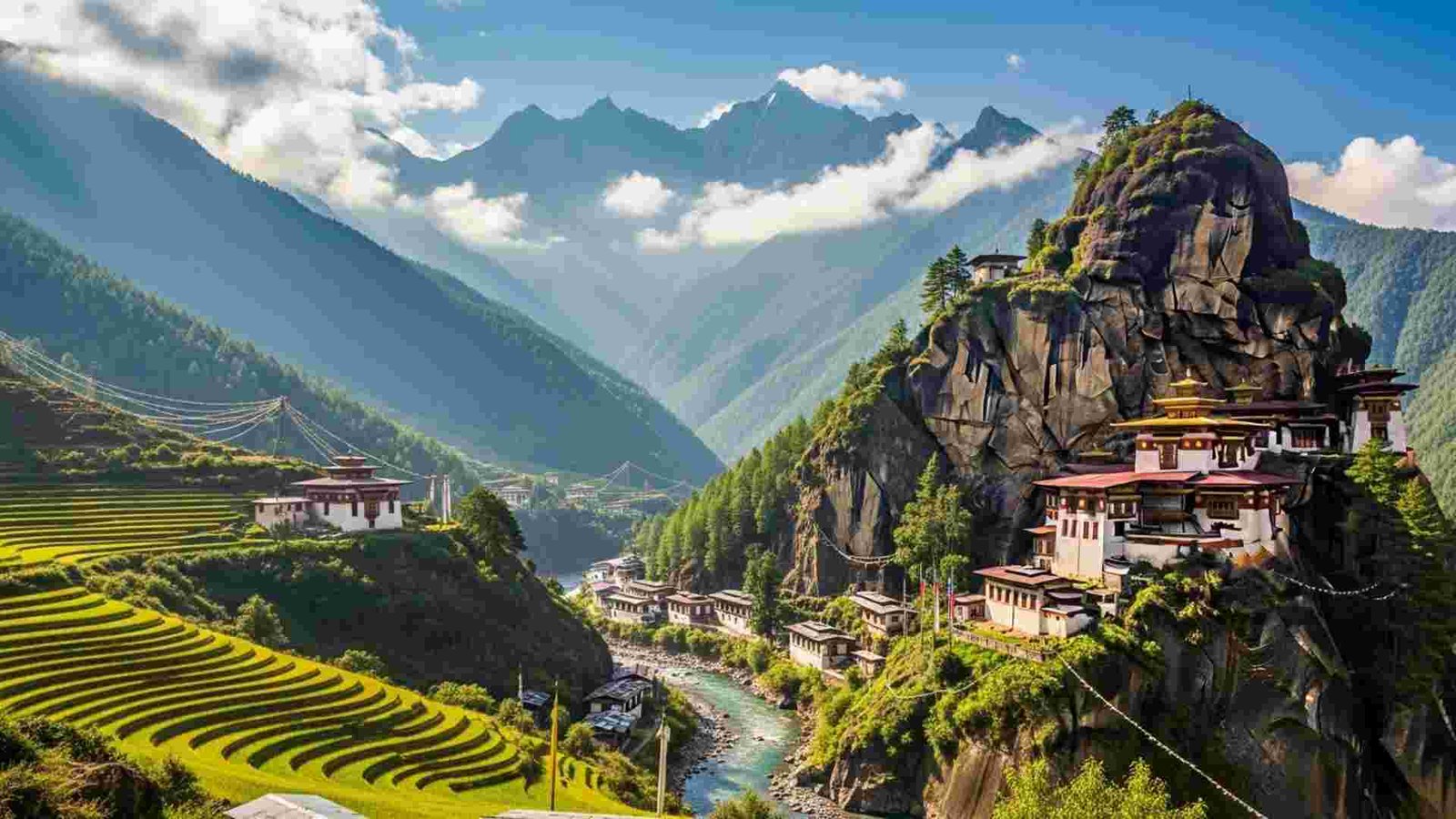
And we begin with Bhutan — the kind of place where simple living feels like luxury because the whole vibe is slow, mindful, deeply connected to nature and tradition. First off: culturally, Bhutan packs a punch. It remains one of the few countries with a deeply embedded Buddhist heritage, dzongs , and a governmental focus on Gross National Happiness. The landscapes are wild: steep mountains, bamboo forests, roaring rivers. You’ll find yourself staying in simple lodges, breathing cold crisp air, listening to chortens and prayer flags ripple in the wind.
between January and June 2025 the country recorded a +31.66% increase in tourist arrivals compared to the same period in 2024. And in 2024 there were ~145,065 tourists, up 41% over. The numbers are still modest compared to many destinations, which means you’re not just another face in the crowd. When you visit, you’ll notice things designed to preserve simplicity: travel in Bhutan often means daily Sustainable Development Fee (SDF) applied by the government, lodges in mountain valleys not mega‑resort hotels, and a feeling of stepping out of the race. Think of it like staying in a cozy cabin in the woods rather than a skyscraper hotel.
Practical Information:
- Peak / Off‑peak seasons: Spring (March‑May) and autumn (Sept‑Nov) are ideal—clear skies and comfortable mountain temps. Winter is cold and some high passes close; summer brings monsoon rain.
- How to reach & explore: You’ll fly into Paro Airport (dramatic approach), then travel by road to valleys like Thimphu or Punakha. Getting around takes time—mountain roads, scenic but slower.
- Ideal duration: 7‑10 days gives you time to acclimate, visit a couple of valleys, do one long mountain hike or monastery visit.
- Must‑try local experiences: Stay in a traditional Bhutanese farmhouse‑style lodge, join a monk‑led prayer session, hike to the famed Tiger’s Nest (Taktshang), sample buckwheat pancakes and yak cheese.
- Budget considerations: Bhutan is not low budget—the SDF drives cost up compared to many “simple‑living” escapes, but you’re paying for the stillness, the landscape, the cultural depth.
- Cultural etiquette tips: Dress modestly; remove shoes when required; ask before photographing monks or sacred sites; show respect for local customs (bowing slightly, using right hand, etc.).
- Photography opportunities: Every dawn in the valleys is spectacular; monasteries clinging to cliffs become magical in golden‑hour light; the prayer flag‑strewn ridges offer timeless frames.
2. Faroe Islands
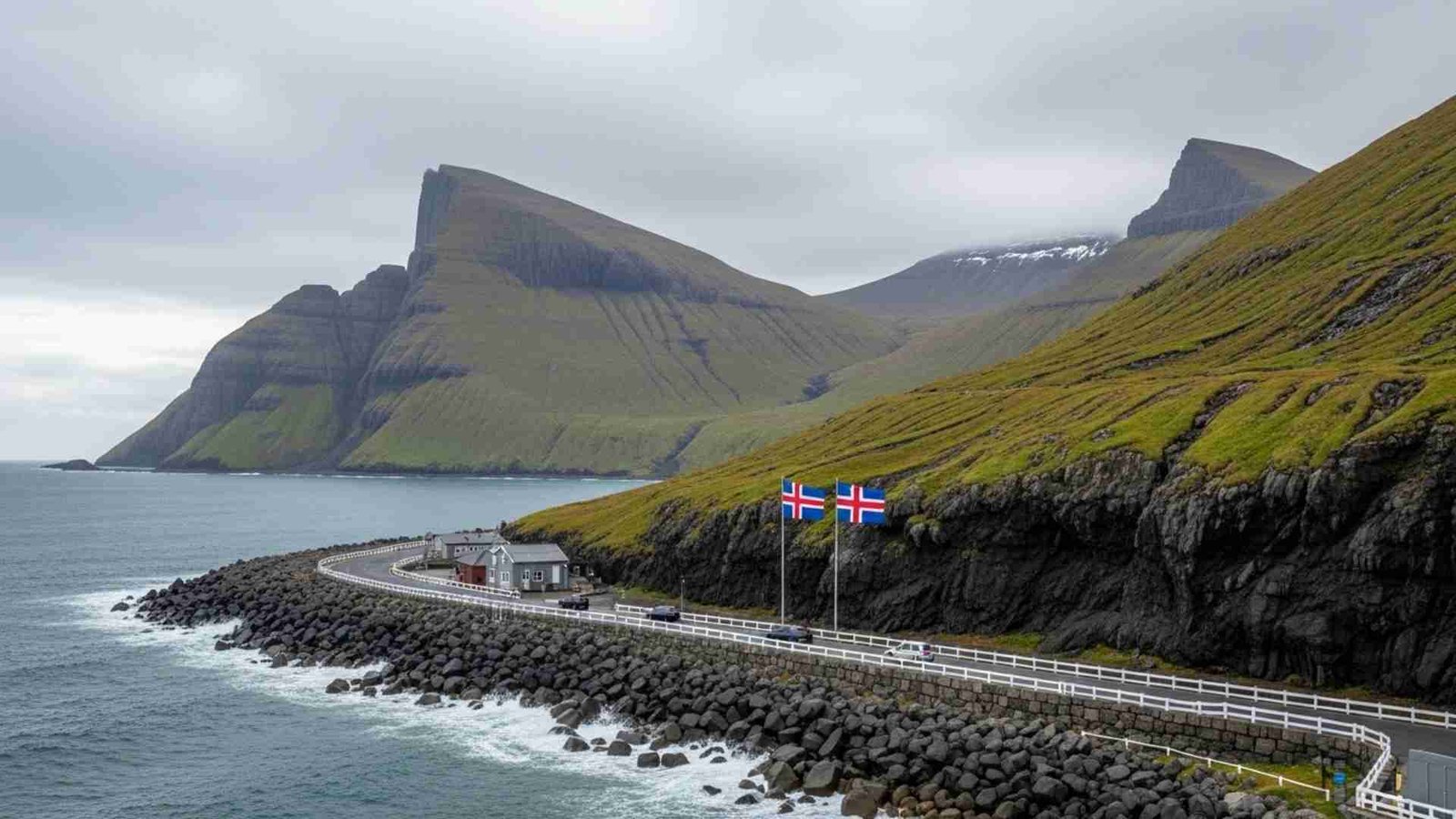
Let’s slide over to the Faroe Islands — 18 remote North Atlantic islands (of which 17 are inhabited) that feel like nature’s own minimalist retreat. With a population of around 54,149 (2023) and landscapes defined by fjords, sea cliffs, turf-roofed homes and almost mystical skies, it’s the kind of destination where simplicity is the luxury. You’re not bombarded by neon lights and tourist malls — you’re immersed in wild green slopes, crashing waves, and villages that time forgot.
the islands receive about 130,000 tourists a year in a place with only ~55,000 residents. That means you’ll often find yourself with large stretches of landscape to yourself or with very few others, which reinforces the “simple = luxury” vibe. And unlike big resort destinations, exploring here means ferry rides, tunnels through mountains, walking to little churches perched on cliffs, unpredictable weather that changes in minutes. The pace slows. You feel the rhythm of sea and wind. Which is exactly why this fits the list.
Practical Information:
- Peak / Off‑peak seasons: Summer (June‑August) offers the longest daylight and milder weather; winter is dramatic (short days, storms) and trekking/hiking may be more challenging.
- How to reach & explore: Fly into Vágar Airport (only airport) then rent a car or use ferry/hydrofoil to reach different islands. Driving involves tunnels and bridges; weather can slow things.
- Ideal duration: 5‑7 days minimum to see a couple of islands and not just rush through.
- Must‑try local experiences: Walk the coastal path at Sørvágur, visit the turf‑roofed village of Saksun, go bird‑watching (puffins, etc.), taste Faroese lamb cooked in peat or smoked – simple food, big taste.
- Budget considerations: It’s more expensive due to remoteness and imports; simple stays (guesthouses) cost more than you might expect. But you’re trading dollars for stillness.
- Cultural etiquette tips: Locals treasure their peace—be quiet in village settings, respect sheep pastures (gates), pay attention to sudden weather changes and local advice.
- Photography opportunities: Cliffs and sea stacks (like Drangarnir), grass‑roof houses against dramatic skies, reflections in fjord stillness. Magic for photographers.
3. Patagonia (Chile & Argentina)
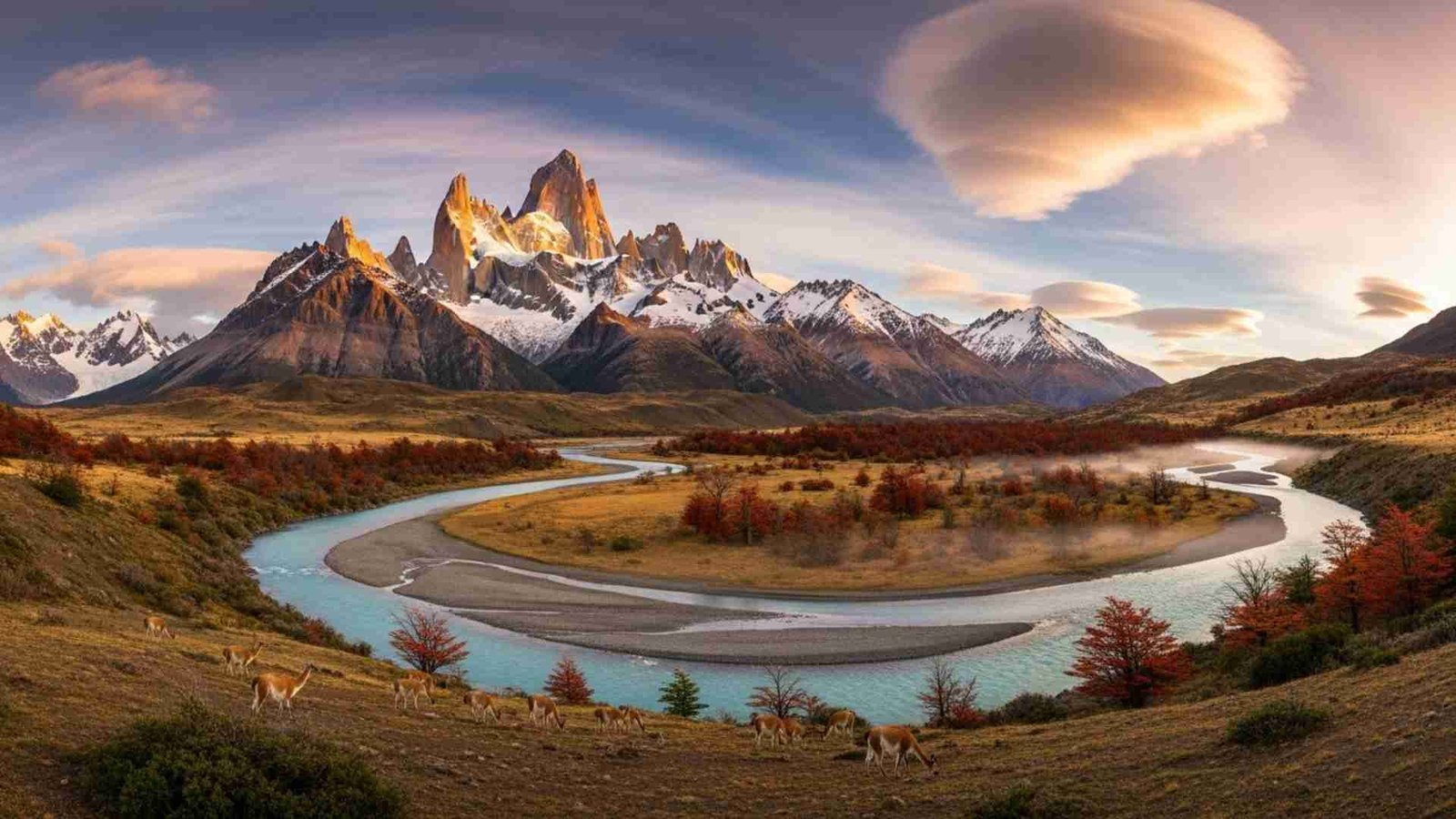
And then there’s Patagonia — the kind of place where you feel small in the best possible way. This enormous region spans about 673,000 km² across southern Chile and Argentina. Think of sweeping steppes, towering peaks, glaciers, fjords, winds that blow like they mean business. It’s simple living turned up to full volume because you’re living in raw nature, maybe staying in a rustic estancia (ranch) rather than a polished resort.
Chile’s tourism sector is surging again; for example in 2024 Chile’s foreign visitor numbers jumped sharply (5.2 + million foreign visitors, up ~40% year‑on‑year) which means better access and infrastructure, though the remote areas remain uncrowded if you choose carefully. Your “luxury” is the landscape and time. weather changes fast, travel distances are long, accommodations often basic but scenic. You might hike one day, kayak past an iceberg the next, and wine & dine in a simple lodge that feels more like a cabin.
Practical Information:
- Peak / Off‑peak seasons: For the Chilean side, summer (December‑February) is warmest and busiest; spring/fall (Nov/Mar) offer fewer crowds and good light but variable weather.
- How to reach & explore: Fly into Punta Arenas or El Calafate, then road or boat into national parks like Torres del Paine (Chile) or Los Glaciares (Argentina). You’ll often have to plan long travel legs.
- Ideal duration: 8‑12 days to really experience multiple zones without feeling rushed.
- Must‑try local experiences: Stay in a remote estancia, take a glacier trek or boat ride, camp/walk under star‑filled skies, taste Patagonian lamb and local craft beer.
- Budget considerations: Remote means cost adds up (transport, park fees, guides). But you don’t necessarily need the ultra‑luxury hotel to feel privileged; nature is the indulgence.
- Cultural etiquette tips: Respect park guidelines (leave no trace), in remote communities be humble—you’re a guest in a wild place.
- Photography opportunities: Sunrise on granite spires, reflections in pristine lakes, ice‑blue glaciers, vast skies. Really, your phone will complain about overuse.
4. Mongolia (especially the Gobi Desert region)
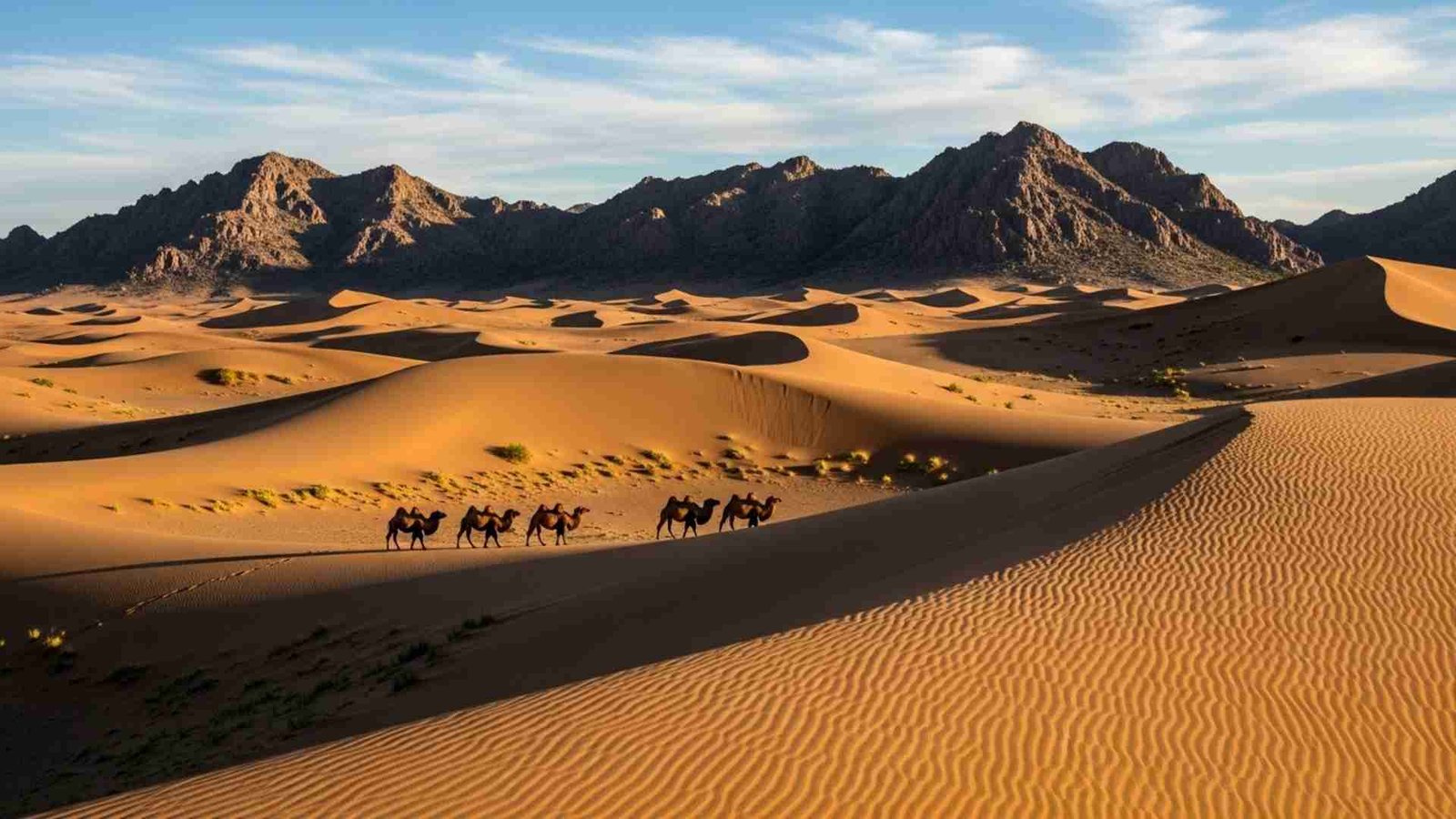
Mongolia is one of those destinations that feels “everyday luxury” for simplicity. Vast empty steppes, the Gobi desert’s sand dunes, ger (yurt) camps under open skies. Roughly one‑third of Mongolia’s population is still nomadic or semi‑nomadic. You stay somewhere basic in terms of infrastructure, but you wake up in a wide‑open landscape and breathe in freedom.
by early September 2025 Mongolia had ~617,000 visitors—just one part of the year. The government has a goal of 1 million foreign tourists by 2025. So it’s still off the massive tourist radar compared to hotspots. This means you get quiet nights, meaningful encounters with nomadic families, real cultural immersion.
Practical Information:
- Peak / Off‑peak seasons: Summer (June‑August) is best for travel—warm, accessible; spring/fall are cooler but still workable; winters are extreme and only for the very adventurous.
- How to reach & explore: Fly into Ulaanbaatar, then road or light aircraft to Gobi or Altai regions. Travel times are long, roads rough. Use a local guide for the real experience.
- Ideal duration: 7‑10 days is good to cover one region (e.g., Gobi) and have some downtime. Longer if you want multiple landscapes.
- Must‑try local experiences: Stay overnight in a ger camp, meet nomadic herders, go camel riding, stargaze over pristine steppe, explore ancient petroglyphs.
- Budget considerations: “Basic” doesn’t always mean cheap because transport/logistics cost; pick simple lodges or camps to keep cost down; eat locally.
- Cultural etiquette tips: Show respect to elders, when entering a ger step over the threshold (don’t step on it), use right hand for food sharing, remove boots when invited.
- Photography opportunities: Endless skies, solitary horses, dunes meeting steppe, yurt circles at dawn—minimalism at its photographic best.
5. Albania
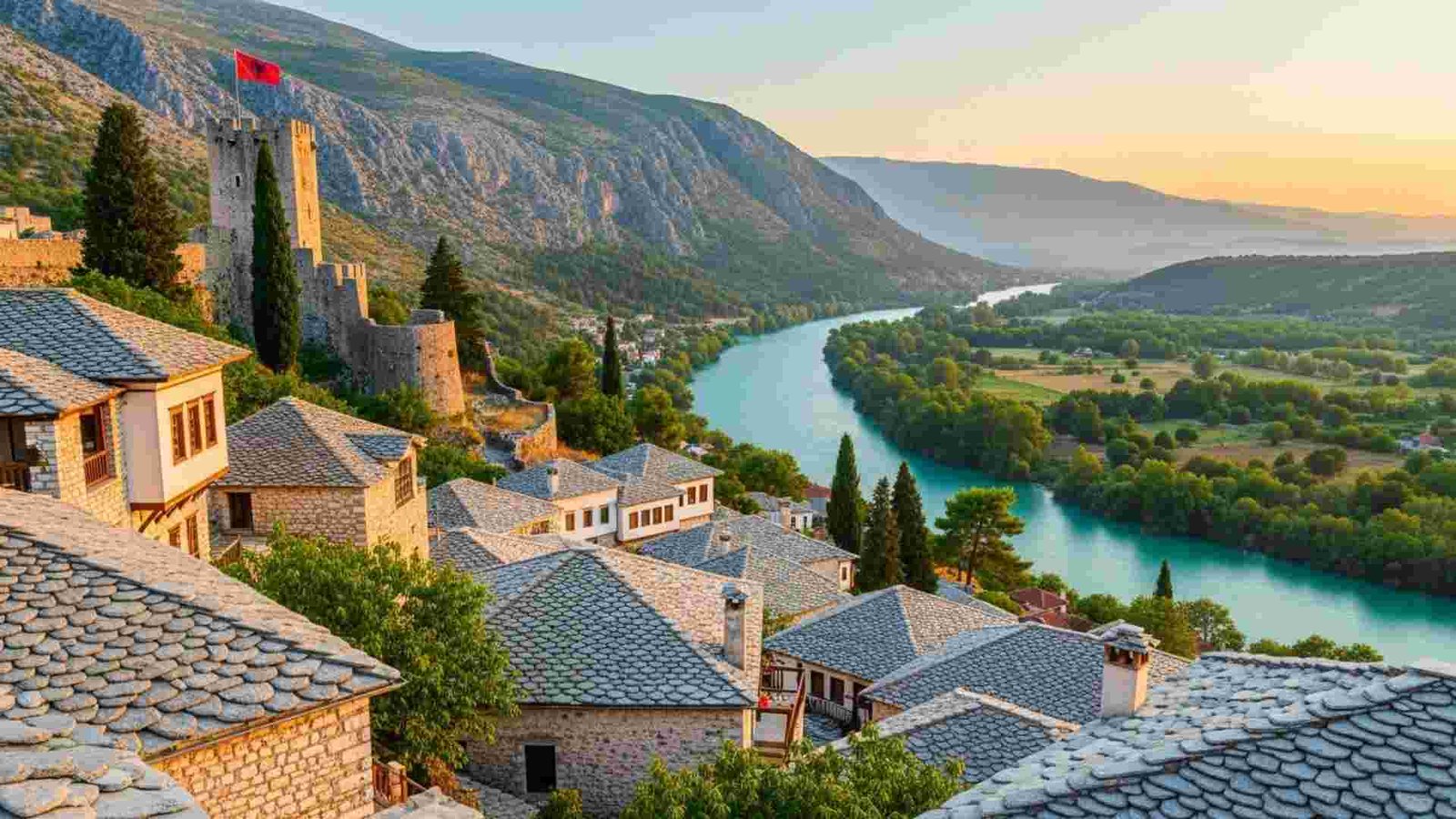
Albania often flies just below the radar of mainstream tourism — which is perfect for the “underconsumption core” feeling. With around 11.7 million international visitors in 2024, and expectations of more in 2025. Yet the country still offers villages, coastlines, mountains, old towns with authenticity and relatively fewer hordes. When you’re there, you can slow down.
You’ll find the Albanian Riviera’s warm beaches, the rugged Albanian Alps with shepherds and stone villages, and ancient towns like Berat or Gjirokastër with Ottoman‑era architecture. It’s not polished in the way big luxury resorts are — and that’s the point. The “luxury” lies in wide‑open hills, seaside taverns where time doesn’t rush, inexpensive stays that feel genuine rather than manufactured.
Practical Information:
- Peak / Off‑peak seasons: Summer (June‑Sept) for beach time; spring (April‑May) and autumn (Sept‑Oct) are great for cooler weather, fewer crowds, mountain hiking.
- How to reach & explore: Fly into Tirana, then use road or coastal buses. Rent a car for flexibility, especially for rural / mountain areas.
- Ideal duration: 5‑8 days lets you hit coast and one inland region; 10+ days if you want to linger and explore remote villages.
- Must‑try local experiences: Walk around Berat’s white‑washed houses, hike in the Albanian Alps, drive the scenic coast from Sarandë up to Vlorë, sample local seafood and mountain cheese, stay in a village guesthouse under stars.
- Budget considerations: Very cost‑friendly relative to Western Europe; simple accommodation, local transport and meals are affordable. Great value.
- Cultural etiquette tips: Albanians are very welcoming; a handshake and smile go a long way; modest dress in mountain villages; in rural communities ask permission before taking photos of people.
- Photography opportunities: Sunset over the Ionian Sea, stone bridges and lantern‑lit alleys in old towns, panoramic mountain ridges of the Alps, local life in quiet villages.
6. Costa Rica (Rural & Rainforest Retreats)
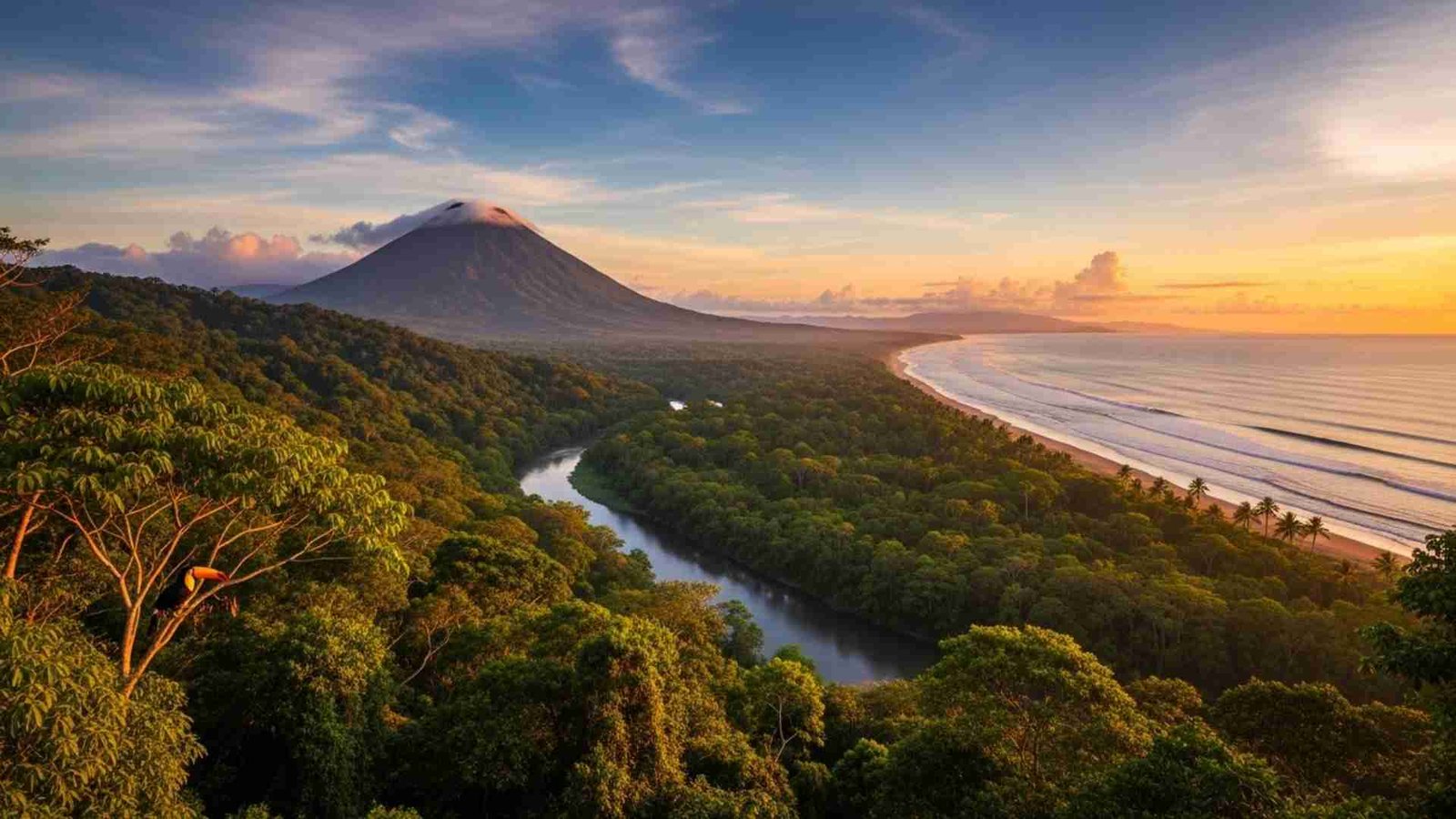
Costa Rica’s allure lies in its simplicity—nature takes center stage here, and the pace of life slows down to match the rhythm of the jungle. But skip the crowded beaches and eco‑resorts, and head deeper into the cloud forests or rural towns like San Gerardo de Dota. The locals’ easy-going lifestyle, full of “pura vida” (pure life), is contagious. Picture yourself in a rustic mountain lodge, sipping coffee grown in the valley, surrounded by dense greenery and the calls of exotic birds.
But what might surprise you is the feeling of connection you gain with nature. Hiking through Monteverde or Corcovado National Park isn’t just about witnessing wildlife—it’s about being part of the environment. From turtle conservation projects along the Pacific coast to visiting organic coffee farms, simple living feels deeply impactful here. It’s about participating in environmental preservation while being engulfed by untamed beauty.
Practical Information:
- Peak / Off‑peak seasons: Dry season (December‑April) is best for outdoor activities, but the rainy season (May‑November) brings fewer crowds and lush landscapes.
- How to reach & explore: Fly into San José, then take a bus or private transport to rural towns. Road trips are the best way to explore remote areas.
- Ideal duration: 7‑9 days to explore both coastal areas and rainforests without feeling rushed.
- Must‑try local experiences: Visit a cloud forest reserve, hike to waterfalls in the jungle, try local dishes like “gallo pinto” (rice and beans), and experience the vibrant biodiversity.
- Budget considerations: Costa Rica offers a mix of budget and mid‑range accommodation. Off-the-beaten-path stays (like in rural areas) are more affordable.
- Photography opportunities: Wildlife close-ups (monkeys, toucans, sloths), misty cloud forests, and sunrise over volcanoes.
7. Laos (Luang Prabang & Countryside)
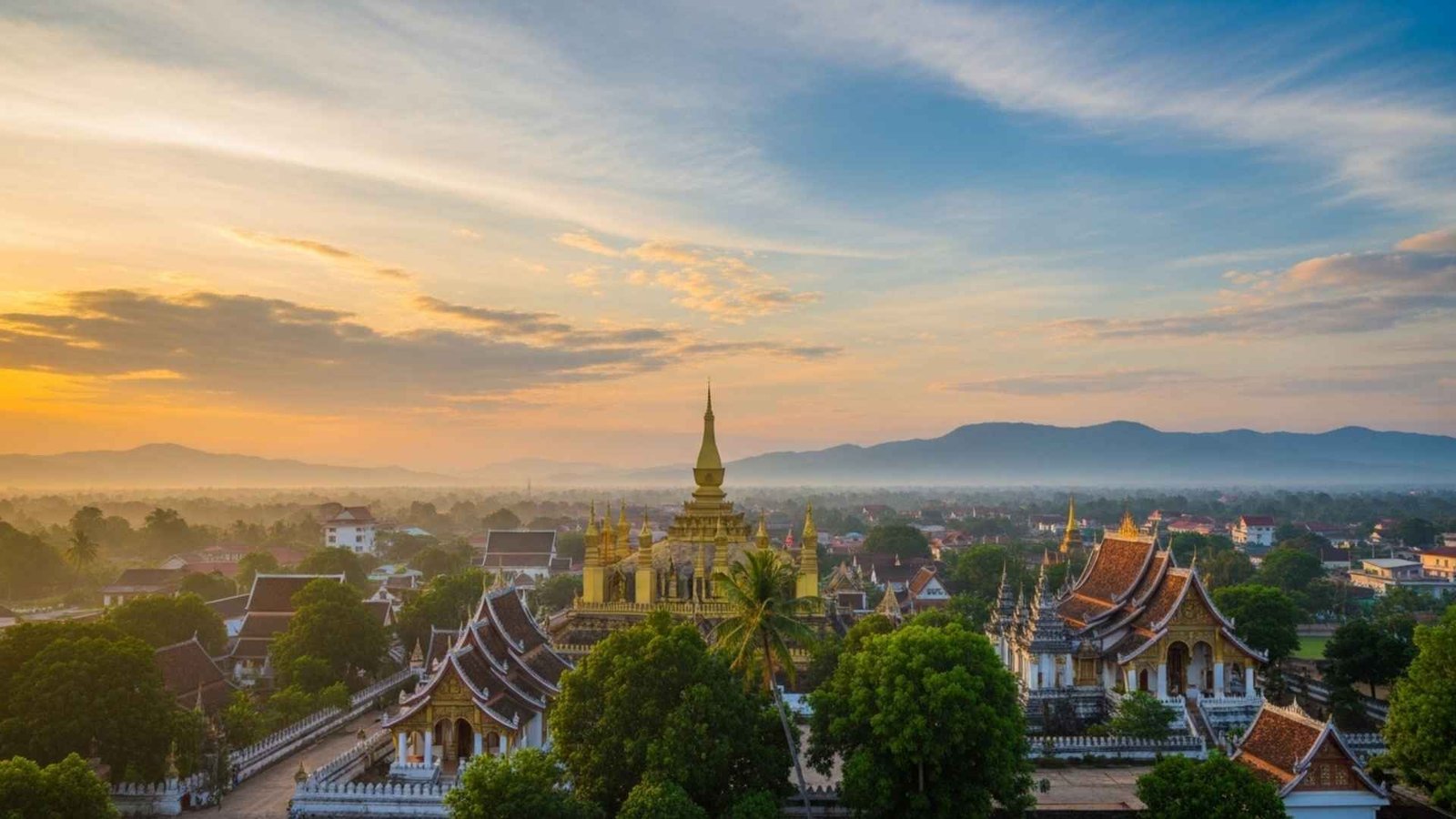
In Laos, it’s the quiet moments that make all the difference. The ancient city of Luang Prabang, nestled on the banks of the Mekong River, is the heart of the country’s spiritual and cultural soul. Its UNESCO-listed temples, where monks walk the streets at dawn in saffron robes, evoke a deep sense of serenity. But venture into the countryside, and you’ll find an even deeper connection to the land.
Laos isn’t about buzzing tourism. It’s about the small, authentic details—the crackling of a wood fire as the sun sets over lush rice paddies, the sound of a bamboo bridge creaking under your feet, or watching local artisans weave silk scarves in remote villages. You’ll encounter slow, meaningful exchanges with locals—whether you’re sharing a meal in a humble Lao home or learning about sustainable farming practices from indigenous tribes.
Practical Information:
- Peak / Off‑peak seasons: Dry season (November‑February) offers clear skies and cooler temperatures.
- How to reach & explore: Fly into Luang Prabang, then explore by tuk‑tuk or bicycle. For rural areas, hire a local guide for a more immersive experience.
- Ideal duration: 5‑7 days to explore the city and a nearby rural village.
- Must‑try local experiences: Visit the Kuang Si Waterfalls, take a boat trip down the Mekong, engage in a meditation retreat, and explore local crafts in remote villages.
- Budget considerations: Laos remains one of Southeast Asia’s most affordable destinations. Guesthouses and homestays offer great value.
- Photography opportunities: Dawn ceremonies in Luang Prabang, verdant rice terraces, and timeless river scenes.
8. Oaxaca Region, Mexico
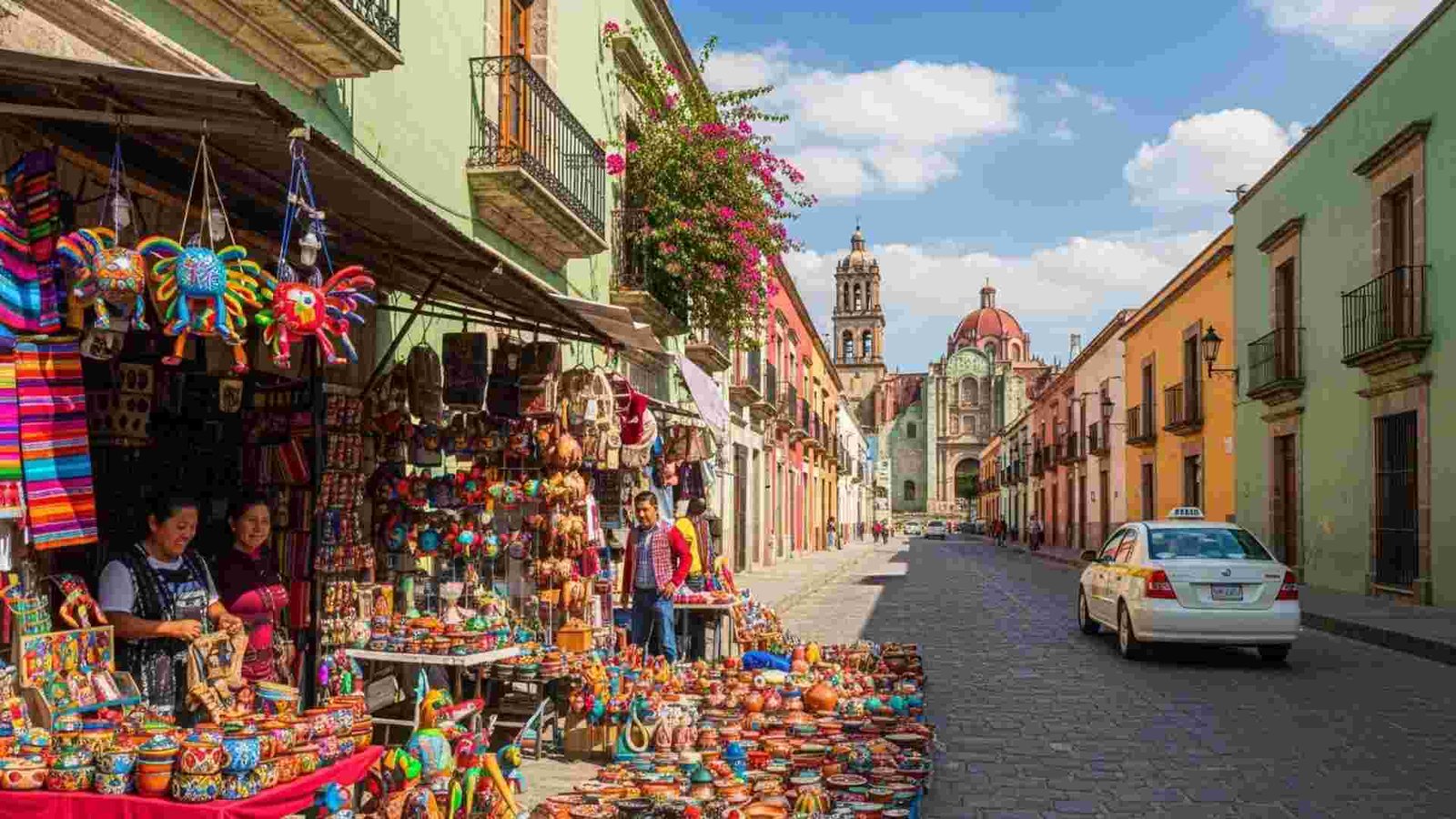
Oaxaca is a treasure trove of authentic Mexican culture, and its rural villages offer a glimpse into a slower, richer way of life. The region is known for its unique blend of indigenous traditions, colonial architecture, and artisanal craftsmanship. Here’s the twist: while the beaches may get all the attention, it’s the interior regions that hold the real charm. Small towns like San Bartolo Coyotepec are home to skilled potters who have been crafting pieces the same way for centuries.
A trip here feels like stepping back in time—yet not in a nostalgic way. It’s all about living simply through food, craft, and nature. Taste Oaxacan mezcal in its homeland, walk through vibrant marketplaces with handmade textiles, or trek the Sierra Norte mountains with locals who have called it home for generations. Oaxacan life isn’t about extravagance; it’s about richness in experience.
Practical Information
- Peak / Off‑peak seasons: Dry season (November‑April) is best for hiking, festivals, and exploring ruins; rainy season (May‑October) is lush and quieter.
- How to reach & explore: Fly into Oaxaca City, then use buses or local transportation to visit nearby villages and markets.
- Ideal duration: 5‑7 days for a deep dive into Oaxacan culture, or longer if you wish to explore remote mountain regions.
- Must‑try local experiences: Visit Monte Albán, try traditional Oaxacan moles and mezcal, explore ancient weaving techniques, and shop at colorful markets.
- Budget considerations: Oaxaca is affordable with lots of local guesthouses and street food options that offer great value for your money.
- Photography opportunities: Colorful woven textiles, bustling market scenes, traditional mezcal making, and mountain vistas.
9. Crete (Lesser-Known Villages & Slow-Living Greece)
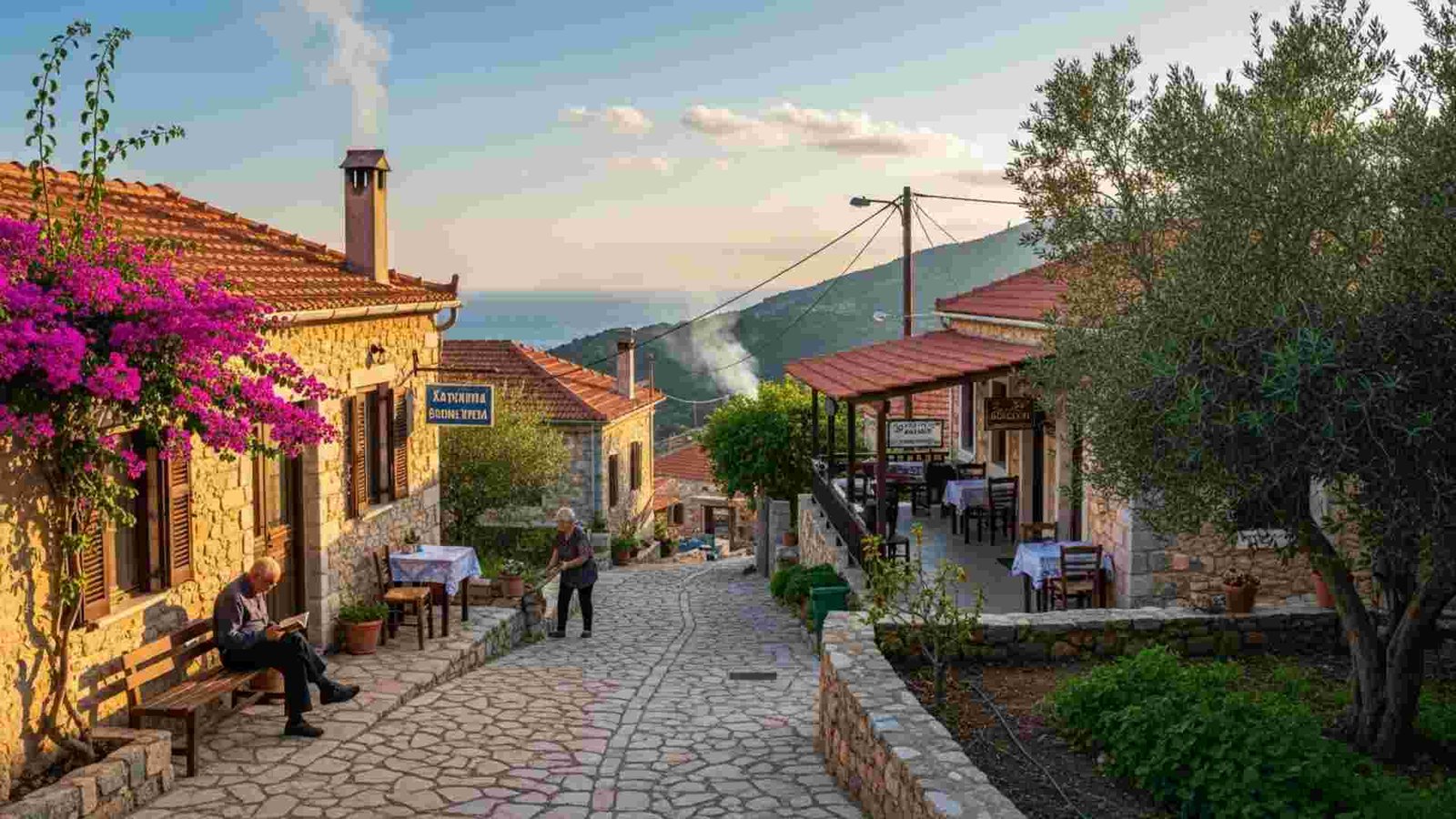
Most travelers think of Santorini or Mykonos when they hear “Greece,” but it’s the island of Crete that offers a refreshing take on simple, luxurious living. Here, in smaller villages like Anogeia, you’ll find rustic charm that larger tourist hubs simply can’t replicate. The Cretan lifestyle centers around the land—fresh olives, tomatoes, and cheese are at the heart of its cuisine. It’s not about lavish hotel pools or crowded beaches but rather quiet seaside dinners, a walk through ancient ruins, or an afternoon spent at a local taverna.
Crete has some of the most stunning landscapes in Greece—mountain villages where time slows down, ancient olive groves where people still work the land the same way they have for centuries, and a coastline dotted with secret beaches. Visiting these corners of Crete means slowing your pace to match the island’s natural rhythm. You’re not just a visitor—you’re part of the landscape.
Key Practical Information
- Peak / Off‑peak seasons: Summer (June‑August) can get hot and busy, but late spring and early autumn are perfect for outdoor activities and fewer crowds.
- How to reach & explore: Fly into Heraklion or Chania, then explore by rental car or local buses to reach remote villages.
- Ideal duration: 5‑6 days to explore smaller villages, ancient sites, and coastline.
- Must‑try local experiences: Try Cretan raki, visit the ruins of Knossos, hike the Samaria Gorge, and dine at seaside taverns with a view of the sunset.
- Budget considerations: More affordable than popular tourist islands—local accommodations and meals are reasonably priced.
- Photography opportunities: Ancient olive trees, rugged mountain villages, coastal sunsets, and local life at the taverna.
10. Québec’s Gaspé Peninsula, Canada
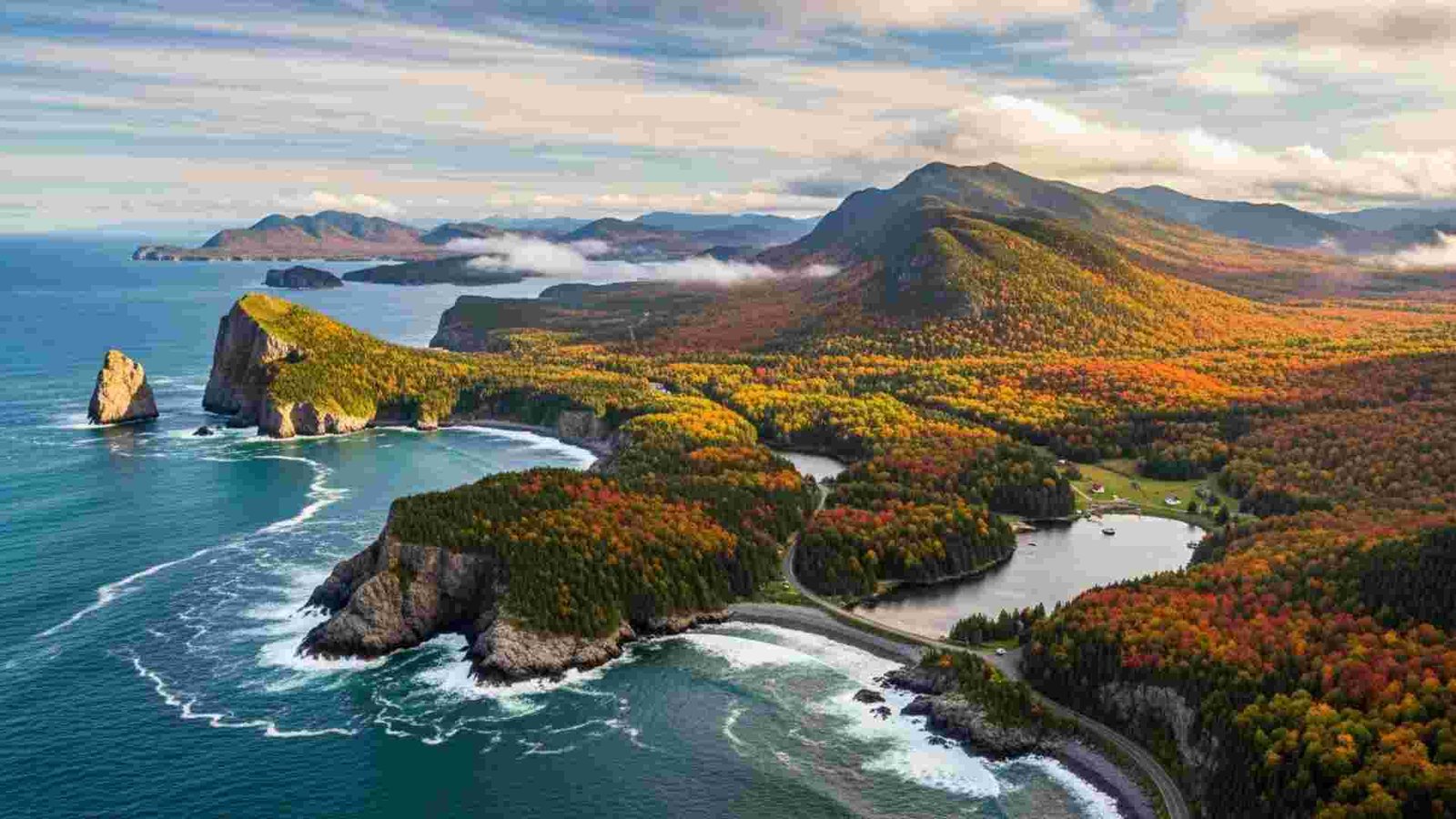
The Gaspé Peninsula offers an untouched side of Canada, where rugged cliffs meet the vast Atlantic and the pace of life is as slow as the ebbing tide. While Quebec City and Montreal draw many tourists, the Gaspé is about quiet exploration. If you’re looking to slow down and absorb nature, this is your place: fishing villages, small lighthouses, and wild coastlines seem to live in harmony with the land.
It’s the mix of nature’s raw beauty and the lifestyle here. Hiking the Gaspé Coastline reveals cliffs taller than skyscrapers, while exploring its national parks takes you into thick forests and waterfalls. The Gaspé is a place where you connect to the land—not just the views. Staying in simple cabins by the sea, it feels as though you’re returning to a simpler, more genuine way of life.
Key Practical Information
- Peak / Off‑peak seasons: Summer (July‑August) offers good weather for coastal activities, while autumn (Sept‑Oct) adds color and fewer crowds.
- How to reach & explore: Fly into Québec City, then drive or take a bus to the Gaspé region. Exploring by car gives the most flexibility.
- Ideal duration: 4‑6 days to cover the peninsula’s highlights (lighthouses, coast, parks).
- Must‑try local experiences: Walk the cliffs at Percé Rock, take a boat trip around the Îles de la Madeleine, and sample local seafood in tiny villages.
- Budget considerations: More affordable than most Canadian tourist hotspots—stay in small motels or guesthouses to save.
- Photography opportunities: Seaside cliffs, lighthouses at dawn, charming fishing villages, and wildflowers along the coast.
11. Northern Vietnam’s Hill-Tribe Villages
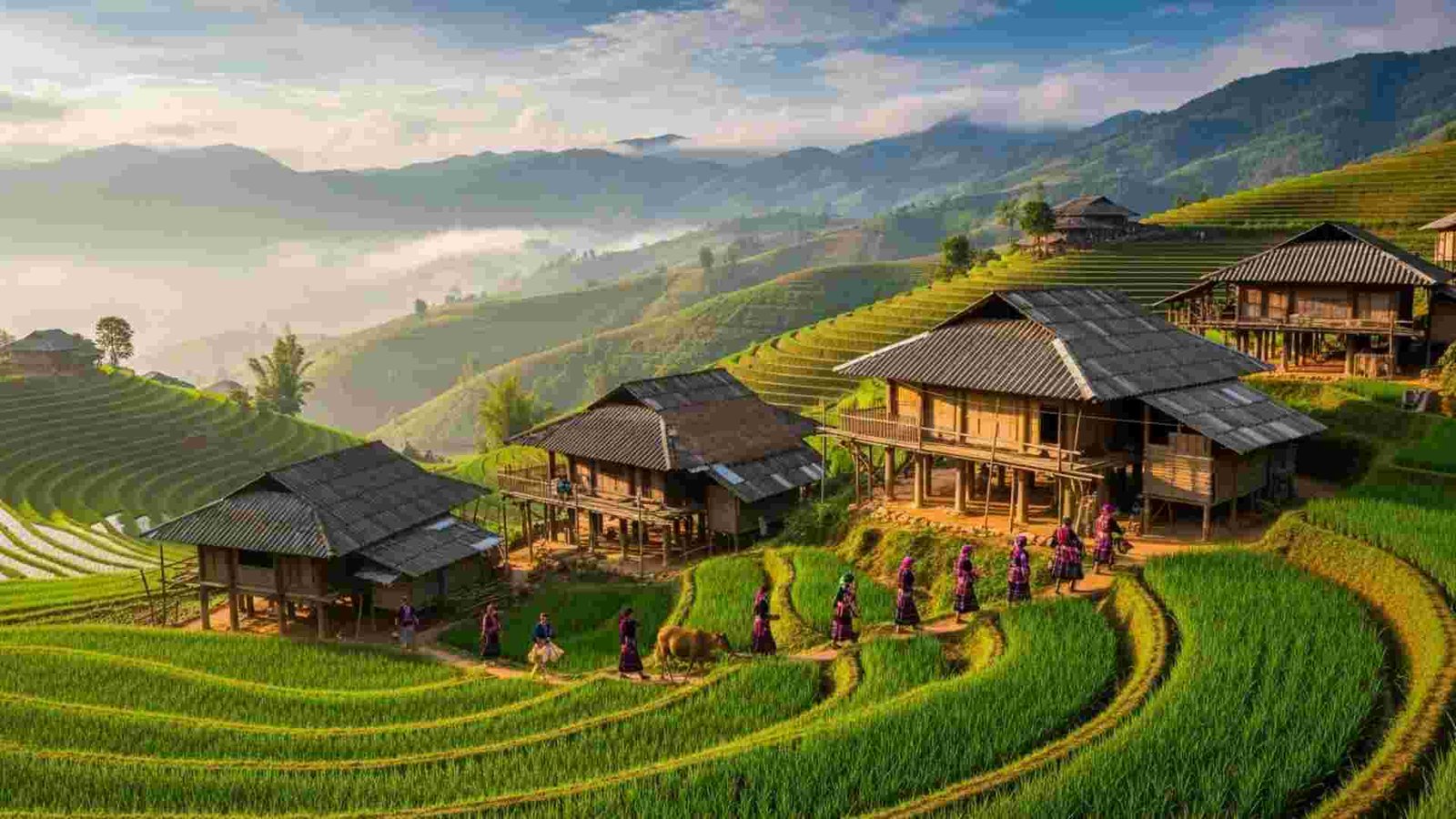
Hidden in the misty mountains of northern Vietnam, the hill-tribe villages of Sapa are a sanctuary of simplicity that feels like stepping back in time. The rich culture of the H’mong, Dao, and other tribes is woven into the landscape: terraced rice fields that glow green in the rainy season, vibrant marketplaces filled with hand-woven textiles, and smiling villagers who will welcome you into their homes with the warmth of hospitality. What makes this place so special? The raw authenticity. The slow pace of life that’s not on display for the masses, but rather for those who seek a deeper connection.
You’ll find yourself trekking through untouched valleys, where the air is thin and the views stretch for miles. But the real gem is the backdoor Sapa—less crowded villages like Ta Phin or Y Linh Ho, where tourists rarely venture. It’s here where you’ll experience true hill-tribe hospitality: sharing stories with locals around a fire, helping farmers with their harvest, or sipping tea under the stars. And don’t forget the ethnobotany of the region—exploring the local flora and medicinal herbs with tribal healers is a fascinating, underrated experience that connects you to Vietnam’s ancient traditions.
Key Practical Information
- Peak / Off‑peak seasons: Best in spring (March-May) and autumn (September-November) for pleasant weather and fewer tourists.
- How to reach & explore: Fly to Hanoi, then take a sleeper train or bus to Sapa. From there, trekking or local transport (minivans) will take you to remote villages.
- Ideal duration: 4-6 days for hiking and cultural immersion.
- Must-try local experiences: Visit the Sapa Market, trek to Silver Waterfall, stay with a local family in Ta Phin, and try black H’mong herbal tea.
- Budget considerations: Affordable—cheap local stays and food, but budget for trekking guides or homestays.
- Photography opportunities: Terraced fields, village life, portrait shots of tribal elders, misty mountain landscapes.
12. Azores, Portugal
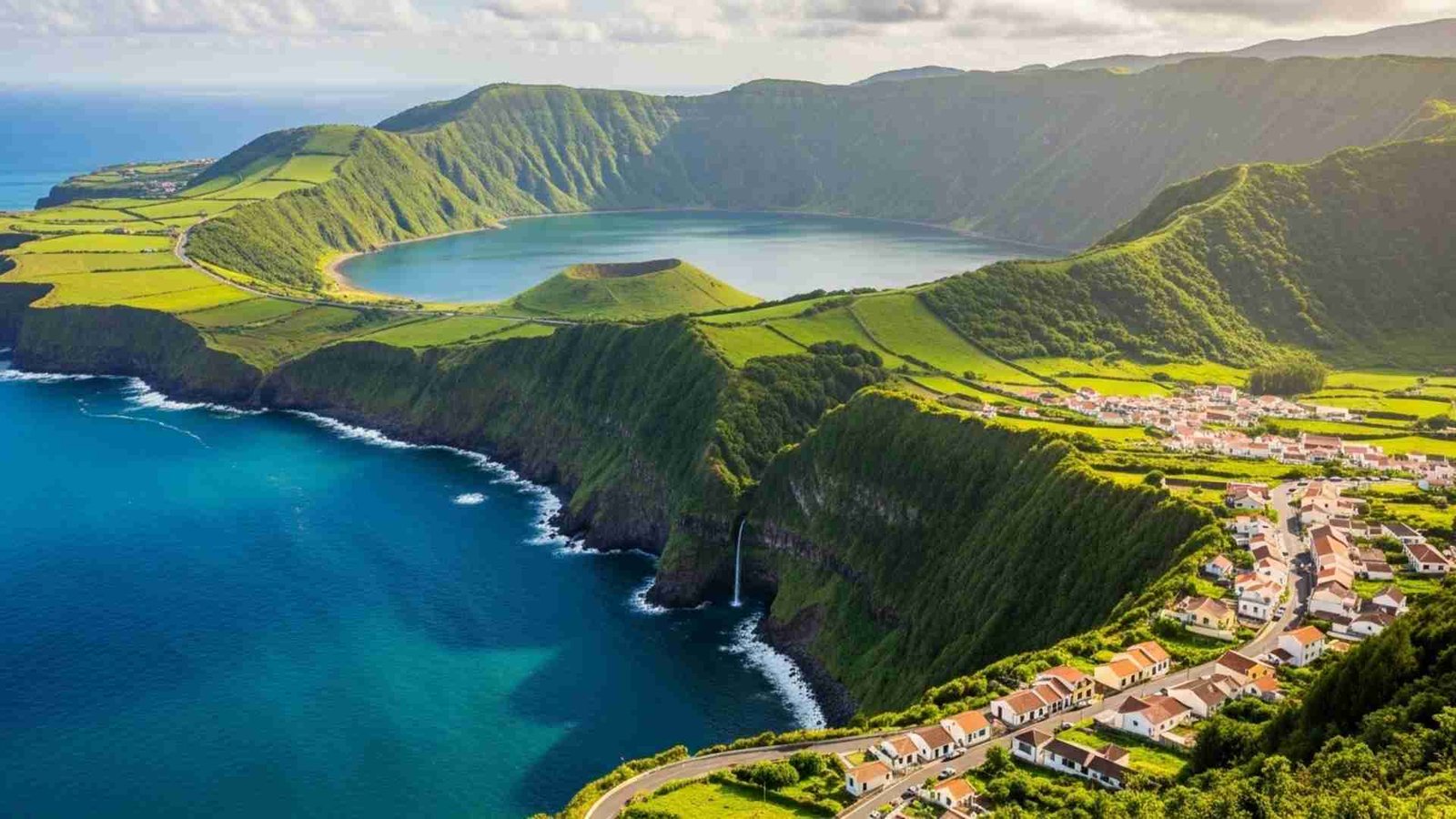
The Azores are often overshadowed by mainland Portugal, but these nine volcanic islands in the middle of the Atlantic hold a mystical charm that’s perfect for the underconsumption traveler. Known for their lush greenery, striking crater lakes, and volcanic landscapes, the Azores are a haven for those looking to slow down and reconnect with nature. But what truly sets them apart is the island-hopping culture—each island has its own vibe, from the hot springs of São Miguel to the whale-watching in Pico and the quaint fishing villages of Flores.
There’s something deeply calming about the Azores, where you’ll encounter untouched beaches, hot mineral springs tucked into cliff faces, and mountain hikes that lead to vistas with views that seem endless. The islands remain relatively undiscovered, meaning the sense of “simple living as luxury” is tangible. For those seeking solitude, Flores and Graciosa offer the most seclusion—imagine exploring volcanic craters in silence or wandering through lush forests without seeing another soul.
Key Practical Information
- Peak / Off‑peak seasons: Summer (June‑September) for the warmest weather, but spring (March-May) and fall (October-November) offer fewer crowds and pleasant temperatures.
- How to reach & explore: Fly into Ponta Delgada (São Miguel) or Horta (Faial), then hop between islands by boat or plane. Renting a car is ideal for exploring each island’s hidden corners.
- Ideal duration: 7-10 days for island-hopping.
- Must-try local experiences: Visit the Sete Cidades crater lakes, relax in the hot springs in Furnas, whale-watch off Pico, and try cozido, a stew cooked underground.
- Budget considerations: Reasonably priced—accommodation can be found at all price points.
- Photography opportunities: Lush craters, volcanic coastlines, dramatic cliffs, and serene lake reflections.
13. Tasmania’s West Coast Wilderness, Australia
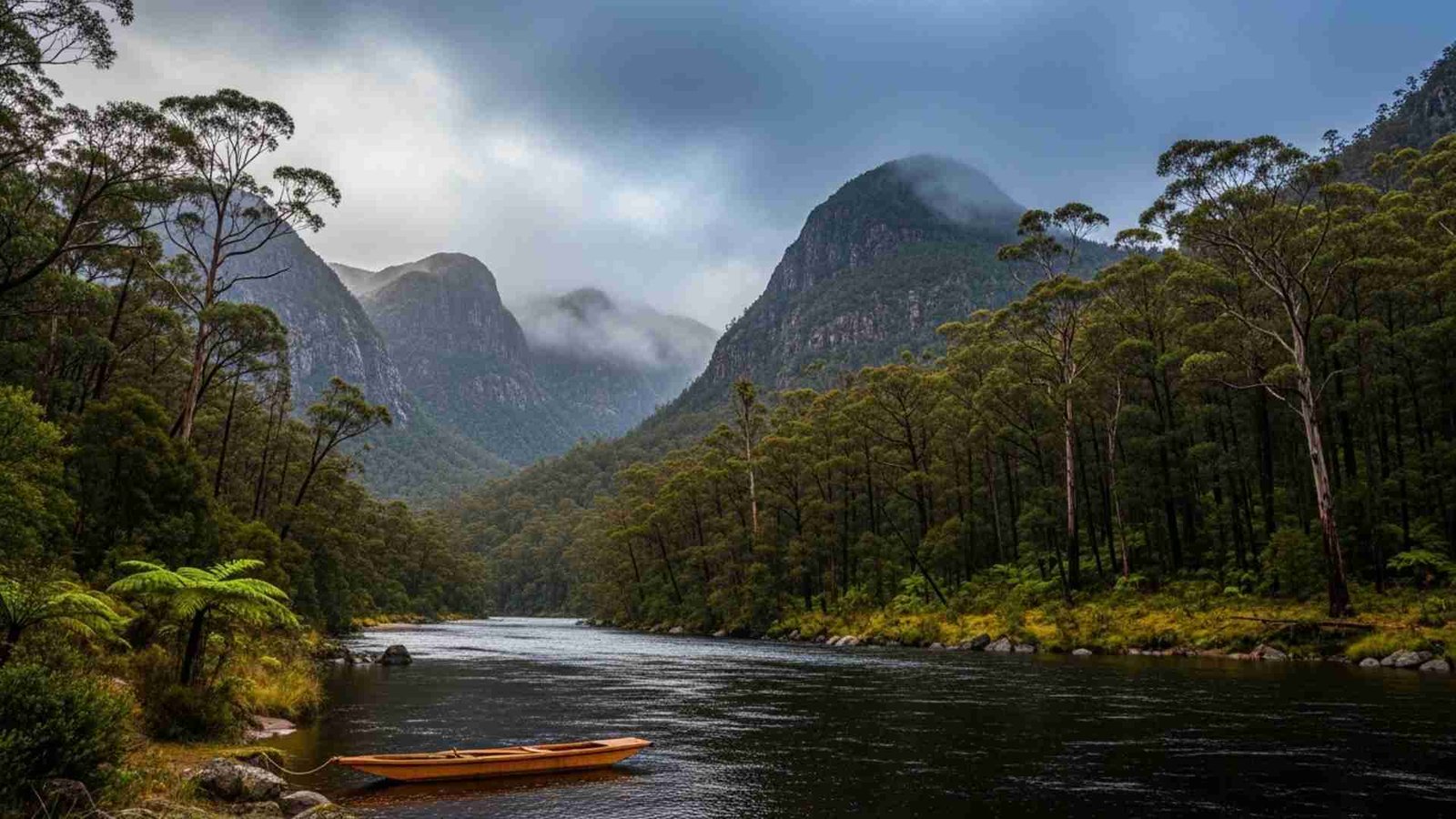
Tasmania is the ultimate destination for those who want to feel immersed in nature. The west coast wilderness, in particular, offers a version of Australia that’s raw and unrefined—where you can truly live simply and luxuriously, away from the urban sprawl. The Gordon River, Cradle Mountain, and Franklin-Gordon Wild Rivers National Park are places where the world’s oldest living rainforests meet wild rivers and jagged mountains. Here, “simple” means disappearing into the landscape, whether you’re hiking the Overland Track or cruising through the Tasmanian Wilderness World Heritage Area.
What makes Tasmania’s west coast so unique is the sense of isolation. It’s not just the rugged terrain; it’s the quiet. You’ll encounter more wildlife than people, whether it’s the Tasmanian devil, wallabies, or the short-tailed shearwater birds nesting along the coastline. The region is a mecca for eco-tourism, with sustainable accommodations ranging from cozy cabins to luxury eco-lodges that let you be in nature without sacrificing comfort.
Key Practical Information
- Peak / Off‑peak seasons: Best in summer (December‑February), but spring and autumn are also ideal for hiking with fewer crowds.
- How to reach & explore: Fly into Hobart, then drive or take a tour to the west coast. Boat cruises and multi-day hikes are the best way to explore.
- Ideal duration: 6-8 days to see the wilderness, national parks, and small coastal towns.
- Must-try local experiences: Hike Cradle Mountain, cruise the Gordon River, stay in eco-lodges, and sample Tasmanian whisky.
- Budget considerations: Moderate to expensive due to eco-tourism costs, but accommodations are well worth it for the experience.
- Photography opportunities: Untouched wilderness, dramatic mountains, wildlife, and peaceful lakesides.
14. Sri Lanka’s Off-Beat Coastal & Interior Life
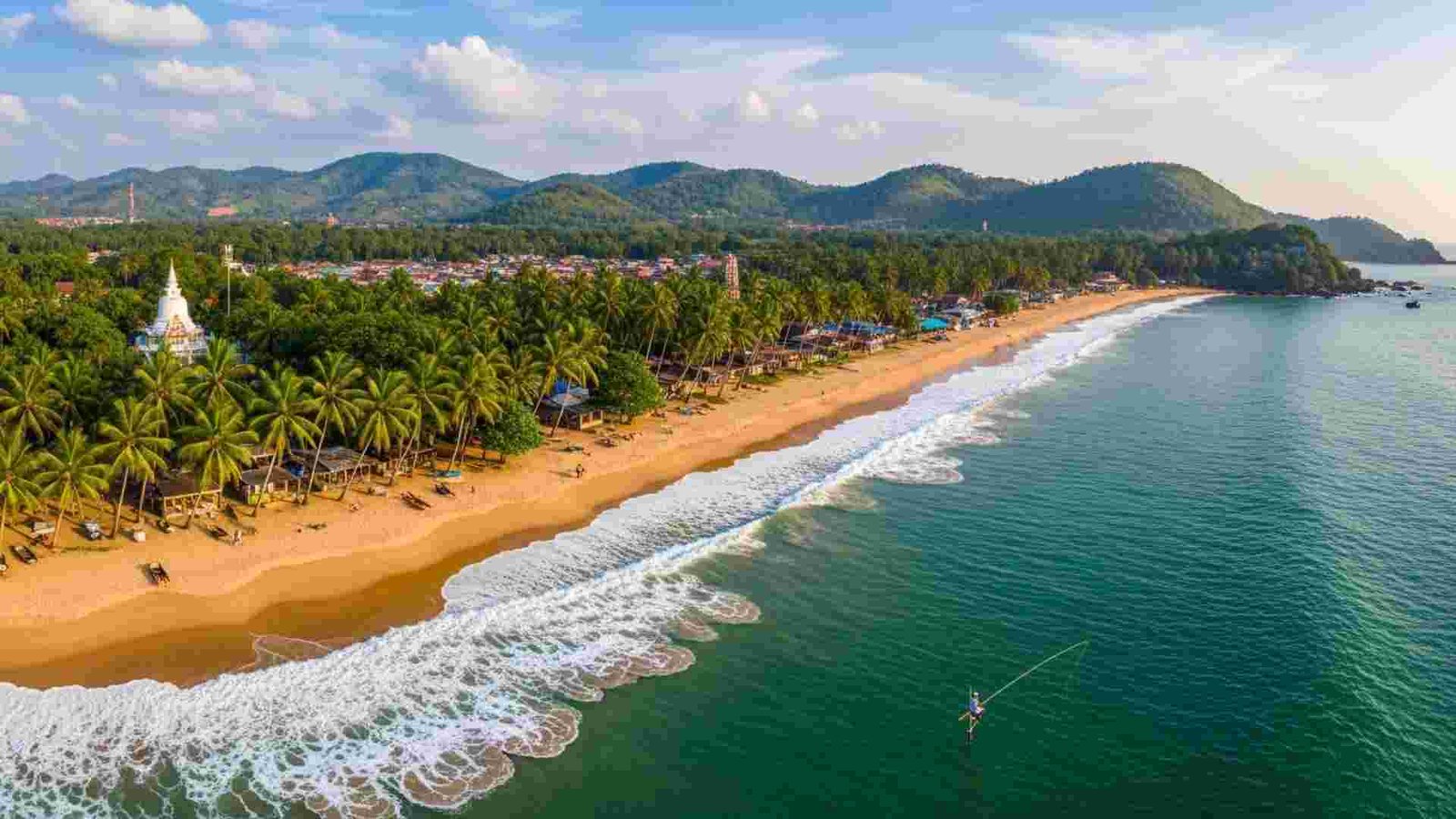
Sri Lanka has long been a favorite for travelers seeking sun and surf, but it’s the off-beat destinations on the island that make simple living feel like a luxury. While Mirissa and Galle see their fair share of tourists, hidden gems like Tangalle, Kalpitiya, and the Cultural Triangle (home to ancient ruins and temples) offer an entirely different experience. The island’s interior life, where people still cultivate the land in the way they have for centuries, connects you to a slower, more peaceful pace.
The beaches here are pristine, untouched, and often empty. Think golden sands, swimming with turtles, or relaxing under swaying coconut palms, away from crowds. Meanwhile, ancient Buddhist temples and forests where elephants roam freely provide a unique encounter with nature. Sri Lanka’s food is another unspoken luxury—rice and curry, coconut sambol, and fresh seafood are all part of the simple but rich culinary traditions you’ll encounter in village homes.
Key Practical Information
- Peak / Off‑peak seasons: December‑March for the south and west coast; April‑October for the east coast.
- How to reach & explore: Fly into Colombo, then rent a car or take local transport to explore hidden coastal gems. Use tuk-tuks for getting around smaller villages.
- Ideal duration: 7‑10 days to explore the beaches, cultural sites, and rural life.
- Must-try local experiences: Visit the Sigiriya Rock Fortress, explore local spice gardens, try a traditional Sri Lankan cooking class, and visit quiet beaches like Uppuveli.
- Budget considerations: Affordable—cheap guesthouses, delicious street food, and low-cost transport options.
- Photography opportunities: Wild elephants, ancient temples, golden beaches, and local life in villages.
15. Isle of Eigg, Scotland
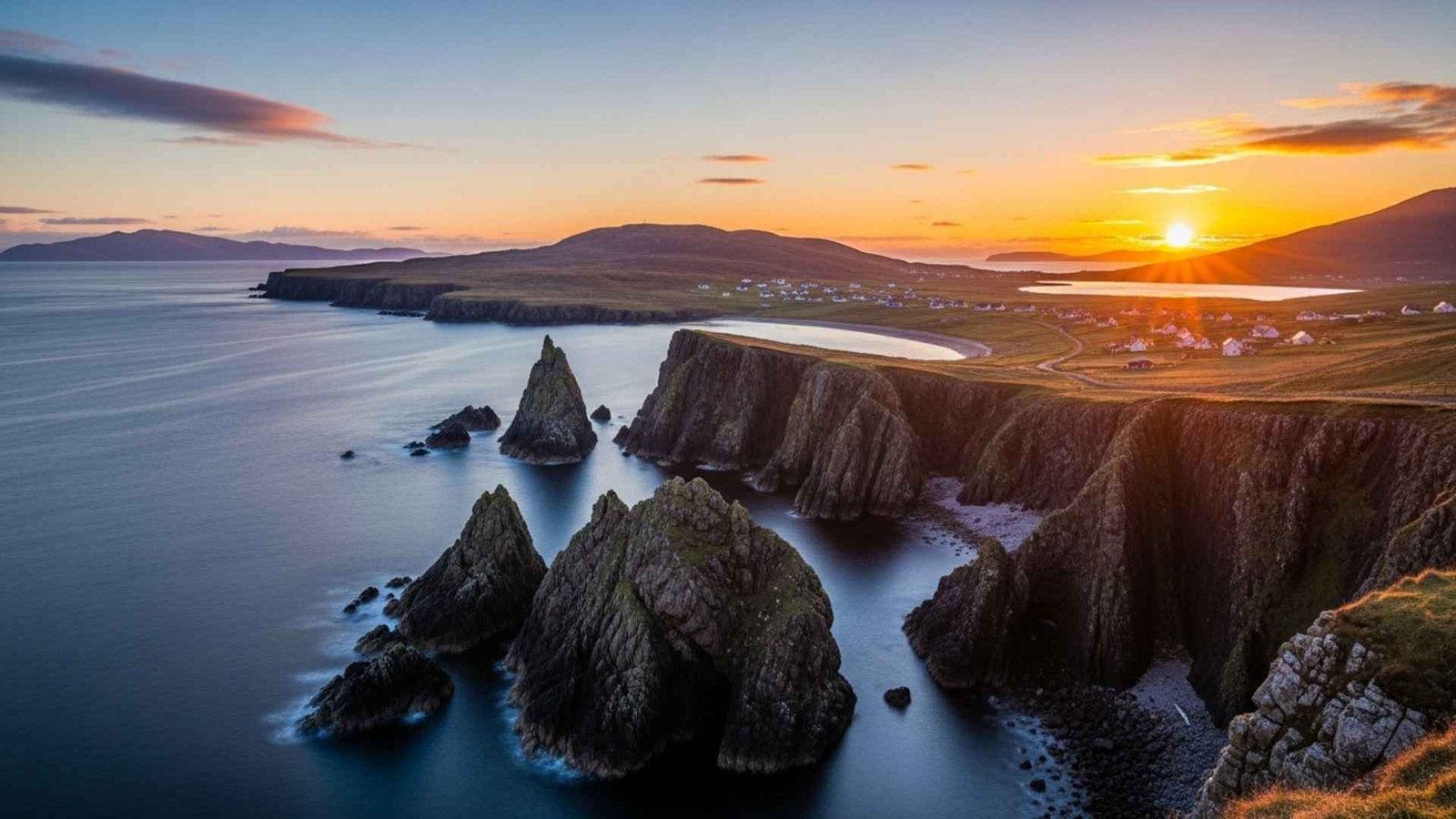
The Isle of Eigg, part of the Inner Hebrides in Scotland, is where isolation meets tranquility. A small island with a population of just around 100 residents, it’s a place where the only thing that might interrupt your day is the call of a seabird or the crash of waves against the shore. But what’s so remarkable about Eigg isn’t just its remoteness—it’s the community-driven simplicity of life here. The island is community-owned, which means decisions are made for the greater good, and everything feels deeply connected to nature.
In addition to the rugged beauty of cliffs and beach walks, you’ll find the Coire na h-Aoidh (a natural amphitheater) or An Sgùrr, a striking hilltop, offering views of the surrounding islands. Eigg’s renewable energy project, powered by the community itself, offers a glimpse into a future where sustainability and simplicity go hand in hand. The island’s dark skies also make it a stargazing paradise, offering breathtaking views of the Milky Way.
Key Practical Information
- Peak / Off‑peak seasons: Best in summer for longer days and milder weather; winter is colder and more isolated but offers a peaceful retreat.
- How to reach & explore: Catch a ferry from Mallaig on the mainland. Once on the island, walking, cycling, or the occasional car hire are your main ways of getting around.
- Ideal duration: 4‑5 days to explore the island’s natural wonders and immerse yourself in the community’s way of life.
- Must-try local experiences: Go stargazing, walk to An Sgùrr for panoramic views, visit the island’s sustainable energy systems, and chat with the local residents.
- Budget considerations: Moderate—ferries are affordable, and community-owned guesthouses are a great option for budget-conscious travelers.
- Photography opportunities: Coastal cliffs, dramatic skies, wildlife, and the quiet life on the island.
Conclusion:
In a world where overconsumption often defines luxury, the Underconsumption Core offers a refreshing contrast—destinations where simplicity, nature, and authenticity reign. From the tranquil hill-tribe villages of Northern Vietnam to the rugged wilderness of Tasmania, these places allow travelers to disconnect from the chaos of modern life and reconnect with what truly matters.