The National Parks You Should Avoid This Winter (And 9 Underrated State Parks That Are Empty and Stunning)

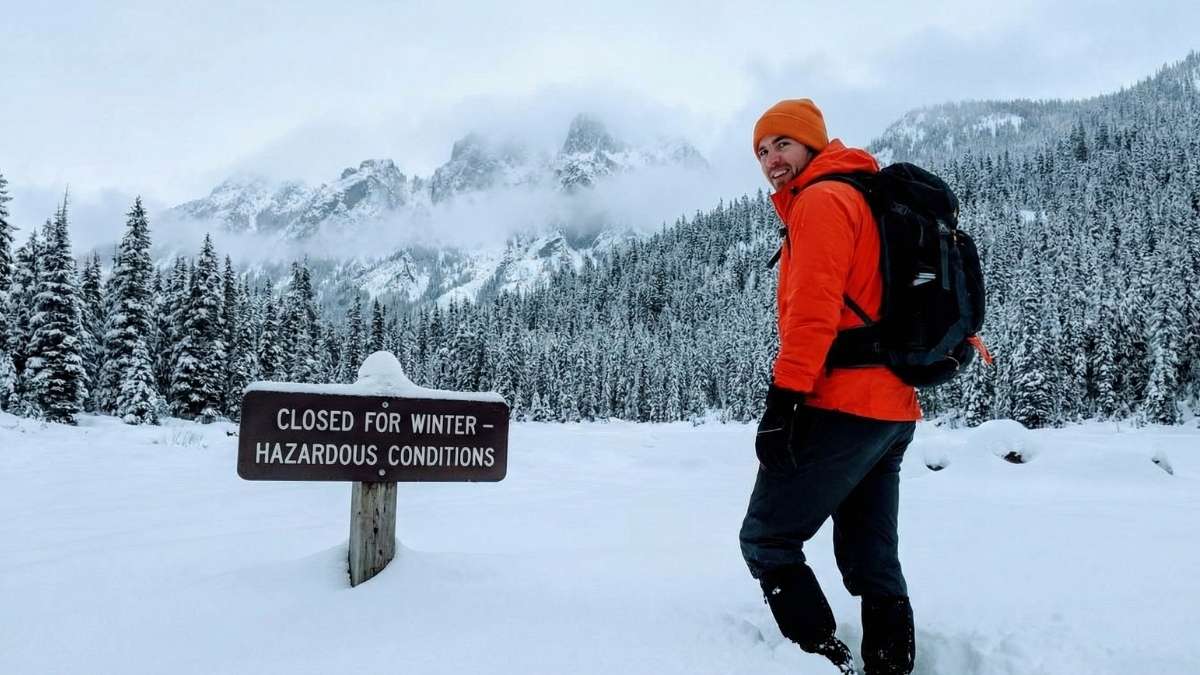
Winter travel has a way of exposing the truth about certain destinations—some turn magical, others turn into a stressful mix of closures, ice, and crowds you didn’t see coming.
And while the famous spots get all the attention (and all the headaches), the real joy lives in the quieter corners where scenic trails stay open, sunsets feel more personal, and the silence actually feels like a luxury.
The season rewards travelers who choose wisely, trading overrated chaos for underrated calm. If you’re craving the kind of trip that feels refreshing instead of frustrating, the places ahead are exactly where winter starts to shine.
1. Yellowstone National Park (Avoid in Winter)
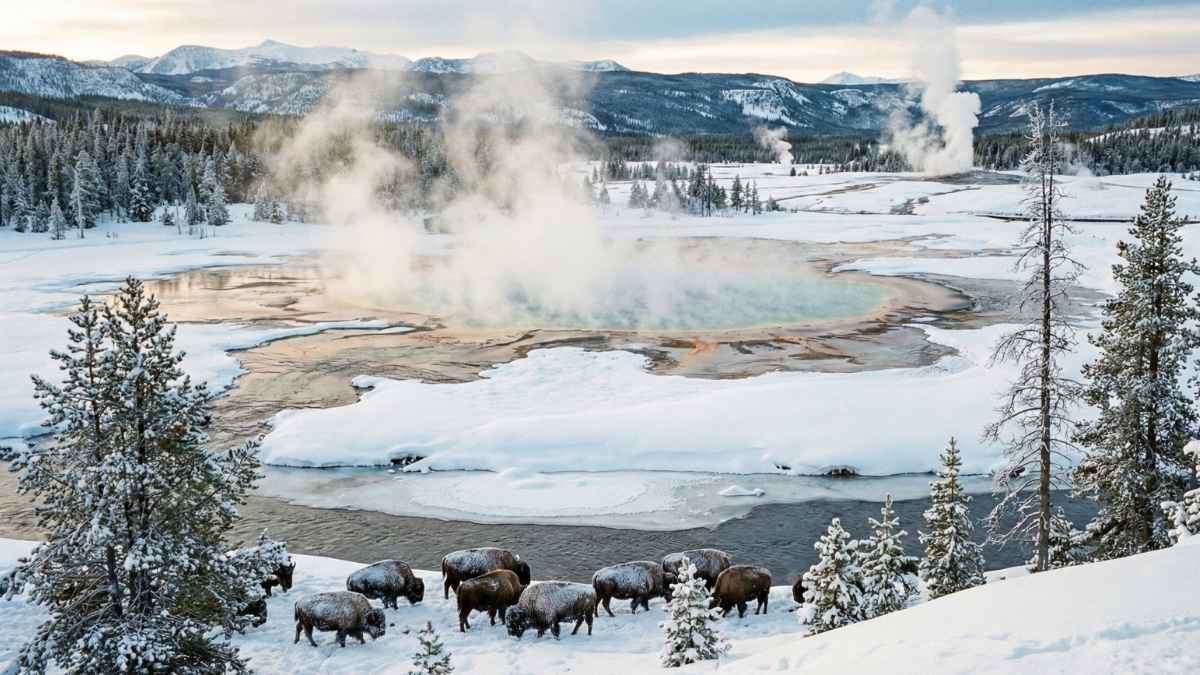
Winter in Yellowstone feels like stepping into a world that looks gentle from afar but quickly proves otherwise. The park’s vastness becomes a challenge rather than a thrill when frigid temperatures drop well below zero and daylight hours feel too short for real exploring. Even seasoned travelers find themselves recalibrating expectations because the simplest plans suddenly require more effort, backup plans, and gear than expected.
Crowds disappear, but so do open roads, available ranger stations, and many of the conveniences people assume they’ll find year-round. If you’re not arriving on a snowcoach or with snowmobile reservations planned months ahead, you’ll spend more time navigating closures than enjoying the scenery. The dramatic geysers and wildlife haven’t gone anywhere, but winter conditions make accessing them incredibly restrictive.
Most travelers expecting a slower, peaceful winter trip end up surprised by just how much of the park becomes inaccessible. Between the unpredictable storms, the limited lodging options, and the long stretches without cell service, Yellowstone becomes a winter destination only for highly prepared, cold-weather experts—not casual travelers looking for a scenic national park getaway.
Quick Facts
- Best months to visit instead: June–September
- Winter accessibility: Very limited; most roads closed
- Crowds in winter: Extremely low but impractical
- Best alternative nearby: Grand Teton NP (also harsh, but slightly more accessible)
- Hazard level in winter: High (road closures, freezing temps, wildlife encounters)
2. Glacier National Park (Avoid in Winter)
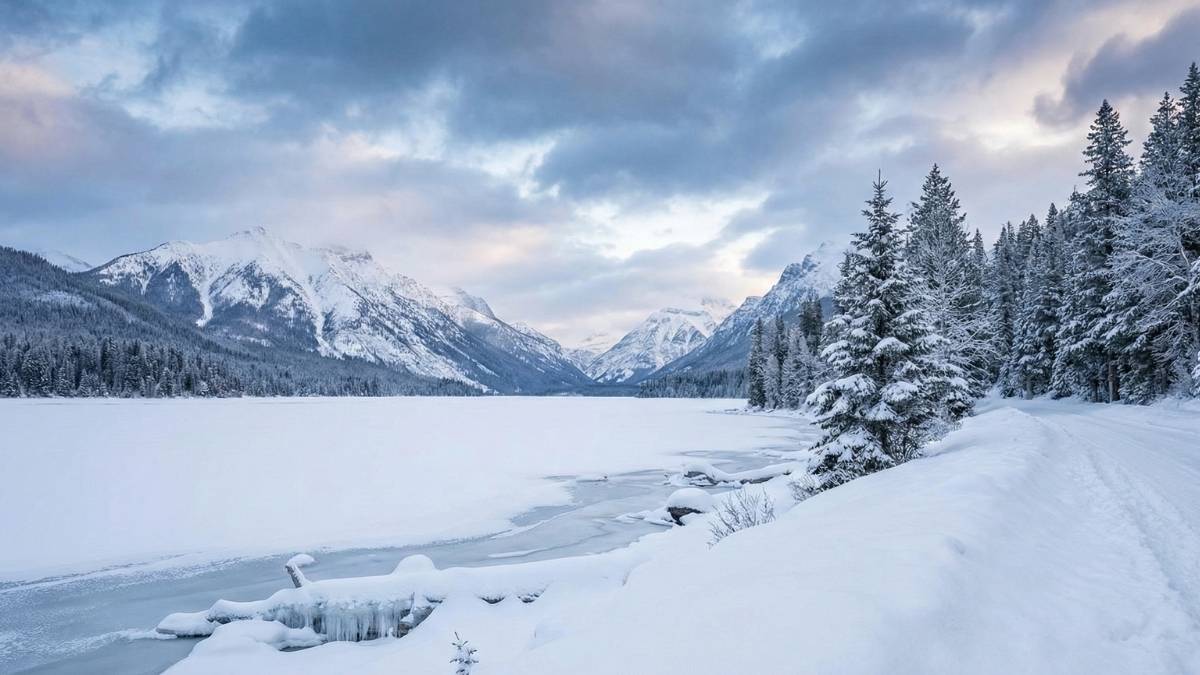
Glacier turns into an entirely different park in the coldest months—wildly beautiful but essentially shut down. The iconic Going-to-the-Sun Road, the drive everyone dreams about, is almost always closed except for a tiny stretch near the entrance. Without that access, the vast majority of sights that make Glacier special aren’t reachable at all.
Hikes that feel moderate in summer become advanced winter treks requiring snowshoes, avalanche awareness, and gear that most travelers don’t own. Even simple plans like a scenic picnic become nearly impossible when temperatures dip, and winds sweep across the mountains. Visitors expecting a winter wonderland often find themselves limited to a few viewpoints and a small number of plowed roads.
The quietness is peaceful, but that sense of calm doesn’t outweigh the reality: Glacier practically sleeps through winter, and unless you’re a backcountry winter expert, the trip won’t deliver the experience you want. Good intentions don’t overcome inaccessible terrain, closed lodges, or unpredictable storms.
Quick Facts
- Best months to visit instead: July–early September
- Accessibility in winter: Extremely low
- Road closures: Most major roads are closed
- Hazards: Avalanches, extreme cold
- Best alternative winter activity: West Glacier scenery only
3. Yosemite National Park (Avoid in Winter)
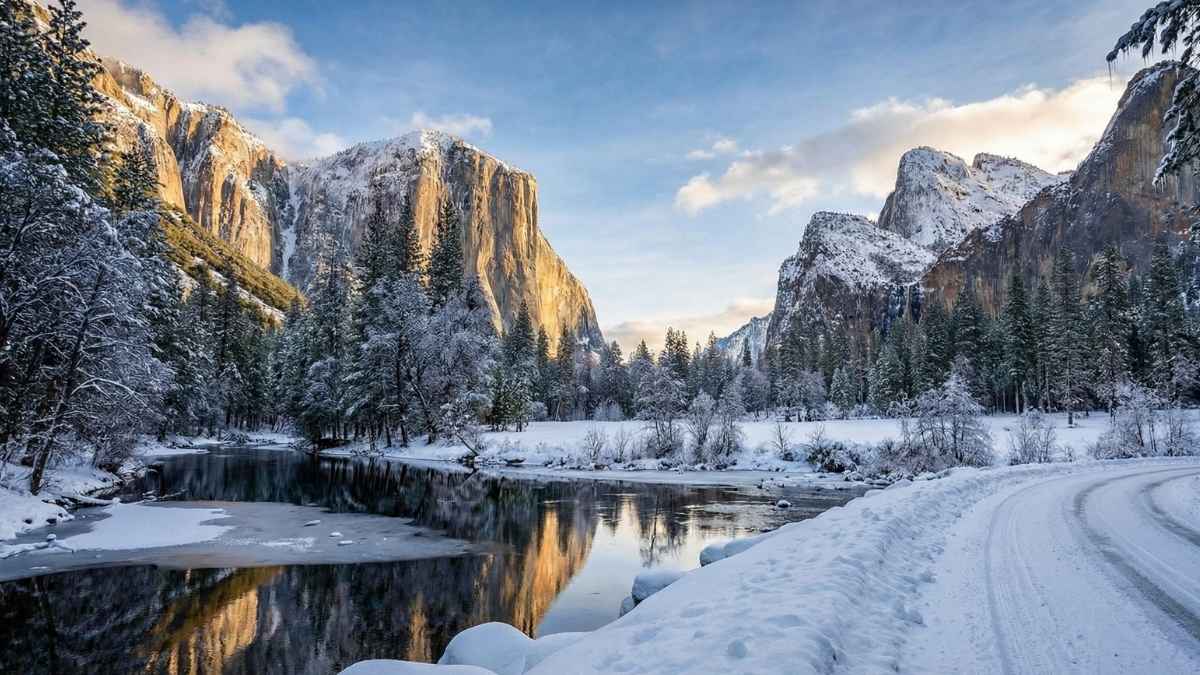
Yosemite’s granite cliffs and waterfalls never stop being dramatic, but winter turns the park into a partially accessible, snow-covered puzzle. Yes, the valley floor stays open, but the parts of Yosemite most people crave—Glacier Point, Tioga Road, the High Sierra trails—are completely closed for the season. That alone cuts the experience in half.
Snow and ice add their own complications. Even simple walks become slippery, and parking can disappear quickly on weekends. People expecting open roads and bright skies often end up waiting behind chain-requisitioned checkpoints or navigating rangers directing cars away during storms. The famous views stay gorgeous, but the logistics feel less romantic.
If you love photography or quiet mornings, winter can have charm—but for travelers wanting the full Yosemite experience, it’s not the right season. The park’s best features are simply locked behind seasonal closures, leaving casual winter visitors with a narrow slice of what makes Yosemite magical.
Quick Facts
- Best months to visit instead: May–October
- Winter closures: Glacier Point Road, Tioga Pass Road
- Driving notes: Snow chains are often required
- Hazards: Ice on trails, falling branches
- Best alternative: Sequoia National Park (better winter access)
4. Valley of Fire State Park, Nevada (Underrated & Stunning)
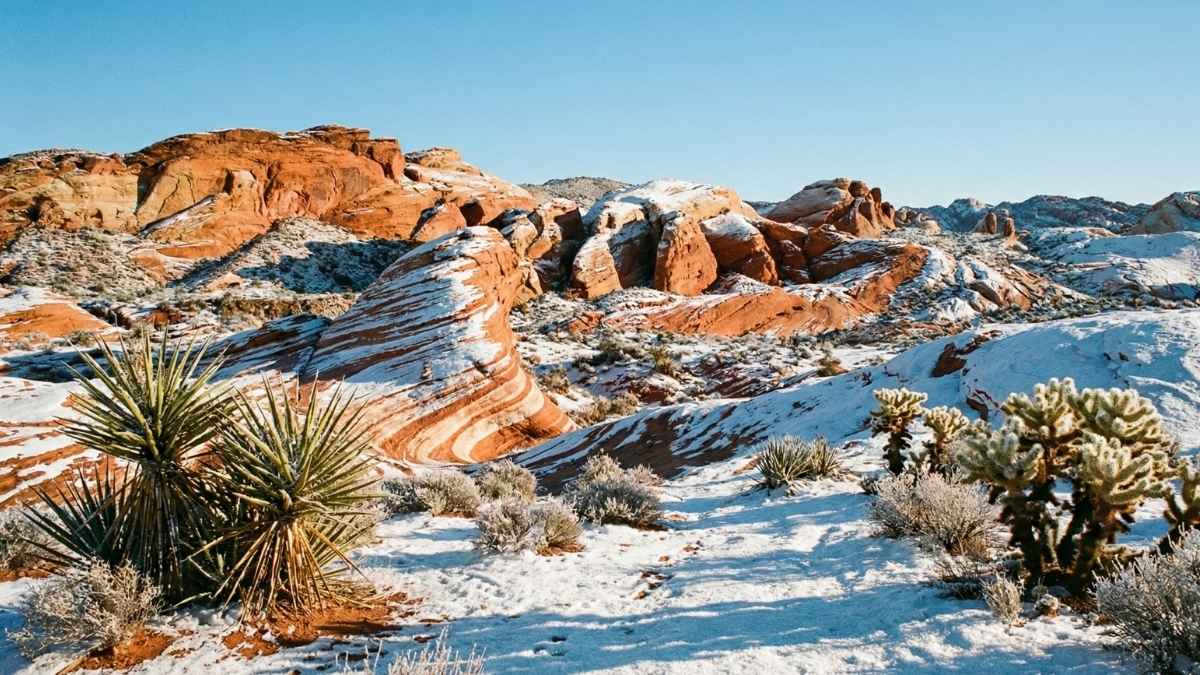
Valley of Fire feels like flipping to a hidden chapter of the Southwest—vibrant, empty, and wildly cinematic, especially in winter when the crowds disappear entirely. You arrive expecting a small state park and instead step into a landscape shaped by 150 million years of shifting sandstone. Winter transforms those fiery rock formations into an easygoing adventure rather than a scorching endurance test.
Hiking here is relaxed, with just enough coolness in the air to make the trails feel comfortable. The iconic formations—Fire Wave, Elephant Rock, White Domes—remain just as colorful, but without lines of people waiting for photos. It’s the kind of park where you can pull over at any viewpoint and find silence stretching across the desert floor.
Winter sunsets stretch across the cliffs in layers of soft pink and amber, giving the rock faces a glow that doesn’t quite exist in the summer heat. It’s peaceful, open, and consistently surprising—the complete opposite of the overcrowded national parks this time of year.
Quick Facts
- Best months to visit: November–March
- Winter crowds: Very low
- Weather: Cool days, cold nights
- Best photo spots: Fire Wave Trail, White Domes, Atlatl Rock
- Camping: Limited first-come, first-served sites
5. Dead Horse Point State Park, Utah (Underrated & Stunning)
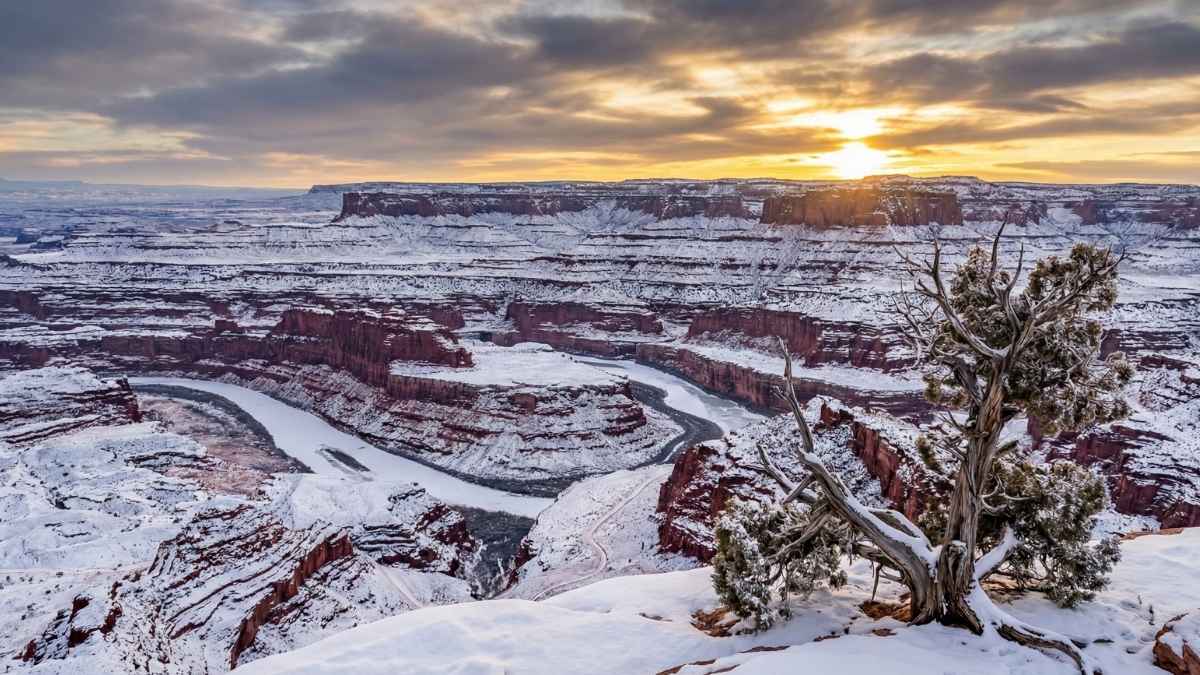
Dead Horse Point gives you the sweeping canyon views of its famous neighbor (Canyonlands) but without the overwhelming crowds—especially in winter. The overlook alone is worth the trip, offering one of the most dramatic viewpoints in the West. The best part? You often have it nearly to yourself when the air turns crisp, and the sky stays strikingly clear.
The park is small, which becomes a huge advantage. You can spend a full leisurely day exploring trails without rushing from one end to another. Winter sunlight softens the red rock, giving the mesas and cliffs a deeper, richer tone. It’s the kind of place where quiet moments feel like part of the experience, not something you have to search for.
When nearby national parks fill with holiday visitors, Dead Horse Point remains calm. You get epic views, accessible trails, and a sense of space that mirrors the grandeur of much bigger parks. It’s a winter escape that feels refreshing rather than overwhelming.
Quick Facts
- Best months to visit: October–April
- Winter crowds: Very low
- Weather: Cold but clear
- Best viewpoints: Main Overlook, West Rim Trail
- Nearby alternative: Canyonlands NP (busier, less peaceful)
6. Rocky Mountain National Park (Avoid in Winter)
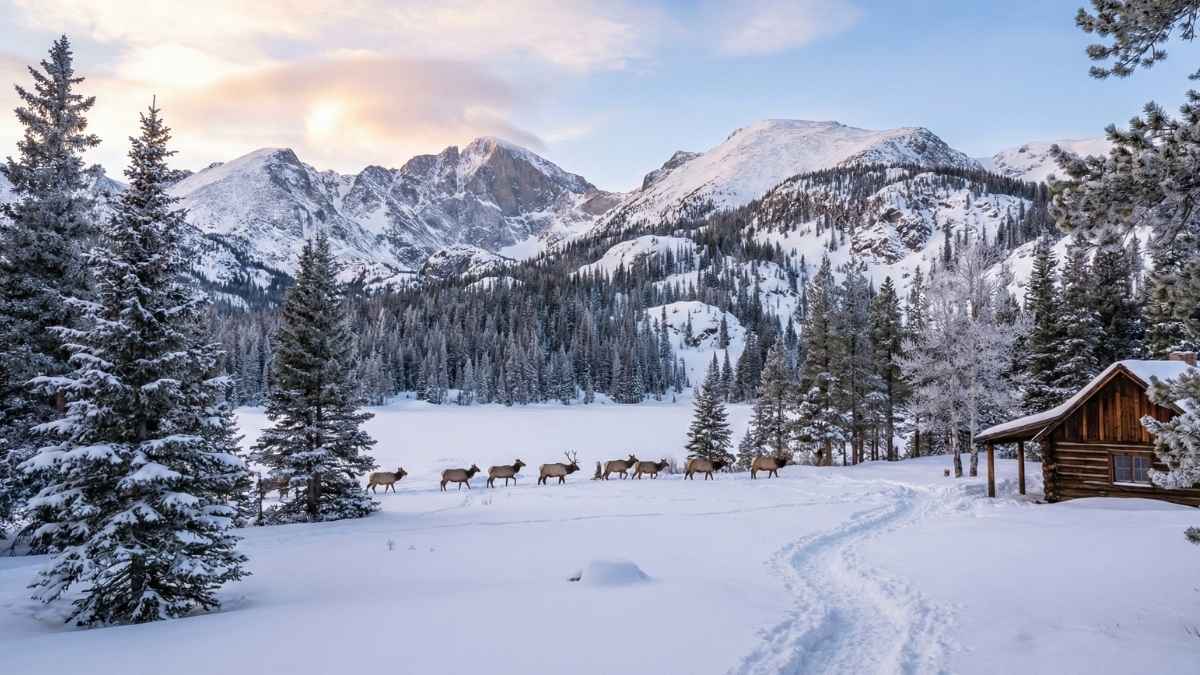
Rocky Mountain National Park has a dramatic kind of winter that looks peaceful from the edges but quickly turns into deep snow, unpredictable roads, and extremely limited access. Trail Ridge Road, the park’s signature scenic drive, shuts down entirely, leaving only a small portion of the lower-elevation routes open. Many first-time visitors arrive excited and quickly learn that the most iconic sections are buried under seasonal closures.
Hiking shifts from casual day trails to microspike or snowshoe essentials, and even then, conditions can change within minutes. Winds sweep across the ridgelines with surprising intensity, dropping temperatures faster than most travelers expect. While the wildlife doesn’t disappear, spotting anything becomes harder as you stay confined to just a few accessible areas.
For travelers hoping for a classic Rocky Mountain experience, winter simply isn’t the right season. The park’s most impressive viewpoints and alpine lakes are inaccessible, leaving visitors with only a fraction of what makes it so highly rated the rest of the year.
Quick Facts
- Best months to visit instead: June–September
- Major winter closure: Trail Ridge Road
- Winter hazards: High winds, icy trails
- Snowshoeing: Available but for prepared hikers
- Best alternative in winter: Estes Park town area
7. Grand Teton National Park (Avoid in Winter)
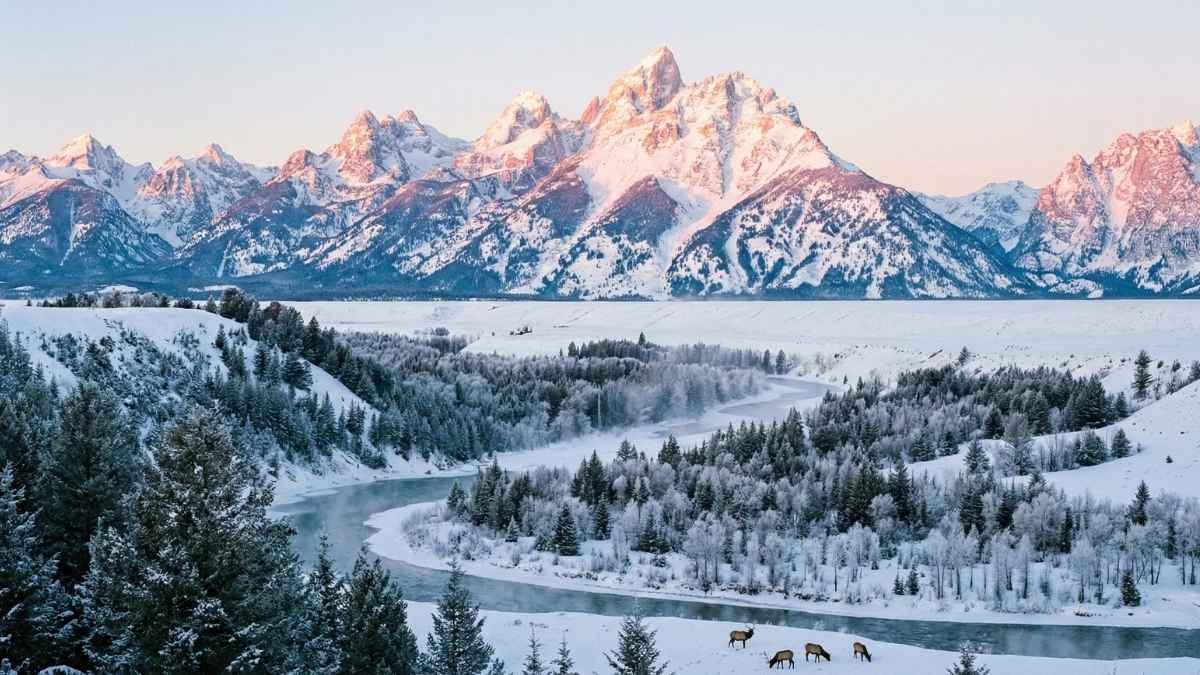
Grand Teton turns into a postcard in winter, but it’s a postcard you mostly admire from the edges. The inner roads are closed, so you view the Tetons from a distance rather than explore the areas that make the park legendary. Many travelers don’t realize just how much becomes unreachable once the snow settles in.
Even winter hiking is limited, with deep drifts and icy patches making most routes challenging without proper gear. The scenery stays stunning, but it becomes the kind of beauty you admire from a turnout rather than a full-day adventure. The loss of access to Jenny Lake trails, Signal Mountain roads, and high-elevation viewpoints dramatically shrinks what you can do.
Visitors often think pairing Grand Teton with a winter Yellowstone trip will deliver a full itinerary, but both parks operate under heavy restrictions this time of year. Without the summer roads and trails, you simply miss the experiences that define this region’s appeal.
Quick Facts
- Best months to visit instead: June–September
- Roads open in winter: Limited to the outer highway
- Hazards: Deep snow, wildlife along roadsides
- Best winter activity: Scenic overlooks only
- Alternative: Jackson Hole (town activities accessible year-round)
8. Mt. Rainier National Park (Avoid in Winter)
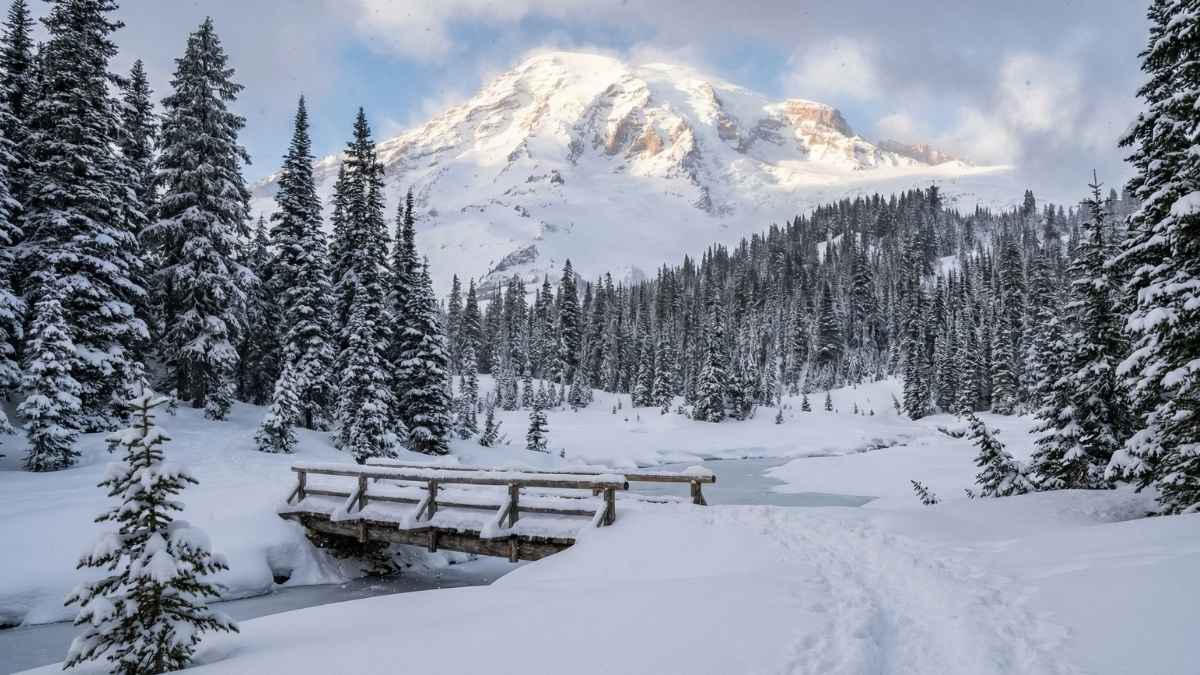
Mt. Rainier becomes a snow-lover’s dream in winter—but not a general visitor’s dream. The mountain receives massive snowfall, closing many roads and making even short drives feel like a commitment. Visitors who expect a flexible trip often find themselves stuck behind long entrance delays, chain requirements, or sudden closures.
The Paradise area stays open on a limited schedule, but reaching it isn’t always simple. Weather shifts quickly here, with clouds rolling in and visibility dropping fast. Even if you’re comfortable driving in snow, the conditions tend to feel more unpredictable than adventurous.
Most of Rainier simply goes dormant for the season. Trails vanish under deep snow, campgrounds close, and iconic spots like Sunrise remain inaccessible. Anyone seeking the mountain’s classic viewpoint hikes will feel like they only experienced a small sliver of the giant landscape.
Quick Facts
- Best months to visit instead: July–September
- Winter hours: Paradise is open on select days only
- Hazards: Whiteouts, icy roads, avalanche areas
- Required gear: Tire chains are often mandatory
- Best winter alternative: Olympic National Park (more accessible)
9. Grand Canyon National Park (Avoid in Winter)
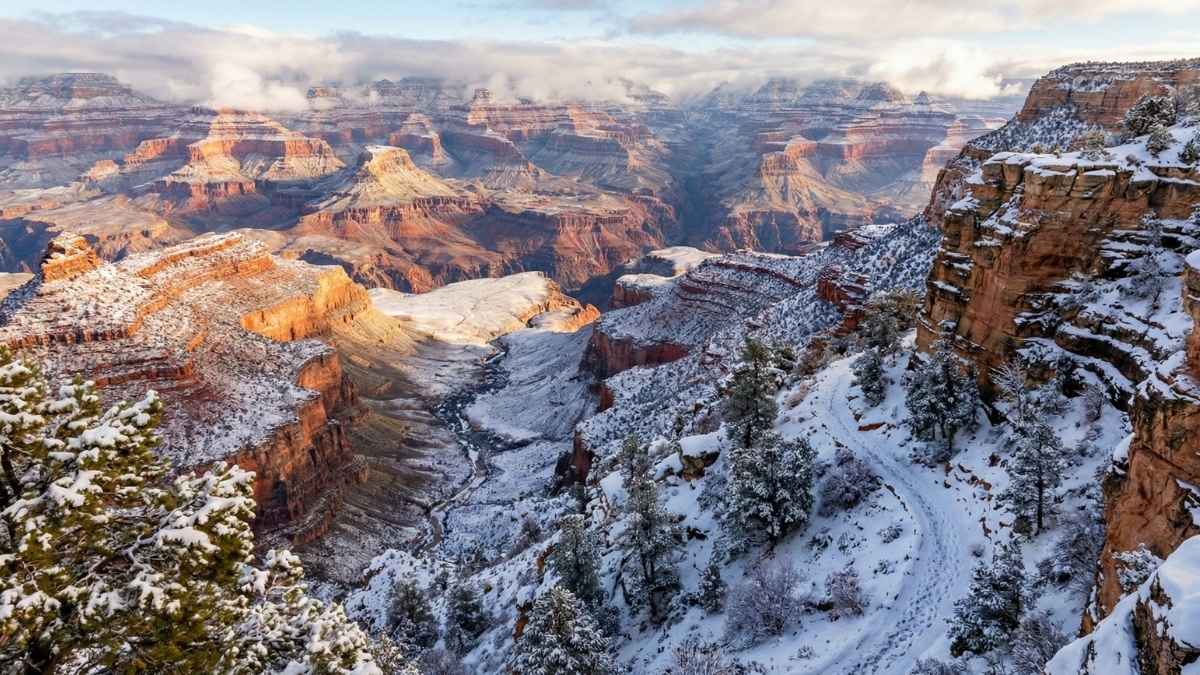
Winter at the Grand Canyon is dramatic, and the snow-dusted cliffs look striking, but the practical side of the visit becomes much less enjoyable. The South Rim stays technically open, yet the combination of icy viewpoints, unpredictable storms, and heavy holiday traffic creates a mixed experience. Many travelers are surprised by the extreme temperature swings and wind chills along the rim.
Because of snow and ice, not many trails remain safely accessible. Even the famous Bright Angel Trail can become hazardous without proper equipment. Viewpoints that feel easy breezy in warmer months often require careful, slow walking in winter just to avoid slipping on shaded patches of ice.
Crowds may not be summer-level, but winter still brings waves of holiday visitors. That means crowded parking lots and limited services—without the payoff of fully accessible trails. It’s a park that simply shines best outside the winter season, especially when both rims and more hiking routes are open.
Quick Facts
- Best months to visit instead: April–June, September–October
- Winter hazards: Ice on trails, wind chill
- Crowds: Moderate during holidays
- North Rim: Closed entirely in winter
- Best alternative: Sedona (milder winter weather)
10. Zion National Park (Avoid in Winter)
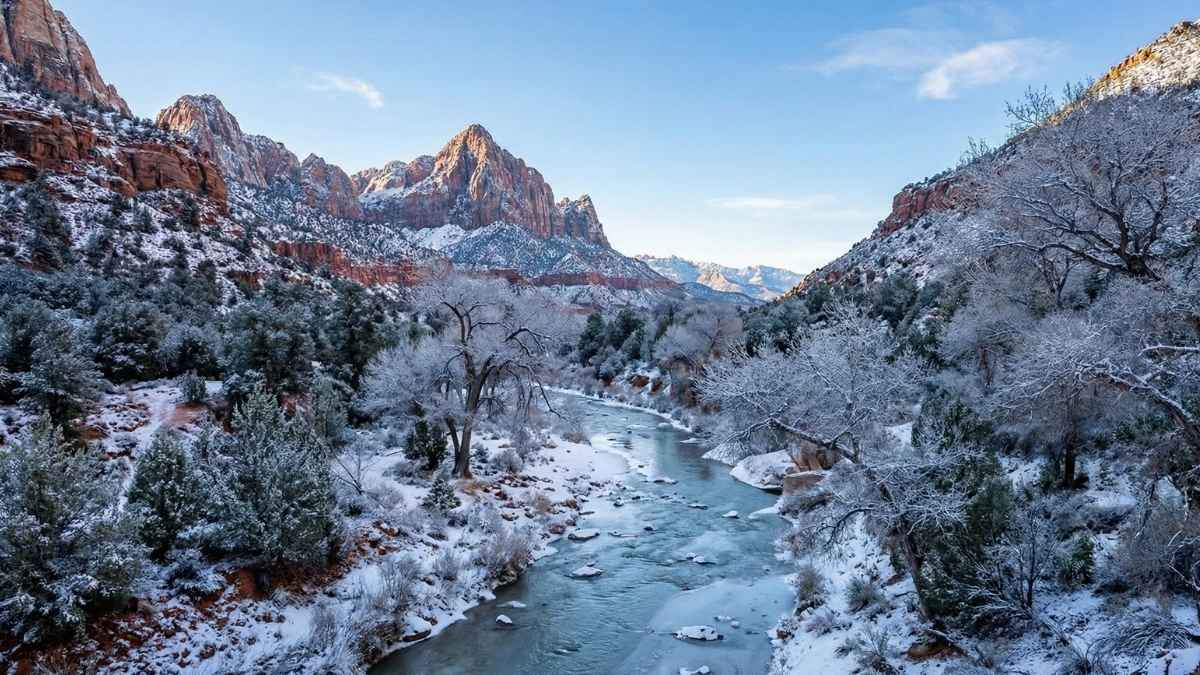
Zion is one of those parks that looks calm in winter, but the reality is far less relaxed. The steep canyon walls create long shadows, which means trails stay icy for most of the day. Popular routes like Angels Landing and The Narrows are not just challenging—they become high-risk because of slick conditions and frigid water levels.
While winter crowds do thin out, the shuttle system still operates during peak holiday periods, and parking can fill faster than expected. Daylight is short, so even experienced hikers find themselves racing the clock. The park’s narrow geography amplifies everything—cold air pools, ice lingers longer, and storms funnel directly into the canyons.
Most travelers wanting Zion’s “classic” experience quickly realize winter is too limiting. You miss warm-weather access, longer daylight, and safer trail conditions. The canyon remains beautiful, but the season makes every plan a bit more complicated than it needs to be.
Quick Facts
- Best months to visit instead: March–May, September–October
- Major winter hazards: Ice, flash freeze water in The Narrows
- Shuttle schedule: Limited but still active during holidays
- Trails: Many become unsafe or unpleasant
- Best alternative: Snow Canyon State Park (nearby and accessible year-round)
11. Great Smoky Mountains National Park (Avoid in Winter)
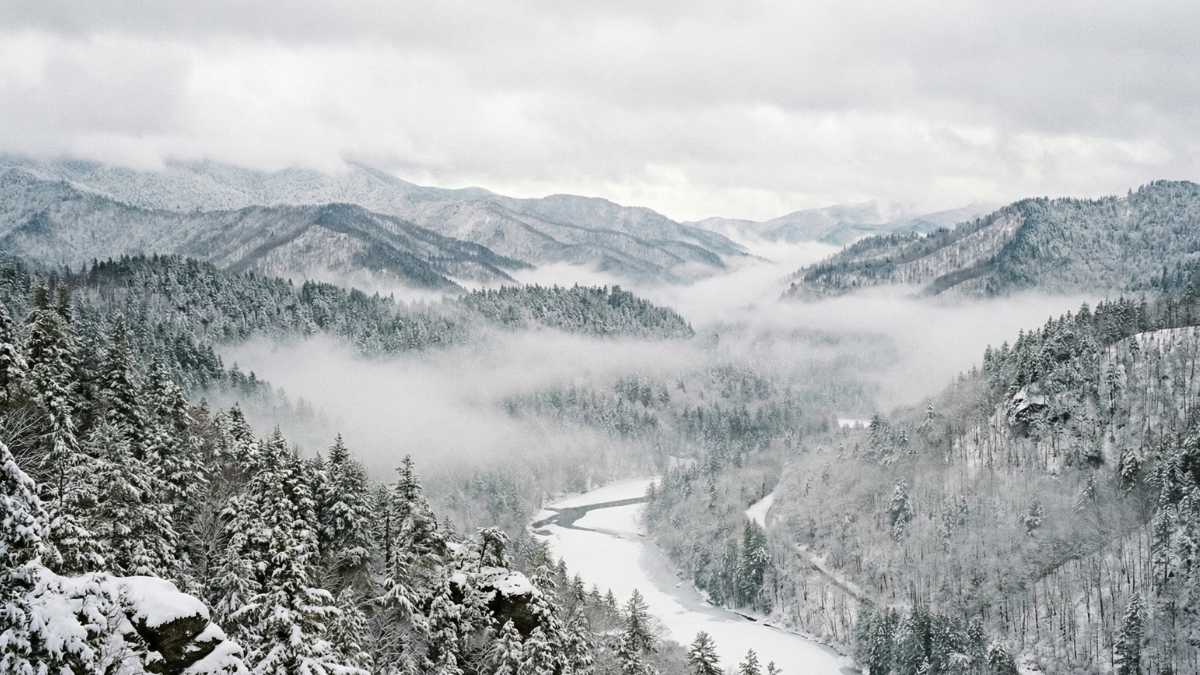
Winter in the Smokies can be surprisingly unpredictable. The lower elevations may look mild, but the roads leading toward the ridgelines often deal with sudden ice or fog that steals away visibility without warning. Many travelers show up thinking they’re in for a cozy forest getaway and end up rerouting half their plans because of closures on Newfound Gap Road or the loop around Cades Cove.
Even when the roads are open, the signature scenery doesn’t shine quite as brightly. The dense green canopy that makes the park so gorgeous in warmer months disappears, leaving a bare, gray landscape that feels less magical than people expect. Waterfalls slow down, wildlife sightings drop, and the sweeping views are often swallowed in thick winter haze.
It’s not that the park becomes unpleasant—it just stops offering what makes it special. You’ll still find hiking opportunities, but many are cold, muddy, and missing the lush landscapes most visitors come for. Winter simply steals too many of the elements that define the Smokies.
Quick Facts
- Best months to visit instead: April–June, September–October
- Major winter issue: Road closures due to ice
- Winter scenery: Minimal foliage, reduced visibility
- Crowds: Light but still present on weekends
- Best nearby alternative: Blue Ridge Parkway viewpoints (lower elevation)
12. Anza-Borrego Desert State Park, California (Underrated & Stunning)
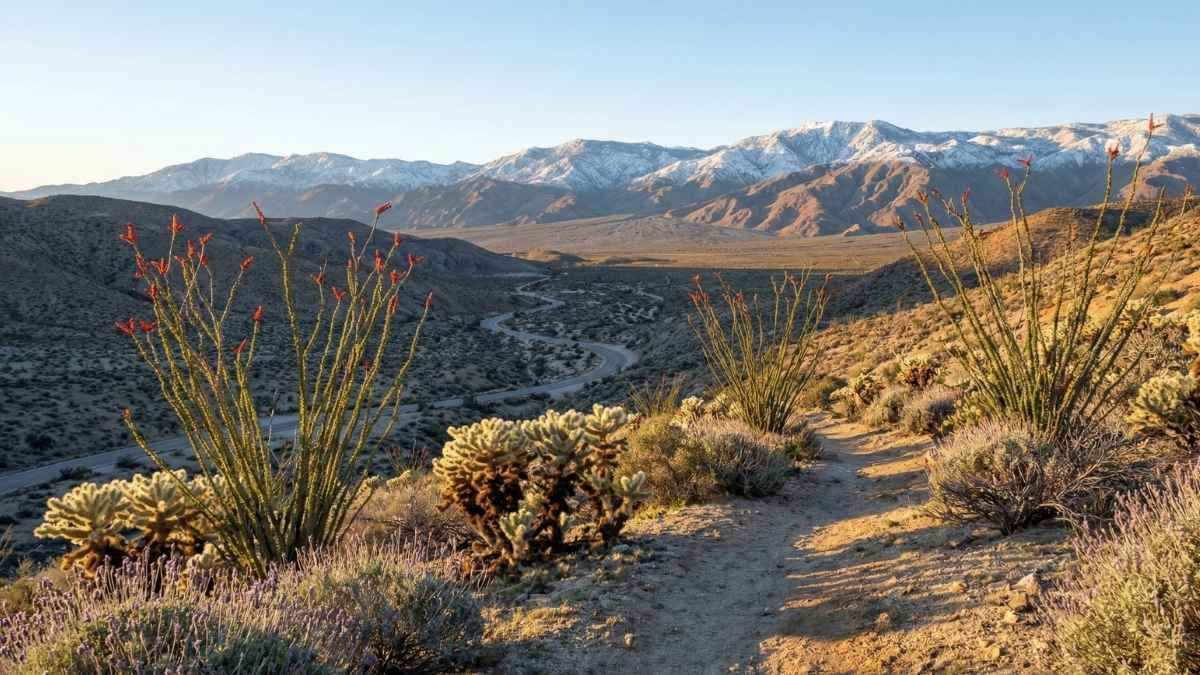
Anza-Borrego delivers a type of winter beauty that feels wonderfully unexpected. The heat that normally dominates this desert landscape fades away, leaving peaceful canyons and sun-warmed trails that are easy to explore without rushing. It’s the kind of place where you can wander through slot canyons or open badlands and feel like the whole park belongs to you.
Winter brings crystal-clear skies that stretch across the desert like a perfect backdrop. The muted golds, creams, and soft reds of the landscape take on a richer tone, especially in the low-angle afternoon light. With the crowds gone, there’s room to linger, take in the silence, and appreciate the vast open space without feeling hurried.
The park’s scale surprises most visitors—its diversity goes far beyond the desert floor. From palm oases to dramatic overlooks, every corner brings a different kind of quiet beauty. Winter simply unlocks the version of Anza-Borrego that’s easiest and most enjoyable to explore.
Quick Facts
- Best months to visit: November–March
- Crowds in winter: Very low
- Highlights: Slot Canyon, Font’s Point, Palm Canyon
- Weather: Ideal hiking temperatures
- Bonus: Potential wildflower bloom late winter
13. Fall Creek Falls State Park, Tennessee (Underrated & Stunning)
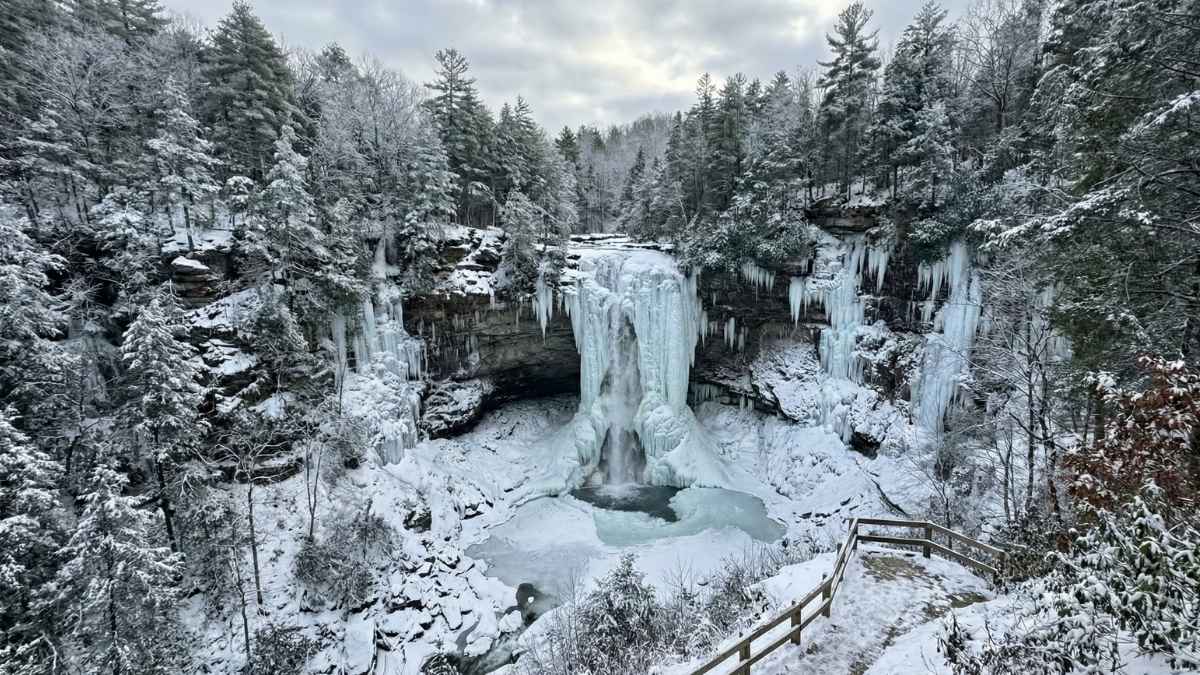
Fall Creek Falls has a calming winter presence that feels refreshing in the best way. The waterfalls continue flowing even in the colder months, and without the usual crowds, the overlooks offer a quiet you don’t often get in well-loved parks. The forest may be bare, but the rugged cliffs and deep gorges stand out even more without summer foliage in the way.
The main waterfall—one of the tallest east of the Rockies—looks powerful against the muted winter surroundings. Light breezes sweep through the canyon, carrying mist just far enough to catch the sun. The whole park feels peaceful, almost meditative, and that alone makes it one of the Southeast’s best winter outdoor escapes.
The trail network remains accessible, and the scenic drives let you explore a lot without battling crowds. For travelers craving a nature retreat without worrying about extreme weather or closures, this park hits a sweet spot.
Quick Facts
- Best months to visit: October–April
- Winter crowds: Very light
- Best sights: Fall Creek Falls, Cane Creek Gorge Overlook
- Weather notes: Chilly but manageable
- Bonus: Cabins are often available at lower winter rates
14. Smith Rock State Park, Oregon (Underrated & Stunning)
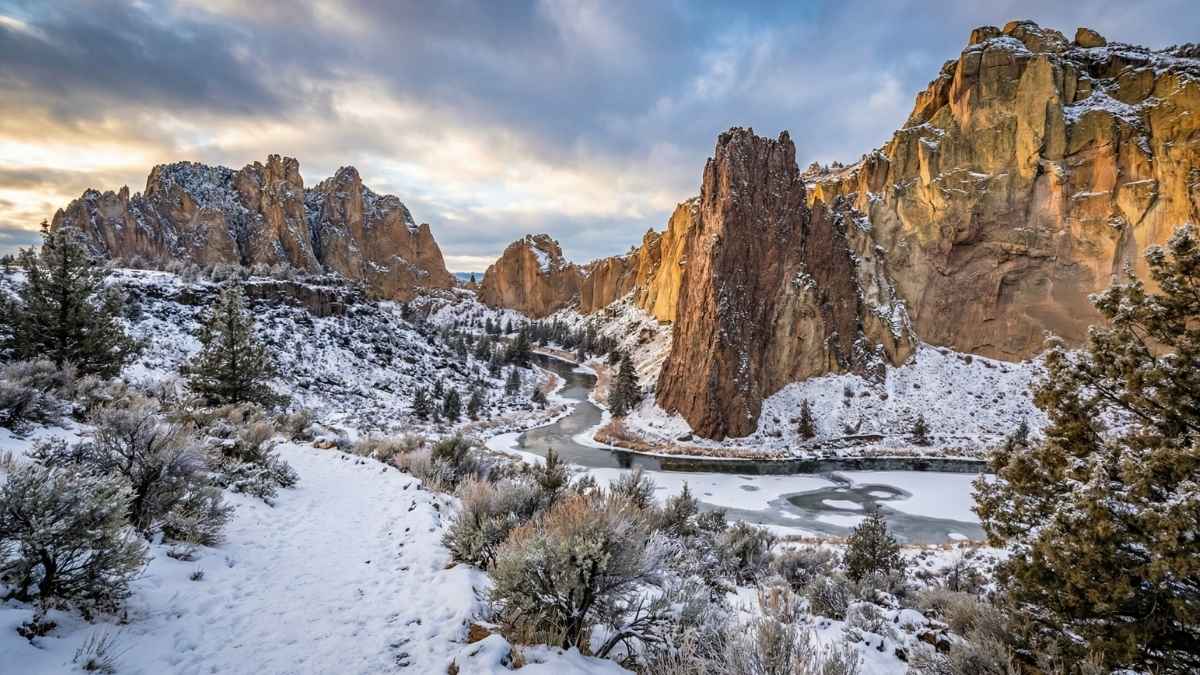
Smith Rock takes on a crisp, golden beauty in winter that feels completely different from the busy summer season. With the high-desert air cooling the landscape, the towering cliffs glow in warm tones that become especially striking at sunrise. The trails remain open and surprisingly pleasant, giving you access to sweeping canyon views without the usual foot traffic.
Climbers show up year-round, but the casual crowds thin dramatically, leaving plenty of room on the main paths. The famous Misery Ridge Trail, while still challenging, becomes far more peaceful—and the views from the top feel even bigger when shared with only a handful of people. Winter has a way of softening the whole atmosphere, making the park feel spacious and calm.
Wildlife is more active during this season, too. You might spot mule deer grazing in the distance or raptors circling above the cliffs. Between the scenery and the serenity, Smith Rock offers a refreshing kind of winter adventure that stays accessible and enjoyable.
Quick Facts
- Best months to visit: October–April
- Winter crowds: Low to moderate
- Best trails: Misery Ridge, River Trail
- Weather: Cold mornings, mild afternoons
- Bonus: Great winter photography conditions
15. Cayo Costa State Park, Florida (Underrated & Stunning)
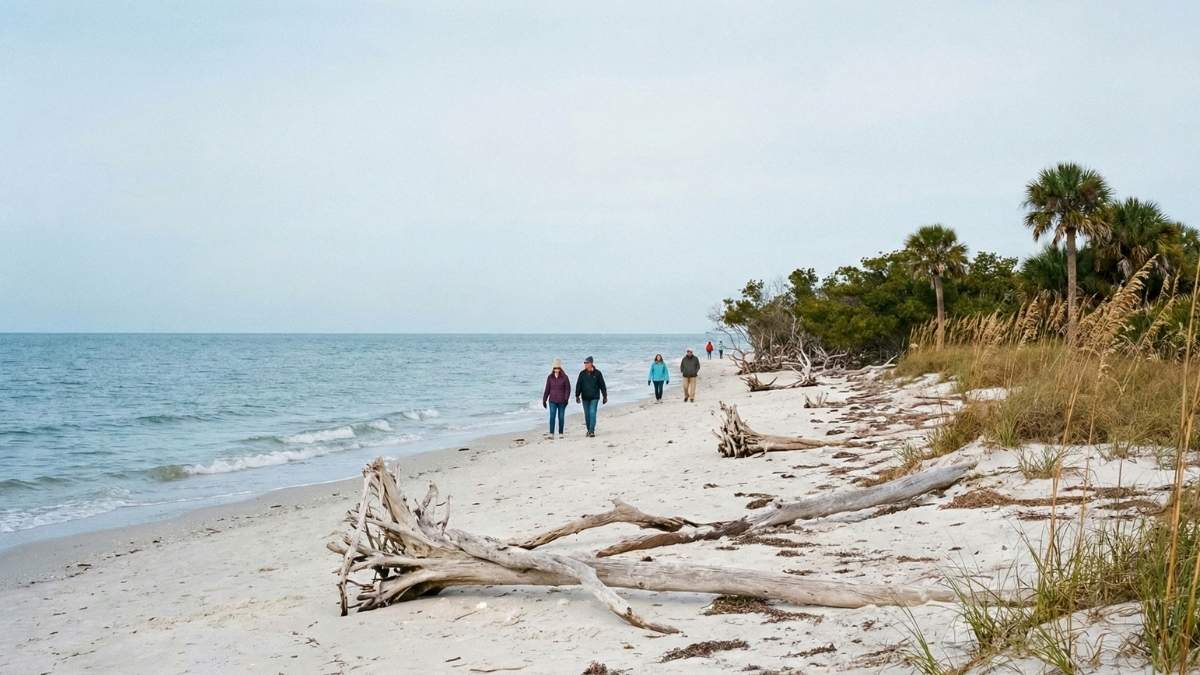
Winter practically transforms Cayo Costa into a private island escape. You arrive by ferry and step onto a stretch of coastline that feels untouched—a rarity in Florida. The humidity drops, the bugs disappear, and the warm, breezy afternoons create the kind of beach days people wish for all year.
What makes winter special here is the solitude. The beaches stay wonderfully empty, giving you long stretches of white sand and calm Gulf water to explore without bumping into anyone. Dolphins often swim close to shore, and shells wash up in generous amounts thanks to the softer winter tides.
The park remains rustic on purpose, with simple cabins, primitive camping, and zero resort-style development. It feels like stepping back to an older version of coastal Florida—quiet, natural, and beautifully slow-paced.
Quick Facts
- Best months to visit: December–April
- Access: Ferry or private boat only
- Wildlife: Dolphins, manatees, coastal birds
- Activities: Beachcombing, kayaking, biking
- Bonus: Mosquito-free season
16. Lost Maples State Natural Area, Texas (Underrated & Stunning)
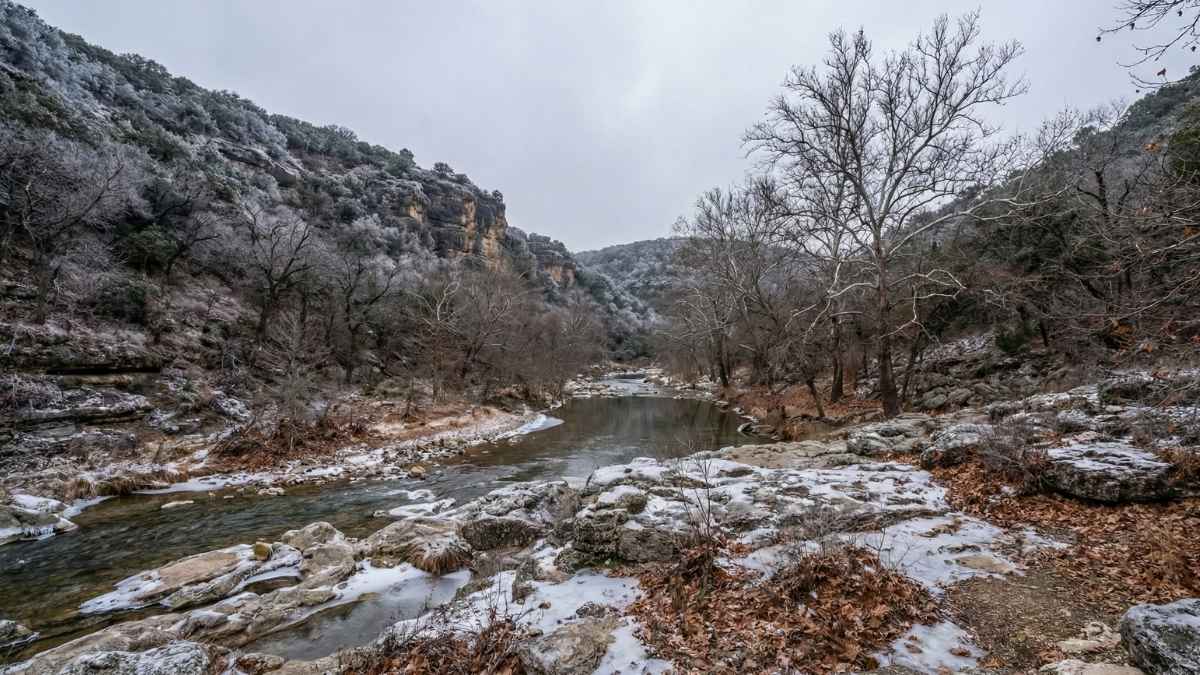
Lost Maples isn’t just a fall foliage spot—it’s quietly gorgeous in winter too. The cooler weather turns the trails into easy, enjoyable walks, and the tall limestone canyons take on a sharper, more defined look under winter sunlight. With most visitors showing up only for fall colors, you get plenty of space to explore.
The Sabinal River runs clear this time of year, with peaceful pockets of water reflecting the cliffs above. The bare maples reveal the dramatic folds of the landscape, offering long, unobstructed views across the canyons. Something is grounding about the winter stillness here, especially on the East and West Loop trails.
Even wildlife stays active—mostly birds and small mammals—which adds subtle movement to the quiet landscape. It’s a great place to spend a slow-paced day outdoors, especially when you want nature without the busyness of bigger parks.
Quick Facts
- Best months to visit: November–March
- Winter crowds: Minimal
- Best trails: East Trail, West Loop Trail
- Weather: Cool and dry
- Bonus: Clear night skies for stargazing
17. Devil’s Lake State Park, Wisconsin (Underrated & Stunning)
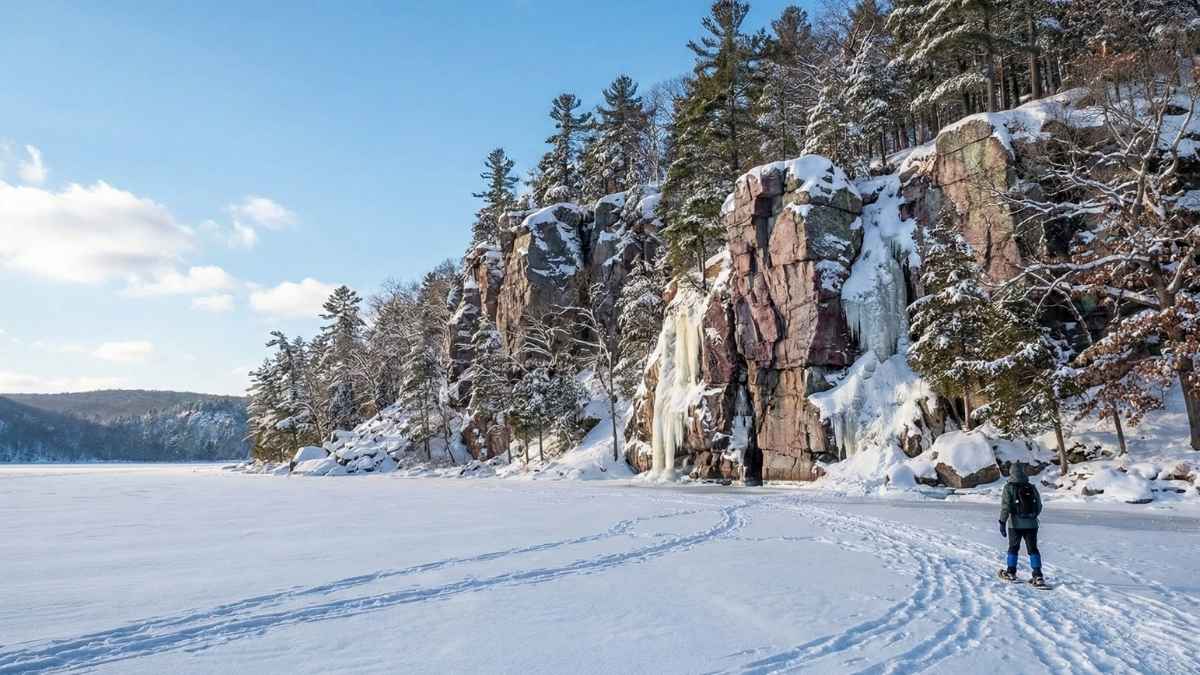
Devil’s Lake takes on a wonderfully dramatic character in winter, with its quartzite bluffs rising above a partially frozen lake. The snow creates sharp contrasts along the cliffs, producing views you don’t quite get at any other time of year. When the wind is calm, the entire area feels surprisingly serene.
The trails stay open, and while they require careful footing, the reward is a series of overlooks that are refreshingly quiet compared to the summer rush. Photographers love winter here because the crisp light makes the rocky ridges and forests look bold and textured. The cold air only seems to make the views clearer.
Visitors who don’t want to hike can still enjoy scenic drives, lakeside strolls, and open picnic areas without battling crowds. It’s one of those parks where winter doesn’t take anything away—it just gives the landscape a new personality.
Quick Facts
- Best months to visit: October–April
- Winter hazards: Ice on bluffs, slippery steps
- Best overlooks: East Bluff, West Bluff
- Crowds: Very low
- Bonus: Excellent winter photography
18. Custer State Park, South Dakota (Underrated & Stunning)
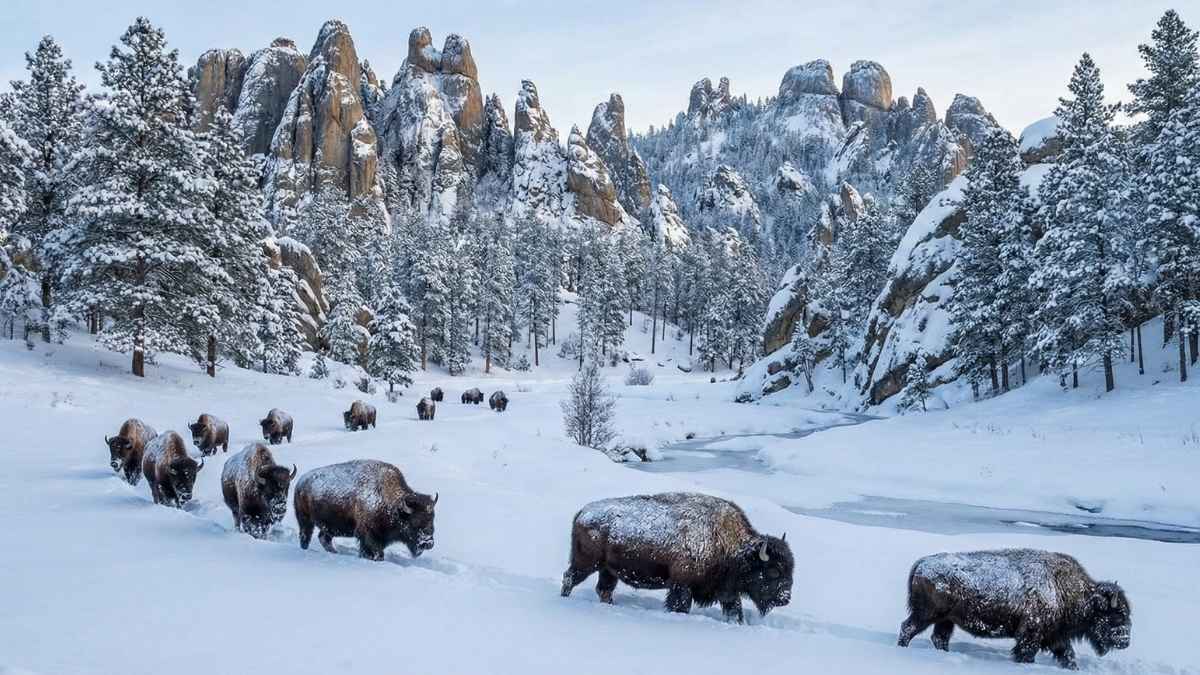
Custer State Park becomes an unexpectedly peaceful winter retreat. The rolling hills maintain their golden tones, and the lack of heavy snowfall compared to nearby regions means many scenic roads remain open. Wildlife tends to be more visible, too—bison often wander right along the roadside, moving slowly through the frosty grasslands.
The park’s wide-open spaces feel even larger in winter, giving you uninterrupted views of the Black Hills. Popular routes like Needles Highway may close intermittently, but many other areas remain accessible and beautifully quiet. The crisp air and soft winter light give the rock formations a warm glow, even on colder days.
Visitors who want a calm, scenic experience without dealing with extreme conditions find Custer surprisingly appealing. It’s a park where you can take your time, explore at a relaxed pace, and enjoy rugged landscapes without the summer crowds.
Quick Facts
- Best months to visit: September–April
- Winter crowds: Very light
- Wildlife: Bison, pronghorn, big-horn sheep
- Best areas: Wildlife Loop Road, Sylvan Lake
- Weather: Cold but manageable with clear skies