Europe’s Secret Season: 14 Cities That Peak in Fall (Not Summer) – Cheaper, Cozier, Way Better


Crisp air settles in as Europe trades its summer rush for a quieter, deeper kind of magic — the kind you feel in the glow of early sunsets and the crunch of leaves underfoot.
There’s a moment when the crowds fade, the colors sharpen, and the continent reveals places that shine brightest after summer ends. If you’ve been craving wonder without the overwhelm, or adventure without the noise, fall becomes the season that changes everything.
Travel feels slower, richer, more intimate. And ahead, you’ll find surprising cities that come alive just as everyone else heads home — with insights to help you catch them at their peak.
1. Ljubljana, Slovenia
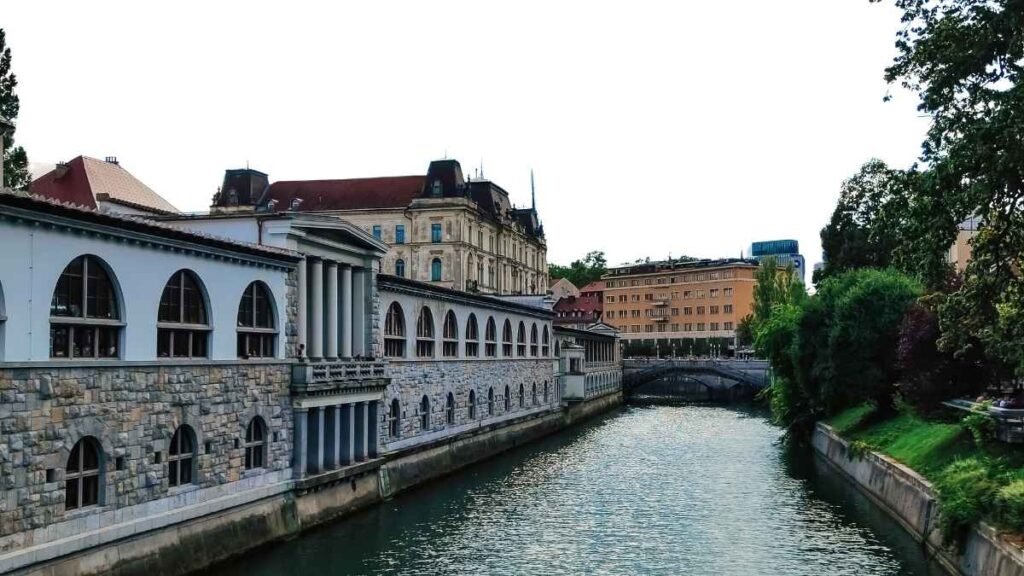
There’s a calm confidence to Ljubljana in autumn. You feel it as soon as you walk along the Ljubljanica River and see the trees turning deep copper and orange. Average daytime temperatures settle in the high 50s to low 60s°F in September and October, which creates that perfect “light jacket weather” travelers always hope for. And maybe it’s just me, but the slower pace brings out the city’s softer side — from riverside cafés to artists selling prints under arcades.
The great thing about fall here is how the city keeps its cultural energy while shedding almost all summer crowding. Seasonal food markets highlight mushrooms, chestnuts, and local wines, and the car-free old town feels open and relaxed. When you stand on Castle Hill and look down at the red rooftops wrapped in autumn color, it feels like Ljubljana is built for this season — balanced, breathable, and wonderfully walkable.
Key Practical Info
- Peak Season: September–October (comfortable temps; best foliage)
- Getting Around: Walkable center; biking is easy; riverboats available
- Ideal Duration: 2–3 days
- Must-Try: Seasonal mushroom dishes, štruklji, local wine tastings
- Budget Tips: Lower costs than Western Europe; inexpensive cafés
- Etiquette: Casual greetings appreciated; English widely spoken
- Photography: Triple Bridge, Castle Hill lookout, riverside at sunset
2. Bologna, Italy
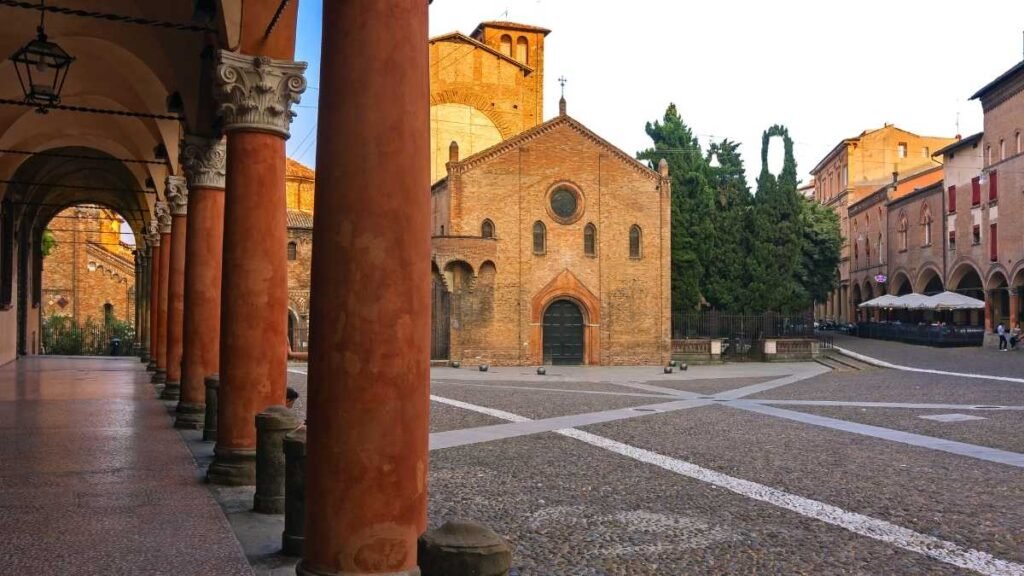
Bologna’s autumn atmosphere feels richer, warmer, and somehow more grounded. Fall brings temperatures in the 60s°F, which is ideal for exploring the city’s 23 miles of historic porticoes without the summer heat. Here’s what I mean: food markets burst with truffles, chestnuts, and wine harvest goods, and the city’s medieval towers catch the soft amber light beautifully. Even though Italy draws millions of annual visitors, Bologna stays surprisingly calm in fall.
The city’s cultural life peaks during these months, with food events, harvest festivals, and theater season all in full swing. Shorter days turn the old town into a cinematic backdrop — Piazza Maggiore glows under warm lights, and cafés spill onto the portico-lined streets. I’m not sure, but autumn might be when Bologna shows its truest flavor: relaxed, deeply local, and proudly food-obsessed.
Key Practical Info
- Peak Season: September–November (harvest events, perfect temps)
- Getting Around: Walkable; easy regional train connections
- Ideal Duration: 3–4 days
- Must-Try: Tortellini, tagliatelle al ragù, truffle dishes
- Budget Tips: Lower hotel rates compared to summer
- Etiquette: Standing at the bar = cheaper coffee
- Photography: Portico corridors, Asinelli Tower views, Piazza Maggiore
3. Granada, Spain
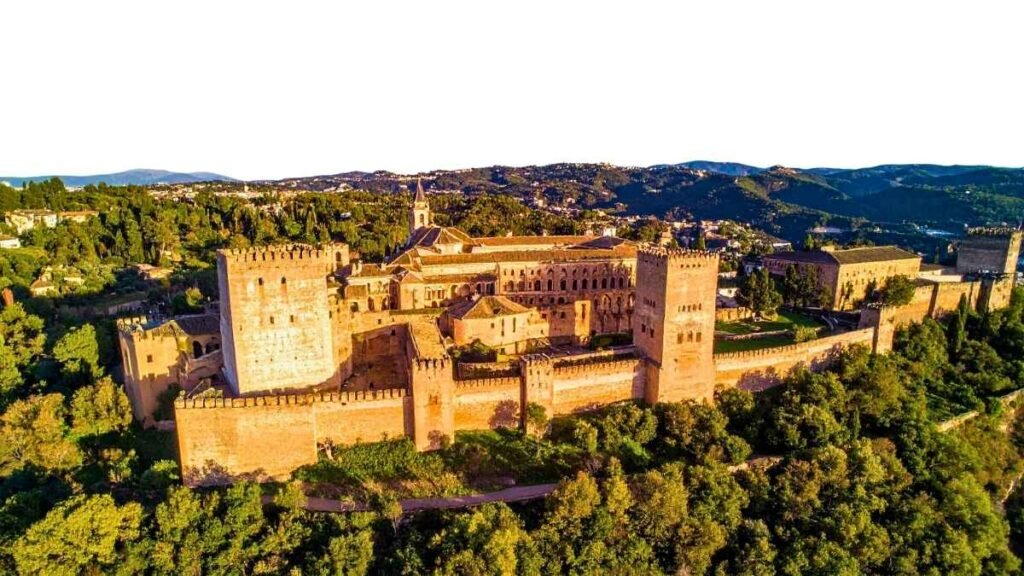
Granada in fall feels like a gentle exhale after the intense summer heat. Daytime temperatures sit in the low 70s°F during October, dropping into the mid-40s at night, which makes walking the steep lanes of Albaicín much easier. The soft golden light over the Sierra Nevada gives the whole city a quiet, elegant energy. Viewpoints like San Nicolás finally feel peaceful again once the summer crowds disappear.
The Alhambra is at its best in autumn, with lighter foot traffic and glowing foliage around the Generalife Gardens. You can take your time appreciating the Nasrid Palaces — the carved stucco, reflective pools, and cedar ceilings feel even more serene in cooler weather. And there’s something special about evenings here: tapas bars fill with locals, tea houses swirl with spice, and the hill neighborhoods carry the sound of street musicians well into the night.
Key Practical Info
- Peak Season: September–November (stable weather, fewer crowds)
- Getting Around: Walkable center; minibuses for steep districts
- Ideal Duration: 3 days
- Must-Try: Free tapas culture, mint tea houses, Sacromonte flamenco
- Budget Tips: Best value for accommodations outside peak summer
- Etiquette: Dinner commonly starts at 9 PM or later
- Photography: Alhambra viewpoints, Albaicín rooftops, Generalife Gardens
4. Budapest, Hungary
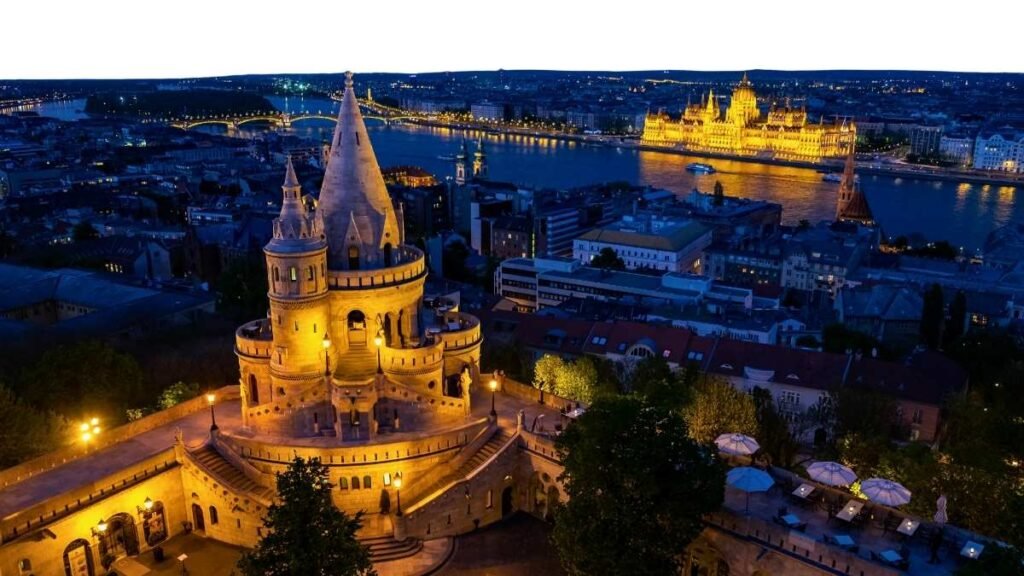
Budapest feels tailor-made for autumn travel. Temperatures in the 60s°F through September and early October make long walks along the Danube incredibly comfortable. The city’s tree-lined boulevards shift into warm shades of yellow and orange, and those colors reflect beautifully across the river. Fall also marks festival season, from wine events to food markets that feel more local and less tourist-heavy than the summer crowds.
The thermal baths become one of the city’s biggest pleasures in cooler weather. Sitting in steaming outdoor pools while crisp air settles around you just feels right. Neighborhoods like the Castle District and Margaret Island gain a calmness that lets you explore at your own pace. And the city’s skyline in autumn? It’s stunning — Parliament, Fisherman’s Bastion, and the Chain Bridge all sit against softer, warmer light that makes photography effortless.
Key Practical Info
- Peak Season: September–October (festivals, perfect temps)
- Getting Around: Metro + trams; walk along the riverfront
- Ideal Duration: 3–4 days
- Must-Try: Thermal baths, chimney cake, wine tastings
- Budget Tips: More affordable than most EU capitals
- Etiquette: Quiet voices on public transit are appreciated
- Photography: Fisherman’s Bastion, Parliament from across the Danube
5. Porto, Portugal
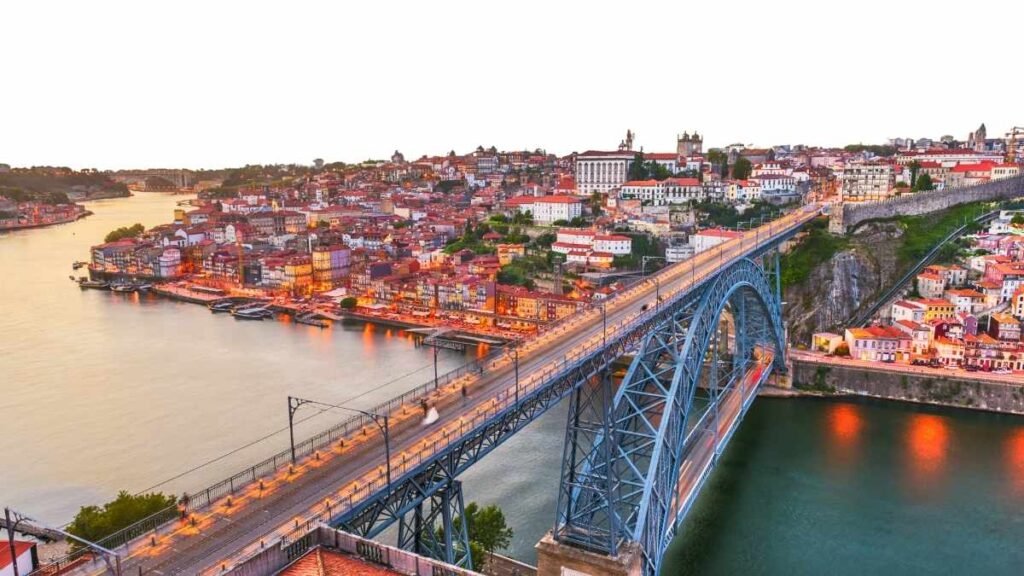
Porto steps into its best mood in autumn — cozy, warm-toned, and deeply inviting. The Douro Valley grape harvest peaks in October, bringing tasting events and winery tours that spill over into the city’s wine houses. Fall temperatures stay friendly, making it easier to navigate Porto’s steep riverfront and narrow medieval streets without the exhausting summer heat.
The city feels balanced this time of year: energetic enough to feel alive but calm enough to enjoy without rushing. Markets fill with chestnuts and figs, the tiled façades shine after the first rains, and sunsets along the river take on that golden intensity photographers love. The Dom Luís I Bridge becomes a kind of stage for fall light — warm, soft, and beautifully reflective across the Douro.
Key Practical Info
- Peak Season: September–October (harvest season + ideal temps)
- Getting Around: Metro, trams, and riverside walks
- Ideal Duration: 3 days
- Must-Try: Port tastings, francesinha, Douro Valley trips
- Budget Tips: Cheaper stays farther from the riverfront
- Etiquette: “Bom dia” or “boa tarde” always appreciated
- Photography: Ribeira at sunset, Dom Luís I Bridge, vineyard terraces
6. Tallinn, Estonia
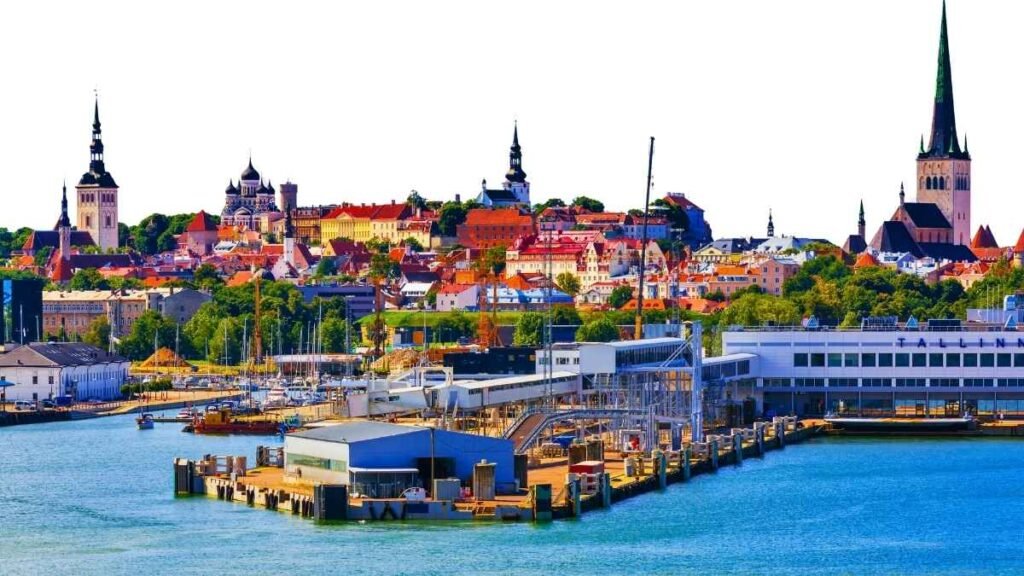
Tallinn in autumn feels like a fairytale city that suddenly decided to embrace a moody, golden glow. The medieval walls, sharp rooftops, and narrow lanes pick up soft amber tones that make the Old Town feel almost theatrical. Cooler temperatures settle in, usually in the 50s°F range, which turns wandering into a calm and comfortable experience. And you know that moment when a city feels both ancient and quietly creative? That’s Tallinn in fall — warm cafés tucked inside stone buildings, wood-smoke in the air, and locals reclaiming the city after the cruise crowds leave.
What surprises most people is how Tallinn mixes its medieval soul with modern edge. Fall brings design weeks, food pop-ups, and indie festivals that give the city a young pulse. A short tram ride takes you into forests that burst into full color, offering an unexpected, peaceful contrast to the Old Town’s towers. Maybe it’s just me, but Tallinn feels like two cities blending into one in autumn — historic, yes, but also buzzing beneath the surface.
Key Practical Info
- Peak Season: September–October for foliage and comfortable temps
- Getting Around: Walkable Old Town; trams reach modern districts
- Ideal Duration: 2–3 days
- Must-Try: Estonian pastries, craft coffee, hot soups
- Budget Tips: Much cheaper than Nordic neighbors
- Etiquette: Quiet tone appreciated in cafés
- Photography: Old Town rooftops, St. Olaf’s Church views, Kadriorg Park
7. Ghent, Belgium
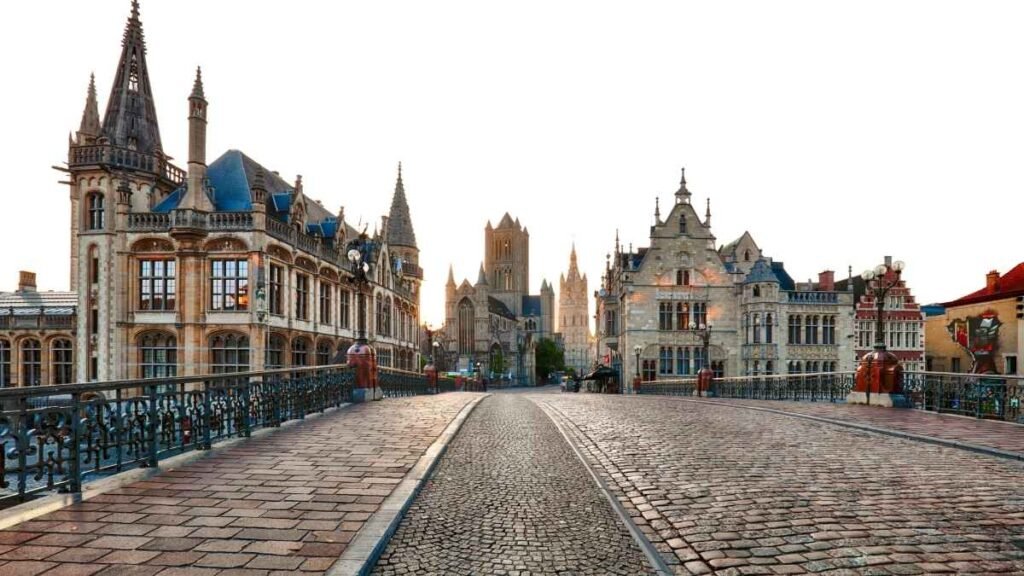
Ghent in fall feels like a real-life painting — canals lined with turning leaves, stone bridges, and medieval guild houses reflecting in the water. The city has this grounded, lived-in energy thanks to its huge student population returning after summer. Temperatures drop into the 50s°F, which makes wandering the old port district and riverside paths easy and refreshing. And here’s what I mean: Ghent doesn’t try to charm you; it just does, quietly and confidently.
What sets fall in Ghent apart is its creative heartbeat. Outdoor food stalls come alive, weekend markets pop up, and the city leans into its sustainability culture. Locals cycle everywhere, cafés spill into small squares, and the canals take on a cinematic stillness at sunset. I’m not sure, but fall feels like the moment when Ghent shows both its medieval beauty and its modern pulse in perfect balance.
Key Practical Info
- Peak Season: September–November with cool weather and active festivals
- Getting Around: Bikes + trams; city center is walk-friendly
- Ideal Duration: 2–3 days
- Must-Try: Belgian stews, local beer halls, canal boat rides
- Budget Tips: More affordable than Bruges
- Etiquette: Bikes have priority; stay clear of lanes
- Photography: Graslei, Korenlei, Gravensteen Castle
8. Heidelberg, Germany
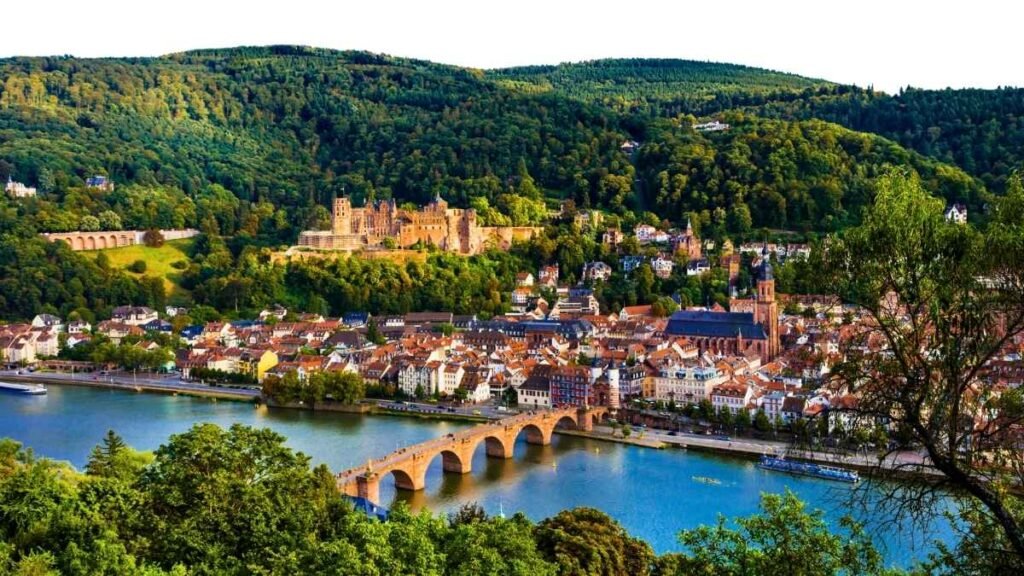
Heidelberg feels almost enchanted in fall. The hills surrounding the city turn into waves of gold, orange, and burgundy, framing the castle ruins in a way that feels unreal. The Neckar River stays calm and reflective, and the old stone bridge becomes one of Europe’s most beautiful autumn walkways. Temperatures usually land in the 50s–60s°F range, which makes exploring the old town and riverfront comfortable all day.
The season also transforms Heidelberg’s famous Philosopher’s Walk, where the autumn vines and soft afternoon light make every viewpoint feel curated. Students return, cafés fill with chatter, and the castle terraces offer warm, wide views over the valley. You know that moment when you feel like a place is inviting you to slow down? Heidelberg does that effortlessly in fall.
Key Practical Info
- Peak Season: Late September–October for full foliage
- Getting Around: Walkable old town; funicular to castle
- Ideal Duration: 2–3 days
- Must-Try: Local wines, riverfront cafés, hilltop hikes
- Budget Tips: Mid-range overall; book stays early during fall events
- Etiquette: Keep noise low in residential hills
- Photography: Castle ruins, Old Bridge, Philosopher’s Walk
9. Tbilisi, Georgia
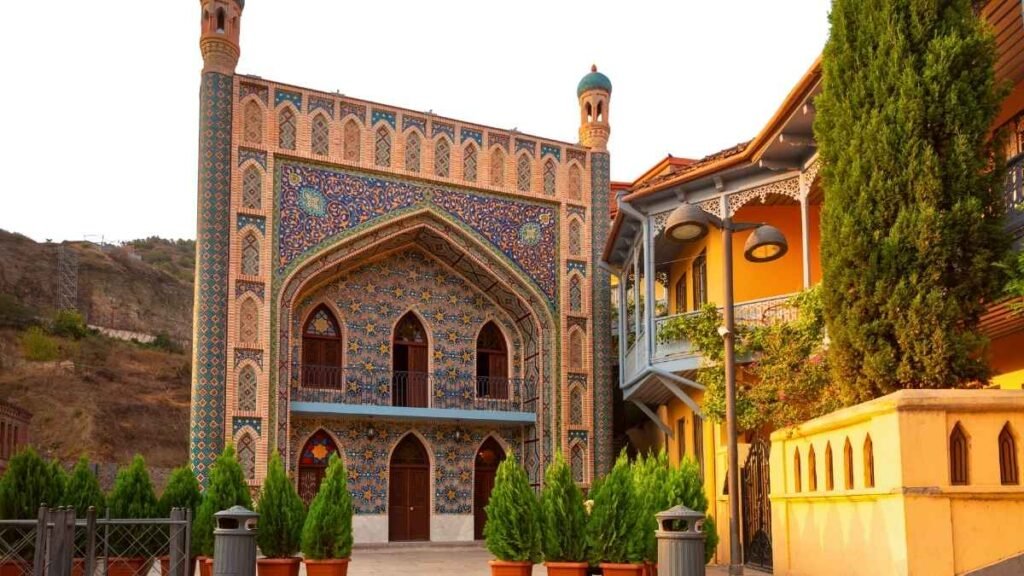
Tbilisi steps into its best mood in fall. The summer heat fades, revealing crisp air, clear mountain views, and warm sunlight bouncing off old wooden balconies. The city’s architecture — part European, part Persian-influenced — looks even more textured under autumn light. Daytime temperatures in the 60s°F make wandering Old Tbilisi feel relaxed and unhurried. And maybe it’s just me, but the whole place feels more soulful when the evenings grow cooler.
Fall is also wine season in Georgia, which means tastings, harvest events, and new vintages appearing in tiny bars tucked into courtyards. The sulfur baths become especially inviting, offering warm relief after long days of exploring. Tbilisi blends modern cafés with old-world charm in a way that feels especially alive in autumn — it’s unexpected, expressive, and deeply atmospheric.
Key Practical Info
- Peak Season: September–October during wine harvest
- Getting Around: Walkable center; taxis inexpensive
- Ideal Duration: 3–4 days
- Must-Try: Wine bars, khinkali, sulfur baths
- Budget Tips: One of Europe’s most affordable capitals
- Etiquette: Toasting is an important social custom
- Photography: Narikala Fortress, Old Tbilisi balconies, Mtatsminda viewpoints
10. Vilnius, Lithuania
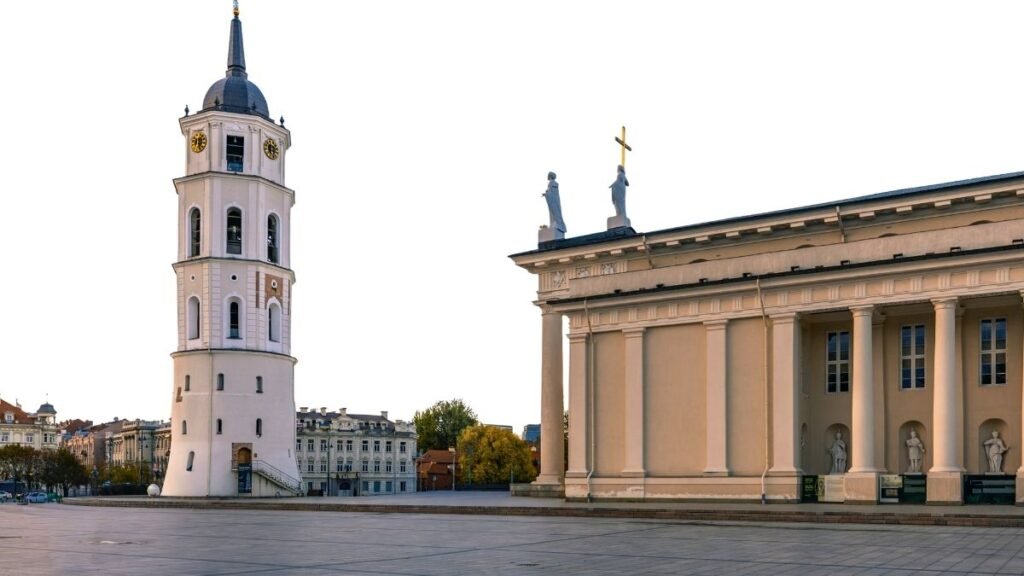
Vilnius in fall feels poetic — morning mist drifting between rooftops, soft yellow leaves blanketing parks, and baroque spires rising through the cool air. Temperatures usually fall into the 50s°F, which gives the city a calm rhythm that’s perfect for long walks. The old town becomes quieter, slower, and easier to explore without distractions. You know that moment when a city feels like it’s inviting you inward? Vilnius has that energy in autumn.
The Užupis district becomes especially atmospheric, with art displays, cozy cafés, and riverside paths turning into soft, reflective spaces. Daylight shortens, but it adds to the mood — golden hours feel warmer, and nights come with that chilled breeze that makes you want a hot drink and a slow pace.
Key Practical Info
- Peak Season: September–October for color and clear, crisp air
- Getting Around: Completely walkable; buses for longer distances
- Ideal Duration: 2–3 days
- Must-Try: Lithuanian pastries, craft beer, hilltop viewpoints
- Budget Tips: Very affordable for Northern Europe
- Etiquette: Locals appreciate personal space
- Photography: Gediminas Hill, Užupis bridges, old town courtyards
11. Nantes, France
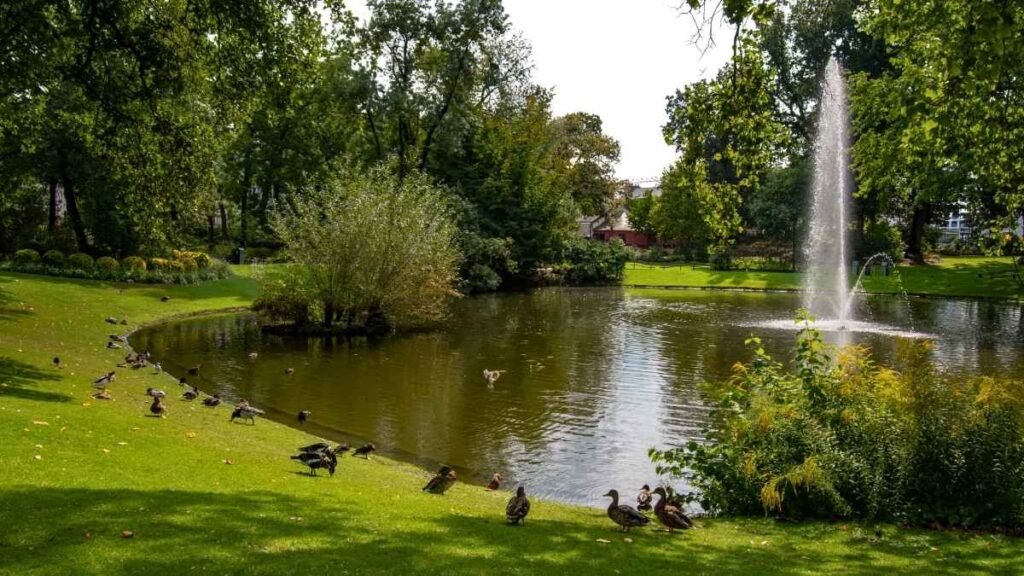
Nantes reveals its quirky, inventive personality most clearly in autumn. The Les Machines de l’Île mechanical creatures move through misty river air, giving the waterfront an almost dreamlike feel. The city parks burst into brilliant fall colors, and the crisp weather in the 50s°F range makes exploring its art trails and industrial-chic districts feel light and energizing.
Fall also brings a comforting culinary shift — Loire Valley wines, flaky pastries, and apple-forward dishes everywhere you go. The creative scene stays active, with outdoor art, night markets, and riverside strolls that feel more contemplative once the summer heat fades. I’m not sure, but Nantes might be one of France’s most unexpectedly perfect fall cities.
Key Practical Info
- Peak Season: October–November for festivals and foliage
- Getting Around: Trams everywhere; riverside walks are essential
- Ideal Duration: 2–3 days
- Must-Try: Local pastries, Loire Valley wine, seafood
- Budget Tips: Better hotel rates outside summer
- Etiquette: Many shops close midday; plan meals ahead
- Photography: Les Machines, Jardin des Plantes, Île de Nantes
12. Zagreb, Croatia
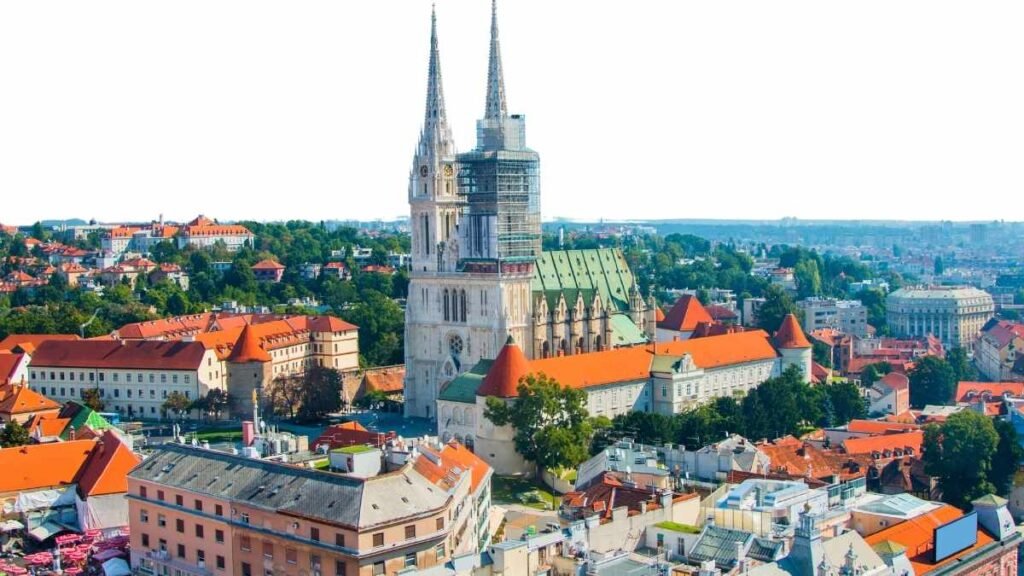
Zagreb in fall feels warm-hearted and deeply local. The city’s huge parks — especially Maksimir — explode into full color, and the café terraces become the core of daily life again. Temperatures often sit in the 50s–60s°F, making it one of the easiest capitals to wander on foot. Here’s what I mean: Zagreb isn’t trying to impress tourists; it just lets you slip into everyday life at a pace that feels refreshing.
Autumn also marks the return of the cultural season. Concert halls open, small galleries unveil new exhibitions, and the upper town gains a soft, amber glow under shorter days. Add in the food markets packed with apples, fresh cheese, and mulled drinks, and fall becomes an incredibly sensory time to explore.
Key Practical Info
- Peak Season: September–November for mild weather and events
- Getting Around: Walk the center; trams cover the rest
- Ideal Duration: 2–3 days
- Must-Try: Fresh cheeses, local pastries, mulled drinks
- Budget Tips: One of Europe’s most affordable capitals in fall
- Etiquette: Cafés are for lingering, not rushing
- Photography: Upper Town, Dolac Market, autumn parks
13. Graz, Austria
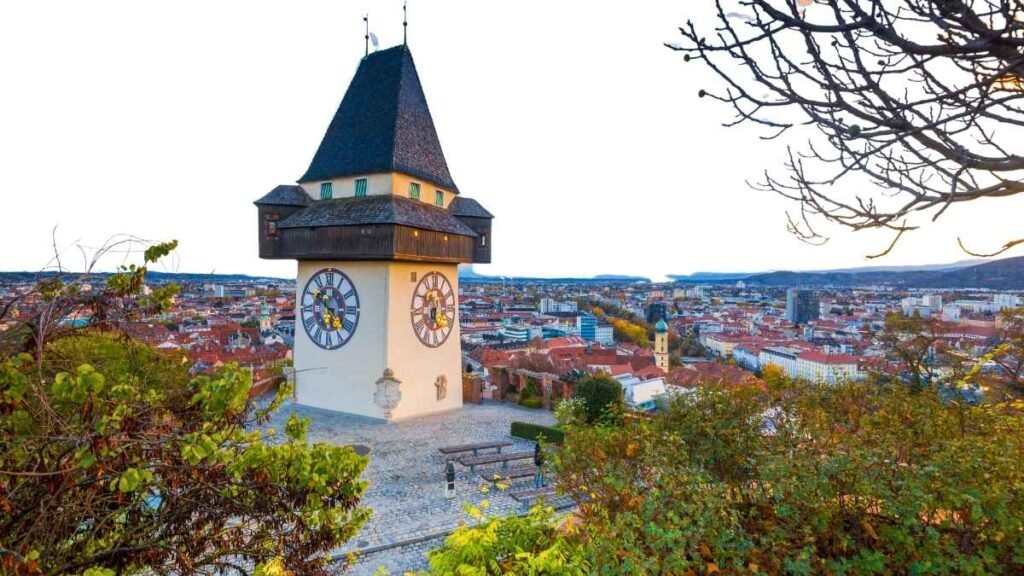
Graz feels effortlessly warm and welcoming in fall. The red-tiled roofs and forested hills shift into deep golds and oranges, and the mild weather makes the old town feel crisp and refreshing. The return of students gives the city its youthful energy again, mixing perfectly with the Renaissance courtyards and riverside paths.
Autumn is also peak harvest season here. Vineyards glow on the hills outside the city, and farm-style taverns serve pumpkin seed oil, fresh produce, and local wine. Maybe it’s just me, but Graz feels like the kind of place where food, landscape, and architecture all sync up beautifully in fall.
Key Practical Info
- Peak Season: October for vineyards and clear views
- Getting Around: Walkable core; trams everywhere
- Ideal Duration: 2–3 days
- Must-Try: Pumpkin seed oil dishes, Styrian wine, farm taverns
- Budget Tips: Affordable day trips to vineyards
- Etiquette: Dining is slower-paced; don’t rush meals
- Photography: Schlossberg, Mur River, hillside vineyards
14. Cardiff, Wales
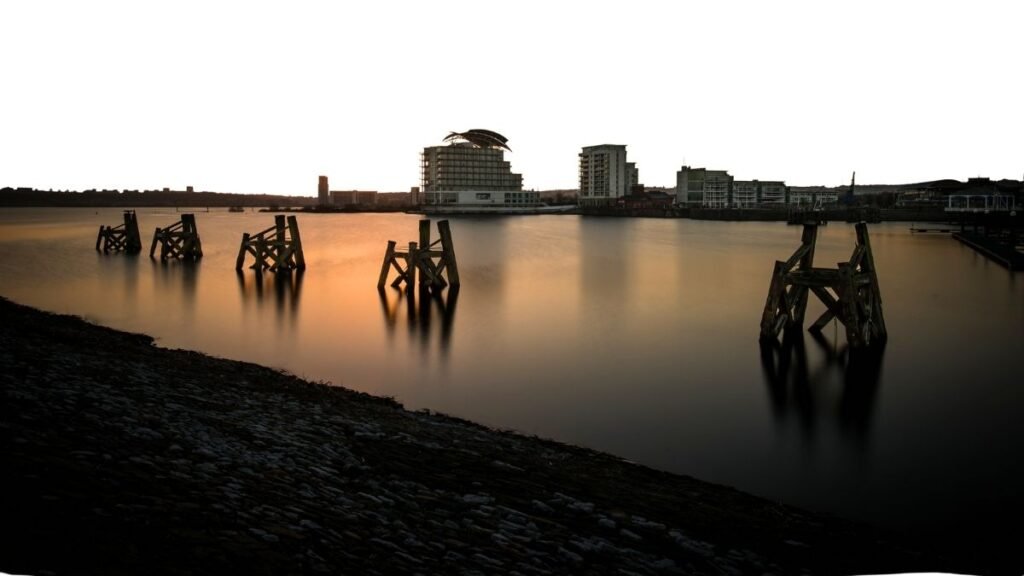
Cardiff steps confidently into its best season in autumn. Bute Park becomes a full watercolor of yellows, oranges, and reds, and the crisp coastal air gives the city a refreshing brightness. Temperatures often sit in the 50s°F, which makes the walk between Cardiff Castle and the waterfront feel easy and energizing. And here’s what I mean: Cardiff mixes history and modern life in a way that feels effortless when fall sets in.
The cultural season also kicks back into gear — concert halls reopen, rugby matches bring the whole city alive, and the arcades become soft-lit pathways filled with small shops and cafés. Cardiff Bay cools down but stays lively, especially at sunset when the water reflects the shifting sky.
Key Practical Info
- Peak Season: October–November for sports, events, and foliage
- Getting Around: Walkable center; buses reach the bay
- Ideal Duration: 2 days
- Must-Try: Welsh cakes, local cider, waterfront dining
- Budget Tips: Good deals on hotels outside major rugby weekends
- Etiquette: Locals appreciate friendly conversation
- Photography: Bute Park, Cardiff Castle grounds, Cardiff Bay