Let’s be honest. The alarm goes off, and it feels less like a gentle nudge and more like a personal attack.
You’re groggy. Your brain feels like it’s packed in cotton. And in that zombie-like shuffle from your bed, there’s usually only one thought: coffee. That first cup isn’t just a drink; it’s a resurrection. It’s the moment you start to feel like a functioning human again.
We all do it. In the U.S., 9 out of 10 coffee drinkers have a cup first thing. It’s a global ritual, with over two billion cups consumed every single day.
But then there’s that nagging voice. The one from health articles or wellness gurus that says, “You should drink water first.” So we stand there in the kitchen, torn. Do we go for what our body craves (coffee) or what we think it needs (water)? Does it even matter?

It turns out, it matters. A lot. But the answer isn’t a simple “yes” or “no.” It’s not about coffee being “bad” or water being “good.”
It’s all about timing. To figure this out, we’re not just going to look at myths. We’re going to look at what’s actually happening inside your body—specifically, with your hydration, your metabolism, and, most importantly, your hormones.
Why You Wake Up Already Behind

Before we even touch the coffee pot, we need to talk about the state your body is in when that alarm goes off. And honestly? It’s not great.
Think about it: you’ve just gone 6-8 hours without a single sip of fluid. But you’ve been losing water the entire time just by breathing and sweating. Sleep expert Dr. Michael Breus calls sleep a “dehydrative event,” and he’s not kidding. He estimates we lose “almost a full liter of water every single night”.
So, you wake up in a state of mild dehydration. This isn’t just “thirst.” It’s a genuine water deficit that’s already stressing your body.
- Your Brain is Foggy: Your brain is about 75-80% water. Even mild dehydration can cause “unclear thinking” and “mood change”. That groggy, grumpy feeling? A lot of that is just dehydration.
- Your Kidneys are Stressed: Your kidneys have been working all night to filter waste, but they haven’t had any new water to help flush it out. They’re forced to produce more concentrated urine, which puts “more wear on their tissues”.
- Your Digestion is ‘Asleep’: Your entire digestive tract needs water to function. Water is what lubricates the system, makes saliva to break down food, and helps soften stool to prevent constipation.
The first, most important job of your morning is to fix this deficit. As one expert put it, if your first drink is coffee (which is a diuretic), you’re making your already-stressed kidneys “work even harder”. You’re basically asking your body to run a marathon before you’ve even given it water.
So, water first. That part is non-negotiable.
But Does Water Actually “Jump-Start” Your Metabolism?

This is the second part of the “water first” argument. You’ve probably heard it: “Chug a glass of water to jump-start your metabolism!” Some studies even get thrown around claiming it boosts your metabolic rate by a whopping 30%.
The idea is called “water-induced thermogenesis” (WIT). The theory is that your body has to burn energy to warm up the cold water you just drank. And one 2013 study did find that overweight girls who drank water 30 minutes before meals lost weight.
But here’s the thing… the science on this is really shaky.
A follow-up study in 2006 tried to replicate the famous 30% boost and… failed. They found that room-temperature water “did not increase energy expenditure” at all. The only thing that had an effect was ice-cold (3°C) water, and even then, the boost was a tiny 4.5%, which the researchers called negligible.
So what about that weight loss study? It probably wasn’t a “metabolic boost” at all. It was just caloric displacement. They drank water, felt fuller, and simply ate less.
The takeaway: Drinking water is crucial, but not because it’s some magic metabolic stimulant. Its job is to be an enabler. It rehydrates your brain, supports your kidneys, and gets your digestion ready for the day. It’s the maintenance crew, not the main-stage act.
Okay, So What About Coffee’s Metabolic “Punch”?

This is where it gets interesting. While the case for water as a stimulant is weak, the coffee case is rock-solid.
Caffeine absolutely and reliably boosts your metabolic rate.
- One classic study found that 100mg of caffeine (about one 8-oz cup) taken every two hours increased 12-hour energy expenditure by 8-11%.20
- Another study, mentioned by dietitian Allegra Picano, RDN, found that active people drinking caffeinated tea burned an average of 96 more calories per day.
How? Caffeine isn’t just passively warming you up. It actively kick-starts your sympathetic nervous system. In simple terms, it sends a signal (via the hormone epinephrine, or adrenaline) that tells your body to start breaking down stored fat. This process, lipolysis, releases free fatty acids into your bloodstream to be burned for energy.
And that “empty stomach” rule? From a purely metabolic standpoint, it’s actually a bonus. When you drink coffee without food, “the caffeine gets absorbed more quickly and may reach higher levels in the bloodstream. So, it might pack more of a punch”.
But this effect isn’t the same for everyone. The metabolic boost is stronger in normal-weight individuals than in those with obesity, and it might be higher in people who are sedentary versus trained athletes.
The Metabolic Showdown: Water vs. Caffeine
🔥 Metabolic Rate Interventions: The Quick Facts
| Intervention | Mechanism of Action | Reported Metabolic Increase (Energy Expenditure) | The Reality Check |
|---|---|---|---|
| 💧 500ml Water | Water-Induced Thermogenesis (Body warming water) | 24% – 30% | Highly Contradictory. A strong 2006 study found **no effect** from room-temperature water. [16, 29] |
| ☕ 100mg Caffeine (approx. 1 cup coffee) | Sympathetic Nervous System Activation; Fat Breakdown (Lipolysis) | 8% – 11% (over 12-hour period) | Well-Established. A modest but very consistent effect. [19, 20] |
| 💧 500ml Water (pre-meal) | Caloric Displacement (Feeling full) | 13% reduction in calories eaten | Highly Contradictory. A strong 2006 study found **no effect** from room-temperature water. [3] |
So, if you’re just comparing numbers, coffee wins the metabolism fight, hands down. Drinking it on an empty stomach gives you a faster, stronger metabolic hit.
…But there’s a catch. And it’s a big one.
The One Big Problem Nobody Talks About: The Cortisol Collision

This is the most important part of the whole debate. The real reason to change your morning routine isn’t about metabolism—it’s about hormones.
We all know cortisol as the “stress hormone.” But that’s not its only job. It’s also your body’s primary alertness hormone. It’s what regulates your sleep-wake cycle.
Think of cortisol as your body’s own natural, built-in espresso shot.
Your body releases it on a very specific schedule. It peaks in the morning to pull you out of sleep and make you feel alert. This is called the “Cortisol Awakening Response” (CAR), and it happens about 30-45 minutes after you wake up. This natural surge is what gives you the energy to get out of bed.
Here’s the problem: caffeine also stimulates cortisol production.

When you chug that cup of coffee the second your feet hit the floor, you are “stacking” a powerful, drug-induced cortisol spike right on top of your body’s natural, maximal cortisol peak.
This is a hormonal collision. You’re basically screaming at your body while it’s already screaming to wake up.
The result? That awful, over-stimulated feeling. The jitters. The anxiety. The feeling of being “anxious, irritable, stressed out or jittery”. It’s too much, too soon.
Even worse, this daily collision can lead to a nasty long-term problem: the “tolerance trap.”
As dietitian Knubian Gatlin explains, “over time, your body might eventually adapt to produce less cortisol on its own if you drink a cup of coffee first thing every morning”. This isn’t just a theory. A 2005 study found that after just five days of regular caffeine intake, the body’s natural 9:00 AM cortisol response was abolished.
This creates a vicious cycle:
- Your body, knowing the caffeine is coming, stops producing as much of its own wake-up hormone.
- You wake up feeling even more like a zombie because your natural alarm clock is broken.
- You become completely dependent on that first cup of coffee just to feel “normal”.
The solution isn’t to quit coffee. It’s to wait. Experts recommend delaying that first cup by 60-90 minutes, or at least until mid-morning (think 9:30 AM – 11:00 AM).
By then, your natural cortisol peak is over, and levels are starting to dip. Now, the caffeine-induced boost is actually helpful. It catches you as you’re naturally starting to fade, giving you a “greater energy increase mid-morning” without the crash. You’re using coffee as a booster, not a crutch.
Let’s Clear Up Some Myths (Because Your Mom Was Kinda Wrong)

I know, I know. Even if you want to drink coffee, you’re probably worried about those old-school health warnings. Let’s bust a few.
Myth 1: “Coffee is totally dehydrating!”
The Verdict: Mostly False.
Yes, caffeine is a mild diuretic.37 But this myth has been way overblown. A key 2014 study in PLOS ONE took a group of regular coffee drinkers (3-6 cups a day) and compared them to a group drinking only water. The result? No significant difference in any hydration marker. The Mayo Clinic confirms that the fluid in the coffee is more than enough to balance out the mild diuretic effect. For the average person, moderate coffee consumption (3-5 cups) “provides similar hydrating qualities to water”.
Myth 2: “Coffee on an empty stomach burns a hole in your stomach!”
The Verdict: False.
This is the big one. And it’s just not true. Registered dietitian Anthony DiMarino of the Cleveland Clinic says flat out, “Most people don’t have any problem drinking coffee on an empty stomach.” Large-scale studies, like one in 2013 on over 8,000 people, found no significant link between drinking coffee (even 3+ cups a day) and getting peptic ulcers. Ulcers are caused by H. pylori bacteria or overuse of NSAID painkillers, not by your morning brew.
The Truth Behind the Myth: It Can Bother Existing Reflux.
The myth persists for a reason. Coffee does have a real effect on your gut. It stimulates a hormone called gastrin 46, which tells your stomach to produce more acid. It can also relax the little muscular valve (the lower esophageal sphincter) that keeps the acid in your stomach.
For most people, this is no big deal. Your stomach is designed to handle acid. But if you already suffer from GERD (acid reflux) or a sensitive stomach, this one-two punch can “exacerbate symptoms” and give you that familiar, nasty heartburn.
The takeaway: Coffee doesn’t cause the problem, but it can reveal it.
The Surprise Twist: Coffee Is… Good for Your Gut?

Here’s the part of the story nobody tells. We’ve been so worried about coffee hurting our gut, we missed the evidence that it might actually help it.
Coffee is loaded with polyphenols and other compounds that our bodies can’t digest. So, they travel down to our colon and become food for our good gut bacteria.
It’s a prebiotic.
Research shows that coffee can promote the growth of awesome bacterial strains like Lactobacillus and Bifidobacteria. One large-scale study even found they could tell “with high accuracy” who drank coffee just by looking at their microbiome. Coffee drinkers had 6 to 8 times more of a specific bacterium linked to better metabolic health.
Gastroenterologist Will Bulsiewicz, M.D., is all-in on this. “There is clear evidence that coffee is beneficial to our gut microbes,” he says, and even includes it in his own morning routine.
So, Here’s the Simple, Better-Feeling Morning Routine
You don’t have to choose between water and coffee. You just have to change the order. The evidence points to a clear, simple protocol that gives you the best of both worlds.
Step 1: Water First (The Non-Negotiable)

- What: Before you do anything else, drink 1-2 large glasses (16-30 oz) of water. The room temperature is great.
- Why: To fix your overnight dehydration, “fuel your brain”, support your kidneys, and get your digestive system lubricated and ready for the day.
Step 2: The 90-Minute Pause (The Hormonal Hack)

- What: Wait at least 60-90 minutes after waking before you have your first cup of coffee.
- Why: To avoid the “cortisol collision”. You let your body’s natural wake-up signal (the CAR) peak and pass on its own. This prevents the jitters, stops you from building that nasty tolerance, and makes your coffee actually feel more effective when you finally drink it.
Step 3: The “Sensitive Stomach” Fix (If You Need It)
Okay, but what if you wait 90 minutes and that coffee still gives you acid reflux? Don’t give up. You can tweak your coffee to make it much gentler.
What to Do If Coffee Still Annoys Your Stomach
☕ Your Guide to Smarter Coffee Drinking ☕
| Issue | The Fix | The Simple Science |
|---|---|---|
| 🔥 Acid Reflux / Heartburn | 1. Choose Dark Roasts over Light Roasts. | The longer roasting process breaks down the specific acid compounds that bug your stomach. |
| 🔥 Acid Reflux / Heartburn | 2. Switch to Cold Brew. | Steeping the grounds in cold water (instead of hot) results in a brew that is significantly less acidic and smoother. |
| 🔥 Acid Reflux / Heartburn | 3. Add a Buffer (Milk or a milk alternative). | A splash of low-fat milk [50], almond milk, or oat milk can help neutralize the acid. |
| 🔥 Acid Reflux / Heartburn | 4. Pair it with Food. | Don’t drink it on a totally empty stomach. Food acts as a buffer. Try it with something alkaline, like a banana or oatmeal. |
| ⚡ “Jitters” / Anxiety | 1. Wait 60-90 minutes after waking. | This (our Step 2) is the #1 fix. It stops you from “stacking” caffeine on top of your peak natural cortisol. |
Want to Make This New Routine Even Easier?
Look, knowing why you should wait for coffee or drink water first is one thing. Actually doing it when you’re half-asleep is another. The good news is you don’t have to rely on willpower alone. Sometimes the right tool can make building a new habit feel almost effortless. We’re not talking about magic, just smart, simple upgrades that fix the exact problems we talked about—from making water more appealing to making your coffee gentler on your stomach.
1. Fruit Infuser Water Bottle

That “water first” rule is the most important step, but let’s be real: plain water can be boring. An infuser bottle lets you add a natural (and non-caloric) flavor like lemon or cucumber, which can make that first glass of the day something you actually look forward to.
2. Sunrise Simulation Alarm Clock

Remember that whole section on the “cortisol collision”? A blaring, stressful alarm is a big part of that problem. A sunrise alarm clock wakes you up gradually with light, mimicking a natural dawn. This works with your body’s cortisol rhythm, not against it, making that 90-minute coffee-wait feel a lot more natural and a lot less groggy.
3. Lifeboost Low Acid Coffee

If acid reflux is the main reason you’re wary of coffee, this is your fix. Brands that are specifically “low-acid” (and often dark roast) are processed to be much gentler, letting you enjoy your coffee without the burn.
4. Takeya Cold Brew Coffee Maker

This is the other game-changer for sensitive stomachs. The cold-brewing process yields a coffee concentrate that is significantly less acidic than a hot-brewed cup. You make a batch that lasts you the week, and it’s incredibly smooth.
5. Organic Chicory Root Granules
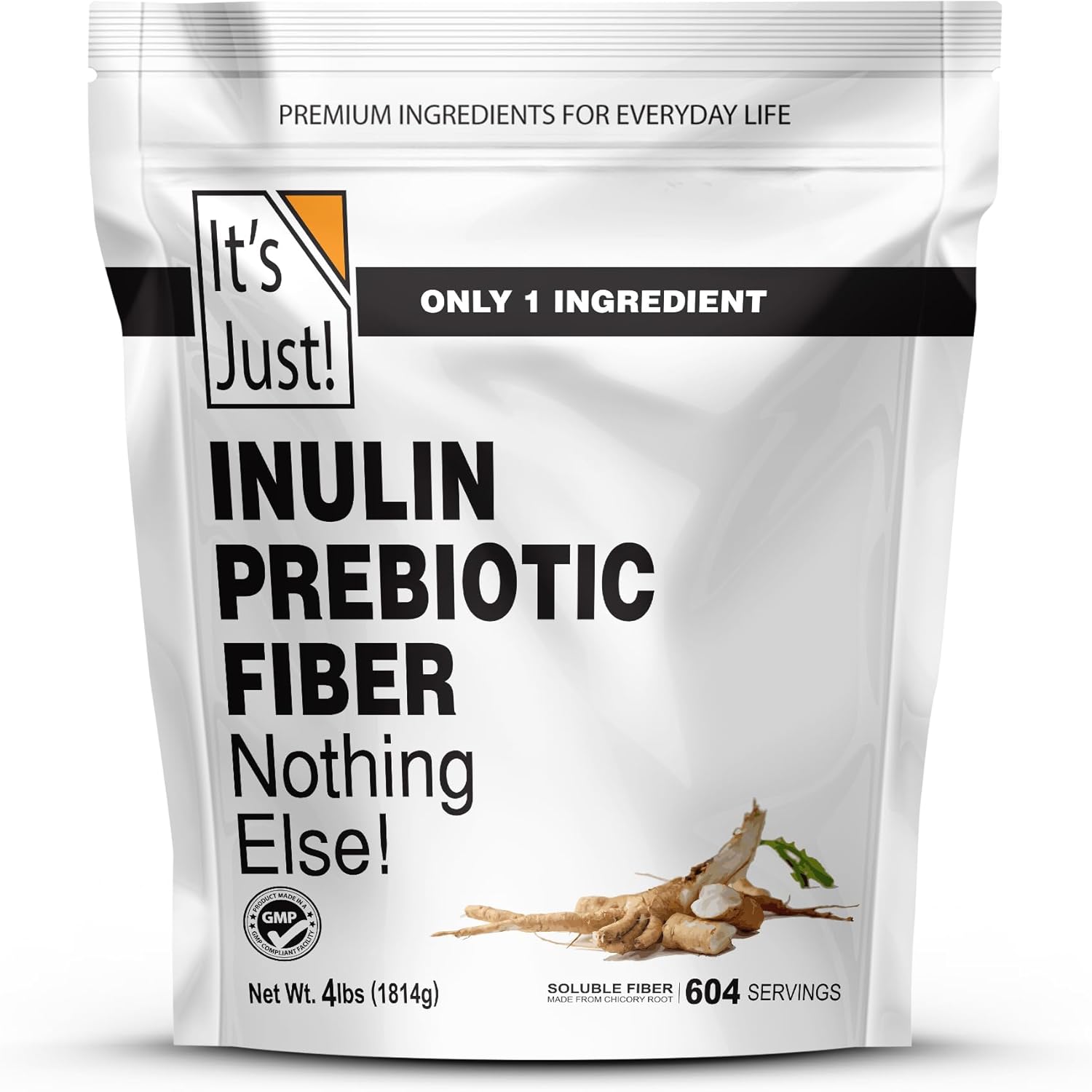
We talked about coffee being a prebiotic that feeds your good gut bacteria. Want to double down on that? Add a teaspoon of chicory root (which is also mentioned in the research as a coffee alternative ). It’s also a prebiotic, has a rich, coffee-like flavor, and can be brewed with your coffee (or as a caffeine-free alternative) to support your gut health.
It’s Not ‘If’ You Drink Coffee. It’s ‘When’.
For years, we’ve treated this like a simple choice: water or coffee. But the real answer is “Water, then coffee, with a pause.”
By starting your day with water, you’re fixing the most immediate problem your body has: dehydration. You’re giving your brain, kidneys, and gut exactly what they need to start the day.
And by waiting 90 minutes for that first cup of coffee, you’re transforming it. It stops being a “crutch” you depend on to feel normal and becomes a powerful tool you use to boost your energy, metabolism, and even your gut health, all without the jitters or the hormonal crash.
It’s a small change, but it’s the difference between fighting your body and, finally, working with it.