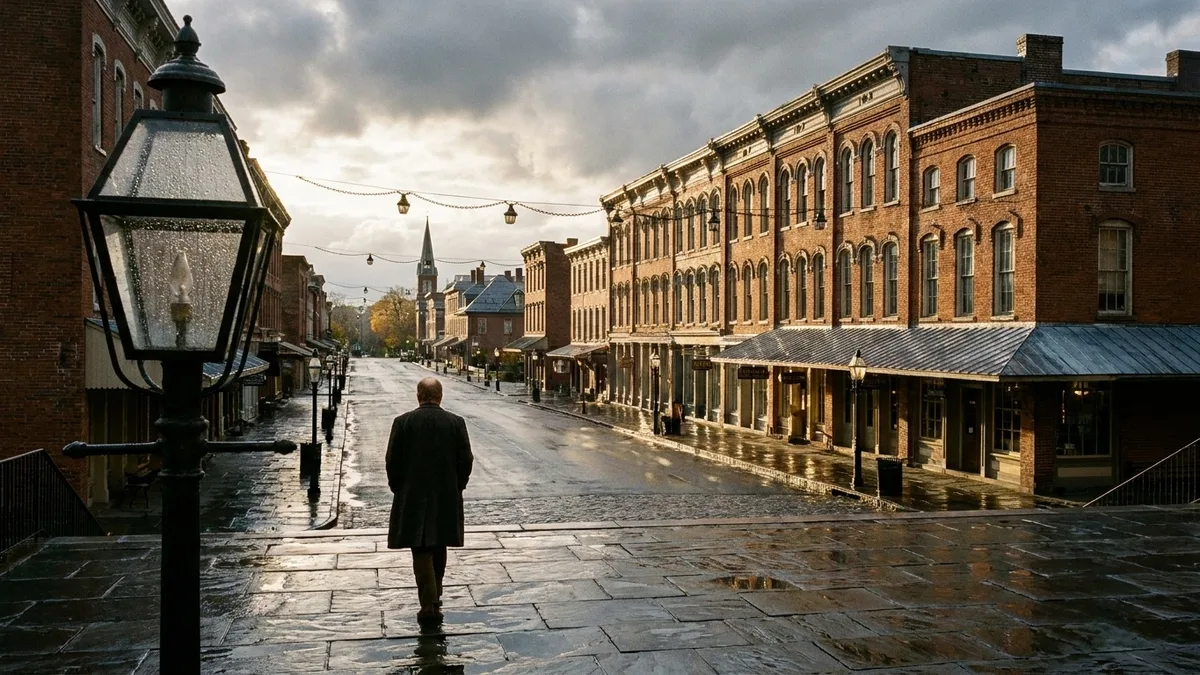
Ten towns, 6 to 12 walkable blocks each, and one sight per town that justifies the drive. That is roughly 60 to 120 blocks of nineteenth-century street frontage spread across the country, and the only wrong way to spend it is to assume a preserved Main Street is a ninety-minute stop. It is not. Most cores take two to four hours on foot, and one full day per town, two if there is a house tour or museum in the plan. Most main streets cost nothing. House tours run $12 to $25, guided walks $15 to $20, and inn doubles $145 to $260.
So the decision is not whether a town is pretty. It is which single sight earns the drive and what is still there once it is behind you. Cape May puts 600-plus buildings and the $15 Emlen Physick Estate on the table; Galena answers with a free six-block brick Main Street and a Grant Home asking $5.
By the end you should be able to choose a town by season and temperament, price the day honestly, and book the one timed tour before you choose an inn. Ten towns, one sight each, and a second town close enough to make a weekend.
Quick Tips Before You Start
Book the house tour first
Tours at Emlen Physick, Lanier Mansion, and the Tabor Opera House cap their group size; reserve a week out in peak season.
Wear real walking shoes
Eureka Springs and Bisbee are built on hillsides with staircases, not flat sidewalks.
Allow a full day per town
Two if you add a house tour or museum; the 6–12 block core takes 2–4 hours on foot alone.
Carry small bills
Several house tours and walking guides take cash only, and the suggested donations are modest.
Check the season, not just the forecast
Deadwood and Leadville shut down outside summer; Bisbee bakes by May; Cape May is a beach town in July.
1. Cape May, New Jersey: 600 Victorians by the Sea
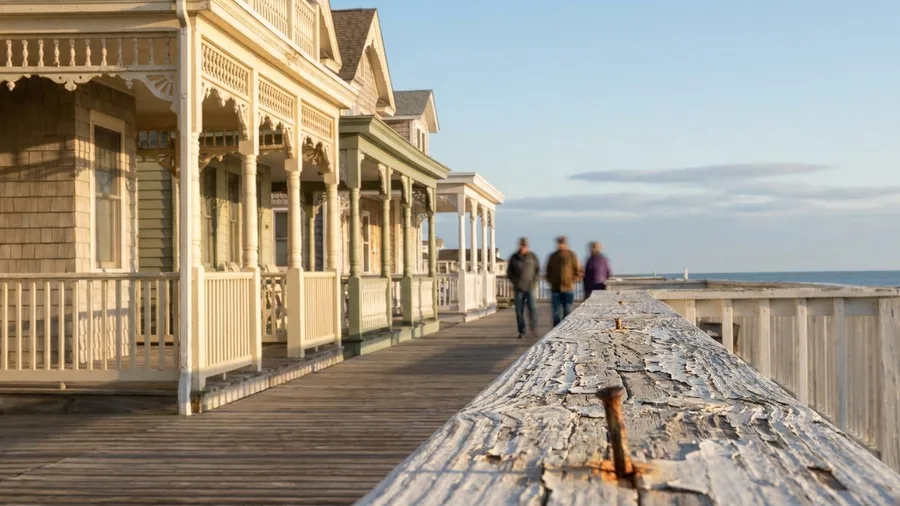
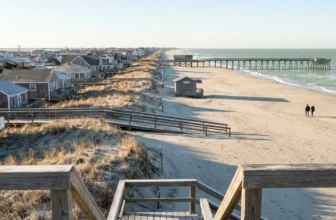
It is, but go for the streets, not the beach. Six hundred-plus preserved Victorian buildings wrap around a town that also happens to have sand and surf, so the architecture and the swim share the same afternoon instead of splitting it.
The ticketed piece that earns the drive is the 1879 Emlen Physick Estate, about $15 for the house tour, which puts an interior and a date on the streetscape you have been admiring from the sidewalk. Do that first, then walk the pedestrian Mall and the Beach Avenue porches, eight blocks, no ticket. See the porches on foot, not through a windshield. July and August are what push inn doubles to the top of the range, around $260; late April through June and September through October are cooler and cheaper but you are not swimming first. It suits someone who wants architecture and water in one afternoon, and after the Physick tour the beach and the porch walk fill the day on their own, so there is no reason to bolt a second town onto the trip.
💡 Tip: The porches are the thing to see at walking pace. Park once and walk the Mall and Beach Avenue loop.
| Town | Signature sight | Cost to see it | Best months | Time needed |
|---|---|---|---|---|
| Cape May, NJ | Emlen Physick Estate + 600 Victorians | $15 house tour; street free | Jul–Aug, or Apr–Jun & Sep–Oct | 1 day |
| Galena, IL | Grant Home + 1860s brick Main Street | $5 suggested; street free | Sep–Oct, Apr–Jun | 1–2 days |
| Eureka Springs, AR | 1886 Crescent Hotel + spring loop | $15–$20 walking tour | Apr–Jun, Sep–Oct | 1 day |
| Ferndale, CA | Carpenter Gothic houses on Main | Free | May–Oct | Half day |
| Nevada City, CA | 1850s–60s brick block + gas lamps | Free | Apr–Jun, Sep–Oct | 1 night |
| Bisbee, AZ | 1902 Copper Queen + Warren District | Free to walk; hotel drinks extra | Mar–Apr | 1 day |
| Deadwood, SD | Mount Moriah Cemetery + Main Street | Free | Jun–Sep | 1 day |
| Madison, IN | Lanier Mansion + Ohio River Main | $12 house; street free | Apr–Jun, Sep–Oct | 1 day |
| Paducah, KY | Lowertown storefronts + flood-wall murals | Free to walk | Sep–Oct | 1 day |
| Leadville, CO | Harrison Avenue + Tabor Opera House | $15 opera house; street free | Jun–Sep | 1 day |
2. Galena, Illinois: Brick Main Street and Grant’s House
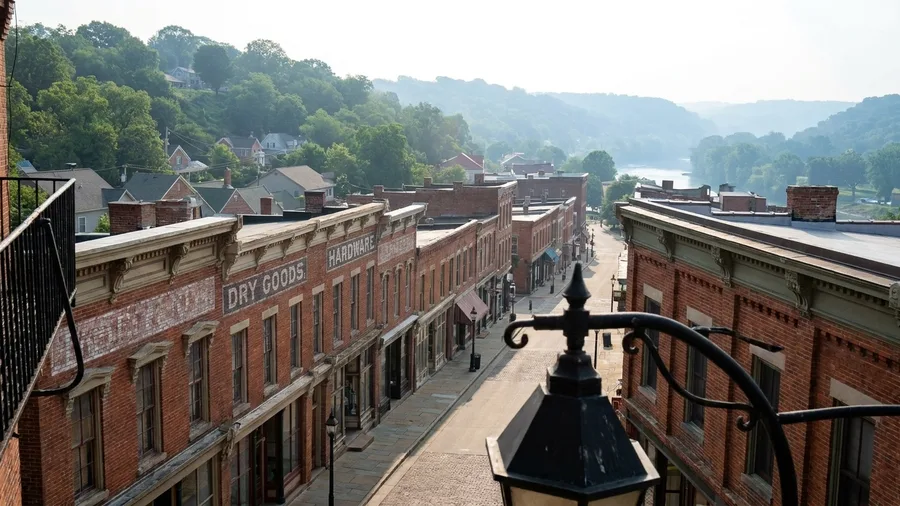
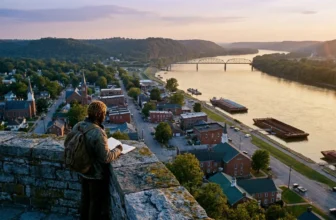
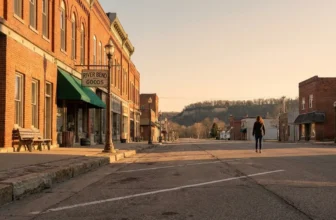
Go on a Tuesday if you can. Galena’s six blocks of 1860s red brick are the most photographed thing between Chicago and the Mississippi, and on a summer Saturday the sidewalks along Main Street belong to people holding ice cream, not to anyone trying to look at a cornice.
The street survives because the railroad chose elsewhere and the money followed it out. Nobody restored this as a set: the upper floors still carry the faded painted signs of dry goods and hardware, and the storefronts below them are open and selling things. Walk the six blocks, then climb the bluff to the Grant Home, which asks $5 at the door. From up there the whole river-town layout spreads out below you in one look, and you understand why the town sits where it sits.
Late April through June and September through October are the two windows worth aiming at, the fall one especially when the Galena River valley turns and the brick reads warmer against it. From Chicago it is about three hours of driving, which makes a two-night weekend the natural shape. Sit on a bench on Main Street with a coffee for an hour and watch a town go about its Tuesday, like an authentic American main street. The sight gets you here; the ordinary life around it is what you remember.
Victorian Town Myths, Corrected
3. Eureka Springs, Arkansas: Steep Streets and a Healing Spring
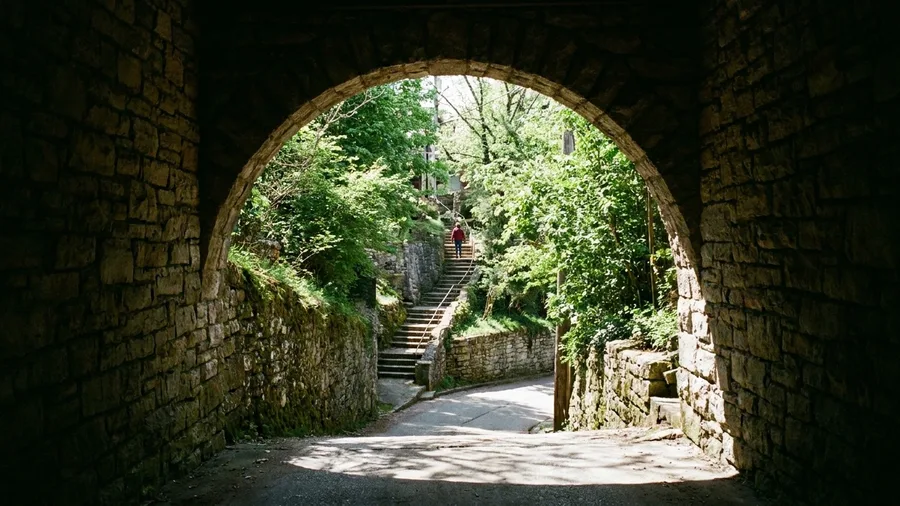
Compared with a flat brick Main Street you can stroll without effort, Eureka Springs asks for your legs, and that verticality is the whole draw rather than a flaw to work around. This is a town built for visitors from the start, a resort on a hillside, not a trading post that later dressed up. Come expecting switchback streets, stone walls and stairs, not an even downtown grid you can wander on autopilot.
The 1886 Crescent Hotel is the drive-justifier and the reason the resort history is visible; it still takes guests and opens to non-guests for a walk-through and a drink. The Basin Spring and the stone-walled lower loop anchor the day, but the hills do the talking between stops. A guided walking tour runs about $15 to $20 and covers the springs and that odd street grid, and the guide is what makes the switchbacks legible instead of just tiring.
The reservation up front: this is not for someone who wants polished and predictable. It suits travelers who prefer odd and steep over tidy. After the Crescent and the spring loop, the appeal is texture, not one museum, and the streets themselves are the day.
⚠️ COMMON MISTAKE
Don't drive the main streets
In Ferndale, Nevada City and Bisbee the buildings are best seen on foot; parking is tight and the detail is at porch level, not windshield level.
4. Ferndale, California: Dairy Money in Carpenter Gothic
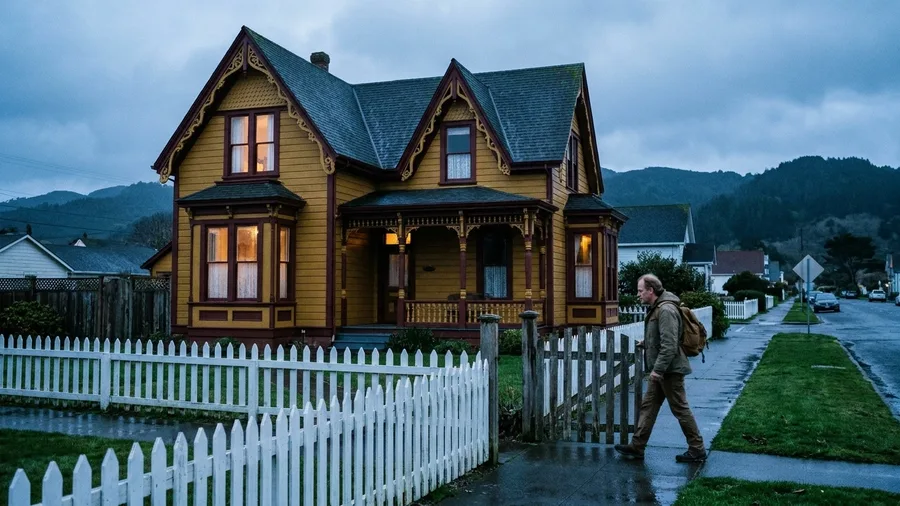
Fog sits on the eucalyptus at the edge of town until nearly ten, then the light comes through it sideways and the white houses on Main Street go bright all at once. The trim is the loud part: oxblood, mustard, a green that was probably fashionable in 1895. These are the 1880s to 1900s houses of the Victorian Village district, Carpenter Gothic and Queen Anne, and they were paid for by butter.
Dairy money, not railroad or lumber money, which is why the scale feels domestic rather than grand. Six blocks of Main Street, both the houses and the storefronts, walk in about two hours and cost nothing. Pair it with the Redwood Coast drive, roughly five hours north of San Francisco, and it is a stop rather than a destination; go May through October, because winter fog and rain make walking the district a poor bet. If you want houses more than shops, this is your town, and the northern California pairing is Nevada City.
🗺️ Build a two-town weekend in four steps
Pick the region
Group by drive: Cape May alone, Galena with Madison, Ferndale with Nevada City, Leadville with Deadwood, Bisbee alone.
Book the one tour
Reserve the house tour or opera house first, since peak-season groups cap out.
Reserve the inn night
Friday and Saturday rooms go before tours do in Nevada City and Cape May.
Give each town a day
The historic core takes 2–4 hours on foot; a house tour or museum adds a second day.
5. Nevada City, California: Gold Rush Brick and Gas Lamps
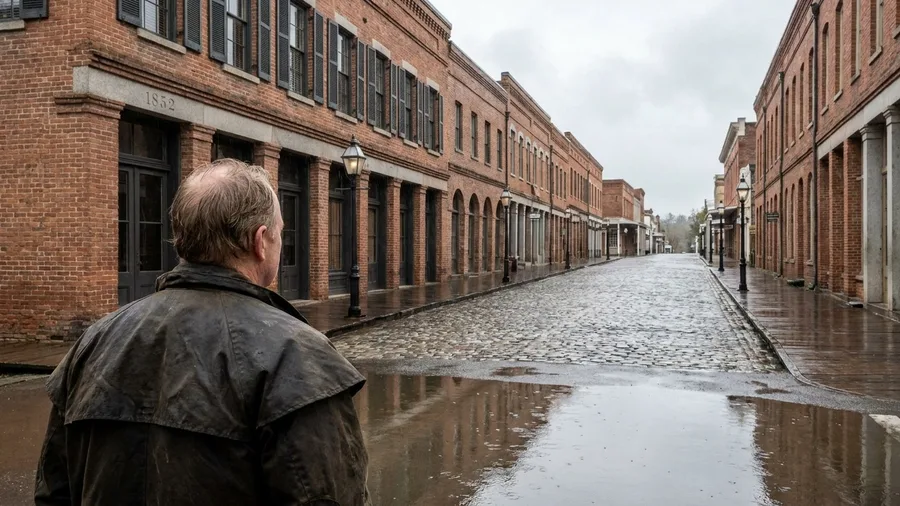
Nevada City holds the oldest intact Main Street in the West on this list: an 1850s and 1860s gold-rush brick commercial block, eight blocks of it, and it survived the fires that took most of the others.
The walk is free. What you pay for is the night, and the night is the point. At dusk the gas lamps along the street are lit one by one, and the brick goes from flat brown to something with depth, the storefronts glowing and the hillside dark behind them. You cannot see that from a car passing through at four in the afternoon. A Friday arrival puts the lamps and the full eight blocks in one evening and the next morning, which is the whole trip.
Victorian inn doubles run about $145 to $210. Pay the top of that range and you are buying the overnight the lamps require; the cheaper rooms are usually the ones without the street view, and the street is what you came for. Book ahead for fall weekends, when the rooms near the top of the range are the first to go.
Sacramento and the Bay Area are both about two and a half hours out, which makes this the low-cost weekend: a free street plus a $145 to $210 room, no ticket required anywhere. Check current inn rates before you commit, since they move with the season.
💡 Tip: Arrive an hour before sunset, walk the block, then eat and come back out when the lamps are lit.
6. Bisbee, Arizona: Copper Money Stacked Up a Canyon
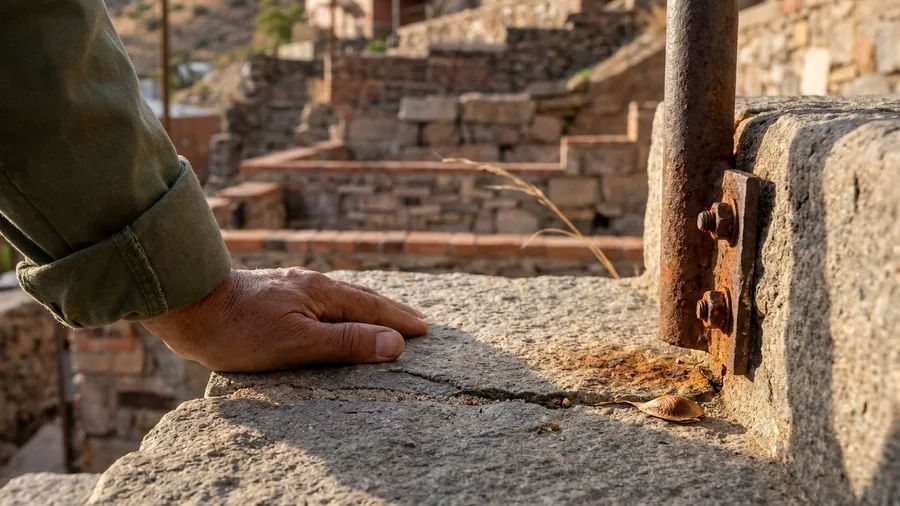
Skip Bisbee if you want a flat main street. Go if you want to understand what a Victorian town looks like when the money came from copper and the ground would not hold still.
The 1902 Copper Queen Hotel sits at the bottom and the Warren District commercial block runs from it, with the mining terraces stacked above and staircases connecting them. Allow three to four hours, because the walk up is the point. Come in March or April; summer afternoons top 95 degrees, which turns the stairs into a morning job. It is 90 minutes from Tucson and stands alone, with nothing nearby to pair it with. The birds are the bonus nobody mentions: ravens working the canyon edges and, in spring, hummingbirds in the terraces, though a sighting is luck rather than a promise.
7. Deadwood, South Dakota: Gambling Parlors and Boot Hill
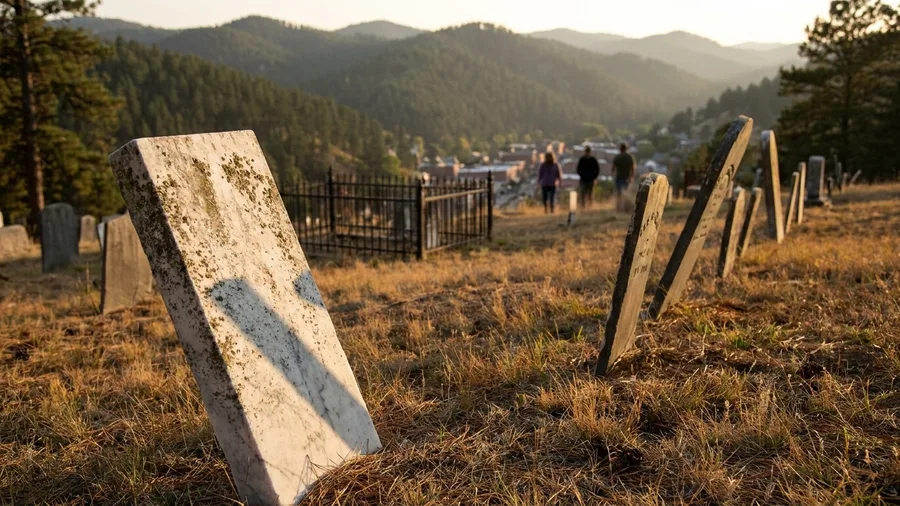
Six dollars buys you a plot on Boot Hill and the best storytelling in town. The climb up Mount Moriah Cemetery is the reason to come to Deadwood, not the slot machines on Main Street below.
You drive the winding road to the top and walk through rows of leaning headstones, some fenced in iron, some marked simply. Wild Bill Hickok and Calamity Jane both rest here, but the graves of ordinary miners and their families carry more weight than either legend. The markers tell you who died of what, at what age, and occasionally how fast the town burned. Allow an hour and bring a jacket even in July, because the wind up there does what the casino air conditioning cannot.
Back down on Main Street, the 1870s frame and brick frontage runs maybe eight blocks and costs nothing to walk. The street reads as a Victorian gold-rush town even if you never step inside a single gambling parlor. Saloon facades, projecting cornices, narrow storefronts still bearing old paint: this is the building stock, and it belongs to the street, not the games. The casinos are there and they are skippable, with no obligation to feed a dollar into anything to see the architecture.
Here is the honest part. Deadwood is the most commercialized town on this list, and it knows it. The legend is the product, sold in reenactment gunfights and themed storefronts, and the real history is carried by the cemetery and the old frontage rather than the show. Go in expecting a summer-tourism town with genuine bones underneath and you will enjoy it. Go expecting a quiet preserved street and the tills and the crowds will bother you.
Time it for June through September. The Black Hills shut down in winter, so Deadwood is a summer stop by geography rather than preference. Families working the Black Hills loop get the most out of it: children take to the graves and the gunfight reenactments, and the short Main Street suits a half-day before an afternoon drive. After the cemetery and the street, skip the parlors and use the saved hours on the hills.
Deadwood: your time budget, split
Worth your time
- Cemetery + Main Street: 2-3 hours total
- Cemetery climb: 1 hour, mostly walking
- Main Street frontage: 8 blocks, 45 minutes
- Pair with Leadville: 2 days, one full day each
Skim or skip
- Casino floors: save the 1-2 hours instead
- Reenactments: skip if you have the cemetery
- Winter: Black Hills close, go June-September
- No house tour here: your $12-$25 goes elsewhere
8. Madison, Indiana: An Ohio River Main Street Intact
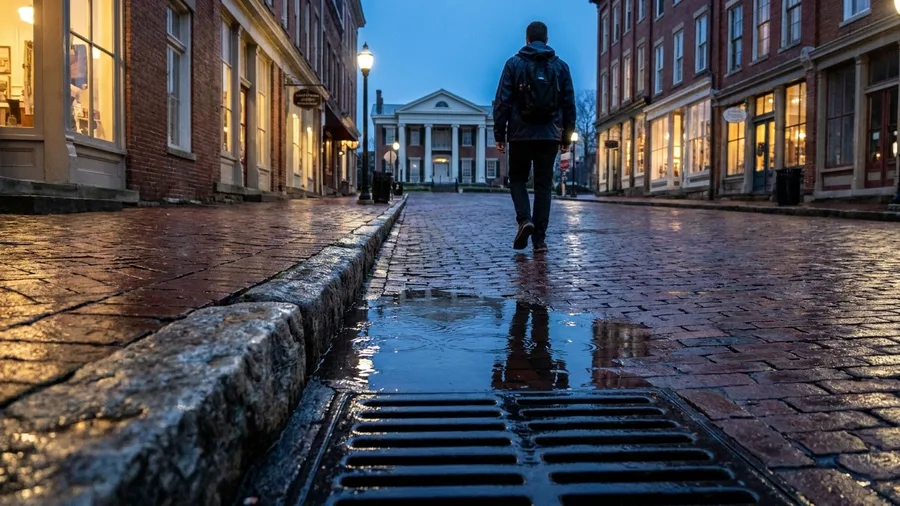
You come up the bluff and the smell hits first: damp limestone and river below you, cool even on a warm afternoon. A complete 1850s run of Main Street is the opposite of a staged legend, and in Madison the stagecraft is almost absent.
The 1844 Lanier Mansion sits above the Ohio, a Greek Revival house with river light coming in the tall windows; admission is $12, and it is the sight that justifies the drive. Below it, eight blocks of 1850s storefronts drop toward the water, free to walk and intact as a whole run rather than one preserved facade. Residents use the lower streets for errands and coffee, so you are walking a working town, not a film set. Give the bluff and the street a full day.
Go in April through June or September through October. River humidity turns July into a slog, and you will feel it walking back up the hill. Architecture-first travelers will get more here than from ten shops in a fancier town; the free street plus the $12 house makes the drive cheap and the day all structure and proportion.
9. Paducah, Kentucky: Lowertown Murals and 1900s Storefronts
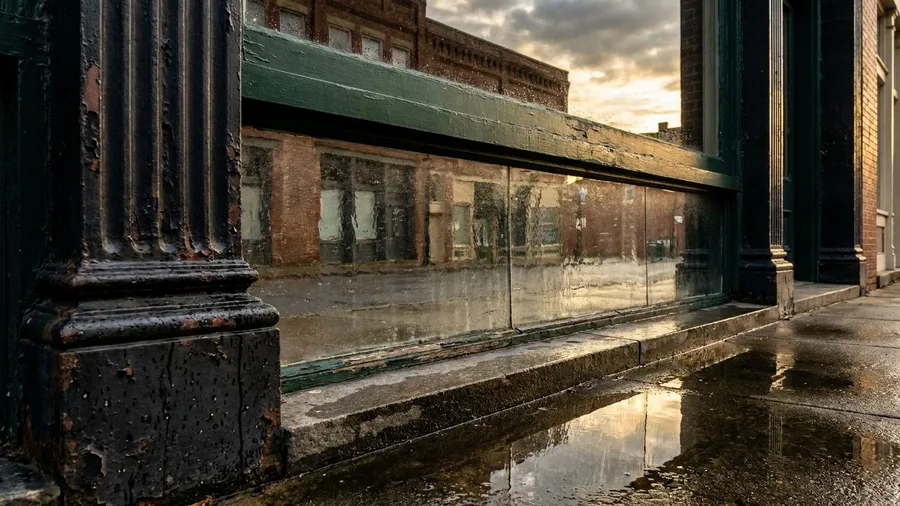
Go to Paducah if old buildings bore you the moment the doors are locked. Lowertown is the antidote: the 1900s river warehouse district turned working artist colony, free to walk, and the reason to point the car west.
The storefronts hold galleries, studios and food, open and in use rather than preserved behind glass. Victorian-era commercial blocks stand above the district, and the mural program runs along the flood wall at the river edge, so a wet afternoon has a plan: the murals outdoors, the quilt museum as the indoor backup. The draw is activity, not a timed house tour, and the day becomes eating and looking rather than queueing.
Come in September or October for the riverfront weather, because the walk is the whole event and heat or rain decides your day. It suits travelers who are restless inside house museums and want galleries and a plate of something at the end. Cost is mostly your own two feet, and the drive earns itself on open doors rather than a single sight.
Leadville at a Glance
⛰️ Elevation
10,152 ft
🏛️ Opera house tour
~$15
🚗 From Denver
~2 hours
📅 Best months
Jun–Sep
🚶 Time needed
1 day
Day-one rule
Drink water and keep the first afternoon light; the altitude is the constraint, not the walking.
10. Leadville, Colorado: A Two-Mile-High Silver Boom
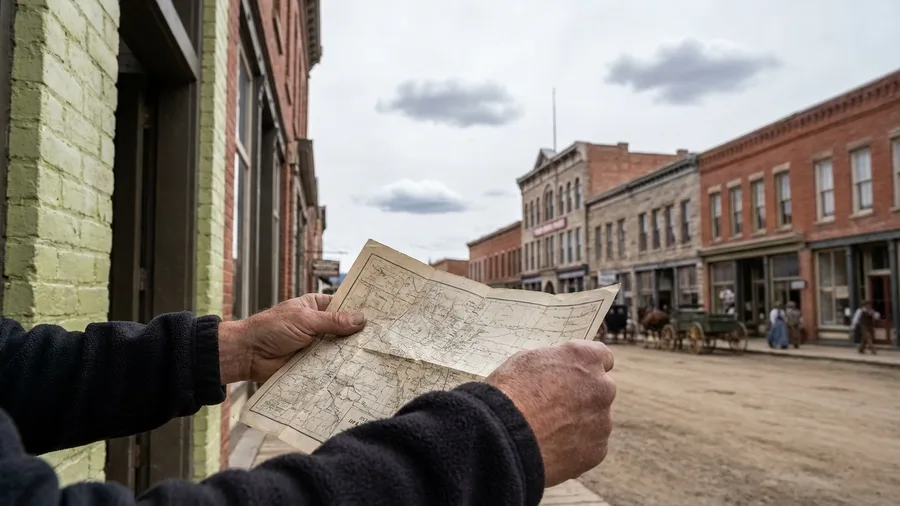
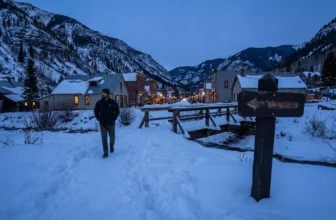
You step out of the car on Harrison Avenue, take three steps up the sidewalk, and stop to catch your breath at nothing in particular. The number on the elevation sign is 10,152 feet. The brick in front of you went up in the 1880s on silver, block after free block of it, and it comes with no ticket booth, no animatronic miner, no entrance gate dressed as a mine shaft. The high country is the constraint and the street is the reward, and the order in which you meet them matters.
Give the altitude its day. Land in the afternoon and walk flat, drink more water than you think you need, and save the climb for morning; the town sits high enough that a staircase can feel like a stairmaster you did not sign up for. The Tabor Opera House tour runs around $15 for a look inside a hall that opened in 1879 and still stands as a silver-boom survivor, and it is the thing that justifies the drive. Come June through September, because snow shuts the high passes outside that window and the drive becomes a different, harder proposition. Two hours from Denver, it suits travelers already up in the Colorado high country, and after the street and the Tabor, the passes are the rest of the trip.
What a Victorian town day actually costs
Ranges reflect typical ticket and room prices; check current hours and rates before booking.
Where to base yourself for these towns
Base inside the historic core whenever the town has an inn in it. Cape May, Nevada City and Galena all do, and the payoff is the thing day-trippers miss: the street at dusk, the gas lamps coming on, the front porches emptying out, and no parking problem to solve because your car is already asleep. Spend $145 to $260 on a double in one of those cores and you are not paying for the room so much as for the walk back after dinner. That is the trade you are making, and it is worth saying plainly.
When the town is a stop on a longer drive rather than a destination in itself, base in the nearest larger city and day-trip in. Ferndale works from the Redwood Coast. Leadville works from Denver, roughly two hours out. Bisbee works from Tucson, about ninety minutes. You lose the lamps and the empty sidewalks, but you keep a cheaper bed and a bigger choice of dinner.
The arithmetic is the whole decision. A core inn puts you in the scene and costs more; a city hotel is cheaper but adds ninety minutes to two hours of driving on each end of the day, and that is before you find parking and walk in from wherever you left the car.
Frequently Asked Questions
How many days do I need for one Victorian town?
One full day per town. The historic core is 6–12 walkable blocks and takes 2–4 hours on foot; add a second day if you take a house tour or museum.
Do I need to book tickets ahead?
Yes for the house tours and opera house. Emlen Physick, Lanier Mansion and the Tabor Opera House cap their group sizes in peak season, so reserve a week out.
Is this trip expensive?
No. Most main streets are free to walk. House tours run $12–$25 and guided walks $15–$20, and inn doubles are $145–$260 a night.
When is the best time to go?
Late April–June and September–October suit most of the list. Cape May for July–August beach weather, Bisbee for March–April before the desert heat, and Leadville and Deadwood for June–September only.
Which town is the most commercialized?
Deadwood. The legend is the product there. Mount Moriah Cemetery and the old Main Street frontage carry the history, and the casinos are optional.
Can I pair two towns into a weekend?
Yes: Galena with Madison, and Ferndale with Nevada City, and Leadville with Deadwood if you have the driving time. Cape May and Bisbee stand alone.
One Victorian Town I Would Trade Out
The pairs are these: Galena with Madison for a three-day weekend, Ferndale with Nevada City for northern California, Deadwood with Leadville for the Black Hills and the high country. Cape May stands alone as a beach-and-architecture weekend, and Bisbee stands alone because nothing nearby pairs with it.
Alone, Cape May suits architecture plus a swim, Galena suits Chicago couples, Eureka Springs suits odd and vertical, Ferndale suits house-and-Redwood-Coast drivers, Nevada City suits gas-lamp overnighters, Bisbee suits mining history and borderlands, Deadwood suits families on the Black Hills loop, Madison suits architecture-first street people, Paducah suits gallery-and-food travelers, Leadville suits Colorado high-country drivers.
Book the house tour first. Timed slots at Emlen Physick, the Grant Home, Lanier Mansion and the Tabor Opera House sell out; the inn comes second, except Cape May in July and August, when the $260 double is the harder reservation. You walk in expecting one street done by lunch and find 6 to 12 blocks and two to four hours per core, so pick the sight that earns the drive, check the season, book the tour, and let the town fill the rest of the day.
Start with the house tour
Pick your two towns, then reserve the Emlen Physick Estate, Lanier Mansion or Tabor Opera House tour before you book the inn.