You reach into the crisper drawer only to find that your fresh produce has turned into a soggy science experiment.
Dietitians and food scientists often point out that the produce aisle is not always the gold standard for nutrition. When fresh fruits and vegetables travel cross-country, they lose vitamins before they ever hit the grocery store shelves. Frozen alternatives are picked at peak ripeness and flash-frozen immediately, locking in nutrients at their absolute peak.
Here are seven frozen staples that health experts actually buy, along with the specific reasons why they belong in your weekly rotation.
Quick Tips Before You Start
Check the Ingredient List
The only ingredient on the bag should be the vegetable or fruit itself.
Inspect the Bag
Avoid bags with large ice crystals, which signal temperature fluctuation and freezer burn.
Skip the Thaw
Cook frozen vegetables straight from the bag to preserve texture and water-soluble vitamins.
1. Wild Blueberries

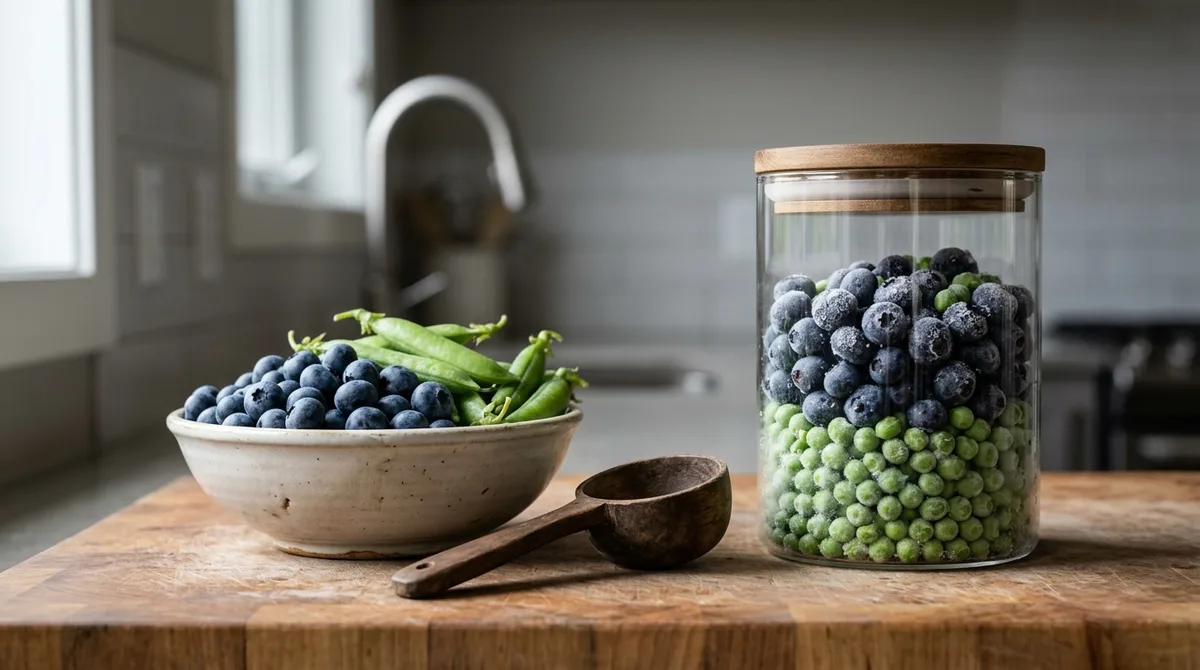
Those massive, plump blueberries sitting in the produce aisle look impressive, but your morning oatmeal deserves an upgrade.
Wild blueberries are significantly smaller than their cultivated cousins, meaning they carry a much higher skin-to-pulp ratio.
Because protective anthocyanin antioxidants are concentrated heavily in the skin, those tiny wild berries pack a remarkably larger nutritional punch per bite.
Fresh berries often sit in transit for a week, slowly degrading in vitamin content, while wild blueberries are flash-frozen within hours of harvest to lock everything in.
Keep a bag in the freezer to toss into your breakfast bowl daily.
You get consistent antioxidant support year-round without paying steep out-of-season prices at the grocery store.
💡 Tip: Buy bags labeled wild rather than cultivated for double the antioxidant concentration.
Best For
2. Garden Peas
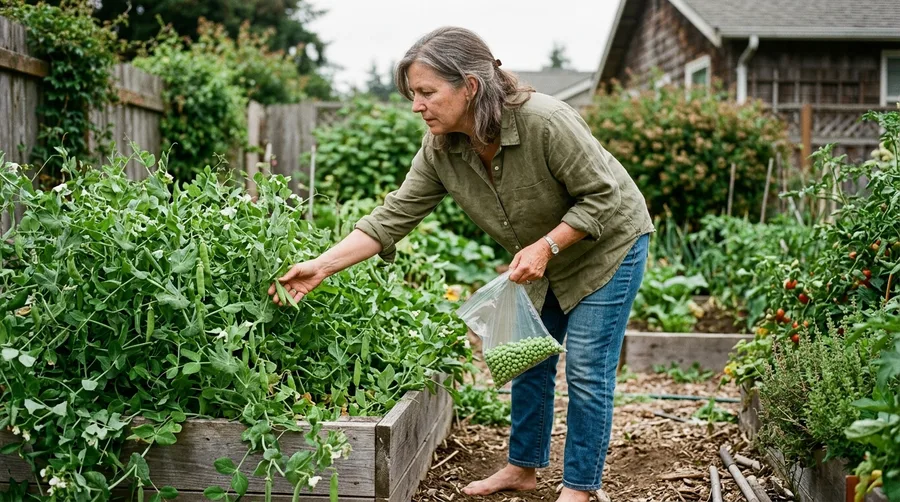
You strip open a bag of pods from the farmers market thinking you are getting peak nutrition, only to find they taste dull and chalky.
Fresh peas turn to starch within hours of being picked as their natural sugars convert into complex carbohydrates.
If you buy fresh peas in the pod at the market, they likely lost their sweet, crisp flavor days ago during transport.
Frozen peas are blanched and frozen almost immediately after harvest, locking in their natural sugars, bright green color, and vitamin K levels.
Toss a handful straight into soups, grain bowls, or pasta dishes during the final minute of cooking for an instant pop of plant protein and fiber.
⚠️ COMMON MISTAKE
Do Not Overcook Frozen Peas
Boiling frozen peas for more than two minutes turns them gray and mushy. Add them at the very end of cooking so they retain their snap.
3. Spinach

Fresh spinach starts decaying in its plastic clamshell almost immediately, turning into a slimy mess at the bottom of your fridge.
After 50, efficient nutrient absorption matters more than ever, yet we often watch delicate greens spoil before we can use them.
Frozen spinach solves this by locking in nutrition at peak ripeness.
Because it is blanched before freezing, a single cup of frozen spinach delivers a much higher concentration of iron, calcium, and fiber than a bulky bag of fresh leaves that shrinks down to nothing in the pan.
Squeeze out the excess moisture in a clean dish towel before stirring it into casseroles, egg scrambles, or homemade dips to maximize texture and flavor.
It takes about two minutes of prep work, and the nutrient payoff stays consistent all winter long.
Spinach Purchasing Lanes
- 🥗 Fresh Clamshells — Best for raw salads where texture matters.
- 🍲 Frozen Chopped Spinach — Ideal for cooked dishes, soups, and bakes.
- 🗑️ Half-Rotten Fresh Bags — Avoid buying large bags if you only cook occasionally.
4. Edamame
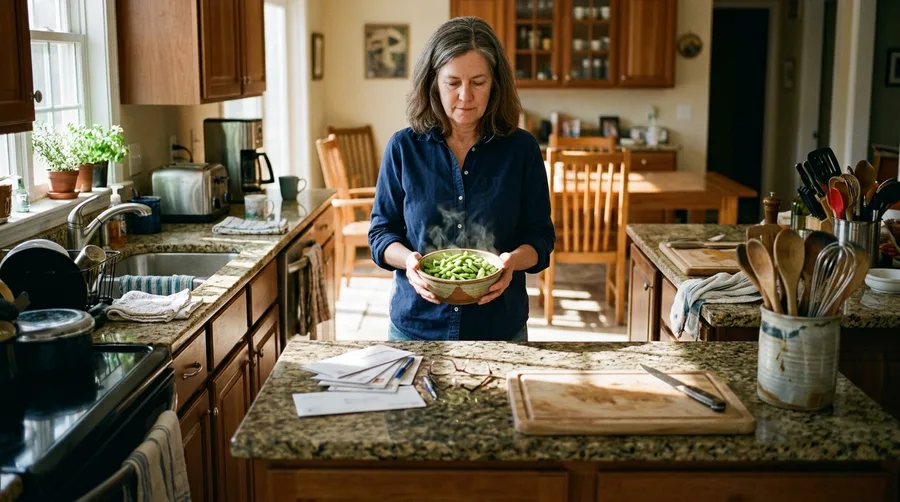
Fresh soybeans are notoriously difficult to find in standard supermarkets unless you live near a specialized market.
Frozen shelled or unshelled edamame is a nutritional powerhouse that gives you complete plant protein, folate, and iron in a single convenient package.
You can steam a bowl in the microwave in three minutes for a quick snack or toss the shelled beans into stir-fries.
Keep a few bags in the freezer for nights when you need a fast, protein-heavy addition to a simple dinner.
💡 Tip: Sprinkle coarse sea salt and toasted sesame oil over warm edamame for a simple snack.
Edamame Nutritional Profile
💪 Protein
18g per cup
🌾 Fiber
8g per cup
⏱️ Prep Time
3 minutes
💰 Cost
Inexpensive
Complete Protein
Edamame contains all nine essential amino acids required by the human body.
5. Cherries

Fresh cherries vanish from the produce aisle almost as fast as they arrive, leaving behind a brief window of luxury and a steep price tag at the register.
Frozen cherries solve the hassle by coming entirely pre-pitted right at the peak of their harvest ripeness.
That deep red pigment comes with a heavy dose of anthocyanins, powerful anti-inflammatory compounds that target the stubborn joint stiffness many of us notice in our hands and knees after 50.
Research on older adults consistently points to tart cherry compounds for improving sleep quality thanks to a natural concentration of melatonin.
Toss them straight into a morning smoothie or warm them on the stove for five minutes to build a rich, no-sugar compote for your yogurt.
Freezing preserves perishable nutrients at their peak, making frozen fruit often healthier than fresh fruit that sat on a truck for a week.
— Dietetic practice consensus
6. Broccoli Florets

Chopping a fresh head of broccoli leaves behind a mountain of stems and creates a mess of crumbs all over your cutting board.
Frozen broccoli florets are pre-washed, pre-cut, and ready to cook instantly.
Because they are blanched before freezing, their vitamin C and sulforaphane precursors remain stable and ready for your dinner plate.
Roast them straight from frozen on a high-heat baking sheet at 225°C with olive oil and garlic until the edges turn crispy and charred.
💡 Tip: Roast frozen broccoli at high heat without thawing to prevent a soggy texture.
7. Mango Chunks

Cutting a fresh mango is a slippery, fibrous chore that yields very little actual fruit for the amount of effort involved.
Frozen mango chunks solve that kitchen frustration entirely.
They are sliced from tree ripened fruit right at the origin, meaning they taste sweet and genuinely tropical even in the dead of winter.
By contrast, fresh mangoes shipped to northern climates are picked green and artificially ripened, which usually results in a bland flavor and a woody texture.
Blend those frozen chunks with coconut milk and protein powder for a tropical post workout meal, or just let them thaw slightly on the counter for an instant natural dessert that satisfies an evening sugar craving without any heavy ingredients.
Try tossing them into your morning bowl of Greek yogurt with a pinch of cardamom for a quick breakfast that takes zero chopping.
Why Freezing Wins
Frequently Asked Questions
Are frozen vegetables less nutritious than fresh ones?
No. Frozen vegetables are picked at peak ripeness and flash-frozen immediately, which locks in vitamins. Fresh produce often loses nutrients during transport and storage.
Do I need to thaw frozen vegetables before cooking?
Most frozen vegetables should be cooked straight from frozen. Thawing them first can cause excess moisture release and ruin the final texture.
What should I look for on frozen food ingredient labels?
Check the ingredient list to ensure the food is 100% single-ingredient with no added sodium, sauces, sugars, or preservatives.
How long do frozen fruits and vegetables last in the freezer?
Most flash-frozen produce maintains optimal quality and nutrient levels for 8 to 12 months when stored at a consistent zero degrees Fahrenheit.
Start With This One
If your freezer is currently packed with stale pizza boxes and mystery containers, clear out a single shelf today. Swap out one rotting bag of fresh greens for a bag of wild blueberries or frozen edamame.
Building a better kitchen routine starts with small, practical swaps that save you money, cut down on food waste, and make healthy eating easier on busy nights.