You reach for the kitchen counter at 3 a.m. because your lower back feels stiff as a board, and you wonder if this is just what turning 58 feels like.
Dietitians and clinical researchers point to chronic low-grade inflammation as the hidden engine behind that morning stiffness, sluggish energy, and creeping lab numbers.
After trying every restrictive fad that promised the world and delivered misery, I spent ninety days testing a traditional Mediterranean eating pattern to see what a mature body actually experienced.
Quick Tips Before You Start
Quality Olive Oil
Buy extra virgin olive oil in dark glass bottles to protect delicate polyphenols from light damage.
Wild-Caught Seafood
Keep canned wild sardines and salmon stocked for fast, zero-prep omega-3 lunches.
Raw Nut Portions
Measure out a standard one-ounce handful of raw walnuts or almonds daily instead of snacking from the bag.
Whole Grain Swaps
Replace white refined flour pasta immediately with 100 percent whole-grain or chickpea varieties.
1. Swapping Butter for Extra Virgin Olive Oil

You look down at your morning toast and realize the salted butter has been a lifelong companion you are now asked to dismiss.
Cardiologists explain that replacing saturated fats with the oleic acid found in cold-pressed extra virgin olive oil actively supports healthy LDL cholesterol levels and endothelial function in aging blood vessels.
I started drizzling two tablespoons of robust EVOO over my roasted vegetables and eggs every single morning.
Within three weeks, the dull heaviness I usually felt after a pan-fried meal completely disappeared.
💡 Tip: Check the harvest date on the back label; fresh olive oil should taste slightly peppery at the back of your throat.
At a Glance
2. Prioritizing Fatty Fish Twice a Week

Eating more fish sounds simple until you stare at a frozen tilapia filet and wonder if it counts.
Nutritional scientists emphasize that marine omega-3 fatty acids like EPA and DHA are non-negotiable for dampening cellular inflammation that stiffens joints past age fifty.
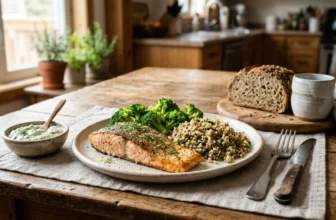
I committed to buying two fresh fillets of wild Alaskan sockeye salmon or Pacific sardines every Tuesday and Friday without fail.
By week four, the cracking sound in my knees when climbing stairs quieted down remarkably.
⚠️ COMMON MISTAKE
Do Not Buy Farmed Atlantic Salmon
Farmed fish often contain higher ratios of pro-inflammatory omega-6 fats due to grain feed. Always check labels for wild-caught options to protect your cardiovascular health.
3. Loading Every Plate With Dark Leafy Greens

A lonely green lettuce leaf under a steak does not qualify as eating vegetables.
Gastroenterologists note that building a diverse gut microbiome requires at least thirty different plant species per week to manufacture short-chain fatty acids that protect gut integrity.
I started tossing two generous handfuls of baby spinach and chopped lacinato kale into a morning skillet scramble.
My digestion adjusted within fourteen days, ending the afternoon bloating that used to derail my workday focus.
Best Greens to Rotate
4. Making Whole Grains Your Daily Base

White bread and instant rice cause sharp glucose spikes that leave you hunting for sugar by 2 p.m.
Endocrinologists explain that replacing refined grains with intact whole kernels like farro, barley, and bulgur slows carbohydrate absorption and stabilizes insulin response as metabolic flexibility shifts with age.
I cooked a big batch of organic farro every Sunday to use as the base for my weekday lunch grain bowls.
That simple shift eliminated the mid-afternoon energy crash that had plagued my afternoons for a decade.
Grain Comparison — At a Glance
🌾 Farro
High protein & chew
🥣 Barley
Rich in beta-glucan
⏳ Cook Time
25 to 35 minutes
🛡️ Blood Sugar
Low glycemic index
The Fiber Factor
Intact grains feed beneficial gut bacteria that manage systemic inflammation.
5. Snacking on Raw Walnuts and Almonds

Reaching for a bag of potato chips when stress hits is an ingrained reflex born of decades of habit.
Clinical trials on aging populations show that daily nut consumption supports cognitive longevity and helps manage healthy blood lipid profiles, because plant sterols and healthy fats actively assist in cellular repair.
I portioned out exactly one ounce of raw walnuts and unroasted almonds into small glass jars kept by my desk.
The satisfying crunch handled my snack cravings while delivering plant-based alpha-linolenic acid right to my brain.
💡 Tip: Keep nuts stored in the refrigerator or freezer so their delicate healthy oils do not go rancid.
Nutrient Breakdown of Raw Walnuts
Based on standard USDA nutritional data for English walnuts.
6. Swapping Red Meat for Legume Proteins

Giving up a Saturday ribeye feels like a penalty box.
Longevity researchers consistently note that swapping heavy animal proteins for legumes lowers systemic inflammatory markers over time, a shift that becomes much more noticeable as your joints start reacting to everyday oxidative stress.
I started replacing the beef in my weekly soups with hearty French green lentils and creamy cannellini beans, leaning hard on proper garlic and herb seasoning to keep things interesting.
The payoff showed up in the lab results.
My digestion felt noticeably lighter within weeks, and my latest cholesterol panel showed an encouraging shift at my quarterly checkup.
💡 PRO TIP
Soak Your Beans With Kombu
Add a strip of dried kombu seaweed to your cooking pot of dried beans to break down complex starches and make them completely gas-free.
7. Incorporating Authentic Greek Yogurt Daily

Flavored supermarket yogurts loaded with cane sugar are essentially dessert disguised as health food.
Registered dietitians advise choosing plain, full-fat or low-fat strained Greek yogurt to secure calcium and live probiotics without the sugar crash.
I spooned out a half-cup of plain Greek yogurt every morning, topping it with fresh blackberries and a spoonful of ground flaxseed.
My morning digestive regularity improved within a week, proving that gut health responds rapidly to real probiotics.
8. Embracing Fresh Garlic and Herbs

Relying on store-bought salt shakers to flavor food masks the natural taste of whole ingredients.
Culinary medicine experts emphasize that aromatic herbs like oregano, rosemary, and fresh garlic deliver potent polyphenols that protect cellular health.
I doubled the amount of minced garlic and fresh chopped herbs in every roasting pan of vegetables I made.
The robust flavors made missing processed seasonings completely irrelevant to my palate.
9. Enjoying Seasonal Fruits Instead of Sweets

Reaching for a cookie after dinner is a comforting ritual that feels impossible to break cold turkey.
Nutritional guidance highlights that whole seasonal fruits supply natural fiber that slows fructose absorption, protecting metabolic stability. That structural difference matters when your pancreas handles glucose less efficiently than it did decades ago.
I replaced my evening pastry habit with a bowl of fresh figs, sliced pears, or tart cherries.
By month two, my sweet tooth adjusted so completely that commercial candy tasted overwhelmingly artificial. Expect the first fourteen days to test your willpower while your palate resets.
10. Limiting Commercial Poultry and Red Meat

Treating meat as the central star of every single meal is a Western dietary habit worth rethinking when your 50s metabolism starts demanding simpler processing.
Cardiovascular researchers point out that reducing animal protein frequency while elevating plant proteins lowers long-term vascular strain by reducing circulating inflammatory markers.
I shifted meat to a supporting role, using small portions of organic poultry or grass-fed beef twice a week as flavoring rather than the main bulk of the plate.
My grocery bill balanced out nicely within a month, and my digestion felt significantly lighter between meals once the heavy protein load lifted.
11. Sipping Quality Red Wine in Moderation

Pouring a nightly glass of wine used to be an unexamined habit that quietly disrupted my sleep architecture.
Health specialists note that while traditional Mediterranean culture includes moderate wine with dinner, sleep efficiency declines rapidly when alcohol is consumed past age fifty because your liver processes ethanol more slowly.
I restricted my wine intake to a single small glass on Friday and Saturday nights with dinner, skipping it entirely during the week.
My sleep tracker score jumped by twelve points within the first ten days of cutting weekday alcohol, proving that what felt relaxing was actually fragmenting my rest.
12. Hydrating With Water and Herbal Teas

Your metabolism stays on a constant rollercoaster when you rely on sugary sodas or artificially flavored drinks.
Physicians remind us that cellular hydration efficiency drops as we age, making intentional water intake vital for joint lubrication.
I filled a large stainless steel insulated bottle with filtered water every morning, aiming for sixty-four ounces before sunset, and finished with warm chamomile tea at night.
The afternoon brain fog that used to hit at 3 p.m. vanished entirely once my hydration became consistent.
13. Prioritizing Communal Dining and Slow Meals

Standing over the kitchen sink to inhale a quick lunch feels efficient until your afternoon gut reminds you it hates being rushed.
Rushing through meals triggers an acute stress response that diverts blood flow away from your digestive tract, often leading to that heavy, sluggish feeling after eating.
Behavioral researchers point out that the traditional Mediterranean lifestyle places equal weight on slow, communal dining and relaxed social connection.
When you eat in a calm, social setting, your nervous system stays in a rest-and-digest state, which naturally improves nutrient absorption.
I started sitting down at the dining table for every meal, putting my fork down between bites, and eating with my spouse without screens.
The physical shift took about two weeks to feel normal instead of forced.
My digestion felt calmer, and meals transformed from a rushed chore into a restorative daily highlight.
14. Walking Daily After Main Meals

Slumping onto the living room sofa immediately after dinner invites sluggish blood sugar regulation.
Endocrinologists note that a ten-minute post-meal walk dramatically improves glucose disposal by activating skeletal muscle contractions.
I laced up my walking shoes right after finishing dinner and walked a steady loop around the neighborhood for fifteen minutes.
My evening blood sugar stabilized, and my morning fasting glucose readings dropped into an ideal range within six weeks.
15. Planning Weekly Meals With Simplicity

Wandering around the grocery store hungry without a plan is a guaranteed recipe for buying processed convenience foods.
Nutritional psychologists emphasize that environmental design and simple advance planning eliminate decision fatigue during busy weeks, which matters intensely when your routine is already packed.
I spent twenty minutes every Sunday mapping out three core dinners and keeping a running stock of olive oil, grains, and canned fish.
That small administrative habit kept me anchored to the Mediterranean pattern even when work schedules got hectic, turning a complex dietary shift into an automatic background process.
Frequently Asked Questions
How long does it take to notice changes from the Mediterranean diet after 50?
Most people notice improvements in digestion and afternoon energy within two to three weeks. Deeper shifts in joint comfort and metabolic markers typically take six to twelve weeks of consistent adherence.
Do I need to buy expensive imported specialty items to follow this diet?
Not at all. Standard supermarket items like canned sardines, frozen wild salmon, bulk oats, lentils, carrots, and standard extra virgin olive oil deliver all the core health benefits without breaking your budget.
Can I follow the Mediterranean diet if I eat gluten-free?
Yes, easily. Simply substitute whole-grain wheat options like farro and barley with naturally gluten-free whole grains such as quinoa, buckwheat, brown rice, and certified gluten-free oats.
Is red wine mandatory for the Mediterranean diet to work?
Red wine is entirely optional and culturally incidental. If alcohol disrupts your sleep or health goals, you can skip it completely without losing any of the diet’s massive cardiovascular benefits.
How does this diet help with morning joint stiffness?
The diet is rich in polyphenols and omega-3 fatty acids that actively lower systemic low-grade inflammation. This reduction in cellular inflammation directly relieves the stiffness felt in joints upon waking.
What I’d Do First
If you change only one thing this week, swap your cooking oil for high-quality extra virgin olive oil and let the rest follow naturally.
Give your body thirty days of consistent whole foods, and you will feel the difference in how you wake up, move, and navigate your day.