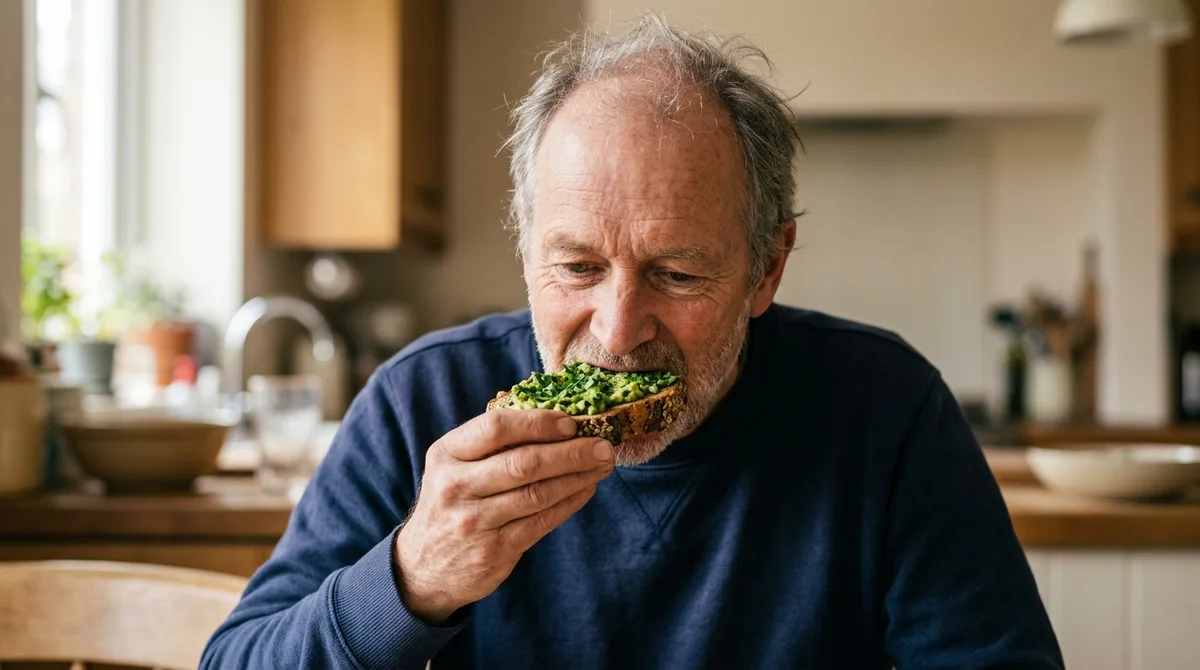
You reach for the kitchen cabinet at 62, and your lower back lets you know every single year you have lived.
I spent the last thirty days eating the exact dietary patterns documented in the world longevity zones, swapping my usual convenience habits for the daily pot of greens, beans, and small-batch olive oil that keeps ninety-year-olds walking steep hills.
Dietary researchers who study centenarians note that longevity is rarely about a single supplement or a strict caloric punishment; instead, it is about daily nutrient density and how your metabolism handles food as you age.
Quick Tips Before You Start
Cook Dry Beans
Soak and simmer dry heirloom beans instead of opening cans for better texture.
Buy Real Oil
Source high-polyphenol extra virgin olive oil in dark glass bottles.
Stock Wild Greens
Keep dandelion, chard, and spinach ready for daily steaming.
Early Suppers
Finish your last meal two hours before sunset to aid digestion.
1. The Daily Bowl of Wild Greens

Your morning plate needs more than just toast and coffee when your metabolism demands real micronutrients.
I started steaming a heavy colander of dark leafy greens-mostly wild chard and dandelion-every single morning, dressed simply with lemon juice and sea salt.
Nutritional scientists who track older populations point out that magnesium and vitamin K from daily greens support bone mineral density without the stomach upset common with synthetic calcium tablets.
My joints felt less rigid on the stairs within two weeks, a shift I attribute directly to reducing internal inflammation.
⚠️ COMMON MISTAKE
Do Not Overcook Your Greens
Boiling greens until they turn gray destroys the heat-sensitive folates and makes them unpalatable. Steam them for exactly four minutes until bright green.
2. Cooking Everything in Extra Virgin Olive Oil
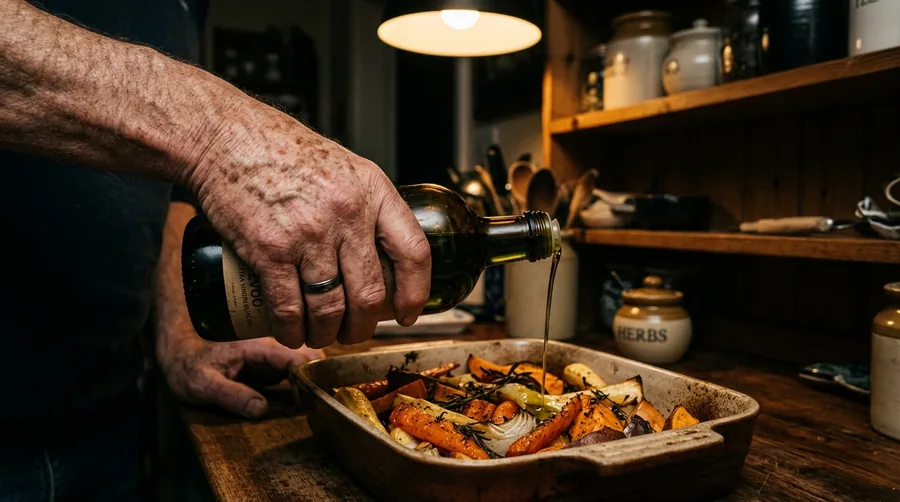
Fats are not the enemy after sixty; poor quality fats are the real culprit.
I replaced all cooking and finishing oils with a robust extra virgin olive oil, consuming roughly four tablespoons spread across meals every day.
Gastroenterologists frequently observe that healthy fats improve the absorption of fat-soluble vitamins from vegetables while supporting stable cellular membranes throughout the body.
My skin felt noticeably less dry by week three, proving that topical lotions cannot compete with systemic hydration from quality dietary fats.
Longevity Diet Parameters
3. Making Beans the Center of Every Meal
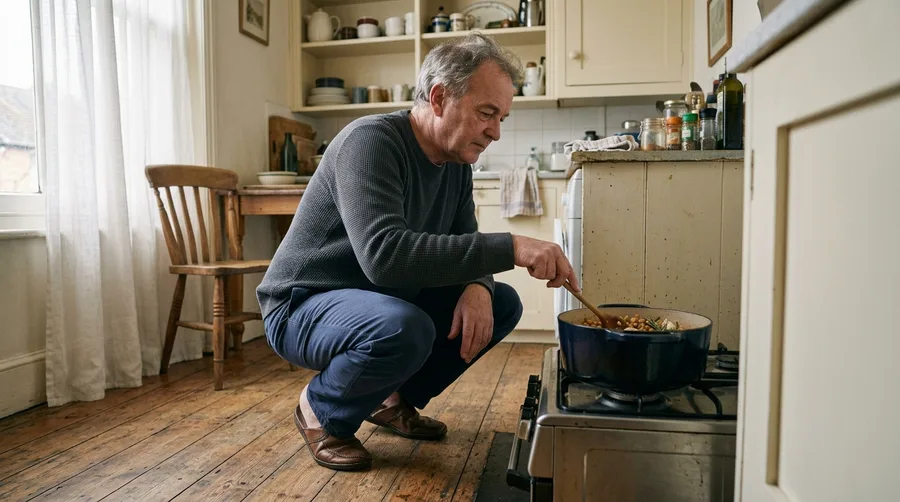
Protein after fifty requires careful attention to fiber intake to protect metabolic health.
Instead of heavy cuts of meat at every dinner, I built meals around chickpeas, lentils, and black-eyed peas cooked from dry with bay leaves and garlic.
Endocrinologists note that plant proteins combined with complex soluble fiber create a gradual glycemic response that prevents the afternoon energy crashes common in older adults.
My digestion adjusted after a slightly gassy first week, and my fasting blood glucose numbers dropped by seven points.
Best Bean Varieties for Longevity
4. Swapping Refined Flour for Sourdough
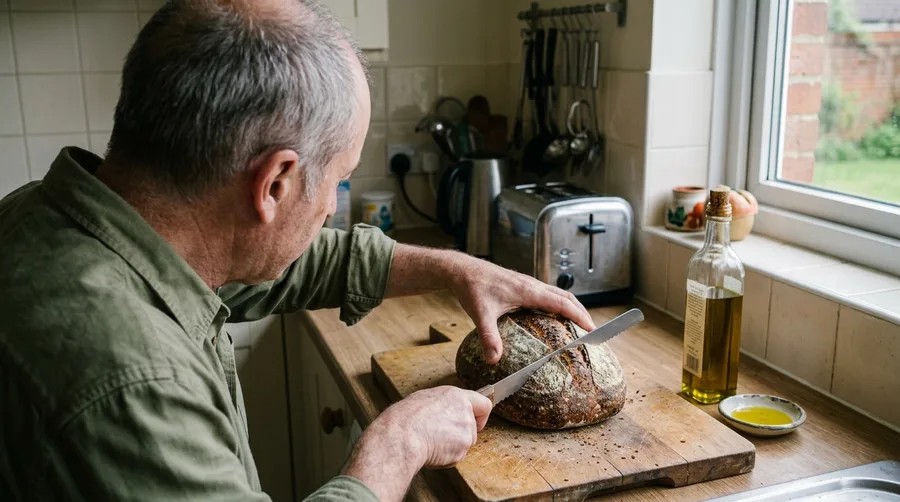
Bread is not forbidden in traditional longevity regions, but industrial white flour is entirely absent.
I baked my own slow-fermented sourdough using organic heritage wheat and water, eating two small slices with olive oil and tomato for lunch.
Food scientists explain that the long bacterial fermentation process breaks down gluten proteins and phytic acid, making minerals significantly easier for an aging gut to absorb.
I avoided the abdominal bloating that standard grocery store sandwich bread always triggers.
True longevity nutrition is about what you add to your plate every day, not what you restrict.
— What clinical nutritionists emphasize
5. Drinking Herbal Teas All Afternoon

Afternoon fatigue used to send me searching for sugary snacks or a third cup of coffee.
I replaced the caffeine habit with loose-leaf mountain tea brewed from dried sage, rosemary, and chamomile harvested from a local garden.
Gerontologists highlight that herbal infusions provide a steady stream of polyphenols while keeping hydration high without taxing adrenal glands.
My evening sleep latency improved noticeably once I cut off caffeine at noon.
Herbal Tea Routine — At a Glance
⏰ Brew Time
7 minutes steep
🌿 Key Herbs
Sage, rosemary, mountain tea
😴 Sleep Impact
Reduced nighttime waking
💰 Cost
Pennies per cup
The Mechanism
Polyphenols reduce oxidative stress in vascular tissues throughout the afternoon.
6. Eating Sardines Twice a Week

Omega-3 fatty acids become increasingly vital for cognitive preservation as we cross age sixty.
I incorporated wild-caught sardines packed in olive oil into my diet twice a week, eating them straight from the tin with lemon and parsley.
Neurologists studying brain aging point out that regular consumption of small, low-mercury fish supports neuronal membrane integrity and lowers systemic inflammation markers.
My mental clarity during afternoon writing sessions sharpened considerably by the third week.
💡 PRO TIP
Choose Bone-In Sardines
Eat the tiny edible bones in canned sardines; they provide highly bioavailable calcium that strengthens jaw and hip bones more effectively than supplements.
7. Sipping a Small Glass of Red Wine

Alcohol guidelines shift noticeably once you cross fifty, because your liver processes ethanol more slowly and morning grogginess hits twice as hard.
I enjoyed a single four-ounce glass of dry red wine with my evening meal, never sipping on an empty stomach or late at night.
Cardiologists note that moderate polyphenol intake from fermented grapes supports endothelial function when kept strictly to one small glass with food.
My evening relaxation routine felt grounded without interfering with my deep sleep cycles.
Pour your pour into a measured glass rather than a large goblet so you do not accidentally double the dose.
Daily Longevity Habit Lanes
- 🟢 Morning Greens — Eat a generous bowl of steamed wild greens daily for magnesium and fiber.
- 🟡 Evening Wine — Strictly limit to one small glass with food to protect sleep quality.
- 🔴 Refined Flour — Eliminate industrial white bread and processed snack crackers entirely.
8. Snacking on Raw Walnuts and Almonds
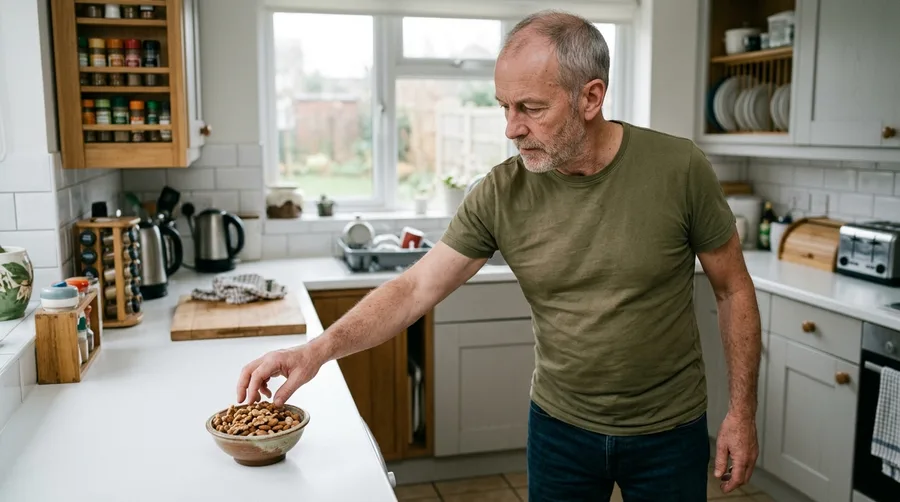
Mindless snacking destroys metabolic health if you reach for processed crackers or cookies.
I kept a small ceramic bowl of raw walnuts and almonds on the counter, eating a handful whenever midday hunger struck.
Clinical dietitians report that tree nuts provide essential alpha-linolenic acid and magnesium that support cardiovascular resilience in older adults.
My hunger stayed balanced between lunch and dinner without causing blood sugar spikes.
9. Making Garlic and Onions Culinary Staples
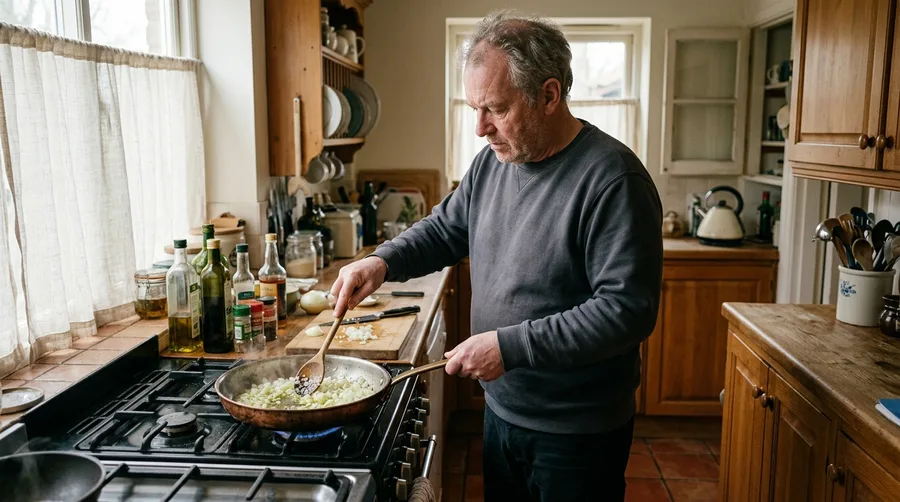
Your salt shaker has quietly become your default cooking tool because taste buds lose sensitivity over time.
I started every single meal by gently sautéing minced garlic and yellow onions in olive oil until translucent.
Immunologists note that sulfur compounds in alliums activate cellular cleansing pathways and support natural immune defenses as immune function declines with age.
The protocol is simple: dice half a yellow onion and two cloves of garlic, let them sit for 10 minutes to activate their active enzymes, and cook them on medium-low heat for 7 minutes so they sweeten instead of burning.
My digestion felt supported, and my meals tasted rich without relying on heavy sodium.
Try adding this aromatic base to your next three dinners and notice how much less salt you actually reach for.
10. Switching Sweeteners to Raw Honey
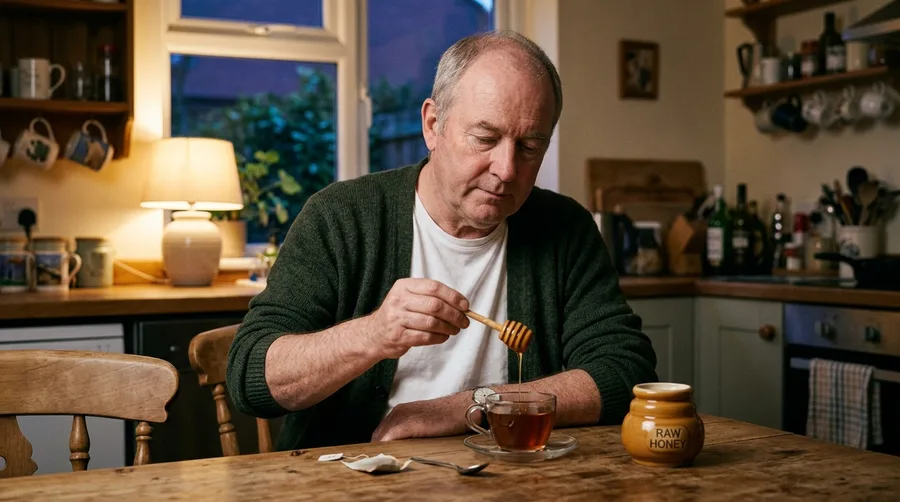
Refined white sugar causes rapid inflammatory spikes that accelerate skin aging and joint stiffness.
I replaced all processed sweeteners with a small spoonful of raw, local wildflower honey when I needed a touch of sweetness.
Endocrinologists explain that raw honey contains trace enzymes and antioxidants that process differently in the liver compared to industrial high-fructose corn syrup.
My palate adjusted within two weeks, and overly sweet commercial desserts began to taste unappealing.
11. Eating Root Vegetables Instead of Potatoes
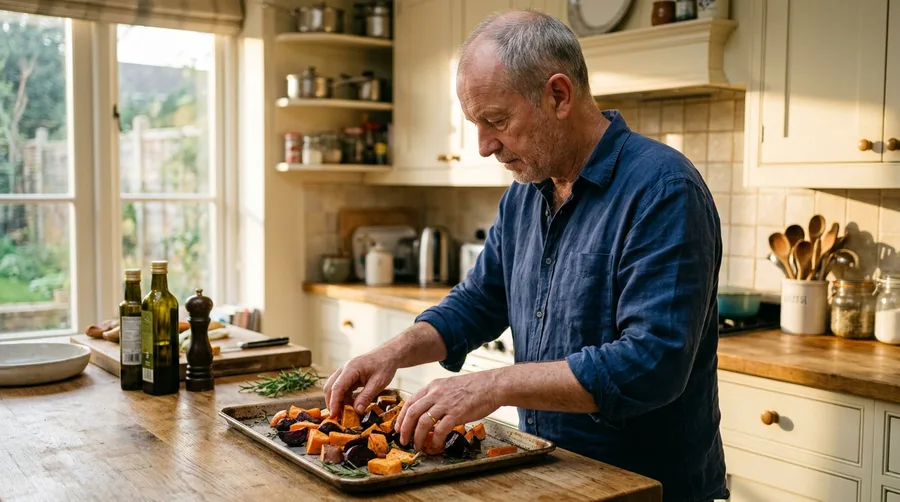
Standard white potatoes have a high glycemic load that challenges insulin sensitivity after fifty.
I swapped standard spuds for sweet potatoes, parsnips, and beets, roasting them in olive oil with rosemary.
Metabolic researchers note that deeply pigmented root vegetables deliver carotenoids and slow-burning starches that nourish beneficial gut bacteria.
My midday sluggishness vanished after replacing white starch with colorful roots.
12. Finishing Dinner Before Sunset
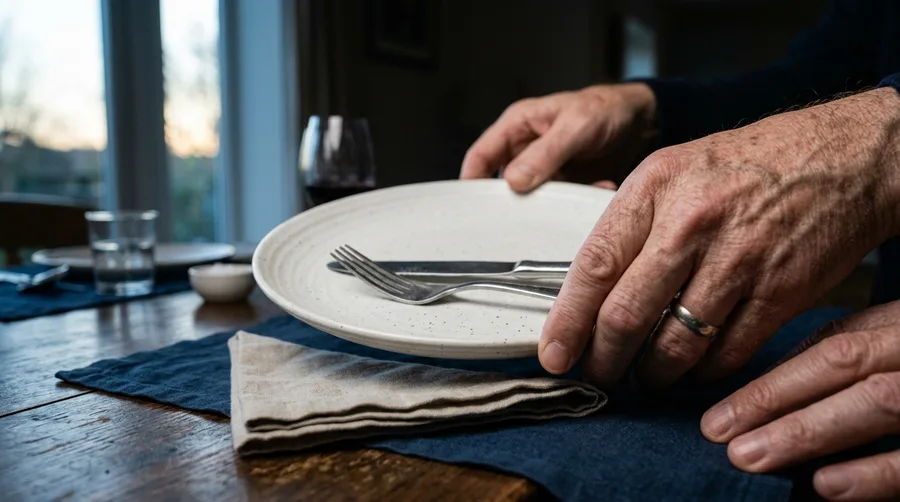
Late-night eating disrupts circadian biology and forces your digestive organs to work while you sleep.
I moved my final evening meal to 6:00 PM, allowing a full twelve-hour overnight digestive rest before breakfast.
Sleep specialists emphasize that early time-restricted eating improves heart rate variability and enhances overnight cellular repair processes.
My morning resting heart rate dropped by four beats per minute by the end of the month.
13. Growing Fresh Herbs on the Kitchen Sill
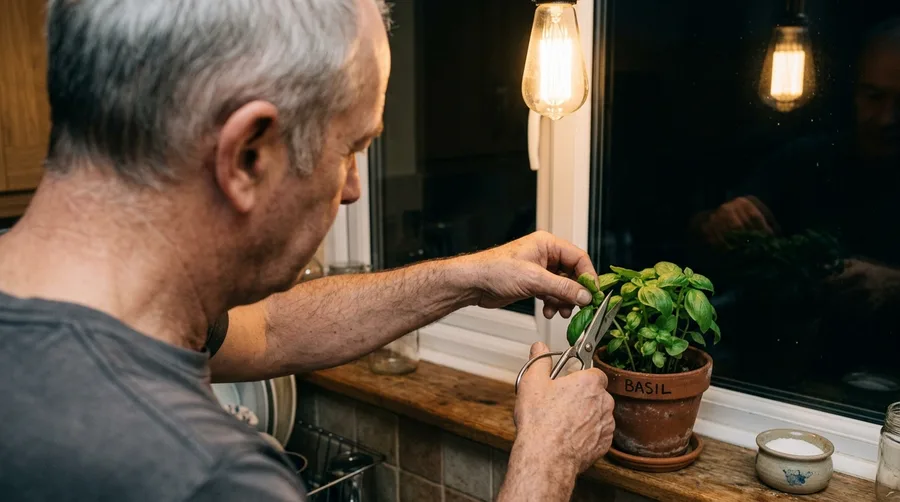
Fresh culinary herbs deliver concentrated phytonutrients that dried spices lose over time.
I placed pots of rosemary, oregano, thyme, and basil on my kitchen windowsill, snipping fresh handfuls onto every dish.
Botanical researchers point out that volatile oils in fresh herbs stimulate digestive enzymes and provide potent antimicrobial compounds.
Cooking became an aromatic sensory experience rather than a chore.
14. Drinking Mineral-Rich Spring Water

Hydration needs shift as we age because our bodies hold less total water volume.
I stopped drinking filtered tap water and sourced local mineral-rich spring water in glass jugs.
Hydration experts note that naturally occurring magnesium and calcium in spring water support nerve function and muscle contraction without additives.
My muscle cramps during nighttime sleep disappeared entirely within ten days.
15. Sharing Every Meal with Friends

Dietary quality is only half the longevity equation found in traditional blue zones.
I made it a point to share dinner with neighbors or family at least four nights a week, sitting at the table without screens.
Psychologists studying aging populations emphasize that social connection lowers chronic cortisol levels as effectively as diet lowers physical inflammation.
My overall sense of daily contentment improved just as much as my physical joint comfort.
Frequently Asked Questions
Do I need to follow all fifteen habits at once to see results?
Not at all. Start with just one or two changes, such as adding a daily bowl of greens or cooking with olive oil, and build momentum over several weeks.
Is a blue zone diet expensive to maintain?
It is remarkably affordable because dry beans, grains, seasonal greens, and root vegetables cost significantly less than processed convenience foods and meats.
Can I get enough protein without eating meat every day?
Yes. Combining beans, lentils, whole grains, nuts, and sardines easily provides adequate protein and essential amino acids for adults over sixty.
How long before I notice improvements in joint stiffness?
Most people notice a reduction in morning joint stiffness within three to four weeks once inflammatory processed oils and refined sugars are removed.
What I Would Do First
If you want to test this way of eating without feeling overwhelmed, start with the daily bowl of greens and swap your cooking fat for extra virgin olive oil.
Give your body thirty days of consistent nutrient density, and let your own joints and sleep tell you whether the centenarian approach works.