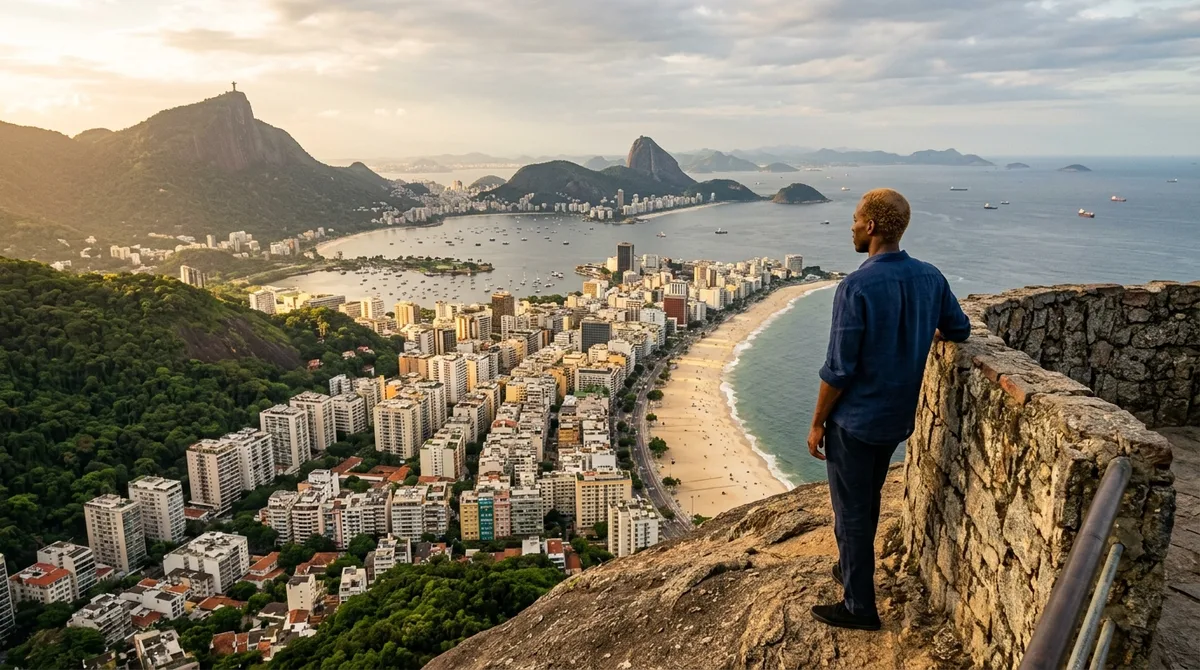
Brazil is the largest country in South America, yet visitors constantly arrive carrying a suitcase full of outdated assumptions about language, geography, and culture.
You might assume everyone here speaks Spanish, or that the Amazon is the only landscape worth crossing continents to see. You’d be missing the entire point of the country.
Brazil spans 4,395 miles from north to south, covers four distinct time zones, and shares a border with every single nation on the continent except Ecuador and Chile.
You will walk through modernist concrete capitals, climb jagged coastal peaks, ride historic trams up steep jungle hills, and taste fresh lime and sugarcane on crowded downtown corners.
This guide cuts through the noise and gives you the exact facts, routes, and honest trade-offs you need. Pick the regions that match your time and budget, and leave the brochure tropes behind.
Quick Tips Before You Start
Language Reality
Portuguese is the sole official tongue; Spanish will not get you far outside border towns.
Payment System
Carry a credit card with chip and PIN, but download local apps for instant digital transfers.
Transit Scale
Domestic flights are mandatory for long hops; buses work well for regional weekend trips.
Urban Safety
Keep your phone in your pocket on busy streets and avoid flashing expensive jewelry.
Brazil Trip Planning At a Glance
Brazil Regional Route Map
Save this route map before you start your travel planning.
1. Explore the Modernist Architecture of Brasília
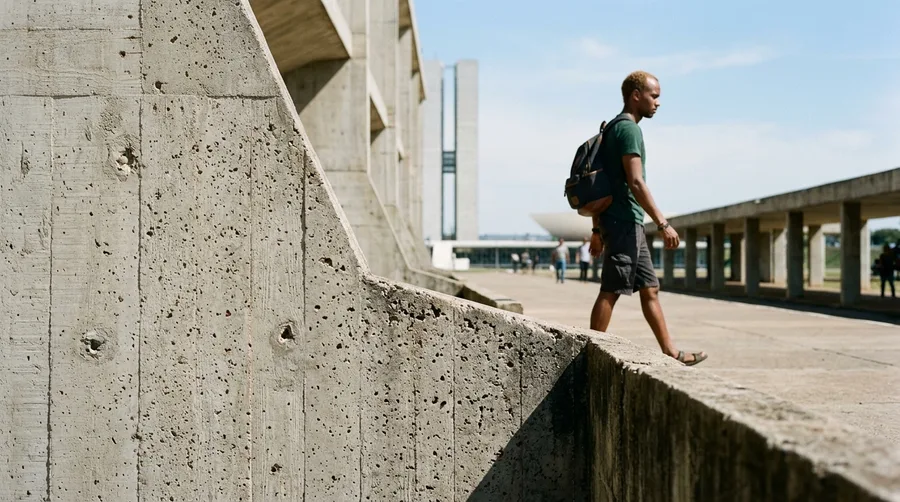
Brasília is not a chaotic colonial sprawl like São Paulo, but a planned modernist masterpiece shaped like an airplane from the air.
Exploring the monumental axis and public architecture costs nothing and offers a masterclass in 20th-century urban planning by Lúcio Costa and Oscar Niemeyer.
You can walk the vast concrete esplanades without paying a dime in admission fees.
Capital Transit Flow
2. Watch the Sunset From Sugarloaf Mountain
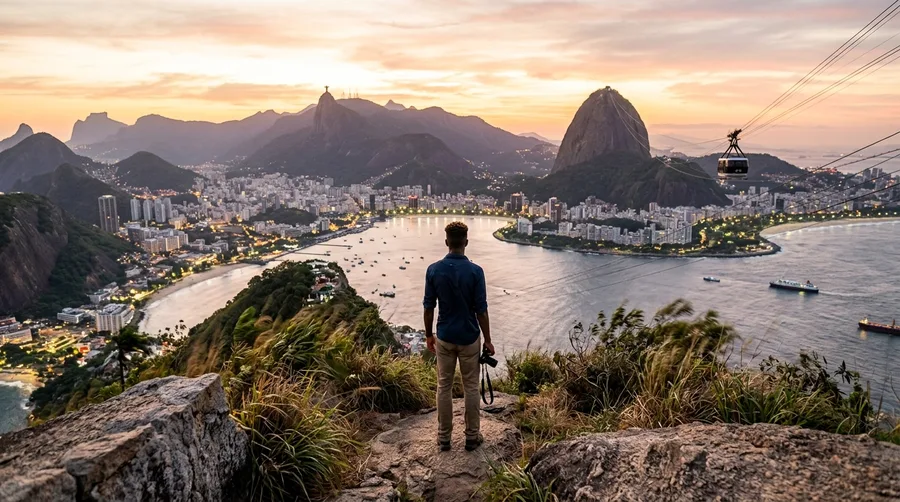
Which viewpoint offers the superior vista of Guanabara Bay, Sugarloaf Mountain or Christ the Redeemer? Sugarloaf wins because you can see the statue itself nestled against the mountain skyline.
Stand on the upper tier of Morro da Urca during the transition between late afternoon and dusk to watch the lights of Rio ignite across the coastline.
The journey requires two separate cable car stages operating continuously from Praia Vermelha, costing roughly 150 BRL for adults.
💡 Tip: Buy your cable car tickets online the morning of your visit to skip the ticket window queue.
Sugarloaf Cable Car — At a Glance
🎫 Ticket Price
150 BRL
⏱️ Duration
3 Hours
🚠 Stages
Two Cars
Pro Tip
Arrive 90 minutes before sunset to secure front-row viewing space.
3. Stroll the Paved Boardwalks of Copacabana
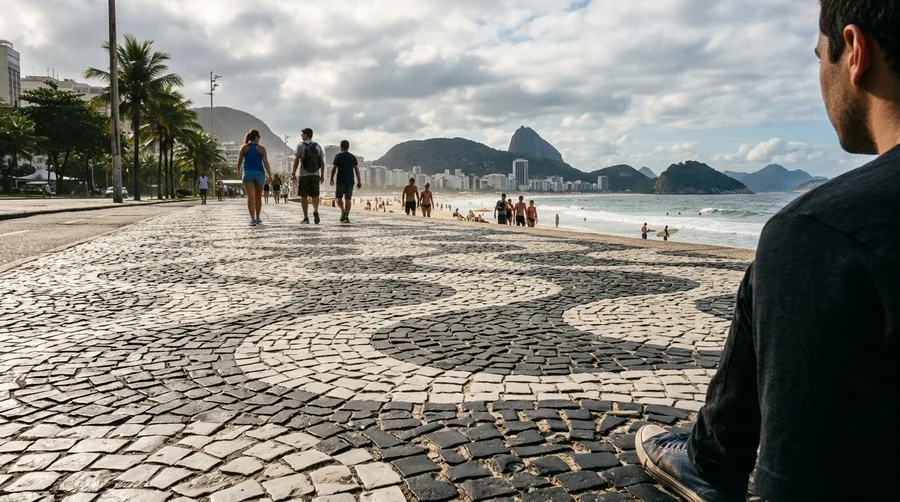
You step off the curb and the distinct scent of salt spray mixes with roasted peanuts from a nearby beach cart.
Families and travelers needing step-free coastal access will find the flat, wave-patterned Portuguese stone mosaic walkways exceptionally easy to navigate.
Historic colonial towns like Ouro Preto, by contrast, feature steep, irregular cobblestones and lack elevators, making them nearly impossible for strollers and mobility aids.
Boardwalk Suitability
4. Ride the Historic Tram Through Santa Teresa
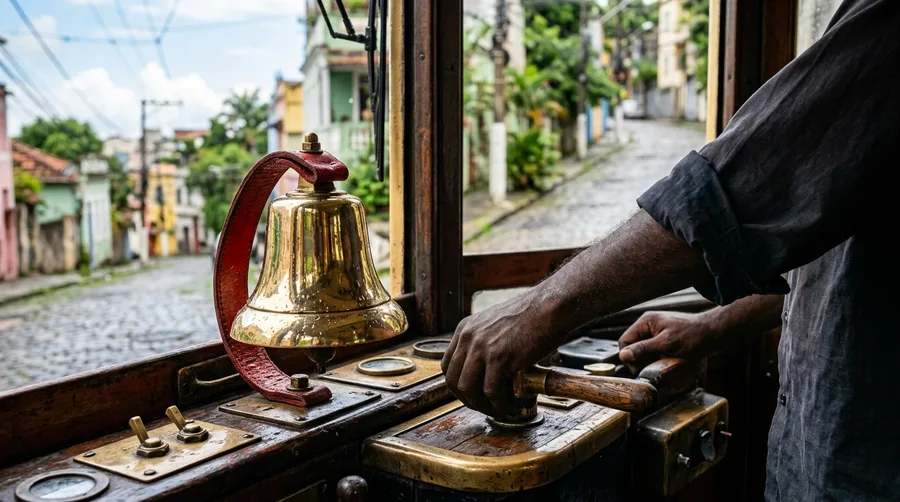
Morning arrives in Santa Teresa with the rhythmic metallic clatter of the historic bonde tram rounding a tight hillside corner.
Direct travelers away from the crowded oceanfront shores to this hilltop bohemian neighborhood for authentic local art studios and independent galleries.
Residents navigate the steep hillsides using hidden public staircases like the Escadaria Selarón rather than waiting for slow taxis.
Wear sturdy walking shoes because the concrete steps become slick after a tropical afternoon downpour.
Rio Neighborhood Showdown
Copacabana & Ipanema
- Flat, paved boardwalks
- High tourist density
- Direct beach access
- Plentiful hotel options
Santa Teresa
- Steep historic hills
- Local arts culture
- Bonde tram transport
- Quiet boutique inns
5. Hike the Rugged Trails of Chapada Diamantina
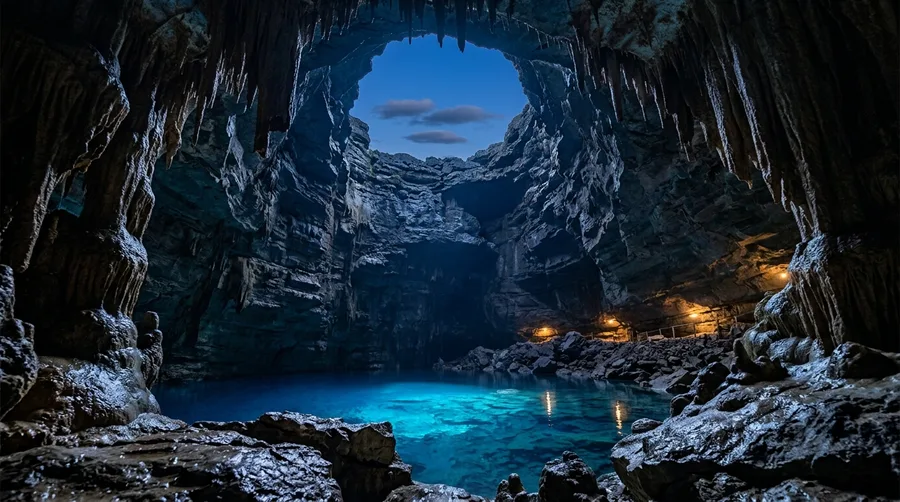
A grueling 30-kilometer multi-day trek takes you across the jagged peaks and dramatic sandstone valleys of Chapada Diamantina National Park.
You descend deep into subterranean limestone sinkholes like Poço Encantado to swim in neon-blue water lit by piercing sunbeams.
Hiring a certified local guide is mandatory for safe navigation through the remote scrublands and hidden canyon rims.
Trek Difficulty Spectrum
Assessing physical effort across Brazilian trails
- Copacabana Promenade: Flat urban walking.
- Sugarloaf Trails: Moderate inclines and steps.
- Chapada Diamantina: Multi-day backcountry endurance.
6. Track Wildlife Across the Pantanal Wetlands

Manage your expectations if you plan to visit the Amazon expecting easy jaguar sightings; the Pantanal offers a far higher probability of spotting large wildlife.
The dry season running from July to October concentrates caimans, capybaras, and jaguars around shrinking waterholes across Mato Grosso do Sul.
Open-safari vehicle tours and night spotlight boat trips give you the best vantage points to observe jaguars hunting along the riverbanks.
Book your lodge months in advance because capacity is strictly limited in remote areas.
🐆 Pantanal Wildlife Viewing Schedule
July
Water levels drop and wildlife concentrates around remaining rivers.
August
Peak jaguar sighting window along riverbanks.
September
High temperatures bring mammals out into open dry pastures.
October
Final month of dry season before seasonal rains return.
7. Experience Iguazu Falls at Opening Hour
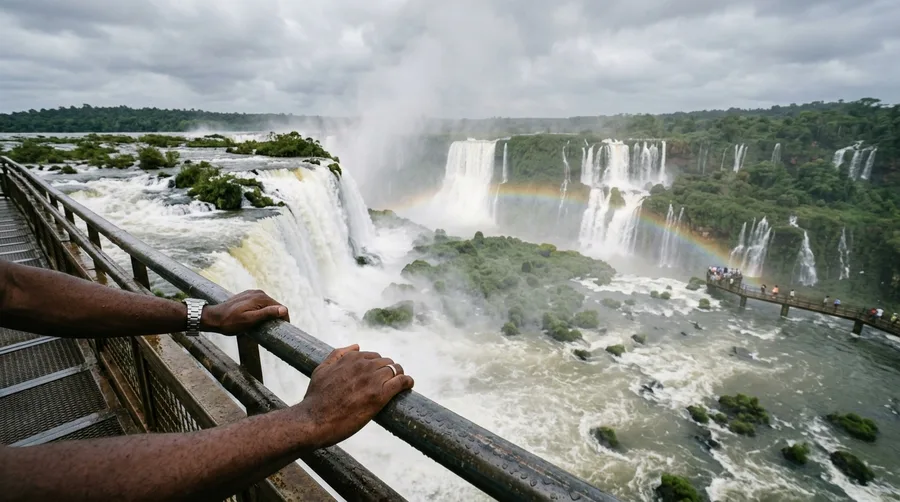
Iguazu Falls is only experienced at its most majestic during the earliest operating hour.
Enter the park gates right at 9:00 AM to beat the tour bus crowds on the narrow metal catwalk leading out to the Devil’s Throat.
Morning sunlight hits the cascades on the Argentine side, creating towering mist rainbows before the harsh midday glare sets in.
💡 PRO TIP
Arrive Before the Tour Buses
Park gates open at 9 AM. Be at the turnstile ten minutes prior to secure an empty walkway on the Devil's Throat bridge.
8. Ride the Historic Cog Train to Corcovado

Contrast the quiet dawn at Iguazu with the midday human sea surrounding Christ the Redeemer at Corcovado.
The massive crowds and ticket queues are worth it if you approach via the historic red cog train winding up through the Tijuca rainforest rather than cramped shuttle vans.
9. Discover Modern Art at Inhotim in Minas Gerais
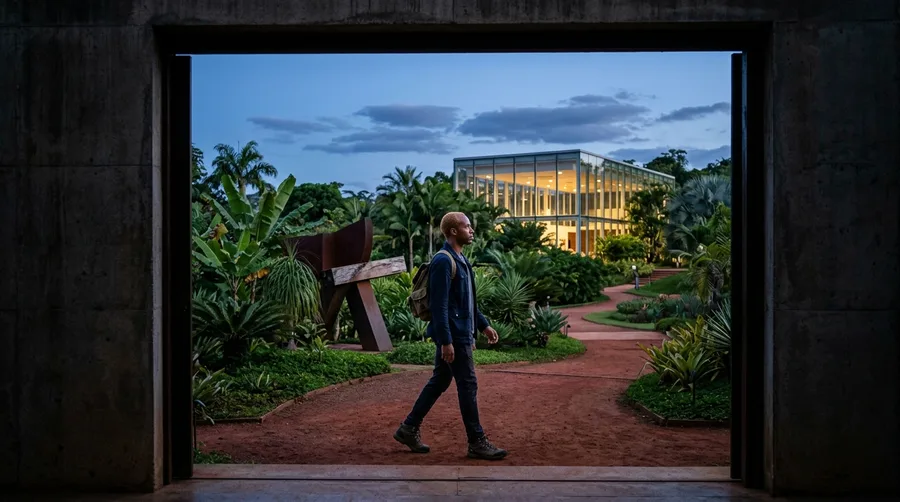
The heavy scent of fresh red dust and crushed sugarcane hangs in the air along the rural backroads of Minas Gerais.
Inhotim in Brumadinho is an eccentric, massive open-air contemporary art museum embedded seamlessly inside a manicured botanical garden.
Visitors ride open-air electric carts between remote jungle galleries housing massive site-specific installations by international artists.
10. Sip a Fresh Caipirinha at a Local Boteco
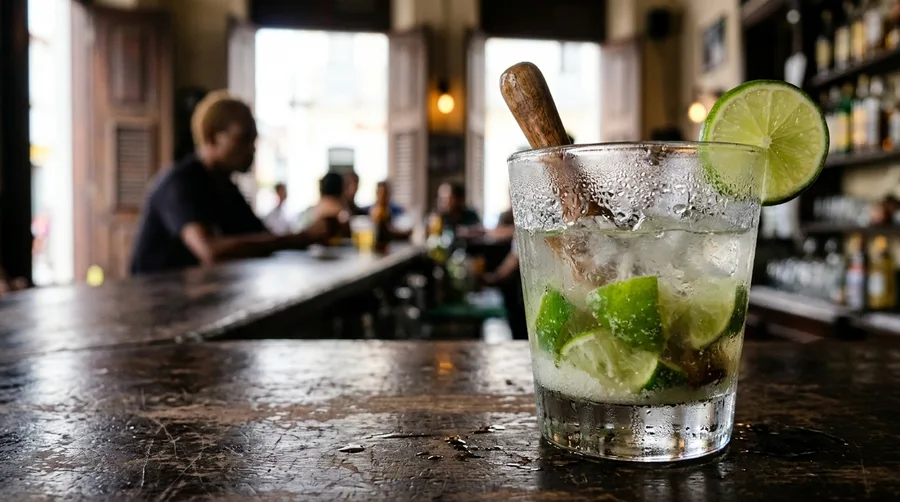
You step inside a noisy neighborhood boteco where the sharp scent of fresh limes and crushed cane sugar fills the room.
Order the national cocktail, the Caipirinha, alongside its staple street-food accompaniment, warm cheesy pão de queijo rolls.
Expect to pay roughly 15 to 25 BRL for a well-made drink at a standard local establishment.
Sample 7-Day Travel Itinerary
11. Trace Afro-Brazilian Roots in Pelourinho
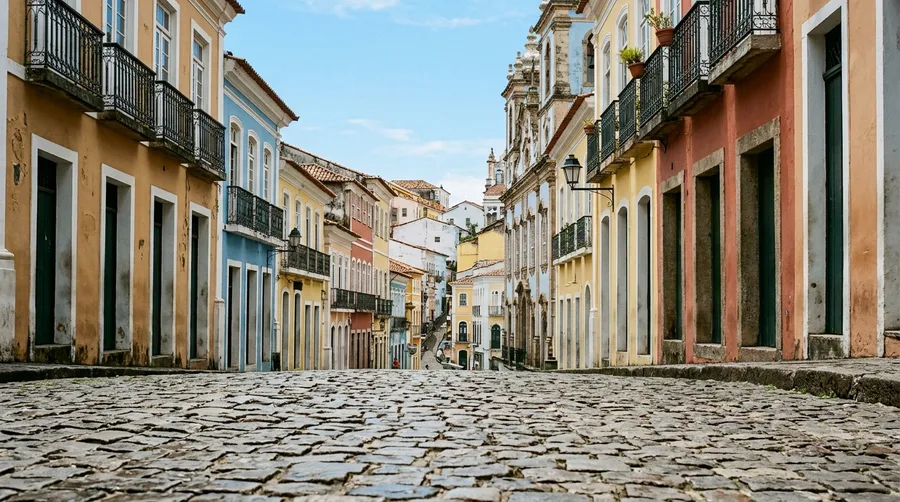
Modern Brazilian pop culture often overshadows the deep, enduring African heritage preserved in the cobblestone streets of Salvador da Bahia.
Pelourinho features pastel colonial architecture that hides a complex history as a historic center of the slave trade and the crucible of Afro-Brazilian syncretic religion.
Capoeira evolved in these exact alleys as both a martial art and a disguised dance form among enslaved populations.
Local drumming groups practice openly in the public squares every afternoon.
⚠️ COMMON MISTAKE
Watch Your Belongings in Pelourinho
Historic crowded squares attract opportunistic pickpockets. Keep your camera secured across your chest at all times.
12. Stay at an Eco-Luxury Lodge in the Amazon
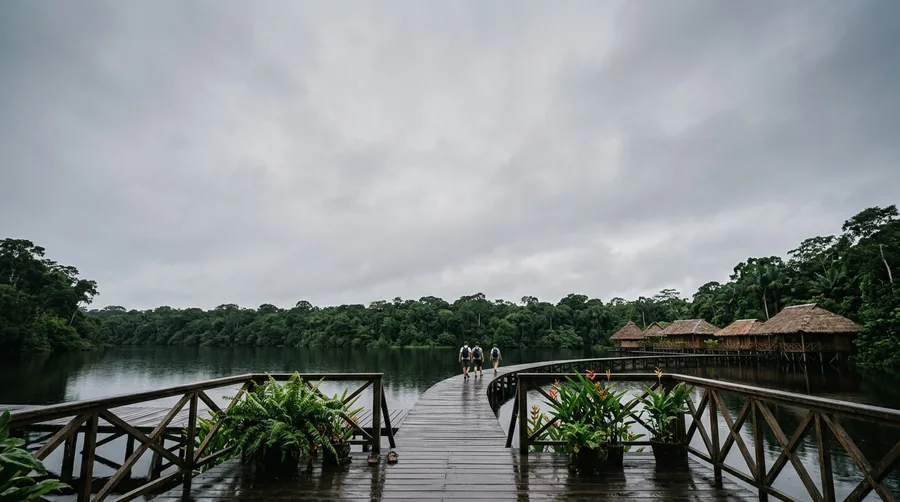
Staying in an eco-luxury floating lodge along the Amazon tributaries in Anavilhanas is worth the high cost if you want deep jungle immersion.
Expect prices to range from $400 to $800 USD per night, which includes expert-led river expeditions and gourmet regional dining.
13. Slow Down on the Vehicle-Free Roads of Ilha Grande
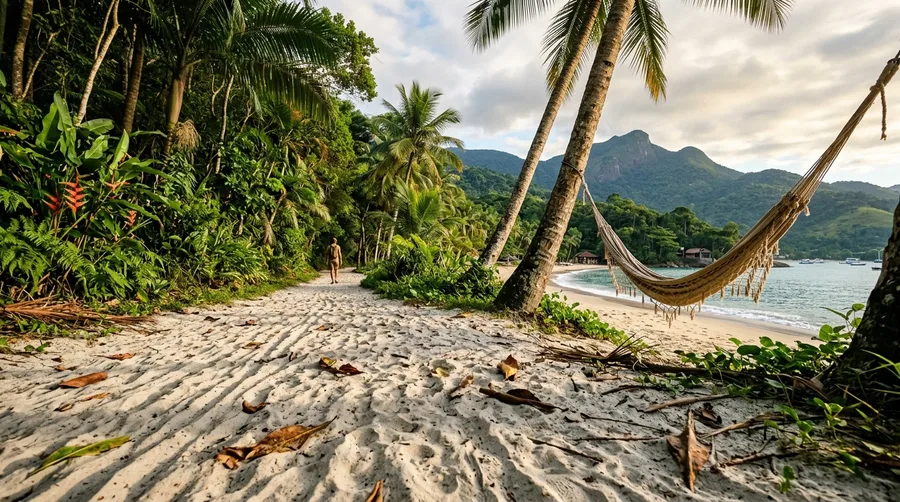
Three to four days spent entirely offline in the vehicle-free, sand-paved streets of Ilha Grande will reset your travel tempo.
Sit at an open-air beach cafe in Abraão or hike through dense Atlantic rainforest to reach the pristine crescent of Lopes Mendes beach.
No cars are allowed on the island, forcing all transport to happen on foot or via wooden schooner.
14. Navigate Environmental Rules in Fernando de Noronha
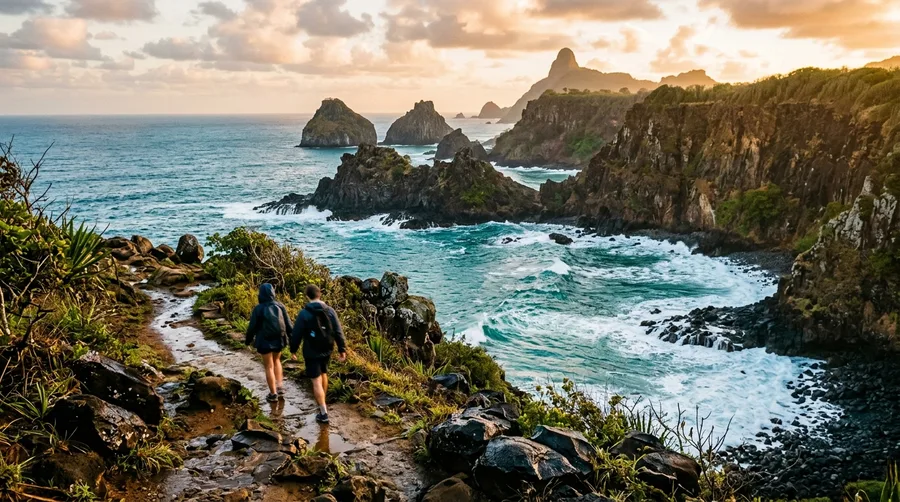
Fernando de Noronha is an absolute marine paradise, but you must come prepared for strict environmental controls.
Visitors must pay a daily environmental preservation tax that scales up over the length of the stay, alongside strict caps on daily island visitors.
The payoff is crystal-clear visibility for scuba diving with spinner dolphins and sea turtles in protected Atlantic waters.
Top Island Destinations Ranked
15. Admire Soapstone Carvings in Ouro Preto
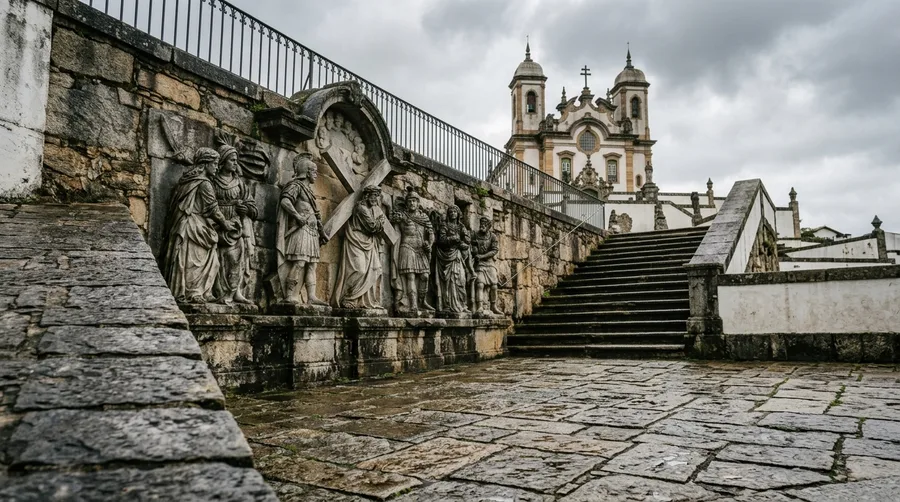
Do not underestimate the sheer steepness and slipperiness of soapstone paving in historic gold-rush towns like Ouro Preto.
Local Baroque sculptor Aleijadinho carved masterworks across these hill towns despite losing the use of his fingers to degenerative disease.
16. Watch the Sunset From Jericoacoara Dunes
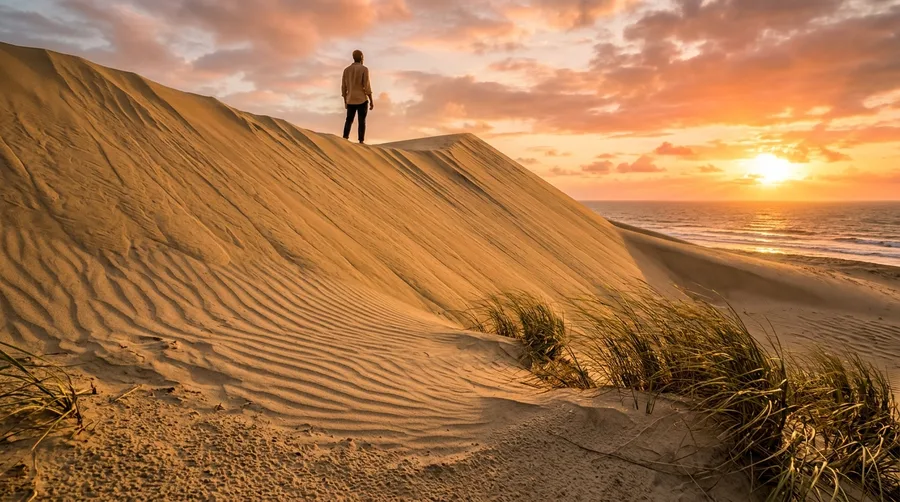
Is it possible to experience world-class natural wonder without paying steep national park entry fees or tour markups?
The vast, free expanses of Jericoacoara’s sunset dunes in Ceará prove that you certainly can.
Walking up the shifting sand dunes to watch the sun sink directly into the Atlantic Ocean costs absolutely nothing and anchors the quintessential Brazilian coastal experience.
Frequently Asked Questions
Is Brazil safe for solo independent travelers?
Brazil requires standard urban caution. Keep your phone tucked away in crowded areas, avoid unlit streets at night, and use registered ride-hailing apps rather than hailing street taxis after dark.
Do I need a visa to travel to Brazil?
Passport holders from the US, Canada, and Australia require an electronic visa to enter Brazil. Apply online several weeks before your departure date to avoid processing delays.
What is the best month of the year to visit Brazil?
May to September offers optimal dry weather for wildlife viewing in the Pantanal and Amazon. December to March brings hot beach weather and Carnival celebrations to Rio and Salvador.
How do I handle currency and payments in Brazil?
Credit cards are widely accepted in urban centers and restaurants. Keep some physical Brazilian Real for small street vendors, and use digital PIX transfers if you establish a local account.
Can I get by speaking English in Brazil?
English is spoken in major international hotels and upscale restaurants, but Portuguese is essential in smaller towns, regional transport hubs, and local eateries.
Navigating Beyond the Postcard: The Real Brazil
Brazil resists simple categorization. If you arrive expecting a single monolithic beach paradise, you will miss the granite peaks of Minas Gerais and the flooded grasslands of the Pantanal.
Take the time to plan your domestic hops, respect local seasonal weather shifts, and leave room for spontaneous detours into neighborhood botecos. That is how you experience the country on its own terms.