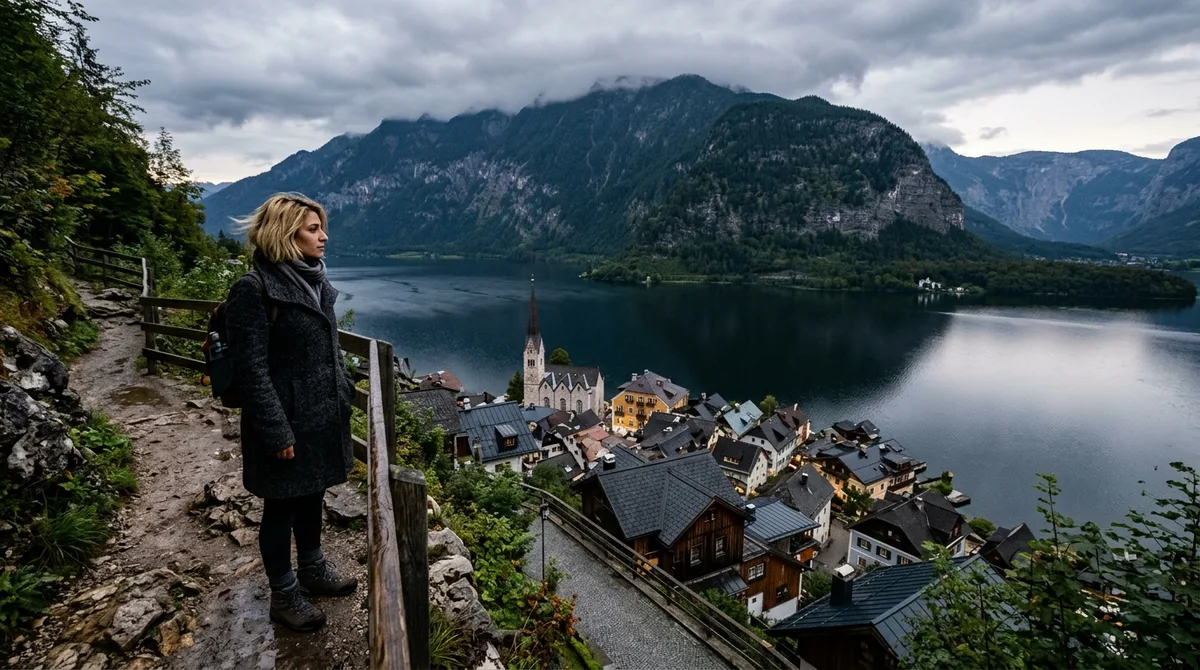
True historical preservation requires more than a collection of old buildings; it needs living communities whose daily routines unfold inside centuries-old stone walls. Many popular destinations trade their authenticity for souvenir shops and tour bus parking lots.
You can still find places where the modern clock ticks slower. These fifteen European towns reject rapid industrial modernization in favor of cobblestones, timber frames, and deep geographic roots.
💡 PRO TIP
The Golden Rule of Timeless Travel
Visit these historic quarters before 9 AM or after 6 PM to experience them without the daytime crowds.
Quick Tips Before You Start
Bring Cash
Many small-town bakeries and historic sites do not accept cards.
Wear Flat Shoes
Uneven medieval paving destroys heels within minutes.
Check Seasonality
Mountain passes and ferry routes often close during winter months.
Park Outside
Leave your rental car in designated lots outside the historic core.
Planning a trip across multiple preserved European regions demands realistic logistics and an understanding of local transportation networks. You cannot rely on high-speed rail for every remote alpine village or cliffside citadel.
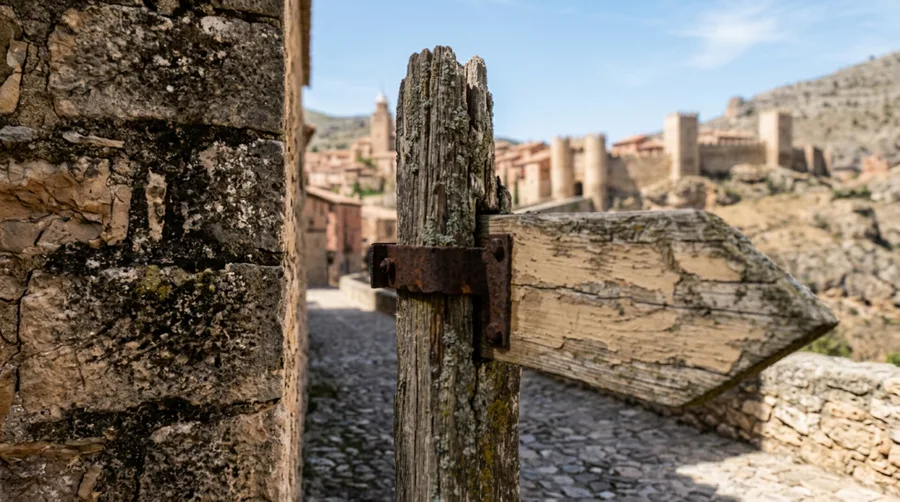
Renting a car remains essential for reaching isolated mountain settlements like Albarracín, while towns like Colmar and Český Krumlov connect smoothly via regional trains.
Route Overview
Save this map to navigate between regional hubs and remote historic sites.
1. Hallstatt
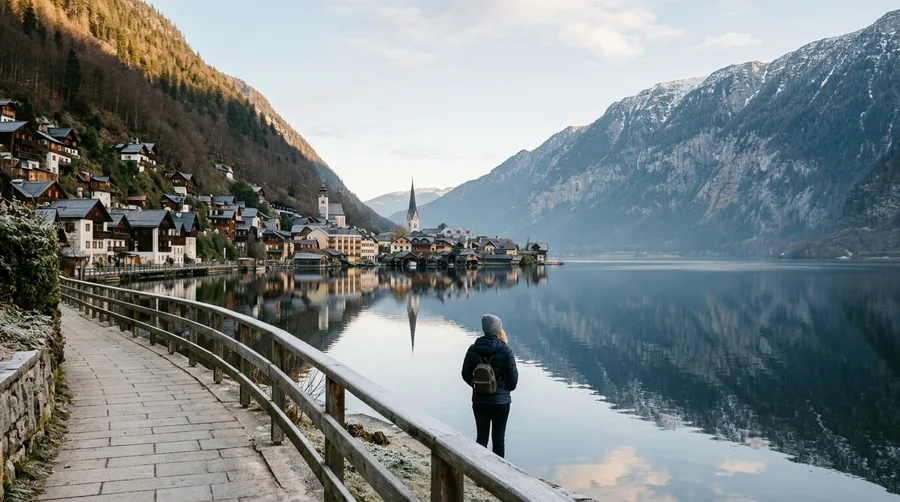
Why does this alpine village feel so otherworldly before the morning fog lifts?
The town only maintains its timeless character between 7 PM and 8:30 AM before tour buses arrive from Salzburg.
Walk down the lakeside path toward the 7,000-year-old salt mine behind the village houses.
Salt extraction here dates back to prehistoric times.
💡 Tip: Arrive by 7 AM to photograph the mirror-like lake surface without tour boats.
🌱 GROWING TIP
Alpine Weather Shifts
Mountain weather changes rapidly. Always pack a windproof shell even on clear summer mornings.
2. Civita di Bagnoregio
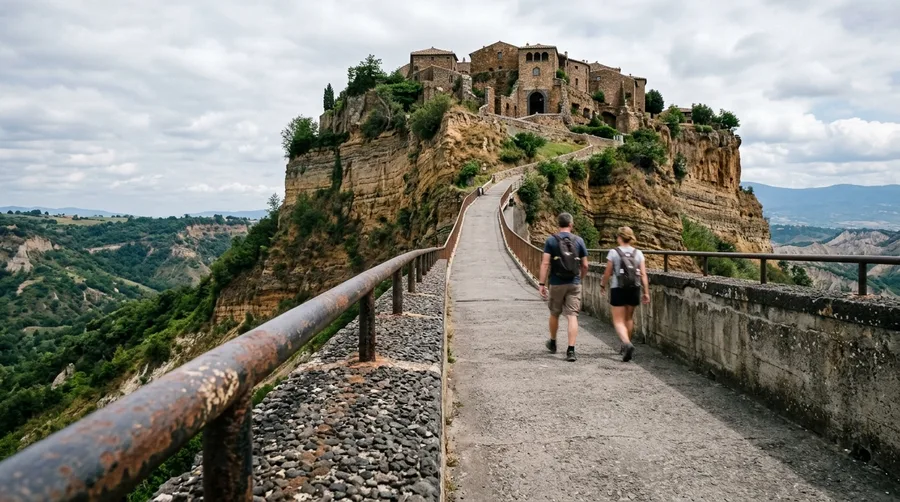
Cross the steep 300-meter pedestrian bridge on foot because no cars can enter this crumbling volcanic plateau.
Erosion continuously threatens the Etruscan foundations below the stone archways.
Stop at the local piazza for bruschetta topped with black truffles harvested from the surrounding valley floor.
Wear sensible footwear for the steep ramp climb.
💡 Tip: Bridge access costs around 5 euros during peak daytime hours.
3. Bibury
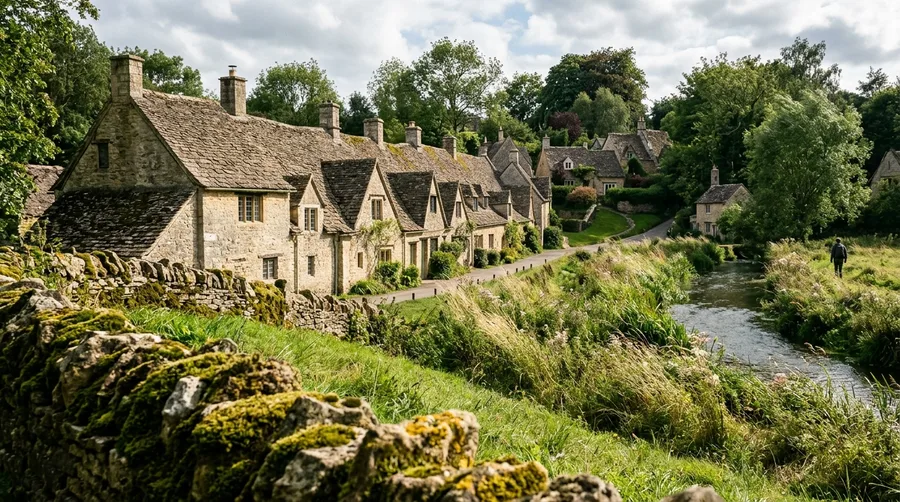
Watch out for sudden single-lane traffic bottlenecks and strict residential parking rules near Arlington Row.
These 14th-century stone cottages originally housed weavers who supplied wool to local mills.
The undulating slate roofs require specialized maintenance by regional craftsmen.
💡 Tip: Park in the designated meadow lot 500 meters upstream to avoid village congestion.
4. Giethoorn
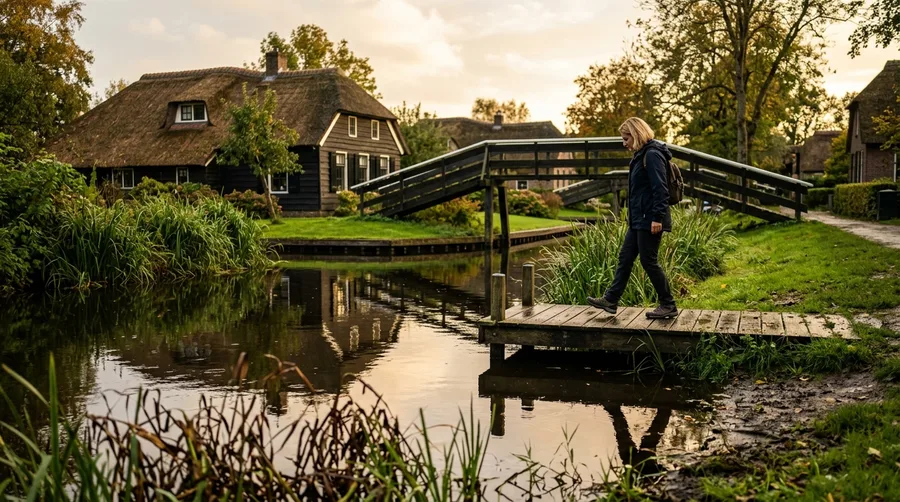
Roads do not exist in the older quarters of this canal village.
You navigate entirely by foot over 180 wooden footbridges or by silent electric punt on the waterways.
Keep your eyes open for great crested grebes nesting in the reed beds along the shallow banks.
13th-century peat cutters carved out this entire aquatic ecosystem.
💡 Tip: Rent an electric whisper-boat by the hour rather than booking a guided group tour.
Giethoorn — At a Glance
Transport
Electric Punts
Wildlife
Pond Turtles
Origins
13th Century
Key Rule
No motorized vehicles are permitted within the historic village center.
5. Český Krumlov
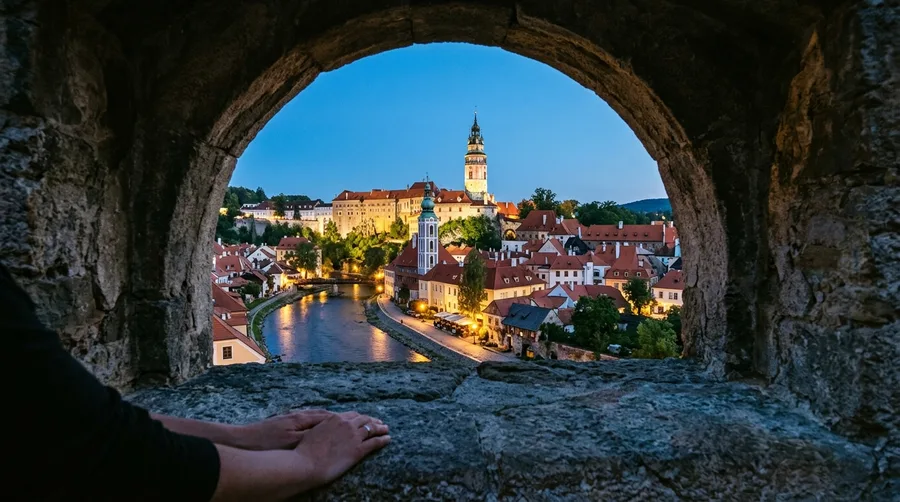
While souvenir shops crowd the lower lanes, the steep stone alleys leading up to the castle gardens remain wonderfully quiet.
Grab a freshly baked Trdelínk pastry for roughly 100 CZK and pair it with a dark draught of Eggenberg beer brewed locally since 1560.
Master masons built these Gothic cellars and Renaissance facades under Rosenberg rule over five centuries ago.
Climb the tower for sweeping river views.
💡 Tip: Skip the main square restaurants for lunch; walk two blocks up Latrán street for local pricing.
6. Mont-Saint-Michel
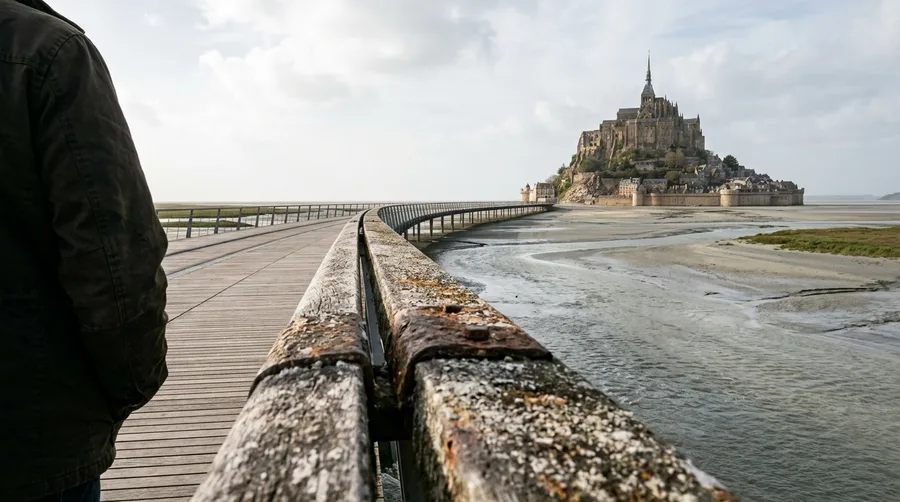
Salt spray hits your face as you walk across the modern footbridge toward the granite abbey walls.
Daytime peak hours feel congested, but staying past sunset transforms the island into a quiet medieval fortress.
Engineers designed the tidal barrage system to prevent silt buildup around the island base.
Listen for the sound of echoing footsteps on ancient stone stairs.
💡 Tip: Check tide schedules before walking across the unprotected mudflats.
7. Albarracín
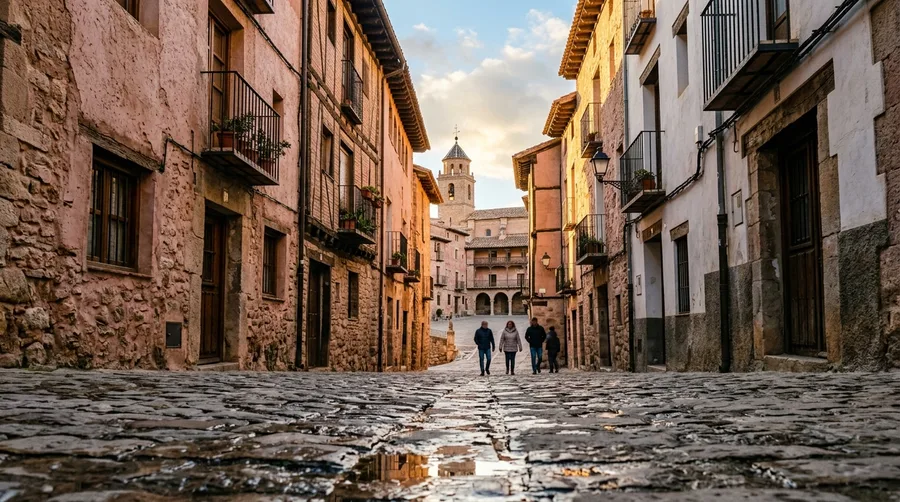
Perched 1,182 meters high in the rugged Sierra de Albarracín mountains, this pink-hued fortress town rewards early risers.
Residents gather around the 16th-century Town Hall plaza rather than the souvenir stalls near the castle ruins.
Red gypsum stone gives every defensive wall its distinct rusty coloration.
💡 Tip: Drive up via the Teruel road early in the morning to secure parking near the main portal.
8. Colmar
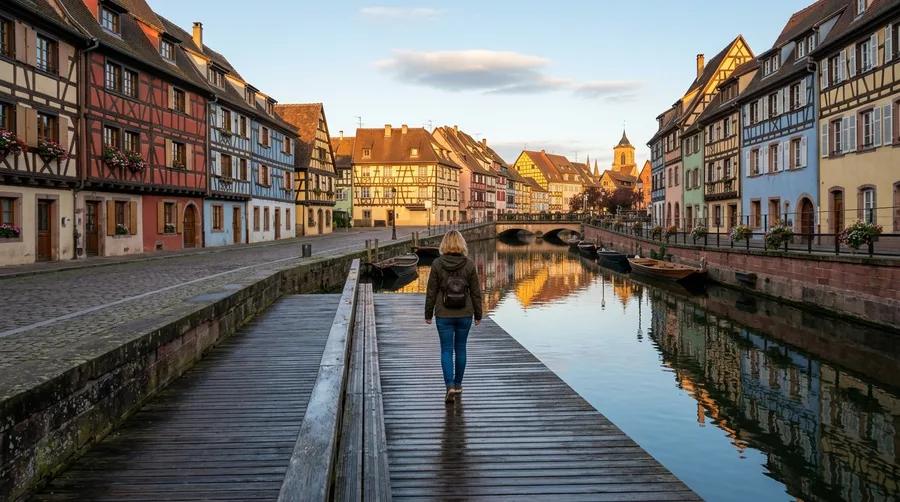
You step inside a timber-beamed Winstub to order a tasting menu of regional grand cru wines and artisanal Munster cheese.
Expect to spend around 75 euros per person for an authentic multi-course pairing dinner in the Petite Venise district.
German and French architectural styles blend seamlessly across these merchant houses preserved since the Middle Ages.
💡 Tip: Book your dinner table at least three weeks in advance during the autumn wine harvest.
9. San Gimignano
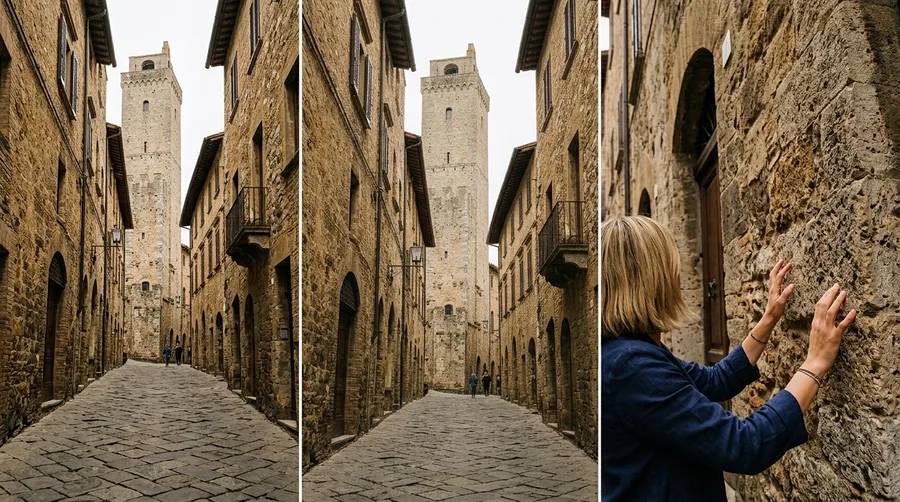
Cobblestones ring hollow under stroller wheels while the sweet scent of saffron gelato drifts from corner shops.
Families with older children interested in knight history and tower climbs will love the vertical stone layout.
The town does not suit wheelchair users or travelers with severe mobility impairments due to steep, uneven paving.
Competing noble families built fourteen surviving skyscrapers here to display their wealth.
💡 Tip: Visit the Civic Museum early to climb the Great Tower before afternoon tour groups arrive.
10. Alberobello
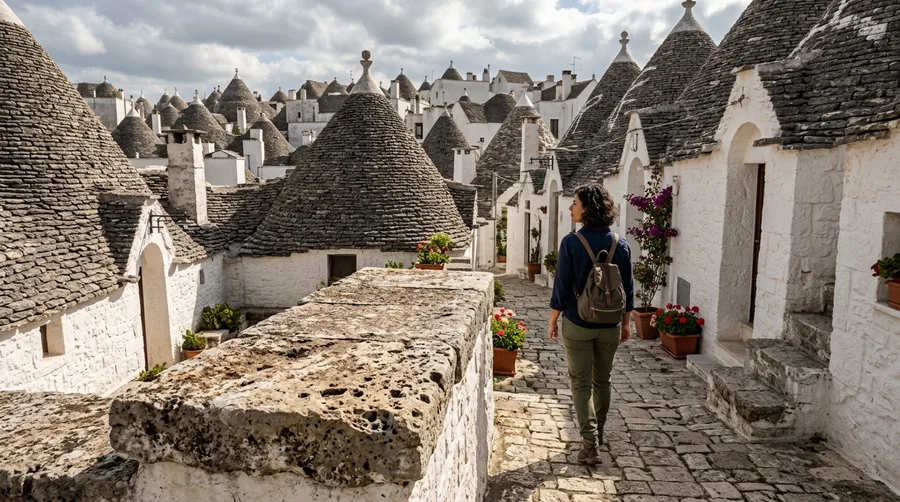
Conical stone trulli roofs look breathtaking, but the main commercial quarters are packed with souvenir shops.
Walk past the tourist stalls into the residential Aia Piccola district where locals still live without storefronts.
Dry-stone masonry techniques allow these mortarless roofs to stand without structural beams.
💡 Tip: Explore Aia Piccola instead of Rione Monti for an authentic residential atmosphere.
11. Rottweil
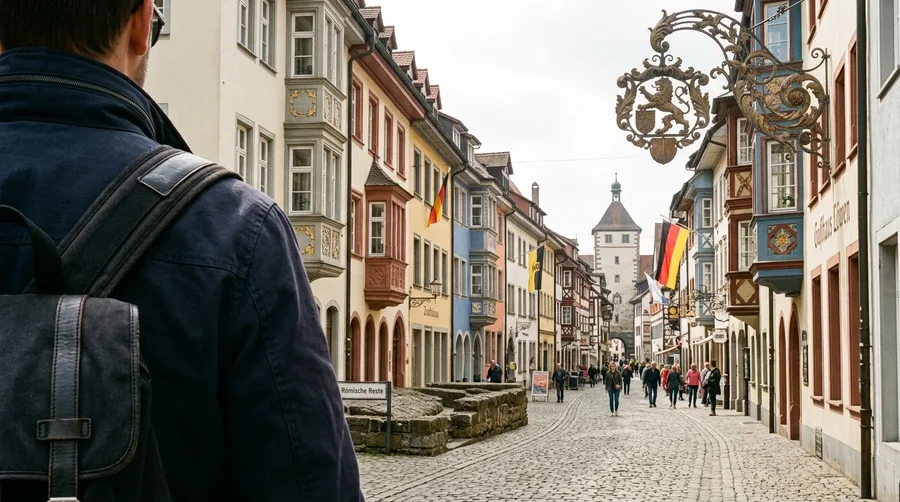
How did a town founded by Roman legions maintain its free imperial status through the Holy Roman Empire?
Guild houses and ornate bay windows line the pedestrian Hauptstraße.
The annual Schromeri carnival preserves medieval masking traditions.
Local butchers historically used the famous Rottweiler dog breed for cattle herding.
💡 Tip: Stop by the Dominican Museum to view the well-preserved Roman mosaic floors.
12. Bled Island
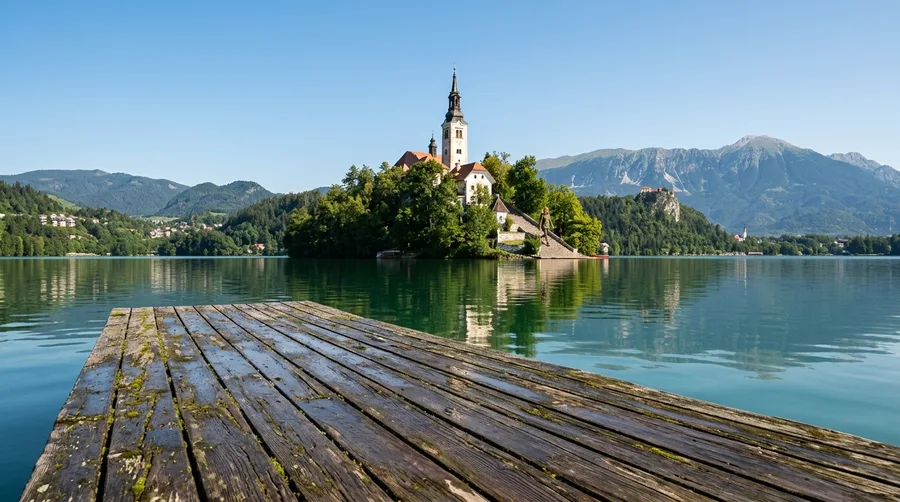
Rent a traditional wooden pletna boat and sit quietly on the island steps rather than rushing inside the church.
Alpine microclimates keep the emerald water cool even during peak summer months.
Monastic history on this tiny island dates back to the 9th century.
💡 Tip: Row out before 9 AM to hear the church bell echo across the calm lake surface.
13. Èze
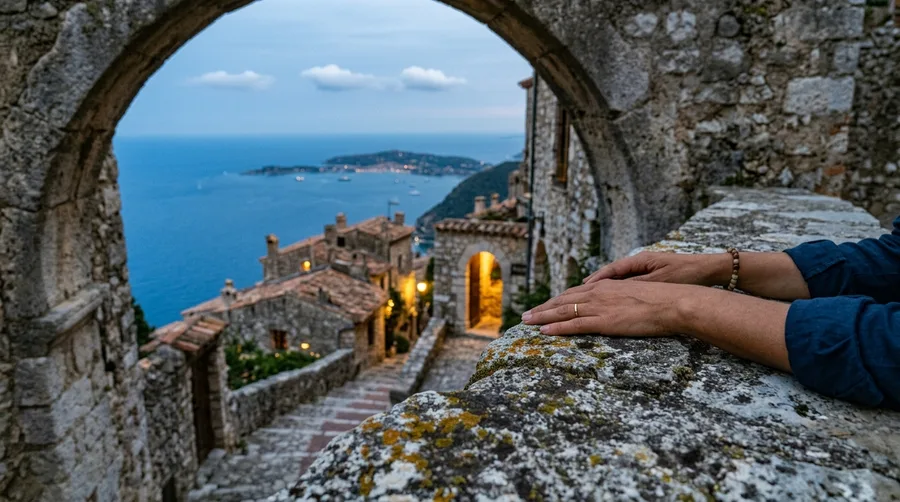
Expensive luxury resorts line the coast below, but wandering through Èze’s medieval stone labyrinth costs absolutely nothing.
Public pathways wind upward through arched entryways to a ruined exotic garden.
Panoramic viewpoints overlook the entire Côte d’Azur from a dizzying height.
💡 Tip: Wear sturdy hiking boots if you plan to walk up the steep Nietzsche Path from the railway station.
14. Reine
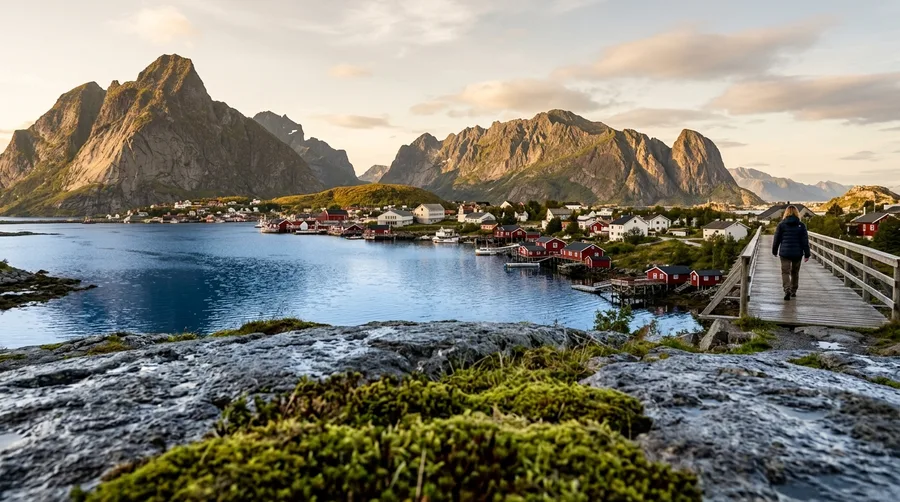
You climb the steep stone steps of Reinebringen just as midnight sun illuminates the jagged granite peaks.
Stand on the wooden bridge connecting Reine to Olstind for the classic postcard frame.
Red fisherman cabins known as rorbu contrast against deep blue fjords.
💡 Tip: Climb Reinebringen only when the Sherpa-built stairs are free of ice and snow.
15. Óbidos
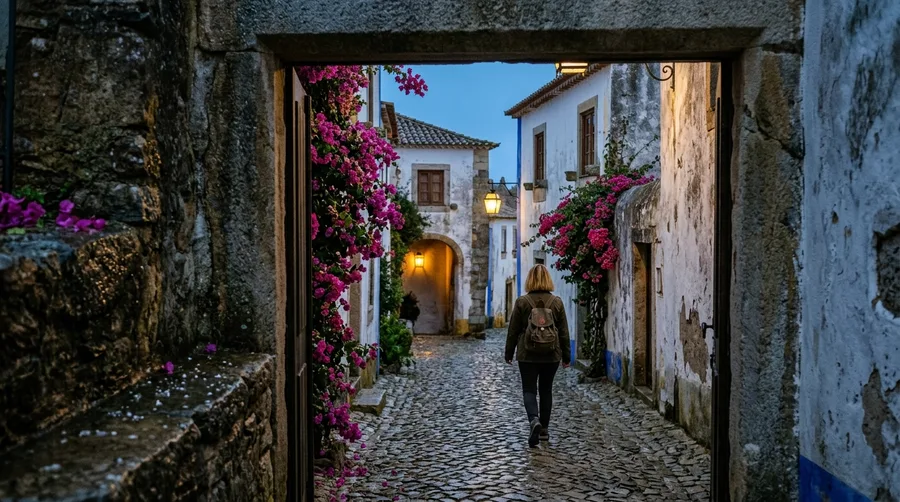
Walk the entire 1.5-kilometer circuit of intact medieval defensive walls that completely encircle the town.
Stop at a local tavern to order Ginjinha de Óbidos, a sour cherry liqueur served in an edible chocolate cup for about two euros.
King Dinis gave this fortified town to Queen Isabel as a wedding gift in the 13th century.
Bougainvillea vines spill over every whitewashed stone facade.
💡 Tip: Walk the wall fortifications in the morning before coastal winds pick up.
Frequently Asked Questions
Do I need a car to visit these towns?
A car is necessary for remote mountain villages like Albarracín and Reine, but rail lines serve towns like Colmar and Český Krumlov efficiently.
What are the best shoulder months to avoid peak summer crowds?
May and September offer mild weather and significantly lower visitor numbers across Central and Southern Europe.
Are historic European towns accessible for wheelchair users?
Most historic cores feature steep cobblestones and stairs that limit mobility, though some regional centers offer adapted shuttle services.
How do ZTL zones work in historic Italian towns?
Limited Traffic Zones carry automatic camera fines for unauthorized vehicles. Always park in designated lots outside the historic gates.
Stepping Off the Modern Clock
True historical preservation relies on travelers respecting local carrying capacity and quiet morning hours. Adjust your schedule to match the rhythm of these communities rather than the rush of tour buses.
Save your favorite spots and explore them slowly on your next European journey.
Best For
🗽 Planning Your Timeless Route
Select Region
Pick one geographic cluster like the Alps or Cotswolds to minimize driving time.
Book Lodging
Secure accommodation inside the historic core to enjoy evenings after day crowds leave.
Check Transit
Verify parking restrictions or train schedules before departure.
Travel Strategy Contrast
The Tourist Way
- Arriving at 11 AM during peak tour bus hours
- Parking inside restricted pedestrian zones
- Rushing through every site in twenty minutes
The Better Way
- Entering before 8 AM for quiet streets
- Utilizing perimeter parking lots
- Linging over local food and side alleys
Quick Planning Reference
Before You Depart
-
Download offline maps for rural mountain regions Cell service drops frequently in alpine valleys.
-
Confirm ZTL parking rules for Italian destinations Avoid expensive automated fines.
-
Pack sturdy walking shoes with rubber soles Cobblestones become slick in morning dew.
Pick Your Destination Type
Avoid These Common Mistakes
Seven-Day Timeless Itinerary
Top Ranked Preservation Picks
Arrival Routine
Crowd Density Spectrum
Knowing when to visit each location
- Hallstatt Peak Hours: Extremely crowded midday.
- Óbidos Back Alleys: Quiet residential calm.
- Giethoorn Canals: Moderate boat traffic.