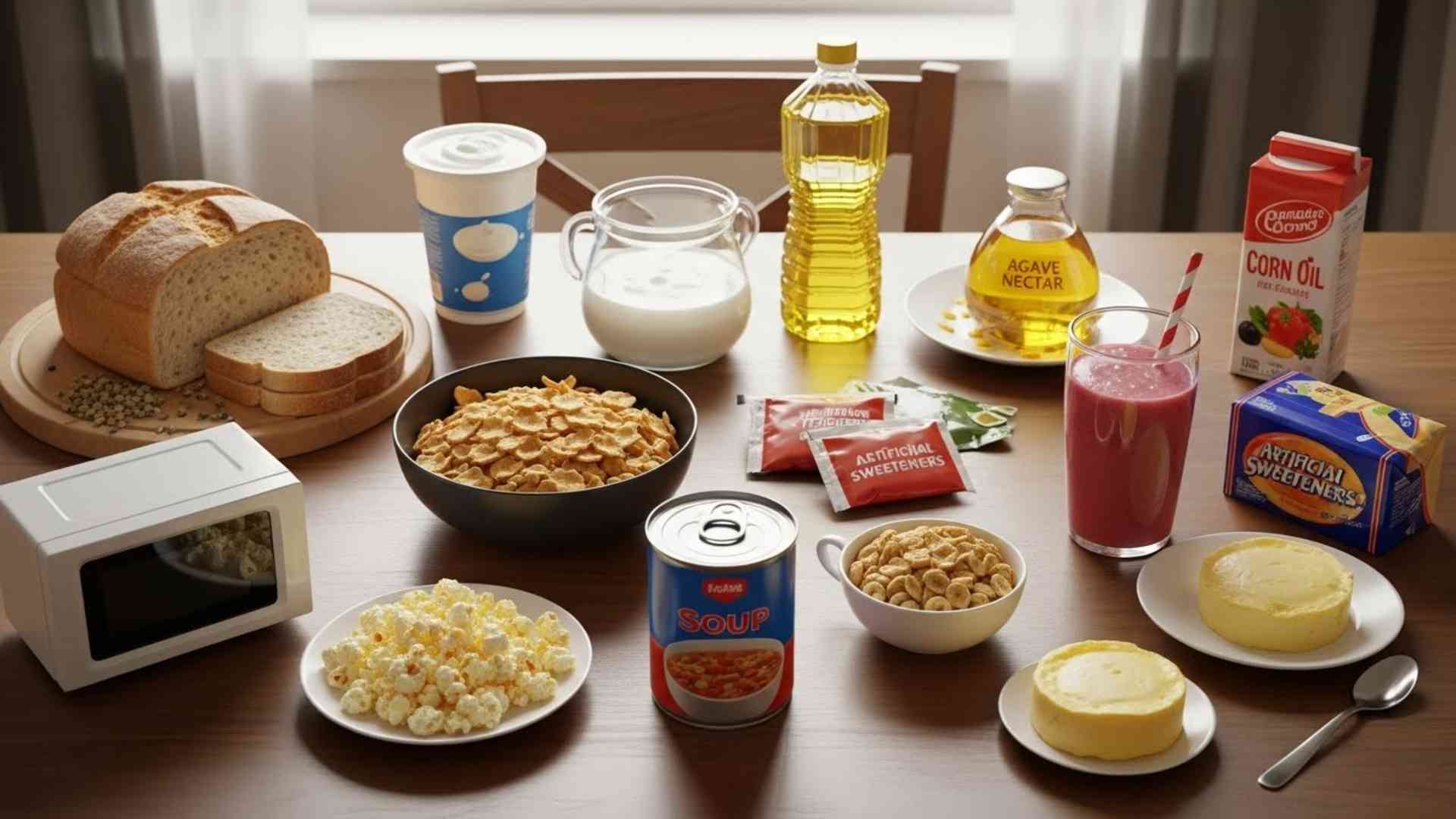
You know that feeling when you’re doing everything “right”—eating the low-fat yogurt, swapping sugar for agave, choosing the veggie burger—but you still feel… off?
Maybe your joints are a little stiffer than they should be. Maybe that brain fog just won’t lift, or the scale is stuck despite your best efforts. It’s frustrating. And honestly? It feels a bit like a betrayal. We’ve been told for decades that these are the “responsible” choices.
But here’s the hard truth nobody mentions: The body you have at 55 is biologically different from the body you had at 25.
When we cross the threshold of 50, we enter a phase scientists call “inflammaging.” It’s a chronic, low-grade simmering of inflammation that isn’t caused by an infection, but by the aging process itself.1 Our immune system gets a little confused, our mitochondria (energy factories) get a little inefficient, and our margin for dietary error shrinks.
The stats back this up. As of 2023, nearly 62.4% of adults over 60 have metabolic syndrome. That’s more than half of us walking around with inflammation that is silently damaging our heart, brain, and joints.
The problem isn’t that we aren’t trying. The problem is that the “healthy” rulebook we’re following is outdated and, for our age group, actively inflammatory.
Let’s walk through the ten biggest offenders—the foods wearing “health halos” that you need to gently escort out of your kitchen.
The “Natural”
Trap
Sounds natural.
Actually high-octane liver fuel.
Unlike glucose (muscle energy), fructose heads straight to your liver.
Result: Stalled energy & damaged mitochondria.
It’s a “Metabolic Rebellion.”
This concentrated fructose triggers inflammation biochemically almost identical to alcohol 🍷.
✅ The Safe Fix
Don’t tax your liver. Use these instead:
We all want to cut sugar. So, we reach for agave because it’s “low glycemic” and sounds natural. It comes from a cactus, right? How bad can it be?
Here’s the reality: Agave is basically high-octane liver fuel.
While it doesn’t spike your blood sugar immediately, it is 75% to 90% fructose. Unlike glucose, which your muscles can use for energy, fructose heads straight to your liver. In a younger body, the liver can handle a bit of this traffic. But after 50, this pathway becomes toxic.
Your liver gets overwhelmed and starts turning that fructose directly into uric acid and triglycerides (fat).
The connection: High uric acid isn’t just about gout; it damages your mitochondria, literally stalling your energy production.
Dr. Mark Hyman’s take: He calls this a “metabolic rebellion.” The concentrated fructose triggers fatty liver and systemic inflammation in a way that is biochemically almost identical to alcohol.
The Fix: If you need sweet, use Monk Fruit or Allulose. They don’t tax your liver.
2. The “Heart Healthy” Lie: Low-Fat Flavored Yogurt

For years, we were told fat was the enemy. So we bought the blueberry yogurt with “0% Fat” on the label.
But when manufacturers take the fat out, food tastes like cardboard. To fix it, they dump in sugar. A single 6oz cup of “healthy” fruit yogurt can pack 20 to 25 grams of sugar—that’s a candy bar’s worth.
For those of us over 50, this creates a nasty cycle. You eat the yogurt, your insulin spikes, and because there’s no fat to slow digestion, you crash an hour later. High insulin blocks your body from burning fat and promotes inflammation.
The Plot Twist: We actually need the dairy fat.
A massive study following 27,000 people found that those who ate high-fat dairy (cheese, cream) actually had a lower risk of dementia, while low-fat dairy showed no benefit.
Table: The Yogurt Reality Check
| Feature | Full-Fat Plain Greek Yogurt | Low-Fat Fruit Yogurt |
| Sugar | ~4-6g (Natural) | ~25g (Added Sugar) |
| Satiety | High (Keeps you full) | Low (You’ll be hungry in an hour) |
| Nutrients | Fat helps absorb Vit D & K | Nutrient void |
3. The Sodium Bomb: Fake Meat Burgers
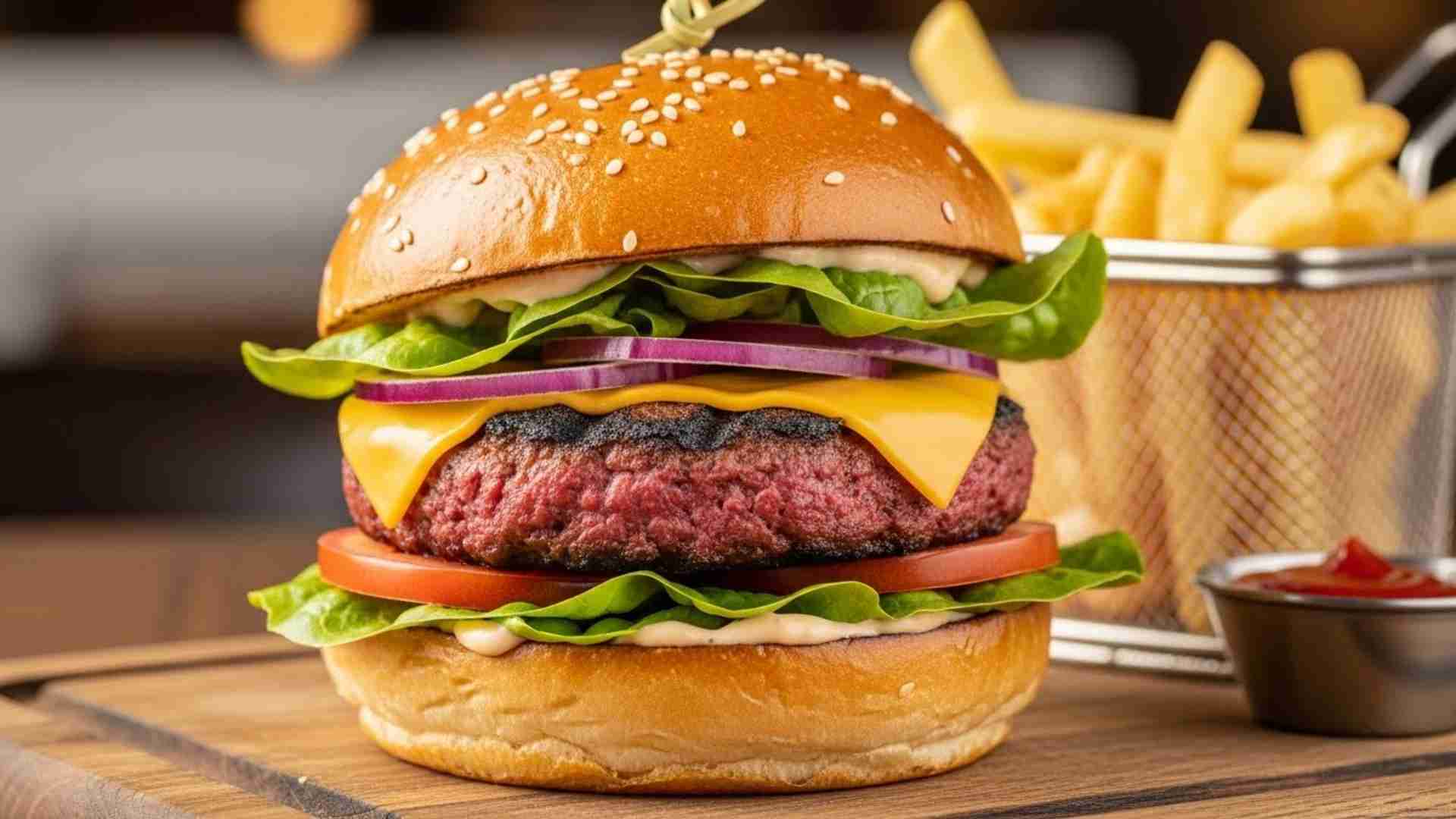
We’re trying to eat less red meat. Noble goal. But replacing a steak with an ultra-processed “plant-based” burger is a lateral move at best, and often worse.
These patties are engineered in labs to mimic the texture of meat, which requires a staggering amount of processing and salt.
The Data: A regular beef patty has about 75mg of sodium. Some popular plant-based alternatives have up to 700mg.
As we age, our blood vessels stiffen naturally. Dumping that much salt into your system spikes blood pressure, which mechanically stresses your artery walls and—you guessed it—triggers inflammation.
Even scarier? A recent study found that vegetarians relying on these ultra-processed meats had a 42% higher risk of depression and higher inflammation markers than those eating whole foods.
4. The “Rust” in Your Arteries: Vegetable & Seed Oils
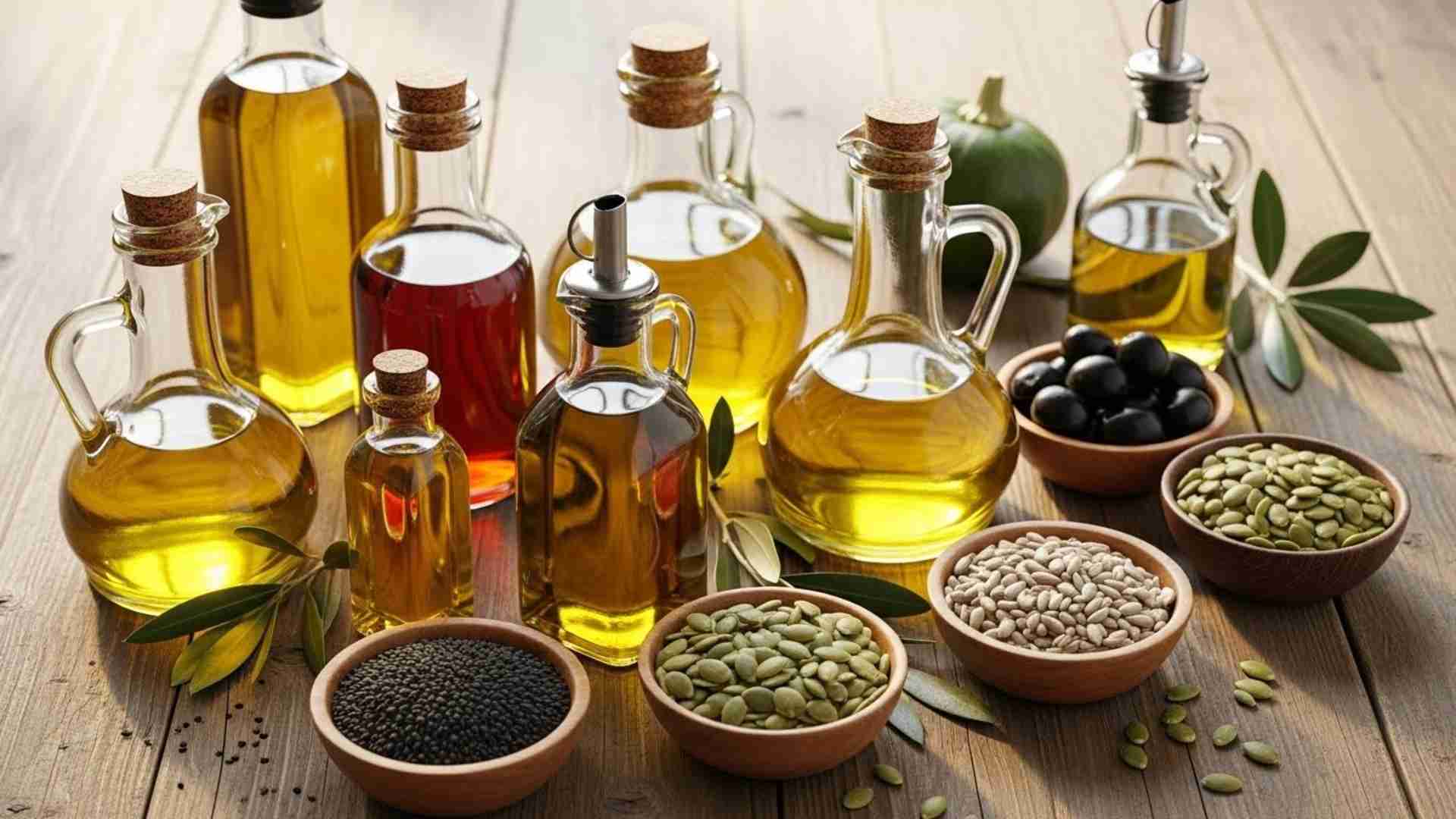
Soybean, corn, canola, and sunflower oil. They are in everything. And for decades, we were told they were better than butter.
Here’s the science part, simplified: These oils are high in Omega-6 fatty acids. While we need some Omega-6, we are currently drowning in it. Our ancestors ate a ratio of 1:1 (Omega-6 to Omega-3). Today, that ratio is closer to 20:1.
When you consume these oils—especially when they’ve been heated (like in restaurant fryers)—they oxidize. Think of it like rust. They create “lipid peroxides” that damage your cell membranes. In an aging body that already has lower antioxidant levels, this oxidative stress is a primary driver of joint pain and fatigue.
The Fix: Cook with Olive Oil, Avocado Oil, or even Butter/Ghee.
5. The Glucose Spike: Granola & Protein Bars
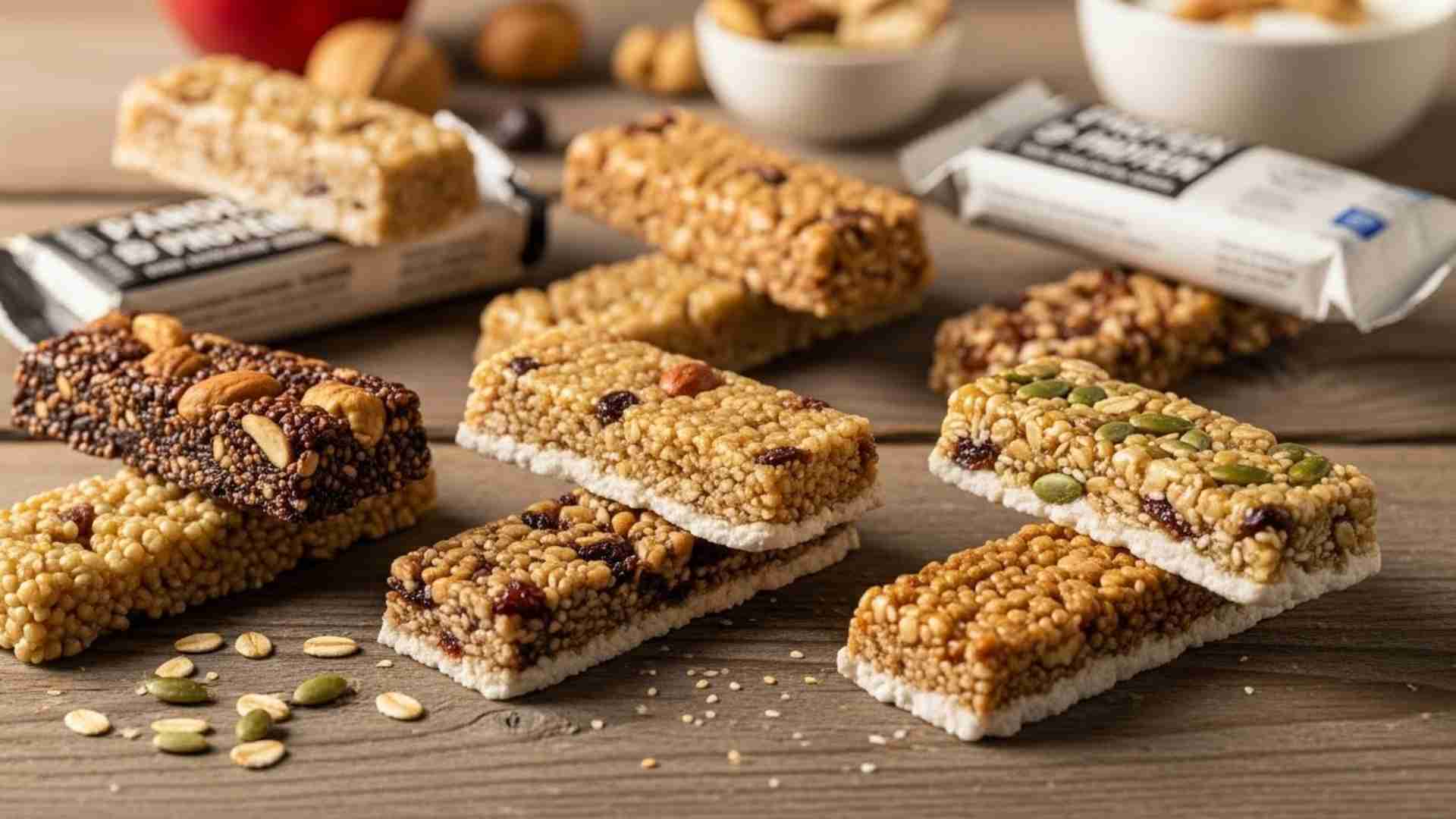
Walk down the “wellness” aisle, and it’s a minefield. Granola looks earthy and wholesome. Protein bars promise muscle retention.
But look at the label. Most granolas are oats glued together with syrup. A bowl can easily top 500 calories and 20g of sugar. It’s dessert for breakfast.
And those protein bars? They are often franken-foods filled with soy protein isolate and sugar alcohols (like maltitol) that wreak havoc on an older gut, causing bloating and gas.
Expert Insight: Dr. Peter Attia notes that spikes in glucose are particularly damaging as we age because they accelerate “glycation”—basically, sugar gumming up your proteins and aging your tissues.
The “Gluten-Free”
Junk Trap
Good instinct, bad execution.
GF replacements are often made of highly refined starches that hit your blood faster than sugar.
Glycemic Index (GI) Spike:
You are trading sensitivity for a sugar rush.
Missing Fiber:
Processed GF foods strip out the fiber your aging gut microbiome needs to stay diverse.
Digestion slows down as we get older, so many of us try going gluten-free (GF) to feel less bloated. Good instinct, bad execution.
The problem is what we replace the wheat with. GF crackers, breads, and cookies are usually made from potato starch, tapioca, or white rice flour. These are highly refined starches that hit your bloodstream faster than table sugar.
Glycemic Index (GI): White rice flour has a GI of around 85. Whole wheat is closer to 60. You are trading a sensitivity for a blood sugar spike.
Plus, these processed GF foods often strip out the fiber, which is the one thing your aging gut microbiome desperately needs to stay diverse and healthy.
7. The Gut Confuser: Artificial Sweeteners
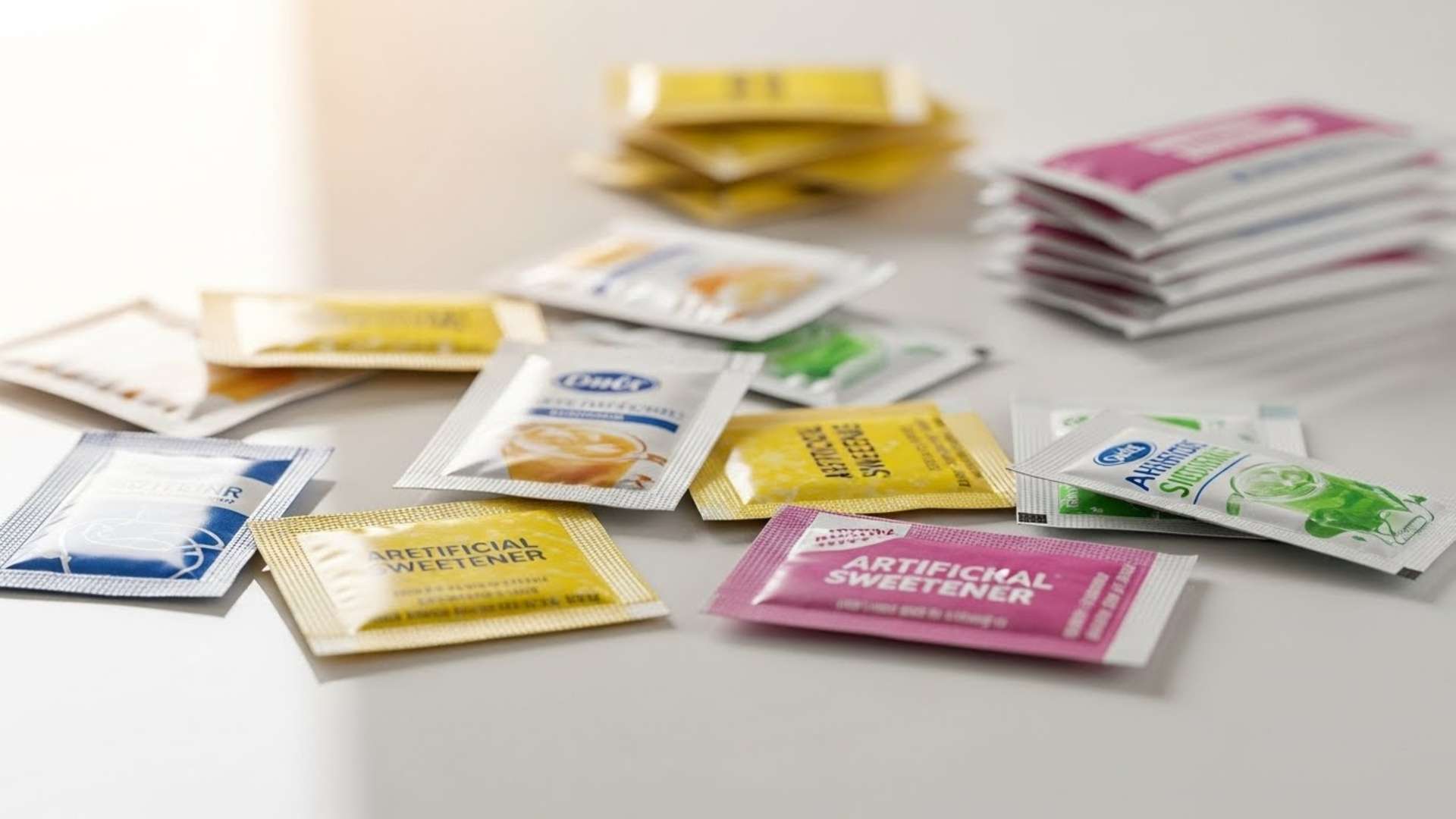
“I’ll just drink Diet Soda,” you say. “It has zero calories.”
Biologically, zero calories does not mean zero impact. Research from the Weizmann Institute shows that sweeteners like sucralose and saccharin change your gut bacteria. They kill off the good guys (Lactobacillus) and encourage the bacteria associated with glucose intolerance.
There’s also something called the “Cephalic Phase Response.” When you taste sweet, your brain tells your pancreas, “Get ready, sugar is coming!” When the sugar never arrives, it creates a metabolic mismatch that keeps your body in a state of craving and insulin readiness.
8. The Nutrient Blocker: Fat-Free Salad Dressing
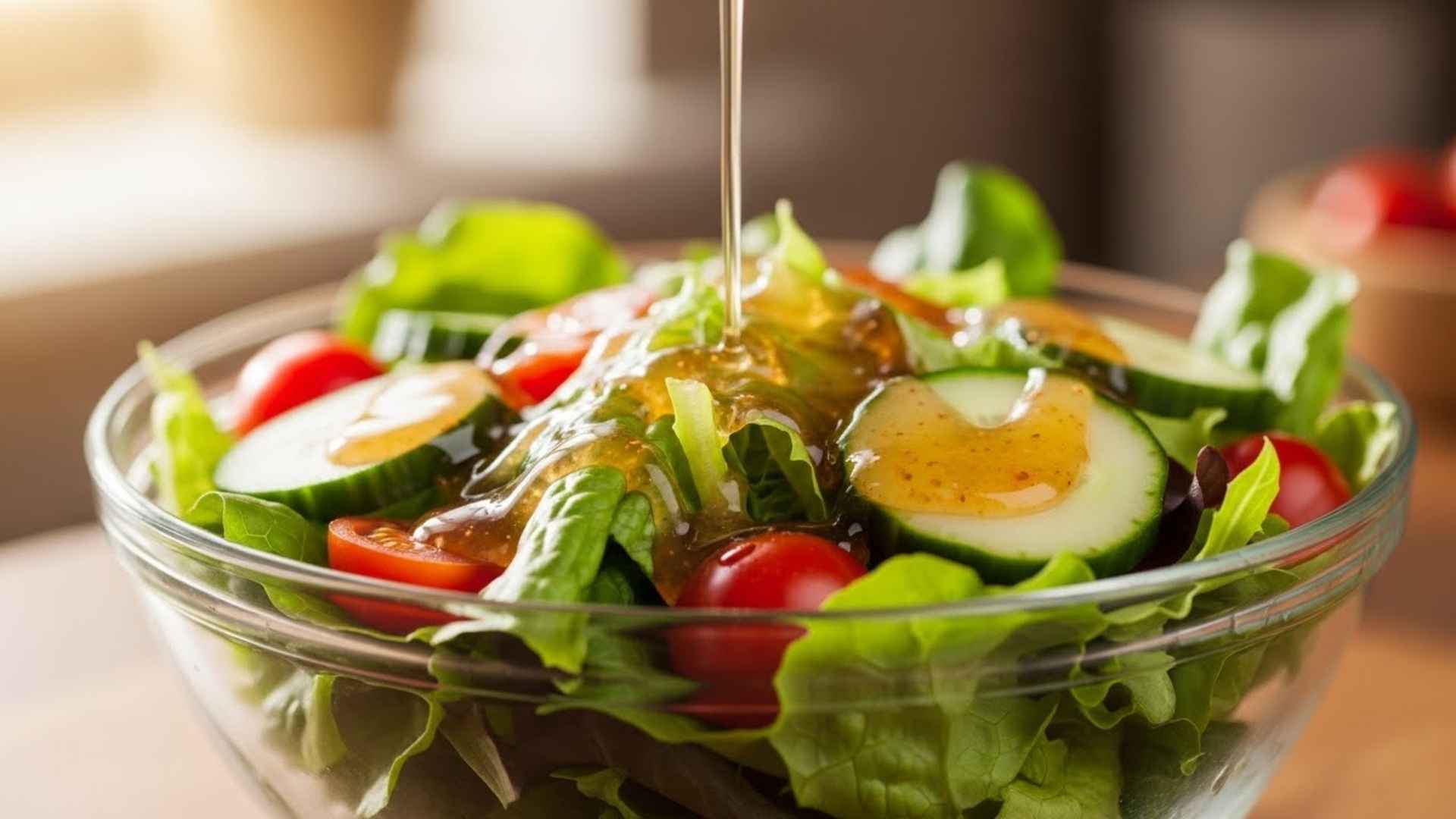
You eat the big salad for lunch to be healthy. But then you pour fat-free dressing on it.
You just sabotaged your meal.
Many of the nutrients you’re eating the salad for—Vitamins A, D, E, and K, plus lycopene in tomatoes—are fat-soluble. They cannot be absorbed without fat. Without olive oil or avocado, those expensive nutrients just pass right through you.
Worse, to make fat-free dressing taste good, they load it with sugar and emulsifiers. You’re effectively eating raw veggies coated in chemical syrup.
9. The Gut Leaker: Modern Wheat

This is controversial, but hear me out. The wheat we eat today isn’t the wheat our grandparents ate. It’s been hybridized for yield and fluffiness (Amylopectin A).
For older adults, the biggest issue is Zonulin. Gluten triggers the release of zonulin, a protein that opens up the tight junctions in your gut lining. As we age, our gut barrier is already slower to repair. High zonulin levels lead to “leaky gut,” allowing toxins to slip into your bloodstream and trigger systemic inflammation.
If you feel stiff or puffy after a pasta night, this is likely why.
10. The Sugar Concentrate: Dried Fruit
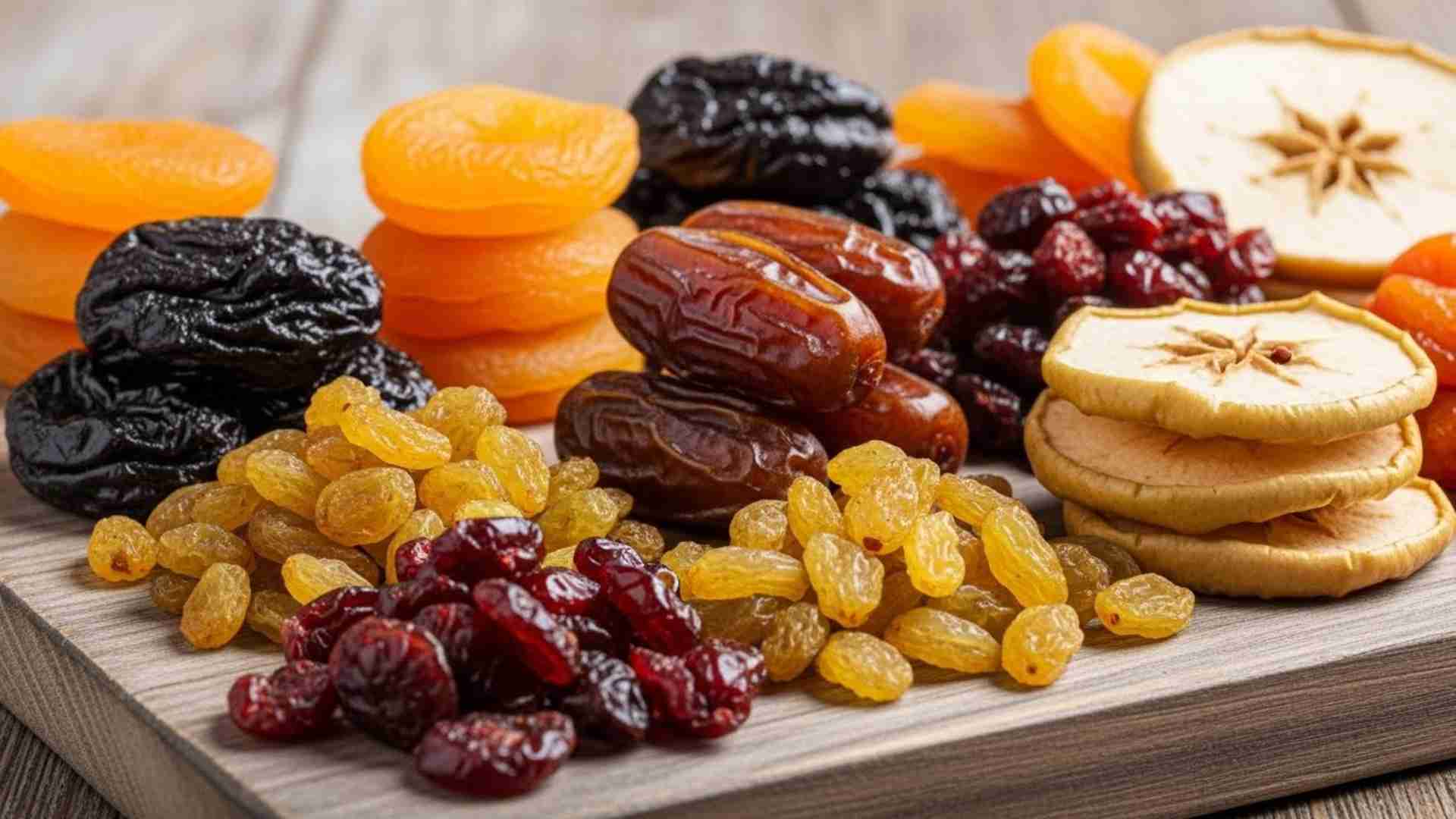
Raisins, craisins, dried apricots. They seem like a great snack.
But drying fruit removes the water, which concentrates the sugar density. You wouldn’t eat 15 apricots in one sitting, but you can easily eat 15 dried ones in a handful. This massive fructose load promotes the formation of AGEs (Advanced Glycation End-products).
Think of AGEs as internal gunk that stiffens your joints and blood vessels. It is a direct accelerator of aging.
Need More Help? Look Into These
Look, changing how you eat after decades of habit is hard work. Will buying a new gadget or supplement fix everything overnight? No. But having the right tools in your arsenal can make the transition so much easier.
Whether it’s a direct swap for that morning sugar craving that won’t wreck your liver, or a high-quality supplement to fill the nutritional gaps that naturally widen with age, a few strategic buys can be the difference between “I’ll try” and “I did it.”
Here are 5 things that genuinely help bridge the gap:
1. Lakanto Monk Fruit Sweetener

If you miss the sweetness in your morning coffee but want to avoid the liver-damaging fructose of agave, this is the gold standard. It tastes just like sugar, has zero glycemic impact, and doesn’t have that weird chemical aftertaste.
2. Nordic Naturals Ultimate Omega

We talked about the dangerous imbalance of Omega-6s (from seed oils) vs. Omega-3s. It is very hard to eat enough sardines to fix this. This brand is widely respected for purity and actually gives you a high enough dose to move the needle on inflammation.
3. Vital Proteins Collagen Peptides

This is fantastic for two things mentioned in the article: supporting your gut lining (to prevent “leaky gut”) and helping aging joints. It dissolves instantly in coffee or tea and is tasteless.
4. Thorne Curcumin Phytosome

Turmeric is a potent anti-inflammatory, but it’s notoriously hard for the body to absorb. Thorne uses a specific technology (phytosome) that makes it significantly more bioavailable. Think of it as a natural fire extinguisher for systemic inflammation.
5. OXO Good Grips 3-Blade Spiralizer

If you are trying to cut down on the inflammatory modern wheat pasta, this tool is a game changer. It turns zucchini, sweet potatoes, or beets into “noodles” in seconds. It’s a fun way to trick your brain into thinking you’re eating pasta while you’re actually eating vitamins.