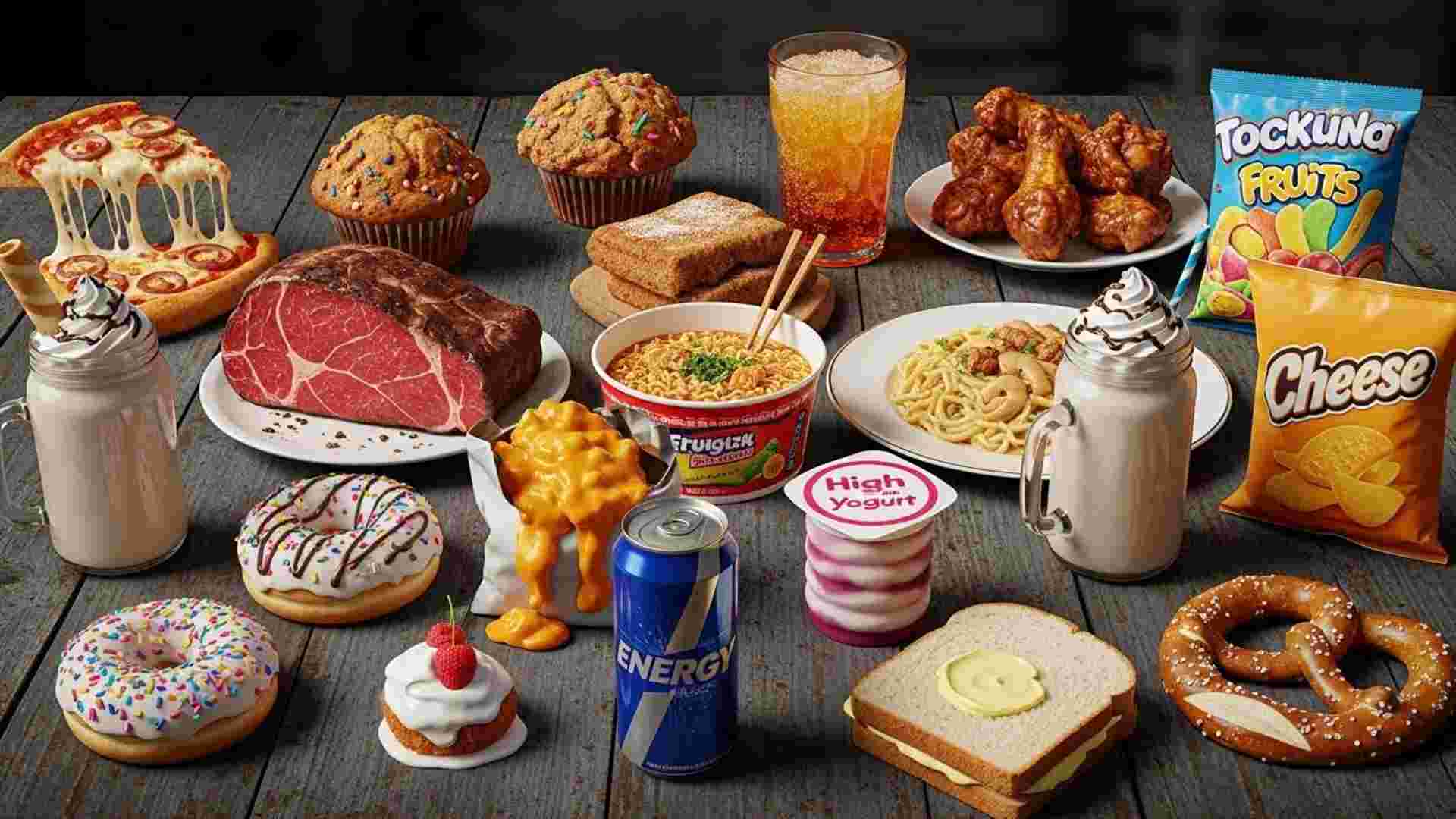
You know that moment. You’ve just finished a meal that you’ve eaten a thousand times before—maybe it was just a turkey sandwich or a bowl of chili—and suddenly, you feel it. That tightness. The pressure. The feeling that someone just inflated a balloon inside your abdomen. You look in the mirror and think, I didn’t look like this three hours ago.
If you’re over 50, you aren’t imagining things. And you definitely aren’t alone.
We call it the “Silver Tsunami” in demographics, but in your body, it feels more like a slow-motion traffic jam. While we’re busy worrying about wrinkles or stiff knees, there is a “silent shift” happening in our digestive tract that no one really warns us about.
Here is the truth: Your body isn’t broken. It’s just evolved. The engine that powered you through your 20s and 30s has changed gears. It needs different fuel now.
I’ve dug through the latest research—from the 2025 Menopause Society meetings to global epidemiology studies—to explain exactly why this happens and, more importantly, to give you the 15 specific foods you need to watch out for.
We aren’t talking about starving yourself. We’re talking about a strategy.
The 15 Foods That Are Secretly Sabotaging You
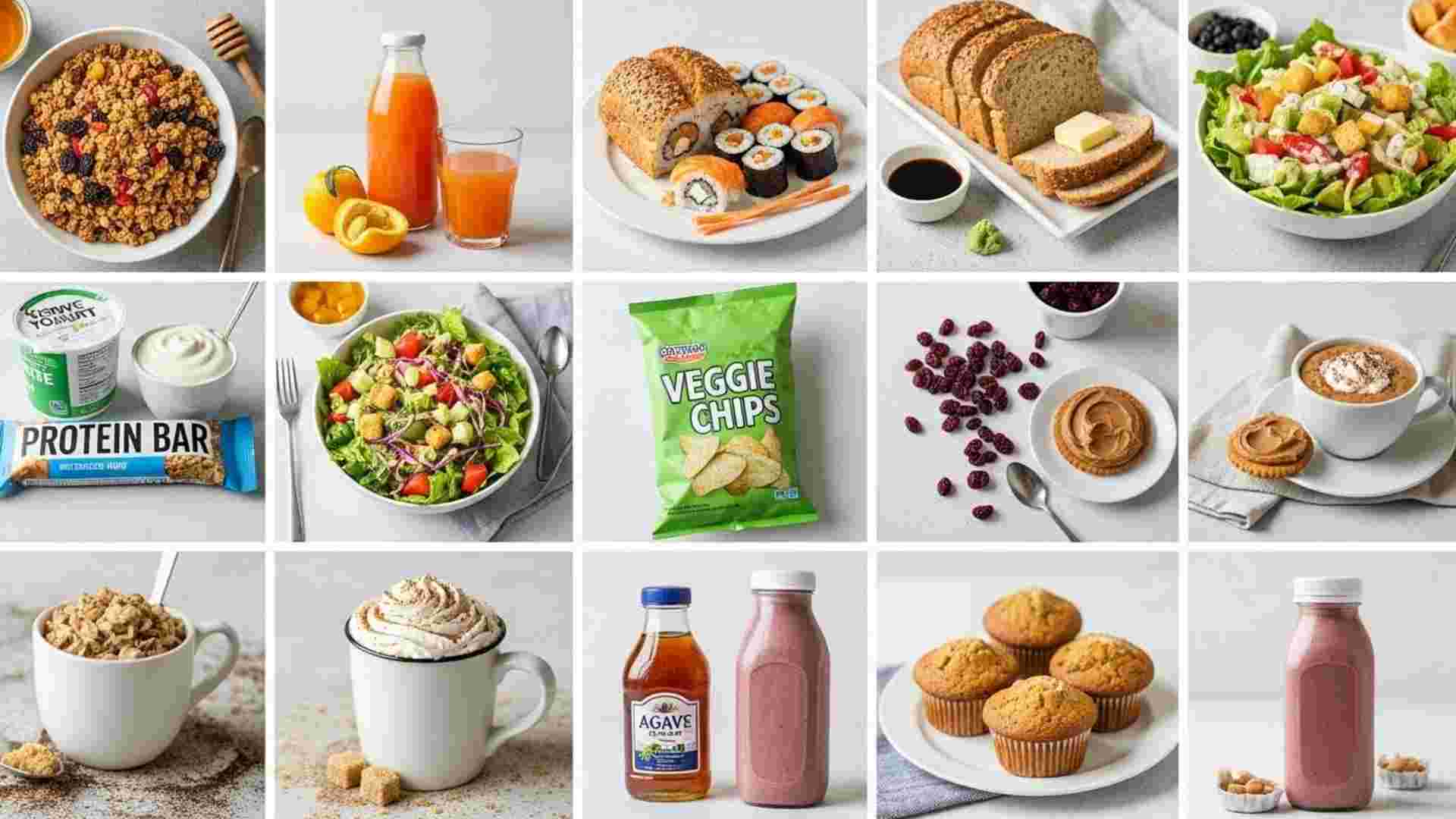
Okay, let’s get into the weeds. We’ve categorized these not just by food groups, but by how they wreck your digestion.
1. Ultra-Processed Meats (The Sodium Bomb)
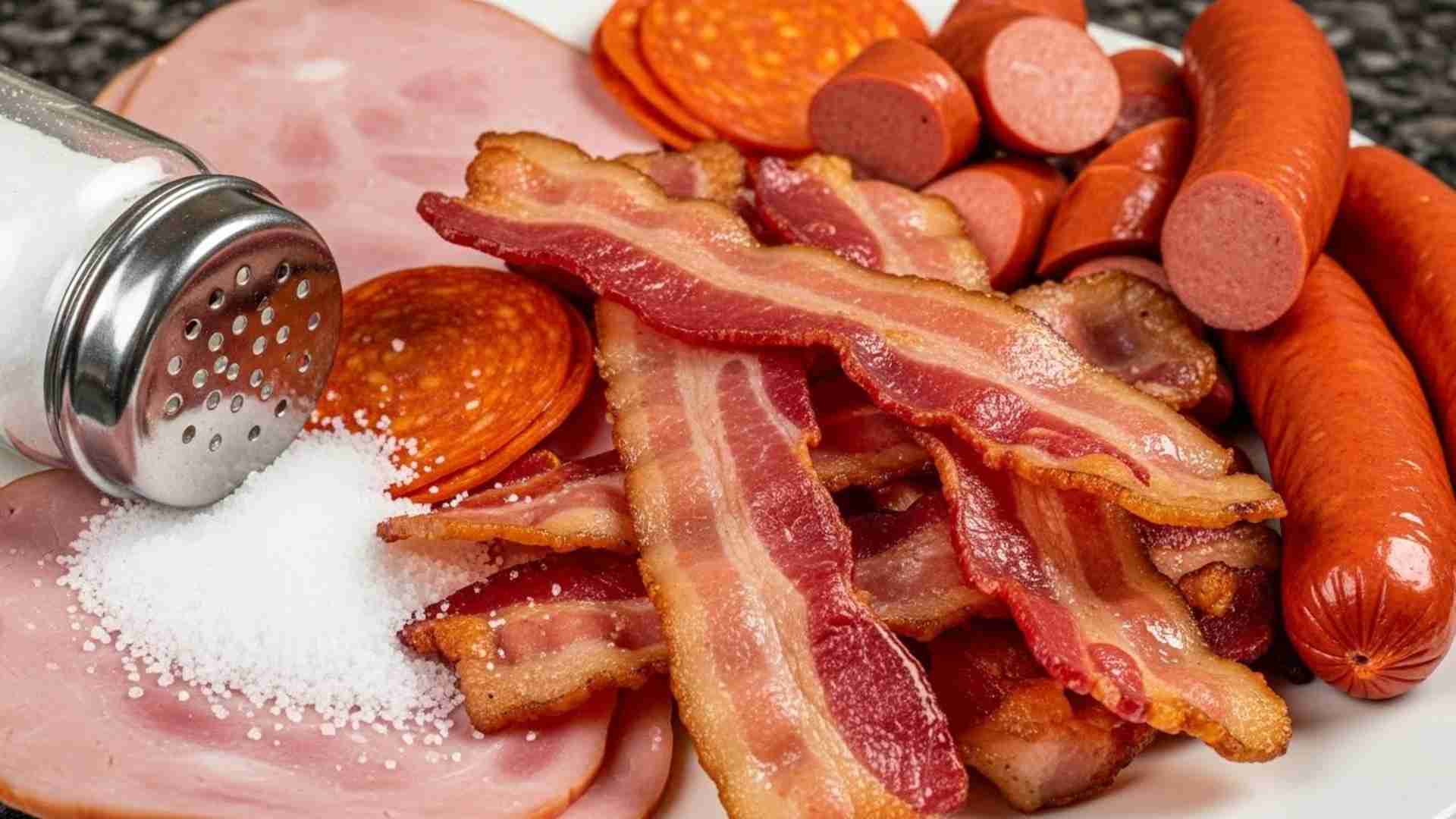
The Culprits: Bacon, hot dogs, pepperoni, deli ham. The Reality: We love a BLT, but processed meats are preserved with nitrates and packed with sodium. As we age, our kidneys aren’t as snappy at filtering out excess salt, leading to immediate water retention. Plus, the saturated fats feed bad bacteria like Bilophila wadsworthia, which produce sulfur gas (yes, that smells exactly how you think it does).
2. Trans Fats (The Traffic Jam)
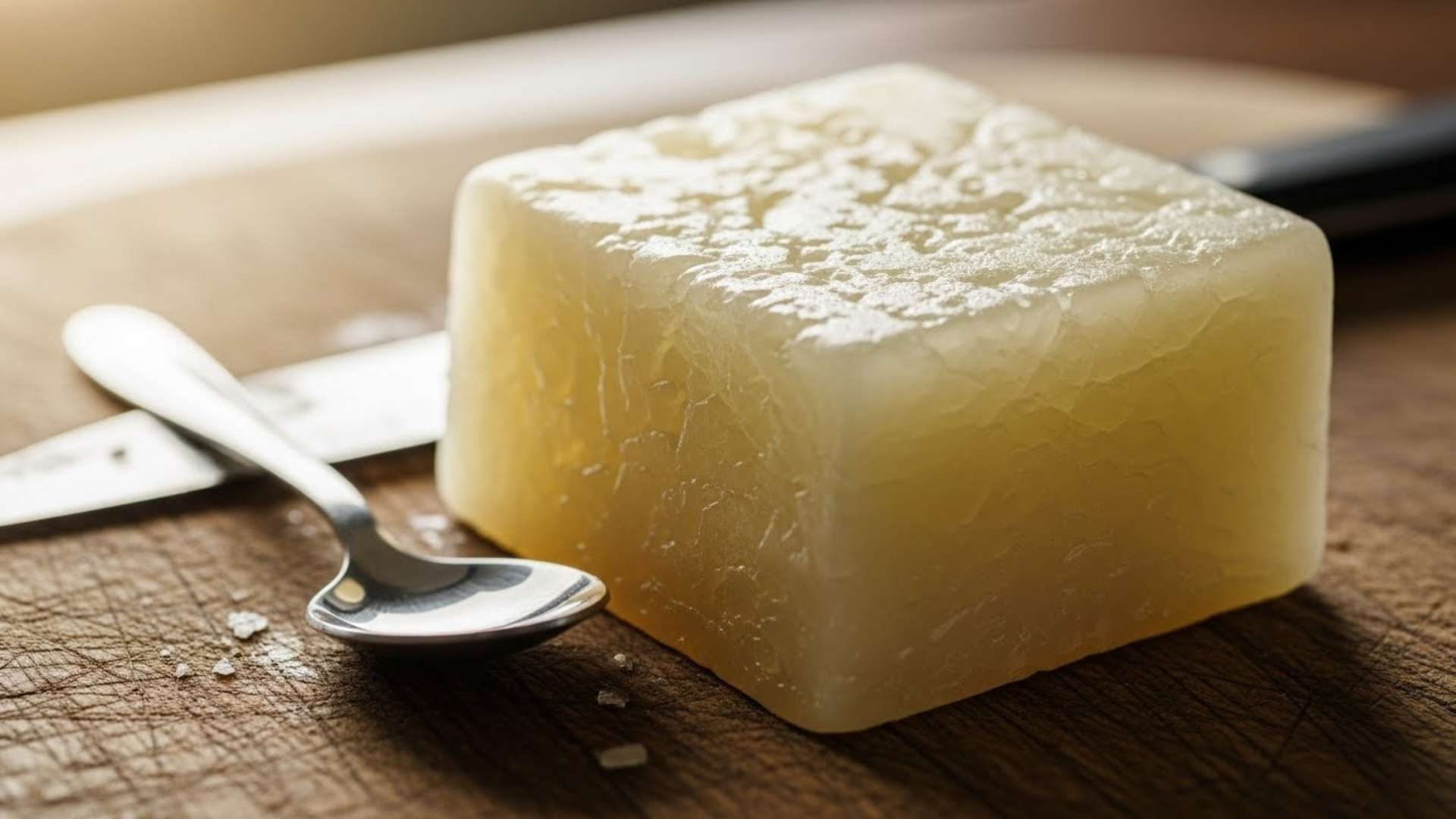
The Culprits: Margarine, commercial frosting, non-dairy coffee creamers, fast-food fries. The Reality: These are synthetic fats. Your body looks at them and goes, “I don’t know what to do with this.” They trigger the “ileal brake”—a signal your gut sends to your stomach to stop emptying so it can try to figure out the fat. In an aging gut that’s already slow, this brings traffic to a dead halt.
3. Refined Carbs (The Blood Sugar Spiker)
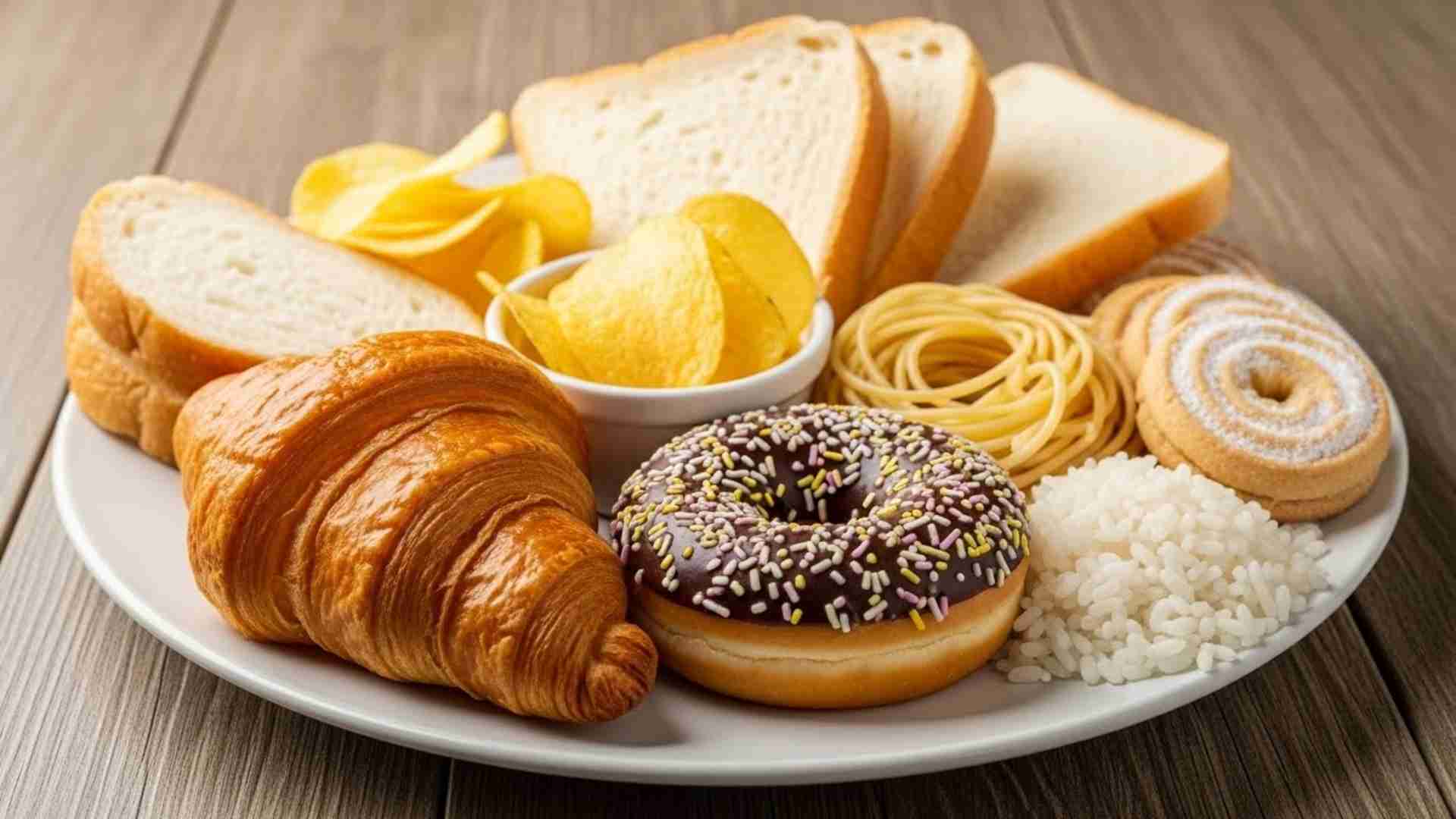
The Culprits: White bread, bagels, crackers, white rice. The Reality: These convert to sugar almost instantly. High blood sugar triggers insulin, which tells your kidneys to hold onto sodium. Hello, water bloat. They also feed Candida and other yeasts in your gut that love to create gas.
4. Added Sugars & High-Fructose Corn Syrup
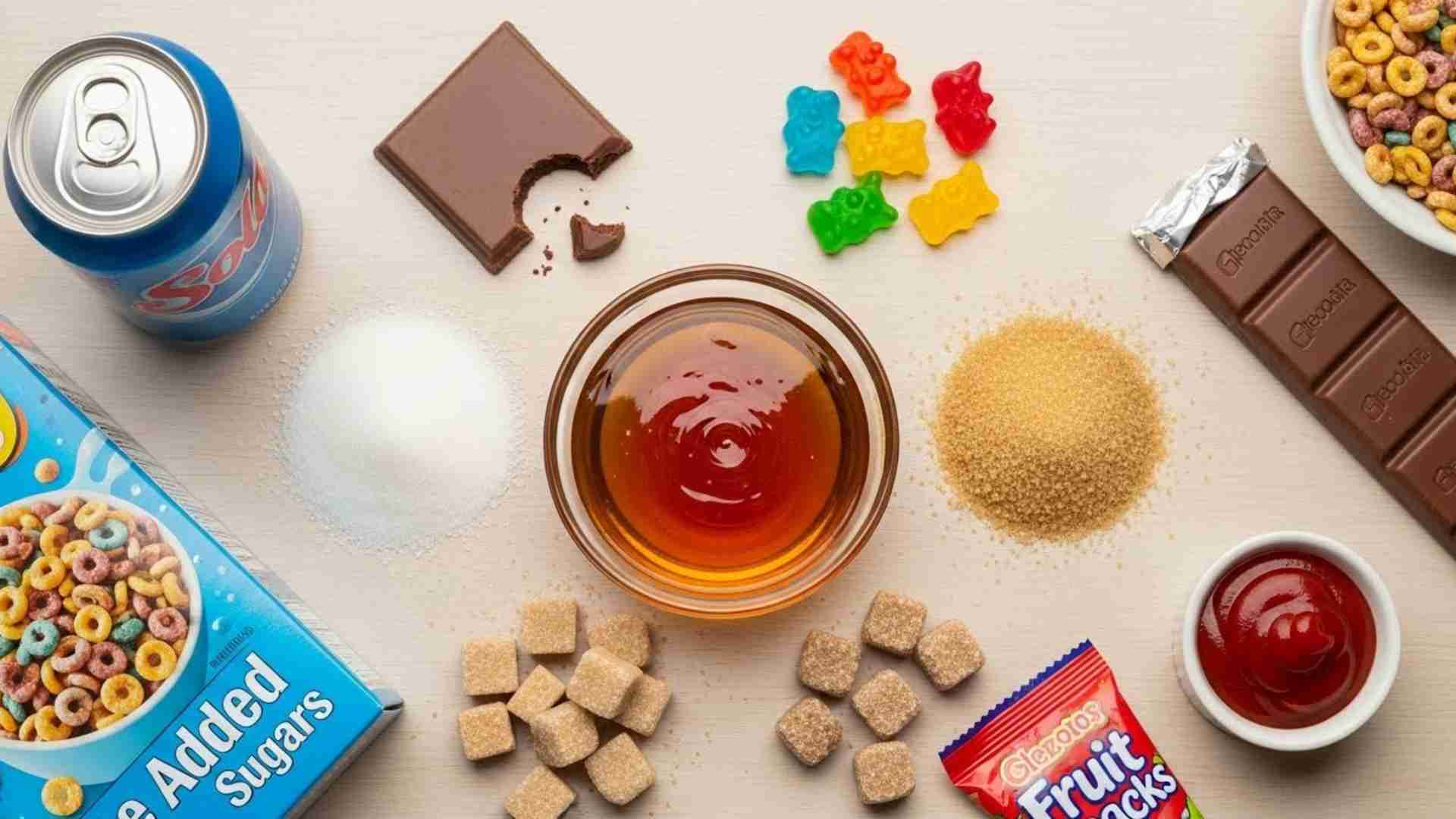
The Culprits: Soda, sweetened yogurt, BBQ sauce, granola bars. The Reality: It’s an absorption issue. Your small intestine has a limited capacity to absorb fructose. When you flood it with soda or candy, the transporters get overwhelmed. The excess sugar spills over into the colon, where bacteria feast on it and release hydrogen and methane gas.
5. Beans and Legumes (The Musical Fruit)
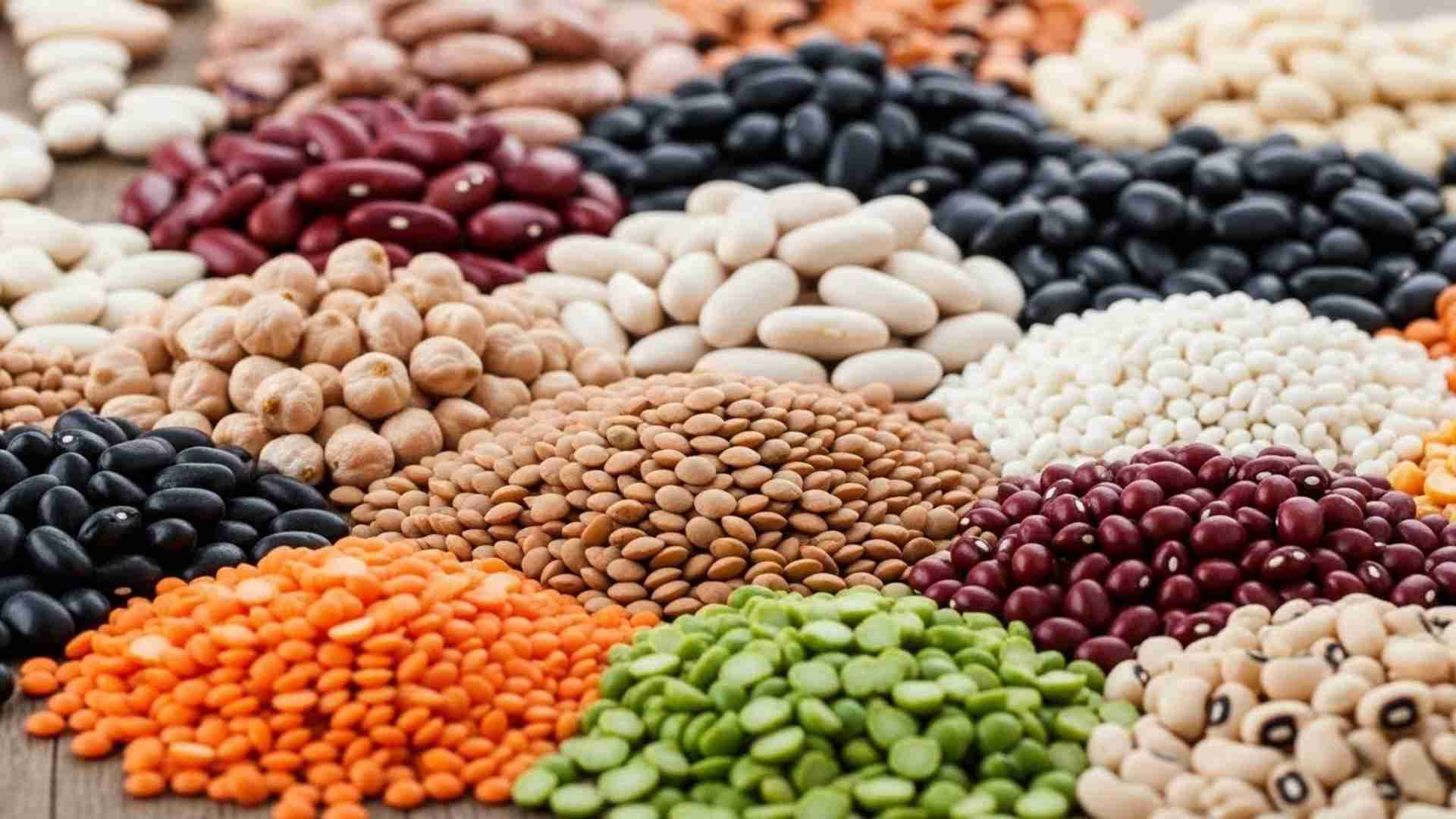
The Culprits: Kidney beans, lentils, chickpeas, soy. The Reality: They contain raffinose, a complex sugar. We lack the enzyme (alpha-galactosidase) to break it down. In a younger gut, you might just toot and move on. In a slow, aging gut, that gas gets trapped for hours, causing sharp pain.
🏭 Sulfur Factory
Low Stomach Acid?
These hit the intestines barely digested.
Intense Fermentation Detected.
The Culprits: Broccoli, cauliflower, Brussels sprouts, kale. The Reality: I know, you’re supposed to eat your greens. But these are tough, fibrous, and sulfur-rich. If your stomach acid is low, they hit your intestines barely digested. The result is intense fermentation and bloating.
7. The Onion & Garlic Family
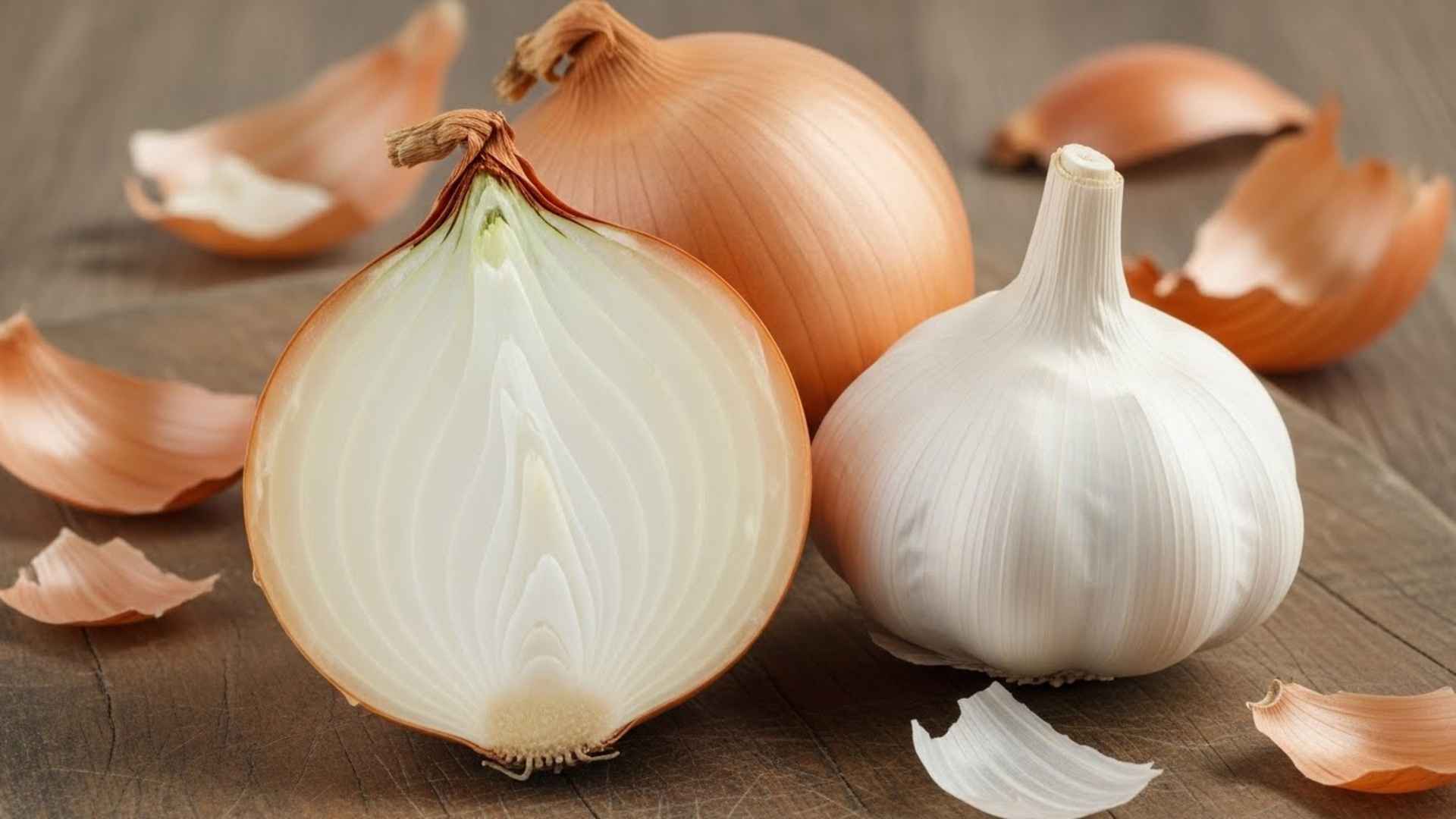
The Culprits: Onions, garlic, shallots. The Reality: These are high in fructans. For many over 50, these fibers draw water into the bowel (osmotic effect) and ferment rapidly. It’s a double whammy of liquid and gas distention.
8. High-Fructose Fruits
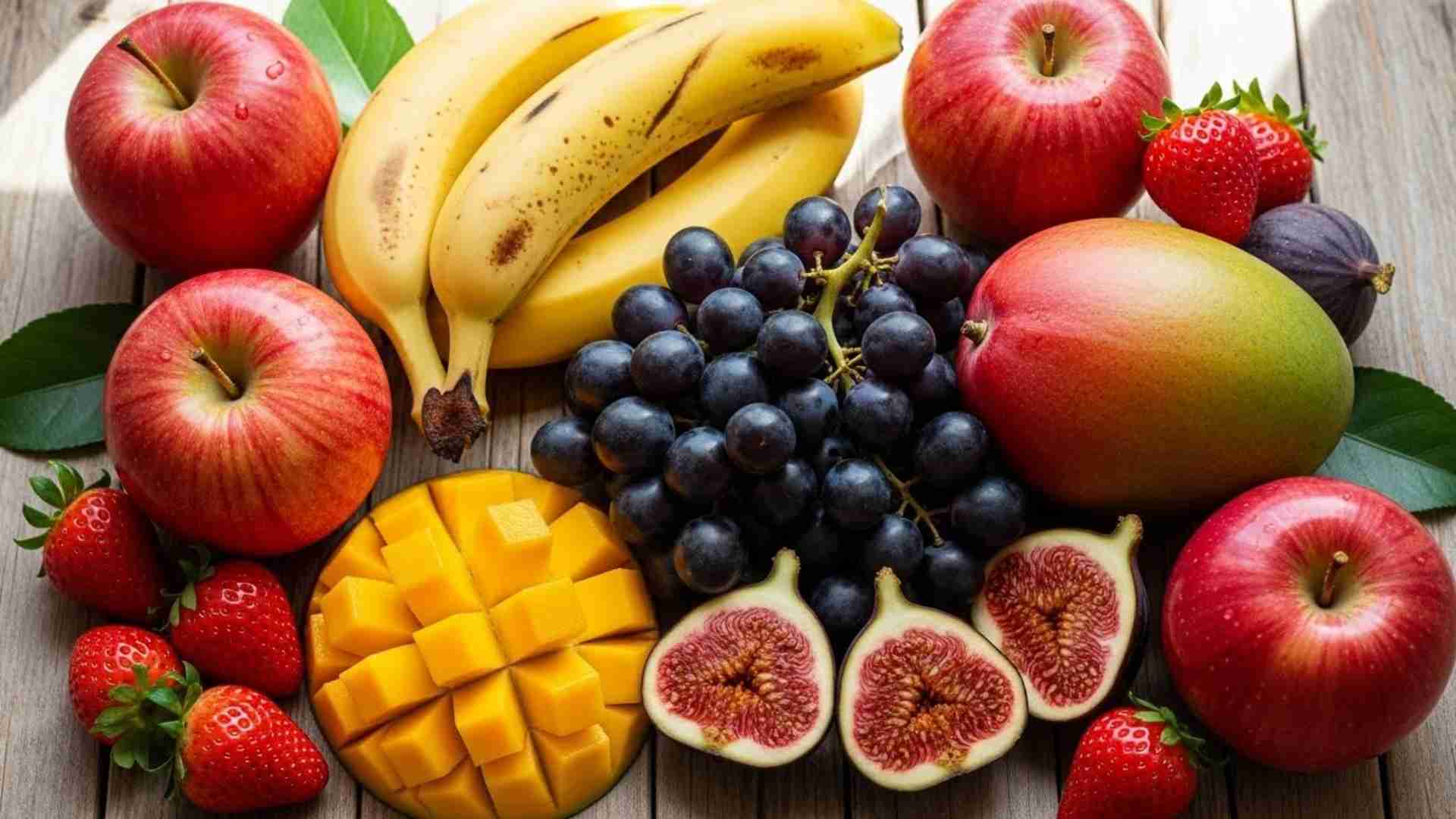
The Culprits: Apples, pears, cherries, watermelon. The Reality: Many older adults are told to “eat more fruit” for their heart. But apples and pears have a higher ratio of fructose to glucose, plus they contain sorbitol (a sugar alcohol). It’s a recipe for instant bloating.
9. Wheat and Gluten
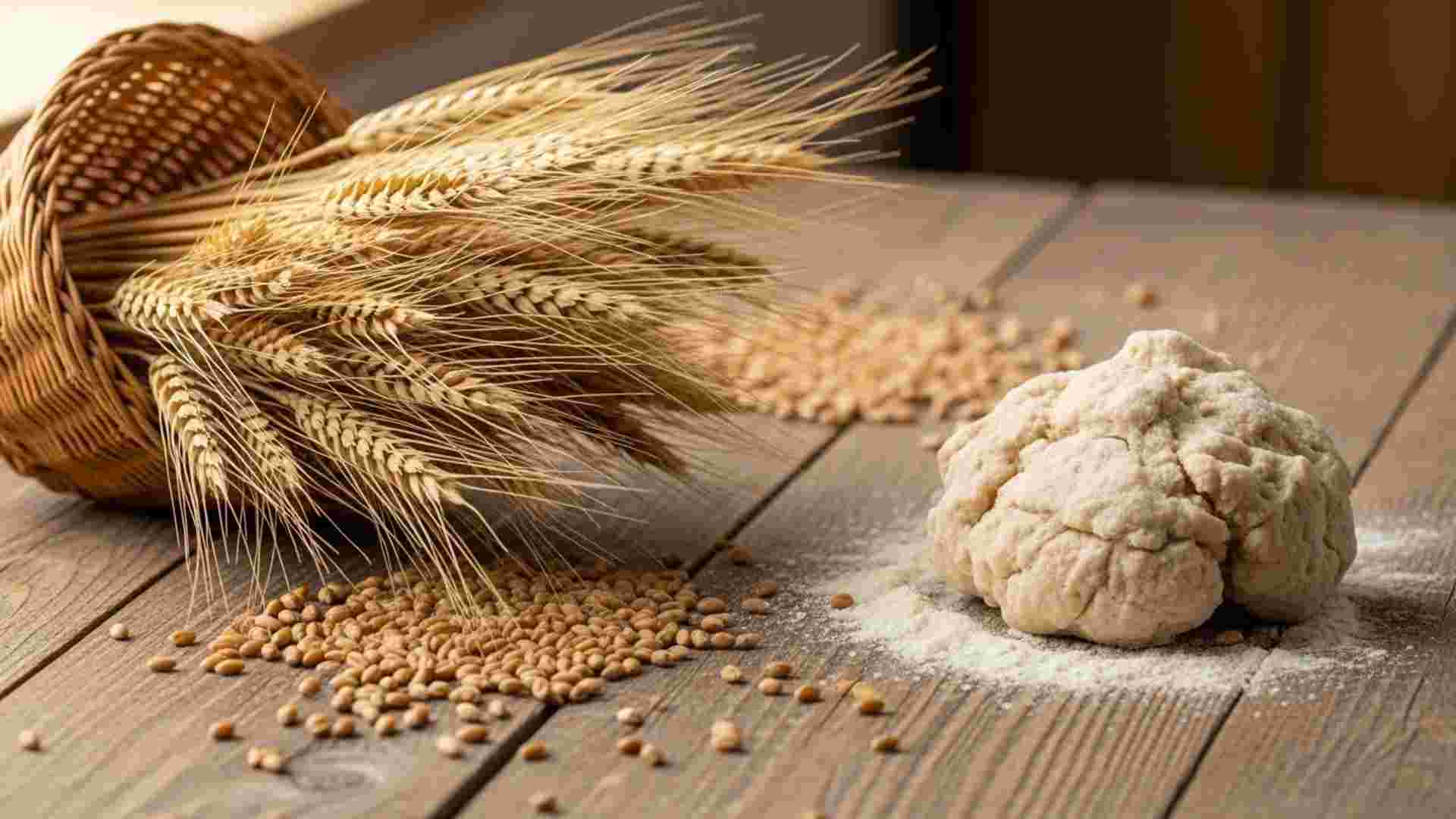
The Culprits: Bread, pasta, cereals. The Reality: You might not be Celiac, but you might be dealing with “Non-Celiac Gluten Sensitivity.” As we age, our barrier against inflammation weakens. Gluten is a hard-to-digest protein that can irritate the gut lining, causing low-grade inflammation and fluid retention.
10. Dairy (The Lactase Loss)
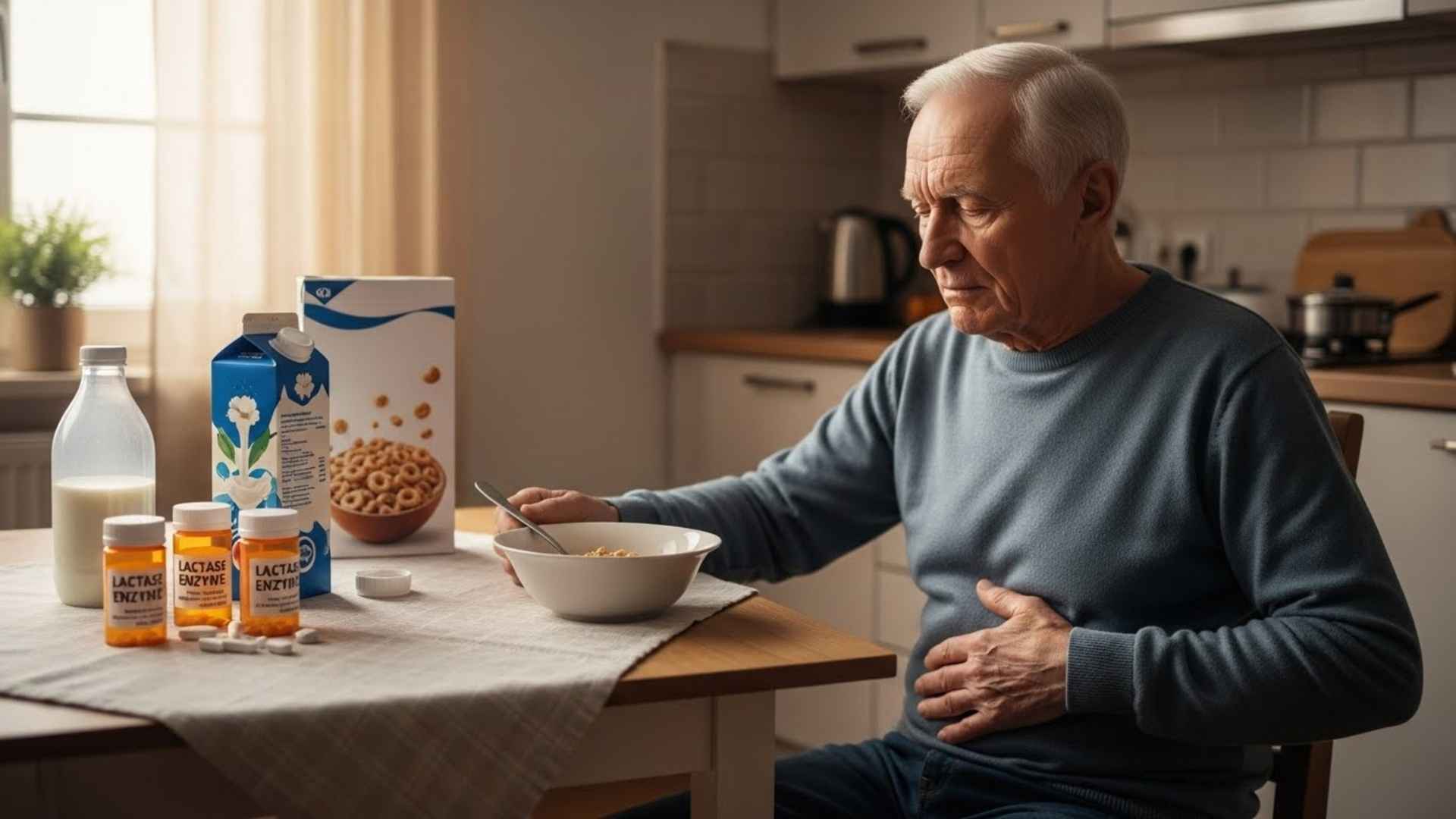
The Culprits: Milk, ice cream, soft cheese. The Reality: This is biology, pure and simple. We naturally stop producing lactase (the dairy-digesting enzyme) as we age. By 50, most of us are at least partially intolerant. Undigested lactose pulls water into your gut, leading to the classic “rumble and bloat”.
Artificial Sweeteners
- 🥤 “Diet” Sodas
- 🫧 Sugar-Free Gum
- 🍬 Candies
Zero Calories?
Only because your body cannot digest them! They are “Sugar Alcohols.”
But your gut bacteria LOVE them!
They ferment aggressively = Gas & Bloating.
Chewing Gum? You’re swallowing air (Aerophagia), adding more fuel to the fire!
The Culprits: “Diet” sodas, sugar-free gum, sugar-free candies (Sorbitol, Mannitol, Xylitol). The Reality: These are sugar alcohols. Your body cannot digest them—that’s why they have zero calories. But your gut bacteria love them. They ferment them aggressively. Plus, chewing gum makes you swallow air (aerophagia), adding more gas to the fire.
12. Carbonated Beverages
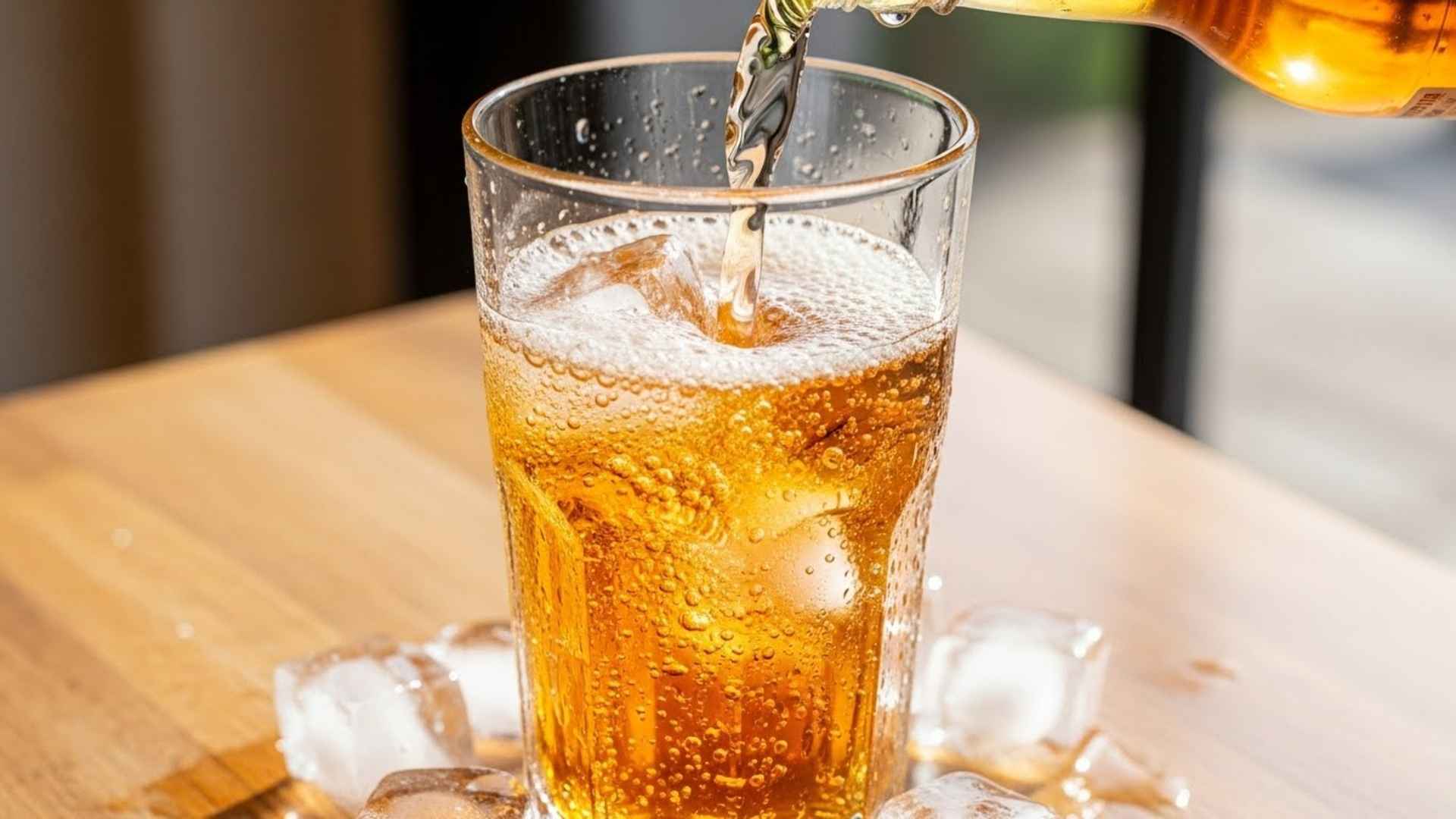
The Culprits: Sparkling water, soda, beer. The Reality: You are literally swallowing gas. In a young stomach with tight muscle tone, you just burp it out. But as we age, the upper esophageal sphincter weakens (presbyesophagus), making it harder to burp effectively. The gas has nowhere to go but down, bloating your intestines.
13. Alcohol
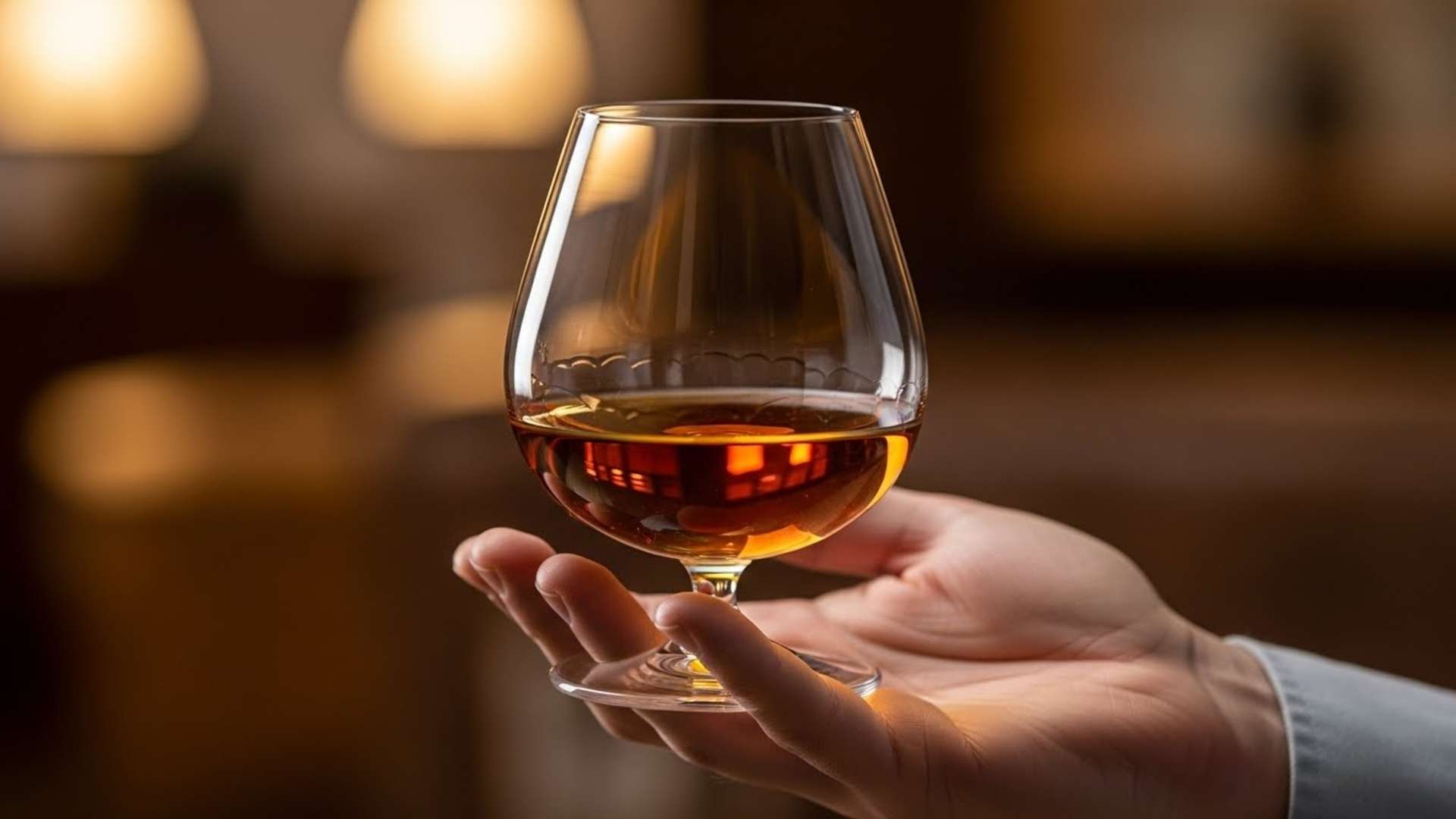
The Culprits: Beer, sweet wine, cocktails. The Reality: Alcohol damages the gut lining (making it “leaky”) and paralyzes the stomach muscles, delaying emptying. Your liver also processes alcohol slower as you age, meaning the toxic effects last longer.
14. Caffeine
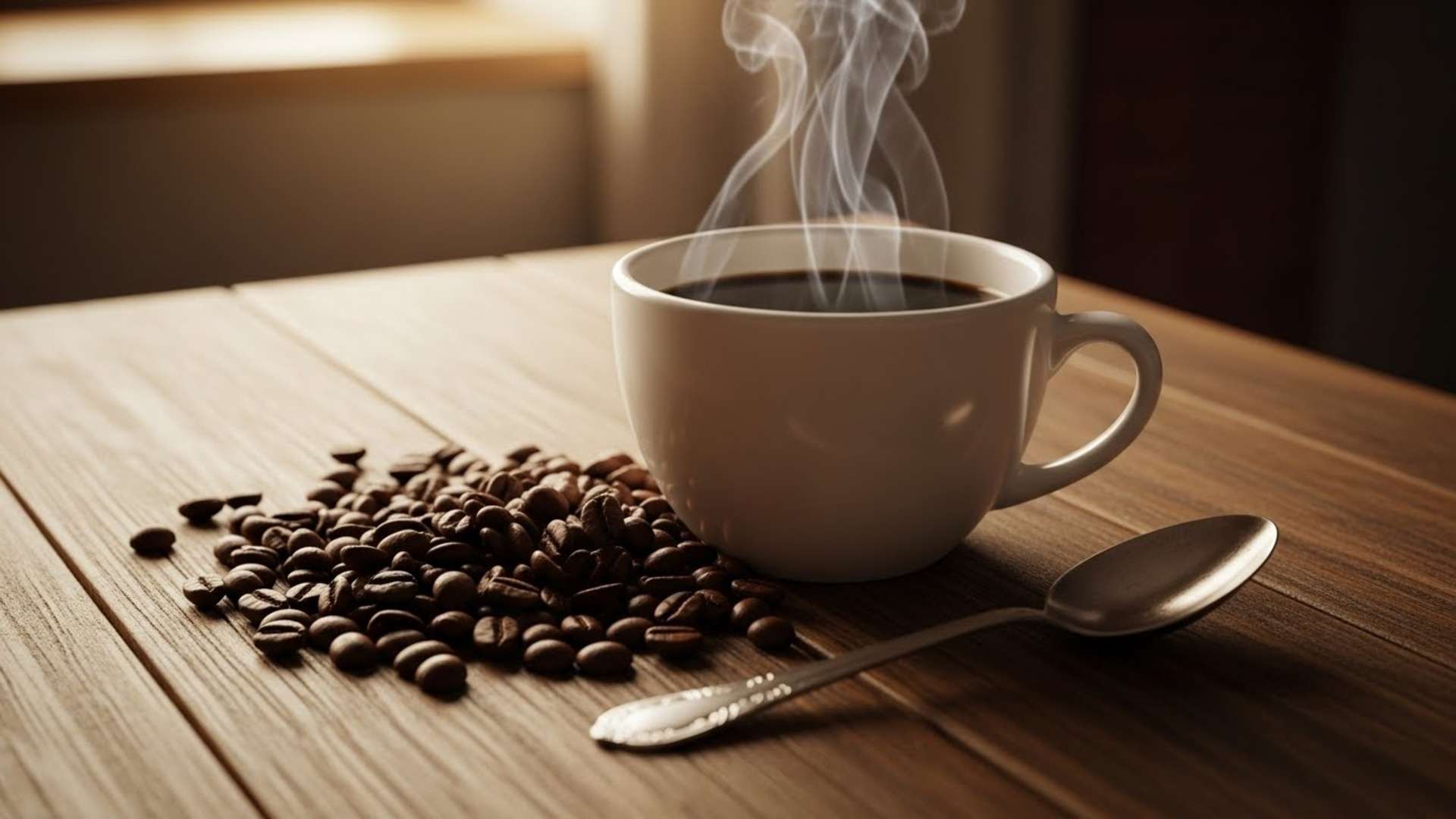
The Culprits: Strong coffee, energy drinks. The Reality: Caffeine is a stimulant. It can cause the colon to spasm rather than contract smoothly. It also increases acidity, which can irritate a thinning stomach lining.
15. Spicy Foods
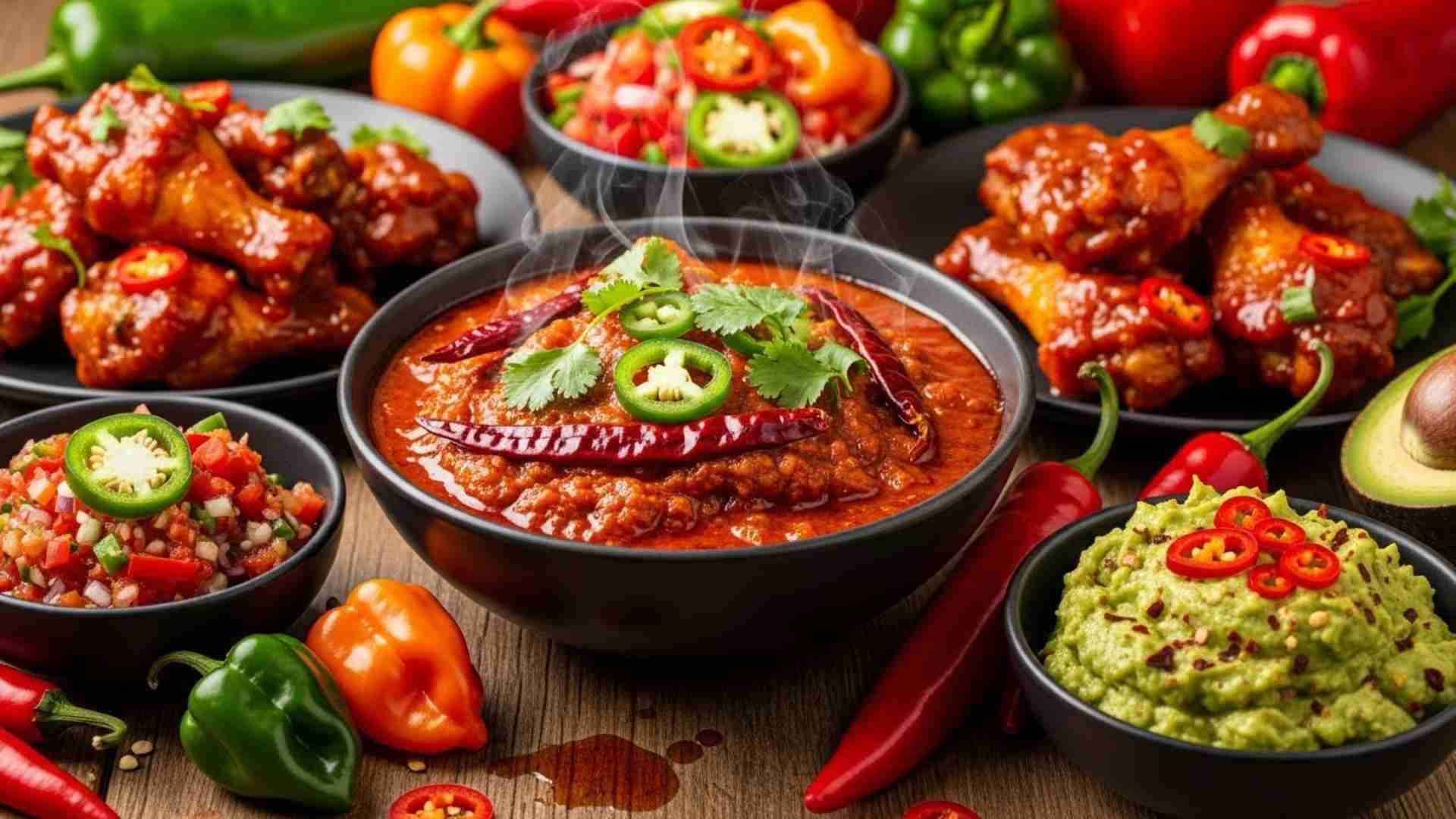
The Culprits: Hot sauce, jalapeños, chili. The Reality: Capsaicin triggers pain receptors. In an older gut with a thinner protective mucus layer, this can feel like a chemical burn, triggering inflammation and a rush of fluid to the gut to “wash it out”.
Use Some Useful Products That Can Help Your Gut
Changing your diet is 90% of the battle, but sometimes biology needs a little nudge. We can’t reverse time, but we can definitely use some tools to bridge the gap. Think of these not as magic pills, but as support staff for your digestive system. Whether it’s replacing the enzymes your body has stopped making or simply getting your mechanics right, a few strategic additions to your routine can make the “Silver Gut” transition much smoother.
Here are 5 highly-rated tools that target the specific issues we’ve discussed:
1. Enzymedica Digest Gold + ATPro:

Since your body is producing fewer enzymes on its own (that “Acid Drop” we talked about), this helps pick up the slack. It’s a high-potency formula designed to break down fats, fibers, and proteins, helping to stop that heavy, sitting-in-your-stomach feeling before it starts.
2. Garden of Life Dr. Formulated Probiotics for Women (50 Billion):

If you’re dealing with the hormonal shifts of menopause, your microbiome is likely in flux. This probiotic is specifically formulated for women’s health with 16 diverse strains to help restore the good bacteria and keep things moving.
3. Nutricost Tummy Fiber (Organic Acacia Senegal):
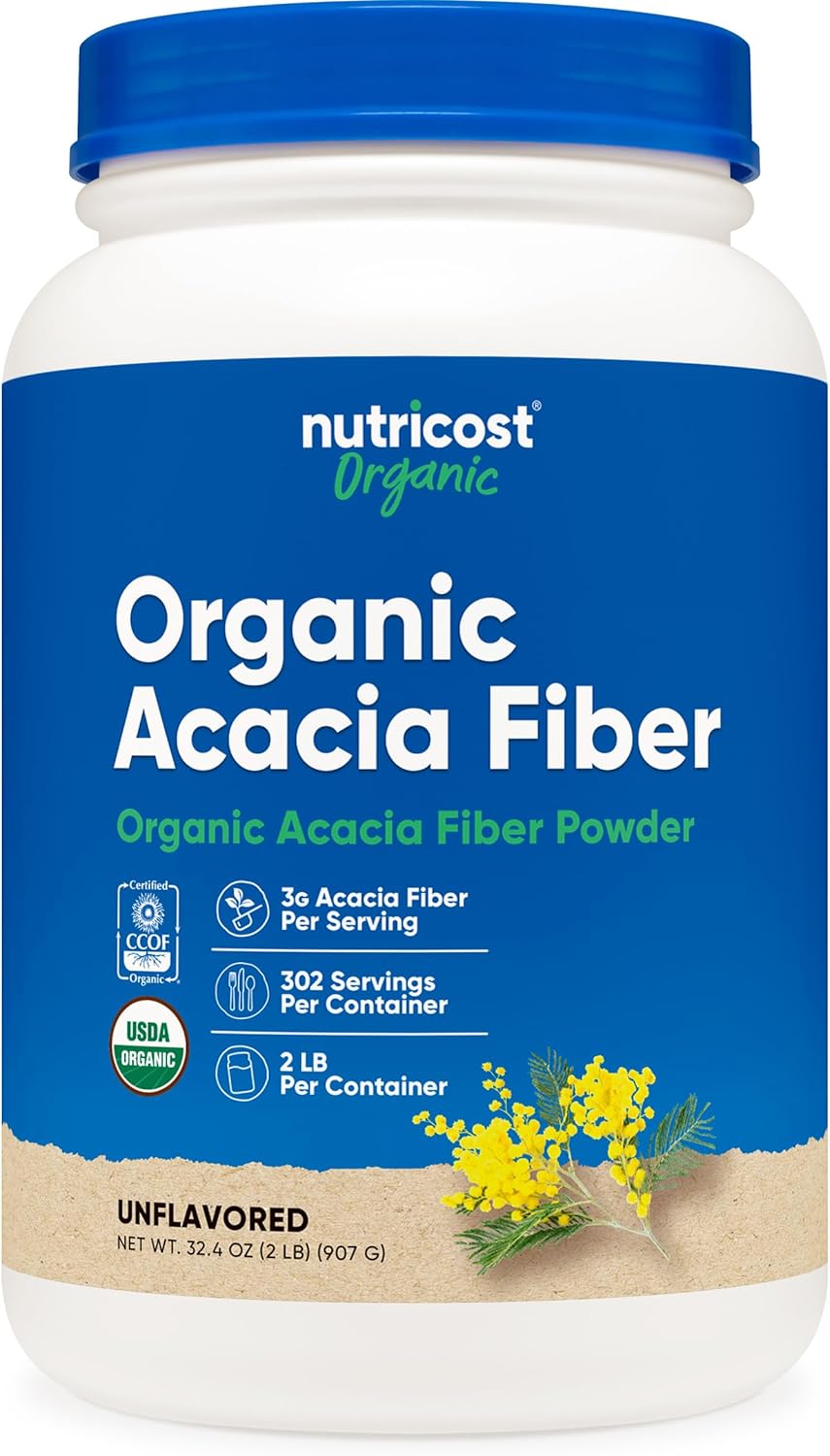
This is the secret weapon for sensitive stomachs. Unlike drugstore fiber that can make bloating worse, Acacia Senegal is a soluble fiber that dissolves completely. It helps regulate motility without the gas explosion of bran or insoluble fibers.
4. Squatty Potty Original Toilet Stool:

It sounds funny, but the science is real. By elevating your feet, you un-kink your colon (the puborectalis muscle), making elimination faster and more complete. For a gut with slower motility, this mechanical advantage is a game-changer.
5. Traditional Medicinals Organic Peppermint Tea:
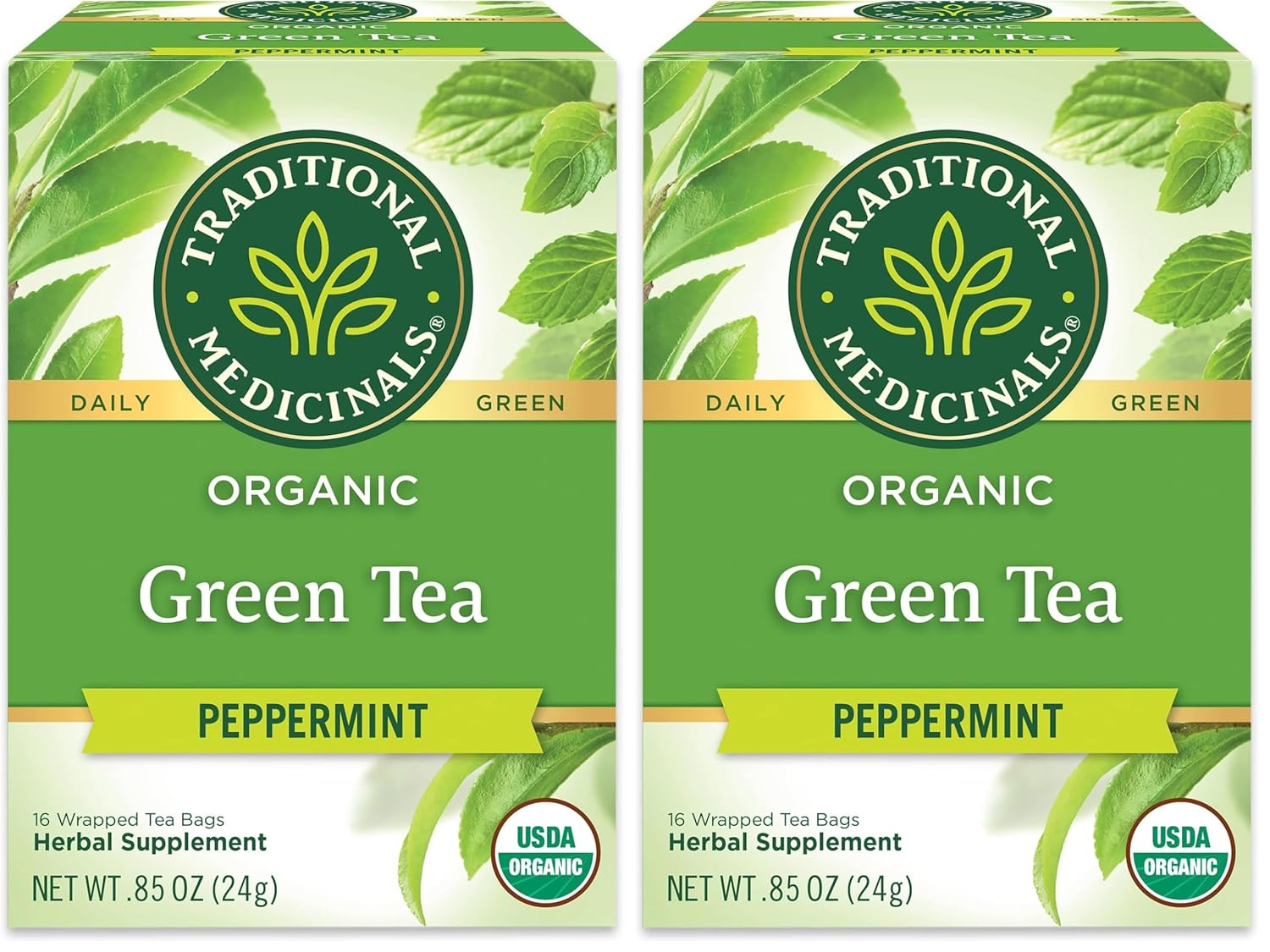
Swap that diet soda for this. Peppermint is a natural antispasmodic—it relaxes the smooth muscles of your gut, helping to release trapped gas and soothe cramping. It’s a simple, comforting way to end a meal without the bloat.