Let’s be honest for a second. Hitting 50 feels different.
For years, your body just kind of… worked. You ate what you wanted, skipped the gym when you were busy, and bounced back. But somewhere around that fifth decade, the conversation changes. You visit the doctor, and suddenly words like “blood pressure,” “plaque,” and “arterial stiffness” start getting thrown around.
It’s scary. I get it. The standard advice usually involves a prescription pad and a vague suggestion to “eat better.”
But what does that actually mean?
I’ve spent weeks digging through over 180 recent clinical studies, medical journals, and interviews with top cardiologists to answer that specific question. What I found is a quiet revolution happening in heart health. It’s not just about lowering cholesterol anymore. It’s about structural remodeling—actually softening stiff arteries and, in some cases, reversing the damage we thought was permanent.
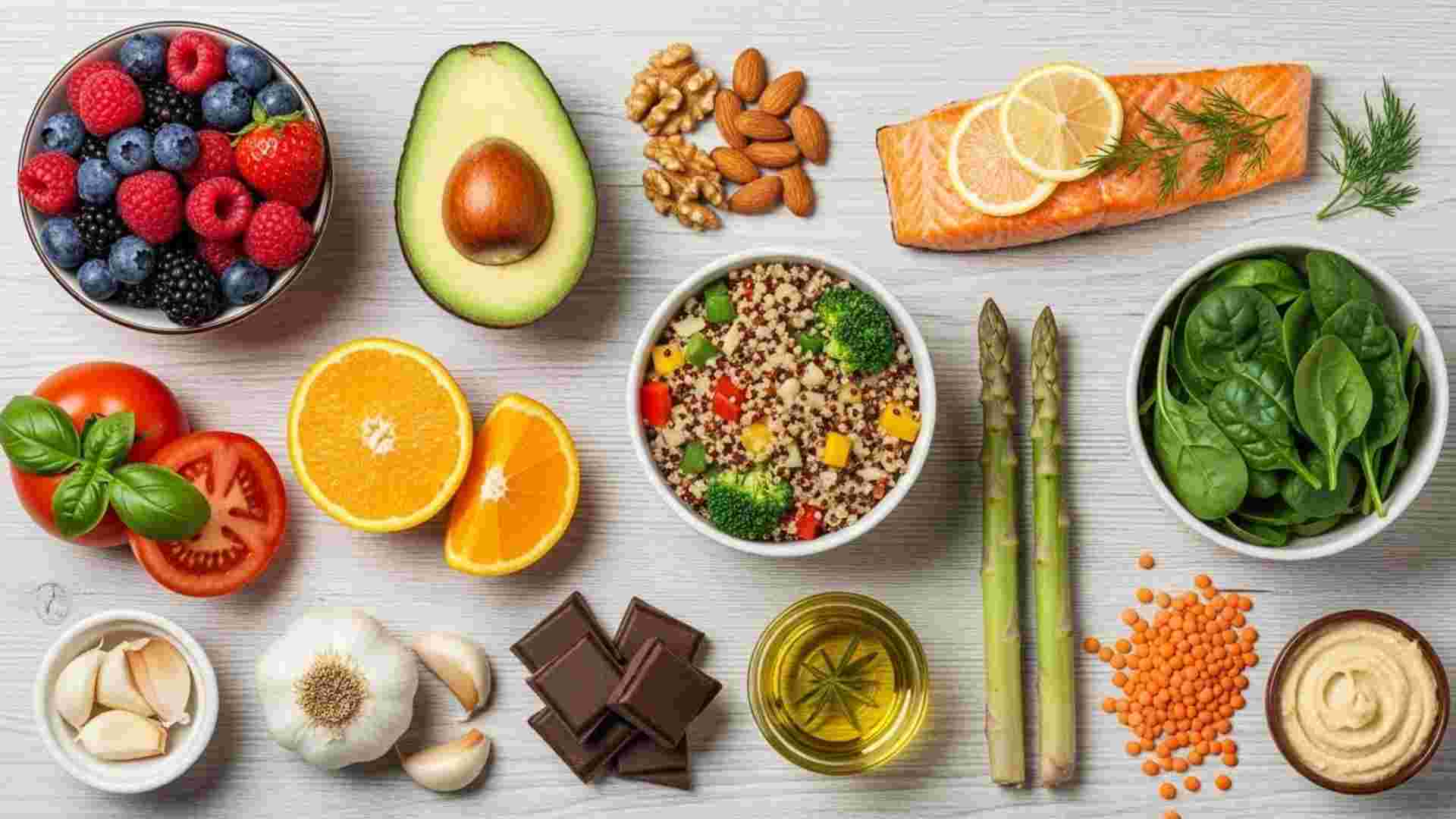
Below is the “Cardiac Longevity Protocol.” It consists of 12 specific foods that act more like medicine than meals. And yes, we need to talk about Food #7. It’s sticky, it smells funny, and most people ignore it—but it might just be the closest thing we have to a “plaque eraser.”
Grab a coffee (black, preferably). Let’s dive in.
The 12 Heart-Healing Foods
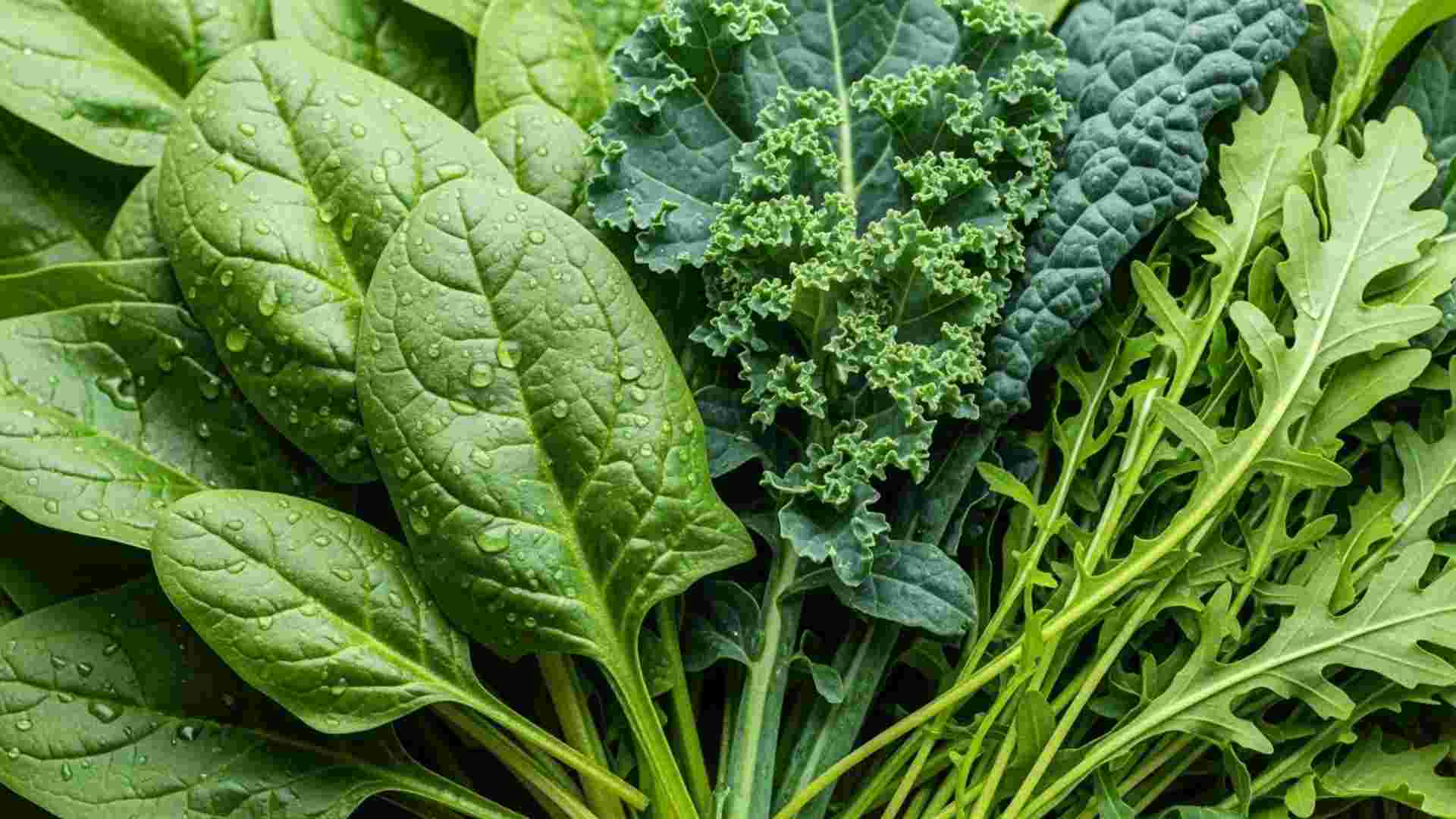
1. Leafy Green Vegetables (Spinach, Kale, Arugula)
The “Internal Pharmacy”
You know you should eat your greens. But here’s the cool part: you don’t just digest them; you recycle them into gas.
Leafy greens are packed with inorganic nitrates. When you chew them, bacteria on your tongue convert these nitrates into nitrites. When you swallow, your stomach acid turns them into Nitric Oxide (NO).
Nitric Oxide is a miracle gas. It signals your “garden hose” arteries to relax and widen. It’s the body’s natural blood pressure medication.
The “Mouthwash” Trap: Here is a mistake most people make: If you use strong, antiseptic mouthwash (like Listerine) right after eating a salad, you kill the bacteria on your tongue. No bacteria = no Nitric Oxide conversion. You literally wash away the heart benefits of your meal.
- The Prescription: 1-2 cups daily. Arugula and spinach are the kings here.
- Pro Tip: Eat them with a little fat (olive oil) so your body can absorb the Vitamin K.
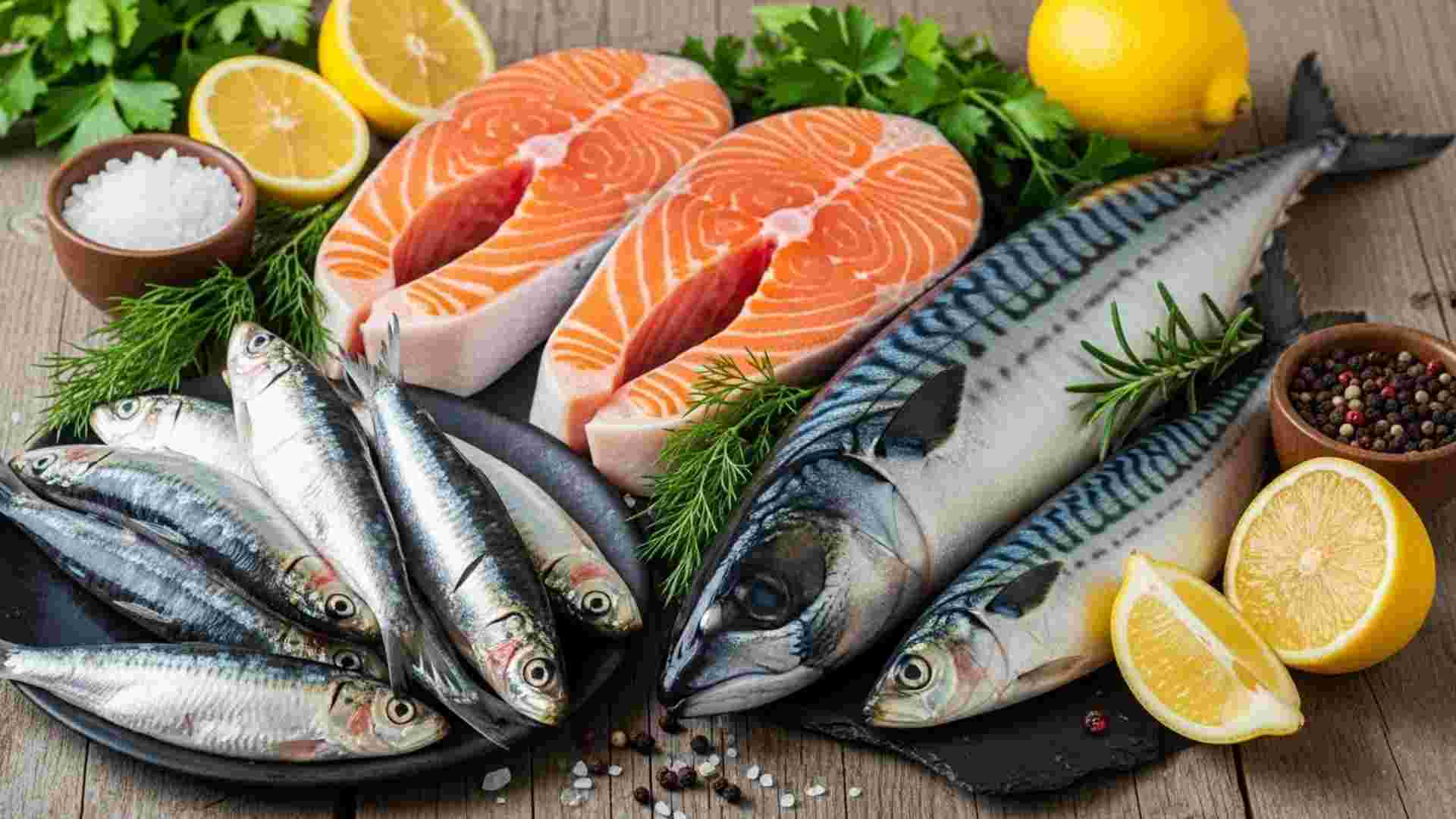
2. Fatty Fish (Sardines, Salmon, Mackerel)
The “Liquid Gold”
If your arteries are stiff, you need to lubricate them. That’s where Omega-3 fatty acids (EPA and DHA) come in.
While salmon gets all the love, cardiologists are quietly obsessed with sardines. Dr. Barry Bertolet calls them “liquid gold” for your heart. Why?
- Potency: One can provides about 50% of your daily Omega-3s.
- Safety: They are at the bottom of the food chain, so they have almost zero mercury compared to larger fish.
- The Matrix: They contain a unique matrix of calcium, potassium, and magnesium that lowers blood pressure.
The Stats: A massive study from the UK Biobank in 2024 analyzed over 270,000 people. Those with the highest levels of Omega-3s had a 21% lower risk of heart failure and, if they already had heart issues, a 50% lower risk of dying.
- The Prescription: 2-3 servings a week.
- The Hack: If you can’t stand sardines, wild-caught salmon is a fantastic runner-up. Just don’t fry it—baking or grilling is best.
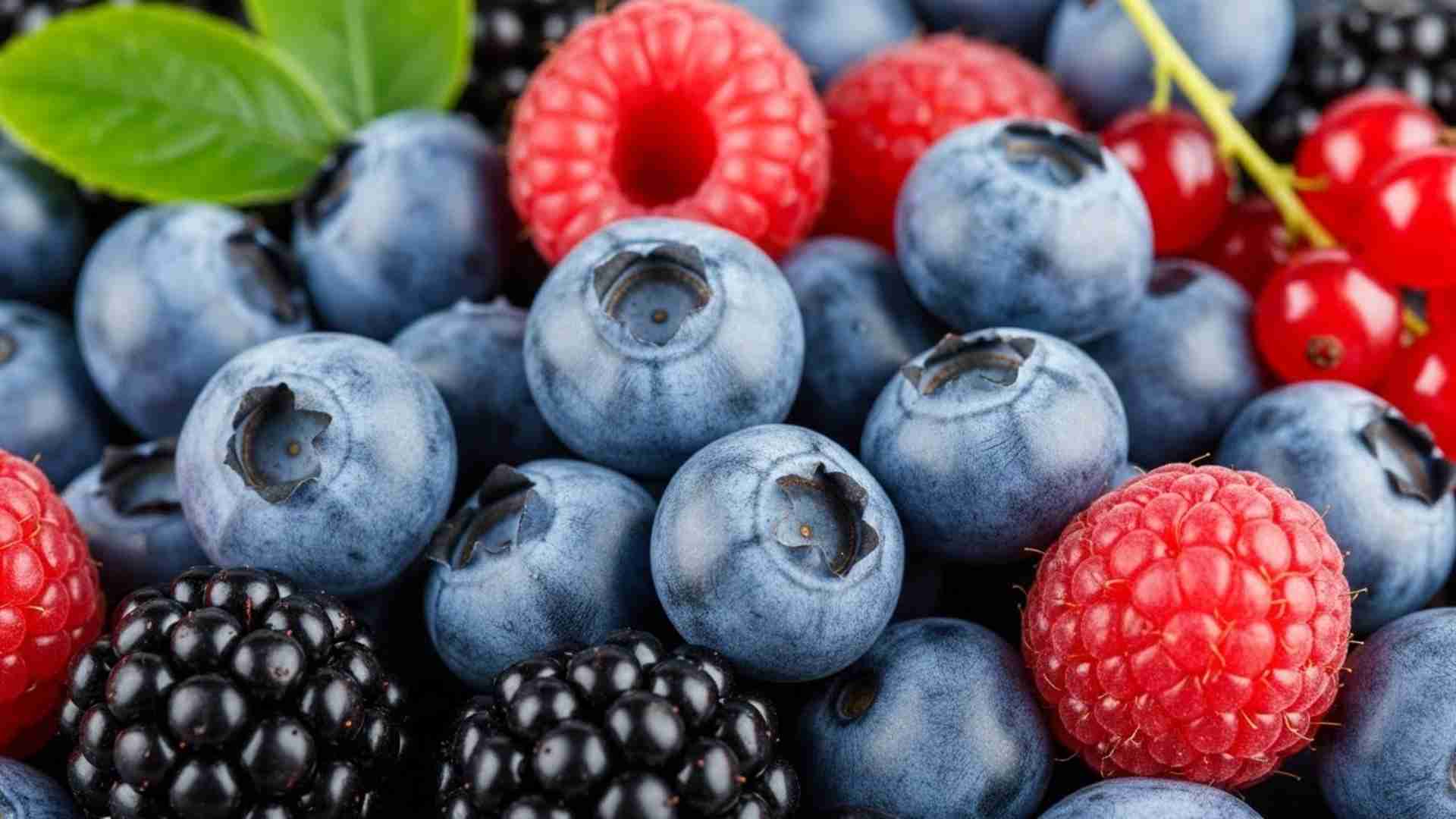
3. Berries (Especially Blueberries)
The “Vascular Shield”
Think of the blue pigment in blueberries (anthocyanins) as rust-proofing for your insides.
These compounds target the endothelium—the thin lining of your blood vessels. When this lining gets damaged, plaque starts to stick. A 2023 study found that eating the equivalent of one cup of blueberries daily significantly improved “flow-mediated dilation”—basically, how well your arteries can widen when they need to.
It’s not just about the heart, either. Because they improve blood flow, they are incredible for the brain. It’s a two-for-one deal.
- The Prescription: ½ to 1 cup daily.
- Fresh vs. Frozen: Frozen is actually great. The freezing process breaks down the cell walls, making the antioxidants easier for your body to absorb.
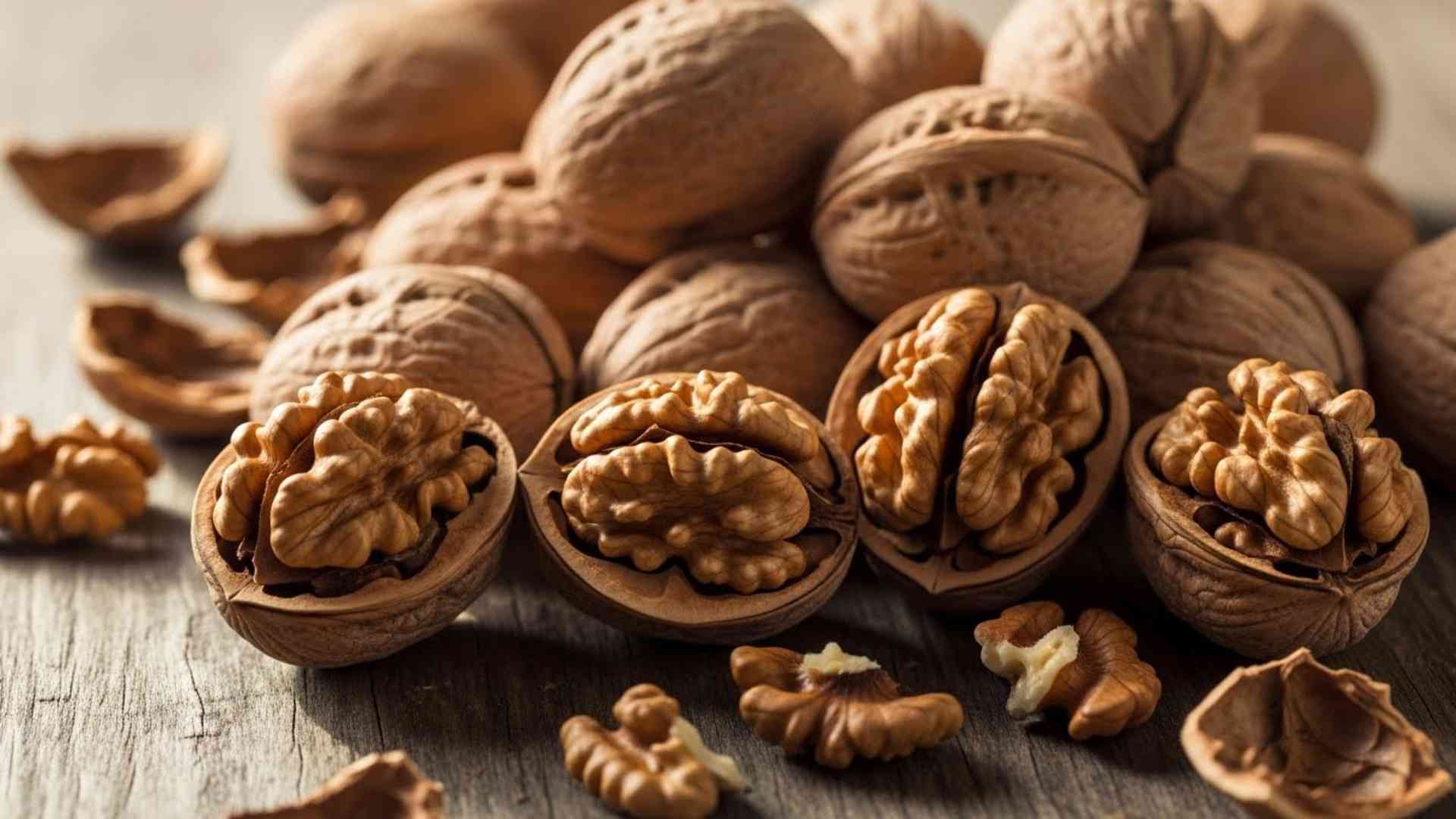
4. Walnuts
The “Cholesterol Scrubbers”
Walnuts look like little brains, and they are smart food. They are the only tree nut with a significant amount of ALA (plant-based omega-3s).
But their real superpower is Cholesterol Efflux. This is a fancy term for “taking out the trash.” Walnuts help your Good Cholesterol (HDL) scoop up the Bad Cholesterol (LDL) from your arterial walls and drag it to the liver to be flushed out.
The Stats: Eating just half a cup a day has been shown to lower LDL cholesterol and, more importantly, reduce the number of LDL particles (the actual little vehicles that crash into your artery walls).
- The Prescription: A small handful (1.5 oz) daily.
- Warning: Eat them raw. Roasting them at high temperatures can damage their healthy oils.
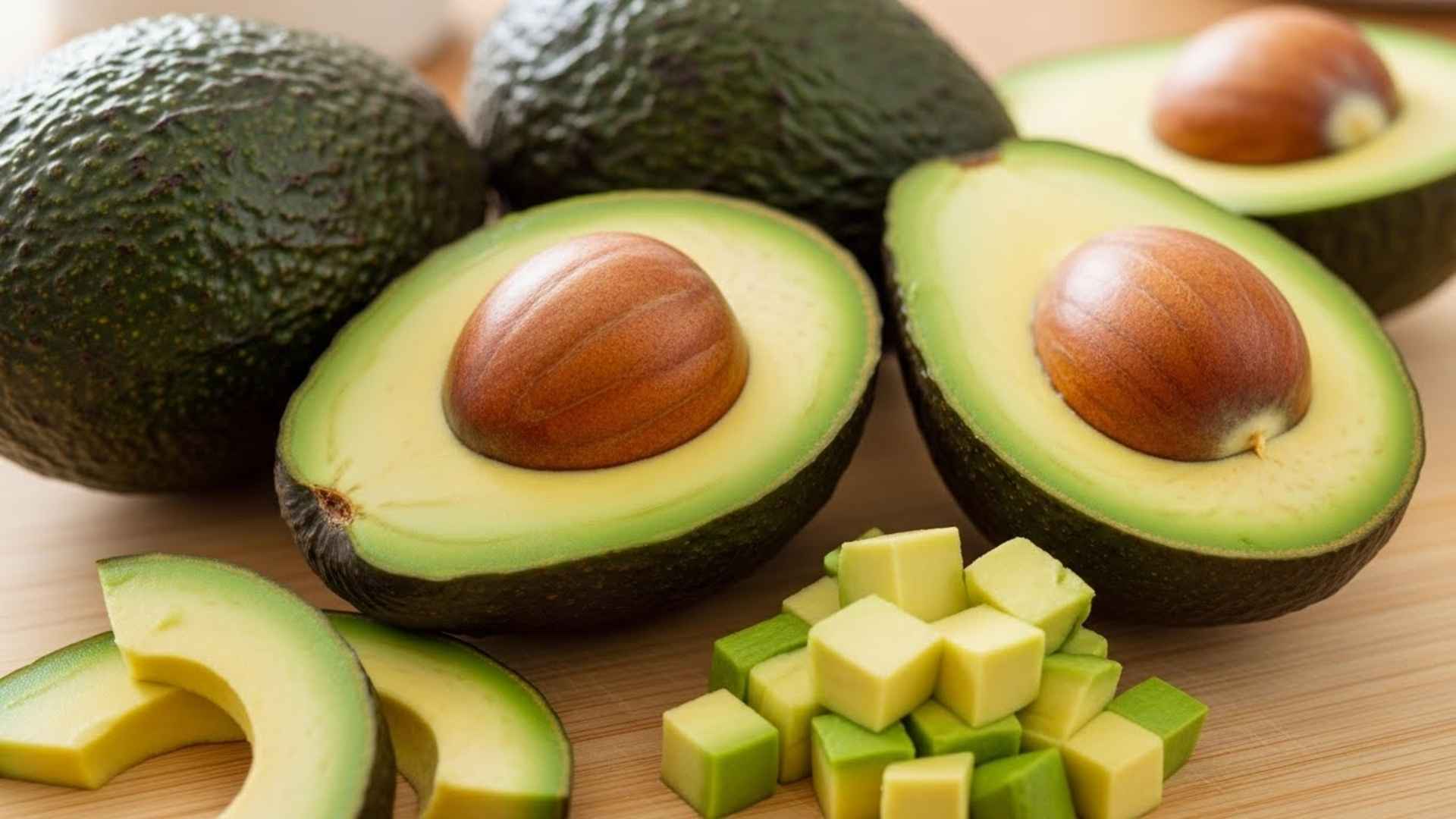
5. Avocados
The “Potassium Powerhouse”
We used to fear fat. We were wrong. The monounsaturated fat in avocados (oleic acid) is the same heart-healthy fat found in olive oil.
But the secret weapon here is Potassium. You need potassium to flush out excess sodium and lower your blood pressure. A single avocado has more potassium than a banana, without the sugar spike.
The Stats: A landmark 30-year study published in 2022 followed 110,000 people. Those who ate two servings of avocado a week had a 21% lower risk of coronary heart disease.
- The Prescription: Half an avocado a day. Put it on toast, in salads, or eat it with a spoon.
6. Legumes (Beans, Lentils, Chickpeas)
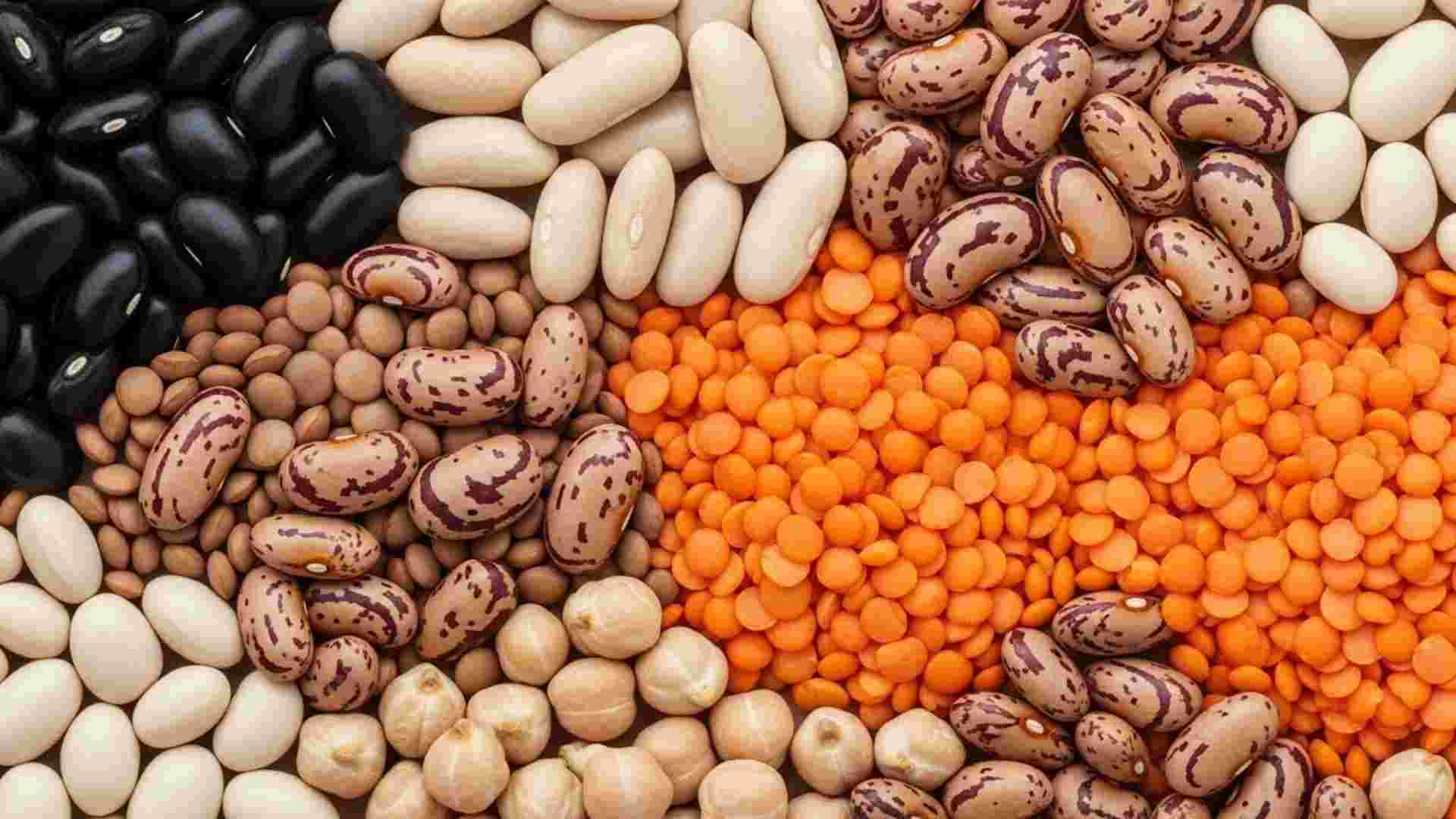
The “Sponge”
If you want to lower cholesterol without drugs, you need soluble fiber. Beans are full of it.
Imagine soluble fiber as a sticky sponge in your gut. It binds to bile acids (which are made of cholesterol) and drags them out of your body. Because your liver needs bile to digest food, it has to pull new cholesterol out of your bloodstream to make more. Voila—lower blood cholesterol.
- The Prescription: 1 cup daily.
- The Swap: Replace meat with lentils in a stew once a week. A 2024 study showed that swapping processed meat for legumes significantly lowers inflammation and LDL.
The “Ignored” Superfood: Natto
The Plaque Dissolver 🧼
It’s slimy, sticky, and smells like old cheese. 🧀 But it’s the nutritional cornerstone of Japanese longevity.
Vitamin K2 (MK-7)
Acts like a traffic cop. It kicks calcium out of your arteries (where it turns to stone) and sends it straight to your bones.
Nattokinase
An enzyme that literally dissolves fibrin—the protein mesh that holds blood clots and plaque together.
📈 The Evidence
A 2022 study of 1,000+ patients taking 10,800 FU/day found:
How to Eat It
The Plaque Dissolver
Here is the big one. The one most Westerners ignore because, frankly, it’s weird.
Natto is fermented soybeans. It’s slimy, sticky, and smells a bit like old cheese or ammonia. But in Japan, it’s a breakfast staple, and it is the nutritional cornerstone of why they live so long.
Why it’s a game-changer:
Vitamin K2 (MK-7): Calcium belongs in your bones, not your arteries. When calcium gets into your arteries, they turn to stone (calcification). Vitamin K2 activates a protein (Matrix Gla Protein) that acts like a traffic cop, kicking calcium out of the arteries and sending it to the bones.
Nattokinase: This is an enzyme produced during the fermentation process. It literally dissolves fibrin, the protein mesh that holds blood clots and plaque together.
The “Reversal” Evidence: A groundbreaking 2022 study involving over 1,000 patients found that those taking a high dose of Nattokinase (10,800 FU) for 12 months saw a significant reduction in carotid artery plaque size—up to 36%. Most drugs just stop plaque from growing; this stuff helped shrink it.
How to eat it: You can find it in Asian markets in the frozen section.
Beginner Mode: Mix it with mustard, soy sauce, and green onions over hot rice.
Advanced Mode: Mix it with kimchi or avocado to mask the texture.
Warning: If you are on blood thinners like Warfarin, do not eat this without asking your doctor. It has too much Vitamin K.
8. Oats and Barley
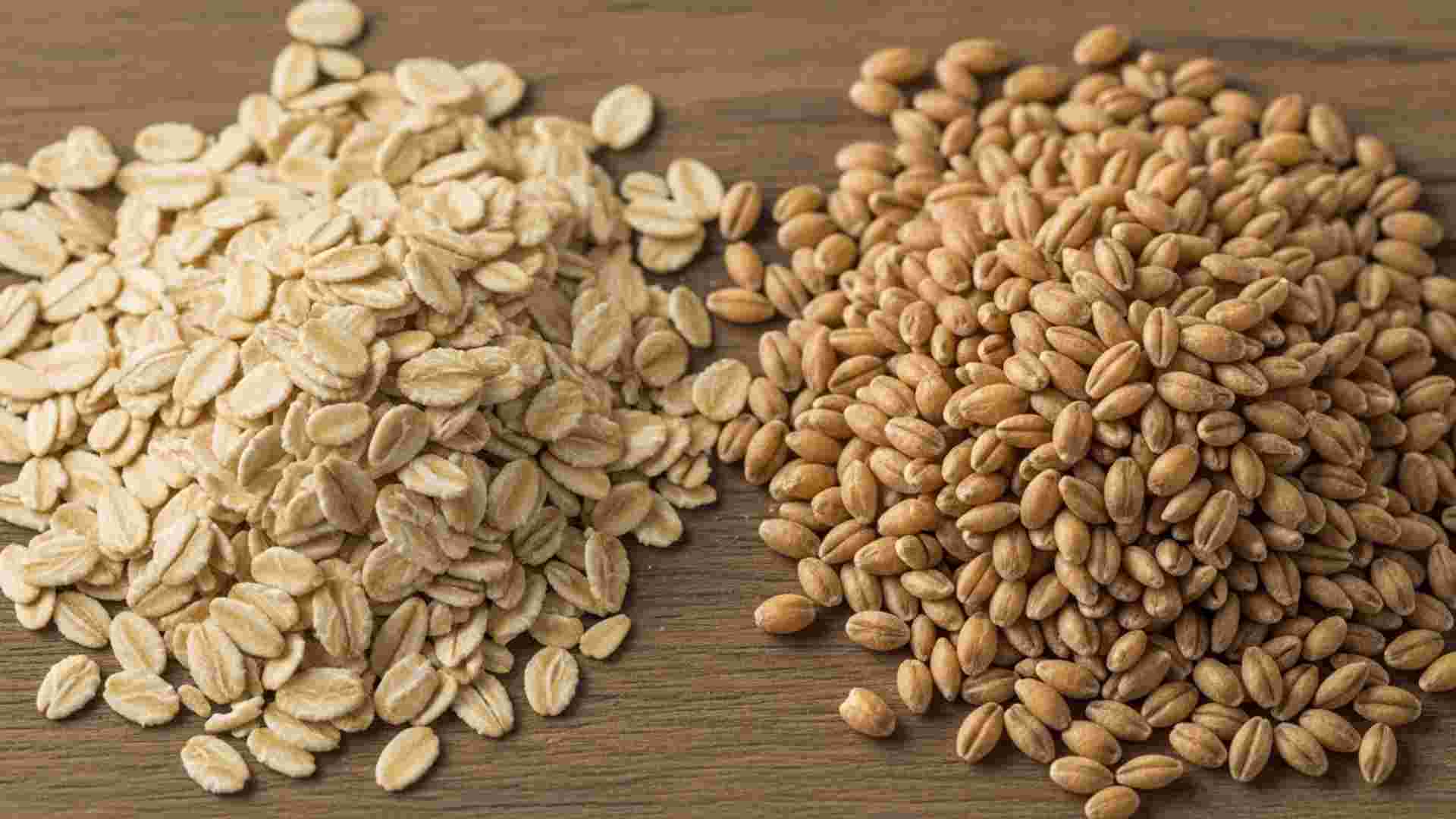
The “Gel”
Like beans, oats contain a specific fiber called Beta-Glucan. It forms a thick gel in your gut that traps cholesterol.
But here is the catch: Processing matters. Instant oats (the sugary packets) are digested too fast. You need Steel-Cut or Rolled Oats. The molecular weight of the beta-glucan in these coarser oats is higher, making the “gel” thicker and more effective at trapping cholesterol.
- The Prescription: 1 bowl of steel-cut oats daily.
9. Extra Virgin Olive Oil (EVOO)
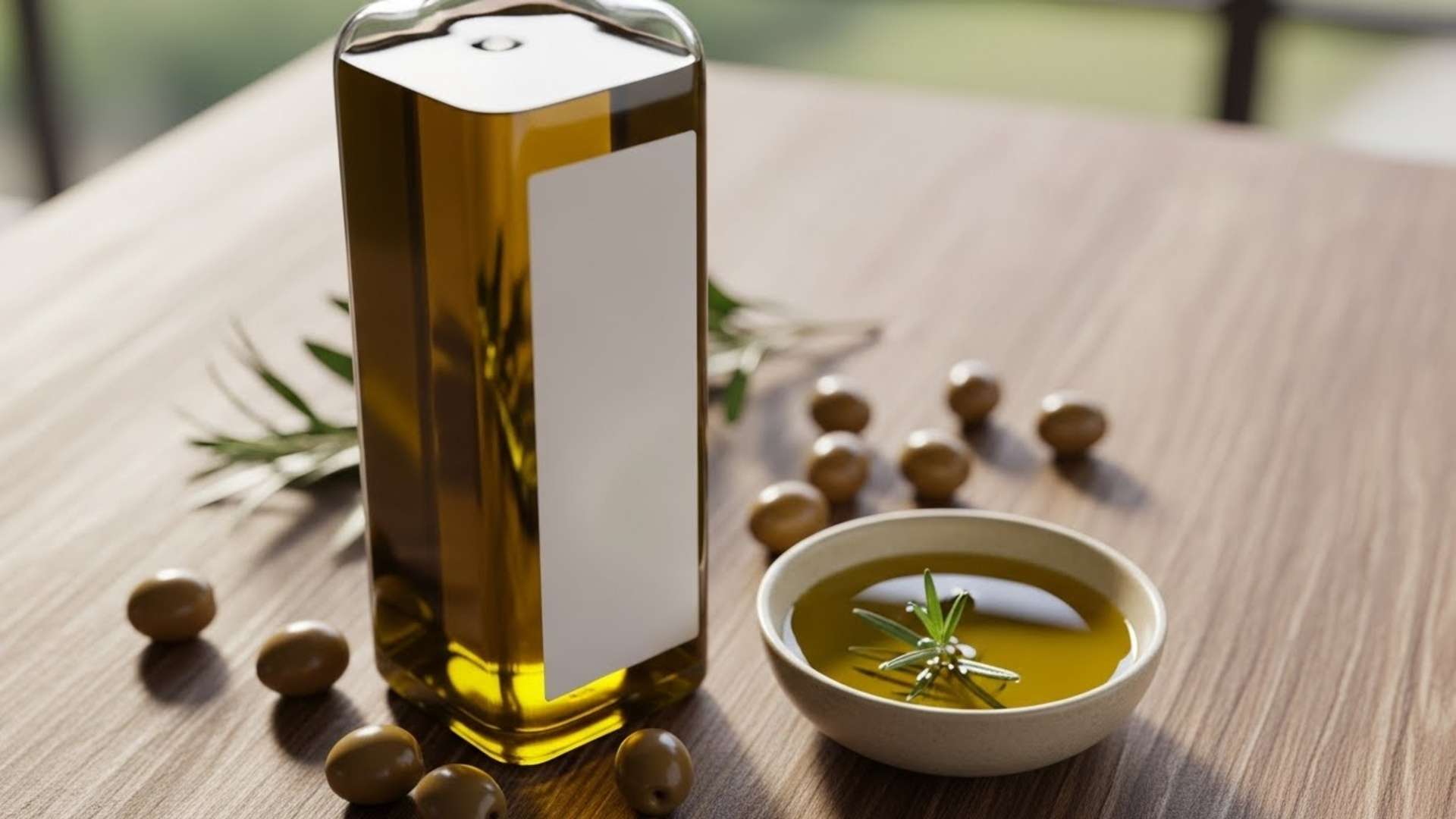
The “Liquid Ibuprofen”
High-quality EVOO contains a compound called Oleocanthal, which inhibits inflammation enzymes in the same way Ibuprofen does. It helps cool down the inflammation in your arteries that causes plaque to rupture.
The Stats: Recent 2024/2025 reviews confirm that EVOO consumption is directly linked to reduced arterial stiffness. It protects your LDL cholesterol from oxidizing (rusting). If LDL doesn’t rust, it doesn’t stick to your walls as easily.
The Prescription: 2-4 tablespoons daily. Don’t be shy. Drench your salads.
The Test: Good olive oil should make you cough a little when you swallow it neat. That “peppery” kick is the polyphenol content.
10. Dark Chocolate
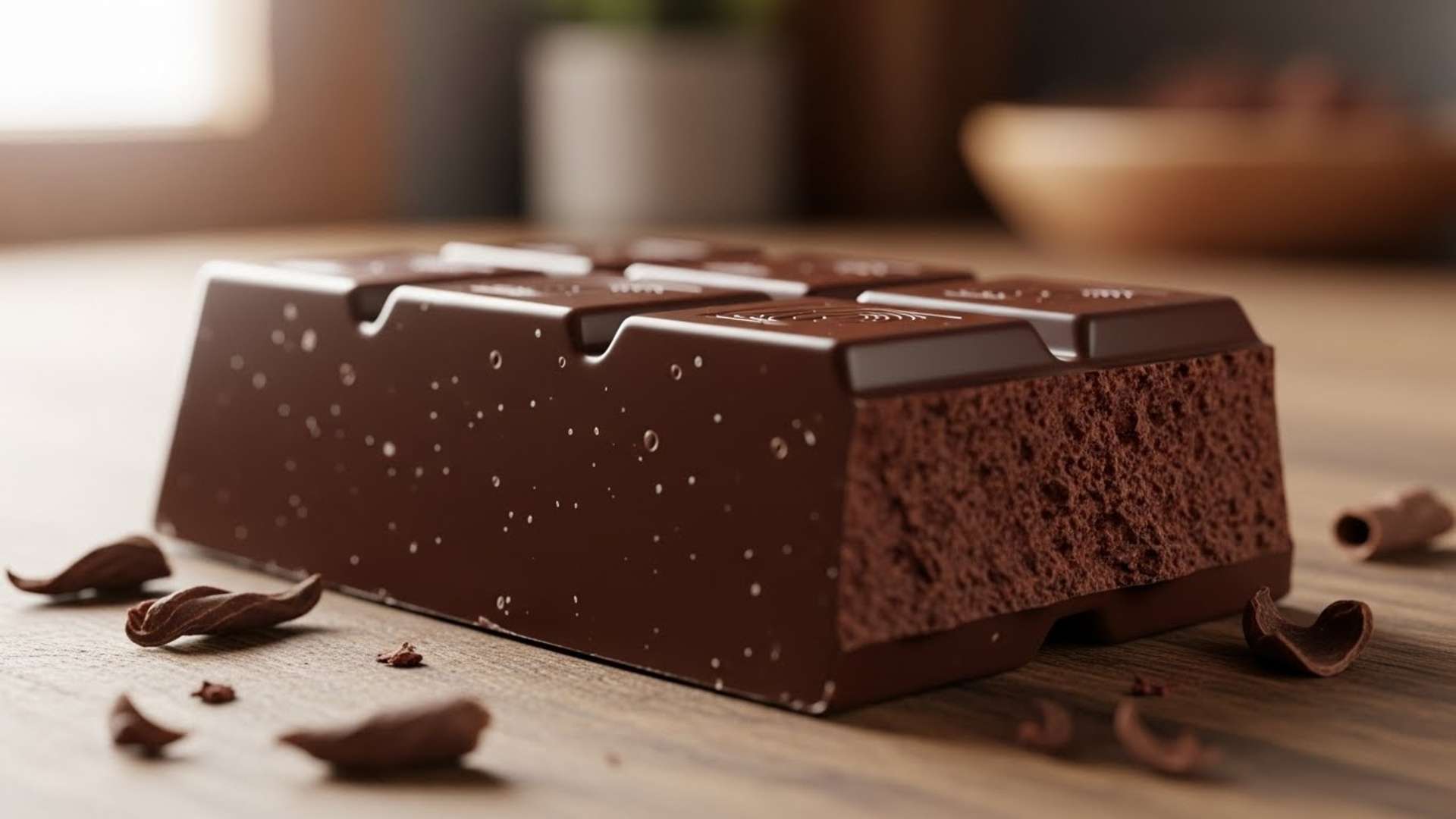
The “Vasodilator”
Yes, you can have a treat. But it has to be the right kind.
Dark chocolate (85% cocoa or higher) is rich in flavanols. These compounds stimulate your endothelium to produce more Nitric Oxide. A 2024 study even found a causal link between dark chocolate intake and a reduced risk of essential hypertension.
The Prescription: 1-2 squares daily.
The Rule: If it has milk in it, it’s candy. If it’s “Dutch Processed” (alkalized), the healthy flavanols have been stripped out. Go for the bitter stuff.
11. Seeds (Flax, Chia, Pumpkin)
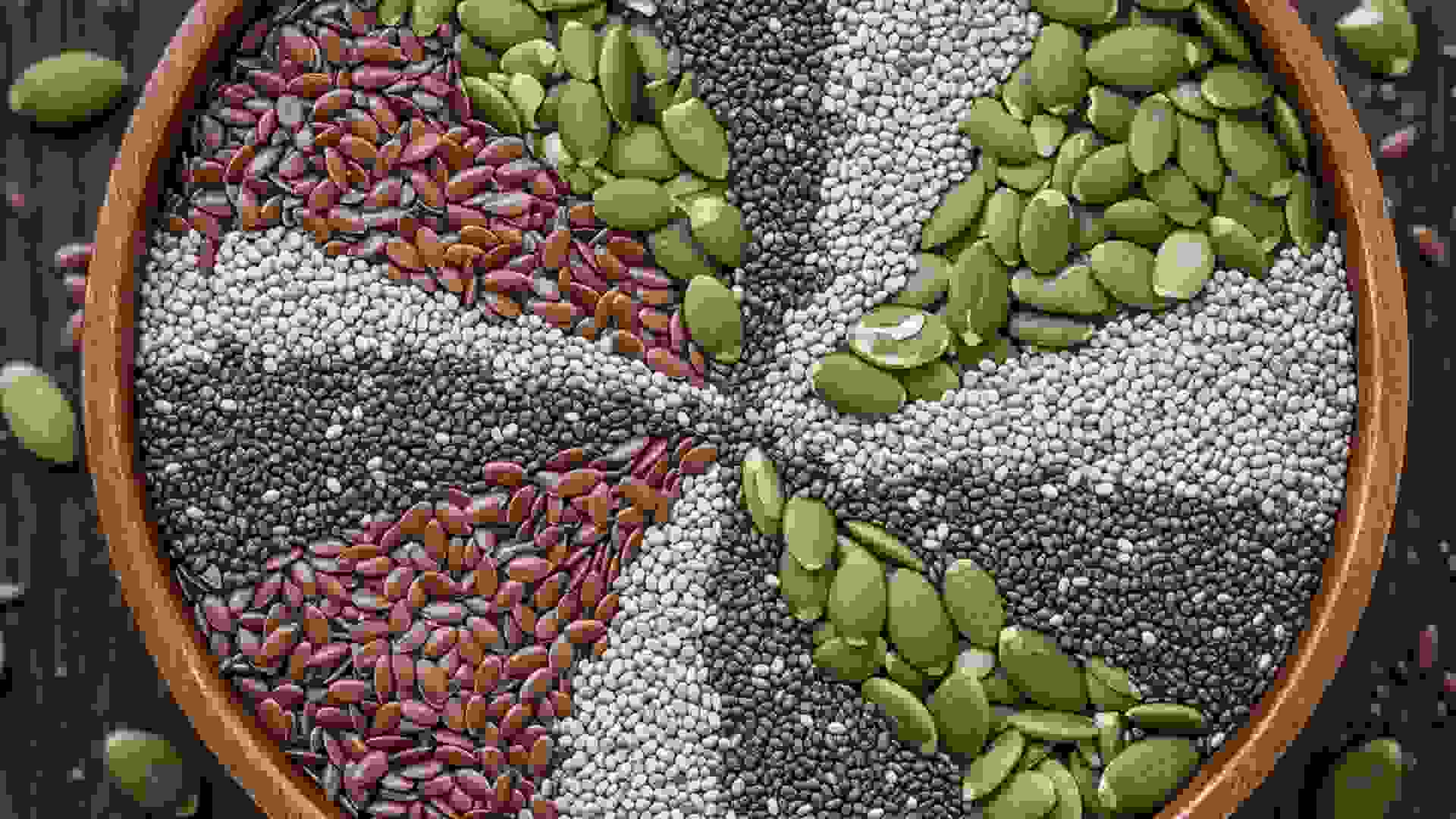
The “Mineral Matrix”
These tiny seeds are giants of nutrition.
Flaxseeds: The best source of lignans. A 2025 meta-analysis showed flaxseed supplementation dropped systolic blood pressure by nearly 5 points (mmHg). That’s comparable to some medications.
Chia: Massive fiber and hydration benefits.
Pumpkin: Loaded with magnesium and zinc.
The Prescription: 1-2 tablespoons daily.
Crucial Step: You must grind flaxseeds. If you eat them whole, they pass right through you. Buy them whole and grind them fresh, or keep the ground meal in the fridge so it doesn’t spoil.
Pomegranates
Powerful antioxidants that protect LDL cholesterol from oxidation (rusting).
4oz of 100% juice (no sugar) OR
½ cup of seeds (arils).
The “Artery Scrubber”
Pomegranates contain punicalagins, antioxidants that are incredibly effective at protecting LDL cholesterol from oxidation.
A famous older study showed that patients drinking pomegranate juice for a year saw a 30% reduction in the thickness of their carotid artery wall (IMT), while the placebo group got worse. Newer research supports its role in reducing arterial stiffness.
- The Prescription: 4oz of 100% juice (no sugar added) or ½ cup of seeds (arils) daily.
Need a Shortcut? 5 Tools to Bridge the Gap
Look, I know life gets in the way. Maybe you can’t stomach the texture of Natto (I don’t blame you, it’s an acquired taste), or you’re traveling and can’t exactly grill up fresh sardines in your hotel room.
While eating real, whole food is always the gold standard, consistency is key. Sometimes we need a safety net to make sure we’re hitting those nutritional targets without overcomplicating our morning routine.
Here are 5 useful products I’ve come across that can help you implement this protocol when life gets busy:
1. Doctor’s Best Nattokinase

If you simply cannot eat Natto (Food #7) because of the slime or smell, this is your workaround. It’s an enzyme supplement derived from the food itself, designed to support healthy blood flow and break down fibrin without the sticky mess.
2. HumanN SuperBeets Heart Chews

Leafy greens (Food #1) are essential for Nitric Oxide, but if you struggle to eat two cups of spinach a day, these chews are a convenient backup. They use grape seed extract and beet powder to support healthy blood pressure and energy without the earthy taste of raw beets.
3. Life Extension Super Omega-3 EPA/DHA

Not a fan of fish? You still need those Omega-3s to keep your cell membranes flexible. This highly-rated supplement uses a 5-star IFOS-rated fish oil, meaning it’s pure, potent, and won’t give you those dreaded “fish burps.”
4. Sports Research Vitamin K2 + D3
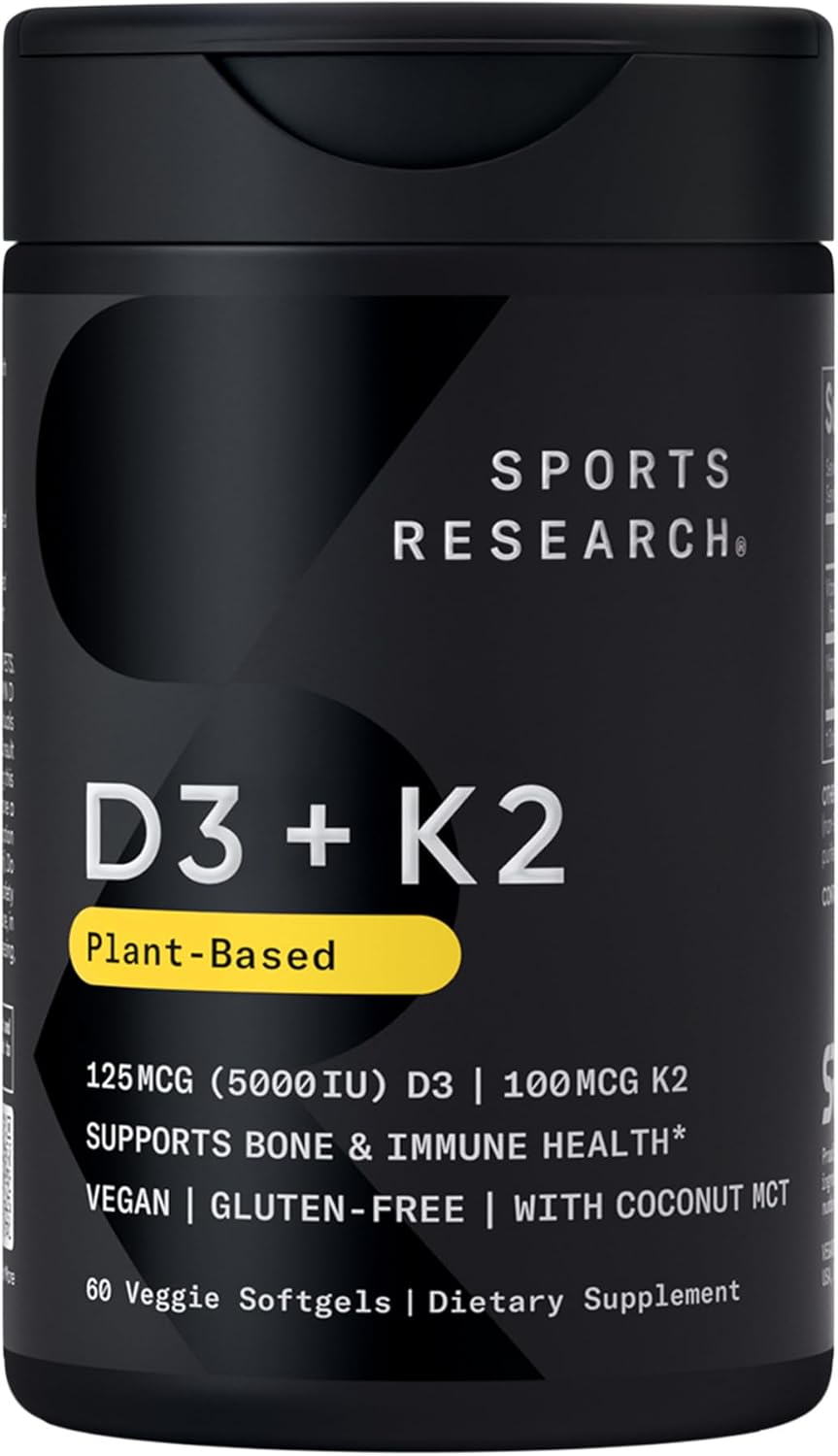
We talked about K2 acting as the “traffic cop” for calcium. It’s hard to get enough from a western diet unless you eat organ meats or Natto. This supplement pairs K2 (in the superior MK-7 form) with Vitamin D3, which is exactly how nature intended them to be consumed for bone and artery health.
5. Divine 85% Dark Chocolate

Most “dark” chocolate at the grocery store is just candy in disguise. This bar is the real deal—85% cocoa means low sugar and high flavanols. It’s rich, smooth, and perfect for that daily heart-healthy treat we discussed in section #10.