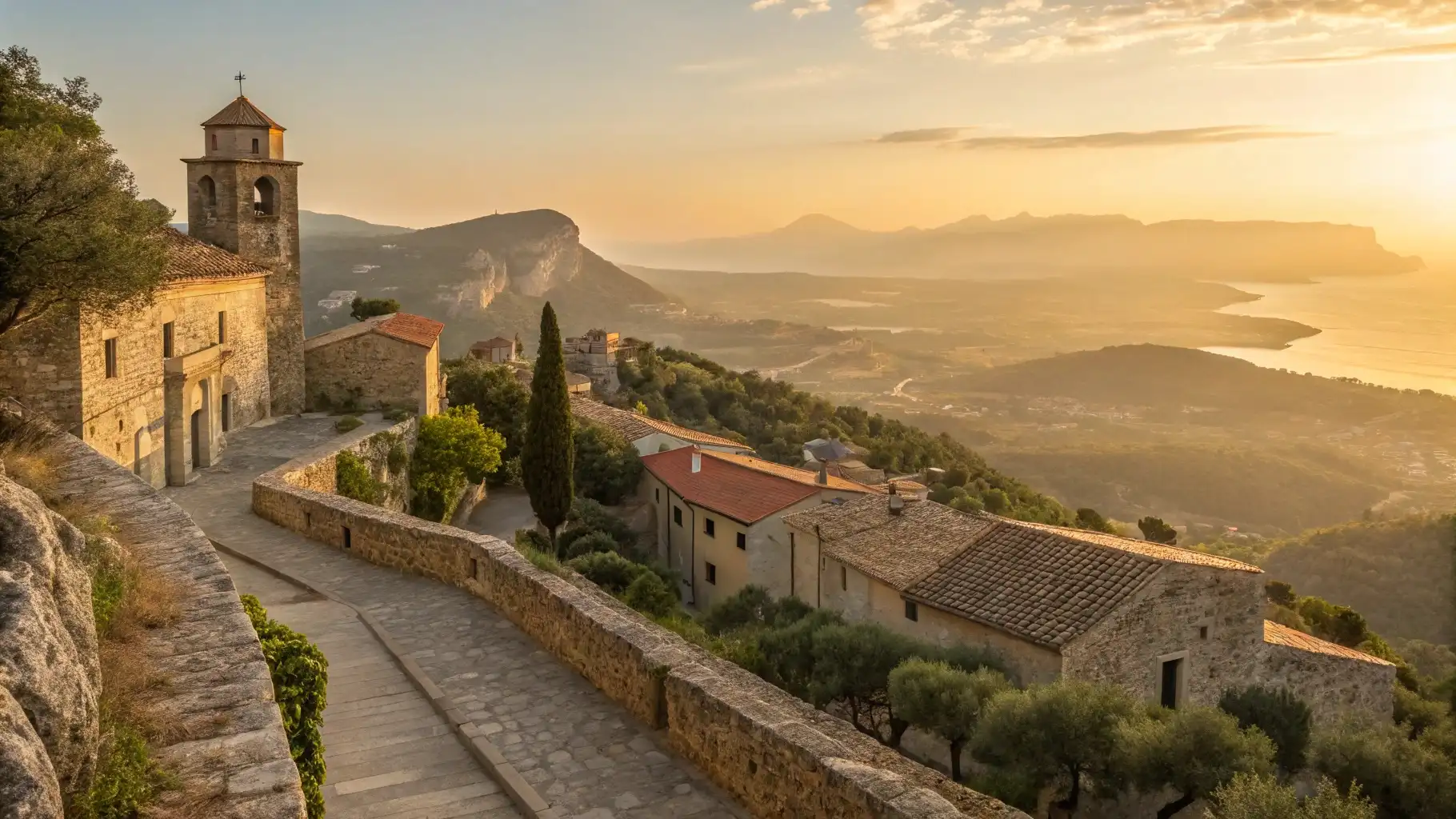
Salt in the air and a hush in the streets — a kind of stillness that makes you slow down without realising it.
A quiet corner of Spain can do that to you.
Tiny plazas glow at golden hour, and suddenly there’s that familiar tug of wander-curiosity — the feeling you get when a place isn’t showing off, yet steals your attention anyway. Travelers crave this now more than ever; a world that feels real, not curated.
What follows is a path into Spain’s hidden-soul, places locals protect, and stories that change how you see the country.
1. Logroño
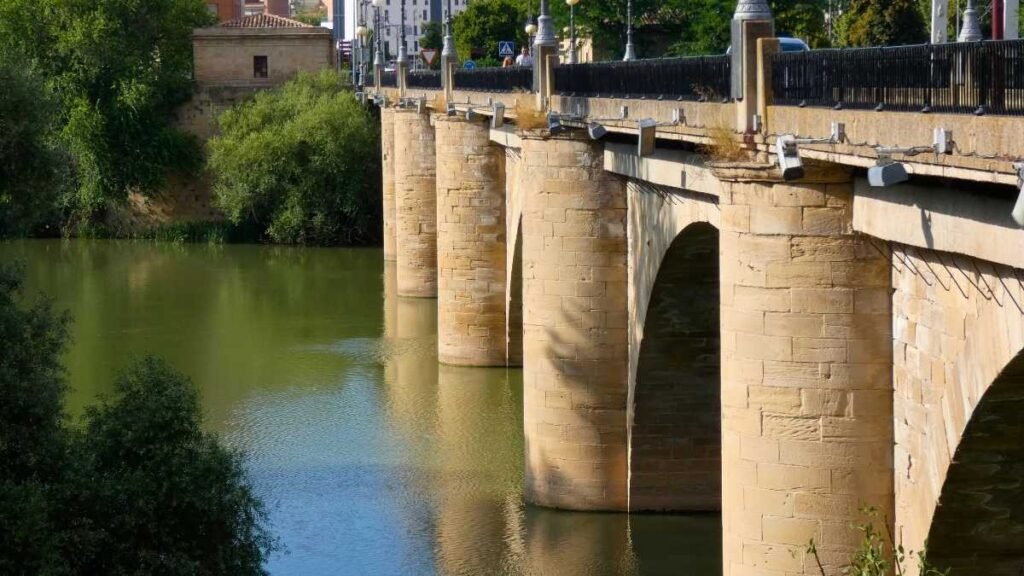
Logroño feels like a slower, more soulful version of northern Spain. You walk into the old town and the rhythm hits you right away — small plazas, sandstone buildings, locals laughing outside pintxo bars, and that gentle hum from the Ebro River. The Camino de Santiago passes right through the centre, which adds a quiet stream of walkers and gives the city a sense of purpose without overwhelming it. The wine culture here isn’t a side note; it shapes everything. Step outside the city and you’re in Rioja country within minutes.
Here’s what stands out most: you eat well, you drink better, and you never feel rushed. Calle Laurel — a famed pintxo strip — packs dozens of tiny bars where each one specialises in one perfect bite. Because Logroño is still under-the-radar, you get authenticity without sacrificing comfort: great food, easy walkability, and strong rail links. It’s the kind of city where you end up staying longer than planned simply because it feels good.
Key Practical Information
- Peak/Off-peak & Weather: Best in spring and early autumn (18–24°C). Winters are quiet; summers warm.
- How to Reach & Explore: Trains from Madrid, Bilbao, Zaragoza. Explore the centre on foot; bike for the riverfront.
- Ideal Duration: 2–3 days; 4 if visiting Rioja villages.
- Must-try Experiences: Calle Laurel pintxos, Rioja wine tasting, Camino river walk.
- Budget Tips: Great value vs big cities; food and hotels priced fairly.
- Etiquette: Dinner is late; greet bar staff and don’t rush the pintxo circuit.
- Photography: Ebro River at sunset, vineyard views, lively evening street scenes.
2. Baeza
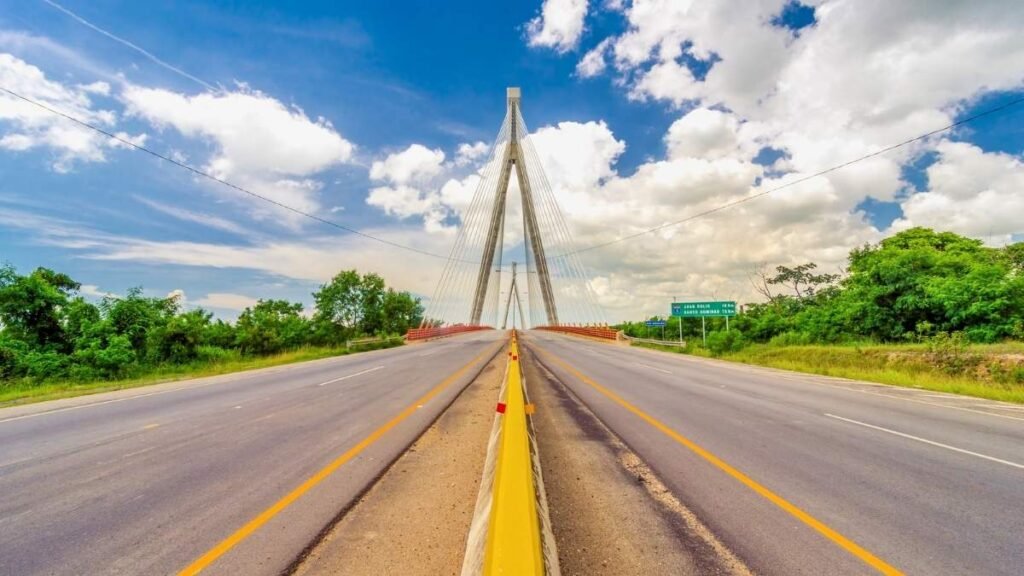
Baeza feels like opening a Renaissance sketchbook and finding whole streets preserved exactly as they once were. The old quarter is quiet, graceful, and incredibly well-kept, with creamy stone buildings and plazas that glow in afternoon light. What adds depth is the setting — the entire town sits above rolling plains of olive trees, giving you panoramas that feel endless. Because it’s smaller and less commercial, you get real moments of stillness, especially wandering near the cathedral or the University of Baeza.
The experience is shaped heavily by what isn’t there: tourist buses, loud crowds, or overbuilt attractions. Instead, you walk through silence and history. Cafés feel local, not curated for visitors. And the olive-oil culture of Jaén province shapes the cuisine, the economy, and even the landscape surrounding Baeza. It’s a place where you understand Spain by slowing down.
Key Practical Information
- Peak/Off-peak & Weather: May and October best (20–25°C). Summers hot; winters calm.
- How to Reach & Explore: Bus/car from Jaén; explore on foot.
- Ideal Duration: 1.5–2 days; 3 with olive-mill visits.
- Must-try Experiences: Cathedral bell-tower views, Renaissance squares, local olive-oil dishes.
- Budget Tips: Very affordable lodging and meals.
- Etiquette: Respect the quiet vibe; meals naturally late.
- Photography: Golden light on plazas, olive-grove horizons, hidden courtyards.
3. Úbeda
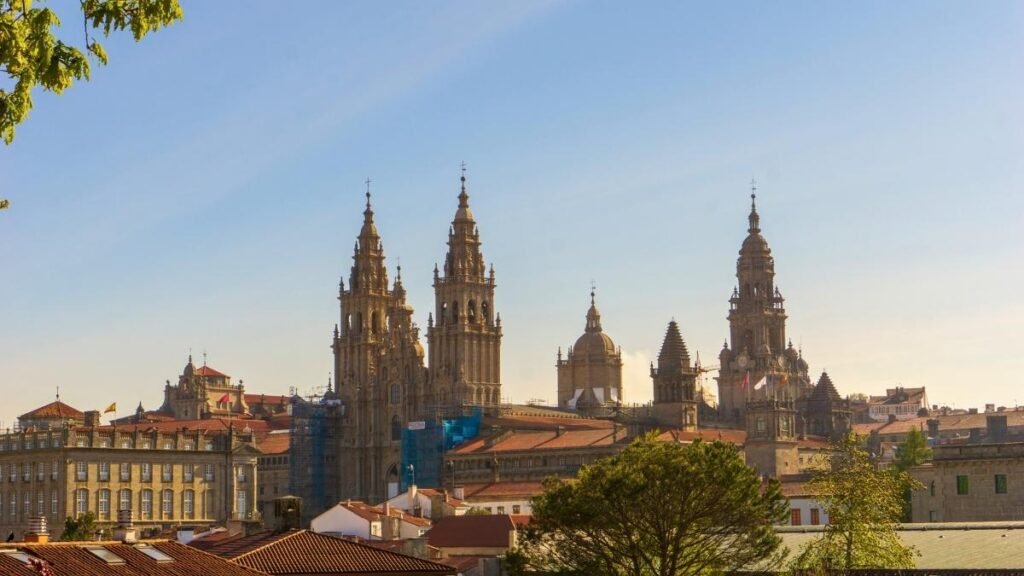
Úbeda is Baeza’s sister city, but it has its own personality and a more concentrated architectural “wow” factor. You walk into the historic core and find yourself surrounded by Renaissance mansions, palaces, and the elegant Chapel of El Salvador. The city feels sculpted — all careful stonework, grand façades, and wide Renaissance plazas. It’s small enough to explore fully yet detailed enough to keep surprising you corner after corner.
What makes Úbeda special is how alive it still feels despite its monumental look. Locals live and work in buildings that, in another country, might be cordoned off behind velvet ropes. The olive-oil culture continues here too, shaping the food scene and giving you a deeper sense of regional identity. Because it’s lightly visited, you often get uninterrupted time with its most impressive landmarks.
Key Practical Information
- Peak/Off-peak & Weather: Spring and early autumn ideal; summers hot; winters slow but mild.
- How to Reach & Explore: Drive or bus from Jaén; walk the centre.
- Ideal Duration: 1–2 days.
- Must-try Experiences: Vázquez de Molina Square, palaces, chapel, olive-oil tastings.
- Budget Tips: Excellent value; historic boutique stays slightly pricier.
- Etiquette: Check visiting hours; greet staff in small cafés.
- Photography: Renaissance façades, evening streets, olive-grove edges.
4. Villajoyosa
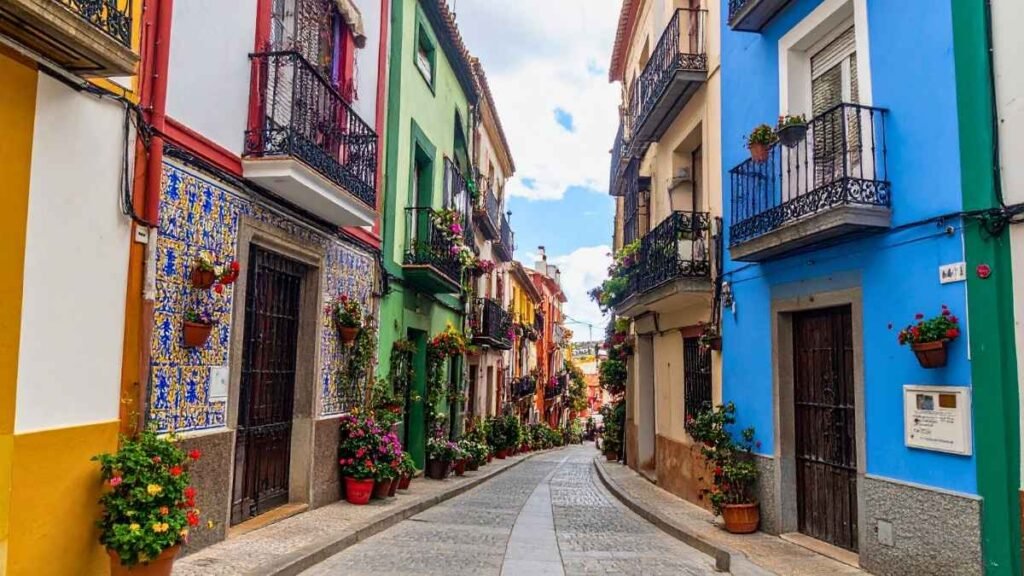
Villajoyosa is a Mediterranean secret that still feels genuinely local while offering some of Spain’s best coastal scenery. Its colourful fishermen’s houses form one of the most striking waterfronts in the region, and the long sandy beach stretches right beside the old town. The atmosphere blends fishing-village charm with breezy seaside living. You get a relaxed pace, quiet mornings, and soft golden light that makes the town feel almost pastel-tinted.
The real charm is the mix of coast, culture, and surprising history — from its chocolate-making tradition to its lively harbour. Instead of the party vibe found in nearby resorts, Villajoyosa gives you coves, calm water perfect for snorkelling, and a local dining scene built on ultra-fresh seafood. It’s accessible, beautiful, and still far from overrun.
Key Practical Information
- Peak/Off-peak & Weather: Summer warm (28–30°C), shoulder months quieter; winter mild.
- How to Reach & Explore: Fly to Alicante, then train/bus. Walk the centre; bike or car for coves.
- Ideal Duration: 2–3 days; 4 with boat trips.
- Must-try Experiences: Valor Chocolate Museum, harbour seafood, snorkelling coves.
- Budget Tips: Good value compared to major beach towns.
- Etiquette: Respect fishing areas; modest dress in old residential streets.
- Photography: Colourful facades at sunrise, harbour reflections, cliff-backed coves.
5. Olivenza
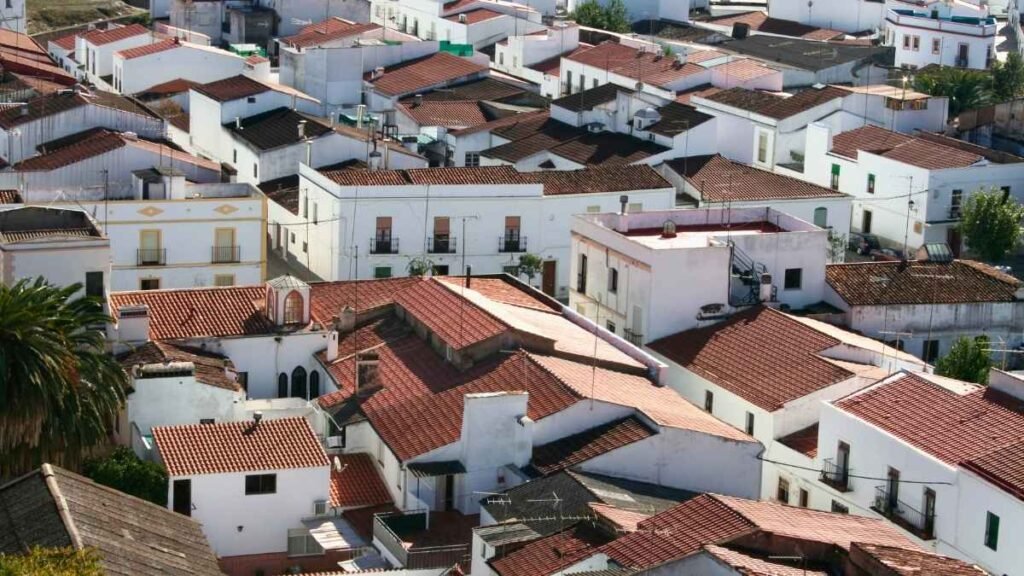
Olivenza is a quiet border town with a personality shaped by two countries at once — Spain and Portugal. You see the blend everywhere: in the architecture, the street layout, and even small details like doorways and tiles. The town moves at a gentle pace, giving you time to appreciate fortress walls, historic churches, and old streets where the two identities merge naturally. It’s understated but deeply atmospheric.
What makes the experience memorable is how untouched it feels. It’s not on the main tourist circuits, so you explore without crowds and have real interactions with locals. The food reflects borderland traditions, and the historic centre is compact enough to wander without a plan. It’s a great stop for travellers who love heritage, quiet towns, and cultural crossovers.
Key Practical Information
- Peak/Off-peak & Weather: Spring and early autumn mild; summers hot; winters manageable.
- How to Reach & Explore: Best by car or bus from Badajoz; explore on foot.
- Ideal Duration: 1–2 days.
- Must-try Experiences: Fortress walls, Portuguese-influenced streets, café culture.
- Budget Tips: Very affordable for stays and meals.
- Etiquette: Greetings in Spanish or Portuguese both welcomed.
- Photography: Fortress ramparts, mixed-style architecture, quiet town plazas.
6. Cáceres
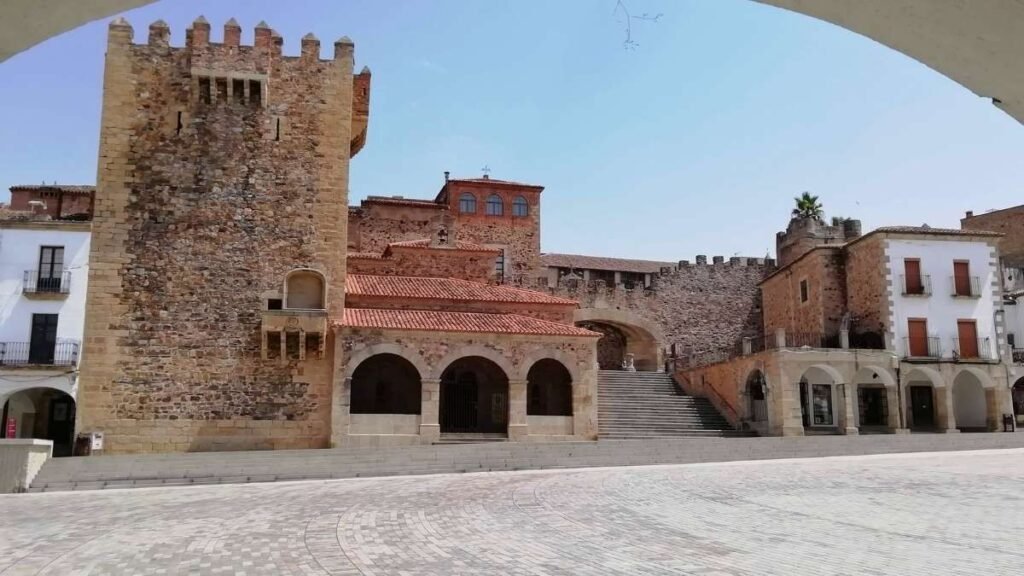
Cáceres pulls you in slowly — through sandstone lanes, quiet plazas, and medieval walls so intact they almost feel like a movie set, except people actually live here. You might catch yourself pausing mid-walk thinking, “you know that moment when a place feels older than anything you’ve seen… but somehow still lived-in?” That’s Cáceres. Parts of this city date back to Roman times, and the old quarter has over 30 defensive towers still standing. The whole place turns golden when the sun drops, and yes, it’s as magical as it sounds without the crowds you’d expect from a UNESCO site.
I’m not sure, but maybe it’s the way the city blends quiet tapas bars with cobblestone alleys and little surprises — like climbing a random staircase and finding a panoramic viewpoint all to yourself. Locals swear that the real Cáceres comes alive late at night when people spill outside for wine, conversation, and slow wandering. It’s incredibly accessible but strangely under-visited, which means you get the beauty without the burnout.
Key Practical Information
- Peak/Off-Peak: April–June and Sept–Oct are mild (20–28°C). Winters cool, summers hot.
- Getting Around: Train/bus from Madrid, everything walkable once you’re inside the old town.
- Ideal Duration: 2–3 days.
- Must-Try: Wild-game tapas, Torre de Bujaco viewpoint, evening strolls under lantern-lit walls.
- Budget: Very wallet-friendly for a UNESCO city.
- Etiquette: Keep voices low in the old quarter at night — residents live there.
- Photos: Sunrise on the sand-stone towers, night shots along Plaza Mayor.
7. Ronda
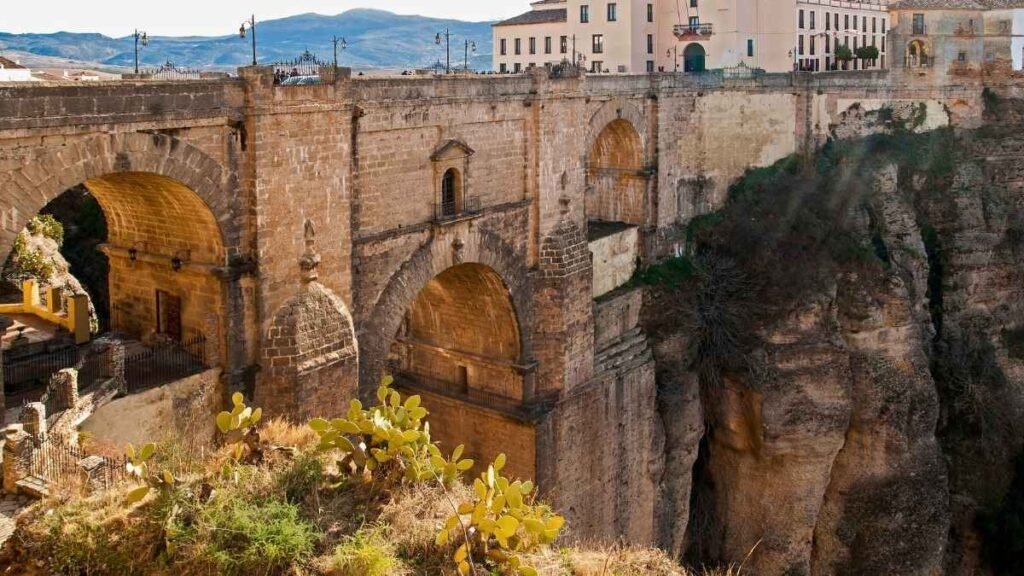
Ronda feels dramatic in a way few towns do — perched on the edge of a deep gorge, divided by the iconic Puente Nuevo bridge that drops nearly 100 meters into El Tajo. You stand there and it hits you: a whole city balanced on cliffs. Here’s what I mean: you walk three minutes from a quiet residential street and suddenly the world opens up into this epic panorama. Ronda manages to stay grounded despite its fame, probably because its heart is still small—markets, family-run restaurants, vineyards on the outskirts.
Locals often say the best part of Ronda isn’t the views (even though those views steal the show). It’s how the city changes through the day: soft golden light in the morning, warm bustle around tapas time, a strange peacefulness at night once day-trippers leave. And if you wander just a little off the main path, you’ll stumble across quiet gardens, tiny churches, and cliffside trails where it’s just you, the wind, and the sound of distant bells.
Key Practical Information
- Peak/Off-Peak: Spring and autumn ideal; summers warm but breezy on the cliffs.
- Getting Around: Trains from Málaga; best explored on foot plus a short hike down to the gorge.
- Ideal Duration: 2–3 days.
- Must-Try: Sunset at Mirador de Aldehuela, local wine tastings, Arab Baths.
- Budget: Mid-range; cliff-view hotels cost more.
- Etiquette: Stay on designated paths along the gorge.
- Photos: The Puente Nuevo from below (morning light is perfect).
8. Cuenca
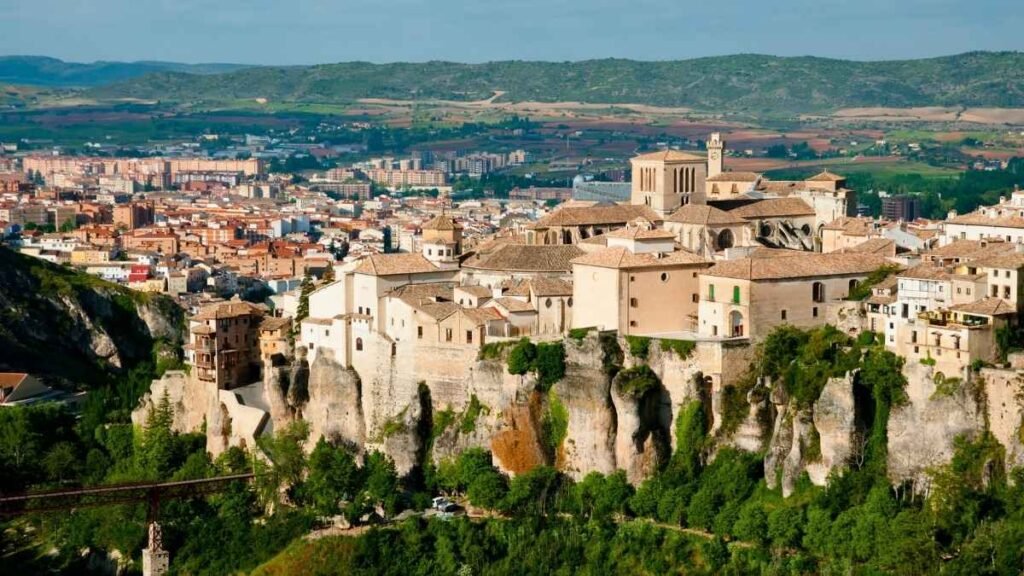
Cuenca makes you pause — mostly because you’re trying to figure out how those hanging houses haven’t fallen off the cliff for the past few centuries. They cling to limestone precipices over the Huécar Gorge, and once you step into the old quarter, the whole city feels like a secret carved into rock. Streets twist and rise, opening into little plazas where locals gather, and then suddenly you’re looking out over a gorge with absolute silence below.
Maybe it’s just me, but the magic of Cuenca is that sense of vertical living — art museums, bridges suspended over nothing, medieval streets so steep they feel like staircases. And it’s not a tourist zoo either; the crowds stay manageable, which means you get space to breathe. You pick a direction, start walking, and some unexpected corner or viewpoint finds you.
Key Practical Information
- Peak/Off-Peak: Spring and autumn best; winters cold but atmospheric.
- Getting Around: High-speed train from Madrid; old town must be explored on foot.
- Ideal Duration: 2 days.
- Must-Try: Bridge of San Pablo views, Casas Colgadas museum, gorge walks.
- Budget: Affordable — even cliff-side restaurants aren’t overpriced.
- Etiquette: Narrow streets = slow walking, yield to residents.
- Photos: Sunrise from the convent side of the gorge.
9. Besalú
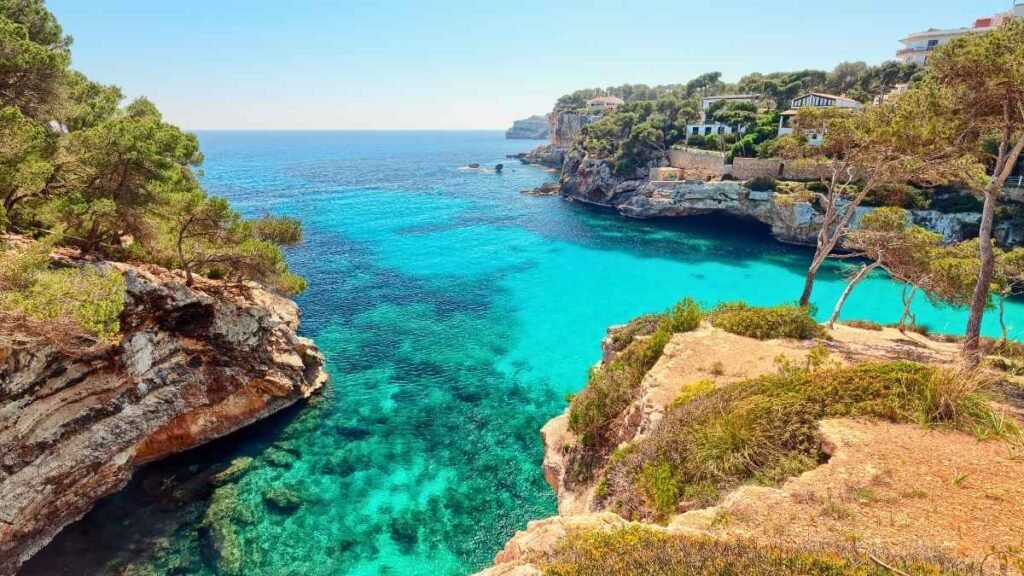
Besalú feels like a medieval film set that never packed up. The first step across its 12th-century Romanesque bridge is the moment you’ll know you’re somewhere special. The stone arches, the river reflections, the way the village unfolds in a quiet, almost theatrical way — it all feels surreal, but in a grounded, lived-in way. You’ll hear church bells, local chatter, and the soft ripple of the river below.
Here’s what I mean: it’s a small place, so you’re never “doing attractions” — you’re inhabiting them. You drift between old Jewish quarter ruins, craft shops, and tiny cafés that serve rustic Catalan dishes. Besalú moves slowly, and once you adjust to that pace, it works its way into your senses.
Key Practical Information
- Peak/Off-Peak: Spring and autumn ideal; summers warm but manageable.
- Getting Around: Bus or car from Girona; completely walkable inside.
- Ideal Duration: 1 day (2 if you want countryside walks).
- Must-Try: Romanesque bridge at dawn, Jewish bath (Mikveh), Catalan pastries.
- Budget: Very reasonable; limited hotel stock so book early.
- Etiquette: Respect marked heritage areas; some sites are fragile.
- Photos: The bridge from the lower riverbank — unbeatable.
10. Altea
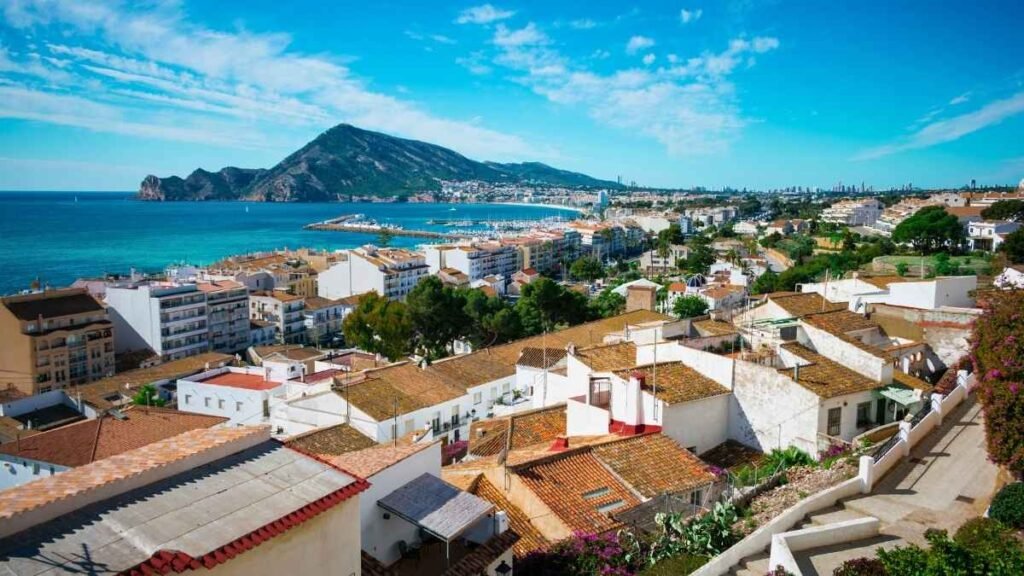
Whitewashed houses spill down the hillside toward a perfect blue Mediterranean, and the old church with its blue-tiled dome anchors the skyline. Altea is one of those towns where the light feels softer, the colours brighter, and time noticeably slower. Despite being close to busy Costa Blanca hotspots, it somehow stays serene — fewer party crowds, more painters, creators, and people who like lingering over long lunches.
And honestly, the best parts are between the “sights”: tiny alleys with bougainvillea exploding over doorways, cats sunbathing in squares, little viewpoints that give you sea, sky, and rooftops all at once. You wander, you pause, you keep wandering, and Altea keeps offering new corners that feel untouched.
Key Practical Information
- Peak/Off-Peak: May–June & Sept–Oct perfect; summer warm but breezy.
- Getting Around: Tram from Alicante; old town explored on foot (steep in places).
- Ideal Duration: 2–3 days.
- Must-Try: Blue-dome church plaza, coastal boardwalk, local seafood.
- Budget: Moderate; seafront restaurants pricier.
- Etiquette: Keep noise low in residential white-village lanes.
- Photos: Sunset from the church plaza overlooking the bay.
11. Trujillo
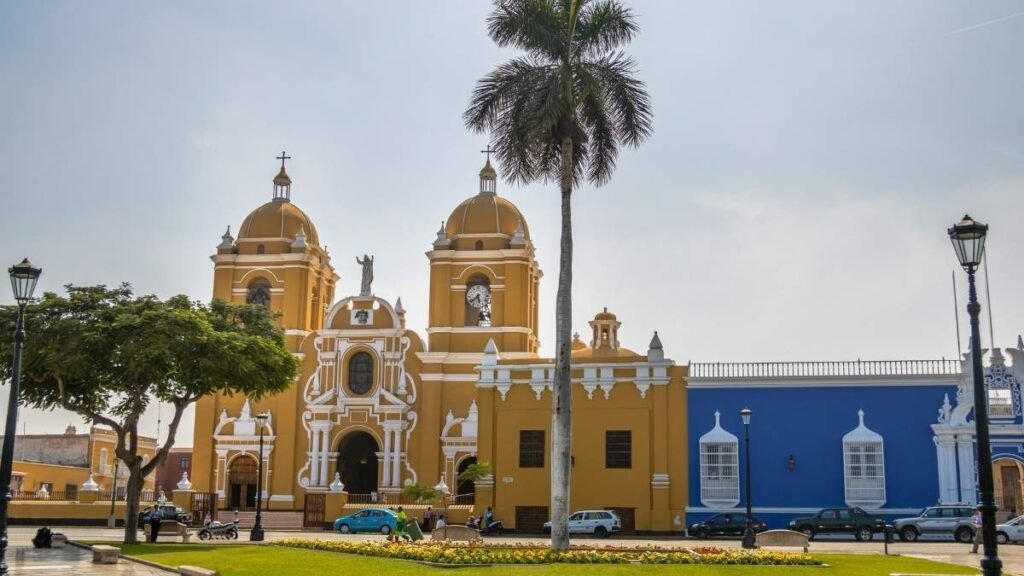
Trujillo rises out of Extremadura like a sandstone crown — a hilltop city of conquistador palaces, medieval towers, and plazas that glow gold at dusk. The first time you step into Plaza Mayor, you’ll notice how the rhythm of life slows down. Storks nest on towers, old noble houses watch over the square, and the whole place feels like it’s been preserved by time itself.
Maybe it’s because so few tourists make it here, but Trujillo feels incredibly real. You wander up to the castle, breeze through narrow lanes, hear church bells echoing across the hills, and suddenly you’re looking at a wide, rugged landscape with nothing but silence. It’s Spain stripped of noise — in the best way.
Key Practical Information
- Peak/Off-Peak: Spring is perfect; summer hot; autumn mild.
- Getting Around: Bus or car from Cáceres/Madrid; old town is walkable but steep.
- Ideal Duration: 1–2 days.
- Must-Try: Castle viewpoints, stork-watching, Iberian pork dishes.
- Budget: Very affordable.
- Etiquette: Respect nesting storks — keep distance.
- Photos: Plaza Mayor at golden hour.
12. Hondarribia
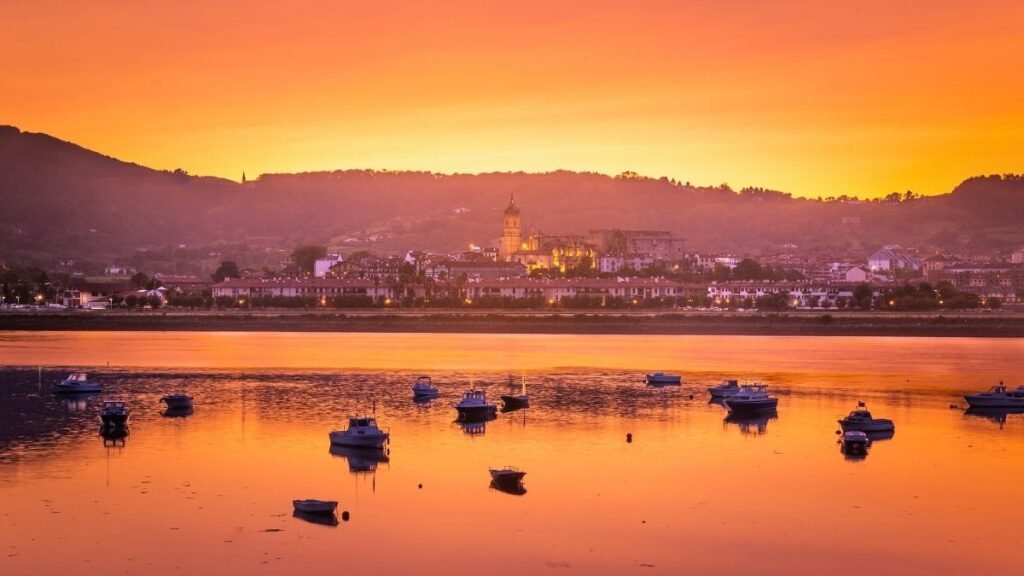
Hondarribia sits on the Bay of Biscay with a colourful fisherman’s quarter and one of Spain’s prettiest walled old towns. It’s Basque Country at its most charming — energetic food scene, pastel houses, and a waterfront where locals stroll every evening. You’ll sense the Basque identity everywhere: language, design, cuisine, and a strong feeling of community.
What makes Hondarribia special is the contrast — rugged coastal energy mixed with a quiet, aristocratic old town. You wander between pintxo bars one moment, then step onto a medieval street lined with noble houses the next. And because it’s near the French border, you get this subtle cross-cultural blend that feels unique.
Key Practical Information
- Peak/Off-Peak: July–Sept lively; May–June and Sept–Oct best balance.
- Getting Around: Bus from San Sebastián; walk everywhere.
- Ideal Duration: 2 days.
- Must-Try: Pintxo crawls on Calle San Pedro, marina strolls, old-town fortress walks.
- Budget: Mid-high (Basque Country tends to be pricier).
- Etiquette: Locals appreciate polite greetings in Basque or Spanish.
- Photos: Fishermen’s houses with bright balconies.
13. Cudillero
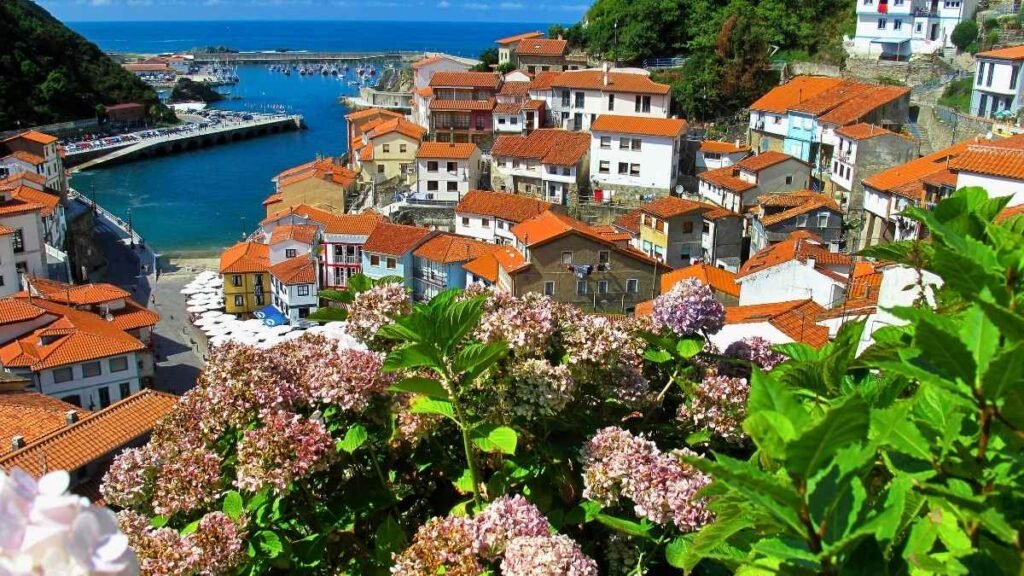
Cudillero might be Spain’s most dramatic fishing village — a cascade of colourful houses built like an amphitheatre around a tiny harbour. You arrive and the whole place unfolds in layers — orange roofs, narrow stairways, and sea-air hitting you the moment you step out. It feels intimate, compact, and intensely atmospheric.
The magic is in the climb: each terrace gives you a new angle on the harbour, and at some point you’ll find yourself in a quiet corner with just gulls and the sound of waves below. And the seafood? It’s straight from the boat — locals eat outside on warm evenings with slow chatter and white wine that pairs perfectly with the setting.
Key Practical Information
- Peak/Off-Peak: Summer lively; May–June and Sept best for value + weather.
- Getting Around: Bus/car from Oviedo; steep stairs inside the village.
- Ideal Duration: 1–2 days.
- Must-Try: Fresh fish at harbour restaurants, cliff-top viewpoints, coastal walking paths.
- Budget: Moderate; seafood slightly pricier.
- Etiquette: Stay quiet in residential stairways — homes are close together.
- Photos: Harbour from the highest lookout — pure magic.