That heavy, foggy sensation behind your eyes, like your thoughts are wading through molasses?
For a long time, we thought that was just “tiredness.” But it turns out that feeling is actually closer to toxicity.
See, for centuries, the human brain was a biological mystery. In the rest of your body, you have a lymphatic system—a clear network of vessels that acts like a sanitation department, sweeping up cellular waste and dumping it into the blood to be filtered out.1 But when scientists looked at the brain, they couldn’t find one. It didn’t make sense. Your brain is only 2% of your body weight, but it burns 25% of your energy. An engine running that hot produces a massive amount of exhaust (metabolic waste). Where was it all going?
The old theory was that it just sort of… oozed out. Slowly. Like leaving a dirty pan to soak in standing water.
But in 2012, a Danish neuroscientist named Maiken Nedergaard discovered the truth, and it changed everything. She found a hidden plumbing system that opens up primarily when you sleep. She named it the Glymphatic System.
And here is the kicker: For over a decade, this was mostly proven in mice. But just recently, in 2024, researchers at Oregon Health & Science University (OHSU) finally confirmed it definitively in humans. They watched it happen in real-time in patients undergoing neurosurgery.
So, this isn’t just theory anymore. Every night, your brain literally power-washes itself. The “fog” you feel after a bad night? That’s likely uncleared waste—proteins like amyloid-beta and tau—accumulating in your neural circuitry.
Here is the deep dive into how this system works and, more importantly, the seven habits you can use to make sure the cleaning crew shows up for work.
The Mechanics (Or, How the Dishwasher Works)
Before we get to the habits, you have to understand the machinery. It’s honestly a marvel of biological engineering.
1. The Hidden Tunnels (Perivascular Space)
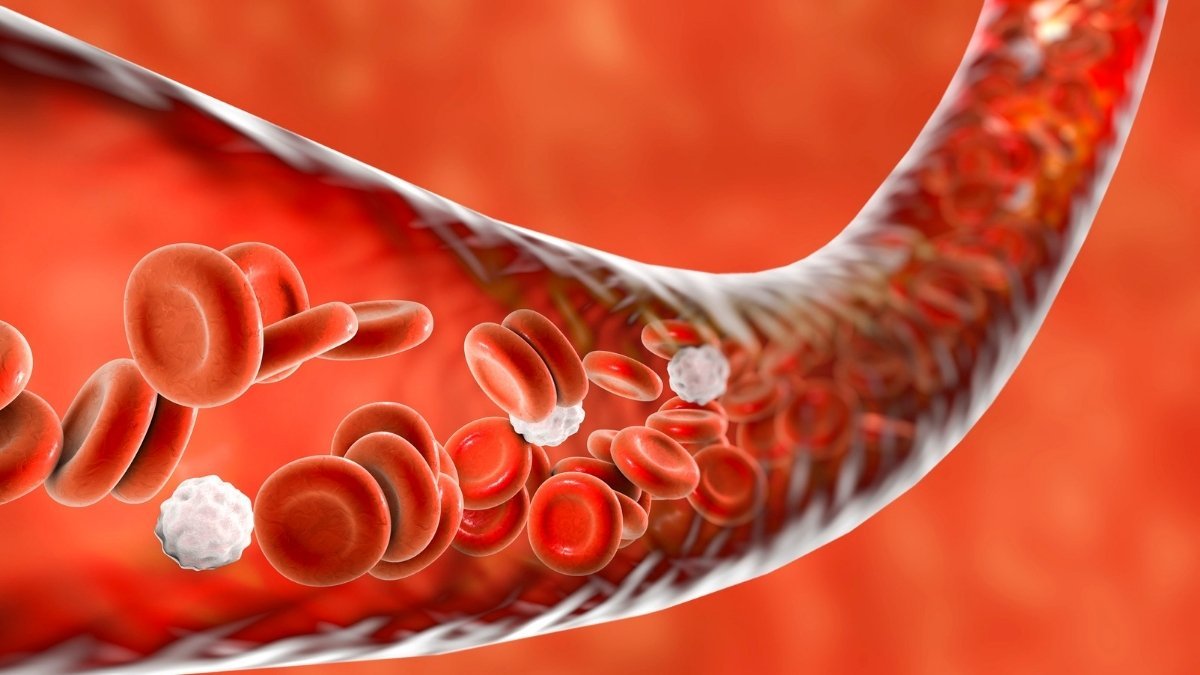
Your brain’s blood vessels are subway trains running through tunnels. But the tunnels are slightly wider than the trains. That space between the train (the vessel) and the tunnel wall (the brain tissue) is the perivascular space.
This is the highway. Cerebrospinal fluid (CSF)—the clean “water”—pumps into the brain through these tunnels, running alongside your pulsing arteries. It’s not a passive seep; it’s an active flow.
2. The Faucets (Aquaporin-4)
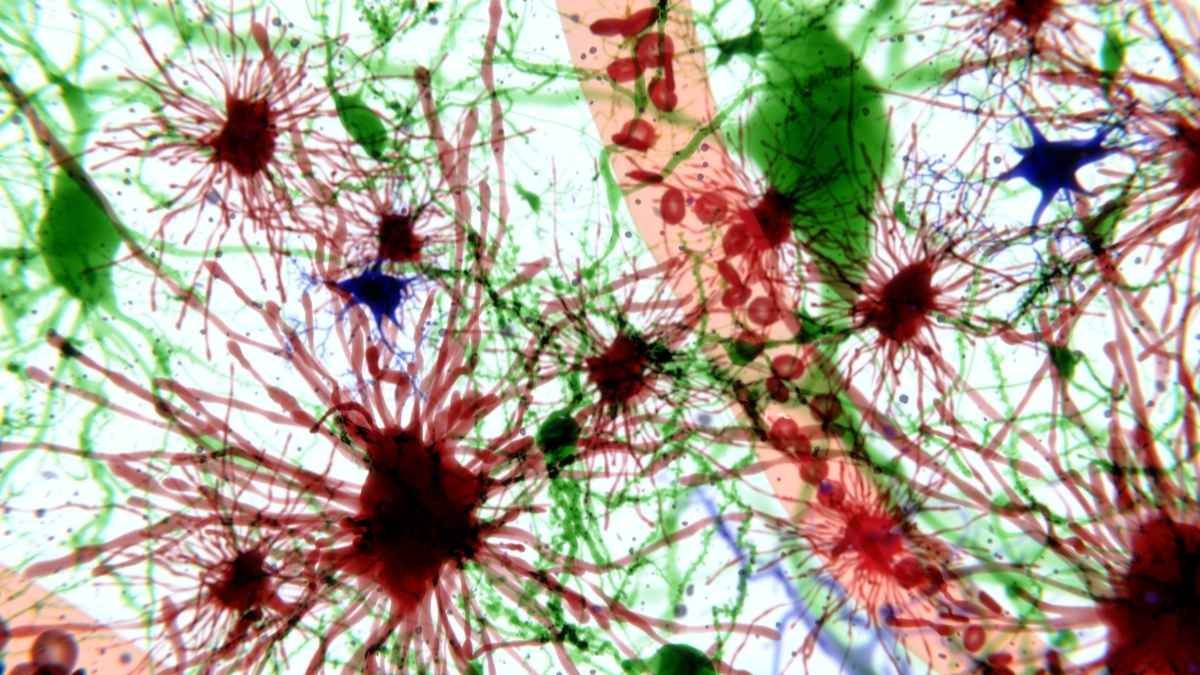
The walls of these tunnels are lined with cells called astrocytes. Think of them as the gatekeepers. On the ends of these cells are water channels called Aquaporin-4 (AQP4).
Think of AQP4 as the high-pressure nozzles in a dishwasher. In a healthy, young brain, these nozzles are all lined up perfectly against the blood vessels (we call this “polarization”). They spray the cleaning fluid deep into the brain tissue, flushing out the gunk towards the veins, where it gets drained away.
3. The Shrinkage (The Sleep Trick)

This is the part that sounds like science fiction. When you are awake, your brain cells are swollen and packed tightly to process information. There is no room for cleaning fluid to get through.
But when you fall into deep sleep, your brain cells physically shrink. The space between them expands by up to 60%. It’s like the staff clearing the tables and stacking the chairs so the janitors can mop the floor. If you don’t sleep, the chairs never get stacked, and the floor never gets cleaned.
The Wake vs. Sleep Brain State
🧠 The Glymphatic System: Why Sleep Cleanses Your Brain ✨
The 7 Habits to Upgrade Your Brain’s Plumbing
Knowing the mechanics changes how you look at “wellness.” It’s not about vague health goals; it’s about physics and fluid dynamics. Here is how to optimize it.
Habit 1: Chase the “Slow Waves” (Not Just Hours)

We always hear “get 8 hours.” But the glymphatic system doesn’t care about time in bed; it cares about Delta Waves.
This deep, slow-wave sleep (Stage N3) is when the magic happens. When your neurons fire in slow, synchronized bursts, they create a rhythmic pumping action that drives the fluid through your brain.
The Warning on Sleeping Pills:
Here is a nuance that recent research has highlighted. You might think, “I’ll just take a sedative to sleep.” But a 2024 study suggests that drugs like Zolpidem (Ambien) might actually suppress the norepinephrine oscillations and vascular dynamics needed for clearance. You might be unconscious, but you aren’t necessarily cleaning.
What to do:
- Cool it down: Your body needs to drop its core temperature to enter deep sleep. Keep the room around 65°F (18°C).
- Pink Noise: Sounds like rain or steady static can actually boost the Delta wave amplitude.
Habit 2: Sleep on Your Side (The Gravity Hack)

This is the simplest, most actionable hack we have.
In 2015, researchers found that rodents sleeping on their sides (lateral position) cleared waste significantly better than those on their backs or stomachs.13 For years, we wondered if this applied to humans.
Recent human data support this. A 2022 study used a special MRI scan (DTI-ALPS) and found that people who slept on their right side had better brain clearance scores than back sleepers. It likely has to do with gravity and the position of your neck veins. Sleeping on your back can slightly compress the jugular veins, increasing resistance. You want the drain pipe wide open.
What to do:
- The Pillow Prop: If you’re a back sleeper, try using a body pillow behind you to keep you tilted to the side.
- The “Tennis Ball” Trick: An old-school anti-snoring trick works here—sew a tennis ball into the back of your shirt so you don’t roll onto your back.
Habit 3: Be the Pump (Cardio)

Your brain doesn’t have a heart of its own. It relies on your heart to pump the fluid.
As we age, our arteries get stiff. They stop pulsing as strongly, which means the “rinse cycle” gets weak. This is a major reason neurodegenerative diseases hit us when we’re older.
Exercise acts as a booster pump.
- Mechanical Flush: During a run or a brisk walk, your heart rate spikes, forcing fluid through the system.
- Hardware Repair: Long-term aerobic exercise actually reduces neuroinflammation, which keeps those AQP4 “nozzles” locked in the right position.
The Sweet Spot:
You don’t need to be a marathoner. In fact, extreme exercise can spike norepinephrine (the brake). Moderate, consistent aerobic exercise is the gold standard for keeping those vessels bouncy and compliant.
Habit 4: Oil the Gears (Omega-3s)

The “pipes” in your brain aren’t made of metal; they’re made of fat. Specifically, the membranes of those astrocyte cells.
If your diet is high in saturated fats and low in Omega-3s, those membranes get stiff. When they get stiff, the AQP4 channels can’t function properly. A 2017 study showed that supplementing with Omega-3s (specifically DHA) helped maintain the “polarity” of these channels, ensuring the flow stayed directed and efficient.
What to do:
- Aim for high-quality fish oil or algae oil. You want the DHA.
- Think of it as keeping the rubber seals in the dishwasher flexible so they don’t leak.
Habit 5: The Double-Cleanse (Fasting + Sleep)
There are two ways your body cleans itself.
- Glymphatics: Cleans the space between cells (taking out the neighborhood trash).
- Autophagy: Cleans the inside of the cells (tidying up your living room).
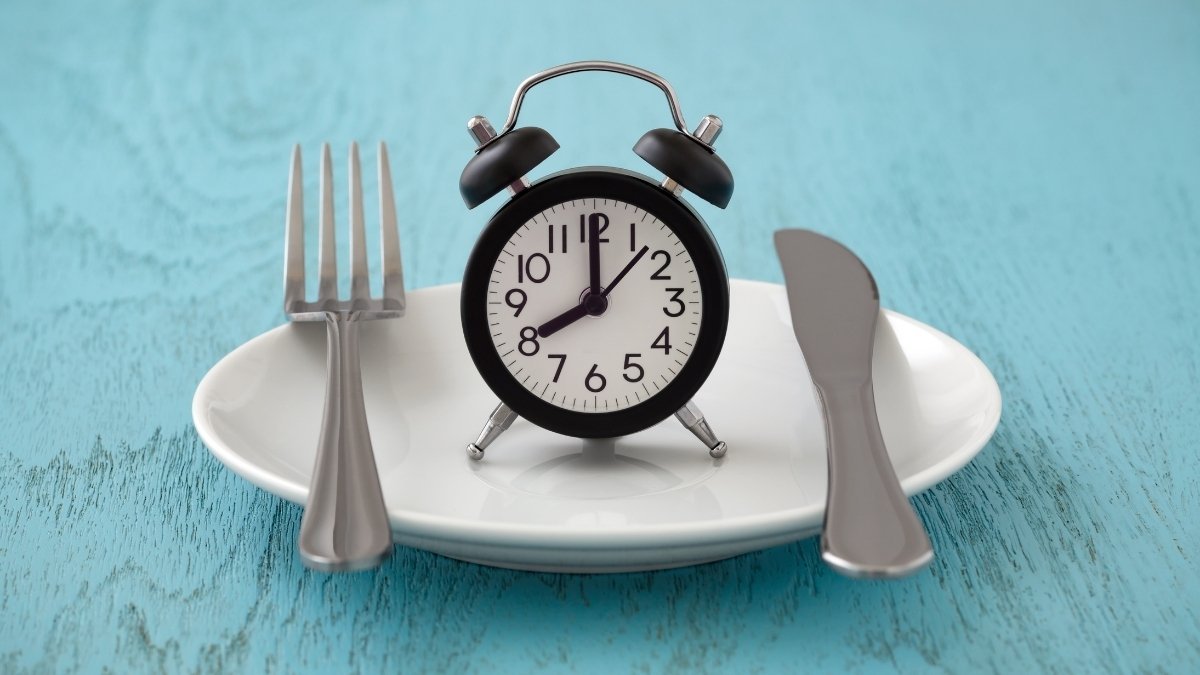
Intermittent Fasting (IF) triggers autophagy. When you stop eating for 12–16 hours, your insulin drops, and your cells start recycling their own damaged parts.
But there’s a synergy here. Fasting reduces the “metabolic load” on the brain. When you burn ketones instead of glucose, you produce less “smoke” (oxidative stress), which protects the delicate glymphatic hardware.
Habit 6: The “J-Curve” of Alcohol (Skip the Nightcap)

This one is tricky because the data is nuanced.
A famous study showed that very low levels of alcohol might actually open up the glymphatic vessels slightly (vasodilation). This led to the “J-Curve” theory—a tiny bit might be okay, but more is bad.
But here is the reality check: Alcohol is a REM and Deep Sleep destroyer. It acts as a sedative, helping you pass out, but it fragments the sleep architecture later in the night. Since we know deep sleep is the engine of clearance, that “nightcap” is likely sabotaging the wash cycle.
The Rule: If you drink, do it early. Give your body time to metabolize the ethanol before your head hits the pillow.
Habit 7: Release the Brake (Stress Management)
This is arguably the most important one for modern life.
The chemical Norepinephrine is the “off switch” for the glymphatic system.1 It signals “fight or flight.” When you are stressed, high norepinephrine levels lock your brain cells in the “swollen” state.
If you go to bed stressed, worried, or doom-scrolling, your background norepinephrine levels may never drop low enough to allow the brain to shrink and open the floodgates. You are effectively sleeping with the cleaning crew locked out.
What to do:
- Yoga Nidra / NSDR: Recent research suggests practices like Yoga Nidra (Non-Sleep Deep Rest) can mimic the slow-wave state and help manually lower adrenergic tone.
- Wind Down: You need a buffer zone between the stress of the day and sleep to let that chemical brake release.
Need More Help to Get the Job Done? Look Into These
Look, changing habits is hard. Sometimes you need a little external support to make the internal plumbing work. I’ve dug through the research (and the reviews) to find a few tools that align perfectly with the glymphatic science we just talked about. These aren’t magic bullets, but they are the best “assistants” you can hire for your brain’s cleanup crew.
1. Knee Pillow for Side Sleepers

We know Habit 2 (Side Sleeping) is crucial for using gravity to help drain the brain. But if you’ve spent 30 years sleeping on your back, switching is uncomfortable. A knee pillow locks your hips in alignment and prevents you from rolling over, making the “drainage position” sustainable all night.
2. Weighted Blanket

This ties directly to Habit 7 (Releasing the Brake). Weighted blankets use “deep pressure stimulation,” which has been shown to lower cortisol and—crucially—norepinephrine. By physically calming the nervous system, you help lower the chemical barrier that keeps the glymphatic system closed.
3. Blue Light Blocking Glasses
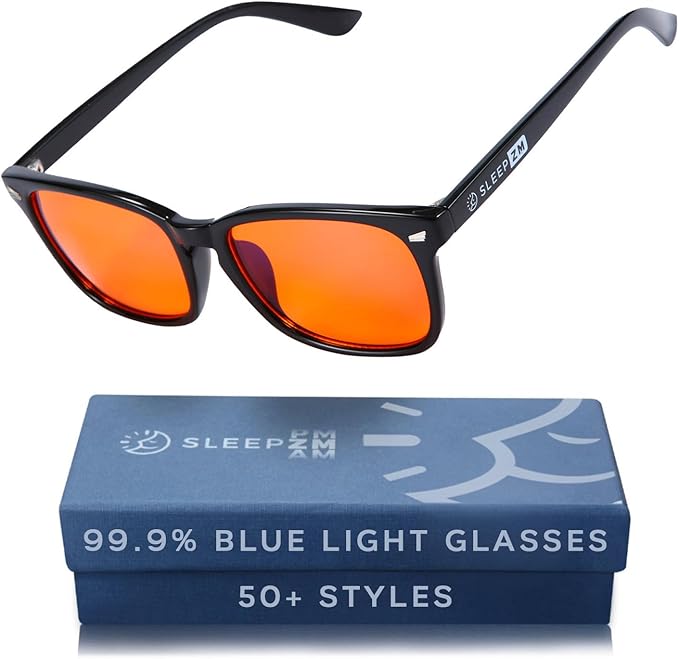
Habit 1 requires “Slow Wave Sleep.” Blue light from screens suppresses melatonin and keeps your brain in “alert” mode. If you must look at screens after sunset, these are a non-negotiable tool to ensure you can still transition into the deep N3 sleep stages where cleaning happens.
4. Magnesium Glycinate

Unlike other forms of magnesium that just act as laxatives, the “Glycinate” form is bound to glycine, a calming amino acid. It helps lower core body temperature and relaxes muscles, acting as a biochemical primer for the deep sleep states your brain needs to shrink and wash.
5. Mouth Tape

It sounds weird, but it works. Mouth taping forces nasal breathing, which increases nitric oxide production and improves oxygenation efficiency. This prevents the “micro-arousals” (snoring/apnea) that fragment sleep and disrupt the continuous wash cycles your brain needs.
Why This Actually Matters (The “Dirty Brain” Theory)
Maiken Nedergaard, the woman who discovered this system, put it bluntly in a 2023 talk: “Diseases of aging are, to my mind, all diseases of dirty brains.”
When this system fails, waste accumulates.
- Alzheimer’s: It’s an accumulation of Amyloid-Beta.
- Parkinson’s: It’s an accumulation of Alpha-Synuclein.
- Traumatic Brain Injury: The injury jams the “nozzles” (AQP4), leading to long-term buildup.
We used to think these diseases were just bad luck or purely genetic. Now we know there are also plumbing problems.
The Bottom Line
You aren’t helpless here. We can’t stop aging, but we can maintain the machinery.
Think of your brain like a high-performance sports car. You wouldn’t run it for 80 years without ever changing the oil or washing the filters.
- Sleep is the filter change.
- Exercise is the oil pressure.
- Diet is the seal conditioner.
Tonight, when you lie down (on your side!), remember: you aren’t just doing nothing. You’re clocking in for the most important shift of the day.