You know that when you wake up, look at the clock, and realize you slept for a solid eight hours… but you still feel like you got hit by a truck? You’re groggy, your brain feels like it’s full of cotton, and you’re reaching for coffee before your feet even hit the floor.
It’s frustrating. And honestly, it’s not just you.
We are currently living through what scientists are calling a “silent epidemic” of sleep deprivation. But here’s the kicker: it’s not just about how long we’re sleeping. It’s about the architecture of that sleep. Specifically, we are losing our Deep Sleep (or Slow Wave Sleep).
A 2024 global survey showed that nearly 40% of people get less than three nights of quality sleep a week.1 That is terrifying. Why? Because deep sleep isn’t just “rest.” It’s the only time your body releases massive pulses of growth hormone to repair your cells, and it’s the only time your brain literally washes itself clean.
I’ve spent weeks digging through the latest peer-reviewed journals, clinical trials, and expert consensus from late 2024 and 2025 to figure out how to fix this.
What I found changed how I look at my bedroom. Sleep isn’t something you just “fall into.” It’s a physiological structure you have to build. Here is the blueprint for doing exactly that.
Why You Feel Like Garbage (The Science)

Before we get to the fixes, we need to understand what we’re actually trying to fix.
The Brain’s Dishwasher (The Glymphatic System)
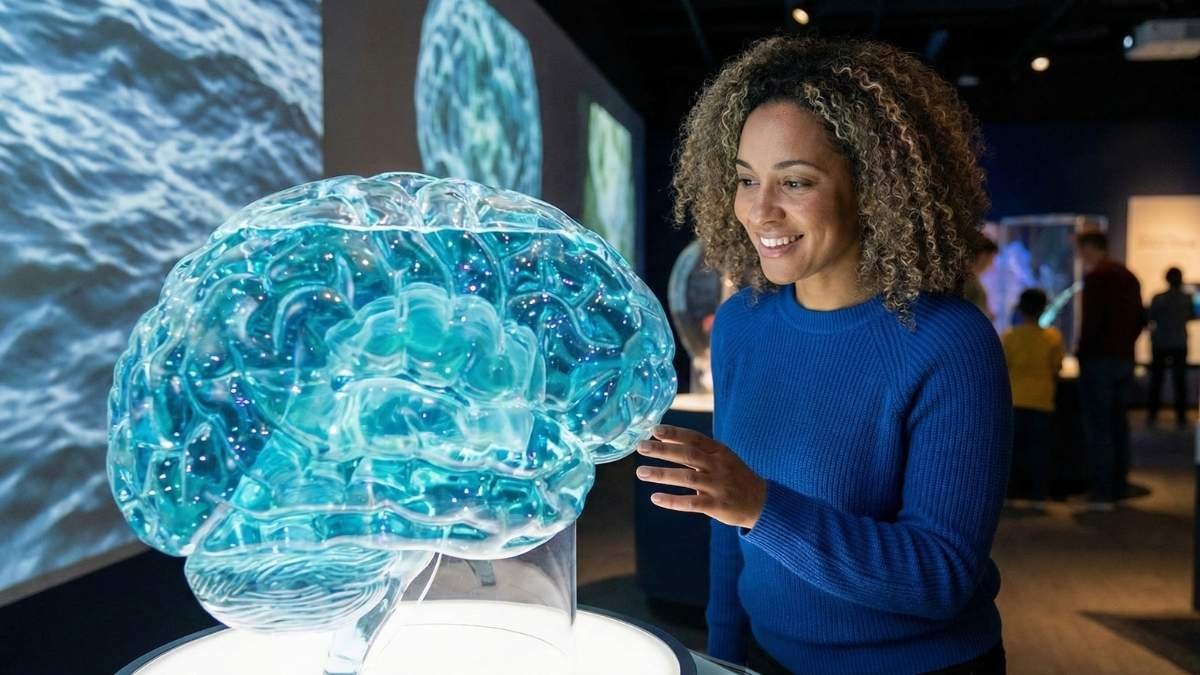
For centuries, doctors thought the brain didn’t have a waste-clearance system. They were wrong. In 2012, researchers discovered the Glymphatic System.
Think of it this way: during the day, your brain cells are working hard, creating metabolic waste (trash). When you enter Deep Sleep (Stage N3), the space between your brain cells actually expands by up to 60%. This allows cerebrospinal fluid to rush through and flush out that toxic waste.
If you don’t get deep sleep, the trash—specifically beta-amyloid and tau proteins, which are linked to Alzheimer’s—stays in your brain. That “brain fog” you feel? That’s biological buildup.
The “Save Button” for Memories
Dr. Matthew Walker, a sleep expert I really respect, uses a great analogy: your hippocampus (the part of the brain that learns new things) is like a USB stick. It has limited storage.
Deep sleep is when the brain moves files from that temporary USB stick to your hard drive (the neocortex) for long-term storage. If you don’t sleep deeply, you don’t press “save.” Walker says this is an “all-or-nothing event”. You can’t cram for a test, sleep for four hours, and expect to remember it.
The 11 Upgrades
We can’t just hope for deep sleep. We have to engineer it. Here are 11 science-backed ways to do it.
1. Light: The Master Switch
Most people think about sleep right before bed. But your sleep quality is actually determined the moment you wake up.
The Science: Your brain has a master clock (the SCN). It needs a signal to start the day. When sunlight hits special cells in your eyes (ipRGCs), it triggers a healthy spike in cortisol. This seems counterintuitive—isn’t cortisol bad? No. In the morning, it’s fuel. More importantly, it starts a biological timer that tells your body to release melatonin (the sleep hormone) about 12-14 hours later.
The Protocol:
- Morning: Get outside within 30-60 minutes of waking up. You need 5-10 minutes on a sunny day, or 15-20 if it’s cloudy. Note: Do not look through a window. Glass filters out the specific light spectrum your brain needs.
- Evening: Two hours before bed, dim the lights. Use warm, red-hued lamps. Blue light from screens tells your brain it’s noon, crushing your melatonin levels.
2. Temperature: The Trigger
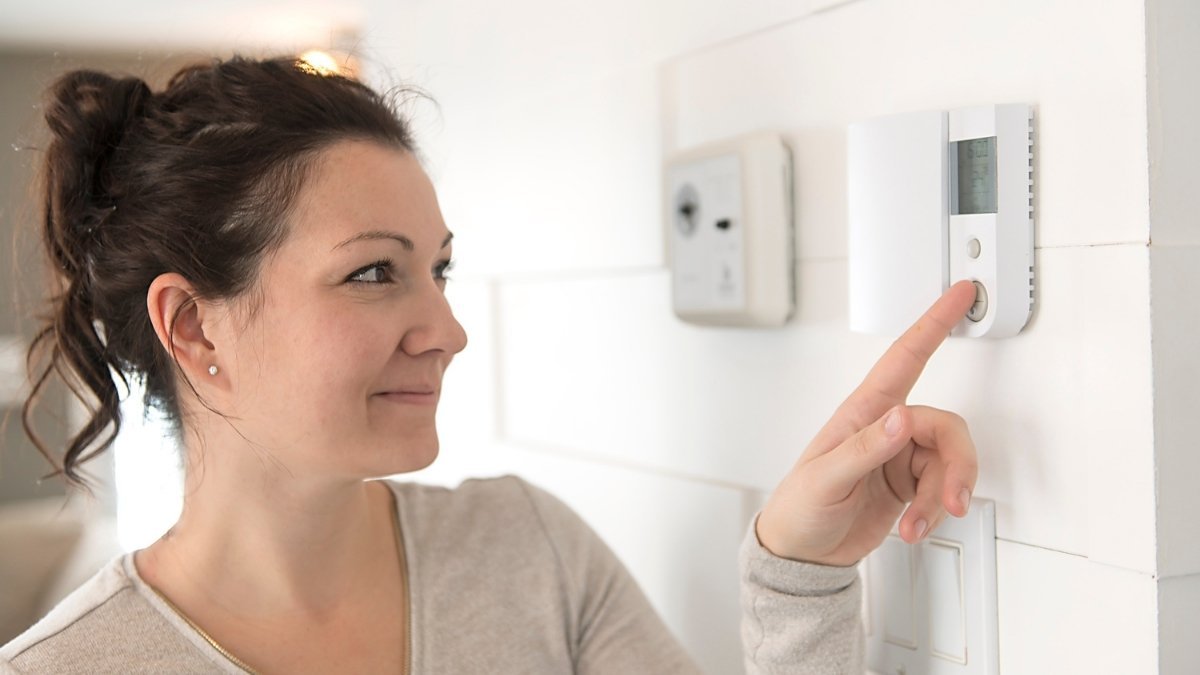
You might like a cozy, warm bedroom, but your body hates it.
The Science: To fall asleep and enter deep sleep, your core body temperature needs to drop by about 2-3°F (1-1.5°C). If your room is too hot, your brain literally cannot make the switch.
The “Warm Bath” Hack: This sounds backward, but taking a hot bath 90 minutes before bed helps you cool down. The heat dilates your blood vessels, rushing blood to your skin. When you get out, that heat radiates off you rapidly, causing your core temperature to plummet. It’s a biological “off” switch.
The Protocol:
- Set your thermostat to 65-68°F (18-20°C).
- Take a hot bath or shower an hour before bed.
3. Sauna: The Heavy Hitter
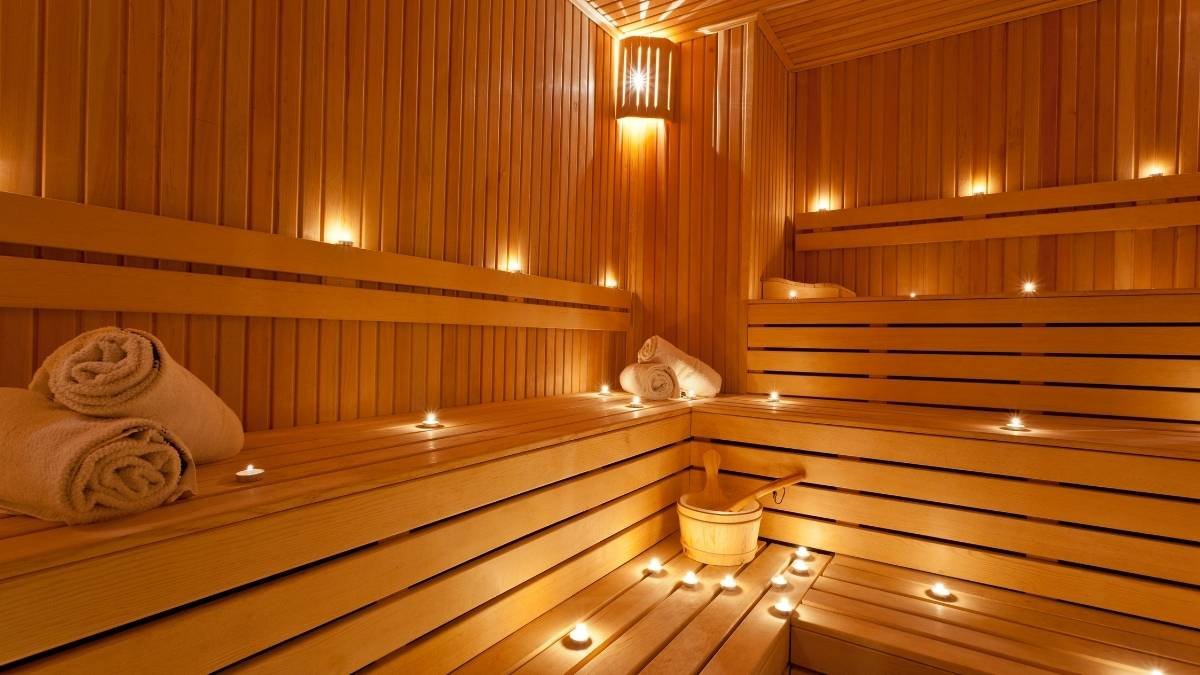
If you have access to a sauna, use it. This is one of the most powerful tools available.
The Science: Intense heat creates a “hormetic stress” response. It forces a massive rebound cooling effect (see above) and triggers a release of Growth Hormone—up to a 16-fold increase in some extreme cases, though usually moderate and steady. It also releases dynorphins (which make you feel good after the discomfort) and endorphins.
The Protocol:
- 20 minutes in a sauna (176°F/80°C+) about 90 minutes before bed.
- Warning: Drink a ton of water. Dehydration kills sleep quality.
4. Sound: Pink Noise (Not White)
White noise is like static—it’s harsh. Pink noise is deeper. Think heavy rain, wind, or leaves rustling.
The Science: Deep sleep brain waves are slow and rhythmic. Pink noise matches these frequencies. A landmark study from Northwestern University found that older adults who listened to pink noise saw their memory performance improve by three times compared to silence. The sound literally “entrained” their brain waves into a slower rhythm.
The Protocol:
- Use an app or sound machine that specifically plays Pink Noise.
- Keep it at roughly 60 decibels (about the volume of a conversation).
5. The “Cooling” Amino Acid: Glycine

I’m usually skeptical of supplements, but the data on Glycine is compelling because of how it works.
The Science: Glycine doesn’t just knock you out. It works by lowering your core body temperature (vasodilation), which mimics the natural onset of sleep. Studies show that 3 grams before bed shortens the time it takes to fall asleep and gets you into Slow Wave Sleep faster.
The Protocol:
- 3 grams of Glycine dissolved in water or chamomile tea, 1 hour before bed. It tastes sweet, so it’s actually pleasant.
6. The “Brakes”: Magnesium & Apigenin
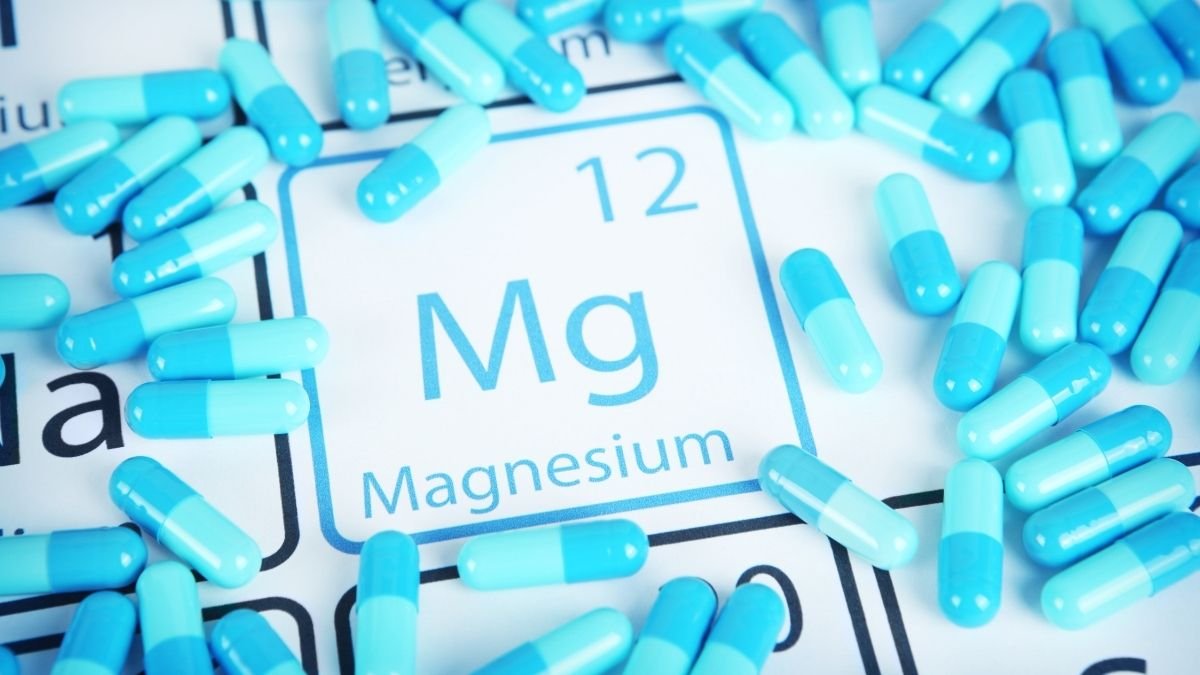
If your problem is a racing mind—that “tired but wired” feeling—you likely have an overactive sympathetic nervous system.
The Science:
- Magnesium: It binds to GABA receptors in your brain, which are responsible for quieting down nerve activity.
- Apigenin: This is a compound found in chamomile. It acts as a very mild sedative. Studies show it helps with sleep transition and anxiety reduction.
The Protocol:
- Magnesium Bisglycinate or L-Threonate: 200-400mg. (Avoid Magnesium Oxide—it’s poorly absorbed and will just upset your stomach).
- Apigenin: 50mg (or a very strong cup of chamomile tea).
7. Chrononutrition: Stop Eating
We have clocks in our brains, but we also have clocks in our livers and gut. When you eat late, you desynchronize them.
The Science: Digestion generates heat (bad for sleep). Plus, if you spike your insulin with a late meal, it can blunt the release of Growth Hormone. You are literally robbing yourself of recovery.
The Protocol:
- The 3-Hour Rule: No food 3 hours before bed. Water is fine, but taper it off so you aren’t waking up to use the bathroom.
8. Air: CO2 & The Tape Trick
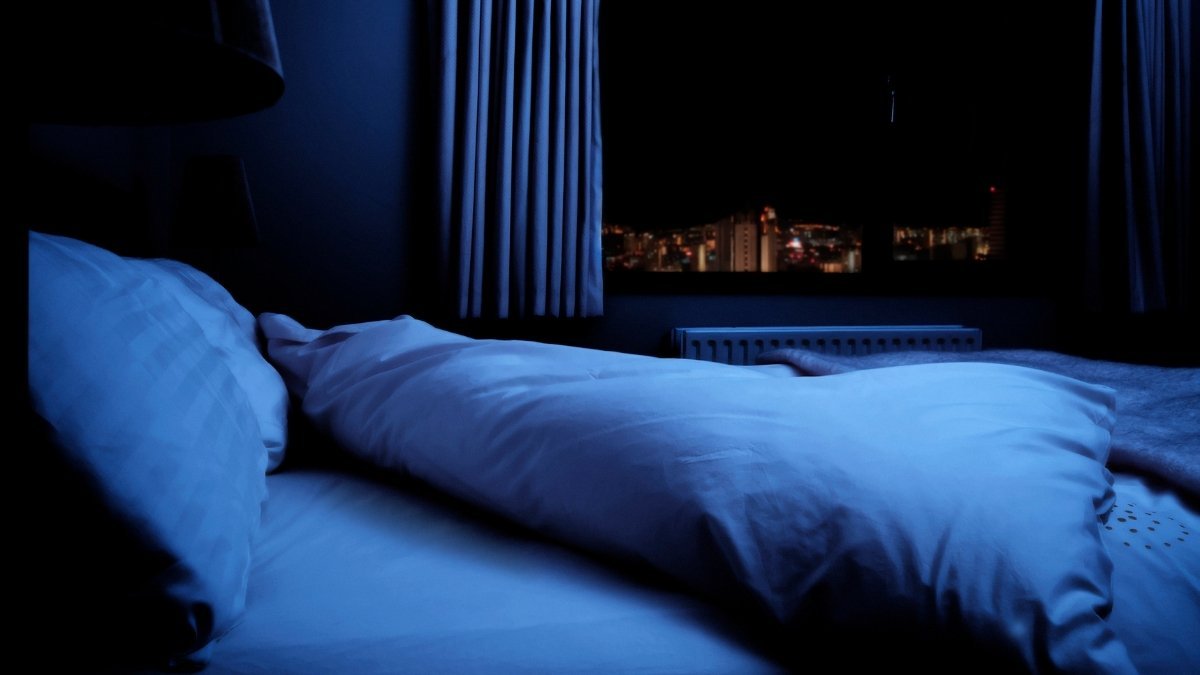
This is where things get a little weird, but stay with me.
Part A: Ventilation. If you sleep with your door and windows closed, CO2 levels spike. Research shows that when CO2 hits over 2,000 ppm, deep sleep drops by nearly 25%. Open a door or crack a window.
Part B: Mouth Taping. Mouth breathing causes snoring and oxygen desaturation. It puts your body in a state of “fight or flight” all night.
The Science: Taping your mouth (with porous, medical tape) forces nasal breathing, which increases nitric oxide uptake and keeps the airway open. A study on mild sleep apnea patients showed that it reduced snoring and apnea events significantly.
The Protocol:
- Crack a window.
- Use a small piece of hypoallergenic medical tape vertically across your lips. Disclaimer: Don’t do this if you have a stuffy nose or have been drinking.
9. Recovery: NSDR (Non-Sleep Deep Rest)
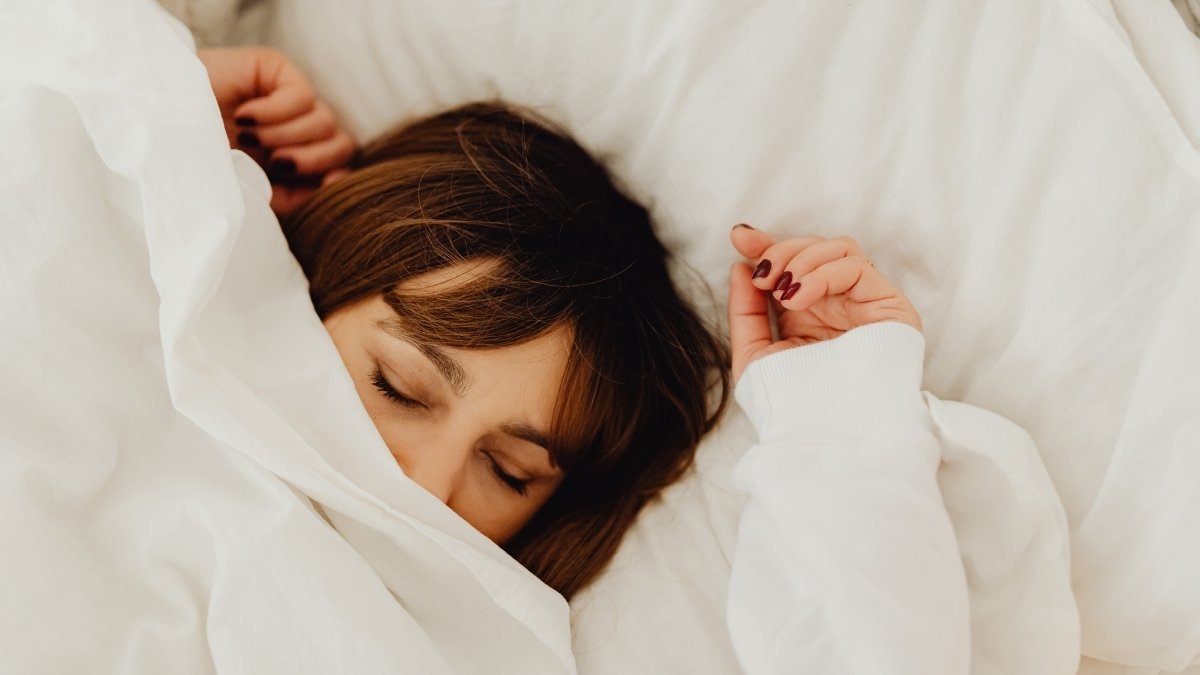
If you missed sleep last night, or you’re feeling anxious in bed, you need NSDR (also called Yoga Nidra).
The Science: This isn’t just “napping.” It’s a specific guided relaxation that drops your brain into theta waves. It has been shown to replenish dopamine in the brain (specifically the striatum) and reset the nervous system. A 20-minute session can feel like hours of rest.
The Protocol:
- Search “NSDR” or “Yoga Nidra” on YouTube or Spotify. Do it for 20 minutes when you feel an afternoon slump or can’t fall asleep.
10. The Hug: Weighted Blankets
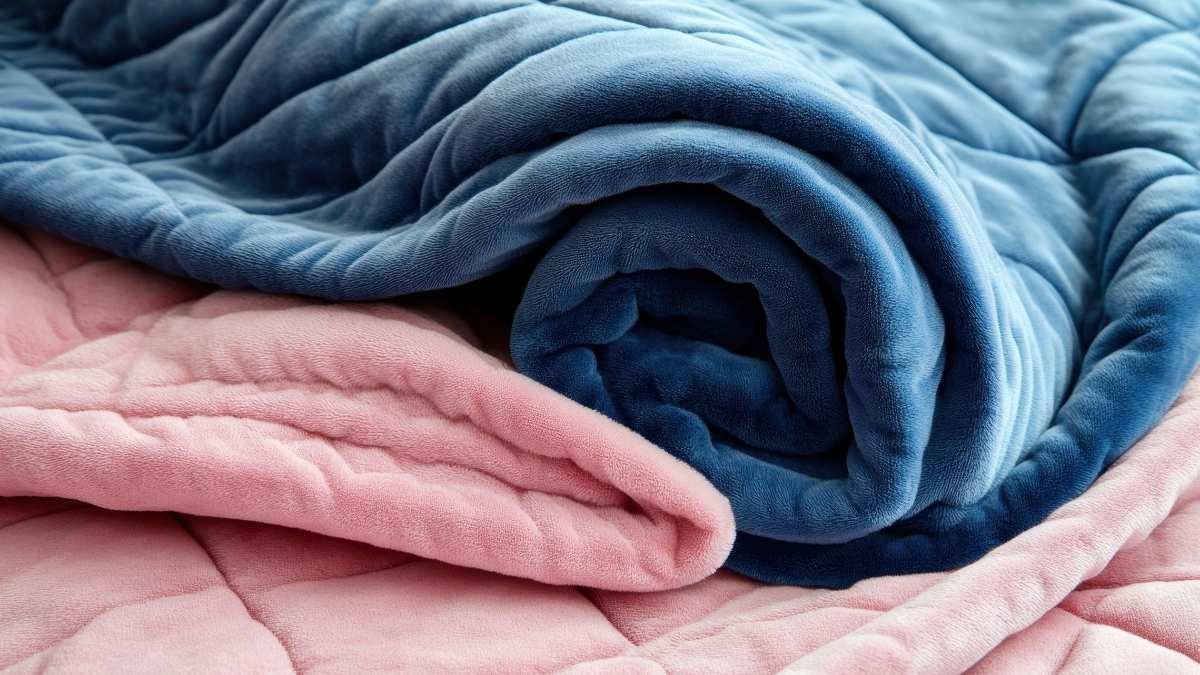
This isn’t just a comfort thing; it’s a physiological thing.
The Science: It’s called Deep Pressure Stimulation. The weight reduces sympathetic arousal (fight or flight) and increases parasympathetic activity (rest and digest). A randomized controlled trial showed it significantly reduced insomnia severity.
The Protocol:
- Get a blanket that is roughly 10% of your body weight. If you weigh 150 lbs, get a 15 lb blanket.
11. Exercise Timing: Don’t Sabotage Yourself
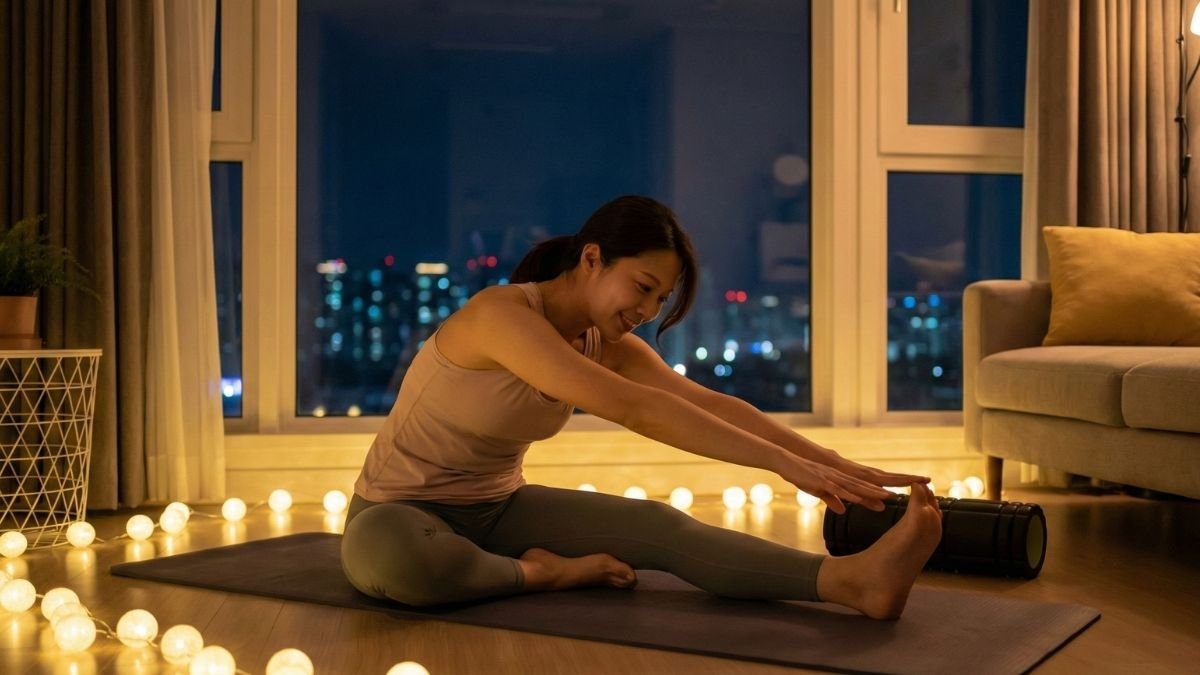
Exercise is the best “drug” for sleep, but the timing matters.
The Science: Exercise builds up adenosine, the chemical that makes you feel sleepy (“sleep pressure”). But, it also raises your body temp and cortisol. If you do High-Intensity Interval Training (HIIT) at 9 PM, you are too hot and too amped to sleep.
The Protocol:
- Finish heavy workouts at least 2 hours before bed. Morning or afternoon is even better.
Need More Help? Look Into These 5 Tools
Look, you don’t need to buy anything to get better sleep—the best upgrades (light, timing, temperature) are free. But sometimes having the right tool makes the habit stick. I’ve scoured the reviews and cross-referenced them with the science we just discussed. If you’re going to invest in your sleep setup, these are the ones that are actually worth your money.
1. Loop Quiet 2 Earplugs

If you live in a city or have a noisy partner, these are a game-changer. Unlike those cheap foam plugs that expand and hurt your ears, these are made of soft silicone and are designed to sit flush, so they don’t jam into your pillow when you sleep on your side. They dampen sound (up to 24dB) without blocking everything out completely, so you can still hear your alarm.
2. MZOO Sleep Eye Mask

This isn’t your standard airline eye mask. It has a 3D contoured design, meaning there are little pockets for your eyes. You can open your eyes and flutter your eyelashes without touching the fabric. It offers total blackout conditions—essential for maintaining melatonin levels—without putting uncomfortable pressure on your eyelids.
3. Thorne Magnesium glycinate

We talked about magnesium for relaxing the nervous system. I like Thorne because they are NSF Certified for Sport, meaning what’s on the label is actually in the bottle (a big problem with cheaper supplements). This is a powder form, lightly sweetened with citrus, making it a nice pre-bed ritual drink to help you wind down.
4. SomniFix Mouth Strips

If the idea of “mouth taping” scares you, start here. These strips have a small vent in the middle, so you can still breathe through your mouth if you absolutely have to. They are hypoallergenic and designed specifically for sleep, so they won’t irritate your lips like standard surgical tape might.
5. YNM Weighted Blanket
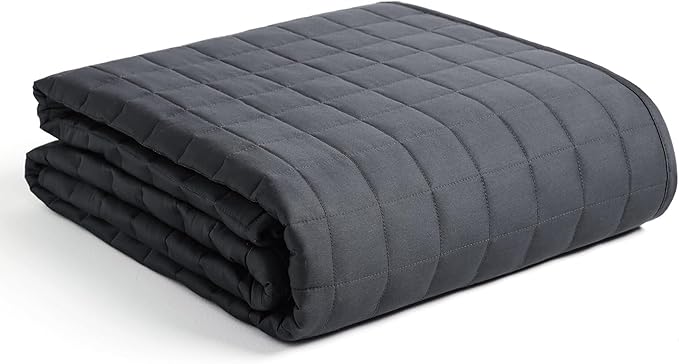
This is the best “bang for your buck” in the weighted blanket world. It uses glass beads (which stay cool) rather than plastic pellets, and the 7-layer structure keeps the weight evenly distributed so it doesn’t pool in one corner. Just remember the rule: aim for about 10% of your body weight.
3 Myths We Need to Kill

While we’re fixing things, let’s stop doing the stuff that hurts us.
- The “Nightcap” Myth (Alcohol): Alcohol is a sedative, not a sleep aid. It knocks out your cortex, but it destroys your REM sleep. As it wears off, your body goes into withdrawal, raising your temperature and waking you up. It creates “junk sleep”.
- The “Catch-Up” Myth: You cannot bank sleep. If you sleep 4 hours on Tuesday, the memory consolidation window for that day is gone. Sleeping 10 hours on Saturday won’t bring those memories back.
- The “Old People Need Less Sleep” Myth: False. Elderly people get less sleep because their brain receptors deteriorate, but they still need 7-9 hours. This unmet need is actually a huge driver of cognitive decline.
The Summary Plan
You don’t have to do all 11 of these tonight. Start with Light and Temperature. Then add the others. Here is your cheat sheet:
🚀 The Ultimate Sleep Upgrade Guide 💤
| The Upgrade | The “Why” (Mechanism) | The Action (How to Use It) |
|---|---|---|
| 1. Sunlight | Sets Circadian Rhythm | 10 mins outdoor light within 1 hour of waking. |
| 2. Temperature | Triggers sleep onset | Room at 65-68°F. Hot bath 90 mins before bed. |
| 3. Sauna | GH Release (Growth Hormone) | 20 mins @ $176^\circ F+$ or higher, 1.5 hrs before bed. |
| 4. Pink Noise | Brain wave syncing | Rain/Wind sounds set to 60dB. |
| 5. Glycine | Cool body temp | 3g powder, 1 hour before bed. |
| 6. Magnesium | Calms nerves | 200-400mg Bisglycinate/L-Threonate variety. |
| 7. Fasting | Protects GH release | Stop eating 3 hours before bed* minimum. |
| 8. Oxygen | Clears $CO_2$ | Practice slow, controlled breathing. Set your clock away from your bed. |
| 9. NSDR (Non-Sleep Deep Rest) | Dopamine reset / Lowers fatigue | 20 mins audio guide for fatigue relief or relaxation. |
| 10. Weighted Blanket | Lowers anxiety | Blanket weight should be ~10% of body weight. |
| 11. Exercise | Builds Sleep Pressure | Finish your workout >2 hours before bed. |
Sleep well. You’ve got work to do tomorrow.