The ‘Undoing Your Corporate Career’ Trip: 14 Destinations for People Who Finally Quit the Job They Hated

hum of your old office fades, replaced by the scent of salt on the wind, the rustle of leaves, or the warmth of sun on unfamiliar streets. It’s the moment when the world stretches wide, full of possibility, and every step feels like reclaiming a piece of yourself.
More than ever, travelers are leaving behind routines that stifle creativity, seeking journeys that awaken curiosity, wonder, and courage. Ahead lie adventures that challenge, restore, and transform — trips that aren’t just vacations, but invitations to rethink life itself. Get ready to explore escapes that may change the way you see everything.
1. Ubud, Bali, Indonesia
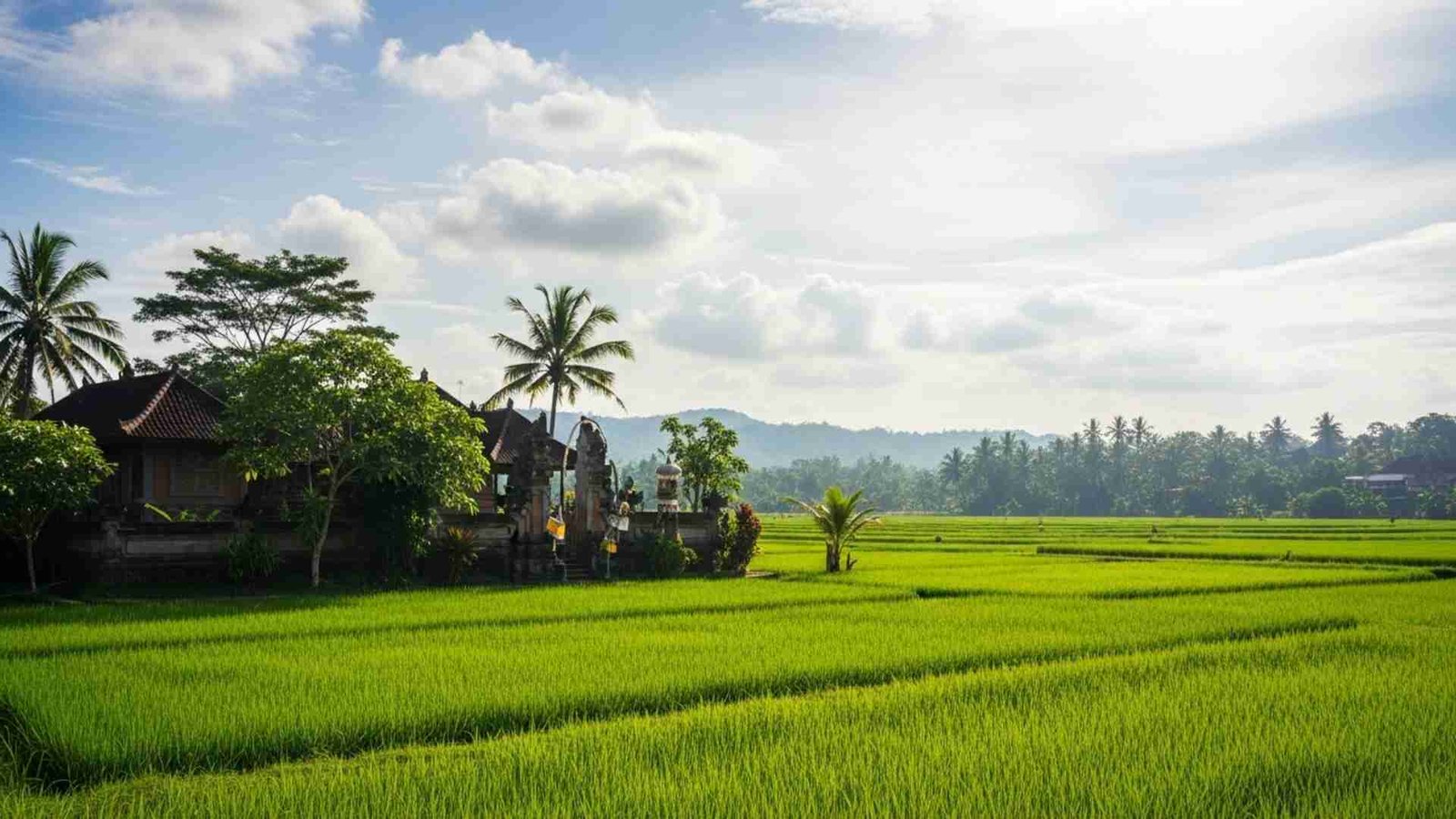
Ubud is this lush, green sanctuary tucked into Bali’s hills — rice terraces, jungle‑groves, ancient temples, and a mellow creative heartbeat everywhere you go. It’s become a global wellness hub: almost 96 of Bali’s 410 spas are in or around Ubud. There are dozens of yoga studios (The Yoga Barn, Radiantly Alive) plus traditional healing centers where you can do spiritual cleansing ceremonies like melukat.
Bali had around 16.4 million visitors in 2024 (domestic + international). Ubud, with a population of roughly 74,800, draws more than 3 million foreign tourists yearly. What’s interesting is how much of the wellness value remains local — about 90% of the spa workforce are Balinese.
Practical Information
- Best time to visit: Dry season (May–October) is ideal for retreats and trekking.
- Getting there: Fly into Ngurah Rai International Airport, then take a 1.5–2 hour drive (traffic can be heavy).
- Duration: 5–10 days works great — enough for yoga, exploring rice terraces, and taking healing workshops.
- Must-do experiences: Yoga & meditation retreats, spiritual water purification at Pura Tirta Empul, Rice Terrace cycling tours, Balinese dance workshops.
- Budget: Range varies: simple guesthouses are quite affordable, while wellness resorts can go into $200–500/night.
- Local etiquette: Respect temple rituals, dress modestly when visiting sacred sites, and try to support community-based spas.
- Photo moments: Rice terraces at sunrise, jungle paths, Balinese offerings, and aerial shots from overlooks.
2. Sedona, Arizona, USA
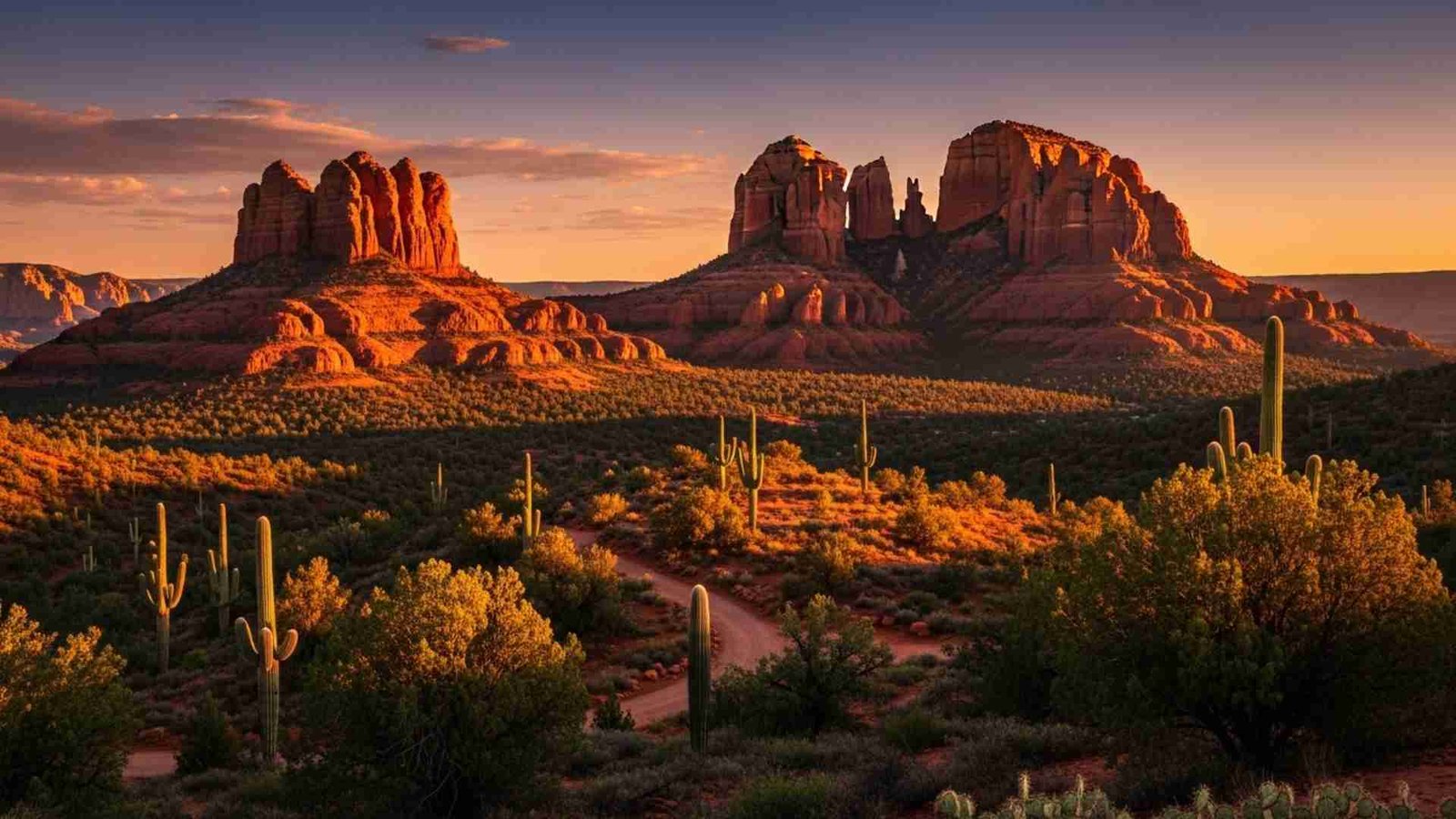
Sedona feels like stepping into another dimension is red rock cliffs, deep canyons, and this quiet, powerful energy that many refer to as “vortexes.” These vortex sites are said to have healing and spiritually clarifying powers, and that draws people who are transforming their lives. Mii Amo, a wellness retreat tucked in Boynton Canyon, was recently renovated and offers 3–10 day healing journeys that include spa, meditation, and ritual work.
Despite being a small town (population under 10,000), Sedona attracts around 3 million visitors per year. This means you’ll bump into a lot of kindred spirits — spiritual seekers, hikers, new‑agers — all looking to reset and reconnect. The region also has over 400 miles of hiking trails, perfect for re-centering yourself in nature.
Practical Information
- Peak/Off-peak: Spring and fall are gorgeous for hiking; summer can be hot; winter brings fewer crowds.
- Getting around: Best explored by car — car rentals are very common. Hiking and guided tours (vortex tours, meditation walks) are great ways to immerse.
- Ideal stay duration: 3–7 days is enough to hike, meditate, join retreat‑style programs, and recharge.
- Must-try things: Energy vortex tours, sound healing, guided canyon hikes, sunset ceremonies, spa treatments at Mii Amo.
- Budget: Moderate to high — wellness retreats and spa stays can be pricey; day hikes and local shops are more budget‑friendly.
- Etiquette: Be respectful of sacred land; leave no trace when you hike; observe quiet when people meditate.
- Photography: Red rock formations at dawn/dusk, canyon overlooks, meditation spaces, cliffside trails.
3. Costa Rica (Jungle & Wellness Retreats)
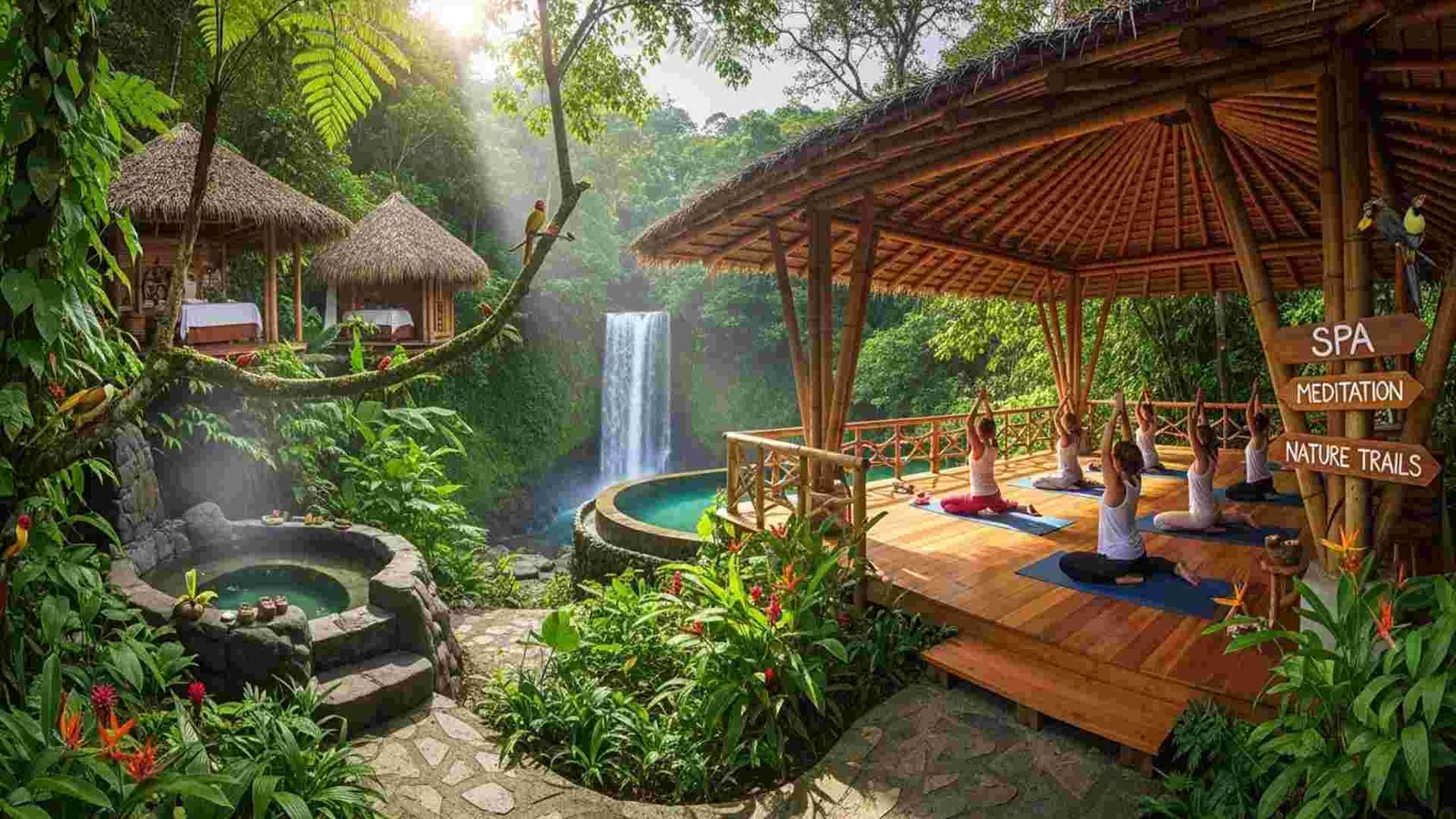
Costa Rica feels like a hug from nature. Think misty jungles, crashing surf, and private eco‑lodges where you can de-stress and reconnect. Wellness tourism is a big part of the country’s appeal: in recent years demand for eco-lodges and retreats has jumped 25% year-over-year.
One particularly appealing area is Nosara on the Nicoya Peninsula surf + yoga + “Blue Zone” vibes. Nosara has seen a 46% increase in U.S. visitor demand. Costa Rica’s wellness tourists spend, on average, $1,764 per trip, which is about 41% higher than the typical tourist, reflecting how much people are prioritizing meaningful reset travel.
Practical Information
- Best time to go: Dry season (December–April) is perfect for beaches and jungle explorations; green season (May–November) is great for fewer crowds & lower prices.
- Getting there: Fly into San José or Liberia; then take a shuttle or rent a car to reach retreat towns.
- Time to stay: 7–10 days is ideal for combining yoga, surf, nature hikes, and wellness workshops.
- Must-do experiences: Yoga retreats, surfing, wildlife tours (turtle watching, birding), forest bathing, zip-lining, sound healing.
- Budget: Varies: budget eco-lodges to luxury retreat resorts; many wellness travelers invest more because of the quality of experience.
- Etiquette: Respect nature — avoid single-use plastic, choose certified sustainable retreats, and support local guides.
- Photography: Jungle waterfalls, surf at sunrise, yoga overlooking the beach, wildlife in the forest, canopy views.
4. Rishikesh, India
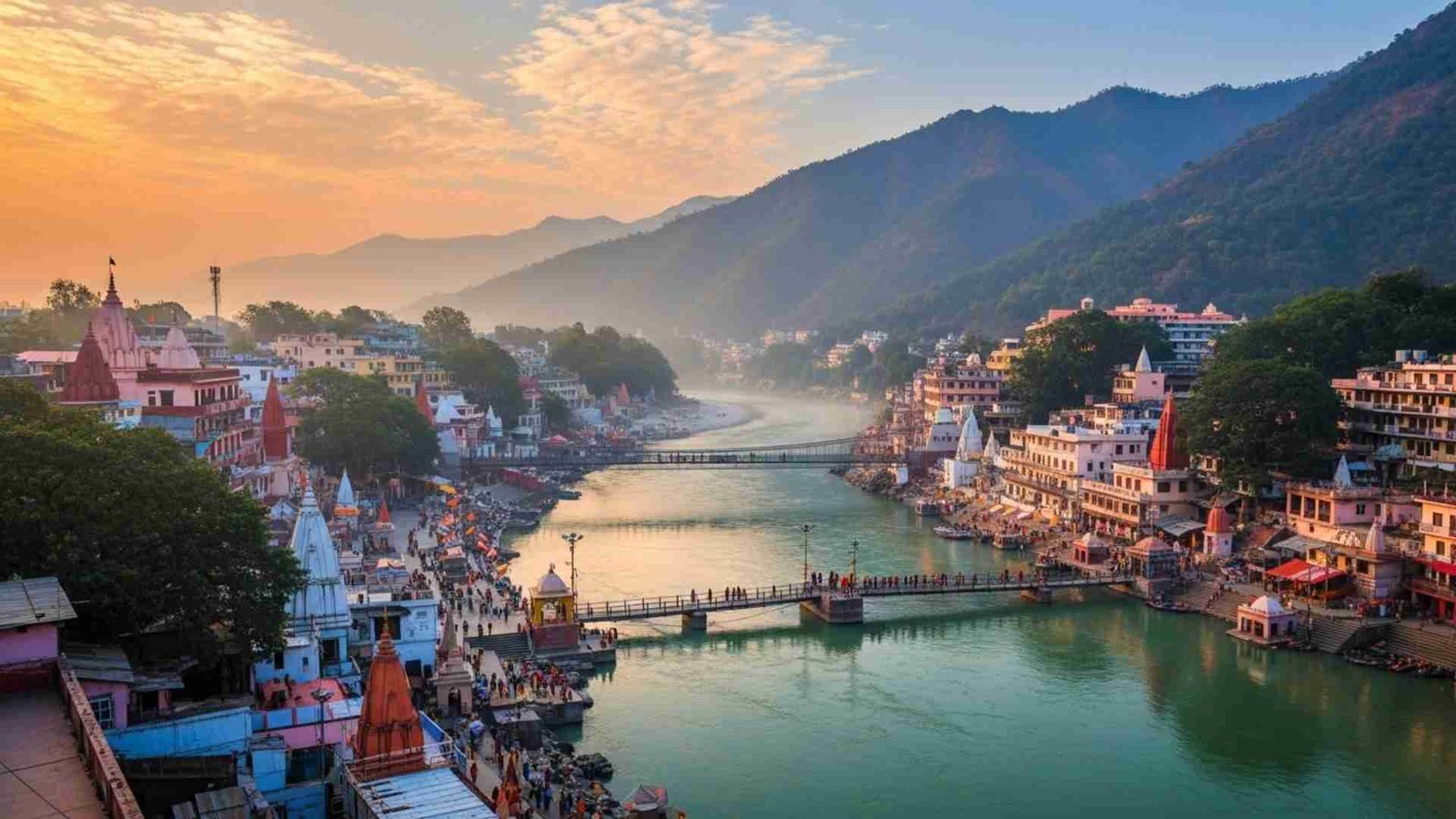
the Ganges River, Himalaya foothills, ashrams, and the constant hum of chanting and spiritual seekers. It’s widely called the “Yoga Capital of the World.” Each year, nearly a million tourists visit, and in 2024 visitor numbers (~970,000) were more than three times the local population.
Rishikesh isn’t just about spiritual stillness — it’s also an adventure hub. You can sign up for white-water rafting, bungee jumping, trekking, cliff jumping, and more, often combined with yoga or meditation in ashrams. The International Yoga Festival, held every March, draws yoga practitioners from across the globe (410+ participants in 2025).
Practical Information
- When to go: February to April and September to November are great (pleasant weather + spiritual energy).
- How to get there: The nearest major airport is Dehradun; from there, it’s ~25 km to Rishikesh.
- Duration: 5–8 days allows for deep yoga, meditation, hiking, and Ganga‑side rituals.
- Core experiences: Yoga teacher training, daily Ganga Aarti (river worship ceremony), ashram stays, rafting, Himalayan treks, cliff-jumping.
- Budget: Very flexible — from affordable ashram dorms to boutique yoga schools.
- Etiquette: Dress modestly, especially near ashrams; remove shoes before entering; follow local ashram norms.
- Photo gold: Ganges at sunrise, suspension bridges (Laxman Jhula / Ram Jhula), waterfalls, meditative yoga sessions by the river.
5. Iceland
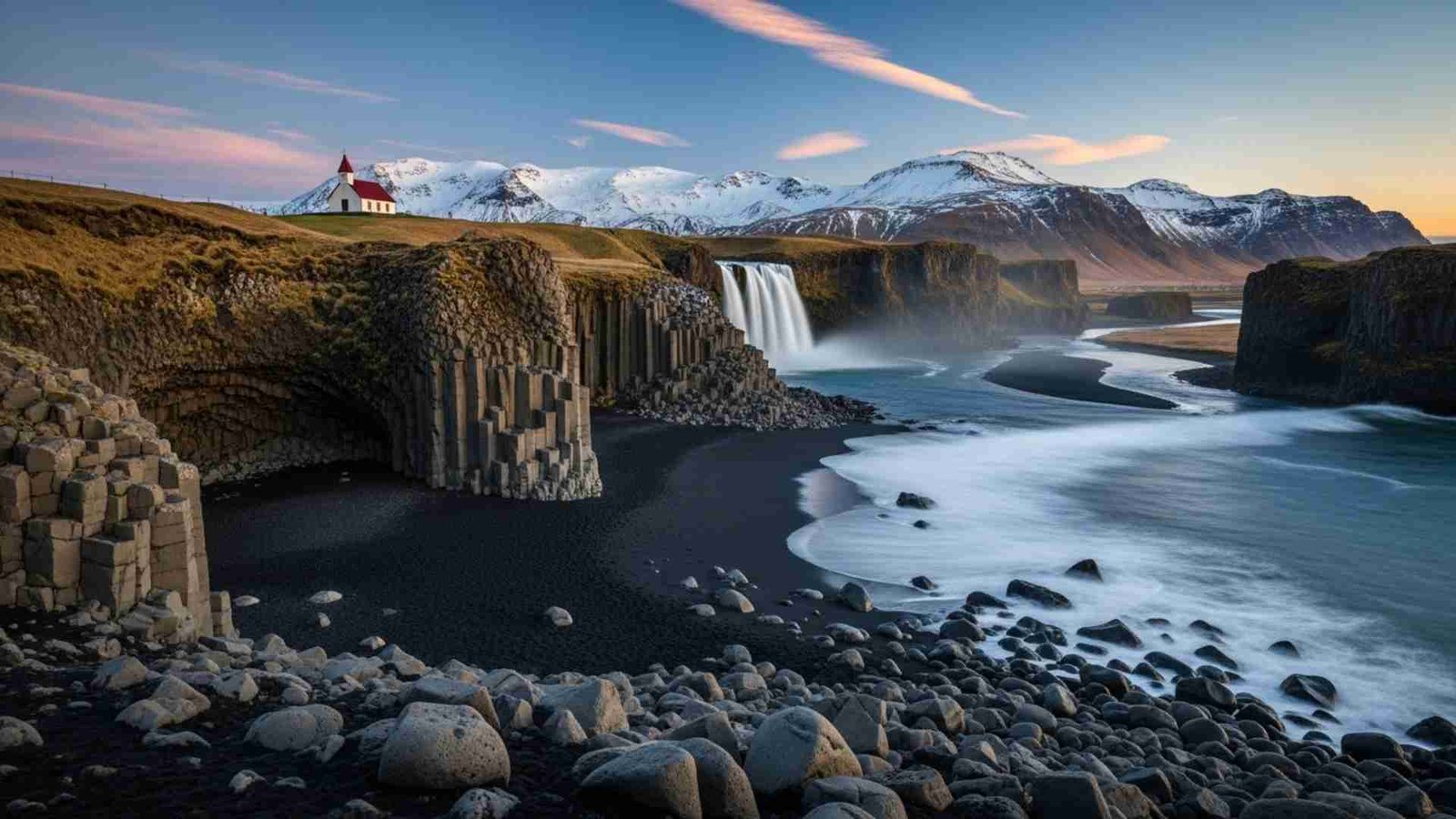
Iceland is this dramatic, otherworldly canvas — glaciers, steaming geothermal springs, black sand beaches, volcanoes. And even though it’s wild, it’s not just for adrenaline junkies: it’s a powerful place to reset. Tourism continues to rise: Iceland had around 2.3 million international tourists in 2024, which is more than five times its population.
Iceland is shifting from just a summer destination to a year-round haven. There’s a strong wellness angle too — eco-lodges are booming, with average occupancy hitting 87% recently, compared to 72% for traditional hotels. So if you’re quitting your job and want space to breathe, think hot spring soaks under the Northern Lights, glacier hikes, or even silence retreats.
Practical Information
- Peak & off-peak: Summer (June–August) is busy, but winter (Nov–Feb) offers Northern Lights and solitude.
- Getting there: Fly into Keflavík Airport. Car rentals are common; many wellness stays are remote and require driving.
- Stay length: 7–10 days helps — you can do the Golden Circle, venture into Westfjords, pause in geothermal pools, and relax.
- Must‑do experiences: Soak in hot springs (Blue Lagoon, local geothermal pools), glacier hiking, ice‑caving, Northern Lights watching, silent nature retreats.
- Budget: Iceland is expensive — eco-lodges, wellness stays, and guided tours cost more than standard hostels, but are worth it for the reset.
- Etiquette: Respect fragile landscapes, stick to marked trails, follow local guidelines in geothermal areas, and be mindful of environmental impact.
- Photo moments: Geysers, waterfalls like Gullfoss, glacier caves, hot springs glowing in twilight, and the dancing Northern Lights.
6. Kerala, India
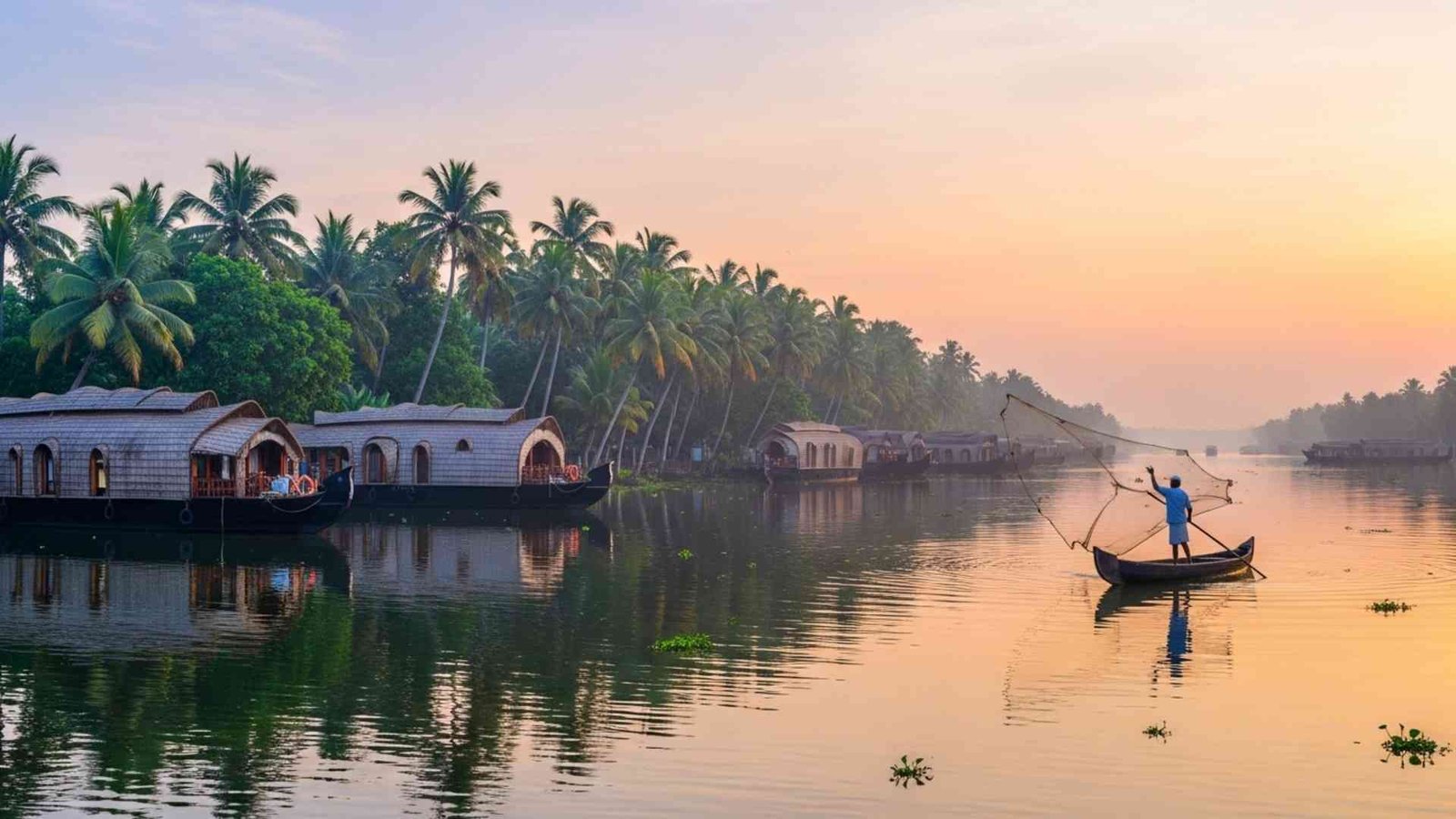
Think of Kerala as a healing corridor, not just a tropical getaway. Beneath its palm‑lined canals and backwaters runs a deep tradition of Ayurveda and wellness — but what’s less obvious is how that intersects with its modern tourism infrastructure. In 2024, Kerala saw 222.5 lakh (22.25 million) tourist visits, a 21% jump from pre-pandemic levels. Many of these visitors come for more than sightseeing — they arrive with the intention to slow down, heal, and reconnect with themselves.
you’re on a houseboat gliding through Kerala’s backwaters at dusk, the air thick with incense from small temples on the banks, and you realize this is not just a vacation — it’s a reset. Then the next morning, you join an Ayurvedic retreat where traditional therapies (think massages, oil baths, herbal steam) are paired with meditative walks through spice plantations. The serenity isn’t manufactured; it’s woven into daily life. There’s also a serious push from the state: Kerala’s K-Homes project is converting unoccupied homes near major destinations (like Kochi, Munnar) into culturally authentic stay options, so wellness travel doesn’t always come at the cost of environmental footprint.
Practical Information
- When to go: Year‑round, but monsoon (June–August) brings a softer vibe and lush landscapes; dry months offer more outdoor retreat options.
- Getting around: Use a mix of ferry/boat for backwaters, local taxis or rented scooters for small towns.
- Stay duration: 7–10 days works great — enough for both a houseboat stay and an Ayurvedic program.
- Budget: Varies — homestays and K‑Homes are relatively affordable, while high-end wellness resorts command premium pricing.
- Local tip: Try to align with a retreat or farm‑stay to support community tourism; also, respect Ayurveda routines (food, rest times) when staying in healing centers.
7. Lake Bled, Slovenia
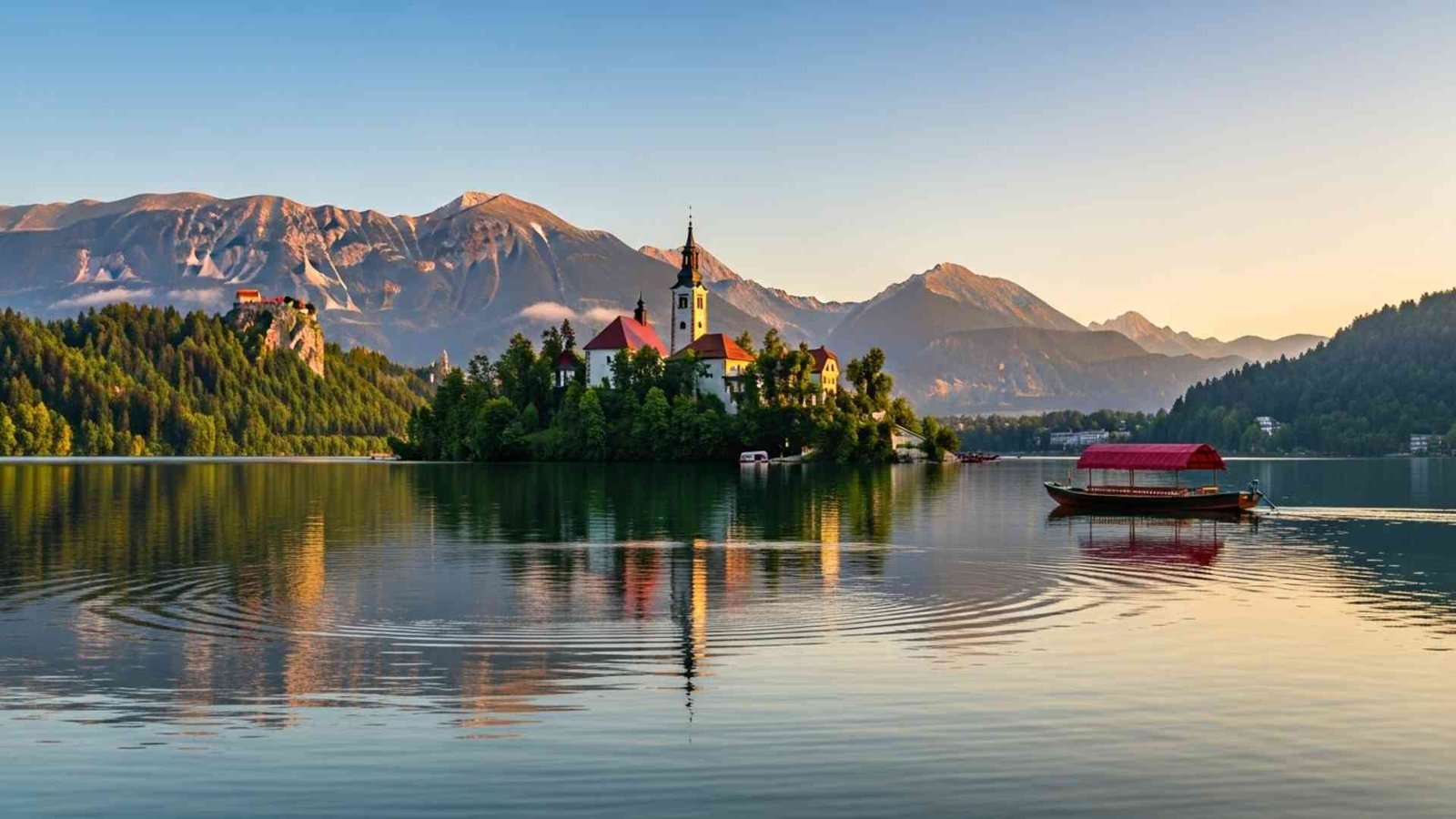
Lake Bled is often seen as the picture-perfect Alpine postcard — but there’s a quietly powerful sustainability story playing out here, and that’s what makes it compelling for someone stepping away from the corporate grind. In 2024, Bled saw 481,035 tourist arrivals and over 1.15 million overnight stays, according to local statistics. It’s not just about luxury tourism: Bled was recently awarded UNWTO “Best Tourism Village” for 2025, highlighting its role in community-based, sustainable tourism.
after quitting your job, you’re longing for calm and meaning — so you rent a small cabin near Lake Bled, wake up before dawn, take a pletna (traditional wooden boat) across the mirror-like water to the little island church, ring the “wishing bell,” then hike up to Bled Castle as the sun rises over the Julian Alps. It’s romantic, yes, but it’s also deeply grounding: the slow rhythm of the lake, the echo of history from the castle, and just you — off the grid and centered.
Practical Information
- Best months: Summer (June–Sept) for full‑lake views; shoulder seasons (May or Sept) for quieter beauty.
- Getting around: Stay in a small guesthouse; rent a bike or walk the 6‑km loop around the lake.
- Length of stay: 3–5 days; enough to do quiet mornings, explore the castle, and take day trips to the Julian Alps.
- Budget: Mid‑range — local guesthouses or apartments; the castle museum costs around €11 for adults.
- Responsible travel tip: Visit early in the morning to avoid the crowds; choose locally run tours; support small businesses in Bled village.
8. Koh Samui, Thailand
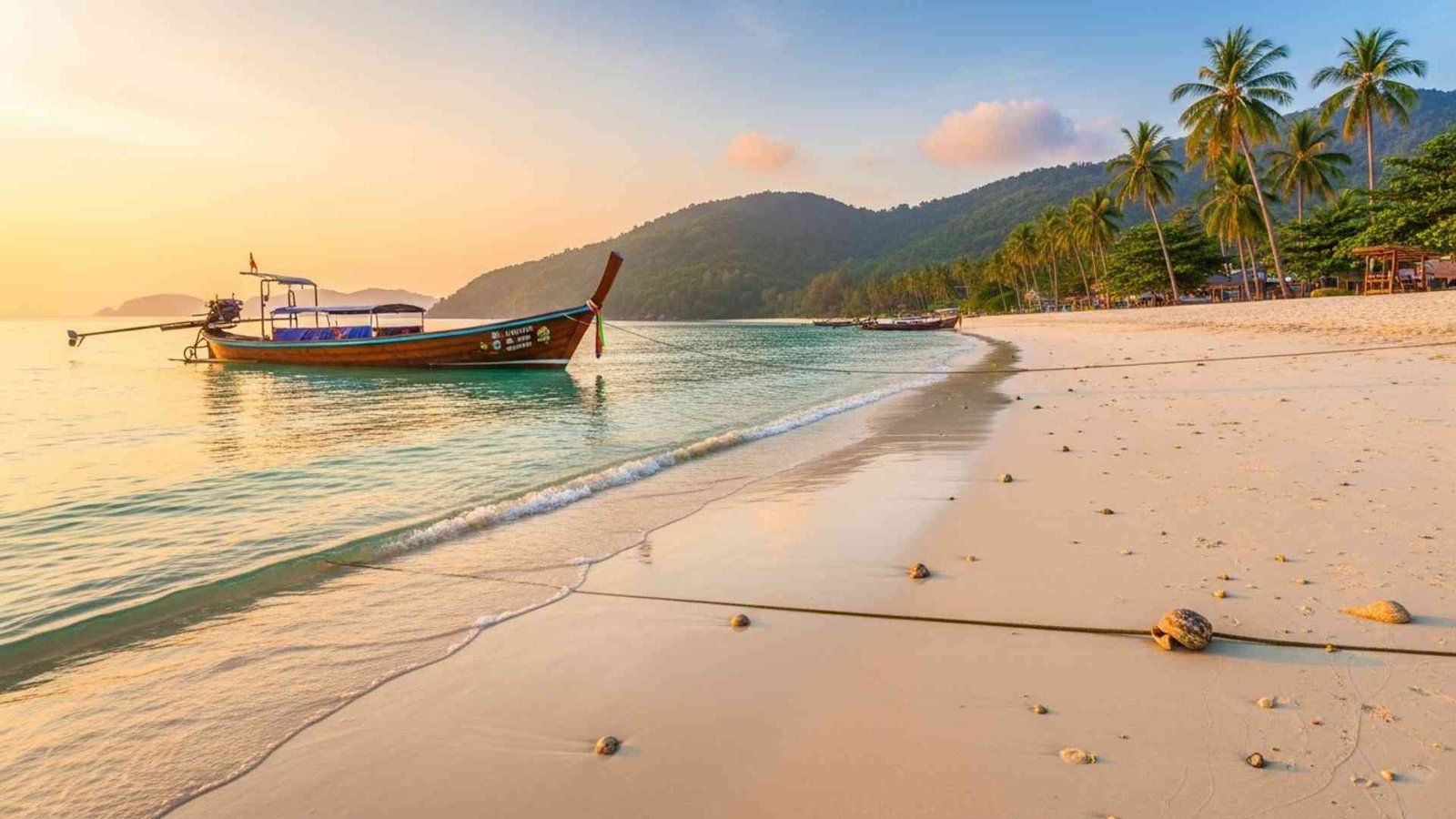
Koh Samui often gets painted as a party island or a luxury resort paradise — but for someone quitting their corporate job, the tension there is part of the appeal. The same stretch of beach that hosts ultra-luxury villas is home to quiet jungle temples, hidden waterfalls, and remote viewpoints. Recently, the island has been in the spotlight: the HBO series The White Lotus (season 3) was filmed here, which has increased tourist interest, but that also amplifies the island’s real challenges with sustainability.
Imagine staying in a modest eco-bungalow in the hills above Lamai or Bophut, waking early to listen to birdcalls, then snorkeling in coral coves before heading to a hilltop Buddhist temple for a meditation session. Later, you might take a longtail boat from Fisherman’s Village, but instead of heading to crowded beaches, you go to a less-visited inlet or a remote islet. Because you’re not just visiting — you’re exploring Samui’s soul.
Practical Information
- When to go: November–February for dry weather; but shoulder seasons offer fewer crowds and better deals.
- Getting around: Rent a scooter or use local songthaews; take small boat trips to nearby islets.
- Stay length: 5–7 days lets you balance beach downtime, temple visits, and nature hikes.
- Budget: Wide range — eco-guesthouses to luxury resorts. Be mindful: some luxury prices have surged since the show’s popularity.
- Sustainable tip: Support local initiatives; avoid over-developed zones; carry a refillable bottle (water shortage is an issue); opt for reef-safe sunscreen.
9. Tulum, Mexico
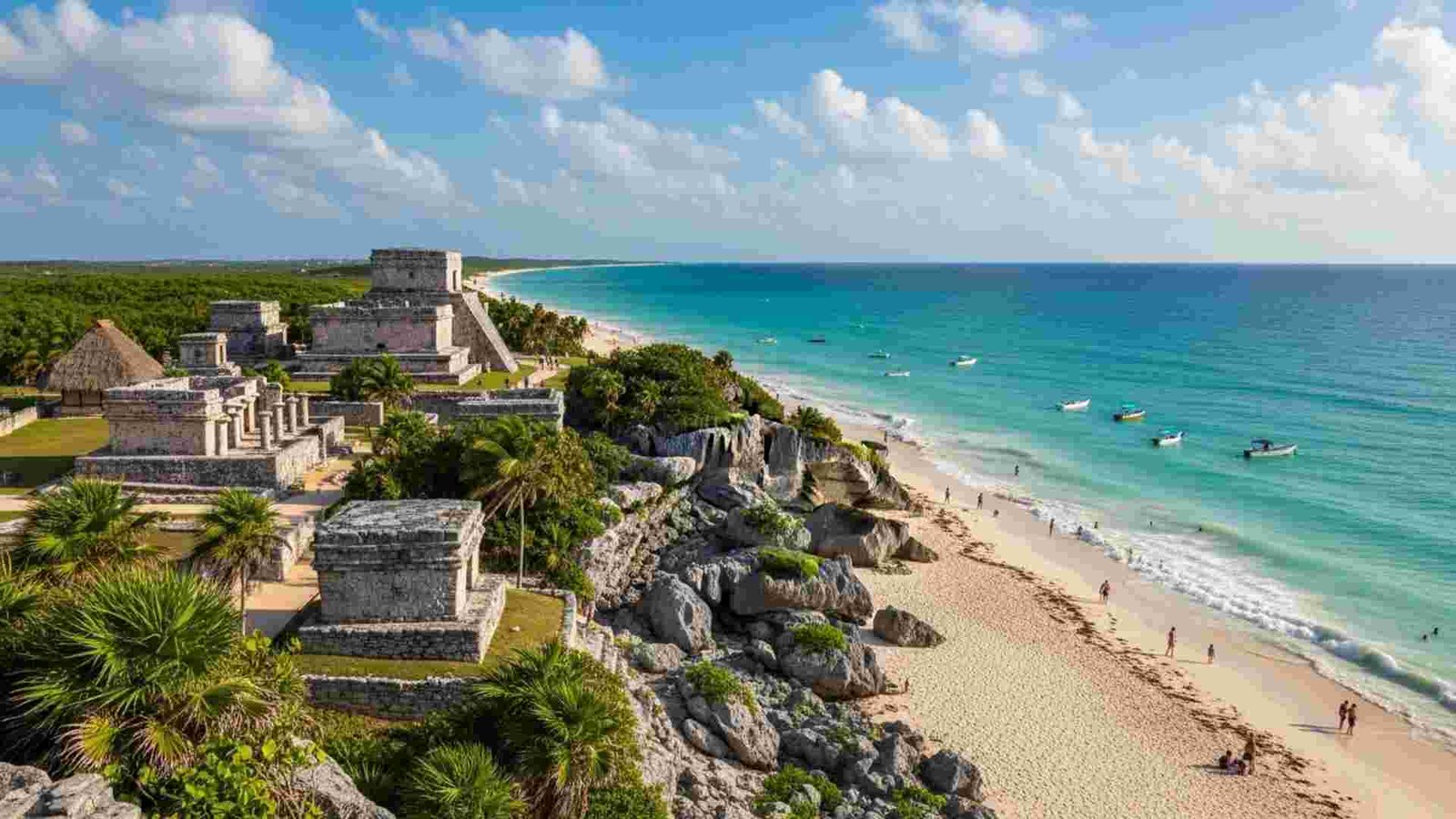
Tulum is often thought of as a wellness playground — yoga shalas, chic eco-hotels, and spiritual retreat centers. But there’s a counter-narrative that’s less glossy: it’s a place wrestling with its rapid growth, environmental pressures, and a tension between sustainable tourism and overdevelopment. When you’re quitting a soul‑sucking job, Tulum can feel like the perfect backdrop and a cautionary story about what happens when paradise becomes too commercialized.
Picture yourself renting a simple cabana in the jungle (not on the beach), waking to the sound of coatis and tropical birds, then biking to ancient Mayan ruins before lunchtime. In the afternoon, you join a temazcal (traditional sweat lodge) ceremony followed by swimming in a cenote (natural sinkhole) under soft, filtered light. Instead of cocktails on 5th Avenue, you’re breathing deeply and reconnecting — with yourself, with nature, with something ancient.
Practical Information
- Peak / off-peak: December–April is high season; May–June or September–October offer fewer tourists, but check for hurricane risk.
- Getting there: Fly into Cancún, then take a shuttle or rent a car to Tulum (1.5–2 hours).
- Stay duration: 5–8 days — enough for ruins, wellness, nature, and reflection.
- Budget: Eco‑cabins and jungle stays are mid‑range; beach resorts can be costly.
- Local tip: Use a bike; avoid single-use plastics; book retreats that partner with local Mayan or eco‑communities; bring biodegradable toiletries.
10. Santorini, Greece
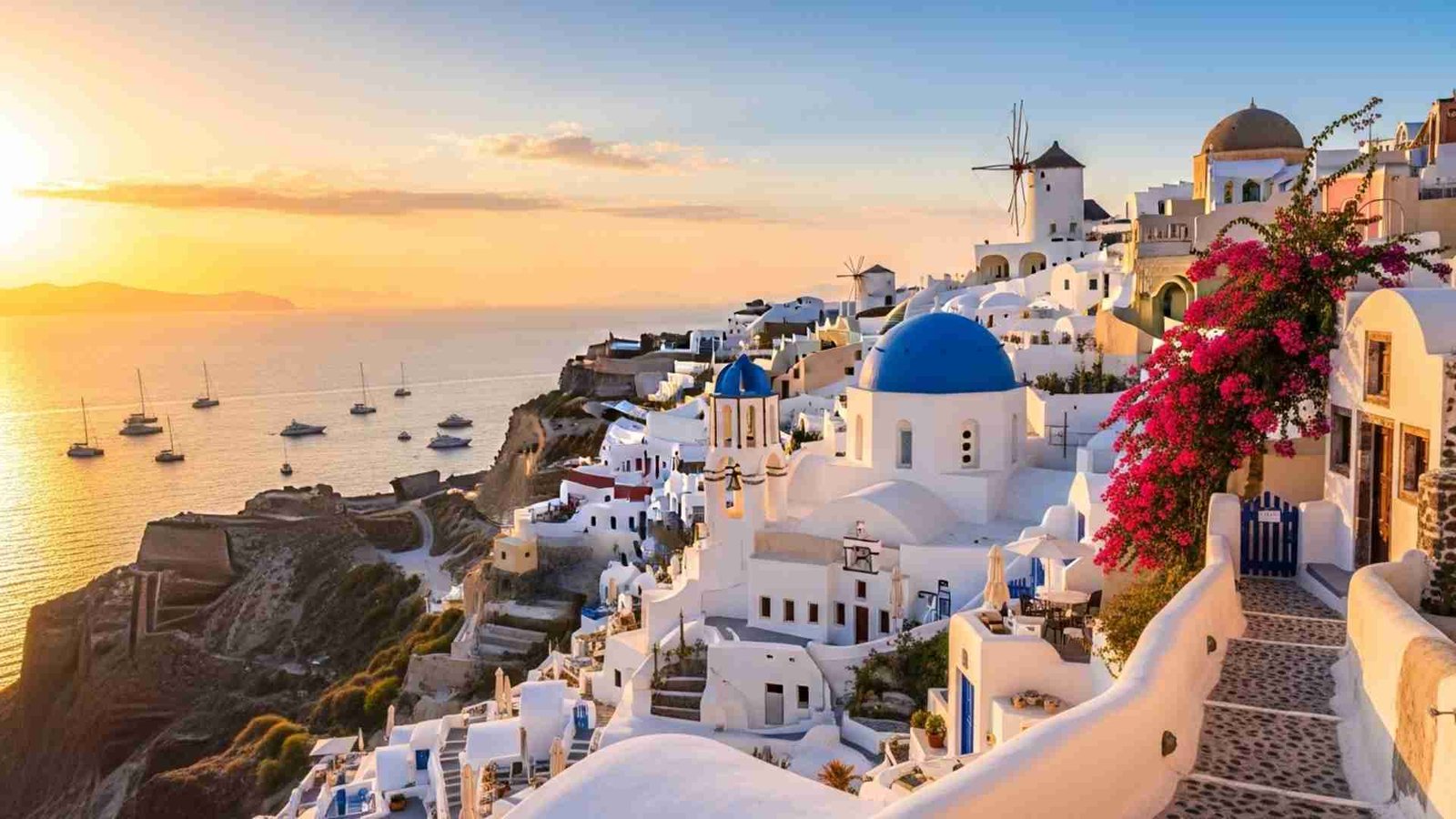
Santorini usually shows up on bucket lists for its postcard views — whitewashed houses, blue domes, caldera sunsets. But for someone who has just left a corporate job, there’s a quieter, more introspective Santorini that often goes unnoticed: it’s not just about the views, but about stillness, space, and the wild geology beneath your feet.
Imagine staying in a cave house built into the volcanic cliffs, far from the tourist-filled Oia sunset spots. You wake early, hike the caldera trail, watching the sea light up, then sit with a journal in a quiet terrace. You taste natural volcanic wines and slow-roast vegetables. It’s not about fast days — it’s about breathing, absorbing, writing, pausing.
Practical Information
- Best time to go: Late April–June or September–October — warm, but less crowded than mid-summer.
- How to get there: Fly into Santorini (or take a ferry from Athens); rent an ATV or use buses to get around.
- Stay length: 4–6 days — enough for walking, swimming, wine-tasting, and journaling.
- Budget: Cave houses and boutique stays vary — you can splurge, or go more modest.
- Local know-how: Use local bus services, eat at small family-owned tavernas, and explore early in the morning to avoid peak crowds.
11. Sumba Island, Indonesia
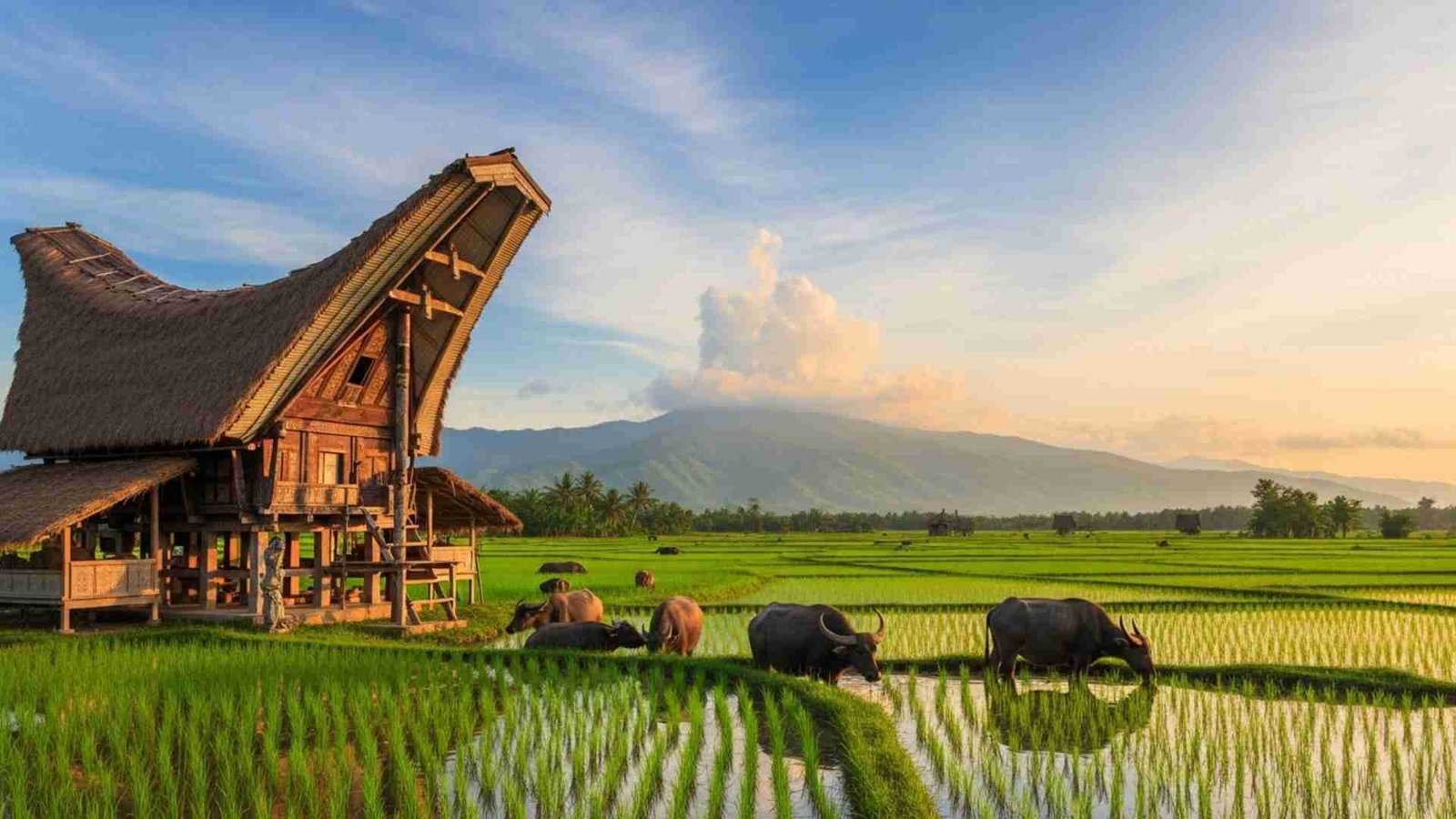
If Bali was your workplace and you quit, think of Sumba as the place you flee to when you actually want to disappear — but in a peaceful, soul-renewing way. What most people don’t know is that Sumba isn’t just a “beach holiday island”: it’s a stronghold of wild wellness. At NIHI Sumba, a luxury retreat on 567 acres of jungle, the resort runs an equine therapy program, meaning you can literally do yoga with horses. The resort also practices strong sustainability; organic gardens, composting, water recycling, and community outreach with local Sumbanese villages.
Picture yourself arriving at a quiet village in Southwest Sumba — off the grid, but not off the map. The roads can be rough, but that’s part of the magic: your driver slows for woven ikat fabric shops, for dolmens (ancient tombs) in traditional villages, or for hidden waterfalls. These are not tourist traps — they’re real places where locals live, weave, pray, and farm. The population of Southwest Sumba Regency is just over 328,000 as of 2024, which means this feels remote yet deeply inhabited.
Practical Information
- How long to stay: 5–8 days to soak the jungle + coast + community.
- How to get there: Fly via Bali or Kupang, then drive (often with a local guide).
- Stay tip: Book at NIHI Sumba if you want top‑tier wellness, but also consider smaller eco‑lodges or homestays in traditional Sumbanese villages.
- Do this: Try the equine therapy, go on village treks, visit Weekuri Lagoon (a hidden saltwater lake), and weave your own tenun ikat with a local artisan.
- Cultural note: Respect local traditions — some villages have strict rituals, and many locals still live in traditional houses (high-pitched roofs, communal architecture).
12. Byron Bay, Australia
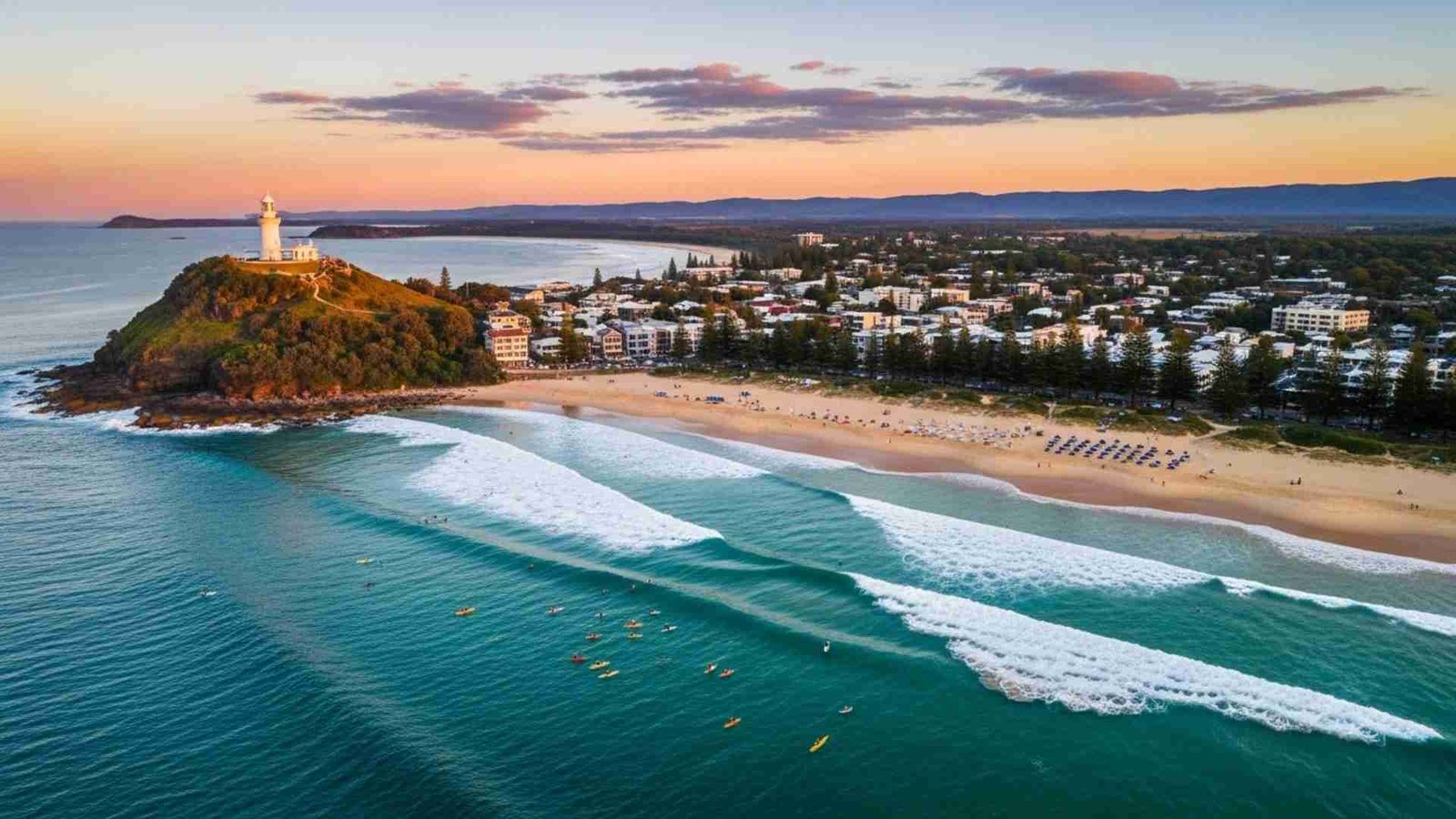
Byron Bay is more than Instagram sunsets and surf schools — it’s become a wellness incubator for people reinventing themselves. The Northern Rivers region (which Byron sits in) is riding a massive wellness boom: Australia’s wellness economy was valued at US$193 billion in 2023, and wellness‑travel bookings to this area are soaring. That tells you something: this place is not just pretty, it’s deeply resonant for people looking to heal, grow, or find themselves again.
you quit your corporate job, drive up or fly into Byron, and instead of going straight to the beach, you head inland to Gaia Retreat & Spa, tucked in the bush. Think native plants, quiet walkways, plunge pools, contrast therapy rooms (ice baths), and breathwork — all in a place that feels like both a refuge and a launchpad. Interestingly, Gaia is set to expand with a $37 million project to build more villas and wellness spaces.
Practical Information
- When to go: Winter (June–August) is surprisingly good — wellness experiences bookings went up 34% in the 2025 winter season.
- How to explore: Rent a bike, take forest walks, join surf + yoga combos, or spend full days in retreat programs.
- Stay duration: 4–7 days — enough to decompress, do a retreat, and then hang loose on the coast.
- Budget: Ranges from mid‑luxury to high-end wellness; Gaia is certainly premium, but Byron has other wellness homestays or Airbnb with nature access.
- Local tip: Mix wellness days with community experience — local organic farms, Indigenous-led walks, or sound healing ceremonies.
13. The Maldives
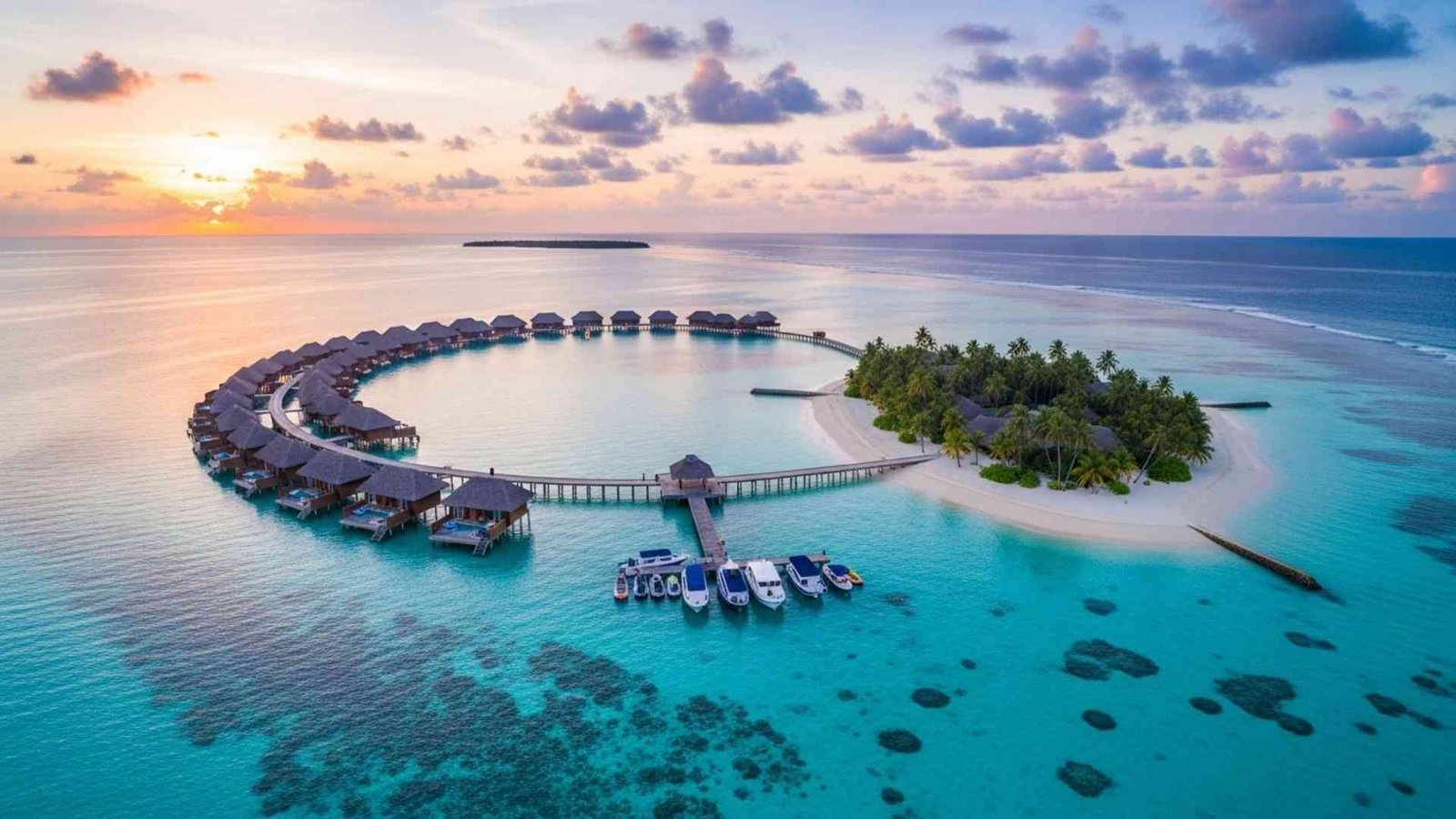
The Maldives is often seen as just a luxury beach escape — but lately it’s quietly transforming into a wellness powerhouse. Wellness tourism here is now worth US$1 billion, and when you include spas and holistic services, the value jumps to US$1.6 billion. The country saw a 52 percent increase in wellness tourism over the past five years.
Now, imagine a very different kind of Maldivian trip is not just lounging in an over-water villa, but showing up at a wellness resort like Joali Being, where your stay is built around four pillars — Mind, Skin, Microbiome, and Energy. You begin your days with yoga, then do hydrotherapy, sound-healing, and nutritional consultations — all while listening to the gentle lap of the Indian Ocean. Transfer by seaplane or speedboat, and land somewhere that feels unbelievably remote, but deeply intentional.
Practical Information
- Peak/off-peak: Tourism is rising: the Maldives added 1,500+ beds in 2024. Go just before peak or after to catch quieter wellness packages.
- Ideal stay: 5–10 days — long enough to settle into a wellness rhythm.
- Budget: Expect premium pricing (resorts dominate 83.6% of revenue), but some guesthouses or wellness-focused properties are more accessible.
- Experiences to try: Cryotherapy, ocean-salt scrubs, floating meditation salas, wellness consultations, local marine-biologist-led snorkeling, and cultural immersion with island locals.
- Sustainability angle: Choose resorts that follow eco-principles (many wellness resorts are increasingly using renewable energy, reducing waste, and investing in reef preservation).
- Reflection moment: Use the lagoon and night skies to journal or meditate — there’s a literal infinite mirror when the water reflects the stars.
14. Reykjavík — The Calm, Creative Core of Iceland
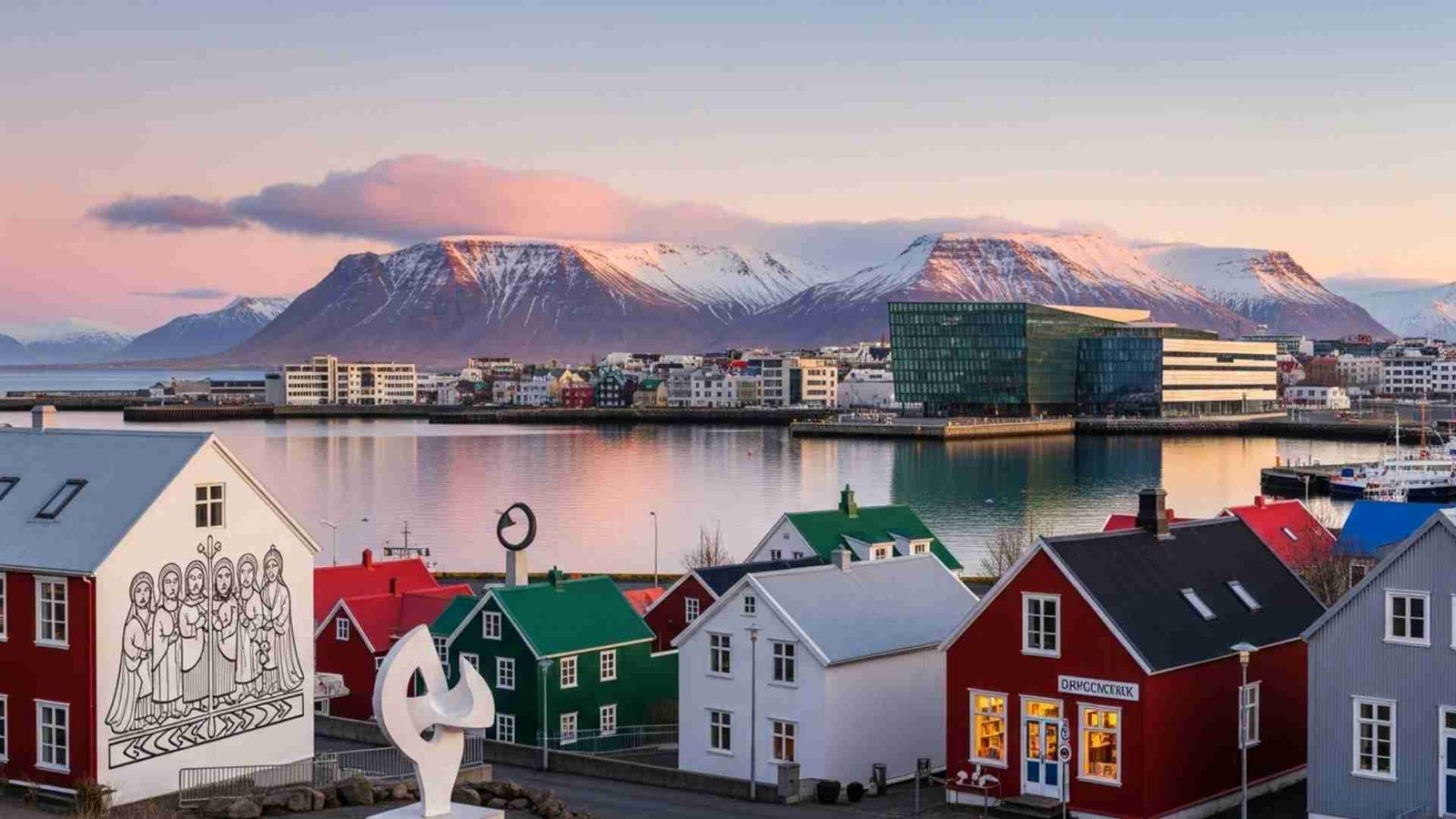
Reykjavík is where Iceland’s wild soul meets its urban heartbeat. With a population of about 138,772 as of January 2025, it’s small yet packed with energy, and roughly 64% of Iceland’s capital-region population lives here. The city feels like a gentle pause — colorful rooftops, quiet streets, and geothermal warmth bubbling in unlikely places.
Cultural life here is both modern and rooted. Perlan (“The Pearl”) on Öskjuhlíð hill offers a glass dome, an ice cave, interactive glacier exhibits, and a 360° observation deck. Then there’s Harpa Concert Hall — a striking piece of architecture by the harbor, alive with music, conferences, and art. For art lovers, the Reykjavík Art Museum spans three buildings across the city, showcasing contemporary work, Icelandic masters, and experimental exhibitions.
Key Practical Information
- Getting Around: Walkable city core; Strætó bus system covers much of the city. Consider the Reykjavík City Card: includes travel on public transport plus access to many attractions/museums.
- Key Attractions: Perlan – Natural history, ice cave, planetarium, “Forces of Nature” exhibit. Harpa Concert Hall – Stunning architecture, concerts, cultural events.
- Best Time to Visit: Summer (June–August) for mild weather, long days. Shoulder seasons (May or September) if you want fewer crowds + good light for exploring.
- Stay Duration: 3–4 days is ideal to soak in the city, hit museums, walk neighborhoods, and take a day trip out.
- Budget Tips: Reykjavík is not cheap — meals, accommodation, and transport add up. Use the Reykjavík City Card to save on transport and major attractions.
Conclusion
Stepping away from a job that drained you is just the beginning — the real journey starts when you choose how to reclaim your time, energy, and curiosity. These 14 destinations aren’t just places to visit; they’re spaces to reflect, recharge, and rediscover what truly matters. Each experience offers a chance to reset your perspective, embrace adventure, and reconnect with yourself in ways the office never allowed. By following these paths, you can transform a simple getaway into a meaningful chapter of growth and freedom, proving that quitting isn’t an ending — it’s the first step toward living fully.