Millennials’ Childhood Dream Trips (That Are Actually Better as Adults): 16 Places We Couldn’t Afford at 12

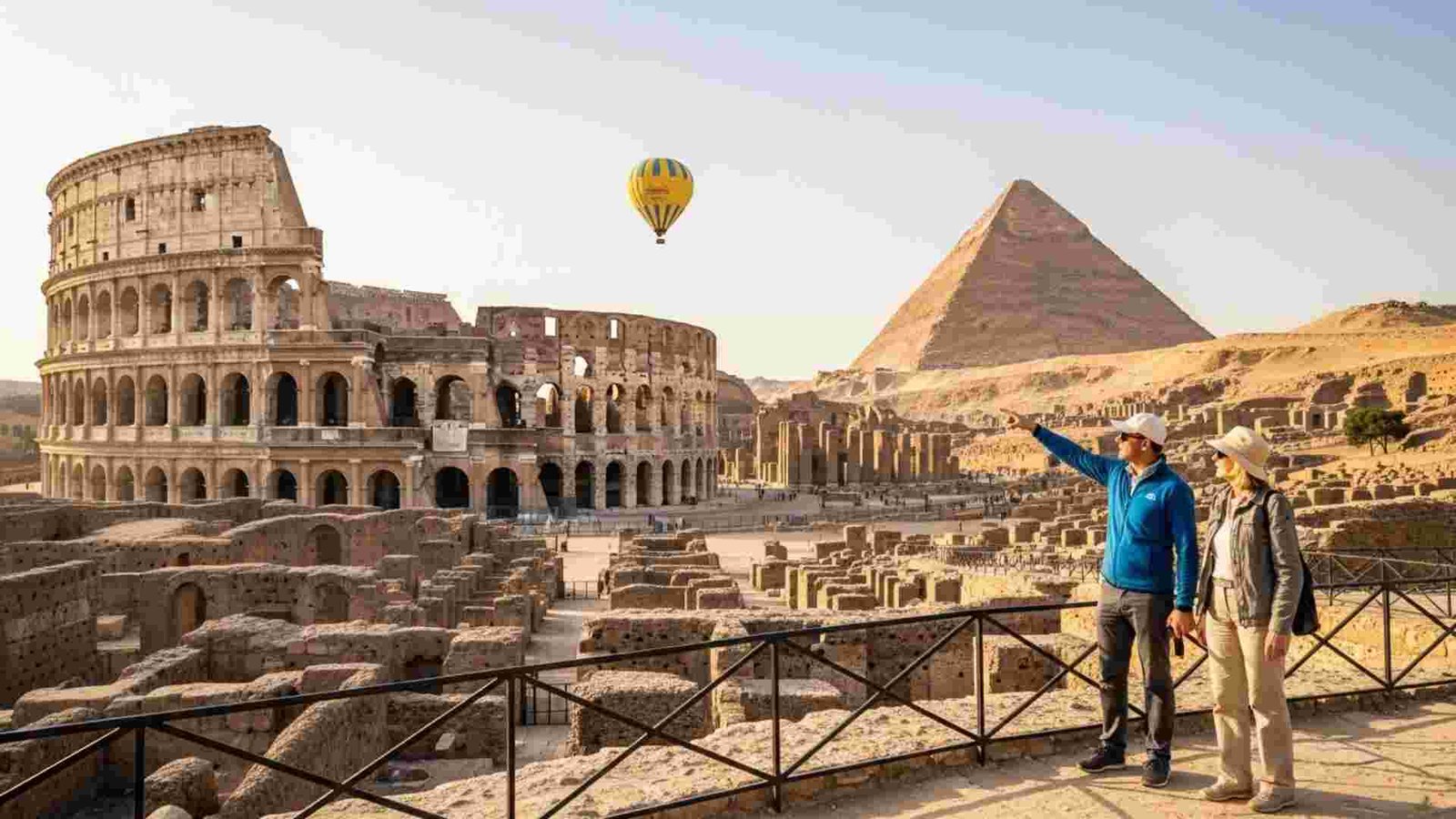
Scent of fresh ocean air, the hum of bustling streets, the glow of a sunrise spilling over distant peaks — memories of childhood dreams linger in these fleeting sensations. Remember imagining a world far beyond your backyard, where every alley, market, or mountain promised adventure?
As adults, we finally have the freedom, perspective, and means to step into those dreams, uncovering layers of culture, history, and wonder we couldn’t grasp at twelve. This journey isn’t just about ticking destinations off a list; it’s about transforming long-held fantasies into lived experiences, and discovering insights that linger long after the trip ends.
1. Tokyo, Japan
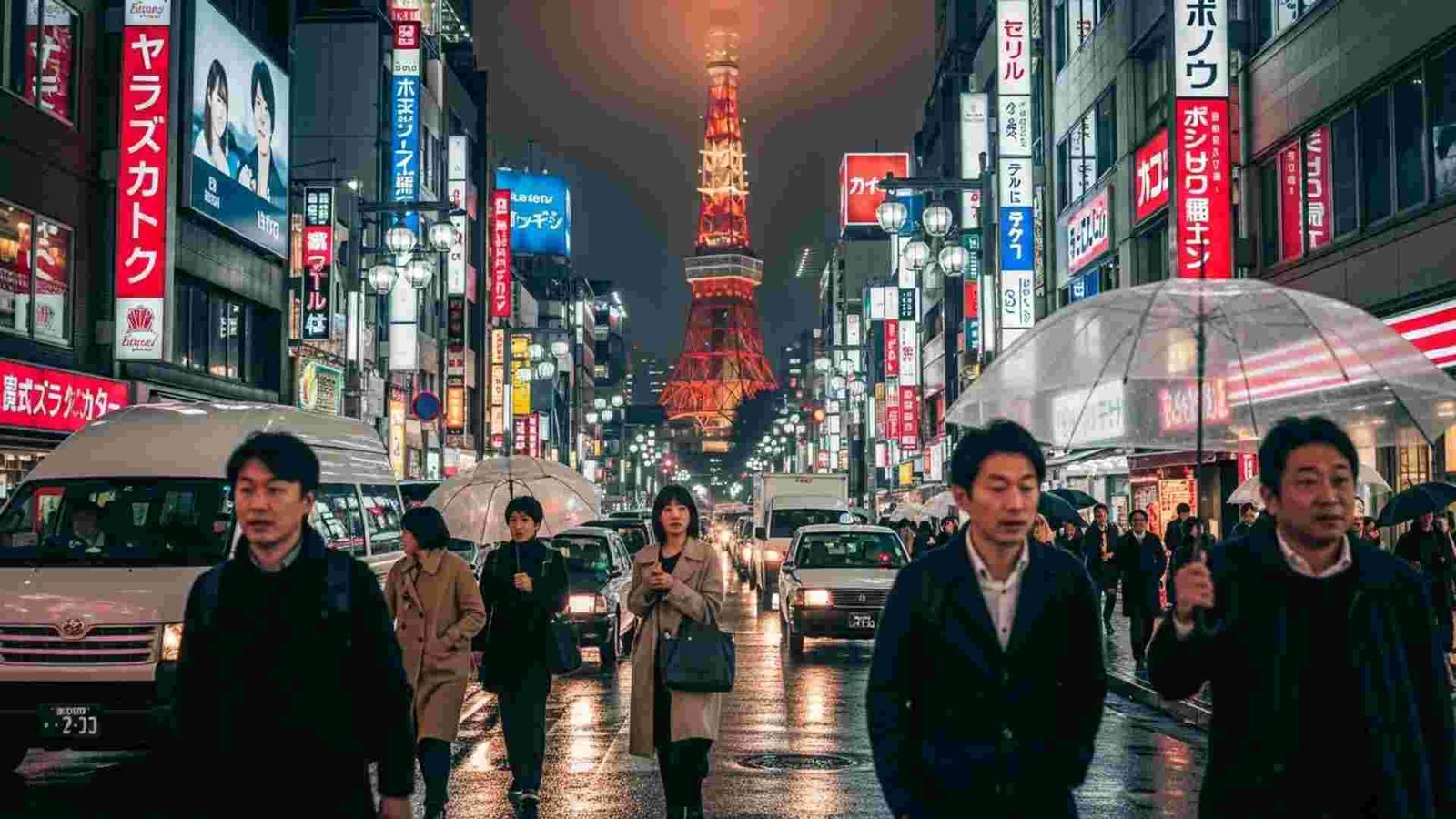
Tokyo is electric — it pulses. There’s a constant hum in the air; neon lights, fast trains, people everywhere, but also tucked-away pockets of calm, like ancient shrines or tiny alleys where time seems to slow. As a kid, you may have dreamed of towering robot-like buildings or futuristic cityscapes; as an adult, you feel the weight of tradition, craftsmanship, and how history lives side by side with bold innovation.
Tourism to Japan exploded in 2024, with 36.87 million international visitors, up 47.1% compared to the previous year. These visitors spent a record ¥8.14 trillion (about US$50.8 billion). The average spend per person was ¥227,000, with the biggest categories being lodging (33.6%), shopping (29.5%), and food & drink (21.5%). Also helping drive this boom; a weaker yen, which makes Japan much more affordable for many foreign travelers.
Key Practical information
- Best time to visit: Spring (March–April) for cherry blossoms, or fall (October–November) for colorful foliage and milder weather.
- Getting around: Get a prepaid IC card (Suica/Pasmo) for the subway + JR lines — super efficient and widely usable.
- Ideal duration: 5–7 days; that lets you mix hyper-modern Tokyo (Shibuya, Odaiba) with traditional areas (Asakusa, Meiji Shrine), plus maybe a day trip to Mt. Fuji or nearby towns.
- Must-try experiences: Stay in a ryokan, soak in an onsen, do a tea ceremony, and eat your way through izakayas and sushi counters.
- Budget tips: Use a mix of capsule hotels or business hotels + mid-range spots. Weak yen helps, but Tokyo can still be pricey depending on where you stay.
- Etiquette: Bow, respect quiet in public transport, take off shoes where required — little manners go a long way.
- Photo ops: Shinjuku’s skyscraper district at night, Meiji Shrine’s gates and forest, and Sumida River views around Asakusa.
2. Paris, France
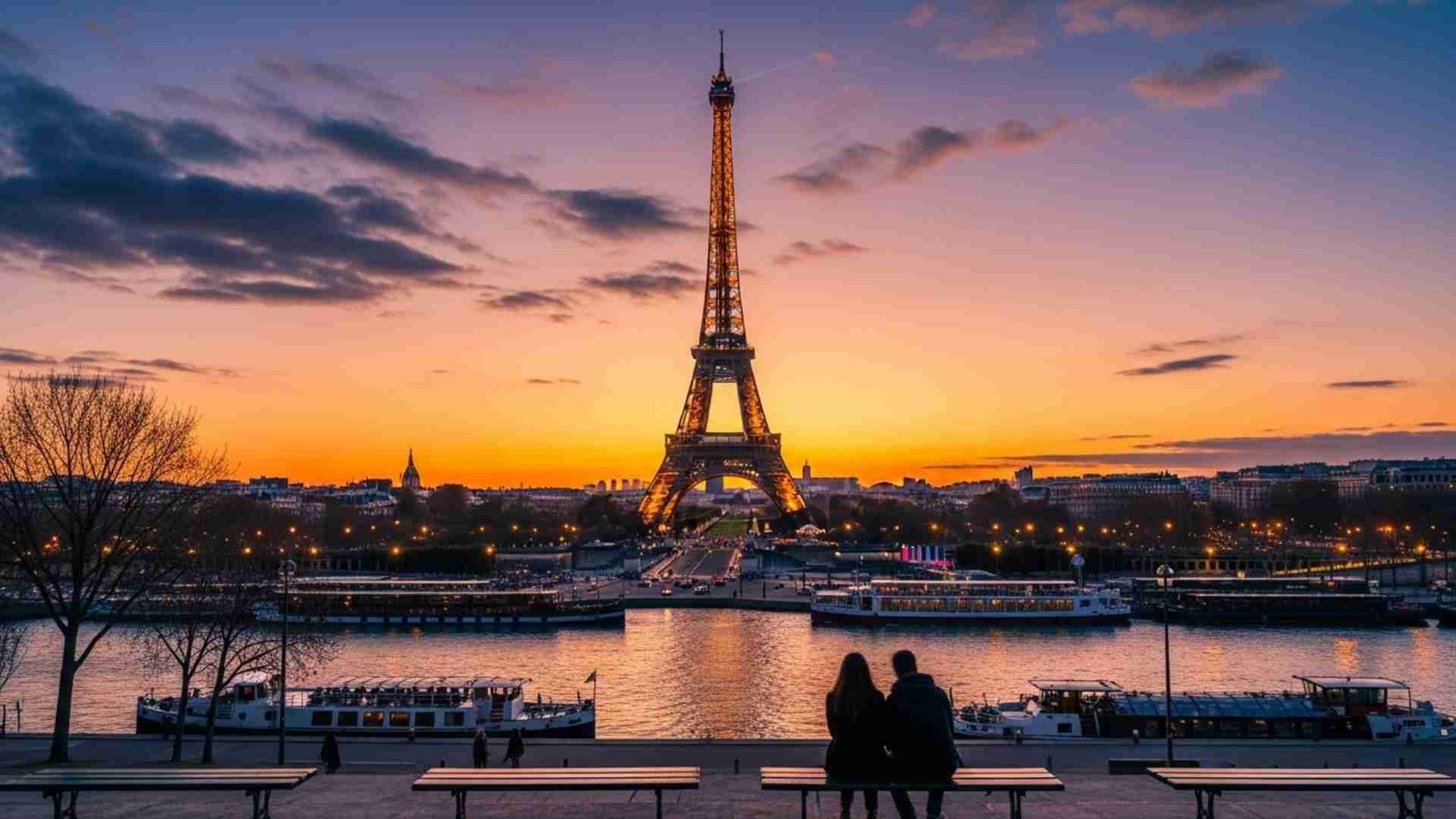
Paris is timeless. The city still breathes romance, but as an adult, you feel more than just fairy tale — you sense the weight of culture, the richness of history, and the craftsmanship behind every café, cobblestone street, and museum. You can relax in a café for hours, sip wine, people watch, and drop into tiny art galleries. It’s not just a place to check off tourist spots — it’s a pace, a mood.
In 2024, the Paris Region saw 48.7 million tourists, a 2% increase from 2023. That includes 22.6 million international visitors, a record for the region. The visitor infrastructure is huge; over 2,455 hotels with roughly 163,000 rooms. The Olympics (summer 2024) boosted interest further, showing how big events change travel flows.
Key Practical Information
- Peak/off-peak: Summer (June–August) is busiest. Late fall or winter (Nov–Feb) can be cheaper and less crowded, especially for hotels.
- Getting around: Use the Paris Métro or buses. Buy a Navigo Easy card or a weekly/monthly Navigo if you’re staying several days.
- Ideal duration: 4–5 days will let you hit the major museums (Louvre, Musée d’Orsay), stroll through neighborhoods like Montmartre or Le Marais, and take in the Seine.
- Must-do experiences: Picnic by the Seine, have a café breakfast, visit lesser-known galleries, and take a nighttime stroll to see the Eiffel Tower sparkle.
- Budget considerations: Use boulangeries for cheap meals, get “carafe d’eau” in restaurants (free tap water), and use discounted museum passes.
- Etiquette: Always greet shopkeepers with “Bonjour / Bonsoir” — French people often appreciate politeness.
- Photo opportunities: Sunset from the Arc de Triomphe, quiet early mornings along the Seine, or views from the hill at Montmartre.
3. New York City, USA
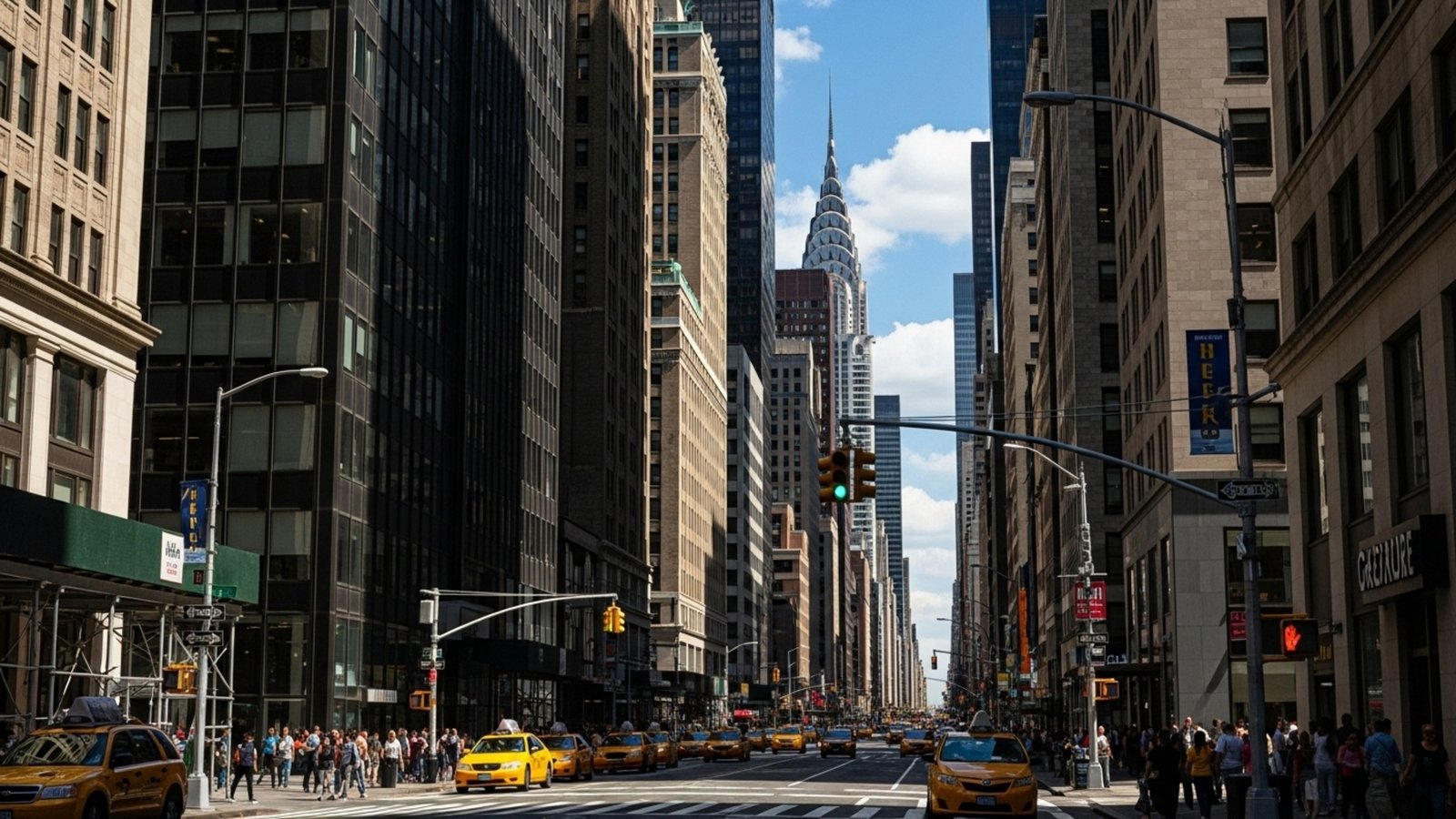
New York City is alive in a way that few cities are. It’s chaotic, loud, bright, and full of ambition. You probably watched movies of Times Square or dreamed about Broadway when you were younger — as an adult, you walk those same streets with your own sense of purpose, maybe thinking not just about the spectacle, but about what it means to be part of such a global city.
in 2024, NYC is projected to hit 64.3 million visitor arrivals, nearly recovering to its pre-pandemic level. The tourism industry generated US$79 billion in economic impact, with US$51 billion in direct visitor spending. Tourism supported 388,000+ jobs in the leisure and hospitality sector.
Key Practical Information
- Best times to visit: Spring (April–June) and fall (September–November) — weather is nicer, and it’s slightly less hectic than summer.
- Getting around: Use the subway — it’s fast (if crowded), reliable, and covers almost everywhere.
- Length of stay: 4–6 days is solid — enough to hit the major highlights (Statue of Liberty, Central Park, MoMA, Broadway) and explore neighborhoods (Brooklyn, Harlem, Williamsburg).
- What to experience: Catch a Broadway or Off-Broadway show, walk through Central Park, take the Staten Island Ferry (free!) for great skyline views.
- Budget ideas: Look for TKTS booths for discount theatre tickets, use food trucks or delis for cheap but great meals, and walk or use the subway instead of taxis.
- Tips on etiquette: New Yorkers are fast and direct; be polite, don’t block sidewalks, and tip well (restaurants, taxis).
- Photography: Go to Top of the Rock or Empire State Building at sunset for skyline shots, and early morning on the Brooklyn Bridge for classic views.
4. London, England
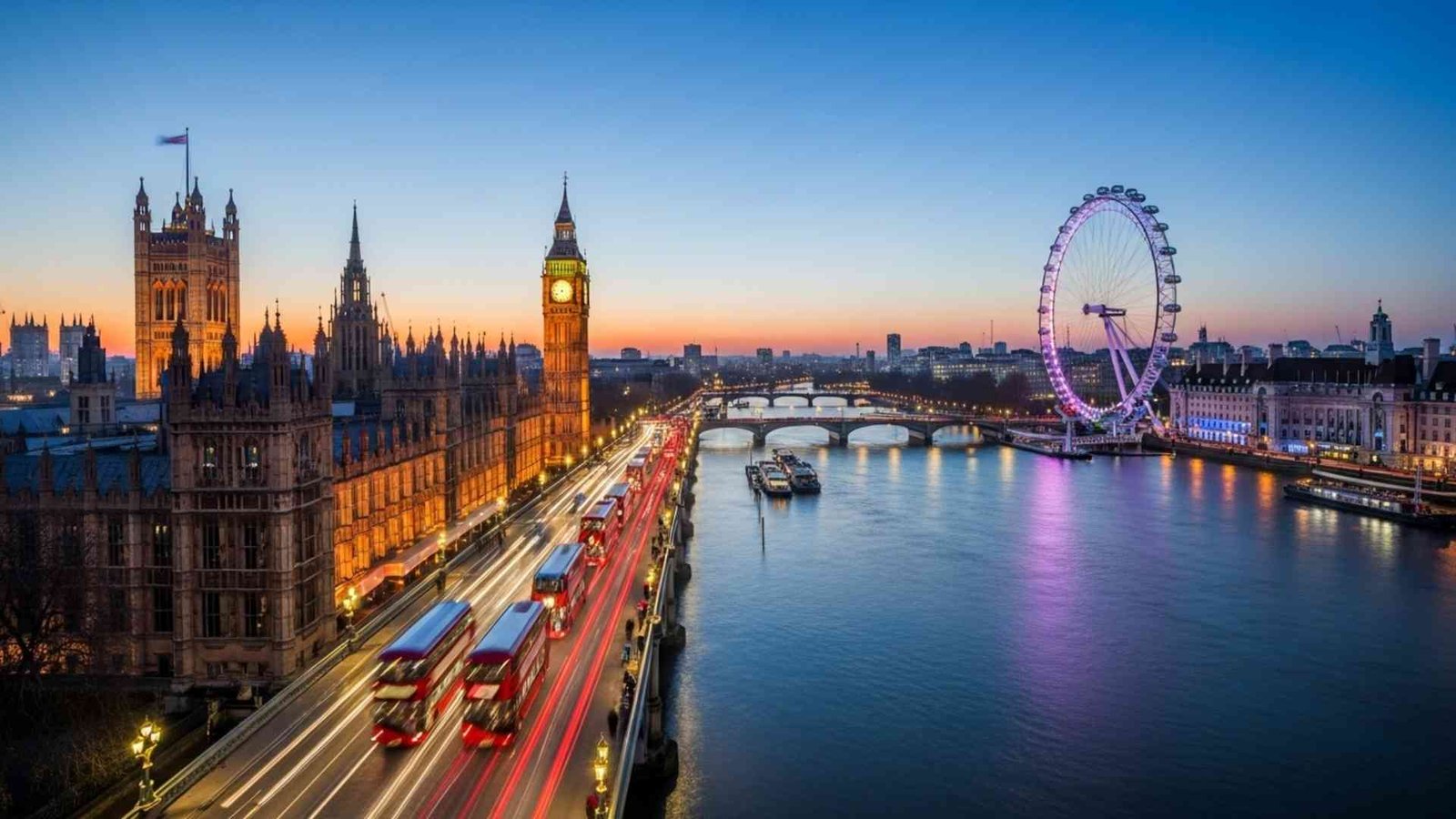
London is a blend of royal pageantry and gritty, modern creativity. You’ve got the Tower of London and Buckingham Palace, but you also have street art in Shoreditch, food markets in Camden, and world-class theatre in the West End. As an adult, you don’t just want to see Big Ben — you want to understand the stories behind it.
according to the State of London report, visits climbed from 31.7 million in 2022 to nearly 36 million in 2024. In 2024, London also saw 20.95 million international visitors, a strong rebound. These visitors spent about £17.29 billion in the city. And there’s a strong hospitality base: the city’s accommodation — hotels, B&Bs, Airbnbs — has recovered, with nights spent by tourists returning to or exceeding pre-pandemic levels.
Key Practical Information
- When to go: Spring (March–May) and early autumn (September–October) are sweet spots — good weather, fewer crowds than summer.
- Getting around: Use an Oyster card or tap with a contactless card for Tube, buses, trams; the daily cap keeps things sane.
- How long to stay: Aim for 5–7 days to explore major monuments (Tower of London, Westminster), museums (British Museum, Tate Modern), and neighborhoods (Notting Hill, Shoreditch).
- Must-try experiences: See a West End show, have afternoon tea, ride the London Eye, and explore parks like Hyde Park or Greenwich.
- Budget tips: Many museums are free; check for discounted theatre tickets; use Santander Cycles (city bike hire) for cheap and fun transport.
- Cultural etiquette: Queue properly, say “please / thank you,” don’t walk-and-eat on buses, and be mindful in public transport during rush hour.
- Photo moments: Booking Sky Garden (free, but book ahead) gives amazing views; walk along the Thames at dusk; or take in the Shard from nearby banks.
5. Orlando (Disney World), USA
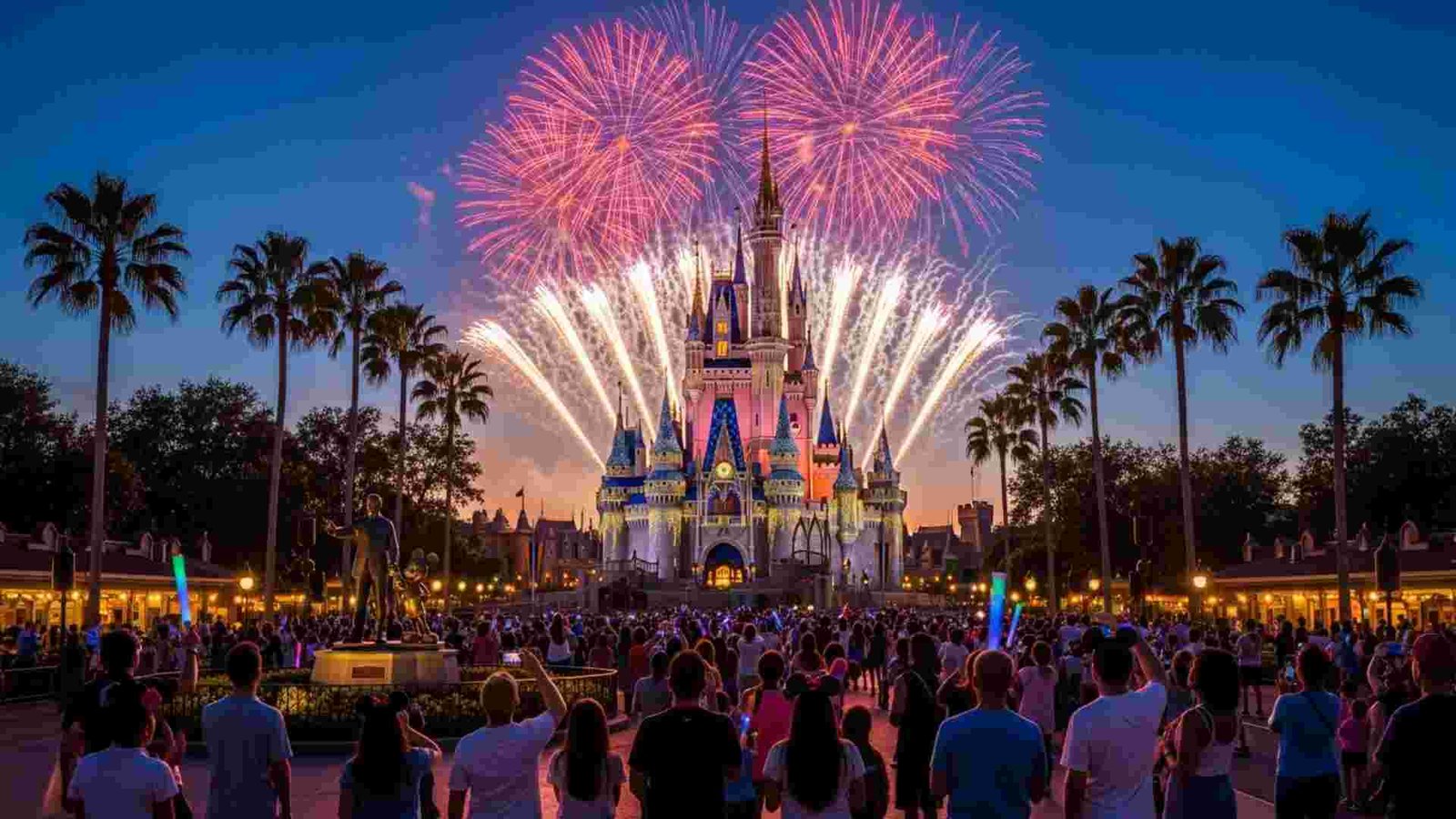
Orlando is the grown-up version of that childhood fantasy. When you were 12, you probably thought of theme parks, Mickey Mouse, and roller coasters. Now, you see the scale: multiple huge parks, water parks, international tourism, and a complex ecosystem built around magic and entertainment — but with sophistication and variety for adults too.
in 2024, Orlando welcomed 75.33 million visitors, a 1.8% increase over 2023. The economic impact? A record US$94.5 billion for Central Florida’s tourism industry. Direct visitor spending was US$59.9 billion, supporting 468,000+ jobs in the region.
Key Practical Information
- Best time to go: Avoid major holiday peaks (like Christmas, summer) if you can; try spring or fall when crowds are manageable and weather is pleasant.
- Getting there / around: Fly into Orlando International Airport (MCO). Use hotel shuttles, rental cars, or rideshares to get to parks.
- Trip length: To really do justice, think 4–5 days — enough for 2–3 Disney parks, maybe Universal, plus some downtime.
- Top experiences: Besides theme parks, explore Disney Springs (for shopping and dining), check out the water parks, and try a nature trip (e.g., nearby springs).
- Money-saving tips: Buy multi-day passes for the parks (cheaper per day), bring refillable water bottles, plan for midday breaks, and use any resort shuttles to skip parking costs.
- Etiquette: Patience is your friend — lines will form, rides have rules, and Florida heat is real. Stay hydrated, rest when needed.
- Photo spots: Main Street, U.S.A. in Magic Kingdom just before fireworks; Cinderella Castle illuminated at night; Universal’s Hogwarts Castle; sunrise shots from the parks are unexpectedly magical.
6. Rome, Italy
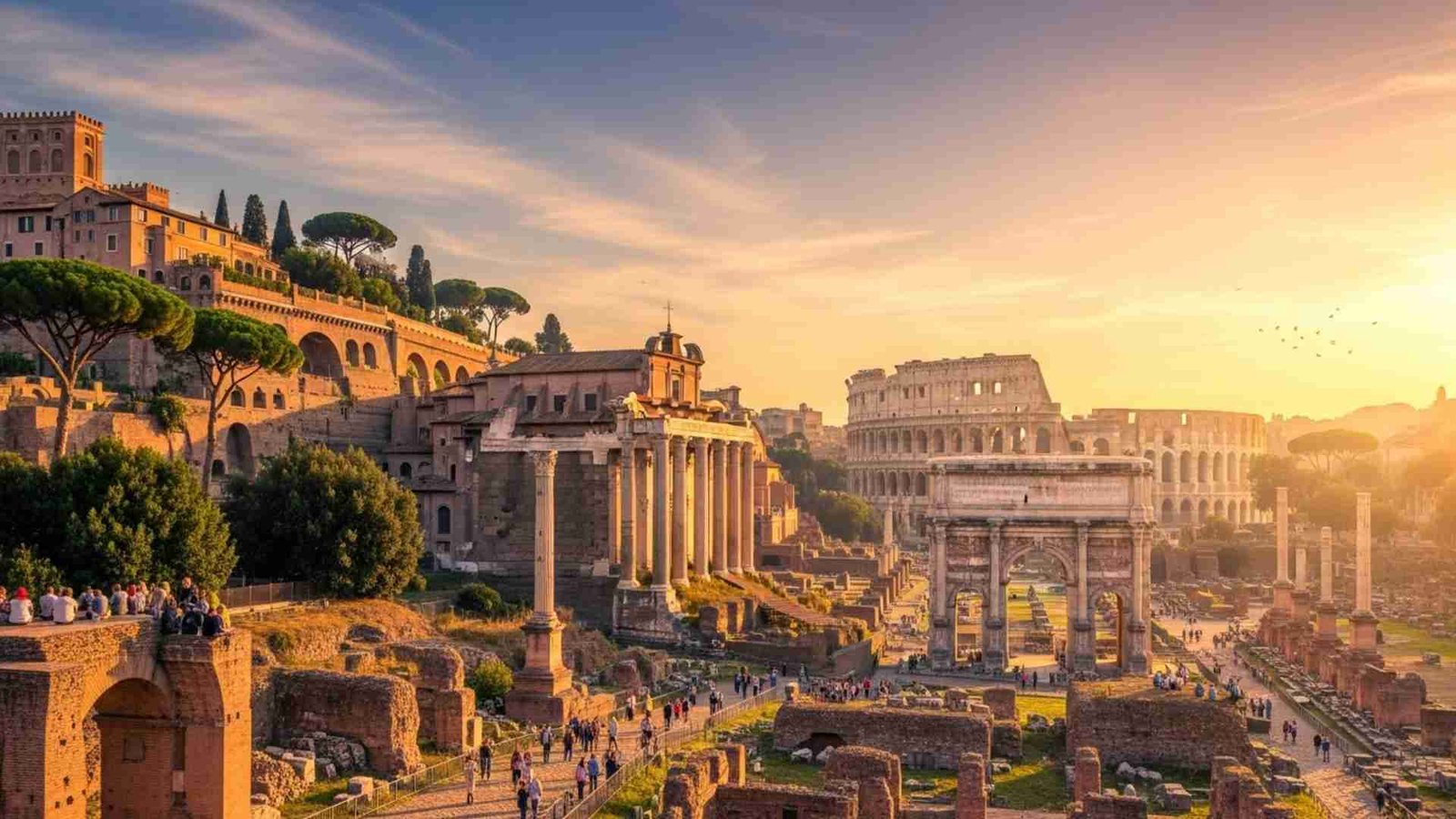
Rome isn’t just the postcard — it’s this living, breathing layer cake of time. You have the Colosseum and the Pantheon, sure, but then there are lesser-known alleys where you stumble across medieval churches or tiny trattorias that feel untouched. What makes Rome deeply satisfying now (as an adult) is sitting on a sun-warmed travertine wall with a gelato, watching the same fountains that emperors once did, and thinking: this is insane, but this is real.
Lately, there’s a tension in Rome between its historical weight and how modern tourism is reshaping it. Some Romans worry it’s becoming “Disneyfied”: locals say the city center is increasingly tourist-run, not lived-in. At the same time, Rome is a powerhouse for overnight stays — in 2024, there were more than 51 million overnight tourist stays recorded. That scale means both opportunity and strain: costs, congestion, and the burden on heritage sites are very real.
Key Practical Information
- Best Time to Visit: mild weather, cherry blossoms and fewer crowds. warm, golden light perfect for photos.
- Getting Around: Use the Metro, buses, or trams for longer distances. Walking is ideal for historic districts — cobblestones can be uneven, so comfortable shoes are a must.
- Ideal Duration of Visit: 4–6 days is enough to explore major landmarks plus hidden gems.
- Must-Do Experiences:
- Early morning Colosseum or Vatican Museums tours to beat crowds.
- Explore neighborhoods like Trastevere or Testaccio for authentic Roman life.
- Gelato tastings, street-side espresso, and visiting piazzas like Piazza Navona.
- Photography Opportunities: Sunrise or sunset at Piazza del Campidoglio or Janiculum Hill. Night shots of Trevi Fountain or Spanish Steps when crowds thin
7. Dubai, UAE
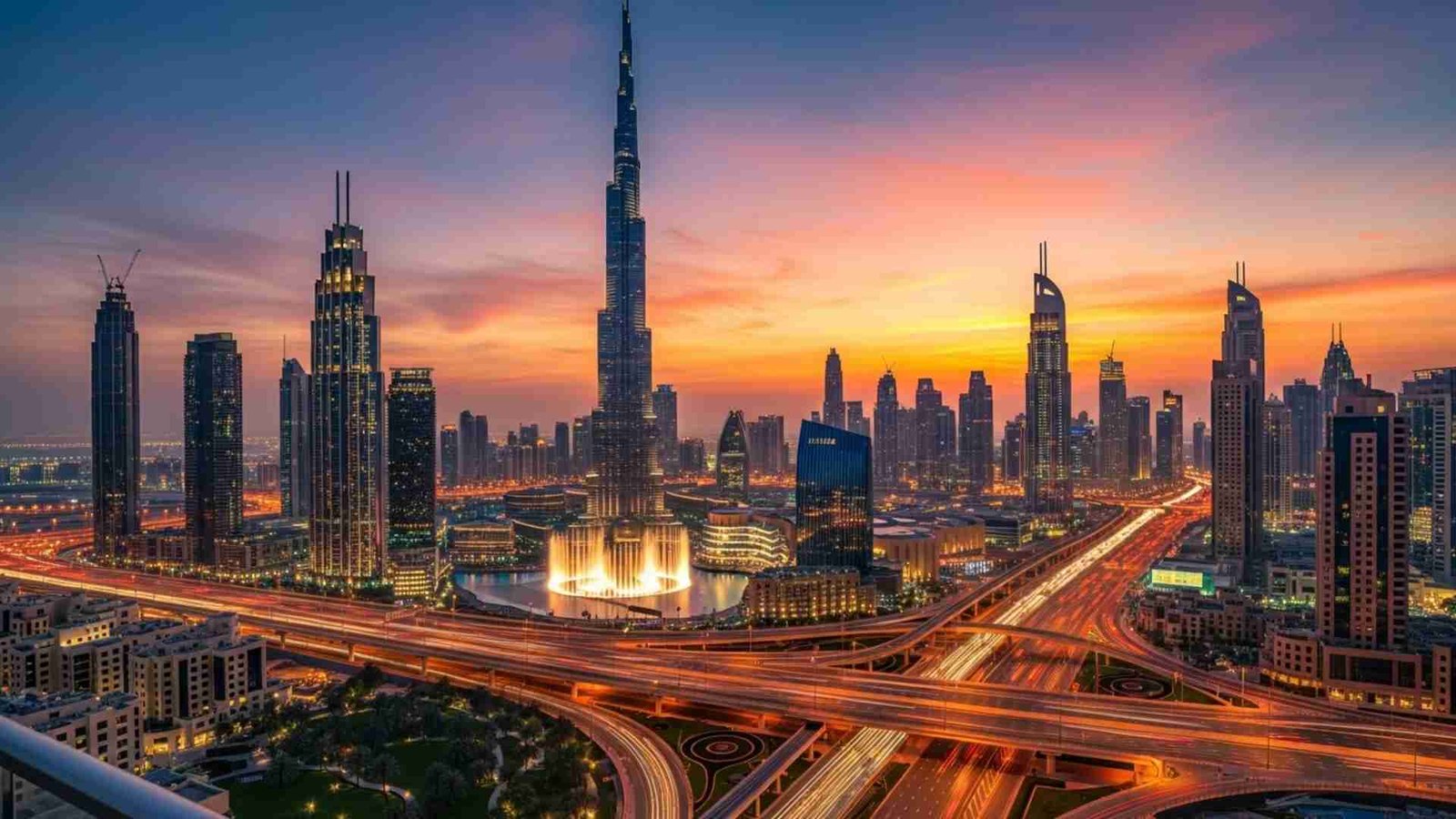
Dubai often feels like a futuristic playground — but there’s more than the skyscrapers and ultra-luxury. Think desert dunes at dawn, quiet heritage neighborhoods like Al Fahidi, and a vibe that’s constantly changing. As an adult, you appreciate not just the glamour, but how the city reinvents itself: from cultural art districts to sustainable tourism experiments.
18.72 million international overnight visitors, a 9% jump over 2023. Hotels were buzzing — over 154,000 rooms across 832 properties, and an average occupancy rate of ~78% for the year. That’s serious infrastructure meeting serious demand. Also, visitor demographics are diversifying: strong growth from North-East & South-East Asia (+24%), Africa (+20%), Eastern Europe (+16%).
Key Practical Information
- Best Time to Visit: cooler temperatures (~24–30°C) and pleasant evenings.
- Getting Around: Efficient Dubai Metro and tram system covers most attractions. Taxis and rideshares are convenient, especially for desert trips.
- Ideal Duration of Visit: enough to explore city landmarks, desert excursions, and cultural districts.
- Must-Do Experiences:
- Climb Burj Khalifa for skyline views.
- Explore Al Fahidi Historical Neighborhood and Dubai Museum.
- Desert safari with dune bashing, camel rides, and evening BBQ.
- Take a dhow cruise on Dubai Creek or Marina.
8. Sydney, Australia
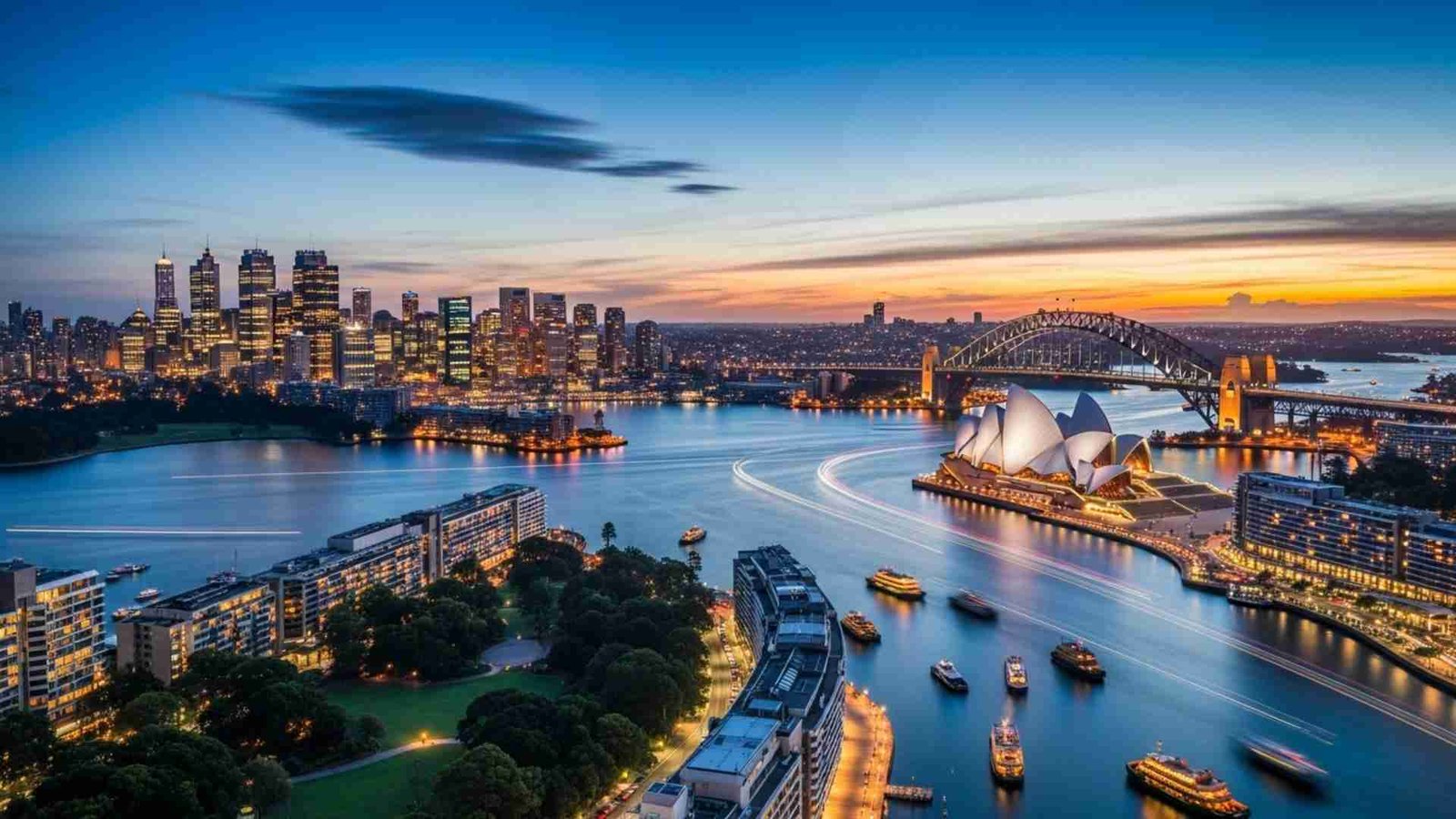
Sydney is more than its iconic Opera House and Harbour Bridge — it’s a city where urban life meets wild nature. As an adult, you notice the rhythm of the city: office workers strolling along Circular Quay, surfers riding waves at Bondi Beach, and locals sipping coffee in sunny patios. Beyond the tourist postcards, Sydney offers hidden trails, bustling food markets, and vibrant neighborhoods like Surry Hills and Newtown that make it feel alive and diverse.
What makes Sydney special is the combination of city scenarios and natural escapes. You can start your day with a ferry ride to Manly, spend the afternoon walking coastal cliffs at Bondi to Coogee, and finish with drinks overlooking the harbour at sunset. The city also hosts over 3.6 million international visitors annually, who spend millions of nights exploring its architecture, beaches, and cultural experiences — showing it’s a destination for both adventure and relaxation.
Practical Information
- Best Time to Visit: September–November (spring) or March–May (autumn) for mild weather and fewer crowds.
- Getting Around: Use the Opal Card for trains, buses, and ferries — convenient and cost-effective. Ferries provide scenic transport between Circular Quay, Manly, and Darling Harbour.
- Ideal Duration of Visit: 5–6 days: enough for city landmarks, coastal walks, and day trips to nearby parks or beaches.
- Must-Do Experiences:
- Climb the Sydney Harbour Bridge or take the BridgeClimb tour.
- Tour the Sydney Opera House or catch a performance.
- Hike coastal trails from Bondi to Coogee.
- Explore Taronga Zoo and Royal Botanic Gardens.
- Budget Tips: Take free walking tours or explore beaches for no cost. Eat at food trucks, markets, and local cafés rather than fine dining every day.
9. Santorini, Greece
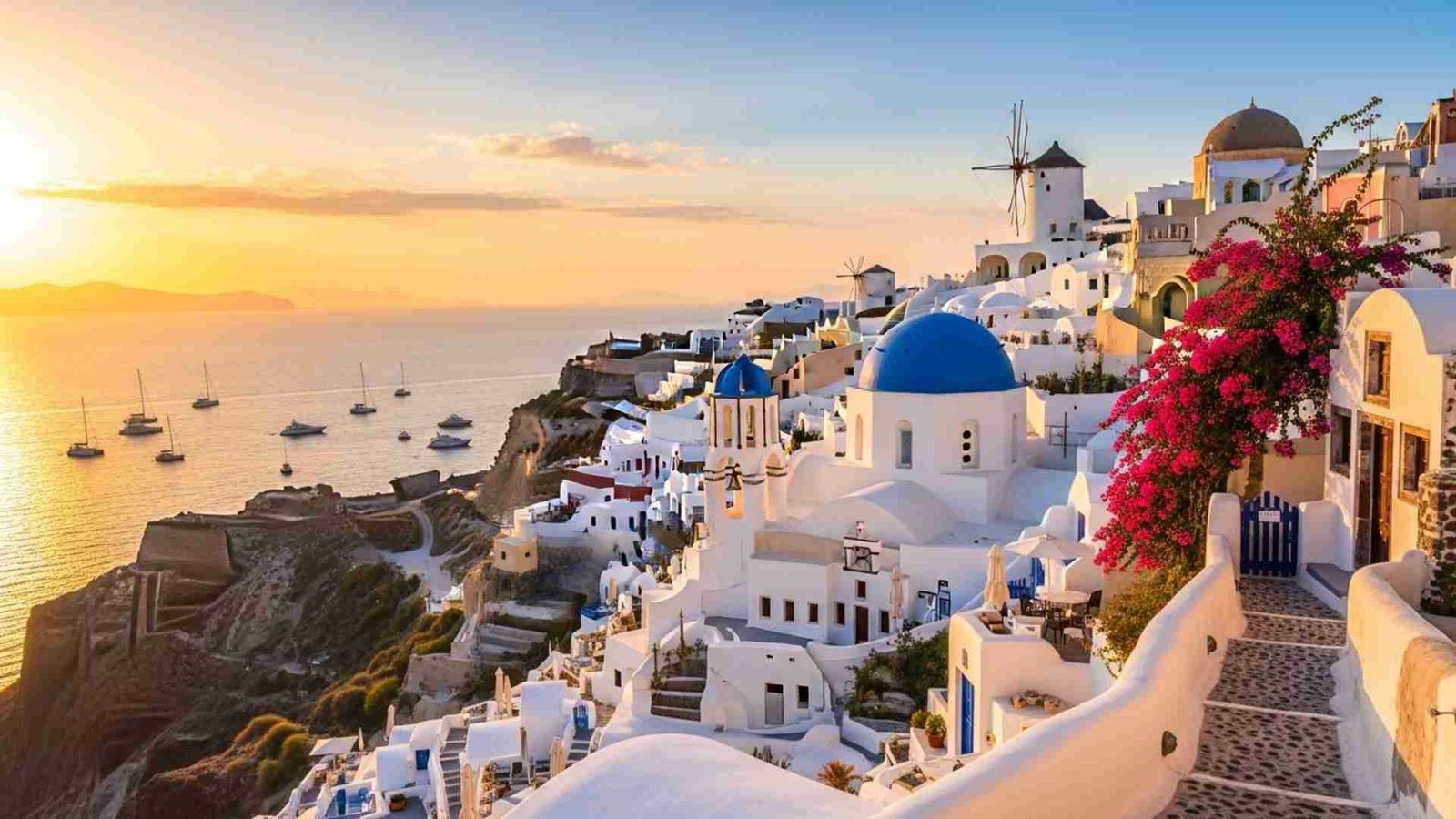
Santorini is the kind of place that sticks in your memory — the caldera cliffs, whitewashed houses, and brilliant blue domes. But as an adult, you notice more than the postcard-perfect views. You appreciate the volcanic history, the local wineries cultivating grapes in ash-rich soil, and the quieter corners away from the main tourist hubs. Early morning walks along narrow alleys in Oia or Fira reveal bakeries filling the air with fresh bread, small churches tucked into cliffs, and a rhythm of daily life untouched by the cruise ship crowds.
The island’s appeal also comes from immersive experiences: sailing around the caldera, visiting ancient ruins like Akrotiri, or hiking from Fira to Imerovigli for uninterrupted caldera views. Tourism is booming — in 2024, Santorini welcomed around 3.4 million visitors, with cruise ship traffic contributing significantly to the daily influx. While the crowds can be intense during peak season, visiting with a thoughtful plan allows you to uncover the charm of smaller villages and hidden beaches.
Practical Information
- Best Time to Visit: mild weather, fewer crowds, and golden light for photography. Peak summer (July–August) can be very crowded and hot
- Getting Around: Rent a scooter, ATV, or car for flexibility, as public buses are limited. Walking is practical within towns like Fira, Oia, and Imerovigli.
- Ideal Duration of Visit: 3–5 days: enough for caldera views, beaches, hikes, and local wineries.
- Must-Do Experiences:
- Sunset in Oia — best to arrive early to avoid crowds.
- Hike Fira to Oia for spectacular caldera panoramas.
- Wine tasting at local vineyards like Santo Wines.
- Explore volcanic beaches: Red Beach, Black Beach.
- Budget Tips: Stay in villages slightly inland (e.g., Pyrgos, Megalochori) to save on accommodation. Eat at small tavernas instead of main caldera restaurants.
10. Singapore
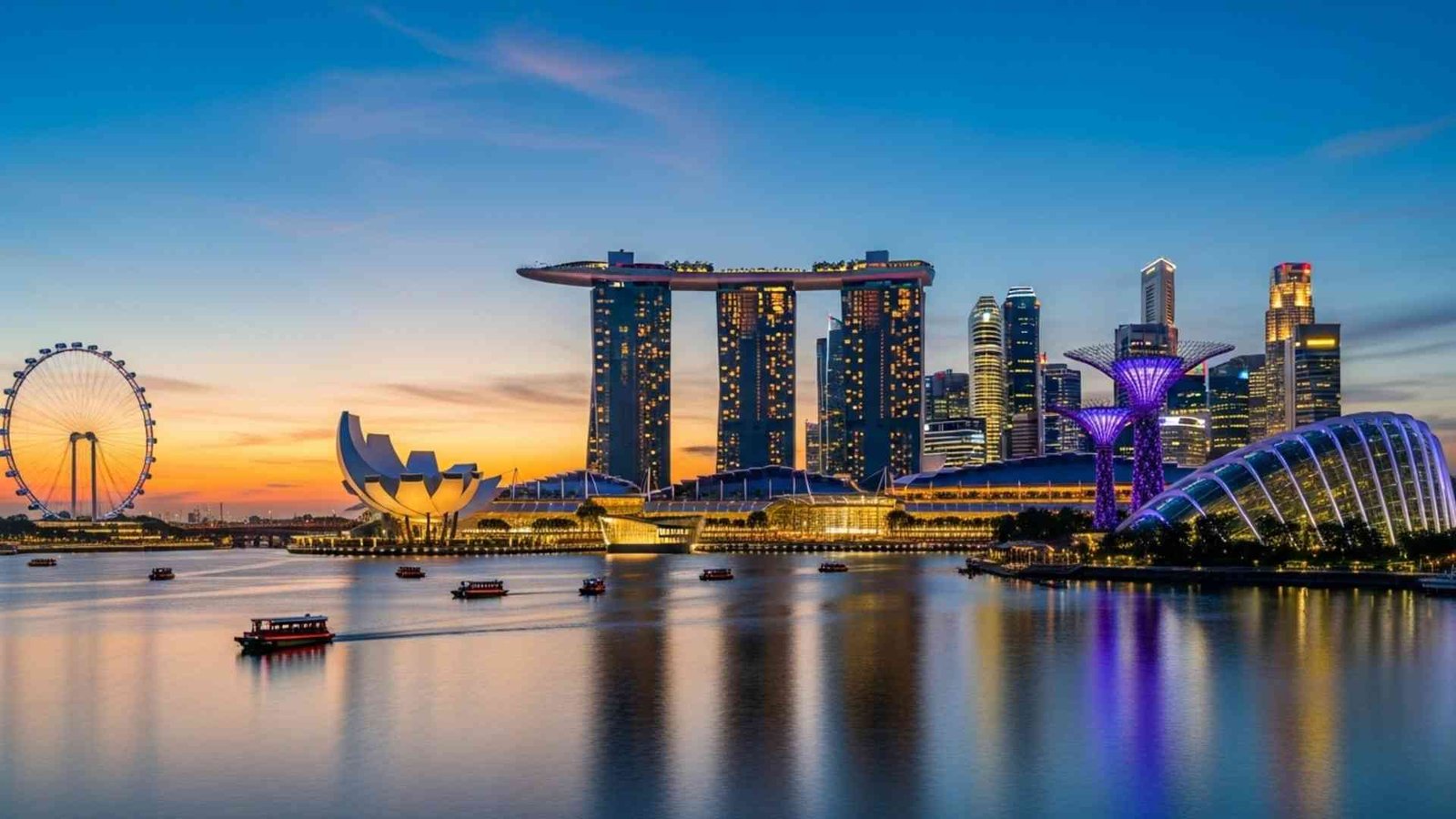
Singapore is a city where the future and tradition exist side by side. Sleek skyscrapers and innovative architecture stand alongside historic neighborhoods like Chinatown, Little India, and Kampong Glam. As an adult traveler, you notice the harmony of green spaces, cultural diversity, and efficient urban design. Beyond the postcard views, there’s the rhythm of local life: hawker centers buzzing with families, hidden art murals in quiet lanes, and the gentle flow of people along the Singapore River at dusk.
The city’s unique personality comes from its scenarios — you can start with a morning walk through Gardens by the Bay, have lunch at a hawker center, then hop on the MRT to explore vibrant neighborhoods or museums. Singapore attracts over 16.5 million international visitors in 2024, with tourism receipts climbing steadily. This isn’t just a city to glance at — it’s designed for immersive exploration, whether that’s urban, cultural, or culinary.
Practical Information
- Best Time to Visit: February–April and July–September for slightly cooler temperatures and less rainfall. Singapore is hot and humid year-round (average 25–32°C), with occasional heavy showers.
- Getting Around: MRT (Mass Rapid Transit) is fast, clean, and connects most attractions. Buses and taxis are reliable; grab rideshares for convenience.
- Ideal Duration of Visit: 4–5 days: enough to see urban highlights, cultural neighborhoods, and Sentosa Island.
- Must-Do Experiences:
- Visit Gardens by the Bay and Marina Bay Sands SkyPark
- Explore Sentosa Island for beaches, attractions, and adventure sports
- Walk through neighborhoods: Chinatown, Little India, Kampong Glam
- Eat at hawker centers like Maxwell Food Centre and Lau Pa Sat
- Budget Tips: Hawker centers offer authentic meals at low cost (~S$4–10 per dish). Buy combined attraction passes to save on museums and observatories.
11. Tokyo, Japan
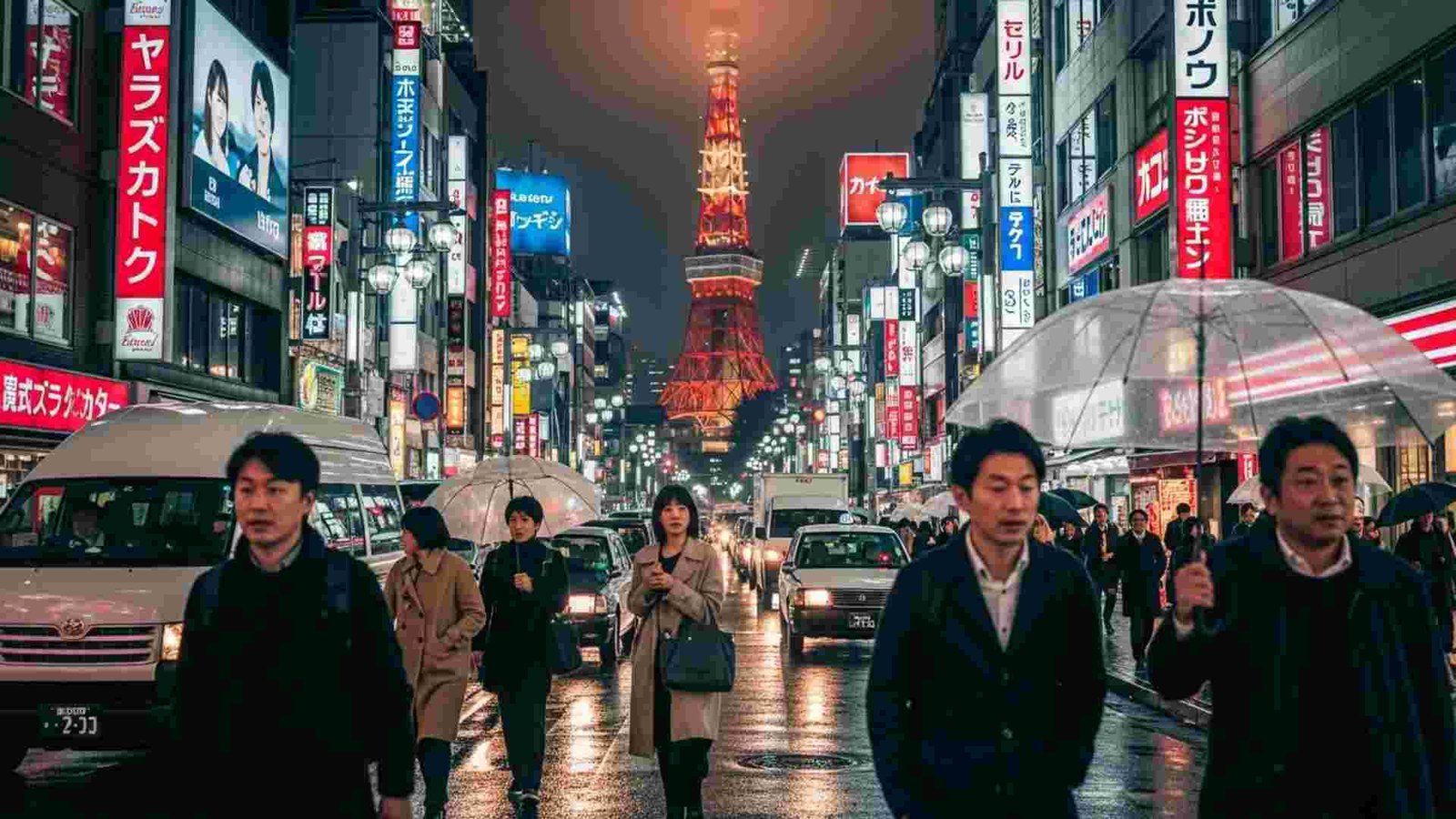
Tokyo is more than neon lights and Shibuya crossings — it’s a patchwork of experiences waiting to surprise you. Beyond the tourist hotspots, you’ll stumble across tiny yakitori alleys, quiet shrines tucked behind office buildings, and manga cafés where locals disappear into fantasy worlds.
it’s early morning, and you’re walking through Yanaka, a neighborhood untouched by skyscrapers, where elderly residents greet you and street cats sun themselves on temple steps. By afternoon, you’re at Tsukiji Outer Market, tasting fresh sushi like a pro, and by evening, you hop onto a tram heading for hidden observation decks that overlook the city’s endless lights.
Practical Information
- Best Season: Spring (cherry blossoms) or Autumn (fall colors)
- Transport Hack: Get a Suica or Pasmo card for trains and buses — fast, seamless
- Hidden Gem: Yanaka Ginza Alley — old-school Tokyo vibes
- Food Tip: Try standing sushi bars — fast, authentic, and budget-friendly
- Photography: Dawn at Senso-ji Temple, night skyline from Shinjuku skyscrapers
- Duration: 5–6 days to cover neighborhoods, museums, and pop culture spots
12. Paris, France
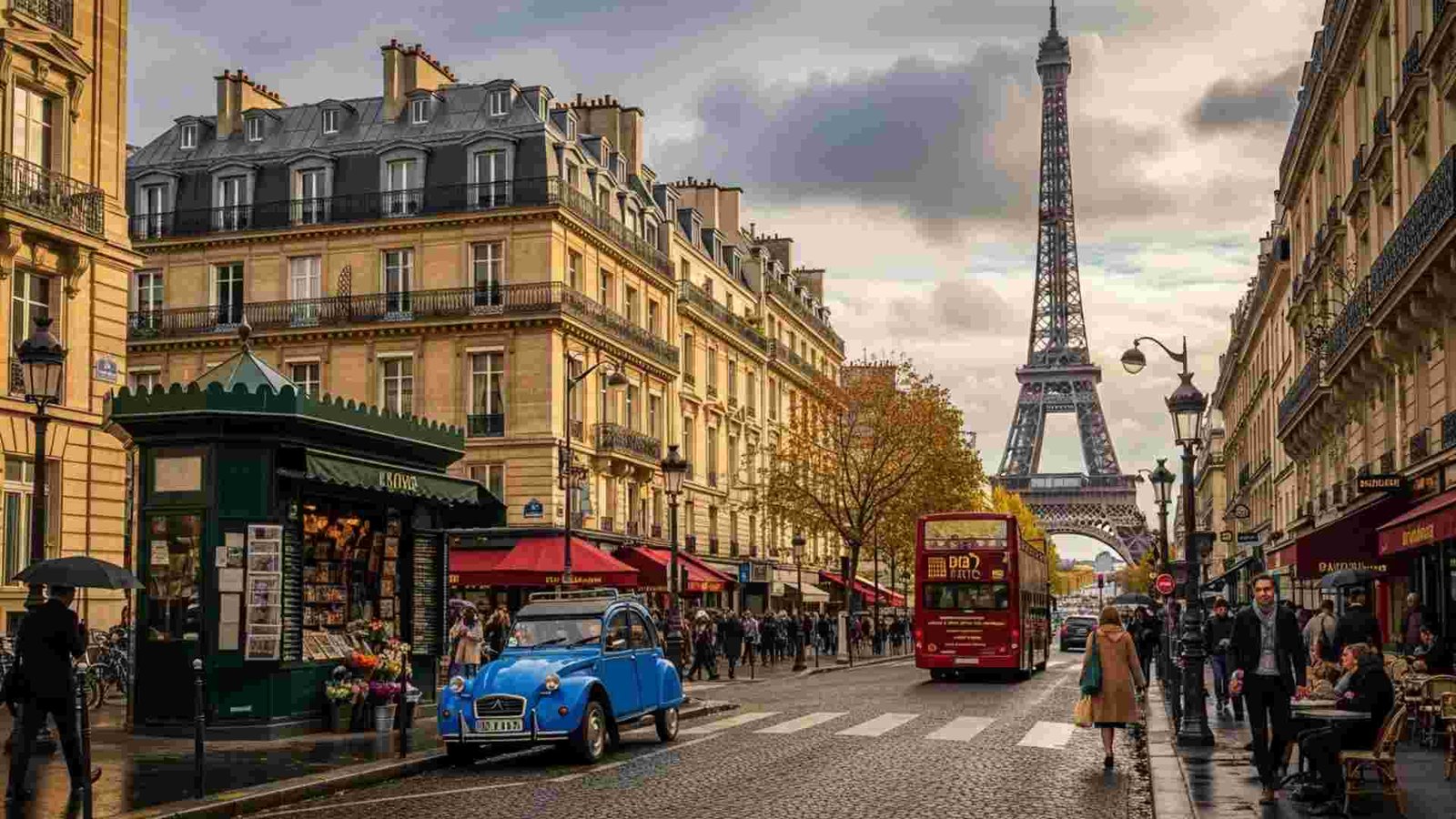
Paris is famous, yes, but the real magic comes when you wander beyond the Eiffel Tower. Explore covered passages like Passage Verdeau, or tiny art galleries in Le Marais. Street musicians and café culture make every corner feel alive.
a quiet afternoon on Île Saint-Louis, enjoying a homemade ice cream while watching locals row boats on the Seine. You stumble into a bookstore that’s been in the same family for a century and realize Paris is as much about discovery as its landmarks.
Practical Information
- Best Season: Spring or early fall for mild weather and fewer tourists
- Getting Around: Walk as much as possible; Metro is cheap and efficient
- Hidden Gems: Canal Saint-Martin for relaxed vibes
- Food Tip: Try boulangeries off the main streets for fresh pastries
- Photography: Morning light at Montmartre, sunset by Pont Neuf
- Duration: 4–5 days for museums, neighborhoods, and cafés
13. New York City, USA
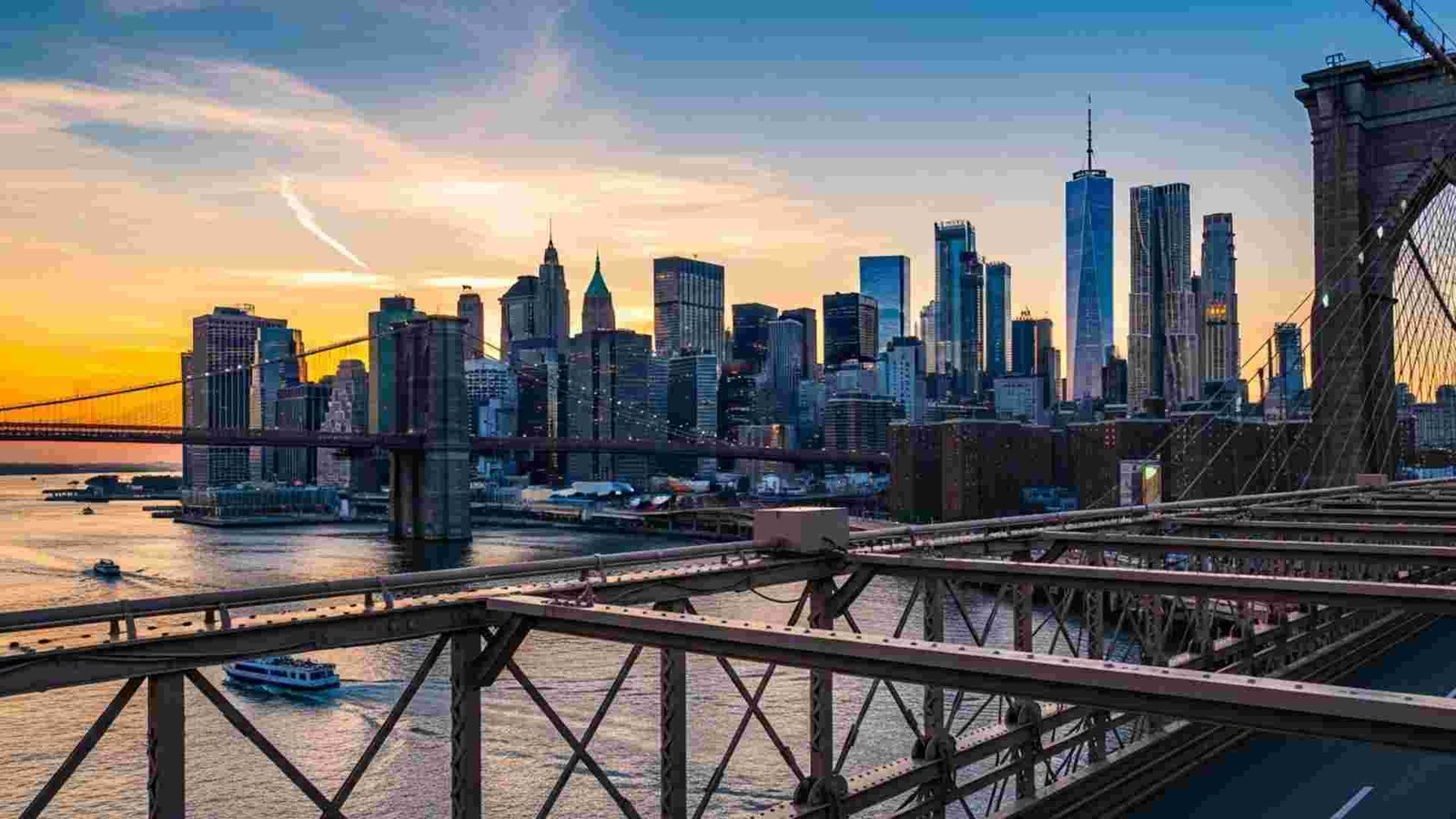
New York isn’t just skyscrapers and Times Square — it’s a mosaic of neighborhoods, each with its own rhythm. Brooklyn’s street art, Queens’ international food scene, and quiet spots like The Elevated Acre make the city endlessly discoverable.
Imagine hopping on the subway and arriving at a secret jazz club in the West Village or stumbling upon a pop-up art installation in DUMBO. NYC rewards curiosity: walk streets without a map, and you’ll uncover hidden diners, vintage shops, and quirky museums that tourists often miss.
Practical Information
- Best Season: April–June or September–October
- Transport Hack: MetroCard covers subways and buses; walking is part of the experience
- Hidden Gems: Roosevelt Island Tram for city views, Green-Wood Cemetery in Brooklyn
- Food Tip: Bagels, pizza slices, and street food trucks are unbeatable
- Photography: Sunrise at Brooklyn Bridge, street photography in Lower East Side
- Duration: 5–7 days to explore boroughs and iconic sites
14. Bali, Indonesia
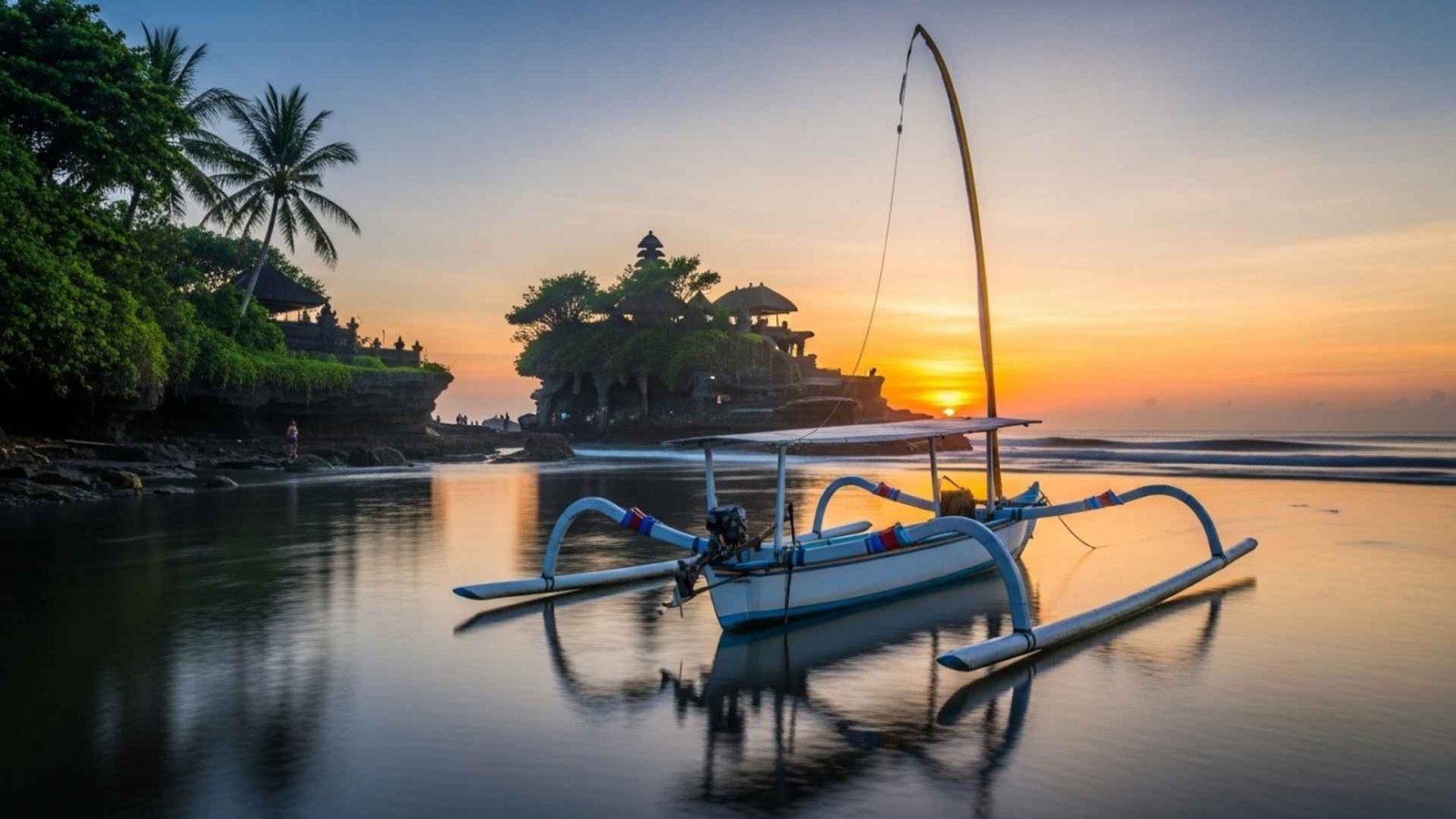
Bali is more than beaches and sunsets — it’s spiritual energy and lush adventure. Beyond Kuta or Seminyak, Ubud’s rice terraces, hidden waterfalls, and local markets reveal the island’s soul.
Picture trekking to Tukad Cepung Waterfall, where sunlight pierces the cave for a cinematic glow, or attending a traditional Balinese dance at a small temple festival. Bali feels personal: every village has its own stories, rituals, and flavors to explore.
Practical Information
- Best Season: April–October (dry season)
- Getting Around: Rent a scooter or car; local taxis are limited outside tourist areas
- Hidden Gems: Tukad Cepung Waterfall, Sidemen Valley
- Food Tip: Try local warungs for authentic Balinese meals
- Photography: Sunrise at Mount Batur, sunsets in Uluwatu cliffs
- Duration: 5–7 days to balance beaches, mountains, and culture
15. Machu Picchu, Peru
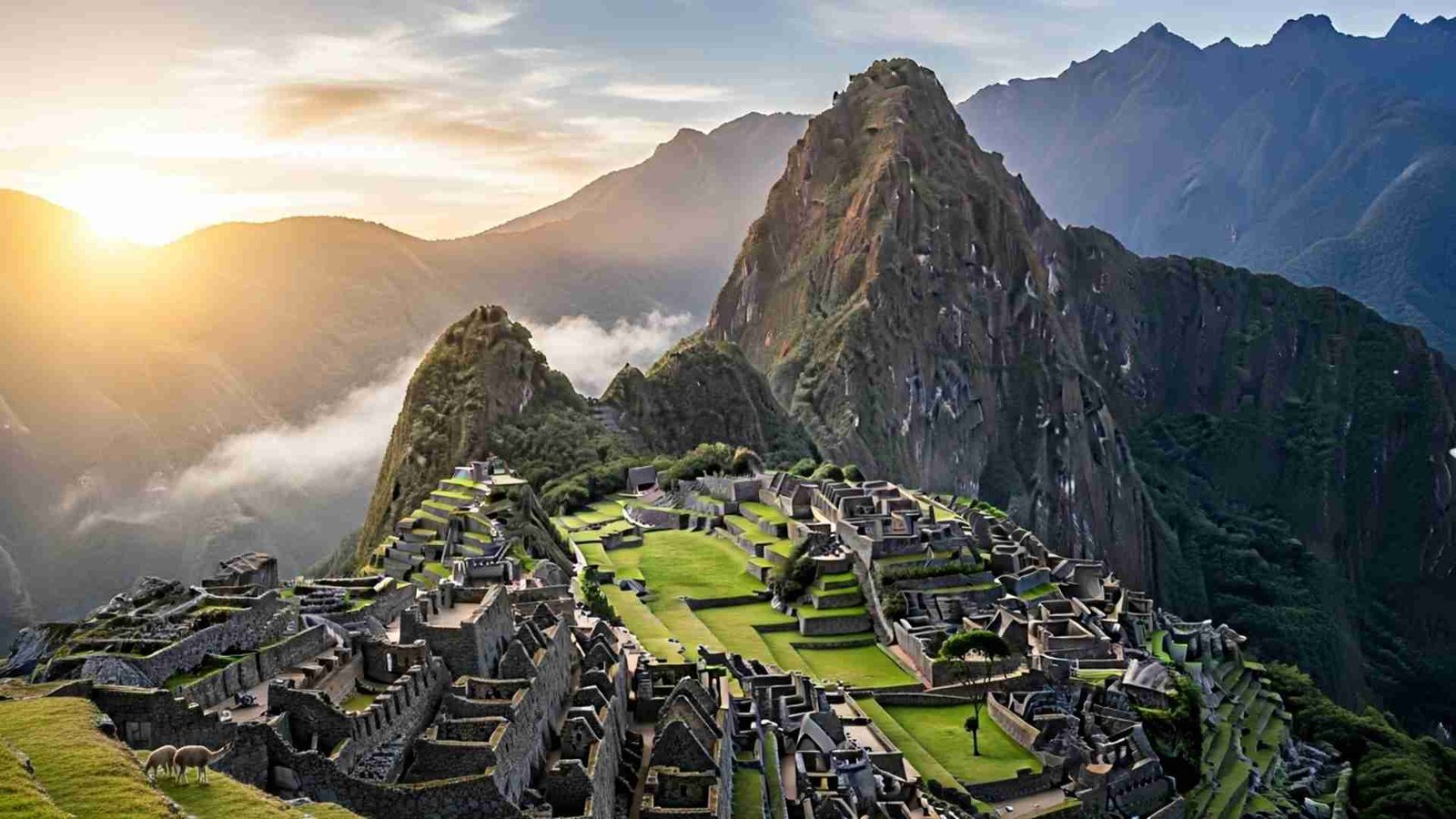
Machu Picchu is iconic, yes, but the journey there is part of the story. The Inca Trail winds through cloud forests, remote villages, and high-altitude passes — it’s an adventure layered with history.
Picture this: early morning, mist curls around stone terraces, llamas graze quietly, and the sunrise bathes the citadel in golden light. Walking the lesser-used trails before the main crowd arrives gives an intimate, almost spiritual connection to the site.
Practical Information
- Best Season: May–September (dry season)
- Getting There: Train from Cusco to Aguas Calientes, or multi-day Inca Trail trek
- Hidden Gems: Sun Gate hike for uncrowded views, Wiñay Wayna ruins
- Food Tip: Local Andean meals in Aguas Calientes — hearty and affordable
- Photography: Sunrise at the main citadel, cloud-wrapped terraces in early morning
- Duration: 2–4 days depending on trekking or train-only visit
16. Iceland
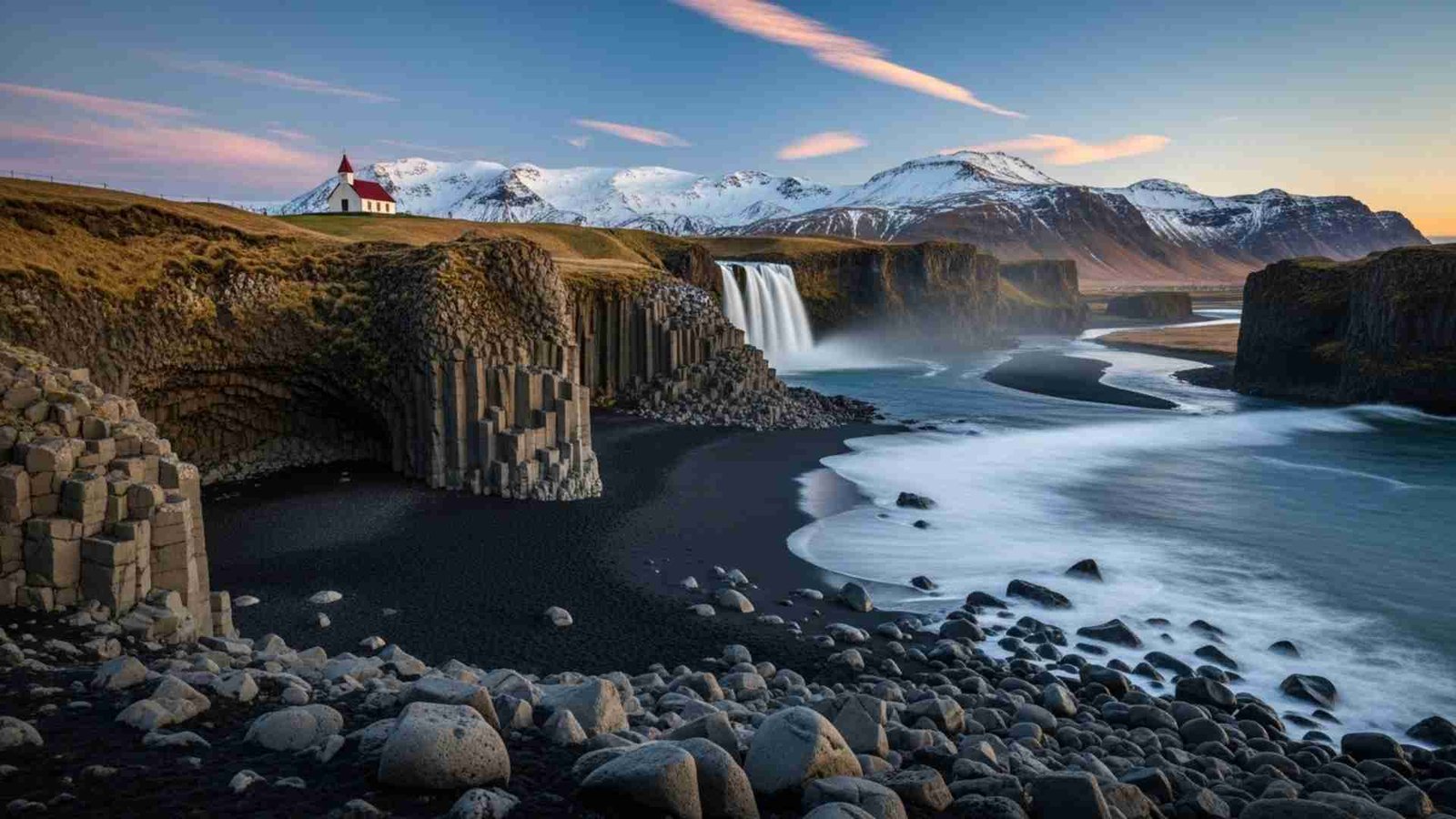
Iceland is a land of raw beauty — glaciers, volcanoes, waterfalls, and geothermal springs. The classic Golden Circle is just the beginning; venture off the main roads to see hidden waterfalls, black sand beaches, and ice caves for a true adventure.
Imagine driving along the Ring Road, stopping wherever the landscape calls — a lone waterfall, a steaming hot spring, or a herd of Icelandic horses grazing near lava fields. Iceland rewards curiosity: each detour feels like discovering a world untouched.
Practical Information
- Best Season: June–August for accessibility, or December–February for Northern Lights
- Getting Around: Rent a 4×4 car for flexibility; guided tours for ice caves and glaciers
- Hidden Gems: Seljavallalaug pool, Stuðlagil Canyon, Fjaðrárgljúfur canyon
- Food Tip: Local bakeries for skyr and lamb dishes; seafood is fresh everywhere
- Photography: Jökulsárlón Glacier Lagoon, Vik’s black sand beaches, northern lights
- Duration: 7–10 days to cover Ring Road and side excursions
Conclusion
Revisiting these childhood dream destinations as adults turns nostalgia into something richer — a chance to explore with curiosity, freedom, and deeper appreciation. The sights, flavors, and moments we once only imagined become real, often more extraordinary than we remembered. Traveling now allows us to connect with culture, history, and ourselves in ways we couldn’t at twelve, reminding us that the world isn’t just a collection of places, but a tapestry of experiences waiting to be lived. These journeys prove that some dreams are worth the wait — and every step brings its own revelation.