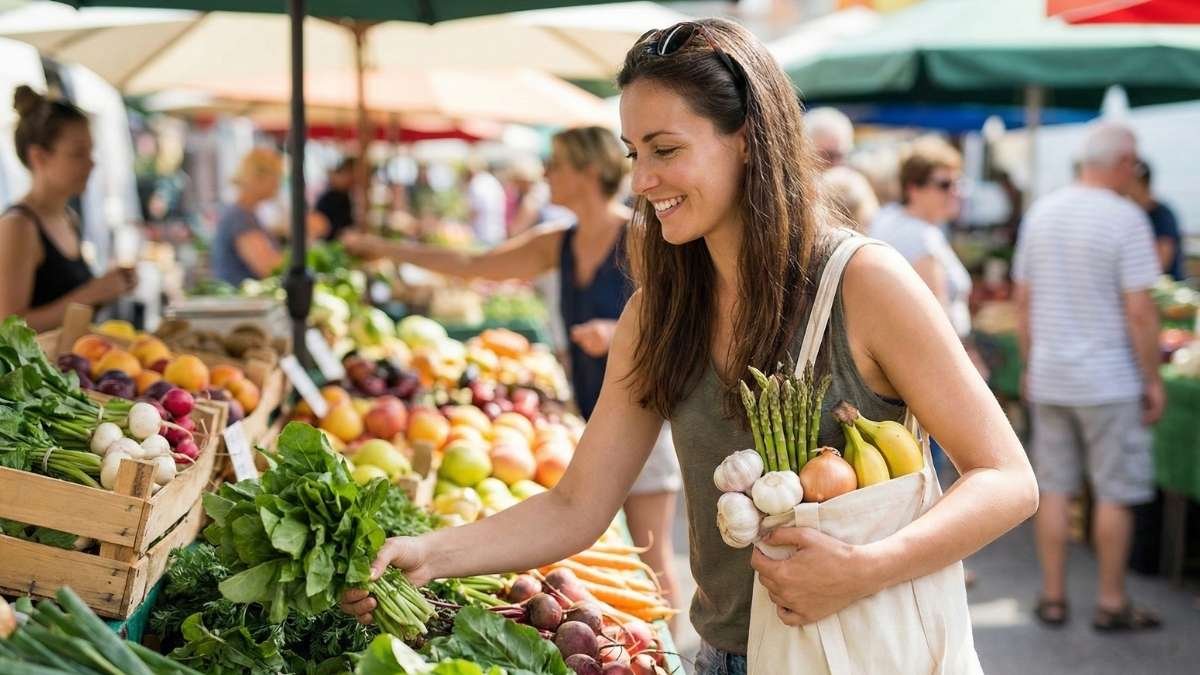
We have all stood in the supplement aisle, staring at a $50 bottle of probiotics, wondering if those billions of “CFUs” are actually going to do anything. We want better digestion, less bloating, and that elusive “gut health” everyone talks about. So we swallow the capsule and hope for the best.
But here’s the thing that most marketing glosses over: You can’t just drop new seeds (probiotics) onto a barren wasteland and expect a rainforest to grow. You have to fertilize the soil.
That fertilizer is prebiotics.
In the last few decades, science has shifted from just looking at what lives in our gut to how we feed it. The data is startling: 95% of Americans are failing to meet the recommended fiber intake. We are starving our internal ecosystem.
When you eat the nine foods listed below, you aren’t just eating for you; you are eating for the trillions of microbes that regulate your mood, your immunity, and your metabolism. But—and this is the part most people miss—how you prepare these foods changes everything.
Here is the no-nonsense guide to the “Big Nine,” backed by science, stripped of the jargon.
The “Big Nine”: Your Prebiotic Grocery List
We aren’t talking about obscure berries found only in the Amazon. These are foods you likely walk past every week.
1. Chicory Root: The Heavy Lifter
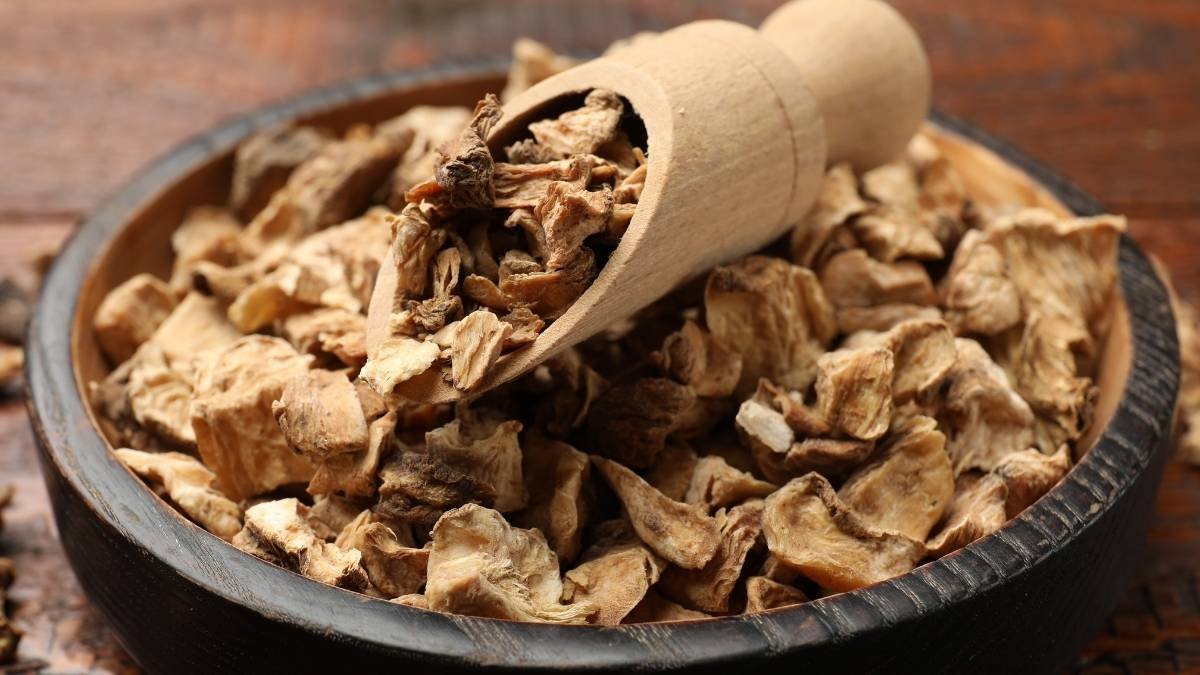
- The Lowdown: If prebiotics were a sport, Chicory Root would be the MVP. It is roughly 68% inulin by dry weight, making it the most potent source of fiber we have.
- The Reality Check: You probably aren’t going to buy a raw root and gnaw on it. It’s woody and bitter.
- How to Actually Eat It: You’ll mostly find this as a coffee substitute (popular in New Orleans-style coffee) or as “Inulin” or “Chicory Root Fiber” added to protein bars.
- Pro Tip: If you see “Chicory Root Fiber” on a label, go easy. Because it’s so concentrated, it can cause rapid fermentation (read: gas) if you eat too much at once.
2. Dandelion Greens: The Bitter Truth
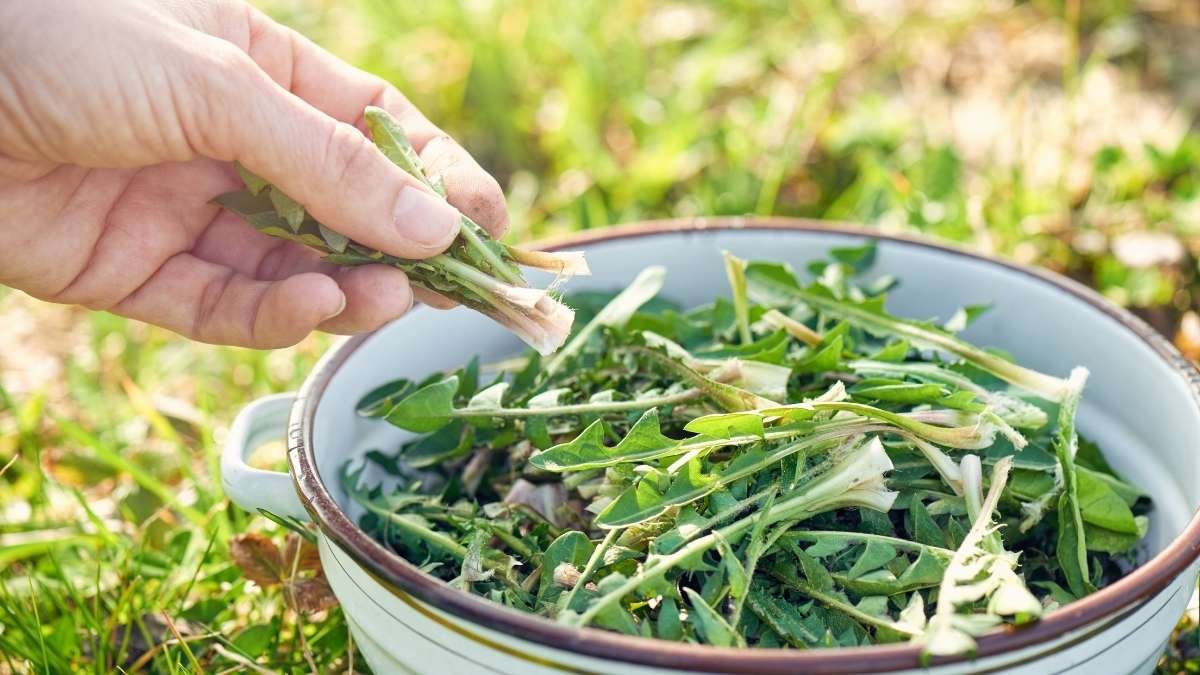
- The Lowdown: Yes, the weeds in your backyard. They are nutritional powerhouses loaded with inulin (about 12–15g per 100g).
- Why We Love Them: They do double duty. The fiber feeds the gut, and the bitter taste stimulates bile flow, which helps you digest fats.
- Kitchen Fix: They are bitter. Don’t try to eat a whole bowl of them raw unless you love punishment. Mix a handful of young raw leaves into a regular salad, or sauté them quickly with garlic and lemon to cut the bite.
3. Jerusalem Artichokes: The “Fartichoke”
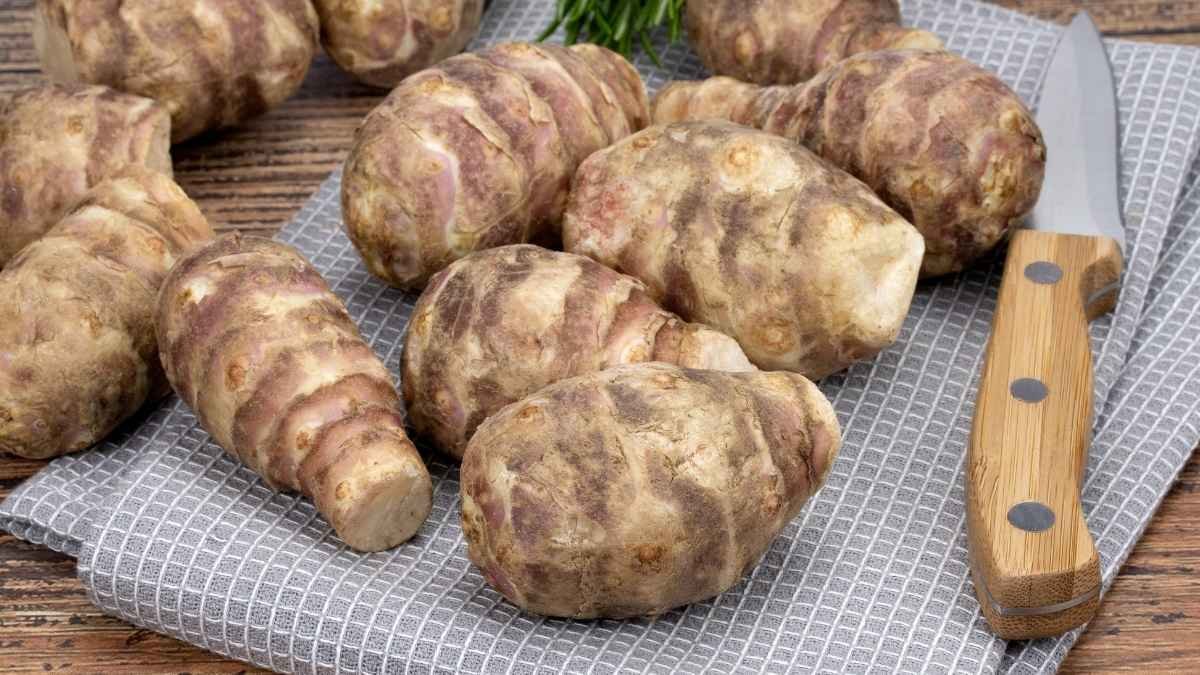
- The Lowdown: These look like ginger root but taste like a nutty potato. They are incredibly high in inulin (up to 20g per 100g).
- The Warning: There’s a reason chefs call them “fartichokes.” The fermentation process is vigorous.
- How to Handle Them: Do not eat these raw if you are a beginner. Roast them slowly. Slow roasting converts some of the inulin into fructose, making it sweeter and much gentler on your stomach.
4. Garlic: The “Chop and Stop” Rule
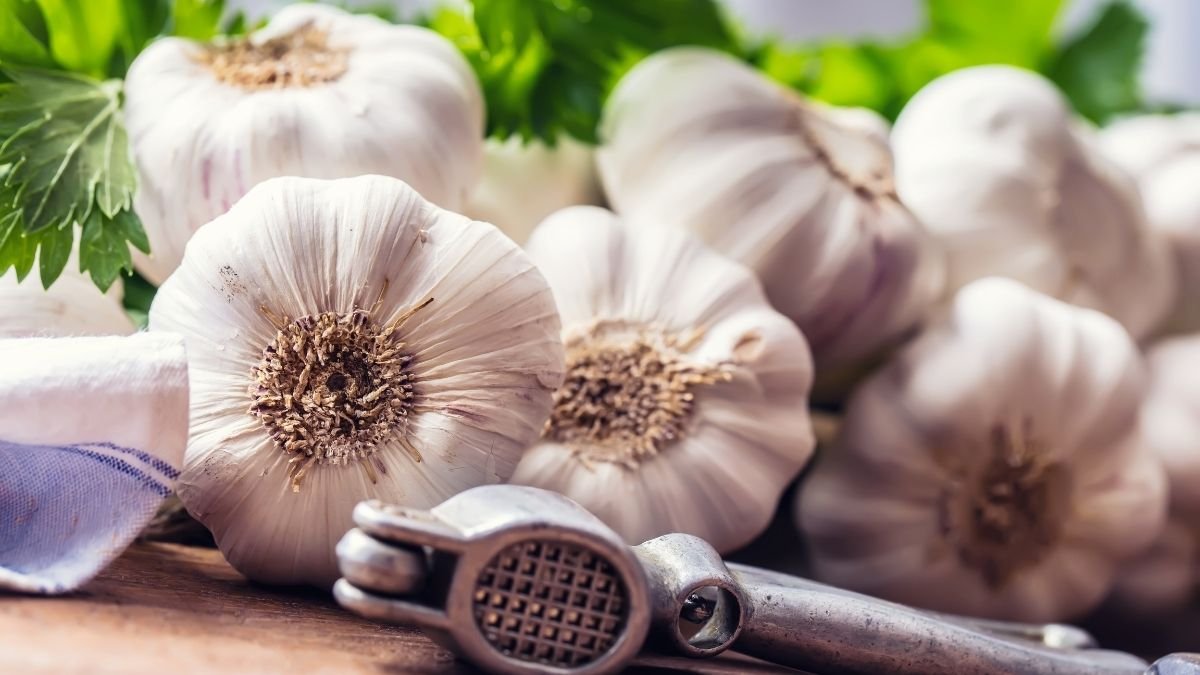
- The Lowdown: You already use it. But you’re likely missing out on the best benefits because of how you cook it.
- The Science: Garlic contains inulin and FOS (Fructo-oligosaccharides). It also has allicin, which is antimicrobial. It acts like a “weed and feed”—feeding the good bugs while knocking back the bad ones.
- The Critical Mistake: Throwing garlic into the pan immediately after chopping.
- The Fix: The 10-Minute Rule. Chop your garlic and let it sit on the cutting board for 10 minutes before you apply heat. This allows the enzyme alliinase to activate. If you cook it immediately, you destroy the enzyme. Also, don’t boil it to death; sautéing retains more nutrients than boiling.
5. Onions: The Everyday Hero
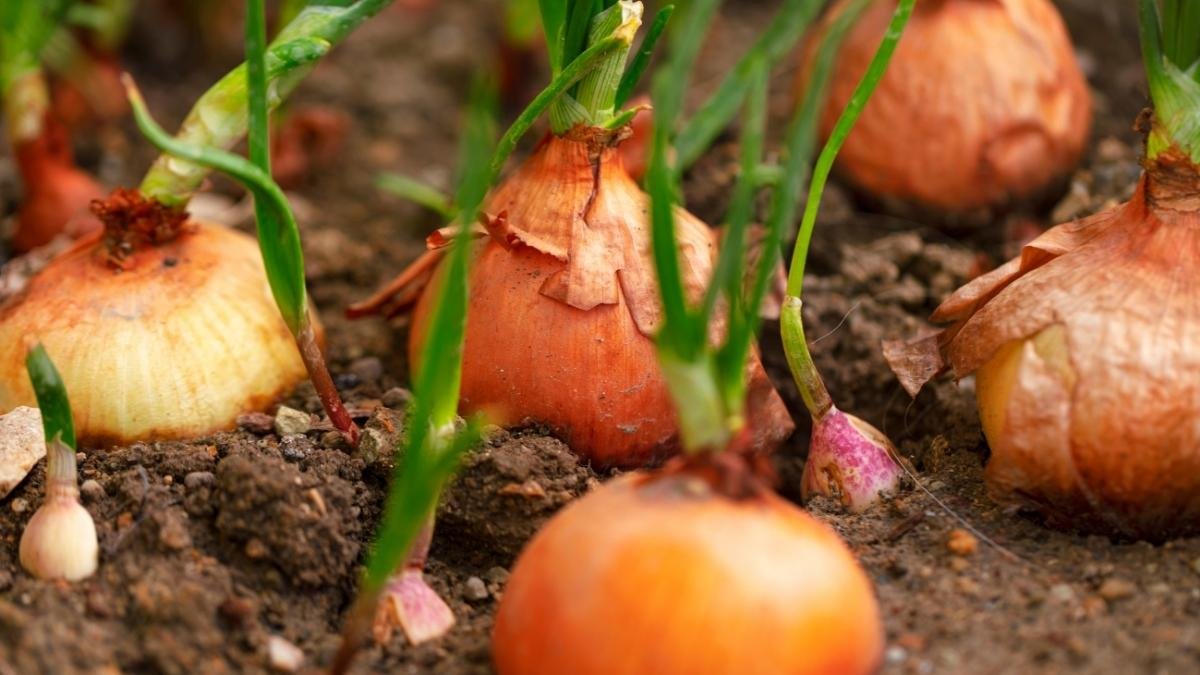
- The Lowdown: The backbone of cooking. They contain inulin and FOS, plus quercetin (a massive antioxidant).
- Red vs. White: Red onions generally pack a higher antioxidant punch than white ones.
- Cooking Matter: Don’t boil onions and throw away the water—you’re pouring your prebiotics down the drain. Baking or sautéing onions preserves the flavonoids better than boiling.
6. Leeks: The Gentle Giant
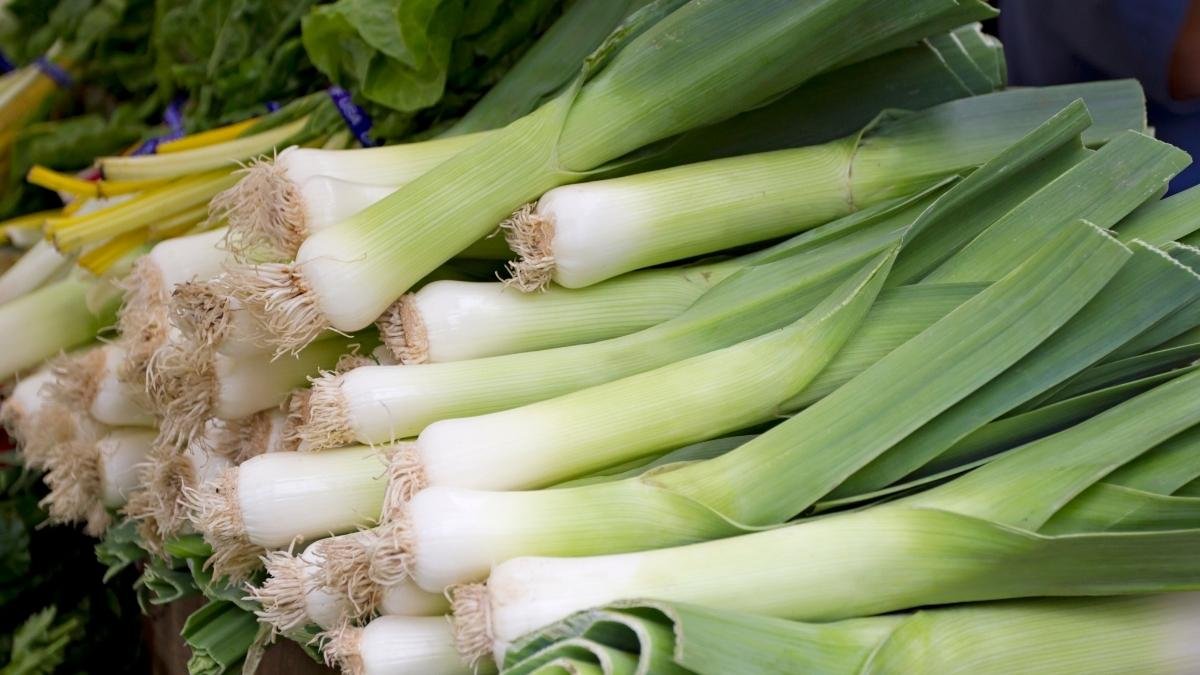
- The Lowdown: Think of leeks as onions’ sweeter, more sophisticated cousin. They have a high inulin content (3–10%) but tend to ferment a bit slower than garlic, which can mean less immediate bloating for sensitive stomachs.
- Usage: You have to wash these really well—dirt gets trapped in the layers. Use the white and light green parts for the best texture.
7. Asparagus: The Seasonal Treat
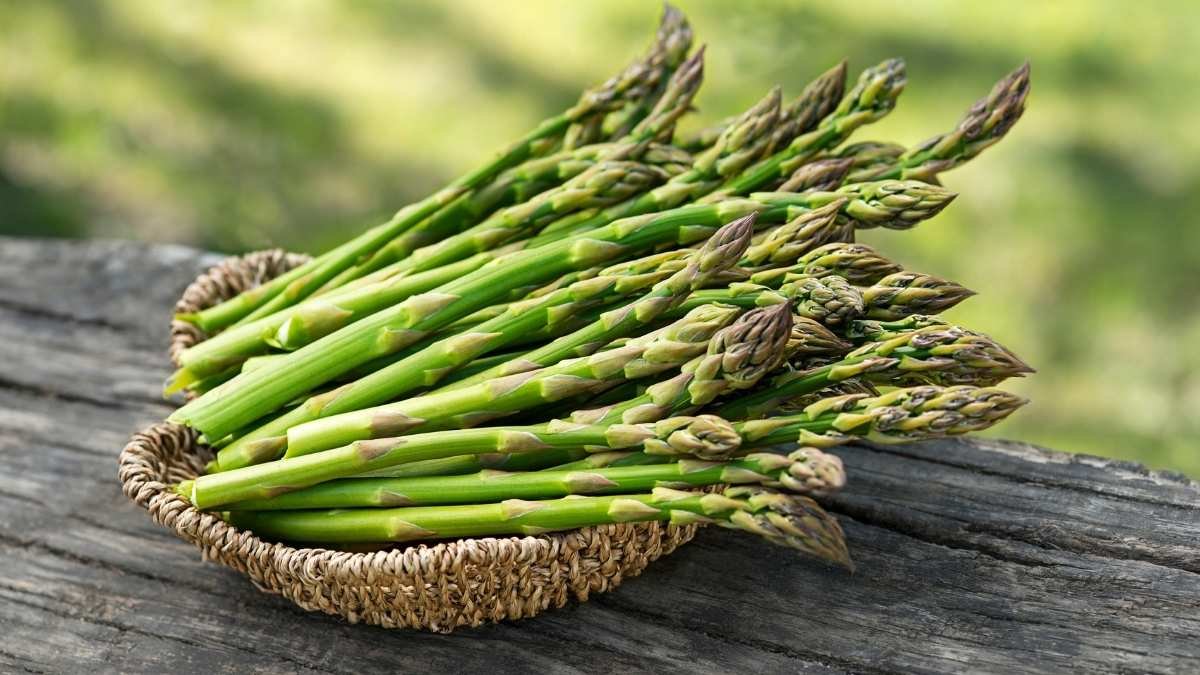
- The Lowdown: Contains about 2–3g of inulin per 100g. It’s not as dense as chicory, but it’s delicious.
- Best Practice: The fiber in asparagus is tough. Lightly steaming it breaks down the cell walls enough to make it digestible without destroying the fiber. Or, use a vegetable peeler to shave raw asparagus into salads.
8. Bananas: The Ripeness Paradox
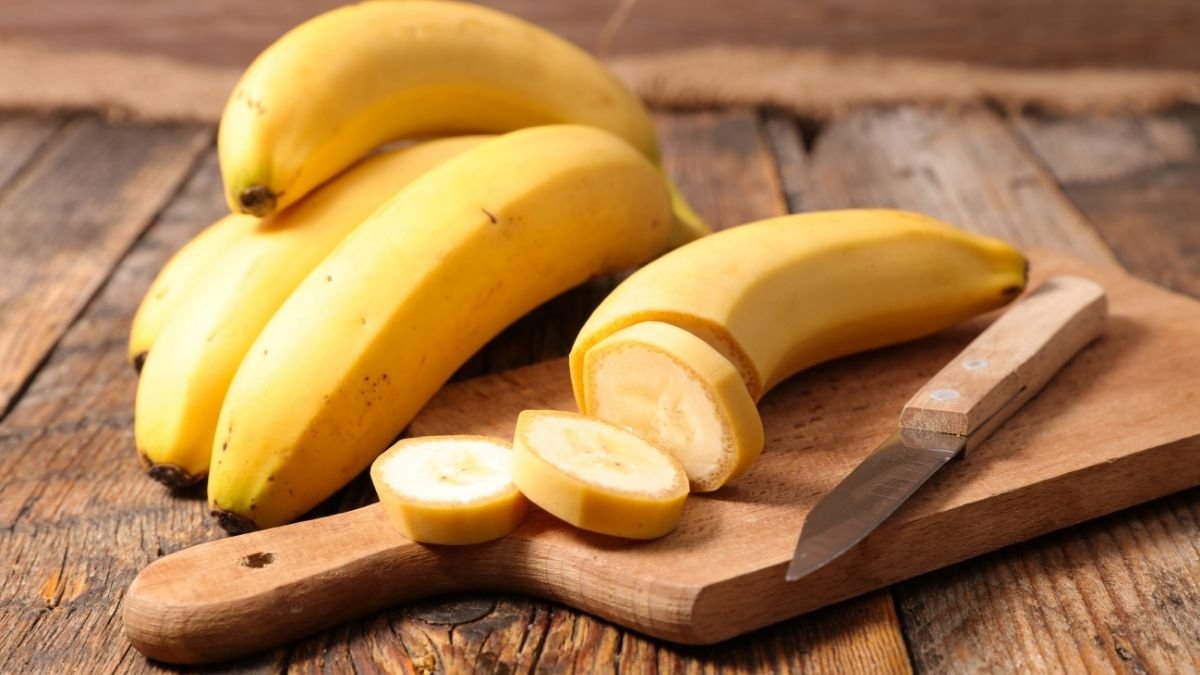
- The Lowdown: Here is where everyone gets confused. A yellow, spotty banana is basically sugar. It’s delicious, but it’s not a strong prebiotic.
- The Secret: You want them Green. Unripe green bananas contain Resistant Starch (Type 2). Your body can’t digest this starch, so it travels to the colon, where bacteria turn it into butyrate.
- The Hack: Eating a green banana is chalky and unpleasant. Instead, look for Green Banana Flour and add a tablespoon to your smoothie. It’s a flavorless way to get a massive dose of resistant starch.
9. Oats: The Temperature Trick
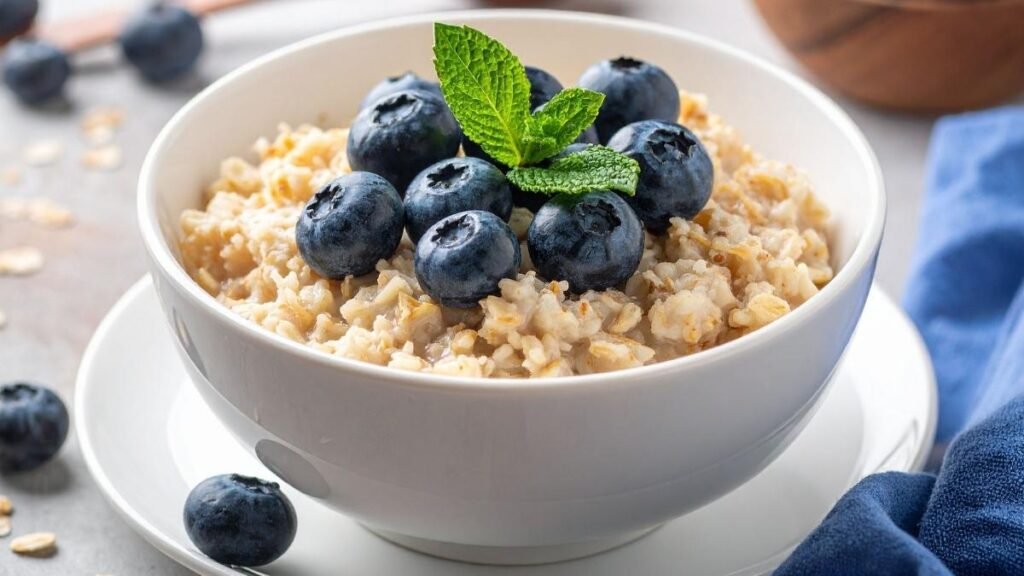
- The Lowdown: Oats contain beta-glucan, a soluble fiber that turns into a gel in your gut. But there’s a hack to make them even better.
- The Science (Retrogradation): When you cook oats and then cool them down, the starch structure changes. It crystallizes into Resistant Starch (Type 3)
- The Move: Overnight Oats. Soaking oats raw, or cooking oatmeal and putting it in the fridge to eat cold the next day, significantly increases the prebiotic benefit compared to eating a hot bowl of instant mush.
The Cheat Sheet: Prebiotic Density
Here is the data at a glance. Note that “High” density means you need less of it to get an effect.
🌱 High-Powered Prebiotic Fiber Sources 💪
| Food | Primary Fiber Type | Est. Content (per 100g) | The “Human” Note |
|---|---|---|---|
| Chicory Root | Inulin | ~42g – 68g (dry) | The nuclear option. Start with very small amounts; go easy! |
| Jerusalem Artichoke | Inulin | ~19g | Delicious, but notoriously gas-inducing if consumed in large quantities. |
| Dandelion Greens | Inulin | ~13g | Excellent for liver support, but expect a very bitter taste. |
| Garlic | Inulin/FOS | ~9–16g | Remember the “10-minute rule” after chopping to maximize benefits. |
| Leeks | Inulin | ~3–10g | For fiber content, use primarily the white/light green parts. |
| Onions | Inulin/FOS | ~2–6g | **Red onions** offer bonus antioxidants alongside the fiber content. |
| Asparagus | Inulin | ~2–3g | Eat lightly steamed or shaved raw to retain fiber integrity. |
| Green Banana | Resistant Starch (RS2) | ~25g (flour) | Must be unripe (green) to maximize the Resistant Starch benefit. |
| Oats | Beta-Glucan / RS3 | ~10g (total fiber) | Beta-Glucan is great for cholesterol. Best eaten cold (like overnight oats) for RS3. |
The “Bloat” Talk: It’s Not You, It’s Adaptation
This is the part where most people quit. You start eating sunchokes and raw garlic, and suddenly you feel like a balloon animal. You think, “This isn’t working, I feel worse.”
Here is the reality: Gas is a sign that fermentation is happening. It means the bacteria are eating. However, too much gas means you are feeding them faster than they can grow.
The “Start Low, Go Slow” Protocol:
If you currently eat the standard American diet (low fiber), do not wake up tomorrow and eat a bowl of raw dandelion greens and Jerusalem artichokes. You will be miserable.
- Titrate: Start with one prebiotic food. Eat a small amount (e.g., half a clove of garlic, or 1/4 cup of oats).
- Hydrate: Fiber is a sponge. If you add fiber without adding water, you get constipation. Drink more water than you think you need.
- Wait: Give your body 3–4 weeks to adapt. The bloating usually subsides as your microbiome changes composition.
Need More Help? Look Into These Gut-Friendly Finds
Sometimes, life gets busy and we can’t always cook a leek and asparagus stir-fry. If you want to bridge the “Fiber Gap” with something convenient, here are five highly-rated products on Amazon that make getting your prebiotics easy and delicious.
1. Teeccino Chicory Herbal Coffee (Java Roast)

If you want the benefits of Chicory Root (the #1 prebiotic food) but don’t know how to cook it, drink it! Teeccino is a rich, roasted herbal tea that tastes shockingly similar to coffee but is acid-free and caffeine-free. It’s naturally packed with inulin to feed your gut while you enjoy your morning mug.
2. OLIPOP – Vintage Cola (Prebiotic Soda)

Most sodas destroy gut health; this one builds it. Unlike other “healthy” sodas that only have 2g of fiber, OLIPOP packs a massive 9g of plant fiber per can from sources like Jerusalem Artichoke and Cassava. It’s a scientifically backed splurge that actually tastes like the nostalgic sodas you love.
3. Garden of Life Dr. Formulated Organic Fiber

This is the “easy button” for gut health. It is a completely clear, taste-free, organic powder made from 5 prebiotic superfoods (like Acacia and Orange Peel). You can dissolve a scoop into your water, smoothie, or even oatmeal, and you won’t even know it’s there—but your microbiome will.
4. Anthony’s Organic Green Banana Flour

Want to try the Resistant Starch hack without eating unripe bananas? This flour is made from peeled, green bananas and is naturally gluten-free. You can sneak a tablespoon into your smoothies (it doesn’t taste like bananas!) or use it in baking to lower the glycemic index of your treats.
5. Purely Elizabeth Probiotic Granola

This isn’t your average sugary cereal. Purely Elizabeth uses Inulin (prebiotic) alongside probiotic cultures to create a “synbiotic” breakfast. It’s sweetened with coconut sugar and baked with organic oats and seeds, making it a crunchy, gut-supporting topper for your yogurt.
The Bottom Line
You don’t need expensive supplements to fix your gut. The most powerful tools are in the produce section.
As Dr. Will Bulsiewicz, a leading gastroenterologist, puts it: “If there’s one thing, and one thing only, that you do to improve your gut health, it’s eating a wider variety of plant foods.”.
Start with some overnight oats. Throw some extra onions in your dinner. Let your garlic sit for ten minutes. It’s small, unglamorous work, but it’s the only way to build a gut ecosystem that takes care of you for the long haul.