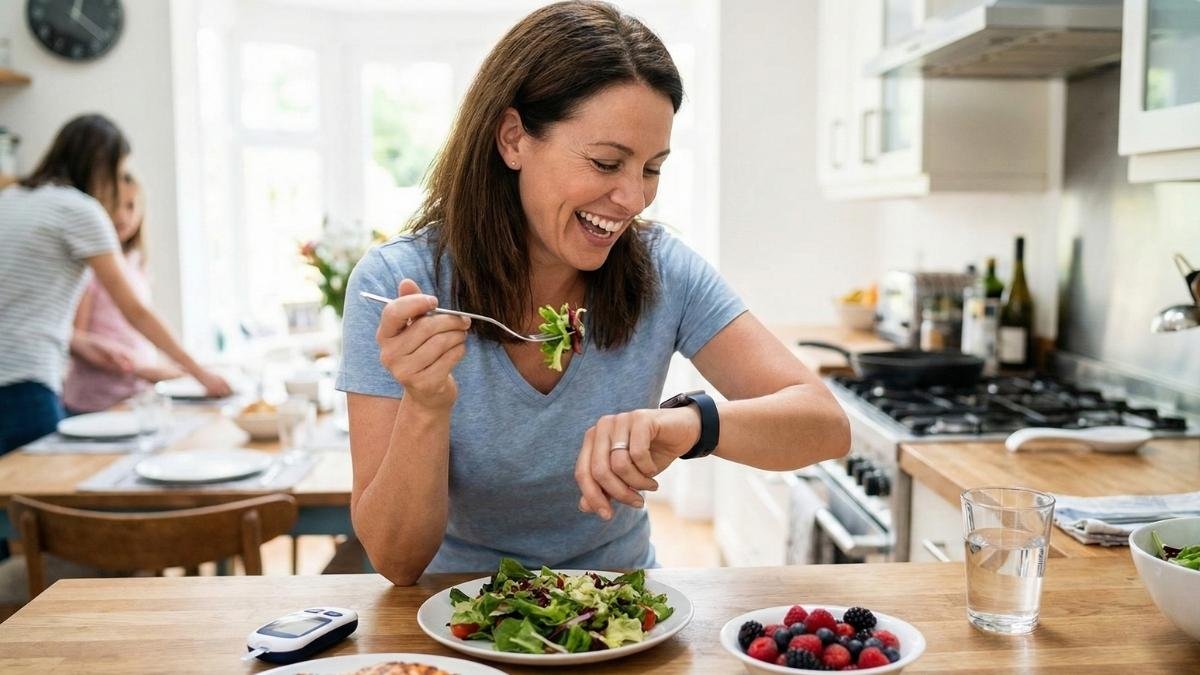
The thing about nutrition advice is that it’s usually exhausting. It almost always boils down to “don’t eat that,” “eat less of this,” or “that thing you love is slowly killing you.”
But recently, the science has shifted in a really interesting way. It turns out that our bodies aren’t just simple furnaces where a calorie is a calorie. They are more like chemistry labs where timing and sequence matter just as much as the ingredients.
I’ve been digging into the research on this—looking at data from biochemists like Jessie Inchauspé (the “Glucose Goddess”), studies from Weill Cornell Medicine, and clinical trials on diabetes reversal. What they found is that you can eat the same meal, but by changing how and when you eat it, you can radically change how your body processes it.
We’re talking about flattening glucose spikes. Why does that matter if you aren’t diabetic? Because those spikes are often the reason you feel that “hangry” crash at 3 PM, why you have brain fog, and why you might struggle with inflammation.
Here are 7 study-backed tricks to smooth out those spikes without necessarily changing what’s on your plate.
1. The “Clothing” Rule (Strategic Sequencing)
This is probably the most powerful tool in the box, and honestly, it changes everything about how you look at a dinner plate.
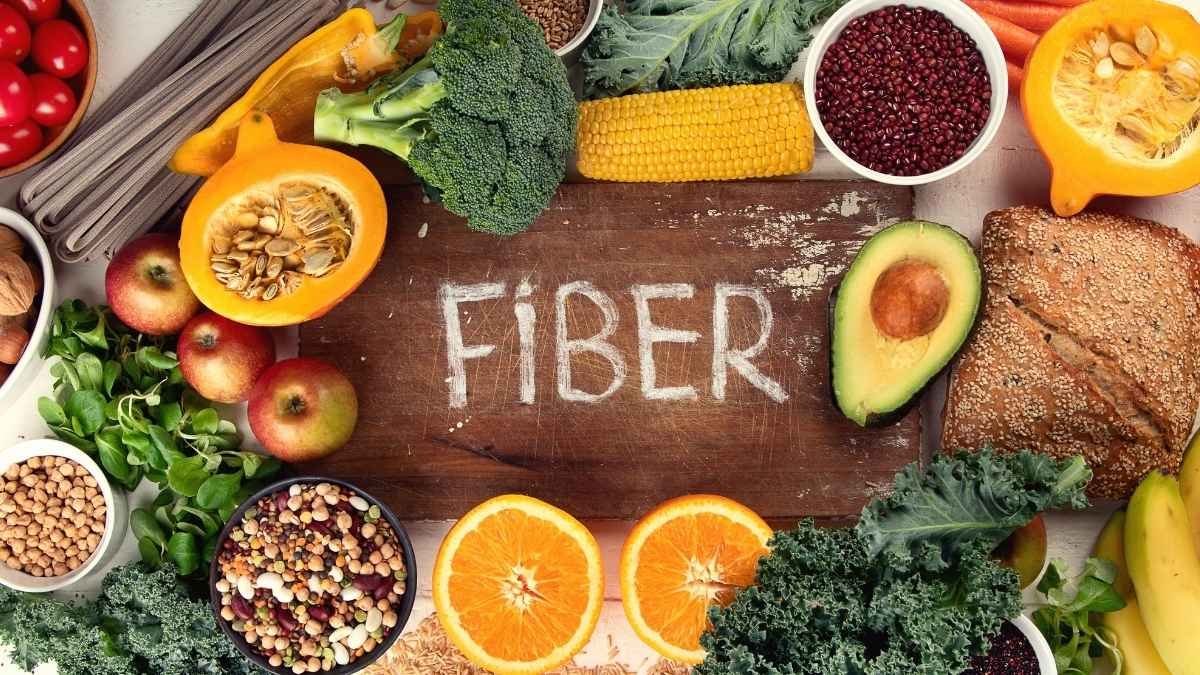
Most of us sit down to a meal and dive right into the carbs—the bread basket, the fries, or the rice. It feels right. But biologically, it’s backward.
The Strategy: Eat your foods in this specific order:
- Vegetables/Fiber first.
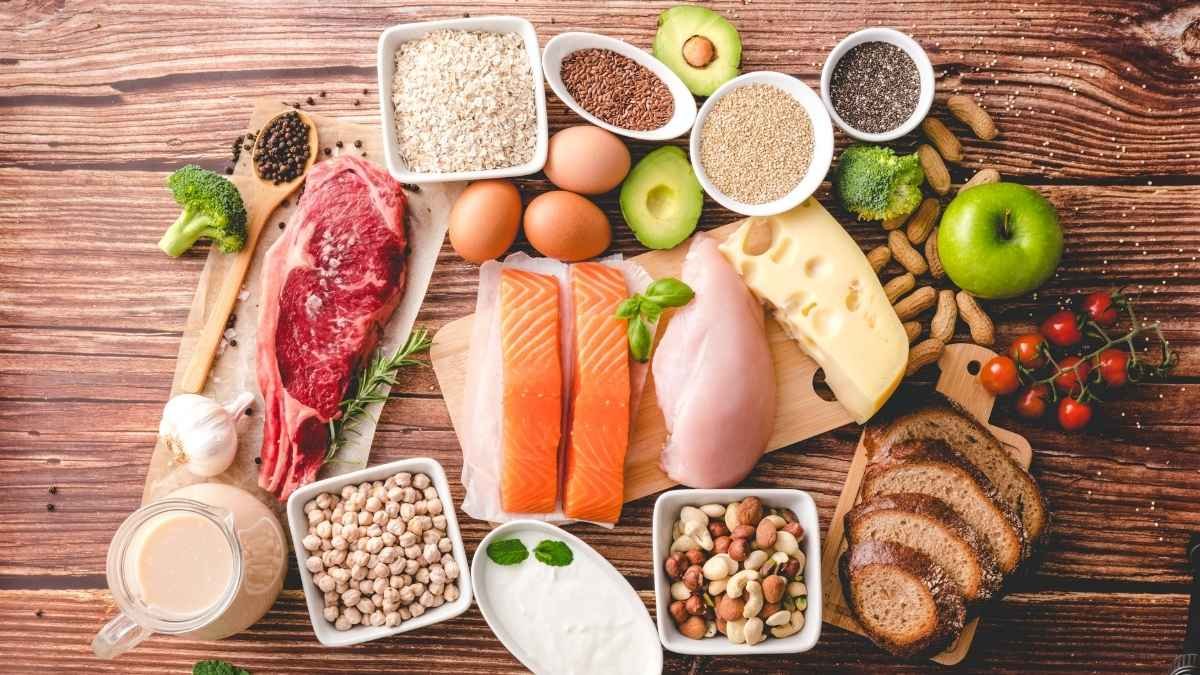
- Protein and Fats second.
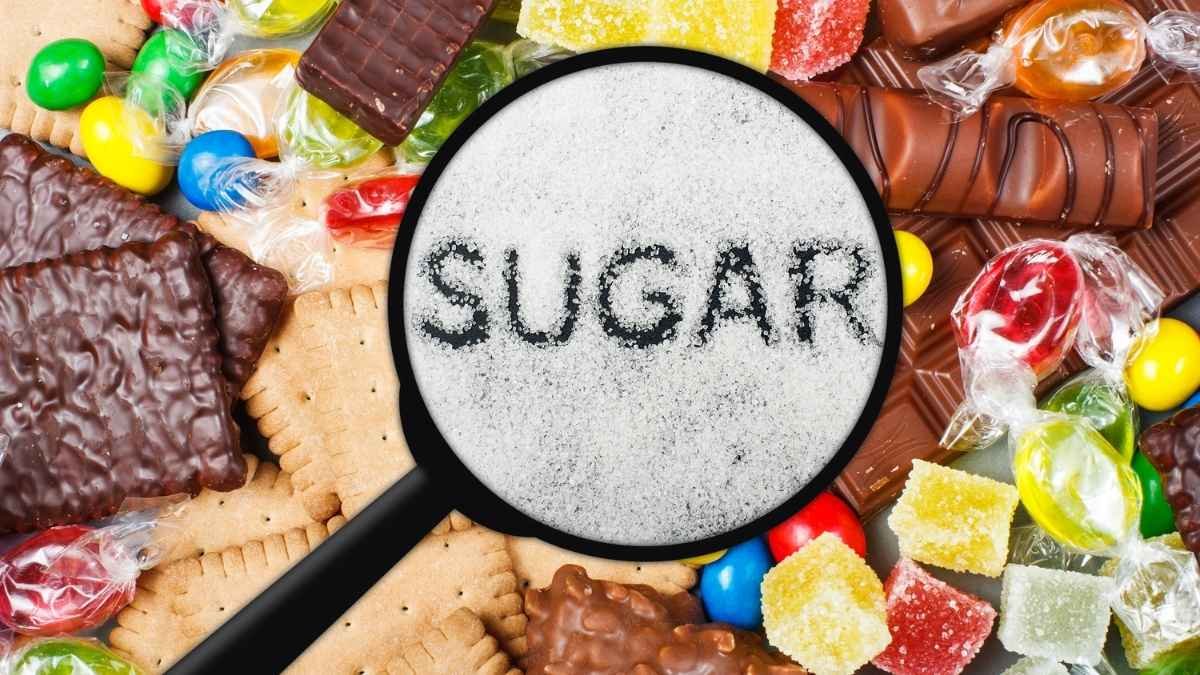
- Starches and Sugars last.
The Science:
Think of your stomach like a sink. If you dump pasta (simple carbs) into an empty sink, it drains instantly into your small intestine, turns to sugar, and hits your bloodstream like a tsunami.
But if you eat veggies first, the fiber creates a “mesh” or a web in your stomach. It’s like putting a strainer in the drain. When you eventually eat the carbs, they get caught in that fiber mesh and trickle into your bloodstream slowly rather than flooding it.
Researchers at Weill Cornell Medical College tested this. They gave people the same meal (chicken, veggies, bread, and juice) on different days. When they ate the veggies and protein before the carbs, their blood sugar spikes were drastically lower.
🍽️ The Order Effect: How You Eat Matters 🚀
| Measurement | Carbs First (The Rush) | Veggies & Protein First (The Buffer) | The Key Impact |
|---|---|---|---|
| 30-min Glucose | High Spike 📈 | 29% Lower 📉 | Massive reduction in the initial sugar rush immediately after eating. |
| 60-min Glucose | High Spike 📈 | 37% Lower 📉 | Demonstrates sustained energy stability and better control over blood sugar. |
| Insulin Output | High Surge 💥 | Significantly Lower ✅ | Results in less stress on the pancreas and helps mitigate insulin resistance over time. |
Source: Weill Cornell Medical College Study
Real World Tip: You don’t have to deconstruct a sandwich. But if you’re out to dinner, eat the side salad before you touch the pizza. Think of it as “clothing your carbs”—never let them go down naked.
2. The “Liquid Brake” (Vinegar)
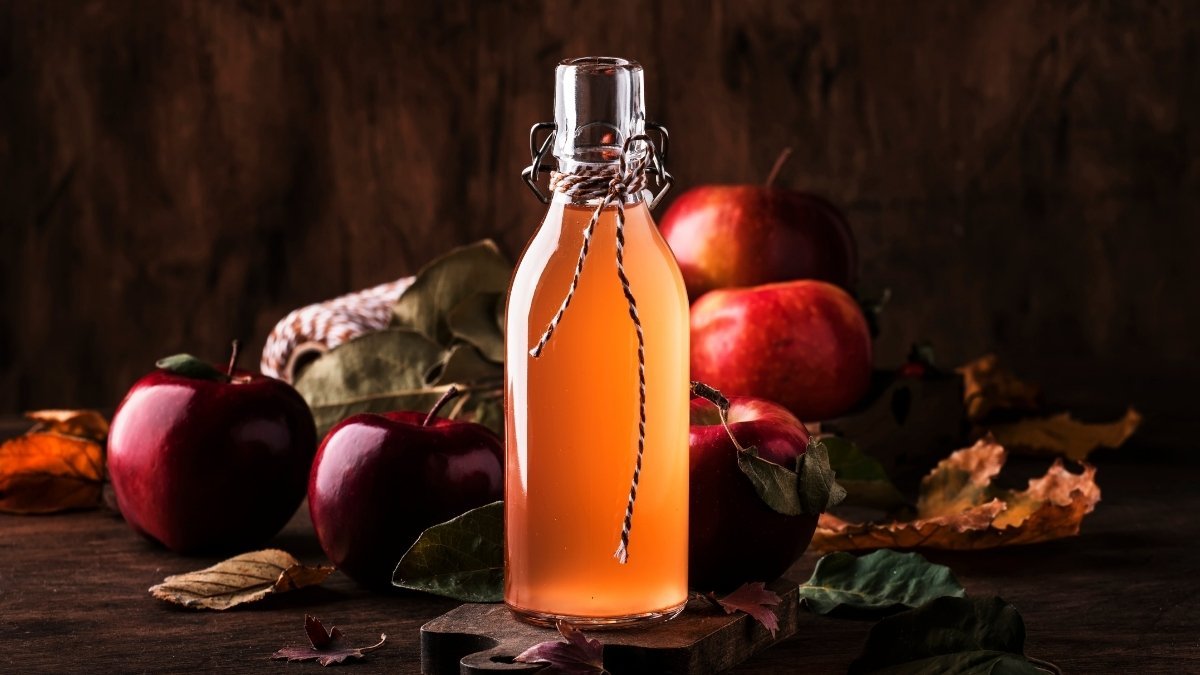
I know, this sounds like an old wives’ tale, but the biochemistry here is solid.
The Strategy: Drink 1 tablespoon of vinegar diluted in a tall glass of water about 1–20 minutes before a carb-heavy meal.
The Science:
It doesn’t have to be Apple Cider Vinegar (though that works); it just needs to be acetic acid. This acid acts like a temporary “pause button” for an enzyme called alpha-amylase. Alpha-amylase is the scissors your body uses to chop starch into glucose.
When you drink the vinegar, you essentially gum up those scissors. You still digest the food, but slower. This can blunt a blood sugar spike by up to 30%.
Important Safety Note:
Please don’t take shots of straight vinegar. It’s highly acidic and can wreck your tooth enamel or burn your throat.
- Always dilute it in a big glass of water.
- Use a straw to bypass your teeth.
- Avoid this if you have gastroparesis (delayed stomach emptying), as vinegar slows digestion further.
3. The “Kinetic Sponge” (Move Immediately)

We’ve all been told to wait 30 minutes after eating before swimming or exercising. For digestion comfort, maybe. But for blood sugar? You want to move now.
The Strategy: Move your body for 10 minutes immediately after finishing your last bite.
The Science:
When you eat, glucose floods your blood. Usually, your body needs insulin to open the doors to your cells so that glucose can get in. But here’s a cool physiological hack: Muscle contraction opens those doors without needing insulin.
It utilizes a pathway involving GLUT4 transporters. Think of your muscles as a sponge. When you walk, you are squeezing and releasing that sponge, soaking up the excess sugar from your blood before it can cause a massive spike.
A study in Scientific Reports found that walking for 10 minutes immediately after eating was more effective at reducing the peak glucose spike than waiting 30 minutes to walk.
It doesn’t have to be a gym session. Just wash the dishes, walk the dog, or do a lap around the office.
4. Alchemy in the Fridge (Resistant Starch)
This is the closest thing to “magic” on this list. You can actually change the chemical structure of a carb just by temperature.
The Strategy: Cook your starches (rice, potatoes, pasta), cool them down completely (for at least 12-24 hours), and then reheat them before eating.
The Science:
When starches are cooked and then cooled, they undergo a process called retrogradation. The starch molecules realign and tighten up, turning into “Resistant Starch Type 3.”
Your body can’t digest resistant starch easily. It acts more like a fiber than a carb. It bypasses the small intestine and goes to the colon to feed good bacteria.
- Rice: One study showed that cooling rice for 24 hours and reheating it created 2.5 times more resistant starch and significantly lowered the glycemic response compared to fresh rice.
- Potatoes: Potato salad or reheated roasted potatoes are much gentler on your blood sugar than hot, fresh mashed potatoes.
Safety First: Rice can grow a bacterium called Bacillus cereus if left out. Cool it quickly (don’t leave it on the counter for hours) and get it into the fridge within an hour.
5. The “Pre-Game” Strategy (Almonds)
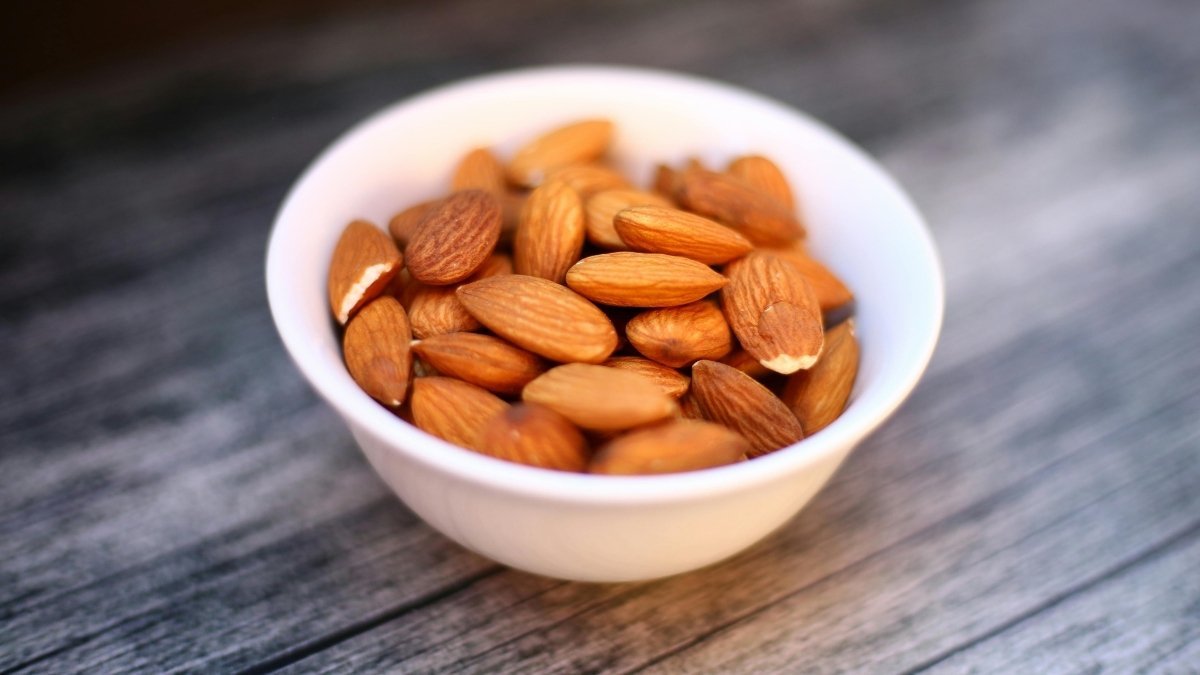
If you know you’re walking into a situation where you can’t control the food—like a pizza party or a wedding—this is your safety net.
The Strategy: Eat a small handful (about 20g) of almonds 30 minutes before the meal.
The Science:
This is known as a “preload.” The fat and protein in the almonds trigger the release of satiety hormones and prep your insulin response before the main load of sugar arrives.
The stats on this are startling. In a study on Asian Indians with prediabetes (a high-risk group), researchers found that this simple almond habit reversed prediabetes to normal glucose regulation in 23.3% of participants over just 12 weeks. That’s a massive result for just eating a snack.
6. The “Second Meal Effect” (Savory Breakfast)

What you eat for breakfast dictates your energy for the rest of the day. If you start with a “sweet” breakfast (cereal, pastries, fruit juice, even instant oatmeal), you are setting yourself up for a rollercoaster.
The Strategy: Switch to a savory, high-protein breakfast.
The Science:
There is a phenomenon called the Second Meal Effect. Basically, if you spike your sugar at breakfast, you are chemically predisposed to spike it even harder at lunch. A sweet breakfast dumps glucose into a system that is already flooded with cortisol (the stress hormone) from waking up, leading to a “super-spike.”
By eating savory (eggs, Greek yogurt, leftovers, avocado toast with hemp seeds), you stabilize your baseline.
Can’t do eggs? Try:
- Greek Yogurt: Full-fat, plain, with nuts and seeds.
- Dinner for Breakfast: Last night’s chicken and veggies are an elite breakfast choice.
- Cottage Cheese: High protein, goes great with tomatoes and olive oil.
7. Chrononutrition (The Clock Matters)
You have a clock in your brain, but you also have clocks in your pancreas and liver. They aren’t designed to process heavy meals at 9 PM.
The Strategy: Stop eating 3-4 hours before bed. The Science:
In the evening, as your body produces melatonin (the sleep hormone), it naturally tells your pancreas to chill out and stop producing so much insulin. This is to protect you from low blood sugar while you sleep.
If you eat a huge meal when your melatonin is high, your body literally can’t handle the glucose. It stays in your blood longer, causing damage. Late eaters have significantly worse glucose tolerance than early eaters, even when they eat the same amount of calories.
A Few Myths, Busted

- “Fruit is bad.” No. Whole fruit has fiber, which slows down the sugar. Fruit Juice, however, is a sugar bomb because the fiber is gone. Treat juice like soda; treat fruit like food.
- “I’m not diabetic, so this doesn’t matter.” Actually, data from Continuous Glucose Monitors show that many “healthy” people are spiking into diabetic ranges daily without knowing it. These invisible spikes drive inflammation and aging.
- “Calories are all equal.” In a test tube, yes. In your body, a calorie from a cookie eaten on an empty stomach signals “store fat,” while that same calorie eaten after a salad and followed by a walk signals “burn energy.”
Use Some Useful Products That Can Make This Easier
Look, you don’t need to buy anything to fix your blood sugar—walking is free, and you probably already have vinegar in your pantry. But if you want to make these habits stick, a few tools can take the friction out of the process. I’ve found that having the right gear turns a “chore” into a satisfying ritual. Whether it’s protecting your teeth from the vinegar trick or making that post-meal walk happen even when it’s raining, these are the tools that actually help.
1. DeerRun Under-Desk Walking Pad

If the idea of walking outside after dinner in the rain sounds miserable, this is the solution. Slide it under a standing desk or just pull it out in the living room while you watch Netflix. It makes the “10-minute post-meal walk” (Trick #3) impossible to skip.
2. Hummingbird Glass Straws (Reusable)

If you’re going to try the “Liquid Brake” vinegar hack (Trick #2), you absolutely must protect your tooth enamel. These glass straws are durable, easy to clean (they come with a brush), and honestly just feel nicer to use than plastic or metal.
3. Prep Naturals Glass Meal Prep Containers

To master the “Resistant Starch” trick (Trick #4), you need to cook batches of rice or potatoes and cool them efficiently. These glass containers are perfect for portioning out your starches to sit in the fridge for that magical 24-hour retrogradation period.
4. Bragg Organic Apple Cider Vinegar (with the Mother)

This is the gold standard for the vinegar protocol. It contains “the Mother” (strands of proteins, enzymes, and beneficial bacteria). It’s raw, unfiltered, and exactly what you need to blunt those glucose spikes.
5. CONTOUR Next Gen Blood Glucose Monitoring Kit

Curious if that “healthy” smoothie is actually spiking you? You don’t always need a prescription Continuous Glucose Monitor (CGM) to find out. A standard glucometer is affordable and effective. Test yourself 60 minutes after a meal to see how different foods—and food orders—affect you personally.
The Takeaway: Your “Perfect” Metabolic Day
You don’t have to do all of these at once. But imagine how different your energy would feel if you structured a day like this:
- Morning: Break your fast with something savory (e.g., Greek yogurt with seeds).
- Lunch: Eat the side salad before the sandwich (Sequencing).
- Afternoon: Taking a 10-minute walk immediately after eating.
- Dinner: Using “leftover” rice (Resistant Starch) and finishing eating by 7 PM (Chrononutrition).
It’s not about deprivation. It’s about working with your biology instead of fighting against it.