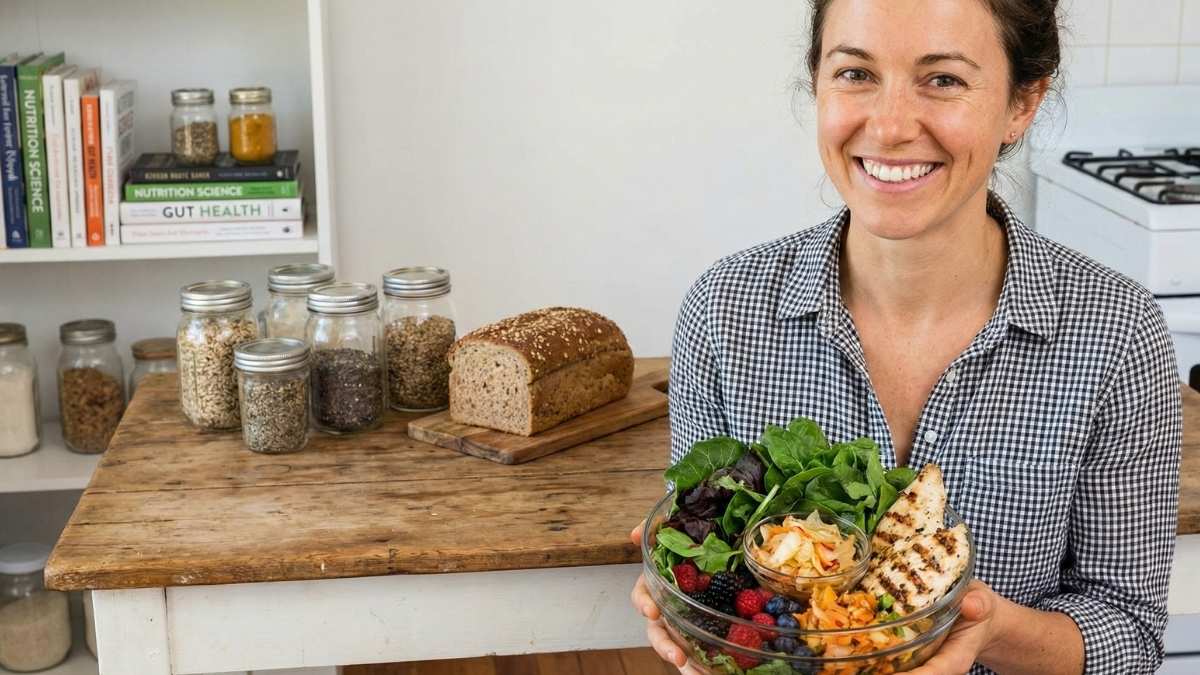
Look, I get it. You wake up, look in the mirror, and feel… heavy. Not just weight-wise, but that sluggish, brain-fogged, “I swallowed a basketball” feeling in your stomach.
When you feel like that, the temptation to jump on the latest “detox” bandwagon is huge. We’ve all been there—scrolling through feeds of influencers promoting flat-tummy teas, juice cleanses, or some expensive supplement that promises to “flush out toxins.”
But here’s the truth, and I’m going to be blunt: Your gut isn’t a dirty pipe that needs Drano. It’s a garden. And you don’t fix a garden by scorching the earth; you fix it by changing the soil.
The most exciting thing about modern microbiome research isn’t that it’s complicated; it’s that it’s fast. Unlike your human cells, which take weeks or months to turn over, your gut bacteria can double their numbers in an hour. This means the ecosystem inside you is incredibly responsive. In fact, landmark studies have shown that your microbiome composition can shift significantly within just 24 hours of changing what you eat.
So, forget the starvation diets. Here are five research-backed “resets” that dietitians actually use. They aren’t magic, and they aren’t always easy, but they work because they work with your biology, not against it.
The “Plant Points” Protocol (For the Routine Eater)

Who this is for: You eat “healthy” (chicken, broccoli, brown rice), but you eat the same things every single day.
We used to think being healthy meant being strict—vegan, paleo, keto. But the American Gut Project, one of the largest microbiome studies ever conducted, threw that idea out the window. After analyzing over 10,000 samples, they found that the single biggest predictor of a healthy gut wasn’t what diet label people wore, but how many different plants they ate.
People who ate 30+ different plants per week had significantly more diverse microbiomes and fewer antibiotic-resistance genes than those who ate fewer than 10.
Why It Works: The “Guild” Theory

Think of your gut bacteria like a construction crew. Some guys are experts at breaking down kale. Others are specialists in blueberries. If you only eat kale, the blueberry specialists starve and die off. This creates a “monoculture” in your gut, making it weak and susceptible to invaders. By flooding your system with 30 different plants, you invite the whole crew back to the job site.
The 7-Day Strategy: The “Super Six.”
Don’t panic. You don’t need to eat 30 giant salads. It’s about variety, not volume. A pinch of herbs counts. A sprinkle of seeds counts. Even coffee and dark chocolate count (yes, really).
Here is your checklist. Try to hit these 6 categories this week:
🌱 The Plant Power Gut Health Guide 💚
Fuel your microbiome with fiber and phytonutrients from every plant category!
| Category | What to Grab (Fiber Heroes) | The Secret Gut Benefit |
|---|---|---|
| 🥬 Vegetables | Leeks, artichokes, spinach | Fuel: Feeds Bifidobacteria (the good guys). Specific fibers act as powerful prebiotics. |
| 🍎 Fruits | Berries, kiwi, apples (eat the skin!) | Glue: Pectin helps strengthen the gut lining. Supports mucosal layer integrity. |
| 🌾 Wholegrains | Oats, quinoa, buckwheat, cooled rice | Energy: Produces Butyrate to fuel gut cells. Butyrate is a key Short-Chain Fatty Acid (SCFA). |
| 🫘 Legumes | Lentils, chickpeas, black beans | Bulking: Adds mass to keep things moving. Crucial for healthy motility and waste removal. |
| 🌰 Nuts & Seeds | Walnuts, chia, flax, pumpkin seeds | Calming: Omega-3s reduce inflammation. Supports a balanced inflammatory response. |
| 🌶️ **Don’t Forget Herbs & Spices!** 🌿 Turmeric, cumin, basil, and ginger are potent sources of antioxidants that support overall gut health. | ||
Pro Tip: This week, buy a bag of mixed frozen berries instead of just strawberries. Buy a “15-bean soup” mix. Use a spice blend instead of just salt. You can hit 30 points by Tuesday if you’re clever.
The Fermented Food Ramp-Up (For the Inflamed)
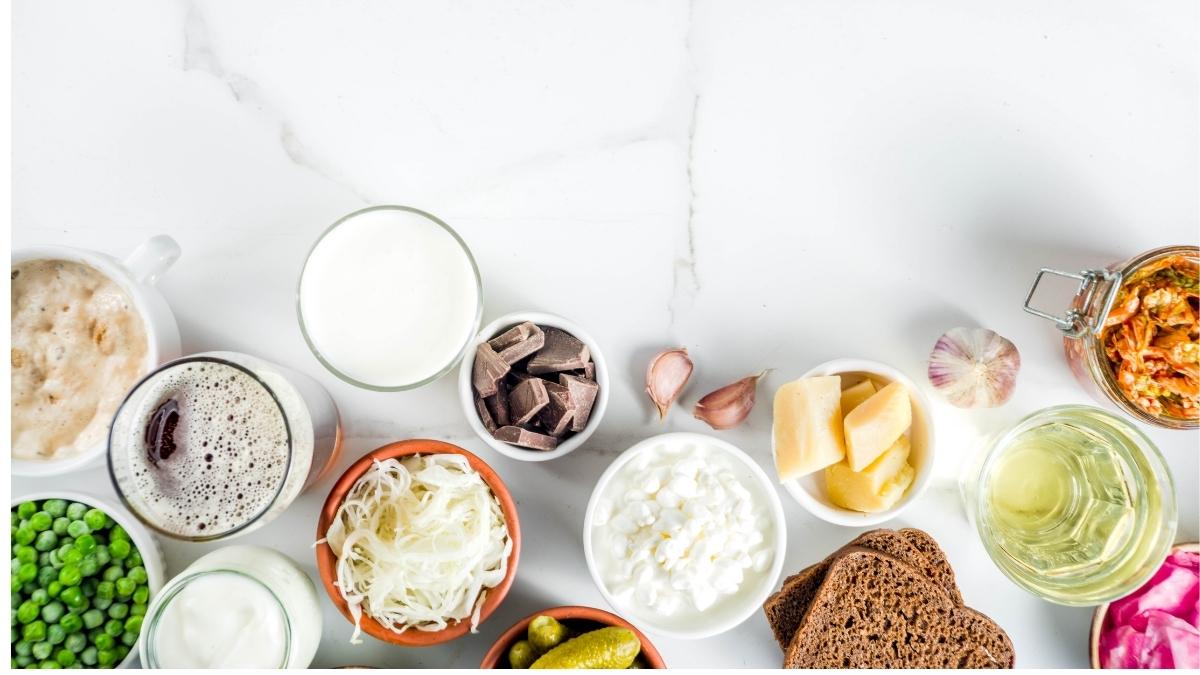
Who this is for: You feel puffy, inflamed, or your digestion just feels “weak.”
This is probably the most powerful protocol on this list, based on a stunning study from Stanford University. Researchers put two groups of people on different diets for 10 weeks: one high-fiber, one high-fermented food.
The results shocked everyone. The high-fiber group had mixed results. But the fermented food group? They saw a massive increase in microbiome diversity and a drop in 19 different inflammatory markers, including IL-6 (which is linked to everything from arthritis to brain fog).
The “Postbiotic” Magic
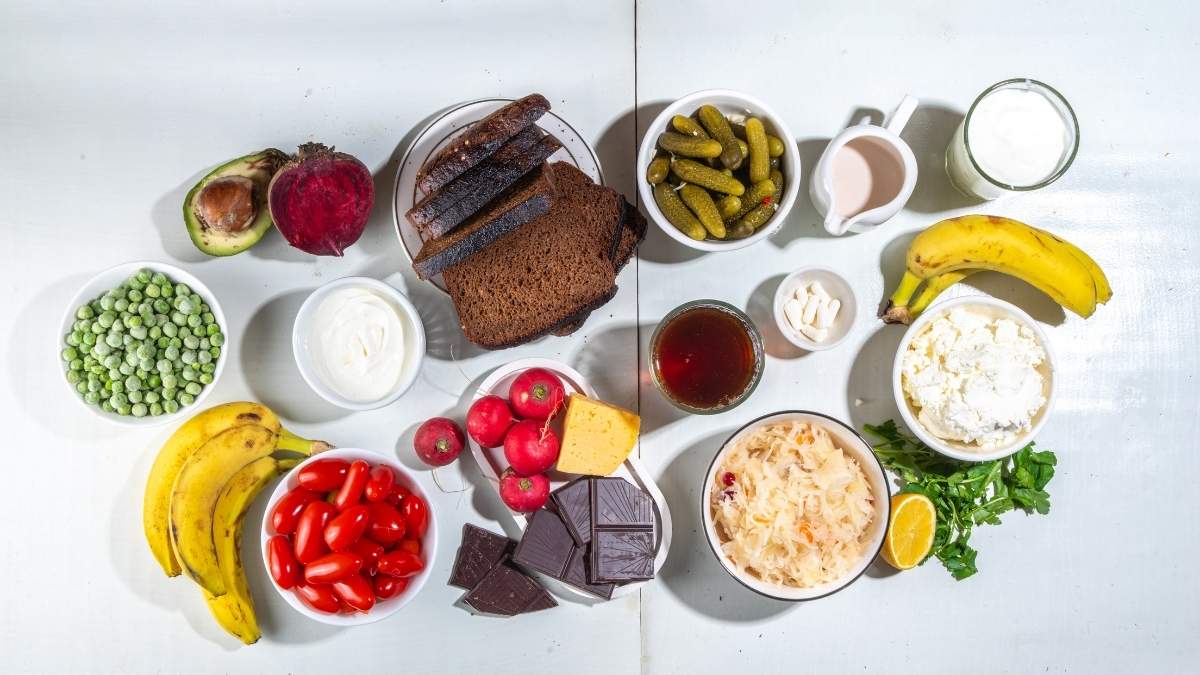
Fermented foods are basically pre-digested. The bacteria have already done the hard work, creating compounds called “postbiotics” that communicate directly with your immune system, telling it to calm down.
The 7-Day Protocol: “Start Low, Go Slow.”
Warning: Do not—I repeat, do not—go from zero to five servings a day. You will turn into a human balloon. You need to train your gut like you train a muscle.
| Day | The Goal | What to Eat |
| Days 1-2 | The Toe Dip | 2 tablespoons of sauerkraut liquid or 4 oz kefir. |
| Days 3-4 | The Introduction | ½ cup yogurt (breakfast) + a forkful of kimchi (dinner). |
| Days 5-7 | The Habit | Kombucha (snack) + Yogurt (breakfast) + Miso soup. |
Crucial Rule: You must buy these from the refrigerated section. If the pickle jar is on a shelf next to the pasta sauce, it’s been pasteurized (heated). The bacteria are dead. Dead bacteria don’t work. Look for “Live Active Cultures” on the label.
The Gentle Low-FODMAP Reset (For the Bloated & Gassy)
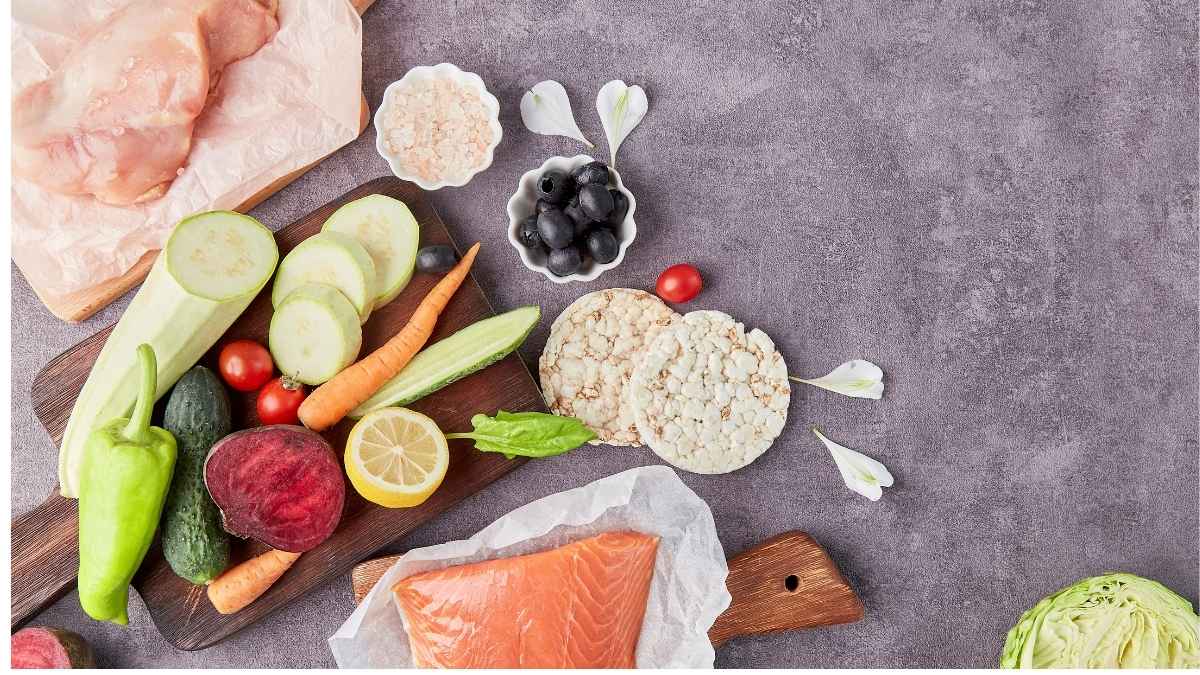
Who this is for: You look 6 months pregnant after eating an apple.
Sometimes, you don’t need to add anything. You need to give your gut a vacation. This protocol is for people with sensitive systems (like IBS) who react to FODMAPs—carbohydrates that ferment rapidly in the gut, creating gas and drawing water into the bowel.
Think of this not as a lifestyle, but as a “fire extinguisher.” You do it for one week to calm the flare-up, and then you must reintroduce foods.
The Swap List

You don’t have to stop eating; you just have to swap the “noisy” foods for “quiet” ones.
🚨 Gut Triggers & Happy Swaps: Avoid the Bloat! 🌿
| The Trigger (Avoid) | Why? (The Mechanism) | The Quiet Swap (Eat This Instead) |
|---|---|---|
| Onion & Garlic | Major gas producers due to Fructans (a type of FODMAP). | Garlic-infused oil, chives, green onion tops (the green part only). |
| Wheat & Rye | Contain high levels of Fructans and other FODMAPs leading to a high fermentation load. | Sourdough spelt bread (properly fermented), oats, rice, quinoa. |
| Apples & Pears | High in Fructose (a sugar alcohol that’s hard to absorb for some) and **Polyols**. | Blueberries, kiwi, oranges, strawberries. |
| Milk & Soft Cheese | Contain Lactose (a disaccharide that draws water into the gut and ferments). | Lactose-free milk, hard cheddar, and parmesan (naturally low lactose). |
| Cashews & Pistachios | High in GOS (Galactooligosaccharides), a potent gas-producing FODMAP. | Macadamia nuts, peanuts, pecans, pumpkin seeds. |
The Reality Check: Most people feel significantly better within 2 to 7 days on this protocol. If you do, it confirms your bloating is food-related, not something scary.
The “Night Janitor” Reset (Time-Restricted Eating)

Who this is for: You’re a grazer. You snack late at night and wake up with no appetite or feeling nauseous.
Your gut has a housekeeping service called the Migrating Motor Complex (MMC). It’s a wave of muscle contractions that sweeps through your intestines to clean out leftover food and bacteria.
Here’s the catch: The janitor only comes out when the building is empty.
The MMC only activates when you have been fasting for at least 90 minutes to 2 hours. Every time you eat a grape, a nut, or drink a latte, the cleaning crew stops working. If you graze all day and eat late at night, your janitor never cleans. This leads to bacterial overgrowth and stagnation.
The 14:10 Strategy

We aren’t starving ourselves here. We are just defining “open” and “closed” hours for the kitchen.
- The Window: Eat all your food within a 10-hour window (say, 9 AM to 7 PM).
- The Fast: Give your gut 14 hours of total rest (7 PM to 9 AM).
- The Spacing: Try to leave 3-4 hours between meals during the day. No snacking.
Why 14 Hours?
Research by Dr. Satchin Panda at the Salk Institute shows that a 12-16 hour fast is the sweet spot for activating autophagy (cellular repair) and the MMC deep-cleaning waves. You’ll likely find that your morning bloating disappears simply because you finally let the janitor do his job.
The “Frankenfood” Detox (UPF Elimination)
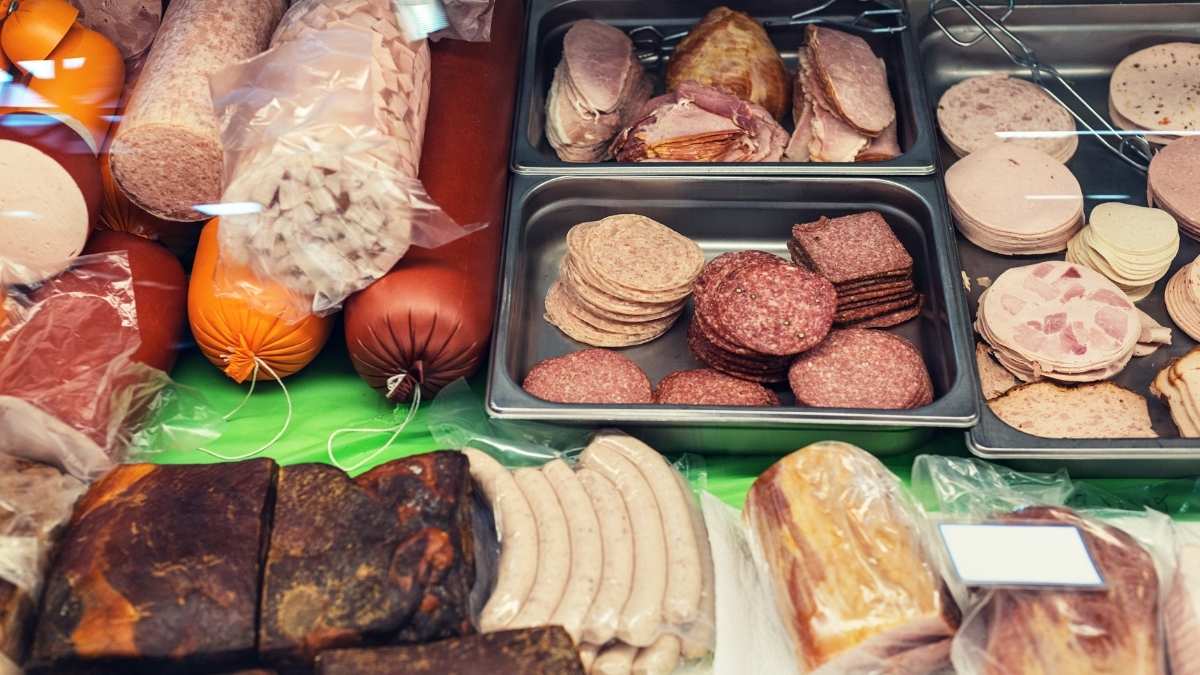
Who this is for: You’re hooked on sugar, chips, sodas, and “low-fat” packaged snacks.
Ultra-Processed Foods (UPFs) are chemically engineered to be addictive. But the real problem is what they do to your gut barrier. Many UPFs contain emulsifiers (like polysorbate-80 or carboxymethylcellulose). In the lab, these chemicals act like detergents—they dissolve the mucus layer that protects your gut lining, letting bacteria leak into your bloodstream.
Eliminating UPFs is the hardest reset because of the withdrawal, but it yields the highest energy return.
The Withdrawal Timeline (Hang in There)
When you cut the sugar and chemicals, your brain (and gut) will throw a tantrum. Knowing the timeline helps you not to quit on Day 3.
- Days 1-2 (The Crash): Headaches, irritability, intense cravings. You will want to kill for a donut. Hydrate and eat protein.
- Days 3-4 (The Peak): Brain fog, fatigue, maybe some digestion changes. This is the hardest part. Don’t give in.
- Days 5-7 (The Lift): The clouds part. Your energy stabilizes, your palate changes (fruit starts tasting sweet again), and your bloating drops significantly.
A Final Word on the “Fake” Fixes

I can’t let you go without a warning. The wellness industry wants to sell you shortcuts. Please, for the love of your health, avoid these two:
- “Detox” Teas: Check the label for “Senna.” It’s a laxative. It doesn’t detox you; it irritates your bowel lining to force a contraction. Long-term use can make your bowel lazy and dependent on them.
- Colon Cleanses / Hydrotherapy: Your colon isn’t a dirty basement; it’s a delicate ecosystem. Power-washing it with water risks washing away your good bacteria and electrolytes. In rare but serious cases, it can even cause bowel perforation.
The Bottom Line:
You don’t need to be perfect. You don’t need to do all five of these at once (please don’t). Pick one that resonates with how you’re feeling right now. Give it 7 days. Listen to your body. It knows how to heal; sometimes it just needs you to get out of the way.
Here are a few tools that can make these protocols significantly easier to stick to
You don’t need expensive supplements to fix your gut, but having the right “infrastructure” at home helps. Whether it’s gamifying your plant intake, making fermentation foolproof, or mechanically helping your body eliminate, these are the practical tools that turn a one-week experiment into a sustainable lifestyle.
1. Masontops Complete Mason Jar Fermentation Kit

If you want to do the Fermented Food protocol without spending $8 a bottle on kombucha or worrying about accidentally growing mold, this is the gold standard. It turns standard wide-mouth mason jars into a fermentation station. The “Pickle Pipes” let gas escape (so jars don’t explode) without letting oxygen in (which causes spoilage). It takes the fear out of making your own sauerkraut or pickles.
2. Tomorrow’s Nutrition Sunfiber (Partially Hydrolyzed Guar Gum)

If you are trying the Plant Points protocol but have a sensitive stomach (IBS), regular fiber supplements like psyllium husk might make you feel worse initially. Sunfiber is unique—it is a certified Low-FODMAP fiber that dissolves completely clear in water and regulates bowel movements without causing the “balloon effect” or excess gas. It’s the “training wheels” for your gut before you graduate to heavy-duty beans and kale.
3. Squatty Potty Original Toilet Stool
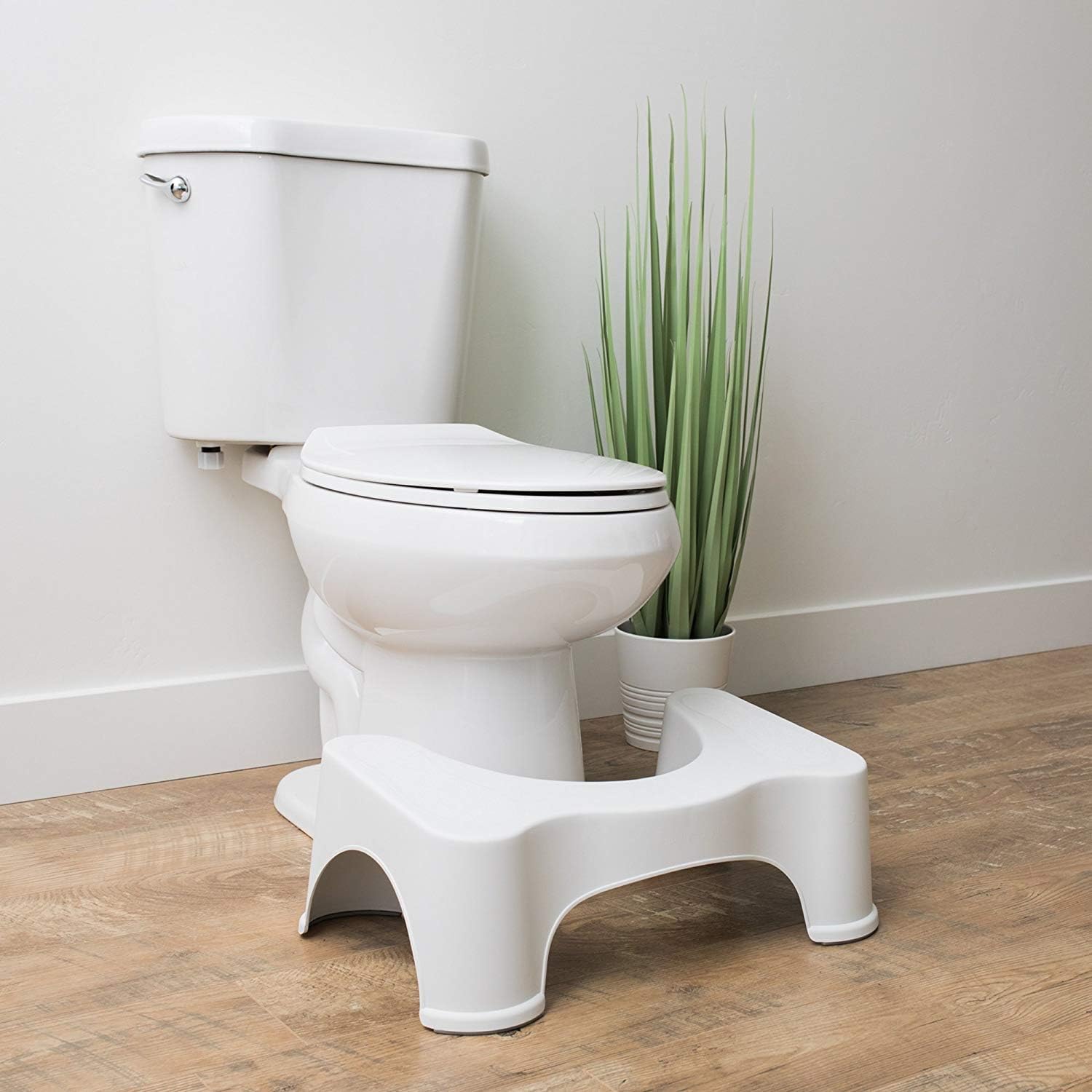
This connects to the “Night Janitor” / motility aspect of gut health. Modern toilets actually kink your colon, making elimination harder and incomplete. This simple stool elevates your legs to put you in a natural squatting position, which unkinks the “hose.” It sounds gimmicky until you try it—it’s a game-changer for that “heavy,” backed-up feeling.
4. Prep Naturals Glass Meal Prep Containers (3 Compartment)

To hit 30 plants a week or eliminate Ultra-Processed Foods, you have to prep. If you wait until you are hungry to find food, you will grab the chips. These glass containers are essential because they don’t leach chemicals (like plastic BPA) into your food, and the compartments encourage you to pack variety—berries in one section, nuts in another, and leftovers in the main.
5. Clever Fox Wellness Planner

This is the best analog tool for the Low-FODMAP or 30 Plants challenge. Trying to remember if you ate onions on Tuesday or if you hit your 30 plants by Friday is impossible. This journal has dedicated sections for food tracking, symptom logging, and energy levels. It helps you connect the dots between “I ate this” and “I felt that,” which is the whole point of a reset.