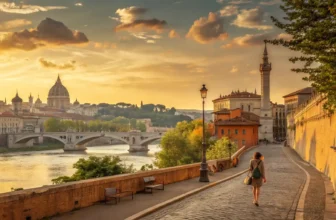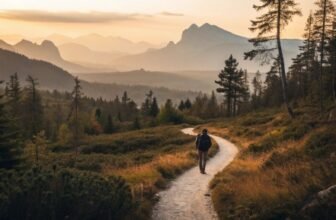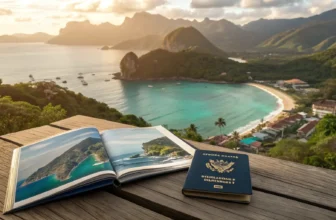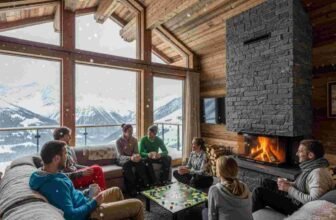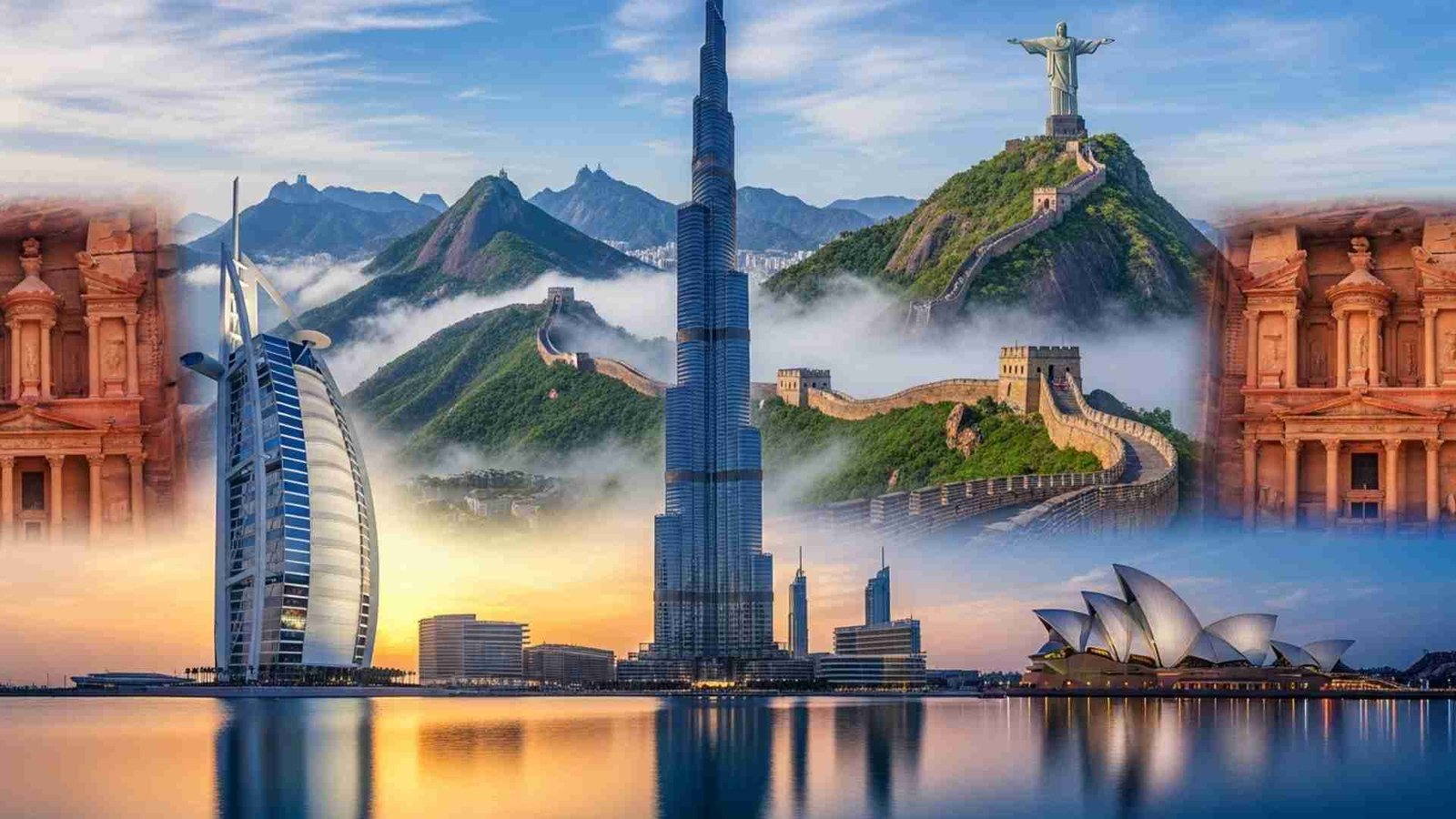
Warm wind carries the scent of stone and sea as a silhouette rises where you expected only skyline. In that pause, awe sidesteps routine, you remember why we travel: to feel small, alive, changed. Your bucket list—handed down by guides and feeds—misses what today demands: places where innovation, memory, and raw beauty collide now.
This collection redraws the map, favoring wonder that hums beneath the obvious and moments that rewire how you see the world. Ahead lie thresholds, not checkboxes—encounters that ignite curiosity, courage, and joy, paired with clear, practical clues to help you reach them at their brightest together.
1. Burj Khalifa — Dubai, United Arab Emirates
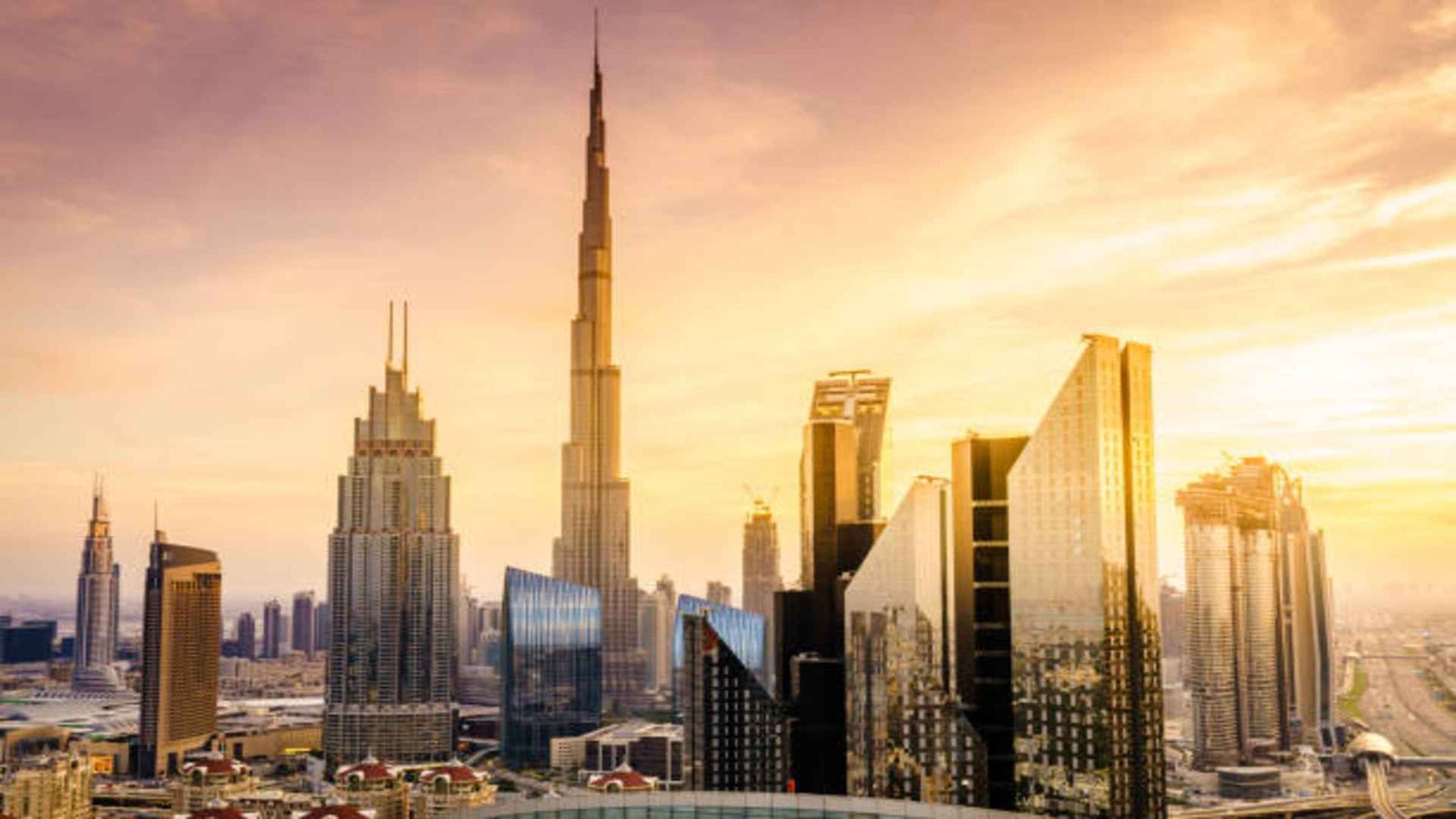
Everyone knows it’s the world’s tallest building, but few time their visit for fog season — those surreal winter mornings when the city vanishes beneath clouds and only Burj Khalifa pierces through. Watching sunrise from the 148th floor feels otherworldly, as if Dubai were floating in sky. But step away from the glass, and contrast the experience by wandering the Al Fahidi Historical District — low coral-stone houses, narrow lanes, and art galleries whispering of Dubai before the skyline.
At night, catch the tower’s reflection in the Dubai Fountain Lake, music choreographing water and light. Then head to a creekside café, sip karak chai, and feel the blend of tradition and innovation that defines this desert metropolis.
Key Practical Information
- Best time: November–March (pleasant winter season).
- Getting there: Metro to Burj Khalifa/Dubai Mall station; walk via air-conditioned bridge.
- Duration: 2–3 hours for tower + fountain; half day with Al Fahidi.
- Local experiences: Abra ride, Dubai Museum, souk exploration.
- Budget: $120–200/day (mid-range).
- Etiquette: Dress conservatively; public affection discouraged.
- Photography: Fog mornings or sunset skyline reflections.
2. The Sydney Opera House — Australia
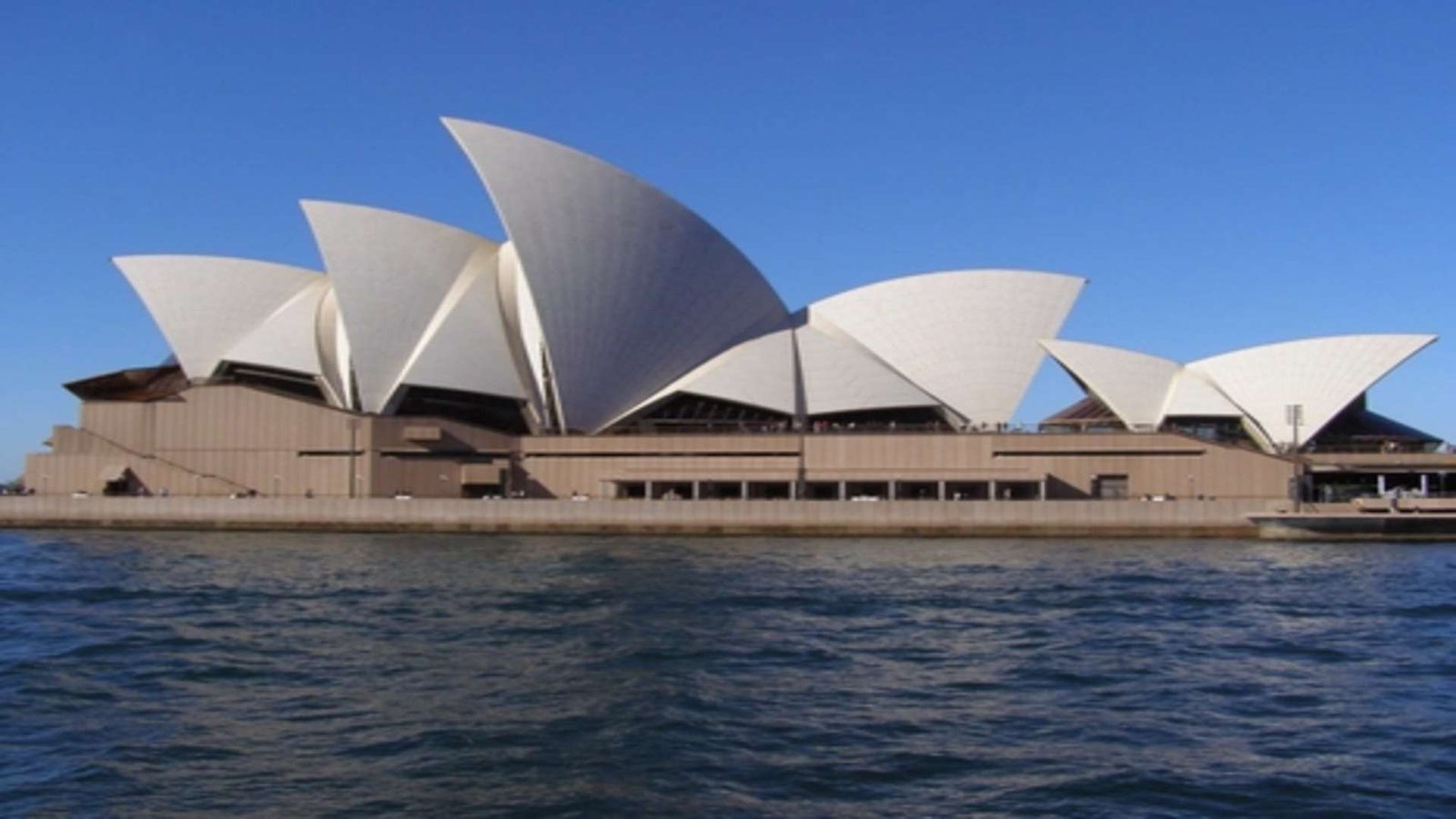
Few realize that the Sydney Opera House is as breathtaking inside as out. Its architectural tour reveals how sculpted shells cradle rehearsal rooms, glass corridors, and stories of Jorn Utzon’s rebellious design genius. But the most intimate perspective isn’t during a tour — it’s during a performance. As the orchestra swells and harbor lights shimmer beyond the glass, the building hums with life.
Step outside after the show, stroll along Circular Quay, and watch ferries carve silver trails across the water. At Vivid Sydney, the sails become a kaleidoscope of motion — art projected onto architecture, reflecting a city that never stops reinventing itself.
Key Practical Information
- Best time: September–November and March–May (warm and clear).
- Getting there: Ferries or light rail to Circular Quay.
- Duration: 2–4 hours for tour and exploration.
- Local experiences: Walk Bondi to Coogee, sip coffee at The Rocks.
- Budget: $150–200/day (with show tickets).
- Etiquette: Remain quiet during performances; avoid flash photography inside.
- Photography: Twilight reflections and Vivid Sydney light projections.
3. The Golden Gate Bridge — USA
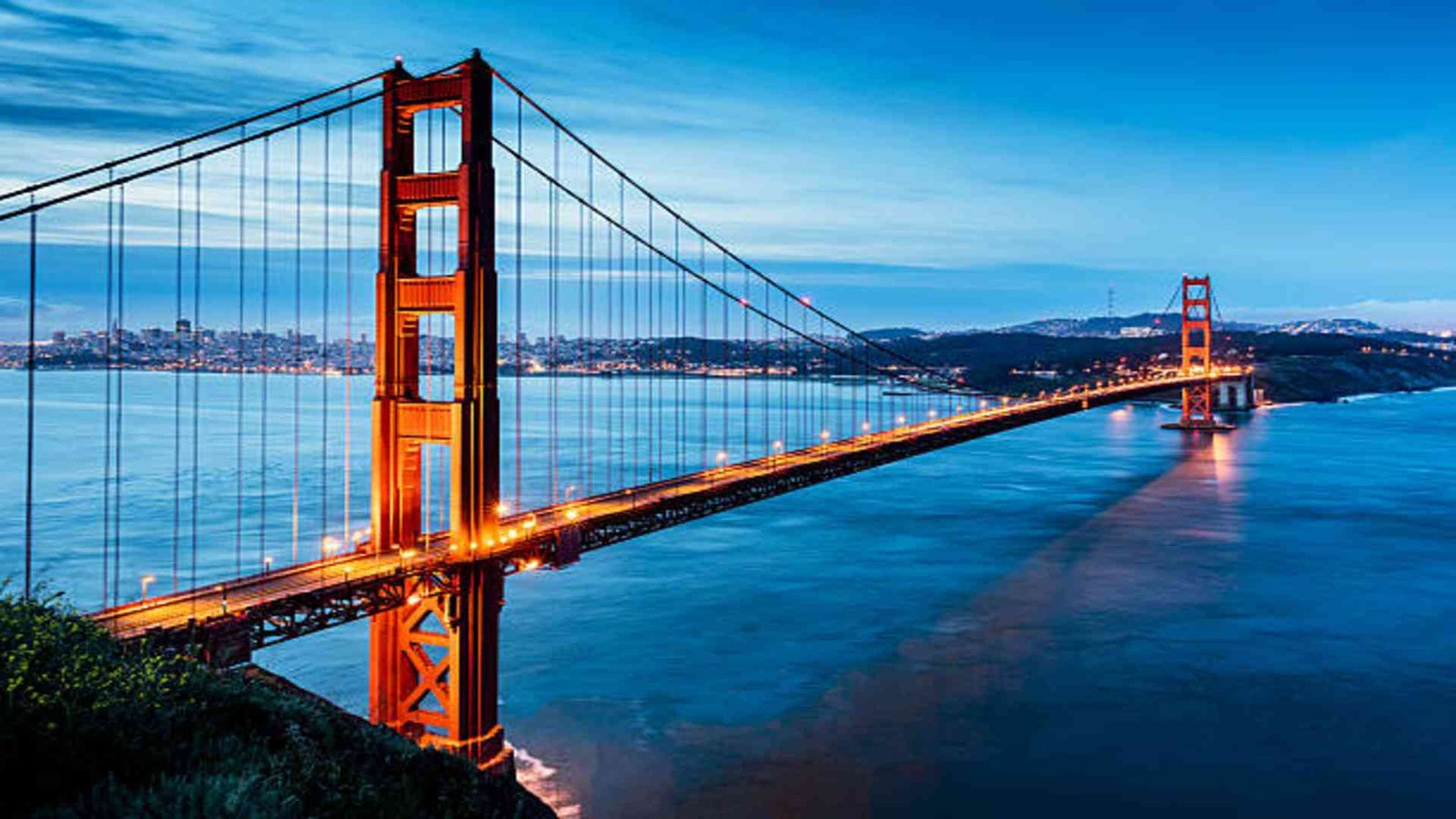
You’ve seen it in movies, but few realize how alive the Golden Gate Bridge feels when you walk it. The hum of wind through cables, the rhythmic vibration of footsteps, the scent of salt — all merge into a symphony of steel and sea. Stand mid-span as fog rolls in from the Pacific, and you’ll watch San Francisco vanish like a magician’s trick.
For an alternative view, cycle across to Battery Spencer at sunrise, when the city glows amber and gulls ride the wind. Or head down to Fort Point, directly beneath the bridge, where the red latticework towers overhead like a cathedral of engineering. It’s humbling — beauty built with bolts and belief.
Traveler’s Playbook
- When to Visit: September–October for crisp mornings and minimal fog.
- How to Explore: Rent a bike and cross to Sausalito; ferry back for iconic harbor views.
- Hidden Gem: Marin Headlands at dusk for panoramic skyline photos.
- Eat Nearby: Chowder bread bowl at Fisherman’s Wharf.
- Budget: Mostly free — $10–$20 for bike rental or ferry.
- Photo Moment: Capture bridge emerging from fog — patience rewarded.
- Theme Connection: The Golden Gate reminds travelers that modern wonders don’t have to defy nature; they can dance with it.
4. Gardens by the Bay — Singapore
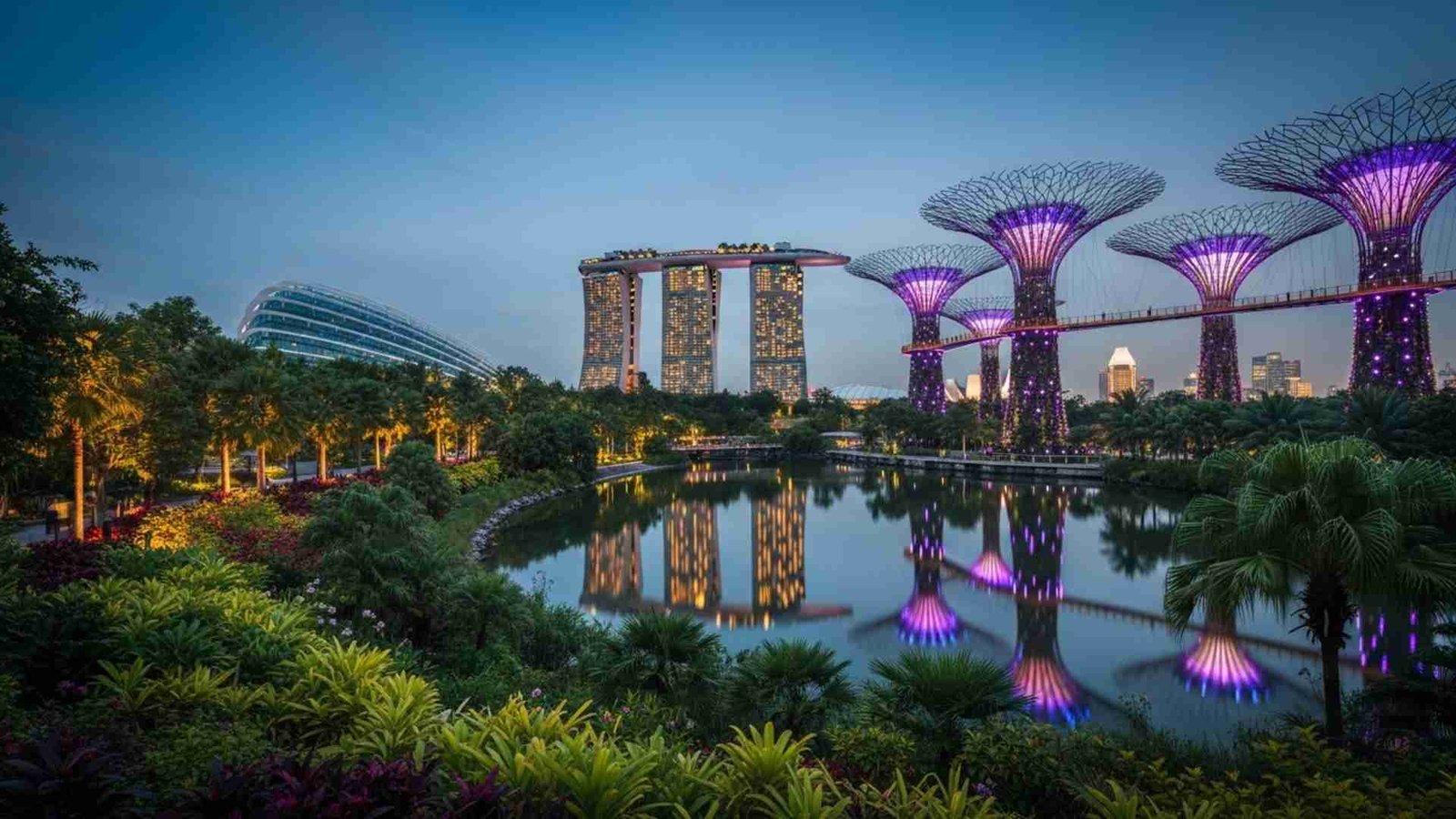
By night, Gardens by the Bay looks like a sci-fi dream — towering Supertrees glowing purple and gold, mirrored in still water below. But step closer, and the marvel is ecological as much as visual. Each Supertree is a vertical garden housing orchids, ferns, and bromeliads, designed to collect rainwater and solar power. It’s nature reinventing itself through human ingenuity.
The lesser-known magic? The Cloud Forest Dome, where mist drifts through a 35-meter indoor waterfall — a breath of rainforest in the middle of a city. Stand beneath it and you’ll feel time slow, the air cooling as digital art blooms on living walls. Outside, locals jog, picnic, and stargaze — proof that even the most futuristic places can nurture community.
Smart Traveler Notes
- Best Time: December–March for cooler nights; avoid midday humidity.
- Getting There: Bayfront MRT Station; short walk through Marina Bay Sands.
- Duration: 3–5 hours for domes + light show.
- Taste Local: Chili crab, laksa, or kaya toast nearby.
- Budget: ~$30–40 entry for both domes.
- Best Shot: Skywalk at twilight when Supertrees begin to glow.
- Theme Connection: Singapore proves that the future of travel is green — literally.
5. The Large Hadron Collider — Geneva, Switzerland
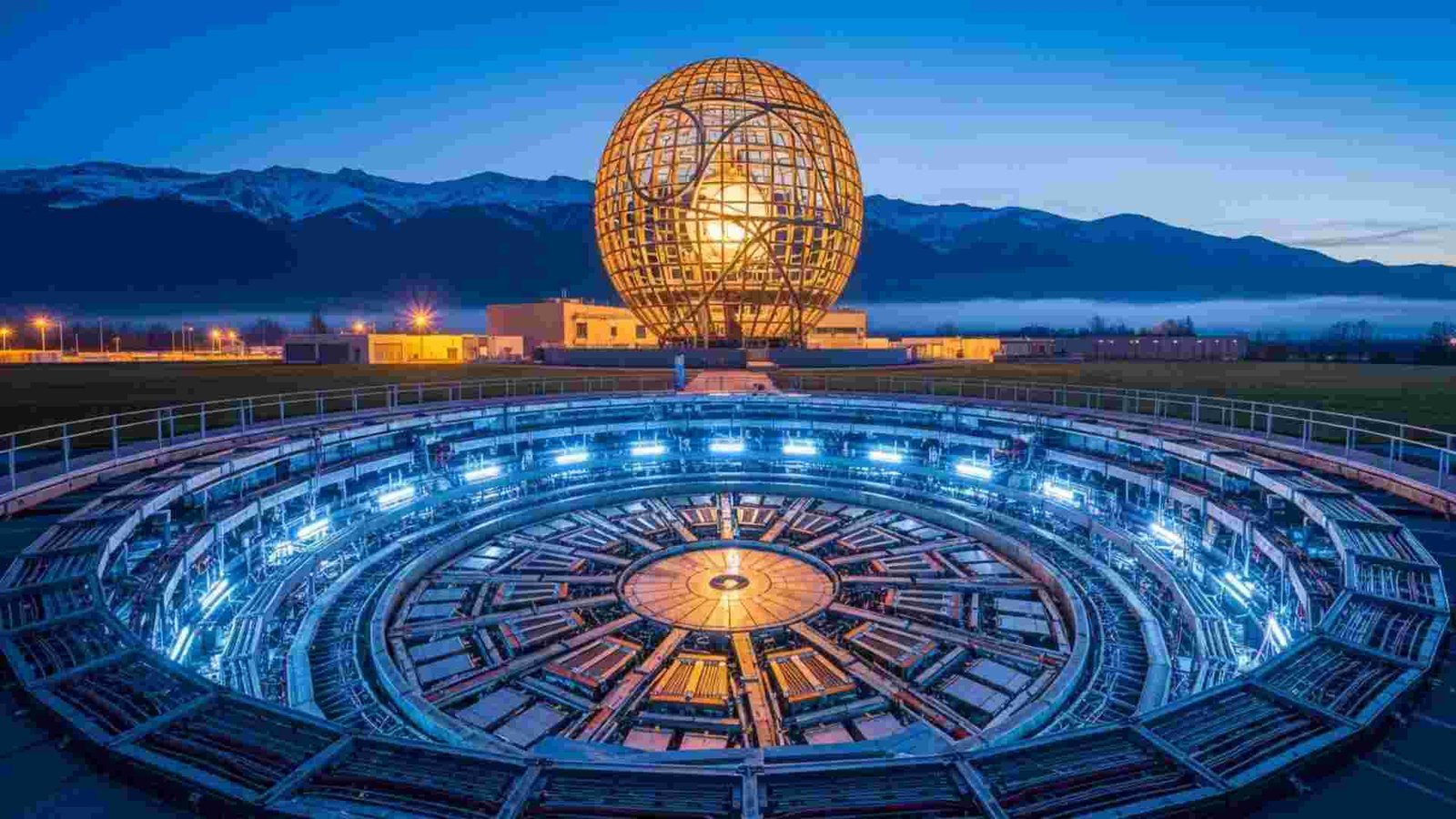
Deep beneath the quiet Swiss countryside, science hums in near silence. The Large Hadron Collider (LHC) — the world’s most powerful particle accelerator — loops for 17 miles (27 km) underground, a ring of discovery stretching between Switzerland and France. Walking through CERN’s visitor center feels like entering a cathedral dedicated to human curiosity. The exhibits glow with particle tracks and cosmic collisions, and when you finally glimpse the ATLAS detector, it feels almost mythical — an enormous steel blossom where atoms reveal the secrets of existence.
What makes the LHC awe-inspiring isn’t just its scale but the collaborative spirit that fuels it. Scientists from over 100 countries come together here, speaking the same language of physics and possibility. During a visit, a CERN researcher explained that the collider isn’t just smashing particles — it’s expanding our understanding of everything from dark matter to the origins of the universe. Outside, the Globe of Science and Innovation stands as a wooden sphere symbolizing Earth itself — a humbling contrast to the atomic chaos studied beneath it.
Key Practical Information:
- Peak/Off-Peak Seasons: Visit May to October for pleasant weather and clearer Alpine views.
- Getting There: Located about 8 km from Geneva city center; take tram 18 from Gare Cornavin to CERN.
- Ideal Duration: Half a day for the tour and museum.
- Must-Try Experiences: Guided tour of the ATLAS or CMS experiment, plus a walk around the Globe exhibit.
- Budget: Entrance and guided tours are free, but must be booked 2–3 months ahead.
- Etiquette: Silence and respect are vital during lab visits; photography is restricted in active zones.
- Photography: Best shot — the CERN Globe against the backdrop of the Alps during golden hour.
6. The International Space Station — Low Earth Orbit
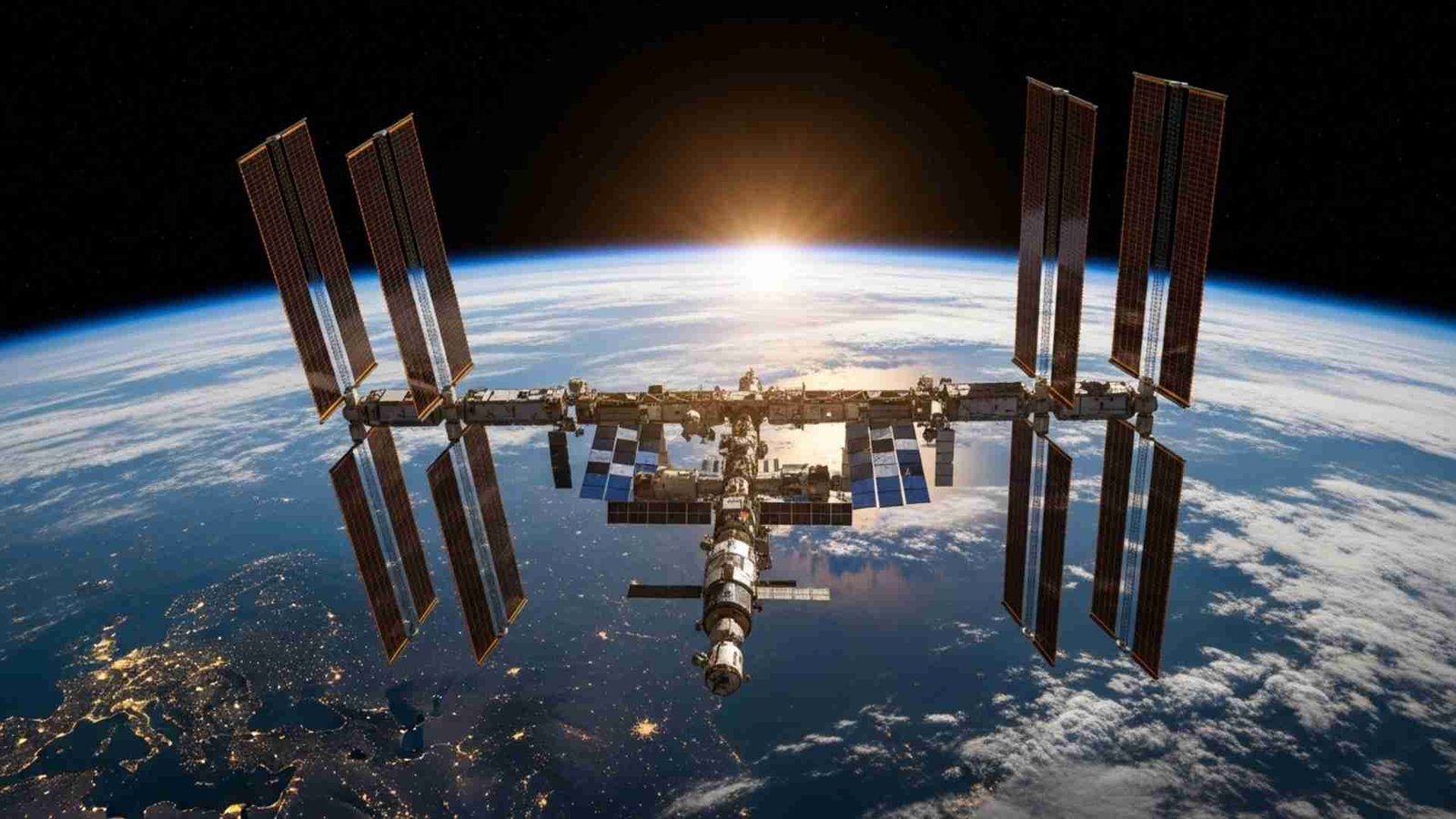
Floating 250 miles above Earth, the International Space Station (ISS) is humanity’s shared outpost in the stars — a microgravity lab and a symbol of unity. Few places embody the word “wonder” more than this orbiting habitat where astronauts from NASA, ESA, Roscosmos, JAXA, and CSA share coffee, science, and sunrise views that streak across the planet every 90 minutes. From space, borders disappear; continents merge into a living sphere of blue and gold.
While few of us will ever board the ISS, you can experience its story through immersive Earth-based tours. The NASA Johnson Space Center in Houston and the European Space Agency’s exhibits in Germany and France offer life-sized ISS modules you can walk through. Standing inside one, you begin to understand the delicate balance of life in space — air filtered endlessly, meals floating in zero gravity, and views that make astronauts tear up mid-orbit.
Key Practical Information:
- Peak/Off-Peak Seasons: View ISS flyovers best from spring to fall when skies are clearer.
- How to Experience It: Visit Space Center Houston or the Kennedy Space Center; use apps like “Spot the Station” to track visible passes overhead.
- Ideal Duration: 1 full day at major centers.
- Must-Try Experiences: Virtual reality ISS experience, Astronaut Training Facility tour, and Rocket Park.
- Budget: Museum entry from $30–$70; virtual tours and apps are free.
- Etiquette: Quiet respect during educational demonstrations; avoid flash photography.
- Photography: Capture ISS passes with long-exposure settings for light trails; simulate ISS views using planetarium domes or VR setups.
7. The Millau Viaduct — France
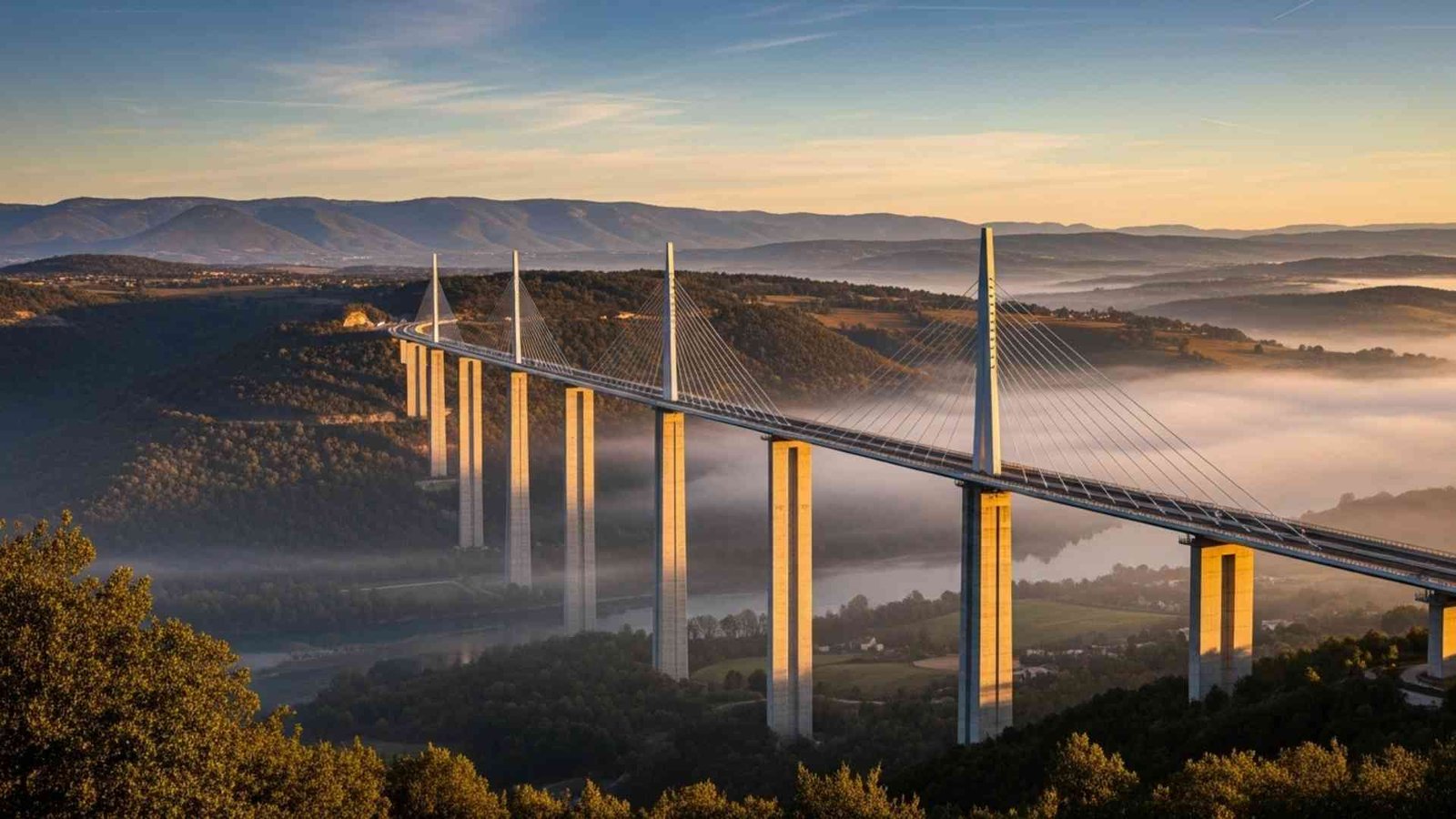
In southern France, where mist rolls over the Tarn Valley, the Millau Viaduct stretches like a blade of light across the landscape. Taller than the Eiffel Tower at 343 meters, it’s both a marvel of engineering and a breathtaking work of art. Driving across it feels like floating through the clouds — a gentle, surreal journey where sky and earth blur.
Designed by British architect Norman Foster, the viaduct combines elegance with efficiency. From the Millau Visitor Center, you can watch it pierce the fog, sunlight streaming through its cables like harp strings. For travelers, it’s not just a bridge but a meditation on design — proof that infrastructure can be poetry.
Key Practical Information:
- Peak/Off-Peak Seasons: Visit from May to September for mild weather and clear valley views.
- Getting There: Located near Millau, accessible via A75 motorway (2 hours from Montpellier).
- Ideal Duration: 2–3 hours including visitor center and viewpoints.
- Must-Try Experiences: Panoramic viewpoint at Peyre, Viaduc Espace Info, and Tarn River kayaking.
- Budget: Bridge toll around €9 ($10); free viewing areas available.
- Etiquette: Drive slowly on the viaduct to respect other visitors stopping for views.
- Photography: Morning fog shots from below are iconic — especially from Belvédère de Luzençon.
8. Panama Canal Expansion — Panama
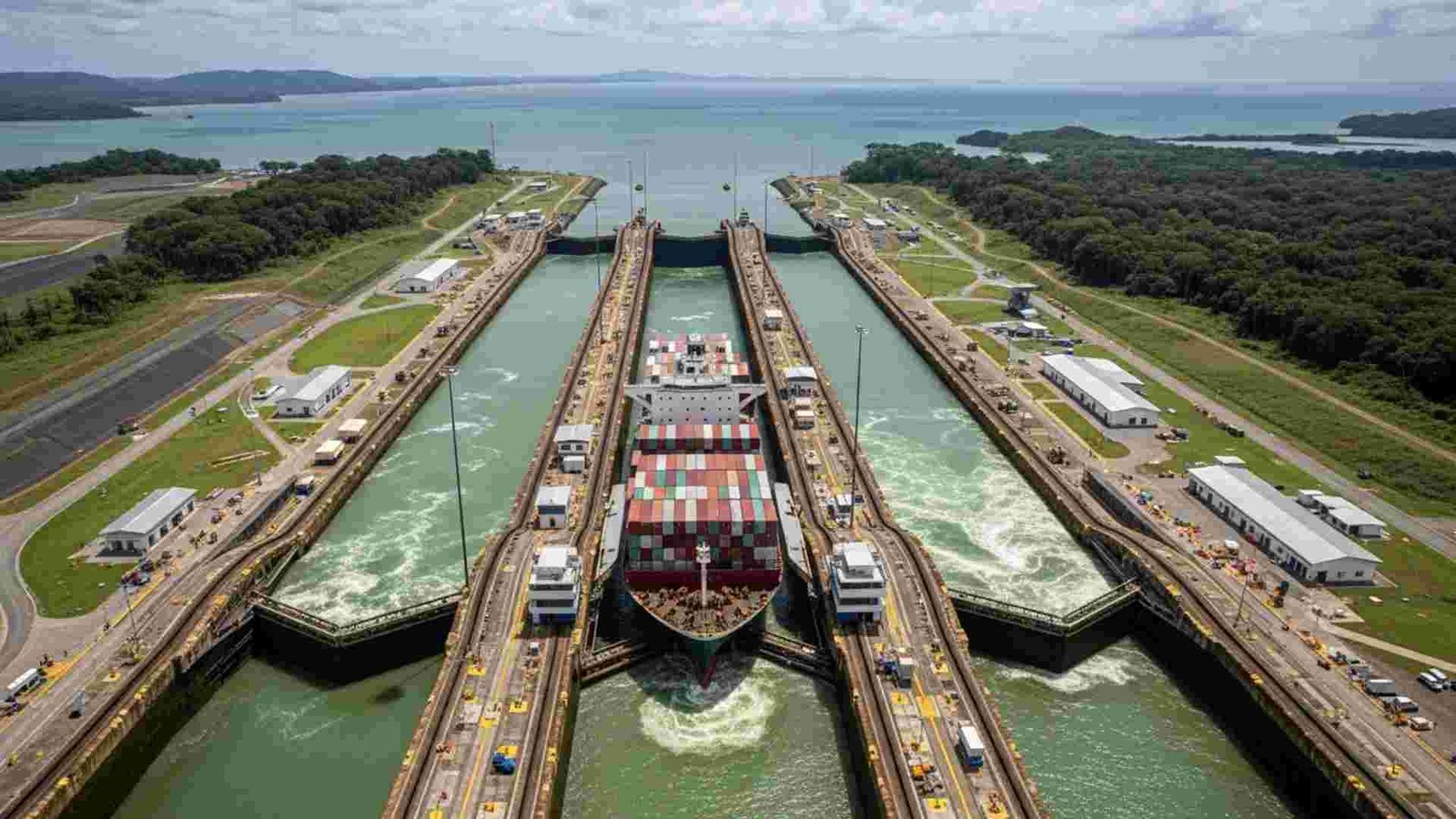
Skip the locks first and start at the Agua Clara Visitor Center on the Caribbean side, where the new Neo-Panamax lanes feel like a backstage pass to global trade. Watch tugboats choreograph silent ballets as pilots thread skyscraper-sized ships through the widened chambers.
Arrive just after dawn when humidity hangs low and container stacks glow peach in the slanting light. A pilot changeover crackles on the loudspeaker and the crowd collectively holds its breath as a vessel clears with centimeters to spare.
- Field notes:
- When to go: Dry season mid-December to April for clearer views. Show up early for guaranteed transits.
- Getting there: Taxi or rideshare from Colón or Panama City; pair with the Miraflores or Cocolí locks for a two-ocean day.
- Time needed: 2–4 hours per visitor center; full-day canal-transit cruise if you want the water-level perspective.
- Signature moments: Standing above the rolling gates as a ship rises beside you like a moving wall.
- Budget: Visitor centers from modest fees; partial-transit cruises mid-range; full transit pricier but memorable.
- Etiquette: Keep voices low on platforms; heed staff during pilot operations.
- Photo cues: Telephoto for pilot houses and mule locomotives, ultra-wide for the lock chambers at full capacity.
9. Three Gorges Dam — China
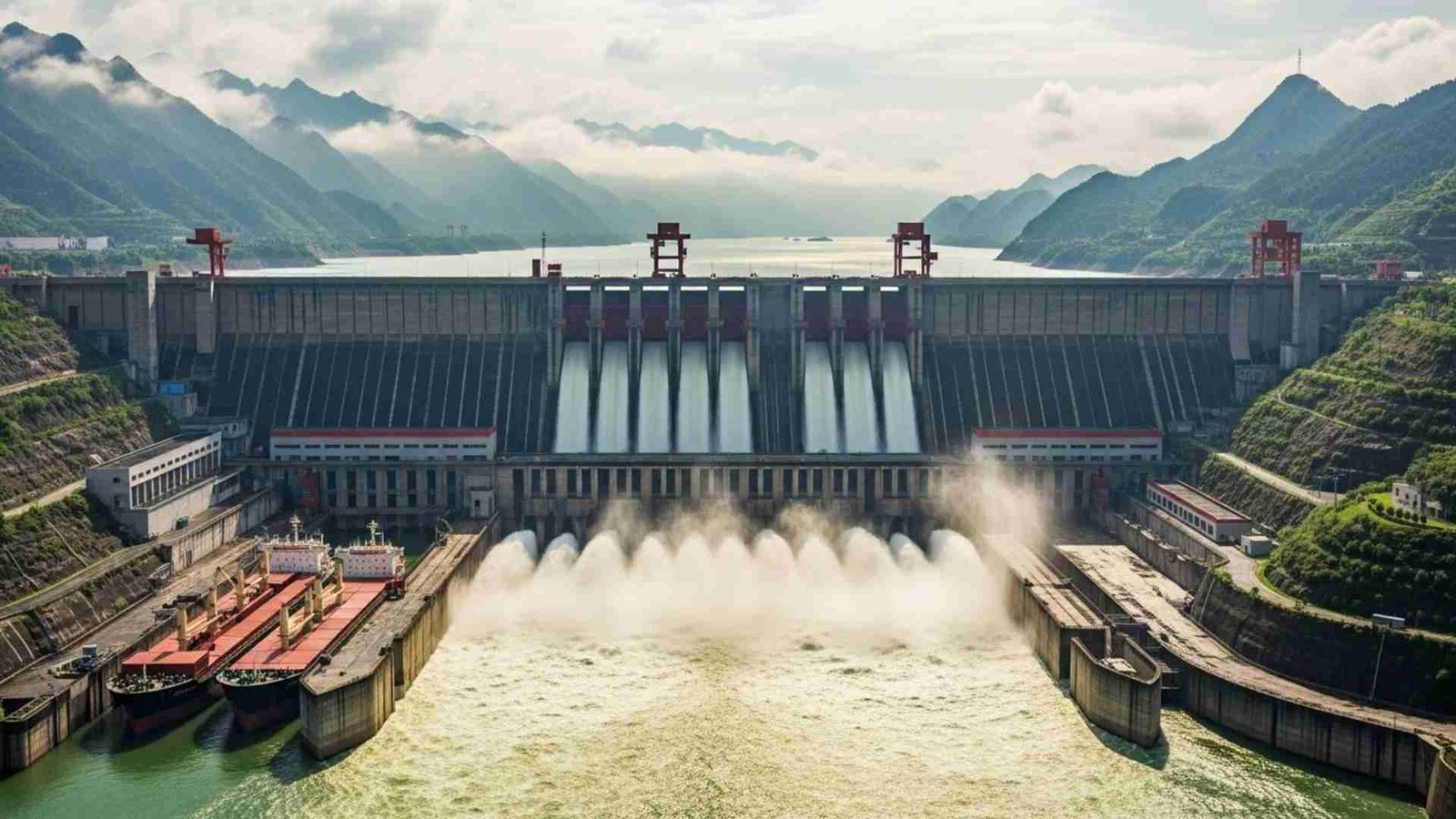
Treat it as a river story, not a dam story. Base yourself in Yichang and ride a Yangtze cruise upriver, letting the cliffs narrow until the concrete appears like a horizon line where geology meets engineering.
Dusk on deck while fishing skiffs blink to life and the dam’s spillways thrum like distant thunder. A guide whispers local legends of the gorges as the ship enters the five-step ship lift, a surreal, elevator-for-oceans moment.
- Field notes:
- When to go: March to May or September to November for milder air and clearer gorge silhouettes.
- Getting there: Flights or high-speed rail to Yichang; organized tours streamline dam access points.
- Time needed: Half day at the viewpoint and exhibition hall; two to three nights if cruising the gorges.
- Signature moments: The ship lift transit and panoramic lookout from the memorial garden above the spillway.
- Budget: Viewpoints are affordable; cruises vary widely by cabin class.
- Etiquette: Stay within marked zones; avoid drones without explicit permission.
- Photo cues: Long exposure for spillway water veils; blue hour shots with the dam lights reflecting across the basin.
10. Channel Tunnel — United Kingdom and France
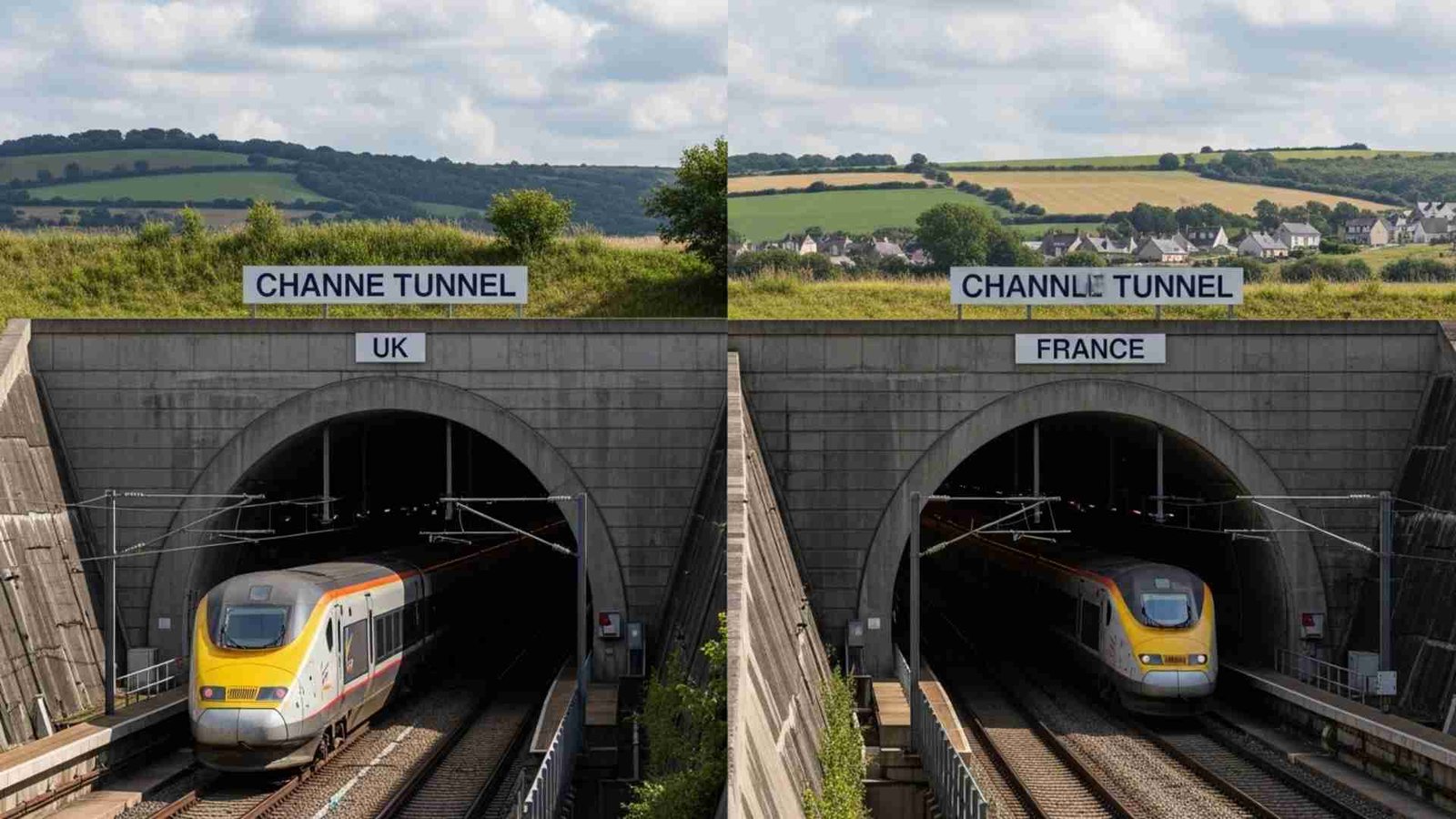
Make it a speed-to-table day. Breakfast in London, lunch in Lille’s market halls, and back in time for a West End curtain — turning a rail tunnel into a lifestyle flex. The wonder is seamlessness: passports, platforms, pastries.
Board the morning Eurostar with a paperback and emerge 35 minutes later under different street signs and a new cheese counter. Spend the return leg people-watching the polyglot carriage as city lights flicker by like a metronome.
- Field notes:
- When to go: Year-round; shoulder seasons mean easier fares and fewer queues.
- Getting there: St Pancras to Lille/Paris/Brussels; pre-book seats and arrive early for security.
- Time needed: A single ambitious day works; a weekend unlocks side trips to Arras or Roubaix.
- Signature moments: The first pressurization “pop” in your ears and the reveal of continental platforms.
- Budget: Dynamic pricing applies; midweek and off-peak are friendlier.
- Etiquette: Quiet cars are genuinely quiet; keep luggage tight for quick alightings.
- Photo cues: Architectural shots of St Pancras ironwork and Lille Europe’s glassy geometry; the tunnel itself is for the memory, not the camera.
11. Hoover Dam — United States
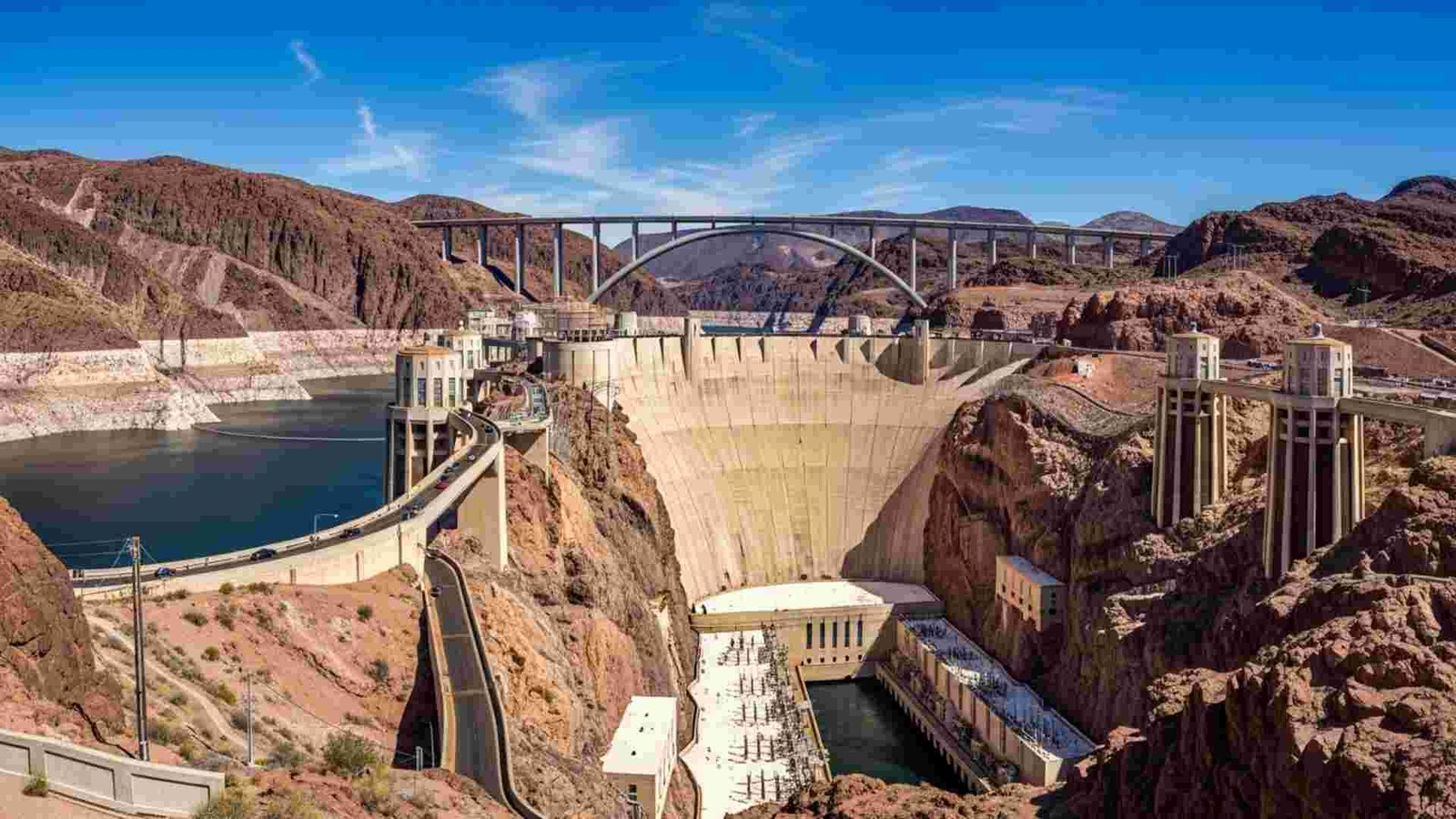
Visit at civil twilight from the Arizona side after exploring the Historic Railroad Hiking Trail above Lake Mead. The approach by foot slows time; each curve frames the dam as a growing monolith of Art Deco lines and desert stone.
A ranger-led powerplant tour when turbines hum like a cathedral organ. Step onto the intake tower walkway as warm Nevada air rushes up the canyon and watch the Colorado River ribbon away into darkness.
- Field notes:
- When to go: October to April for gentler temperatures; sunrise and evening for soft canyon light.
- Getting there: Easy drive from Las Vegas; combine with the Mike O’Callaghan–Pat Tillman Memorial Bridge for overhead views.
- Time needed: 2–3 hours including the tour and bridge overlook.
- Signature moments: Palming the cool terrazzo at the Winged Figures of the Republic and reading the astronomical plaque under the stars.
- Budget: Parking and tour fees are moderate; sunrise visits can trim crowds and costs.
- Etiquette: Mind railings and signed no-photography zones inside the plant.
- Photo cues: Wide angle from the bridge for the full sweep; vintage details on the Art Deco clocks and brasswork.
12. Shinkansen Network — Japan
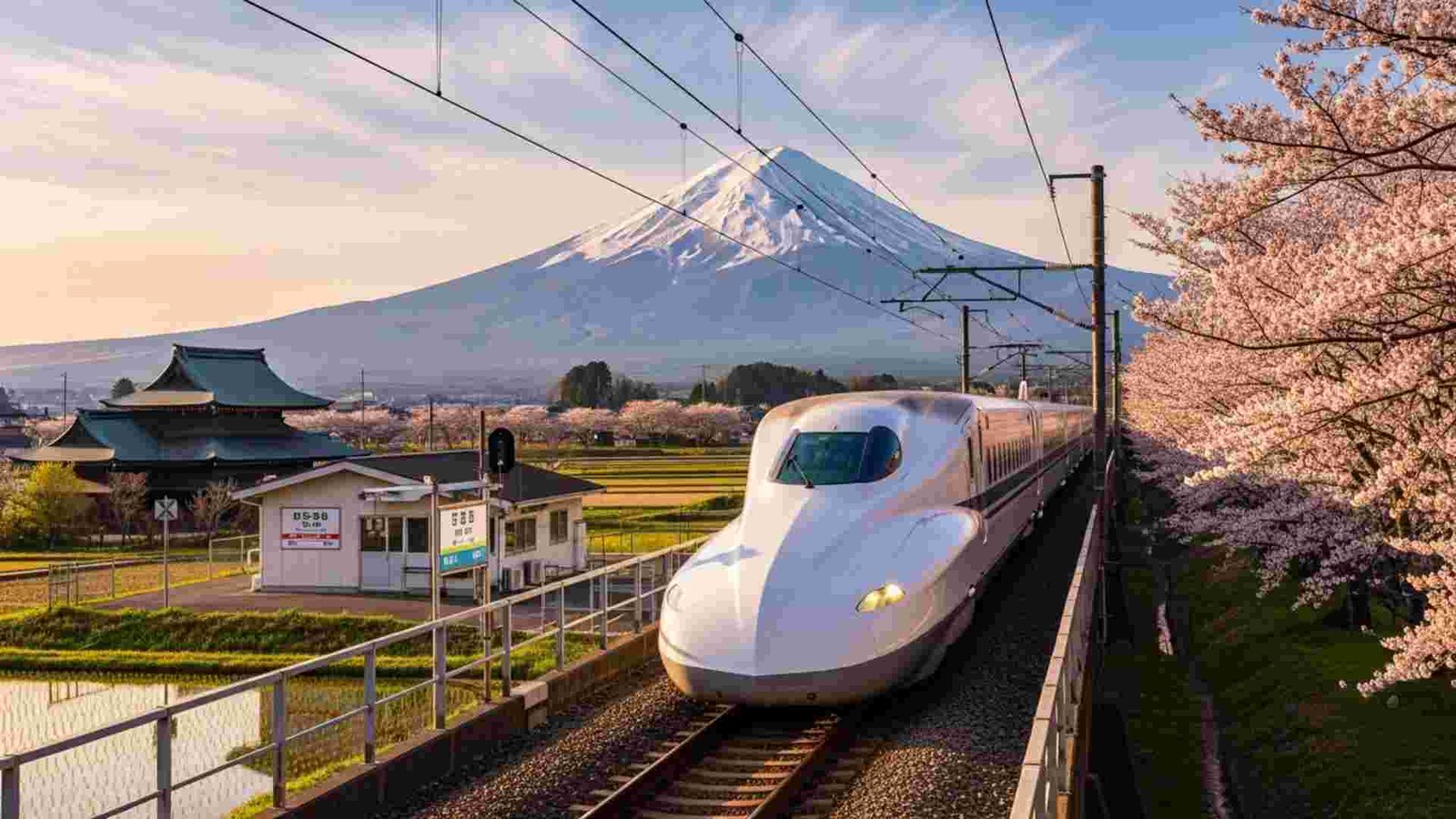
Curate a micro-odyssey: Tokyo ramen breakfast, snow-rimmed Fuji glimpses from a window seat, Kyoto temple bells by afternoon. The wonder isn’t a single station; it’s a national rhythm where trains heartbeat the day to the minute.
Stand on a platform line as a Nozomi arrives, wind flaring your coat as the nose slips past like a chrome narwhal. Onboard, the carriage hush and bento citrus peel carry you through paddies, suburbs, and sudden mountains.
- Field notes:
- When to go: Late March to early April for sakura corridors or November for maple fire; winter rides offer crystalline Fuji views.
- Getting there: JR Pass or point-to-point tickets; reserve E-seat sides for Mt. Fuji on the Tokaidō line.
- Time needed: A day for Tokyo–Kyoto–Hiroshima samplers; a week to play the full network.
- Signature moments: Platform ekiben tastings and station melodies that become your travel soundtrack.
- Budget: Passes are an investment but replace multiple flights and save time; convenience stores keep food costs low.
- Etiquette: Phone calls in vestibules, not seats; line up on platform markers and swivel seats to group orientation when appropriate.
- Photo cues: Panning shots as trains enter, Fuji framed through the window, and neon kanji bathing evening platforms.
13. The Palm Islands — Dubai, United Arab Emirates
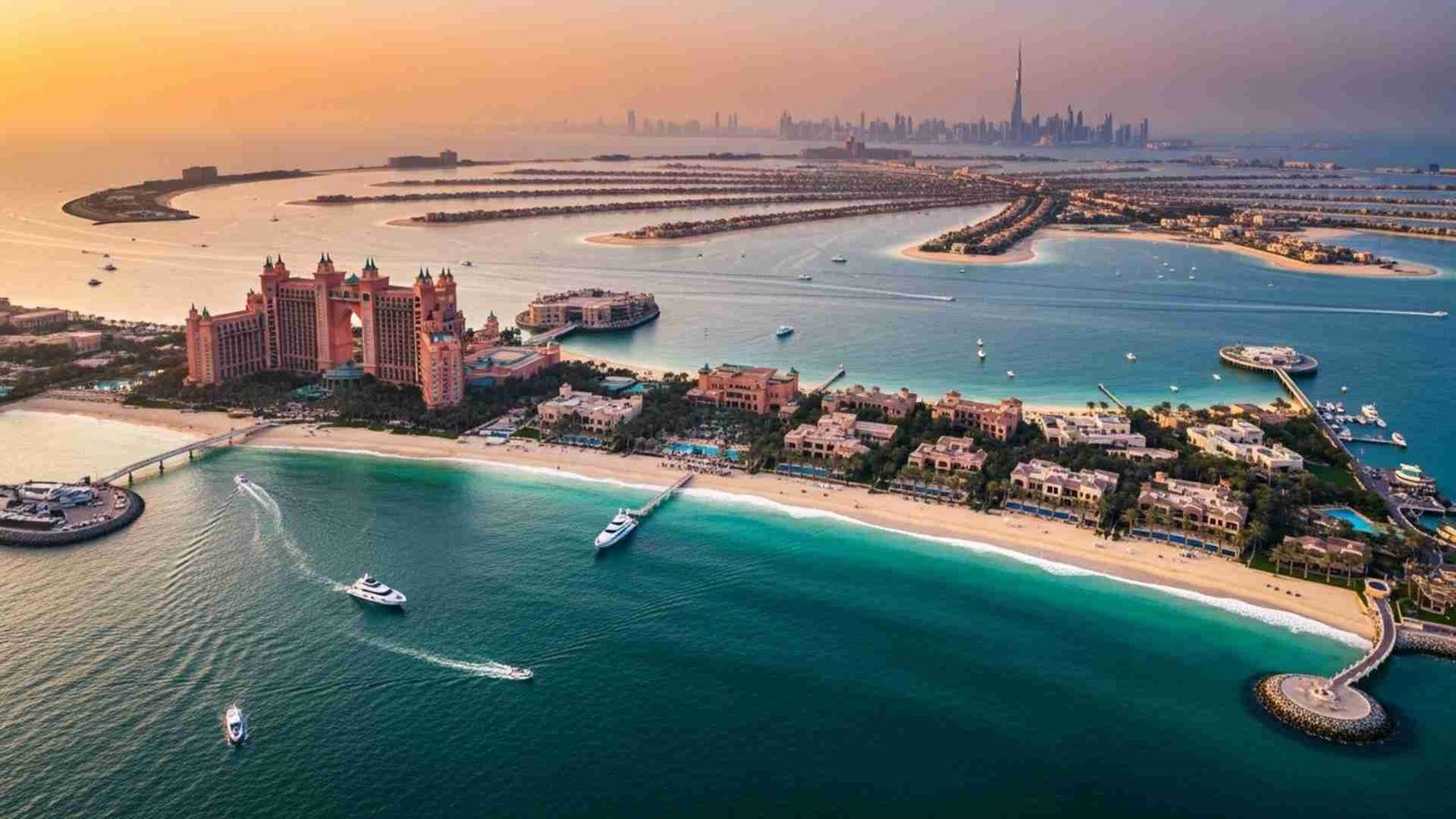
From above, the Palm Jumeirah resembles a perfect geometry drawn by human ambition against the aquamarine Gulf. But wander at ground level and you’ll discover it’s not just a luxury enclave—it’s a microcosm of modern Dubai life. Behind the gleaming Atlantis archways, quiet crescent roads hide hidden beaches, boutique cafés, and one of the city’s best-kept secrets: The Pointe, where locals gather for evening breezes and fountain shows framed by the skyline.
Early risers can kayak around the fronds just after sunrise. The still water mirrors the skyline, and dolphins occasionally surface near the breakwater.
Quick Guide:
- Weather sweet spot: November–March, breezy and mild.
- Transport: Palm Monorail from Gateway Station or water taxi from Dubai Marina.
- Stay time: Half-day minimum; full day if you include beach clubs.
- Budget: Free to explore; restaurants range mid- to high-end.
- Etiquette: Modesty still matters; swimwear only on private beaches.
- Photo Tip: Drone or high-rise balcony shots reveal the palm’s pattern best—twilight brings pink reflections over the Gulf.
14. The Hong Kong–Zhuhai–Macau Bridge — China
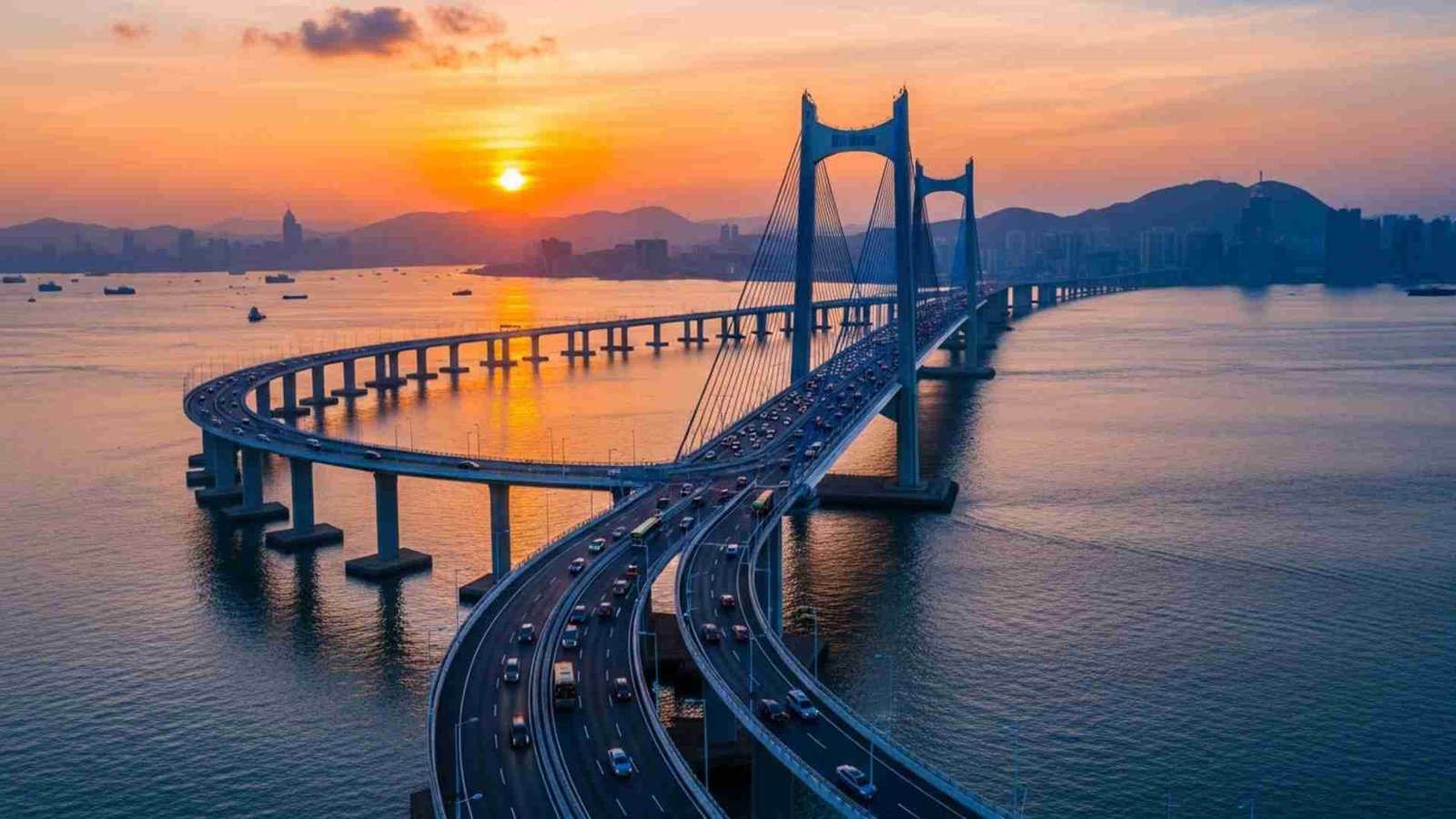
Stretching nearly 34 miles (55 km) across the Pearl River Delta, this bridge-tunnel network feels like something from science fiction. Most travelers use it to hop between casino towers and skyscrapers—but take a slower route. Drive it at dawn, when low fog shrouds the pylons and fishing junks glide beneath. Halfway across, you realize you’re suspended between three cities, three currencies, and three cultures.
The Artificial Island Immigration Terminal has an observation deck often missed by tourists, offering panoramic views of ships threading the delta.
Field Notes:
- Best months: October–December for clear air and lower humidity.
- Access: Shuttle buses from Hong Kong Port or car permits for private vehicles.
- Duration: 45–60 minutes each way including checkpoints.
- Budget: Shuttle tickets start at around US$10.
- Culture Tip: Expect security checks between regions; carry your travel documents at all times.
- Photo Moment: The sunlit S-curve of the bridge from the Hong Kong side at golden hour—metal, sea, and sky melting together.
15. ITER Fusion Reactor — Provence, France
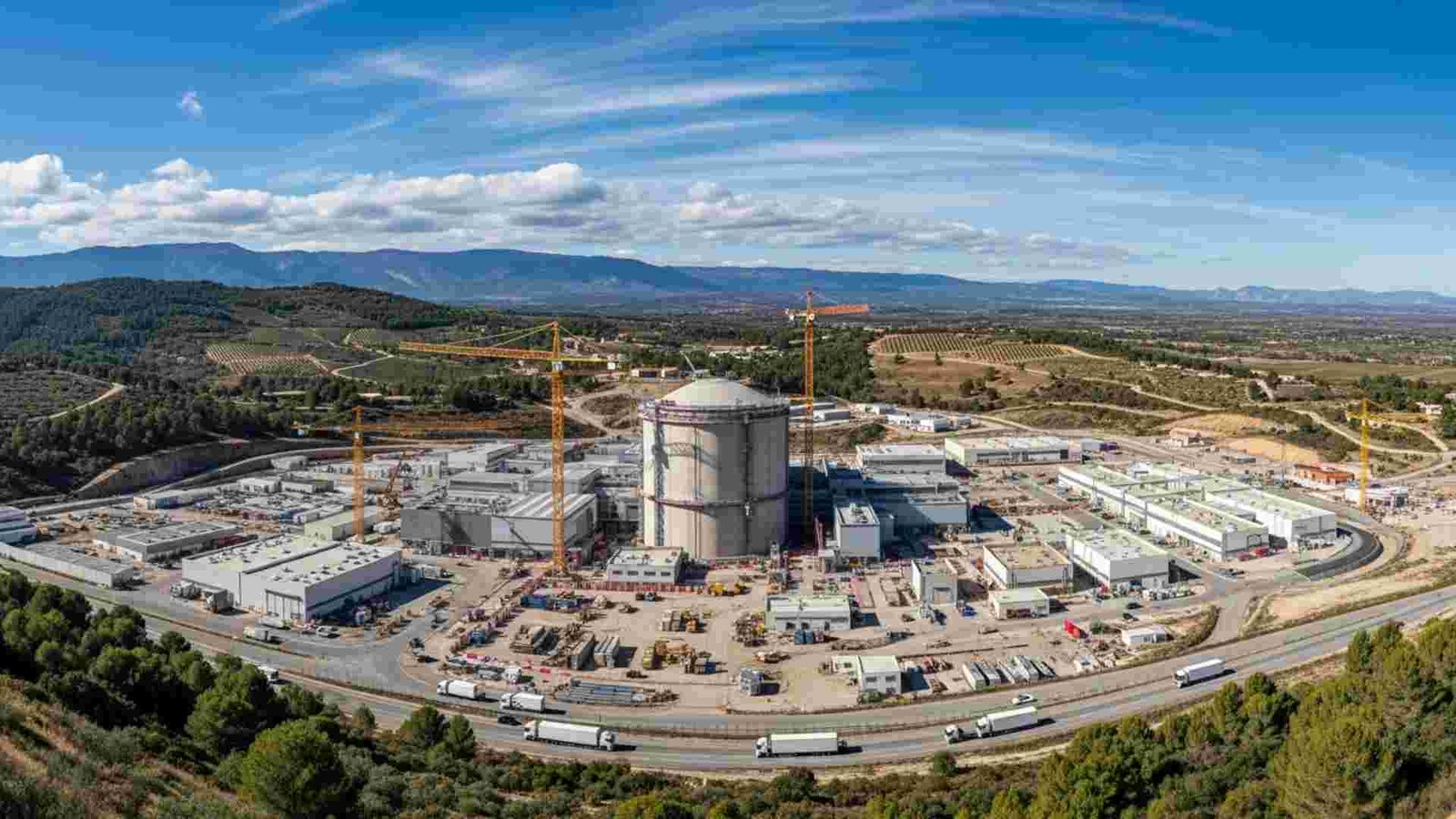
Tucked into the lavender fields of southern France, ITER is not a tourist destination in the usual sense—it’s the future quietly assembling itself. Here, scientists are building the world’s first large-scale fusion reactor, a star-in-a-bottle experiment that could one day power the planet with zero emissions. You won’t find souvenir shops, but what you will find is a glimpse into tomorrow.
Nearby villages like Vinon-sur-Verdon and Saint-Paul-lez-Durance offer rustic French charm with views of cranes and domes rising in the distance—an oddly poetic mix of medieval and sci-fi.
Traveler’s Snapshot:
- When to go: Spring or fall for mild weather and blooming lavender.
- Nearest City: Aix-en-Provence (1 hour away).
- Visit Length: Half a day including nearby hill towns.
- Budget: Guided visits are free but require advance booking.
- Etiquette: Photography limited inside; quiet respect expected.
- Theme Connection: ITER reminds travelers that wonder doesn’t always mean ancient—it can mean becoming.
Conclusion:
In a world constantly evolving, these 15 “Modern Wonders” remind us that awe and inspiration aren’t just relics of the past — they’re alive and thriving today. From architectural marvels to natural spectacles shaped by innovation and vision, each destination challenges what we think of as “wonder.” So, maybe it’s time to rewrite your bucket list — because the modern world’s greatest treasures are waiting for you right now.