Winter Sun Destinations Americans Overlook: 10 Warm Escapes Without the Spring Break Scene – Hidden Spots You’ll Crave

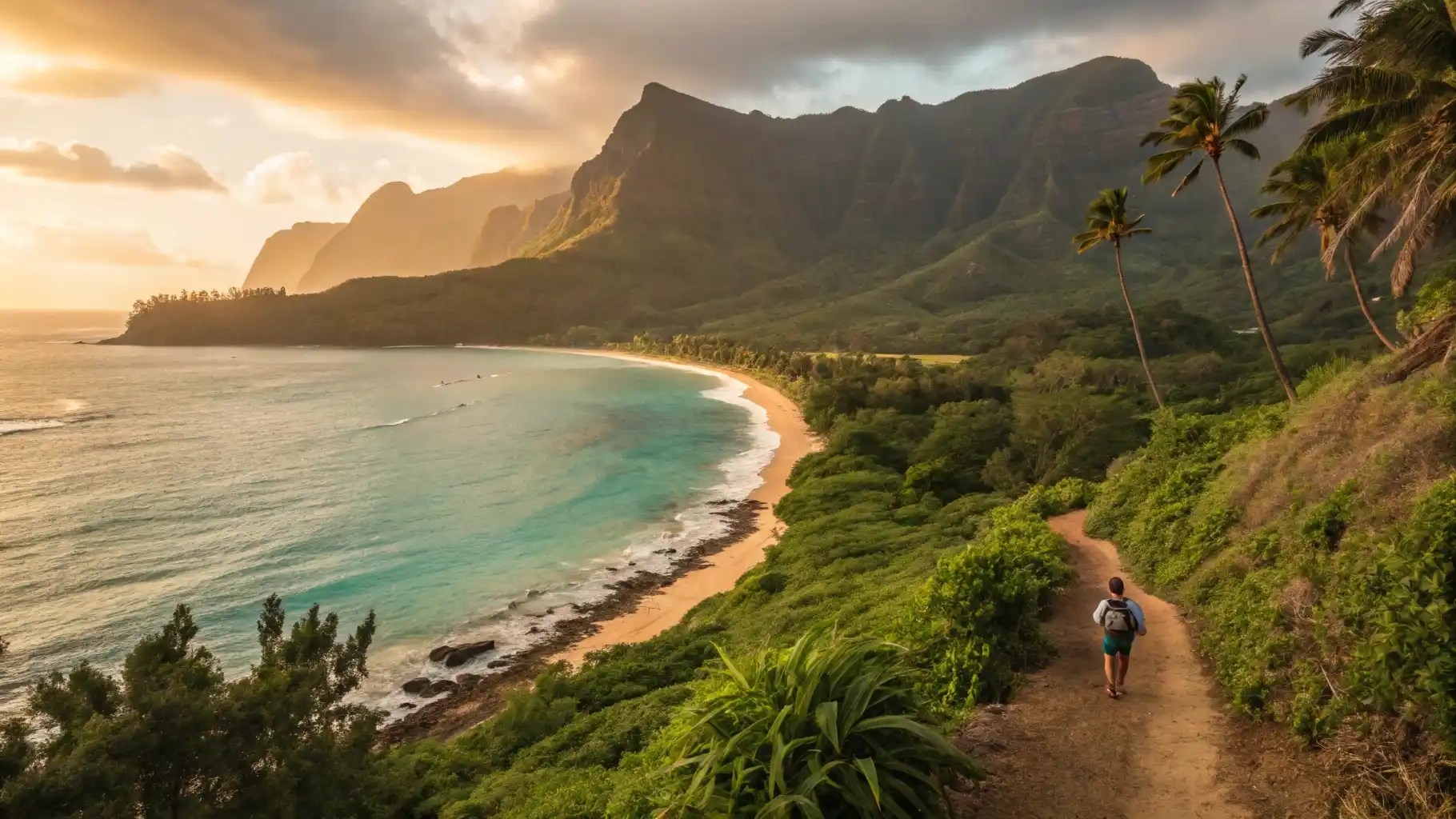
Warm air hits different when the rest of the country is wrapped in frost — you feel it instantly, that soft rush of sun on skin that wakes something inside you.
There’s a quiet thrill in discovering warm corners of the world most Americans skip, especially now, when crowded beaches feel more exhausting than exciting. The pull toward slow escape and calm adventure is stronger than ever.
These overlooked winter-sun destinations offer experiences that stay with you — softer, warmer, surprisingly transformative. And ahead, you’ll find exactly where that kind of magic begins.
1. Madeira, Portugal
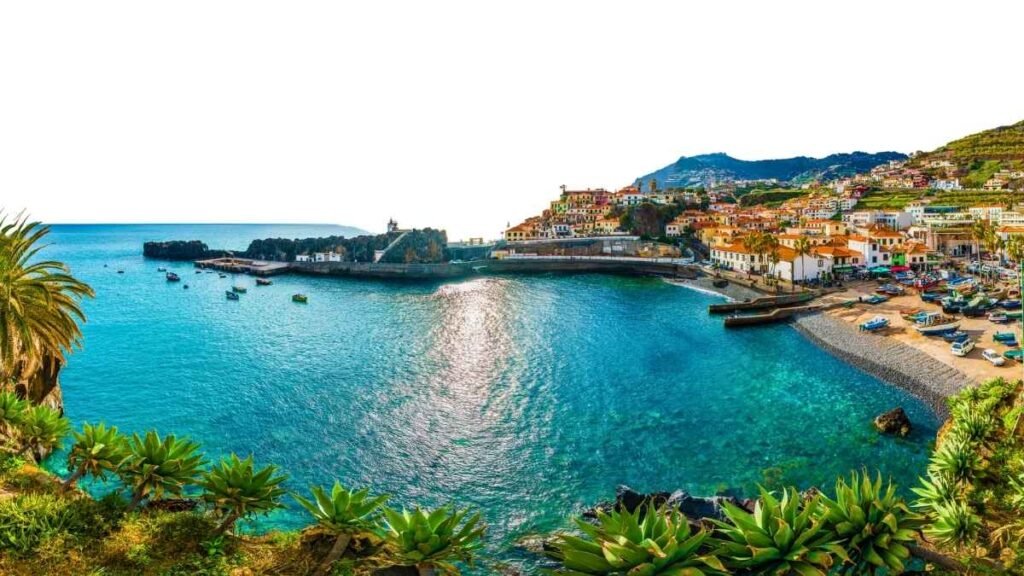
Madeira feels like the kind of place where winter quietly disappears. Temperatures in January and February usually stay around 60–68°F (16–20°C), and the island’s mix of mountains, ocean cliffs, and botanical gardens gives you a steady dose of color when most of Europe is gray. I keep coming back to how calm the air feels here — warm enough to walk the coast without a jacket, cool enough to hike all day through laurel forests. Funchal adds charm through waterfront promenades, cable-car views, and restaurants serving fresh Atlantic seafood and Madeira wine.
What makes Madeira stand out is its network of levada trails — moss-lined irrigation channels that carve through valleys, forests, and waterfalls. The island’s highest peaks, like Pico do Arieiro, let you watch the sunrise above the clouds, and the rock pools in Porto Moniz stay swimmable even in winter. You get a quiet, nature-heavy escape without the crowds, and the island manages to feel adventurous and gentle at the same time.
Key Practical Info
- Peak/off-peak: Winter 60–68°F; Nov–Mar is quiet and sunny.
- Getting around: Fly into Funchal; rent a car for full island access.
- Ideal duration: 5–7 days.
- Must-try: Levada hikes, rock pools, mountain sunrise, botanical gardens.
- Budget: Mid-range; many guesthouses.
- Etiquette: Respect hiking paths and protected forests.
- Photography: Cloud inversions, cliff viewpoints, tropical gardens.
2. Salta & Jujuy, Argentina

Northern Argentina gives you a warm, high-desert winter escape that most Americans never consider. Daytime temperatures often land between 65–78°F (18–26°C) depending on altitude, which makes it a great season for exploring canyons and villages. Salta works as a cultural gateway with colonial squares and lively street food, and once you head into the countryside, the terrain shifts constantly — from cactus deserts to red-rock valleys to salt flats that stretch for miles.
The Quebrada de Humahuaca, a UNESCO site, is the region’s star. Towns like Purmamarca sit beneath mountains striped in seven visible colors, and at Salinas Grandes you stand on a salt flat at nearly 11,000 ft with crisp air and surreal silence. Indigenous culture runs deep here, and you feel it in the music, the food, and the market stalls. It’s a place where scenery, tradition, and slow travel blend naturally, giving you a winter-sun destination that’s warm, scenic, and culturally grounded.
Key Practical Info
- Peak/off-peak: Dry, sunny winters; best for outdoor exploring.
- Getting around: Fly to Salta; rent a car for scenic routes.
- Ideal duration: 7–10 days.
- Must-try: Quebrada de Humahuaca, Salinas Grandes, Cafayate wine, Andean dishes.
- Budget: Very affordable.
- Etiquette: Ask before photos; respect indigenous customs.
- Photography: Salt flats, rainbow mountains, adobe villages.
3. La Palma, Canary Islands (Spain)
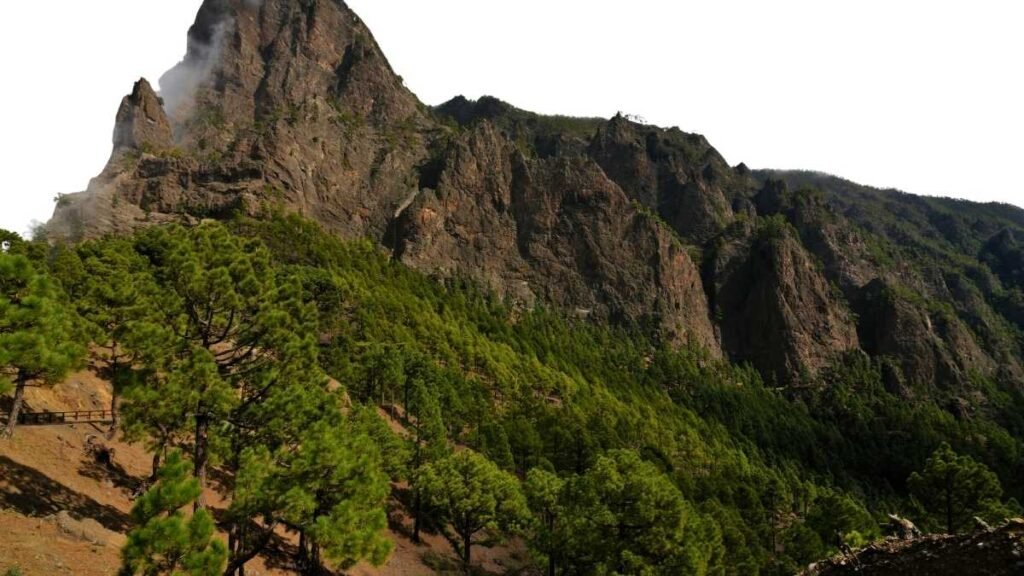
La Palma offers winter warmth without the big-resort feel — usually 64–70°F (18–21°C) along the coast, with sunny days perfect for hiking and exploring volcanic landscapes. The island is known for its greenery, cloud forests, and quiet beaches, and because tourism stays modest, you often get trails or viewpoints entirely to yourself. The small towns feel local and relaxed, with pastel buildings, oceanfront promenades, and little cafés serving Canarian dishes.
The island also hosts one of the world’s top astronomical observatories at Roque de los Muchachos, which sits above 7,900 ft and has some of Europe’s darkest skies. The Caldera de Taburiente, a massive volcanic crater, delivers some of the most dramatic viewpoints in the Canary Islands. Everything about La Palma feels grounded — nature-focused, peaceful, and ideal for travelers who want warmth without noise.
Key Practical Info
- Peak/off-peak: Mild year-round; winter ideal for hiking.
- Getting around: Fly into SPC; rent a car.
- Ideal duration: 5–7 days.
- Must-try: Stargazing, crater hikes, black-sand beaches.
- Budget: Mid-range with many apartment rentals.
- Etiquette: Follow dark-sky rules at night.
- Photography: Forest mists, volcanic ridges, night skies.
4. Cape Verde (Cabo Verde)

Cape Verde offers steady winter warmth — usually 72–77°F (22–25°C) — with an Atlantic breeze that keeps the climate comfortable and beach-ready. The islands vary a lot: some are rugged and mountainous, others are long stretches of golden sand. What stays consistent is the relaxed culture, Creole influence, and a pace of life that feels genuinely slow in the best possible way. You hear music everywhere, especially morna, and seaside towns create the perfect “sun-without-chaos” winter escape.
What makes Cape Verde refreshing is how simple and honest the experience feels. Beach days aren’t crowded, seafood is fresh, and many roads still cut through quiet volcanic terrain. Places like Sal, Boa Vista, and Santiago are popular but never overwhelming, and smaller islands like São Nicolau or Maio feel almost untouched. It’s the kind of winter-sun destination where nothing is rushed — warm water, easy days, and friendly locals shape the trip more than traditional sightseeing.
Key Practical Info
- Peak/off-peak: Winter warm and breezy; Jan–Mar windiest.
- Getting around: Fly to main islands; small planes for island-hopping.
- Ideal duration: 6–10 days.
- Must-try: Creole cuisine, calm beaches, coastal hikes, morna music.
- Budget: Budget to mid-range.
- Etiquette: Embrace “island time” patience.
- Photography: Volcanic ridges, fishing villages, golden beaches.
5. Oaxaca Coast, Mexico (Mazunte, San Agustinillo, Puerto Escondido)
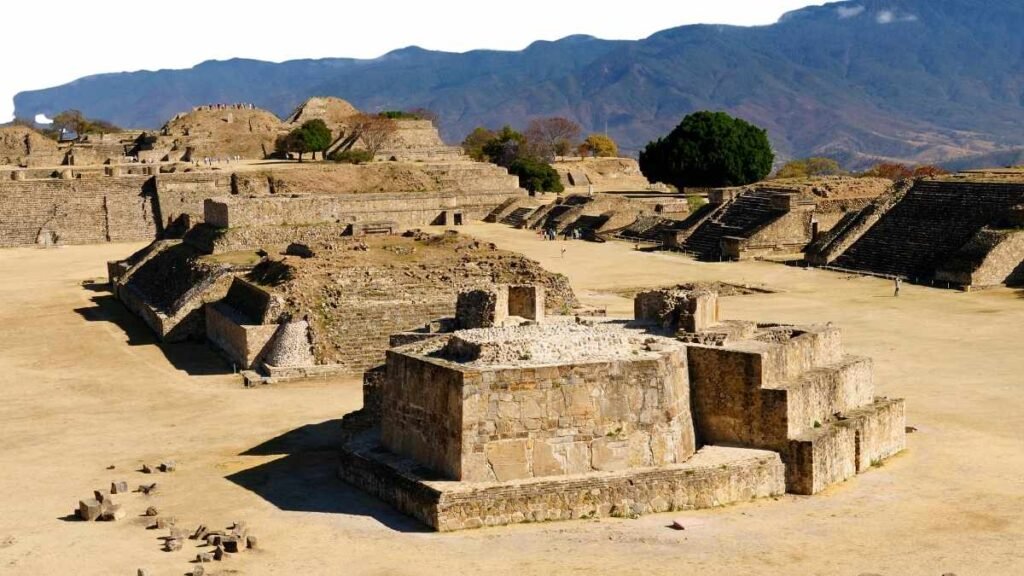
The Oaxaca Coast gives you a warm, sunny escape during the November–April dry season, when days hit 82–90°F (28–32°C) and the Pacific stays warm enough for swimming and surfing. Towns like Mazunte and San Agustinillo keep a quiet, bohemian feel — small cafés, yoga centers, eco-lodges, and sea cliffs that light up at sunset. Puerto Escondido has more energy and world-class surf, but you can still find calm coves with gentle waves.
The coastline is also deeply connected to nature. Mazunte is known for its turtle conservation efforts, and the beaches feel more like community spaces than crowded resorts. Food is a highlight too — fresh fish, regional Oaxacan dishes, and mezcal from the nearby mountains. The overall rhythm is slow and grounding, making it perfect for travelers who want warmth but no resort noise or spring-break chaos.
Key Practical Info
- Peak/off-peak: Nov–Apr dry season = ideal conditions.
- Getting around: Fly into Puerto Escondido or Huatulco; local vans for short trips.
- Ideal duration: 5–10 days.
- Must-try: Surfing, turtle releases, mezcal tasting, cliffside sunsets.
- Budget: Very budget-friendly.
- Etiquette: Respect turtle nesting zones and quiet-town culture.
- Photography: Golden-hour cliffs, surf scenes, palm-lined beaches.
6. Isla de Ometepe, Nicaragua

Ometepe feels like stepping into a world built around water, volcanoes, and long, quiet afternoons. The island rises straight out of Lake Nicaragua, shaped by two massive volcanoes — Concepción and Maderas — which give the landscape a symmetry that sticks with you. What makes Ometepe special is how everyday life unfolds at a slower rhythm: gravel roads, locals riding bicycles, farms tucked between forests, and lake breezes that make even hot days feel manageable. You get warmth in winter, around 80–88°F (27–31°C), but with a “hidden island” vibe that feels worlds away from spring-break chaos.
The magic of Ometepe shows up in small moments. You pass howler monkeys during a hike, paddle a kayak through wetlands full of herons, or sit by the lakeshore watching fishermen pull in their nets at sunset. Travelers come here to decompress — whether that means climbing a volcano, soaking in natural springs at Ojo de Agua, or staying in a small eco-lodge surrounded by jungle sounds. It’s warm, grounding, and full of simple beauty that hits deeper the longer you stay.
Key Practical Info
- Best vibe: Slow-travel, nature-heavy winter escape with warm temps.
- Getting there: Ferry from San Jorge; scooters or bikes for exploring.
- Ideal duration: 4–6 days.
- Must-try: Ojo de Agua springs, kayaking wetlands, volcano hikes, sunset lakefront dinners.
- Budget: Very affordable; eco-lodges common.
- Etiquette: Keep noise low, support local cooperatives, respect wildlife.
- Photography: Twin volcano skyline, lakeside villages, jungle trails.
7. São Miguel, Azores (Portugal)
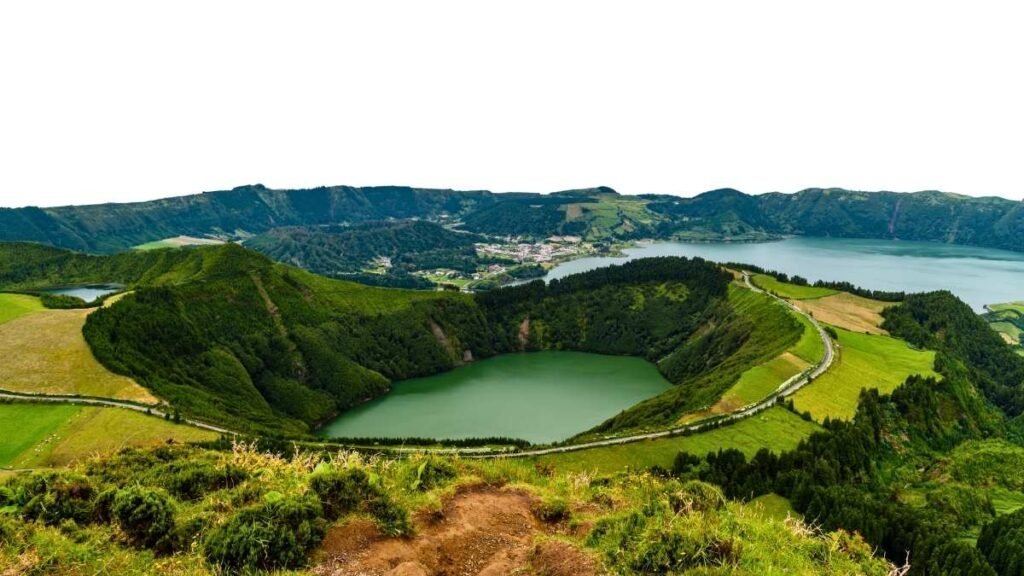
São Miguel feels like the Atlantic’s version of a green sanctuary — warm enough for winter wandering, cool enough for long walks without overheating. Temperatures typically sit around 58–65°F (14–18°C) in winter, but the island’s geothermal springs, rolling hills, and crater lakes more than make up for the slightly cooler feel. What makes São Miguel shine is its mix of volcanic drama and gentle, pastoral scenery — tea plantations on misty hills, black-sand beaches, steaming vents, and lakes that look painted from above.
The island stands out because of how accessible everything is. One moment you’re standing at the rim of Sete Cidades, staring down at twin blue and green lakes; the next, you’re soaking in natural hot springs surrounded by ferns in Furnas. And here’s something people rarely expect: São Miguel has Europe’s oldest tea plantations, where you can walk the fields, sip fresh brews, and feel like you’ve stepped into a softer, slower era. It’s a winter-sun destination built for travelers who like warmth with texture, scenery, and a sense of discovery.
Key Practical Info
- Best vibe: Scenic winter escape with hot springs + lush landscapes.
- Getting around: Fly into Ponta Delgada; rental car highly recommended.
- Ideal duration: 5–7 days.
- Must-try: Furnas hot springs, Sete Cidades, whale watching, tea plantations.
- Budget: Mid-range Europe; food surprisingly affordable.
- Etiquette: Respect geothermal areas; follow local road speeds.
- Photography: Crater lakes, hot springs, cliffside viewpoints.
8. Galle & Sri Lanka’s Southern Coast

The southern coast of Sri Lanka gives you warm, tropical winter weather — 80–90°F (27–32°C) — but with a gentler rhythm than most beach destinations. Galle Fort anchors the region with Dutch-colonial architecture, quiet alleyways, boutique cafés, and ocean walls that glow gold at sunset. Then, as you move along the coast, the mood shifts into surfing villages, palm-lined bays, turtle sanctuaries, and small communities where fishermen still pull traditional nets at dawn.
What makes this stretch of Sri Lanka special is how many different experiences fit into a compact coastline. One day you’re surfing in Weligama; the next, you’re spotting stilt fishermen, watching baby turtles being released into the sea, or sipping tea in Galle’s historic center. It’s warm, colorful, culturally rich, and surprisingly easy-going — perfect for travelers who want warmth but also like their trip to have layers of food, history, nature, and seaside charm.
Key Practical Info
- Best vibe: Tropical warmth + culture + surf in winter.
- Getting around: Train or taxi from Colombo; tuk-tuks for short hops.
- Ideal duration: 6–9 days.
- Must-try: Galle Fort walks, stilt fishermen, surf sessions, turtle conservation visits.
- Budget: Very friendly; boutique stays available.
- Etiquette: Dress modestly in temples; avoid touching wildlife.
- Photography: Colonial streets, palm-framed beaches, blue-hour coastlines.
9. Tavira, Algarve (Portugal)

Tavira is the Algarve turned down to its most peaceful setting — warm winter days around 62–68°F (17–20°C), a river wandering through town, and whitewashed streets that feel almost timeless. Instead of the resort-heavy buzz you find in other parts of the Algarve, Tavira leans into old bridges, tiled facades, seafood taverns, and a calm energy that makes winter feel like spring. The nearby barrier-island beaches are some of the quietest in southern Portugal, with long stretches of sand you can walk for hours.
The charm here is in the details. There’s the boat ride through marshlands to Ilha de Tavira, the sound of church bells echoing across terracotta rooftops, and evenings spent eating grilled octopus by the river. Tavira works particularly well for winter travelers who want soft sun, good food, and a place where time never feels rushed. It’s warm, walkable, and wonderfully low-key — a sunny hideaway without the beach-party energy.
Key Practical Info
- Best vibe: Warm coastal town with nature + quiet charm.
- Getting around: Trains from Faro; ferries to island beaches.
- Ideal duration: 4–6 days.
- Must-try: Ilha de Tavira beach, octopus dishes, salt pans, Roman bridge.
- Budget: Mid-range; great value in winter.
- Etiquette: Keep voices low in historic quarters.
- Photography: Whitewashed streets, marshlands, long Atlantic beaches.
10. Korčula, Croatia (Off-Season Adriatic Escape)

Korčula in winter feels like you’ve been given the keys to an island that usually buzzes with summer crowds. Days hover around 55–63°F (13–17°C) — mild enough for coastal walks, wine tasting, and exploring medieval alleyways without a rush. The air smells of pine, sea salt, and stone, and the old town — often called a “mini Dubrovnik” — feels intimate and cinematic when the streets are quiet.
The lesser-known side of Korčula is how alive the island stays even when tourism drops. Local wineries still open their doors, fishermen bring in daily catches, and coastal trails remain uncrowded. You can spend afternoons cycling through vineyards, sipping Grk or Pošip wines, or wandering tiny seaside villages where life moves at a steady island rhythm. It’s not a “hot” winter-sun destination, but it gives you sunlight, warmth, and a special kind of Adriatic calm you rarely get elsewhere.
Key Practical Info
- Best vibe: Mild-sun Adriatic winter with culture + quiet scenery.
- Getting around: Ferry from Split or Dubrovnik; rent bikes for exploring.
- Ideal duration: 3–5 days.
- Must-try: Wine tasting, old town walks, pine-forest trails, seaside lunches.
- Budget: Off-season prices = excellent value.
- Etiquette: Greet locals; support family-run businesses.
- Photography: Stone alleys, vineyard hills, glassy winter seas.