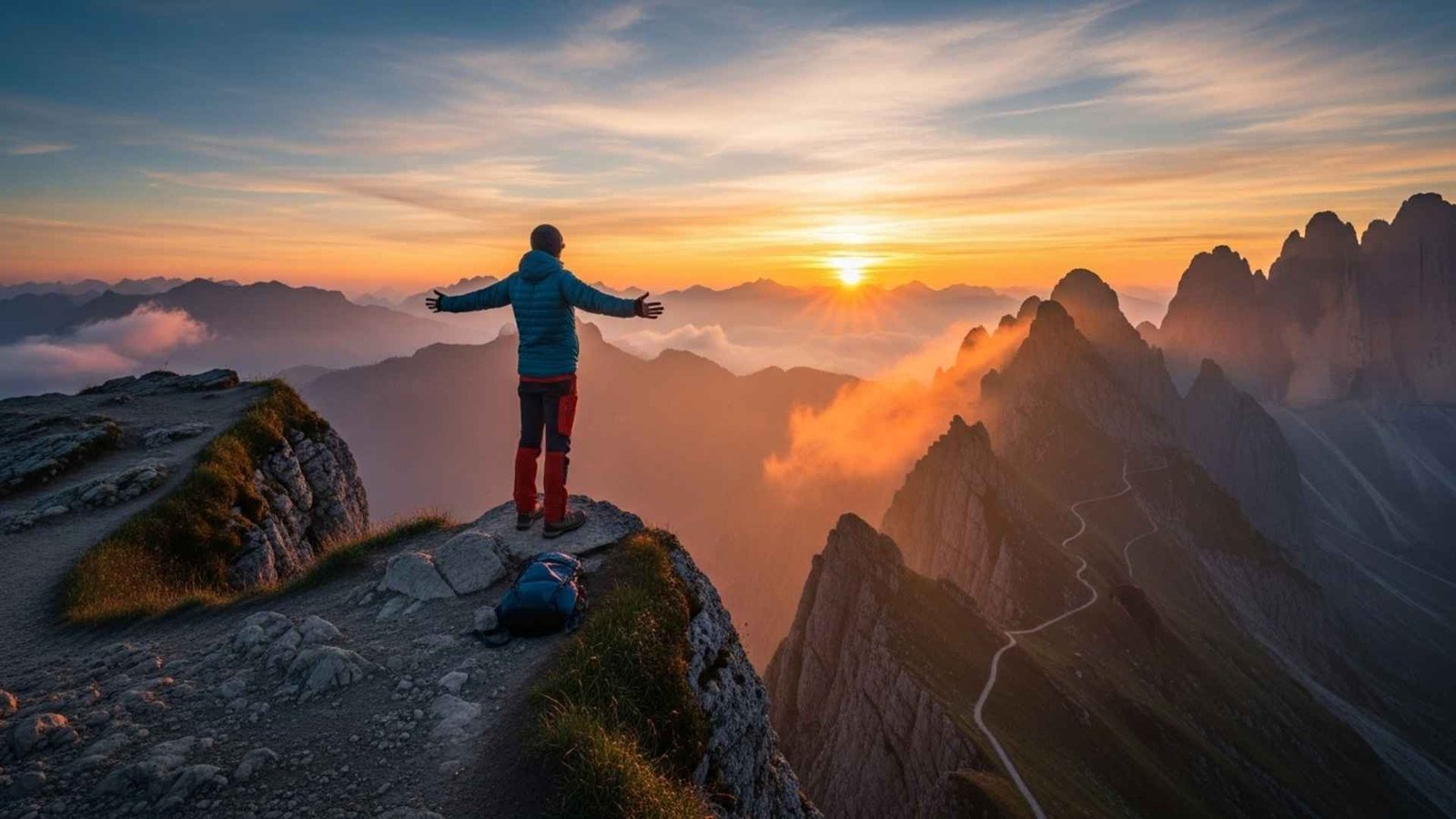
There’s a moment when the world feels paused — the hum of routine fades, and all you hear is your own breath meeting the wind. That’s where real travel begins. In a time when screens tell us who to be, stepping into the unknown reminds us who we are.
These aren’t just vacations; they’re plot twists — the kind that shake loose something buried and leave you changed in quiet, lasting ways. From wild horizons to places that whisper truth back at you, this is your guide to journeys that don’t just take you somewhere new, but bring you back renewed.
1. Bhutan
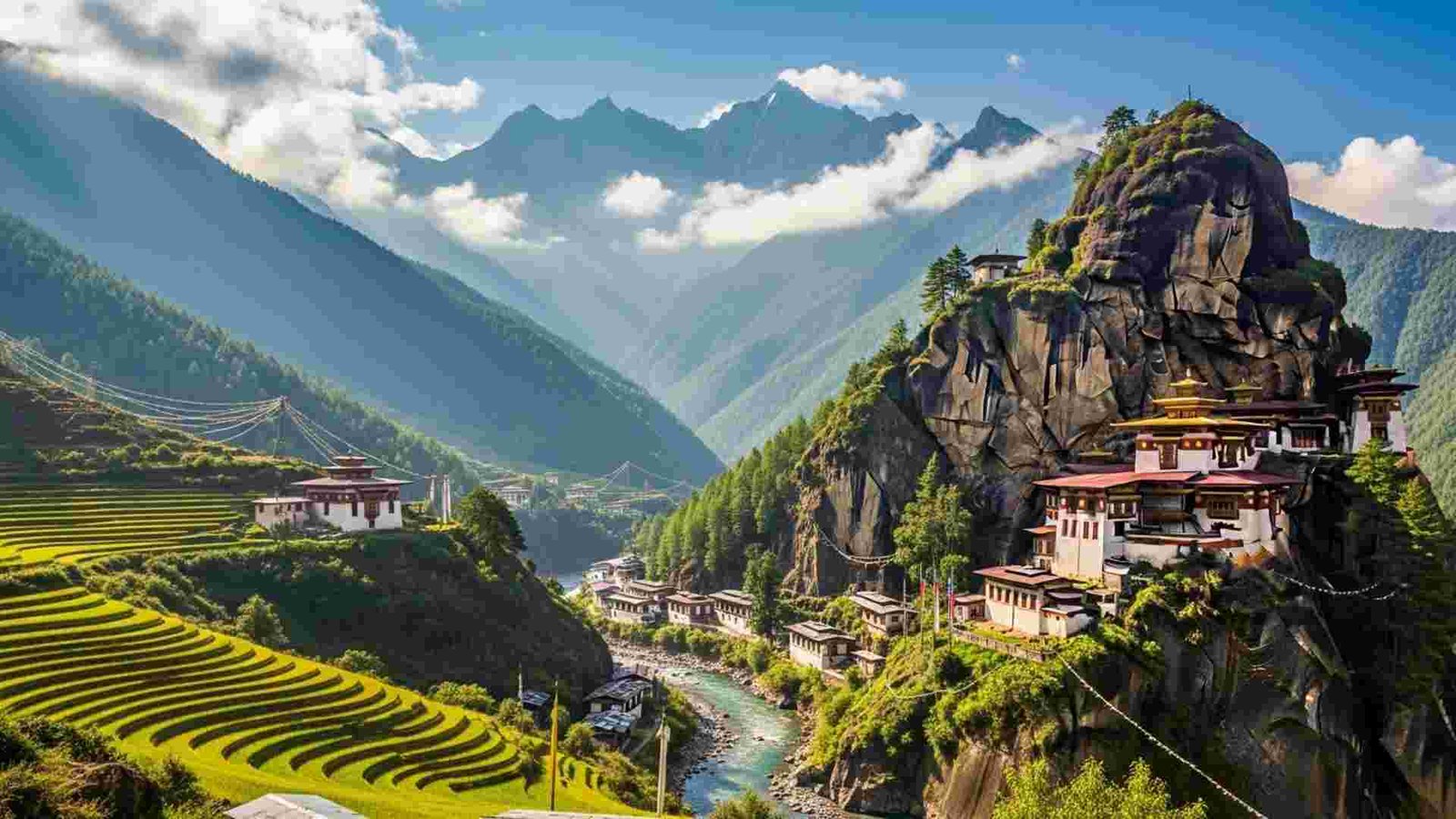
And speaking of escapism, Bhutan is about as far from the typical tourist circuit as it gets—in the best way possible. Imagine soaring over sharp Himalayan ridges, touching down in a cloud-brushed valley, landing in a country where the measure of national prosperity is “Gross National Happiness”. The dramatic monastery of Paro Taktsang clings to a cliff; when you hike up, you feel like you’re part of a living folktale. And the landscape shifts—lush green terraced fields, pine forests, sudden snowy peaks. It’s wild, serene, and oddly intimate all at once.
the country regulates visitor numbers and enforces a minimum daily spending (“sustainable tourism fee”), to preserve culture and nature. Recent stats show Bhutan welcomed 145,065 tourist arrivals in 2024, an increase of 41% over 2023. And from January to June 2025, arrivals rose about 31.66% over same period in 2024. So you’re stepping into a place still fresh, still somewhat under-the-radar—no massive crowds, and you feel like you’re discovering instead of simply visiting.
Practical Information:
- Peak / Off-peak seasons: Spring (March-May) and autumn (Sept-Nov) are ideal: clear skies, moderate temps. Monsoon summer can be wet and roads trickier; winter is cold but fewer tourists.
- How to reach & explore: Fly into Paro Airport (one of the world’s more dramatic landings). Internal travel is by car or guided tour; remote areas need more planning.
- Ideal duration of visit: 7–10 days gives you time to acclimatize (you’ll likely gain altitude), explore Paro, Thimphu and maybe a trek or off-beat valley.
- Must-try local experiences: Hike to Paro Taktsang; stay overnight in a Bhutanese “dzong” style lodge; attend a traditional festival (tshechu) if timing allows; try hot-stone bath in a valley.
- Budget considerations: The minimum daily spend is higher than many destinations (it covers guide, transport, lodging, meals)—so plan for premium; value comes in what you get.
- Cultural etiquette tips: Dress modestly in religious sites, ask before photographing locals, remove shoes inside temples and homes, show respect to monks and elders.
- Photography opportunities: The cliff-hanging monastery at golden hour; rhododendron forests; traditional artisan villages set against Himalayan backdrops.
2. Patagonia (Southern Chile & Argentina)
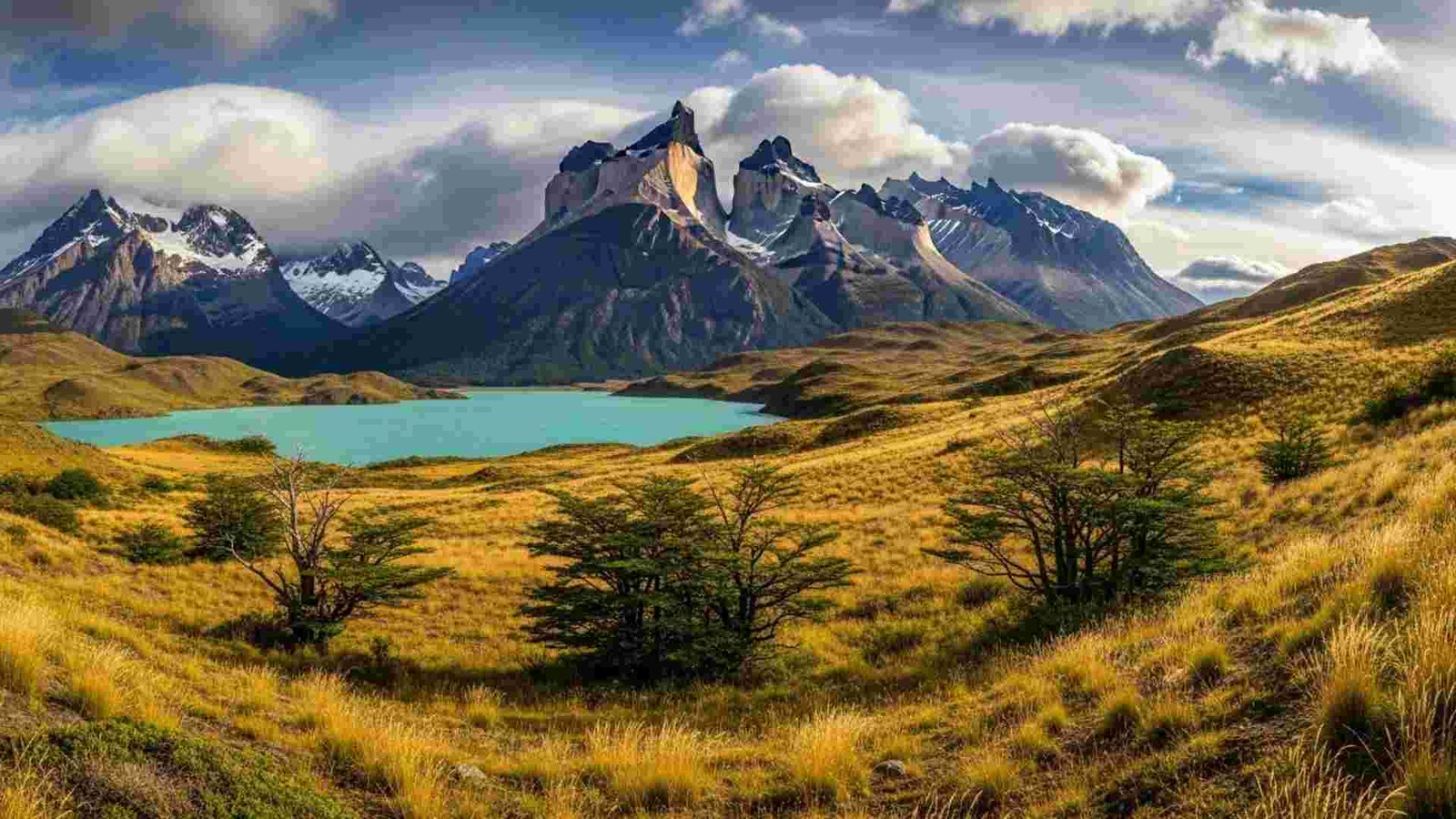
This one is the kind of trip where you feel small—in the best possible way. Patagonia sprawls across the southern tip of South America, roughly 673,000 km² across Chile and Argentina.Think granite towers rising from turquoise lakes, glaciers calving into fjords, wind-whipped plains where guanacos gaze at you and condors circle overhead. You’re going beyond sightseeing—into the elemental.
The Chilean side has seen a tourism surge in 2024. The country recorded over 5.23 million foreign visitors, a 40% jump from 2023. So infrastructure is improving, yet many trails and remote corners remain wild. Safety is good—Patagonia is “very safe to travel” according to updated guides. So you can push yourself a bit—and feel rewarded.
Practical Information:
- Peak / Off-peak seasons: Summer (December-February) is best for long daylight, easier hiking (~10-21 °C). Autumn (March-May) gives vivid colours but more rain. Winter is harsh and many services close.
- How to reach & explore: Fly into Punta Arenas or Puerto Natales (Chile) or El Calafate (Argentina). Use local buses, 4×4 tours or self-drive depending on preference. Multi-day treks (e.g., W-circuit in Torres del Paine) require reservations.
- Ideal duration of visit: 10–14 days if you want to hit both Chile and Argentina sides; 5–7 days still valid for one hub.
- Must-try local experiences: Trek to the base of the Towers in Torres del Paine; boat ride to Grey Glacier; horseback ride on a Patagonian estancia; night under the stars in a remote lodge.
- Budget considerations: Remote travel raises costs (lodging, guided tours). But meals and transport in Argentina side often better value. some travellers report Argentina side cheaper than Chile.
- Cultural etiquette tips: Respect nature and the local ecosystems; follow designated trails; leave no trace. Engage with gaucho/Patagonian guides respectfully—they often share rich stories.
- Photography opportunities: Dawn light on Torres del Paine, reflections on Lago Pehoé, massive ice-blue glaciers, wind-sculpted trees.
3. Iceland
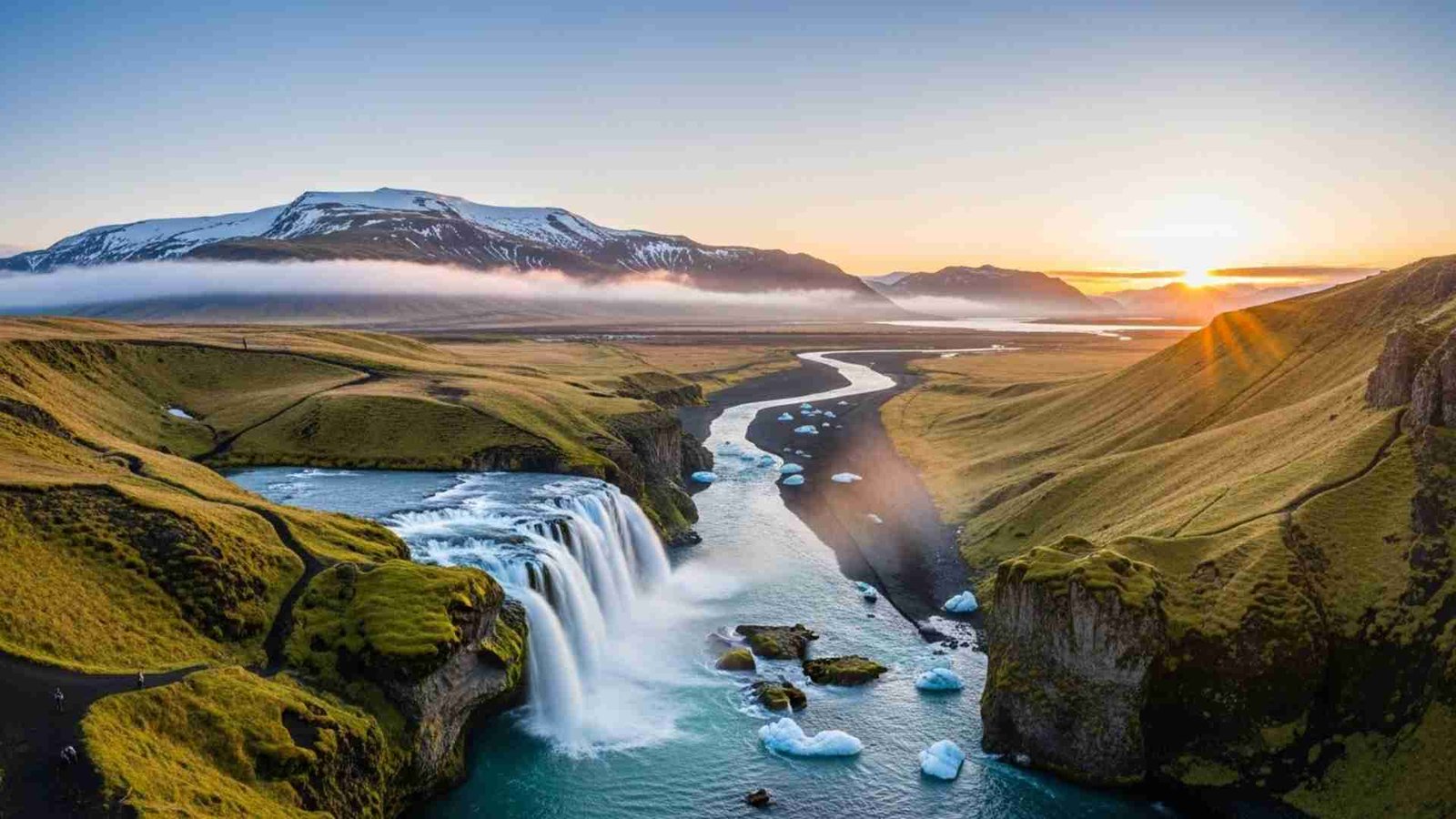
If you want a dramatic backdrop for your life-changing chapter, Iceland offers it—ice and fire, literally. Volcanoes, glaciers, waterfalls, black-sand beaches… the landscape feels like a movie set, yet deeply alive. The ring-road around the island gives access to a huge variety of terrain—one day you’re driving along a glacier lagoon, the next you’re standing under a waterfall hitting you with raw force. And the northern lights (Sept-Apr) still deliver that “wow” moment.
In 2024 Iceland welcomed just under 2.3 million overnight foreign visitors, about 97.6% of its 2018 peak. And for 2025 the forecast expects record numbers again: around 2.32 million foreign visitors. So it’s accessible and popular—but there are still wide-open spaces, especially outside Reykjavik and during shoulder seasons.
Practical Information:
- Peak / Off-peak seasons: Summer (June-August) brings midnight sun, easiest travel conditions. Shoulder seasons (May & Sept) are great for fewer crowds. Winter offers the aurora and ice caves—but road/weather conditions tougher.
- How to reach & explore: International flights into Keflavík Airport (near Reykjavik). Renting a car gives freedom; guided tours useful for glaciers/ice caves. Many services cluster around the “Golden Circle” and south coast.
- Ideal duration of visit: 7–10 days covers the south coast, Golden Circle, maybe the Snaefellsnes Peninsula; 4–5 days workable for a mini-version.
- Must-try local experiences: Soak in a natural hot spring (Blue Lagoon or lesser known ones); hike to a glacier; watch the northern lights; explore lava fields and volcanic landscapes; drive the ring road.
- Budget considerations: Iceland is on the expensive side—lodging, food and rental cars add up. Plan carefully; staying in guesthouses and cooking some meals help.
- Cultural etiquette tips: Respect nature—keep away from fragile moss, follow rules around geothermal areas. Icelanders are friendly but quiet: modest behaviour in nature (don’t shout at waterfalls!).
- Photography opportunities: Skógafoss waterfall, Jökulsárlón light at dawn, aurora reflections in icy water, black sand beach at dusk.
4. Japan
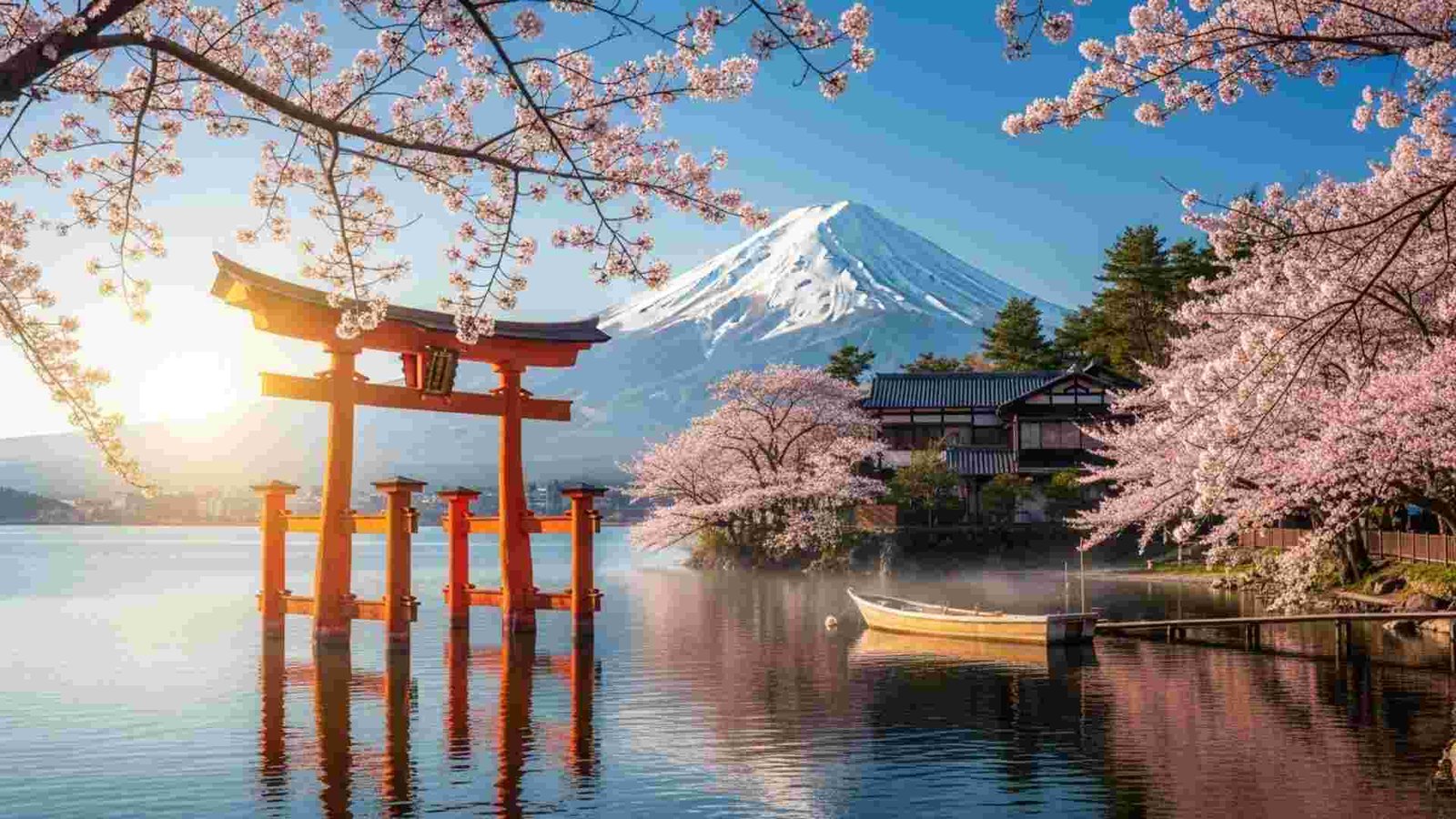
Japan is the kind of trip where the “main character” you become is curious—engaged with culture, calm in movement, eyes open wide. It blends ultra-modern and ancient seamlessly: neon-lit skyscrapers in Tokyo, tranquil temples in Kyoto, serene hot springs in Hakone, bullet trains gliding past Mt. Fuji. There is a rhythm here that invites you to slow down and notice, but also to keep the pace moving in an exciting way.
In 2024 Japan welcomed 36.9 million international visitors, a new record—surpassing its 2019 pre-pandemic number (~31.9 million) by about 16%. And during the first half of 2025 Japan hit about 21.5 million foreign visitors, the fastest pace ever. So while the country is popular, the scale and infrastructure mean you can still carve out unique experiences, especially if you venture beyond the major cities.
Practical Information:
- Peak / Off-peak seasons: Cherry-blossom season (late March-April) is magical but crowded. Autumn colours (Oct-Nov) also excellent. Winters are colder but ideal for snow sports. Summer (July-Aug) can be hot and humid.
- How to reach & explore: Major airports in Tokyo (Narita, Haneda), Osaka (Kansai). The rail network is outstanding (Shinkansen). Consider a rail pass if moving between regions.
- Ideal duration of visit: 10–14 days if doing Tokyo, Kyoto, maybe Osaka and a countryside spot. 5–7 days if focused on a region.
- Must-try local experiences: Stay in a ryokan (traditional inn) and go to an onsen (hot spring); ride the bullet train; walk through an ancient temple complex early morning; try Kaiseki (multi-course) meal; explore local markets and street food.
- Budget considerations: Japan offers wide budget spectrum—from hostels to luxury. Meals can be affordable (ramen from ~¥1000) or premium. Accommodations in major cities jump in price during peak.
- Cultural etiquette tips: Take off shoes when required; queuing and orderly behaviour is valued; when eating street food stand to side; respect quietness in trains and temples; bowing is fine but a nod is sufficient for most travellers.
- Photography opportunities: Shibuya crossing illuminated at night; Kyoto’s Fushimi Inari shrine torii gates; Mount Fuji with cherry blossoms or autumn leaves; bamboo forest in Arashiyama early morning.
5. Peru (with Machu Picchu)
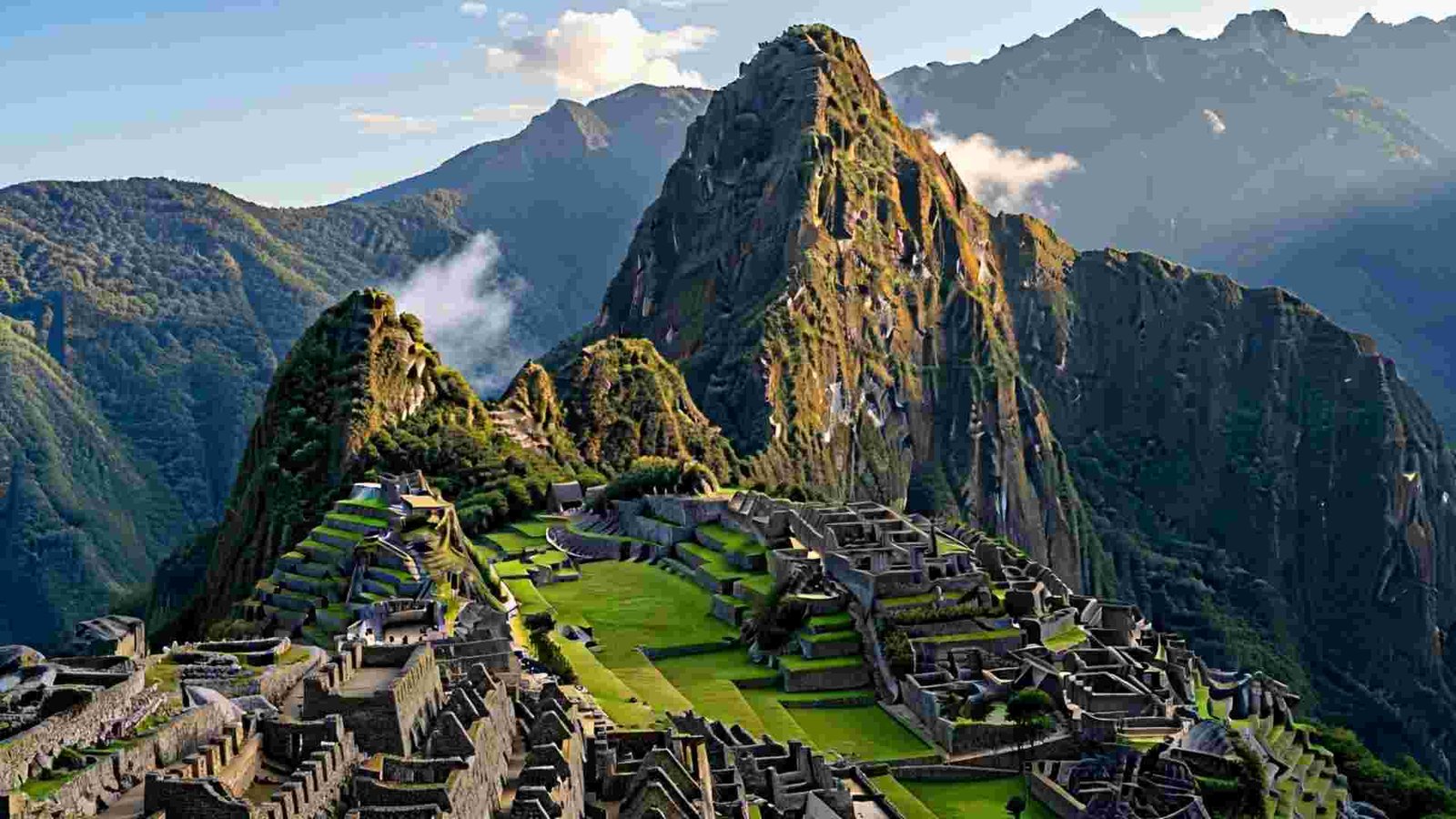
Let’s talk Peru—the feeling of discovery is strong here. You’re walking on soil where civilisation rose in the high Andes, seeing terraces carved thousands of years ago, encountering indigenous culture that remains vivid and alive. And the “main character” moment? Watching the sunrise over Machu Picchu as mist swirls around the ruins, that moment when the world quiets and you feel connected to something beyond yourself.
Peru is set to receive around 3.6 million international tourists in 2025, following a 29.37% increase in 2024 (which had about 3.26 million visitors) despite being still about 38% below pre-pandemic levels. And focusing on Machu Picchu: data shows the site handles about 4,500 visitors daily in low season, rising to about 5,600 in high season. So it’s iconic—and the government is actively trying to manage tourism to preserve it and make it meaningful.
Practical Information:
- Peak / Off-peak seasons: High season: May–September (dry season) for Andean areas—ideal weather but more tourists. Shoulder/low season: November–March (wet season) less crowded but trails can be muddy.
- How to reach & explore: Fly into Lima or Cusco. For Machu Picchu: take train from Cusco or Ollantaytambo to Aguas Calientes, then bus up. Alternatively hike Inca Trail (requires 4–5 days).
- Ideal duration of visit: ~10 days for Peru gives you Lima, Cusco/Sacred Valley, Machu Picchu plus maybe Amazon or highlands. 5–7 days still viable if tight.
- Must-try local experiences: Stand at Sun Gate at Machu Picchu dawn; explore Sacred Valley villages; take cooking class to learn Peruvian cuisine; ride the train through the Andes; sample local market and fresh ceviche in Lima.
- Budget considerations: Peru offers good value compared to many destinations; lodging, meals and tours vary widely. But remote and high-altitude areas add cost. Also there may be mandatory entry fees or guides (especially for archaeological sites).
- Cultural etiquette tips: Altitude matters—take it slow, drink water, avoid over-exertion your first day. Respect indigenous communities: ask before photographing, support local artisans. Dress in layers (high altitudes).
- Photography opportunities: Golden hour on Machu Picchu ruins; colourful local markets; snow-capped Andes framing terraces; winding train tracks through high mountain gorges.
6. Morocco
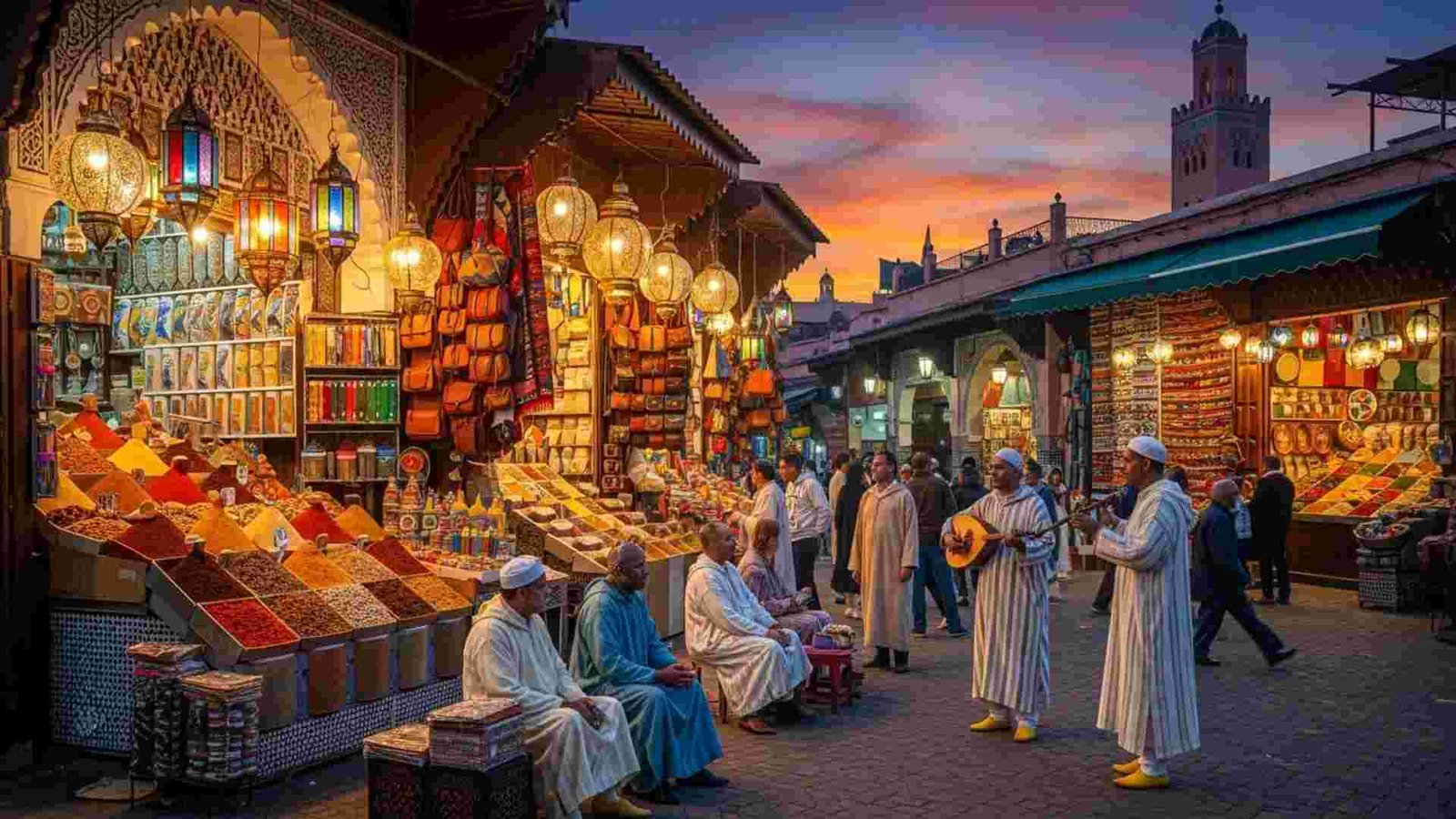
Think of Morocco not just as colourful souks and desert dunes—but as a story of transition, between ancient caravans and modern gateways. In cities like Marrakesh or Fez you’ll still feel the past in the medina alleys, but you’ll also sense the country preparing for big-things: new flights, new hotels, new train links. For instance, in the first half of 2025 Morocco received 8.9 million international tourists—about a 19% increase compared with the same period last year.
you land in Casablanca, ride the high-speed train to Marrakesh, spend a sunset in a riad courtyard, wake the next morning and drive through the Atlas Mountains to a remote Berber village. You’re combining the “heritage film-set” feeling of old Morocco with modern ease (flights, roads, guides). The contrast gives you the feeling of starring in your own story.
Practical Information:
- Seasonal note: Spring (March-May) and autumn (Sept-Oct) bring comfortable temps; summer can be very hot, especially inland.
- Access & travel: Many new air routes are operating; the rail link from Casablanca to Marrakesh and beyond is improving.
- Suggested stay: 8-10 days gives you the city, desert (think Sahara Desert camp), and mountain interlude.
- Tip: In desert camps, ask about star-mapping—they’re doing astronomy sessions now.
- Budget angle: Morocco is still reasonably affordable compared with western Europe; you’ll find luxury at a relative bargain, especially outside peak.
- Cultural touch: Learn a few Arabic or Berber greetings—it goes a long way in markets and villages.
- Photograph this: The desert at “blue hour” just after sunset; the ochre walls of Marrakesh’s Kasbahs in early morning light.
7. New Zealand (South Island)
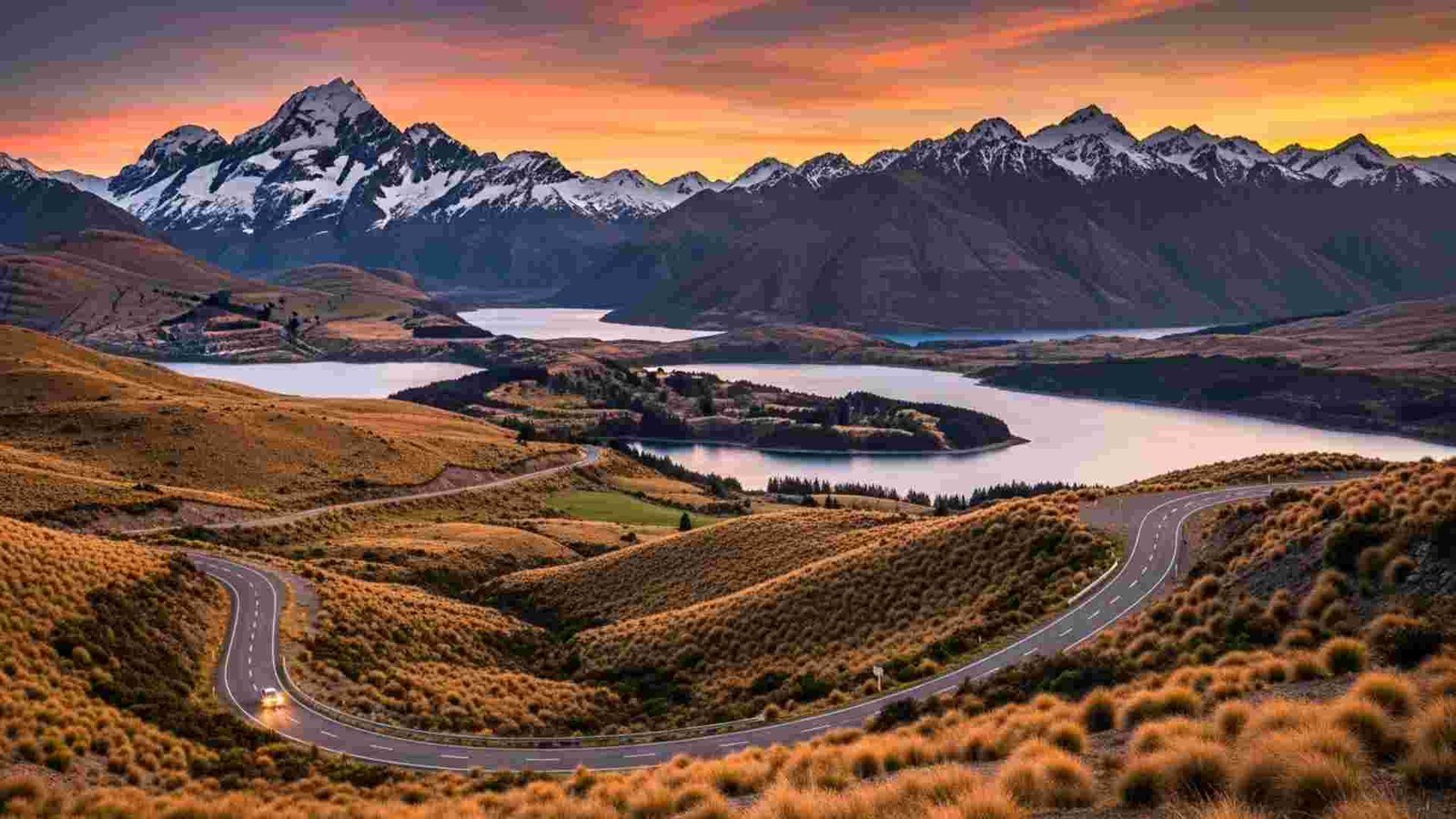
What if your “main character” moment isn’t about a big monument but feeling small in a vast landscape? That’s what New Zealand’s South Island offers. Places like Milford Sound—which sees about 780,000 visitors annually—give that intimate-nature-versus-scale vibe. You’re in a boat surrounded by sheer cliffs, waterfalls, mist, and fjords where you truly feel part of the world, not separated from it.
you arrive in Queenstown for some adrenaline (zipline or bungee), but then you decide to take a back-road into Fiordland, park at a remote trailhead before dawn, hike up into alpine tussock, and just sit quietly until the sun hits the snow-peaks. That contrast—from thrill-ride to quiet wilderness—gives you that “you changed” feeling.
Practical Information:
- When to go: Summer (Dec–Feb) has the longest daylight; spring and autumn bring fewer crowds and dramatic colours; winter good if you like snow-activities.
- Getting there & around: Fly into Christchurch or Queenstown, then self-drive or join guided tours; the roads are scenic but can be narrow so take your time.
- Trip length: 7-12 days if you want to cover several regions; 4-5 days if focusing on one hub.
- Hidden experience: Explore off-beat tracks like the Catlins coast or Stewart Island—less crowds, more solitude.
- Cost insight: Things like lodges in remote areas add up; lodging in towns is more affordable. Cooking some meals helps.
- Etiquette/eco-note: This is wilderness: always follow “leave no trace”; respect local Māori culture if you visit historic sites.
- Photo note: Dawn light hitting ridges in Fiordland; alpine meadows with lupins around Lake Tekapo; the Milky Way over dark-sky spots.
8. Greece
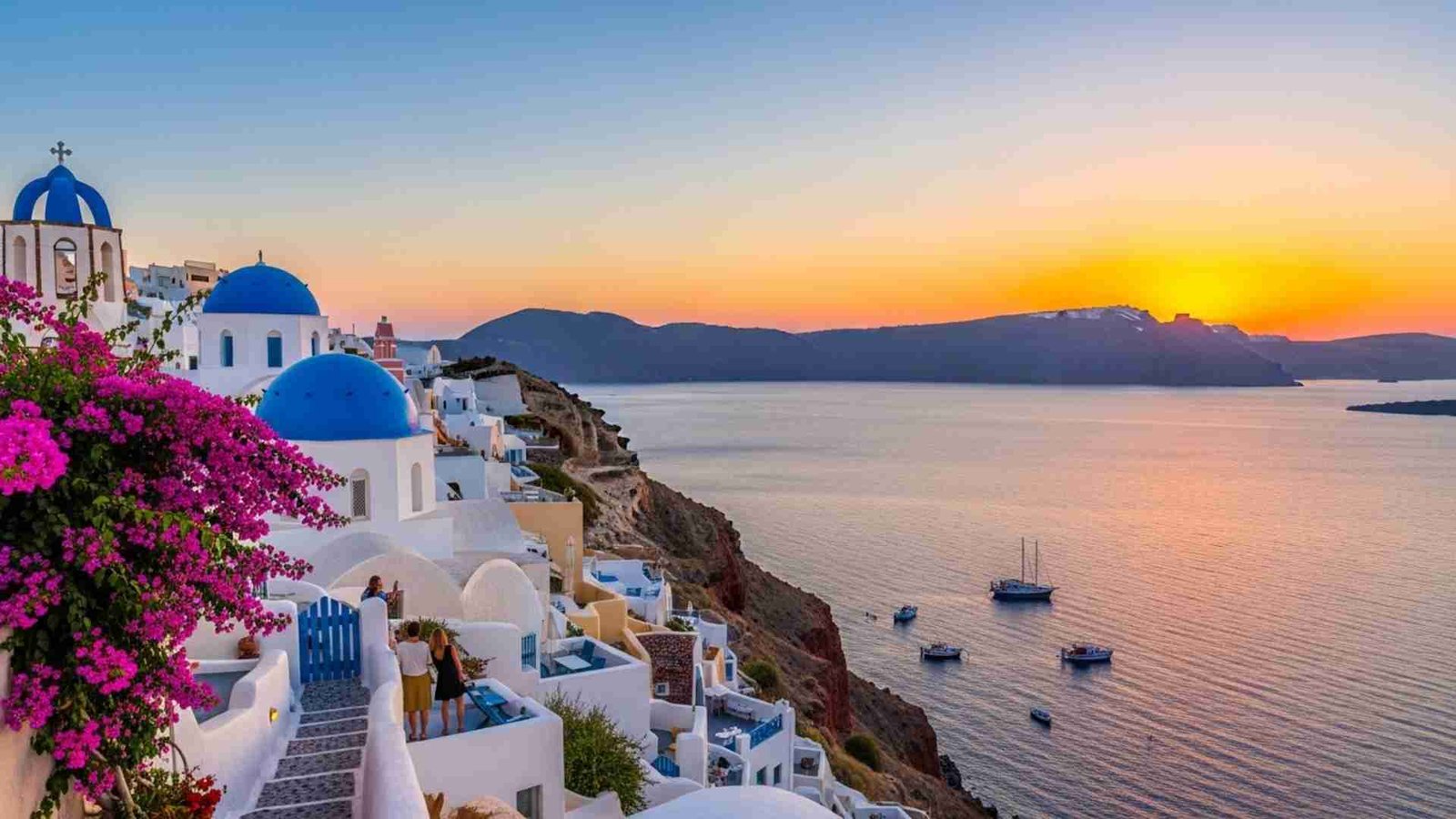
Greece often appears for its postcard perfect islands and ancient ruins—but consider its lesser-observed rhythms: rural mountain villages, emerging wellness retreats, olive-oil harvest festivals. The numbers back its popularity: in 2024 it welcomed approximately 35.9 million foreign visitors, generating about €21.7 billion in revenue.
You’re based on the island of Crete, but one early morning you drive inland to a little village where you join olive pickers, taste fresh-pressed oil under an ancient tree, chat with locals, then later catch the ferry to Santorini for sunset over the caldera. You’re doing “tourist Greece” and “local Greece” in the same day.
Practical Information:
- Seasonal & crowd-note: Peak summer (July-Aug) is very crowded and hot; May-June or September are sweet spots for weather + fewer people.
- How to roam: Fly into Athens or one of the island airports; combine car hire on one island with ferry hops to another.
- Ideal duration: 10-14 days is great if island-hopping + inland; 5-7 days works if staying on two islands.
- Unique experience: Sunset in Oia (Santorini) still works—but go early to get a quiet spot; or join a harvest festival in a mainland village.
- Budget check: Some islands are pricey in peak; mainland tends to be cheaper. Book early for ferries.
- Etiquette: Dress modestly when visiting monasteries; offer thanks (“efharisto”) to locals; be gentle with local landscapes (especially cliff-edges and paths).
- Photo op: Blue-dome churches in twilight; olive trees with gnarly trunks under golden light; rural village kitchens making handmade pasta.
9. South Africa
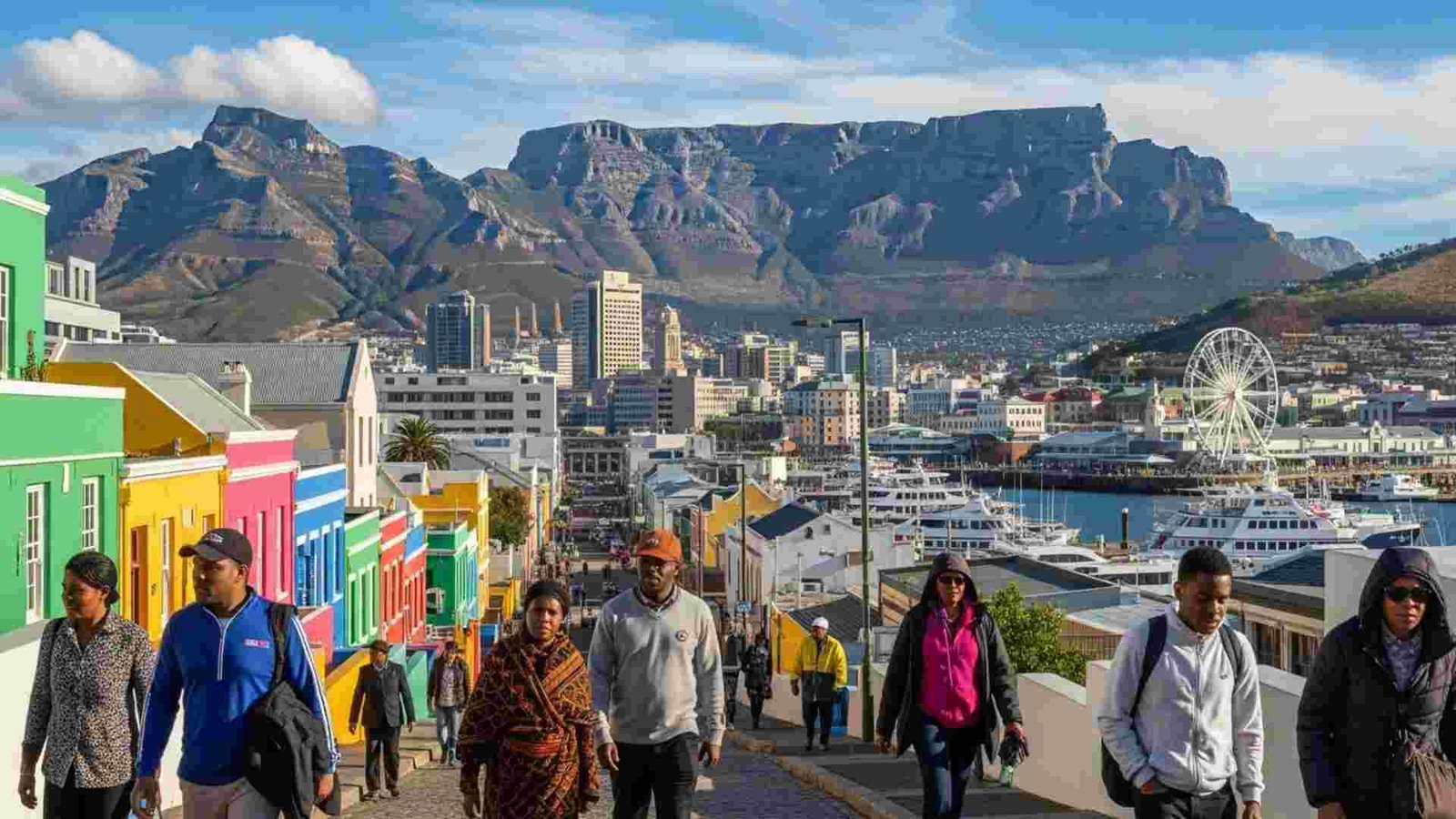
instead of the familiar safari cliché, what if your “main character” moment comes from convergence—wildlife meets design, vineyard meets ocean, ancient culture meets modern art. South Africa delivers on that. For example, in 2024 the country recorded 8.92 million tourist arrivals
You land in Cape Town, dine at a rooftop restaurant overlooking Table Mountain, then the next morning you’re on a luxury safari lodge where lions roam close by. Then you switch gears again—drive the coastal road through the Winelands, stop at a design-forward boutique stay, sample bold South African wines, talk to a vintner who switched from apartheid-era farming to high-design vineyards. That shift in settings gives the sense that you’ll never be the same.
Practical Information:
- When to go: April–May or Sept–Oct tend to bring milder weather, fewer crowds; summer (Dec–Feb) is great but busy.
- Access & movement: Fly into Cape Town or Johannesburg; self-drive in parts, use charter or guided safaris in others.
- Suggested length: 8-12 days allows city → safari → coast/wine; 5-6 days still works if you pick two domains.
- Special experience: Stay in a private game reserve with two-night safari; pick one iconic site (e.g., Kruger) and one design luxury stay.
- Budget angle: Safari lodges can be expensive; hotel stays in cities more moderate; travel between big distances adds cost/time.
- Cultural tip: Listen and learn from local guides—many are deeply connected to their land, history and traditions. Be respectful of the ecosystems.
- Photo moment: Lion pride at golden hour; Cape Town’s cityscape with Table Mountain at sunset; vineyard rows converging into ocean vistas.
10. Vietnam
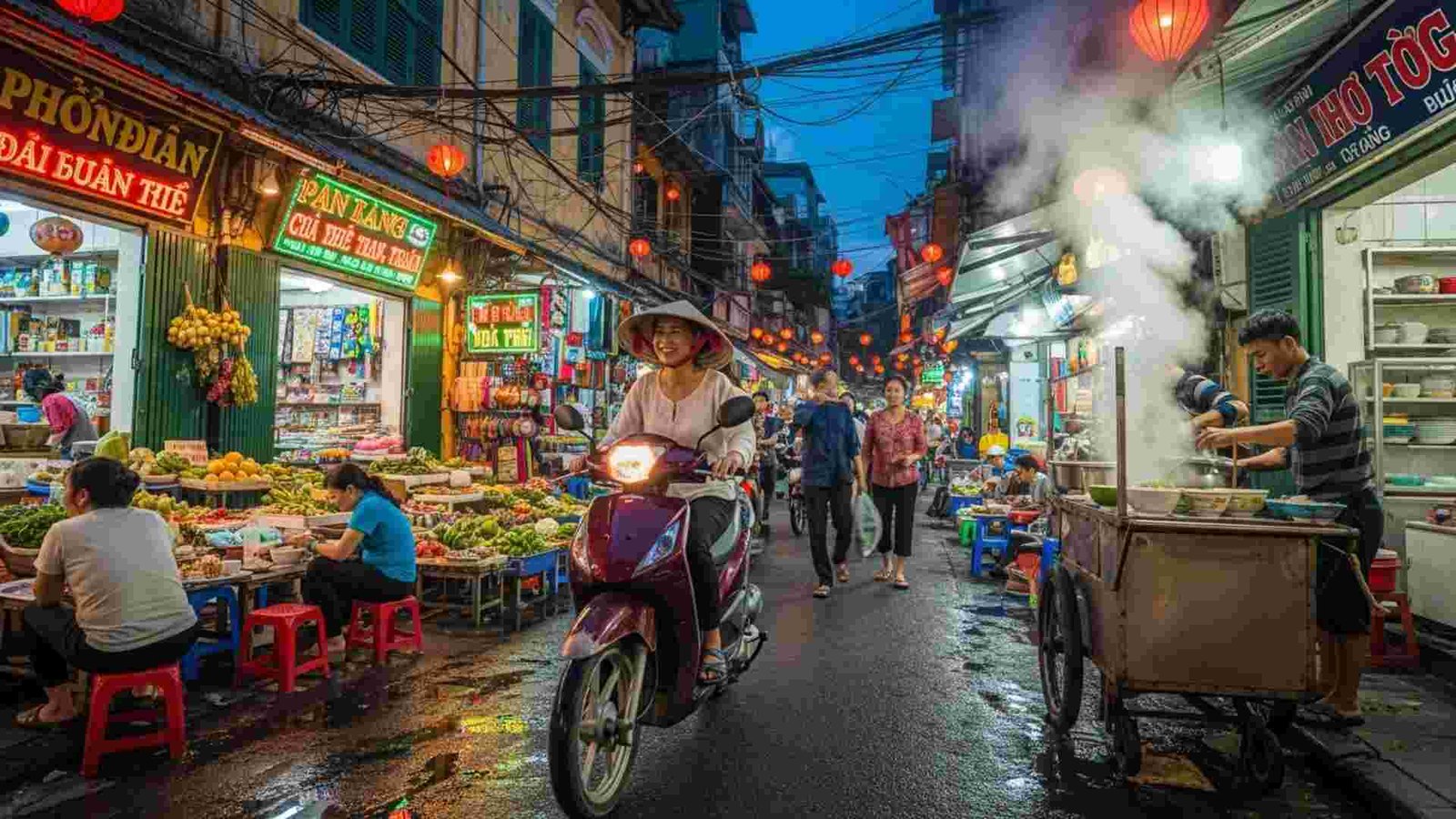
Vietnam often shines for its dramatic karst coastlines and bustling Hanoi streets—but try viewing it as a place of regenerative travel: you move from dense city to tranquil mountains to jungle coast, feeling your pace shift. The country welcomed nearly 10.7 million international visitors in the first half of 2025—about a 21% rise year-on-year.
Begin in Hanoi at dawn, bicycle the Old Quarter before the city fully wakes. Then you fly to Ha Giang (in the far north), ride through limestone ridges, stay in a hill-tribe village at night, listening to wind in wooden houses. Days later you’re in the Mekong Delta, moving slow on a kayak through canals lined with palms and stilt-houses. The rhythm of your travel—and yourself—changes.
Practical Information:
- Best seasons: Spring (Feb-Apr) or autumn (Sept-Nov) usually give good balance of weather and fewer tourists. Rainy season (May–Aug) brings green lushness but more humidity.
- Getting around: Major airports in Hanoi and Ho Chi Minh City; local flights are plentiful; trains and buses scenic but slower for long distances.
- Time-frame: 10 days give you a north-central-south loop; 6-7 days if picking one region.
- Meaningful experience: Take cooking class in Hoi An, stay a night in a floating lodge in the Mekong, join a community-based trek in the north.
- Budget sense: Vietnam offers excellent value for travellers; boutique stays are affordable; you’ll stretch your dollars further than in many western countries.
- Cultural cue: Respect temple bicyclists, dress modestly when entering sacred sites, learn to say “cảm ơn” for thank-you.
- Photo shot: Misty rice-terraces in northern hills at sunrise; motorbike stream in Saigon at dusk; lantern-lit streets of Hoi An.
11. Jordan
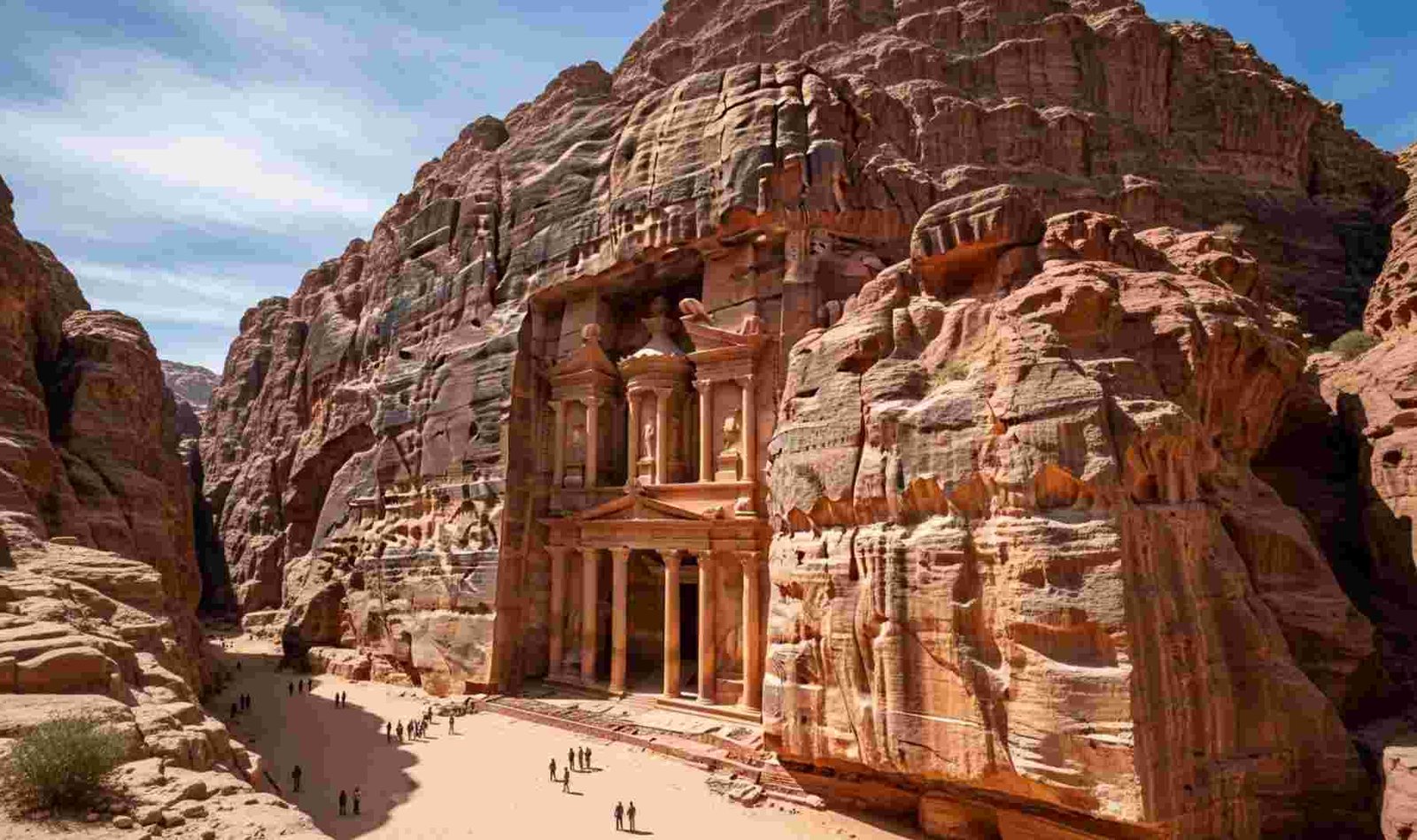
Think of Jordan as a place where history whispers in hidden corners—beyond the famous Petra and the dramatic sandstone tombs. In the hills around Ajloun you can wander olive groves that have grown for centuries, meet local families who still press their own oil, and stay in a guest-house where the roof looks out over distant desert ridges. It’s a slower moment in a country often framed by big sights. According to data, Jordan recorded around 6.35 million visitor arrivals in 2023, generating 5.25 billion Jordanian dinar in revenue
Arrive early at Wadi Rum for sunrise light across the red sand—few few do—and then drive east to small Bedouin camps where you’ll eat under the stars and listen to stories of ancient caravans rather than simply join a group tour.
Practical Information:
- Best months: April–May or Sept–Oct (pleasant temps, fewer crowds).
- Getting around: Fly into Amman, hire a 4×4 for Wadi Rum/Desert, use public transport or car rental for Jordan Valley.
- Duration: 6-8 days gives you Amman, Petra, Wadi Rum + off-grid stay.
- Tip: Dress modestly in smaller villages; carry water as remote roads may lack services.
12. Portugal
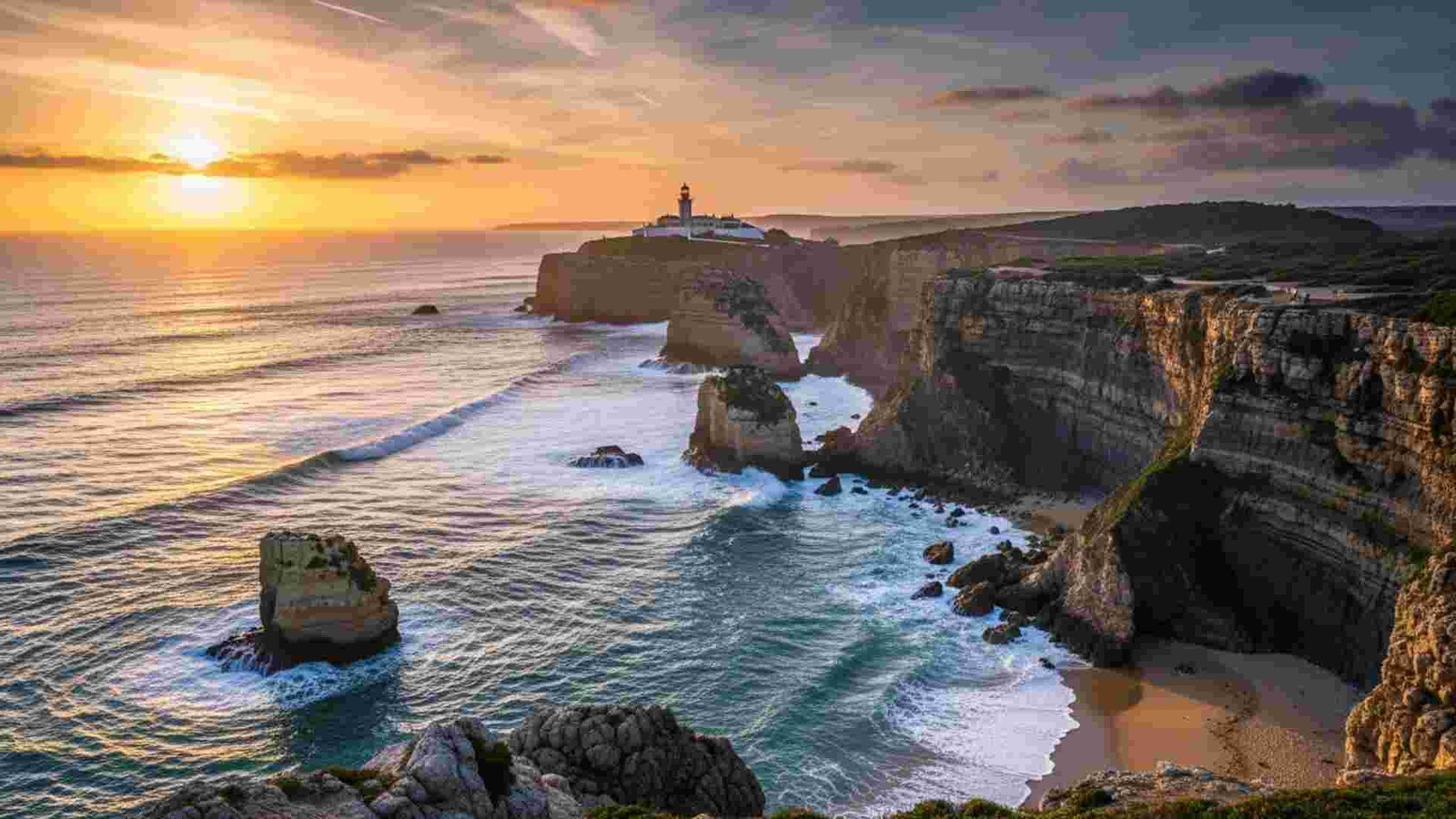
If you thought Portugal was just pastel roofs and coastal surf, let me show you its inner-land rhythms—vineyards in the Douro, ghost-town ruins in the Alentejo, thermal baths in ancient spa towns. In 2024 Portugal’s tourism sector recorded growth: overnight stays up 4.1 %, guest numbers up 5.1 %, revenue up 8.8 %.
Stay one night in São Pedro do Sul, in the northwest-inland, where Romans set up thermal springs—slow walk by the river at dusk, sip vinho verde from a local quinta, discover a side of Portugal where guide-book crowds don’t dominate.
Practical Information:
- Peak vs Off-peak: Summer (July-Aug) = busy & hot; shoulder (May or Sept) = sweet spot.
- Access & roaming: Fly into Lisbon or Porto; rent a car to explore inland villages and quieter countryside.
- Duration suggestion: 8-10 days to mix city (Lisbon or Porto) + countryside + coast.
- Money-sense: Lisbon costs are rising; choose smaller towns for value and stay in pousadas (historic guest-houses) for character.
- Cultural tip: Ask for the day’s catch in coastal restaurants; smile and say “obrigado/obrigada” often—it goes a long way.
13. Canada’s Rocky Mountains (Canadian Rockies)
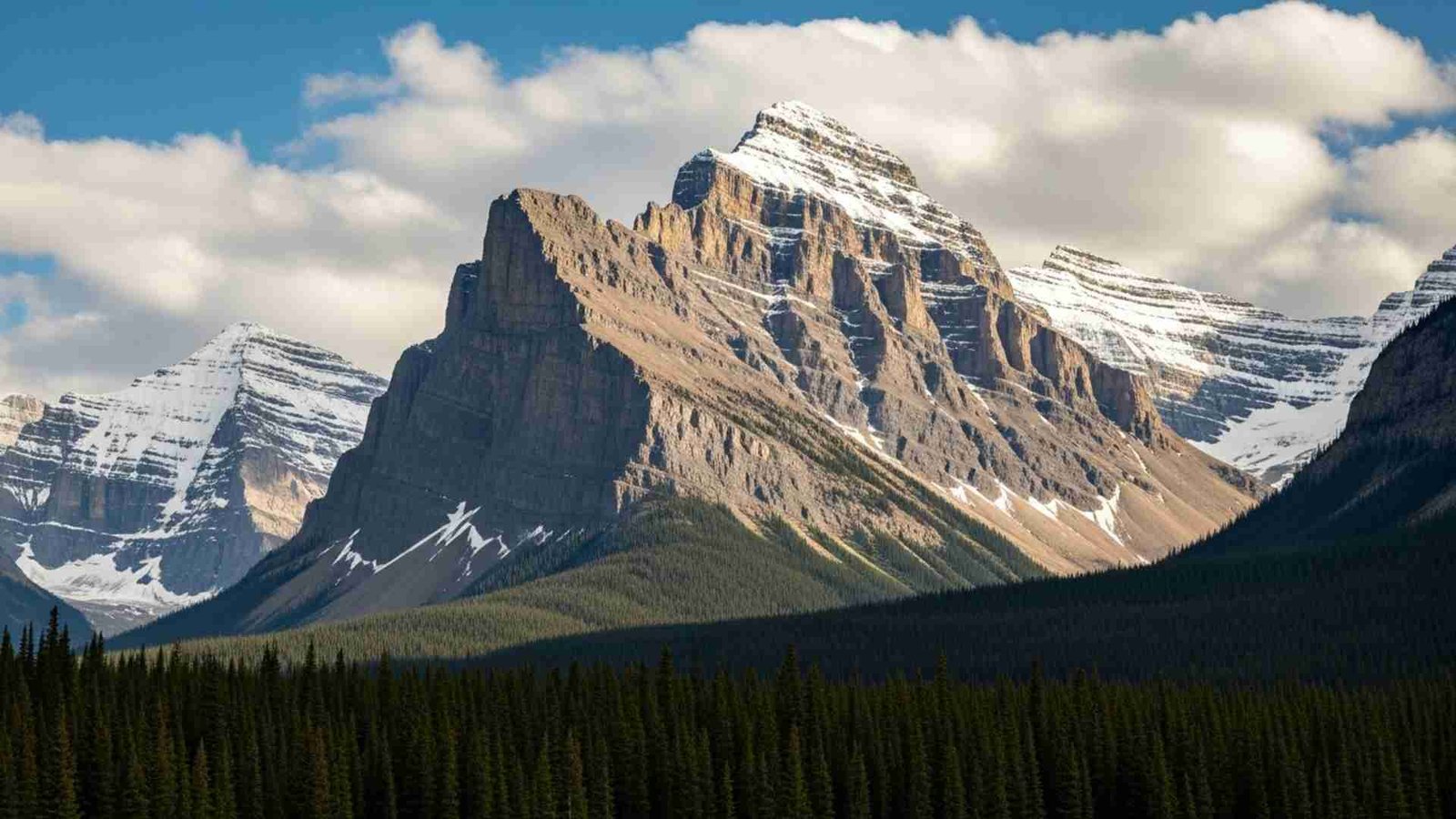
Here’s a place where the wilderness becomes your co-star—you’re not just visiting mountains, you’re immersed in them. The seven parks along the Alberta–British Columbia border draw over 9 million visits annually.
Instead of the usual Banff hustle, try staying in the lesser-visited Lake O’Hara region (permit required) where a handful of people share a valley filled with marmots and alpine lakes. Or drive the Icefields Parkway at dawn, pause for a coffee in a tiny stop-off where a bear ambled two hours earlier.
Practical Information:
- Best seasons: June–Sept for hiking; Sept–Oct for fall colour; winter if you love snow but be ready for deep cold.
- Getting there: Fly into Calgary, drive 1.5-3 hours into Rockies; take scenic roads; book permits early for remote zones.
- Suggested length: 7-12 days to give time for Banff, Jasper, glacial areas; 4-5 days if you focus on one park.
- Hidden cost-tip: Lodging inside parks is premium—stay just outside and drive in early to beat crowds.
- Nature-respect tip: Trail etiquette is serious: stay on trail, give way to wildlife, follow park-rules.
- Photo moment: Dawn mist over Moraine Lake; stars over Maligne Lake; a solitary bear grazing atop larch trees turning gold.
14. Sri Lanka
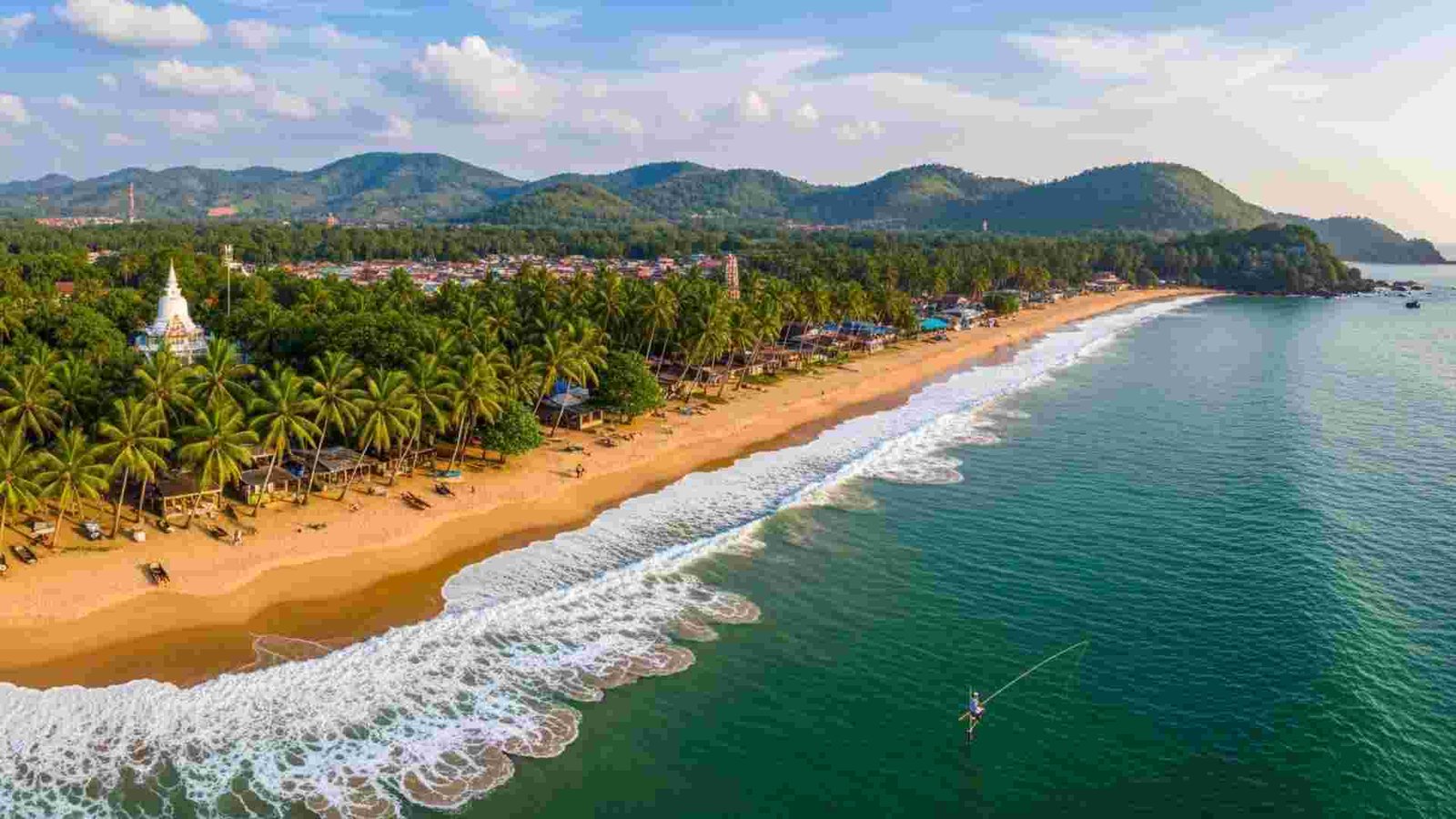
Sri Lanka is one of those places that gives you micro-adventures within a small island—tea-covered hills, elephant corridors, beachside temples, colonial colonial-era rail journeys—all within hours. The tourism rebound is real: about 2.1 million tourists in 2024, up ~38 % from 2023.
Ride the train from Kandy to Ella as the rainforest and tea plantations drift past your window. Stop at a small hillside shack that makes fresh coconut roti, sit with locals talking cricket and rain memories. Then head down to the southern coast, stay in a quiet fisher-village beach sunrise-walk, no big resort crowds.
Practical Information:
- Seasons: December–March for south-west coast; June–September for north-east; hills are mild year-round but rain varies.
- Access: Fly into Colombo; inland travel by train is scenic but slower; hire a driver to reach remote spots.
- Duration: 10 days gives you hills, coast & culture; 5–7 days for a shorter loop.
- Budget: Very good value—local food is cheap, guest-houses are affordable; splurge on a tea-estate bungalow if you like.
- Etiquette: Respect temple rules (cover shoulders/legs), remove shoes inside homes and sacred spots, ask permission before taking photos of locals.
- Photo: Mist in tea estates at dawn; elephants bathing in a river; surfer silhouette against golden surf on the south coast.
15. Croatia
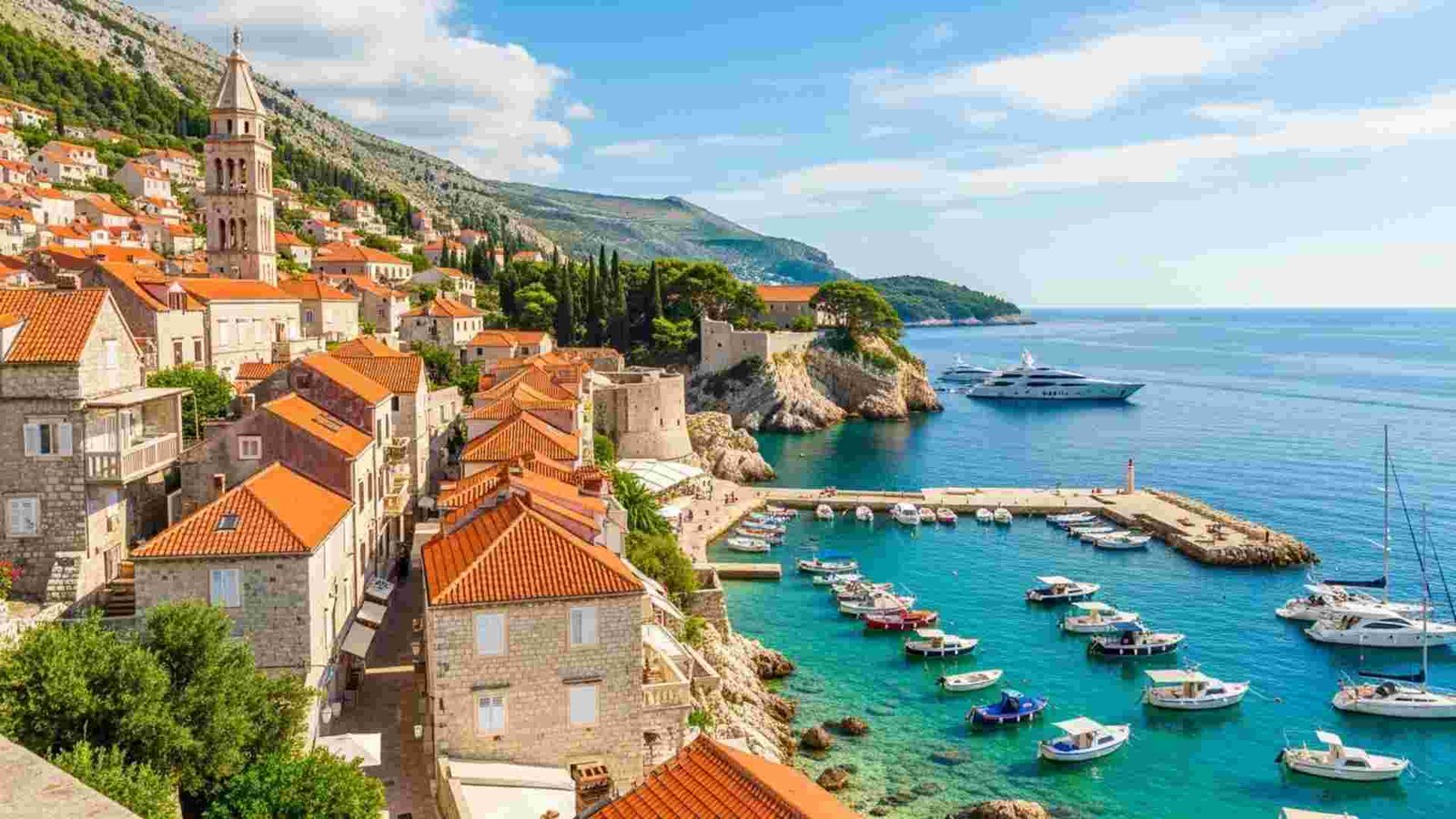
Croatia brings together coastal glamour and slow-village charm—you’ll find elite yachts in Dubrovnik and rustic fishing towns with no English subtitles on the menu. In 2024, Croatia welcomed over 21.3 million visitors with more than 108.7 million overnight stays.
Instead of the crowded islands, take a ferry to Vis or Lastovo, walk olive groves encountering only goats and local shepherds, dine in a taverna where the catch was pulled in that morning. On your way back to the coast, drive the inland region of Istria—hill towns, truffles, and vineyards that feel ancient.
Practical Information:
- Best time: May–June or Sept for warm sea + fewer tourists; July–Aug = peak crowds.
- Getting there: Fly into Zagreb or Split; from there ferry hops to islands or car hire for coastal roads.
- Suggested stay: 8-12 days covers coast + one or two islands + inland day-trip.
- Cost note: Some islands pricey in peak; staying slightly off-main-island can save money and deliver charm.
- Culture tip: Try local wines (teran, malvasia); say “dobar dan” (good day) when entering shops or cafés—it’s appreciated.
- Shot to aim for: Sunset over Dubrovnik walls with sea behind; cliff path along Hvar island at golden hour; vineyard rows in lush green hills.
16. Costa Rica
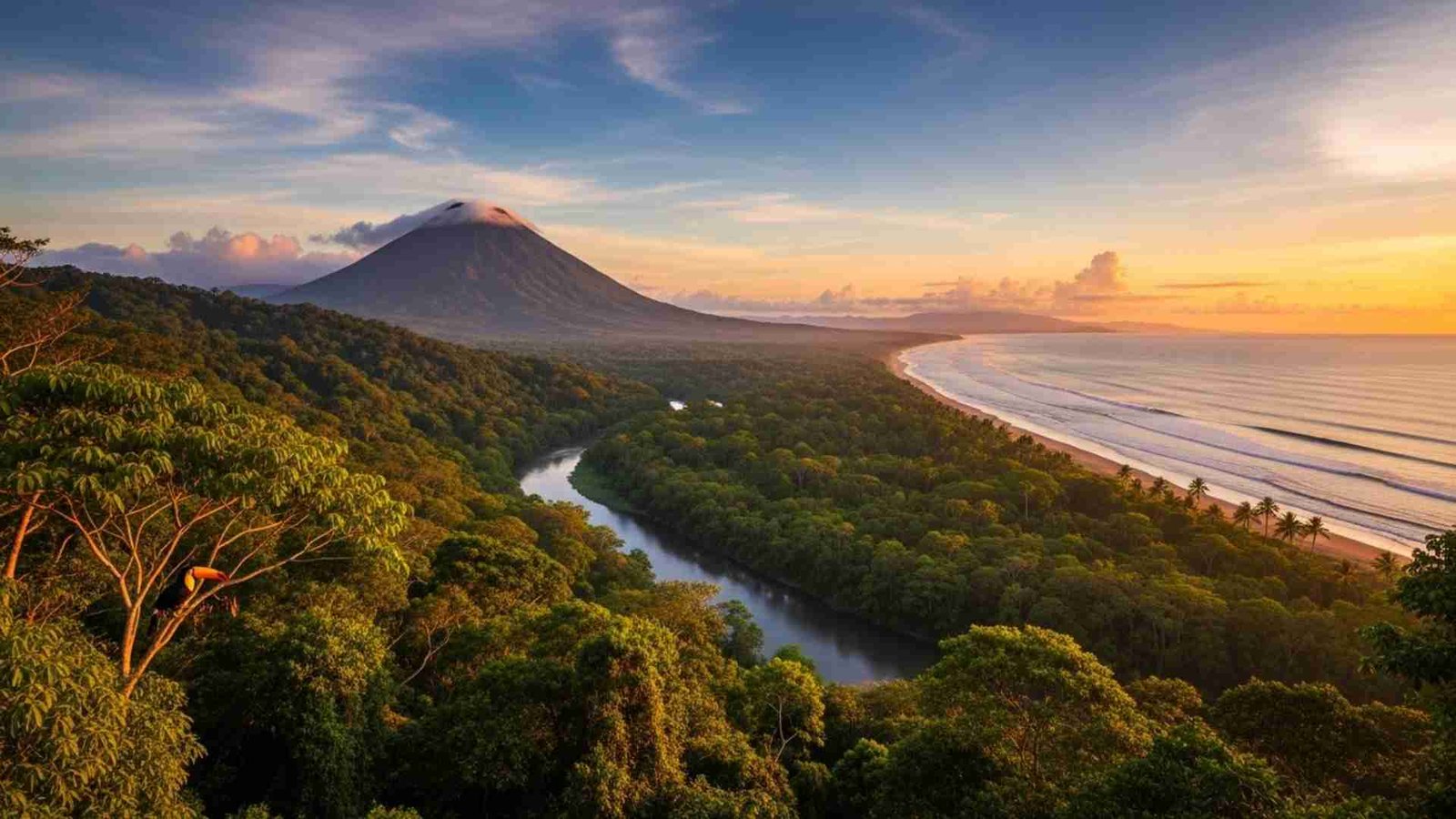
If you’re after a “main-character” story of immersive nature + personal transformation, Costa Rica delivers. Think rainforest canopy walks, sloth-filled jungles, volcano hikes, and beach time—where you single out your own scene. For context: tourism forms about 8.2 % of GDP and supports nearly 9 % of jobs.
Stay in a family-run ecolodge in the Osa Peninsula where the only access might be boat or small plane; wake early and hear howler monkeys before dawn. Then finish the week with surfing lessons and sunset from a Pacific beach—transition from deep wild to relaxed surf-vibes in one trip.
Practical Information:
- Seasons: Dry season (Dec–Apr) best for beaches & hiking; green season (May–Nov) fewer tourists, lush jungle, more chance of solitude.
- Access: San José airport; remote lodges need ferry/boat or light-plane reservations.
- Time + budget: 10 days gives time to go deep + still unwind; mid-budget works well if you skip ultra-luxury.
- Eco-note: Choose lodges with sustainability credentials; the jungle is delicate.
- Local culture cue: Learn “pura vida” (pure life) and say it—locals use it as greeting and you’ll feel the vibe.
- Photo moment: Mist rising through jungle at dawn; a surfer silhouette at dusk; leatherback turtles on a secluded beach at night.
Conclusion:
Every great story needs a turning point — and travel often gives us that moment. These 16 “main character” trips aren’t just about stunning views or bucket-list checkmarks; they’re about rediscovering curiosity, courage, and connection. Whether you’re hiking through ancient valleys, watching new horizons unfold, or simply slowing down long enough to feel something real again, each destination offers a fresh chapter waiting to be written — by you.