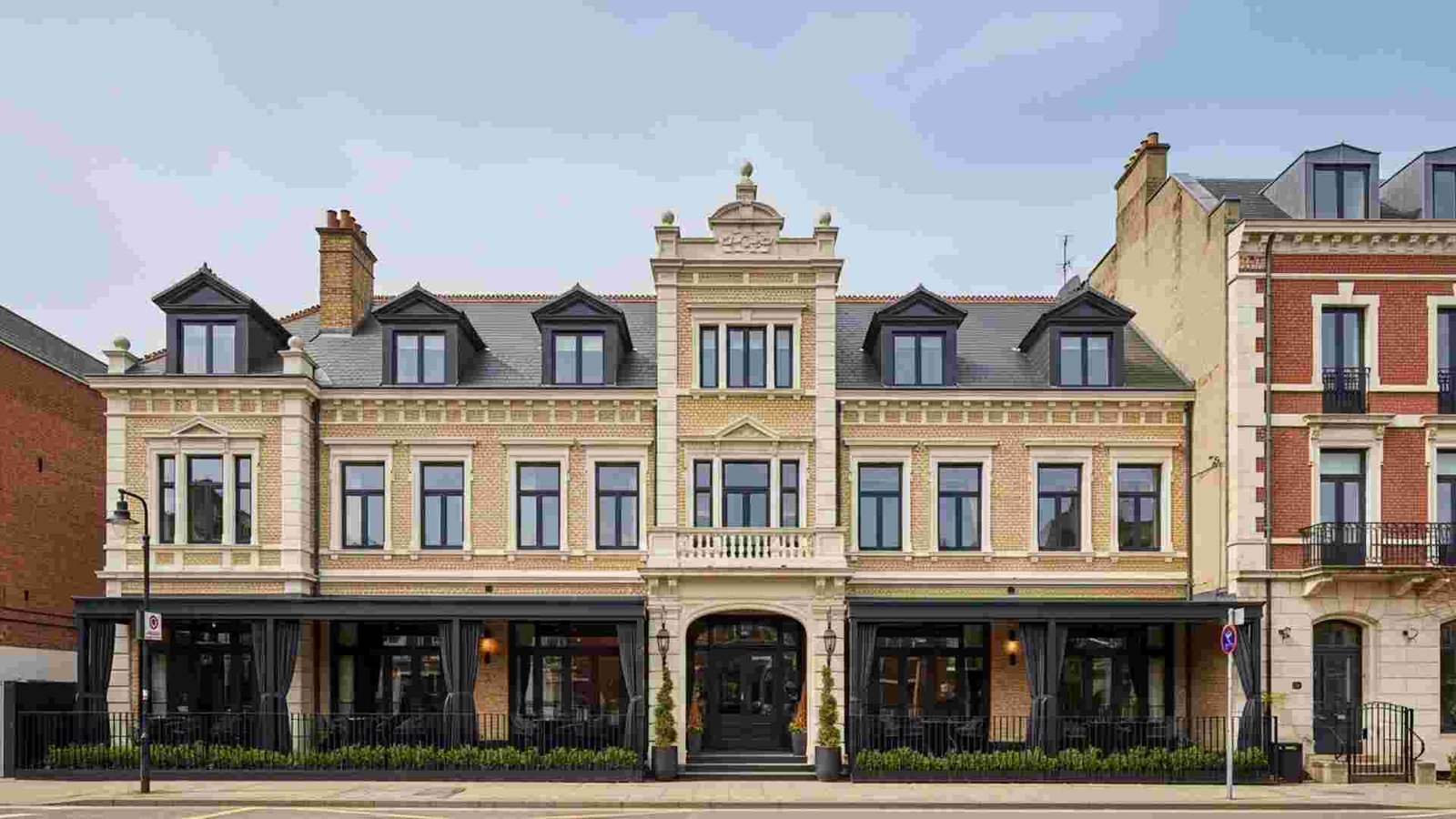
Cold sunlight flashes off tin roofs while a train whistle threads the morning air—this is the West, but not the one on postcards. Travelers want wonder without velvet ropes, trailheads that begin beside coffee, main streets where history still smells like pine and iron.
With crowds and prices spiking in the usual darlings, the frontier feeling has slipped into smaller valleys and high deserts that trade status for soul. Here you can ride old rails, soak under star-shot skies, hear opera at altitude, and talk to people who live here. Ahead: twelve towns, twelve ways to feel the West again.
1. Durango, Colorado
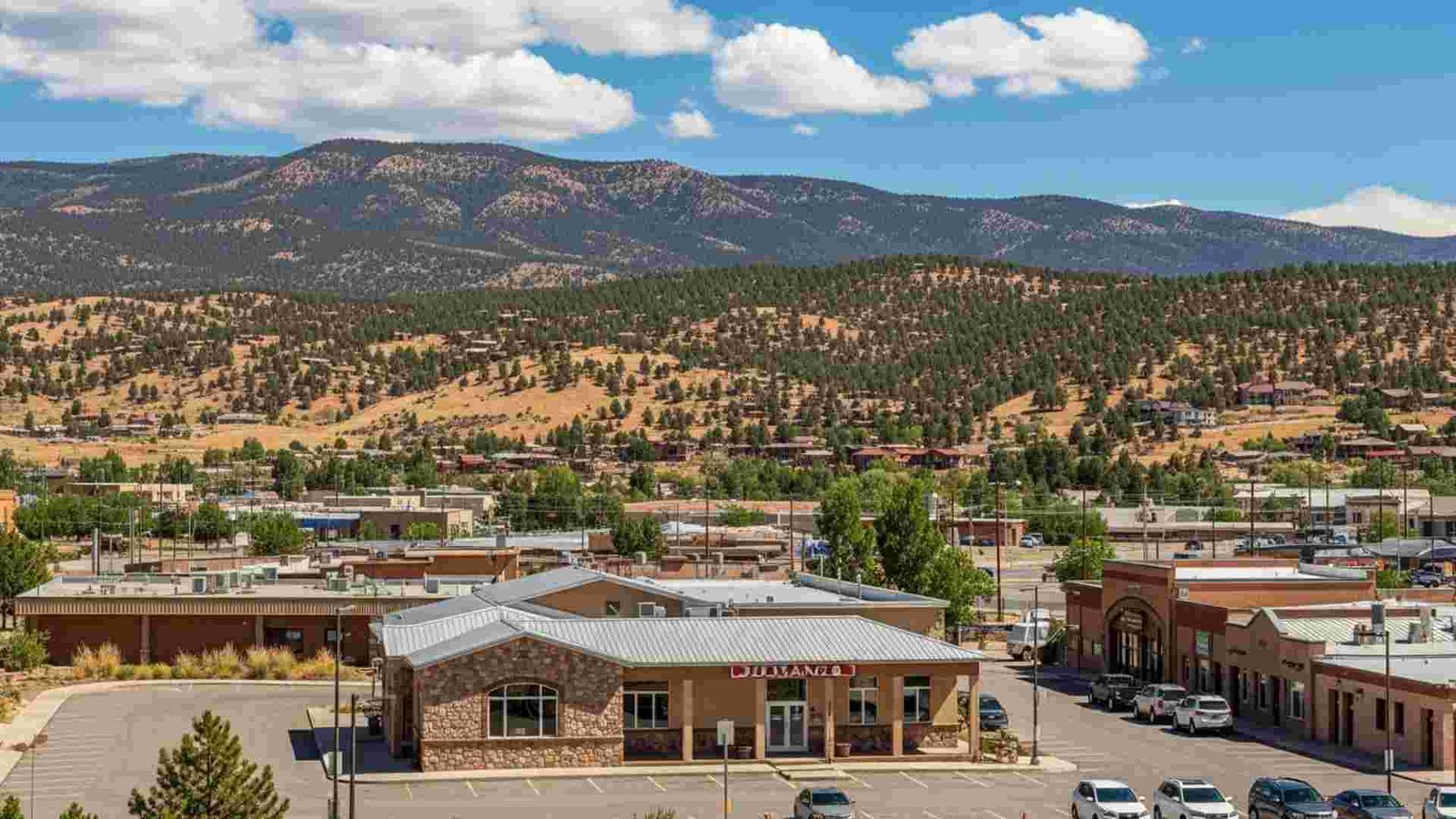
In the heart of southwestern Colorado at about 6,532 ft (1,991 m) elevation, Durango is a small city of roughly 19,987 people in 2025. It’s built around a robust western-mountain-town vibe: historic Main Avenue, Victorian hotels, a heritage rail line (the Durango & Silverton Narrow Gauge Railroad) that takes you into dramatic canyon country. The town enjoys over 300 days of sunshine per year, making it reliably pleasant for outdoor action.
The visitor experience checks many boxes. You can float or raft the Animas River, ride the scenic train into the San Juan Mountains, or hike/bike innumerable trails. The downtown has genuine local flair—boutiques, craft breweries, historic architecture—and isn’t overrun by mega-resort development. For accessibility: you’ve got the Durango–La Plata County Airport (DRO) and U.S. Highways 160/550 leading in and out.
Key practical info:
- Peak season: summer (June–Aug) and winter ski season; expect higher rates and more visitors. Off-peak spring/fall can mean quieter trails and still good weather.
- Best length of stay: 3–4 nights gives you time for a train ride + one big outdoor day + relax downtown.
- Must-try experiences: ride the heritage railroad; take a guided whitewater raft; explore downtown architecture/historic hotels.
- Budget considerations: lodging in peak seasons can get pricey; mid-week stays help. Choose guesthouses or small inns instead of big resorts.
- Tip for photography: Sunset over the Animas River with the steam train crossing makes for a postcard shot.
- Cultural note: Locals value “leave no trace”—pack out what you pack in, respect trails and rivers.
2. Salida, Colorado
Perched around 7,084 ft (2,159 m) elevation in central Colorado’s Upper Arkansas Valley, Salida has a 2025 population of roughly 6,080 people, growing at ~1.22% annually. The downtown area is designated as one of Colorado’s original “Certified Creative Districts,” supporting local artists, galleries and an old-town feel.
Salida offers a mellow, authentic mountain-town charm without the major crowds of Aspen or Jackson. The natural setting is stellar: the Arkansas River flows right through, offering rafting/kayaking; two mountain ranges (Sawatch to the west, Mosquito to the east) frame the town. You’ll find good lodging and food, but it still feels like a community rather than a commercial resort.
Practical Information:
- Seasonality: Summer is big, especially for rafting and mountain biking. Fall brings color and fewer crowds. Winter is quieter (though still good for snow-based fun).
- Ideal visit length: 2–3 nights lets you do a river trip, explore downtown, and drive a scenic loop.
- Try this: white-water rafting/kayaking; wander the historic downtown; take a drive to nearby ghost-town ruins or mountain vistas.
- Budget tip: Lower average lodging cost than top resorts; look for charm-lodges or local B&Bs.
- Photography moment: Early morning light on the mountains behind the river walk—beautiful, especially when there’s mist.
- Cultural tip: The locals are friendly, but the pace is slower—embrace it. Respect river etiquette (life jackets, calm pumps) and mountain-town courtesy.
3. Buena Vista, Colorado
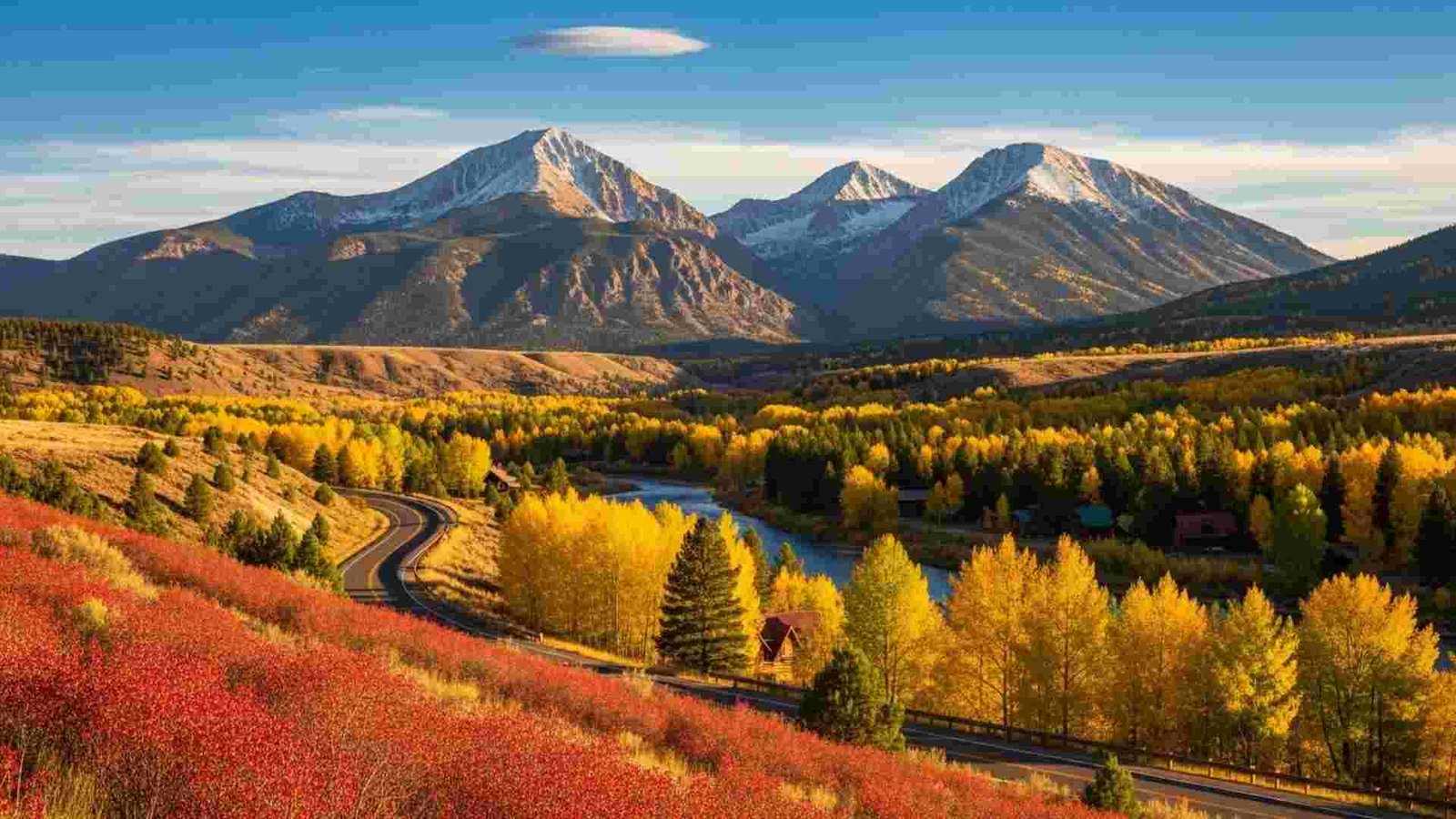
This small town in Chaffee County is perched at about 7,965 ft (2,428 m) elevation. Its 2025 population is around 3,193 with annual growth ~2.11%. The name “Buena Vista” means “good view”—and that’s no exaggeration. The town sits in the Upper Arkansas River Valley, surrounded by soaring peaks and wide open skies.
It’s got serious outdoor-adventure cred (rafting, mountain biking, hiking) but still feels unpretentious. You’ll find a revitalized Main Street, fun local coffee shops and lodges, and you’re close to natural hot springs and back-country trails.
Practical Information:
- Best seasons: Late spring to early fall for outdoor fun; winter can be quieter but still scenic.
- Visit length: 2–3 nights is plenty to dive into nature and enjoy the town.
- Top experiences: Go white-water rafting or stand-up paddle on the Arkansas River; drive up to Mt. Princeton Hot Springs; hike a mountain trail early morning for that “good view.”
- Budget note: Being smaller, you’ll often find more modestly-priced accommodations than the big resorts.
- Photo tip: Capture the river in foreground, peaks in background, early morning light.
- Local etiquette: This is a laid-back town—interact kindly with local businesses, pack out your gear, and keep things respectful with nature.
4. Tonopah, Nevada
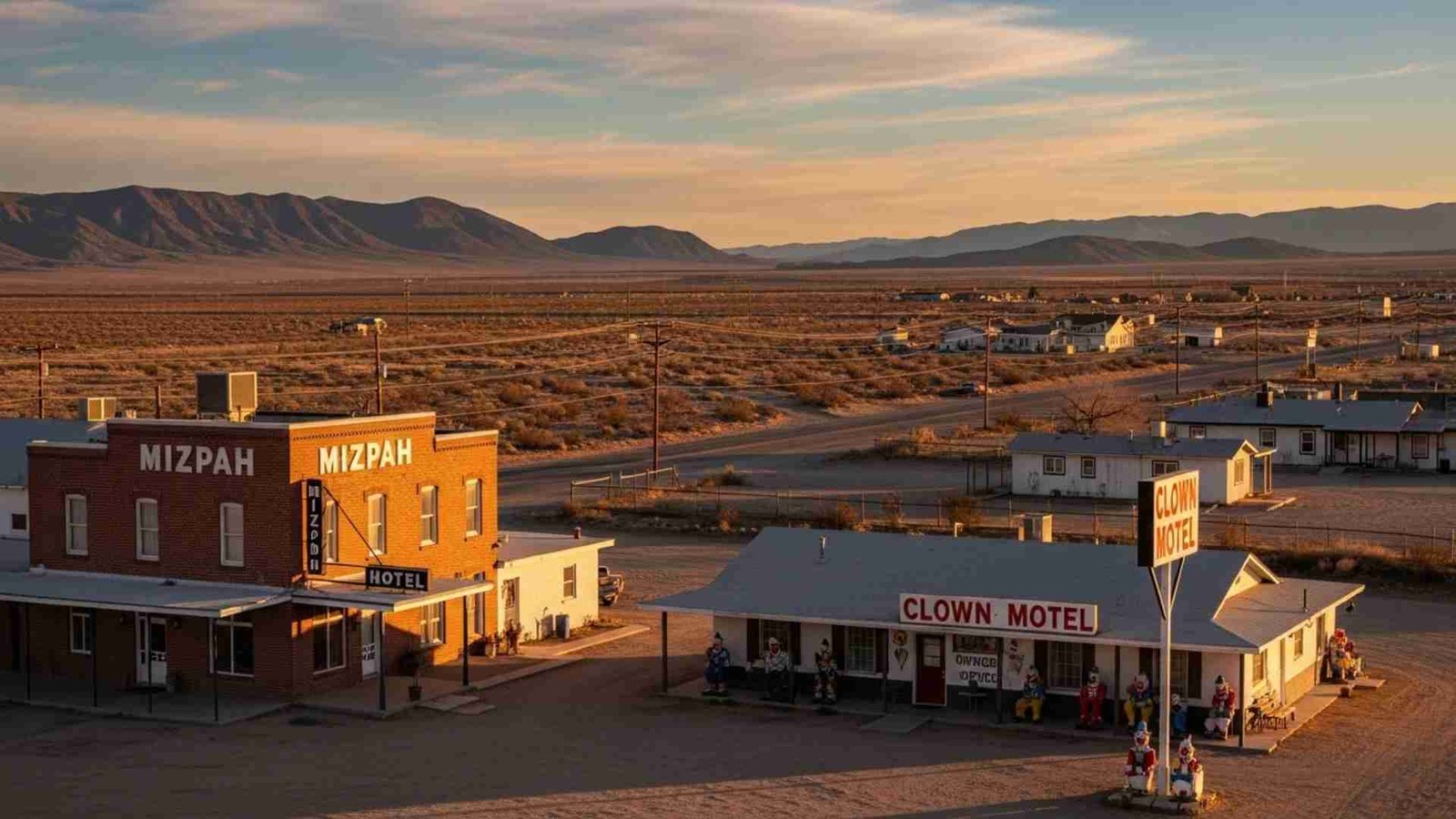
Located in central Nevada’s high desert, Tonopah is the county seat of Nye County. It has a small population of about 1,602 in 2025, declining at around -3.49% annually. Founded around silver-mining in the early 1900s, the town carries rich history and a unique “off-the-beaten-path” character.
Tonopah offers mining-town relics, ghost-town vibes, stargazing in wide open skies, quirky accommodations like the famed Clown Motel, and a chance to explore a different kind of “West.”
Practical Information:
- When to go: Spring and fall are good—summer gets hot, winter can be cold and remote.
- Ideal visit time: 1–2 nights maybe enough—Tonopah is compact and part of the appeal is its quiet isolation.
- Must-do experiences: Visit mining museums, check out the historic Mizpah Hotel, stay in an unusual quirky motel, and after dark gaze at the stars (low light pollution).
- Budget lens: Lodging is generally inexpensive compared to major resorts, but amenities are basic—expect simpler town infrastructure.
- Photo op: Sunset light on old mining structures and wide desert skies.
- Local mindset: This is remote, so plan well—fuel, cell service, supplies may be sparse. Enjoy the slower pace.
5. Bayfield, Colorado
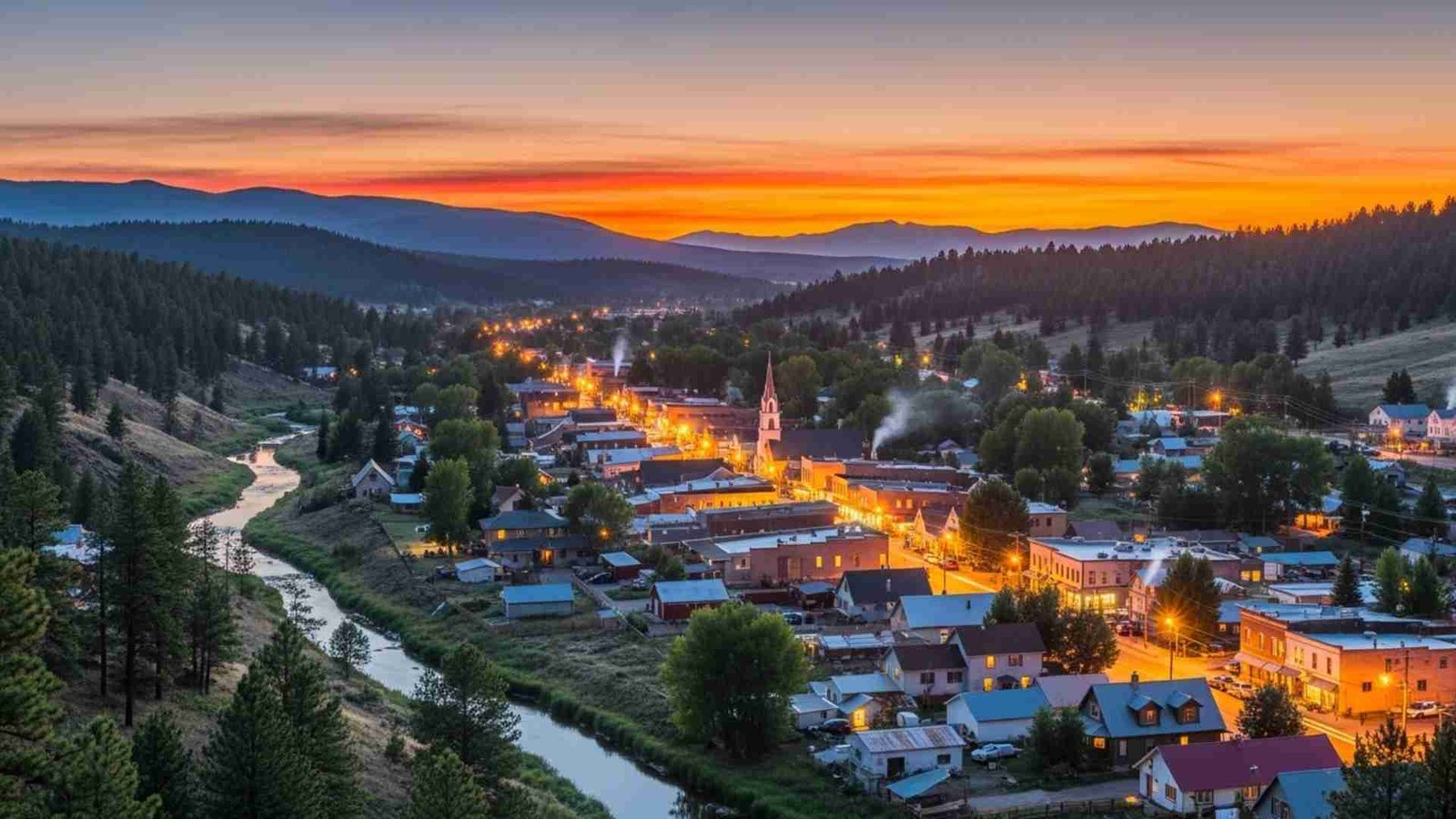
Bayfield is in southwestern Colorado (La Plata County) near Durango. It’s a smaller town that acts as a gateway to both mountain recreation and quieter town-life. While I don’t have as detailed stats here as for some of the other places, its proximity to major outdoor areas, more relaxed scale, and genuine community feel give it a strong “cool West town” status.
you get access to hiking, lakes (like nearby Vallecito Lake), fishing, mountain biking, and the advantage of staying in a place that doesn’t feel over-touristed. It’s an easy base if you’re exploring the Four Corners region but want something calmer than the big names.
Practical Information:
- When to visit: Summer for lakes/trails; fall for colors; winter for quiet getaways.
- Stay length: 2 nights or more if you’re planning to explore nearby wilderness.
- Do this: Rent a cabin by the lake; take local trails; drive up to Durango or ride a day-trip train; eat in town, talk to locals.
- Budget wise: Definitely more budget-friendly than resort towns—accommodations tend to be more modest, local dining more down-to-earth.
- Photography tip: Early morning mist over the lake, or golden hour light on nearby pines.
- Local note: It’s small town; support local businesses, ask questions—you’ll get genuine recommendations from folks who live there.
6. Deadwood, South Dakota — “Living museum, rail-trail hub”
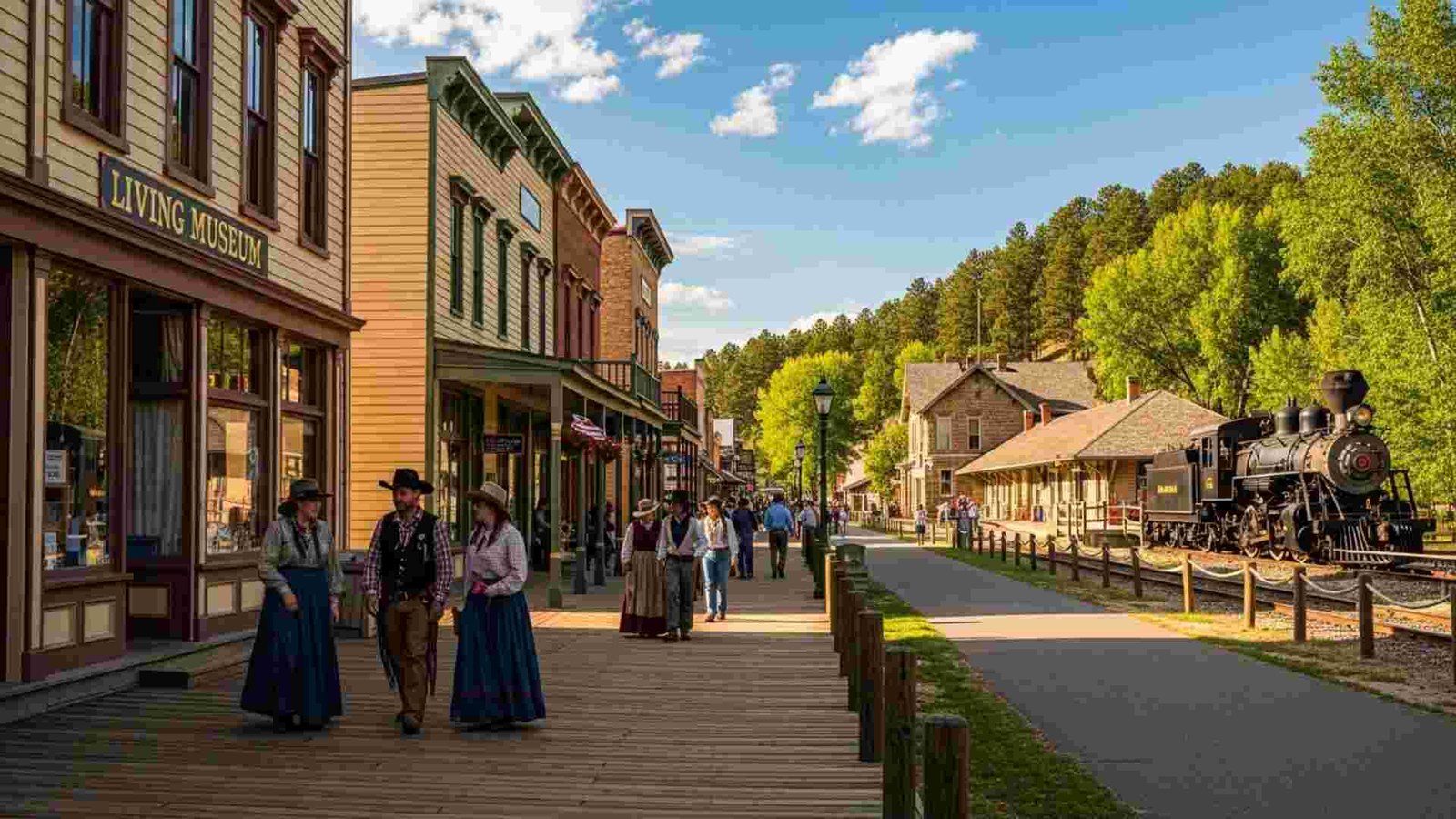
You come for the Gold Rush streets and stay for the fresh-air miles. The entire town is a National Historic Landmark District, so the storefronts and saloons aren’t set pieces—they’re the real deal. Recent estimates put the population around 1,340 (2023), which keeps the vibe small-town even on busy weekends.
Base yourself here to ride the George S. Mickelson Trail—a 109-mile crushed-limestone path with 100+ converted railroad bridges and 4 tunnels. The long, steady grade from Deadwood up to Dumont is the trail’s longest climb; e-bikes change the game for mixed-ability groups.
Practical Information:
- Best window: late May–Sept for dry gravel; fall color late Sept/early Oct.
- Getting there: Fly Rapid City (RAP), ~1 hour by car.
- Stay length: 2–3 nights (town day + trail day).
- Must-try: Short out-and-back ride Deadwood→tunnel section; museum hop on Main.
- Photo ops: Bridge spans and tunnels at golden hour.
7. Poncha Springs, Colorado — the four-direction launchpad
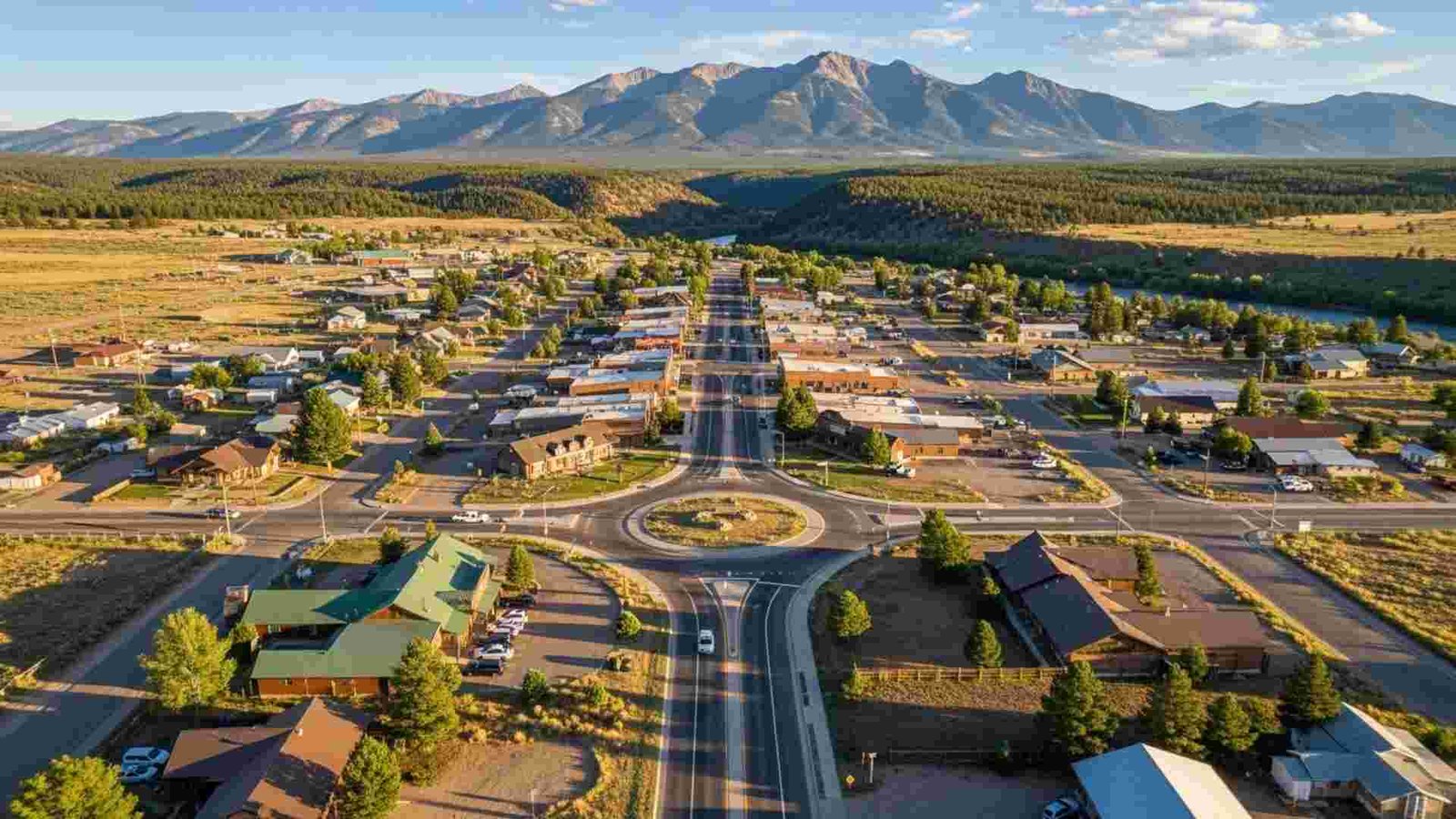
Think logistics first, fun second. Poncha sits where US-50 meets US-285—the self-styled “Crossroads of the Rockies”—which means every day trip is easy: Monarch Pass for alpine hikes, the Arkansas River for rafting, hot springs after. Population is small but growing fast, giving you services without resort crowds.
roll in late, top off at the 8-stall Tesla Supercharger (24/7), sleep, then bussing or driving anywhere is simple. Bustang Outrider serves the stop at Poncha Market (6250 US-285)—handy if one person wants a car-free segment or you’re stitching a Gunnison/Denver loop.
Practical Information:
- Seasonality: Year-round access; check CDOT for winter pass conditions.
- Getting there: Outrider Alamosa→Pueblo line stops in Poncha; easy hops to Salida.
- Stay length: 2–3 nights to day-trip in all directions.
- Budget: Motels/cabins price under nearby resort towns.
- Pro tip: Stock up in nearby Salida; plan early starts for Monarch trailheads.
8. Cripple Creek, Colorado — gold camp, policy twist
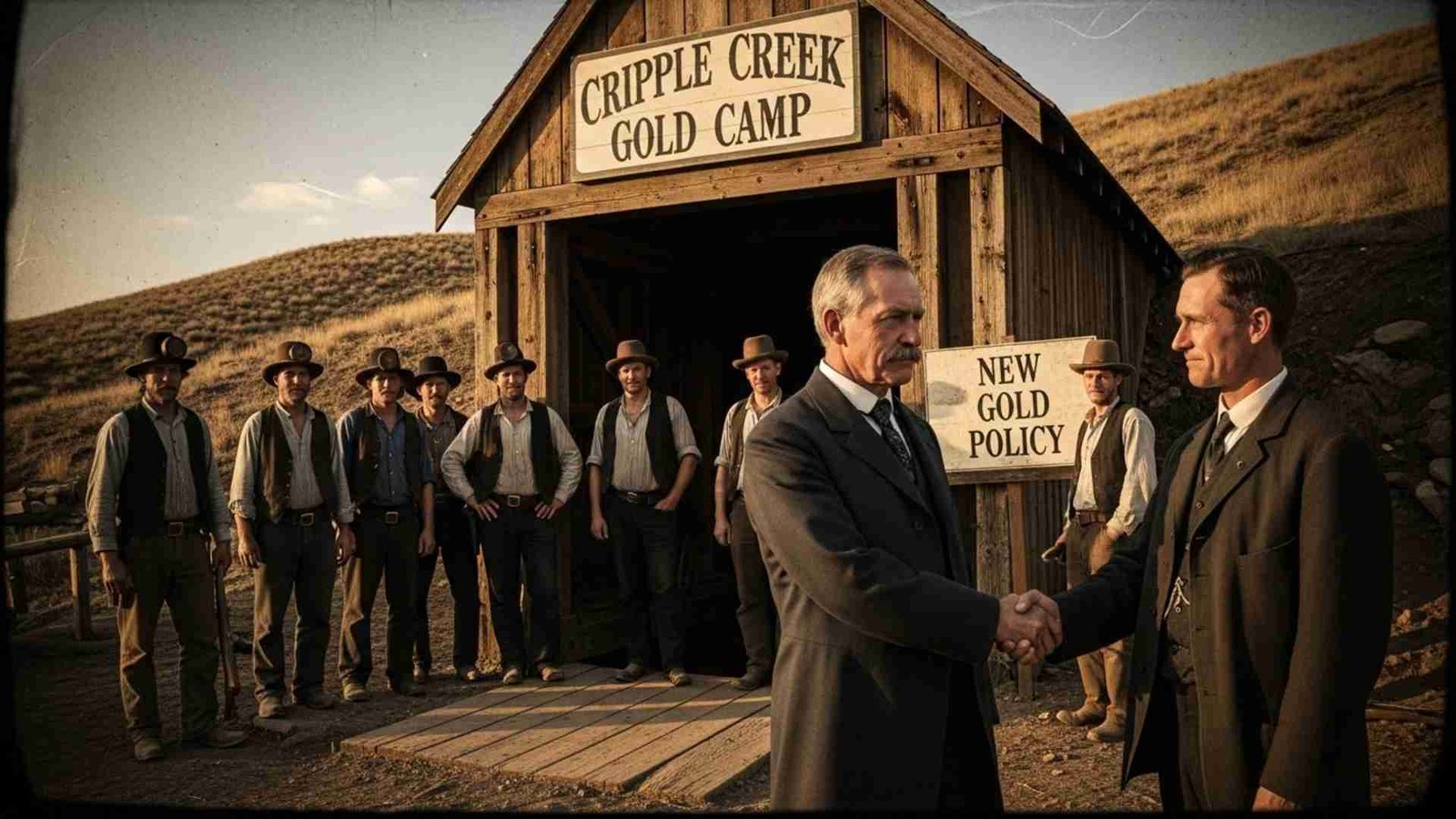
On the back side of Pikes Peak, Cripple Creek pairs Victorian streets with state-authorized “limited gaming” (since 1991) that helped fund preservation. The civics angle matters: Amendment 50 (2008) let towns extend hours, add craps/roulette, and raise the bet limit to $100, channeling new revenues to communities and colleges. That’s why so many historic façades still gleam.
drop 1,000 feet on the Mollie Kathleen mine tour, then ride the Cripple Creek & Victor Narrow Gauge Railroad past headframes and open country. It’s a tight loop—real geology, real policy, real fun.
Practical Information:
- When to go: Summer for trains and mine tours; shoulder seasons = fewer crowds.
- Getting there: ~1 hr from Colorado Springs (COS).
- Stay length: 2 nights (mine + railroad + stroll).
- Costs: Competitive midweek room rates in gaming towns; tour tickets are modest.
- Context bite: Gaming expanded by local vote under Amendment 50; preservation benefits follow.
9. Victor, Colorado — anti-resort at 9,780 ft
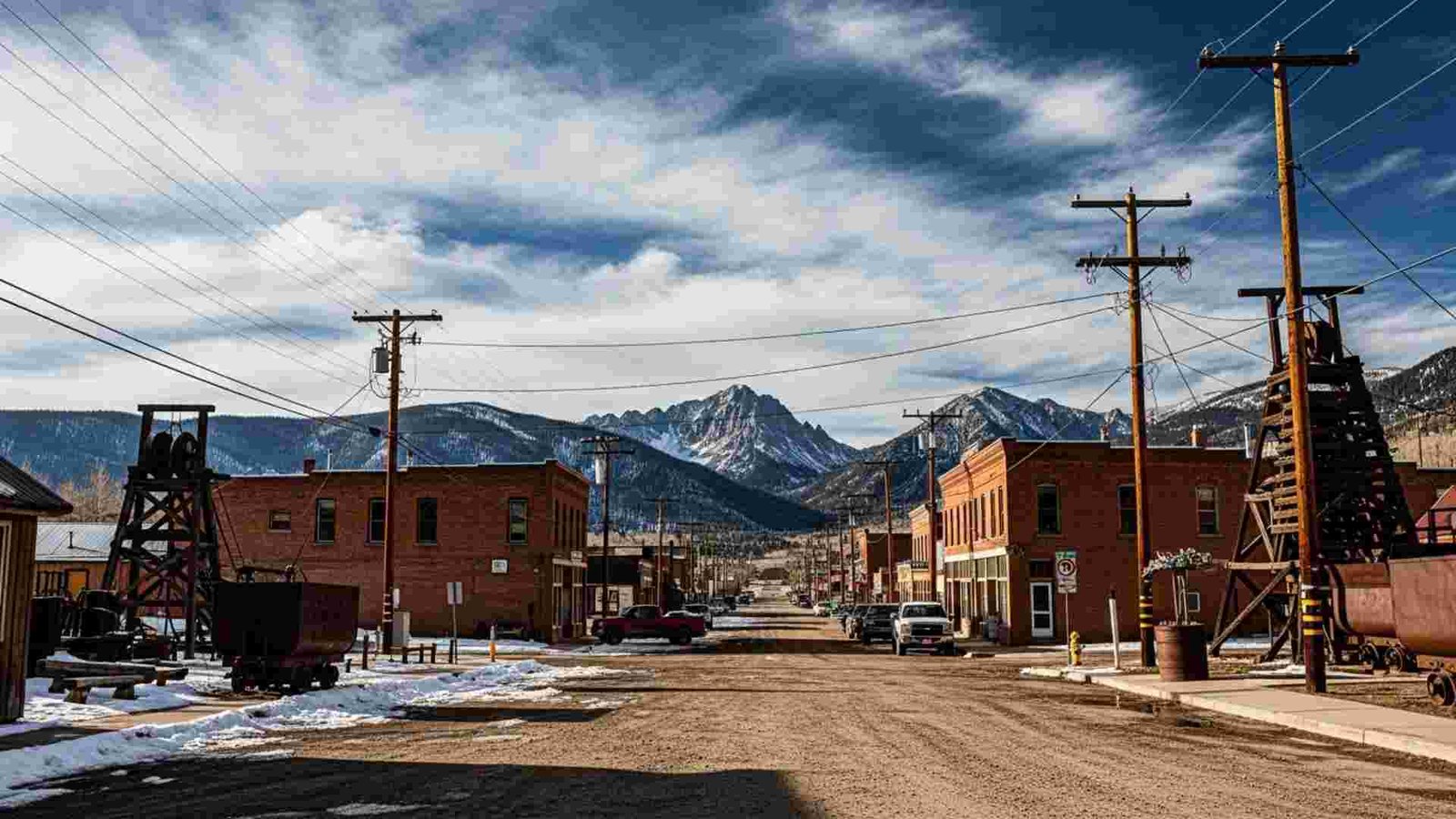
Five miles from the action but proudly different, Victor keeps its “City of Gold Mines” soul brick storefronts, headframes, thin-air views. Elevation 9,708–9,780 ft (depending on source), population ~379 (2020)—so bring layers and expectations of quiet. Trails ring the town and the working CC&V mine reminds you the district still produces gold.
Trails of Gold loop, coffee on Third Street, small museums, sunset above town. Usage counts hint the paths see 30k+ annual users when you extrapolate sign-ins—a lot of feet for a tiny place.
Practical Information:
- Access: ~1.5 hrs from COS; limited services—nearest hospital Woodland Park (28 mi).
- Stay length: 1–2 nights, often paired with Cripple Creek.
- Budget: Very wallet-friendly; few rooms—book summer weekends early.
- Etiquette: It’s a living town—ask before photographing people or private property.
- Photo ops: Headframes at dusk; wide-angle downtown from the hillside.
10. Central City, Colorado — opera + jackpots, Denver-close
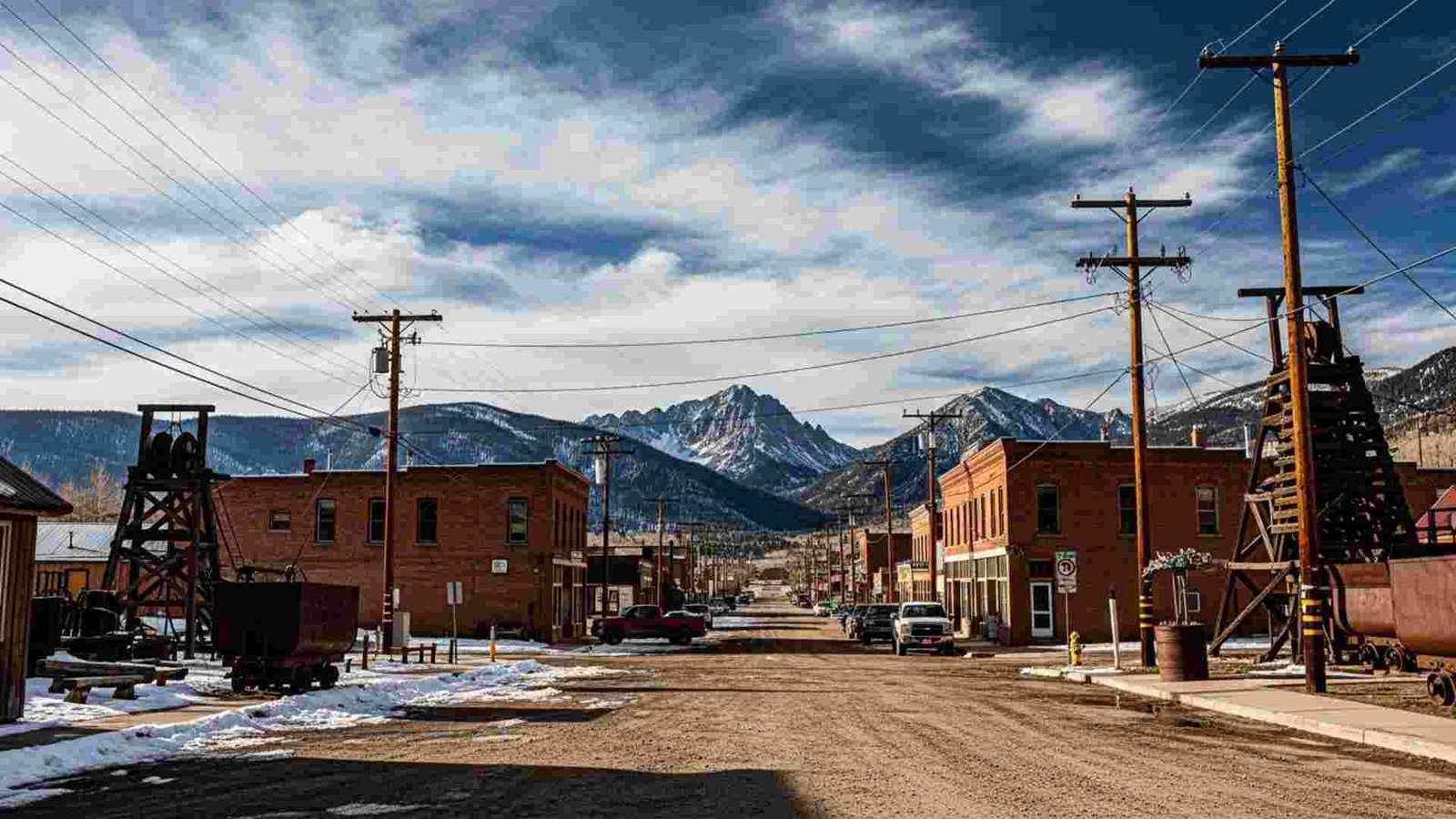
Founded in 1859 and once the “Richest Square Mile on Earth,” Central City is culture layered on mining. In summer, the Central City Opera turns a 550-seat 1878 opera house into a jewel box just ~35–38 miles from Denver, and the company maintains 27 Victorian-era properties in town. Add gaming, and you’ve got lively evenings after matinees.
limited gaming since 1991; Amendment 50 (2008) enabled higher wager limits, new games, and extended hours—one reason preservation and programming keep humming. It’s a quick mountain hop that feels like a time warp with a soundtrack.
Practical Information:
- Access: ~35–38 mi from Denver via I-70/CO-119.
- Stay length: 1–2 nights (opera + stroll + gaming).
- Costs: Midweek casino rates can be bargains; opera tickets vary by performance.
- Seasonality: Opera festival runs summers; gaming year-round.
- Shoot this: Opera House interiors by day, Eureka Street neon after dark.
11. Victor, Colorado – “Gold veins & ghost-town quiet turned real
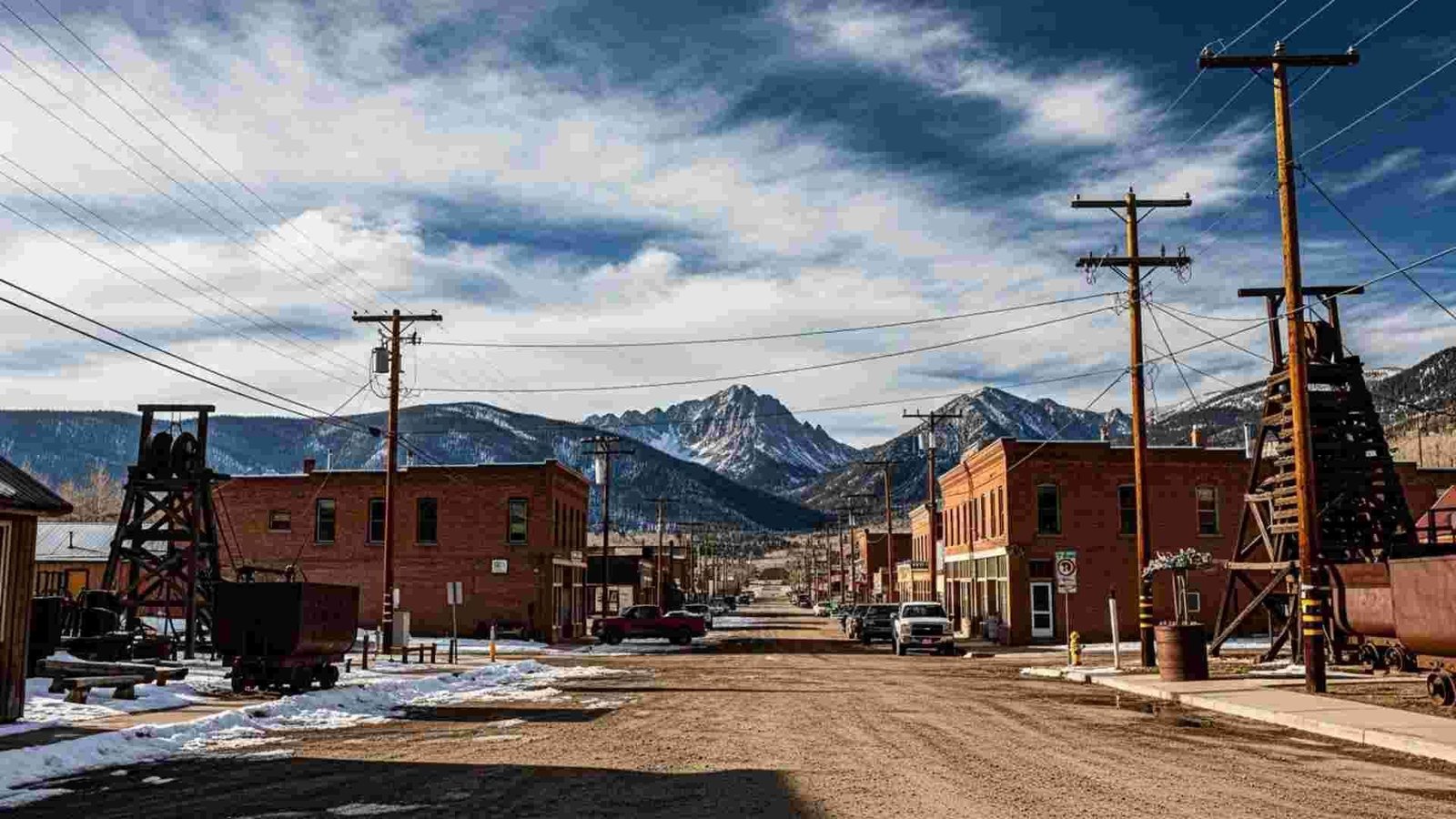
Victor, Colorado, perched at roughly 9,780 ft, doesn’t hide its mining roots—they’re in plain view. While many visitors head to its neighbor, the more polished resort towns, Victor gives you old-school mining infrastructure, brick-paved streets and a serious elevation to breathe into. You might think you’re stepping into a staged set—but the residents are real, the history is raw, and the vibe is refreshingly unfiltered.
wander up past the main drag into the Trails of Gold system (roughly 25+ miles of chip-seal and gravel routes north of town) in the morning’s soft light when the air is thin, the mountains lean closer, and there are fewer vehicles around. You’ll find old head-frames, views that feel private, and a rare kind of stillness. In the afternoon, pop down into town for craft beer or chat with a long-time miner about the current active operations of the CC&V mine. Truly, you’re in a living-history zone rather than a museum.
Practical Information:
- Access: ~1.5 hrs from Colorado Springs (COS) via US-24 → CO-67. Plan for high-altitude effects.
- Best time: Late spring to early fall—summer brings the longest days; fall offers golden larches. Winter is possible but remote.
- Stay length: 1–2 nights. Pair with nearby Cripple Creek, Colorado if you want more lodging variety.
- Hidden-tip: Fill up on gas and supplies in Cripple Creek or Woodland Park; Victor has limited services.
- Must-see photo moment: Early-morning head-frame silhouette, with thin golden haze and a small town at high elevation.
12. Central City, Colorado – “High-altitude opera, jackpots & restoration in one steep street”
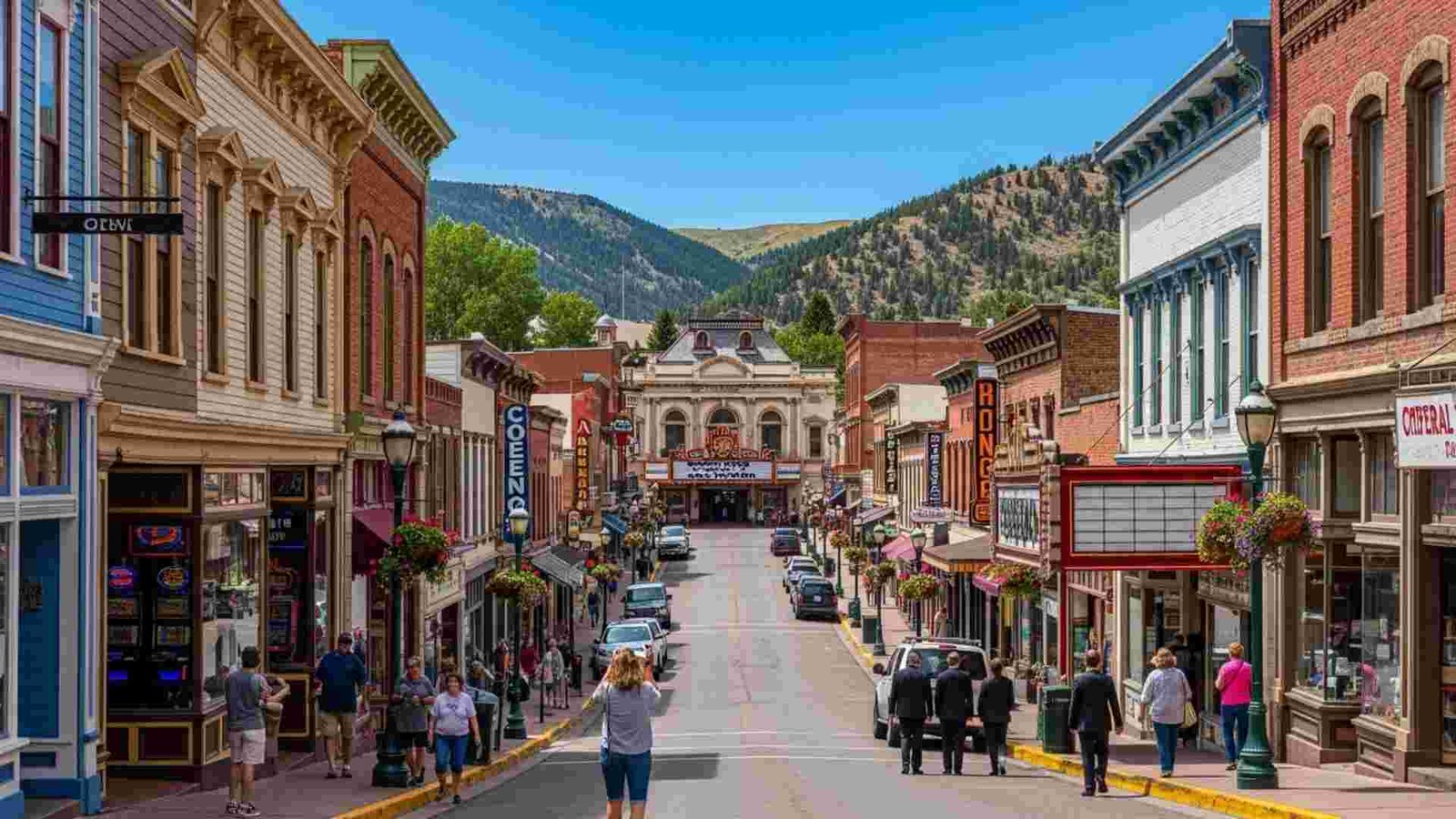
where you can attend an opera in an 1870s hall, gamble a few coins, stare into mining tunnels and still catch sunset light on Victorian rooftops—all in the span of a single evening. That mix is rare. The town’s original boom days (mid-19th century) left a built heritage; only later did limited gaming (legalised in 1991) become part of its survival strategy.
Arrive via the winding American Fork Canyon road in the late afternoon, check into a restored historic hotel, wander Eureka Street, then take your seat at the 550-seat Opera House (summer festival schedule). After the show, hit up the small casino, have a nightcap overlooking the high-alpine streetlights and mountain silhouette.
Practical Information:
- Drive time: ~35–40 mins from Denver; CO-119 winds through scenic mountain terrain.
- Peak season for culture: Summer (June–Aug) when the opera runs; winters are quieter.
- Stay length: 1–2 nights; ideal for a long day/overnight from Denver.
- Budget tip: Weeknight lodging in gaming towns can be surprisingly reasonable.
- Don’t-miss detail: Ask for a backstage tour of the Opera House—only a few places offer historic theatres at this elevation.
- Photography shot: Twilight on Eureka Street with the mountains behind; the old-town glow feels cinematic.
Conclusion:
In this “New West,” cool isn’t a zip code—it’s a state of mind. Choose places where heritage is lived-in, trails start near coffee, and locals still wave from their porches. Build your trip around seasons and stories—opera one night, rail-trail miles the next, hot springs the morning after. Skip the status chase; chase moments you’ll actually remember.