The “I Hate Winter” Escape Plan: 9 US Destinations That Are 80°F+ While the Rest of the Country Shivers – Warmth You Can Actually Afford

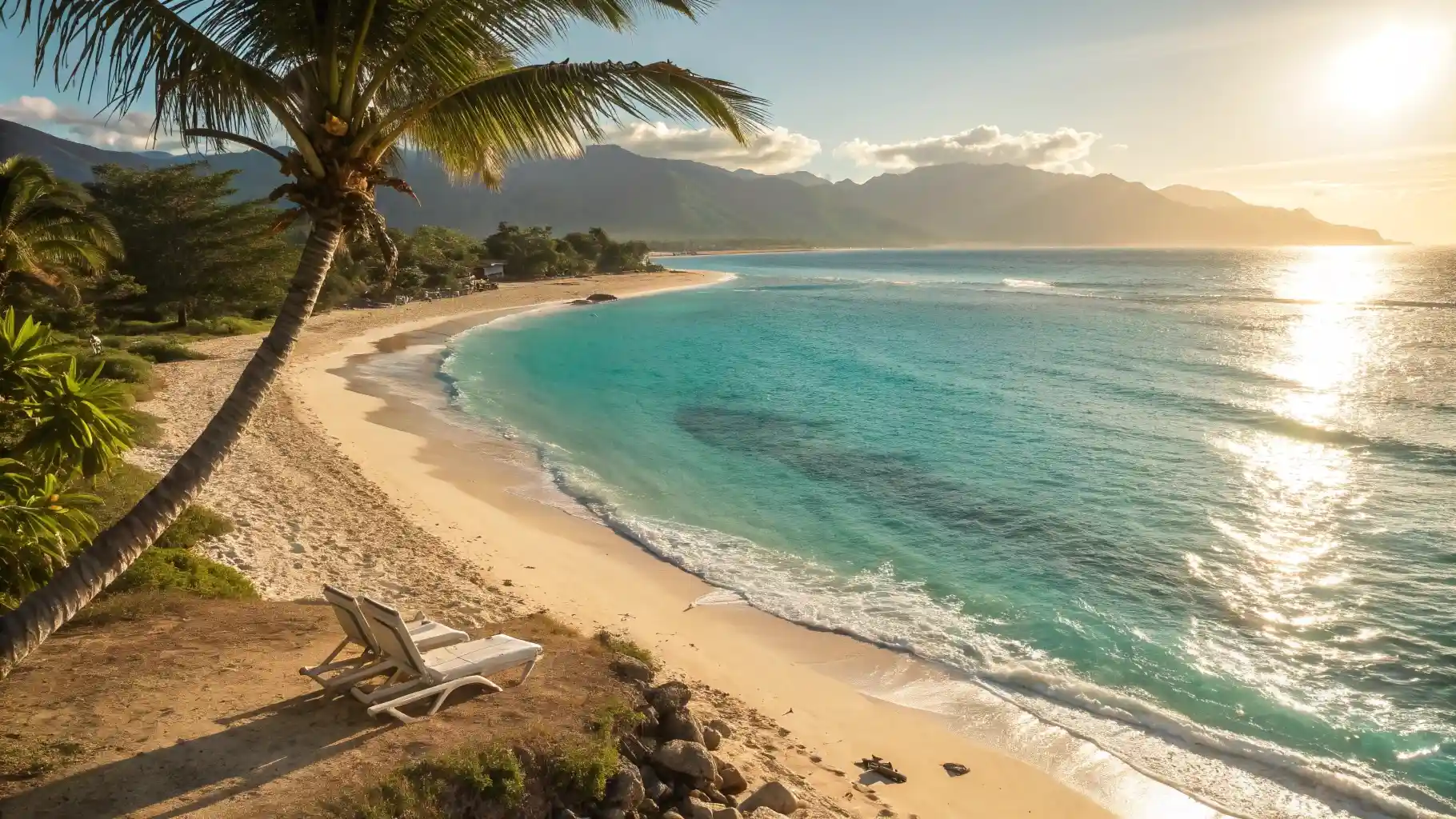
Warm air hits your skin the moment you step outside—that soft, almost-surreal kind of warmth that makes you forget the rest of the country is scraping ice off windshields. Maybe it’s just me, but there’s something electric about finding pockets of summer when winter insists on overstaying its welcome.
You start to feel that old spark of wanderlust, the one that shows up when mornings are brighter, afternoons slow down, and the sun feels like an invitation instead of a memory. And right now, when the cold feels heavier than usual, the idea of an easy escape matters more than ever.
Stick with me—there are a few game-changing warm-weather secrets ahead.
1. Oahu, Hawaii
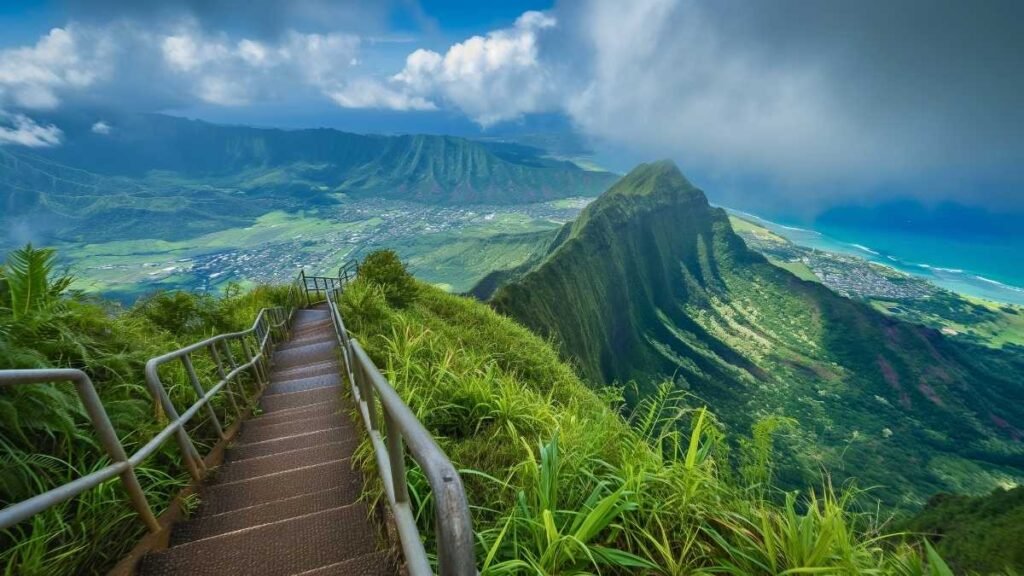
Oahu stays warm all winter, usually sitting between 78–82°F from December through February, which is why it’s one of the most reliable warm-weather escapes in the U.S. Ocean temperatures hover in the upper 70s, so beach days, snorkeling, and paddleboarding feel effortless. The island blends city life with nature — Waikiki is busy and bright, while the windward side feels lush and peaceful. Here’s what I mean: one day you’re wandering through Honolulu’s food markets, and the next you’re standing above turquoise water on a ridge trail.
Maybe it’s just me, but Oahu has this “choose your own pace” feeling that never really fades. Winter surf season brings massive North Shore waves, while the southern shores stay calm and swimmable. Add in historic landmarks like Pearl Harbor, reef-safe underwater spots, and constant sunshine, and the island becomes a dependable winter escape with options for every type of traveler.
Key Practical Information
- Peak/Off-Peak: Peak is mid-December to early March; late January offers warmth with fewer crowds.
- Getting Around: Best with a rental car; Honolulu is the only area with reliable bus routes.
- Ideal Duration: 5–7 days.
- Must-Try Experiences: Lanikai Pillbox hike, North Shore surf season, Hanauma Bay, Pearl Harbor.
- Budget Notes: Higher lodging + food prices in winter.
- Etiquette: Respect cultural sites and natural areas; Hawai‘i values kindness and land care.
- Photography: Sunrise beaches, volcanic ridges, winter surf breaks.
2. Miami, Florida
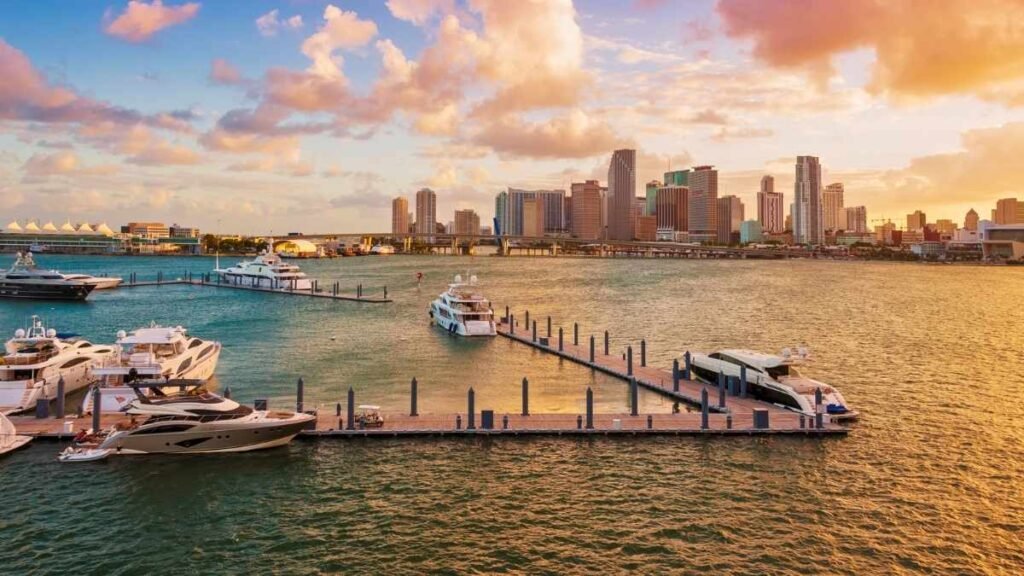
Miami stays pleasantly warm in winter with 72–78°F afternoons and swimmable water. The weather makes it easy to spend entire days outside—walking South Beach, exploring Little Havana, or wandering Wynwood’s street-art district. Miami feels like several cities in one, each with its own rhythm and flavor. Here’s what I mean: you can go from a quiet Cuban bakery to neon nightlife in the same evening.
Maybe it’s just me, but Miami’s winter energy feels addictive. The sun hits the Art Deco buildings just right, the evenings stay warm enough for outdoor dining, and the whole city feels awake while everyone else is shivering somewhere else. If you want warmth + culture + energy, Miami is a no-brainer.
Key Practical Information
- Peak/Off-Peak: December–March is peak; prices jump around Christmas and New Year.
- Getting Around: Metrorail + rideshare work well; no car needed unless leaving the city.
- Ideal Duration: 3–5 days.
- Must-Try Experiences: Wynwood Walls, Little Havana food stops, South Beach sunrise.
- Budget Notes: Hotels and dining are pricier in peak months.
- Etiquette: Be mindful in cultural neighborhoods (ask before photographing people).
- Photography: Pastel Art Deco streets, murals, sunsets over Biscayne Bay.
3. Key West & The Florida Keys
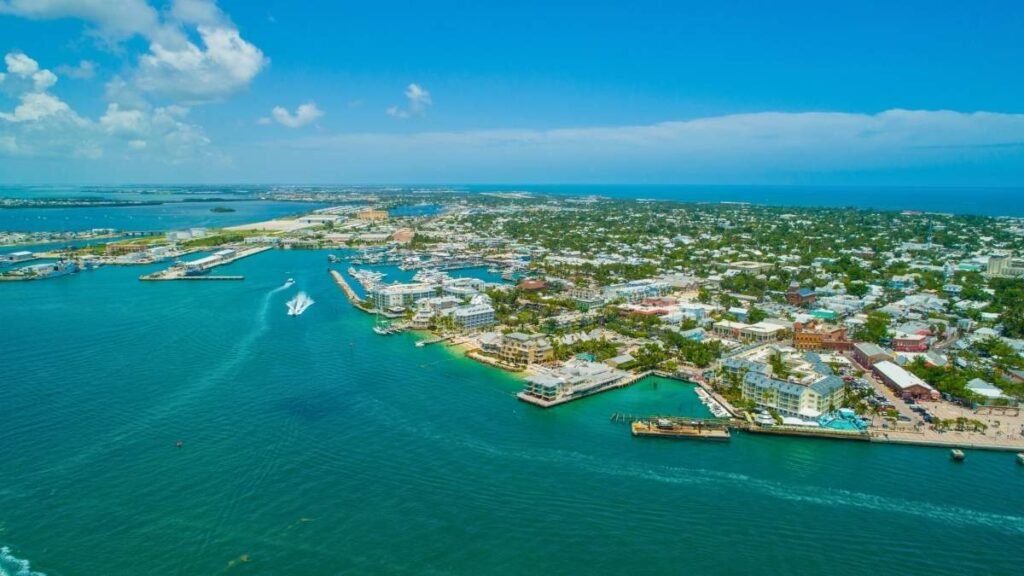
Winter in the Keys sits around 75–80°F, with a tropical breeze that instantly makes you forget the rest of the country is freezing. The water stays warm enough for snorkeling reefs, kayaking mangroves, and boating between islands. Here’s what I mean: the Keys invite you to slow down — the kind of slow that feels natural, not forced.
Key West adds quirky charm, history, and a nightly sunset festival that feels contagious. Maybe it’s just me, but winter brings out the best version of the Keys: fewer storms, calmer seas, and that relaxed “island-town” rhythm people fall in love with. It’s one of the easiest warm-winter escapes in the entire U.S.
Key Practical Information
- Peak/Off-Peak: Dry season (Nov–Apr) is peak.
- Getting Around: Car recommended for exploring multiple keys; bikes ideal within Key West.
- Ideal Duration: 4–6 days.
- Must-Try Experiences: Mallory Square sunset, John Pennekamp Reef, Duval Street cafés.
- Budget Notes: High seasonal pricing; book early.
- Etiquette: Island culture values patience + friendliness.
- Photography: Sunsets, pastel cottages, boats, tropical water.
4. San Diego, California
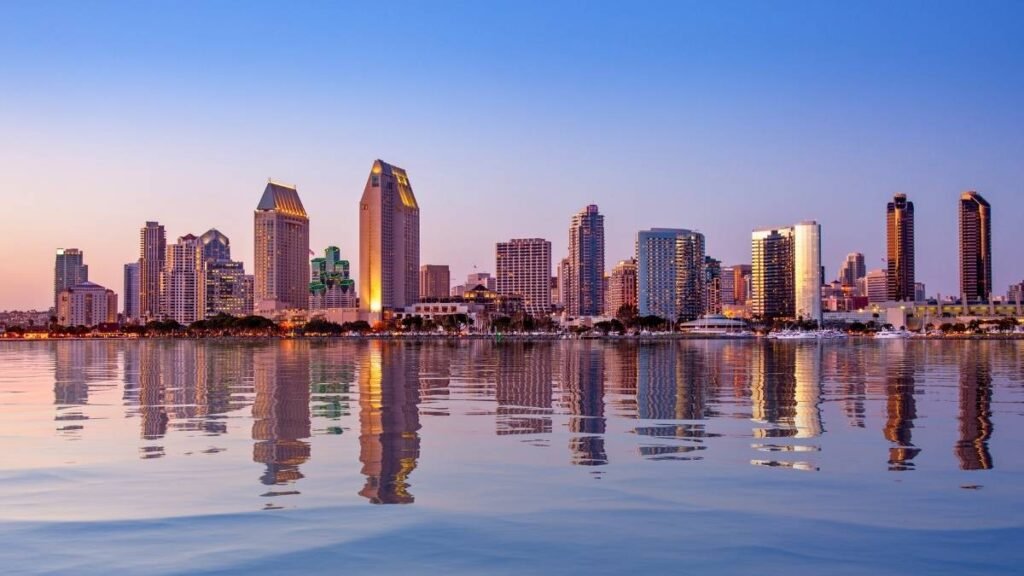
San Diego’s winter stays around 65–70°F, offering that mild West-Coast comfort that feels warm without ever being sticky. You can explore cliffs, eat tacos by the ocean, wander Balboa Park, or watch sea lions at La Jolla Cove without crowds. Here’s what I mean: winter here feels like summer in slow motion.
Maybe it’s just me, but San Diego in January feels like cheating winter entirely. You get coastal sunsets, clean ocean air, and a relaxed pace that’s perfect for people who want warmth but not the chaos of big beach cities. It’s one of the U.S.’s most easygoing warm-winter cities.
Key Practical Information
- Peak/Off-Peak: Winter is quieter except for Christmas week.
- Getting Around: Rental car helpful for beaches; public transit best downtown.
- Ideal Duration: 3–5 days.
- Must-Try Experiences: La Jolla Cove, Balboa Park, Pacific Beach boardwalk.
- Budget Notes: Moderate; slightly cheaper than peak summer.
- Etiquette: Keep a relaxed, friendly vibe—locals appreciate it.
- Photography: Sunset cliffs, sea lions, harbor views.
5. Naples, Florida

Naples stays between 74–80°F in winter, with clear skies and calm Gulf water. It’s warmer than most of the East Coast but quieter than Miami or Tampa. Here’s what I mean: Naples gives you the warmth without the noise — perfect for travelers who want beach weather and peaceful days.
Maybe it’s just me, but the combination of white-sand beaches, gentle waves, and colorful sunsets makes Naples feel like Florida’s “quiet-luxury” winter escape. You can stroll the pier, visit nature preserves, or spend hours in outdoor cafés without a jacket or a schedule.
Key Practical Information
- Peak/Off-Peak: January–March is peak.
- Getting Around: Car highly recommended.
- Ideal Duration: 4–6 days.
- Must-Try Experiences: Naples Pier, Delnor-Wiggins State Park, historic downtown.
- Budget Notes: Higher-end pricing in winter.
- Etiquette: Keep noise low in residential beachfront areas.
- Photography: Gulf sunsets, pastel water, early-morning beaches.
6. Sedona, Arizona
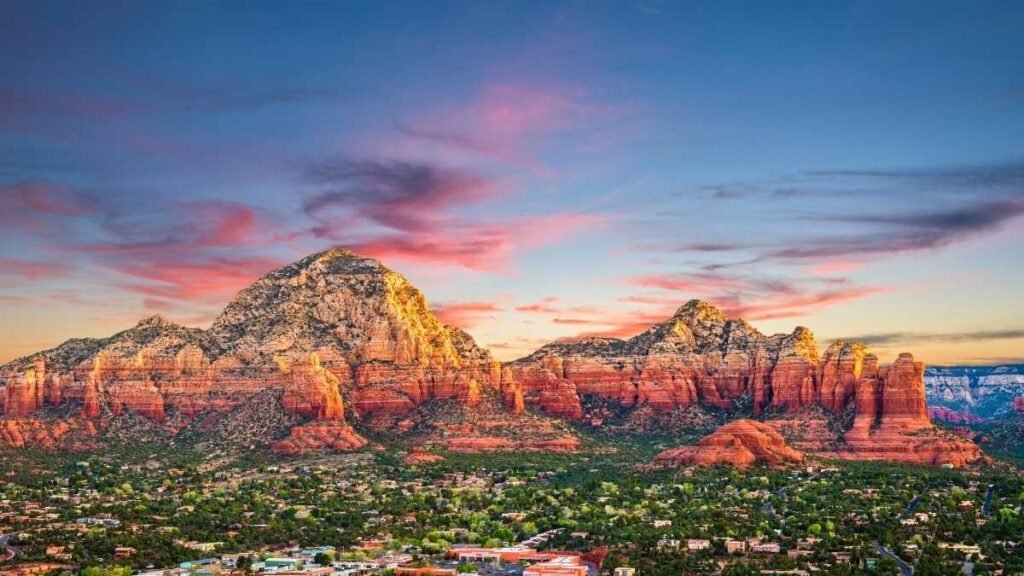
Sedona doesn’t offer tropical heat, but compared to snow states, 55–65°F winter days feel incredibly comfortable. The red rocks glow under crisp winter light, and the cooler air makes long hikes feel rewarding instead of exhausting. Here’s what I mean: Sedona in winter gives you warm sun without desert scorch.
Maybe it’s just me, but Sedona’s winter quiet makes the whole place feel almost spiritual. The trails are calmer, the views stay clear all day, and the combination of sun + scenery makes it a great warm-winter escape for people who prefer landscapes over beaches.
Key Practical Information
- Peak/Off-Peak: Winter is off-peak; March–May is peak.
- Getting Around: Car essential.
- Ideal Duration: 3–4 days.
- Must-Try Experiences: Cathedral Rock, Bell Rock, Airport Mesa.
- Budget Notes: Moderate; winter is more affordable.
- Etiquette: Stay on trails; desert ecosystems are fragile.
- Photography: Sunrise/sunset on red rocks, canyon shadows.
7. Yuma, Arizona
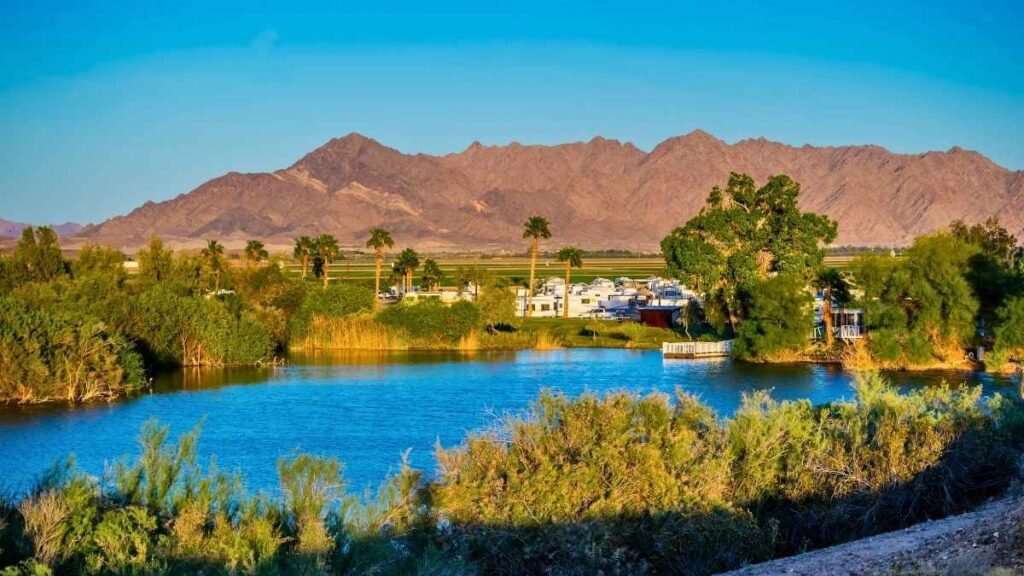
Yuma is one of the warmest winter spots in the U.S., often staying between 70–75°F even in January. It also ranks among the sunniest cities in America, making it a reliable warm-weather destination. Here’s what I mean: if you want guaranteed sun with no frills, Yuma checks every box.
Maybe it’s just me, but the wide-open desert skies make winter feel big and bright. The nearby dunes are massive, the sunsets stretch forever, and the crowds are fewer than almost anywhere else on this list. It’s warm, peaceful, and great for travelers seeking space and sunlight.
Key Practical Information
- Peak/Off-Peak: Winter attracts RV travelers, but still quiet overall.
- Getting Around: Car required.
- Ideal Duration: 3–5 days.
- Must-Try Experiences: Imperial Sand Dunes, Colorado River wetlands, historic downtown.
- Budget Notes: Very budget-friendly.
- Etiquette: Hydration and sun protection are key.
- Photography: Dunes, starry nights, desert sunsets.
8. Phoenix / Scottsdale, Arizona

Phoenix stays reliably warm in winter, often hitting 70–75°F with bright sun and low humidity. It’s the kind of winter warmth that invites hiking, patio dining, and slow mornings in resort pools. Here’s what I mean: Phoenix feels like the warmest “big city” escape in the continental U.S., without ocean crowds.
Scottsdale adds its own layer of personality with spas, art districts, and stylish neighborhoods. Maybe it’s just me, but winter here feels like a reset button — warm days, cool nights, and desert colors that look unreal at sunset.
Key Practical Information
- Peak/Off-Peak: Winter–early spring is peak.
- Getting Around: Car recommended.
- Ideal Duration: 4–6 days.
- Must-Try Experiences: Camelback Mountain, Old Town Scottsdale, Desert Botanical Garden.
- Budget Notes: Higher prices during peak winter.
- Etiquette: Prepare for desert hikes even in mild weather.
- Photography: Cacti silhouettes, mountain trails, golden-hour desert views.
9. Florida Gulf Coast (Less-Crowded Beaches)
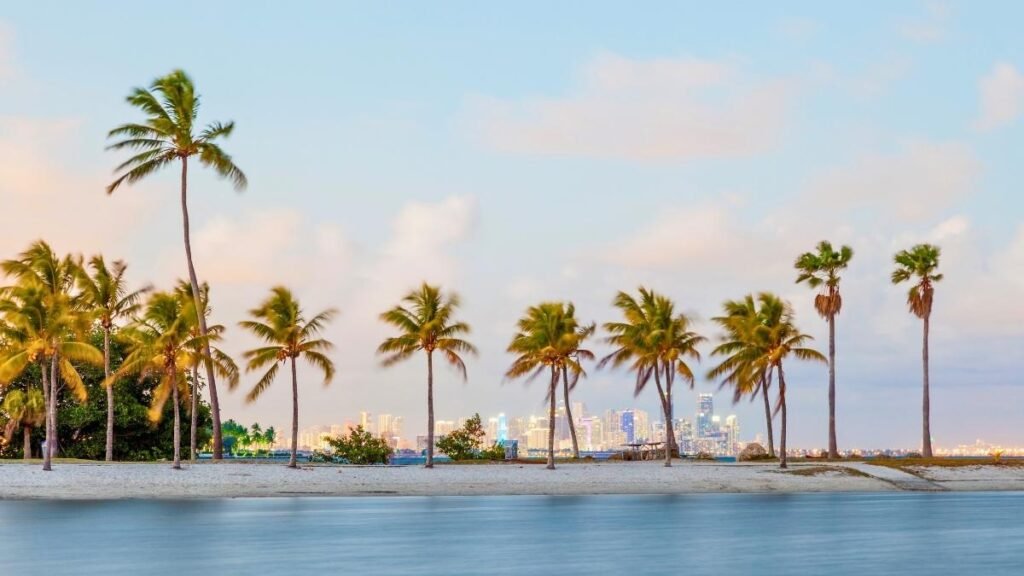
Smaller Gulf Coast towns typically stay between 68–75°F in winter, creating warm-enough days for beach walks, kayaking, and coastal drives. The calm Gulf water and gentle breezes make these towns feel peaceful compared to Florida’s busy hotspots. Here’s what I mean: these are the places you go when you want warmth and stillness.
Maybe it’s just me, but these towns capture that soft, nostalgic coastal magic — pastel cottages, empty beaches, seafood shacks, and sunsets that blend into soft peach and gold. Warm, quiet, and easy.
Key Practical Information
- Peak/Off-Peak: Winter is peak for retirees, yet still much calmer than major cities.
- Getting Around: Car recommended.
- Ideal Duration: 4–6 days.
- Must-Try Experiences: Kayaking calm bays, waterfront seafood spots, sunrise walks.
- Budget Notes: Affordable compared to Key West or Miami.
- Etiquette: Respect wildlife zones and nesting areas.
- Photography: Soft pastel sunsets, quiet beaches, gentle waves.