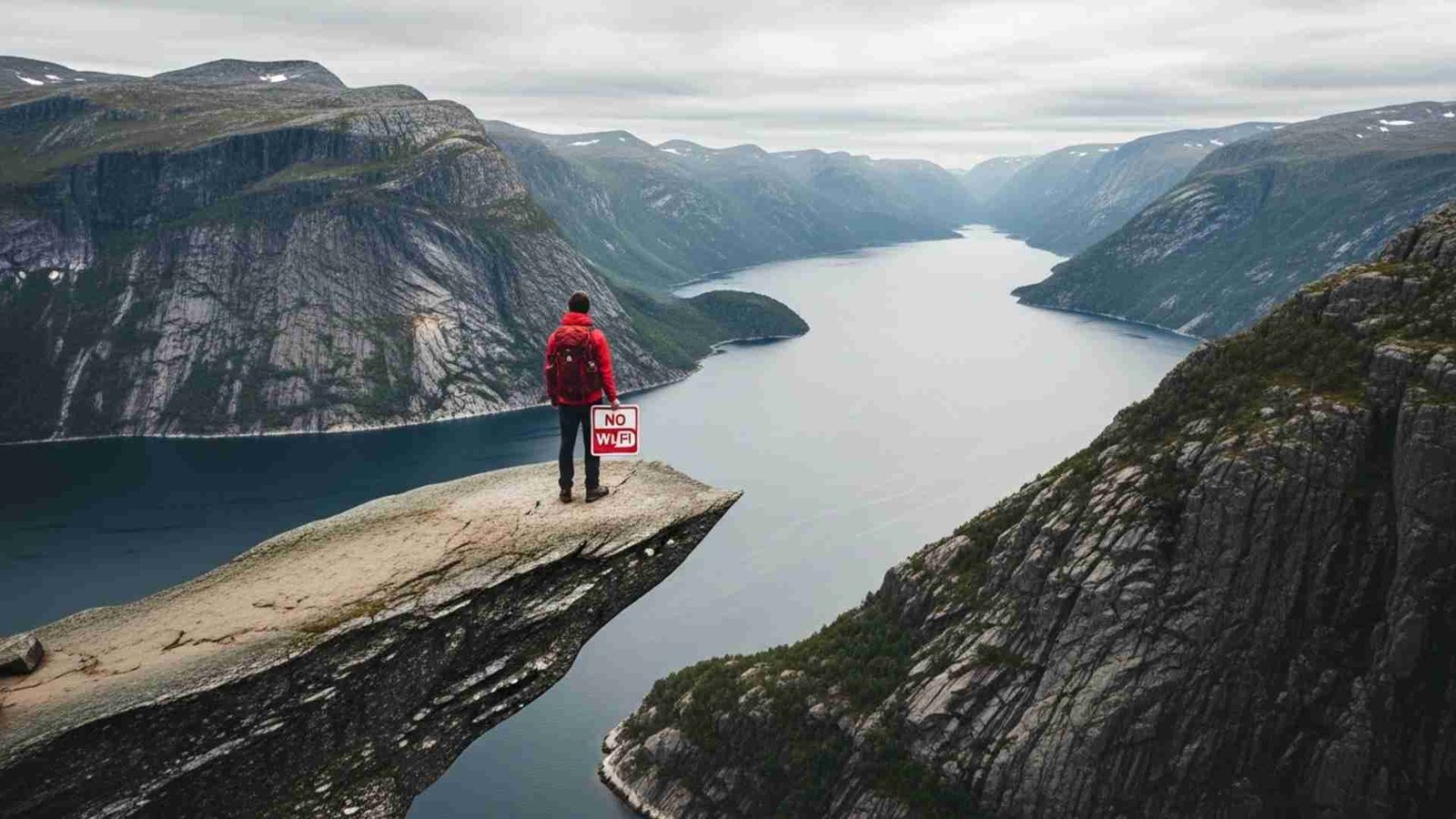
Picture standing on the edge of a cliff, the wind whipping through your hair, as the vast expanse of nature stretches endlessly before you—no buzzing phones, no endless notifications, just the raw, unfiltered beauty of the world.
In today’s always-connected world, the need to unplug has never been more urgent. These 18 destinations offer a rare escape, where Wi-Fi doesn’t exist, and nature takes center stage. Each place promises not just a break from technology, but a chance to reconnect with yourself, discover new horizons, and experience the kind of adventure that leaves a lasting mark. Prepare for transformative journeys.
1. Faroe Islands, Denmark
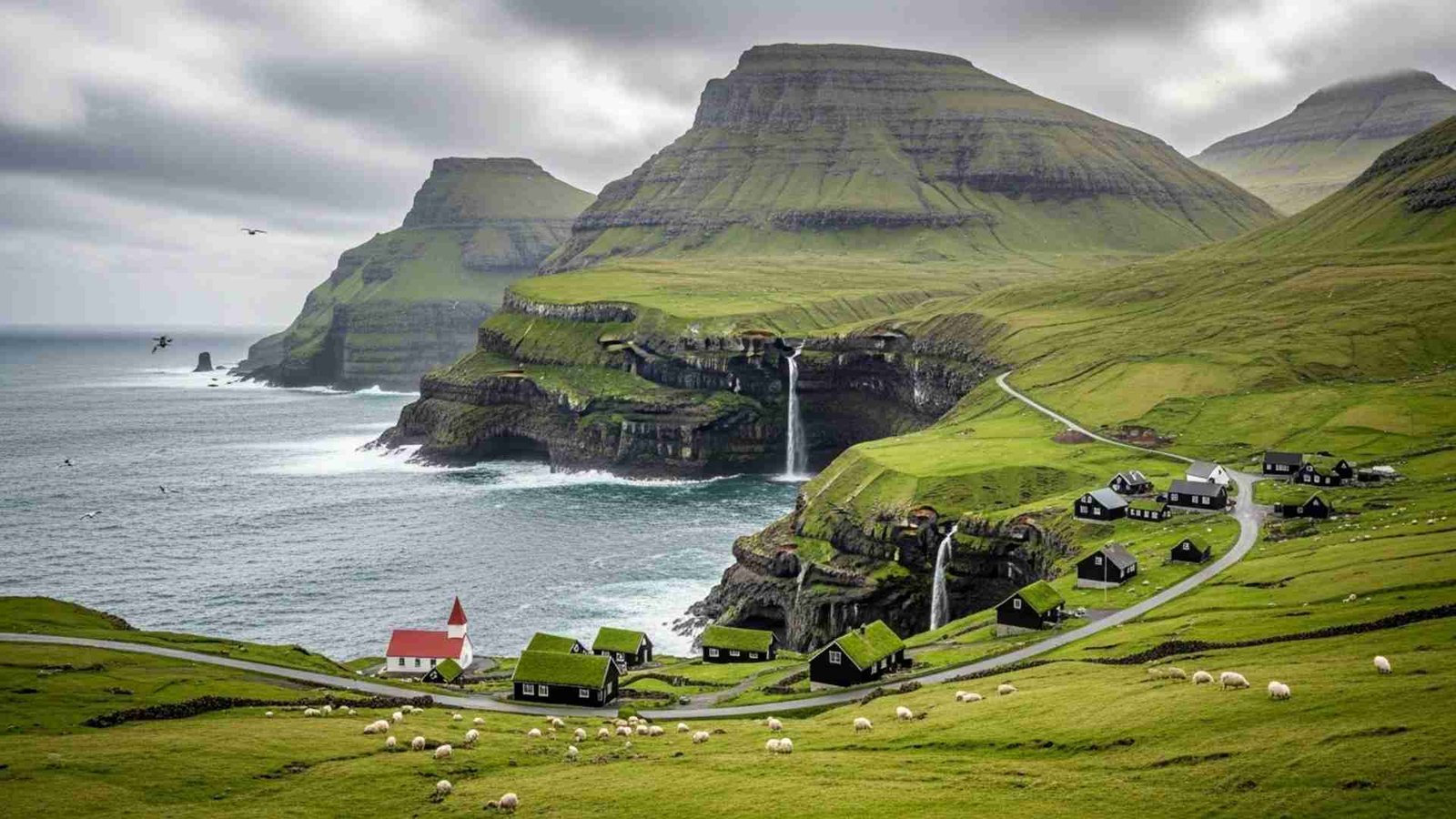
Nestled between Iceland and Norway, the Faroe Islands feel like a hidden gem lost in time. These rugged islands boast dramatic cliffs, cascading waterfalls, and a tapestry of deep fjords, all surrounded by the North Atlantic’s cool embrace. The landscape’s beauty is arresting, with its shifting mists and the ever-present hum of the sea. The islands seem untouched by modern life, where each day begins with the sound of seabirds and ends with the glow of a pristine sunset. The atmosphere is uniquely peaceful, far removed from the bustling digital world that often dominates our daily lives.
During my visit, I found the experience of being utterly disconnected to be profoundly freeing. Hiking up the hills above Tórshavn, the islands’ capital, I was struck by the simplicity of life here. The lack of Wi-Fi made everything feel more present, as I could focus entirely on the waves crashing against the cliffs and the grazing sheep in the meadow. It was as if the land itself was urging me to slow down and truly take in every moment.
Practical Information:
- Peak/Off-peak seasons: The best time to visit is during summer (June to August) when the weather is milder, with average temperatures of 50-60°F. Off-peak (winter months) brings fewer tourists and magical snow-capped landscapes, but the weather can be harsh, with winds and rain.
- Best ways to reach and explore: Flights to Vágar Airport are available from Copenhagen, Iceland, and Norway. Once there, renting a car or using public transport to get around is essential.
- Ideal duration of visit: 4-5 days is ideal to explore the main islands and soak in the serenity.
- Must-try local experiences: Visit the village of Gásadalur for panoramic views of the iconic Múlafossur waterfall, and try fermented lamb, a traditional dish.
- Budget considerations: It’s an expensive destination. Average daily expenses can range from $150-$200, so budgeting for accommodation and dining is essential.
- Cultural etiquette tips: The Faroese are friendly and proud of their heritage, so showing respect for their traditions, such as local festivals and the islands’ environmental sustainability practices, is appreciated.
- Photography opportunities: The Faroe Islands offer extraordinary landscapes, including jagged coastlines, cliffside villages, and wildlife, making it a photographer’s paradise. Don’t miss shooting the dramatic weather shifts!
2. Isle of Eigg, Scotland
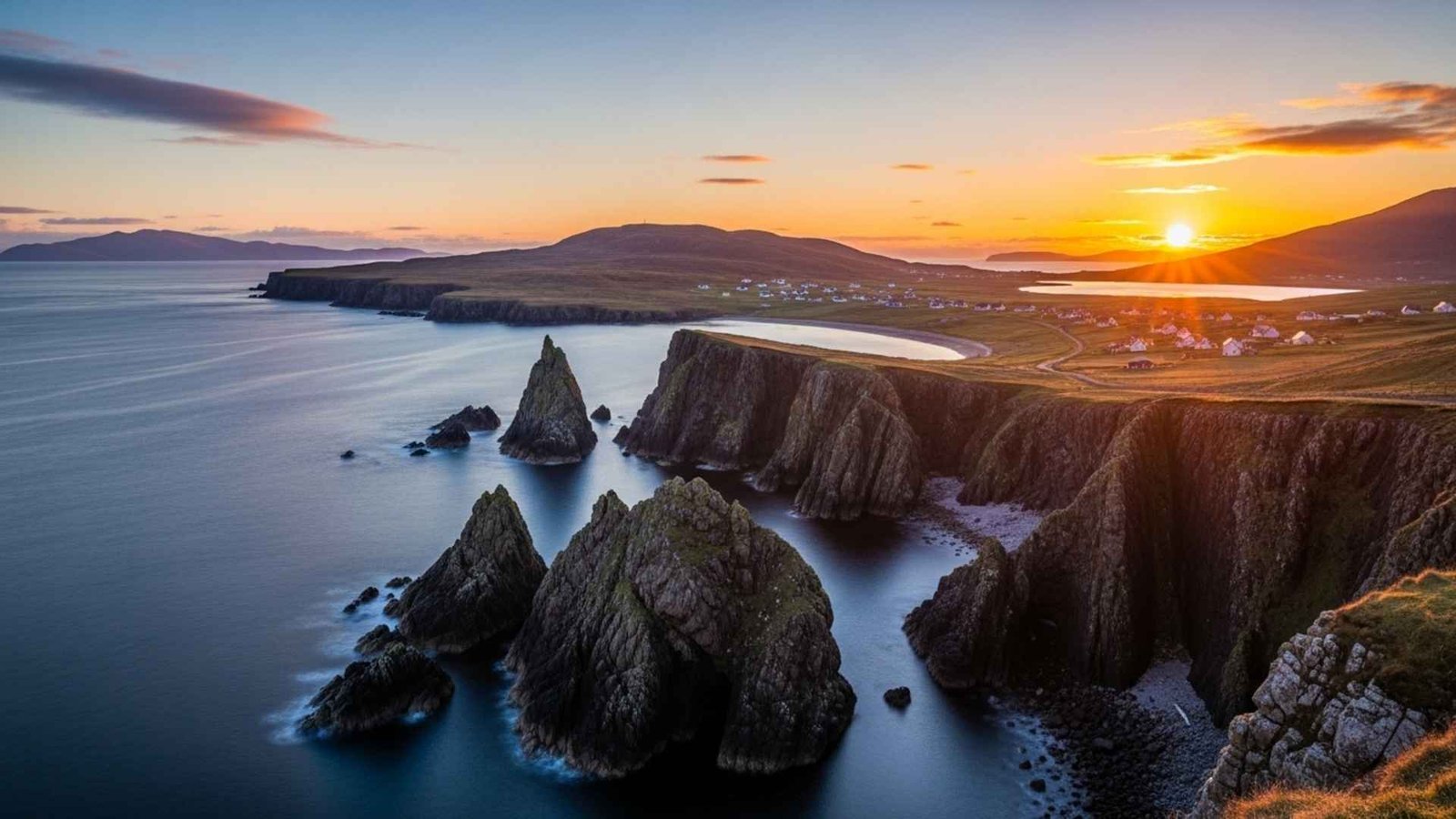
The Isle of Eigg, part of the Inner Hebrides, is a captivating destination where nature reigns supreme. Accessible only by ferry, this island offers visitors a rare chance to reconnect with nature, its wild, untamed beauty undisturbed by modern life. Eigg’s landscape is defined by lush greenery, rocky cliffs, and the striking An Sgùrr mountain peak, which towers over the island like a sentinel. The air is fresh and bracing, the kind that clears your mind and opens your senses. There is no Wi-Fi, no phone signal for miles—just the sound of the wind, the waves, and the distant bleating of the island’s sheep.
I spent my days walking the rugged shores of the island, the silence only broken by the waves crashing against the rocks below. My evenings were spent watching the sunset paint the sky in oranges and purples, all while wrapped in the stillness that only places like this can provide. The experience of disconnecting entirely from the digital world was a profound one—without the pull of constant notifications, I felt more in tune with the natural rhythms of life.
Practical Information:
- Peak/Off-peak seasons: Summer (May to September) is the best time to visit for pleasant weather and the island’s full range of activities. In the off-peak season (winter), the island is much quieter, and the weather can be unpredictable, so pack accordingly.
- Best ways to reach and explore: The ferry from Mallaig to Eigg takes around 30 minutes, and from there, the best way to explore is on foot or by bike, as the island’s roads are minimal.
- Ideal duration of visit: 2-3 days is sufficient to explore the island’s main attractions, hike up An Sgùrr, and relax by the beaches.
- Must-try local experiences: Don’t miss a visit to the Eigg Heritage Centre for a taste of the island’s history and a walk along the sandy beaches of Laig Bay.
- Budget considerations: Accommodation ranges from budget-friendly campsites to cozy guesthouses. Expect to spend around $100-$150 per day.
- Cultural etiquette tips: The islanders are very environmentally conscious and practice sustainability. Respect for nature and minimal impact is key.
- Photography opportunities: Capture the stunning panoramic views from An Sgùrr or the lush, green hills leading down to pristine beaches. The sunsets here are also breathtaking.
3. Big Bend National Park, Texas, USA
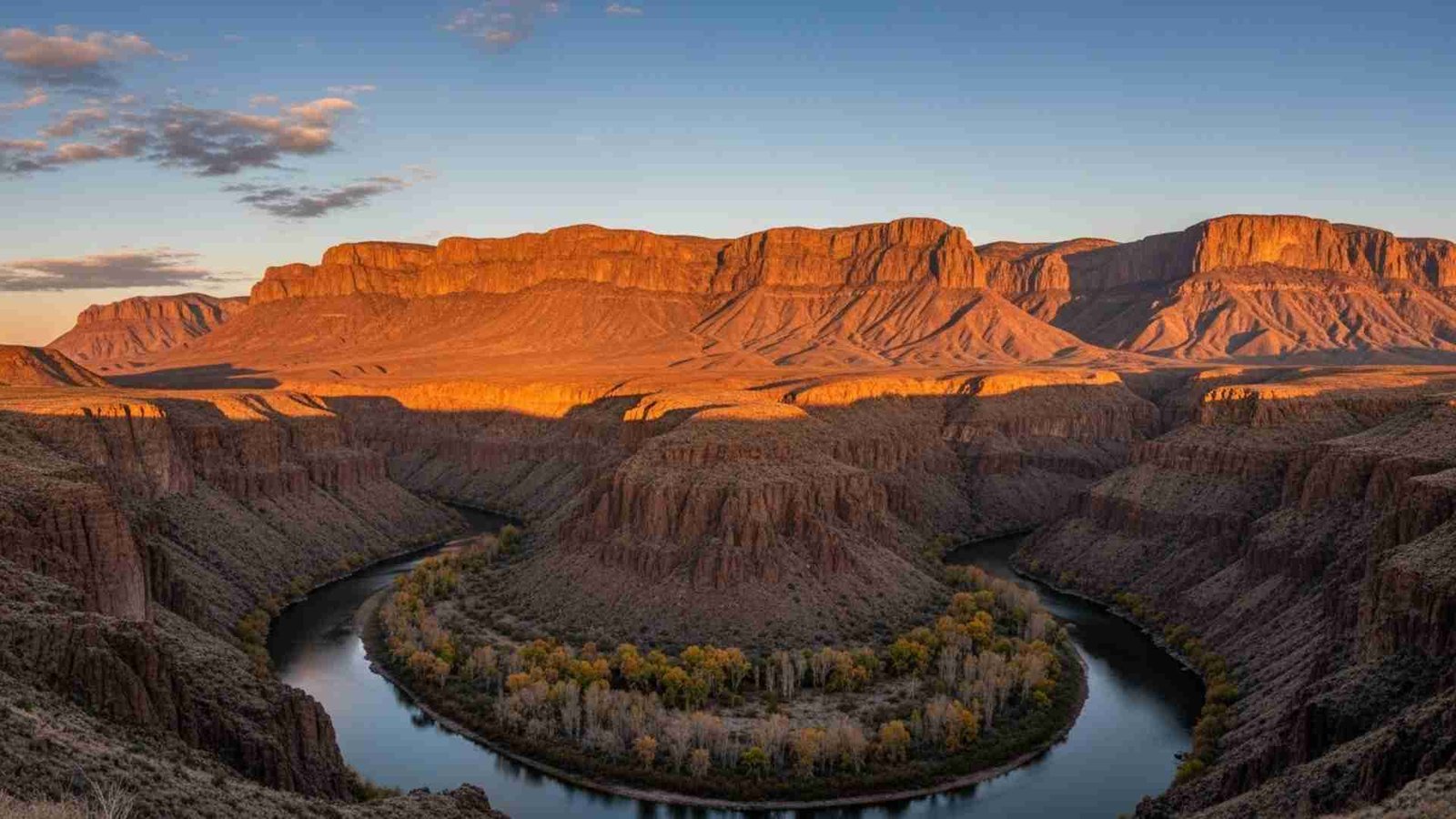
Big Bend National Park, located on the Texas-Mexico border, is a vast wilderness of desert landscapes, rugged mountains, and the meandering Rio Grande River. The park’s immense size makes it feel like an undiscovered world, where visitors can wander for miles without encountering anyone. The isolation adds to the charm; the stark beauty of the desert at dusk, when the colors shift from burnt orange to deep violet, is nothing short of mesmerizing. It’s an immersive retreat, where you can experience the silence of nature, free from the hum of modern distractions.
One evening, I sat by the Rio Grande, watching the sun dip below the mountains. Without Wi-Fi, there was nothing to do but focus on the sounds of the river and the distant calls of wildlife. The stars began to twinkle in a night sky so clear it felt like the universe had opened up. Being disconnected from everything felt liberating, almost meditative.
Practical Information:
- Peak/Off-peak seasons: The best months to visit are in spring (March to May) and fall (September to November) when temperatures are more manageable. Summer can be unbearably hot, often exceeding 100°F.
- Best ways to reach and explore: Big Bend is accessible by car, with the nearest town being Alpine, TX. Once inside, hiking is the best way to explore.
- Ideal duration of visit: 3-4 days is perfect for a thorough exploration of the park’s trails and landmarks.
- Must-try local experiences: Visit the Rio Grande Village and take a float trip down the river, or hike to the Lost Mine Trail for some of the park’s best views.
- Budget considerations: Entry fees are low ($30 for a 7-day pass), but accommodations inside the park can be expensive. Expect to spend around $120-$150 per day for lodging and food.
- Cultural etiquette tips: The park is a natural reserve, so leave no trace. Respect wildlife and keep your distance from animals.
- Photography opportunities: Big Bend offers some of the best night skies for stargazing and astrophotography. Sunrise over the Chisos Mountains is also a must-capture moment.
4. Dolomites, Italy

The Dolomites, a mountain range in northern Italy, are nothing short of spectacular. Recognized as a UNESCO World Heritage site, the Dolomites are known for their unique, jagged peaks that rise dramatically against the backdrop of lush valleys and alpine meadows. In the morning, the mountains glow pink as the sun rises, while the nights are quiet, the only sound being the distant toll of church bells. The entire region feels like a natural cathedral, where the landscape itself evokes awe and reverence. With no Wi-Fi to distract you, it’s easy to get lost in the immense beauty of the surroundings.
I recall hiking along the Alta Via 1 trail, where the only distractions were the sound of my boots crunching on the gravel and the occasional call of a bird. At the summit, I sat in silence, surrounded by towering peaks, and the realization hit me—I was truly present, unburdened by the digital world. It was a rare and precious feeling.
Practical Information:
- Peak/Off-peak seasons: Summer (June to September) offers the best weather for hiking, while winter (December to March) is perfect for skiing. Avoid the crowds by visiting in the shoulder months of spring or fall.
- Best ways to reach and explore: You can fly into Venice or Milan and take a train or bus to reach the Dolomites. Once there, a car or public transport is necessary for getting around.
- Ideal duration of visit: 4-5 days is ideal for exploring the hiking trails and quaint mountain villages.
- Must-try local experiences: Don’t miss the chance to enjoy local speck (cured ham) and strudel, or to explore the charming villages like Cortina d’Ampezzo.
- Budget considerations: The Dolomites can be pricey, especially during peak season, with daily costs ranging from $100-$200, depending on accommodation and meals.
- Cultural etiquette tips: Italians are proud of their food, so make sure to savor every bite of local cuisine. Be respectful of the alpine lifestyle and take care not to disturb wildlife.
- Photography opportunities: The iconic Tre Cime di Lavaredo peaks are a photographer’s dream, especially at sunrise. The contrasts between the lush valleys and rocky peaks offer endless photo ops.
5. Lofoten Islands, Norway
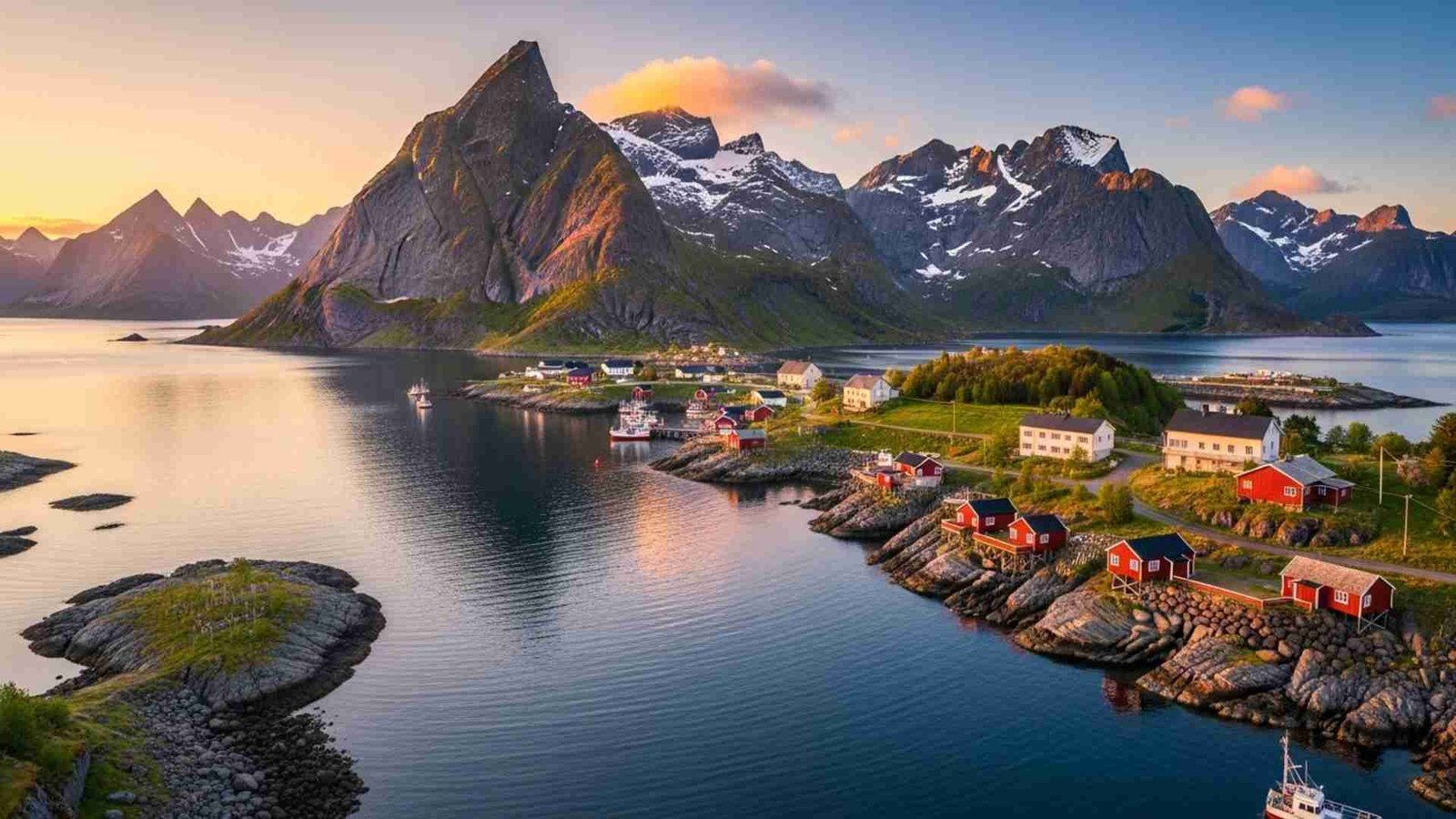
The Lofoten Islands are an ethereal place where towering mountains meet the Arctic Ocean, creating an otherworldly landscape that feels like something from a dream. The islands are known for their picturesque fishing villages, colorful rorbuer (traditional fishermen’s cabins), and the Northern Lights in winter. The midnight sun in summer casts long, golden hours, where time seems to slow down, offering an uninterrupted connection with the land. The absence of Wi-Fi heightens the sense of isolation, making every moment feel more intimate and profound.
One evening, as I walked along a secluded beach, the waves lapping gently at my feet, I felt as though the world had paused. No distractions, no devices—just the rhythm of nature. It was a moment of clarity, where everything that truly mattered was right in front of me. Without the constant buzz of technology, I could focus solely on the beauty of the landscape.
Practical Information:
- Peak/Off-peak seasons: Visit in the summer (June to August) for the best weather and the midnight sun. Winter (October to March) is prime for Northern Lights, but it’s cold and dark, with less daylight.
- Best ways to reach and explore: Fly into Tromsø or Bodø and take a ferry to the islands. Renting a car is the best way to explore the islands at your own pace.
- Ideal duration of visit: 4-5 days is perfect for exploring the fjords, beaches, and fishing villages.
- Must-try local experiences: Explore the Viking Museum at Borg, hike up Reinebringen for breathtaking views, and try fresh cod, a local delicacy.
- Budget considerations: Norway is expensive, with daily expenses ranging from $150-$200, but the unique experience justifies the cost.
- Cultural etiquette tips: Norwegians value quiet, respectful interaction with nature. Stick to marked trails and be mindful of local customs, especially when interacting with the indigenous Sámi people.
- Photography opportunities: Capture the Northern Lights in winter or the midnight sun in summer. The rugged landscapes and dramatic skies offer unparalleled photo opportunities.
6. Black Valley, County Kerry, Ireland
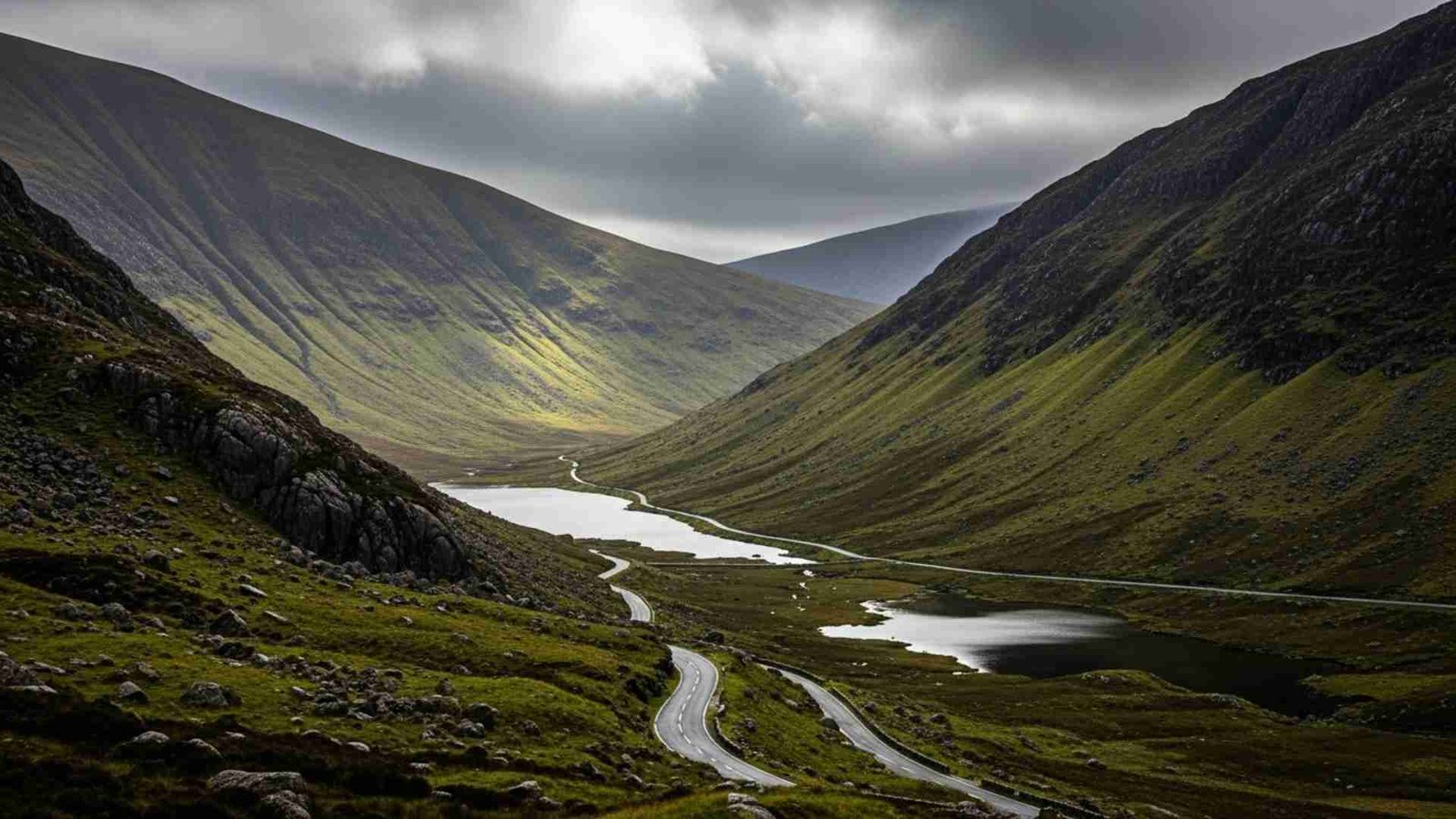
Black Valley, one of the most secluded and untouched corners of County Kerry, is a world far removed from the bustling tourist destinations of Ireland. Tucked between the Macgillycuddy Reeks and Killarney National Park, this enchanting valley is defined by its isolation—there are no modern distractions, no internet signal, just rolling hills and pristine, untouched nature. Here, the pace of life is slower, where time feels like it stands still. The valley is a peaceful haven for hikers, offering trails that wind through mossy forests, past serene lakes, and up to panoramic vistas, all without the interference of modern tech.
On my visit, I spent an entire afternoon wandering the valley’s quiet paths, listening to the whispers of the wind through the trees. The air was thick with the scent of damp earth and pine, and the only sound was the occasional call of a bird. I stumbled upon a tranquil lake, its surface like a mirror, reflecting the hills around it. It felt like I was the only person alive in this secret place.
Practical Details:
- Best time to visit: Spring and early autumn are ideal, with milder temperatures and fewer tourists. Expect occasional rainfall, so bring waterproof gear.
- Getting there: The closest town is Killarney. From there, it’s a short drive and a gentle walk to the heart of the valley. If you’re staying overnight, there are cozy B&Bs in the area that embrace the local culture.
- How to explore: Hiking is the best way to take in the beauty of the valley. For more remote areas, a guided walk can help you uncover the hidden gems.
- Duration of stay: 2-3 days will allow you to fully embrace the tranquility and explore the area’s natural wonders.
- Local tip: Pack a picnic and spend a few hours beside one of the serene lakes—it’s a perfect way to connect with the land and feel truly unplugged.
- Budget info: The area is quite affordable, with most accommodation ranging from $80-$120 a night, depending on your preferences.
7. Lake Plitvice, Croatia
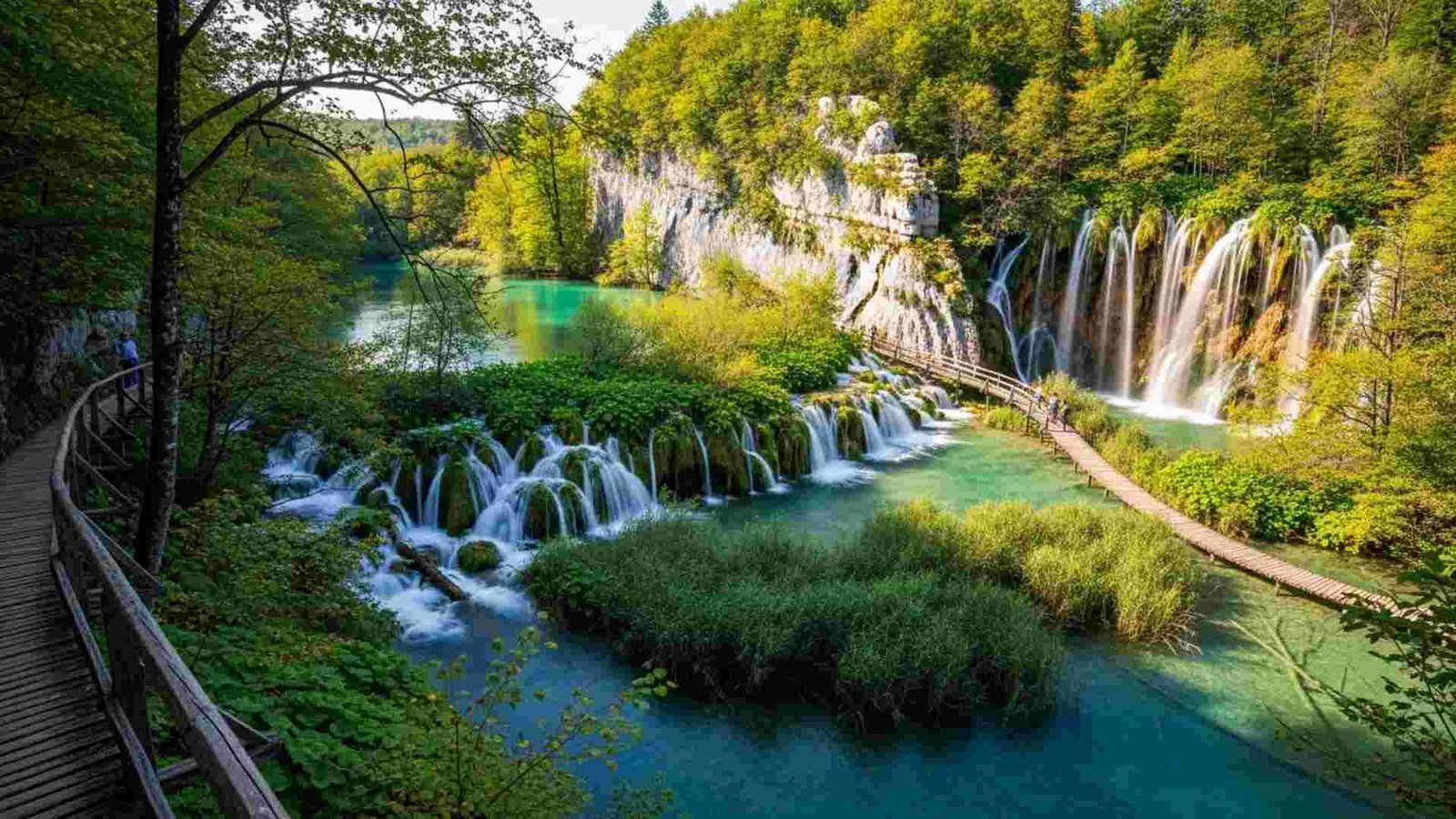
Plitvice Lakes National Park is widely recognized for its stunning blue-green lakes and cascading waterfalls, but what many don’t realize is the park’s ability to offer complete tranquility despite its fame. The secret lies in the many hidden paths and lesser-known corners of the park, where you can step off the main tourist trails and experience an atmosphere of solitude. As the sound of waterfalls fills the air, it’s easy to lose track of time and become immersed in the natural world around you, offering a true digital detox experience far beyond the crowds.
I walked along a quieter, shaded trail one morning, with the only sound being the gentle rustling of leaves in the breeze. The water here was an unreal shade of turquoise, and the sunlight filtered through the trees, creating a kaleidoscope of reflections on the water’s surface. The scene was so perfect that I almost forgot I was in one of Croatia’s most popular tourist destinations—until I turned a corner and encountered just one other hiker, a welcome sight in such an otherwise tranquil location.
Practicle details:
- Peak/Off-peak seasons: Visit in the spring or fall for fewer crowds and cooler temperatures. The summer months are busy, and you’ll need to prepare for larger crowds.
- Getting there: Plitvice is about a 2-hour drive from Zagreb. Public transport options exist but are limited, so renting a car might be the most convenient option.
- Best ways to explore: There are several trails throughout the park, with paths suitable for all levels of fitness. For a true escape, head for the upper lakes, where the crowds thin out.
- Ideal duration of visit: 2-3 days gives you plenty of time to explore the park without feeling rushed.
- Must-try local experience: Try some local Croatian honey or traditional trout dishes at one of the nearby restaurants.
- Budget considerations: Park entry fees are about $30 for a day pass. Accommodations nearby range from budget hostels to mid-range hotels ($80-$150 per night).
- Photography opportunities: The waterfalls here are breathtaking, and the crystal-clear lakes offer great reflections, perfect for long-exposure shots.
8. Skomer Island, Wales
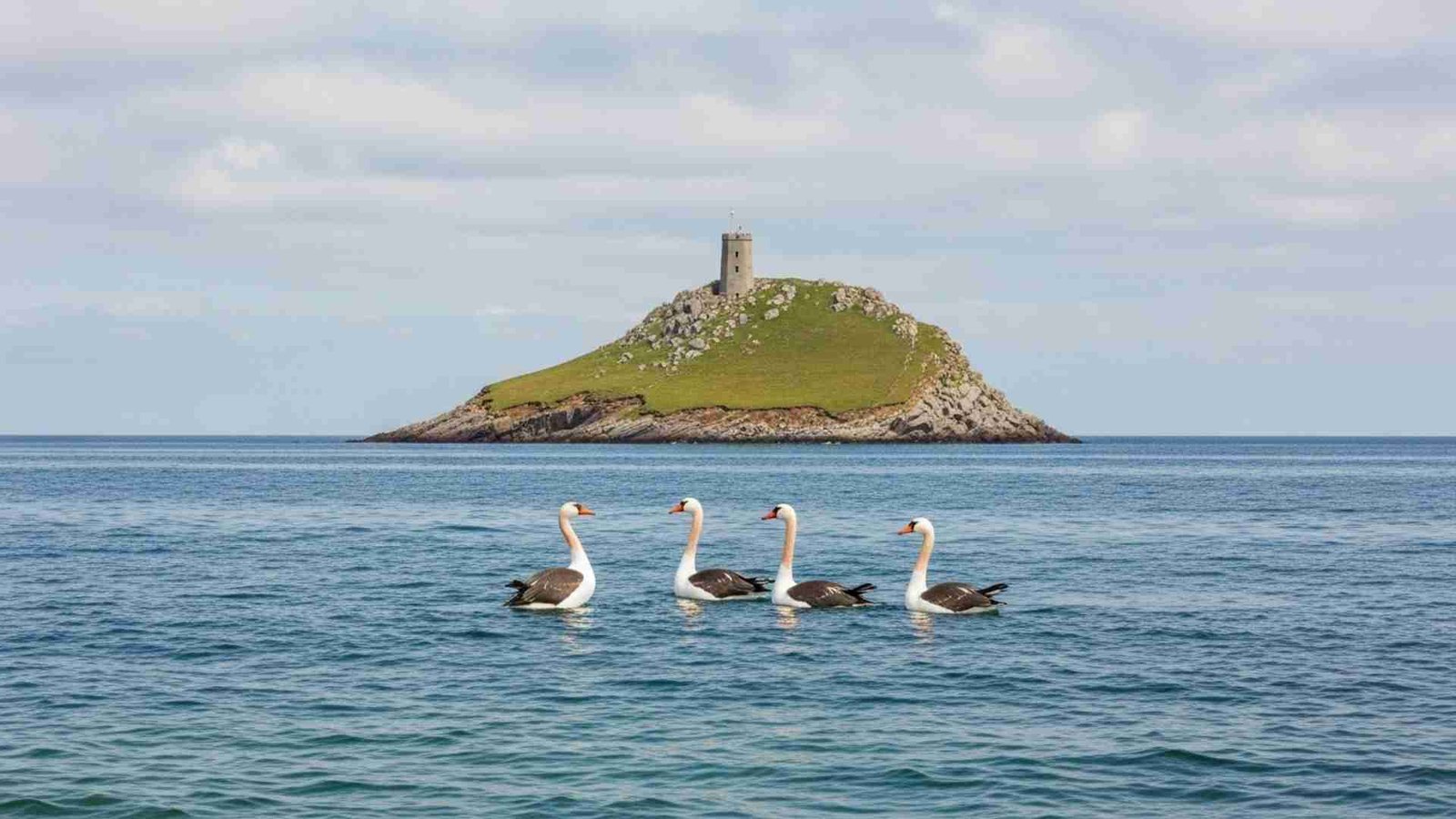
Skomer Island is a rare retreat where nature’s rhythms still rule, and digital distractions are nowhere to be found. As a bird sanctuary, the island is home to one of the world’s largest populations of puffins, along with countless seabirds that call its rocky cliffs and meadows home. The island’s isolation creates an air of mystery, where every step feels like a discovery, from its colorful wildflowers to its rugged coastlines. The absence of Wi-Fi and cell service means the island’s natural beauty truly becomes the focus.
One of the most memorable moments I had on Skomer was standing on the cliffs, with puffins nesting in the crevices around me. I was mesmerized by their clumsy, endearing flight patterns as they darted between the cliffs. The silence was broken only by the sounds of the waves crashing against the rocks below and the birds’ calls. For a few minutes, I truly felt like part of the island’s ancient, wild pulse.
Practical Details:
- Best time to visit: Visit during late spring to early summer (April to July) to witness the puffins at their most active. The island is closed in winter due to weather conditions.
- Getting there: You can reach the island by a short boat ride from the Pembrokeshire mainland. The boat ride itself offers stunning views of the coast.
- How to explore: Skomer is small, so walking is the best way to see the island. Trails lead to the cliffs and around the bird colonies.
- Duration of stay: A day trip is sufficient to explore the island and enjoy its wildlife, though some visitors opt to stay overnight in basic accommodations.
- Must-try local experience: Don’t miss the guided birdwatching tours to learn about the puffins and other wildlife on the island.
- Budget info: Boat trips cost about $30, and accommodation is available in bunkhouses for around $50 per night.
- Cultural tips: Respect the wildlife and keep your distance from nesting birds. The island is a protected nature reserve.
9. Glacier National Park, Montana, USA

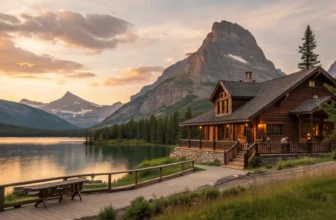
Glacier National Park is one of the last great wildernesses of the United States, offering solitude and immense natural beauty in equal measure. The park’s dramatic mountain peaks, expansive forests, and pristine lakes provide an ideal backdrop for a digital detox. It’s a place where people come to hike, bike, and camp, but equally, it’s a place to disconnect from the modern world. Whether you’re venturing along high-altitude trails or sitting by the calm shores of Lake McDonald, Glacier is an ideal place to leave your devices behind and embrace the wild.
I spent a night camping beneath the stars at one of the park’s backcountry campsites, far from any roads or crowds. As darkness fell, the sky opened up to reveal thousands of stars, far more than I’d ever seen before. With no phone signal and no digital distractions, I could only focus on the quiet rustle of the trees and the sound of the wind sweeping through the valley. It was the kind of peace I hadn’t experienced in years.
Practical Details:
- Best time to visit: Late June to September offers the best weather for hiking and exploring. The park’s famous Going-to-the-Sun Road is typically open from mid-June to mid-September.
- Getting there: The nearest airport is in Kalispell, Montana, about a 45-minute drive from the park entrance. There are also shuttle services that can take you into the park from nearby towns.
- How to explore: Glacier has hundreds of miles of hiking trails, and driving along Going-to-the-Sun Road is a must. If you’re up for it, backcountry hiking and camping offer the ultimate unplugged experience.
- Duration of stay: 4-5 days is ideal to explore both the classic sights and the hidden gems of the park.
- Must-try local experience: Take a boat tour on Lake McDonald or go for a hike up to Grinnell Glacier for jaw-dropping views.
- Budget considerations: Entrance fees are $35 for a 7-day pass. Lodging can range from $100 for basic accommodations to $300+ for premium options.
- Cultural etiquette tips: Respect the park’s wildlife—keep a safe distance from bears and other animals, and adhere to Leave No Trace principles.
- Photography opportunities: Glacier’s stunning landscapes, especially at sunrise or sunset, offer great photo opportunities, particularly at spots like Swiftcurrent Lake and Logan Pass.
10. Cinque Terre’s Corniglia, Italy
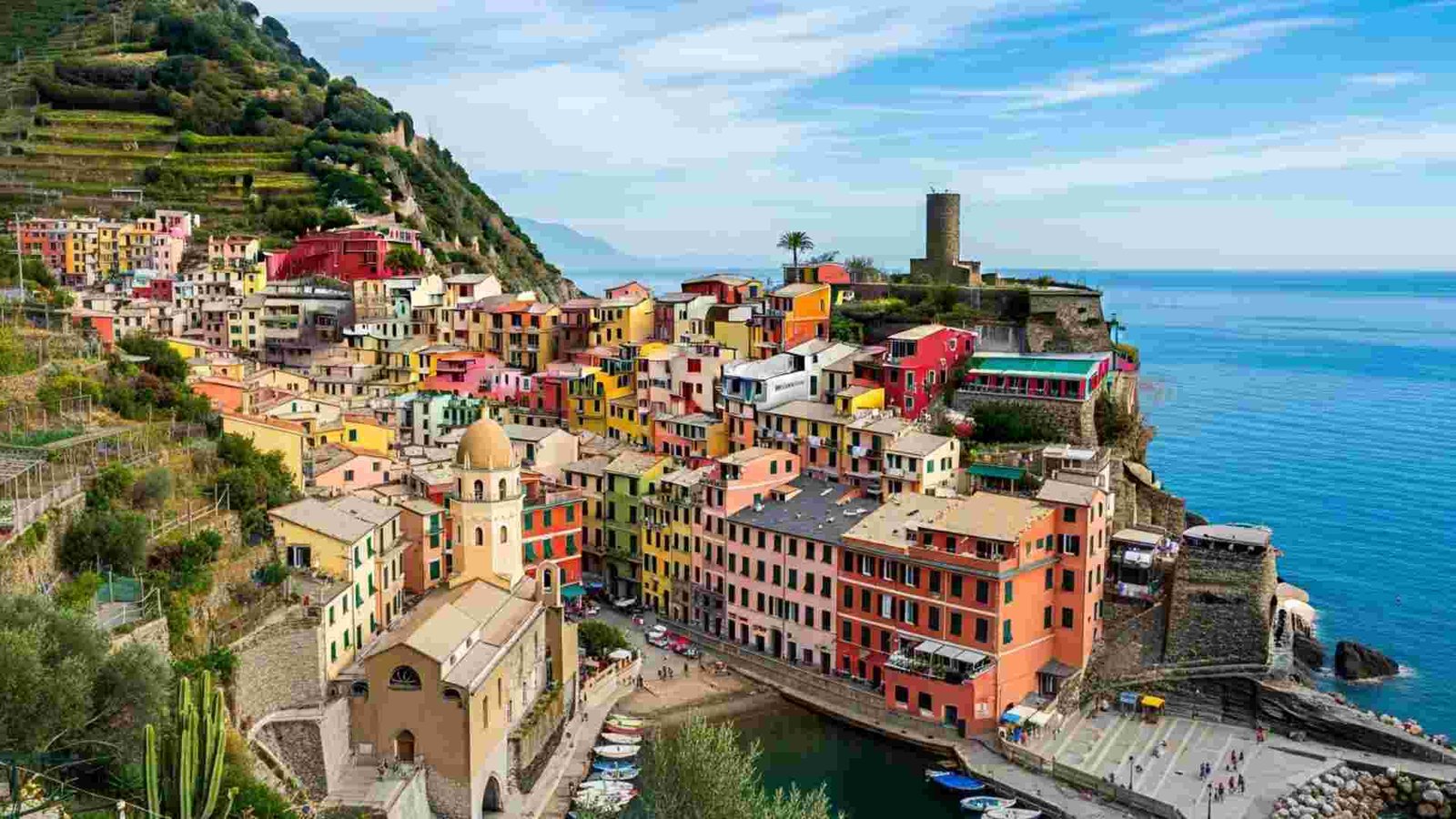
While many flock to the vibrant towns of Cinque Terre, Corniglia remains a quiet, lesser-known treasure in this UNESCO World Heritage region. Perched high above the Mediterranean, this hilltop village offers a serene, panoramic view of the coast. Unlike its more tourist-heavy neighbors, Corniglia maintains an authentic, laid-back atmosphere. It’s the perfect place to retreat from the crowds and experience the true soul of the Cinque Terre: simple, breathtaking beauty, and an overwhelming sense of peace.
After a long hike along the famous Sentiero Azzurro (Blue Trail), I reached Corniglia in the late afternoon. The sun was setting over the sea, casting a warm, golden hue over the colorful terraced vineyards. With no digital interruptions, I could fully immerse myself in the moment, savoring a plate of local pasta with pesto while watching the light change over the Ligurian Sea.
Practical Details:
- Best time to visit: Spring and early autumn are ideal, avoiding the summer rush. The weather is warm, and the crowds are fewer.
- Getting there: Corniglia is accessible by train or by hiking from other Cinque Terre villages, but the town’s location on a cliff means you’ll need to climb a steep staircase to reach it.
- How to explore: The best way to get around is on foot. There are beautiful hiking trails connecting Corniglia to other villages, as well as charming streets to explore within the town itself.
- Duration of stay: 1-2 days is enough to fully experience Corniglia and the surrounding hikes.
- Must-try local experience: Enjoy a glass of local wine while sitting in the piazza, and try the region’s famous pesto on fresh pasta.
- Budget considerations: Cinque Terre can be expensive, but Corniglia is slightly more affordable. Expect to pay $80-$120 per day.
- Photography opportunities: Corniglia’s panoramic views of the Mediterranean coastline are a photographer’s dream, especially during golden hour. The colorful houses lining the cliffs also provide a striking image.
11. Assynt, Scottish Highlands
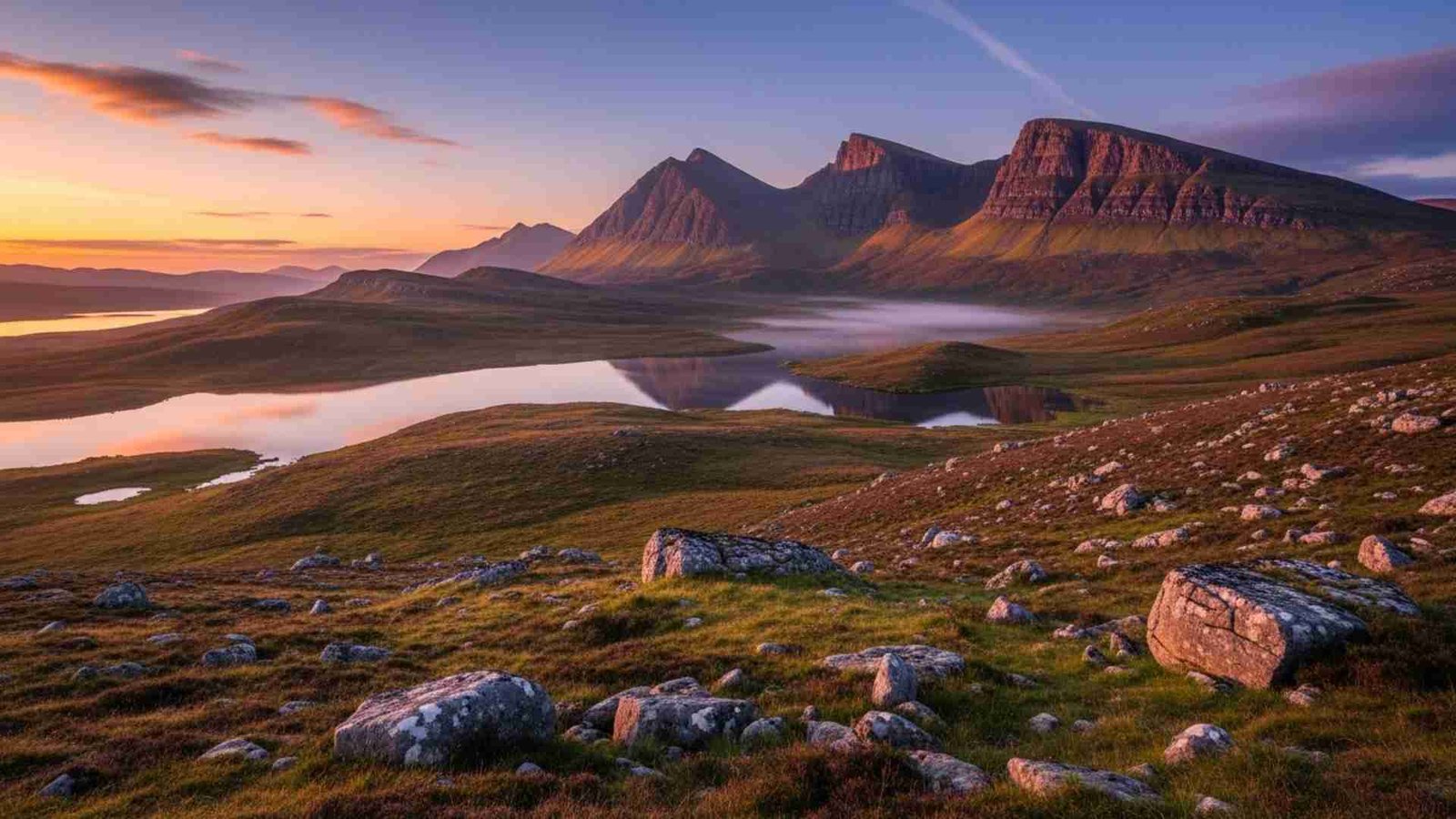
The Scottish Highlands are home to some of the most rugged and mysterious landscapes in Europe, but few places rival the dramatic allure of Assynt. Known for its strikingly jagged mountains, ancient lochs, and desolate beauty, Assynt feels like a land that time forgot. Few tourists make it to this remote region, leaving it undisturbed and pure, perfect for those seeking a true digital detox. It’s a place where the air is crisp, the landscape wild, and the history rich, from Neolithic settlements to clan battlegrounds.
One of Assynt’s best-kept secrets is Lochinver, a small fishing village nestled between towering mountains and tranquil waters. Here, visitors can sample some of the best seafood in Scotland, with fresh langoustines and crab caught daily. For a less crowded adventure, hike up to the iconic Suilven peak, which offers panoramic views of the surrounding wilderness—just don’t forget to bring sturdy boots and a sense of adventure.
Creative Practical Information:
- Best time to visit: Late spring to early autumn offers the best weather for outdoor activities, though winter brings its own charm with fewer tourists.
- How to get there: The best route is by car. From Inverness, it’s a 2-hour drive to Assynt. It’s an isolated region, so having your own transport is essential.
- Duration: 3-4 days allows time to explore the region’s rugged beauty at your own pace.
- Budget: Accommodations are modest, ranging from $70 per night for cozy guesthouses to more expensive luxury stays. Dining at local pubs can be inexpensive, with meals averaging $15-$20.
- Photography Tip: Capture the shifting light on Suilven and the nearby lochs, where the reflections of the surrounding mountains seem like nature’s paintings.
12. White Mountains, New Hampshire, USA
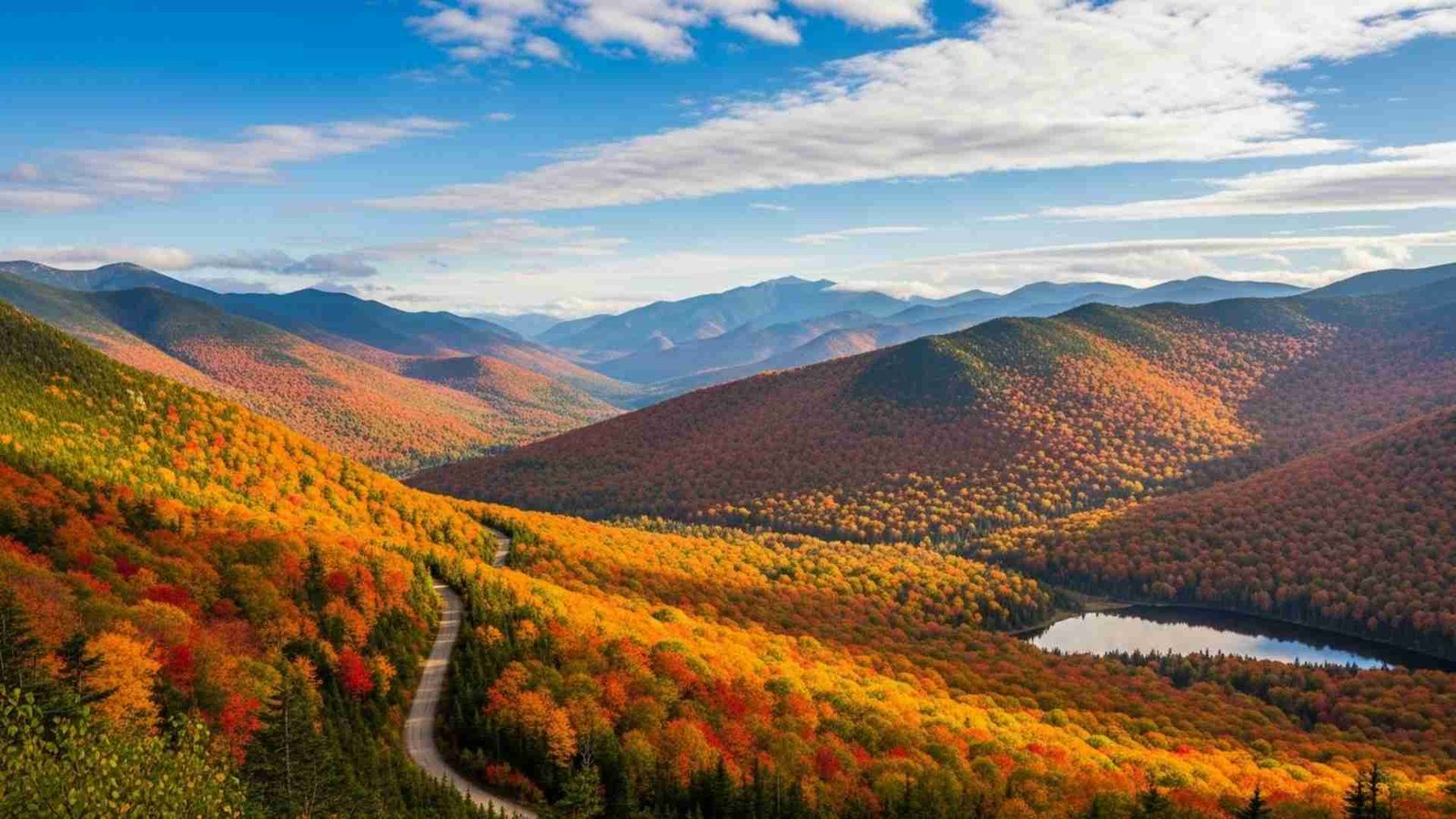
While the White Mountains are often overshadowed by other US destinations, they hold a quiet, understated charm that makes them perfect for a digital detox. The area’s natural beauty is punctuated by striking peaks, thick forests, and waterfalls hidden away in dense woodlands. Here, you can escape into nature without the distraction of modern life, hiking through shaded trails or discovering mountain cabins that have stood the test of time. There’s an authenticity in the White Mountains, where the journey feels as important as the destination.
The Mount Washington Auto Road, one of the steepest roads in the world, is not just for drivers—take the guided tour to hear fascinating stories about the mountain’s weather and the unique conditions that make it one of the most dangerous peaks in the country. Alternatively, a less-visited hike, like the Franconia Ridge Loop, offers jaw-dropping views of the surrounding wilderness without the crowds.
Creative Practical Information:
- Best time to visit: Fall (September to October) is spectacular when the foliage turns vibrant shades of red and gold, but summer (June to August) offers a perfect mix of warmth and outdoor activities.
- How to get there: You can reach the White Mountains by car from Boston (about 3 hours) or from Portland, Maine (about 2 hours). Once there, hiking and driving the scenic routes are the main ways to get around.
- Duration: 3 days will give you enough time to explore multiple hikes and scenic drives.
- Budget: Affordable, with budget motels and cabins available from $80-$120 per night. Enjoy inexpensive meals at local diners, averaging around $10-$15.
- Cultural Tip: Respect the local environment—many trails are remote and require preparation for safety and respect for the landscape. Also, be mindful of the rapidly changing weather on Mount Washington.
13. Aït Benhaddou, Morocco
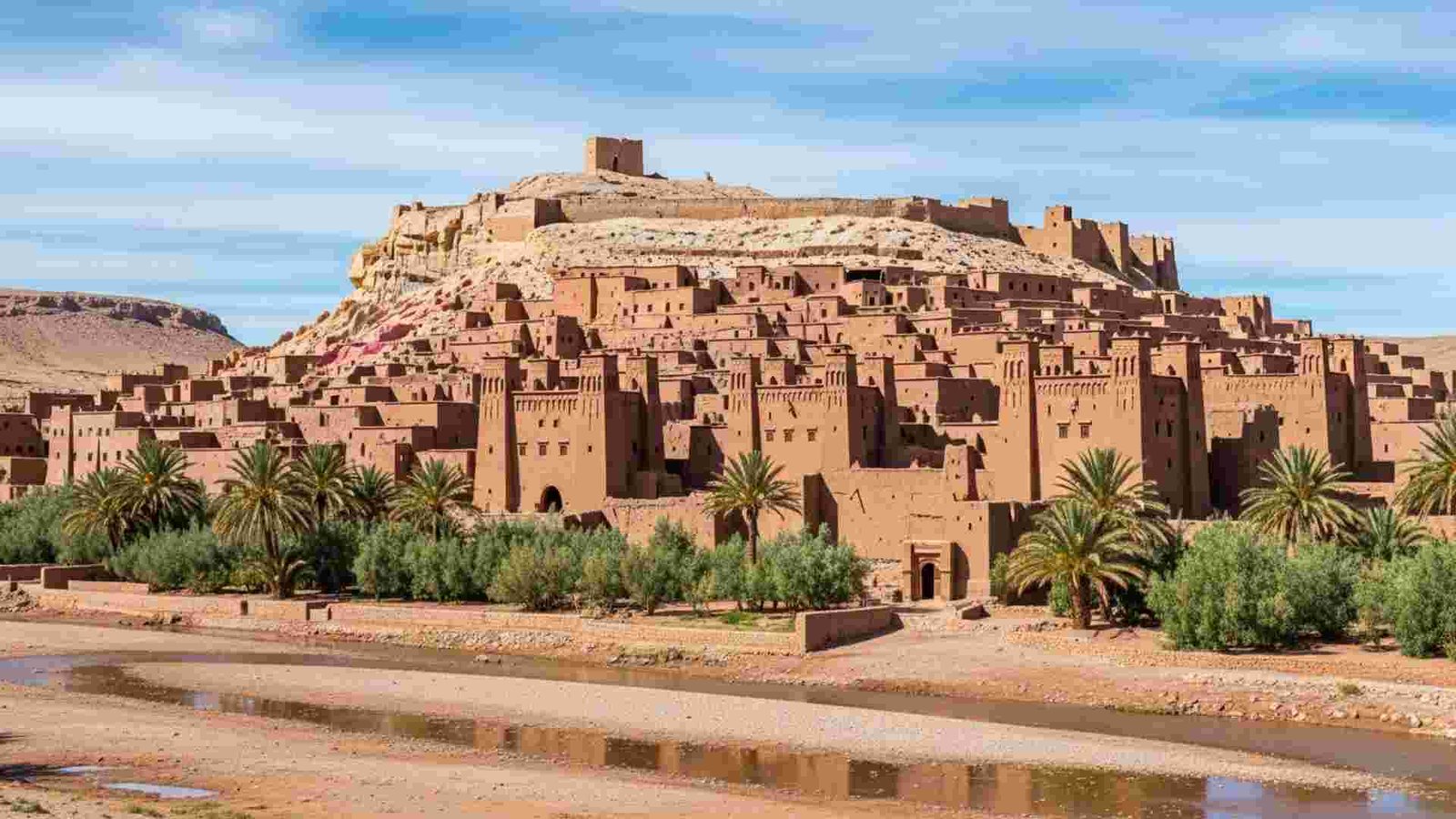
Aït Benhaddou is a UNESCO World Heritage site that seems to rise from the earth like a mirage. This ancient kasbah, made of earthen clay, stands stark against the Moroccan desert landscape, evoking scenes of old world Morocco. Its timeless appeal has made it a backdrop for countless films, including Gladiator and Game of Thrones. The village is a living testament to the Berber culture, and wandering its winding alleys feels like stepping into a different era, where technology has no place.
While most visitors come to admire the kasbah, fewer explore the surrounding area. The nearby Ounila River offers scenic hikes, and if you’re lucky, you might catch sight of local artisans working their craft, creating handwoven rugs or pottery just as they have for generations. The surrounding desert dunes are perfect for a quiet, reflective moment, and watching the sunset over the kasbah can be mesmerizing.
Creative Practical Information:
- Best time to visit: The spring and autumn months are perfect for avoiding the scorching summer heat while still enjoying clear skies and warm temperatures.
- Getting there: Aït Benhaddou is about 3.5 hours by car from Marrakesh. Many tours from Marrakesh offer day trips, but I recommend staying overnight to experience the magic of the kasbah at dusk and dawn.
- Duration: 1-2 days is sufficient to explore the kasbah and surrounding area.
- Budget: Accommodations range from affordable guesthouses starting at $50 per night to more upscale options at $150 per night. Meals at local restaurants are around $10.
- Photography Tip: The kasbah is especially photogenic during the golden hour when the light casts long shadows over the red earth and mud walls.
14. Isle of Skye, Scotland
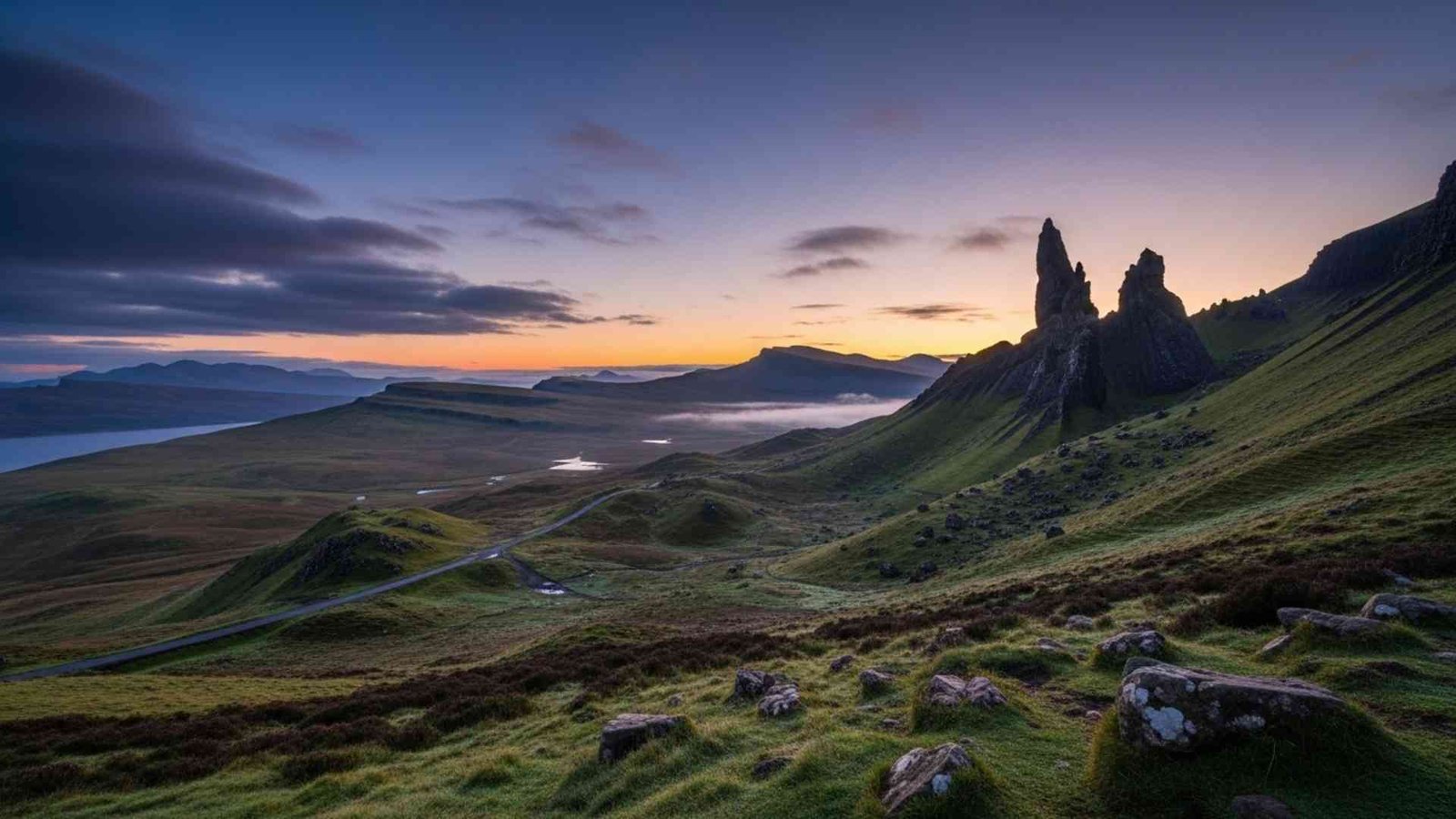
The Isle of Skye, with its dramatic cliffs, hidden glens, and ethereal landscapes, is a place that could easily be mistaken for a fairytale. Known for its otherworldly beauty, Skye attracts visitors seeking to escape the modern world, and it’s no surprise why. Its towering peaks, such as the Old Man of Storr, and the mystic landscapes of the Quiraing offer an invitation to disconnect and immerse yourself fully in the natural wonders of Scotland.
The true charm of Skye lies in its quieter corners. The Neist Point Lighthouse, perched on the edge of the island’s western tip, offers breathtaking views and an ideal place for reflection. While many tourists flock to the more famous spots, Skye’s remote beaches and hidden coves offer solace and the opportunity to experience nature undisturbed.
Creative Practical Information:
- Best time to visit: Late spring (May to June) offers mild weather and fewer tourists. Skye’s beauty is year-round, but winter months are quieter.
- How to get there: Skye is accessible by car from Inverness (about 2 hours). The Skye Bridge connects the island to the mainland.
- Duration: 3-4 days will allow you to see the island’s major sights and also explore lesser-known areas.
- Budget: Expect to pay around $100 per night for comfortable accommodation. Dining at local pubs or restaurants averages $15-$25.
- Photography Tip: Skye is a photographer’s dream—capture the sunset at the Old Man of Storr, or take long exposure shots of the swirling mist over the Quiraing.
15. Death Valley National Park, California, USA
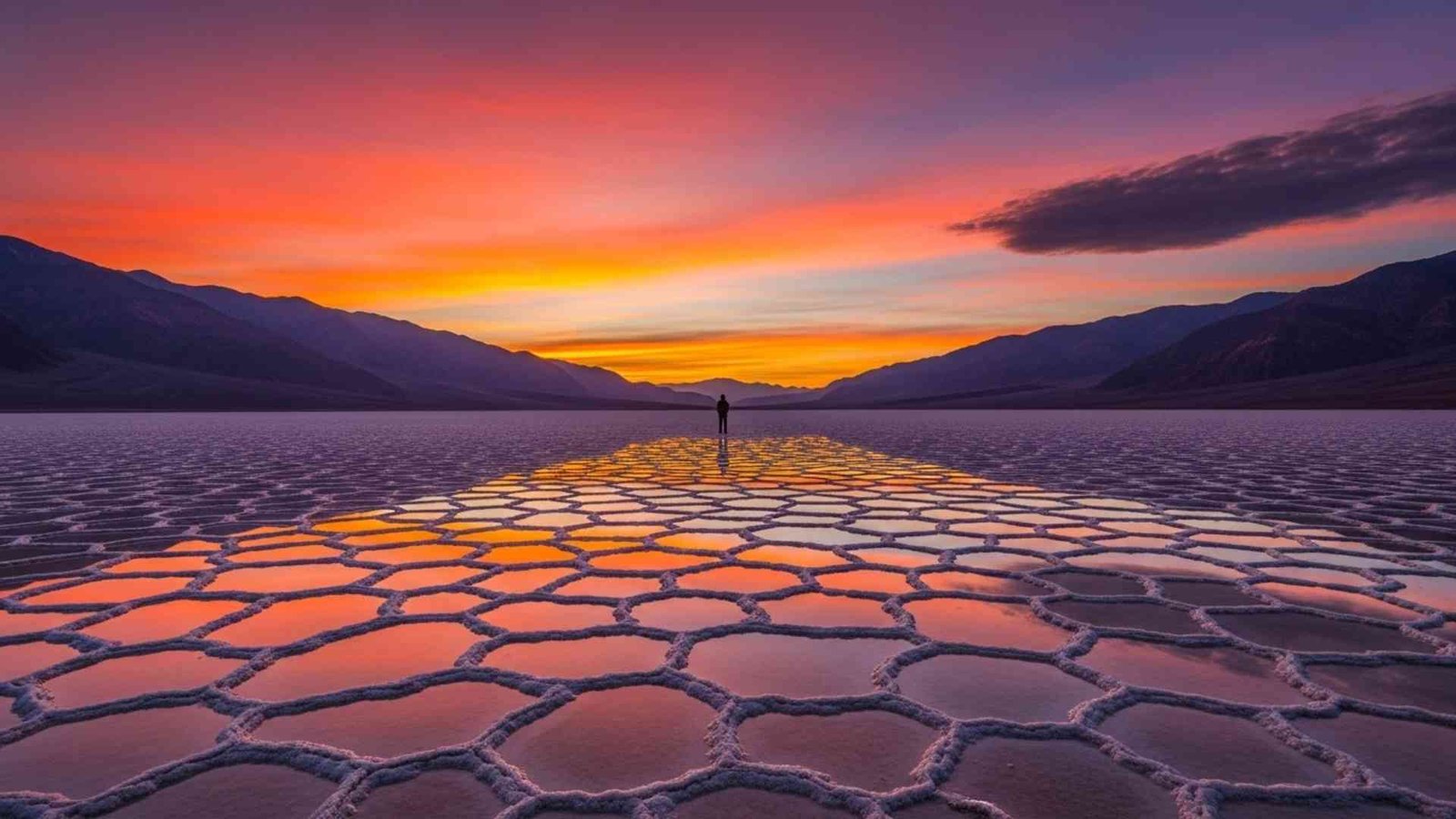
Death Valley is the largest national park in the contiguous U.S., and its extreme landscapes leave a lasting impression. The name itself evokes harsh conditions, but the reality is that Death Valley is a place of profound beauty, from its salt flats to its colorful rock formations. The silence here is absolute, making it the perfect place for a true digital detox. The solitude and vastness of this desert allow visitors to reset, feel small, and reconnect with the earth on a deep level.
One of the lesser-known spots in Death Valley is Dante’s View, a viewpoint 5,475 feet above the valley floor that offers panoramic views of the park’s varied terrain. It’s a peaceful place, often overlooked, but it provides an entirely new perspective on the arid beauty of Death Valley.
Creative Practical Information:
- Best time to visit: Fall and spring are the best times to visit, with daytime temperatures in the 70s and 80s. Summer temperatures can exceed 120°F, so be prepared if you visit during this time.
- How to get there: Death Valley is about a 2-hour drive from Las Vegas. You’ll need a car to explore the park’s vast landscapes.
- Duration: 2-3 days gives you enough time to visit the main attractions, like Badwater Basin and Zabriskie Point.
- Budget: Entry fees are $30 for a 7-day pass. Accommodations range from basic campsites to hotels in nearby towns, with prices around $100 per night.
- Photography Tip: Capture the colors at Zabriskie Point, or the surreal salt flats at dawn when the light is soft and the landscape feels otherworldly.
16. Meteora, Greece
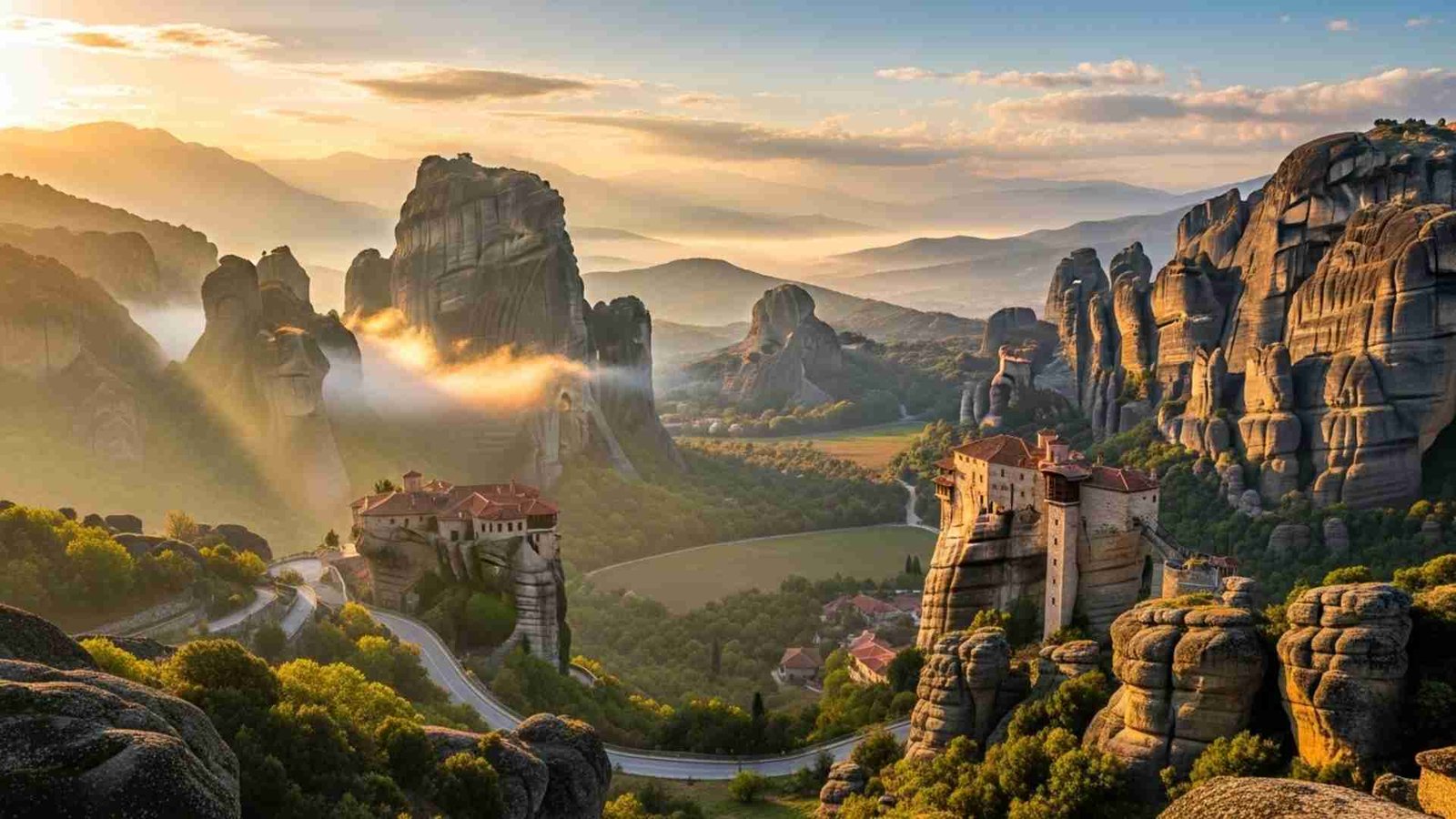
Meteora, Greece’s mystical rock formations, seem to defy gravity, rising majestically above the plains of Thessaly. Known for its monasteries perched on towering rock pillars, Meteora is a place of profound spirituality and awe-inspiring natural beauty. The combination of ancient history, religious significance, and breathtaking landscapes creates a perfect setting for a digital detox. Here, visitors can hike between the monasteries, experience centuries-old traditions, and escape the digital world with ease.
While the monasteries are the primary attraction, the surrounding landscape offers hidden treasures. The village of Kastraki, just below the rock formations, offers a quieter, more intimate experience. Take time to stroll through its quaint streets or enjoy a quiet moment with a cup of local Greek coffee.
Creative Practical Information:
- Best time to visit: Spring and fall offer mild temperatures and fewer crowds. Summer is hot, and the area can get quite busy.
- Getting there: Meteora is easily reached by train from Athens or Thessaloniki. The journey takes about 4-5 hours. Once in Kalambaka, local buses or taxis can take you to the monasteries.
- Duration: 2-3 days is ideal for exploring the monasteries and hiking the surrounding trails.
- Budget: The cost to visit the monasteries is around $3 per entry. Budget accommodations can be found for $50 per night.
- Photography Tip: The early morning light creates magical conditions for photographing the monasteries against the dramatic rock faces.
17. Outer Hebrides, Scotland
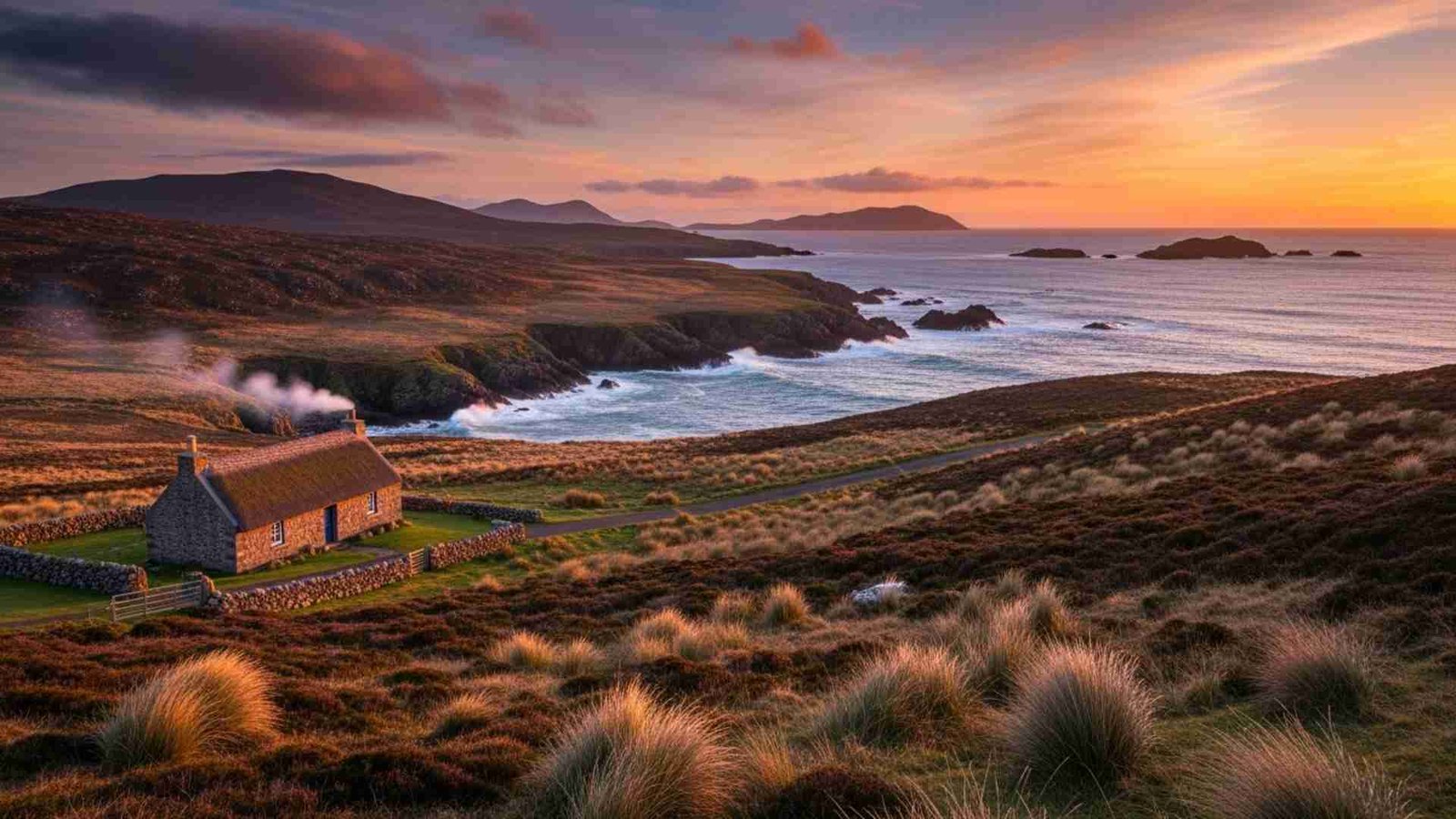
The Outer Hebrides are a group of islands in Scotland’s far northwest that offer a true escape into the wild. With windswept beaches, ancient stone circles, and villages where life moves slowly, the islands are perfect for a digital detox. Each island has its own unique character, but all offer an unspoiled connection to the land and sea.
One of the best-kept secrets of the Outer Hebrides is the Isle of Harris, with its stunning beaches that rival the Caribbean in beauty. The remote village of Leverburgh is a gateway to explore Harris’s natural beauty, and its isolation ensures that you’re truly unplugged.
Creative Practical Information:
- Best time to visit: Summer months (June to August) are ideal for milder weather and longer days.
- How to get there: Ferries connect the Outer Hebrides to the mainland and other islands. Stornoway, on Lewis, is the main hub.
- Duration: 4-5 days is ideal for exploring multiple islands, hiking, and enjoying the beaches.
- Budget: Expect to pay around $120 per day, depending on your choice of accommodation.
- Photography Tip: The beaches of Harris, particularly Luskentyre Beach, offer incredible photo opportunities, with white sands and turquoise waters set against rugged hills.
18. Great Sand Dunes National Park, Colorado, USA

Located in southern Colorado, Great Sand Dunes National Park is a surreal and captivating landscape where towering sand dunes rise dramatically against the backdrop of the rugged Sangre de Cristo Mountains. These vast dunes, some reaching over 700 feet tall, create a desert landscape that feels almost otherworldly. The park’s shifting sands, which shimmer under the sun, provide a stark contrast to the snow-capped peaks in the distance, making this location a place of awe and quiet reflection. The sheer isolation of the dunes, with no Wi-Fi signal to disrupt the peace, makes it an ideal spot to disconnect and immerse yourself in the raw beauty of nature.
Standing at the foot of the dunes, the vastness of the landscape stretched endlessly before me. As I climbed the soft, warm sand, the sound of the wind sweeping over the dunes created a peaceful, almost meditative atmosphere. Without a single notification or distraction, I could focus entirely on the beauty of the moment—the texture of the sand beneath my feet, the distant snow-capped mountains, and the vast sky overhead. It was the perfect environment to disconnect and reflect.
Practical Information:
- Best time to visit: Spring (April to June) and fall (September to October) are the best times to visit, with mild temperatures and clear skies. Summer can be extremely hot, reaching over 100°F during the day, so it’s best to visit in the cooler months.
- How to get there: Great Sand Dunes is located about 35 miles east of Alamosa, Colorado. The nearest major airport is in Colorado Springs, about a 2.5-hour drive from the park. A car is essential for getting to the park and exploring the dunes.
- Ideal duration of visit: 2-3 days allows enough time to explore the dunes, hike the surrounding trails, and take in the park’s other natural wonders.
- Must-try local experiences: Try sandboarding or sledding on the dunes for a thrilling way to experience the landscape. For a quieter experience, hike to the top of the dunes to watch the sunset over the vast sand expanse.
- Budget considerations: Entry to the park costs $25 for a 7-day pass. Accommodations near the park range from campsites ($20 per night) to motels ($80-$150 per night).
- Cultural etiquette tips: The park is home to various wildlife, including mule deer and pronghorn, so keep your distance and respect their space. Be mindful of the environment—pack out all trash and leave no trace.
- Photography opportunities: The dunes at sunrise or sunset create dramatic lighting and shadow play, making it an ideal time for photography. The contrast of the sand with the mountains in the distance also offers incredible compositions.
Conclusion:
In a world constantly connected through digital devices, these 18 stunning destinations offer a rare opportunity to unplug and immerse yourself in the raw beauty of nature and history. Whether you’re seeking the quiet solitude of the Faroe Islands or the breathtaking landscapes of the Dolomites, each location promises a chance to reset and reconnect with what truly matters. These hidden gems are more than just escapes from technology—they’re invitations to discover the world in its most authentic, unfiltered form. Let these serene places remind you that sometimes, the best connection is with the world around you.