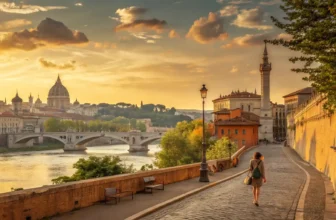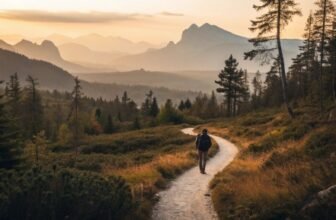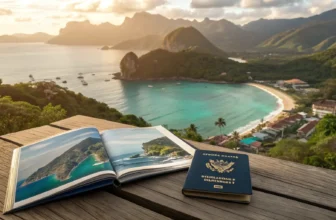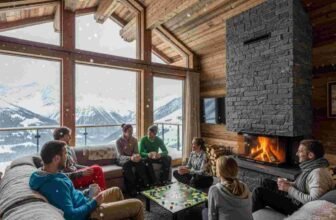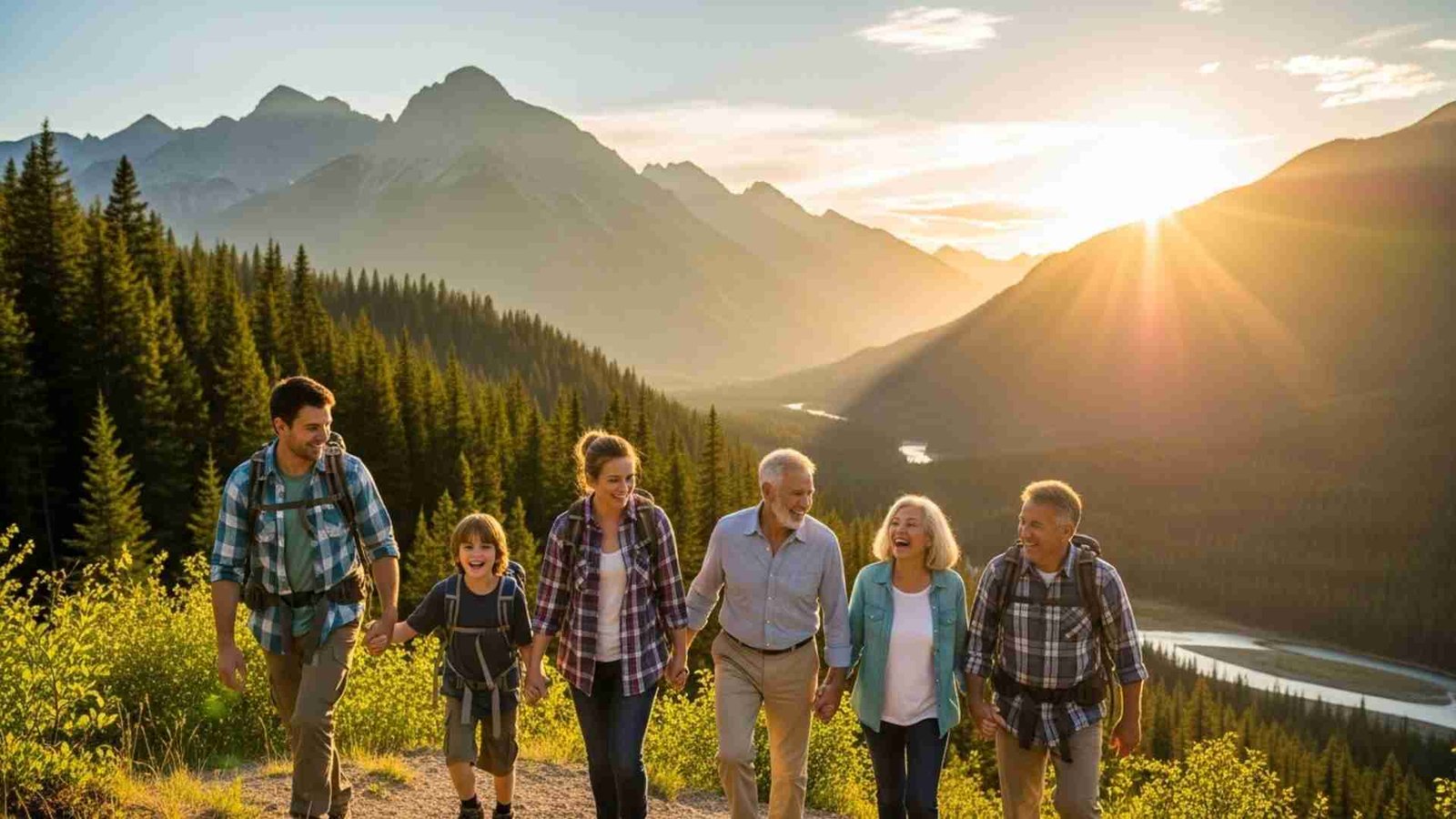
Imagine the warm scent of freshly baked bread drifting through ancient streets, while laughter echoes from every corner as three generations of your family discover a world brimming with wonder. Travel is more than just a getaway; it’s a chance to connect, share, and create moments that span ages and lifetimes.
In a world where time often pulls us apart, the right trip can bring us closer, ignite curiosity, and stir a sense of adventure in all of us. This guide will take you beyond the usual vacation spots—uncovering destinations where everyone, no matter their age, finds something unforgettable.
1. South Africa
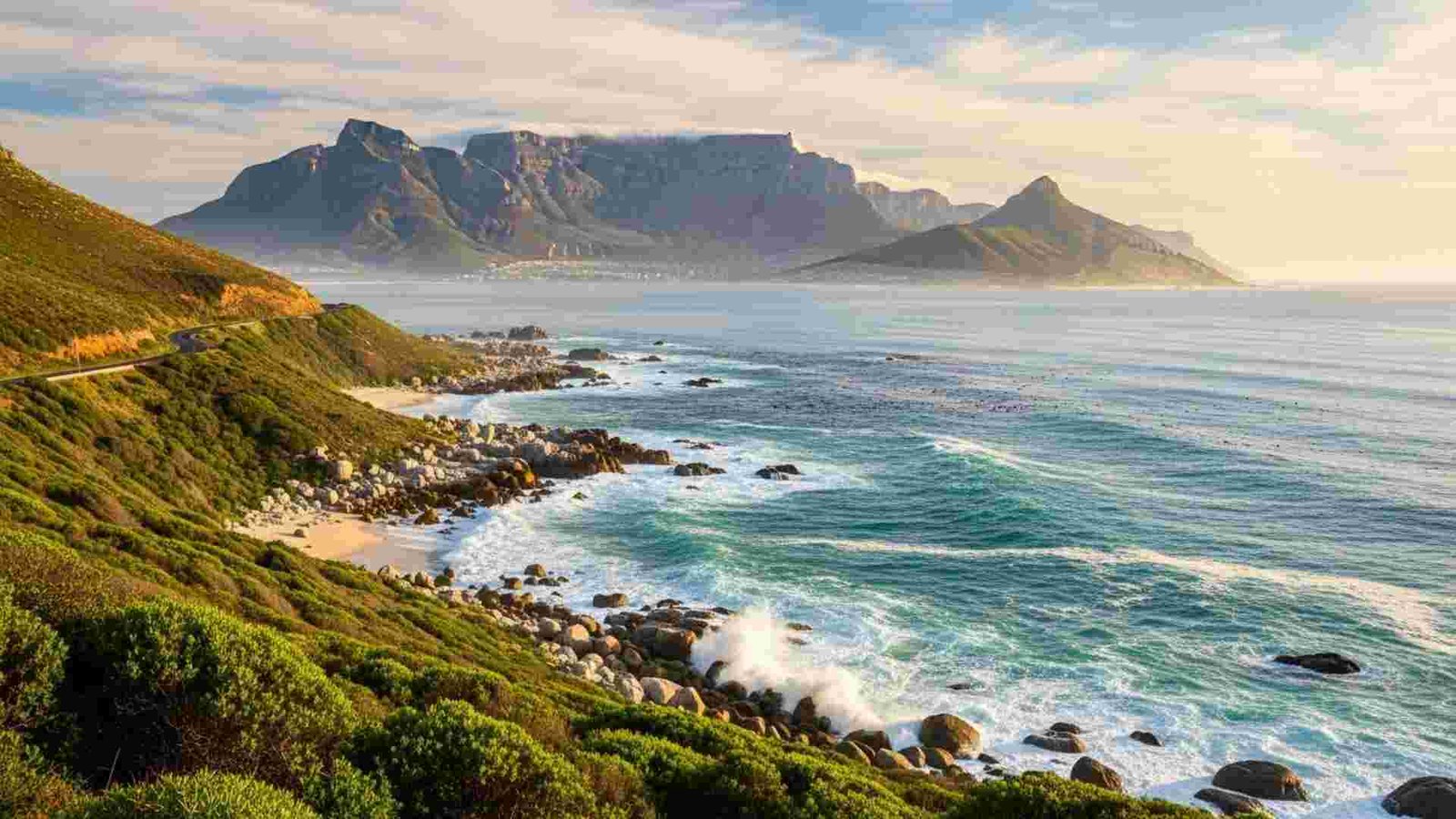
And so we begin with South Africa—wide open landscapes, wildlife that still makes you gasp, and cities where history and modern life collide in interesting ways. If you’ve got three generations travelling together you’ll find stuff for everyone. You know that moment when you bring the grandparents on safari, the kids splashing in the pool and the adults unwinding with a view of Table Mountain? South Africa delivers.
Here’s what makes it work: In 2024 the country recorded 8.92 million international arrivals, a 5.1% increase over 2023.
I’ve always thought of South Africa as a place where time feels both still and fleeting. I remember sitting in a safari vehicle at sunrise, with my family, while the world was still waking up—an experience you can’t quite replicate anywhere else. The shared excitement when spotting elephants walking across the horizon, and later, the peacefulness of watching a giraffe drink at a watering hole, leaves an imprint on your heart. It’s the moments that happen when you least expect them that make this place unforgettable. And I can’t stress enough: make sure the grandparents come along. Watching them connect with the land and wildlife, even in their twilight years, is something magical.
Key Practical Information
- Peak season: December to February (Southern Hemisphere summer, perfect for beach holidays but expect higher prices and crowds).
- Off-peak season: May to October (ideal for safaris, cooler and less humid).
- Best ways to explore: Renting a car for flexibility in cities and regions like the Winelands. Use internal flights for long distances to avoid tiring road trips.
- Ideal duration: 7-10 days, including a mix of safari and city life.
- Must-try local experiences: A safari in Kruger, wine tasting in Stellenbosch, Table Mountain in Cape Town, and visiting Robben Island for a historical tour.
- Budget considerations: Mid-range options are abundant, but safaris can be pricey. Opt for self-catering or mid-range accommodations for the best value.
- Cultural etiquette tips: Be respectful at sacred sites like Robben Island, greet with a friendly “hello” or “how are you?” in Zulu or Afrikaans, and embrace local food culture with humility.
- Photography opportunities: The sweeping landscapes of the Karoo, sunset over the ocean at Cape Point, wildlife close-ups at Kruger.
2. Hawaii (USA)
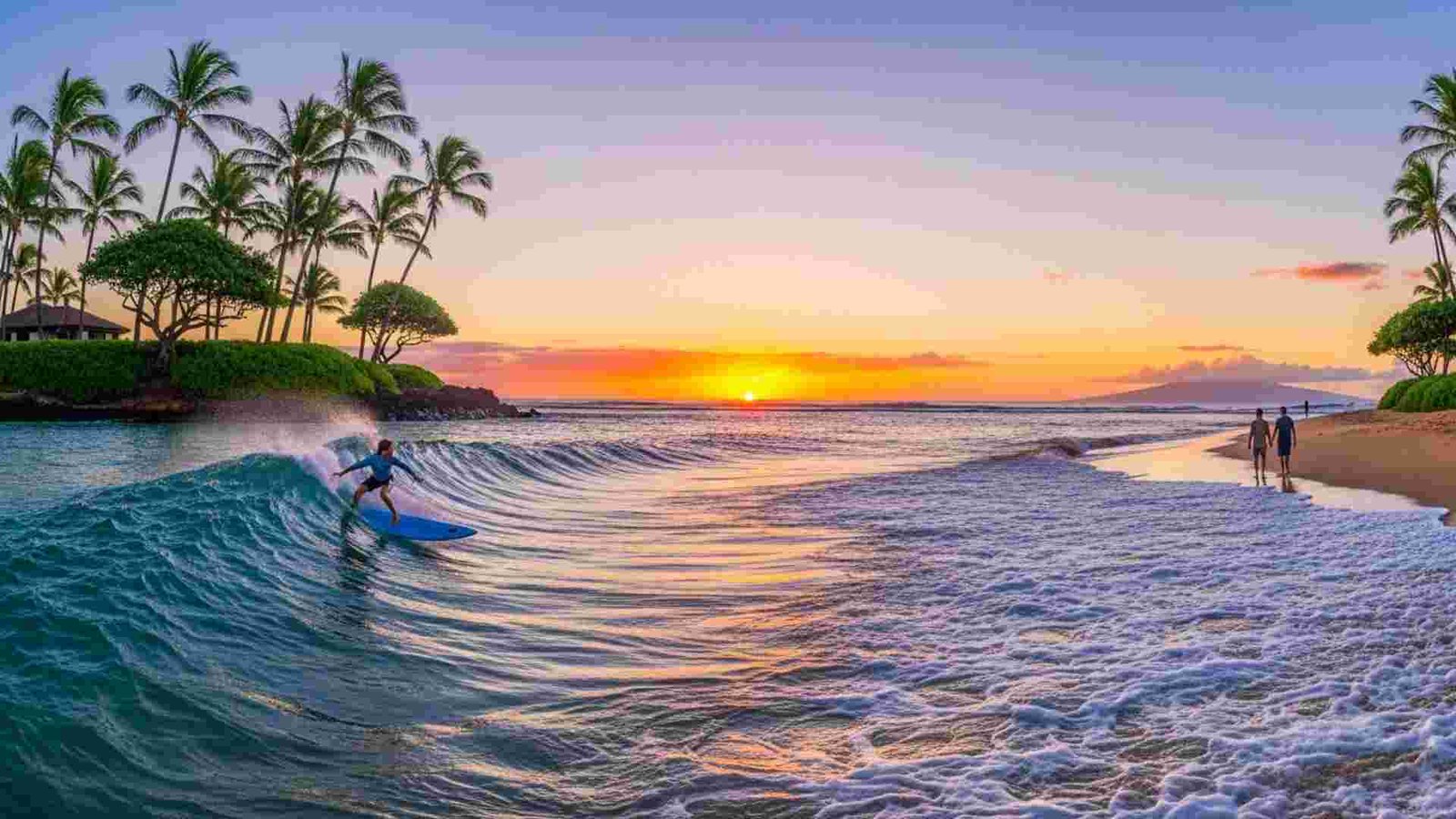
Hawaii is like the ultimate multi-generational playground. It’s not just a vacation; it’s a complete reset for the soul. Imagine spending the morning with your grandkids, snorkeling in crystal-clear waters at Hanauma Bay, and then watching a beautiful sunset together from a cozy beachfront spot. Hawaii is known for its tropical beauty, but it’s also rich in history and culture, offering everything from ancient Hawaiian traditions to modern luxuries. Whether it’s the thrill of hiking up a volcano, exploring Pearl Harbor, or simply relaxing on a black-sand beach, Hawaii knows how to cater to families of all ages, offering the perfect mix of excitement and relaxation.
During my last trip to Hawaii, I recall walking along the beach at Waikiki with my niece, who was learning to surf for the first time. The look on her face as she caught her first wave was priceless. What I didn’t expect was how magical it felt to witness my mom, who had always been reluctant to get into the water, wading into the surf with a group of local grandmothers, laughing and chatting about their childhoods. It was a moment that captured Hawaii’s unique spirit—this place has a way of bringing people closer, not just to nature, but to each other.
Key Practical Information:
- Peak season: December to April (perfect beach weather, but crowded and expensive).
- Off-peak season: May to November (fewer tourists, better deals, but rainier weather).
- Best ways to explore: Renting a car is essential for island hopping. Use shuttles for day trips to avoid parking stress.
- Ideal duration: 5-7 days (ideal for one island or a two-island tour).
- Must-try local experiences: A traditional luau, whale watching during winter months, surf lessons, and hiking up Diamond Head.
- Budget considerations: Hawaii can be expensive; mid-range accommodations and local eateries are great for families. For a cheaper stay, consider Airbnb.
- Cultural etiquette tips: Respect sacred sites and follow the “Aloha Spirit” – greet people with warmth, and always ask before touching or stepping onto sacred grounds.
- Photography opportunities: Volcanoes National Park, sunrise over Haleakalā, or a family photo at the top of Diamond Head.
3. Italy
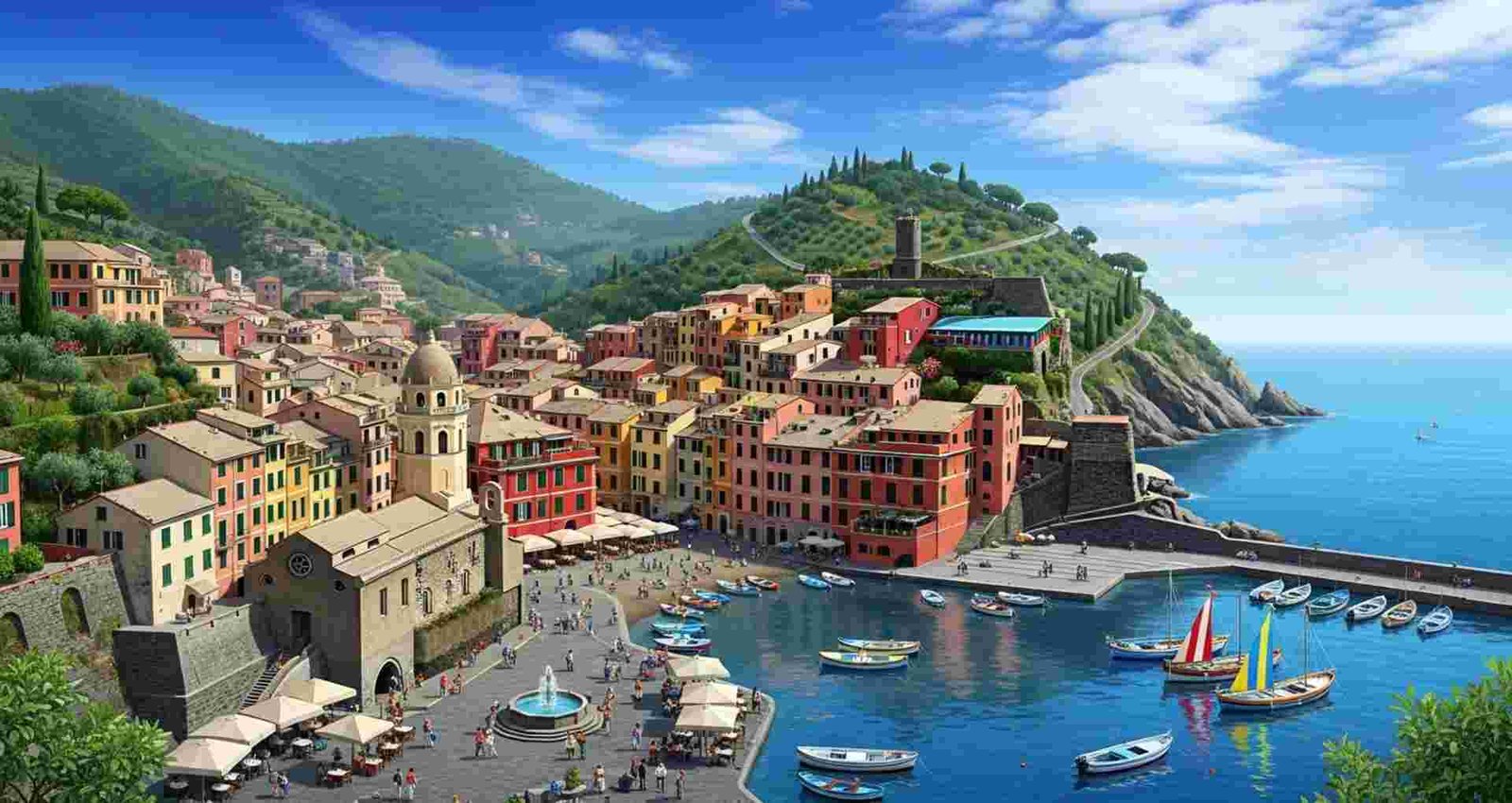
Ah, Italy—where history, food, art, and culture meet in a beautiful, often chaotic harmony. From the grand cities like Rome to the rolling hills of Tuscany, Italy offers a rich experience for all ages. Picture this: your kids running along the Spanish Steps while your parents sit in a café sipping espresso. Later, you all come together to marvel at the Colosseum or stand in awe before Michelangelo’s David in Florence. Italy has this natural ability to make everyone feel like they belong, with its laid-back vibe and endless opportunities to indulge in gelato, pasta, and laughter. It’s the kind of place that makes you feel like you’ve stepped into a living postcard.
On my last trip to Tuscany, I remember the relaxed afternoons spent with my family at a rustic vineyard estate, where my dad chatted with the owner about the perfect Chianti while my daughter and I picked grapes in the vineyard. It was one of those moments where everything came together—the beauty of the land, the simplicity of the experience, and the joy of sharing it across generations. This is Italy at its finest: a place that makes you feel alive through its deep sense of tradition and beauty.
Key Practical Information:
- Peak season: June to August (hot and crowded, especially in major cities).
- Off-peak season: April to June, September to October (best weather, fewer crowds).
- Best ways to explore: Trains are the best way to travel between major cities. Consider renting a car if venturing into rural areas like Tuscany.
- Ideal duration: 8-10 days (a mix of cities and countryside).
- Must-try local experiences: A gondola ride in Venice, a visit to the Vatican Museums in Rome, cooking classes in Tuscany, or a wine tasting in Chianti.
- Budget considerations: Italy can be expensive, but mid-range hotels and agriturismos (farm stays) offer great value.
- Cultural etiquette tips: Respect local meal times (lunch around 1-2pm, dinner after 8pm), and don’t forget to dress modestly when visiting religious sites.
- Photography opportunities: The Colosseum at sunset, the canals of Venice, and the rolling hills of Tuscany.
4. Costa Rica
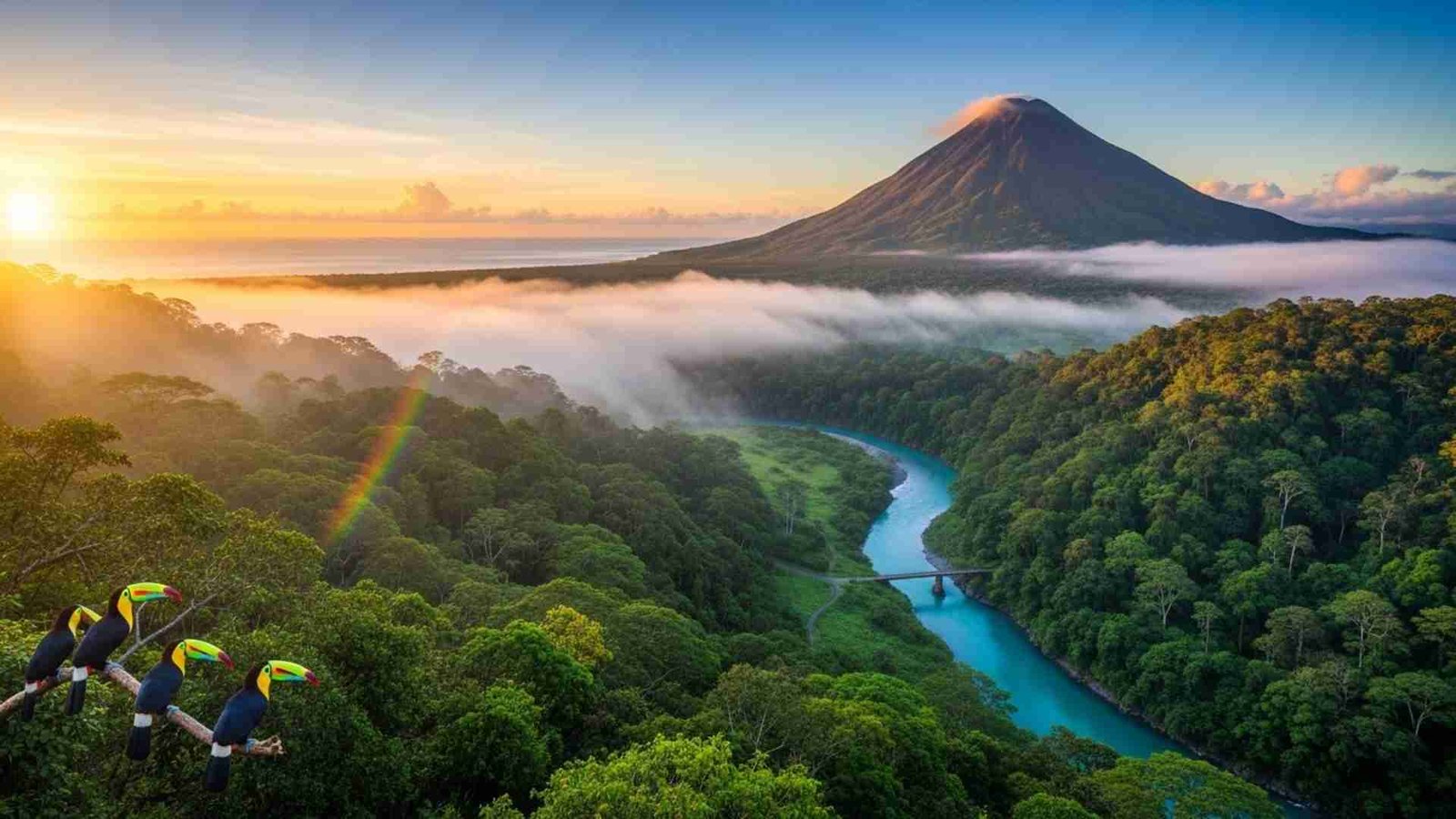
Costa Rica is like an adventure lover’s dream, yet perfect for families looking for that blend of nature and thrill. Imagine starting your day with a quiet walk through the misty cloud forests of Monteverde, followed by an adrenaline-packed zipline adventure through the trees, and finishing the day relaxing on a beach with the sound of the waves. Costa Rica’s biodiversity makes it a paradise for all ages—kids can spot monkeys, and grandparents can learn about conservation efforts at the Tortuguero National Park. Whether you’re exploring volcanic landscapes or just enjoying a slower pace on the Pacific coast, Costa Rica offers an amazing variety of experiences.
What really made it special for me was the day we spent at Arenal Volcano. It started with a gentle hike through the jungle to reach natural hot springs, and ended with the most breathtaking sunset over the volcano. For my dad, it was the first time seeing such an active volcano up close, and for my kids, it was a day full of exploration and wonder. Costa Rica has a unique way of bringing families together through its love for nature, and the memories you make are priceless.
Key Practical Information:
- Peak season: December to April (dry season, best for outdoor adventures but crowded).
- Off-peak season: May to November (rainy season, fewer tourists, lush greenery).
- Best ways to explore: Rent a 4×4 for exploring national parks and remote areas. Tours with local guides are highly recommended for deeper insights.
- Ideal duration: 7-9 days (mix of beaches, volcanoes, and rainforests).
- Must-try local experiences: Visit the hot springs, go on a wildlife boat tour in Tortuguero, zip-lining, and try local coffee tours.
- Budget considerations: Eco-lodges are abundant and can offer a unique experience without breaking the bank. Expect higher prices in high season.
- Cultural etiquette tips: Pura vida (pure life) is more than a phrase—it’s a mindset. Be relaxed and take your time.
- Photography opportunities: Arenal Volcano with its cloud cap, colorful macaws in flight, and the serene beaches of Guanacaste.
5. New Zealand
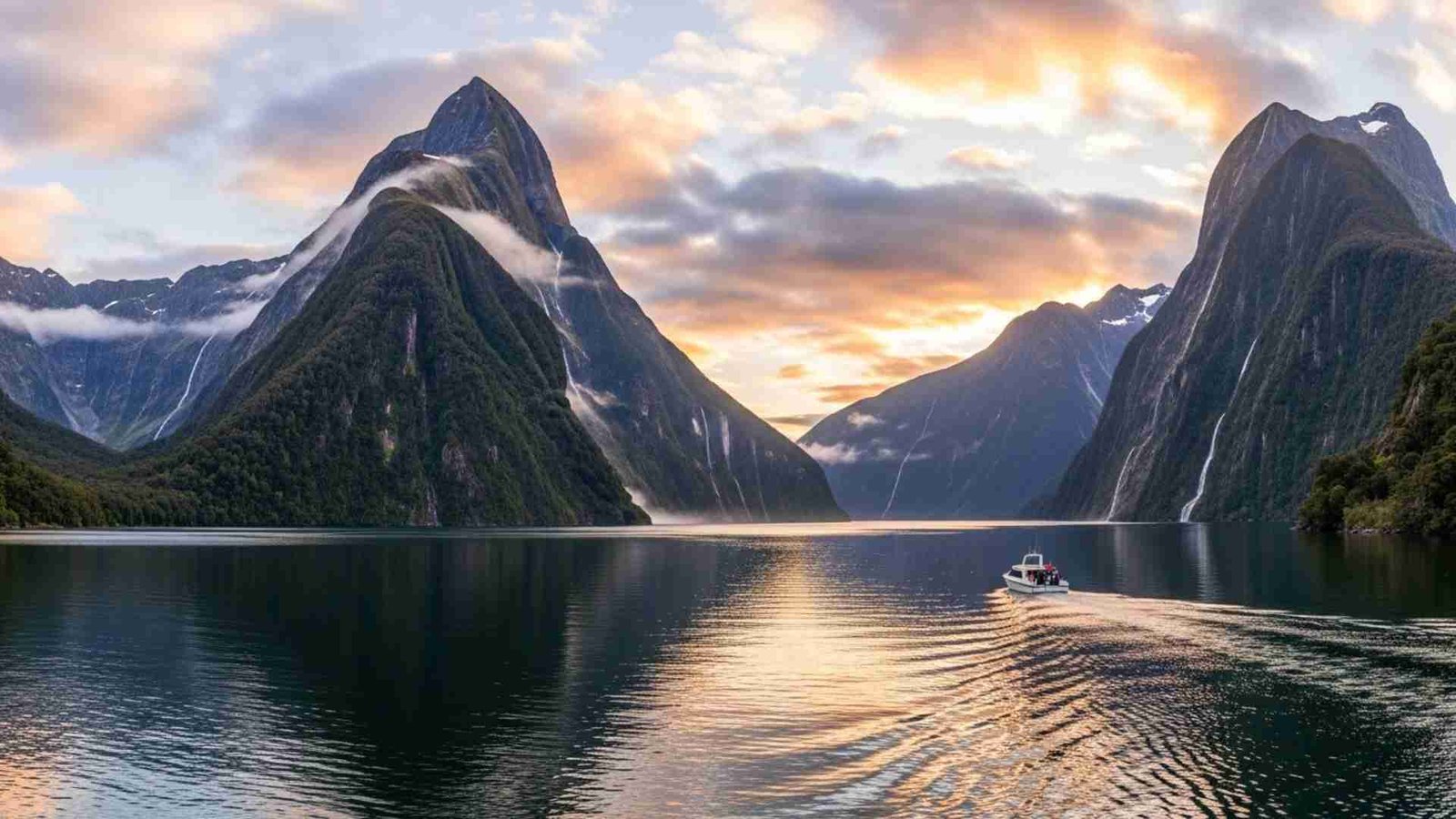
New Zealand has an undeniable magic to it. Think dramatic mountain ranges, crystal-clear lakes, and rolling green hills that look like they came out of a dream. For families, it’s a place where you can all get outdoors together—whether it’s a gentle boat cruise through the fjords or a scenic train ride through the Southern Alps. Everyone from the youngest child to the grandparents can find something that speaks to them. New Zealand’s charm lies in its ability to offer the kind of experiences that make you feel like you’ve truly stepped into nature’s playground, without it being overwhelming.
I remember the peace I felt walking along the shores of Lake Tekapo, the turquoise waters reflecting the snow-capped peaks around us. The quiet serenity of the place was the perfect antidote to the hustle and bustle of everyday life. My kids were busy climbing rocks, while my parents sat on a bench, mesmerized by the landscape. It’s moments like these that show New Zealand’s subtle magic: no matter your age, the land draws you in, helping you connect with each other and nature.
Key Practical Information:
- Peak season: December to February (summer, busy and vibrant).
- Off-peak season: March to May (autumn, fewer tourists, mild weather).
- Best ways to explore: Renting a car or campervan gives you flexibility. Trains are also a scenic way to see the country.
- Ideal duration: 10-12 days (to experience both islands).
- Must-try local experiences: A scenic flight over Milford Sound, visiting Hobbiton, and trying Māori feasts.
- Budget considerations: New Zealand can be expensive, but there are plenty of budget-friendly hostels, especially outside major tourist spots.
- Cultural etiquette tips: Be respectful of Māori culture, especially sacred sites. A simple “kia ora” (hello) can go a long way.
- Photography opportunities: The stunning views from Mount Cook, the glowworms in Waitomo Caves, and the rugged coastline of the South Island.
6. Greece
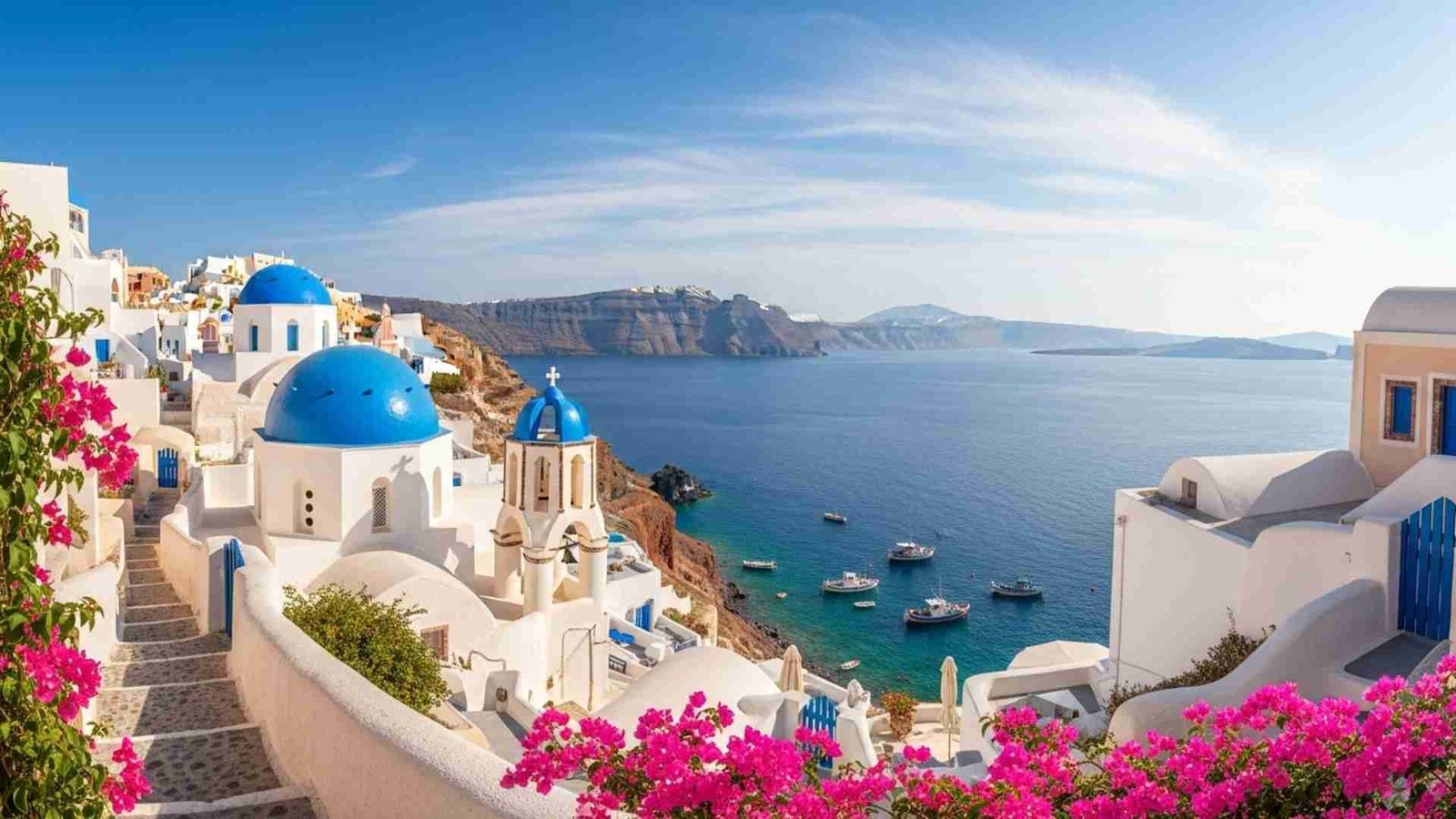
Greece isn’t just about ancient ruins and sun-kissed beaches; it’s a place where family bonds get stronger as the sun sets over ancient olive groves and the scent of grilled lamb fills the air. While the iconic Parthenon and Santorini’s blue-and-white buildings are stunning, Greece offers a more intimate connection to its culture and traditions that’s perfect for multi-generational trips. Think about the whole family gathering around a rustic table, enjoying tzatziki, moussaka, and freshly caught seafood, all while the horizon stretches into the Mediterranean. Greece’s timeless charm, however, lies in its diversity. You can roam the cobbled streets of Crete’s hilltop villages one day, and the next, discover the tranquility of Naxos, where you can still find family-run tavernas untouched by modern tourism.
But the real beauty of Greece lies in its hidden corners. The lesser-known Cyclades islands, like Milos and Folegandros, offer pristine beaches, quiet trails, and timeless village life. I’ll never forget the afternoon we spent on a secluded beach in Milos, where my parents relaxed in the shade of an olive tree, and my kids played in the crystal-clear water without a single tourist in sight. That sense of discovery, far away from the crowds, makes Greece feel like an intimate treasure trove for families who want to dive deeper into its culture, rather than just skim the surface.
Key Practical Information:
- Best seasons to visit: April to June and September to October (milder weather, fewer crowds than peak summer months).
- How to explore: Renting a car is the best way to explore the islands, especially when heading off the beaten path. Ferries connect the major islands, so hopping around is easy.
- Ideal duration: 7-10 days, which gives you time to explore both islands and mainland attractions.
- Hidden gems to try: Explore the cave of Zeus on Crete, spend an afternoon on the untouched beaches of Milos, and have a sunset dinner overlooking the caldera in Santorini.
- Budget tips: Stick to smaller islands or local guesthouses for more affordable stays. Dining at family-run tavernas rather than tourist traps saves you money while giving you a taste of authentic Greek life.
- Cultural etiquette tips: Greeters will often kiss both cheeks, so don’t be surprised if you’re met with a warm welcome. In restaurants, meals are often a slow-paced affair, so take your time.
- Photo ops: Sunrise over Santorini, the whitewashed buildings of Mykonos, and the olive groves on Crete.
7. Iceland
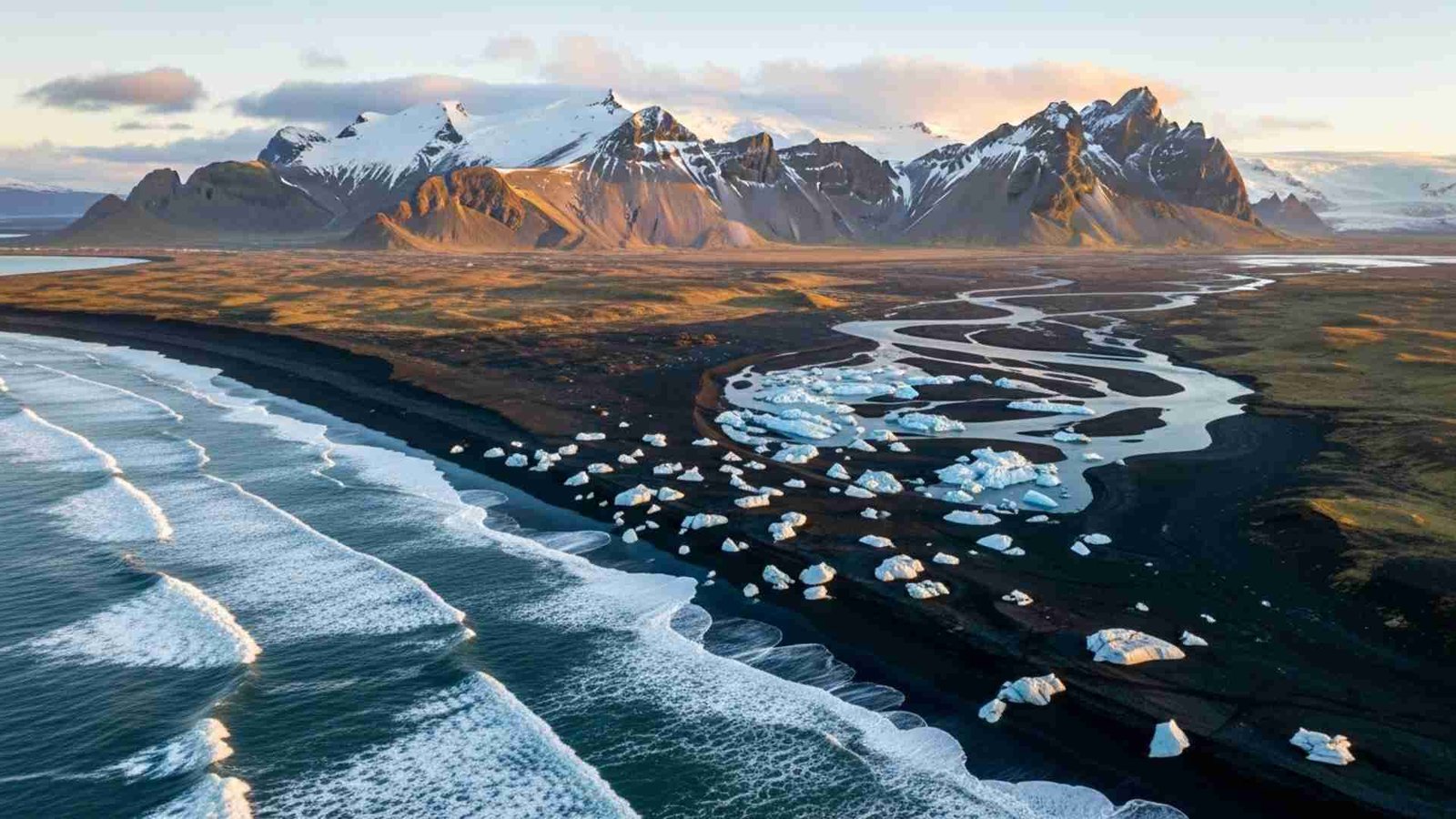
Iceland is a place where adventure comes alive, especially when you’re chasing waterfalls, trekking glaciers, or dipping into a geothermal pool with the kids. But what makes Iceland particularly unique for multi-generational travel is its raw, unfiltered beauty. The landscape feels like another world entirely. From the otherworldly black sand beaches of Vik to the golden glow of the Northern Lights, Iceland’s dramatic landscape invites a deep sense of awe, no matter your age. Imagine grandparents huddling with grandkids in the warm waters of the Blue Lagoon, while the younger generation hikes the rugged terrain of Þingvellir National Park, or the whole family marveling at the roar of Gullfoss waterfall.
One of the most unforgettable moments I’ve had in Iceland was in a remote village, far from the usual tourist spots, where we watched the Northern Lights from the warmth of a cozy lodge. My daughter clutched my hand as the sky erupted into green and purple waves—just one of those quiet, magical moments that makes Iceland such a soul-stirring destination. The quiet moments matter here, where nature’s overwhelming power doesn’t just impress you—it humbles you, makes you feel small in the best way.
Key Practical Information:
- Peak season: June to August (long days, mild temperatures).
- Off-peak season: September to March (low season, cheaper rates, but colder with fewer daylight hours).
- Best ways to explore: Renting a car is essential for the famous Golden Circle route and other remote spots. Guided tours are also great for activities like ice-caving or Northern Lights chasing.
- Ideal duration: 5-7 days, perfect for a self-drive route to take in the highlights.
- Must-try experiences: Visit the Golden Circle, soak in the Blue Lagoon, hike to Skogafoss waterfall, and watch the Northern Lights.
- Budget considerations: Iceland can be pricey, especially for food and accommodation. Try staying in guesthouses or using supermarkets to keep costs down.
- Cultural etiquette tips: Respect nature, don’t leave anything behind, and follow the rules in protected areas. In restaurants, tipping is not expected but appreciated.
- Photography opportunities: Northern Lights, geothermal springs against snowy backdrops, and the wild coastline.
8. Australia
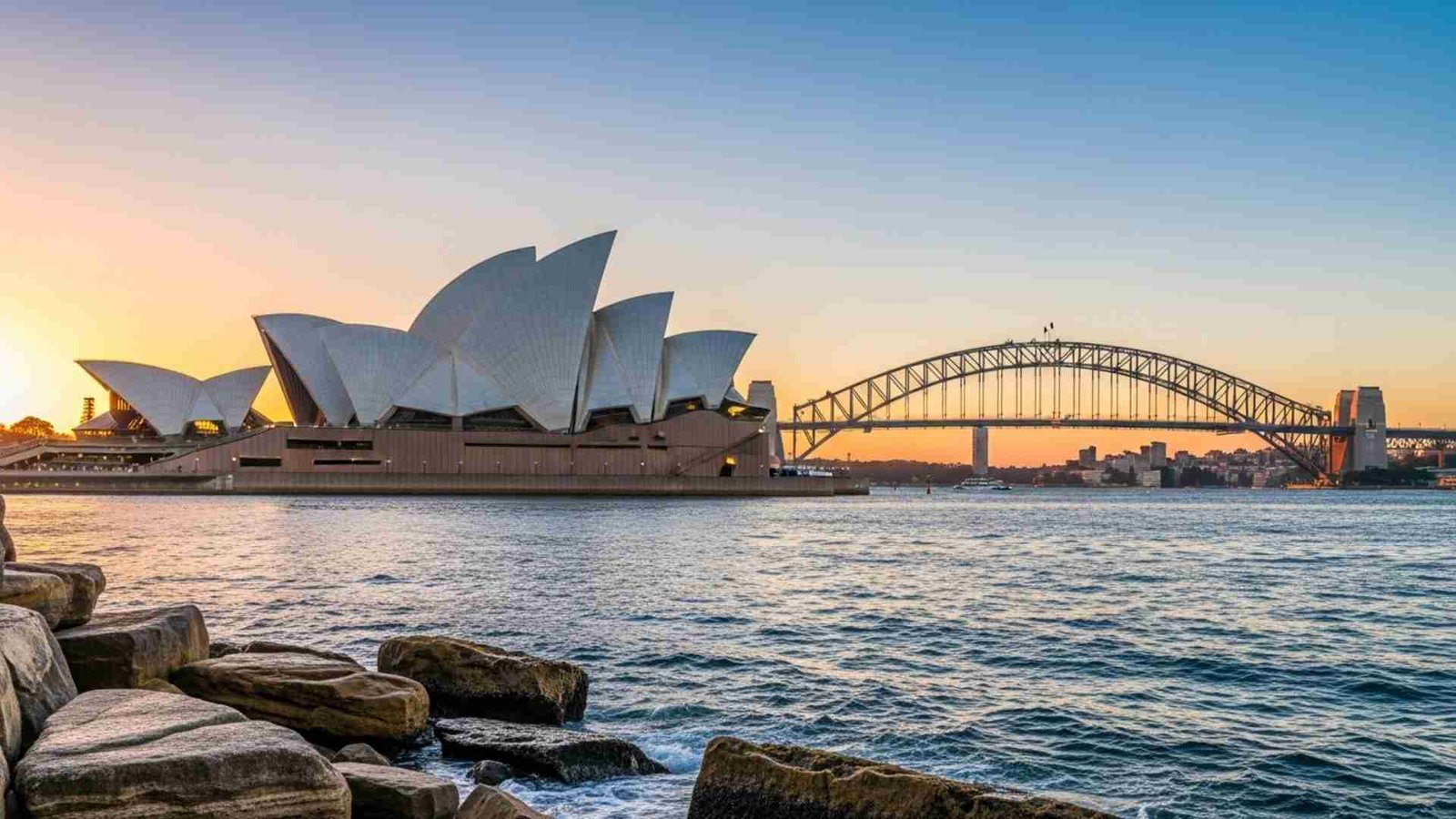
Australia is a vast land of adventure, and it’s this diversity that makes it so perfect for families. From the Great Barrier Reef to the outback, there’s no shortage of wow-factor destinations here. But what really sets Australia apart for multi-generational trips is its ability to combine an endless list of natural wonders with family-friendly urban adventures. Picture this: you’re exploring the vibrant coral reefs in Cairns with your teens, and your parents are sipping coffee in the sunny outdoor cafes of Melbourne. Whether you’re checking out kangaroos in the wild, going on a boat tour in Sydney, or exploring the tropical rainforests of Queensland, Australia’s natural beauty and laid-back vibe will instantly make you feel right at home.
A memorable experience for me was a few years ago in Cairns, where we spent a day cruising the Great Barrier Reef. My mom, who has always been a bit nervous about the ocean, took the plunge into the water with a guide and marveled at the marine life beneath us. I watched, amazed, as she became so immersed in the experience. Australia is that kind of place—where every member of the family gets a chance to push their boundaries, but in a way that feels both safe and exhilarating.
Key Practical Information:
- Peak season: December to February (summer months, especially in coastal cities).
- Off-peak season: March to May and September to November (milder weather, fewer crowds).
- Best ways to explore: Renting a car is ideal for cities, but long distances between attractions can make flights between cities necessary.
- Ideal duration: 7-10 days (enough for a couple of cities or regions like Queensland and the Great Barrier Reef).
- Must-try experiences: Snorkeling in the Great Barrier Reef, a day at the Sydney Opera House, a road trip along the Great Ocean Road, and exploring the Outback.
- Budget tips: Australia can be expensive, especially for accommodation and activities. Consider camping or staying in hostels for a more affordable option.
- Cultural etiquette tips: Australians are casual, but polite. Always say “please” and “thank you,” and respect indigenous cultures when visiting sacred sites.
- Photography opportunities: Sydney Harbour at sunset, the outback under a starry sky, and the Reef’s underwater treasures.
9. Canada (Rockies/Banff & Lake Louise)
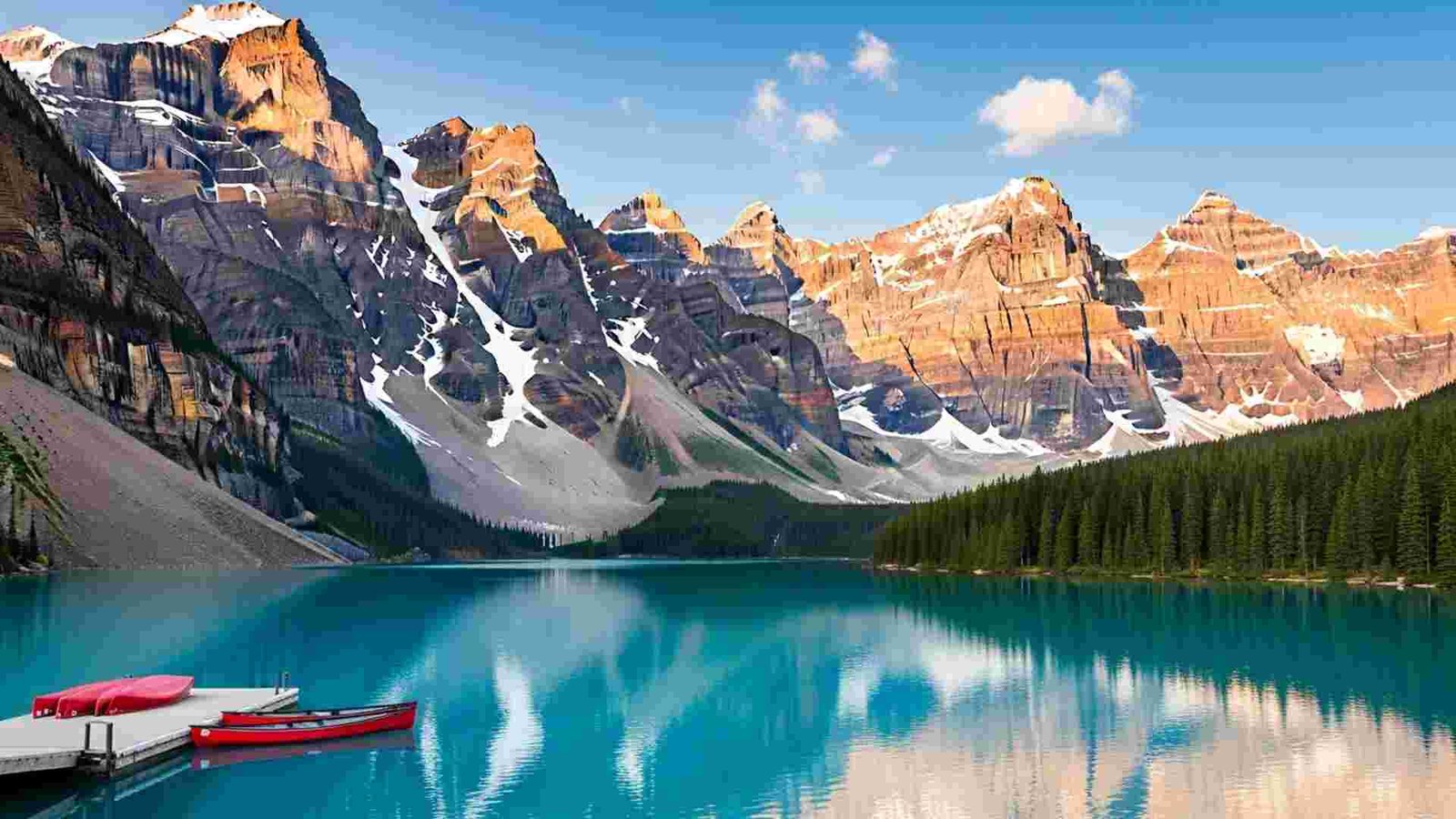
Canada’s Rockies are a world apart. Picture this: your family, standing in awe on a mountaintop, taking in the staggering beauty of Banff National Park—snow-capped peaks, crystal-clear lakes, and wildlife wandering freely. It’s a landscape that’s hard to beat, and a place where families of all ages can connect deeply with nature. Imagine taking a boat ride across the turquoise waters of Lake Louise with your parents, then hitting the hiking trails where your kids are spotting elk while you savor the peaceful surroundings. There’s no rush here, no hustle, just nature in its purest form.
I’ll always remember the crisp morning air in Banff—how it felt to step into a frozen wonderland, with ice skating on Lake Louise and skiing nearby. What made it even better was seeing three generations of my family sharing the experience, from my 70-year-old dad to my 8-year-old son, all of us finding joy in something different. The Rockies provide that perfect balance: adventure for the energetic and tranquility for those seeking peace.
Key Practical Information:
- Peak season: June to August (best weather and the most activities available).
- Off-peak season: September to May (ski season, fewer tourists).
- Best ways to explore: Renting a car is essential for exploring the Rockies and surrounding towns. Alternatively, there are guided tours.
- Ideal duration: 5-7 days (perfect for exploring Banff, Lake Louise, and surrounding areas).
- Must-try experiences: Hiking in Banff, canoeing on Lake Louise, visiting the Columbia Icefield, and a trip on the Rocky Mountaineer train.
- Budget considerations: The Rockies can be pricey, particularly during peak season. Consider staying in hostels or self-catering cabins.
- Cultural etiquette tips: Canadians are polite, friendly, and relaxed. Tipping around 15% in restaurants is standard.
- Photography opportunities: Snow-capped peaks, the iconic Lake Louise, and wildlife sightings.
10. Portugal (Madeira)
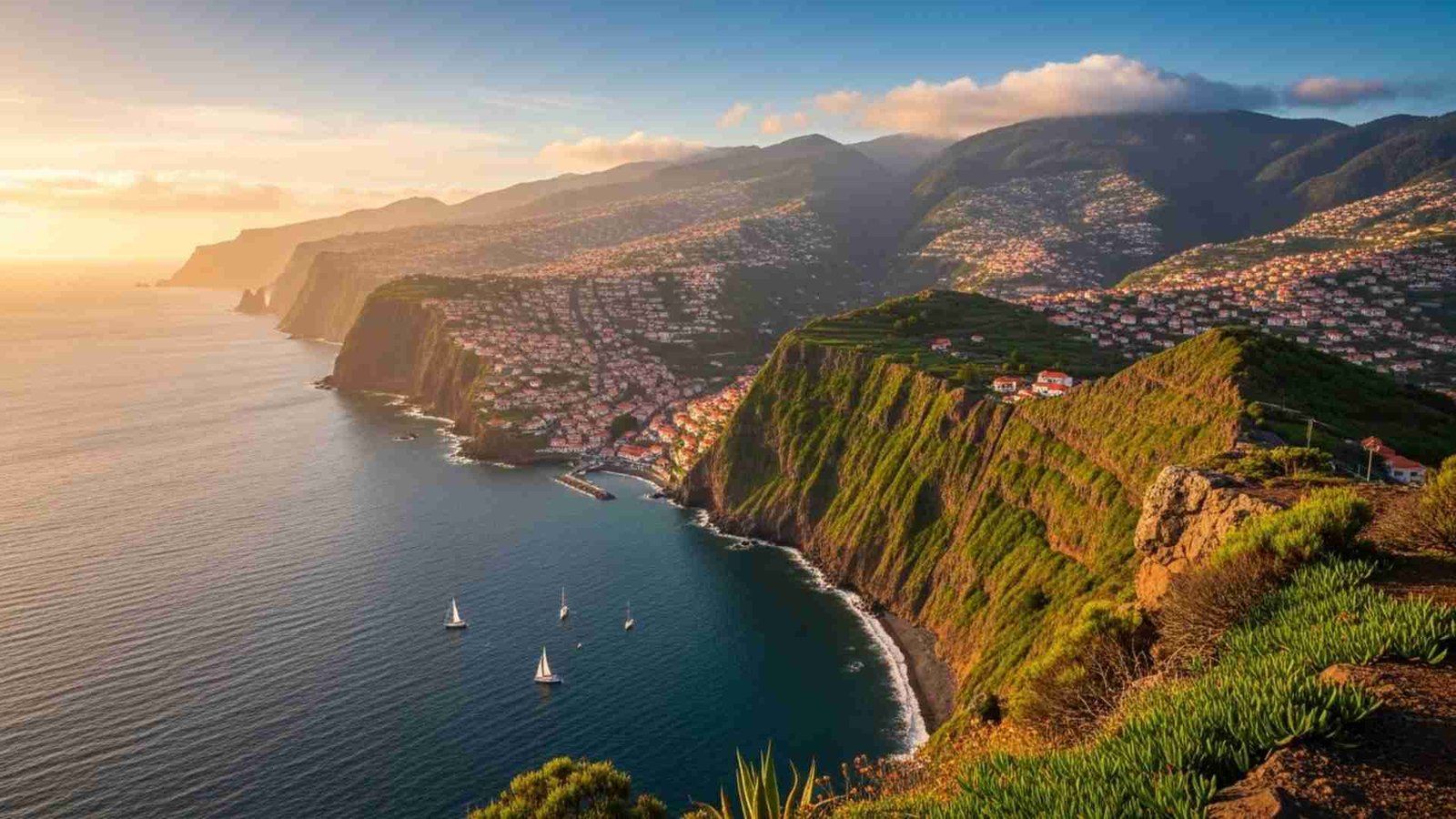
Madeira may be small, but it’s a big deal when it comes to family travel. Its subtropical climate, rugged terrain, and vibrant culture make it an unexpected gem for families seeking adventure and relaxation. The island’s diversity allows families to experience everything from the lush Laurisilva Forest to dramatic cliffs plunging into the ocean. Imagine taking an easy-going walk along the levadas (irrigation channels), where you can literally walk through the clouds and discover hidden waterfalls. Madeirans have this knack for making visitors feel like they belong, offering up hospitality that’s as warm as the sun on the island’s hills.
The true magic of Madeira is how it invites you to slow down. I remember one afternoon, my family and I spent hours in the island’s botanical gardens—taking in the colors and fragrances while my youngest niece tried to spot every bird in sight. Madeira doesn’t rush you; it’s a place where time seems to stretch out, and the natural beauty wraps you in calm. It’s also a great place to indulge in fresh seafood with the family, followed by a glass of Madeira wine while watching the sun dip below the horizon.
Key Practical Information:
- Best seasons to visit: April to October (ideal weather for outdoor activities).
- How to explore: Renting a car is a good way to explore the island, but guided tours are great for the levadas and hiking trails.
- Ideal duration: 4-6 days (ideal for relaxing and exploring the natural beauty).
- Must-try local experiences: Explore the levadas, hike Pico do Arieiro, visit the botanical gardens, and try espetada (skewered meat).
- Budget tips: Madeira offers great value for money in terms of food and accommodation. Look for local guesthouses or apartments for a more authentic and budget-friendly stay.
- Cultural etiquette tips: The locals are laid-back and friendly. Learn a few words in Portuguese—it goes a long way.
- Photography opportunities: Sunset over the cliffs, levada walks through lush forests, and vibrant street scenes in Funchal.
11. Morocco
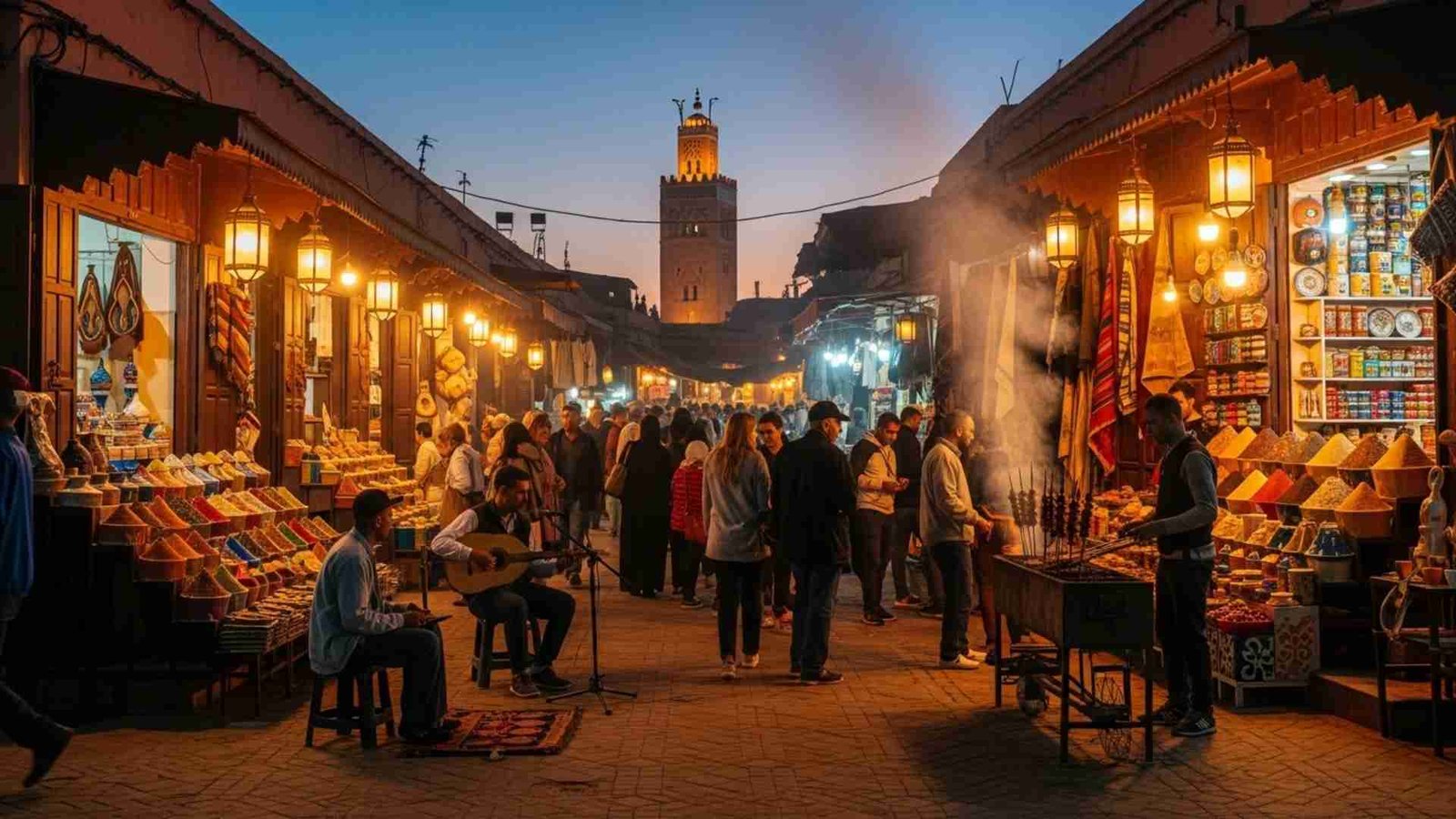
Morocco—a land where ancient tradition meets striking landscapes, where your senses are swept away by the spice-scented air, the rustle of desert sands, and the hum of bustling souks. While cities like Marrakech and Fes often steal the spotlight, it’s the hidden gems like the coastal town of Essaouira or the mountain villages of the Atlas that truly make Morocco a multi-generational marvel. I’ll never forget wandering through the narrow streets of Essaouira’s medina, where artisans and fishermen mix with travelers and locals, creating an electric atmosphere that draws you in. The vibrant blues of the city’s doors, the fish grilled on the beach, and the gentle waves crashing into the shore—all of it feels like stepping into a living painting.
An unexpected gem is the village of Imlil in the Atlas Mountains, a gateway for trekking enthusiasts but equally peaceful for families who simply want to enjoy the view and the hospitality of the locals. It’s the perfect spot for multi-generational trips that want a touch of adventure without losing the opportunity for quiet moments together. My family spent an afternoon sipping mint tea with a Berber family, looking out at snow-capped peaks, and realizing how rare it is to have these quiet, profound moments far from the crowds. In Morocco, you’re constantly reminded that travel isn’t just about seeing new places; it’s about the depth of experience, the cultural exchange, and the connections that linger long after you’ve left.
Key Practical Information:
- Best seasons to visit: March to May, September to November (mild temperatures, ideal for exploring cities and the desert).
- How to explore: Private guided tours offer the most authentic and safe experiences for families. Renting a car is useful, but be aware of local driving conditions.
- Ideal duration: 7-9 days to explore a mix of cities, mountains, and desert landscapes.
- Hidden gems to visit: Essaouira, Imlil village in the Atlas Mountains, and the dunes of Erg Chebbi in the Sahara.
- Must-try experiences: Exploring Fes’s medina, a camel trek in the Sahara, visiting the Jardin Majorelle in Marrakech.
- Budget tips: Morocco is generally affordable. Opt for riads (traditional guesthouses) for a more authentic and budget-friendly stay.
- Cultural etiquette tips: Dress modestly, especially in rural areas. Always ask permission before photographing locals.
- Photography opportunities: The winding streets of Fes, camel rides in the desert at sunset, and vibrant souks.
12. Japan

Japan is a study in contrasts—ultra-modern cities filled with neon lights and cutting-edge technology, nestled beside tranquil temples, serene gardens, and ancient traditions. For multi-generational travelers, Japan offers an incredible mix of past and present, blending the thrill of exploring Tokyo’s bustling streets with the peacefulness of Kyoto’s sacred shrines. But beyond the obvious sights, it’s the lesser-known corners of Japan that leave a lasting impression. Consider the tiny town of Takayama, tucked away in the Japanese Alps. The old town, with its well-preserved Edo-period houses, feels like a step back in time, offering an enchanting experience that contrasts with the frenetic energy of the big cities.
And if you’re looking for a way to combine relaxation and exploration, the island of Miyajima, home to the famous floating torii gate, offers a beautiful escape. While you might be familiar with its iconic shrine, the island is also a treasure trove of hidden hiking trails, traditional inns, and local food (don’t miss the grilled oysters!). Spending a night here, waking up to the mist over the mountains and the gentle lapping of water at the shore, feels like you’ve stepped into another world entirely. It’s these serene, slightly off-the-beaten-path experiences that make Japan so captivating for families of all ages.
Key Practical Information:
- Best seasons to visit: March to May (cherry blossom season), September to November (fall foliage).
- How to explore: Japan’s bullet trains (Shinkansen) are efficient for long-distance travel. Use local trains and buses for more intimate explorations in towns.
- Ideal duration: 10-12 days to cover a mix of urban and rural experiences.
- Hidden gems to visit: Takayama, Miyajima, the Ouchi-juku post town.
- Must-try experiences: Visit a traditional tea ceremony, soak in an onsen (hot spring), and take a boat ride along the Hozu River.
- Budget tips: Japan can be expensive, but using a JR Pass for train travel can save money. Street food like takoyaki and ramen is a cheap and delicious option.
- Cultural etiquette tips: Be punctual, be mindful of your noise level in public spaces, and always bow when greeting.
- Photography opportunities: The serene temples of Kyoto, Mount Fuji from Lake Kawaguchi, and the neon-lit streets of Shibuya.
Conclusion:
In the end, multi-generational vacations offer more than just a break from routine—they provide a chance to create lasting memories, bridge generational gaps, and experience the world together. Whether you’re exploring the wild beauty of South Africa, soaking in the culture of Japan, or relaxing on the sun-kissed beaches of Hawaii, these destinations are designed to cater to every age and interest. By choosing places that offer both adventure and relaxation, every family member, from the youngest to the oldest, can find their own moment of joy.