That flash of panic when you walk into a room and have no idea why you’re there. Or when your keys are in the fridge. Or when you’re telling a story and the name of the main person just… vanishes.
It’s that “brain fog” feeling, and it’s terrifying.
For decades, we’ve been told this is just a normal part of getting older. A slow, inevitable decline that we just have to accept. But what if that’s not the whole story? What if that narrative is just… wrong?
Honestly, the data is starting to show we’re not just imagining it. A 2023 Yale study even noted a “surprising rise” in young adults aged 18 to 39 reporting serious trouble with memory and concentration. So no, you’re not crazy. And no, it’s not just an “old person” problem.
But here’s the good news. The really good news.

The old idea of our brains being fixed, like concrete, is being completely overturned. The new science is built on a word you’re going to love: neuroplasticity. All it means is that your brain has the ability to change, adapt, and rewire itself. Think of it less like a hard drive that fills up and more like a “mental muscle” that you can strengthen.
And the biggest news of all? A groundbreaking 2024 report from the Lancet Commission just changed the game. They found that an estimated 45% of dementia cases worldwide could be delayed or prevented by addressing 14 modifiable risk factors.
Read that again. Forty-five percent.
This isn’t about some magic pill. It’s about agency. It’s about the small, daily moves that build a more resilient brain. These are the 11 “brain-young” moves neurologists wish we’d all start doing today.
The “Non-Negotiable” Trio: Moves 1-3 That Fuel Your Brain
Before you try to “train” your brain, you have to give it the basic tools to function. Think of this as the engine room: it needs fuel, a cleaning crew, and a system that makes them work together.
Move 1: Take a “Brain-Gro” Walk (22 Minutes)

This is probably the single most powerful thing you can do for your brain. We’re talking about 150 minutes per week of “moderate-intensity” activity.
That sounds like a lot, but it breaks down to just 22-30 minutes a day, 5 days a week. And “moderate” just means you can still talk, but you can’t sing. Think: walking like you’re a few minutes late for a meeting.
Why it works: When you move, your brain releases a protein called BDNF (Brain-Derived Neurotrophic Factor).
The simple term for BDNF? “‘Miracle-Gro’ for your brain”.
This stuff is liquid gold. It helps your brain cells “grow, connect, and repair themselves”. One 2024 study on mice found that 30 days of running led to a nearly 60% increase in BDNF levels. You are literally building a bigger, better brain.
Move 2: Run the “Brain Wash” Cycle (7-8 Hours of Sleep)

Let’s kill a myth: sleep is not a passive “off” switch. It is an active and vital maintenance process. Neurologists recommend 7 to 8 consecutive hours of sleep per night.
Why it works: This is so cool. In 2013, scientists discovered a process called the Glymphatic System.
Think of it as your brain’s “nightly waste-clearance crew”.
When you’re awake, your brain cells are working hard and creating metabolic “gunk.” When you fall into deep sleep, your brain cells actually shrink, allowing cerebrospinal fluid to “wash” through your brain and flush out that toxic waste.18 And what is the main waste it clears? Two proteins you’ve probably heard of: $amyloid-\beta$ and $tau$.18 The very proteins that build up in Alzheimer’s disease.
This cleaning system only works efficiently when you’re in deep sleep.
Move 3: Master the “Sleep-Exercise” Synergy (Move 1 + 2)
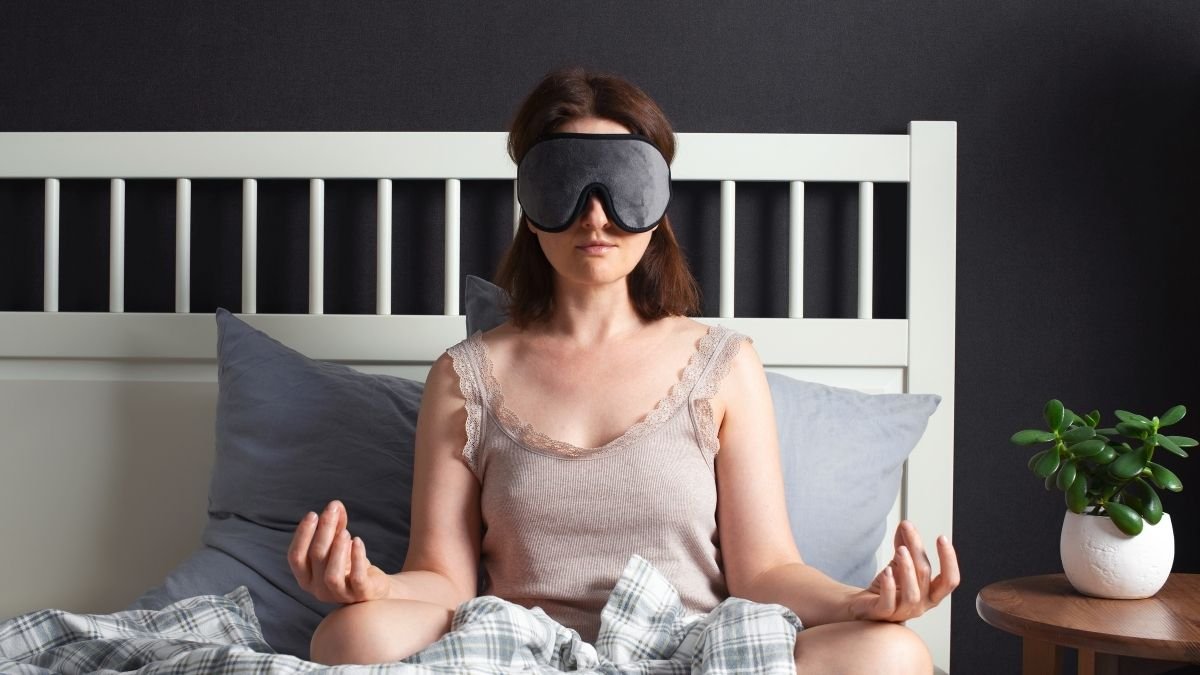
This, right here, is the insight that changes everything. You can’t use one to “make up” for the other.
A critical 2023 study published in The Lancet Healthy Longevity followed nearly 9,000 people for 10 years. What they found was stunning:
People who were highly physically active but were short sleepers (less than 6 hours a night) had faster cognitive decline.
After 10 years, their cognitive function was equivalent to their peers who did less physical activity.
Let that sink in. All that work, all that sweat, was effectively negated by a lack of sleep.
Here’s the takeaway: Exercise builds the brain (Move 1), but sleep cleans and solidifies those gains (Move 2). You must do both.
The “Active Rewiring”: Moves 4-6 That Build Cognitive Reserve
You’ve heard “use it or lose it”. That’s the simple version of Cognitive Reserve. Think of it like a “savings account” or “scaffolding” for your brain. By building a rich, dense network of connections, your brain can handle more age-related damage before it shows any symptoms.
Move 4: Swap a “Comfort” Game for a Novel Challenge (15 Minutes)

So, you do the crossword every day. That’s great. But… and I say this with love… It’s not enough.
Here’s the problem: most “brain games” don’t have a “transfer effect”. You just get really, really good at… well, at that specific game.
What your brain actually craves is effortful novelty.
A groundbreaking 2025 McGill University study gave us the first human evidence of this.
- They had one group of older adults play “casual” computer games (like Solitaire).
- They had another group use a structured, adaptive training program (BrainHQ) that forces you to get faster and more accurate.
The results? The casual game group saw no improvement. But the structured training group showed a significant increase in acetylcholine, a key neurotransmitter for memory and attention.
The lead neurologist, Dr. Etienne de Villers-Sidani, said, “The training restored cholinergic health to levels typically seen in someone 10 years younger”.
The Move: Swap 30 minutes of your comfortable crossword for 15 minutes of something that makes your brain hurt a little. Try learning a new language on an app, picking up a musical instrument, or even just using your non-dominant hand to brush your teeth.
Move 5: Send One “Connection” Text (5 Minutes)

This isn’t a “soft” or “fluffy” tip. This is a hard-line biological necessity. Social isolation is one of the Lancet’s key modifiable risk factors for dementia. One 2023 study found that socially isolated adults may be 28% more likely to develop dementia.
But here’s the expert distinction: a 2022 study in Neurology found a crucial difference between social isolation (the objective fact of not seeing people) and loneliness (the subjective feeling). They found that isolation itself was the independent risk factor, linked to lower gray matter volumes in the brain.
Why it works: Dr. Suvi Neukam, a geriatrician, explains it perfectly.
- Socializing is “brain exercise.” She says, “When we connect with others—talking, laughing, problem-solving—we’re strengthening memory, attention, and executive function”.
- It’s a stress buffer. “When we’re disconnected, our cortisol levels rise, and chronic inflammation can set in… That inflammation affects vascular health, which in turn is tied to brain health”.
The Move: Just send one text. Call one person. Join a club. Volunteer. It is a direct deposit into your brain’s “cognitive reserve”.
Move 6: Eat One “MIND” Handful (Berries or Nuts)
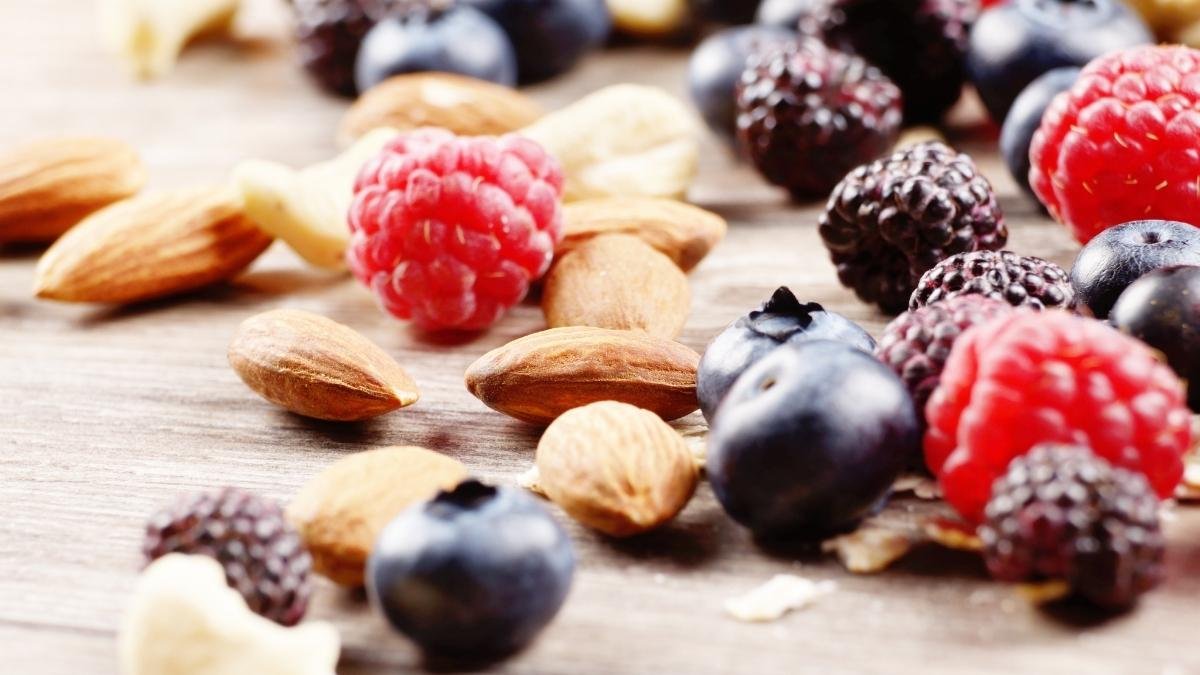
The “MIND Diet” is a hybrid of the Mediterranean and DASH diets, built specifically for brain health. But honestly, new diets are overwhelming. So let’s simplify.
First, let’s be transparent about the data, because it’s confusing.
- On one hand, Large observational studies are incredibly positive. One study found that high adherence to the MIND diet was associated with a 53% lower risk of developing Alzheimer’s.
- On the other hand, A major “gold standard” 3-year Randomized Controlled Trial (RCT) published in the New England Journal of Medicine in 2023 found… no significant difference in cognitive change between the MIND diet group and the control group.
So, what gives? The “control group” in that RCT wasn’t eating junk food. They were also on a healthy, calorie-restricted diet. The real takeaway is that while the MIND diet is dramatically better than a processed-food diet, the “magic” isn’t a rigid formula. It’s the components: low saturated fat, high antioxidants, and anti-inflammatory foods.
The Move: Don’t overhaul your life. Just add the most powerful components.
- Eat berries (like blueberries, strawberries) at least 2 times a week.
- Eat nuts (like almonds, walnuts) at least 5 times a week.
That’s it. You’re on your way.
| The MIND Diet: Quick Guide [48, 49, 50, 51, 52] | |
| Brain-Building Foods (Eat) | Brain-Limiting Foods (Limit) |
| Green Leafy Vegetables (6+ servings/week) | Butter & Margarine (< 1 tbsp/day) |
| Other Vegetables (1+ serving/day) | Cheese (< 1 serving/week) |
| Berries (2+ servings/week) | Red Meat (< 3-4 servings/week) |
| Nuts (5+ servings/week) | Pastries & Sweets (< 4-5 servings/week) |
| Olive Oil (use as main oil) | Fried Food (< 1 serving/week) |
| Whole Grains (3+ servings/day) | |
| Fish (1+ serving/week) | |
| Beans (4+ servings/week) | |
| Poultry (2+ servings/week) |
The “Silent Protectors”: Moves 7-9 That Stop Brain Drain
These moves aren’t about building new connections. They’re about protecting the ones you have from silent, systemic damage. They’re about “plugging the leaks.”
Move 7: Know Your “Heart-Brain” Numbers (BP & LDL)
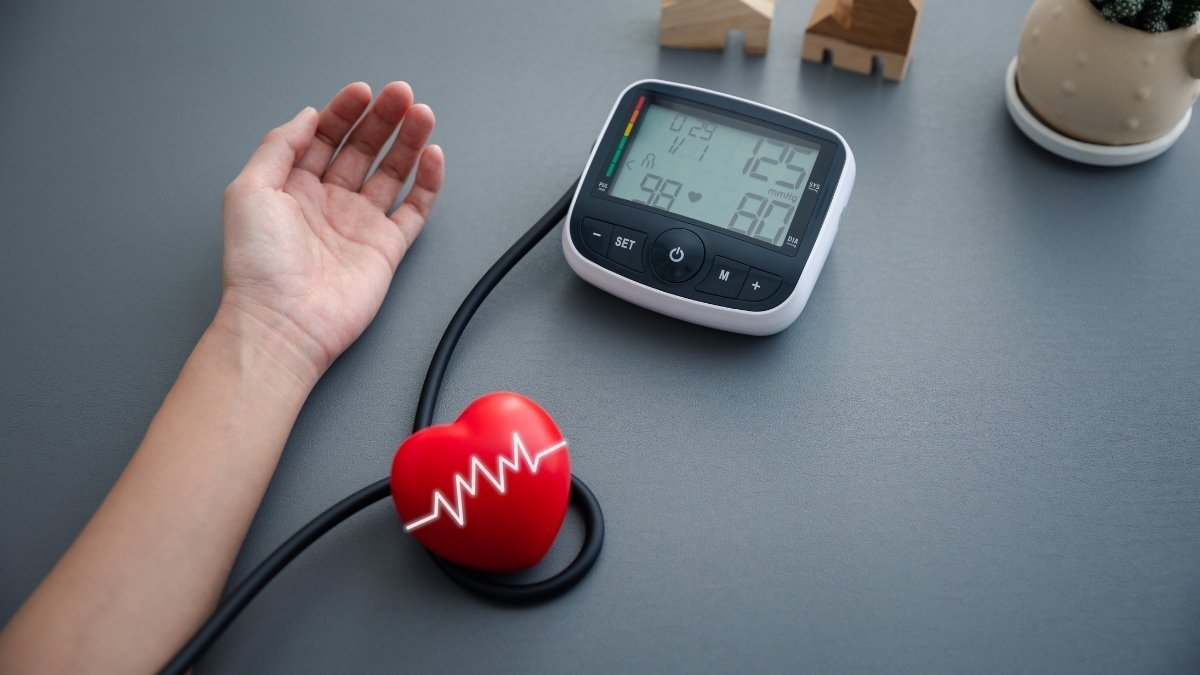
If you remember one thing from this entire article, make it this axiom from the Global Council on Brain Health:
“What’s good for the heart is good for the brain”.
Your 3-pound brain uses about 20% of your body’s oxygen and blood. If that supply is damaged, the brain starves. That’s why managing vascular risks is a brain health strategy.
- Blood Pressure: High blood pressure, especially in midlife (your 40s-60s), is a massive risk factor for late-life dementia. One 2025 study of 1.3 million women found midlife hypertension was associated with a 1.17 Hazard Ratio for all-cause dementia.
- Cholesterol: High LDL (“bad”) cholesterol was one of the two new risk factors added by the 2024 Lancet Commission. Why? It’s believed to contribute to $amyloid$ buildup and increase your risk of stroke, a direct cause of vascular dementia.
The Move: Go to your doctor. Get your blood pressure and cholesterol checked. Manage them. This is not optional.
Move 8: Get That “Blurry” Vision Checked (The Easiest Fix)

This is the other new 2024 Lancet risk factor, and it’s the most surprisingly simple one on the list: untreated vision loss.
When your brain has to work overtime just to figure out what it’s seeing, it pulls resources away from other cognitive tasks like memory.
But here’s the most hopeful part. Dr. Josh Ehrlich, a researcher at the University of Michigan, puts it perfectly: “Worldwide, 75 percent of vision loss is due to uncorrected refractive error (the unmet need for glasses) and cataract… We’re talking about something that’s readily modifiable”.
The Move: Is the world looking a little blurry? Are you squinting to read this? Just… make an eye appointment. It’s now officially a brain-protective move.
Move 9: Re-think That “Relaxing” Drink (Alcohol)

Let’s clear up a myth. The old line is “alcohol kills brain cells”. The real story is a bit different, and honestly, more serious.
Yes, alcohol is a neurotoxin, and chronic heavy use can cause the brain to atrophy or “shrivel”.
But a primary source of severe, dementia-like damage is thiamine (Vitamin B1) deficiency. Here’s the chain of events:
- Alcohol’s toxic effect on your gut lining prevents your body from absorbing and using thiamine.
- Your brain requires thiamine to function.
- Without it, your brain cells effectively starve, leading to severe neurological damage and a condition called Wernicke-Korsakoff syndrome, which is a form of dementia.
The Move: This isn’t about prohibition. It’s about moderation. Be mindful. Stick to the guidelines of one drink a day for women, two for men.
The “Final” Moves: 10 & 11 for a Resilient Mind
One simple physical action, one crucial psychological one.
Move 10: Wear the Helmet. Seriously.
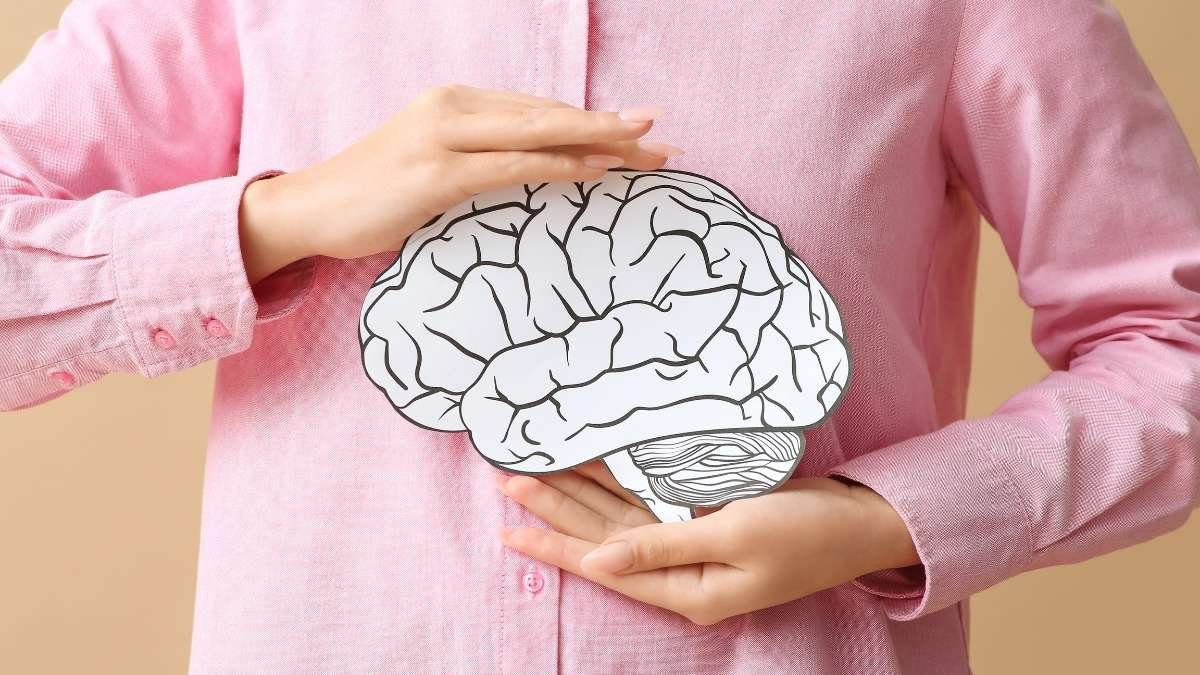
This one is fast. Traumatic Brain Injury (TBI) is one of the 14 key Lancet risk factors. A single bad fall or accident can have a significant, long-term impact on your thinking and memory.
The Move: Wear the seatbelt. Wear the helmet when you’re on a bike or skiing. Your brain is amazing, but it’s soft. Protect it.
Move 11: Debunk the “Inevitable” Myth (And Stop Worrying)

This might be the most important move of all. Stop the chronic, low-grade stress that you’re doomed. That stress itself is bad for your brain.
Cognitive decline is not inevitable.
The Proof: Researchers are obsessed with a group of people called “Cognitive Super Agers”. These are individuals in their 80s and 90s whose memory performance is comparable to people 20 to 30 years younger. Their brains show a “brain signature” of resilience, including a significantly slower rate of age-related brain shrinkage.
They are the living, breathing proof that it’s possible.
The Move: Stop panicking every time you lose your keys. Instead, take that energy and use it on one of the other moves. As a Stanford neurologist said, “It is never too late to start changing our lifestyle practices so that we can develop a healthy brain”.
Amplify Your Efforts: A ‘Brain-Young’ Toolkit to Support Your Moves
The 11 daily moves in this article are the foundation of lasting cognitive wellness. They are habits, and the secret to making habits stick is to make them as consistent, joyful, and frictionless as possible.
While no single product is a magic bullet, the right tools can act as powerful support systems, helping you build a brain-healthy environment and routine. We’ve curated a list of five simple, effective products that align perfectly with the “brain-young” philosophy—each one designed to reduce stress, build consistency, and support your new habits.
1. For Waking Up Restored: JALL Wake Up Light Sunrise Alarm Clock

One of the most profound “brain-young” moves is to align your sleep with your natural circadian rhythm. A jarring audio alarm does the opposite, shocking your system with a spike of cortisol. This sunrise alarm clock flips the script. It simulates a gradual, natural sunrise over 30 minutes, gently easing you out of sleep. It’s a top-rated, accessible way to start your day with calm energy instead of chaos.
2. For Better Sleep in a Blue-Light World: Cyxus Blue Light Blocking Glasses

We know screen time before bed can disrupt sleep, but the reality is that most of us aren’t giving up our nightly TV show or e-book. These glasses are the perfect “harm reduction” tool. By filtering out the specific blue light wavelengths that interfere with your body’s melatonin production, they help you wind down naturally—even if you’re still scrolling. We love this pair for being lightweight, stylish, and comfortable enough for nightly wear.
3. For Mindful Movement: A 1000-Piece “Collage” Jigsaw Puzzle

Challenging your brain doesn’t have to feel like a test. This is about flow, not frustration. A 1000-piece puzzle is a perfect tool for non-digital mindfulness, but the wrong image (like a giant blue sky) can be maddening. That’s why experts recommend “collage” style puzzles. Brands like White Mountain design puzzles with dozens of small, nostalgic images. This provides constant, small victories that build confidence and make the entire process a relaxing, meditative escape.
4. For Effortless Habit-Tracking: 3DTriSport Walking 3D Pedometer

It’s easy to get overwhelmed by complex fitness trackers that demand charging, syncing, and app notifications. This simple pedometer is the antidote. It does one thing, and it does it perfectly: it counts your steps with 3D accuracy. It requires no subscription, no app, and no phone pairing. Just clip it on and go. It even stores your data for 30 days right on the device, giving you all the tracking you need with zero friction.
5. For a “Brain-Fuel” Blueprint: MIND Diet for Beginners

Adopting a brain-healthy diet is one of the most powerful moves you can make. The MIND Diet, in particular, is proven to support long-term cognitive health. But starting a new way of eating is daunting. This book solves the biggest problem: “What do I eat?” It goes beyond just recipes and gives you a complete 28-Day Meal Plan, complete with shopping lists, to make this powerful new habit feel effortless.
Your First 7-Day “Brain-Young” Plan
Feeling overwhelmed? Don’t. You don’t have to do all 11 things tomorrow. The power is in the consistency.
Here’s a simple starter plan. Just try this for one week.
- Day 1: Go for a 22-minute “Brain-Gro” walk (Move 1).
- Day 2: Set a “go to bed” alarm. Turn off all screens 1 hour before (Move 2).
- Day 3: Buy a bag of almonds or blueberries for your desk (Move 6).
- Day 4: Call or text a friend you haven’t spoken to in a while (Move 5).
- Day 5: Make that eye doctor appointment (Move 8) or your annual physical (Move 7).
- Day 6: Download a language app and try it for 15 challenging minutes (Move 4).
- Day 7: Take another 22-minute walk (Move 1) and share this article with someone you care about (Move 5).
That’s it. You’ve just taken 11 steps. Your brain is already changing, adapting, and thanking you for it. You have the tools. You have the agency.