
The first scratch in your throat. The pressure is building behind your eyes. And that slow, sinking realization: “Great. I’m getting sick.”
You’re already mentally clearing your calendar, aren’t you? We all just kind of accept that we’re about to be useless for a week.
And honestly, the data backs this up. Most people are laid out by a common cold for about 7 to 10 days. Sure, the absolute worst of it—the “hit by a truck” phase—peaks in the first 2 to 3 days, but that lovely, nagging cough or stuffy nose can hang on for 10 to 14 days.
This isn’t just you. We’re talking an estimated 1 billion colds in the United States every single year.5 Adults get hit with this 2 to 4 times a year, and kids? They can get 6 to 10. It’s no wonder the common cold is the number one reason we all call out of work and school. Think about that: all those missed meetings and sick days. It adds up. One estimate for related illnesses like the flu pegs the cost at $7 billion a year in lost productivity from over 111 million lost workdays.

So, here’s the deal. There’s no “cure.” A cold is just your body fighting one of over 200 different viruses (rhinovirus is the usual culprit). That 7-to-10-day timeline? That’s just biology. It’s the average time your adaptive immune system needs to see the enemy, call in the T-cells, and build the specific antibodies to win the war.
But here’s what they don’t tell you: that timeline isn’t set in stone. The habits in this playbook aren’t magic pills. They’re just smart, evidence-based ways to help your body do its job faster and more efficiently. It’s about getting out of your own immune system’s way and giving it a fighting chance.
Habit 1: Stop “Powering Through.” Sleep is Your Real Medicine.

We all do it. “I’ll just power through.” We chug coffee, answer emails from bed, and pretend we’re fine. But “sleeping it off” isn’t a passive surrender. It’s an active battle strategy.
This Isn’t a Suggestion. It’s a Biological Order.

Dr. Neha Vyas, a family medicine doc at the Cleveland Clinic, put it perfectly: “When you rest and sleep, it allows your immune system to recharge… When you allow your body to rest, your immune system can do its job and help you fight the infection naturally”.
That “recharge” is real. When you’re awake, your body is burning energy on thinking, moving, and digesting. Sleep is like hitting a switch, diverting all that power to your immune system’s “war effort.”
This isn’t just a metaphor. Two critical things happen when you’re in deep sleep:
- Your body makes “battle signals” (Cytokines): These are the proteins that basically command your immune response, targeting infection and inflammation. If you don’t sleep, you don’t make enough of them. Simple as that.
- It deploys the “elite soldiers” (T-cells): Sleep is when your body churns out T-cells, the white blood cells that hunt down and destroy cells the virus has already infected.
You know that bone-deep fatigue you feel when you’re sick? That’s not just the virus. That’s your immune system itself releasing those same cytokines to make you sleepy. Your body is literally telling you, “Go to bed so I can fix this.” When you fight that fatigue with stimulants, you’re actively ignoring your body’s own recovery plan.
Your Action Plan: The Rules of Convalescent Sleep

The stakes are high. Research has shown that just one night of restricted sleep (like 4 hours) can tank the activity of your front-line “Natural Killer” cells by a staggering 72%. That’s like sending your army to battle with no weapons.
To use sleep as medicine, you have to follow the rules:
- Allow the Time: You need 7 to 9 hours normally. When you’re sick? You need more. Don’t set an alarm if you can help it.
- Reject the “Catch-Up” Myth: Your immune system needs consistency. You can’t “power through” from Monday to Wednesday, feel awful, and hope a 12-hour sleep on Saturday will fix the damage. By then, you’ve given the virus a 3-day head start.
- Nap Smart: If you’re wrecked, take a nap. But keep it to 30 minutes or less. You want to take the edge off the fatigue, not mess up your all-important nighttime sleep (when the real immune work happens).
Habit 2: You’re Hydrating Wrong.

“Drink plenty of fluids.” It’s the most boring, generic advice on the planet. But its effectiveness depends entirely on why you’re doing it and what you’re drinking.
The Science of Sips: Why Water is Congestion’s Worst Enemy

It’s all about mucus. (Sorry, I know.) The whole point of fluids is to “loosen stuffiness, called congestion”.
When you’re sick, you’re losing fluid way faster than you think, especially if you have a low-grade fever. This is where it all goes wrong. As Dr. Mariam Zakhary explains, “Dehydration can thicken mucus and impair circulation, making it harder for your immune cells to reach infection sites…”
Think about that. Dehydrated mucus is thick, sticky, and awful. It’s a traffic jam in your sinuses that traps the virus and leads to that awful pressure and lingering, hacking cough. Proper hydration thins it out, so your body can actually get rid of it.
Your Action Plan: The “Drink This, Not That” Protocol
So, what you drink really matters.
- Drink This: Dr. Neha Vyas has a great list: “Drink lots of fluids, non-caffeinated beverages are the best… broth, whatever kind of broth you like, whatever kind of soups you enjoy, whether it be chicken soup, lentil soup or any sort of miso soup… Anything and everything that is water-based… is quite helpful”. Sarah Harbeck, RD, also throws in herbal tea (like ginger) and electrolyte solutions.
- The Warm Liquid Bonus: This is key. Warm liquids, like soup or tea, do double duty. They “soothe a sore throat” and, more importantly, “ease stuffiness by increasing mucus flow”. That’s why chicken soup genuinely feels so good. It’s hydration, soothing warmth, and (from the salt) electrolytes all in one.
- Avoid This (Seriously): It’s critical to avoid fluids that make you more dehydrated. We’re talking alcohol, coffee, and caffeinated sodas. These are all diuretics. In simple terms, they make you pee more, which leads to a net fluid loss.
This reveals the vicious cycle we all fall into. You feel tired from the cold (Habit 1). You drink coffee to “power through” the fatigue. The coffee dehydrates you, which makes your mucus thicker, which makes your primary symptom—congestion—worse. Your attempt to fix the fatigue is literally making your cold stick around longer.
Habit 3: The 24-Hour-Rule: Two Interventions That Actually Work

Okay, the supplement aisle is a disaster of false promises when you’re already sick. But two interventions do have solid, consistent evidence for an active cold. You just have to use them correctly.
Intervention 1: Zinc (The Virus Blocker)
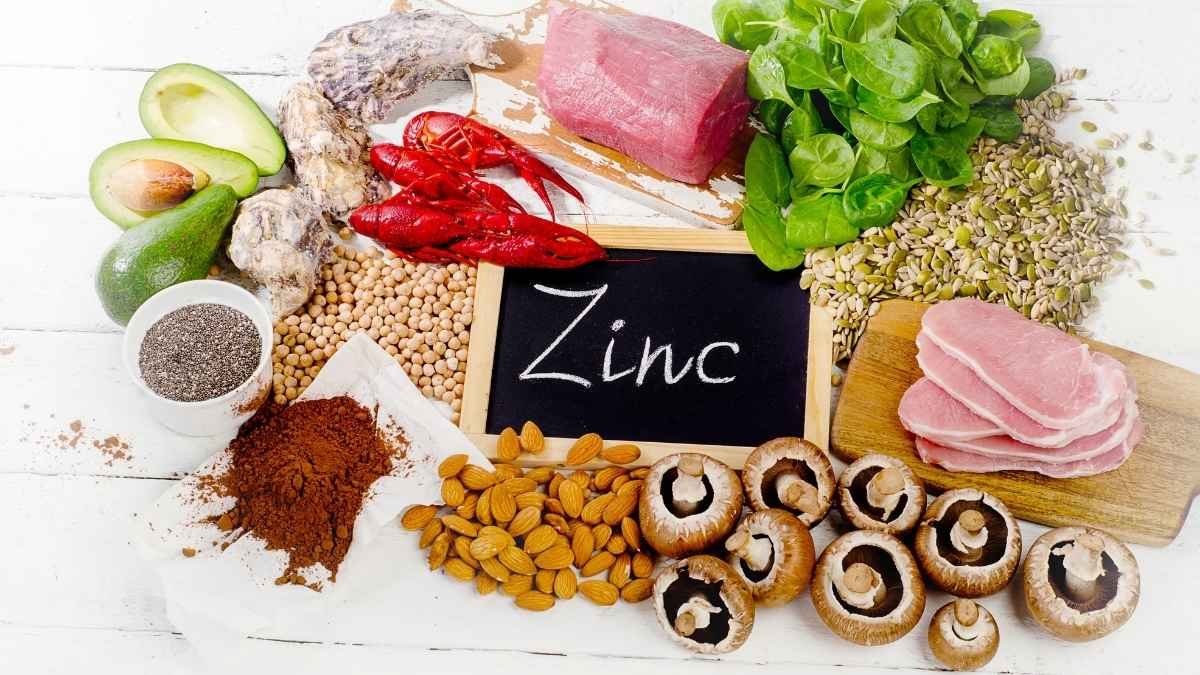
This is the single most powerful tool we have for shortening a cold, but it is 100% time-dependent. You must start it within 24 to 48 hours of that very first “uh oh” symptom. If you wait until day 3, you’ve missed the window.
- The Evidence: This isn’t wishful thinking. A 2020 systematic review found zinc could cut the duration of a cold by an average of 2.25 days. Another meta-analysis focusing on zinc acetate found it shortened colds by 42%. That’s huge.
- The Action Plan:
- Dose is Critical: This is not the time for a tiny 15mg dose. Studies that used less than 75 mg of elemental zinc per day uniformly found no effect. The ones that worked used a high dose: greater than 75 mg of elemental zinc per day.
- Form Matters: You want zinc acetate or zinc gluconate lozenges. You have to let them dissolve in your mouth. The whole point is to coat your throat and (we think) physically stop the virus from replicating right there in your upper respiratory tract.
- Critical Warnings (Read These!):
- Side Effects: High doses can taste metallic or make you feel nauseous.
- Short-Term Only: This is a 5-to-7-day “blitz,” not a long-term supplement. Taking this much zinc all the time can cause a copper deficiency and, ironically, reduce your immunity.
- NEVER. EVER. INTRANASAL. ZINC. Do not use zinc nose gels or swabs. The FDA has warned that these products are linked to a risk of permanent, irreversible loss of smell. It is not worth the risk.
Intervention 2: Honey (The Evidence-Based Cough Suppressant)
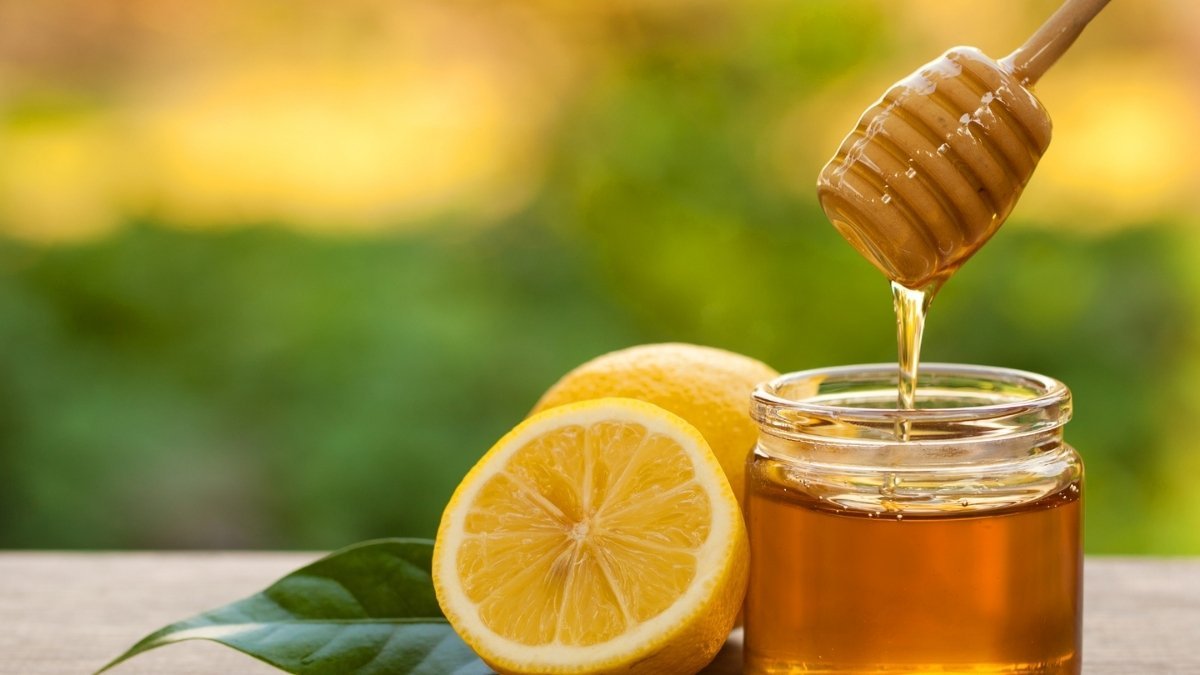
That hacking cough isn’t just annoying; it’s wrecking your sleep (see Habit 1), which in turn slows down your recovery.
- The Evidence: Honey has officially graduated from “home remedy” to “evidence-based treatment.” A 2021 systematic review and meta-analysis found that honey was superior to usual care for calming both cough frequency and severity.
- Honey vs. The Aisle: It competes head-to-head with over-the-counter meds. Studies have found that honey outperformed diphenhydramine (Benadryl) and was similar to, or in some cases more effective than, dextromethorphan (the “DM” in your cough syrup).
- The Mechanism: The World Health Organization (WHO) calls honey a demulcent, which is a fancy word for a substance that forms a soothing, protective film over the raw, irritated membranes of your throat. It also has well-known anti-inflammatory and antimicrobial properties.
- The Action Plan: A spoonful straight up before bed or, even better, dissolved in warm tea (which nails Habit 2 at the same time).
- Critical Warning: DO NOT give honey to children younger than 1 year old. It can carry spores of Clostridium botulinum, which can cause infant botulism, a rare but very serious medical emergency.
Habit 4: Control Your Environment to Heal Your Body

This is the one nobody thinks about. Your recovery isn’t just determined by what you put in your body; it’s also about the environment surrounding it. This non-obvious habit has a direct impact on your body’s primary defenses.
The Air You Breathe: Why Low Humidity Is Your Enemy

Let’s bust a myth right now: cold weather doesn’t cause colds. Viruses do. So why is there a “cold season”? Two reasons: we’re all huddled inside sharing germs, and the air is dangerously dry.
Low humidity is a key environmental factor. Cold air just can’t hold much moisture, and our indoor heating systems bake out whatever little is left.
This dry air absolutely wrecks your body’s built-in defenses. As immunologist Dr. Ebru Karpuzoglu, PhD, explains, “The cold air outside can irritate and dry out the mucous membranes in your nose… When these membranes become dry, they are less effective at trapping and expelling viruses”.
A 2019 Yale study (on the flu virus, but the principle holds) detailed exactly how low humidity impairs your immune response
- It Paralyzes the “Mucus Escalator” (Cilia): Your airways are lined with cilia—microscopic hairs—that are constantly beating to move mucus (and all the viruses trapped within it) up and out of your system. Dry air stops this ciliary escalator cold.
- It Impairs Airway Repair: It reduces the ability of your airway cells to repair the damage the virus is causing.
- It Blocks the “Warning Signal” (Interferons): It disrupts the “alarm” system that infected cells release to warn neighboring cells to get their defenses up.
The action plan here is to use a cool-mist humidifier or vaporizer. As Dr. Vyas notes, this “helps mucus loosen up so you can breathe better”. Critically, the humidifier must be drained and cleaned daily. A dirty one will just spray mold and bacteria into your room, which is… not helpful.
The “Wash Out” Method: Physically Removing the Virus

This habit involves the physical removal of the pathogen. A saline nasal rinse (using a Neti Pot or squeeze bottle) is not just a comfort measure; it’s an active intervention.
- The Evidence: One study found that saline nasal sprays reduced cold symptoms in children by two days.
- The Mechanism: The saline wash “rinses debris or mucus” and “helps wash away” irritants and viral particles from your nasal cavity. It also moisturizes the nasal tissues, directly supporting the first part of this habit (fighting dry air).
- The Action Plan: A simple saltwater solution is used to flush the nasal passages.
- CRITICAL SAFETY WARNING: This is the most important warning in this entire article. Please, please listen. NEVER use untreated tap water. The rinse must be made only with distilled water, sterile water, or tap water that has been boiled for 3-5 minutes and then cooled. Tap water can contain micro-organisms, including the amoeba Naegleria fowleri, which, while rare, can cause a fatal brain infection when introduced into the sinuses. It’s not worth the risk.
The “Don’t” List: 4 Common Mistakes That Keep You Sick Longer
Sometimes, getting better faster is about not doing the things that make it worse. Stop falling for these.
Mistake 1: Believing Green Mucus = Antibiotics
This is the most common myth. Colds are caused by viruses. Antibiotics do not work on viruses; they only work on bacteria. So why does your snot turn green? It’s actually a good sign. After 2-3 days, your mucus changes from clear to white, yellow, or green because it’s full of dead white blood cells (neutrophils) that have arrived to fight the infection. Green mucus is a sign that your immune system is working, not a sign that you need antibiotics.
Mistake 2: Guzzling Vitamin C After You’re Sick
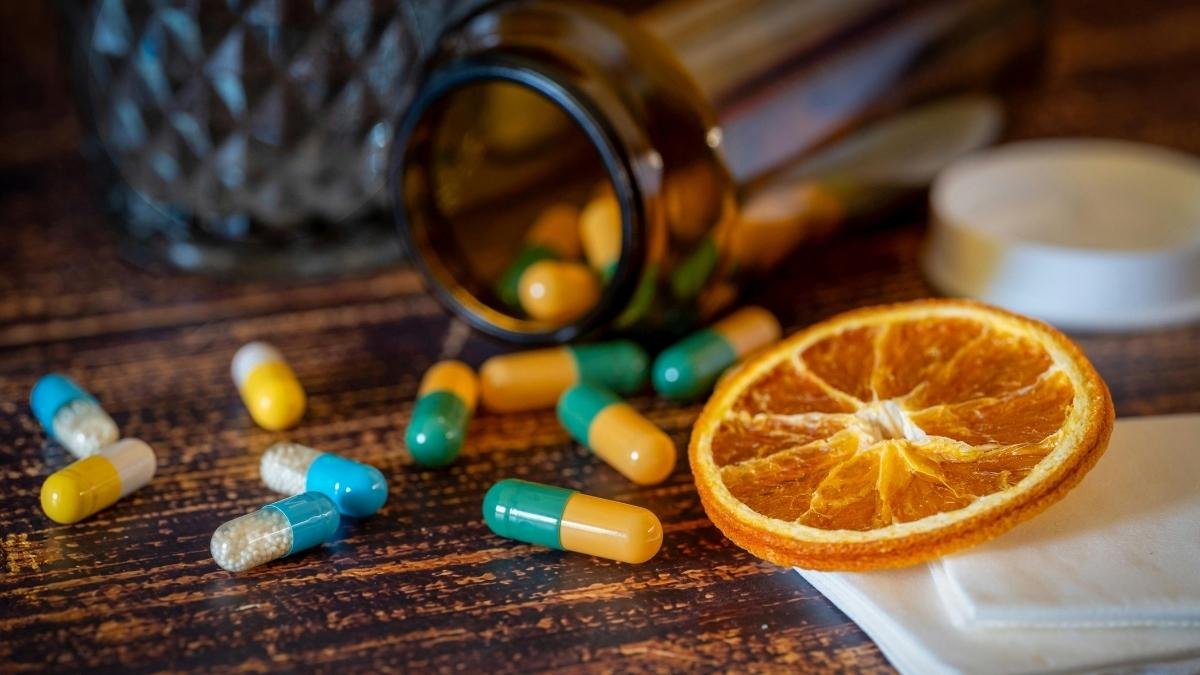
The time for Vitamin C was before you got sick. Research shows that taking Vitamin C after the onset of a cold does not affect its duration or severity. While regular daily supplementation might slightly reduce duration or severity, it is not the acute treatment that high-dose zinc is.
Mistake 3: Trying to “Sweat Out the Sickness”

The idea that you can “sweat out” a cold with a hard workout or a sauna is a total myth. “No evidence suggests sweating is effective”. A virus is a biological agent replicating inside your cells; you can’t sweat it out. This is actually harmful. All you’re doing is causing significant fluid loss, which leads to dehydration—the very state that thickens your mucus and worsens your congestion.
Mistake 4: Avoiding Dairy

The myth that milk and other dairy products “create more mucus” is false. Dairy products do not cause the body to produce more mucus. The texture of milk may coat an already-irritated throat, creating the sensation of more phlegm, but it’s an illusion. In fact, ice cream can be a useful tool to soothe a sore throat.
Need a Little Extra Help? Look Into These.
Look, the four habits are your main playbook. But sometimes, when you’re miserable, you just want something on your side to make the process a little less awful. These are a few of the tools I’ve found genuinely helpful for supporting those habits—not as magic cures, but as solid support.
1. Levoit Classic 300S Cool Mist Humidifier:
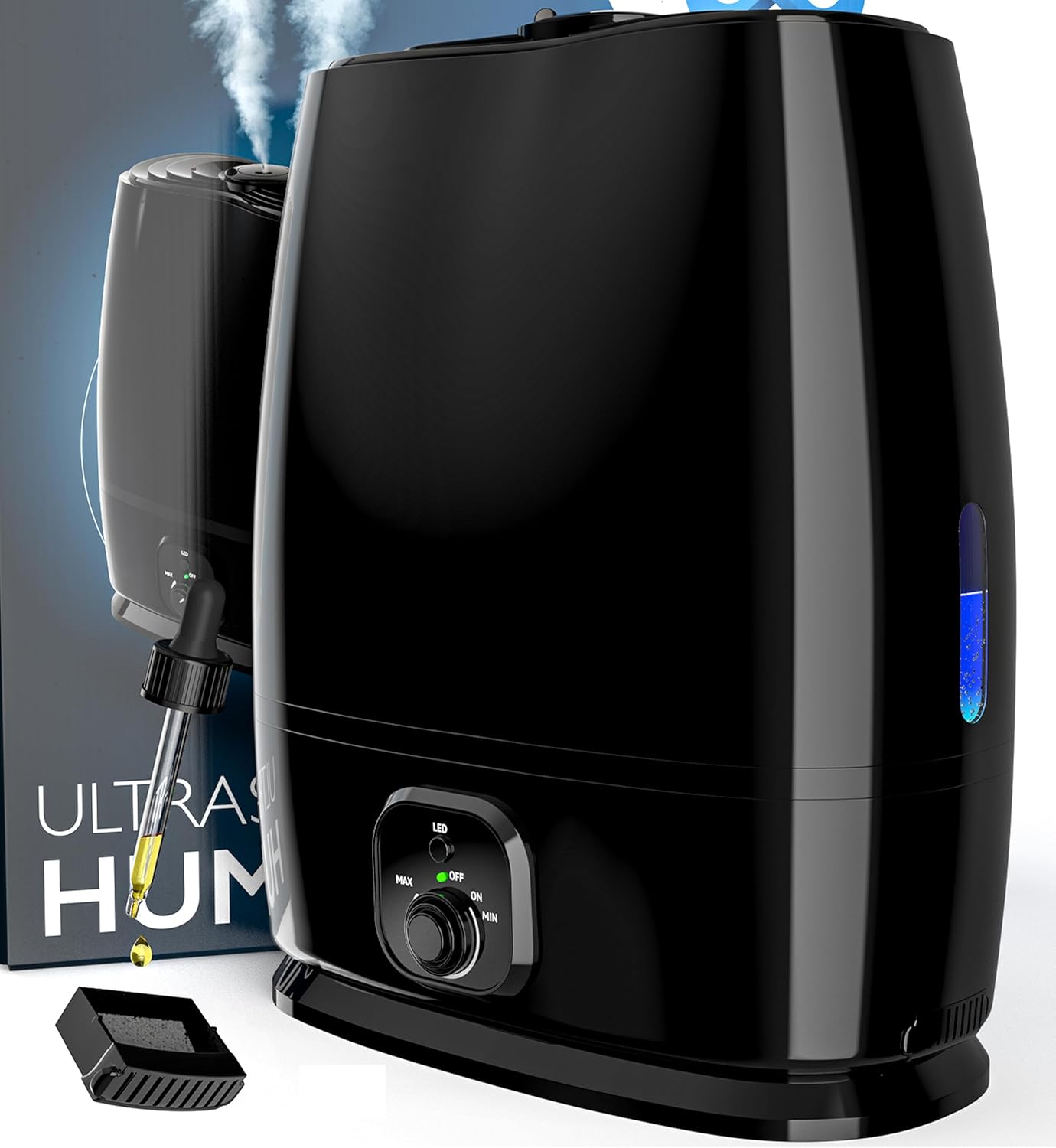
A good humidifier is a game-changer for that dry, scratchy air that makes everything worse. This is a popular, easy-to-clean cool-mist model that helps you breathe easier while you rest.
2. NeilMed Sinus Rinse All-in-One Bottle Kit:

If you’re feeling that awful sinus pressure, this is how you physically flush out all that gunk. It feels weird the first time, but it’s incredibly effective for clearing your head. Just remember the warning: only use distilled or boiled-and-cooled water.
3. Cold-EEZE Zinc Lozenges (Cherry Flavor):
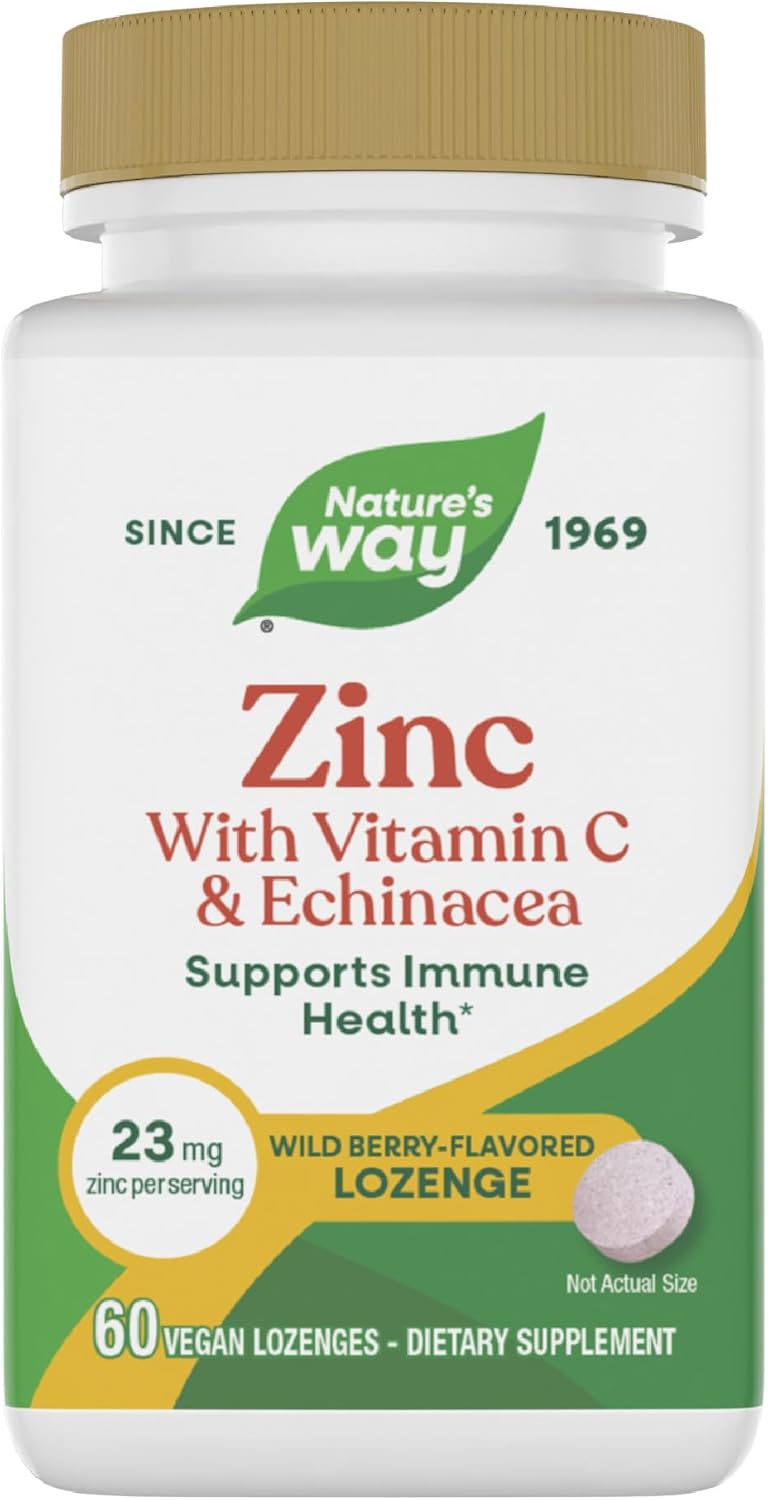
This is for that critical 24-hour window. The science points to zinc gluconate (which is the active ingredient here) to shorten a cold, so having these on hand before you get sick is the key.
4. Traditional Medicinals Organic Throat Coat Tea:

For that raw, scratchy throat, this stuff is a lifesaver. It’s not just warm water; it has ingredients like slippery elm that are demulcents, meaning they actively coat and soothe your throat.
5. Wedderspoon Raw Manuka Honey (KFactor 12):

If you’re going to use honey for its cough-suppressing power, you might as well use a high-quality one. This raw Manuka honey is potent and great to add to that Throat Coat tea or just take by the spoonful.
Your “Sick Day” Exit Strategy: When to Fold and Call the Doctor
This playbook is for managing an uncomplicated case of the common cold. It’s essential to know when to stop self-treating and call a professional.
The 4-Habit Playbook (At-a-Glance Summary)
- HABIT 1: SLEEP: Treat it like medicine. Your immune system (cytokines, T-cells) works the night shift.
- HABIT 2: HYDRATE (SMART): Focus on water, broth, and herbal tea to thin mucus. Ditch the coffee and alcohol.
- HABIT 3: INTERVENE (FAST): If within 24 hours of onset, use >75mg zinc lozenges. Use honey for coughs (except for children <1).
- HABIT 4: CONTROL ENVIRONMENT: Use a clean humidifier to support your body’s cilia and a safe saline rinse (with sterile water) to physically wash out the virus.
Table: Is It “Just a Cold” or the Flu?
Distinguishing between a cold and the flu is critical, as the flu can be serious. The flu usually hits you like a truck, while a cold creeps up.
| Symptom | Common Cold | Flu |
| Onset | Gradual [57] | Abrupt [57] |
| Fever | Rare [57, 58] | Usually, intense [57] |
| Aches | Slight [57] | Usually, intense [57] |
| Chills | Uncommon [57] | Fairly common [57] |
| Fatigue | Sometimes, mild [57] | Usual, intense [57] |
| Stuffy Nose | Common [57] | Sometimes [57] |
| Headache | Rare [57] | Usually, often high [57] |
Red Flags: When to Call Your Health Provider
Stop self-care and get professional medical advice if you experience any of the following.
For Adults:
- Symptoms last more than 10 days or suddenly get worse.
- Fever greater than 101.3°F (38.5°C) that lasts more than 3 days.
- A fever that returns after a fever-free period (this can signal a secondary infection).
- Shortness of breath or wheezing.
- Intense or severe sore throat, headache, or sinus pain.
For Children:
- Any fever of 100.4°F (38°C) or higher in a newborn (0-12 weeks). Don’t wait. Call.
- A rising fever or a fever lasting more than 2 days in a child of any age.
- Symptoms of ear pain.
- Unusual fussiness or drowsiness.
- Trouble breathing.
Conclusion: Take Back Your Week
The 7-to-10-day timeline of a common cold is a biological process, not a mandate. While no “cure” exists, you are not powerless. Recovery speed is determined by the environment in which your immune system must fight.
The habits outlined in this report provide a clear, evidence-based strategy. They represent a shift from sabotaging recovery (through dehydration, sleep deprivation, and “powering through”) to actively supporting it. By providing your body with optimal rest, smart hydration, and a controlled environment—and by deploying targeted, time-sensitive interventions like zinc—you can give your immune system the tools it needs to win the fight more efficiently.